

The Art of Abandonment (2026)
June 8–July 1, 2026
Every abandoned place was once important to someone.
The Art of Abandonment brings together photographs of forgotten structures, overlooked objects, and landscapes shaped by time. Factories fall silent, homes stand empty, businesses close, and possessions are left behind, yet traces of human presence remain. Rather than documenting ruin alone, these photographs explore memory, change, and the passage of time. They ask us to look beyond decay and consider the lives, histories, and experiences embedded within the spaces we leave behind. Through photography, these fleeting remnants are preserved, transforming absence into something visible once again.
Featured Artists
Diego Antonio Allende, Patricia Bean, Christine Barrett, Thomas Bradley, Peter Riggs Brown, Tim Bryan, David Cayeros, Julia Corren, Donna Cyr, Mark Dierker, Simone Emerich, Jeffrey Fischer, Jessica Fiume, Alexandra Foster, Kent Flora, Steve Gelineau, Lenore Hamel, Doug Hjelmstad, Stacia Hollmann, John Kaminski, Spencer Kenney, David Kelm, Matt Lambros, Catherine Lee-Smith, Shawn Loseke, Sonia Melnikova-Raich, Rusi Mchedlishvili, John Morris, Arthur Nager, Rodolfo Pimentel, Richard Schramm, Kerry Sclafani, Rebecca Skinner, Michelle Summers, John Verner, Allen Washatko, Ray Weston, Jason Woodcock, Ricky Workman, Beamie Young
What Gets Left Behind Is Not Random
The objects remaining in an abandoned building describe the manner of the leaving. A planned departure takes the documents, the photographs and the good furniture. An eviction leaves clothes in drawers. A death with no heirs leaves everything, including the correspondence. A bankruptcy leaves the machinery, because the machinery could not be sold. The forty-two works in this edition, credited between 1972 and 2026 by forty photographers, are readable in these terms, and reading them that way is more informative than reading them as pictures of decay.
The Hierarchy of Abandonment
There is a consistent order to what people take. Money, documents and photographs go first; small valuables next; then anything easily carried and easily sold. What stays is heavy, worthless, or too intimate to handle — mattresses, filing cabinets, institutional records, children's drawings, medicine. A photographer who understands that hierarchy can characterise a departure from a single room, and can distinguish a site that was emptied from one that was fled. It also explains why institutional buildings are so much richer as subjects than houses: institutions cannot take their paperwork with them.
Photographing Other People's Papers
Abandonment photography routinely places legible personal information in the frame: names on files, addresses on envelopes, diagnoses on charts, faces in family albums. The material is physically abandoned but not ethically neutral, and the people described in it are frequently identifiable and sometimes still living. The genre has no settled convention here. Some photographers frame to exclude legible text, some work at distances where it cannot be resolved, some crop and some do not, and the decision is invisible in the finished print. It is nonetheless the most consequential choice most photographers in this field make.
Withholding the Location
The standard practice of not naming sites exists for good reasons: identified locations attract traffic, and traffic accelerates vandalism, theft and injury. The cost is borne by the record. A photograph without a place is a much weaker document — hard to date, impossible to corroborate, and of limited use to anyone later trying to establish what a building contained. Some photographers resolve this by depositing full location data with an archive while publishing without it, which preserves the evidence and delays the harm.
Rewilding Is Not Restoration
Abandoned land greens quickly, and this is easily mistaken for recovery. What actually colonises these sites is a narrow set of pioneer species tolerant of compacted, contaminated ground: buddleia, birch, willow, ragwort, ailanthus. Beneath them the soil frequently holds hydrocarbons, lead, asbestos fragments and demolition rubble. The photographs here that show vegetation reclaiming a structure are documenting a succession rather than a healing, and the visual pleasure of the green is not evidence of anything except that some plants are very tolerant.
Why the Theme Recurs
Abandonment briefs return because the subject has a long tail: works in this catalog span more than fifty years, and the same building photographed decades apart produces a record no single visit could. TCG Gallery is an independent online photography gallery, and each juried exhibition remains part of a permanent public archive after its run ends, so these catalogs accumulate into a longer record than any single project. Photographers can enter the current photography open calls directly.
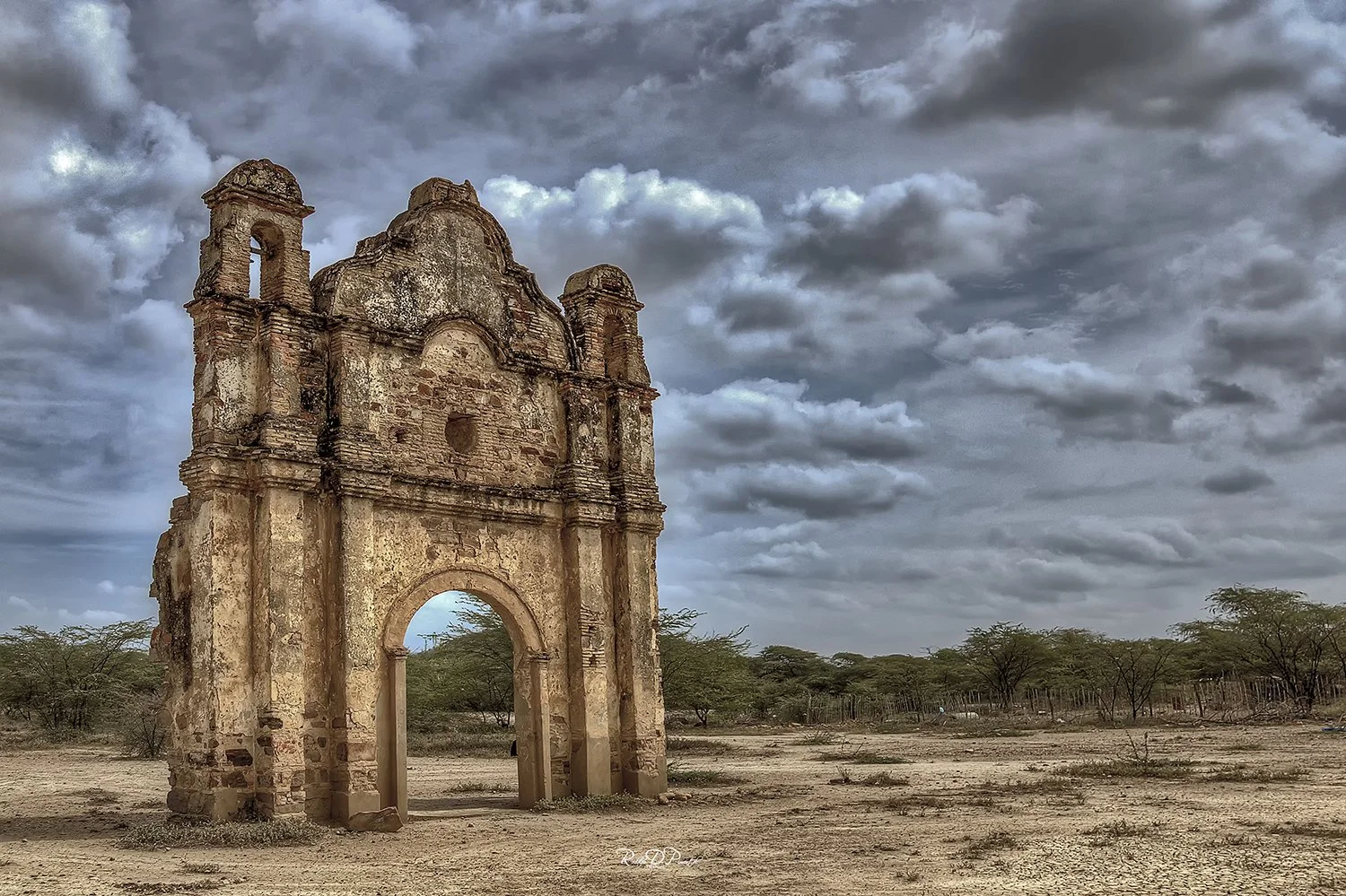
Ruinas de Carora, Archival Print, 90 × 60 cm, 2024, Rodolfo Pimentel, Barquisimeto, Venezuela, USD 359
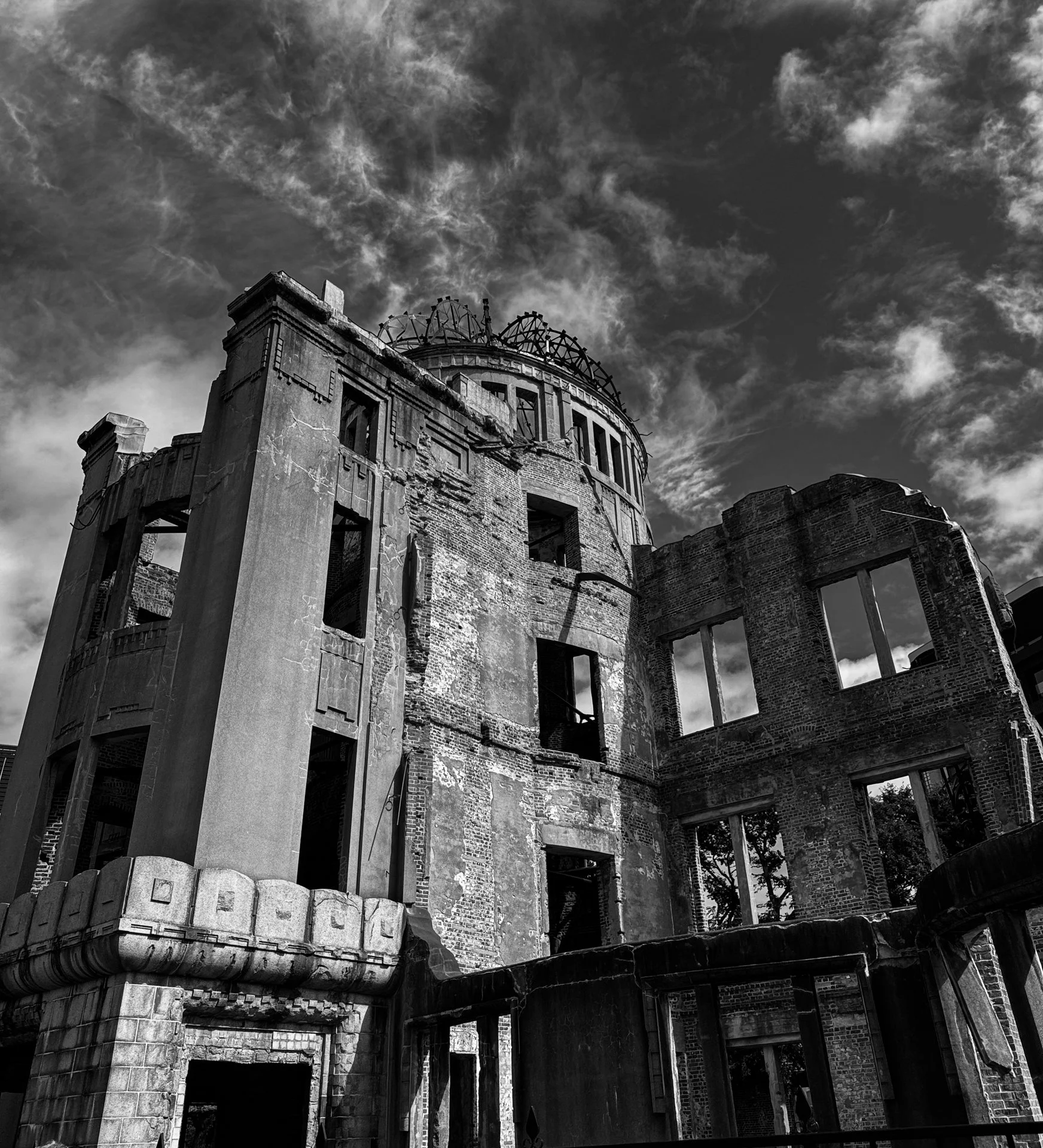
Hiroshima Atomic Bomb Dome, Archival Print, 10 × 13.5 inches, 2025, John Kaminski, Portland, Maine, USD 250
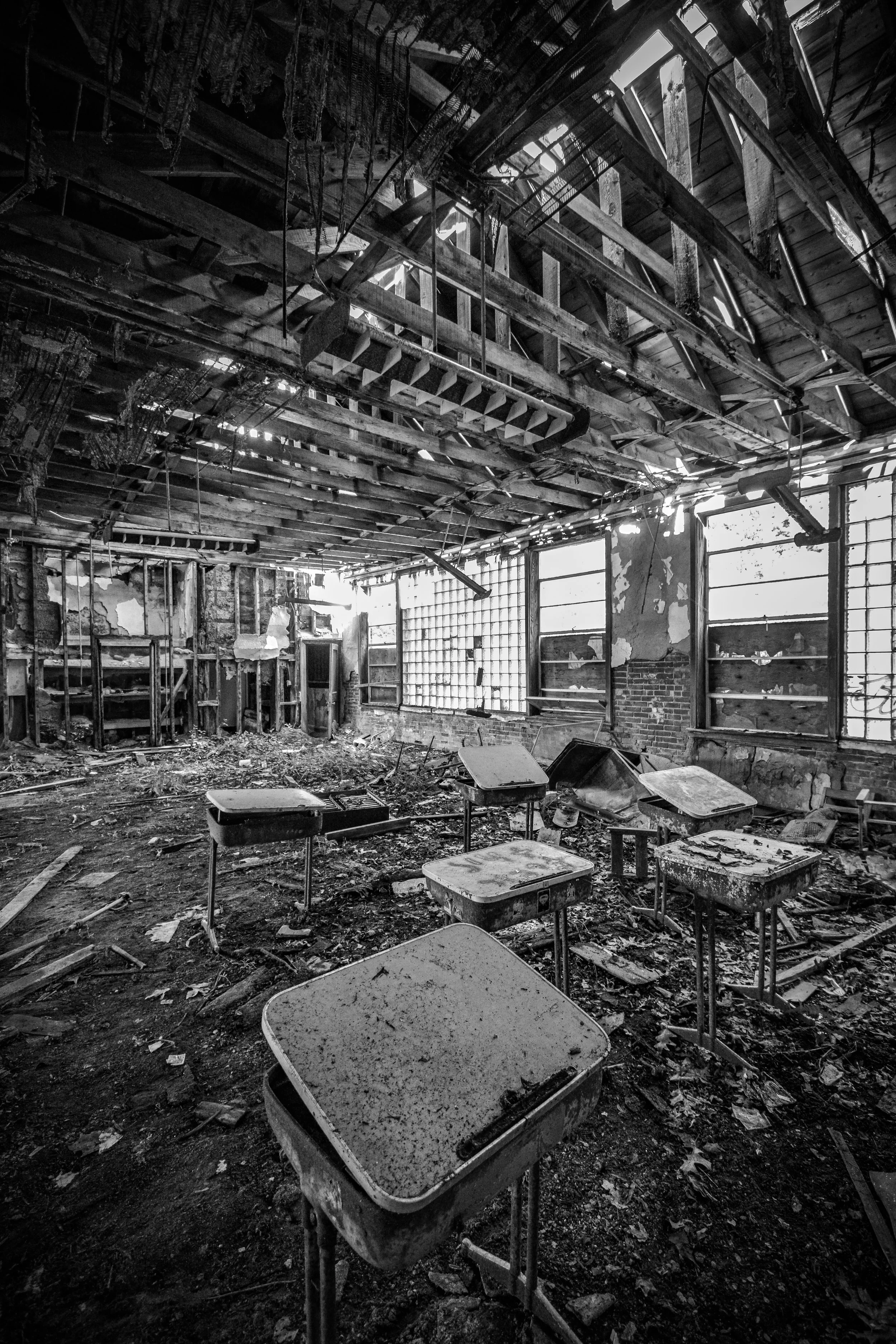
Alumnus, Archival Print, 17.5 × 11.5 inches, 2021, Simone Emerich, North Scituate, Rhode Island, USD 250
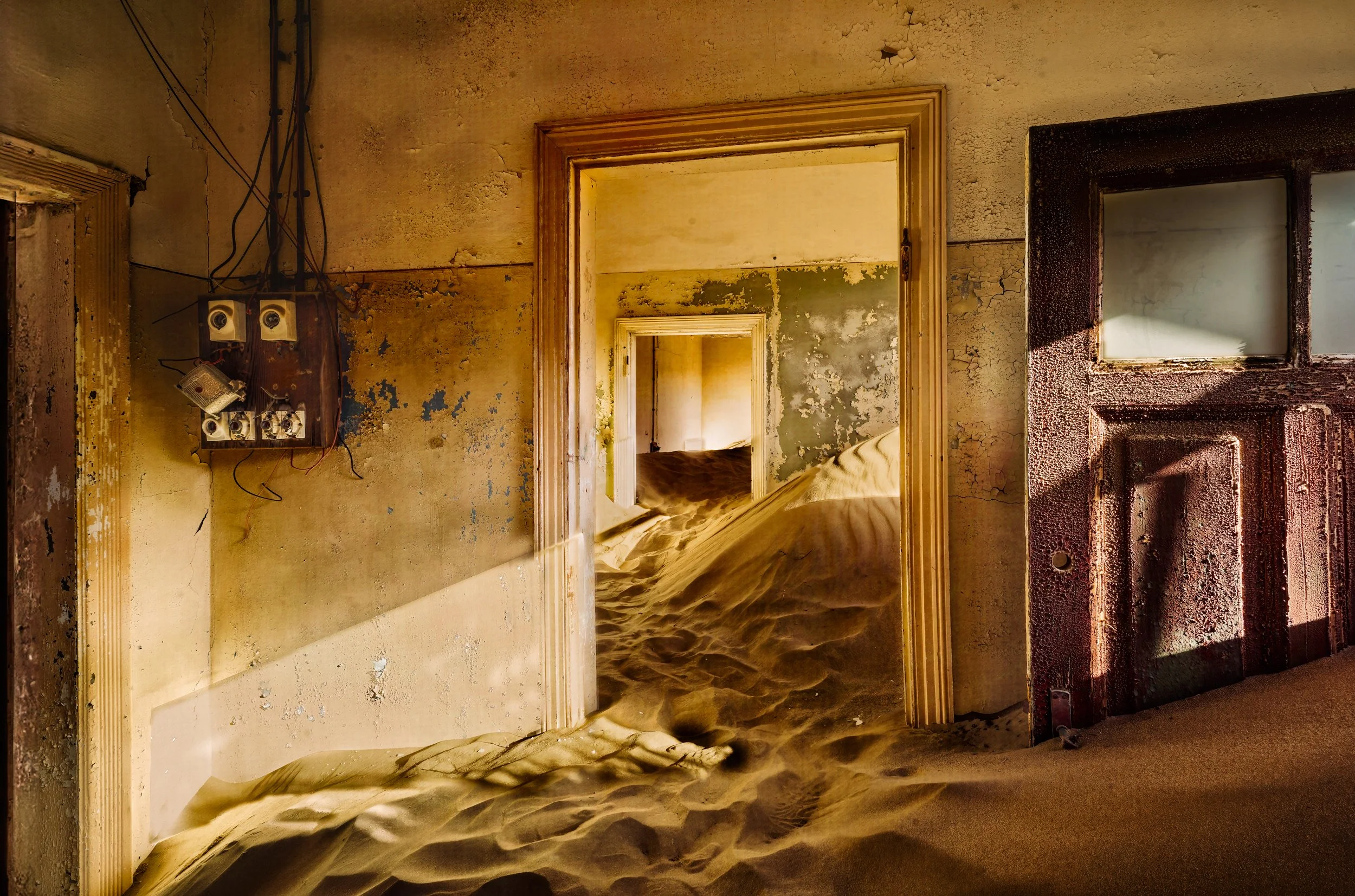
Residence Hallway, Archival Print, 20 × 17.5 inches, 2024, Ricky Workman, Santa Fe, New Mexico, USD 450
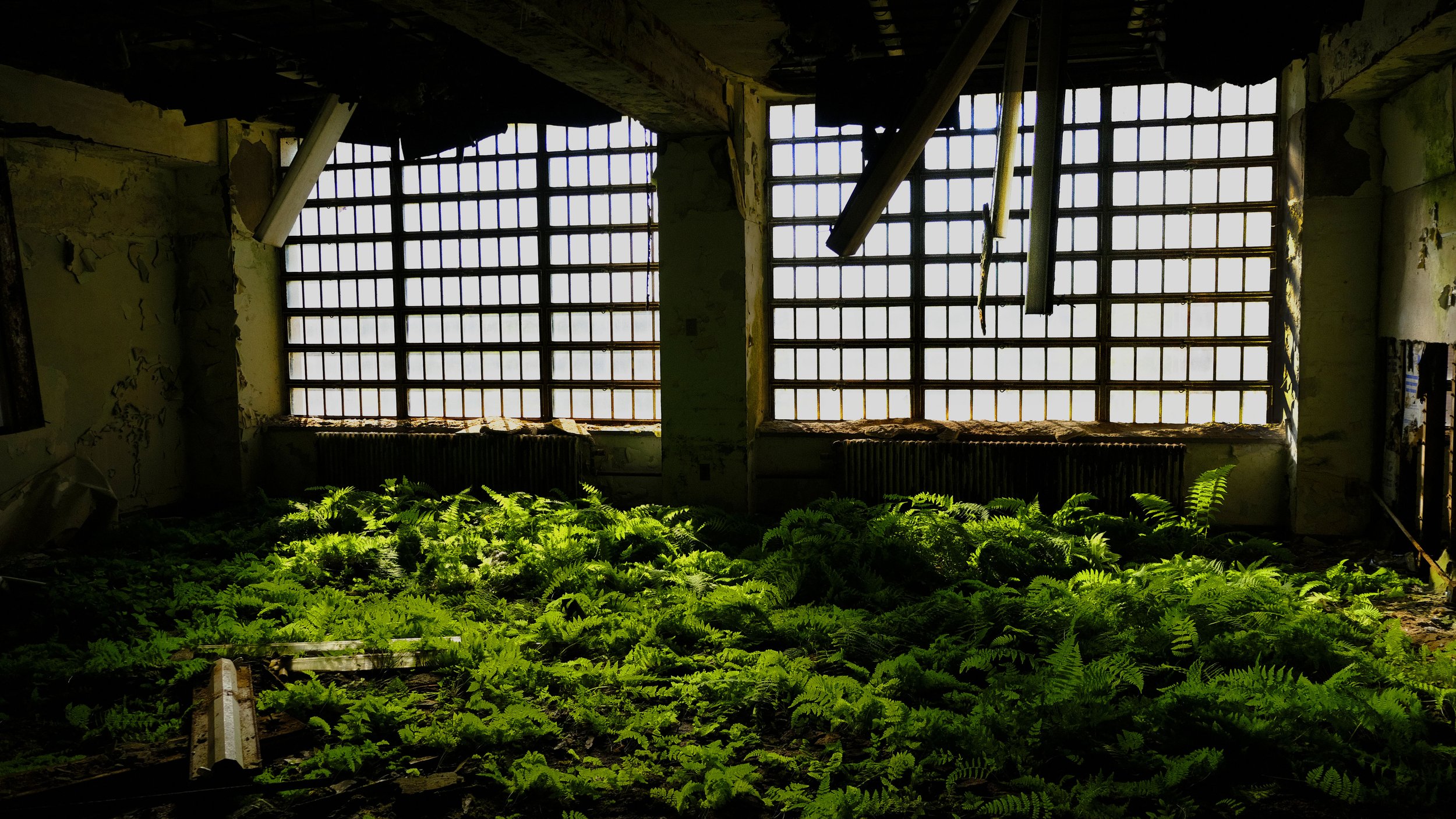
Blackrock Asylum, Archival Print, 16 × 9, 2025, Diego Antonio Allende, Spring, Texas, USD 150
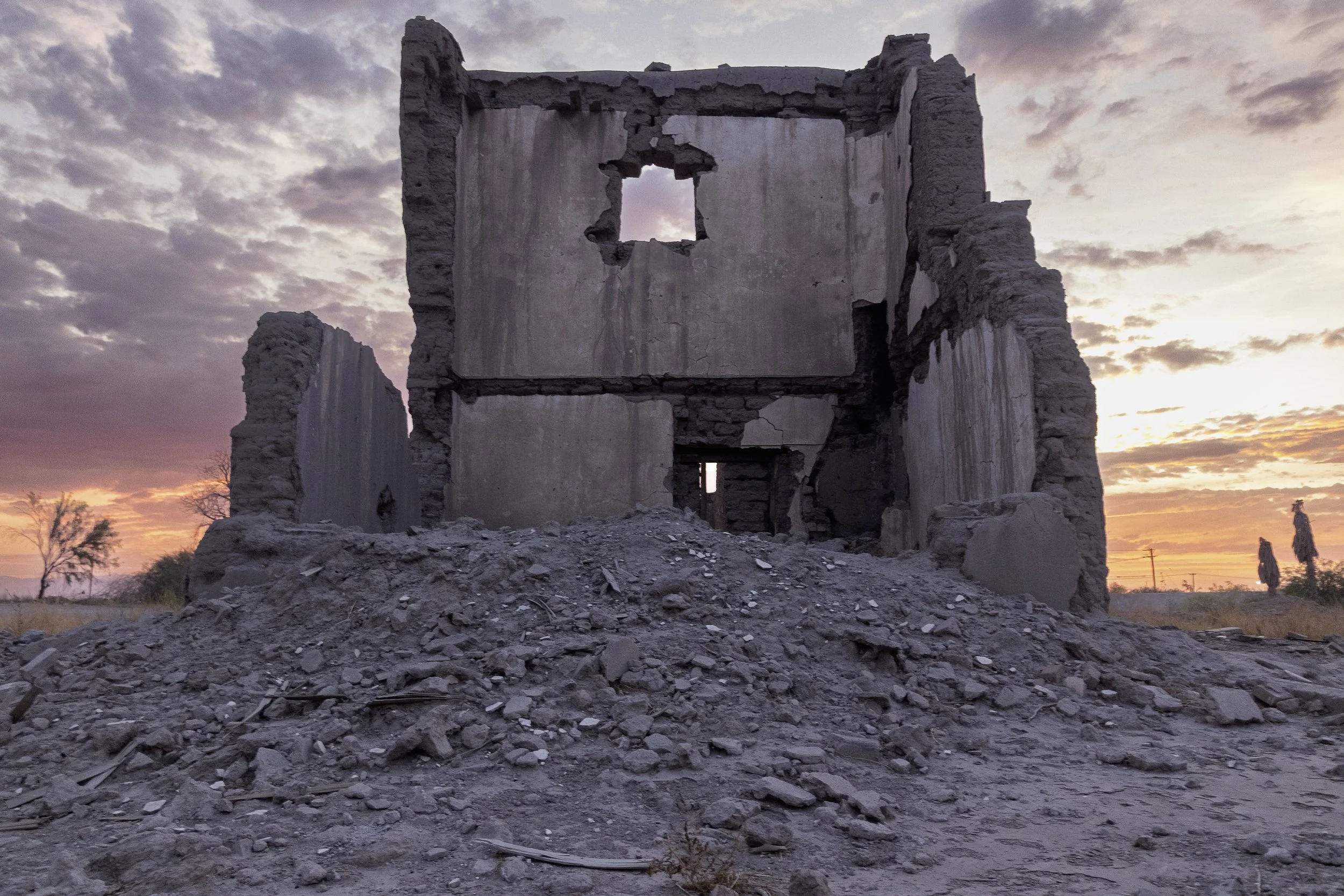
Estas ruinas que ves No. 3, Archival Print (Matte), 28 × 22 inches, 2025, David Cayeros, Coahuila, Mexico, USD 100
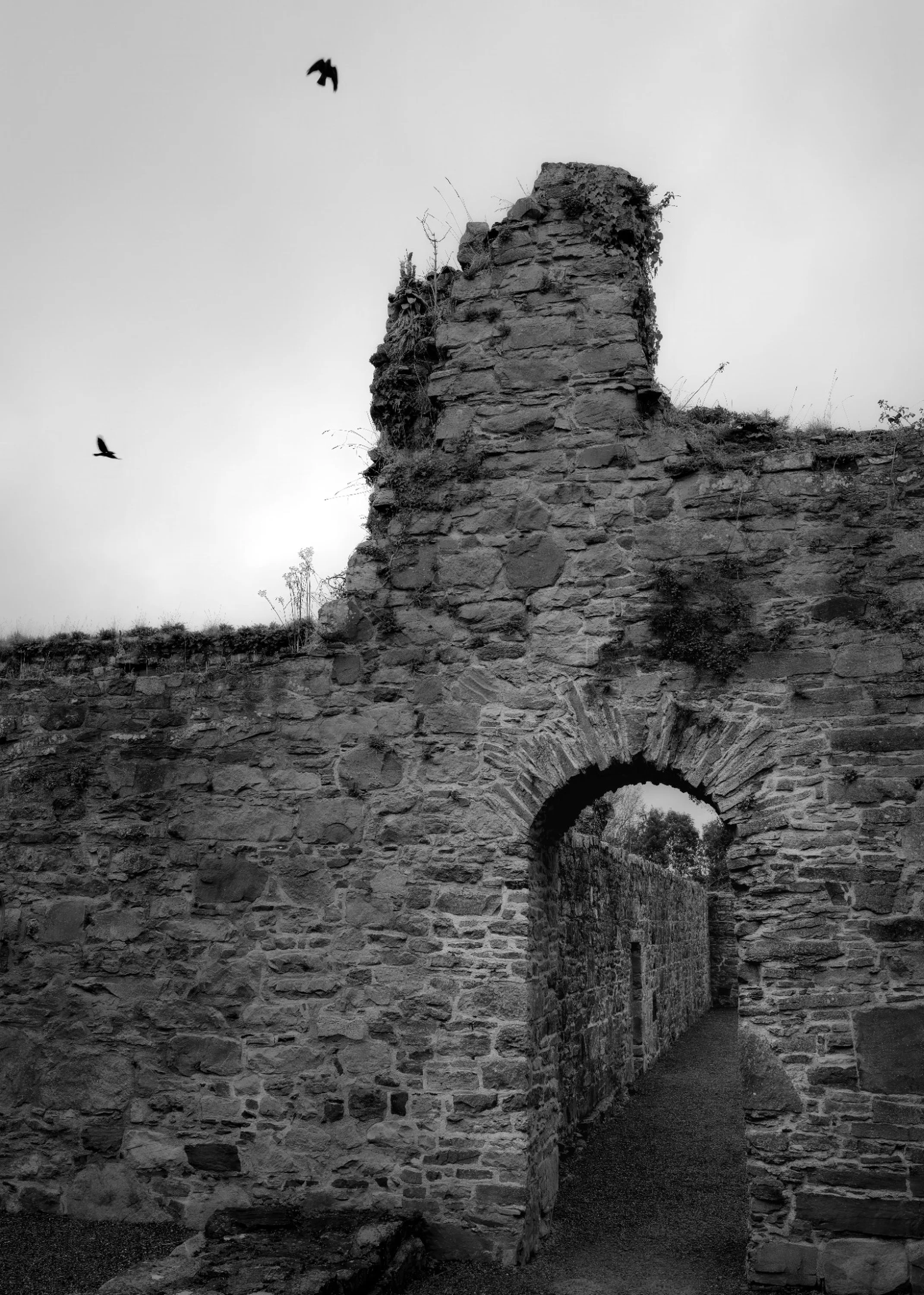
Open Flight, Archival Print, 20 × 18 inches, 2025, Thomas Bradley, Pittsburgh, Pennsylvania, USD 250
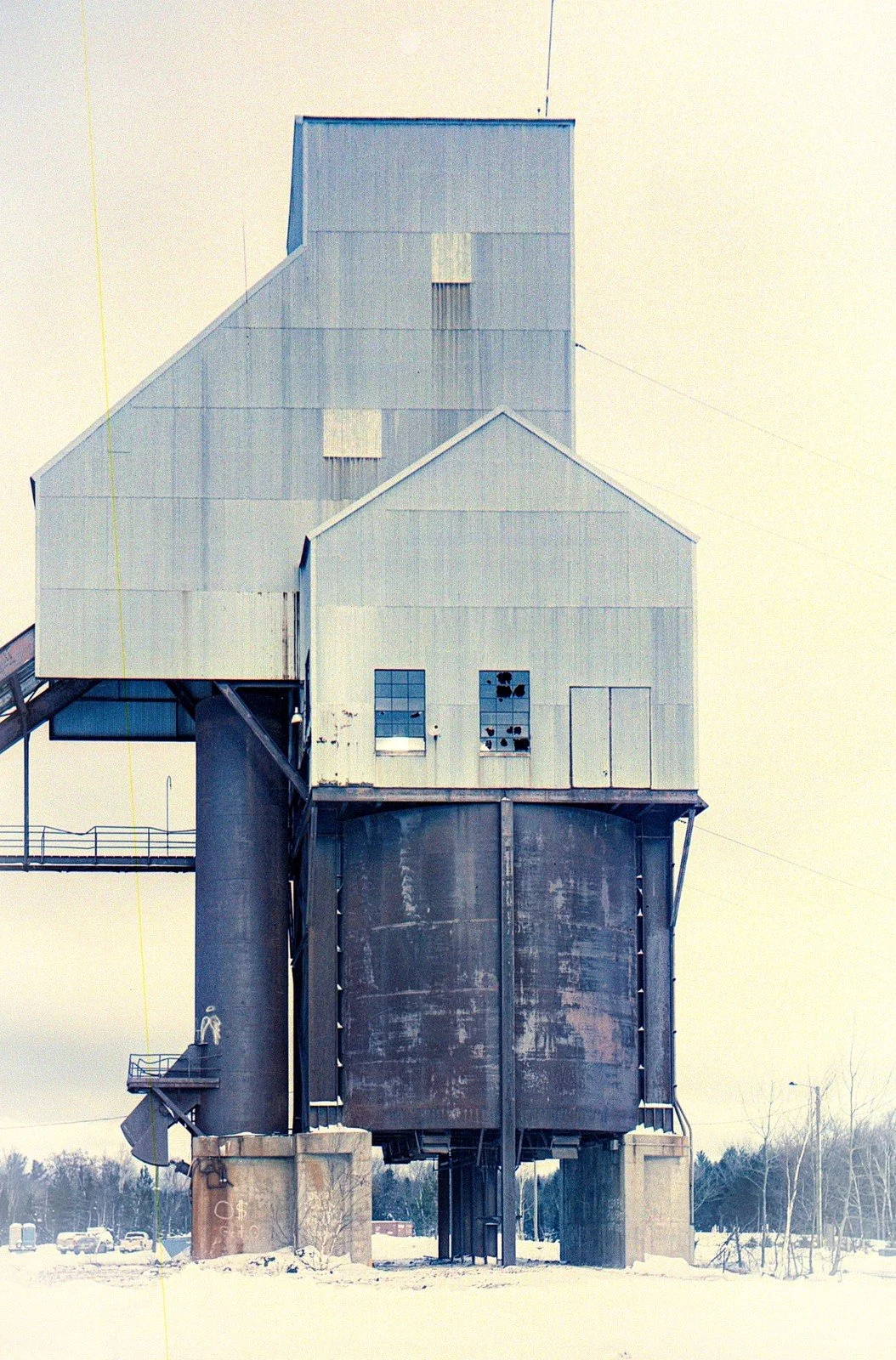
Frozen Mine, Film Photography, 16 × 24 inches, 2025, Jeffrey Fischer, Pinckney, Michigan, USD 250
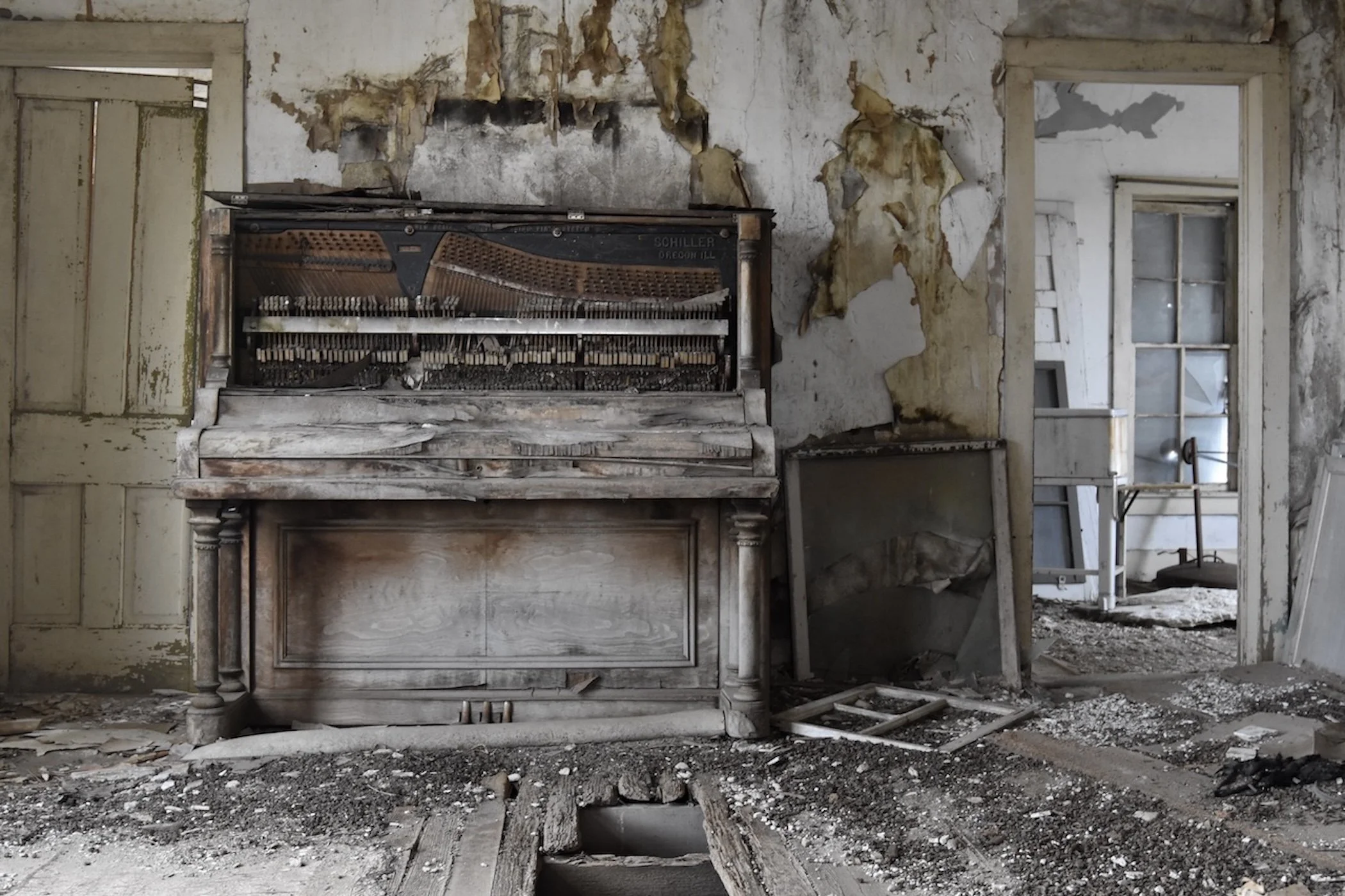
Untitled (Piano), Archival Print, 12 × 8 inches, 2018, Doug Hjelmstad, Gothenburg, Nebraska, USD 150
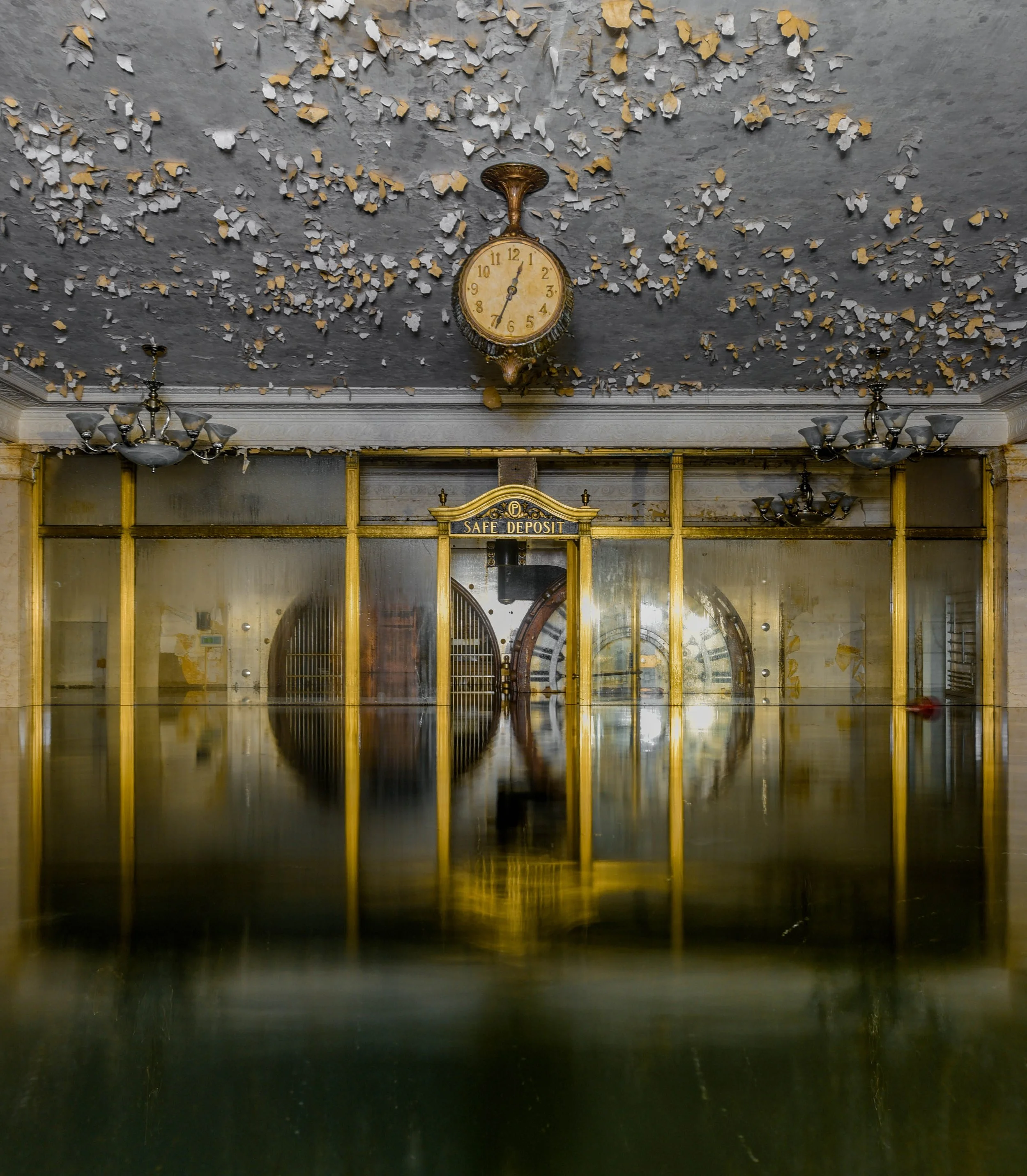
Money Laundry, Archival Print, 11 × 14 inches, 2020, Spencer Kenney, Cincinnati, Ohio, USD 500
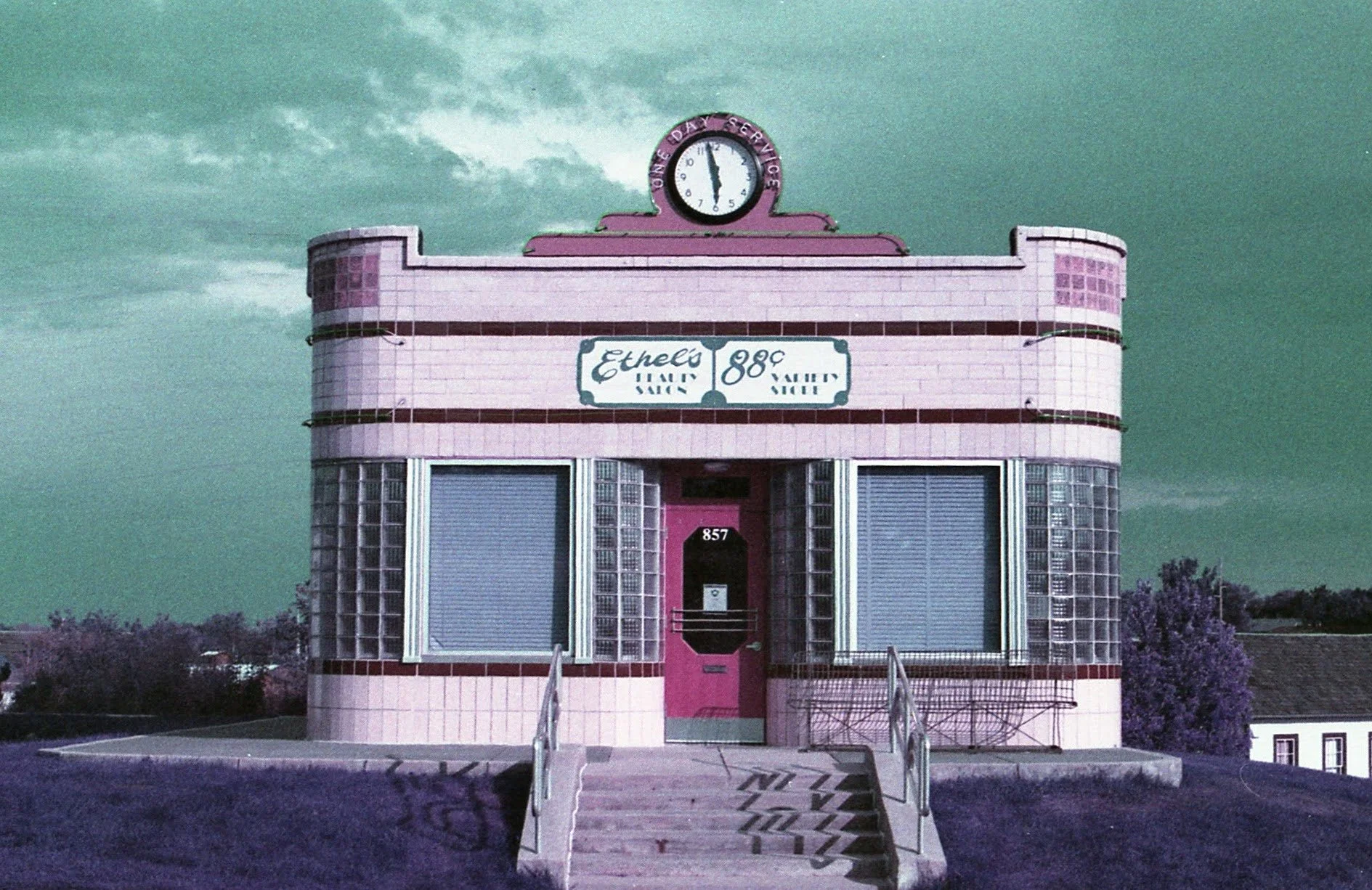
Ethel's Beauty Salon, LomoChrome Purple Film Photograph, Archival Print, 14 × 11 inches, 2020, Alexandra Foster, Denver, Colorado, USD 300
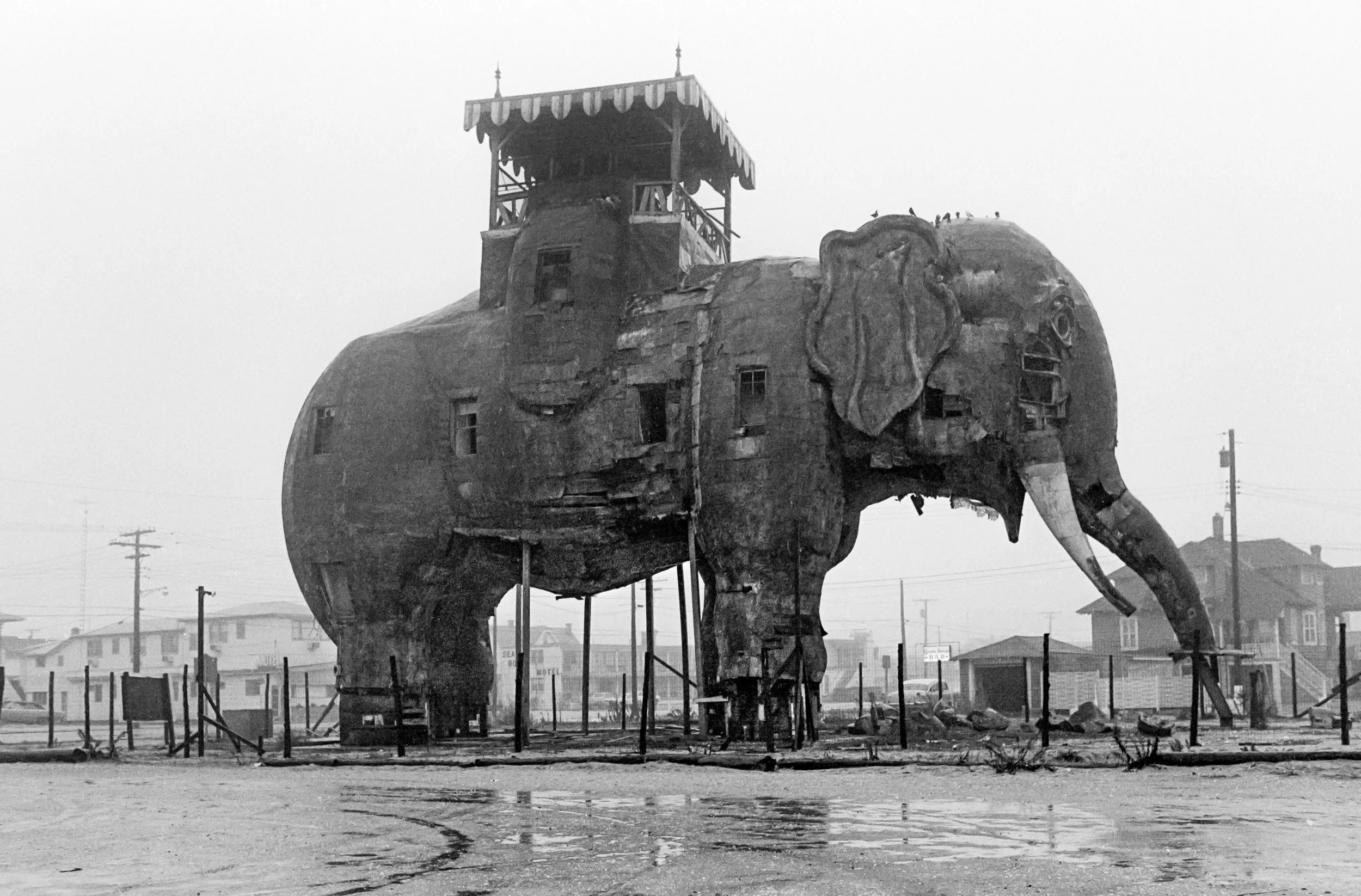
Lucy, Margate City, NJ, Archival Ink Jet Print from Original Film Negative, 24 × 18 inches, 1972, Arthur Nager, Fairfield, Connecticut, USD 1,000
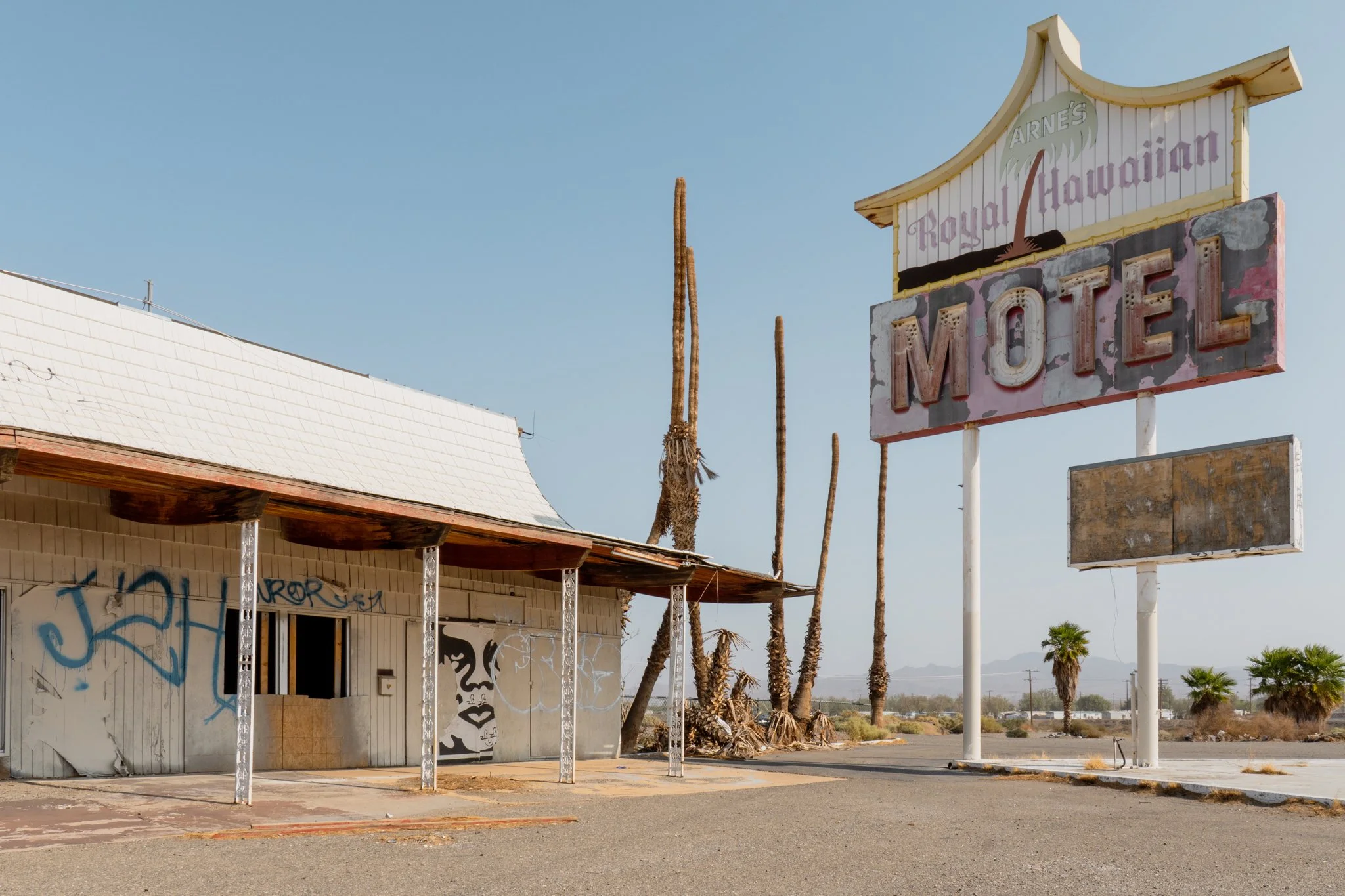
The Royal Hawaiian, Archival Print, 2021, Christine Barrett, Las Vegas, Nevada, USD 150
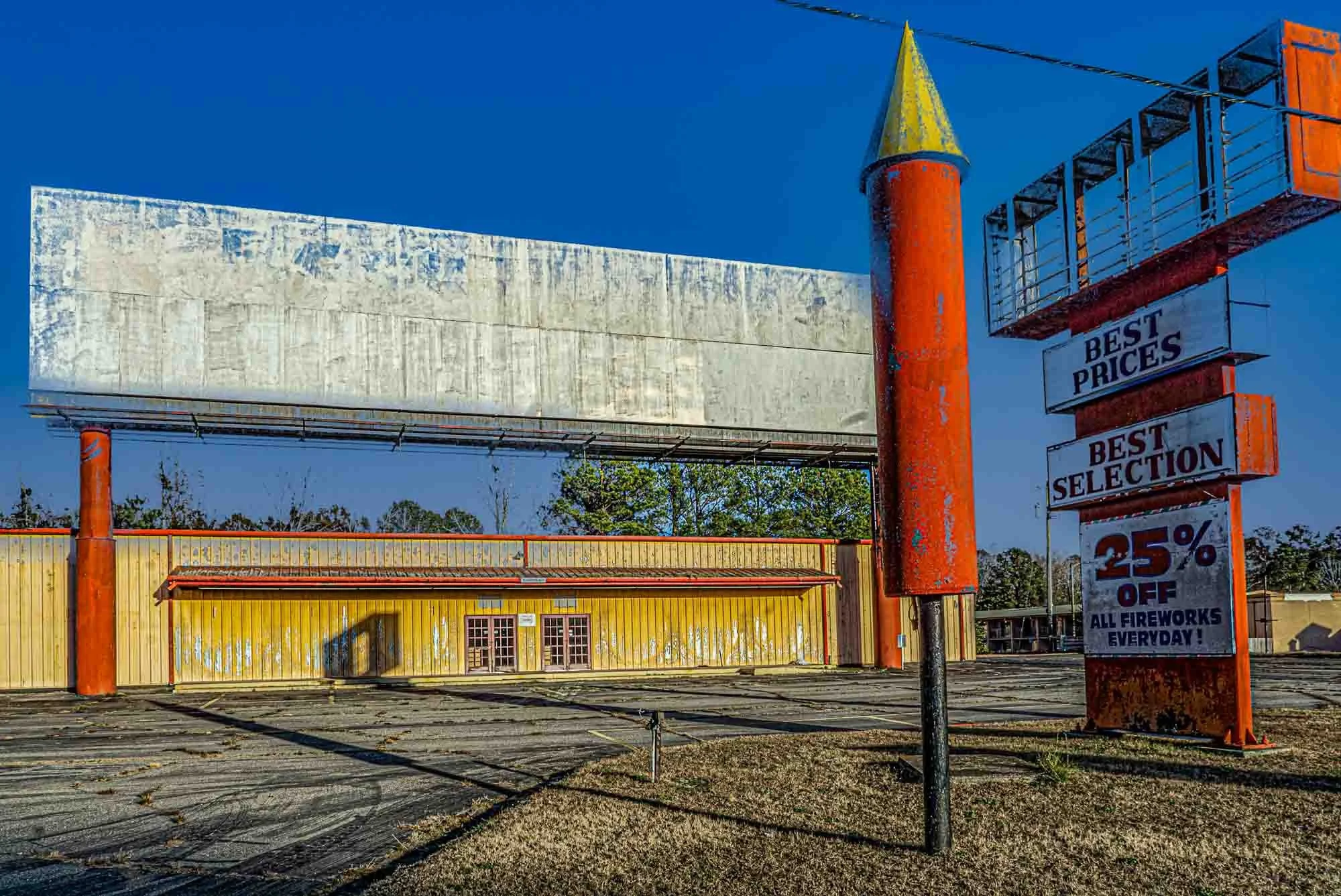
Failure to Launch, Archival Print, 19 × 13 inches, 2025, Richard Schramm, Carrboro, North Carolina, USD 250
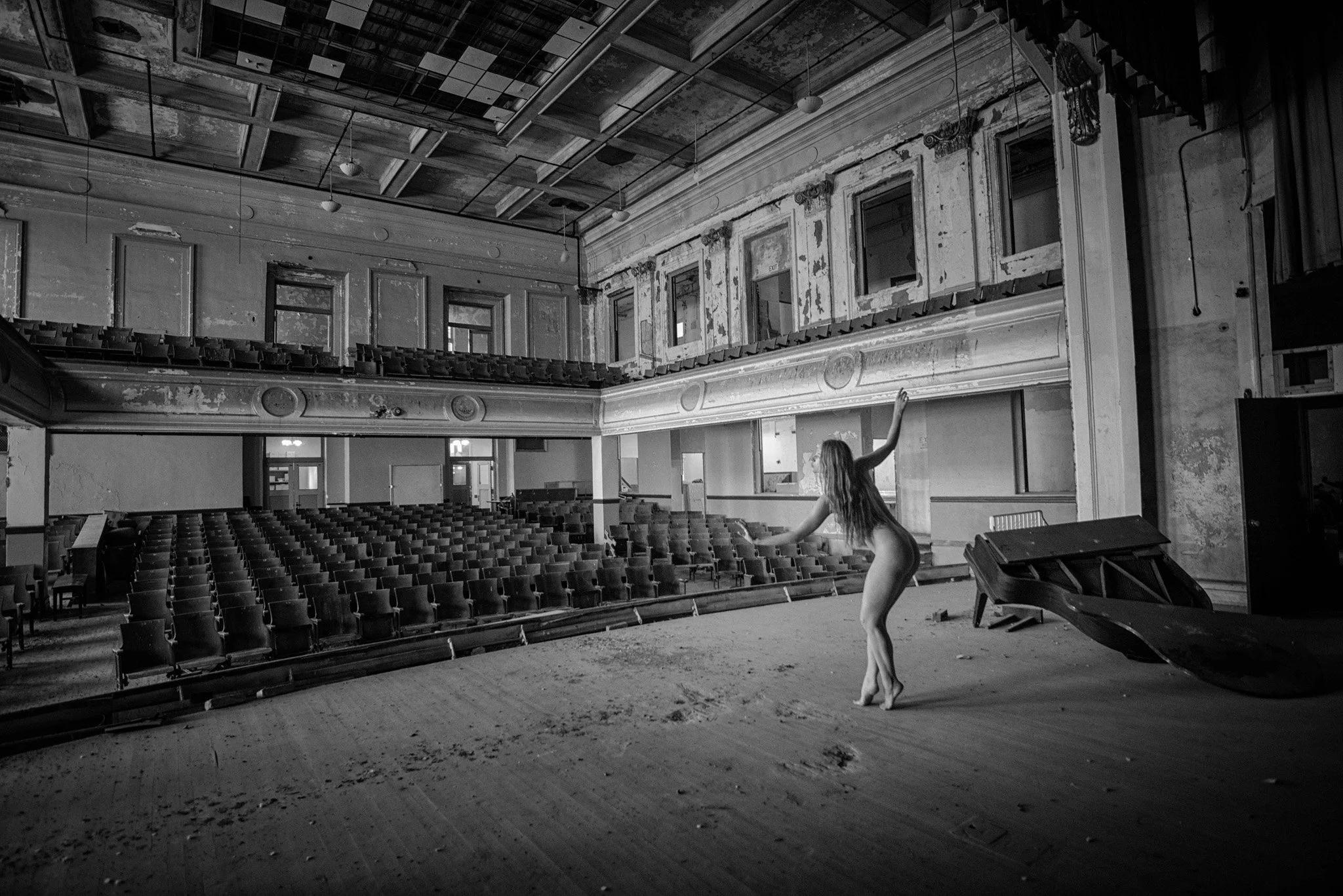
Stage Fright No. 2, Archival Print, 12 × 18 inches, 2021, David Kelm, Louisville, Kentucky, USD 300
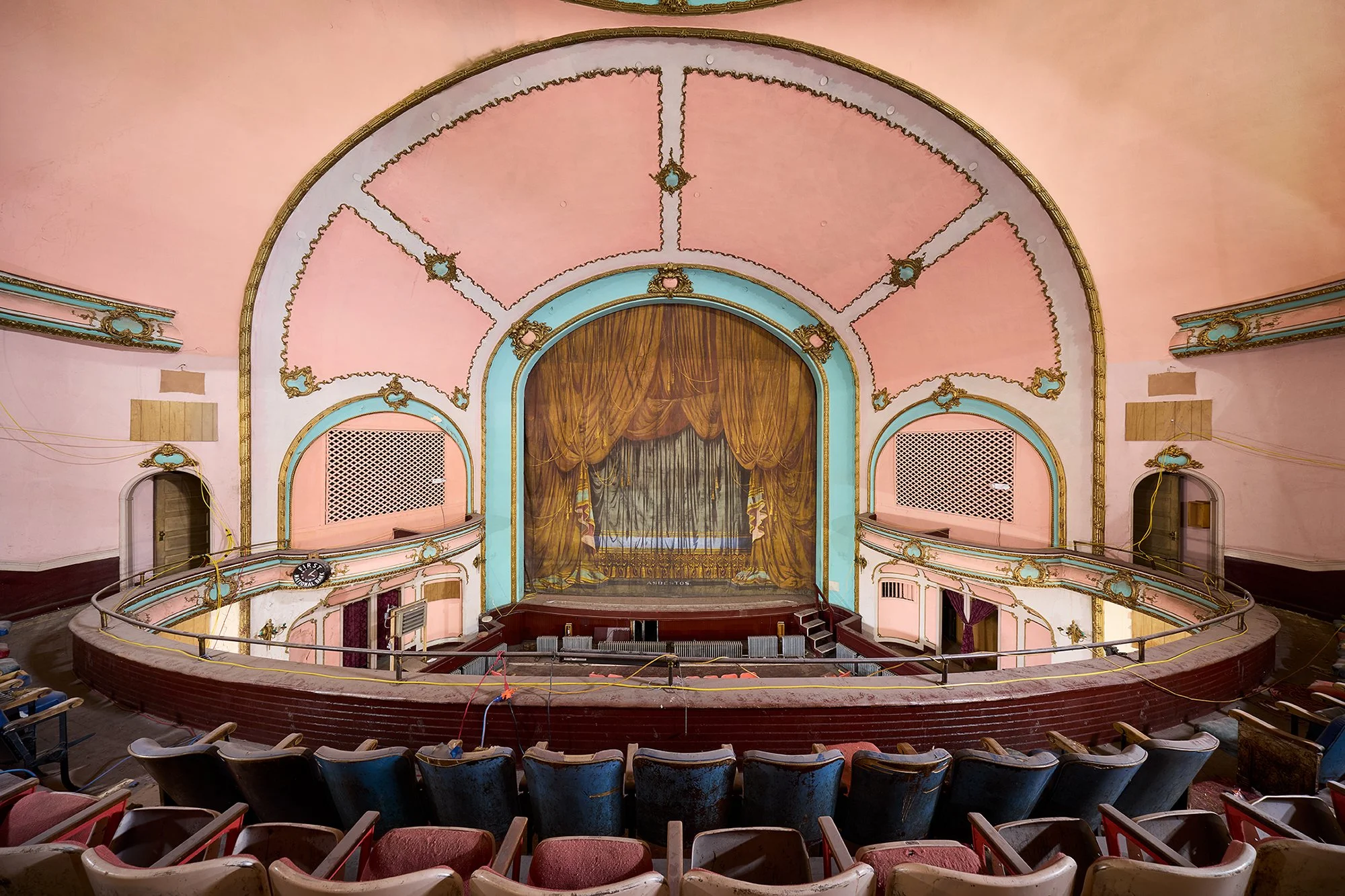
Fox West Theatre, Archival Print, 30 × 20 inches, 2024, Matt Lambros, Boston, Massachusetts, USD 450
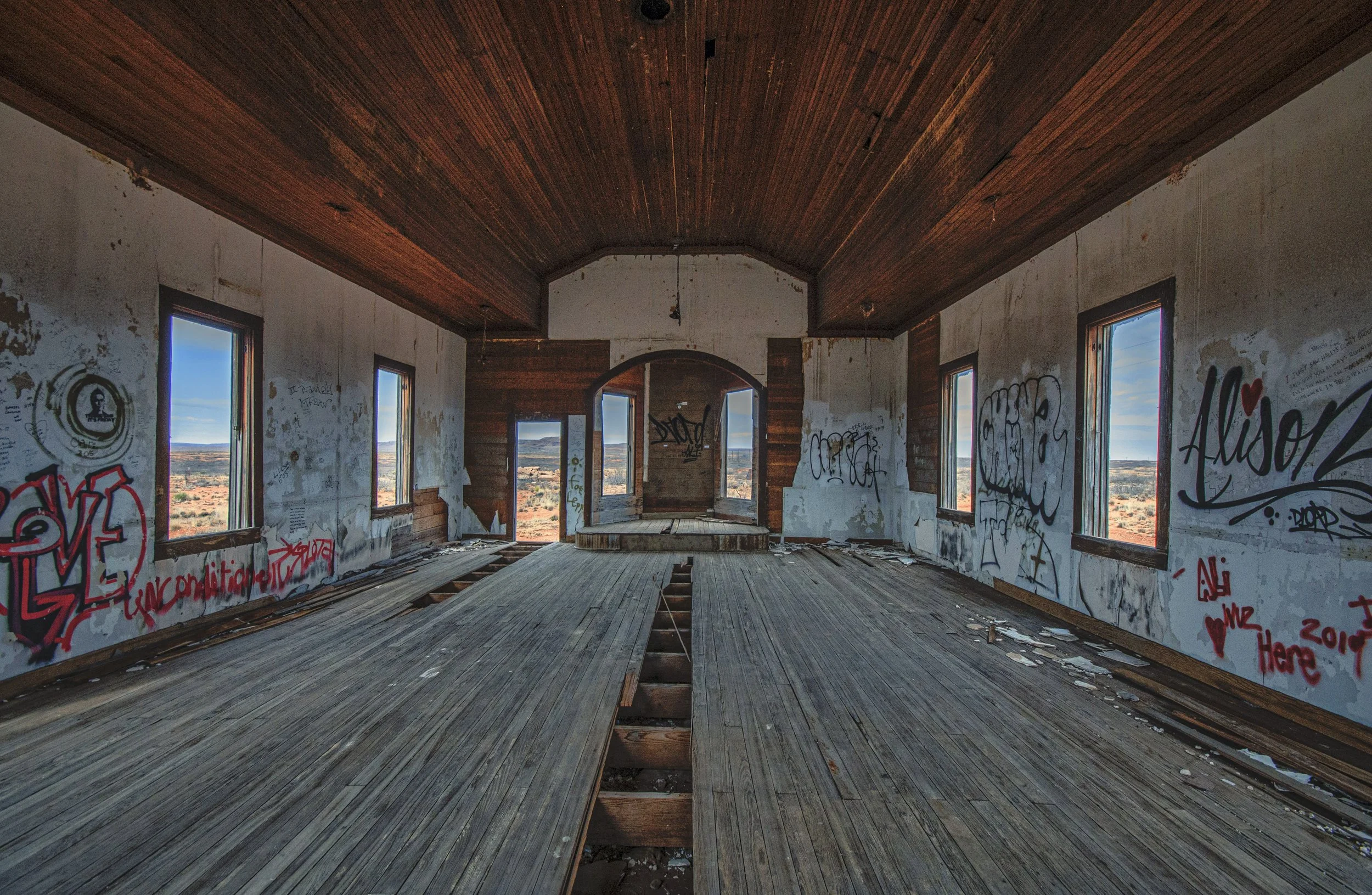
The Desert Remained, Archival Print, 2019, Patricia Bean, Dexter, Oregon, USD 375
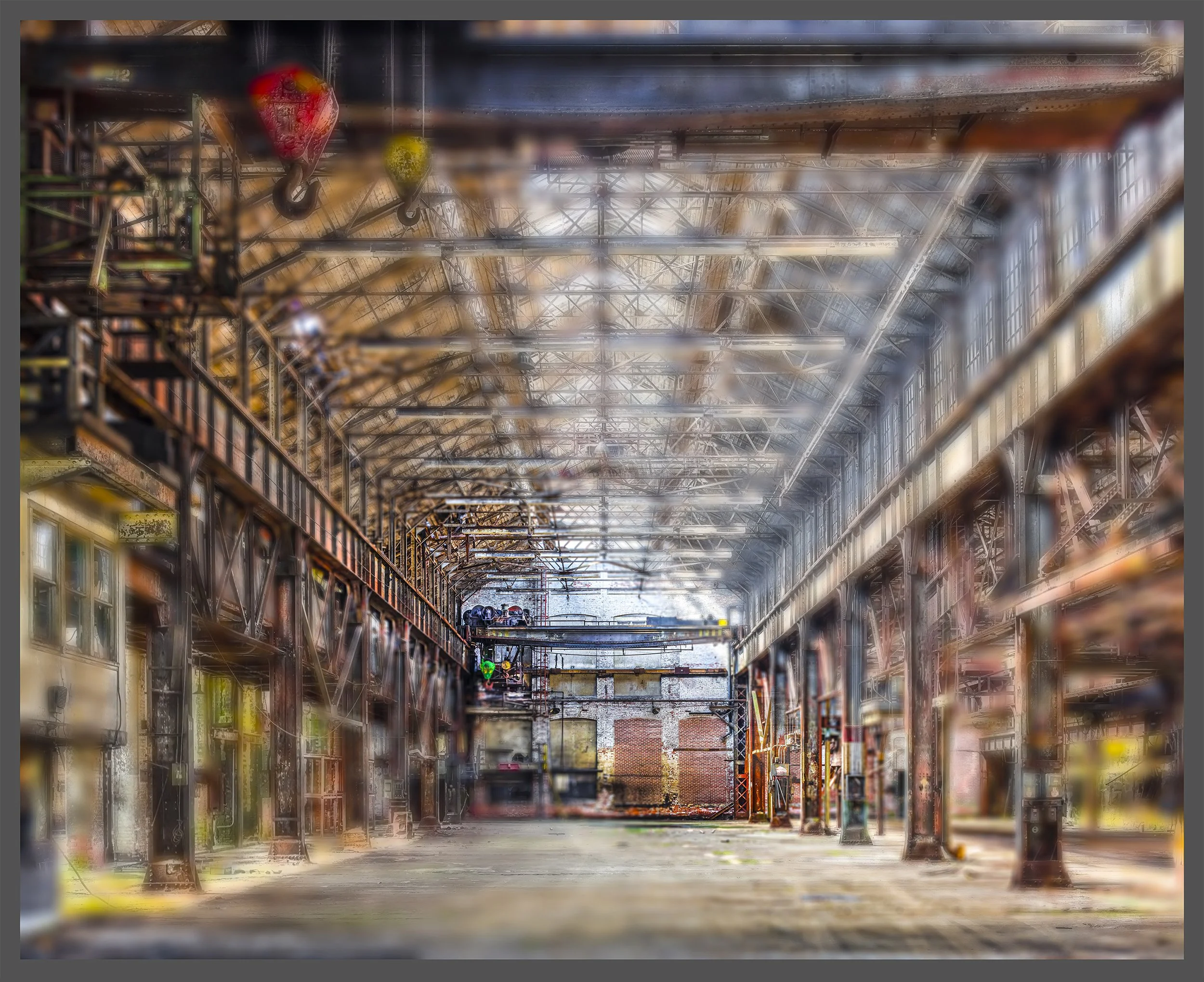
Ansonia Brass, Dye Sublimation Aluminum Metal Print, 30 × 24.5 inches, 2024, Peter Riggs Brown, Pine Meadow, Connecticut, USD 2,800
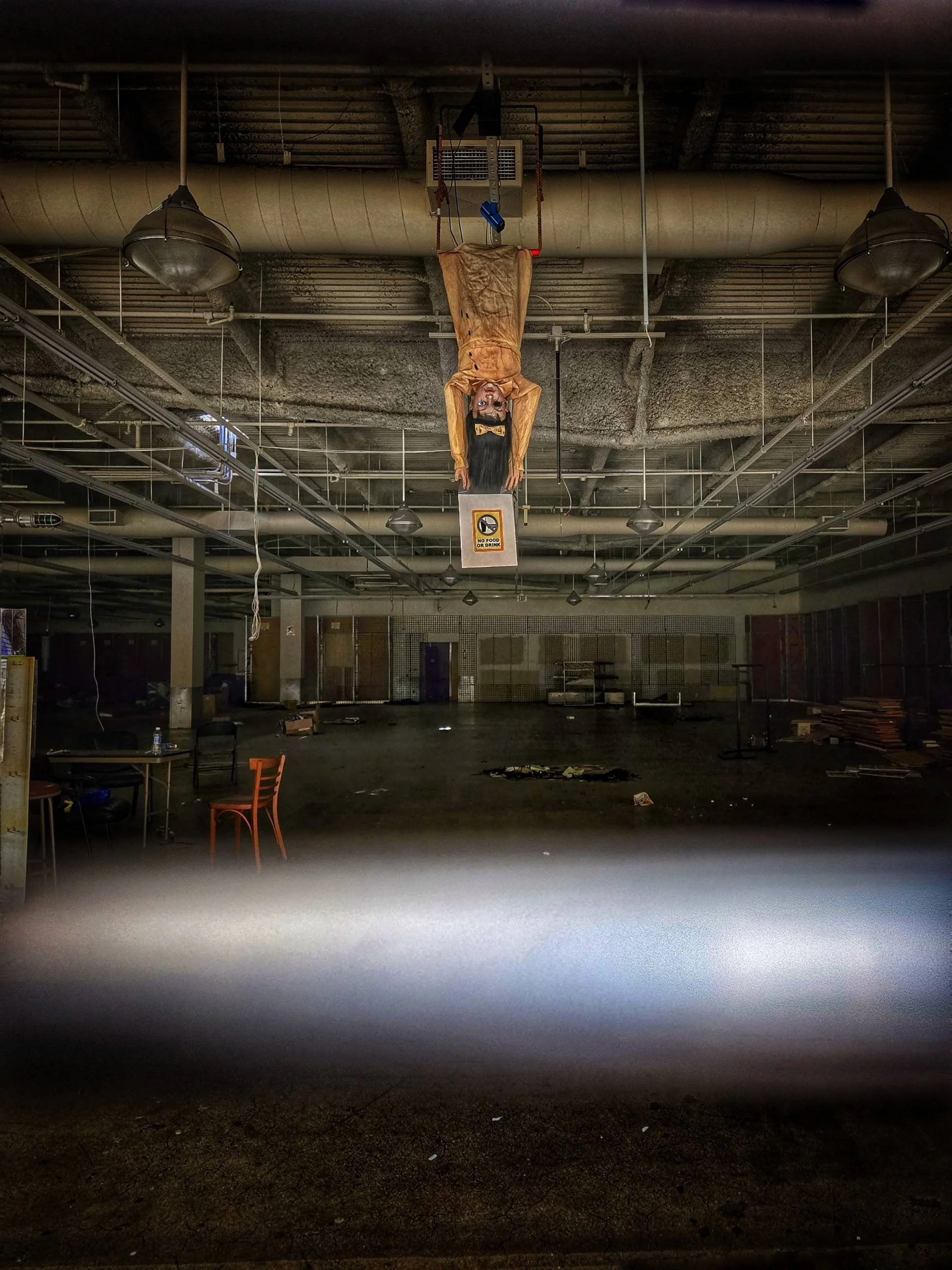
Not even Spirit Halloween will move in here, Archival Print, 14 × 11 inches, 2025, Lenore Hamel, Moreno Valley, California, USD 350
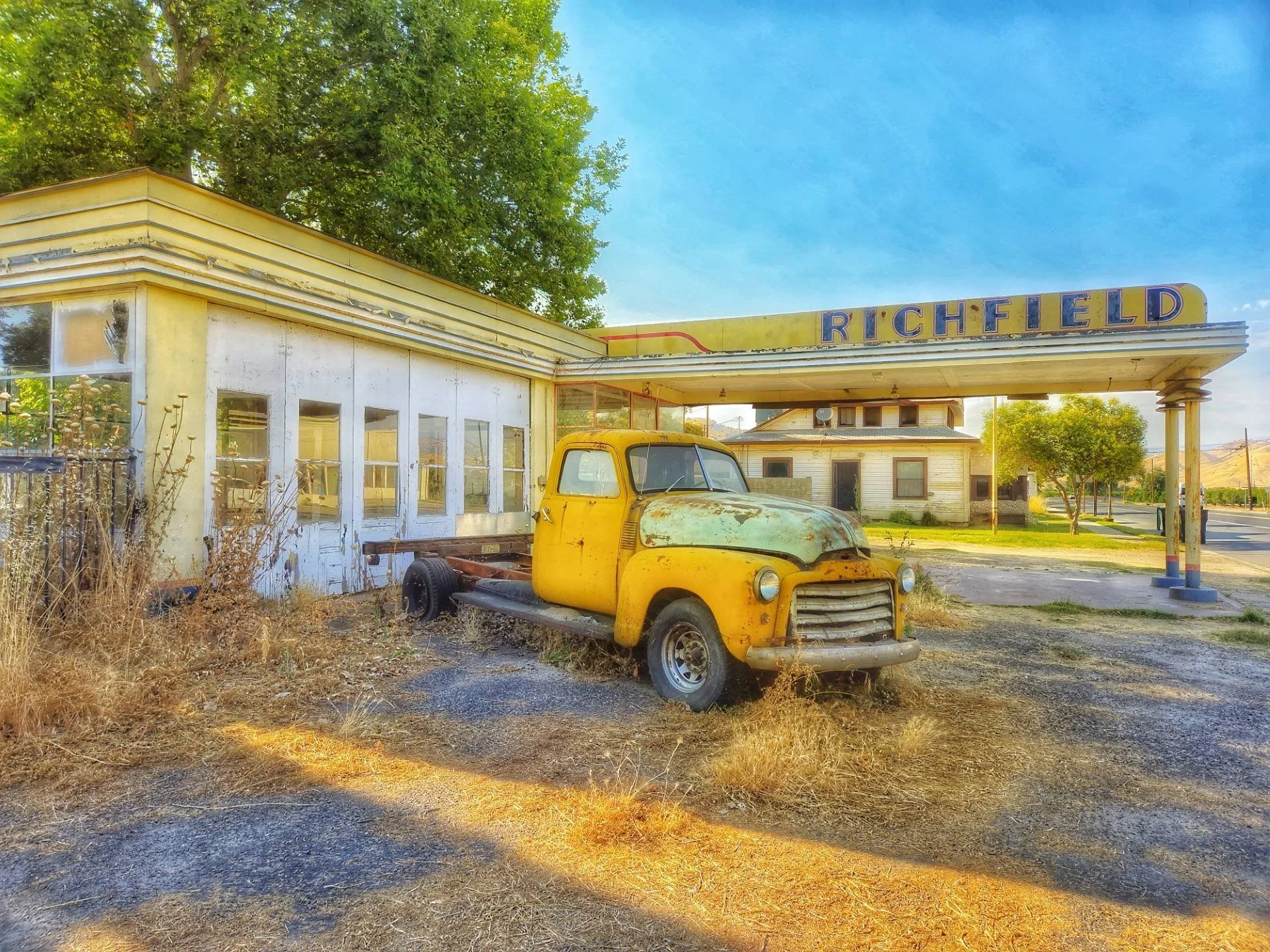
Old Richfield Station, Archival Print, 14 × 11 inches, 2025, Lenore Hamel, Moreno Valley, California, USD 400
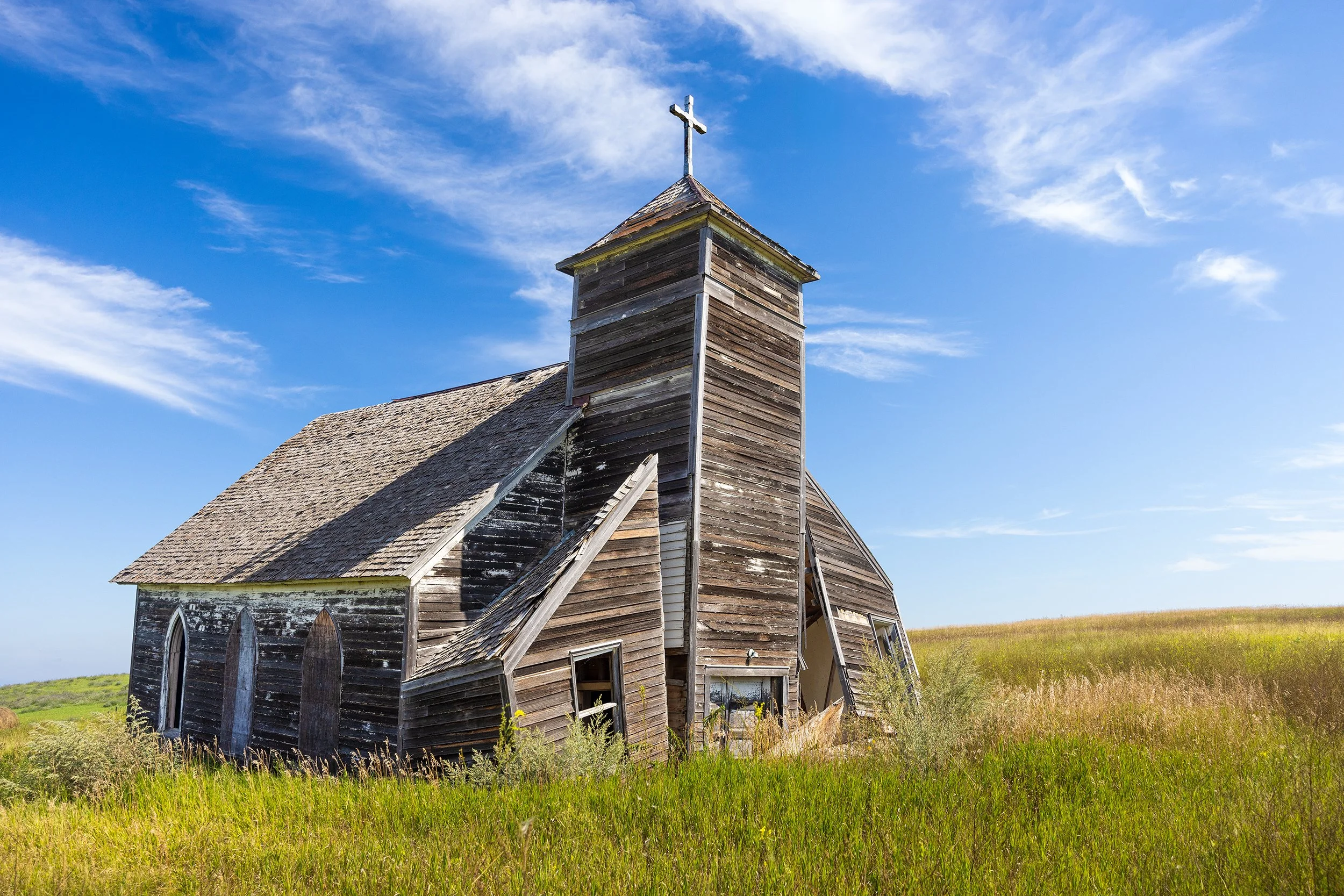
The Lutheran Church, Archival Print, 13 × 19 inches, 2023, John Verner, New York, New York, USD 295
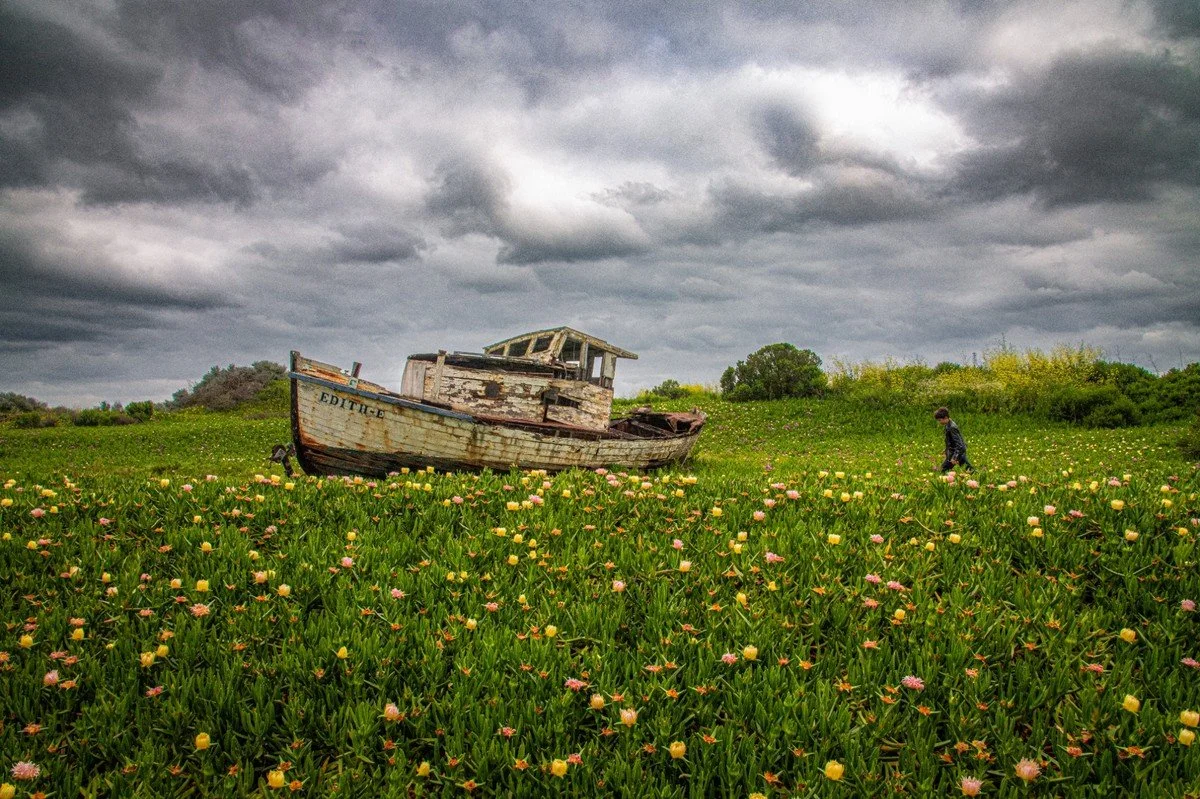
Dreamboat, Archival Print, 28 × 18 inches, 2026, Rusi Mchedlishvili, California, United States, USD 1,200
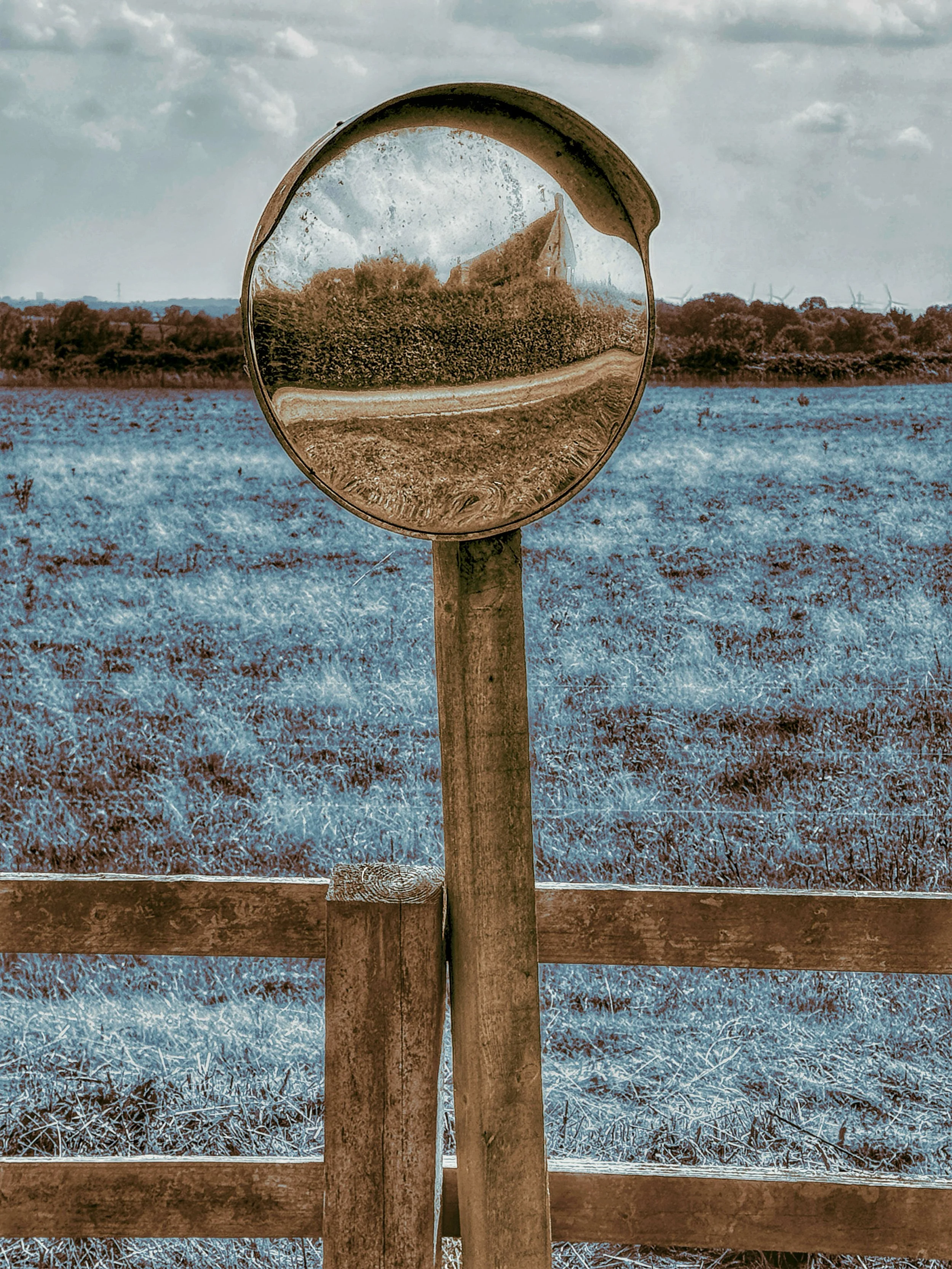
Stand Alone 3, Archival Print, 16 × 12 inches, 2025, Catherine Lee-Smith, London, England, United Kingdom, £250
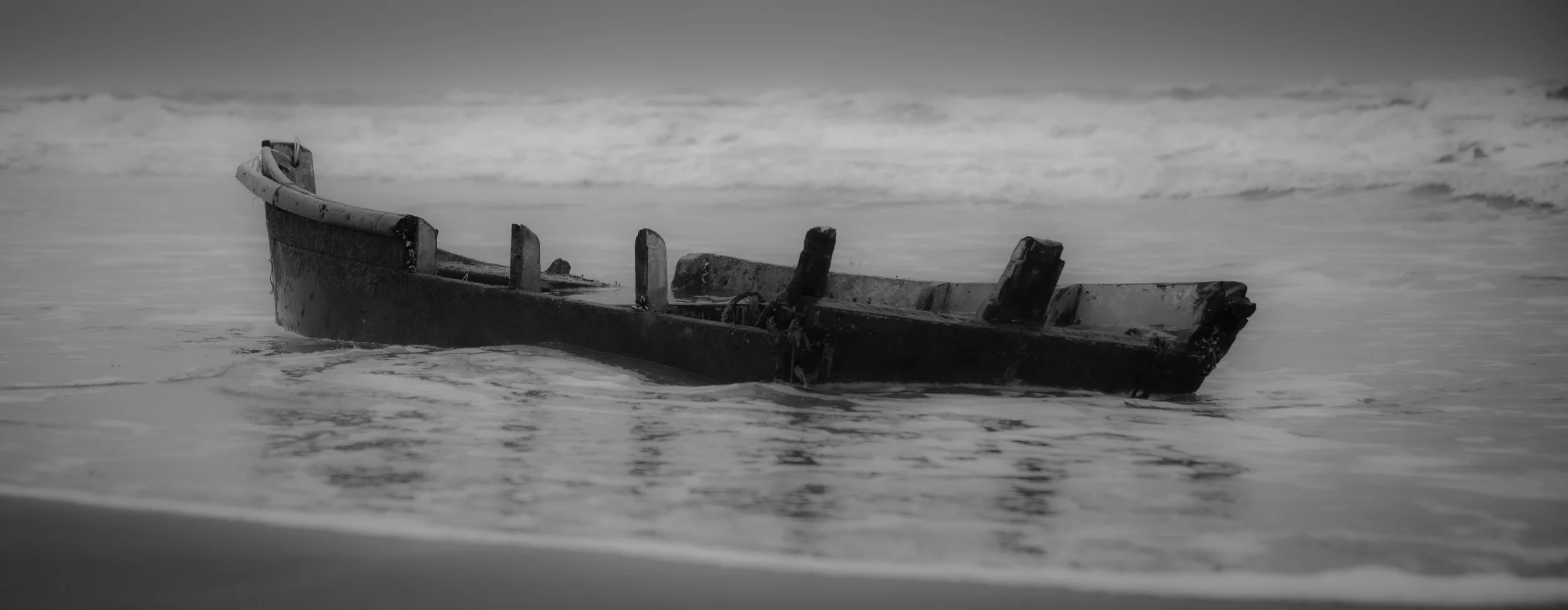
Voyage's End, Photography printed as a limited edition 1 of 25 on Mount Satin (metal), 2026, John Morris, Corpus Christi, Texas, USD 755
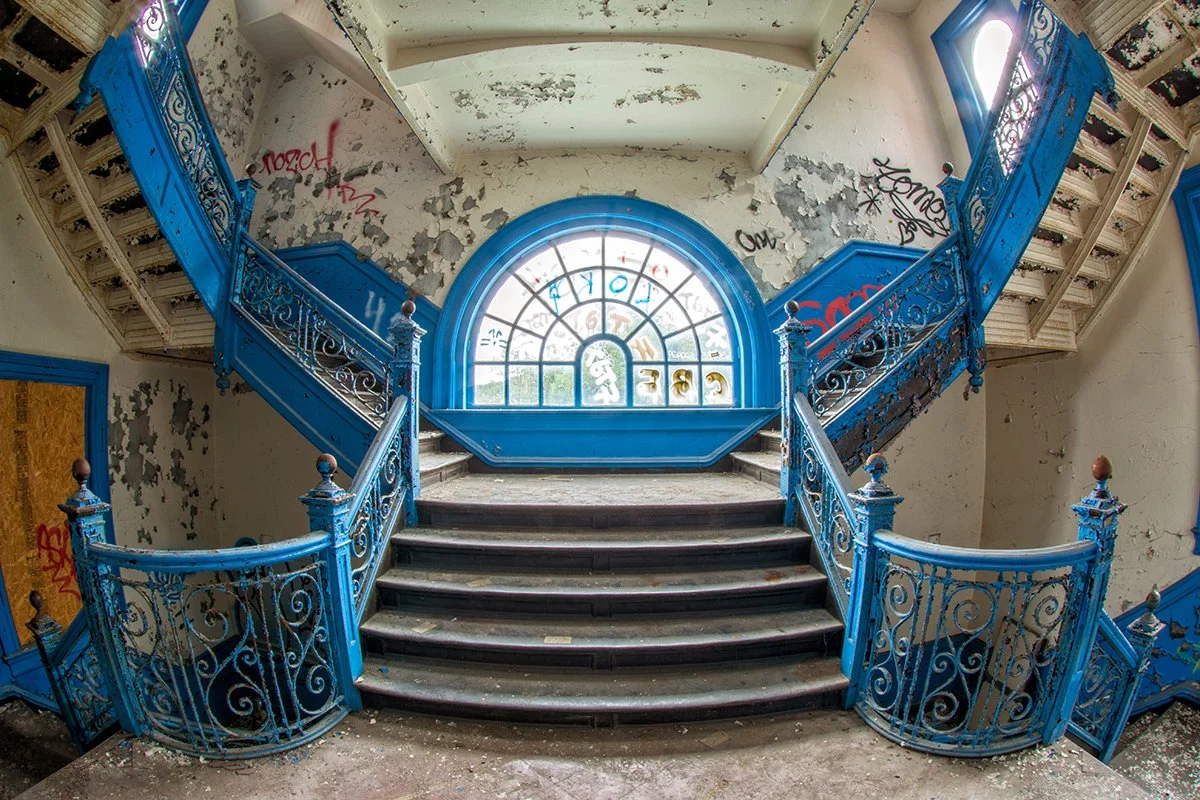
Faded Footsteps, Photograph on Aluminum, 20 × 30 inches, 2018, Rebecca Skinner, Franklin, Massachusetts, USD 875
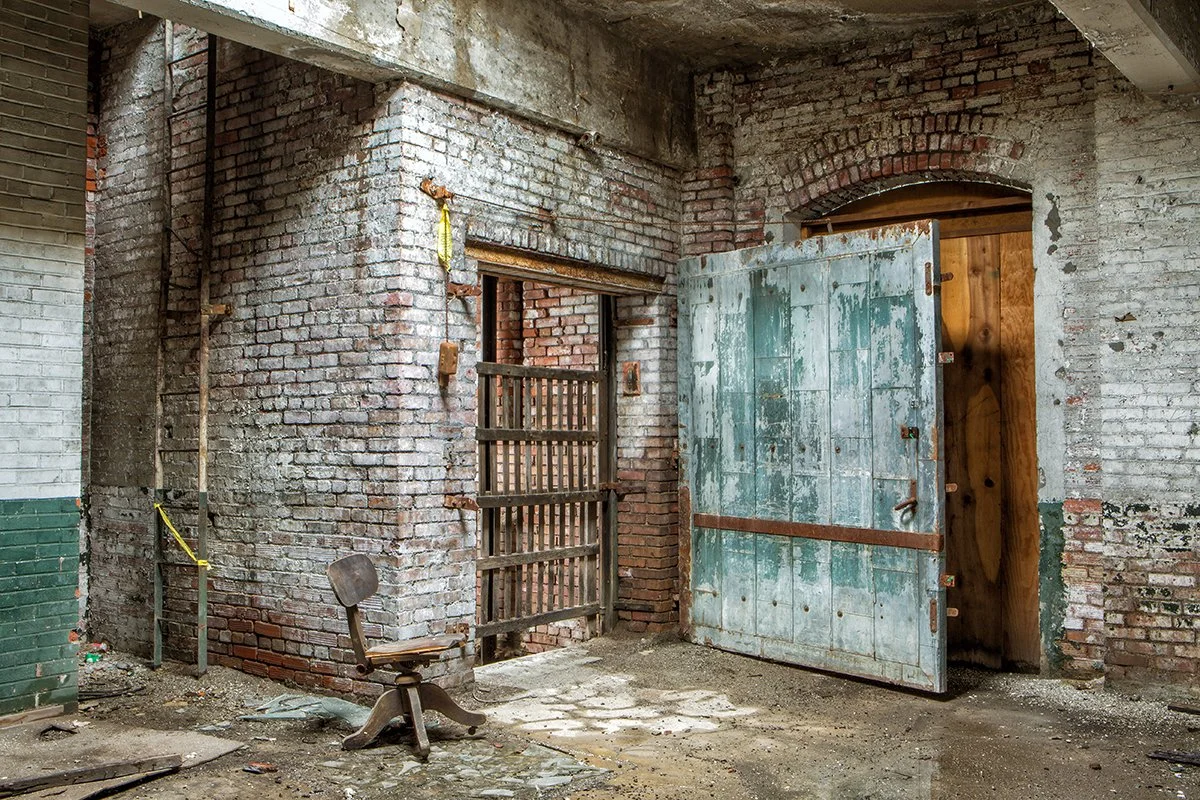
Industrial Beauty, Photograph on Aluminum, 16 × 24 inches, 2016, Rebecca Skinner, Franklin, Massachusetts, USD 795
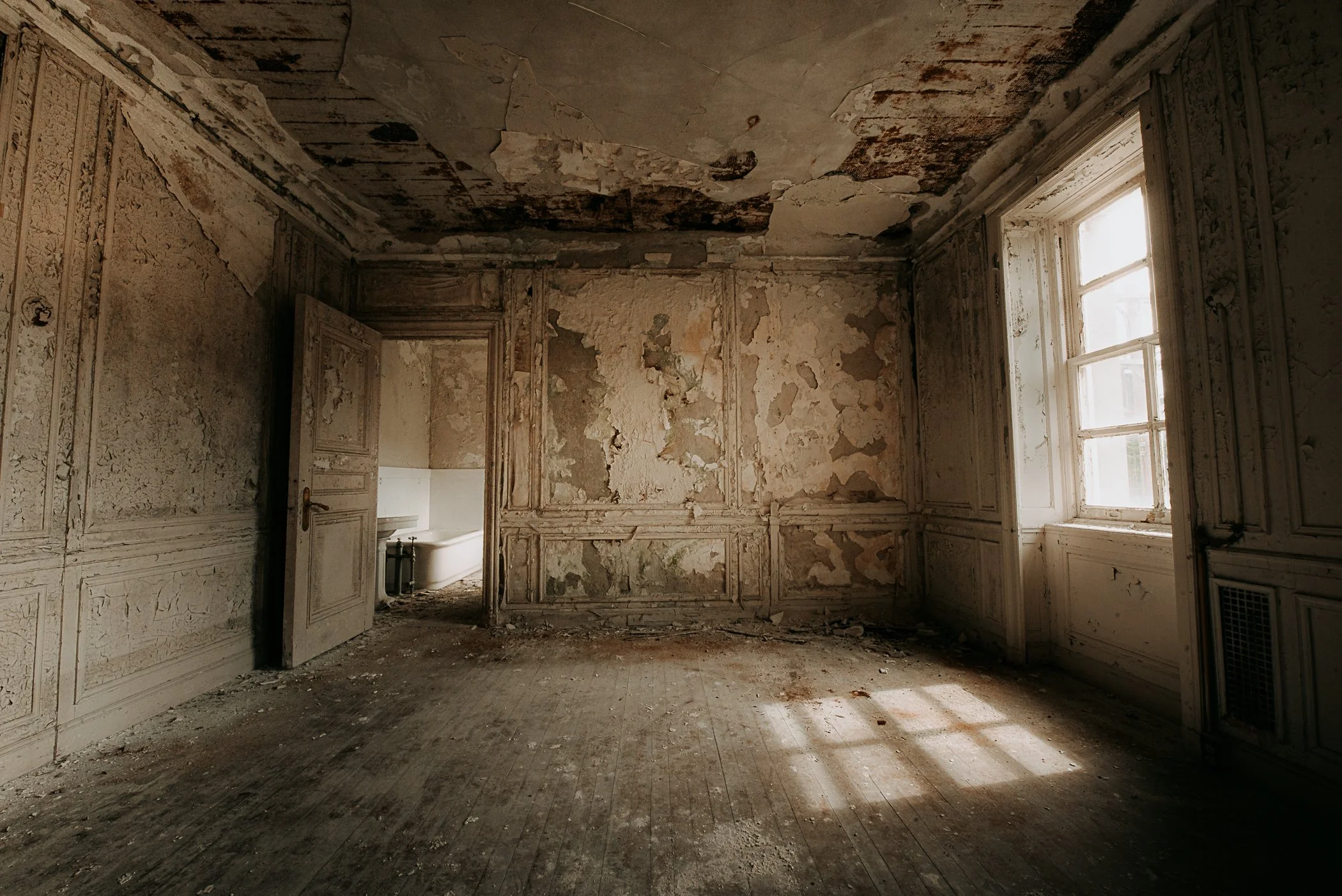
Guest Chamber, Lynnewood Hall, Giclee Print on Fine Art Archival Matte Paper, 24 × 16 inches, 2025, Kerry Sclafani, Cortlandt Manor, New York, USD 425
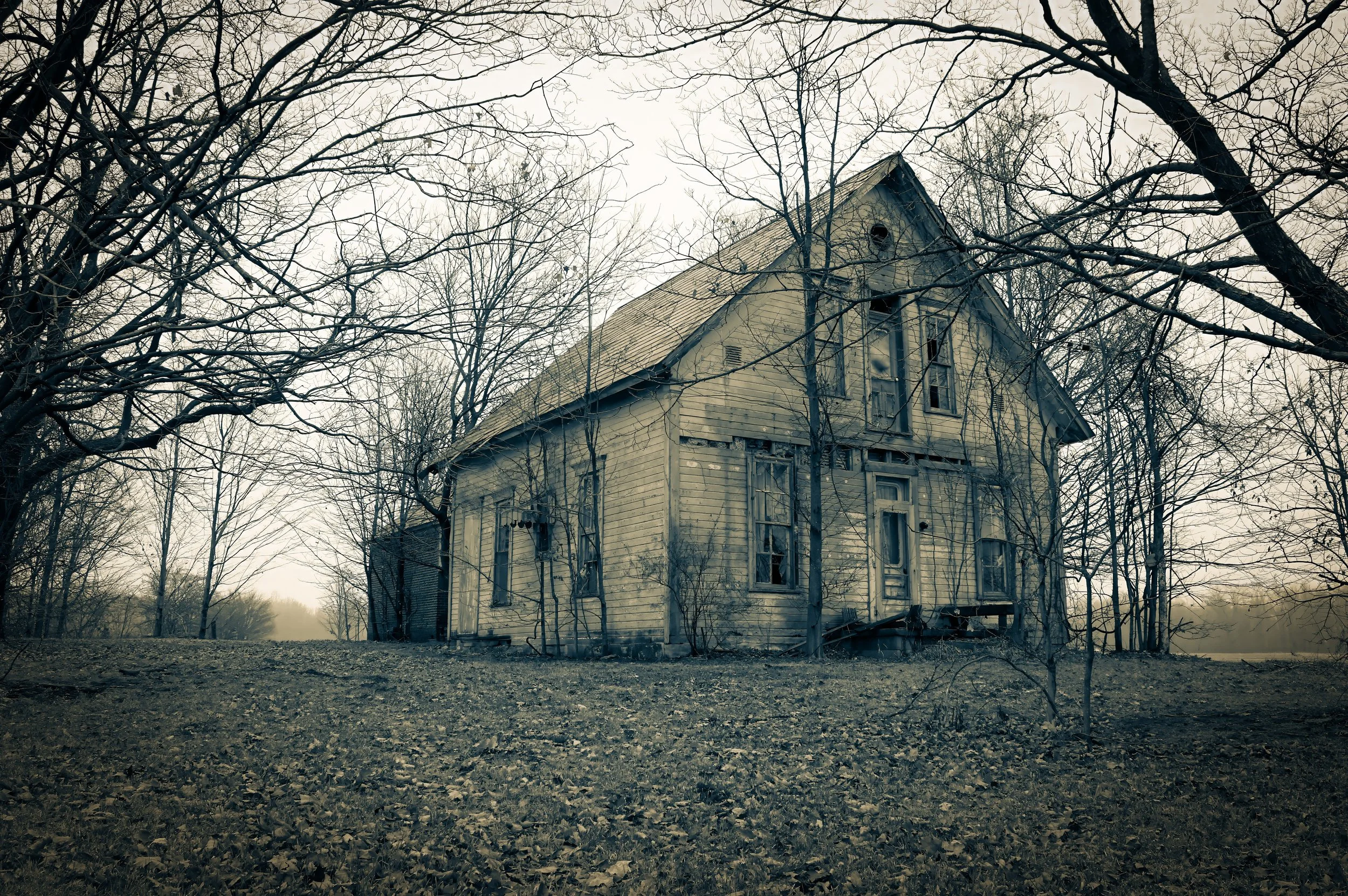
Old House, Archival Print, 18 × 12 inches, 2024, Kent Flora, Denver, Colorado, USD 300
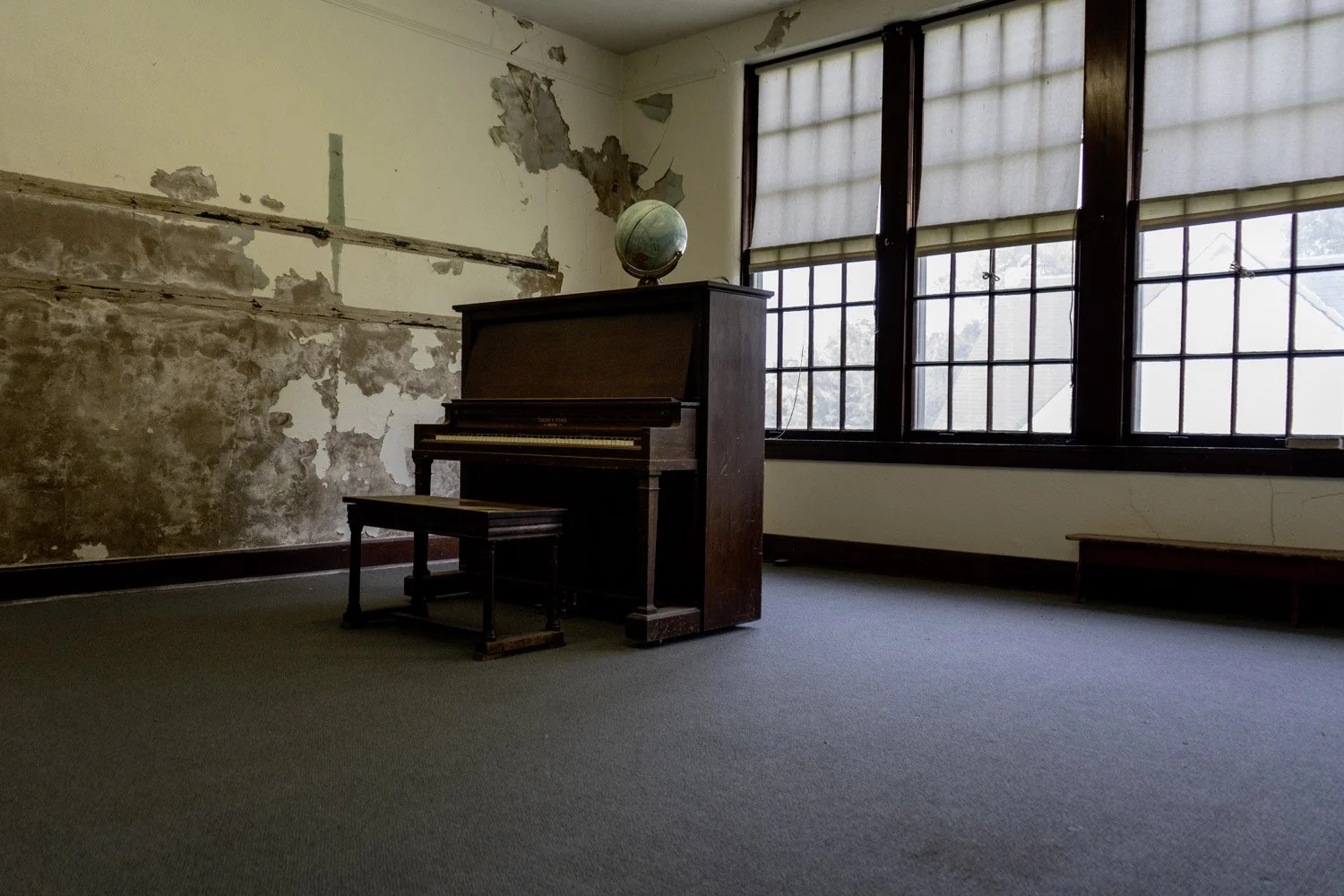
Music Room, Archival Pigment Print, 2025, Julia Corren, Lakeside, Nebraska, NFS
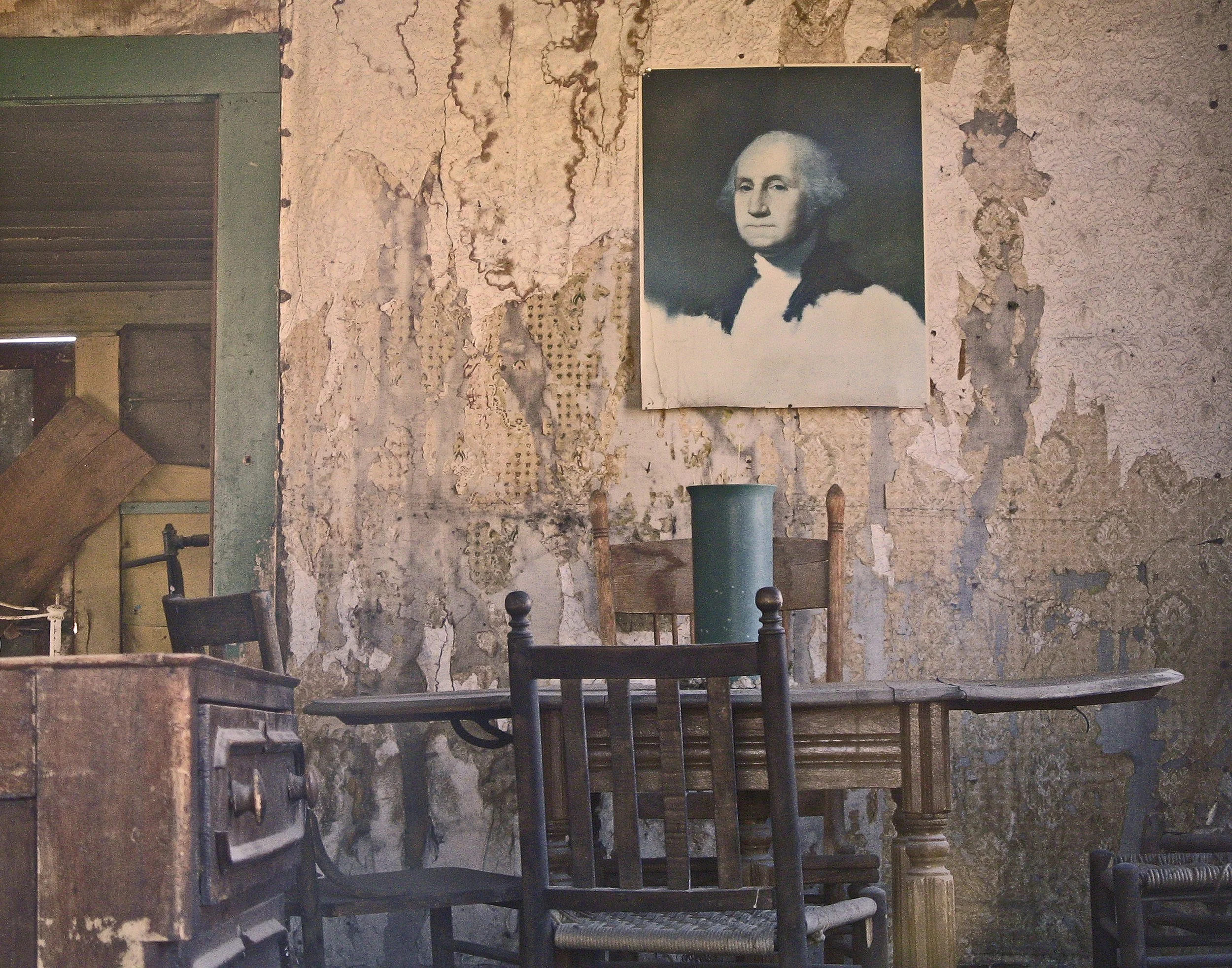
Left Behind, Archival Print, 11 × 14 inches, 2007, Sonia Melnikova-Raich, San Francisco, California, USD 375
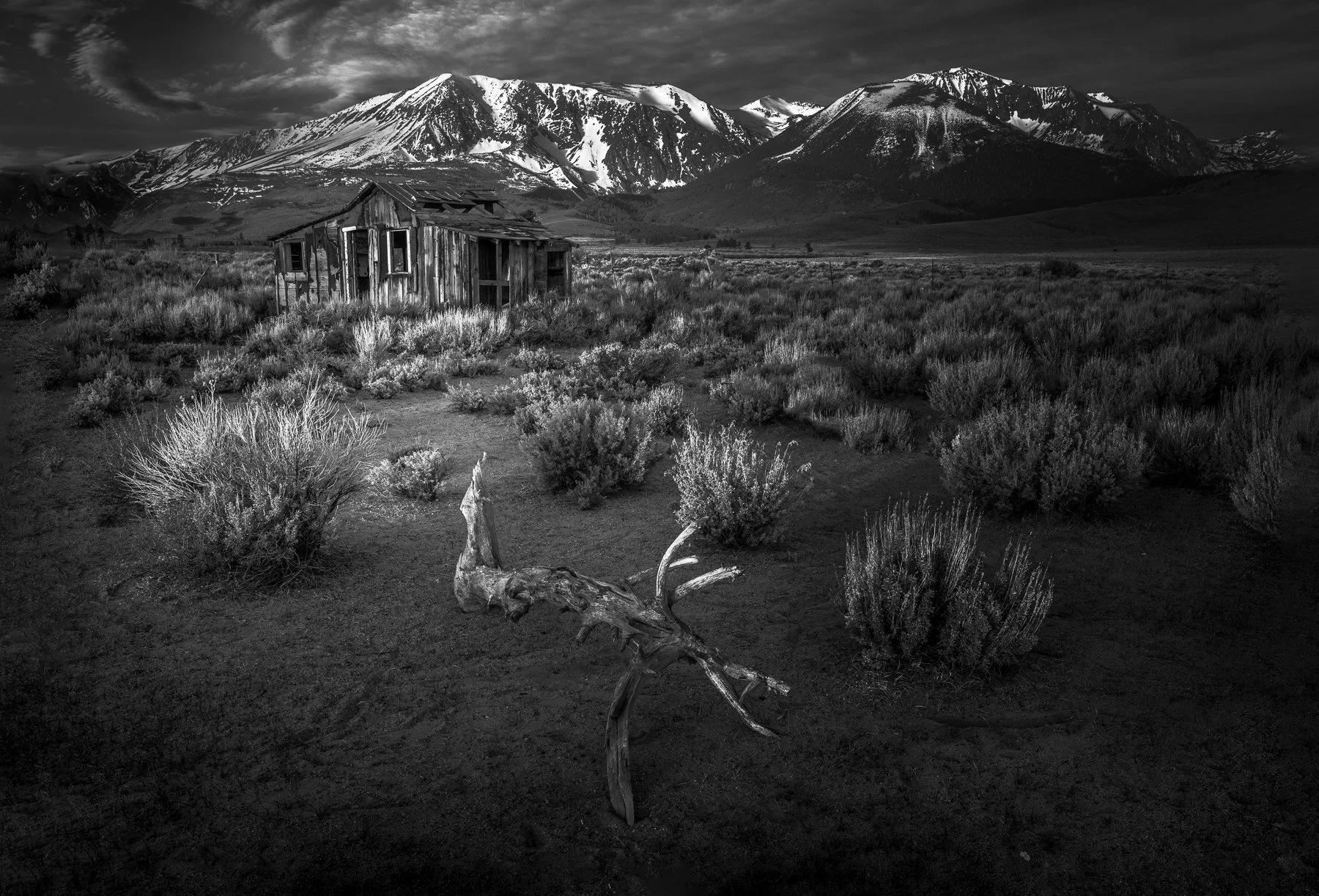
Lee Vining Dawn, Archival Print, 2018, Tim Bryan, Paso Robles, California, NFS
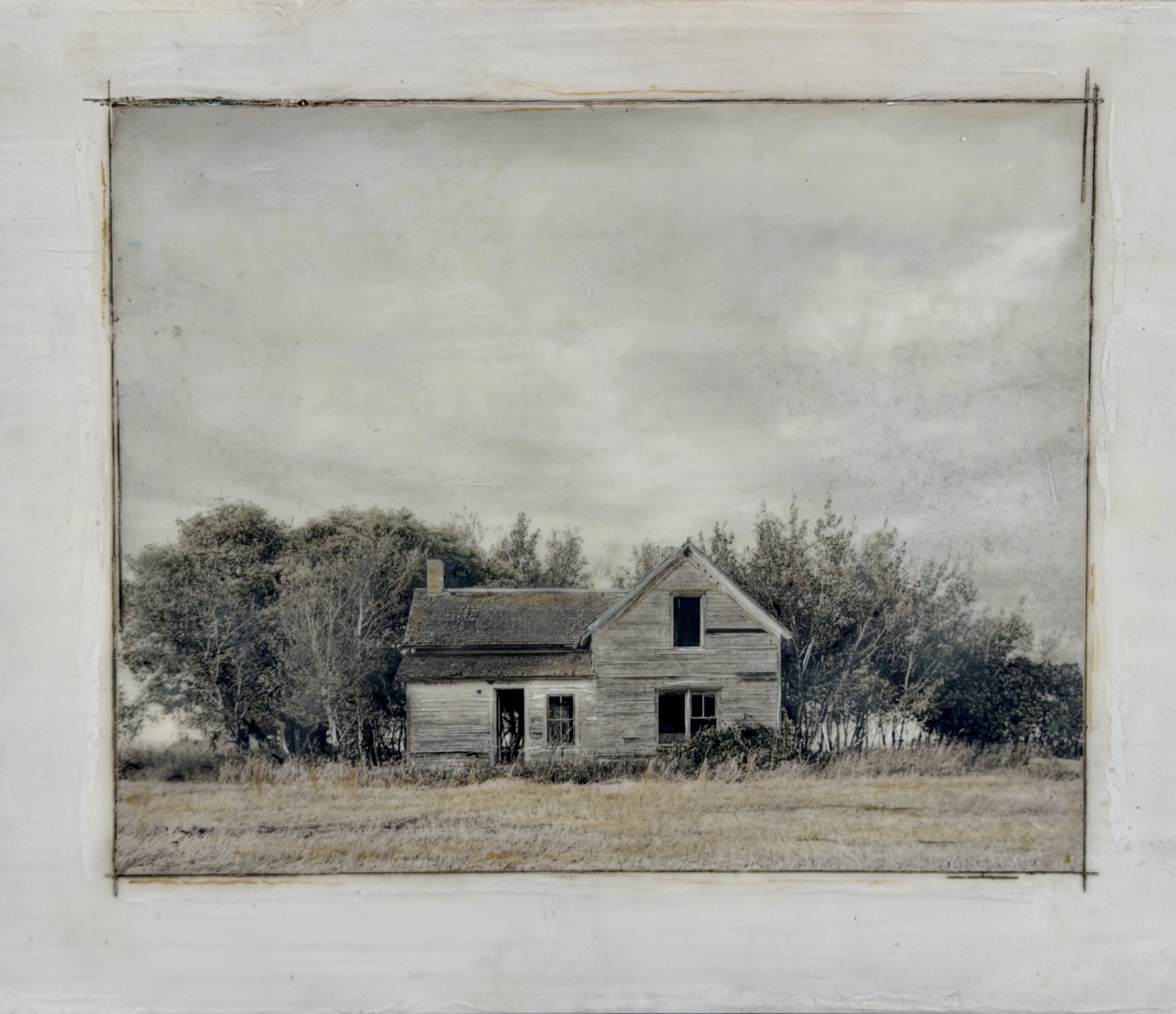
The House that Learned Silence, Mixed Media 2-D (Photography, Encaustics, Oils, Pastels on Wood), 2026, Stacia Hollmann, DeLand, Florida, USD 650
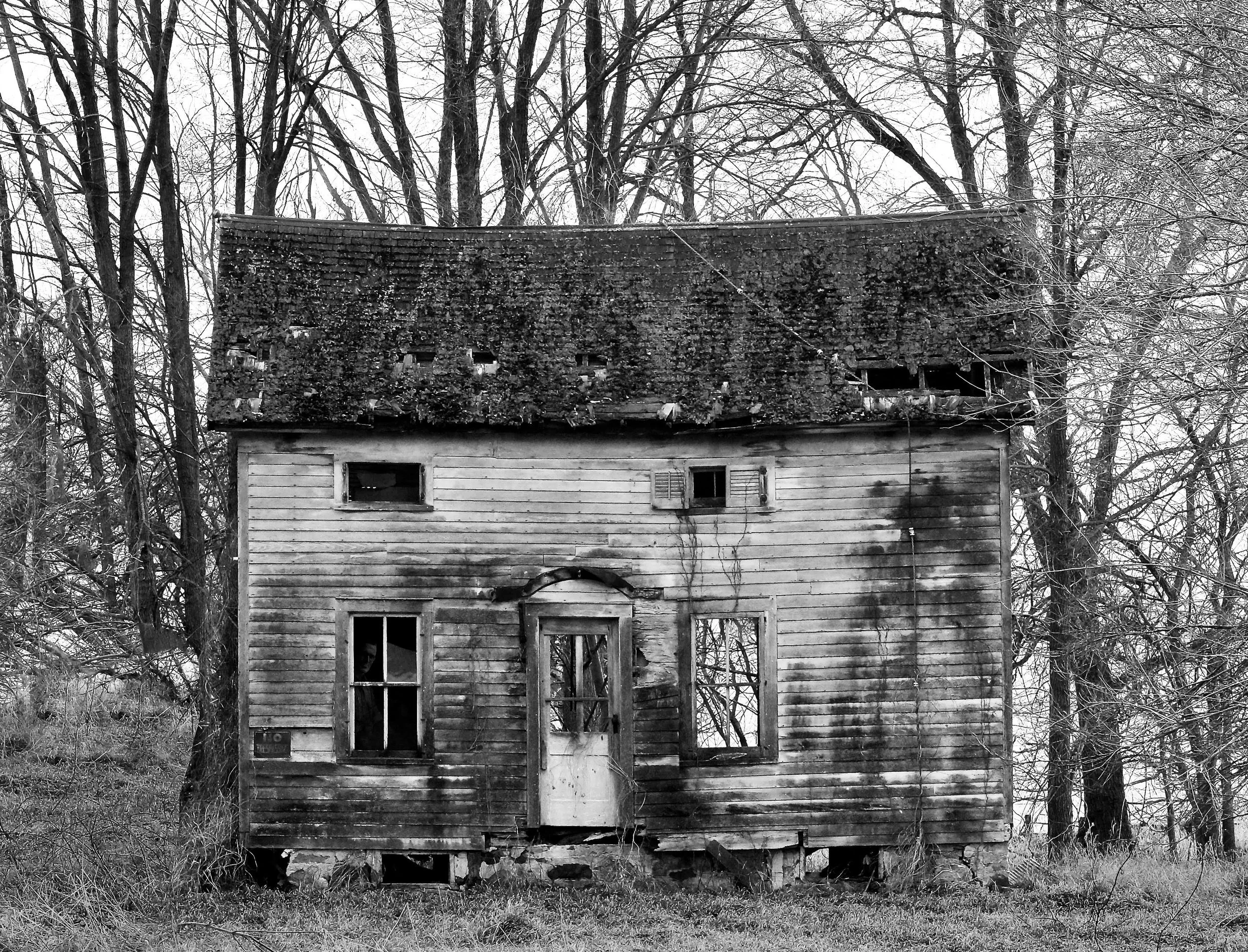
Abandoned I, Archival Print, 10 × 13.5 inches, 2023, Allen Washatko, Cedarburg, Wisconsin, USD 350
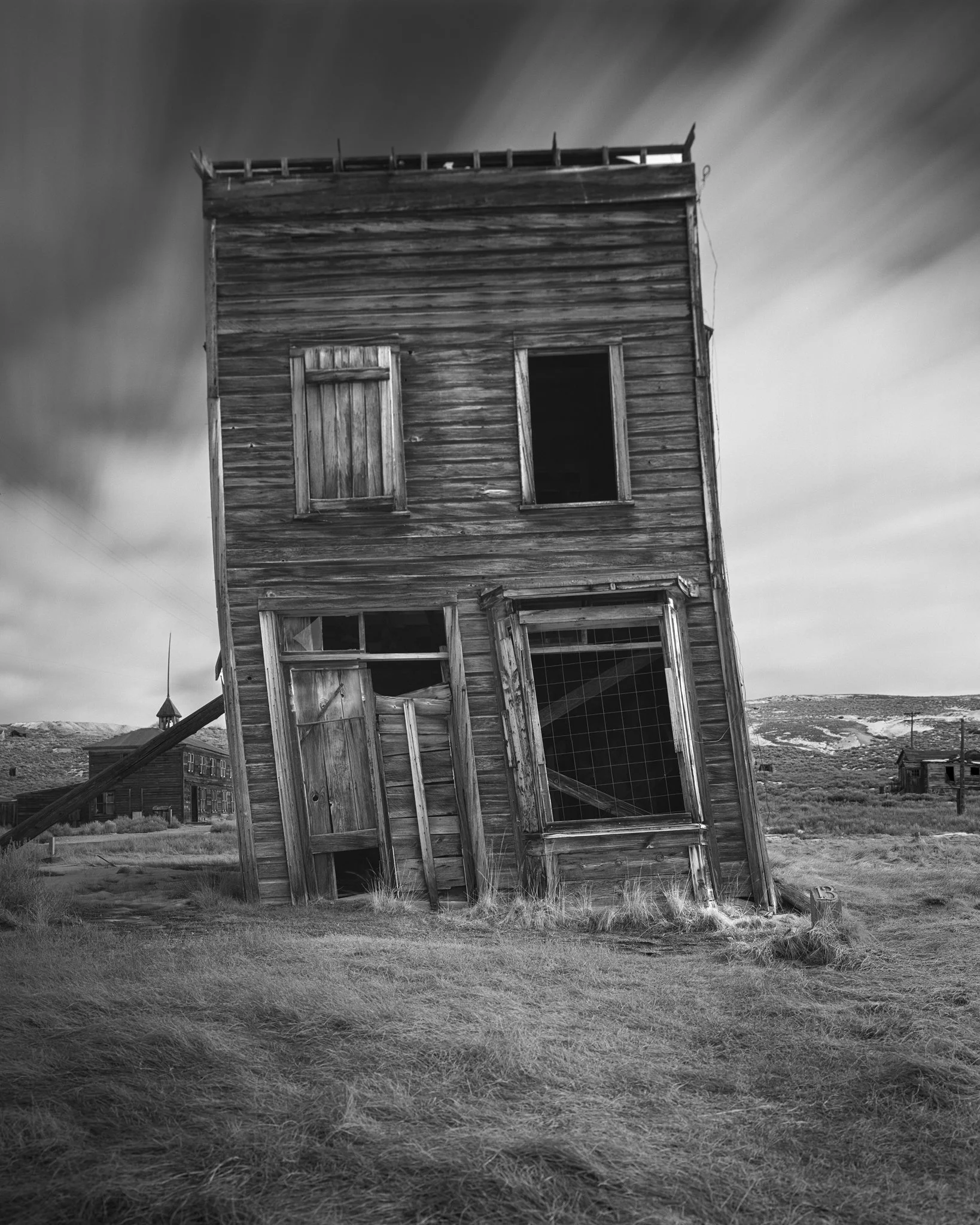
Test of Time, Archival Print, 16 × 20 inches, 2025, Jason Woodcock, Dayton, Nevada, USD 475
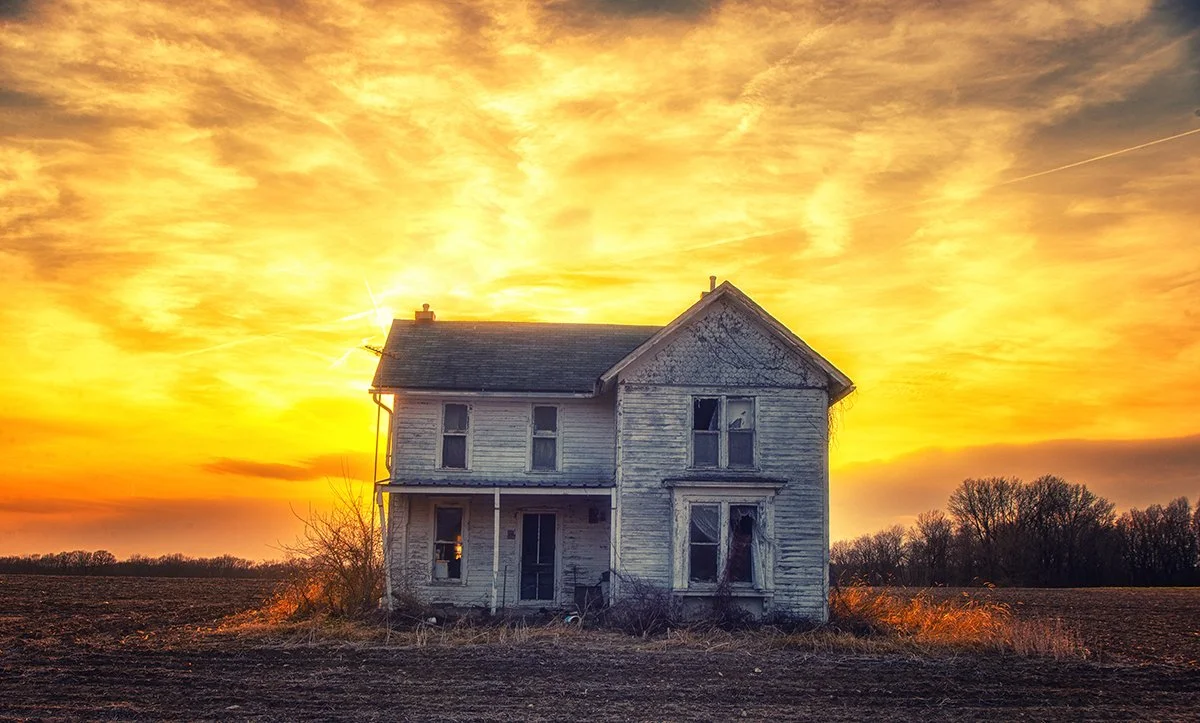
Prairie House, Digital Chromogenic Print, 24 × 18 inches, 2026, Mark Dierker, Dubuque, Iowa, USD 350
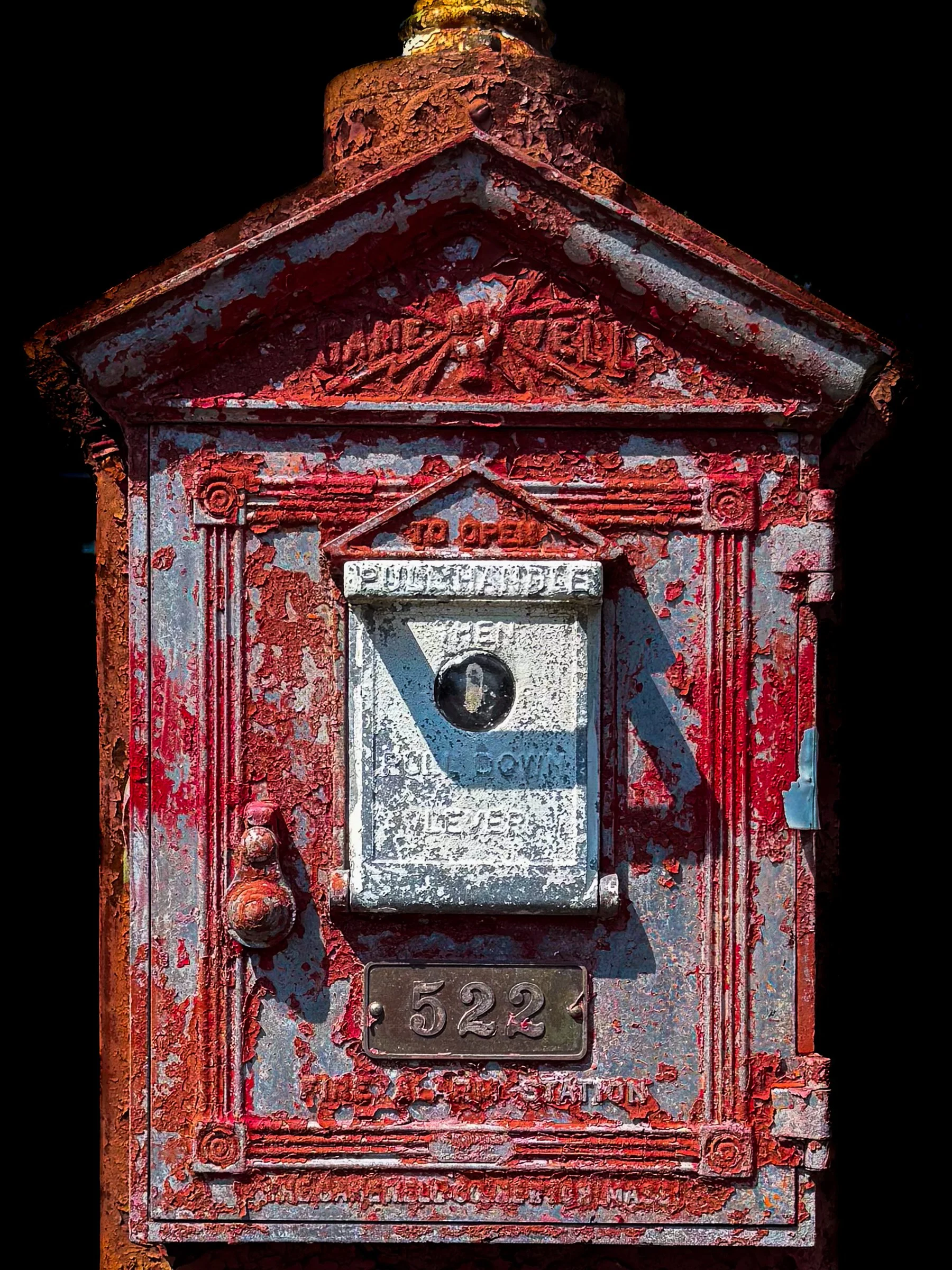
Alarm Box 522, Archival Print, 16 × 12 inches, 2025, Steve Gelineau, Delray Beach, Florida, USD 375
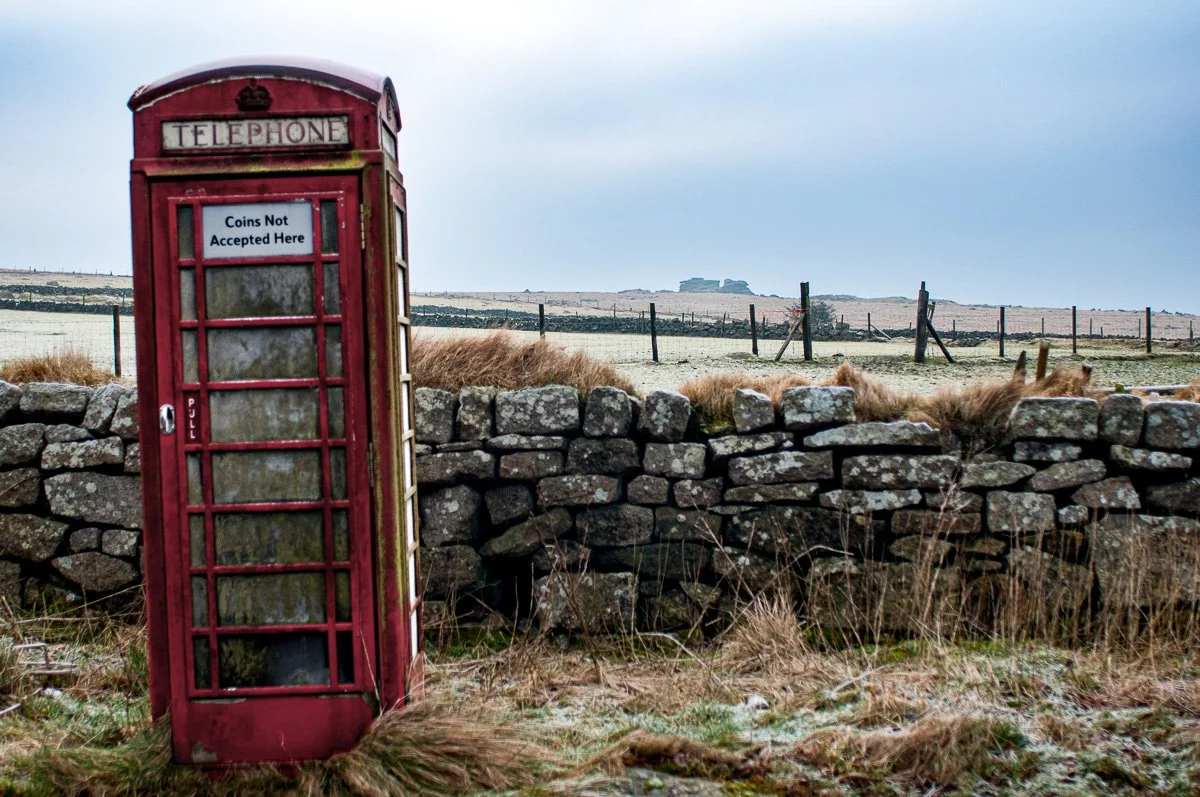
British Phone Box, Digital Print, 12 × 8 inches, 2026, Ray Weston, Blackmoor, England, £425
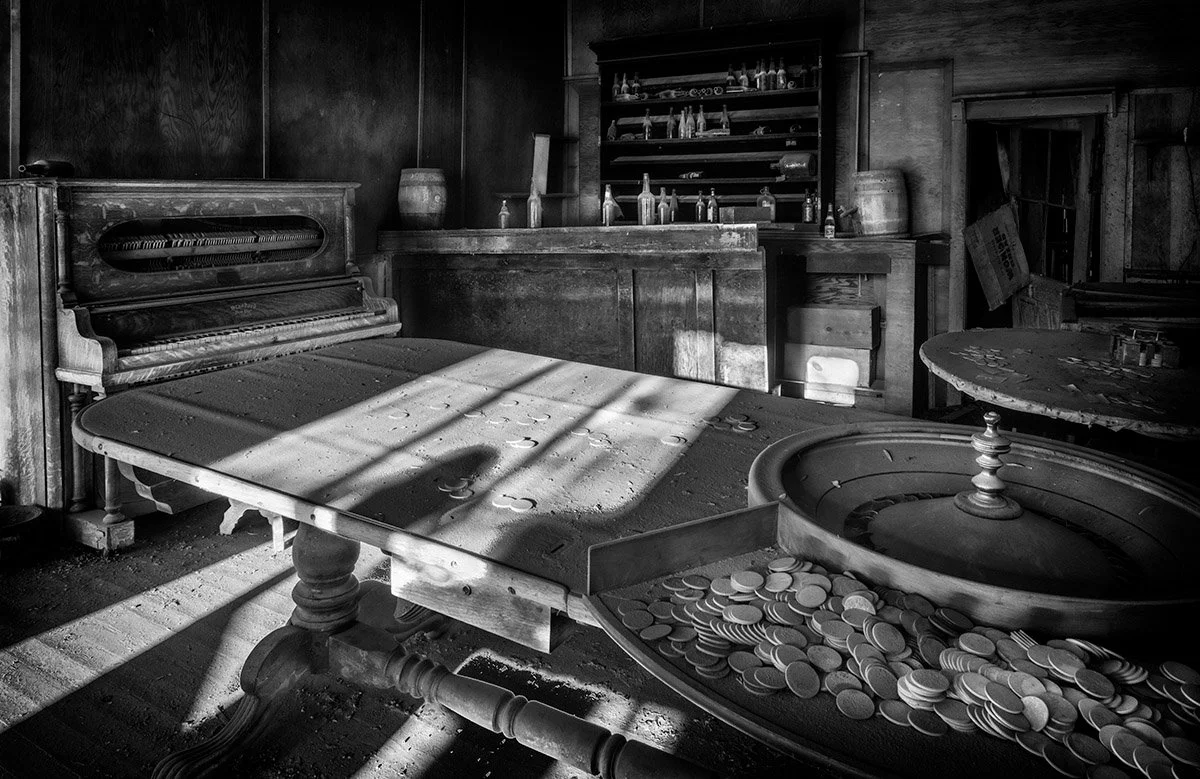
Casino, Archival Pigment Print, 10 × 15 inches, 2024, Beamie Young, Dickerson, Maryland, USD 350
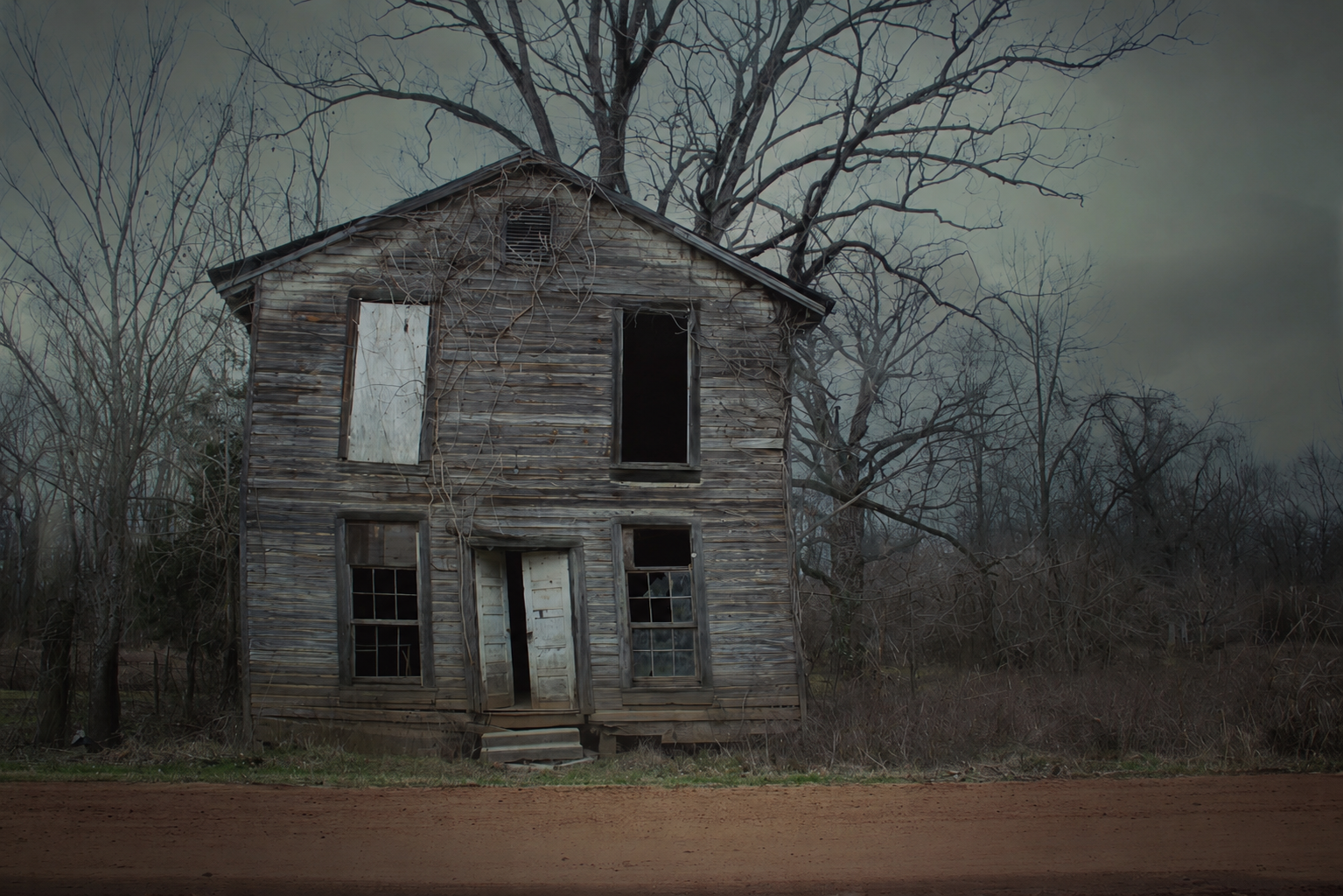
The House That Stayed, Digital Photography, 11 × 17 inches, 2023, Michelle Summers, Birmingham, Alabama, USD 175
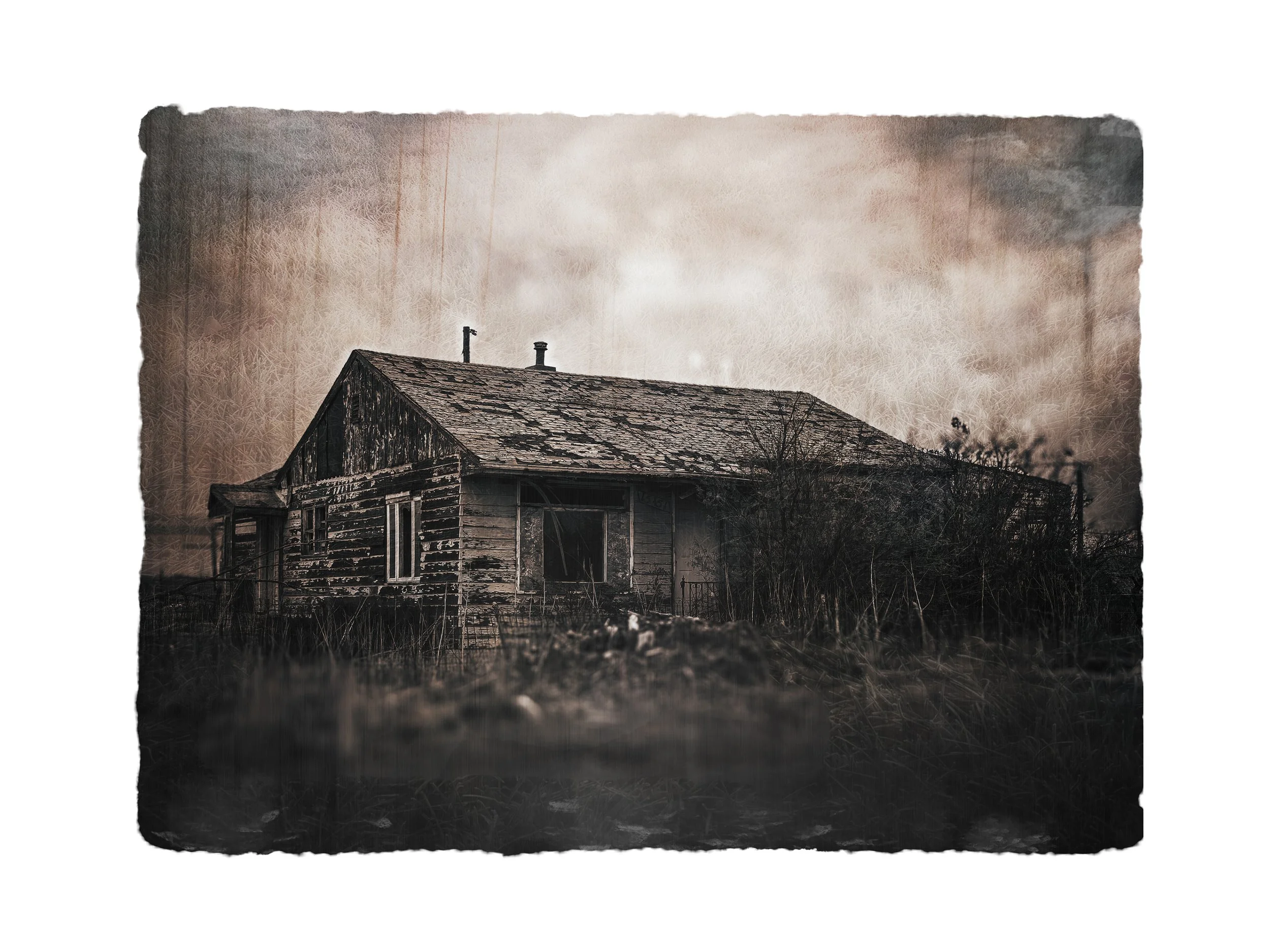
Remnants No. 3, Digital Archival Print, 16 × 12 inches, 2025, Shawn Loseke, Johnstown, Colorado, USD 250
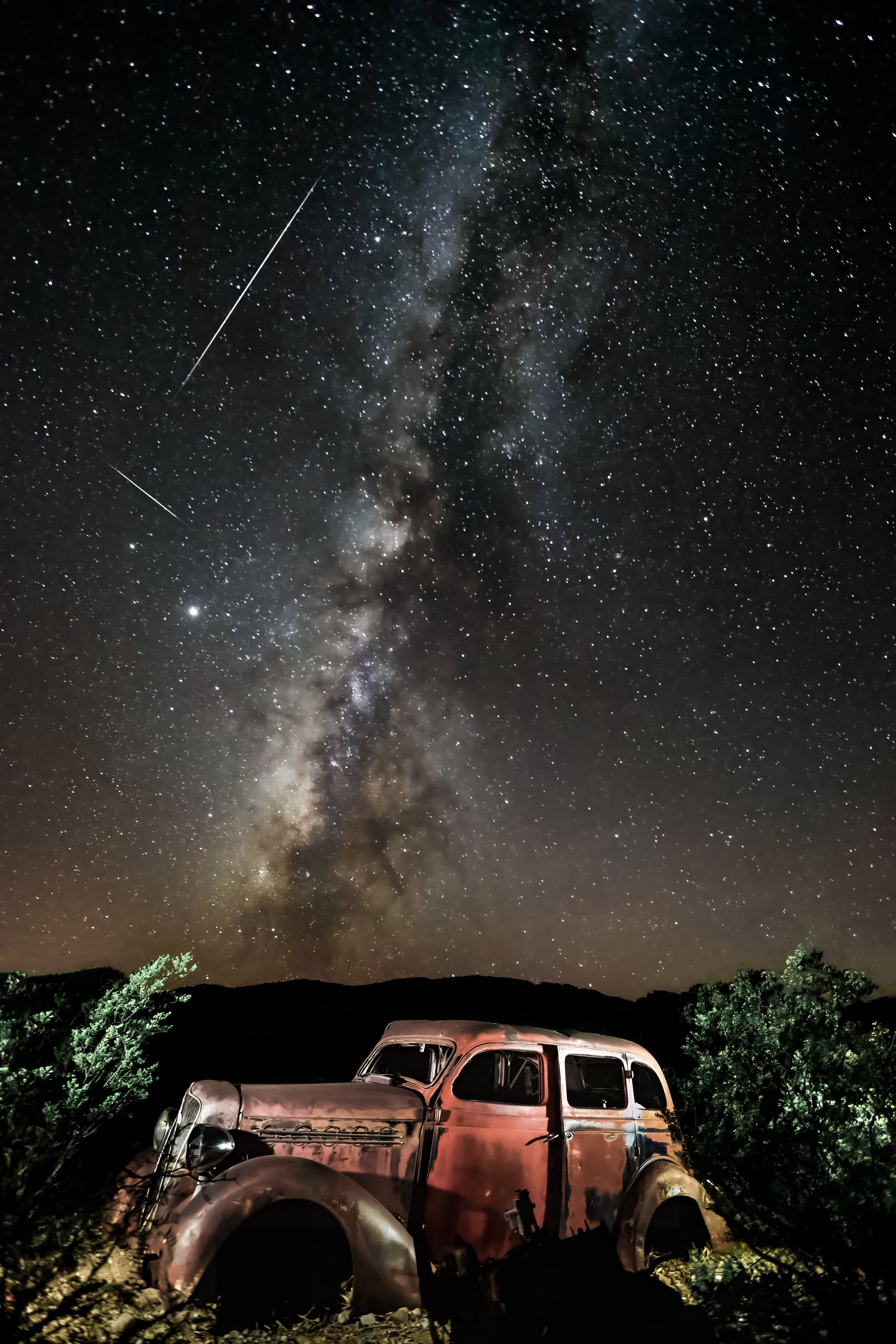
Lake Valley Waiting for the Stars, Archival Print, 18 × 24 inches, 2020, Donna Cyr, Las Cruces, New Mexico, USD 400
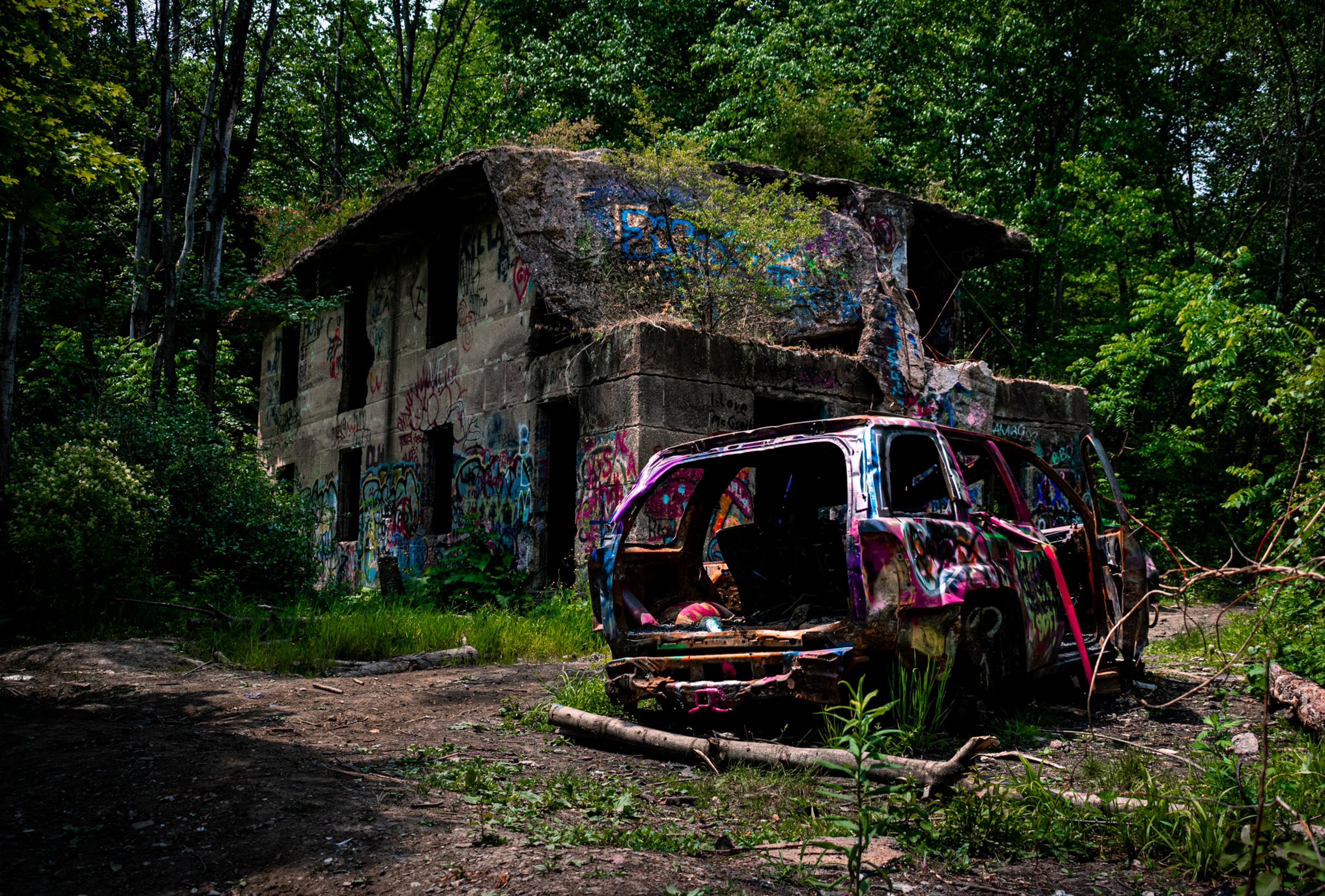
Ride Home, Transfer on Metal, 24 × 16 inches, 2023, Jessica Fiume, Latrobe, Pennsylvania, United States, USD 300
Sales and Artist Inquiries
Are you interested in making a purchase or connecting with one of the featured artists? Send us a message through our contact form, and we'll get back to you shortly.