

The Art of Landscape (2025)
December 1, 2025–January 1, 2026
The Art of Landscape is a photography exhibition that expands the definition of “landscape” beyond pastoral views and natural vistas. The exhibition invites photographers whose work spans the realm between the natural and the built, the monumental and the ephemeral. The result is a visual exploration of our relationship to time and place and how humanity is transformed by the environments we inhabit.
The Boundary Between the Natural and the Built Is Where the Work Is
The useful part of landscape photography is no longer the view; it is the seam. Where a managed wood meets a plantation edge, where a river has been straightened, where a road cutting exposes bedding planes, where a hillside carries a transmission line — these are the places that reward attention, because they are where the two systems that make a landscape are both visible at once. The forty-one works in this exhibition, credited between 2014 and 2025, are largely gathered along that seam.
Nothing in the Frame Is Untouched
A pastoral view is an administered surface. Grazing regimes determine tree lines; drainage determines what grows; fire suppression, species introduction, nitrogen deposition and river management have all altered ground that photographs as wilderness. This matters for practical reasons rather than rhetorical ones. A photographer who knows why a hillside is bare, or why a wood contains trees of exactly one age, can compose around the evidence rather than around the scenery, which is generally the difference between a landscape photograph and a picture of scenery.
Weather Is What Most Landscape Photographers Are Actually Waiting For
Topography barely changes; light changes every few minutes. This asymmetry explains almost everything about the working method of the genre — the repeat visits, the pre-dawn starts, the attention to forecasts, the willingness to abandon a location that is not performing. It also explains its commonest weakness. Dramatic light will make almost any terrain look significant, and a photographer who relies on it produces pictures about the sky. The harder discipline is flat light, in which nothing is flattered and the composition has to carry the frame unaided.
Format, Ratio and the Horizon
Aspect ratio makes an argument before the content does. A wide panorama claims extent and invites the eye to travel laterally; a square refuses that travel and turns the land into an object; a vertical frame treats a landscape as a portrait and favours foreground and sky over distance. Horizon placement is equally consequential: high, and the picture is about ground and surface; low, and it is about weather and scale; centred, and it is about symmetry and stasis. Large-format cameras persist in this genre partly because their movements allow those decisions to be made precisely.
The Logistics Are the Practice
Landscape photography is mostly scheduling. Access permissions, seasonal closures, tide tables, snow lines, hours of daylight, the distance that can be walked carrying a tripod, and the number of days available for waiting constrain the work more than any aesthetic consideration. This is why the genre rewards local practice so heavily: a photographer living within reach of a site can return twenty times, while a visitor gets one attempt in whatever conditions arrive. Much of the strongest work in this catalog reads as the product of repetition rather than of travel.
Why the Theme Recurs
Landscape briefs return because the subject is under continuous administrative and climatic revision, and a periodic call produces a comparative record of terrain that would otherwise be documented only by accident. TCG Gallery is an independent online photography gallery, and each juried exhibition remains part of a permanent public archive after its run ends, so these catalogs accumulate into a longer record than any single project. Photographers can enter the current photography open calls directly.
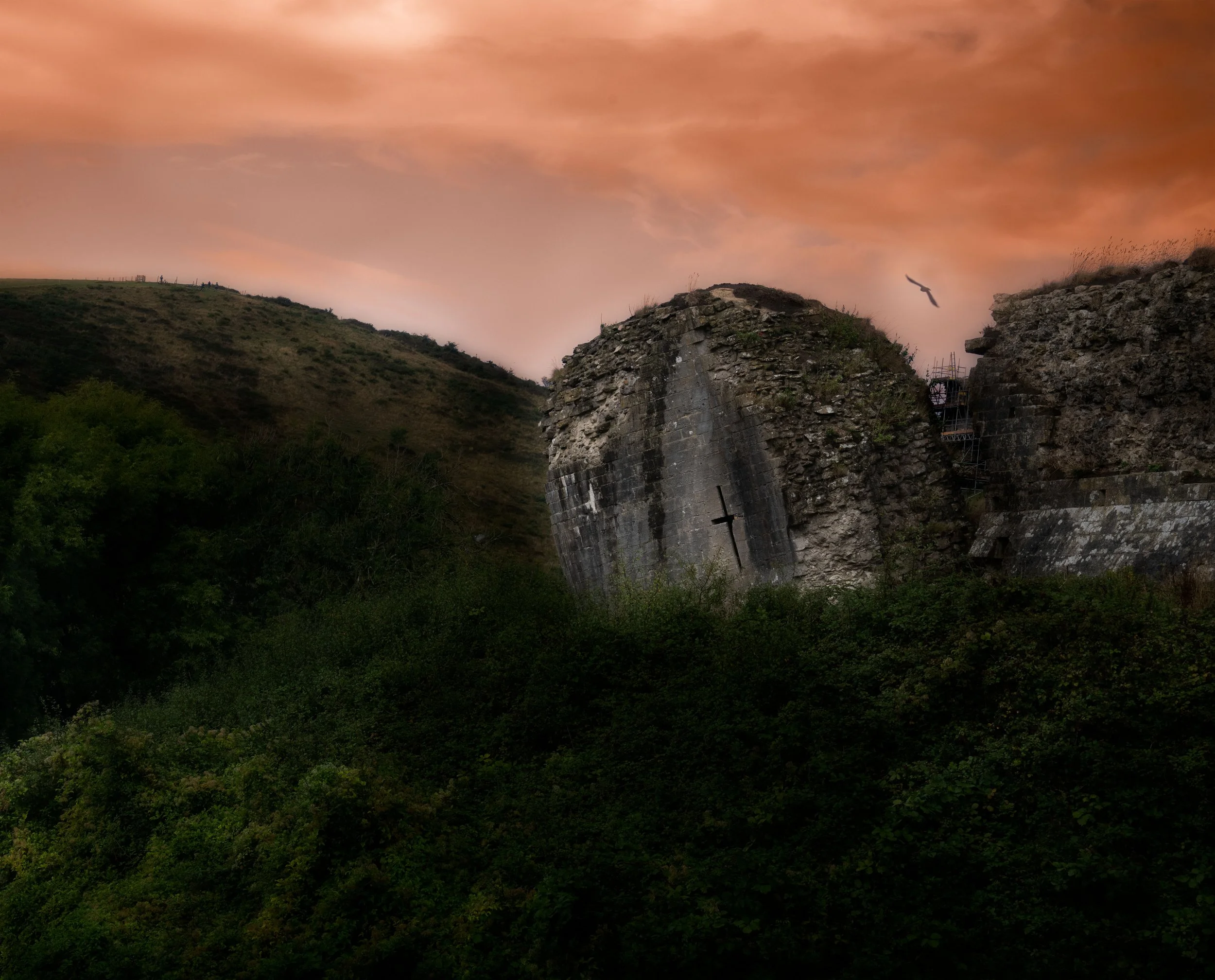
Peaceful Ruins, archival print, 17 x 21 in, 2025, Andrea Korff, Philadelphia, Pennsylvania
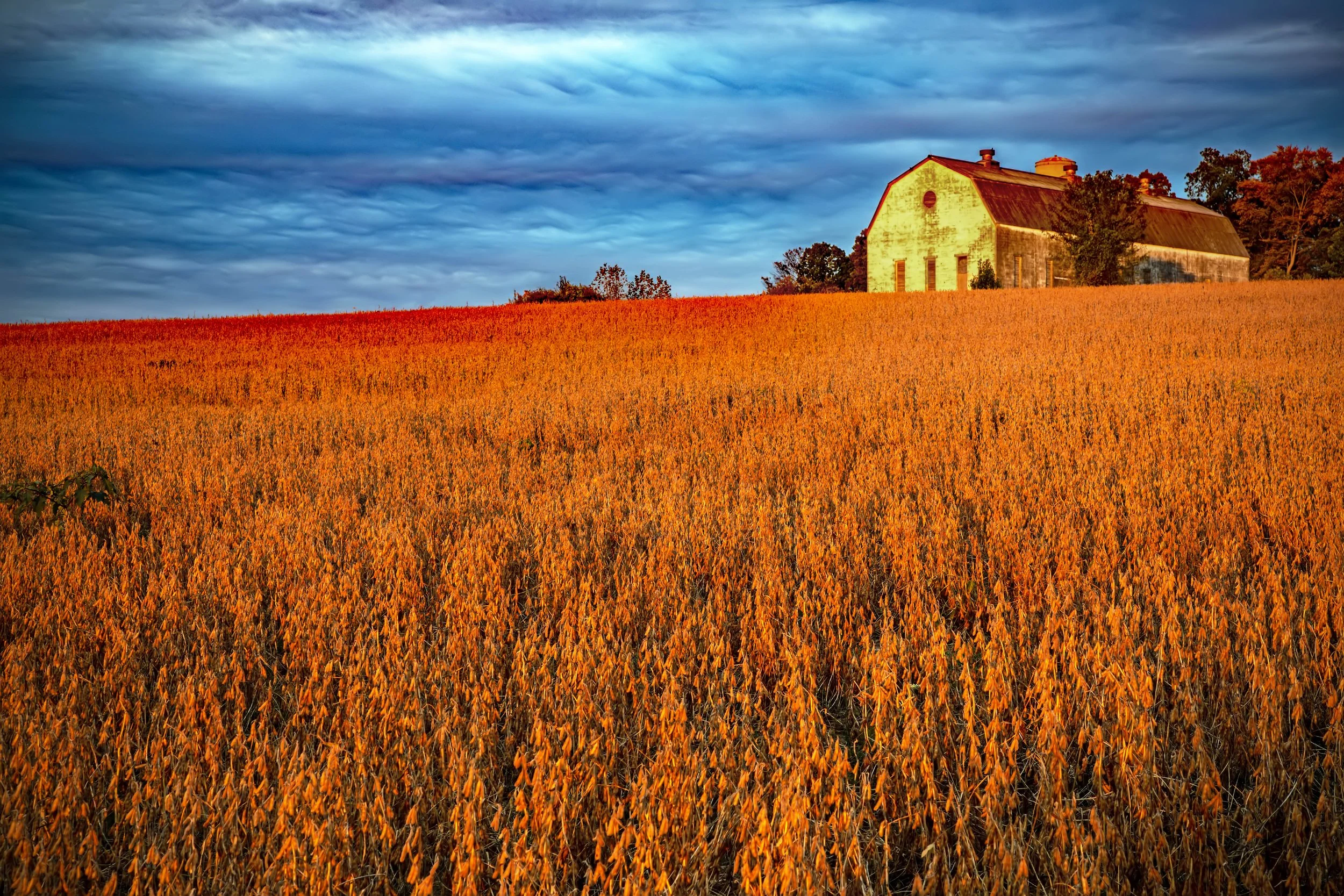
The Tempest, archival giclee print, 12 x 18 in, 2025, Bob Debski, Lansdale, Pennsylvania
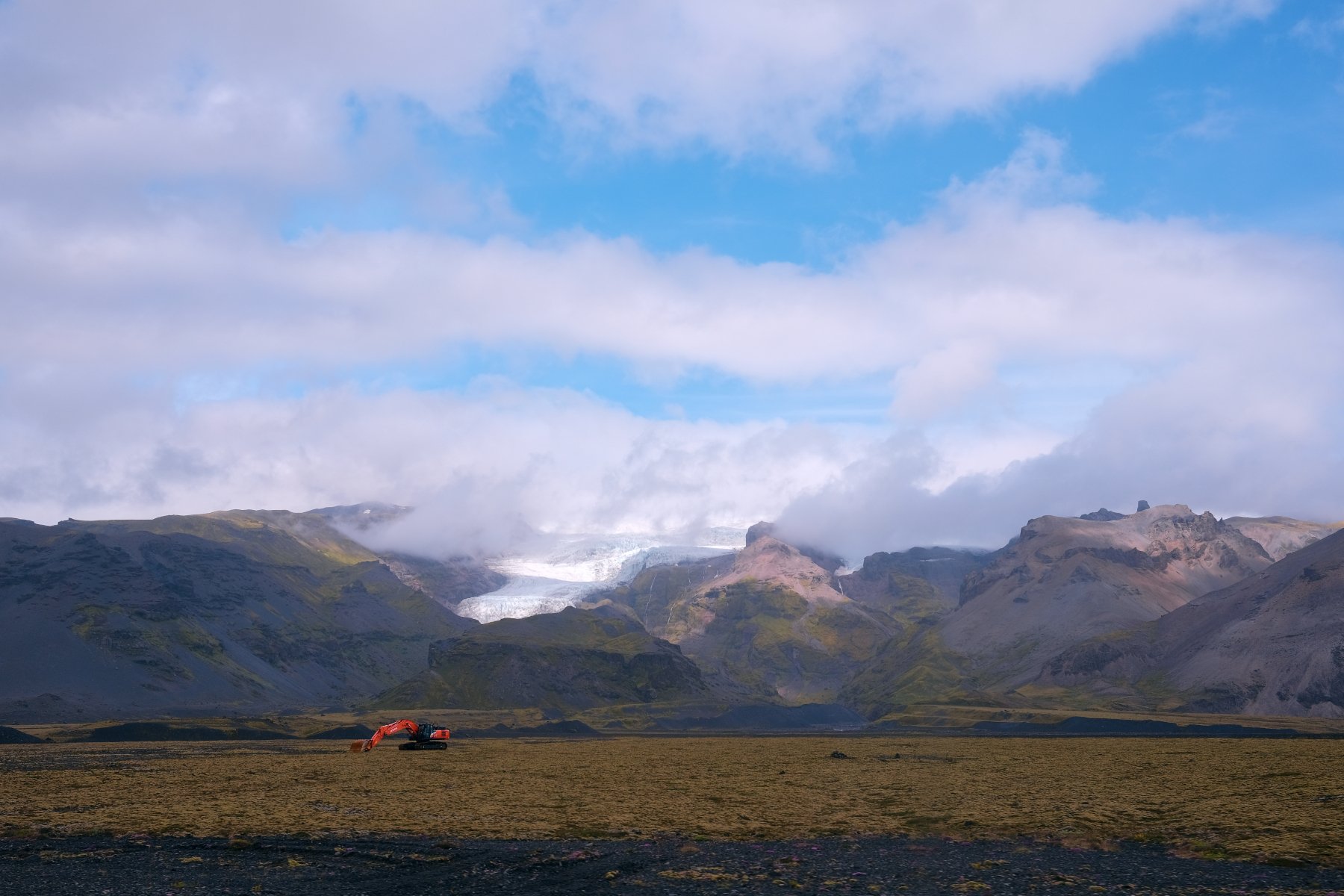
Pushing Up Permafrost, archival print, 8 x 12, 2025, Bradley Grochocinski, Madison, Wisconsin
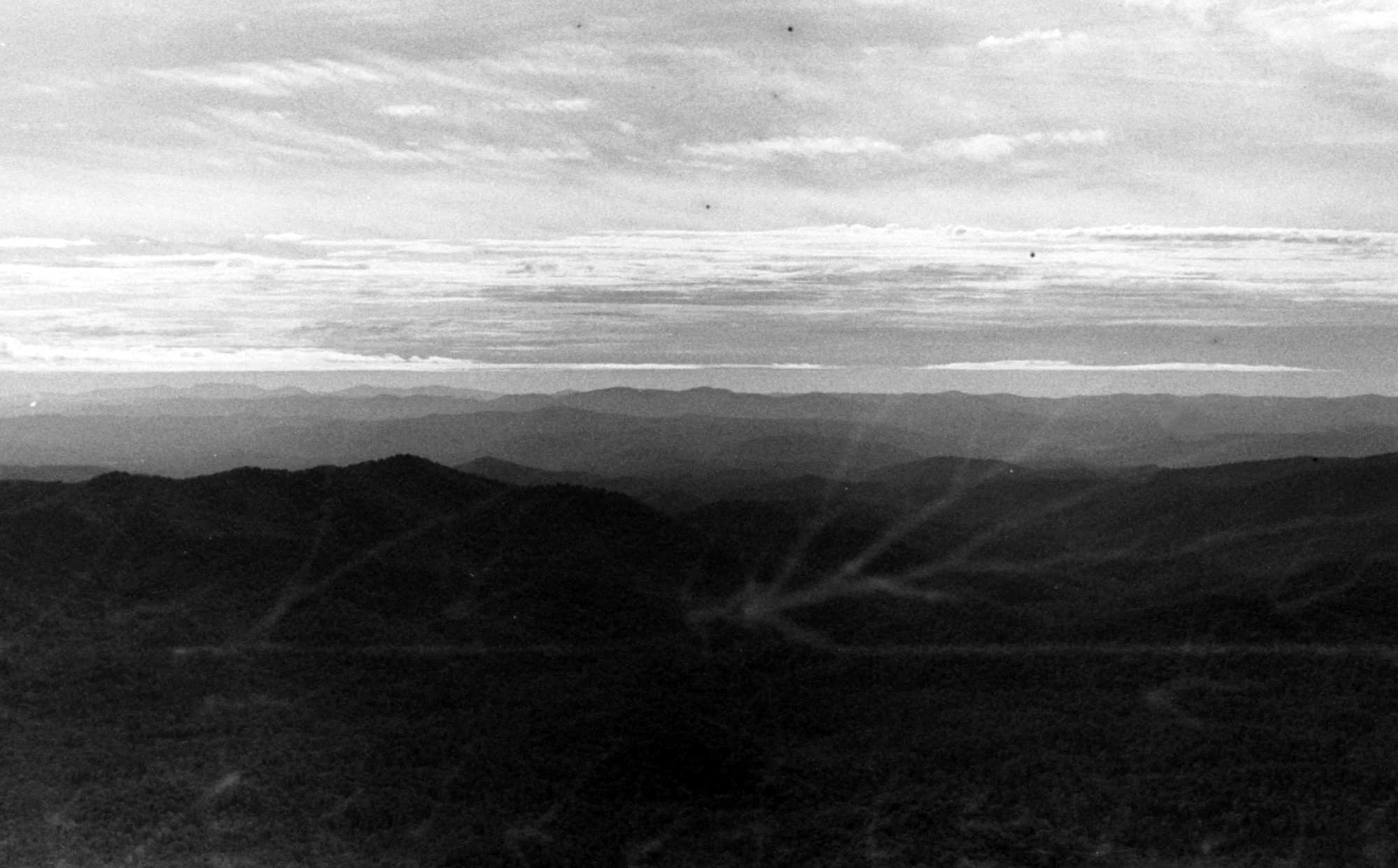
Reverberant Whispers, archival print, 17 x 11 in, 2025, Candace Day, Spartanburg, South Carolina
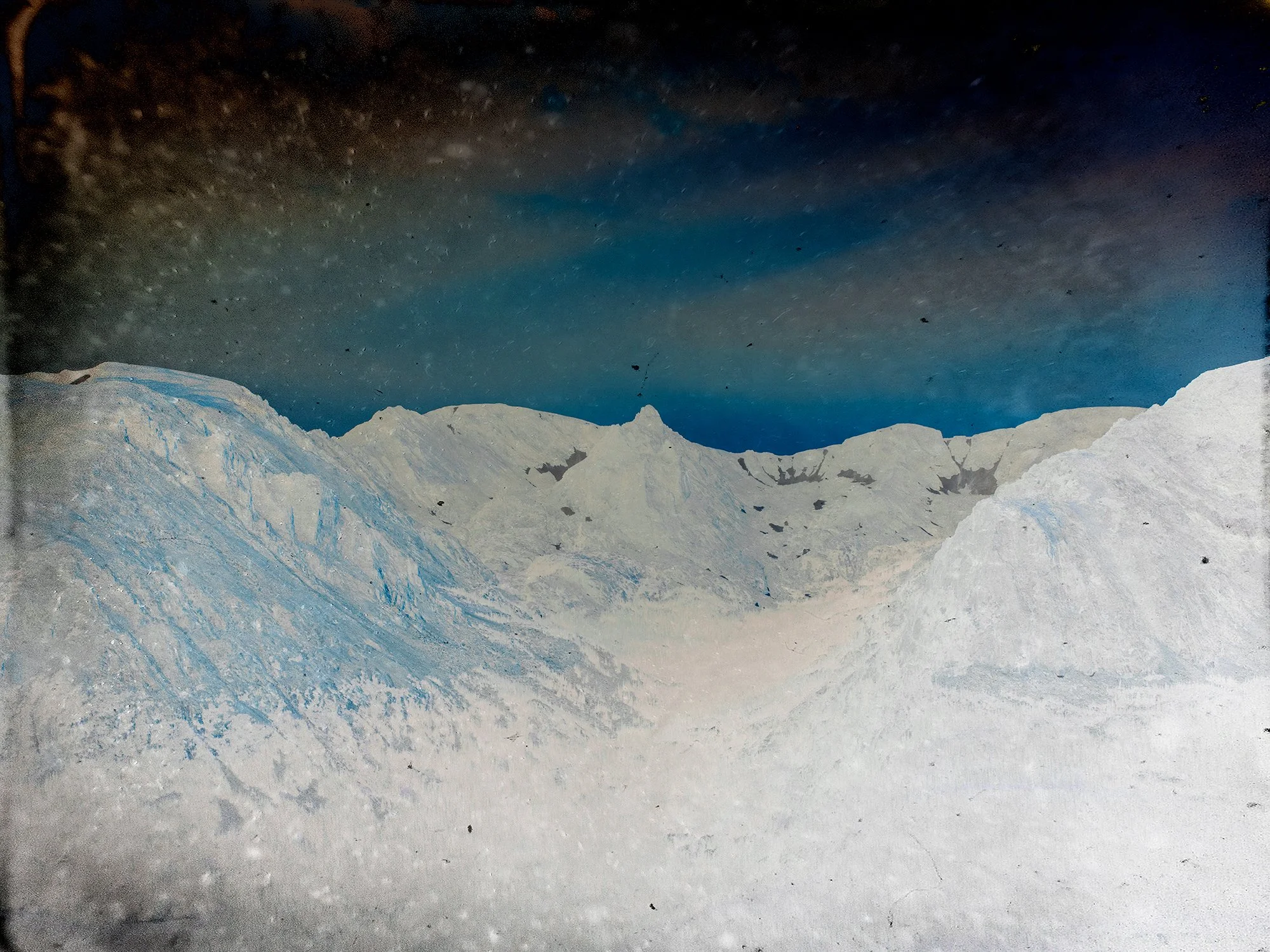
Landing Cliffs, archival pigment print, 20 x 24 in, 2024, Christopher Bennett, Detroit, Michigan
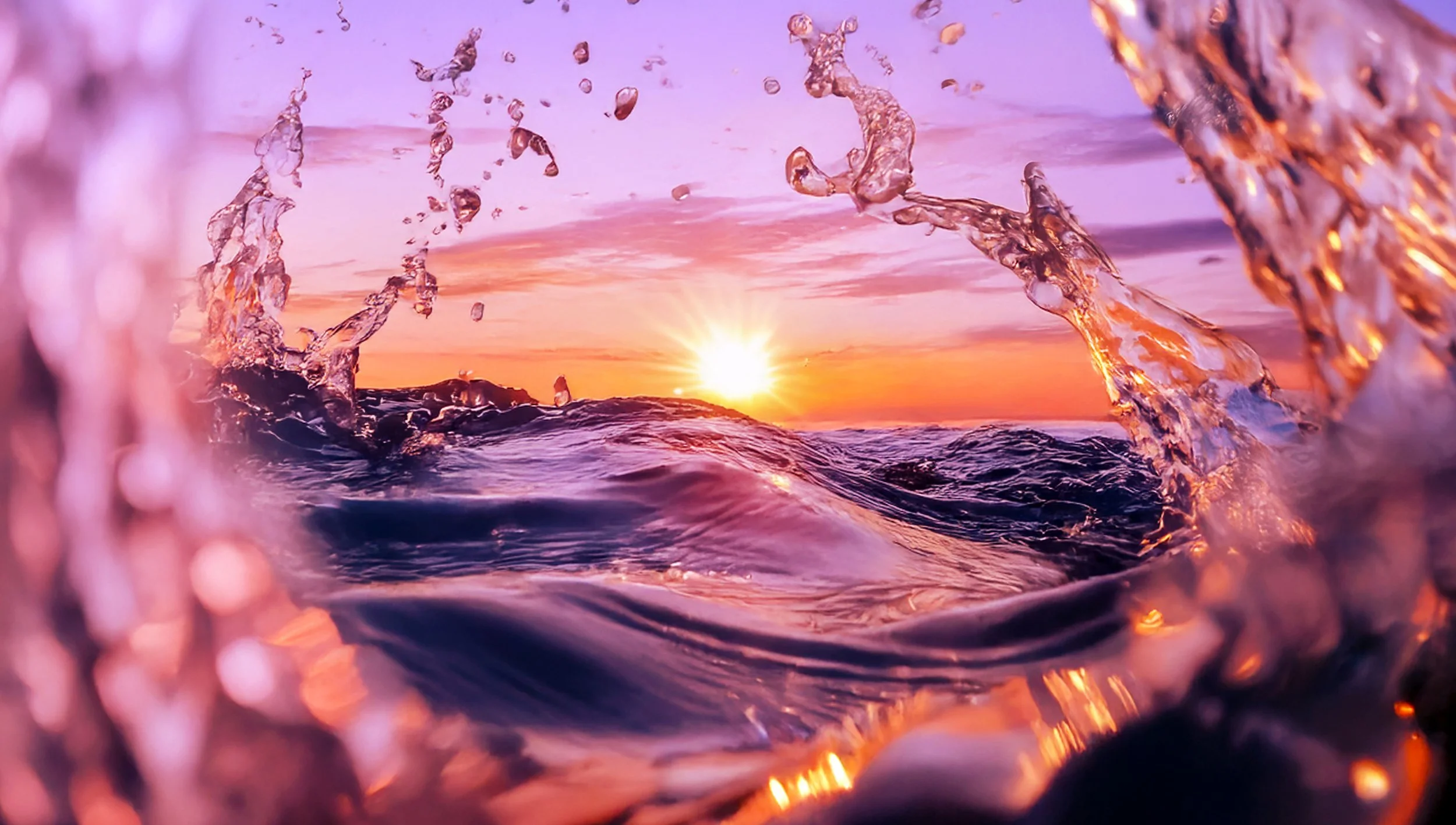
Last Minute Magic, metal, 36 x 20, 2025, Christy Mandeville, Largo, Florida
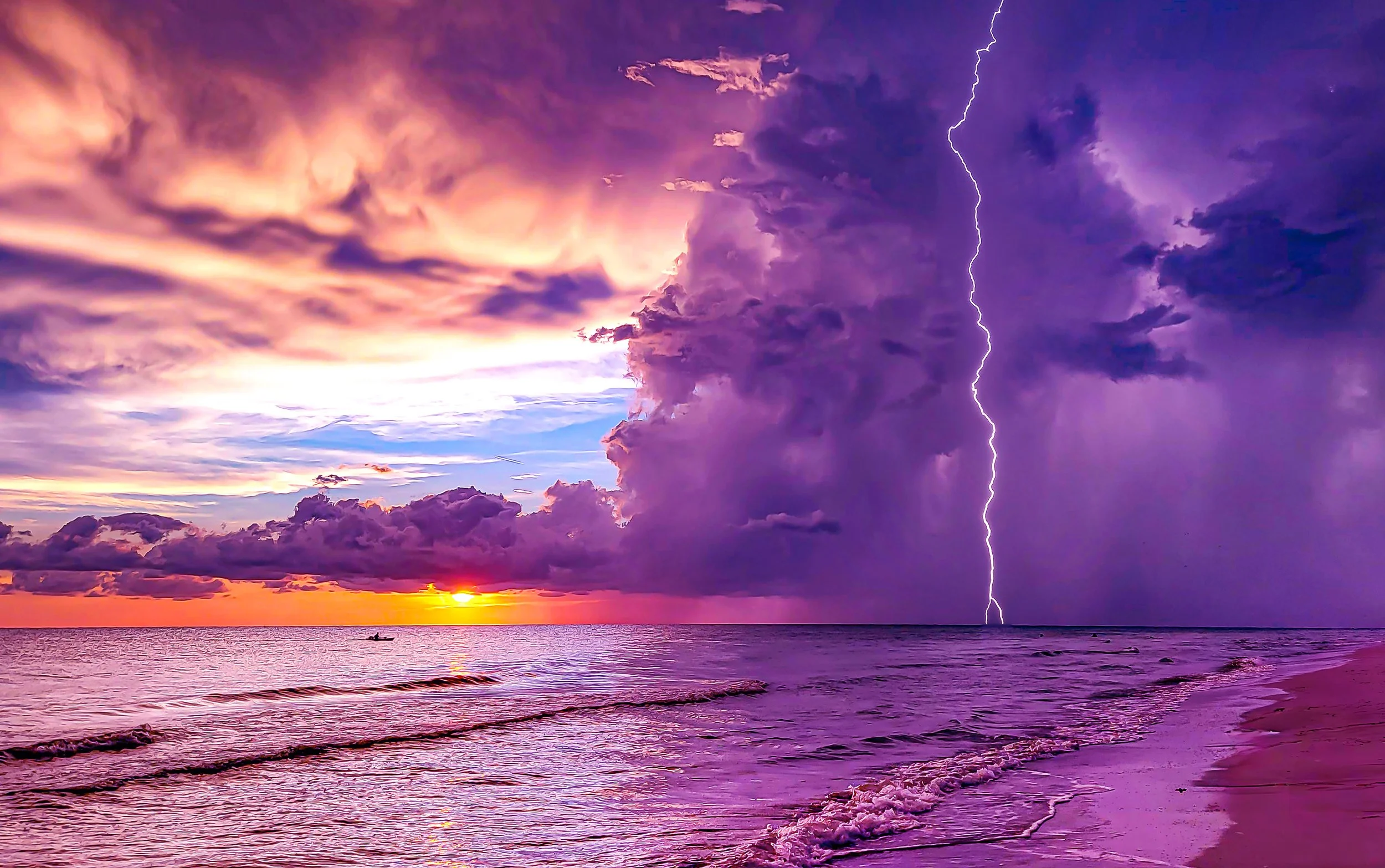
Purple Rain, metal, 36 x 22, 2022, Christy Mandeville, Largo, Florida
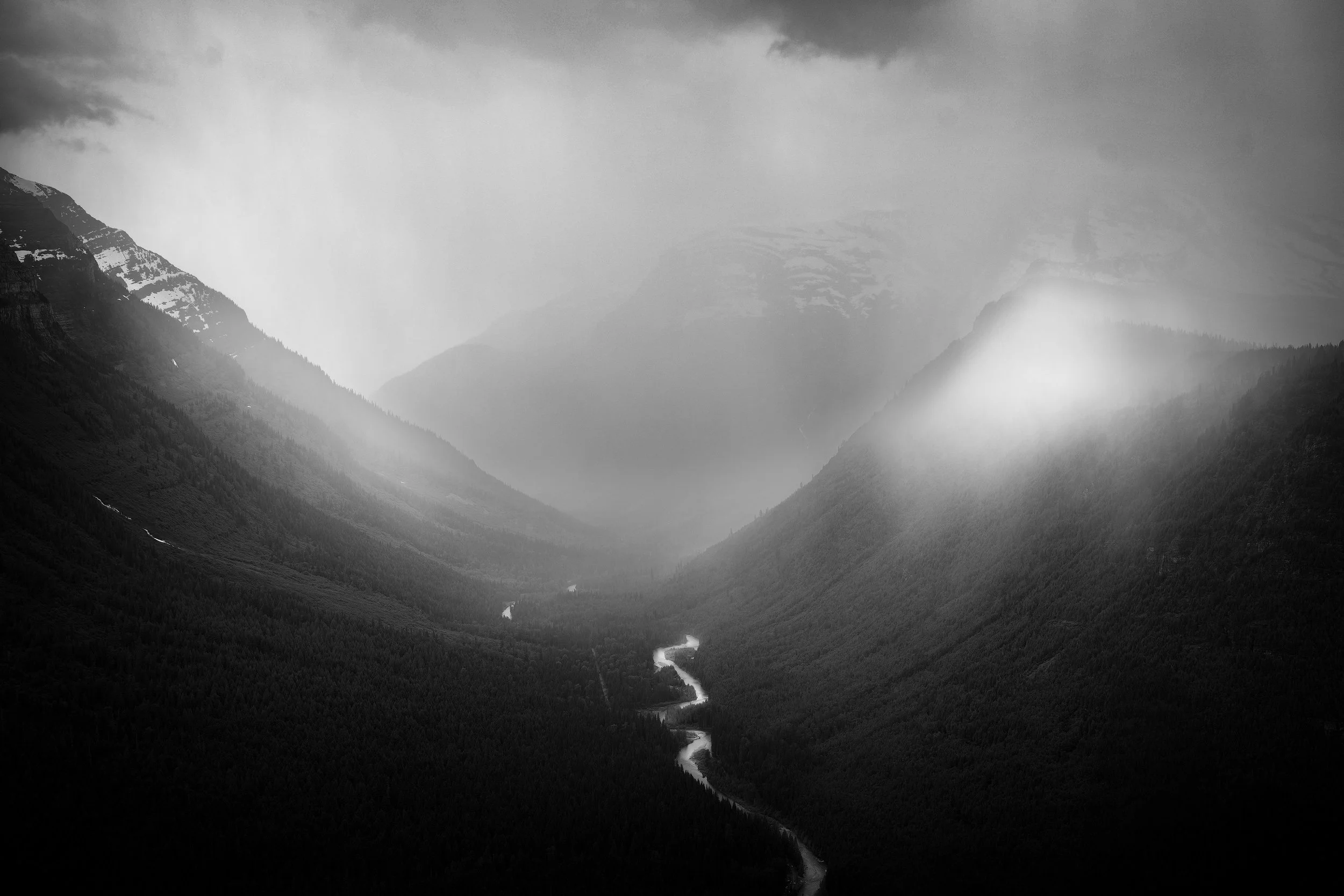
Misty Mountains, archival print, 36 x 24, 2024, Daniel Hartmann, Franklin, Tennessee
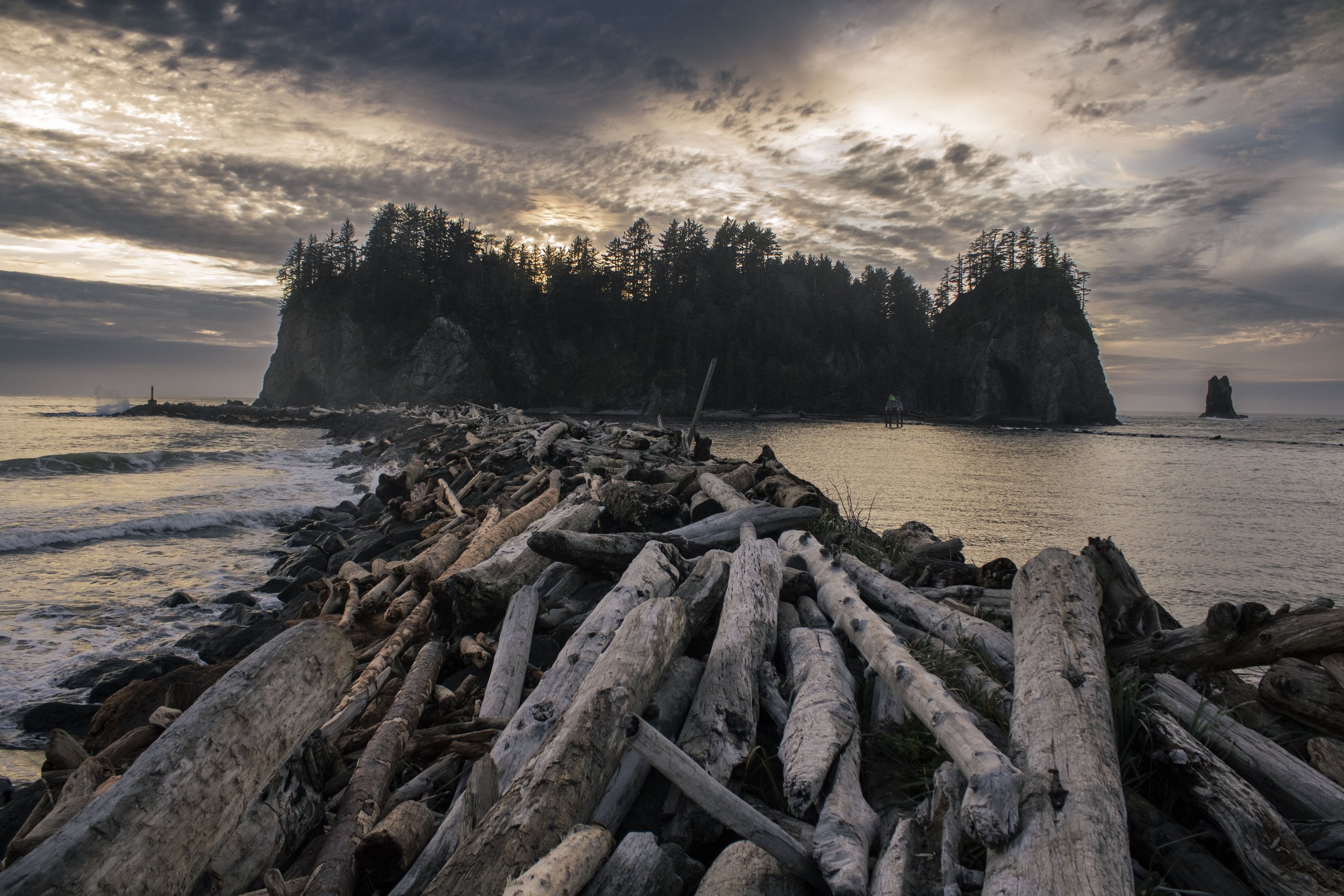
La Push, archival print, 50 x 34 cm, 2025, Davide Bellini, Rivoli, Torino, Italy
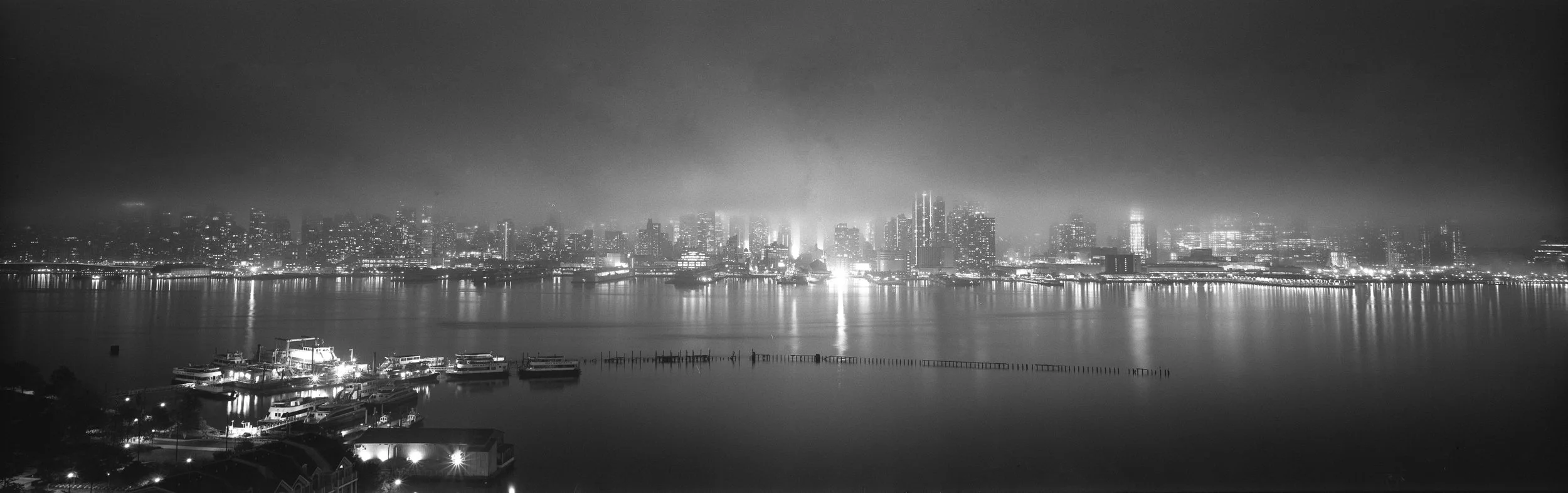
Foggy NYC, archival print, 32 x 14, 2022, Derek Liu, Basking Ridge, New Jersey
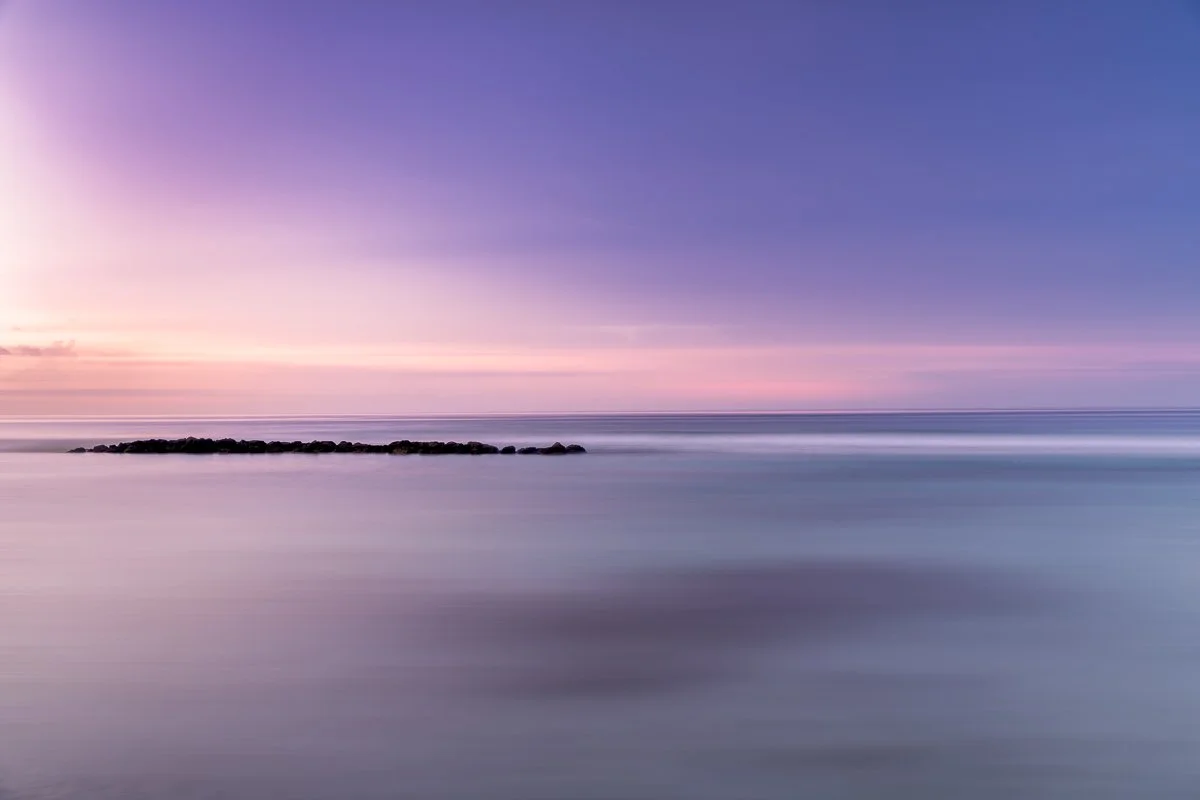
The Slow Path, art print, 30 x 20, 2020, Hugh Walker, St. Thomas, Barbados
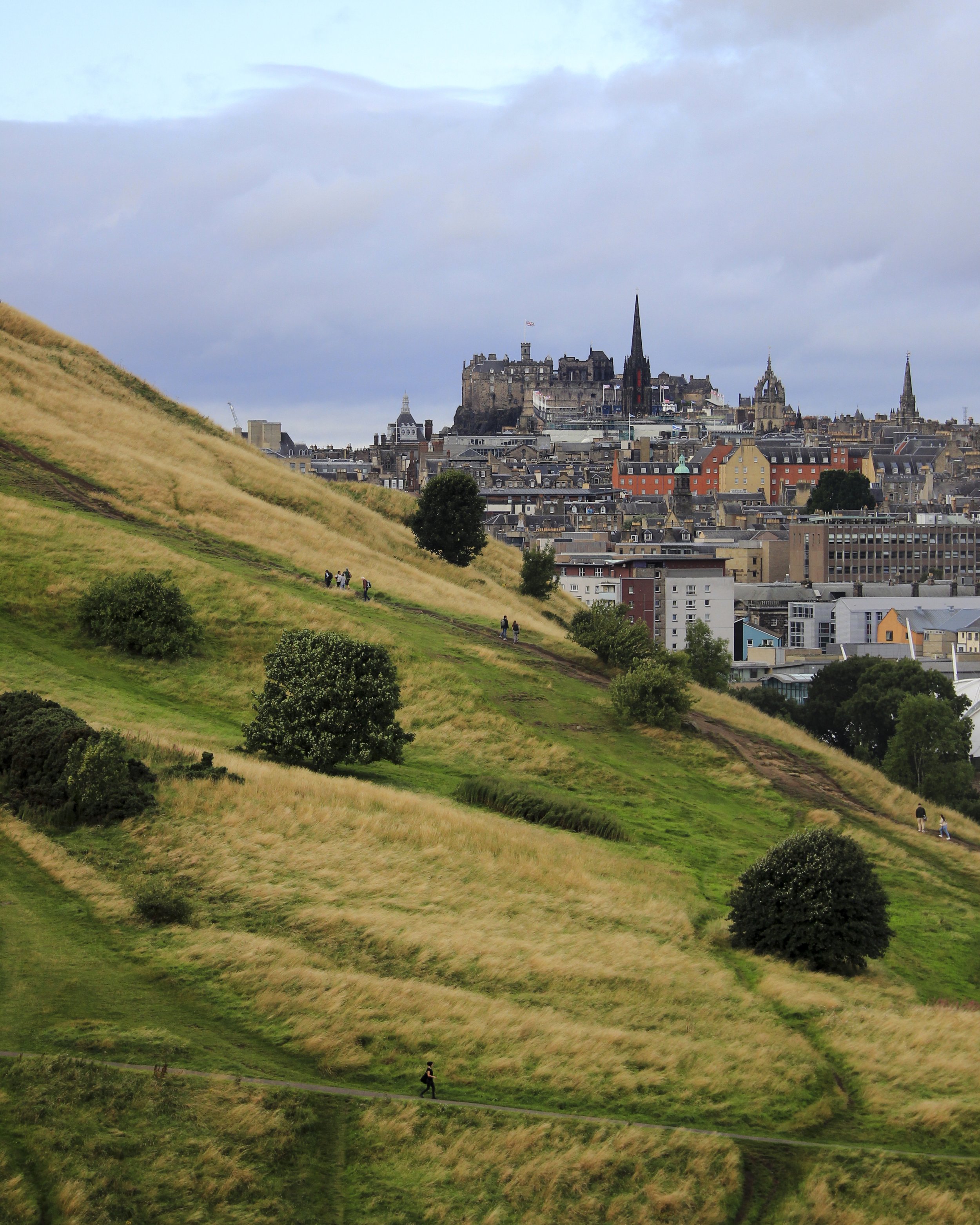
View of Edinburgh, photography, 16 x 20 in, 2023, Jennifer Judge, Philadelphia, Pennsylvania
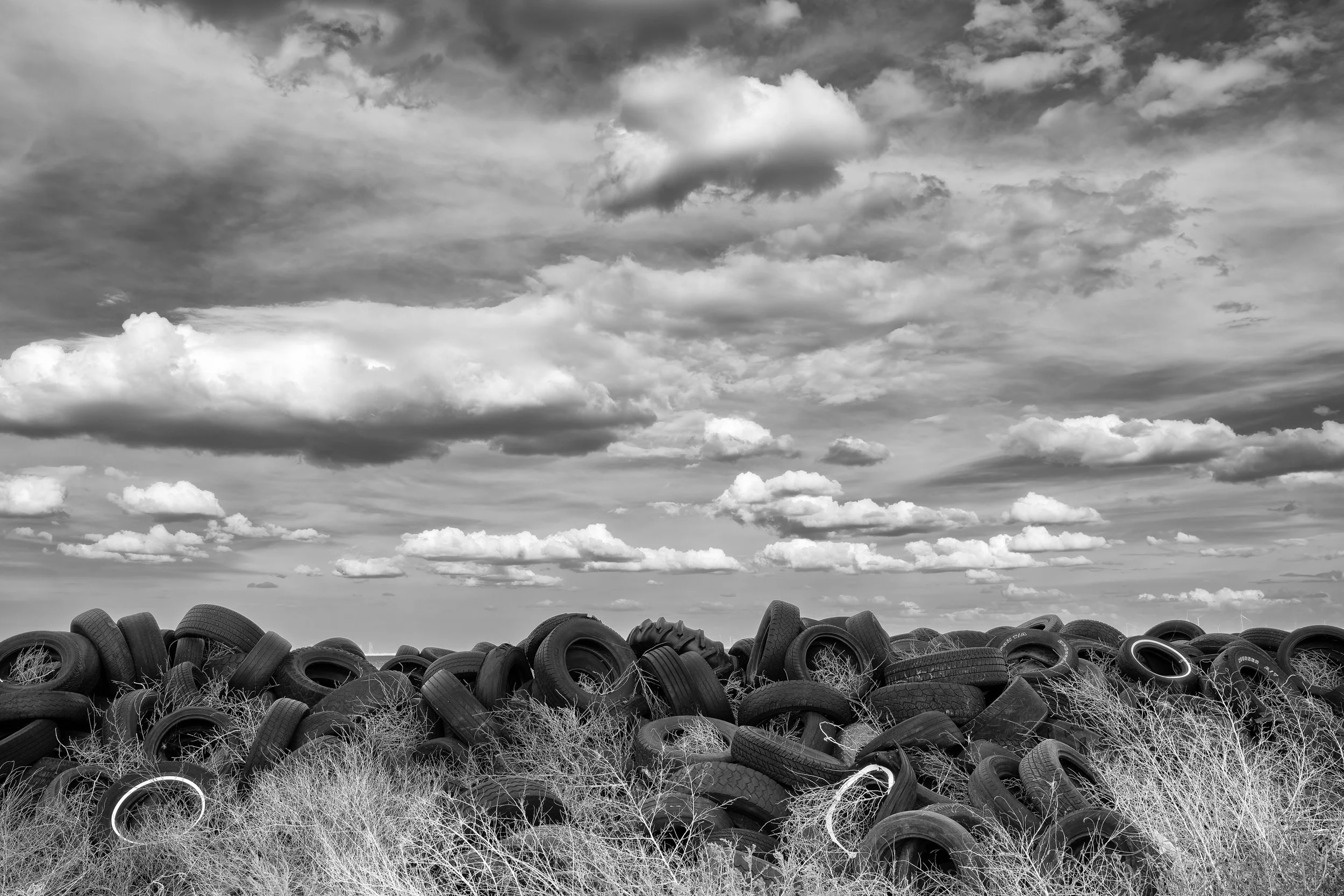
Tires, archival print on Canson Infinity Rag, 12 x 18 in, 2024, Joel Dyer, Longmont, Colorado
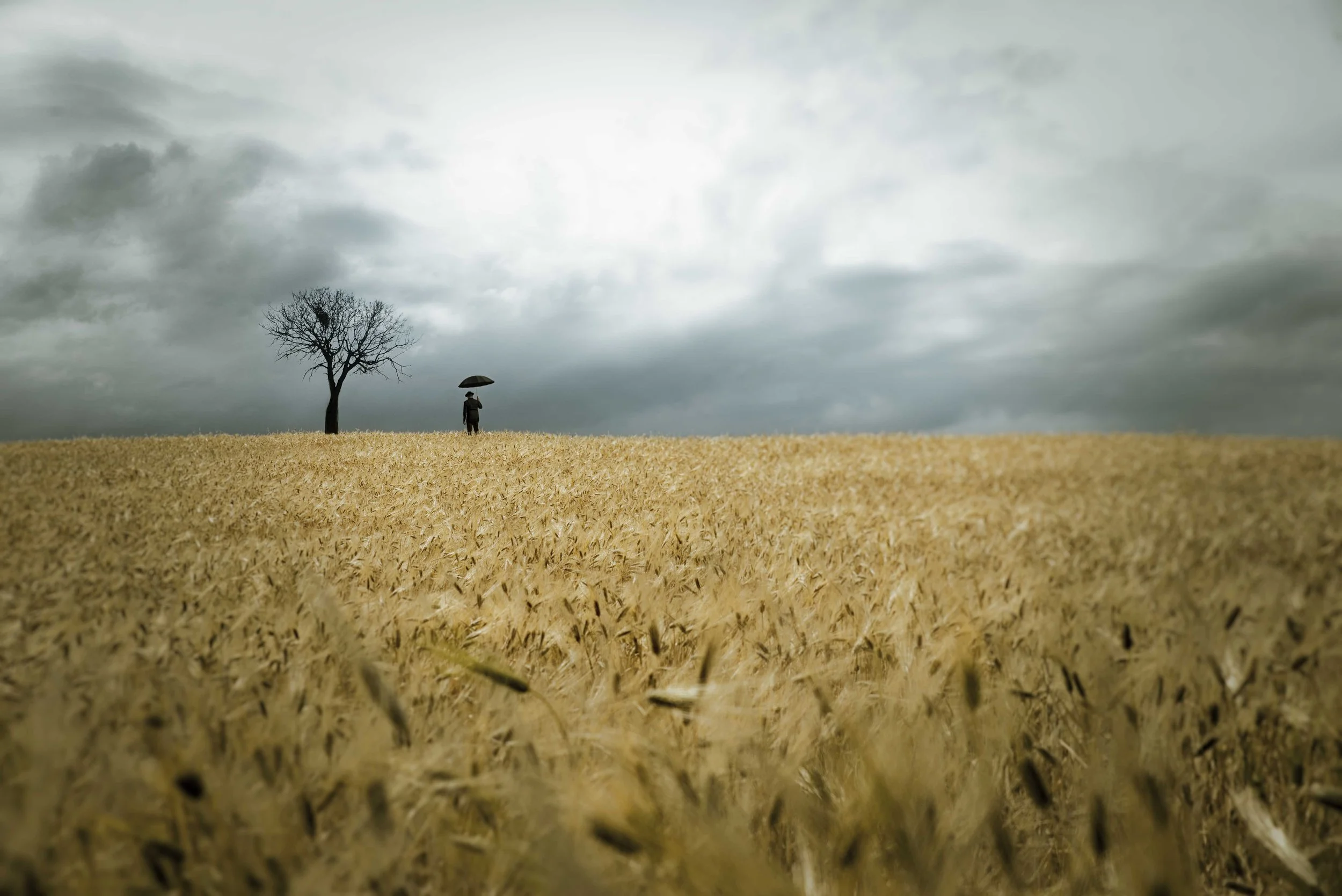
Away, print, 40 x 30 cm, 2021, Jordan Keramidas, Athens, Greece
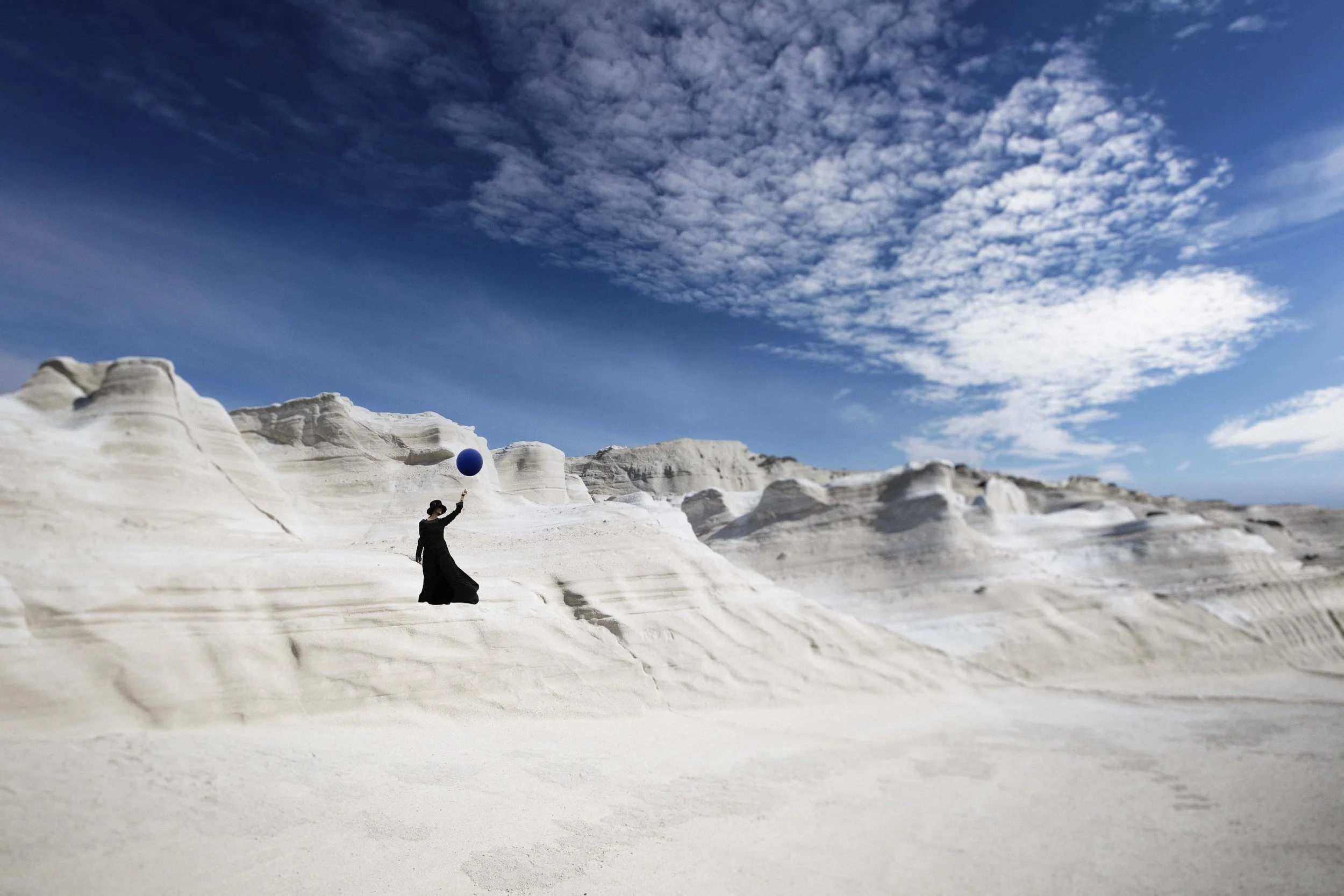
The Weight of Lightness, print, 40 x 30 cm, 2024, Jordan Keramidas, Athens, Greece
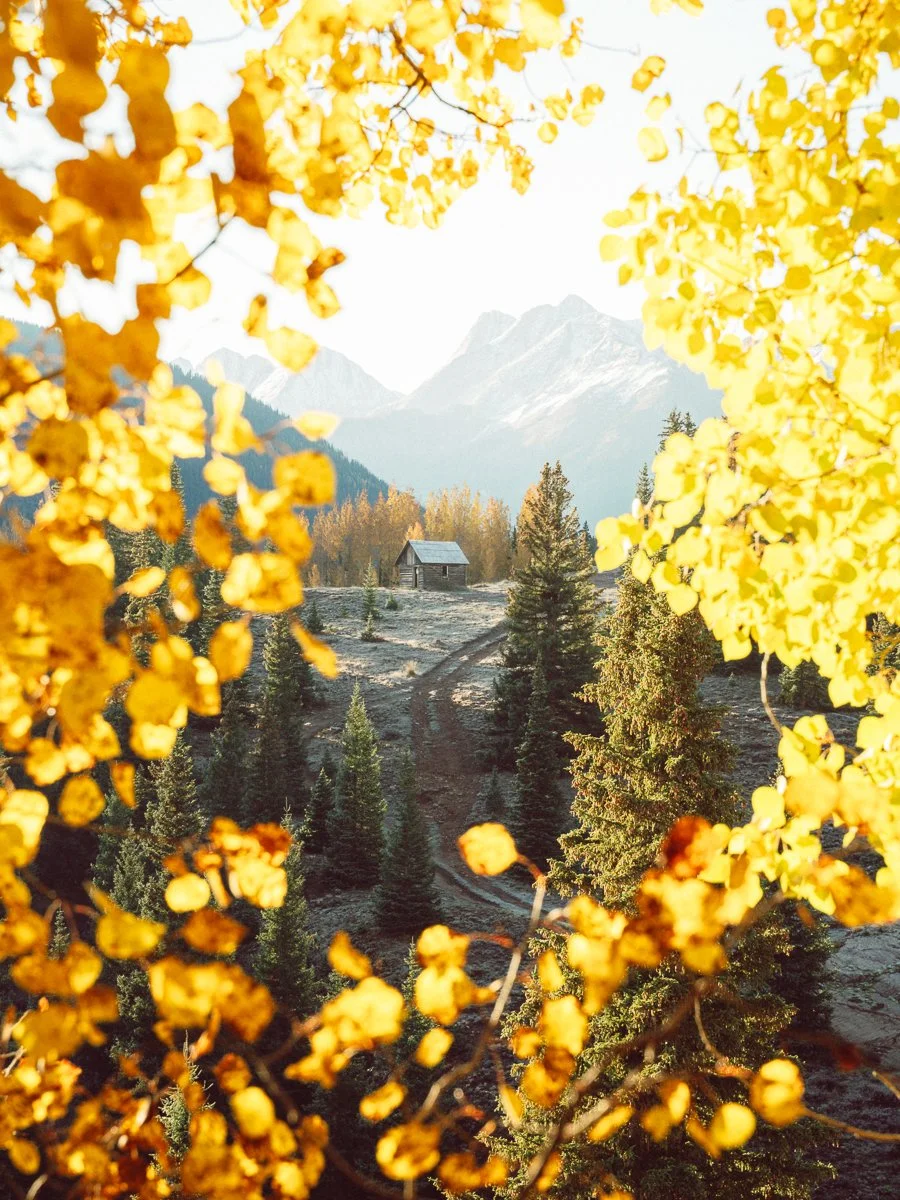
Cabin, digital, 16 x 20, 2023, Josiah Hutchison, San Francisco, California
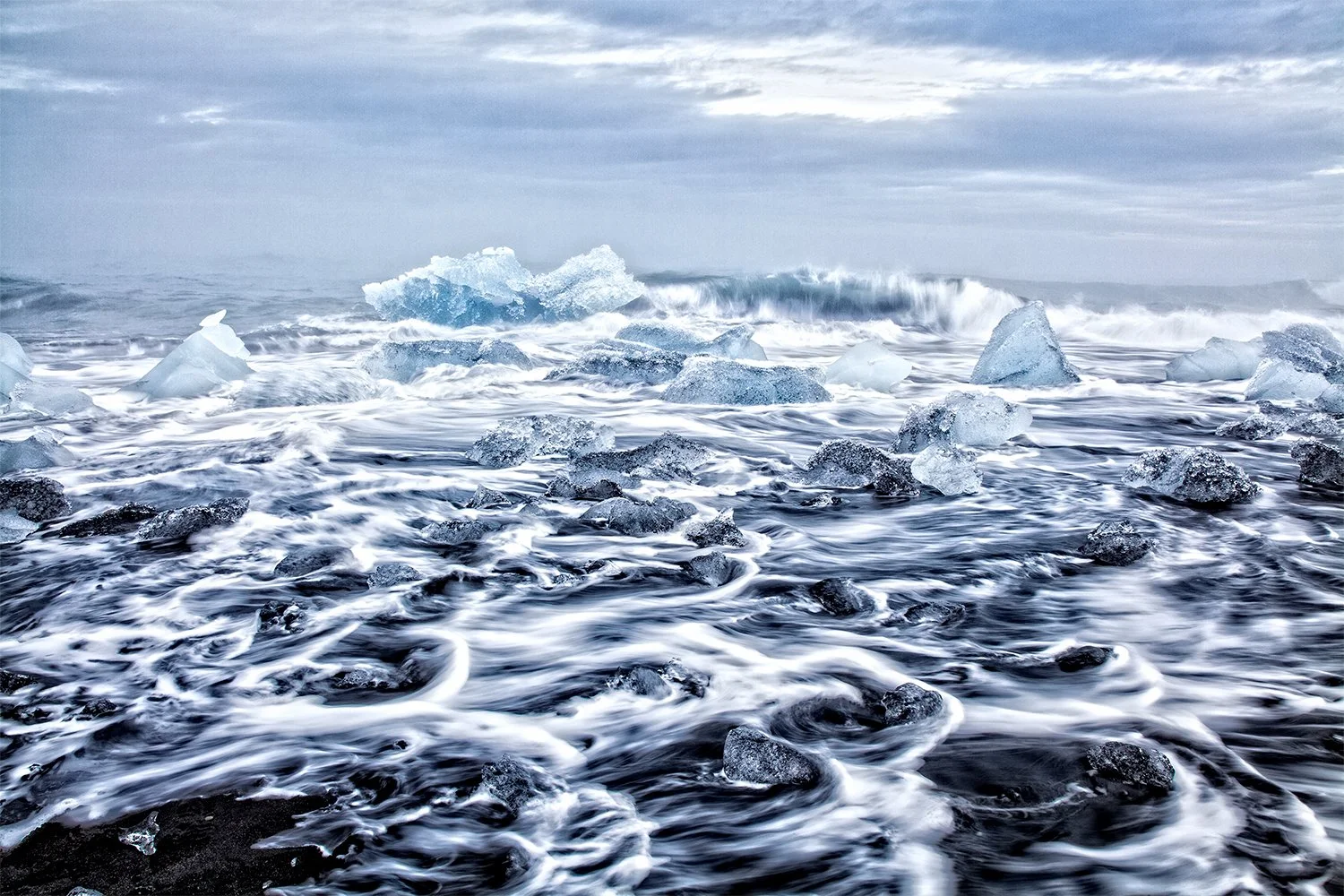
Jokulsarlon, Iceland, archival print, 30 x 20 in, 2014, Ken Cavanagh, Westfield, New Jersey
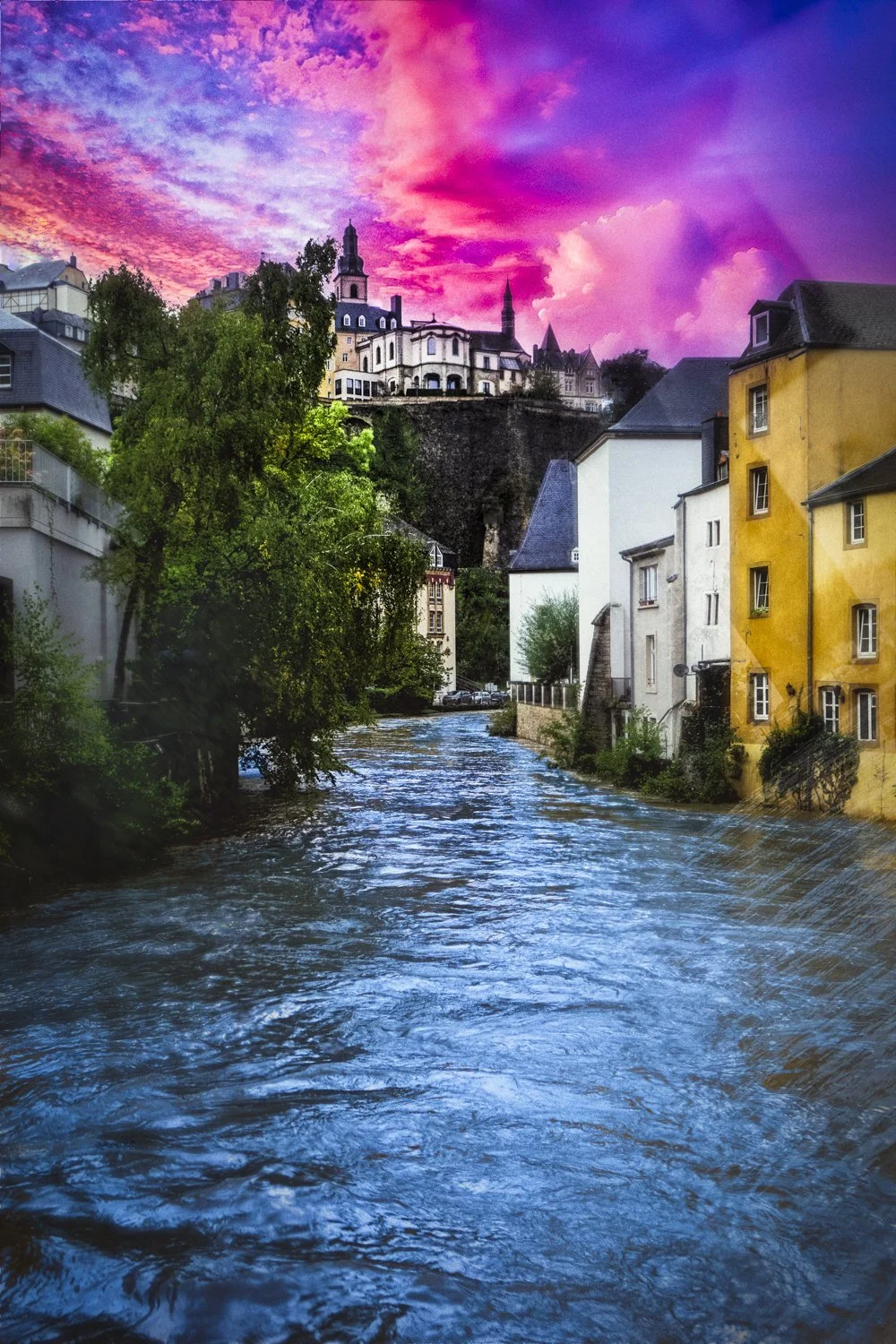
After the Storm, photo transfer on metal, 24 x 16 in, 2025, Kylo-Patrick Hart, Aledo, Texas
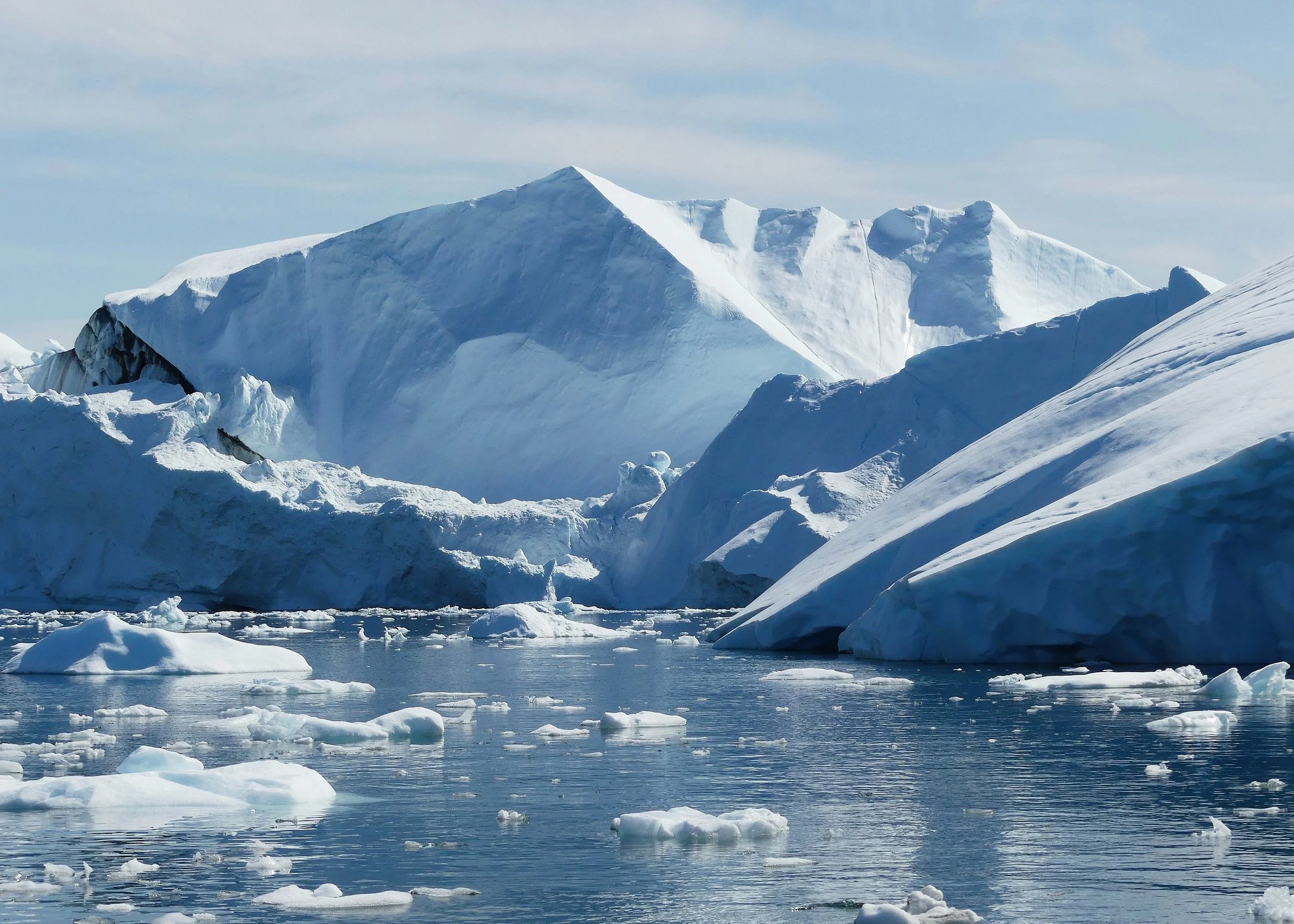
Greenland Iceberg, photography, 16 x 20 in, 2025, Leo Tujak, New York, New York
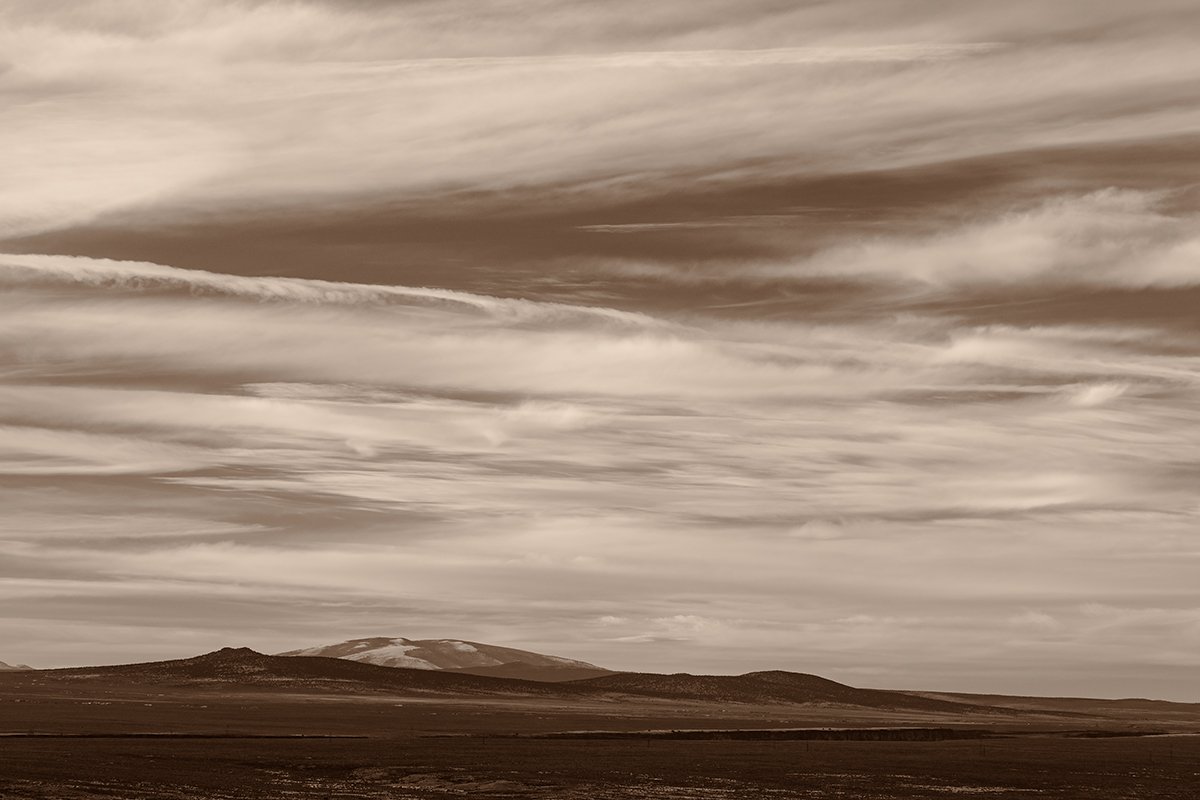
You Take the High Road and I'll Take the Low Road, archival pigment print from a digital capture, 27 x 18 in, 2016, Les Schmidt, New Orleans, Louisiana
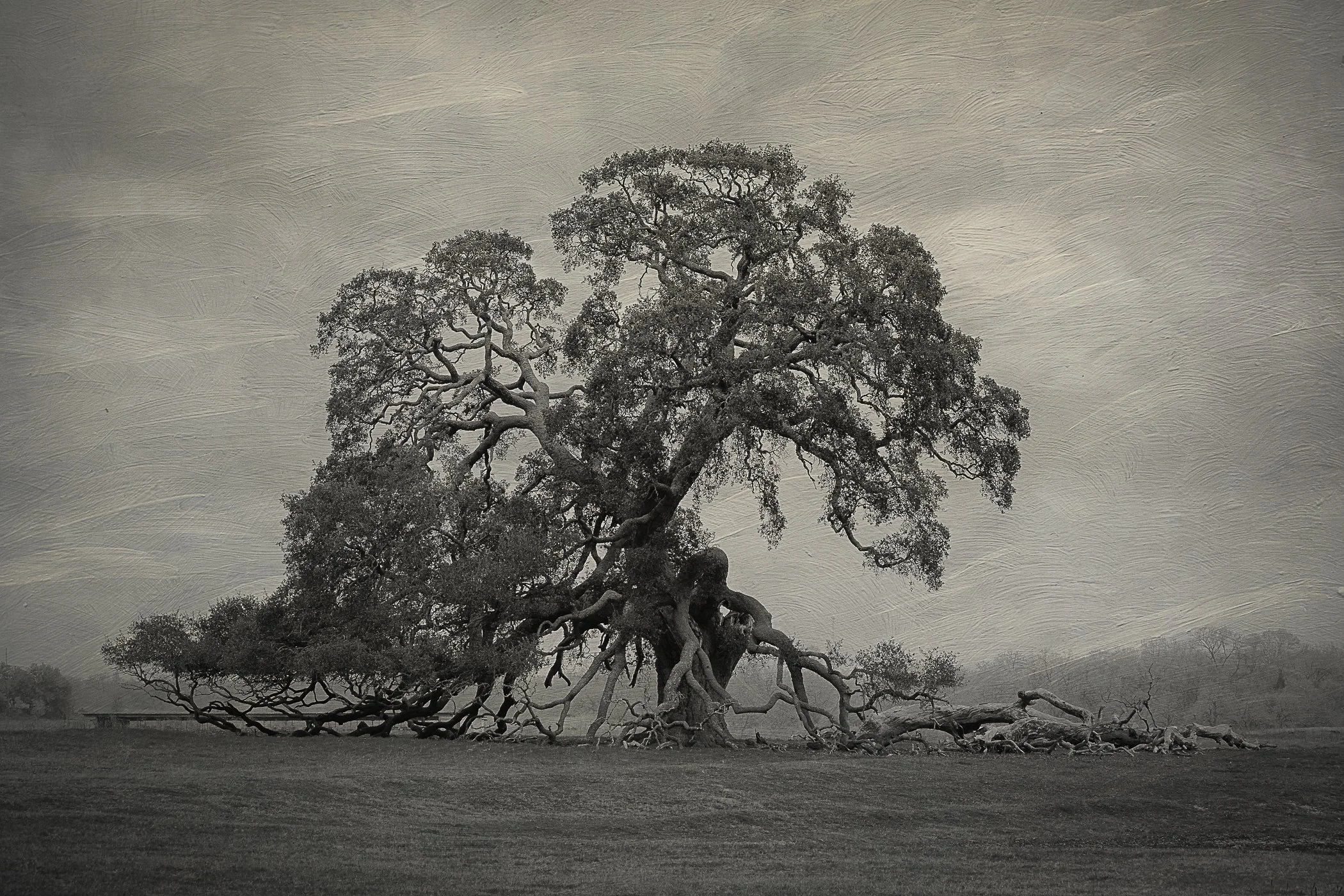
Battle Hardened, photography/digital art, 16 x 24 in, 2021, Miachelle Breese, Chandler, Arizona
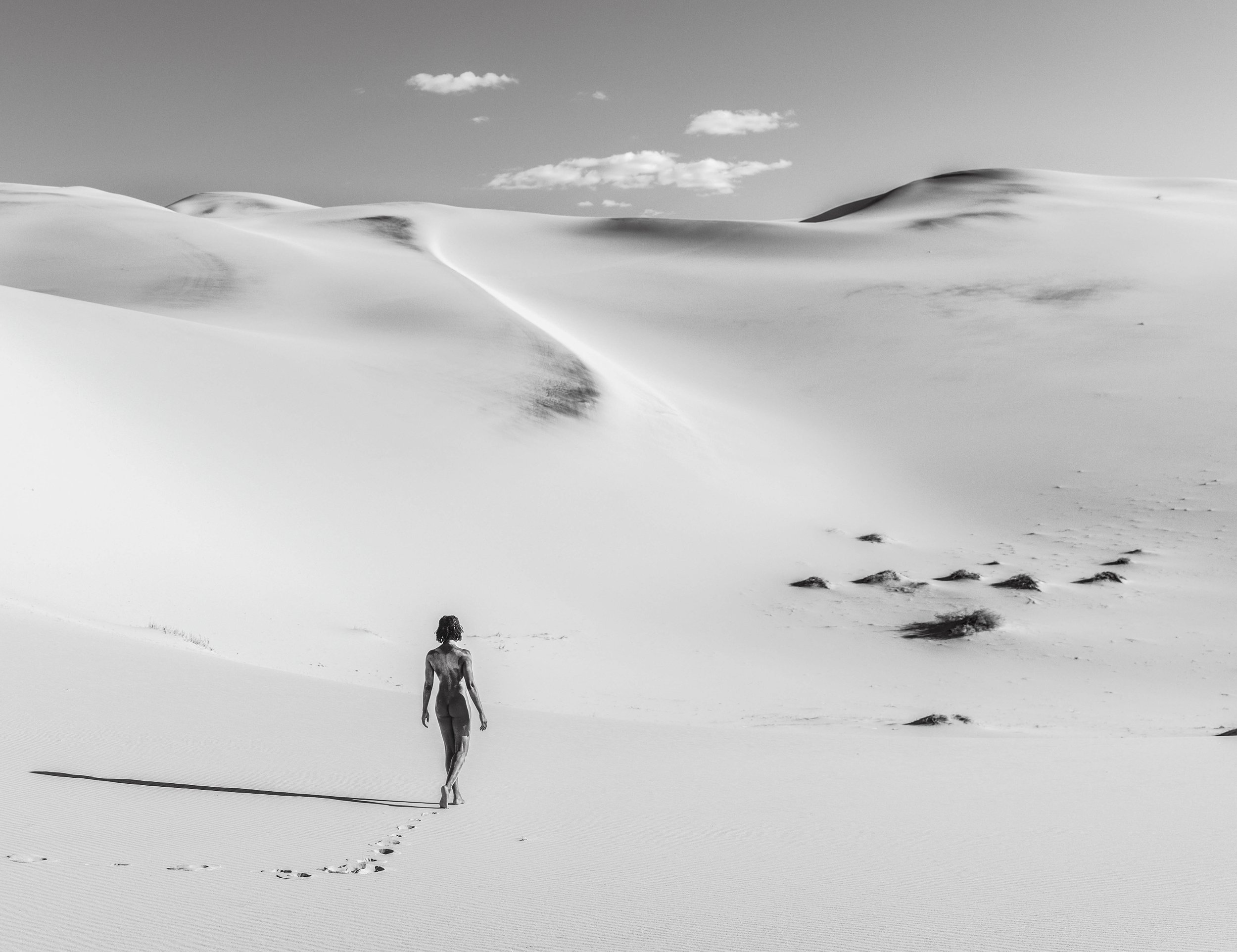
Into the Desert, archival print, 16 x 20 in on 17 x 22 in paper, 2023, Michael Potts, Phoenix, Arizona
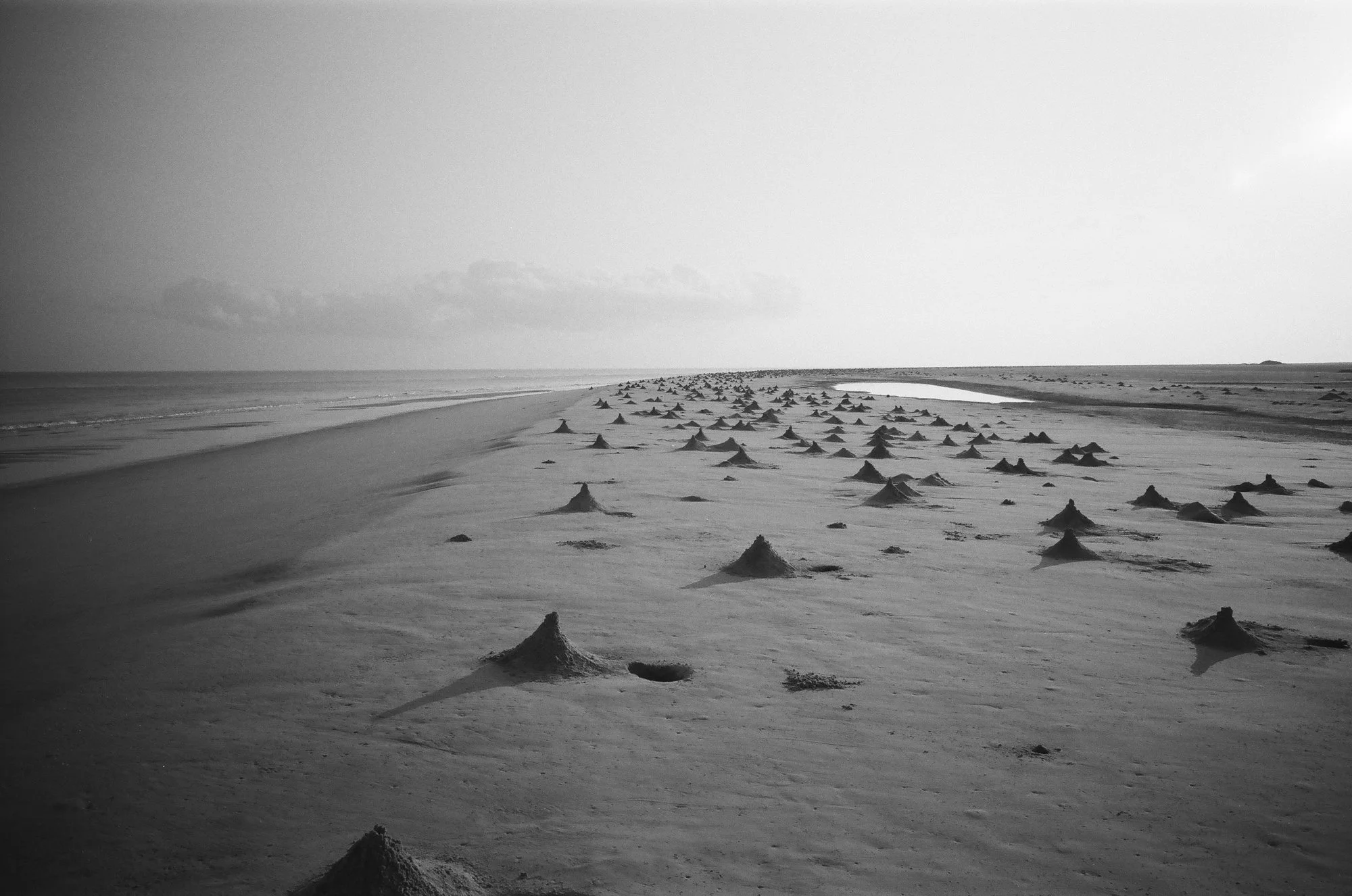
Pyramids, 35mm negative scan printed on archival paper, 60 x 40, 2025, Natalia Poniatowska, Warsaw, Poland
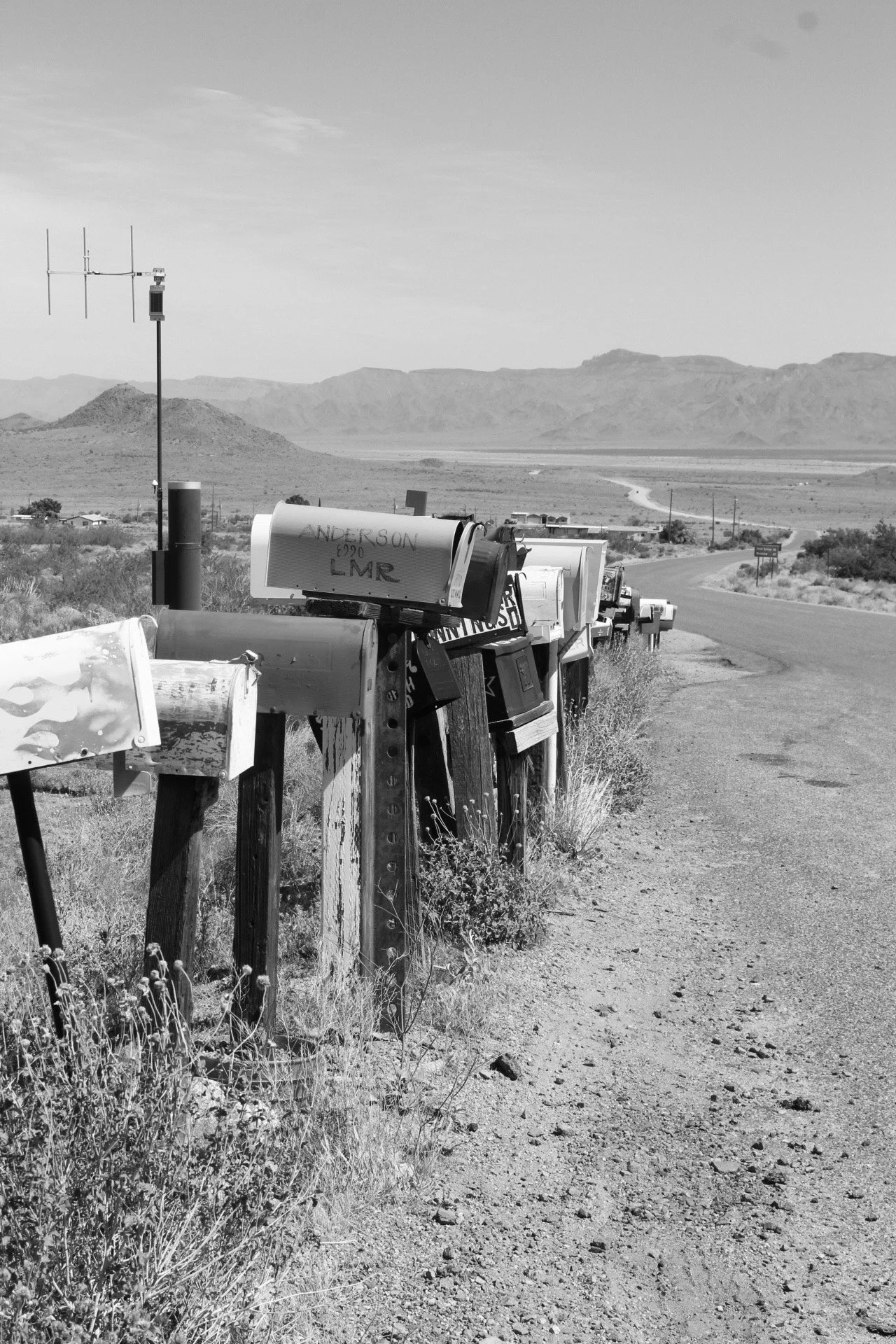
Route 66, archival print, 11 x 14, 2021, Melissa Brewer-Hinners, Cincinnati, Ohio
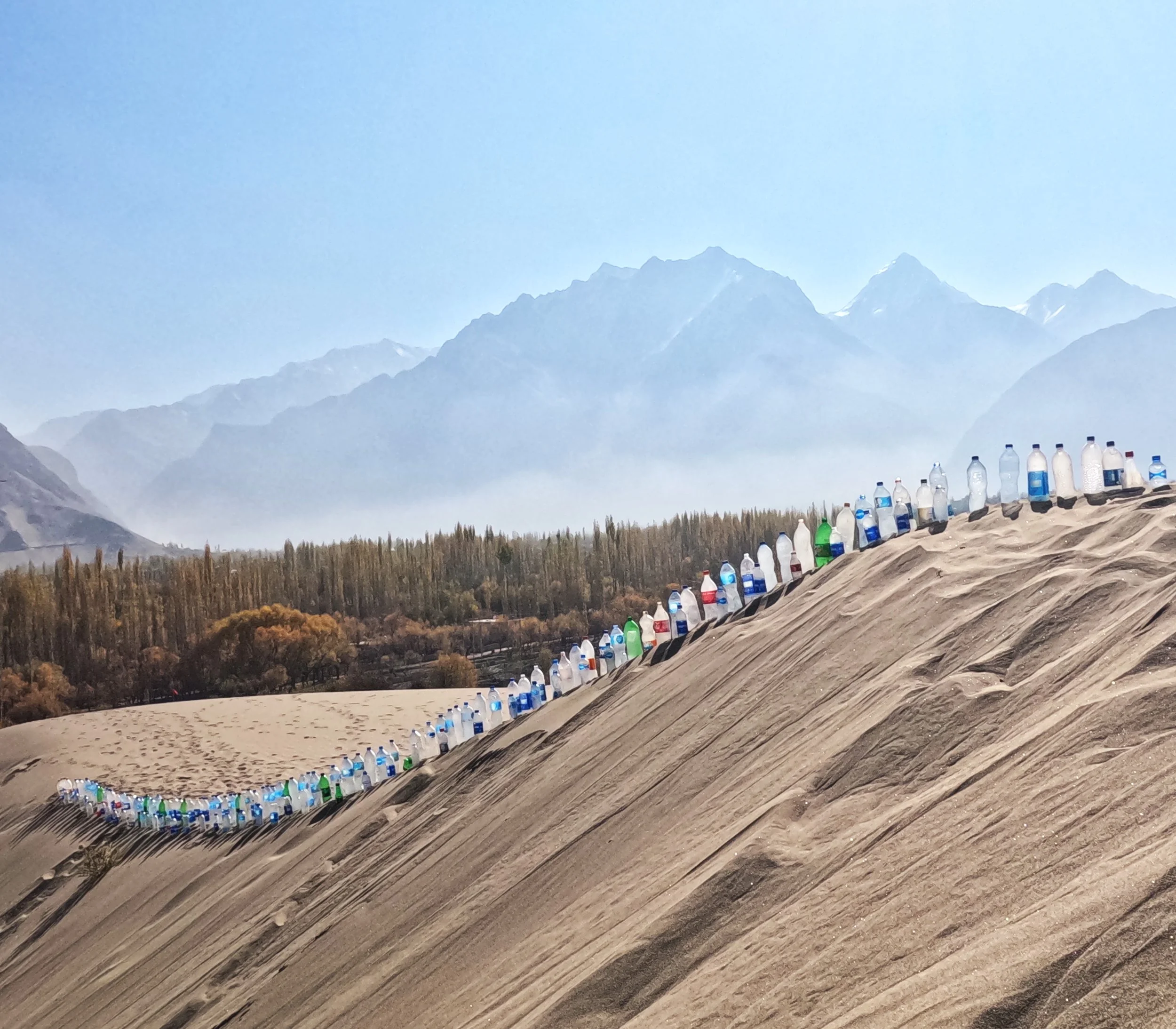
Water, Air and Earth No. 2, reclaimed plastic bottles, approx. 25 x 1,462 cm, 2025, Noreen Jahan, Skardu, Gilgit-Baltistan, Pakistan
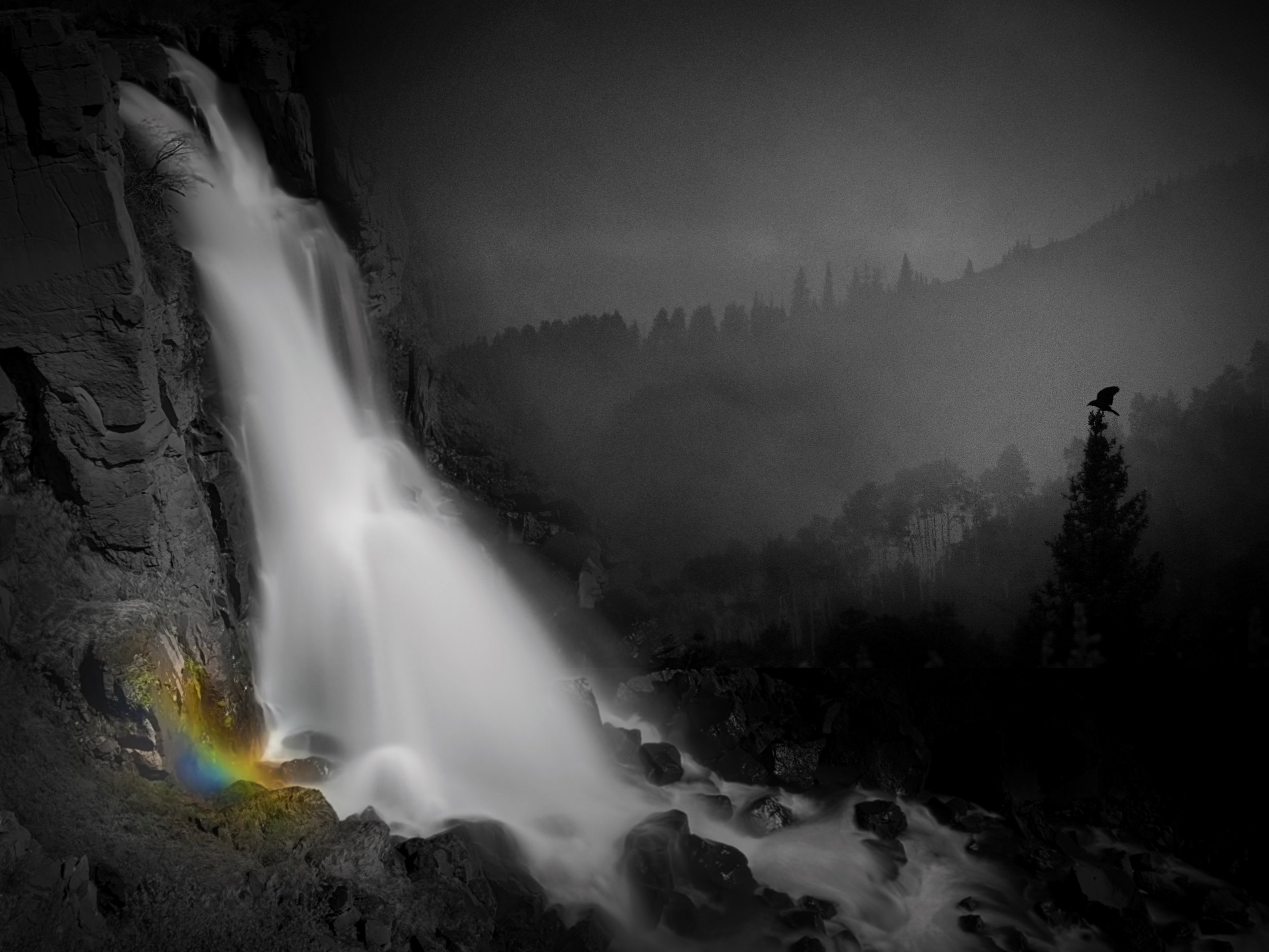
Light and Darkness, Robert Endres, Pagosa Springs, Colorado
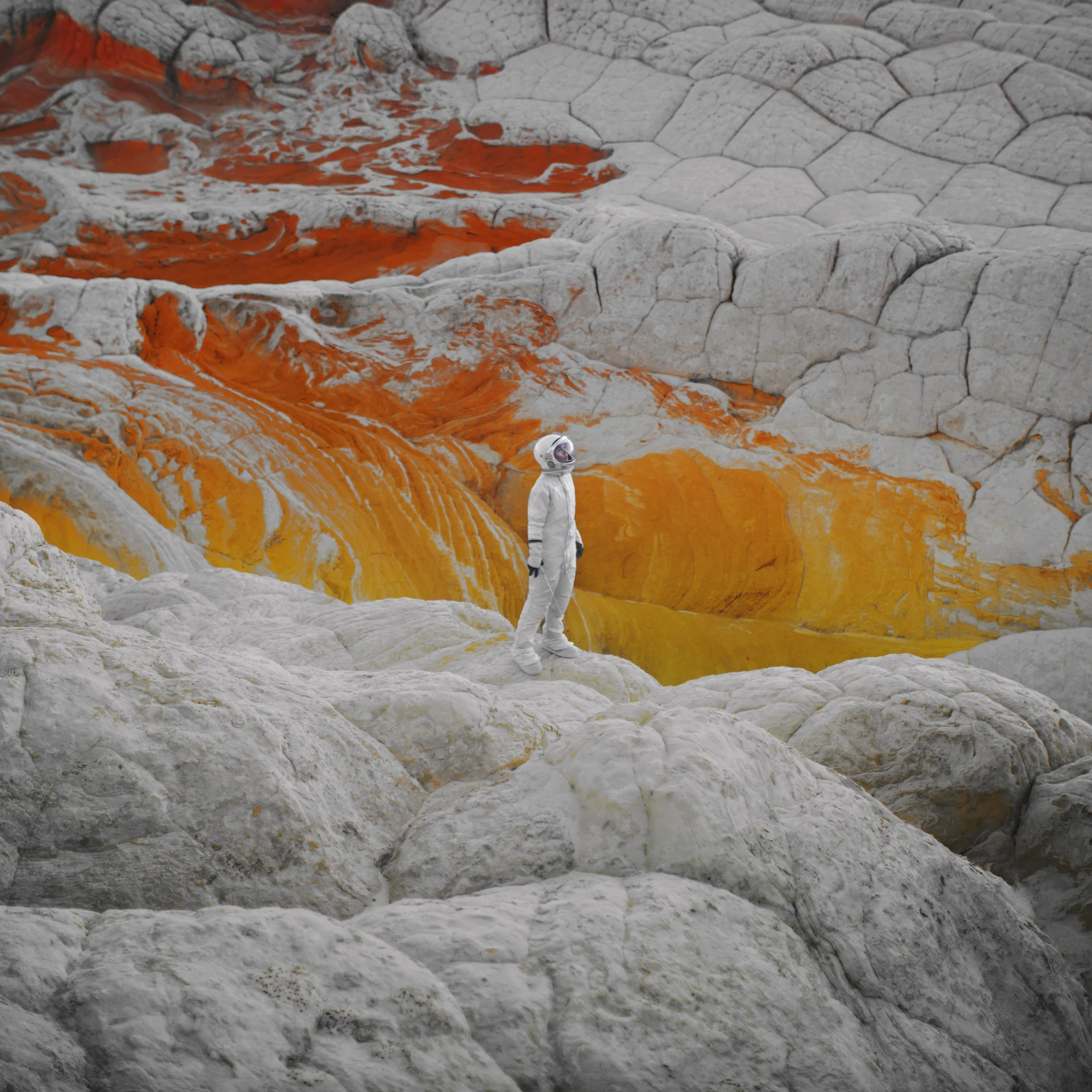
White Pocket #1, archival print, 12 x 12, 2022, Sam Tilson, Los Angeles, California
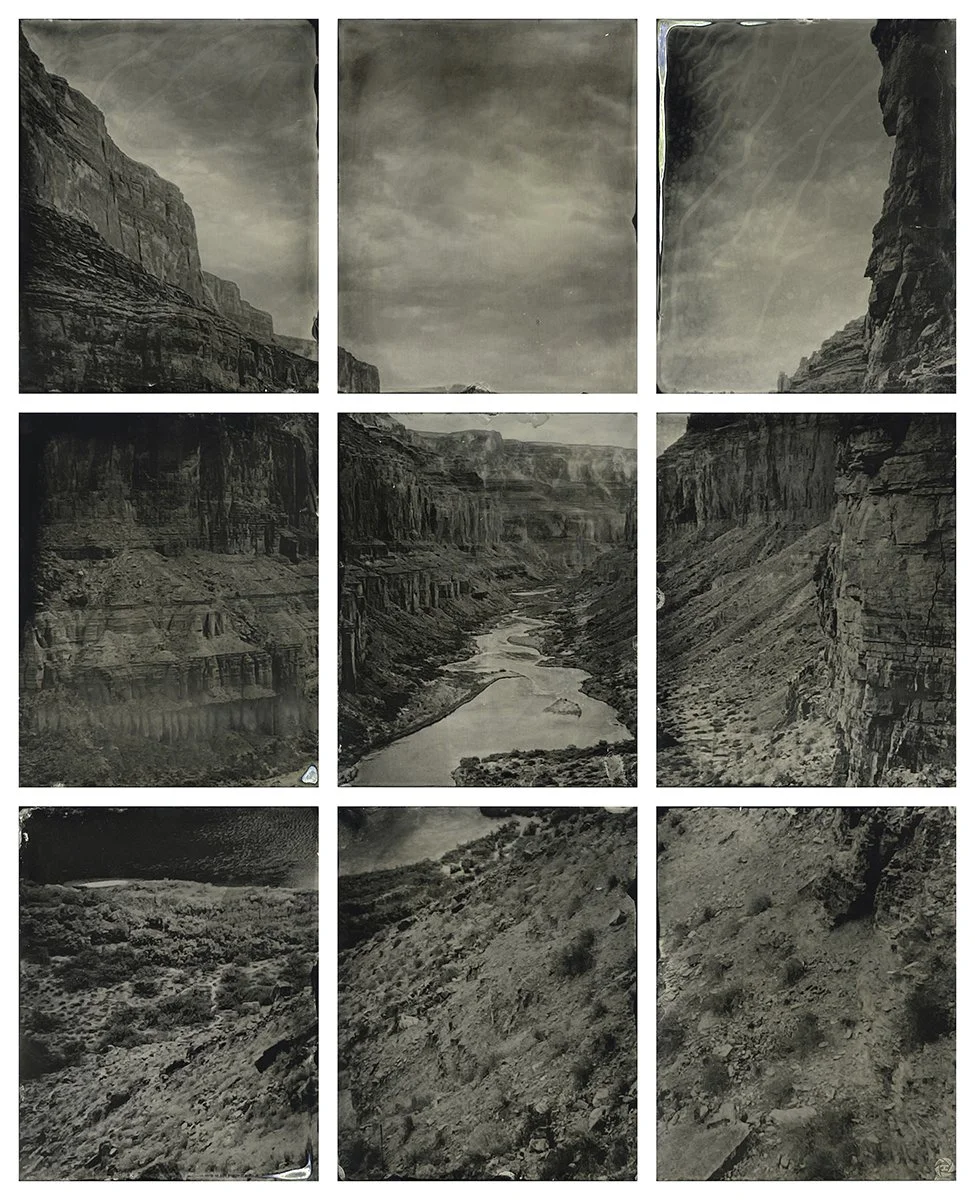
Depths of Eternity, tintypes, 37 x 31 framed, 2025, Scott Davidson, Jackson, Wyoming
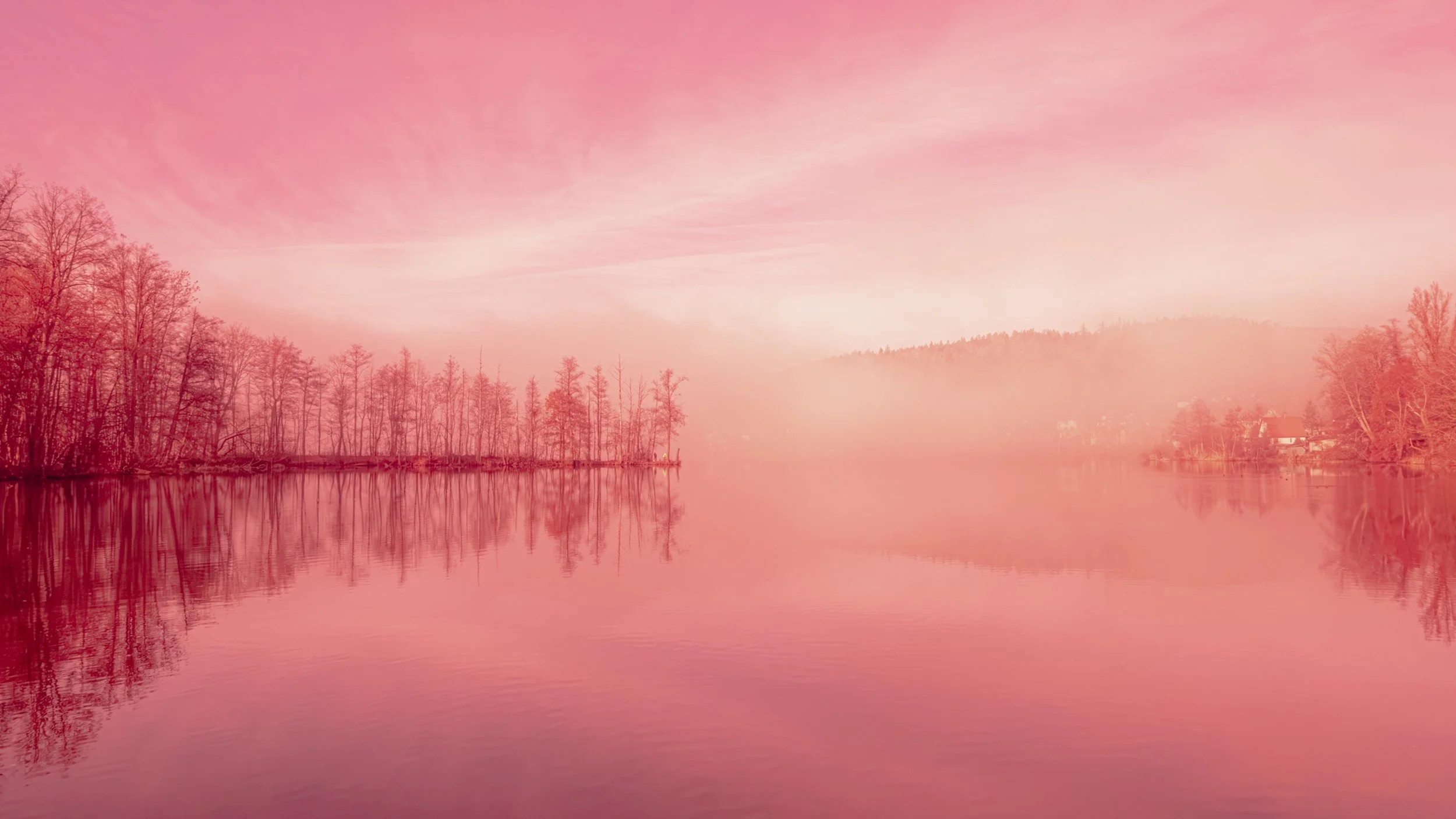
Pink Fog, canvas print, 60 x 35 cm, 2025, Svitlana Zinovieva, Plzeň, Czech Republic
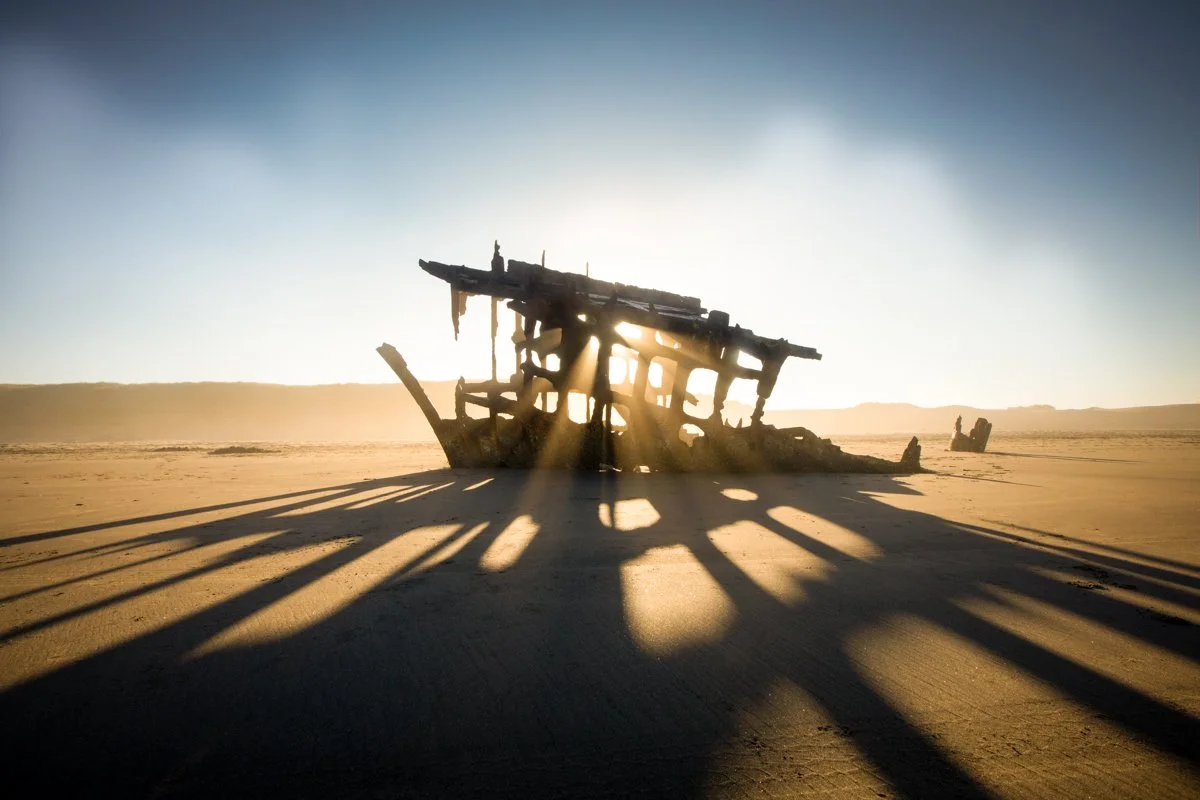
Shipwreck Shadows, satin metal print, 30 x 20 in, 2020, Teri Miller, Littleton, Colorado
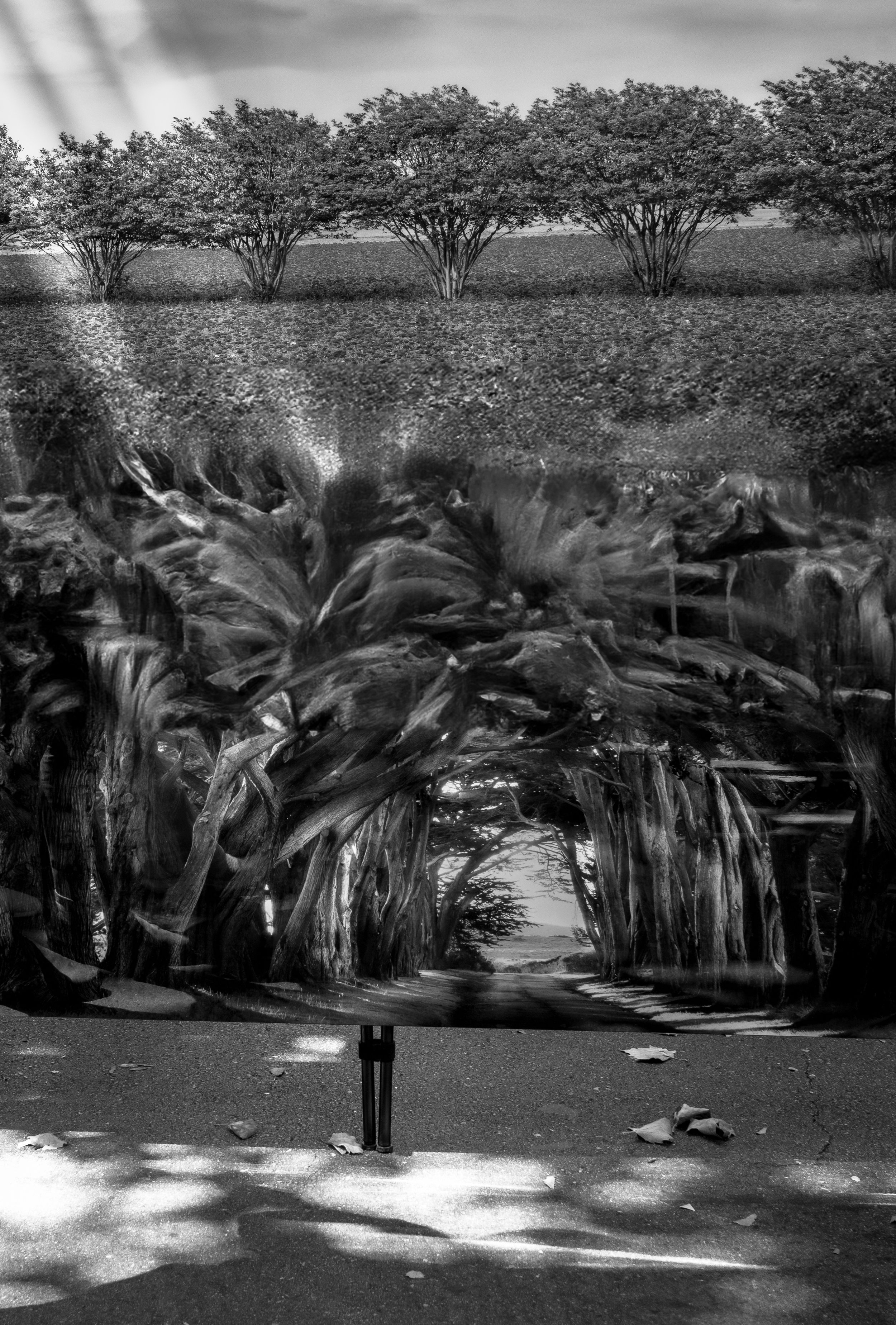
Underworld Image, fine art photography, 11 x 16, 2025, Wright Schickli, Palo Alto, California
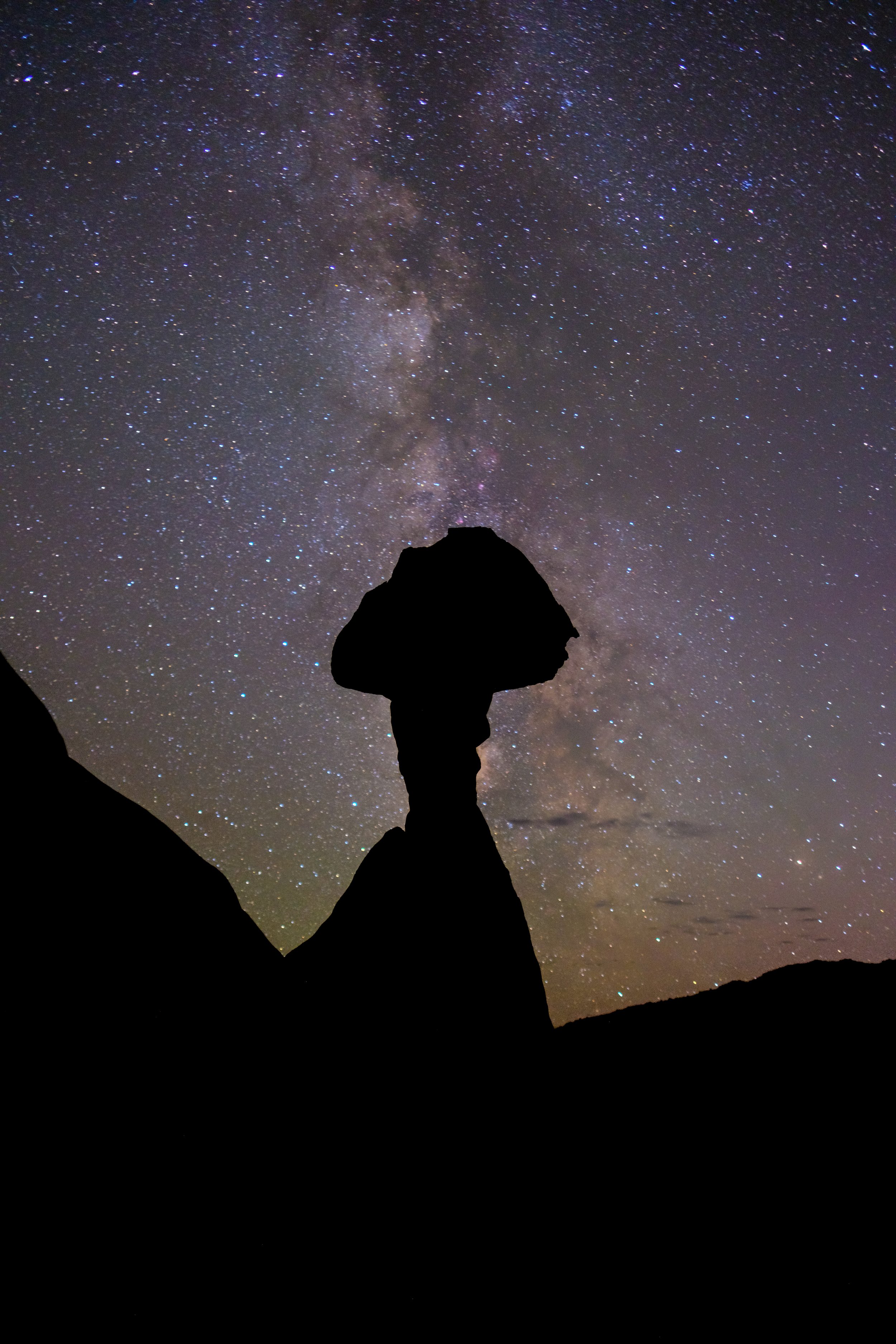
Cosmo’s Watcher, digital, 2024, Yi Gong, Miami, Florida
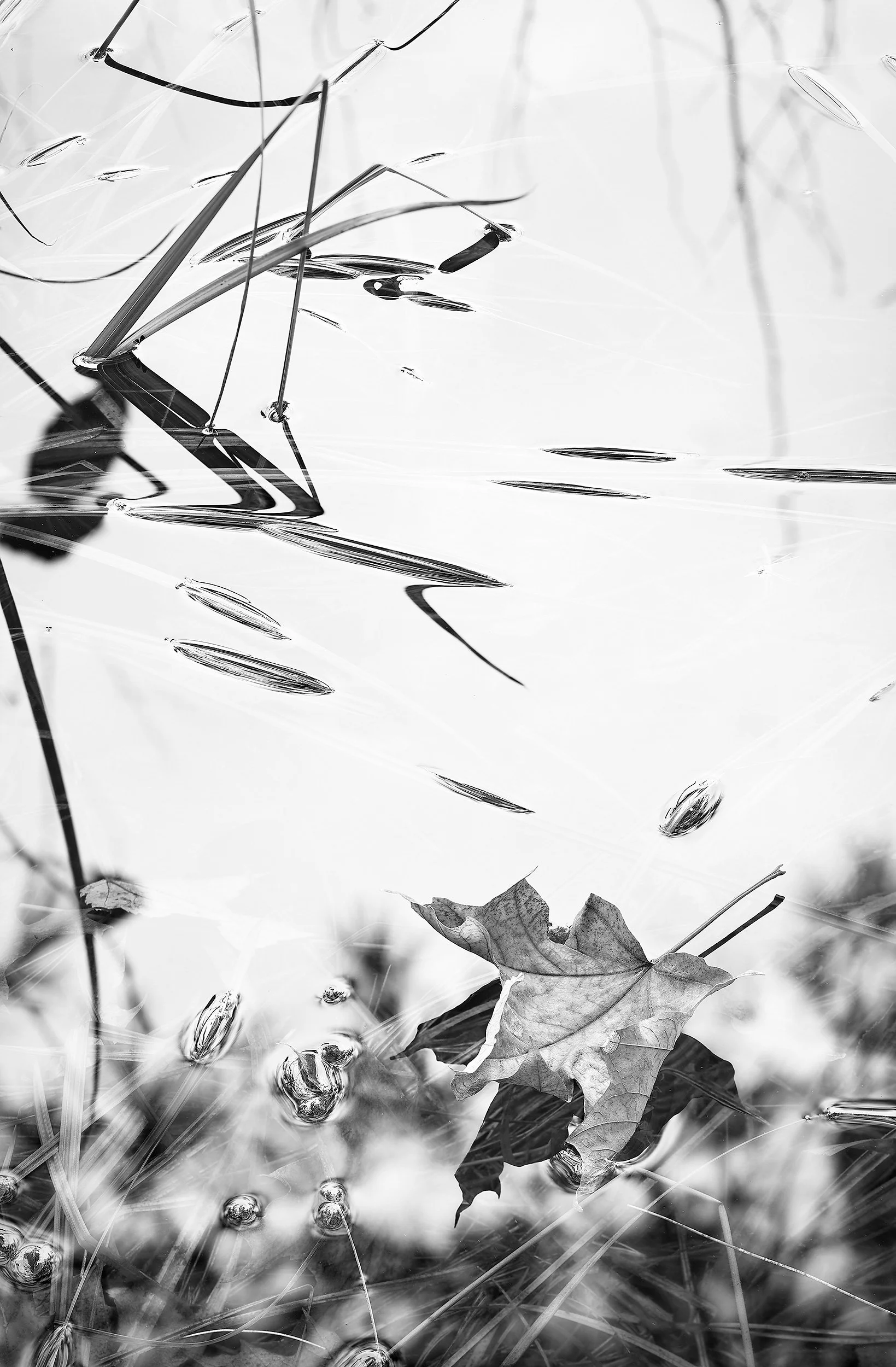
Acadia 2016, Untitled I, monochromatic pigmented inks on artist rag paper, 40 x 61, 2016 (printed 2019), Drew Harty, Treadwell, New York
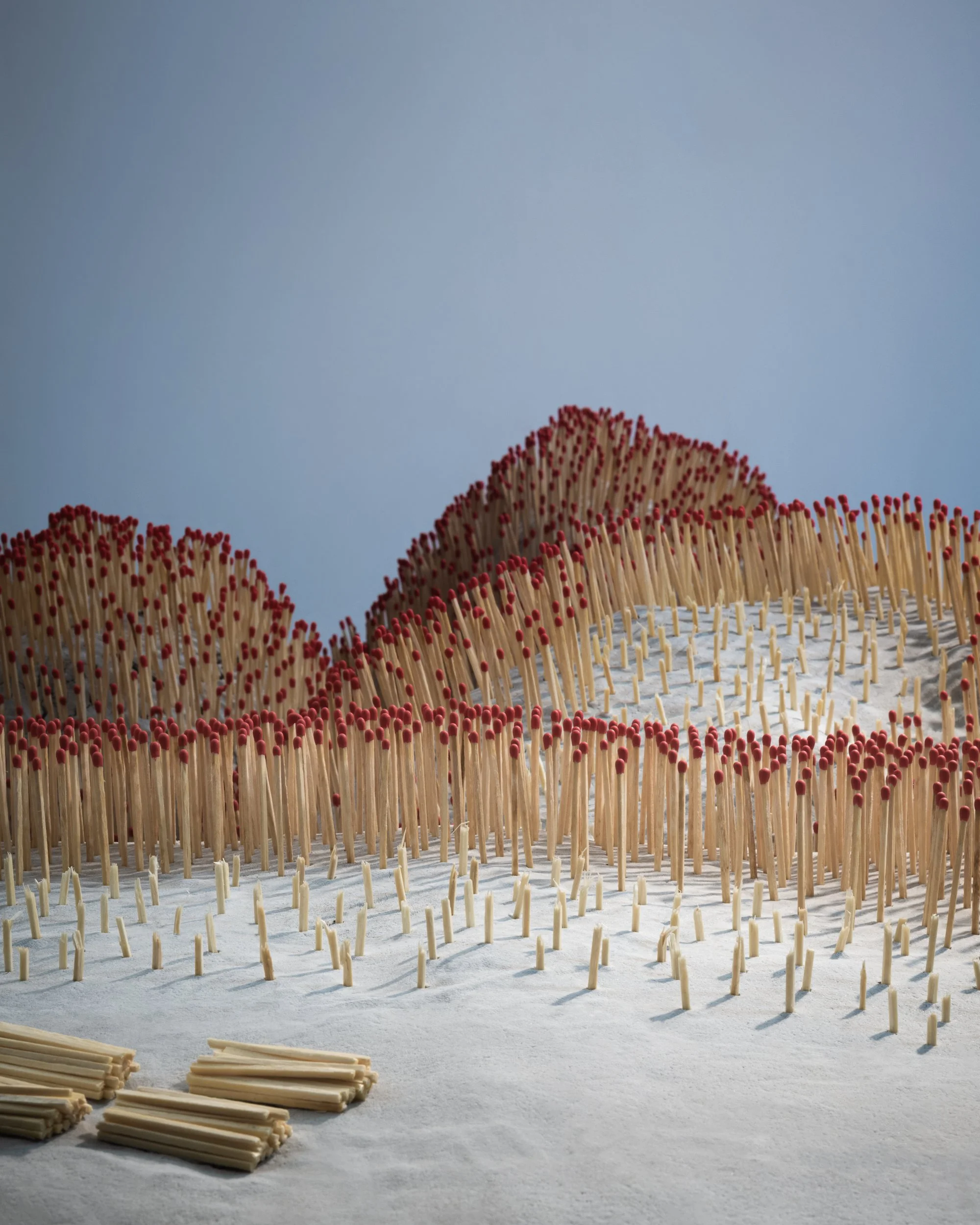
Lumberjack, archival print on bamboo panel, 20 x 16, 2019, Jay Lansford, Milwaukee, Wisconsin
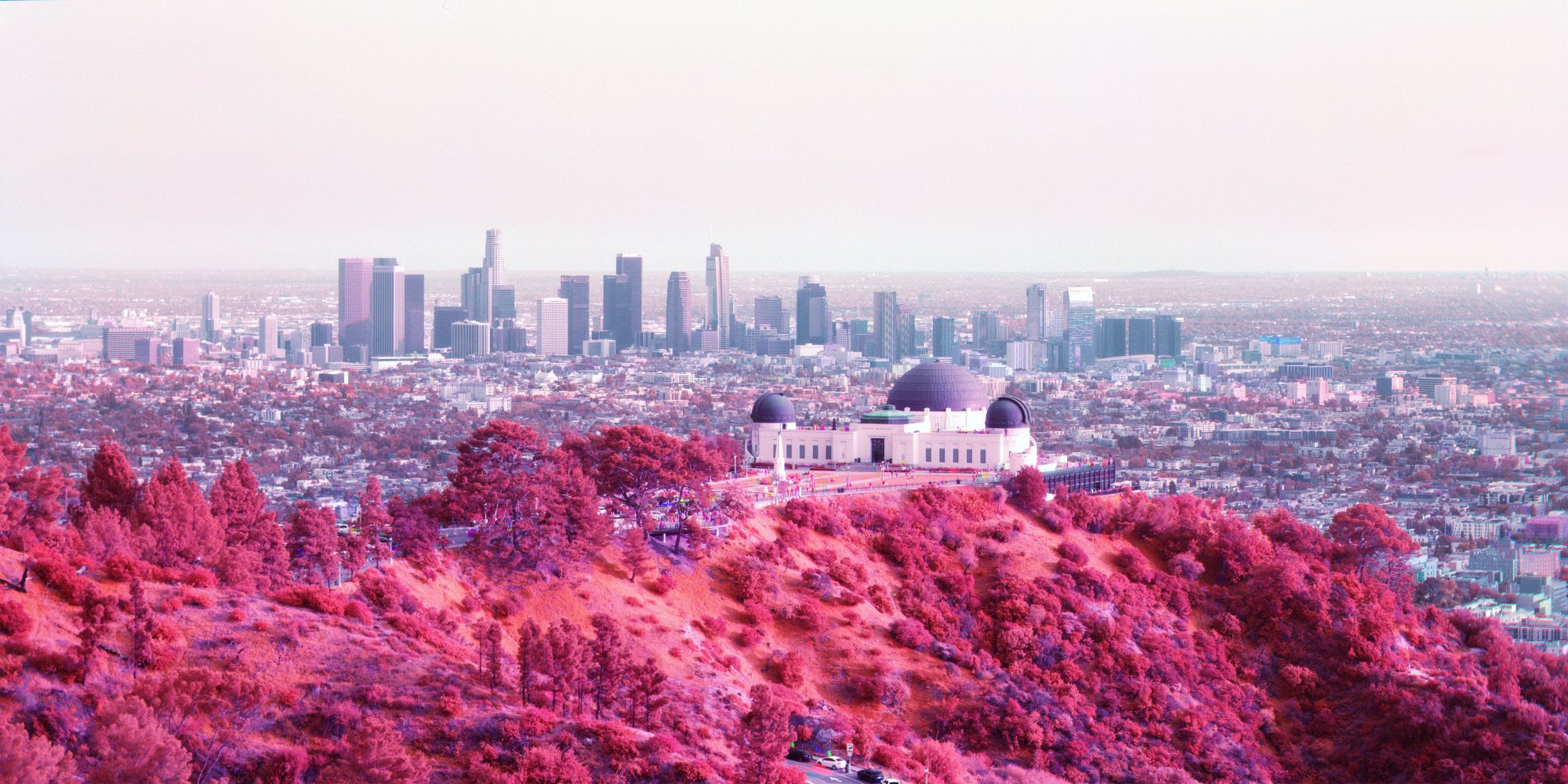
Another Light, archival C-print on Fuji Crystal paper, 30 x 60 in, 2024, Tianrun Shi, Los Angeles, California
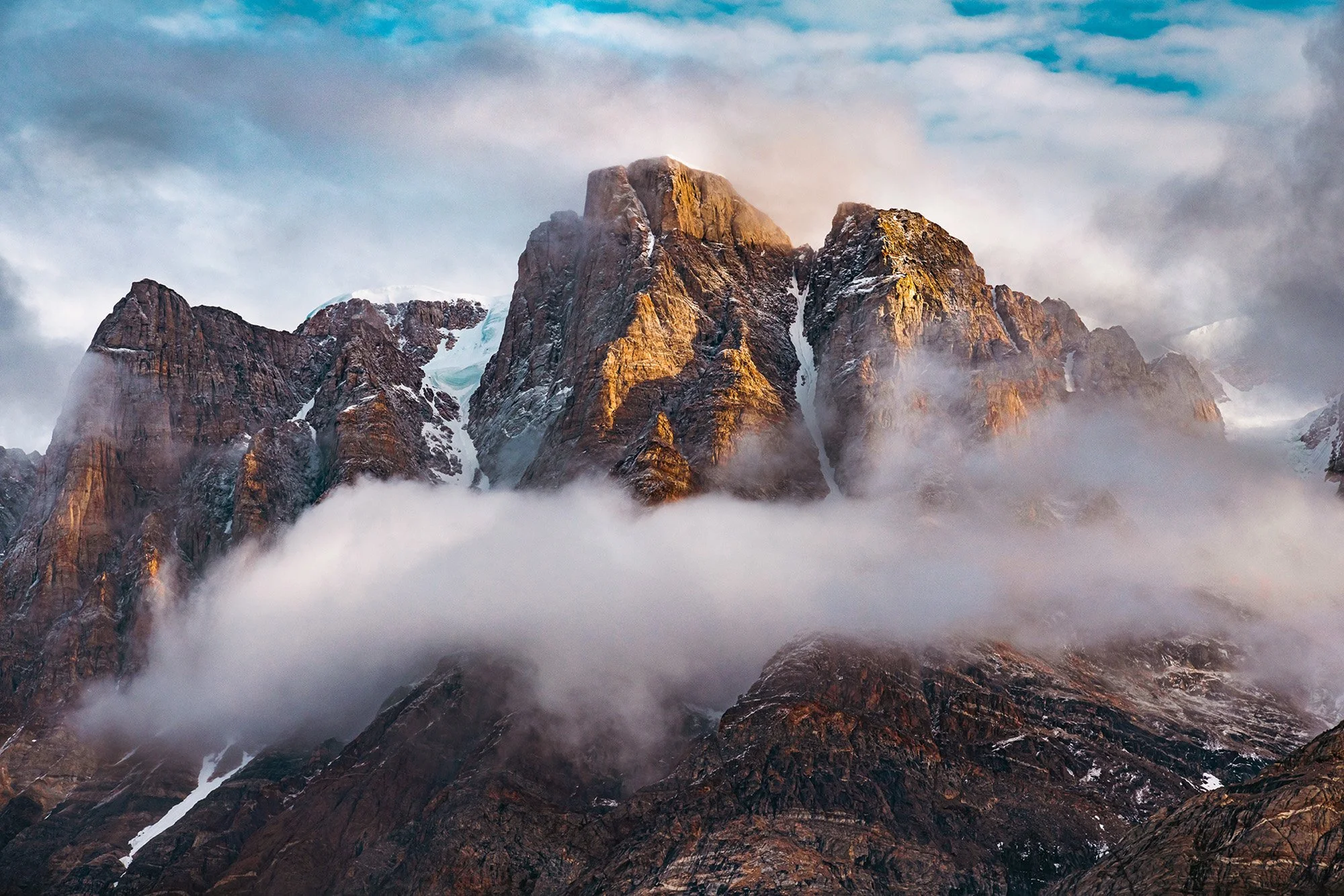
The Mountain Peaks, acrylic face-mounted photographic print, 24 x 36, 2023, Nathanael Cox, Summit, New Jersey
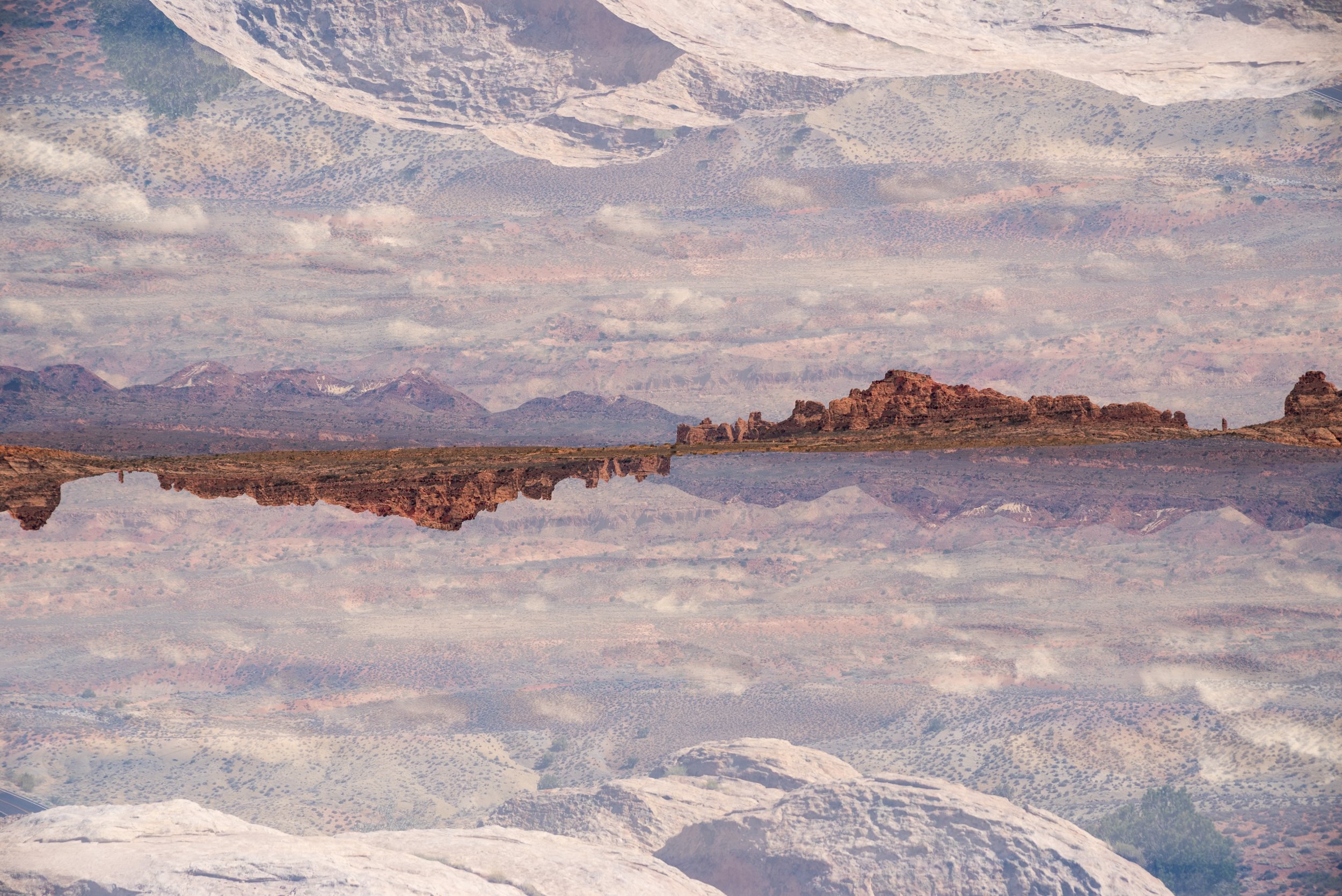
Arches National Park No. 42, archival print, 80 x 120 cm, 2025, Robin Vandenabeele, Gent, Flanders, Belgium
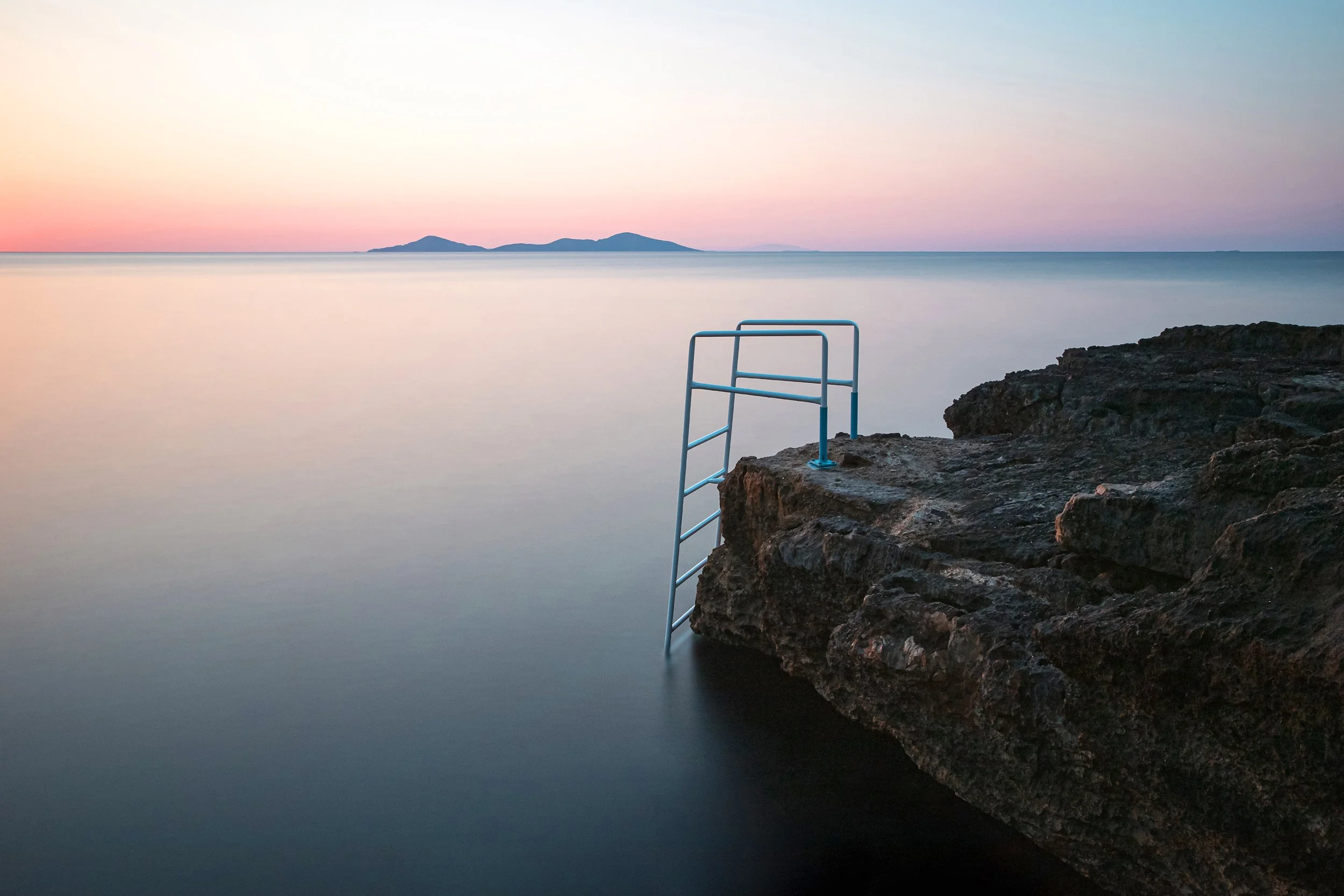
The Island, matte paper, 17.64 x 26.46 cm, 2020, Vangelis Makridis, Alimos, Athens, Greece
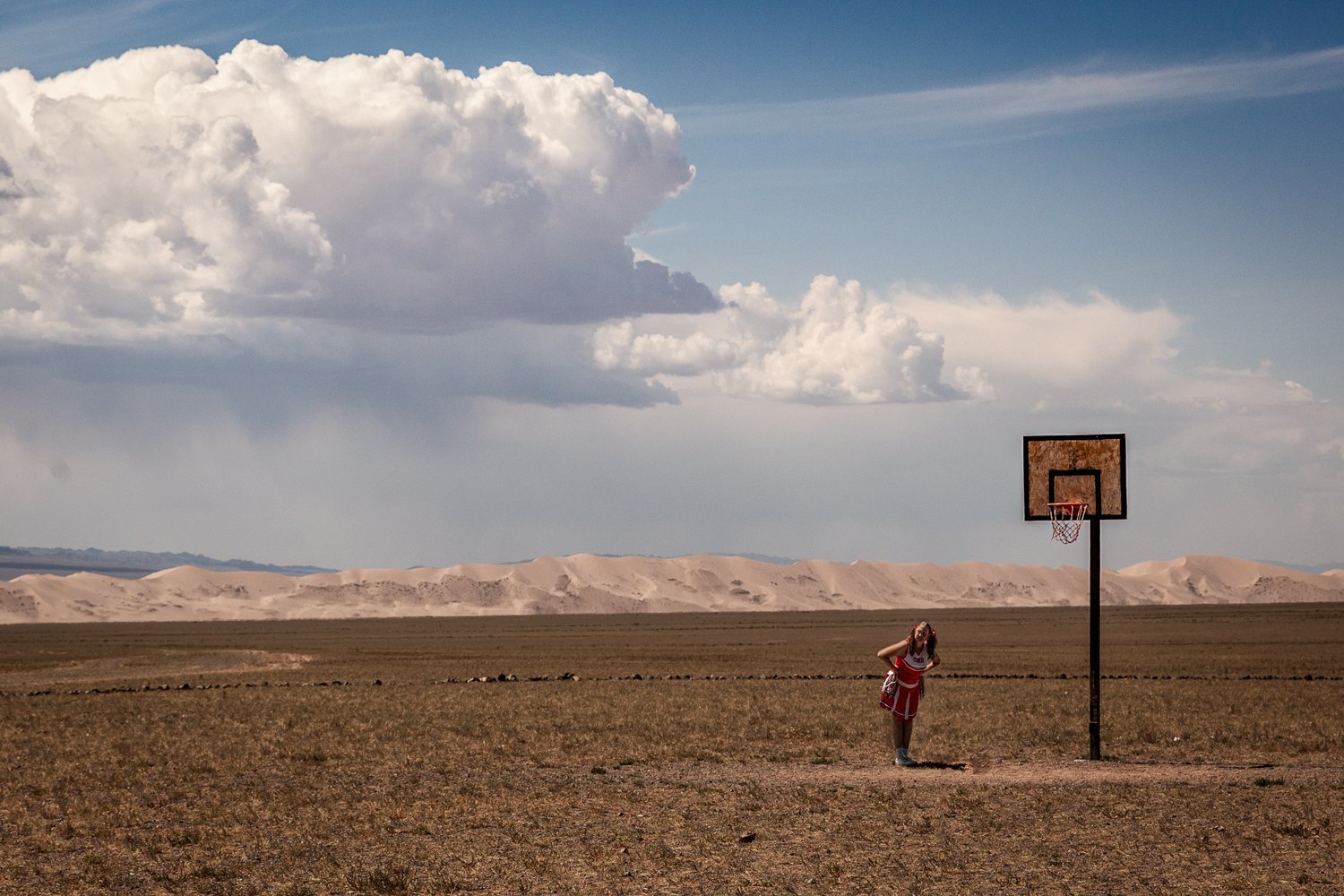
Forfeit, archival print, 20 x 30, 2022, Susan Borowitz, West Harrison, New York
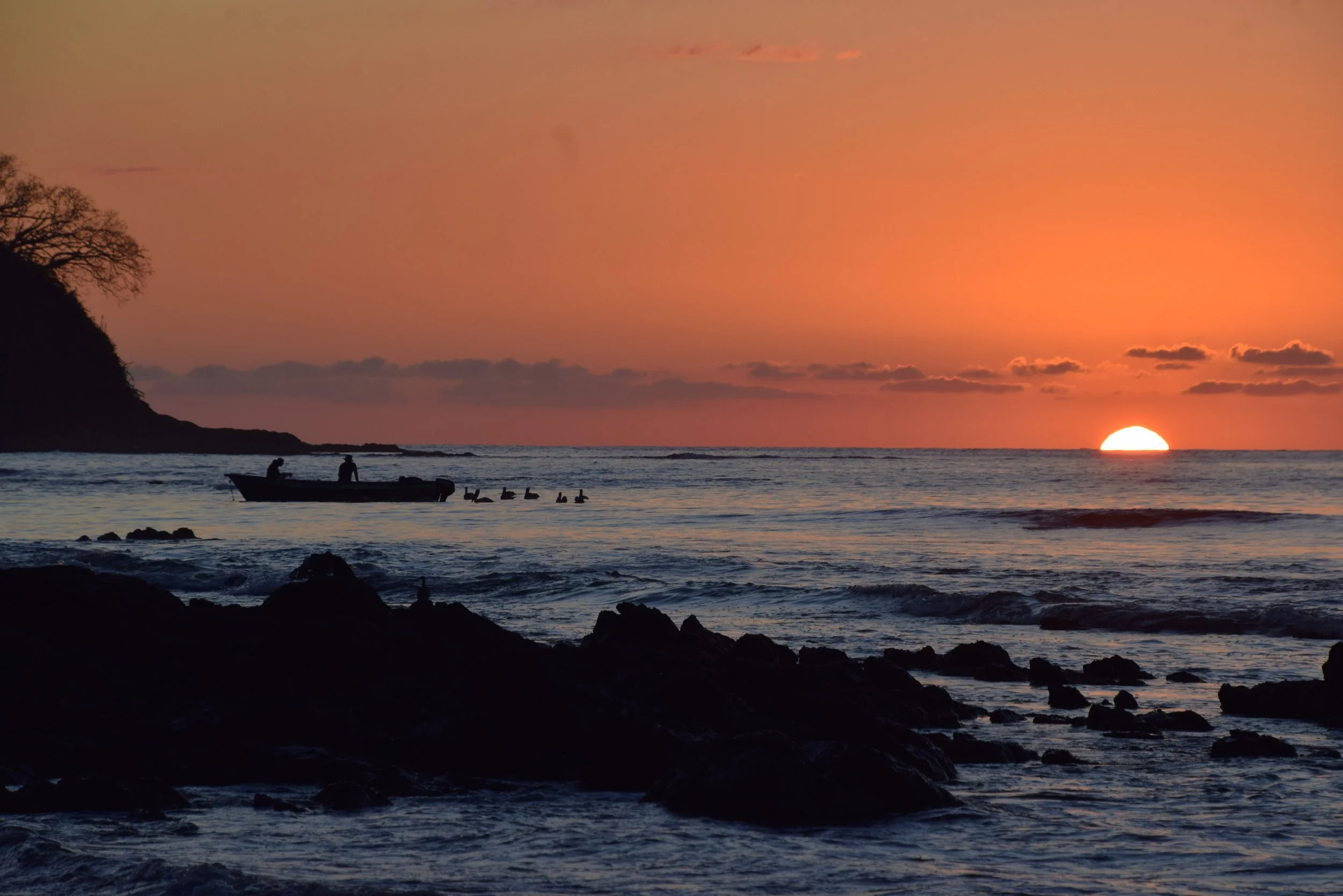
Fisherman at Dawn, archival print, 24 x 18 in, 2023, Alicia Ganister, Key West, Florida
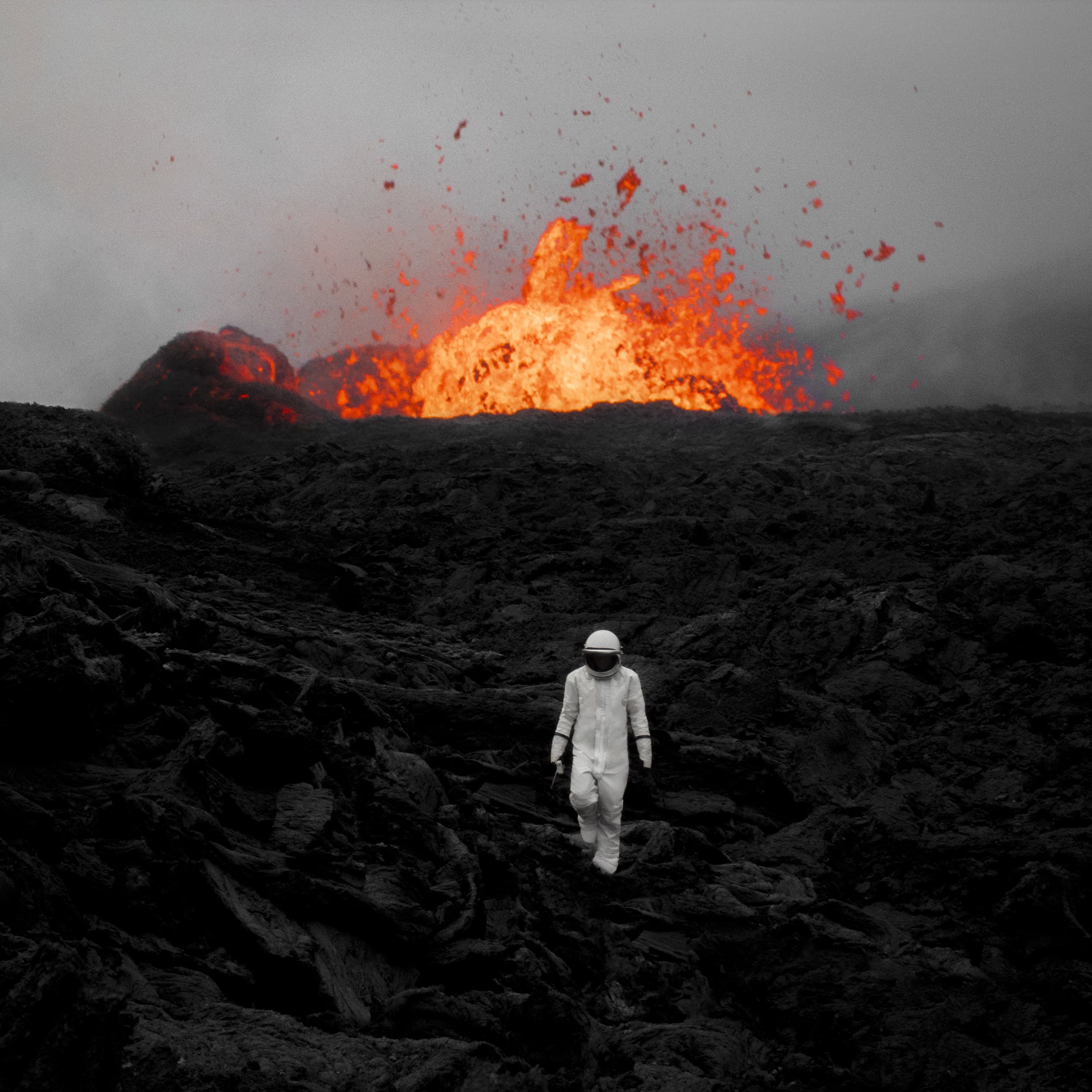
Meradalir, archival print, 12 x 12, 2022, Sam Tilson, Los Angeles, California