The Beauty in Decay (2026)
February 1–March 1, 2026
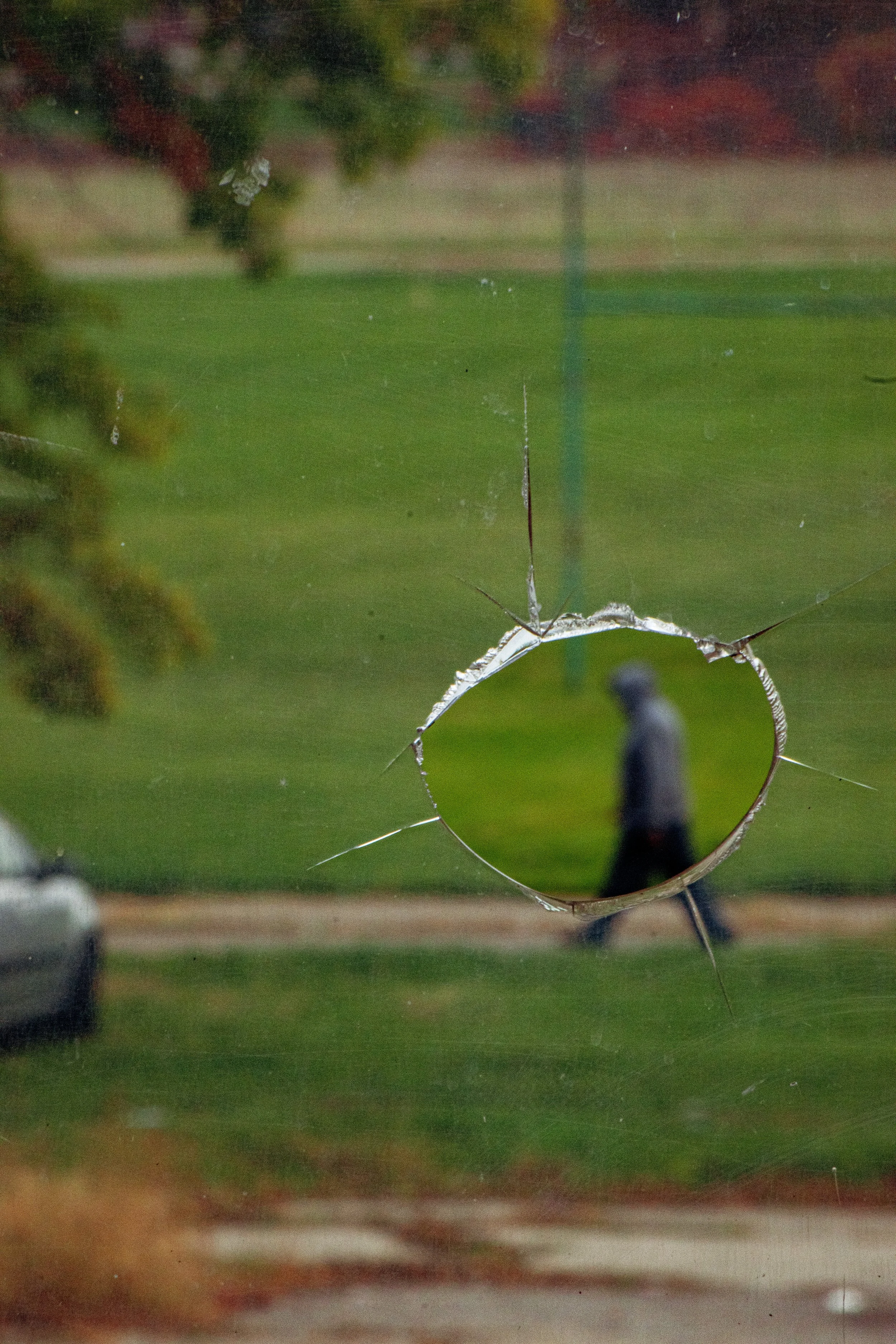
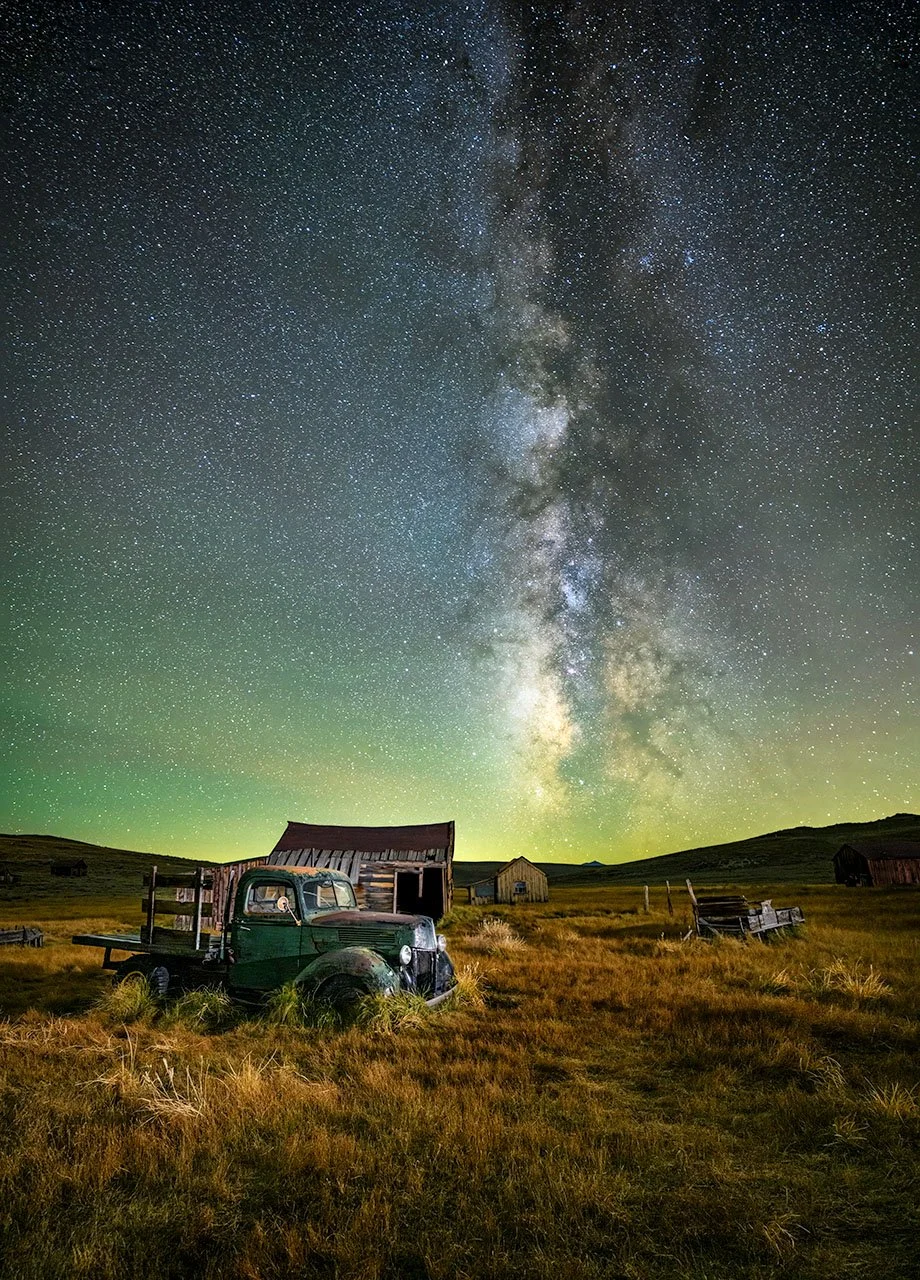
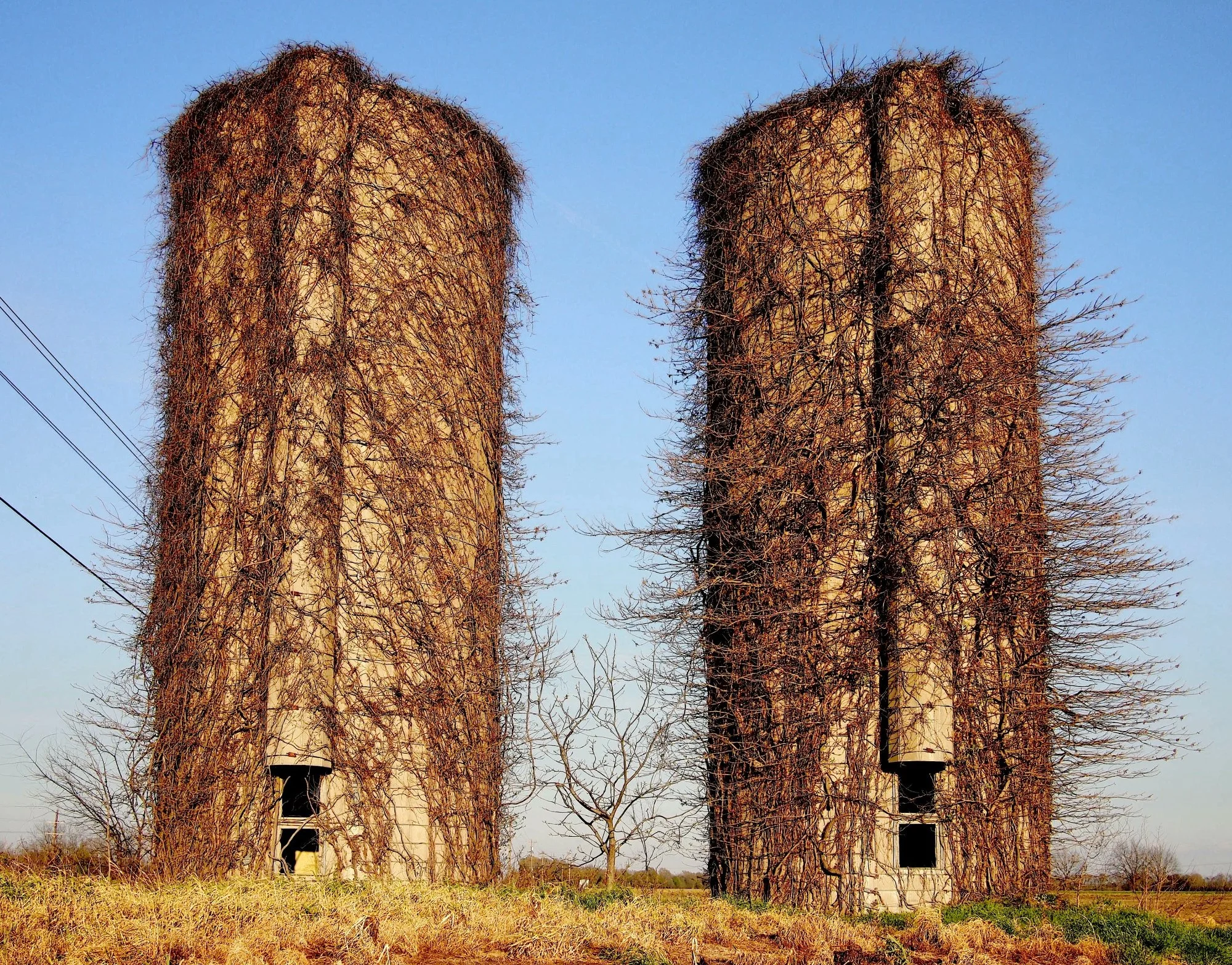
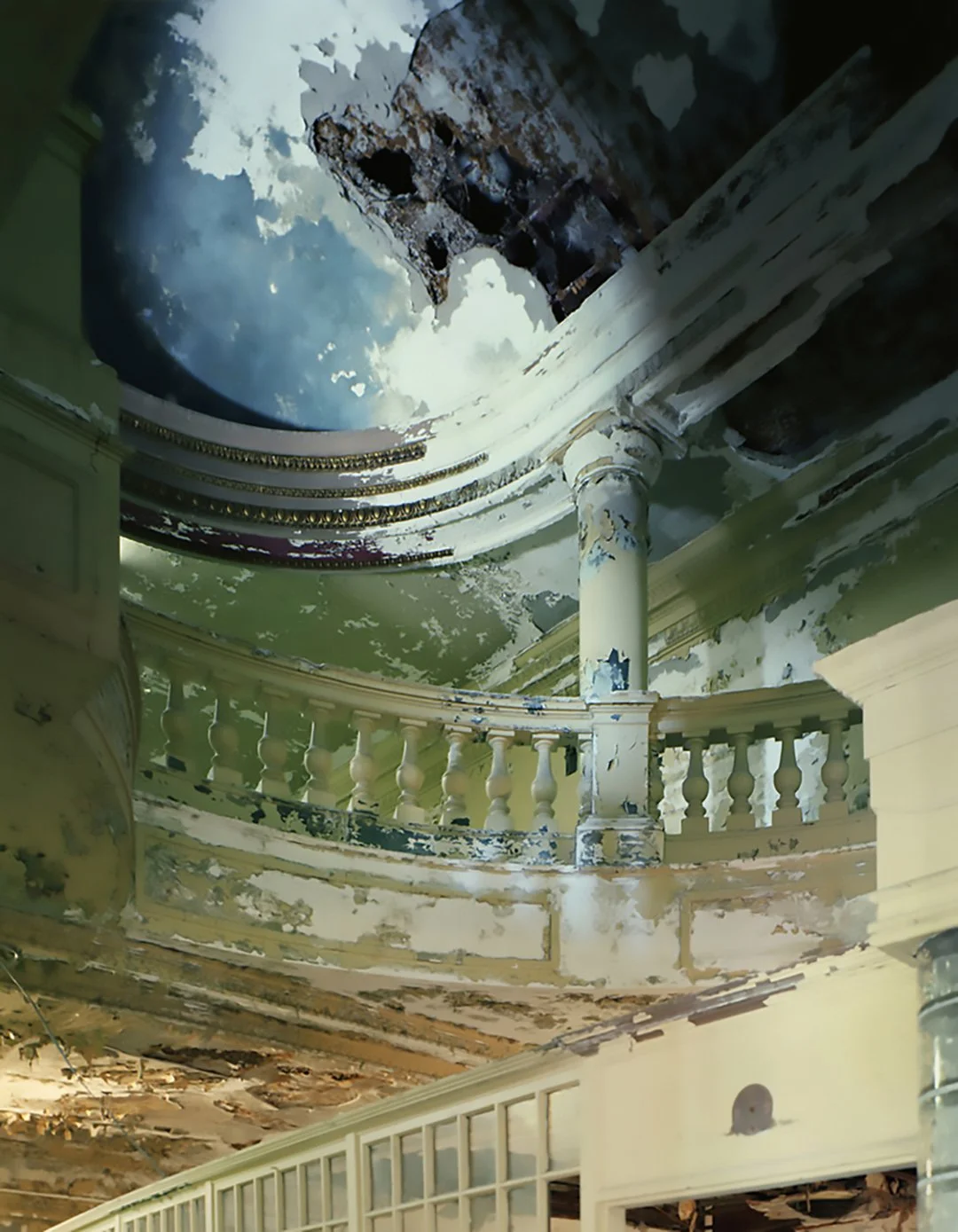
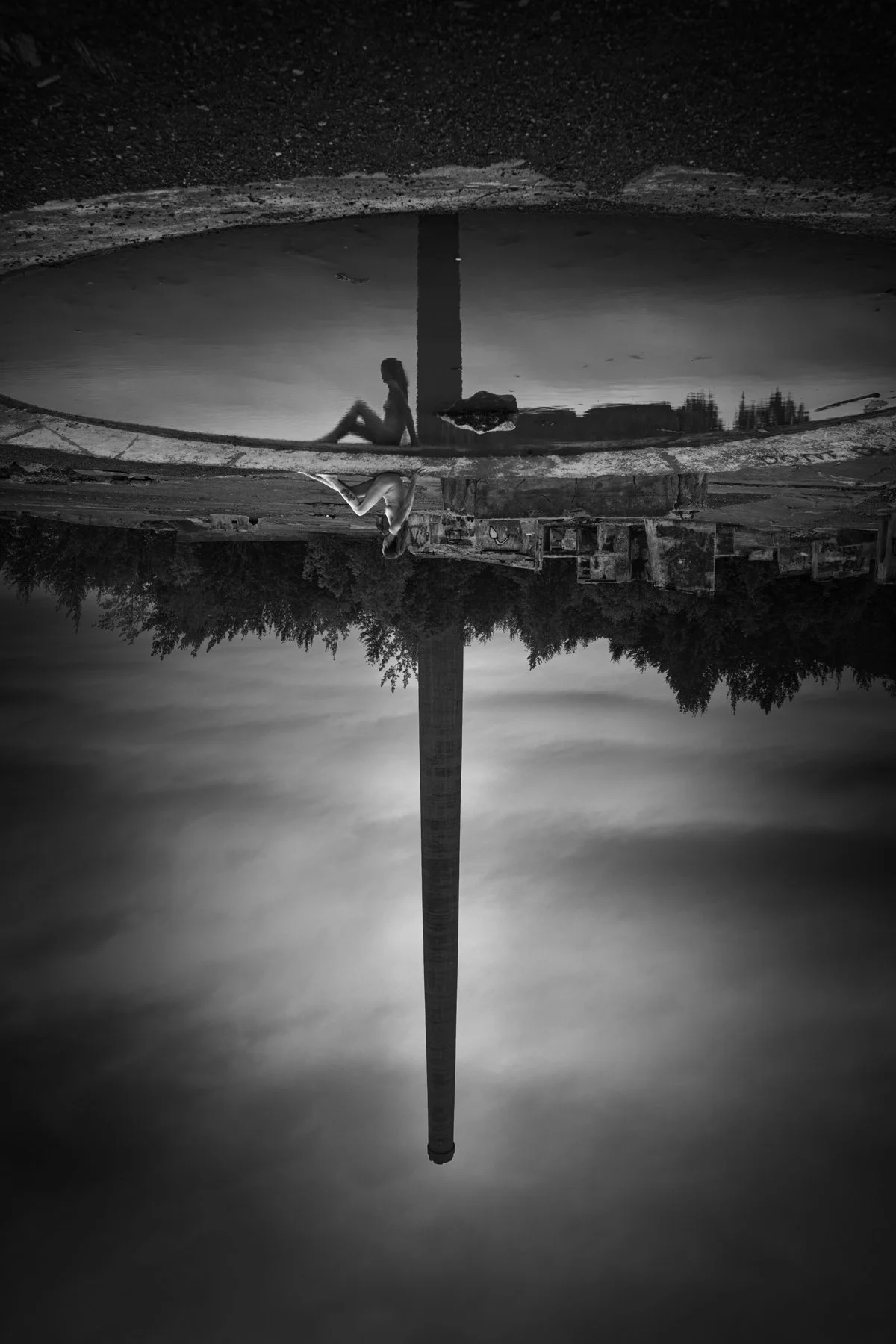
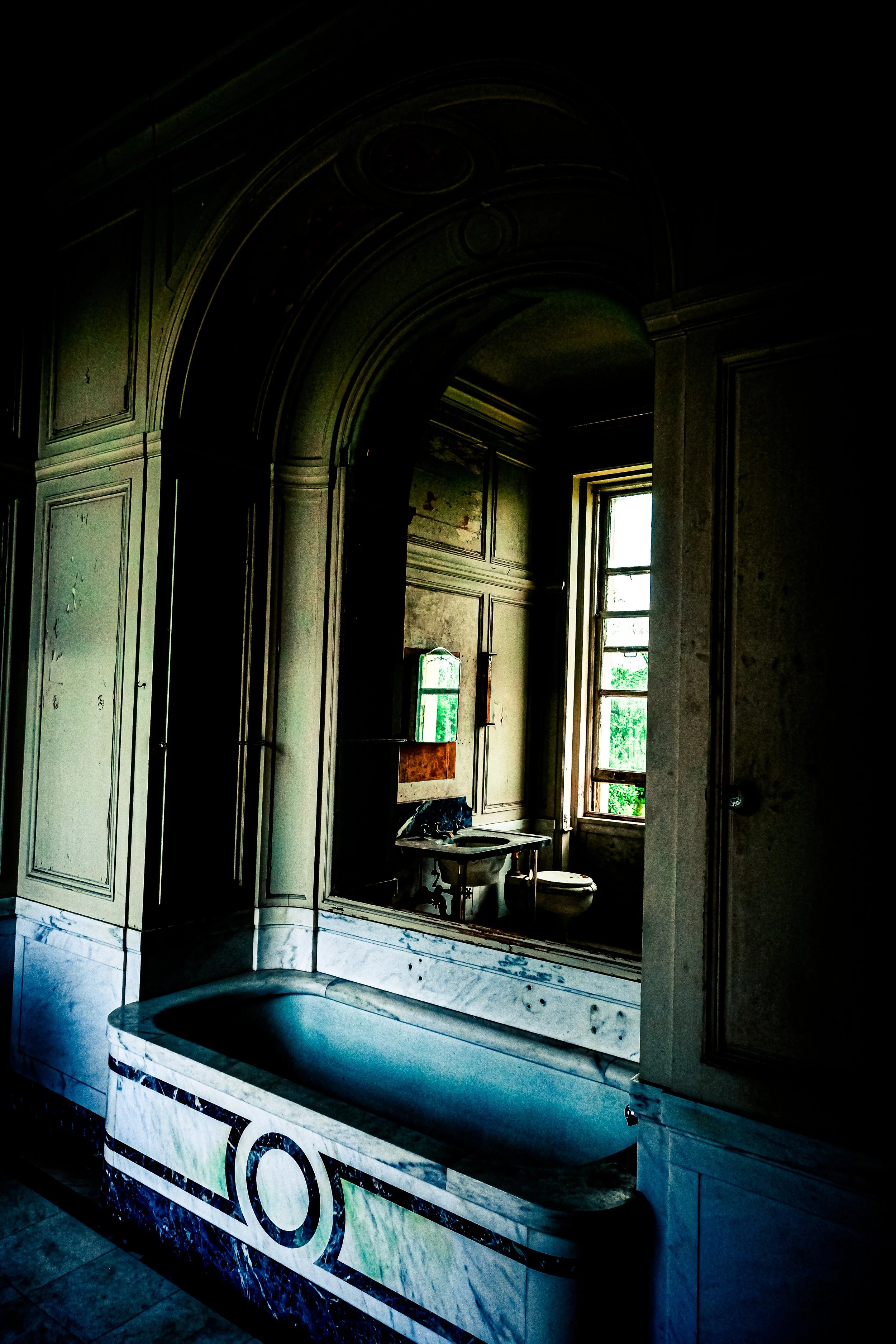
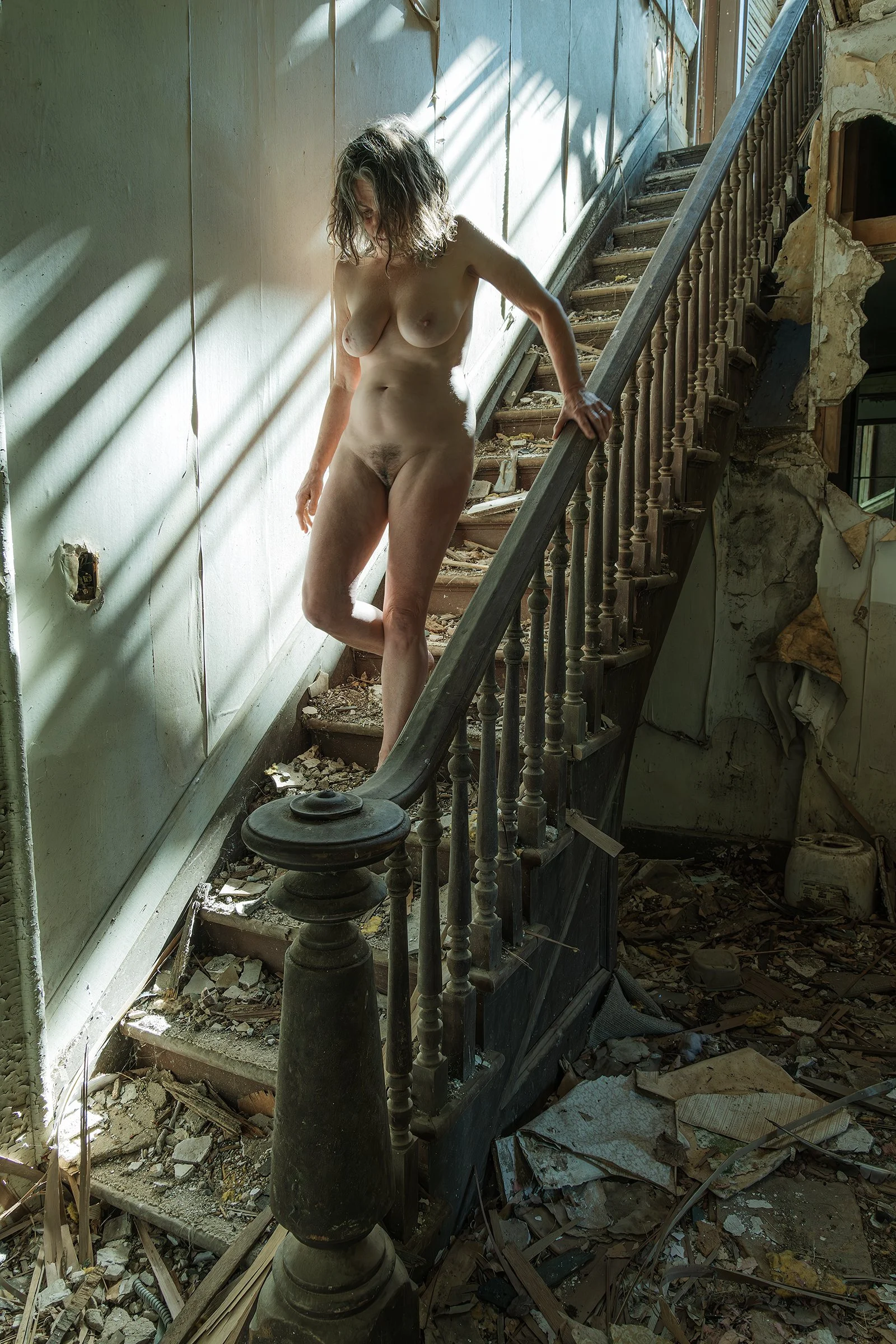
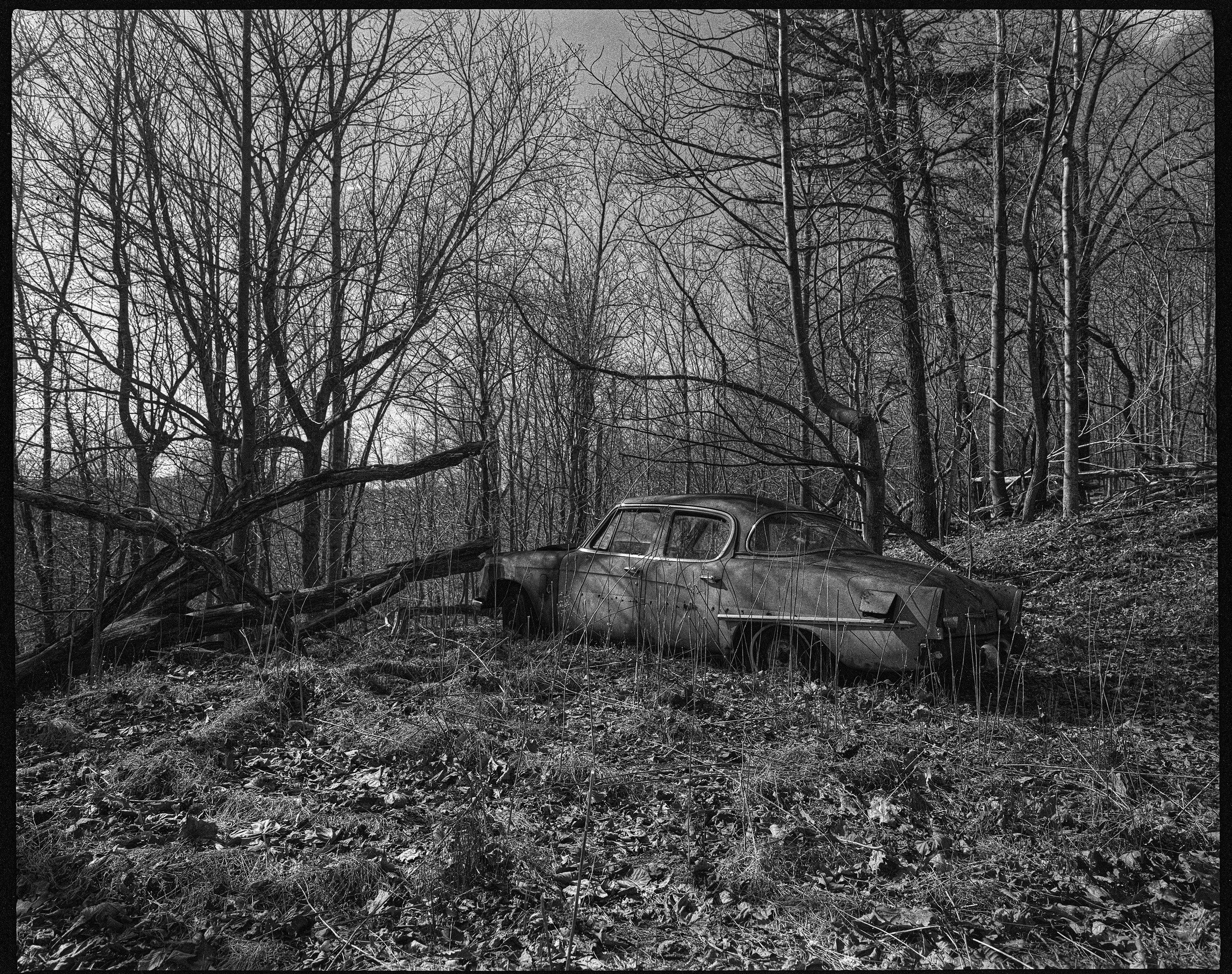
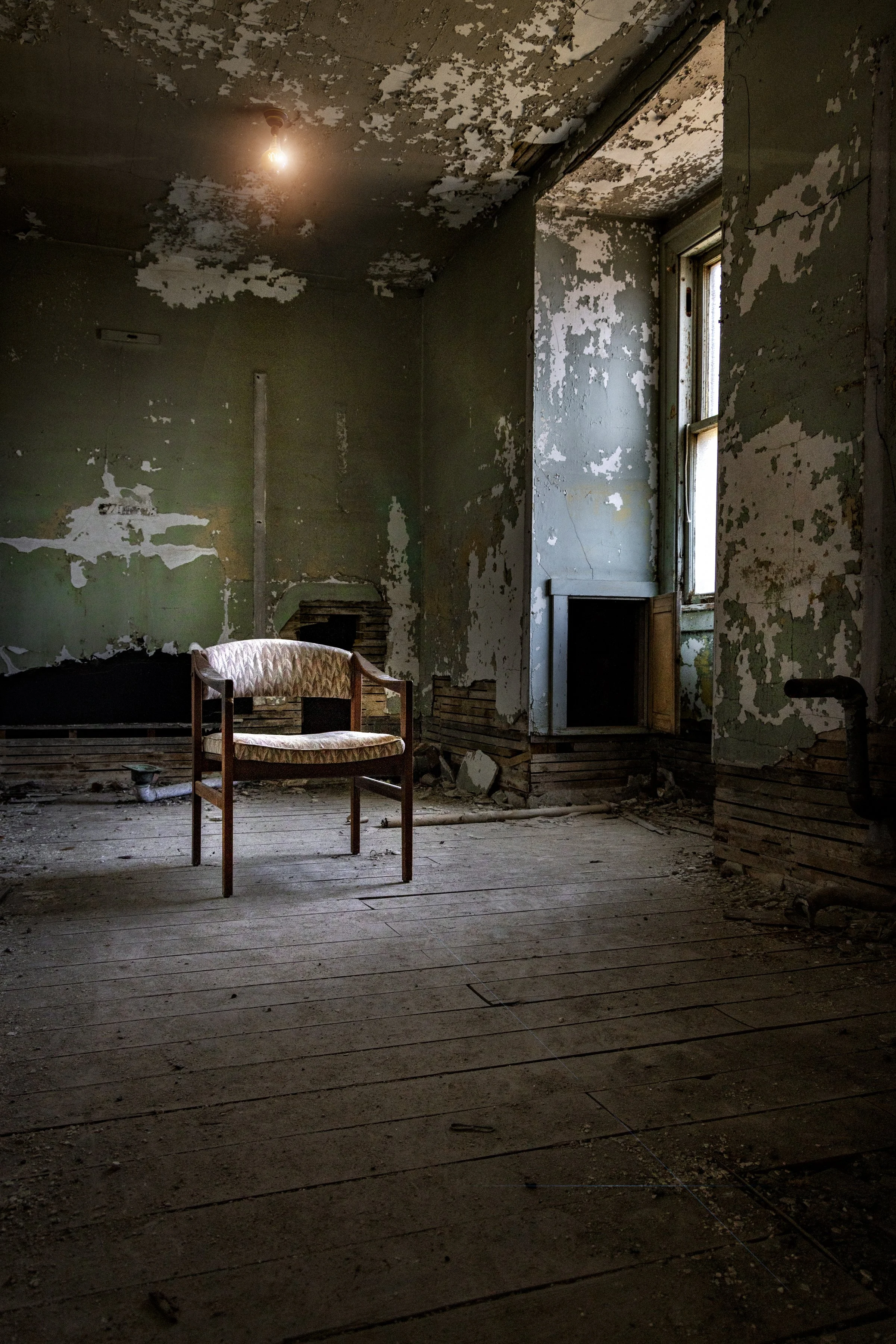
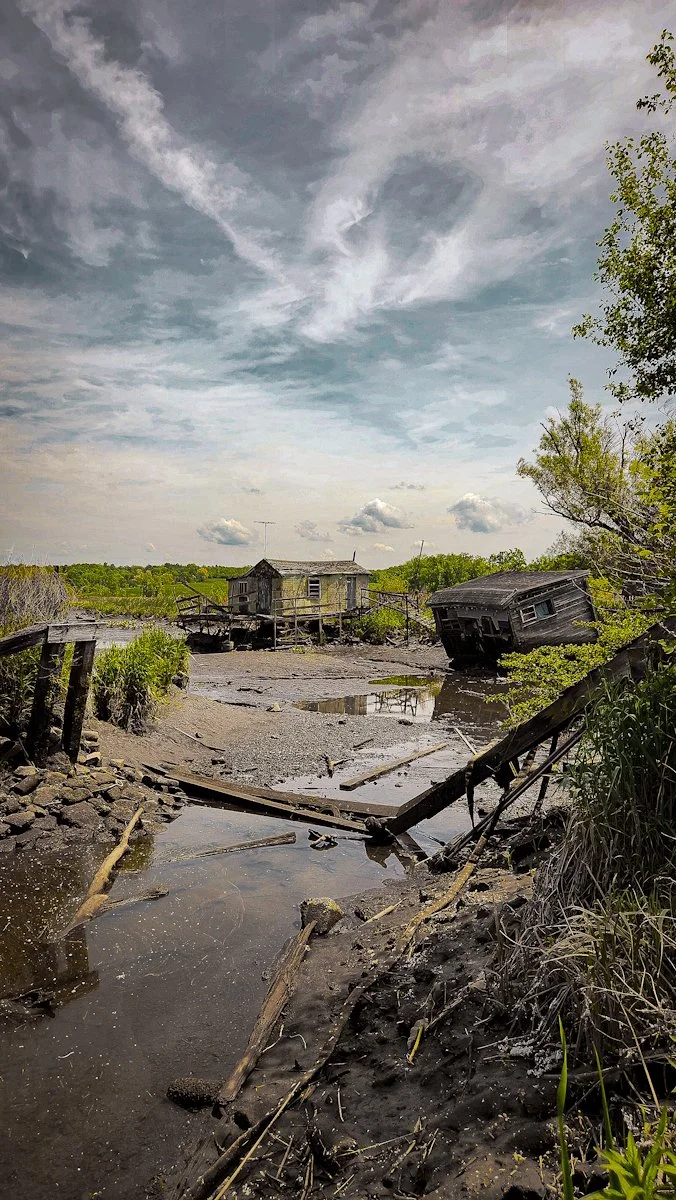
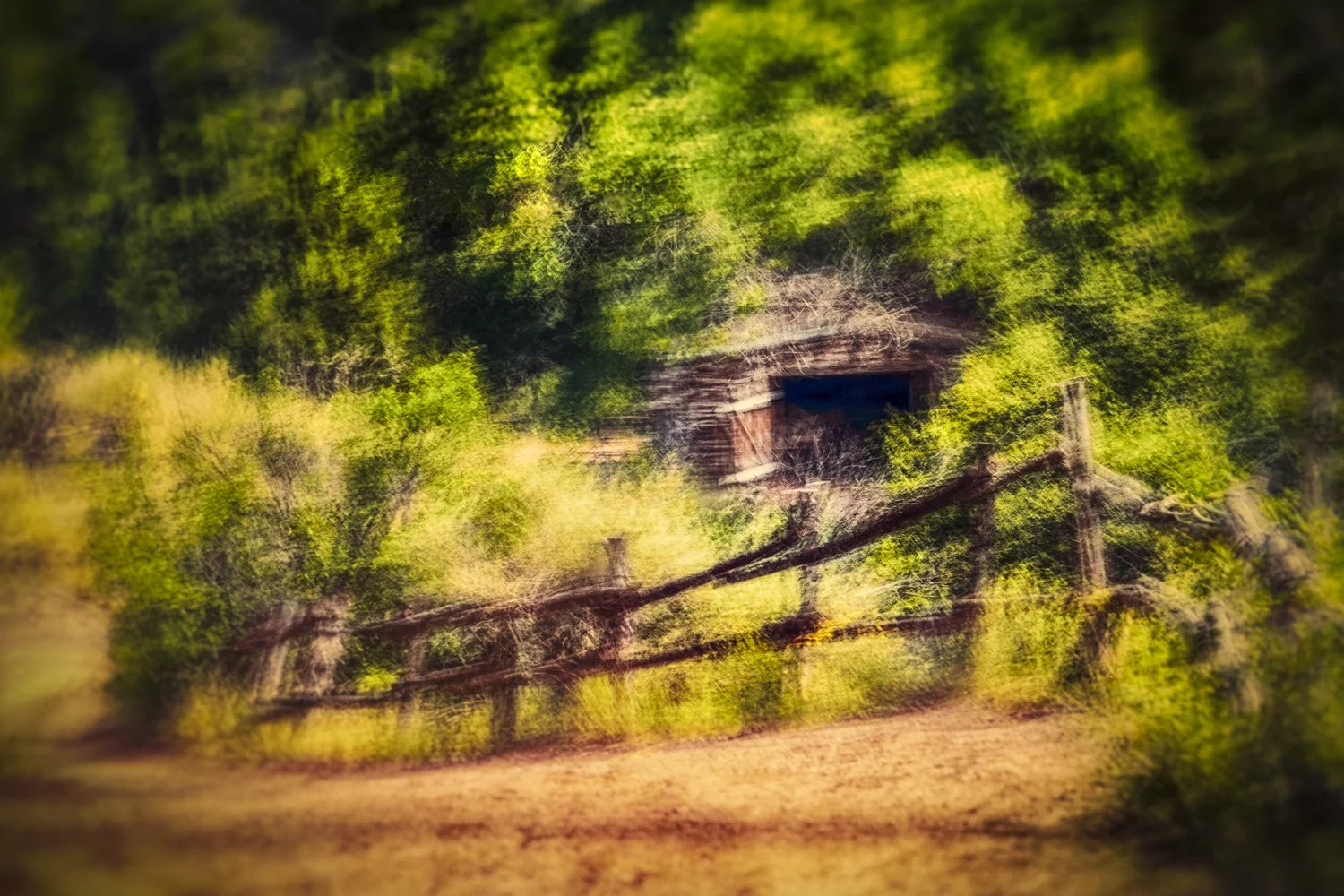
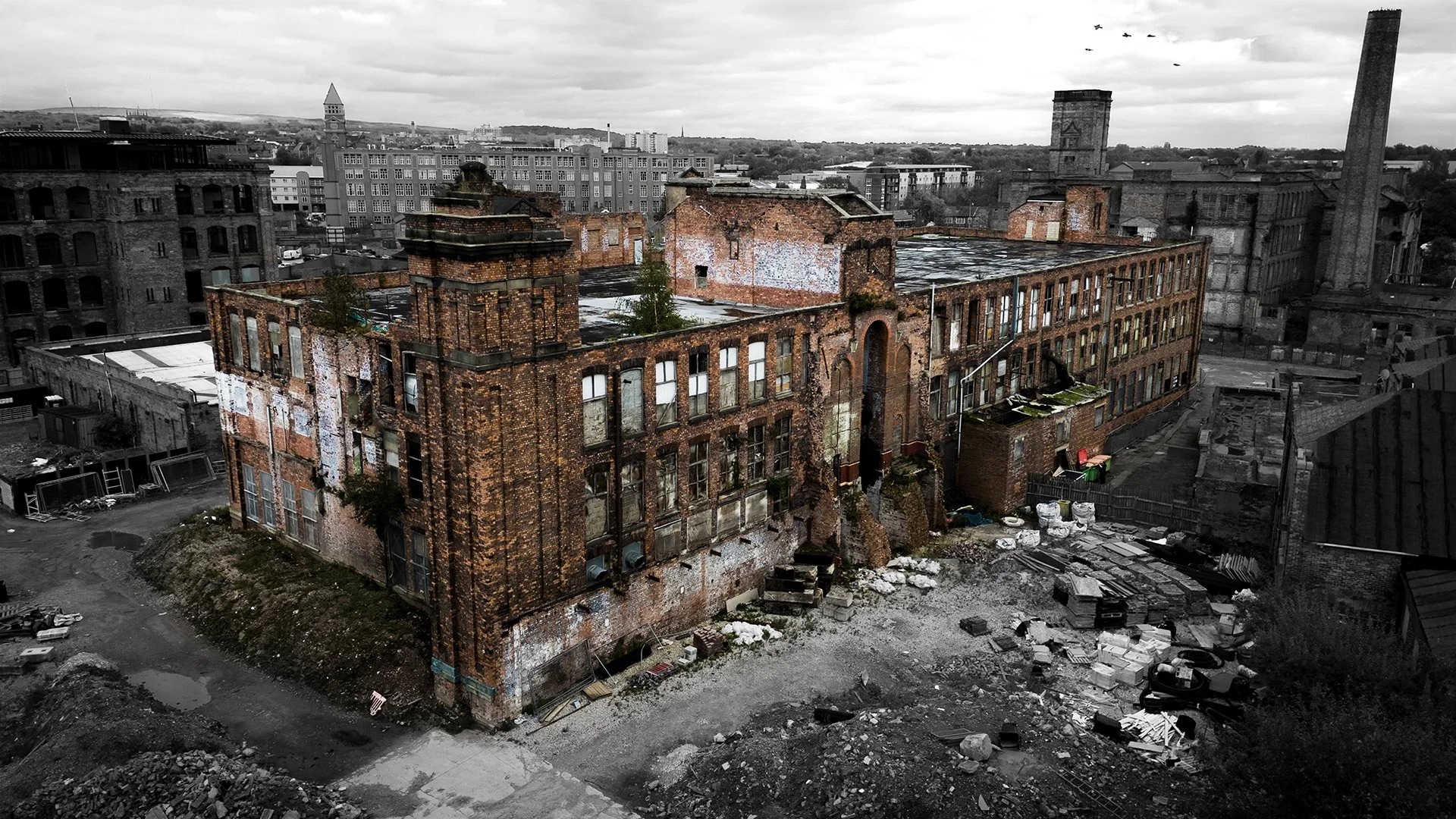
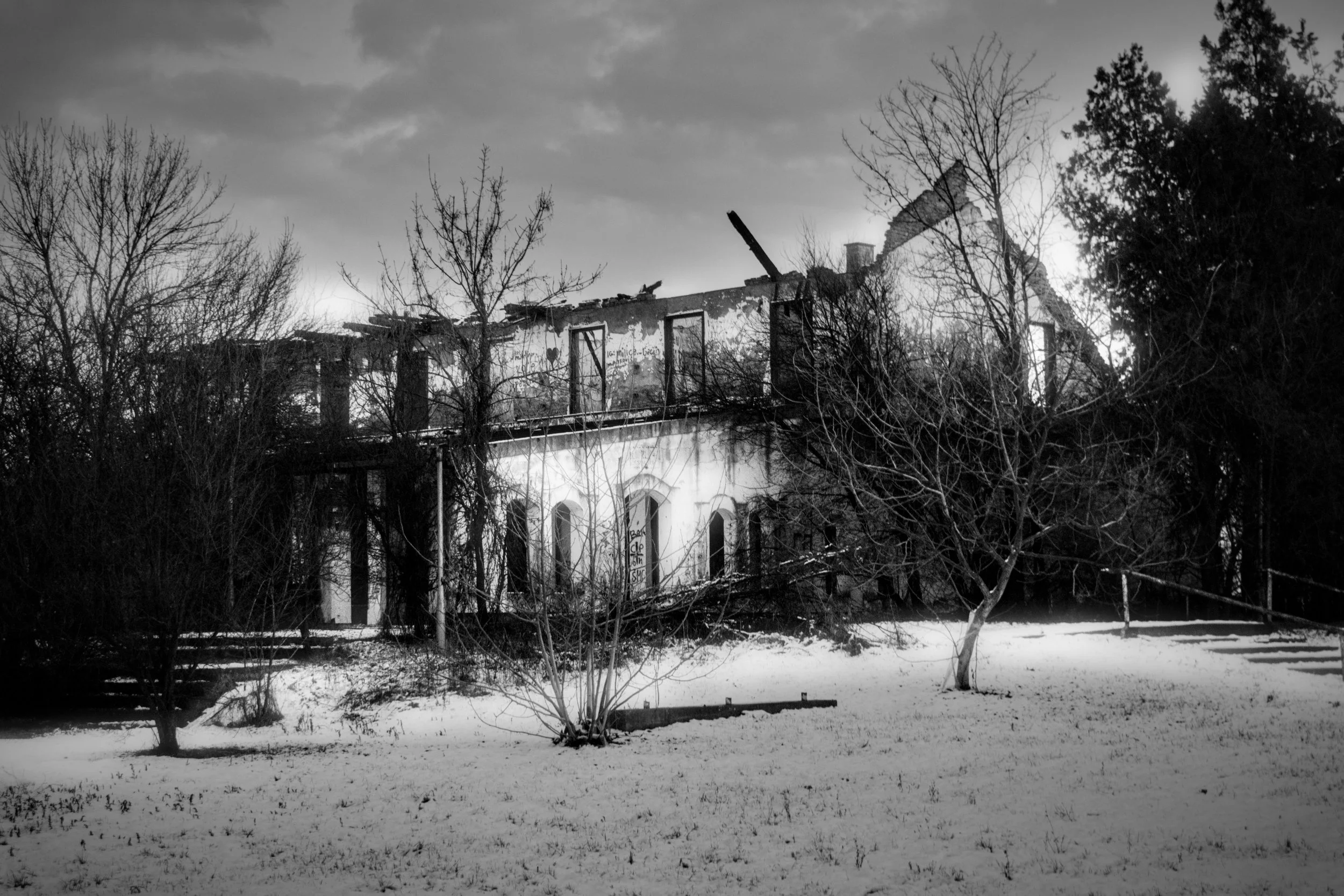
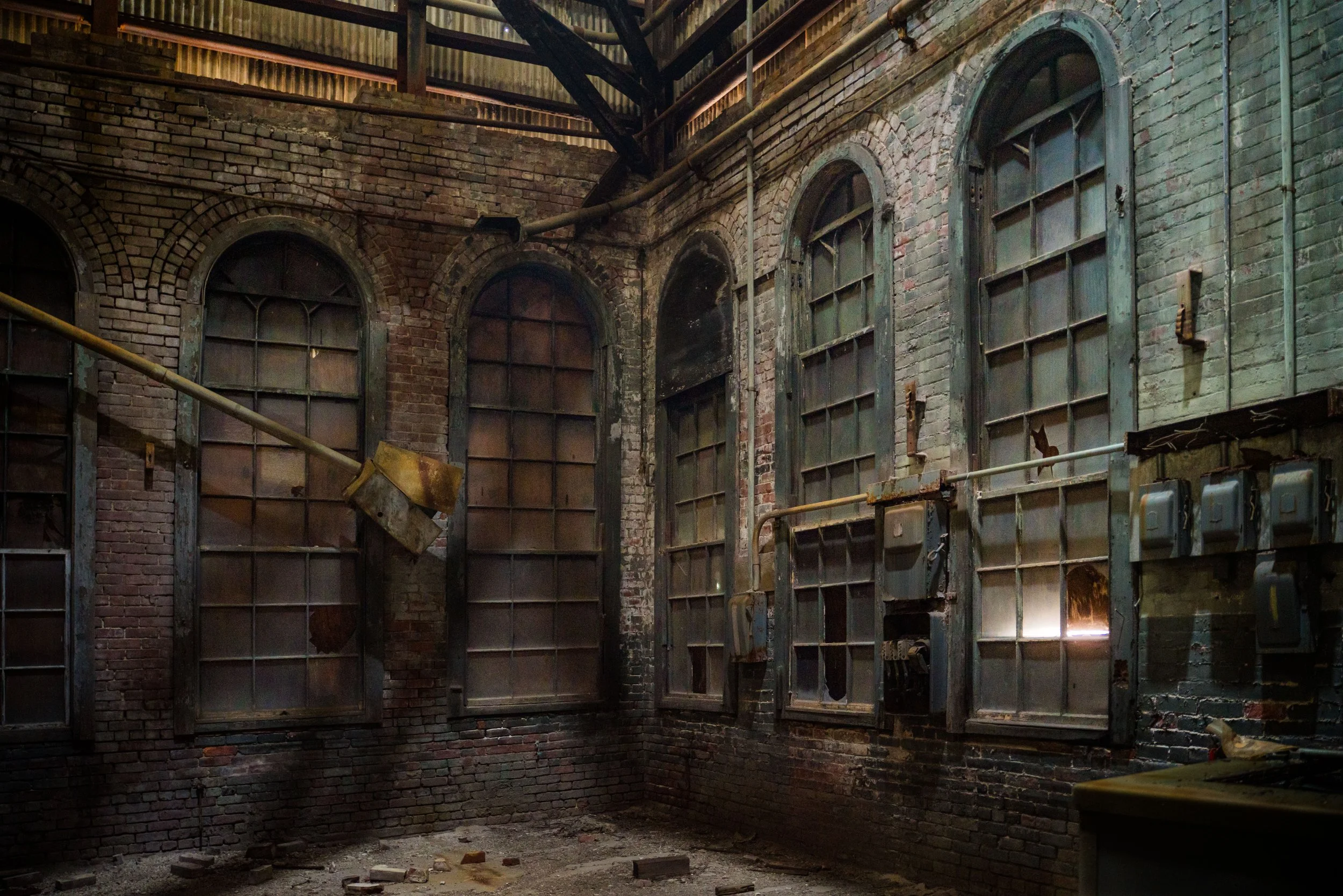
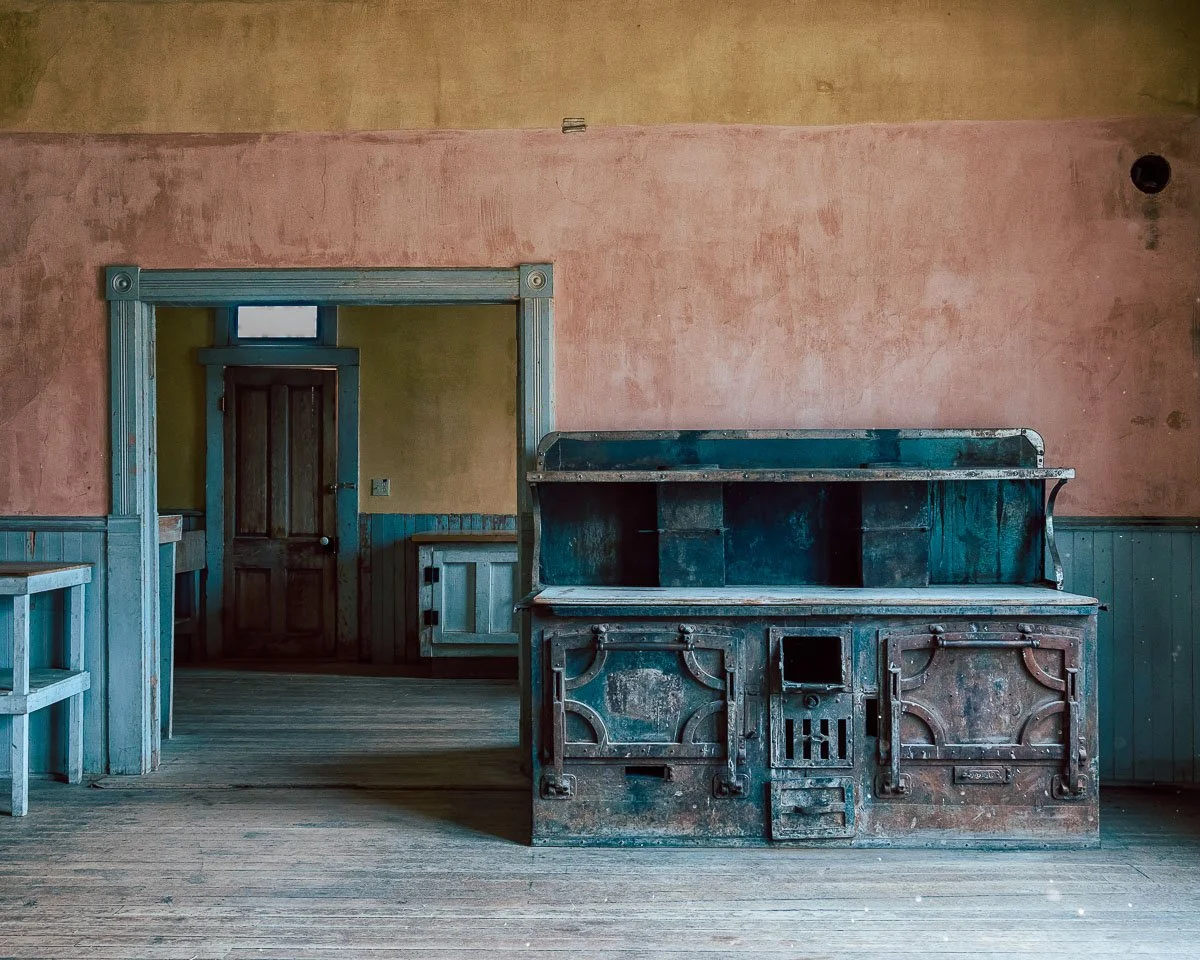
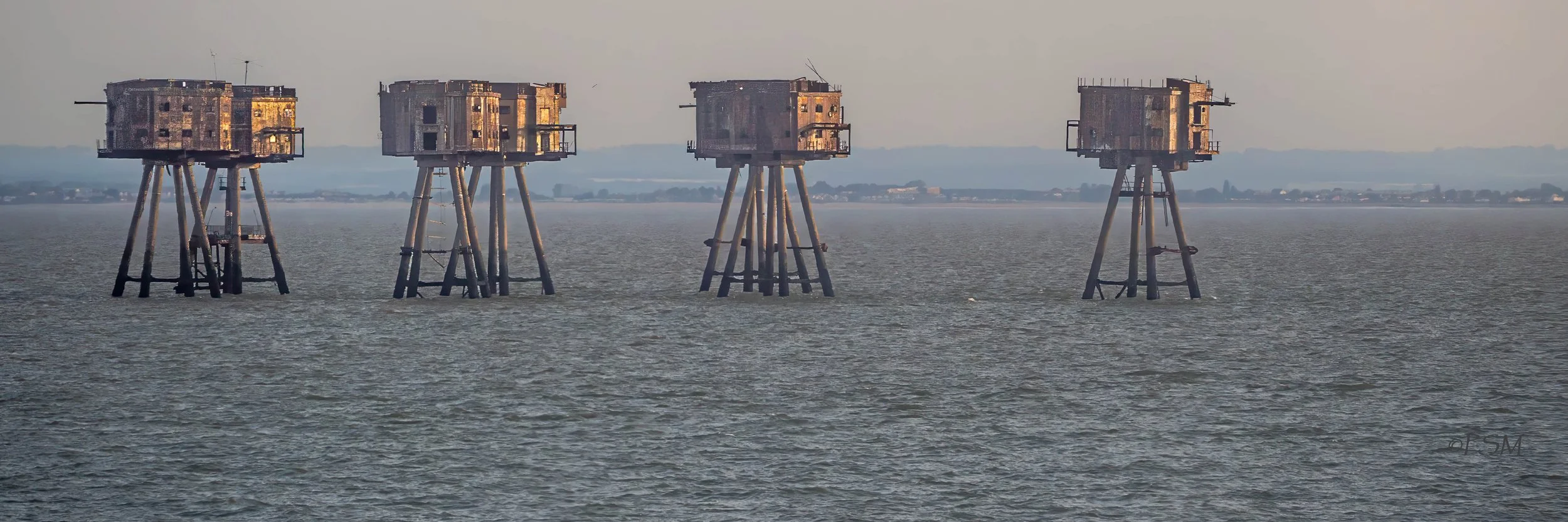
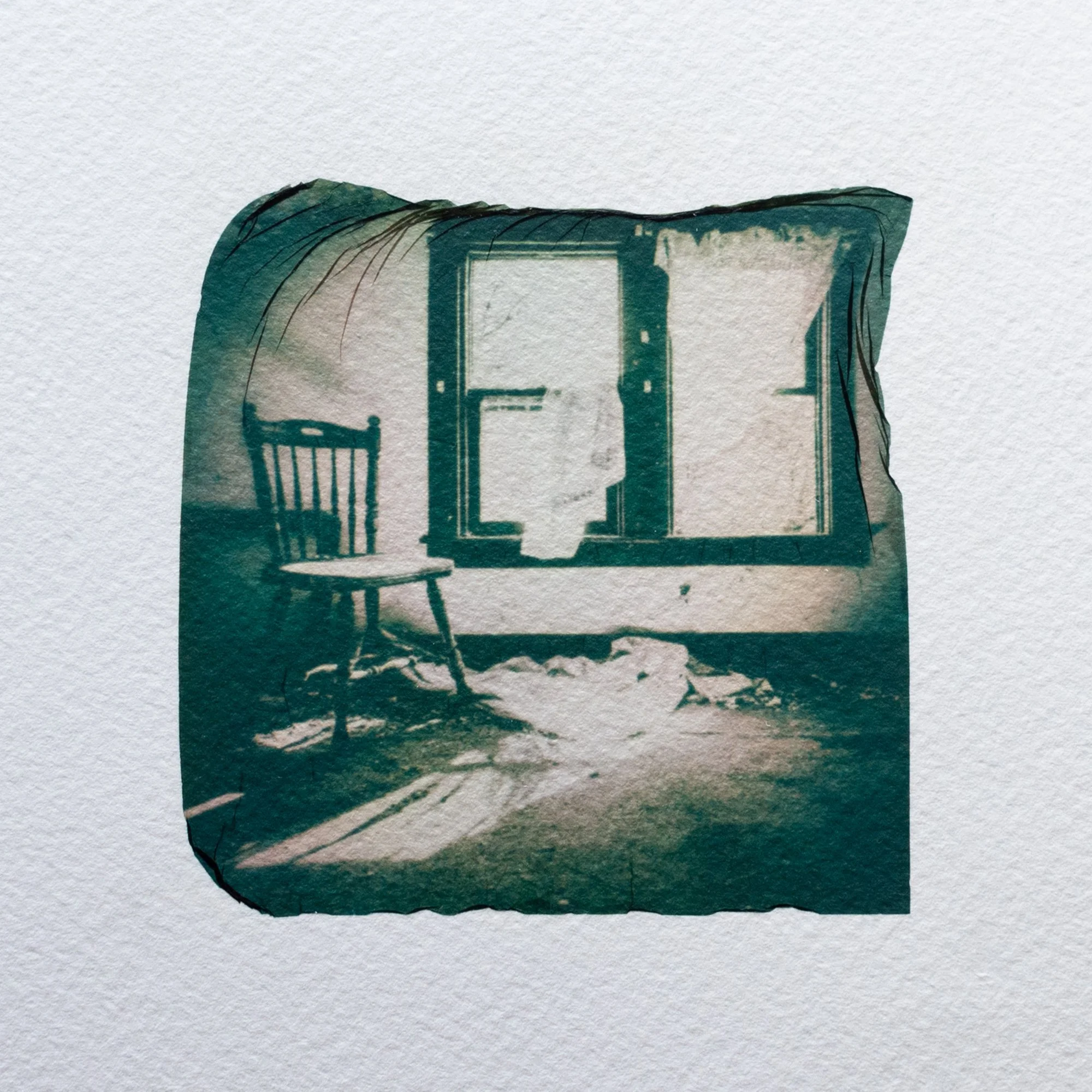
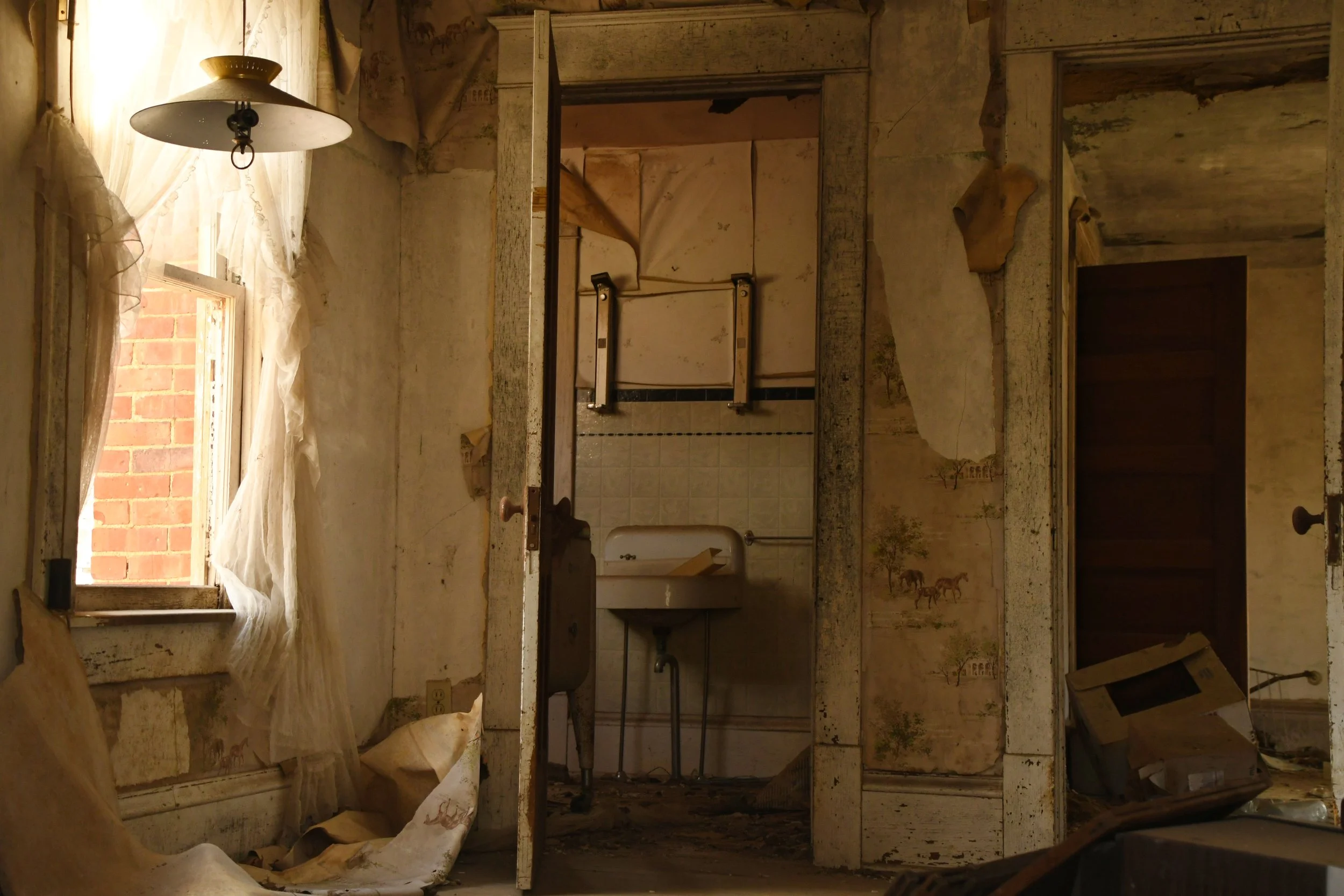
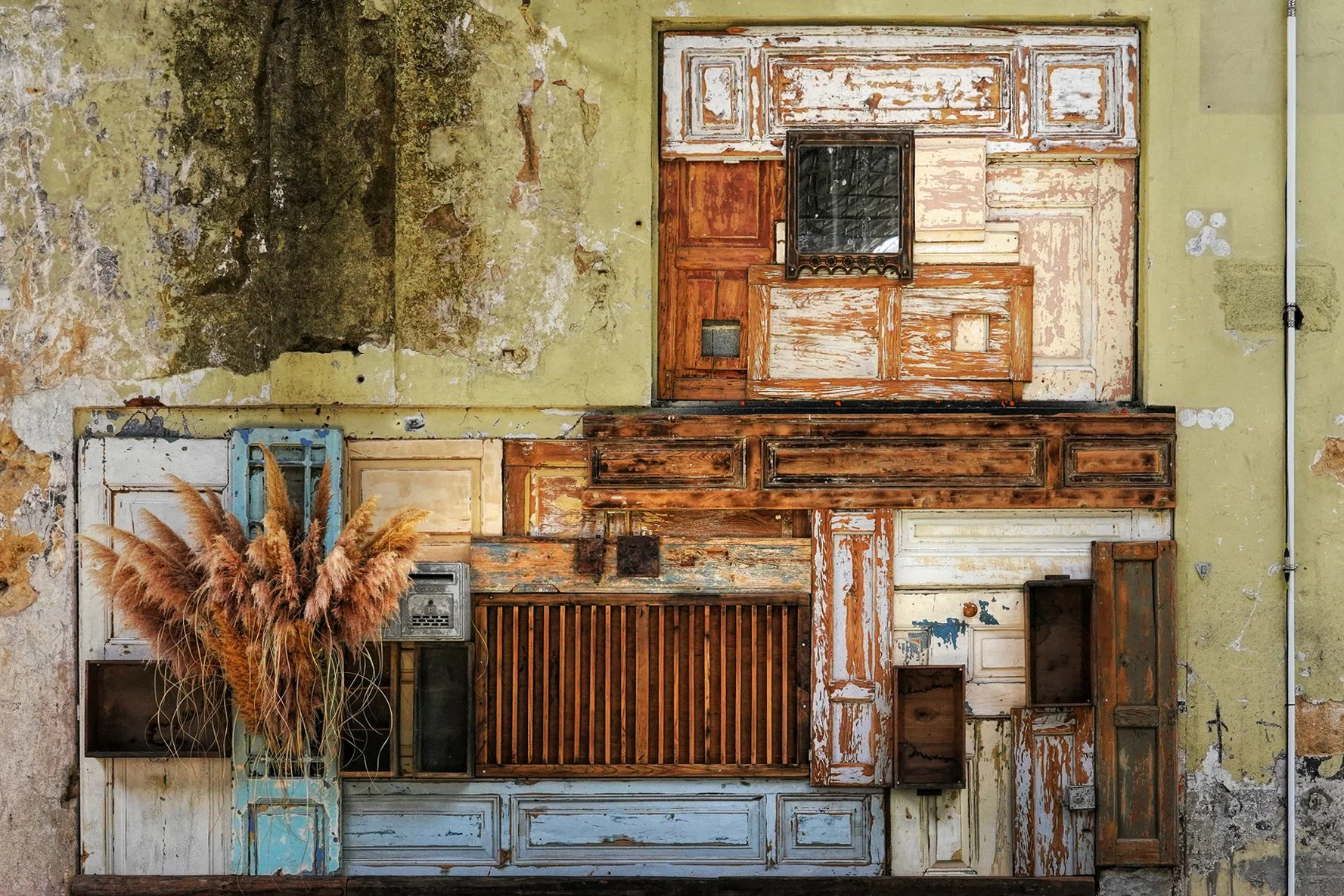
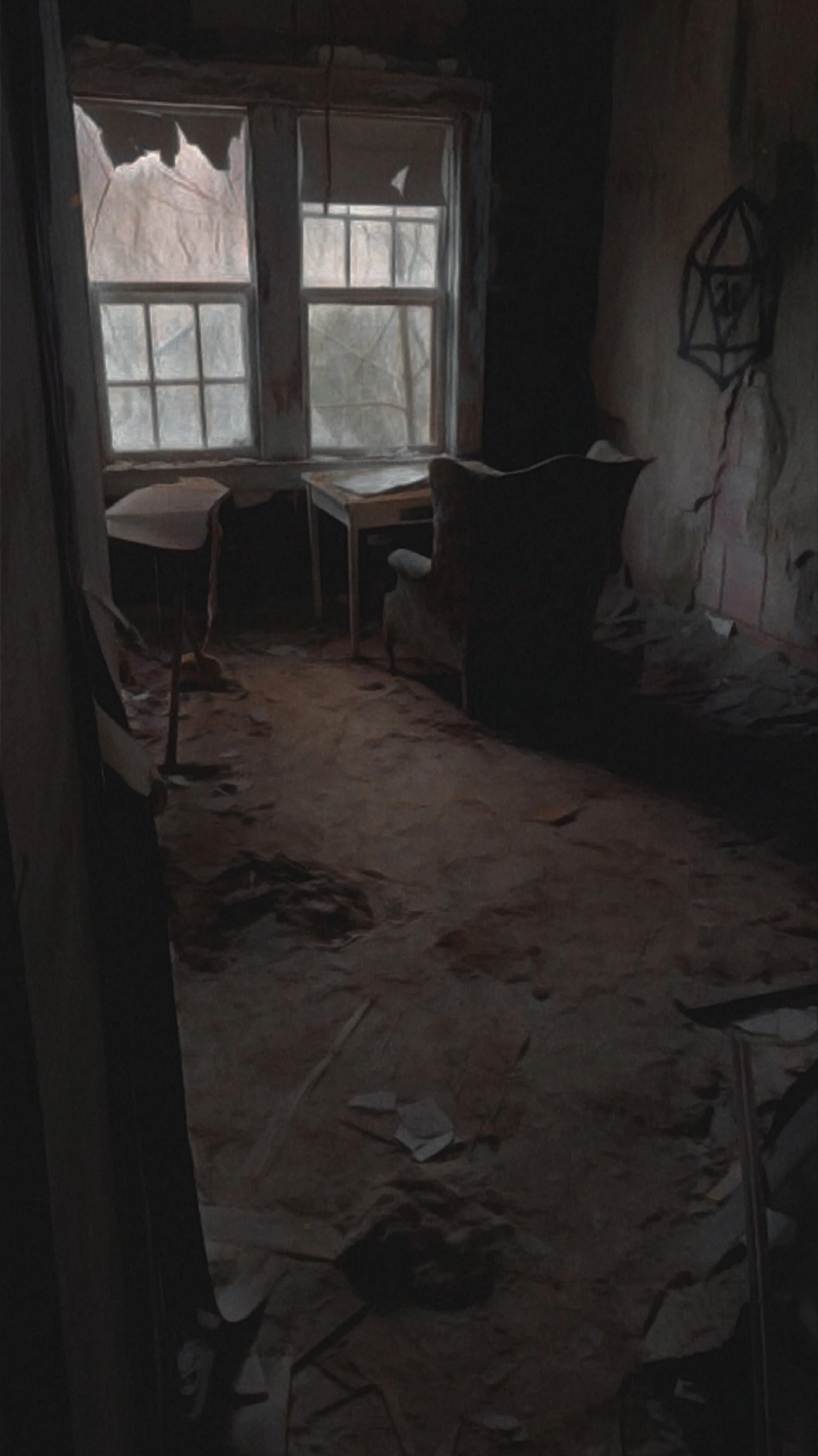
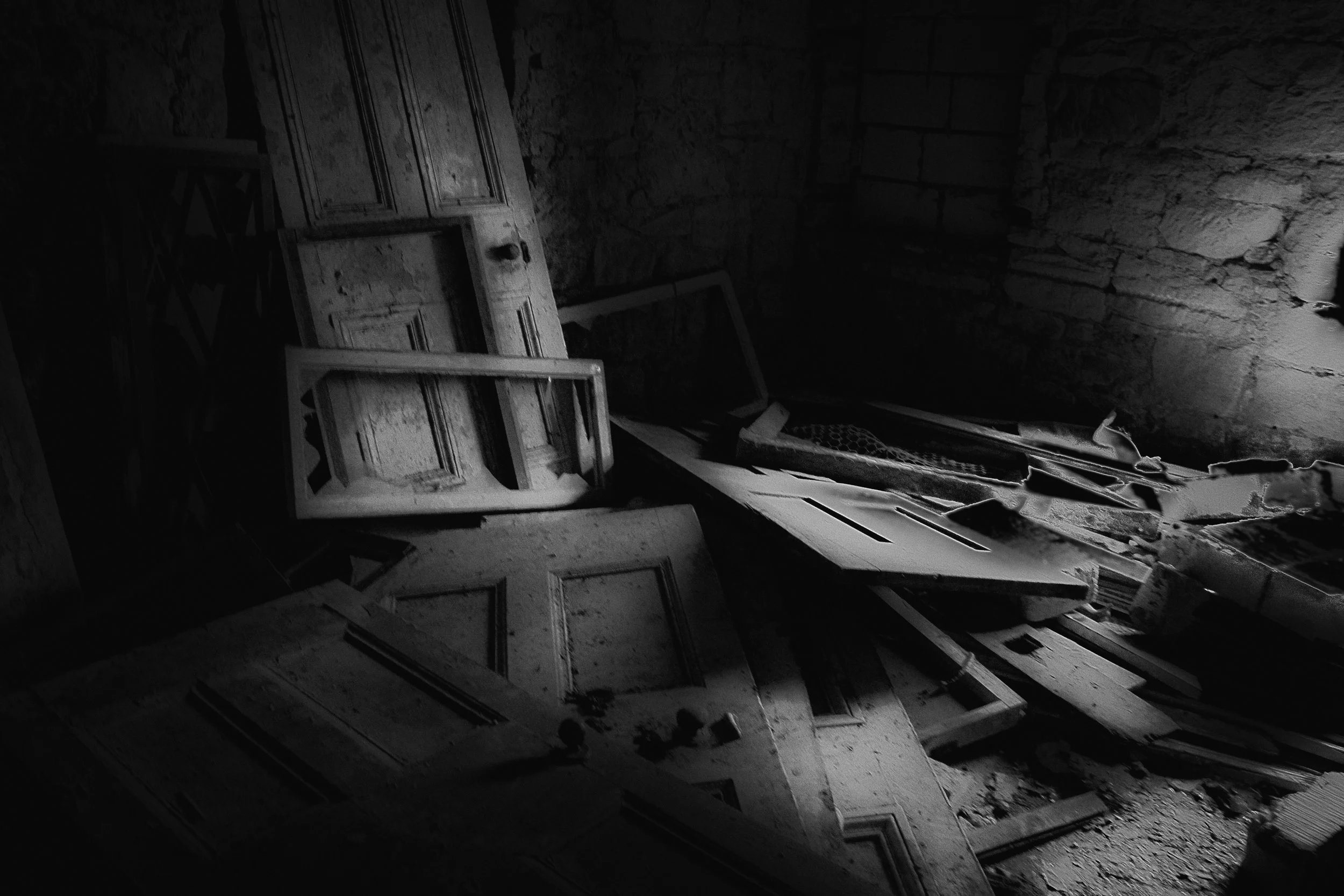
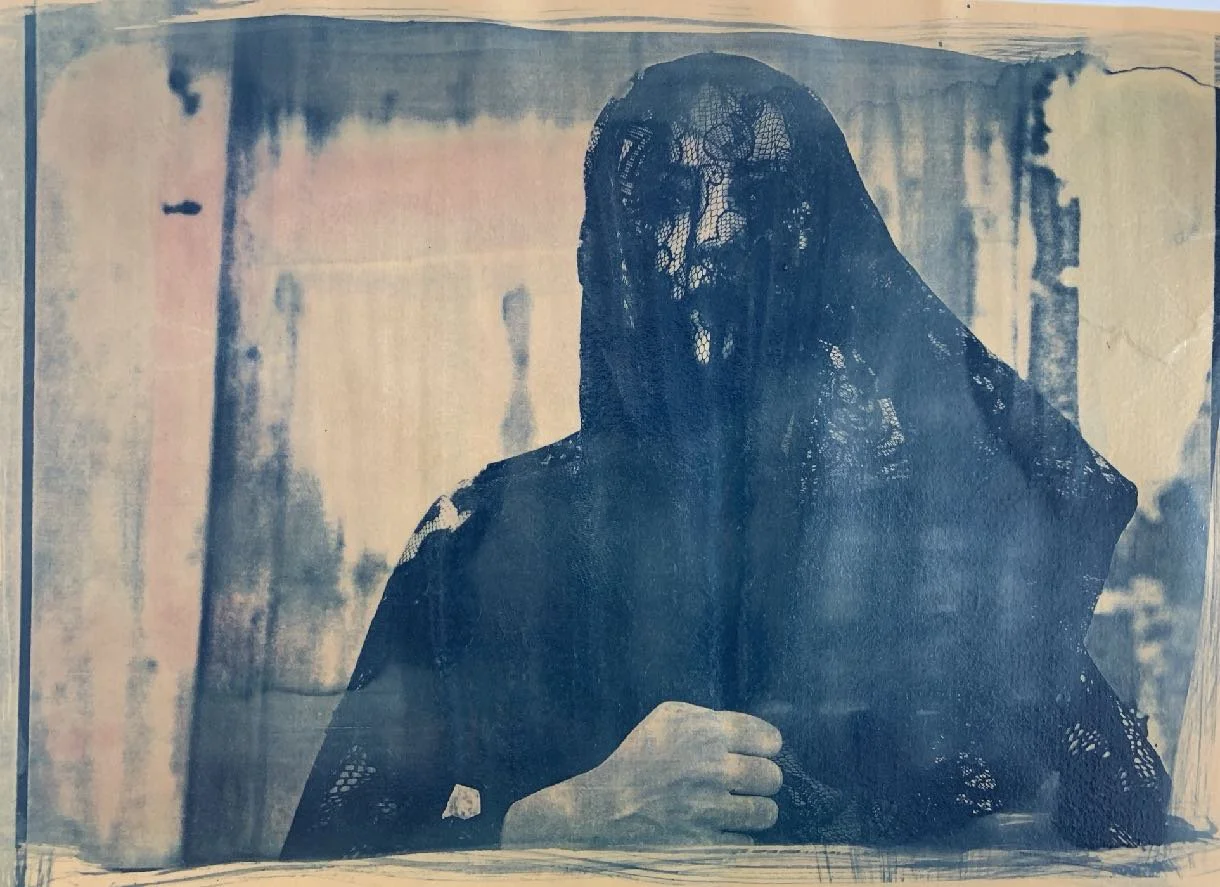
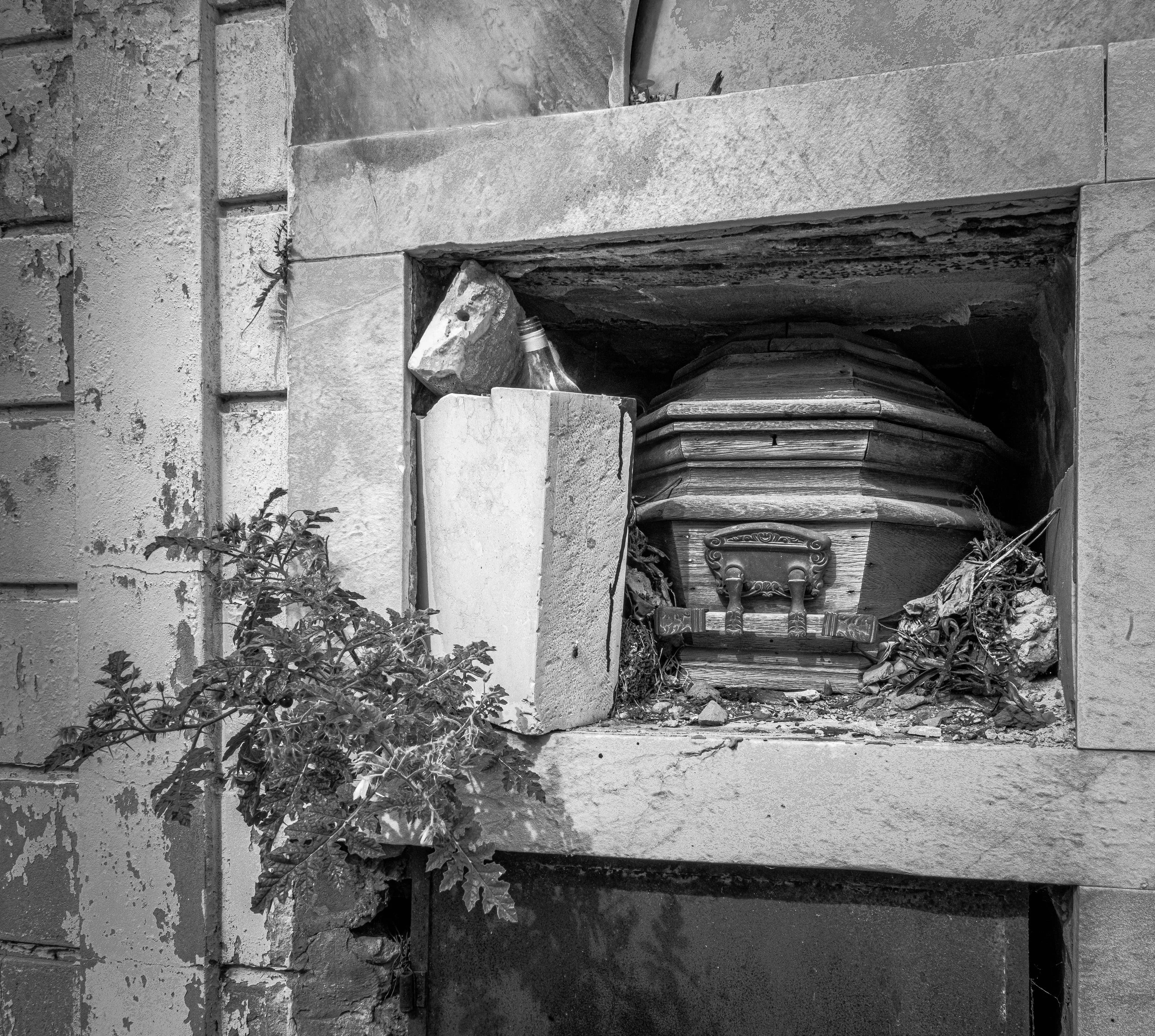
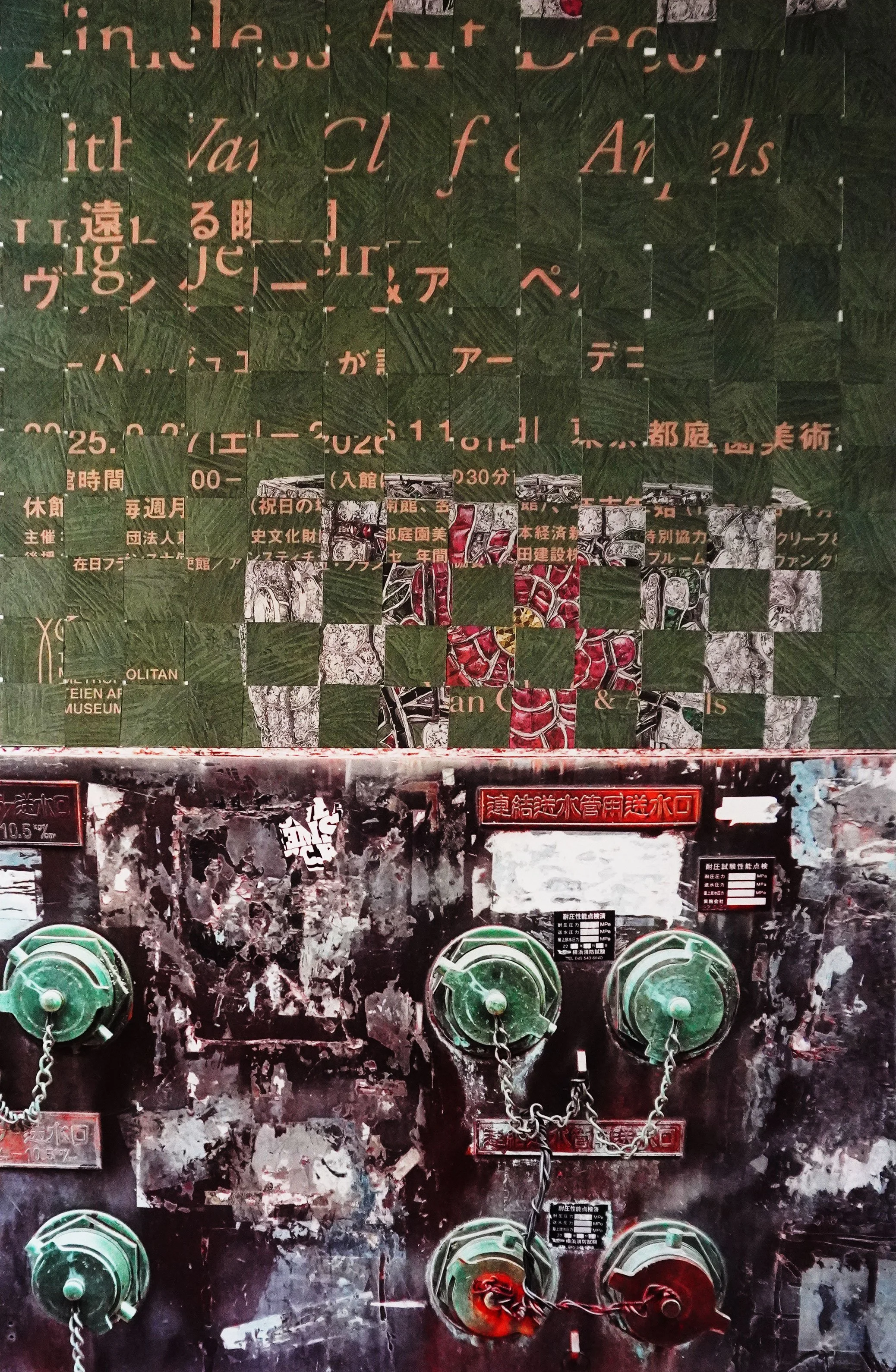
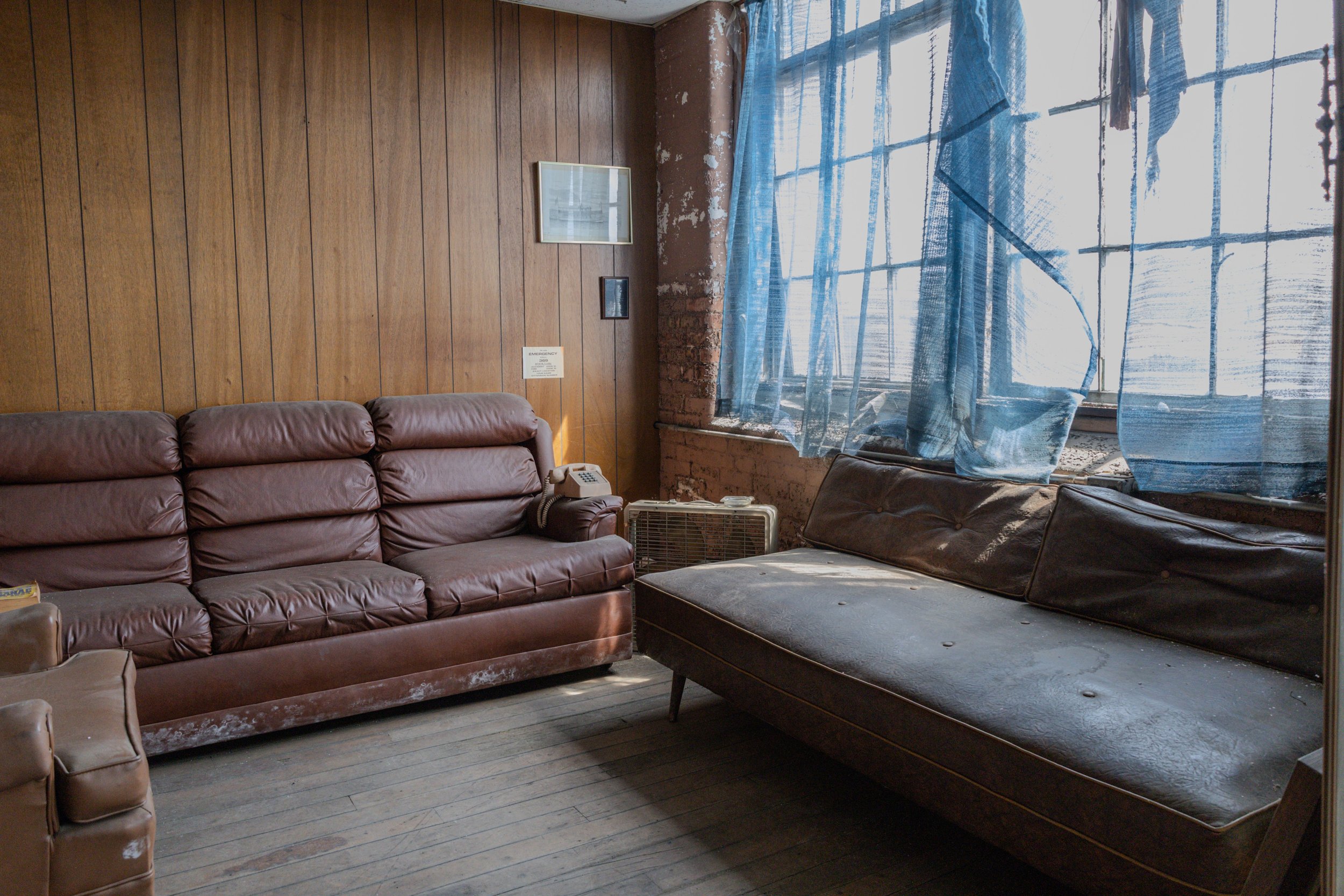
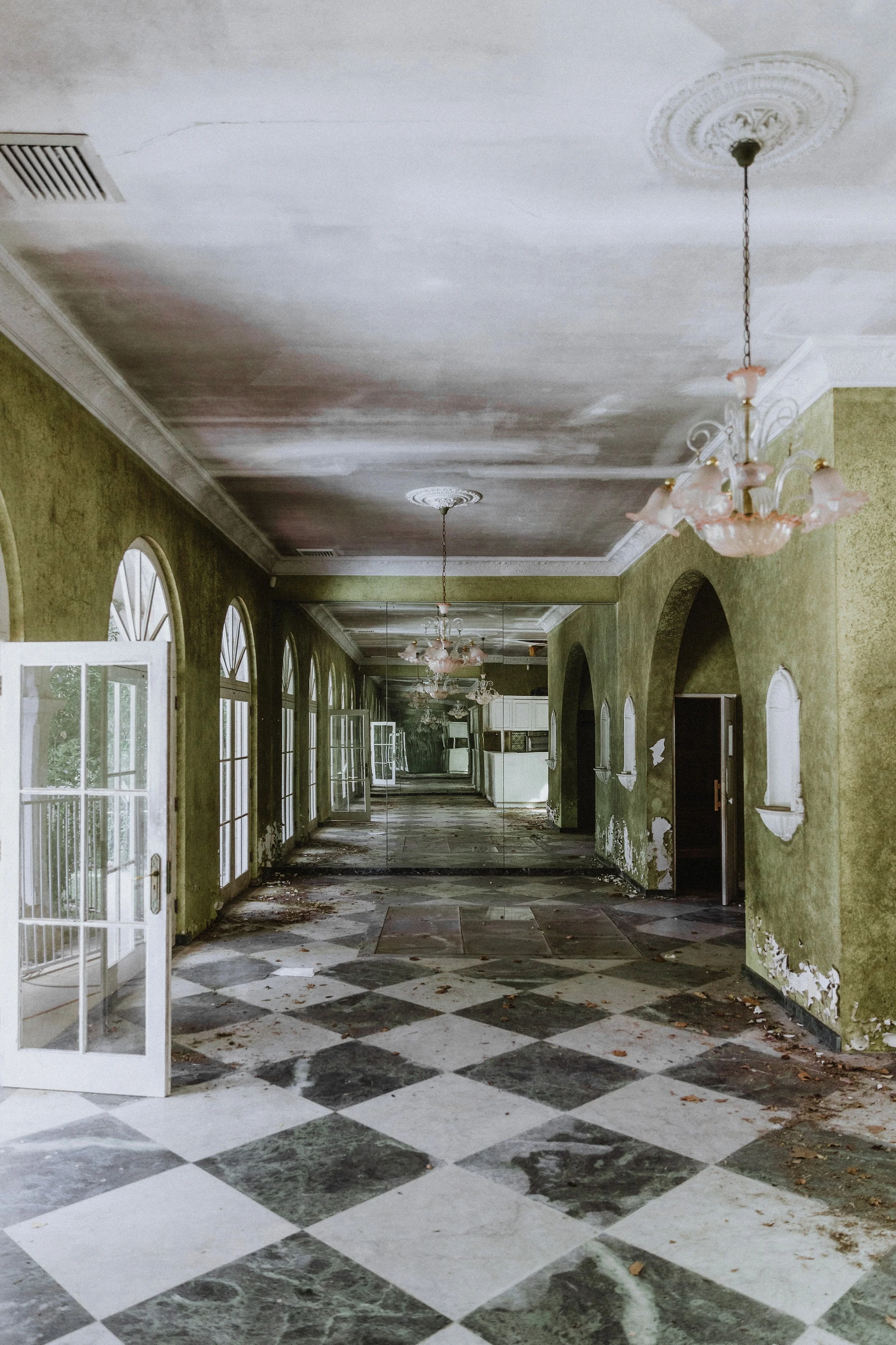
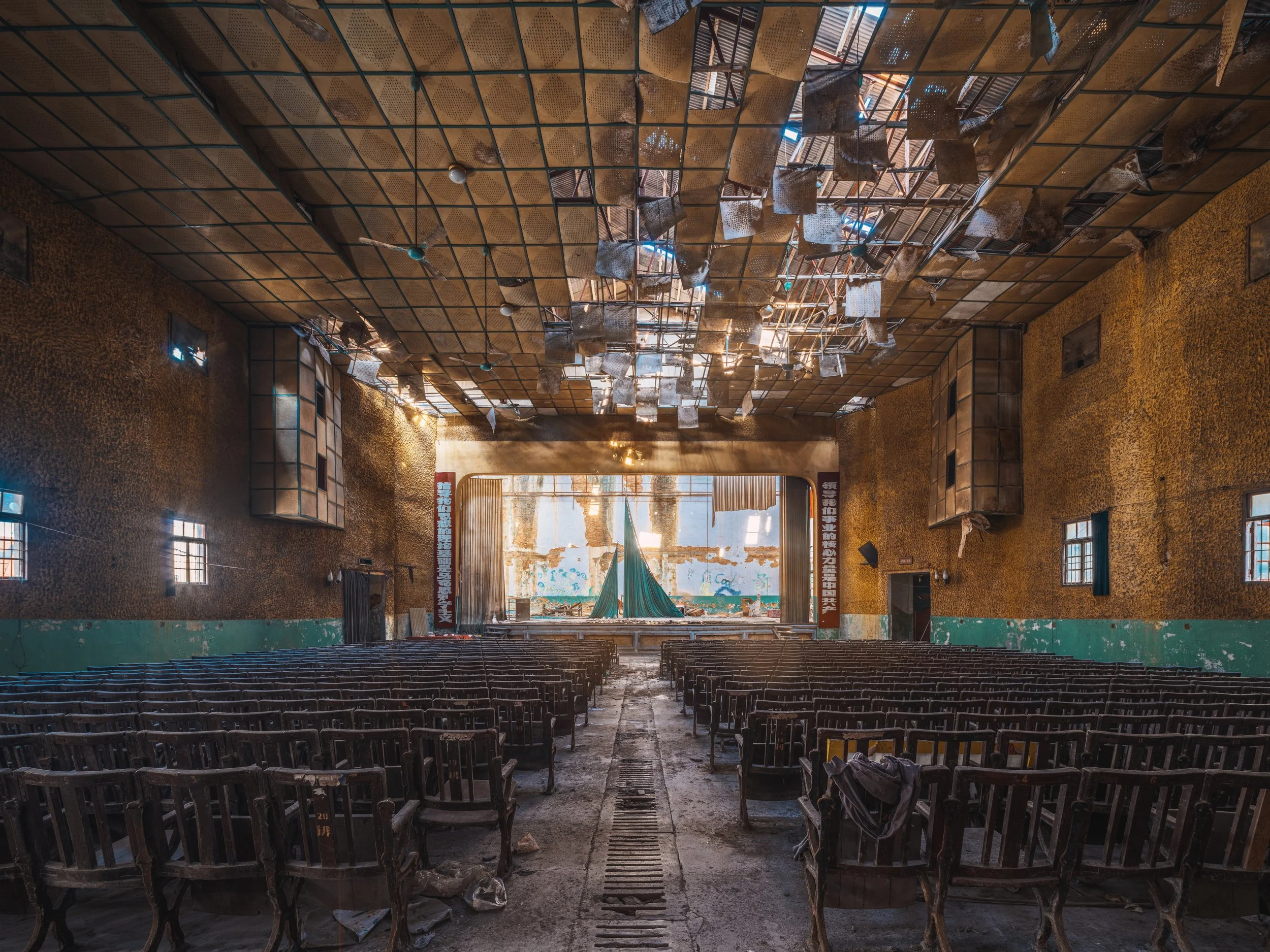
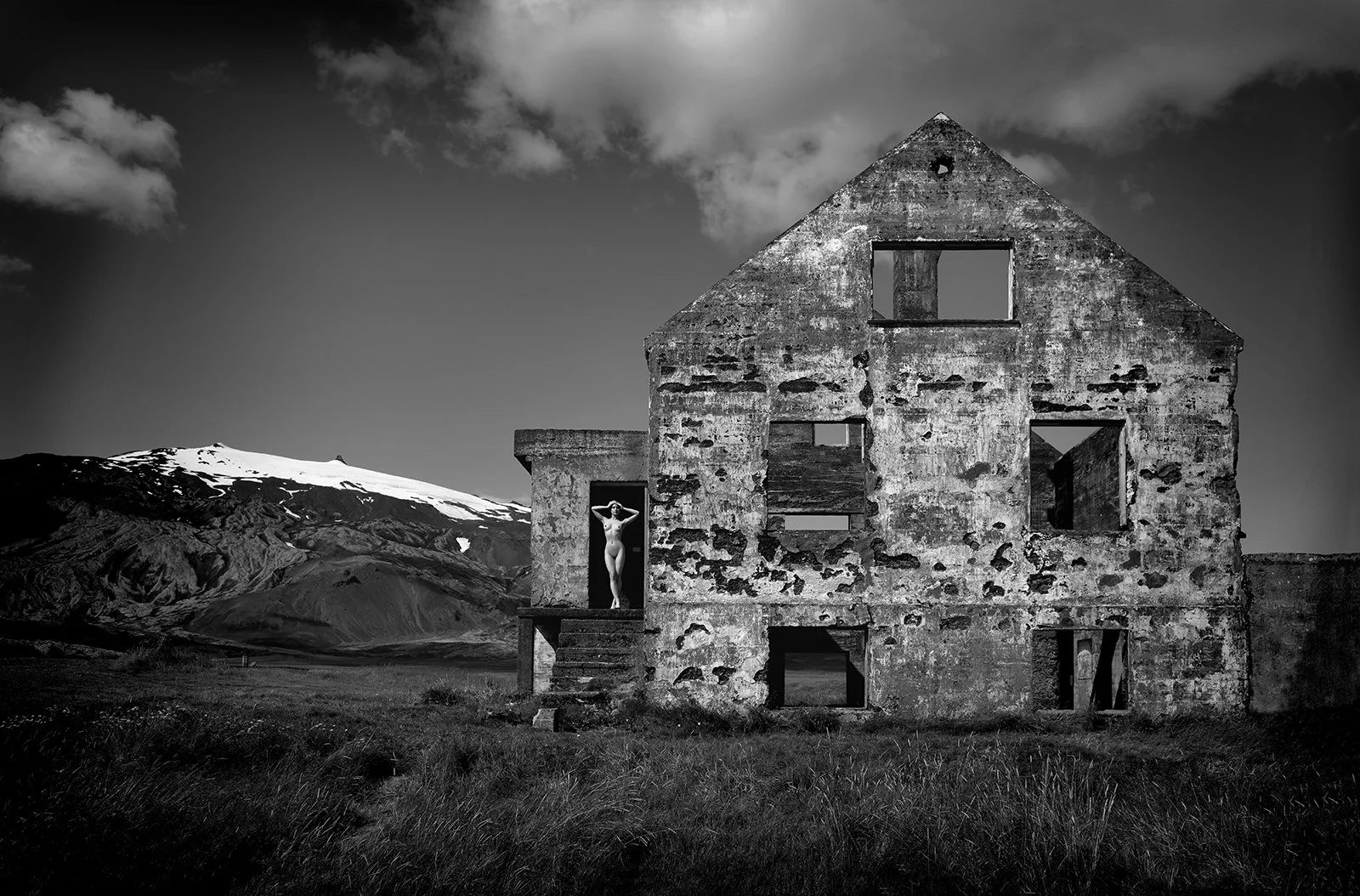
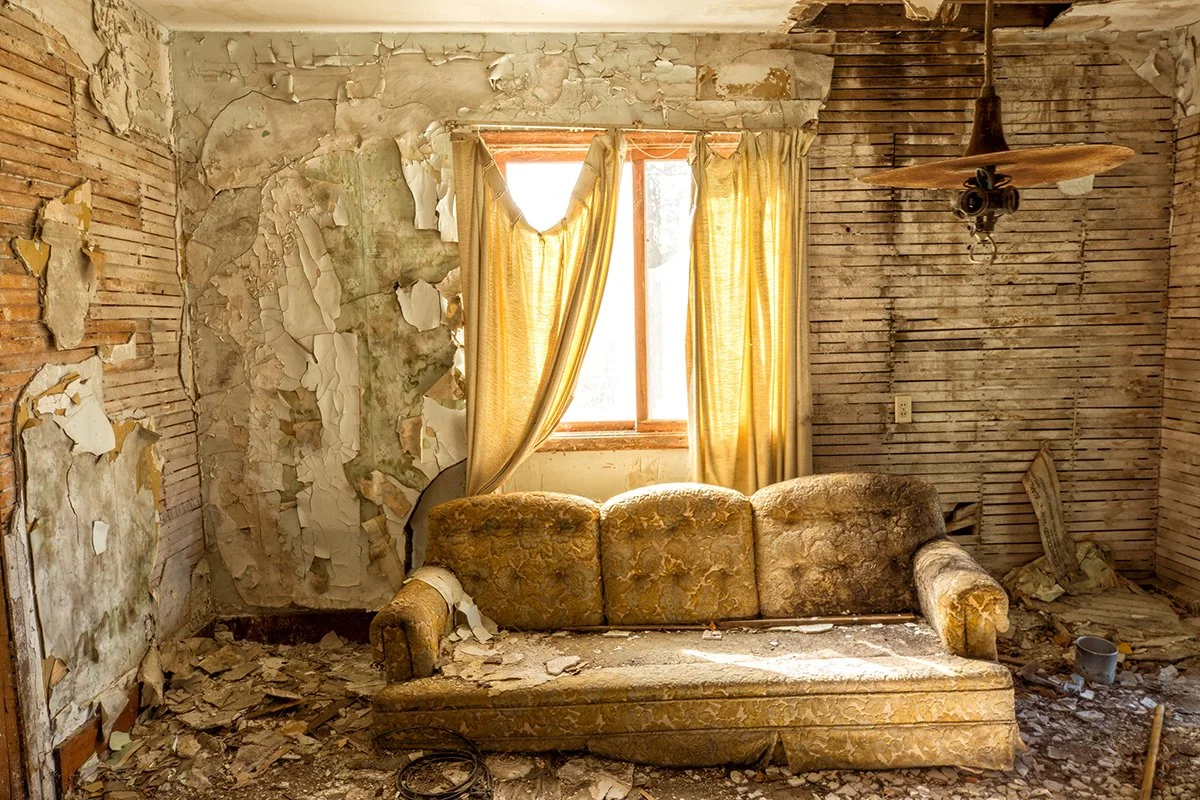
The Beauty in Decay brings together 43 photographers exploring the visual life of deterioration—weathered interiors, abandoned structures, corroded surfaces, fading objects, and the strange persistence of beauty after use.
Deterioration Is a Value Judgement About Maintenance
Nothing decays because of time alone. Materials fail on schedules that are well understood, and what determines whether a building or an object reaches that failure is whether somebody keeps paying to prevent it. Decay is therefore the visible result of a decision, usually a financial one, and photographs of it are photographs of withdrawn attention. The forty-three photographers in this edition are working on that subject whether or not they would frame it in those terms.
Somebody Decided Not to Repair It
Deferred maintenance is a line item. Roofs, gutters, pointing, paint and drainage all have known service intervals, and skipping them is cheaper in the short term and considerably more expensive later. When a building is allowed to deteriorate it is normally because an owner has calculated that repair will not return its cost, or because ownership itself has become unclear. This is why decay clusters around particular building types and particular decades rather than distributing evenly, and why a photograph of a failed roof is a more precise economic document than most viewers assume.
Preservation Has to Choose a Date
The conservation argument that ran through the nineteenth century has never really been settled. One position holds that a building should be restored to a coherent original state, replacing what is missing; the other holds that a ruin's later history is part of it and that intervention should stabilise rather than restore. Every consolidated wall and every deliberately unrepaired interior is an answer to that question. Photographers working on this theme frequently record sites at exactly the point where the decision has not yet been taken, which is the most informative moment and the least stable one.
Repeat Photography Beats the Single Frame
A single photograph of decay states a condition. Two photographs of the same subject separated by years state a rate, and a rate is a much stronger claim. Repeat photography is unglamorous work — it requires records, precise positions, matched focal lengths and the patience to return — but it is the only method in this genre that produces evidence rather than atmosphere. Photographers who keep to it accumulate material that becomes more valuable the longer they hold it.
What Separates the Strong Submissions
An open call on this theme attracts a great deal of work that is technically competent and largely interchangeable: heavy texture, crushed shadows, high clarity, a single peeling wall. What distinguishes the strong submissions is specificity. A photograph that establishes what the material is, why it failed and what the space was used for carries information that survives repeated viewing. One that offers only surface interest does not, however carefully processed. The distinction is not a matter of subject or equipment; it is whether the photographer understood what they were looking at.
Why the Theme Recurs
Decay is the one theme whose subject is guaranteed to have changed by the next edition, which makes a recurring call a measurement rather than a repetition. TCG Gallery is an independent online photography gallery, and each juried exhibition remains part of a permanent public archive after its run ends, so these catalogs accumulate into a longer record than any single project. Photographers can enter the current photography open calls directly.