

The Narrative (2026)
May 1–June 1, 2026
A narrative can tell stories about a wide range of subjects, recount tales from religion, myth, legend, history, and literature, or examine existential questions such as the meaning of life, death, and the nature of reality. A well-crafted narrative can transport us to another time and place, entertain, educate, and inspire, or help us view the world in a new way. These photographs remind us of our shared humanity and the beauty of the world around us.
Featured Artists
Adam Miller, Alyssa Maurer, Anthony Striplen, Barbara Ringer, Beamie Young, Brian Hallas, Colin Ward, David Cohen, David Miller, Dominic Lippillo, Eliot Allen, Howard Pohl, Ivan in Abstracts, Jingyin Che, Joe Geyer, Joseph Sharketti, Joy Island Lei, Kylo-Patrick Hart, Linda Lewis, Makenzie Goodman, Marilou Encarnacion, Melora Walters, Nanci Hellmuth, Nick Perry, Patrick O’Brien, Scott Anderson, Sean Brown, Theo Boccara, Tiffany Bolk, Zsuzsa Megyesi
The Constructed Scene Has Its Own Tradition
Narrative photography is often treated as a modern idea, as though the medium spent its first century recording and only recently began inventing. The opposite is true: photographers were staging scenes within twenty years of the medium's announcement, and the argument about whether they should has been running ever since. The forty-two works in this edition, credited between 2016 and 2026, sit inside that long argument rather than outside it.
Tableau Photography Inherited Painting's Ambitions
Oscar Rejlander's composite allegories of the 1850s were assembled from dozens of negatives in order to compete with academic painting on its own terms, and Henry Peach Robinson published instructions on how to build such pictures. The ambition was scale and subject matter: photographs that could hold a wall and tell a story. That lineage runs directly to the large-format staged single image of recent decades, where a picture is produced like a film scene and then presented as one frame. The technical means have changed completely; the claim that a photograph may be composed rather than found has not.
Production Is Authorship
Constructed narrative work relocates the decisive labour away from the moment of exposure. Casting determines what a viewer will assume about the characters before anything happens; location settles class, period and weather; wardrobe and props supply most of the specific detail that makes a scene credible. By the time the shutter is released the picture has largely been decided. This is why staged narrative photography rewards planning where street work punishes it, and why failures in the genre are usually failures of production rather than of seeing — a wrong shoe, an anachronistic light fitting, an actor who does not believe the situation.
The Frame Edge Generates the Story
A photograph's most powerful narrative device is its border. Everything excluded remains available to the viewer's imagination, and a picture that shows a consequence while withholding its cause forces reconstruction. In practice this means composing for what is absent: a shadow entering from outside the frame, a gaze directed off-picture, a hand belonging to someone not shown, a spill whose source is unseen. The edge is also where restraint is tested, because the impulse to include the explanation is strong and almost always reduces the work.
Duration Inside a Single Exposure
Photographs can carry time as well as imply it. A long exposure records several minutes as one accumulated image; a panned frame separates a moving subject from its context; multiple exposures on one negative place sequential events in the same rectangle. These devices are narrative rather than decorative when the duration they record is the point — a figure who was in two places, a room crossed by someone no longer there. Used without that justification they read as effect, which is the commonest misuse of technique in the genre.
Why the Theme Recurs
Narrative briefs return because they are the only prompts that test construction rather than observation, and a gallery can watch a photographer's storytelling develop across editions in a way that single-subject themes never reveal. TCG Gallery is an independent online photography gallery, and each juried exhibition remains part of a permanent public archive after its run ends, so these catalogs accumulate into a longer record than any single project. Photographers can enter the current photography open calls directly.
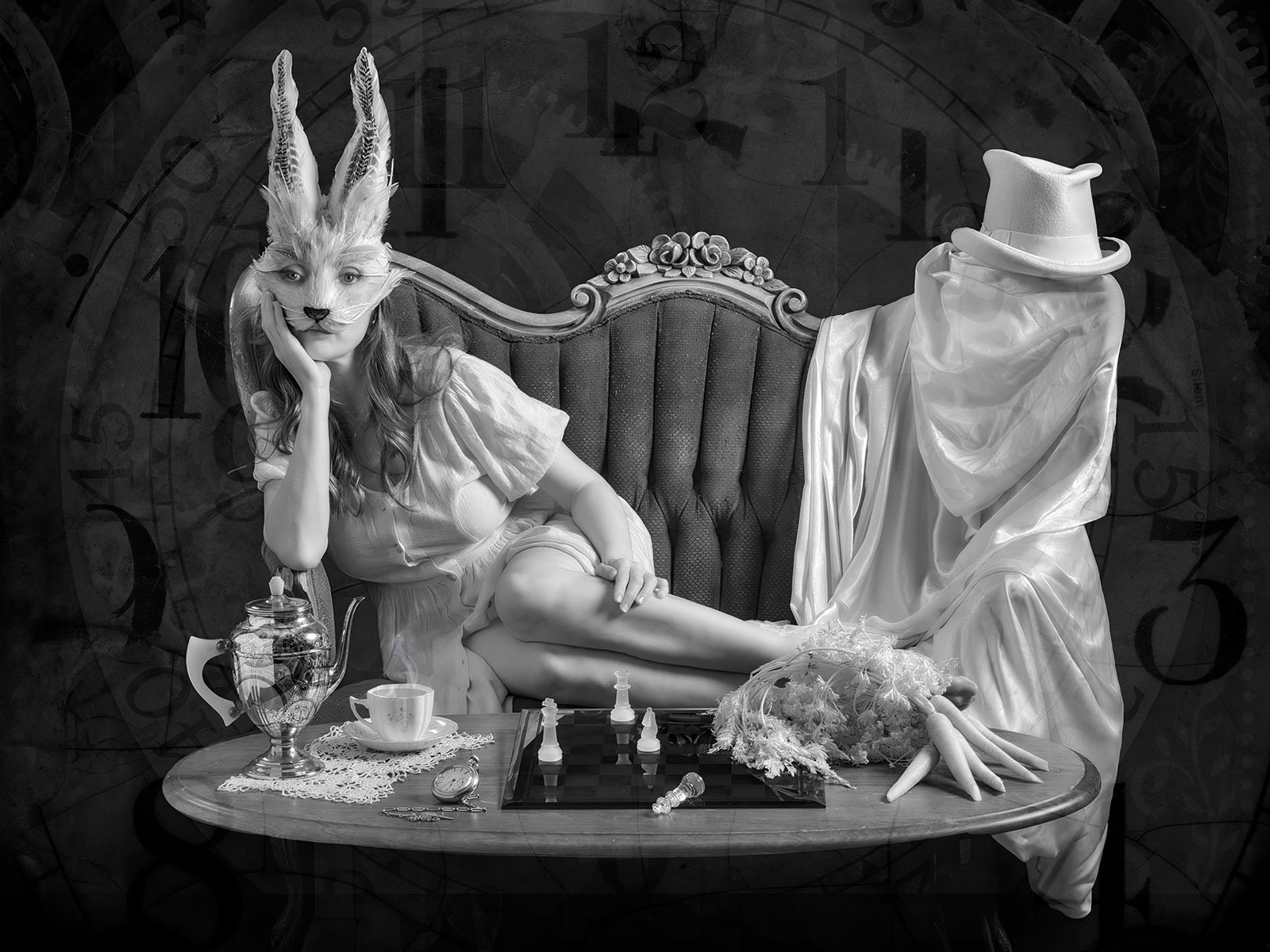
Waiting For Alice, archival print, 12 x 12 in, 2024, USD 350, © Beamie Young, Dickerson, Maryland
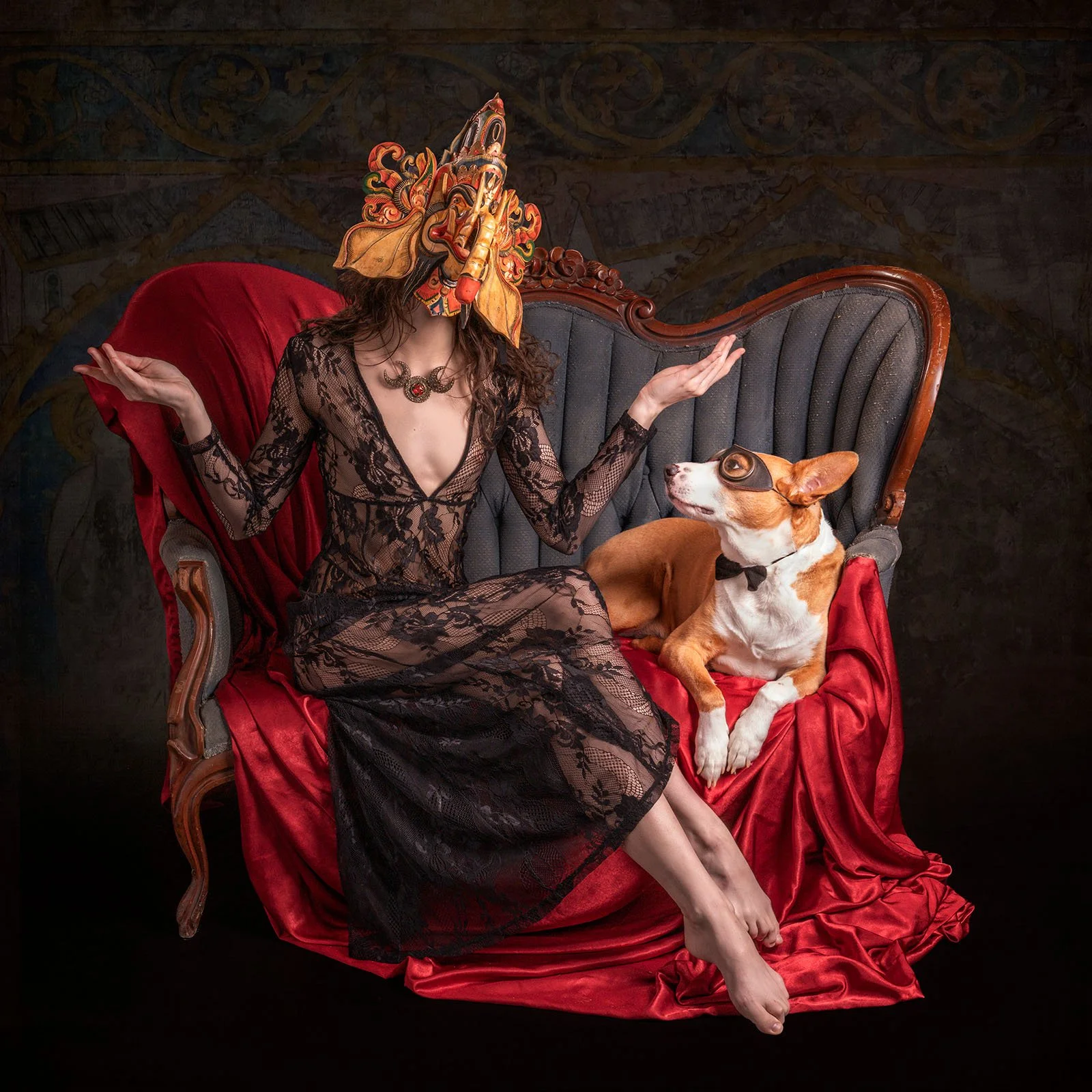
Dogma Dreamer, archival print, 12 x 12 in, 2024, USD 350, © Beamie Young, Dickerson, Maryland
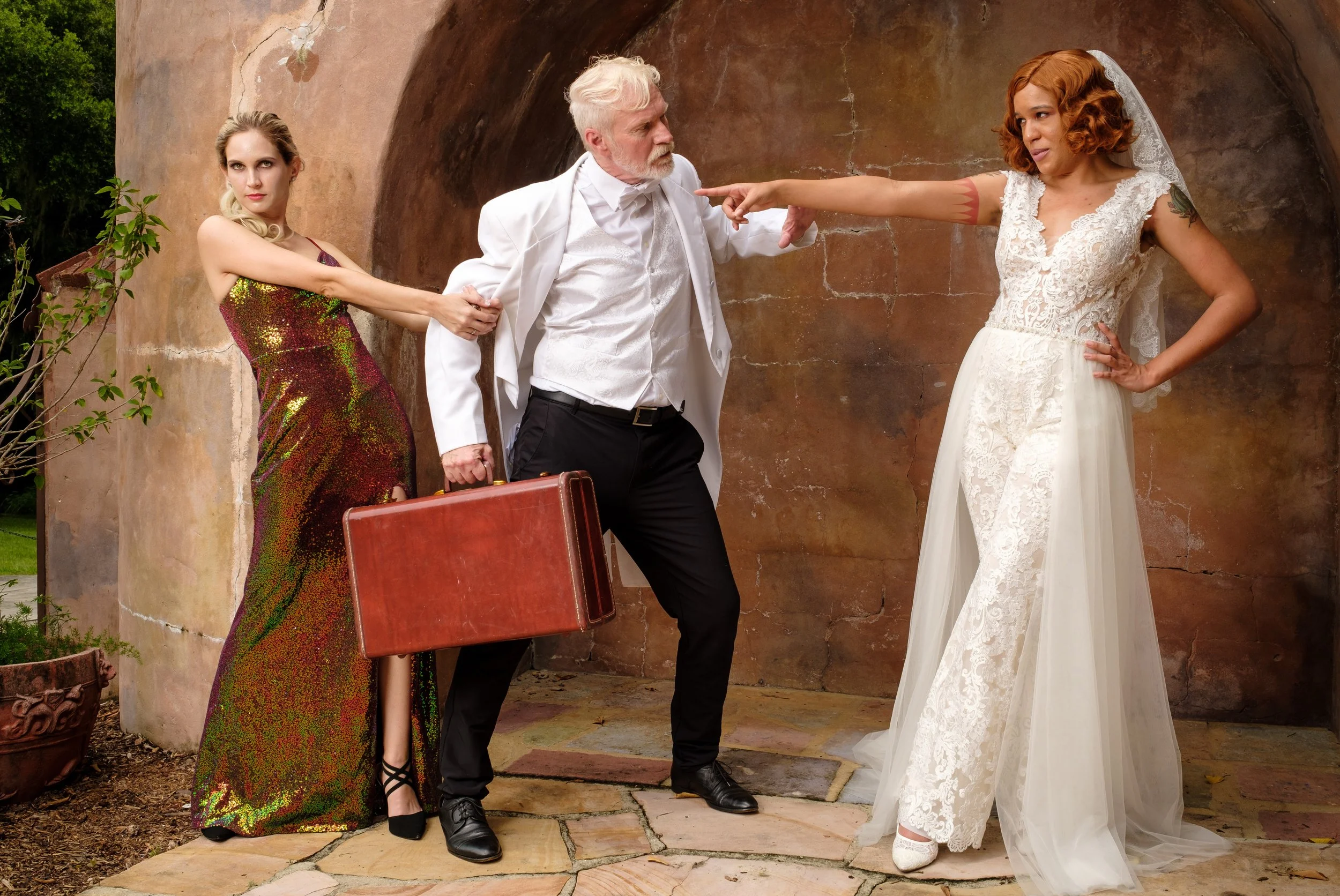
Wife or Girlfriend, archival print, 17 x 22 in, 2024, USD 500, © Colin Ward, Athens, Georgia
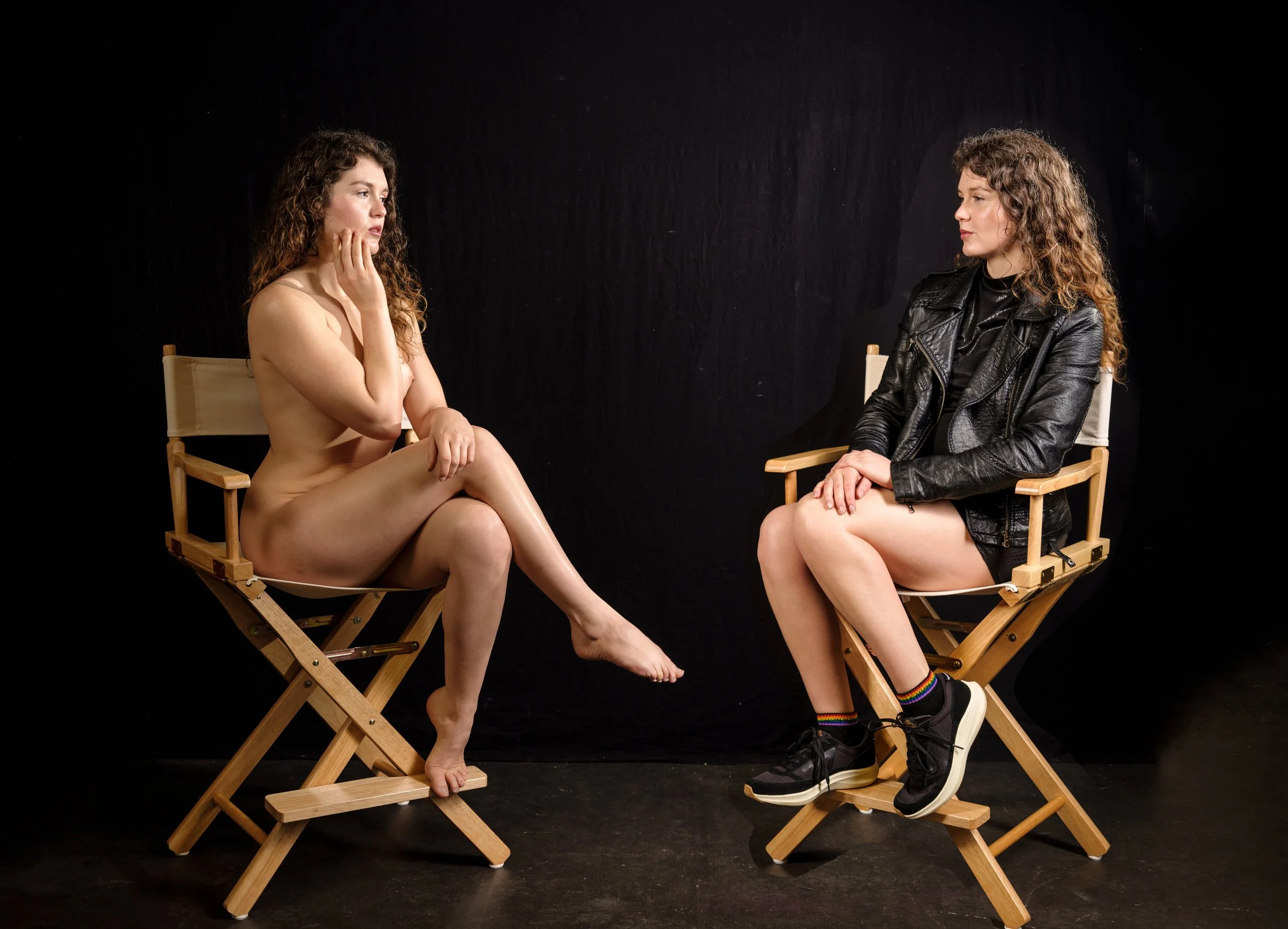
The Interview, archival print, 17 x 22 in, 2024, USD 500, © Colin Ward, Athens, Georgia
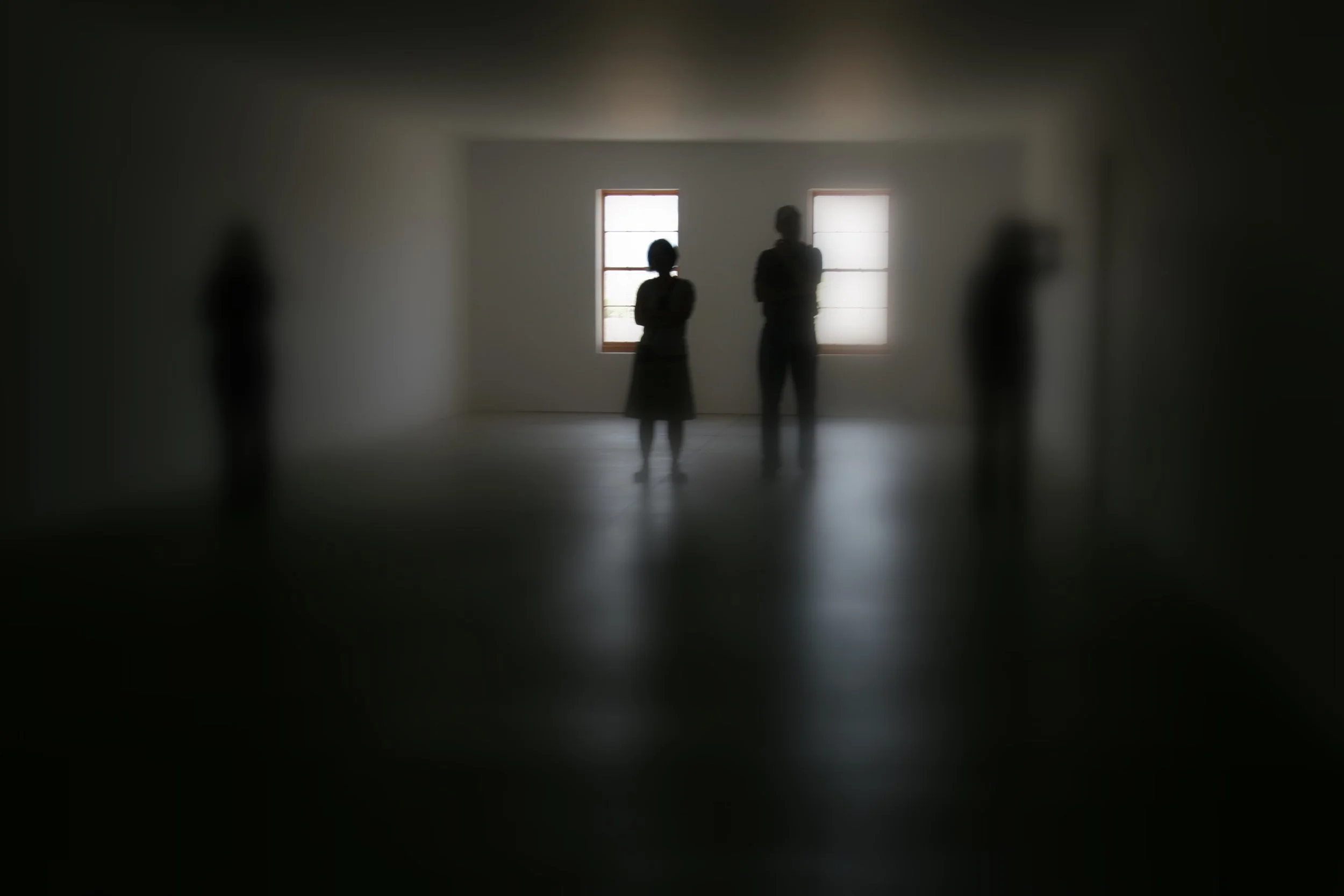
Search, archival print, USD 375, 2020, © Eliot Allen, Portland, Oregon
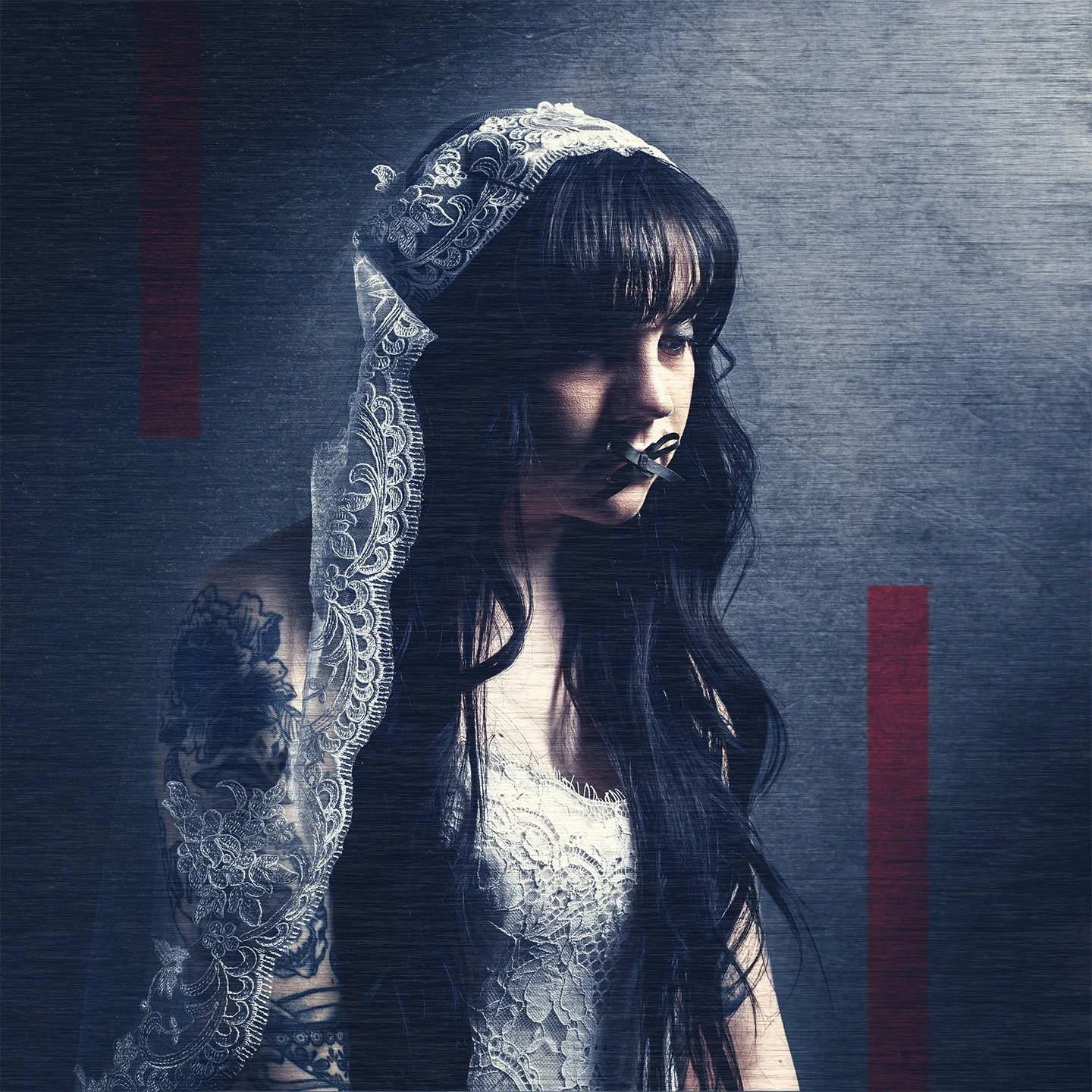
Forever Hold Your Peace, archival print, various sizes available, 2025, price depends on size, © Joseph Sharketti, Colorado Springs, Colorado
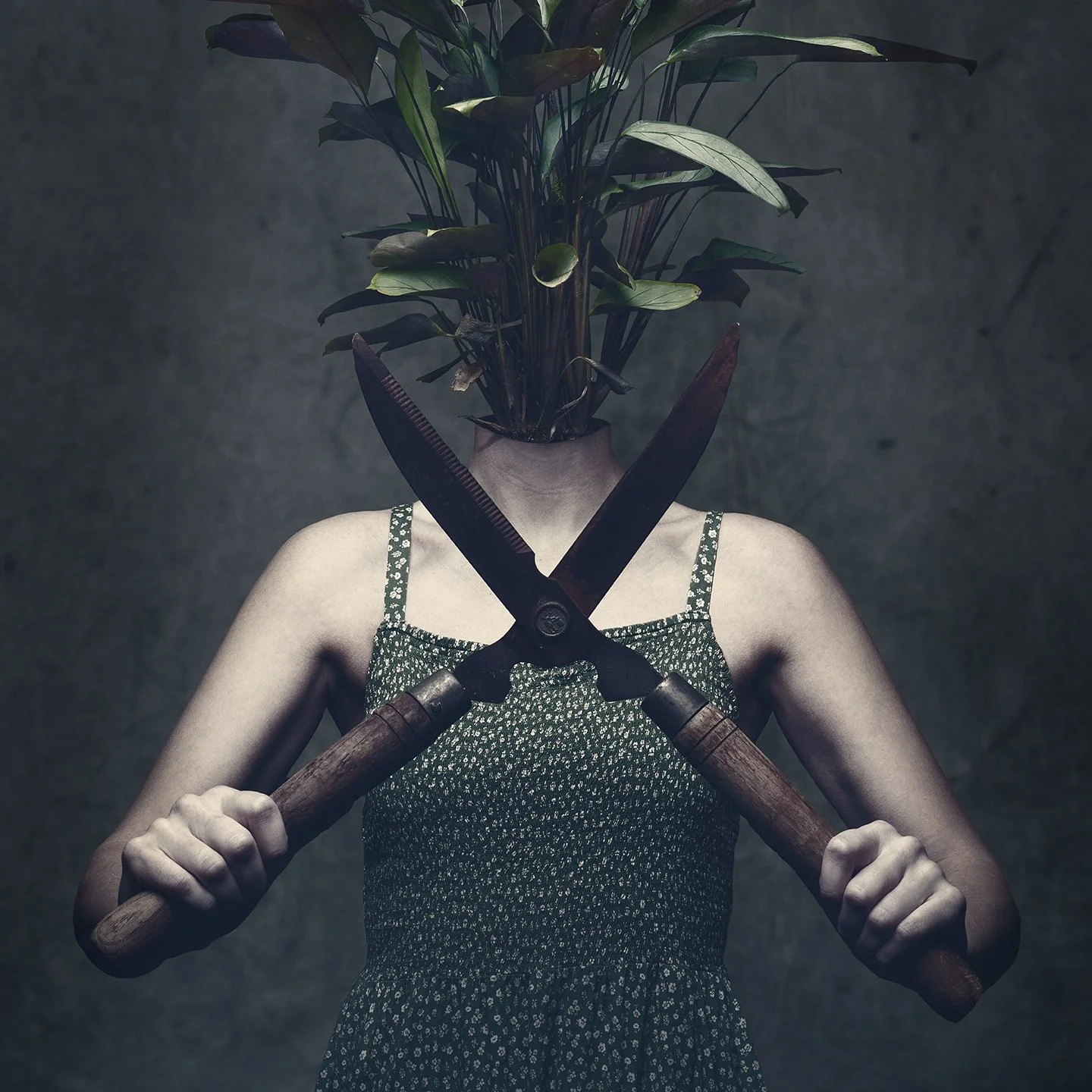
Axon, Axoff, archival print, various sizes available, 2024, price depends on size, © Joseph Sharketti, Colorado Springs, Colorado
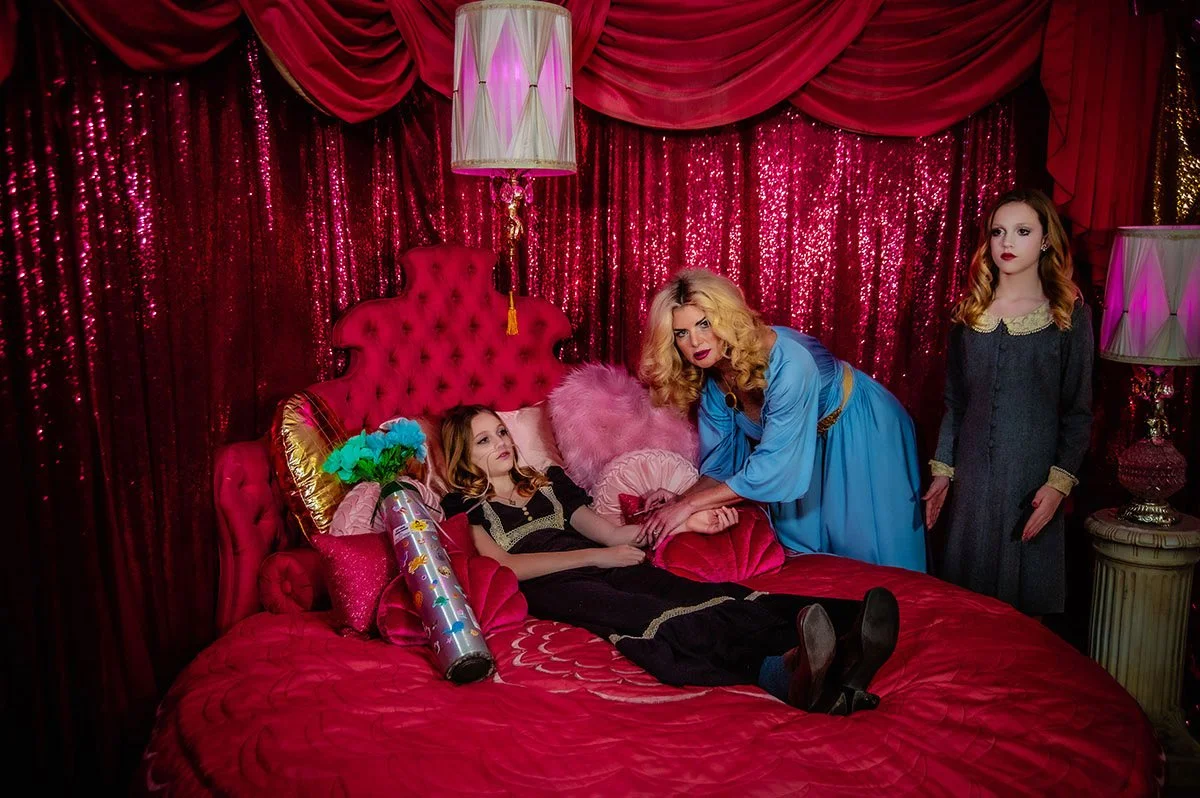
The Sick Girl and The Robot Part 1, archival print, 11 x 16 in, 2024, USD 300, © Tiffany Bolk, Saint Paul, Minnesota
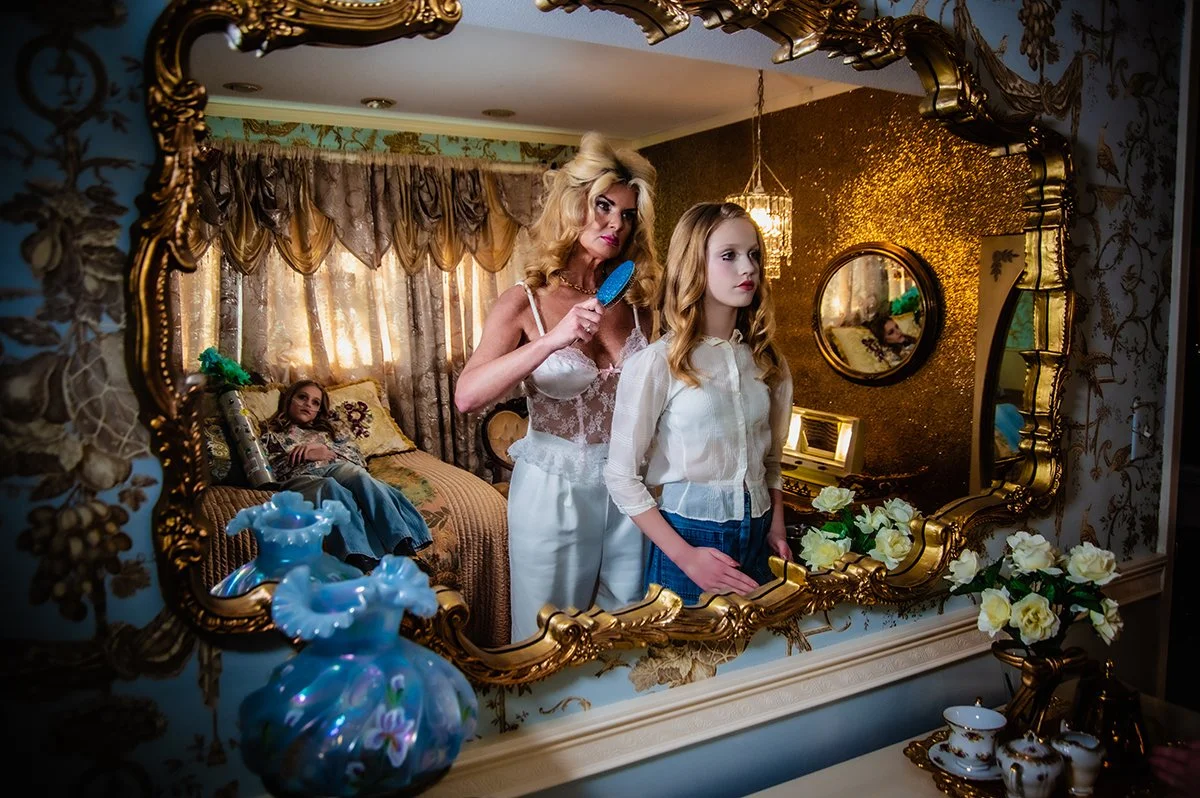
The Sick Girl and The Robot Part 3, archival print, 11 x 16 in, 2024, USD 300, © Tiffany Bolk, Saint Paul, Minnesota
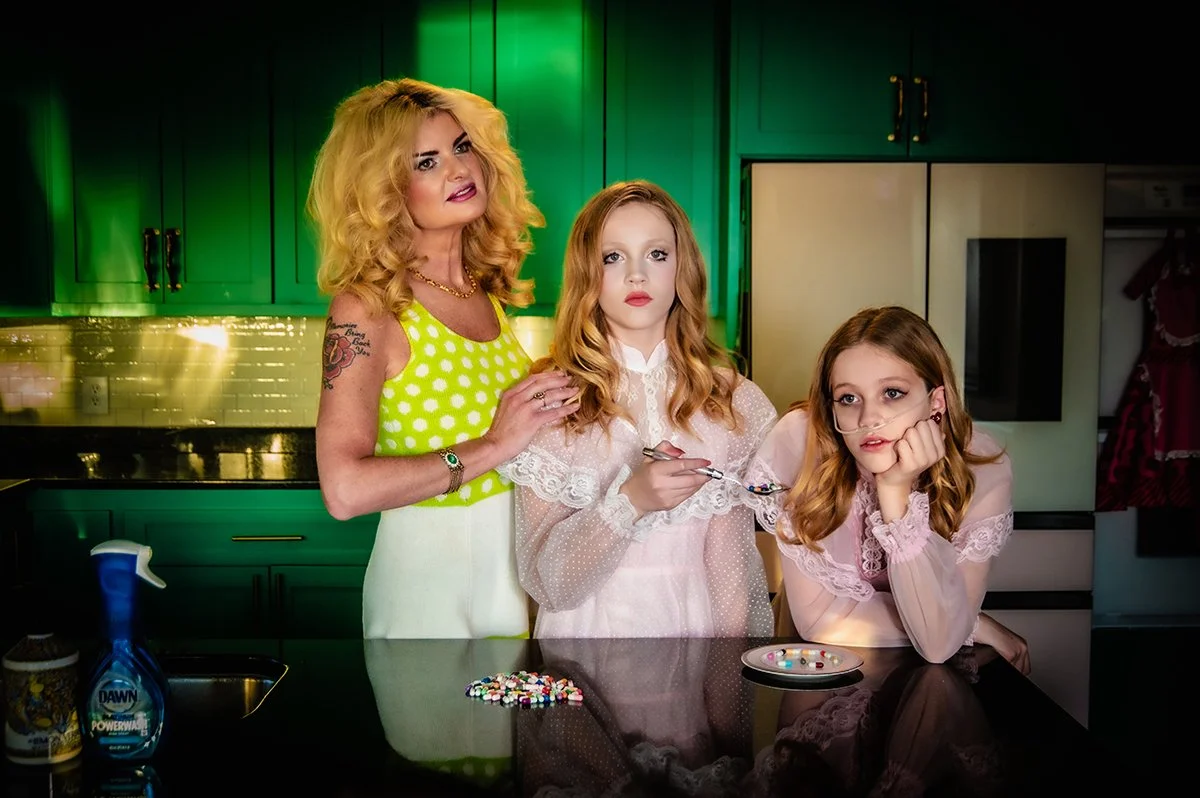
The Sick Girl and The Robot Part 2, archival print, 11 x 16 in, 2024, USD 300, © Tiffany Bolk, Saint Paul, Minnesota
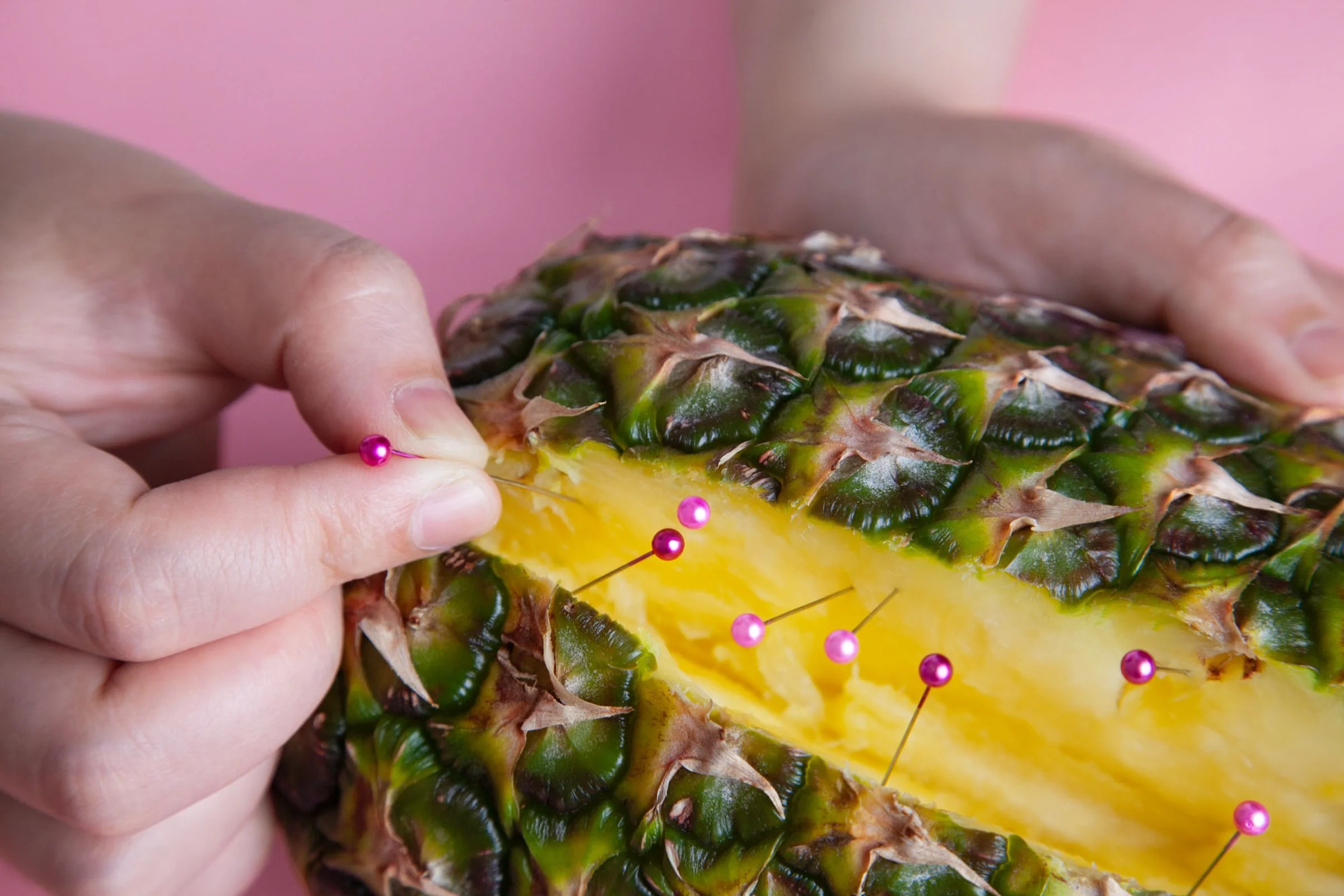
Carrie, archival print, 34.5 x 23 in, 2025, USD 1600, © Joy Island Lei, New York, New York
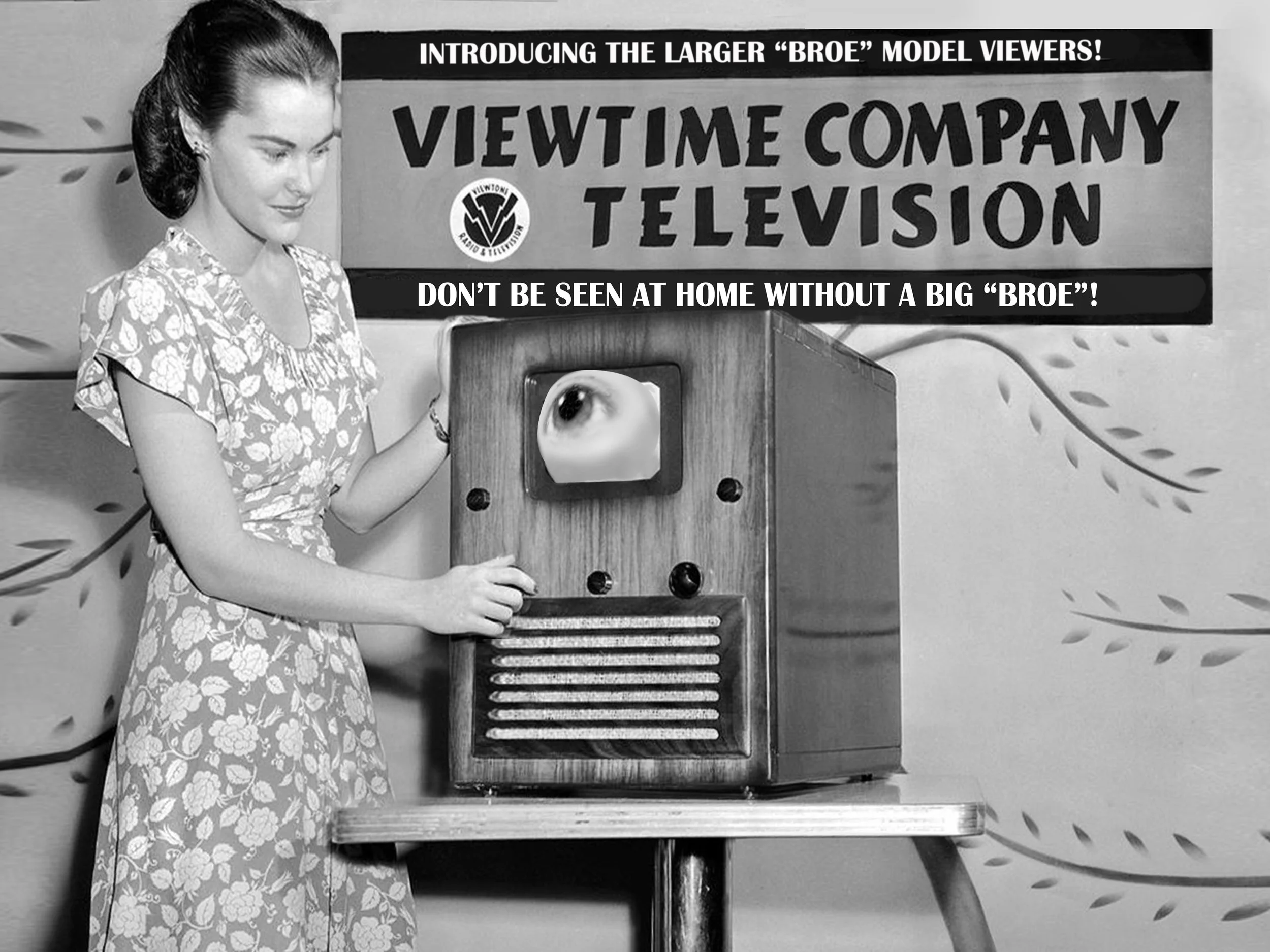
The Big Broe, archival print, 12 x 16 in, 2025, USD 300, © Patrick O'Brien, Georgetown, Texas
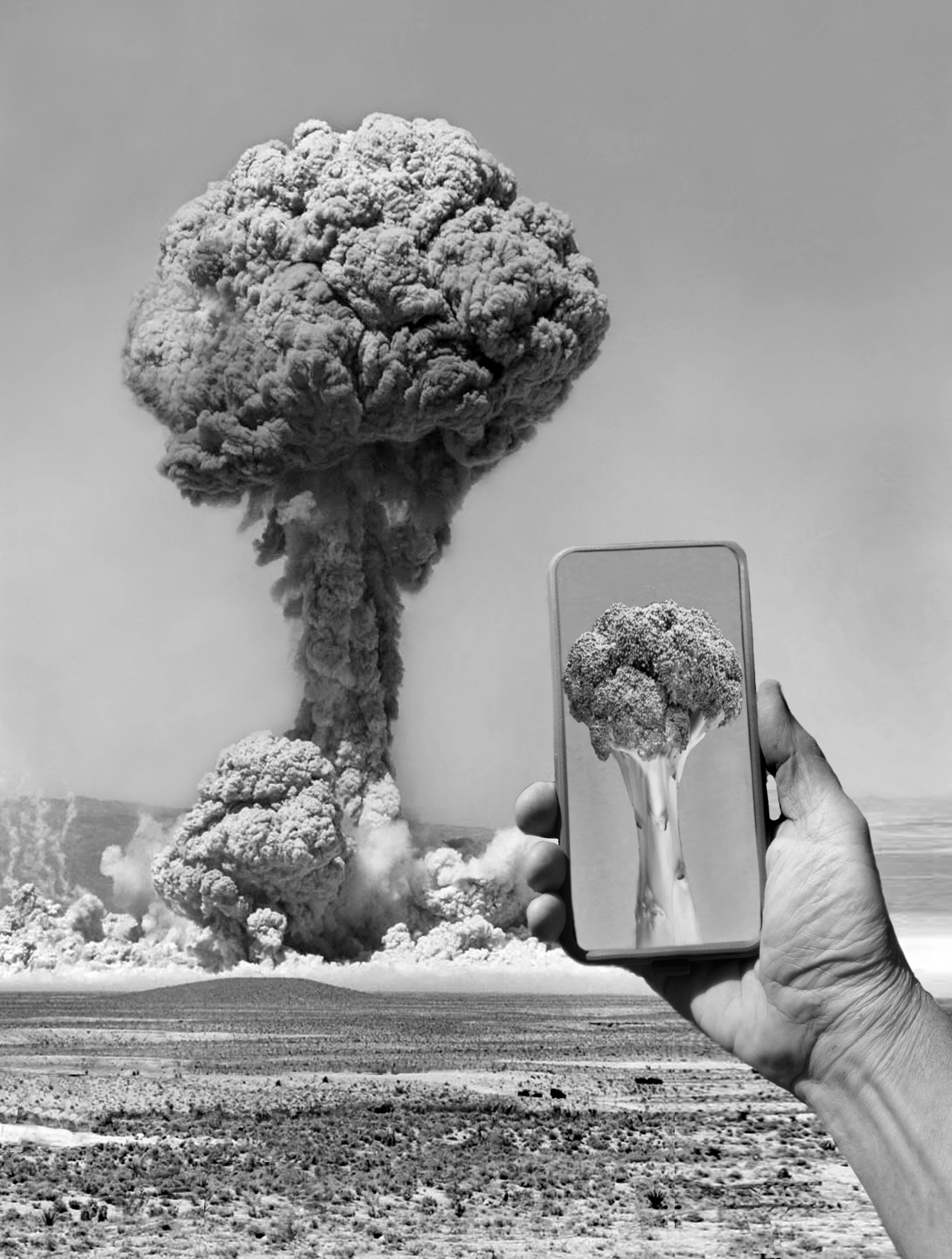
Interpretation Matters, 16 x 12 in, 2023, USD 300, © Patrick O'Brien, Georgetown, Texas
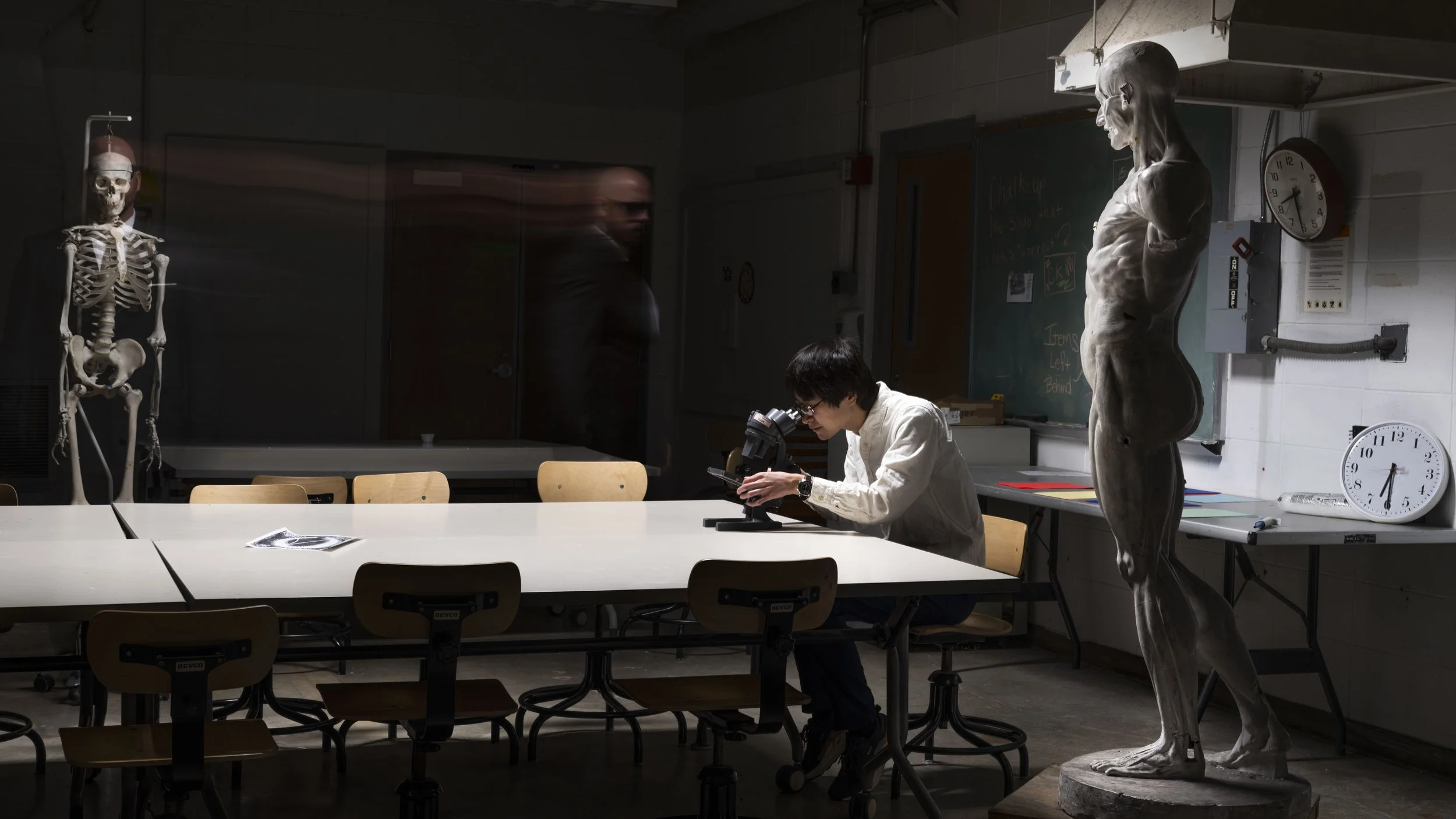
Quiet Exposure, archival print, 27 x 46 in, 2025, USD 2800, © Jingyin Che, Bloomington, Indiana
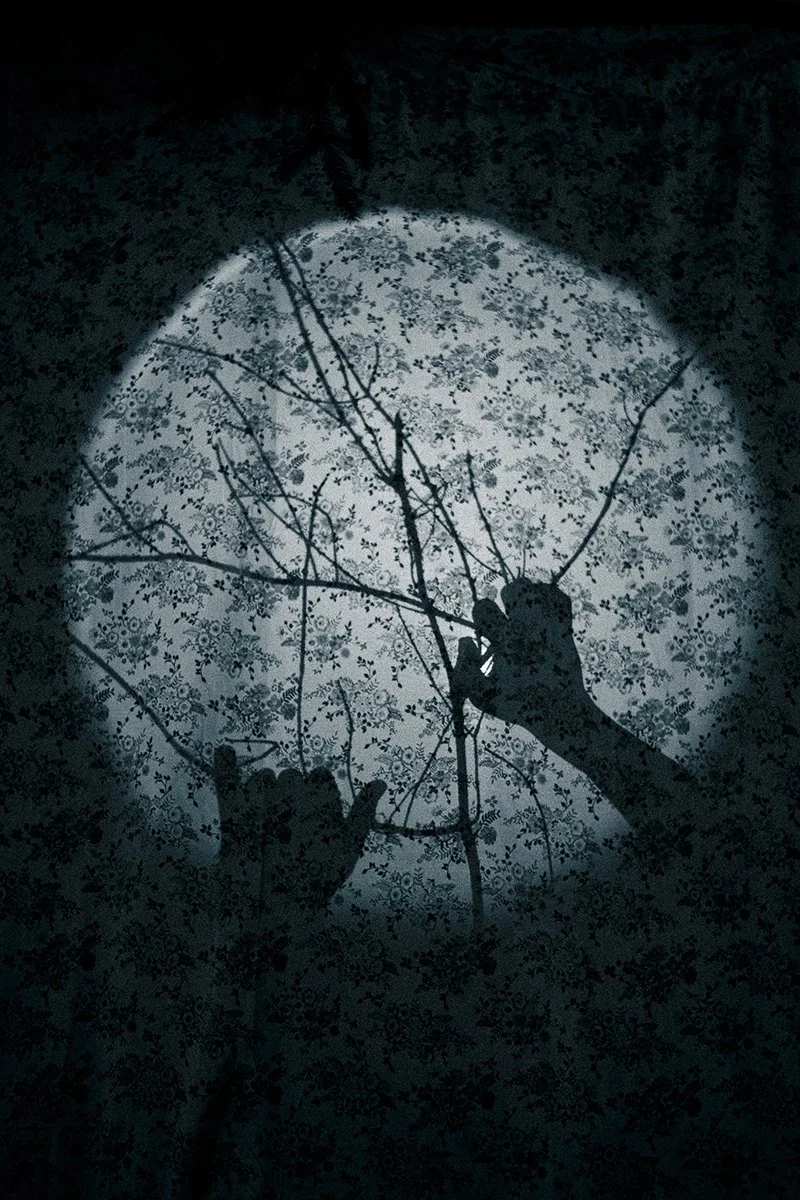
Dreaming: Falling, archival pigment print 16 x 24 in, 2026, USD 900, © Alyssa Maurer, Etna, Pennsylvania
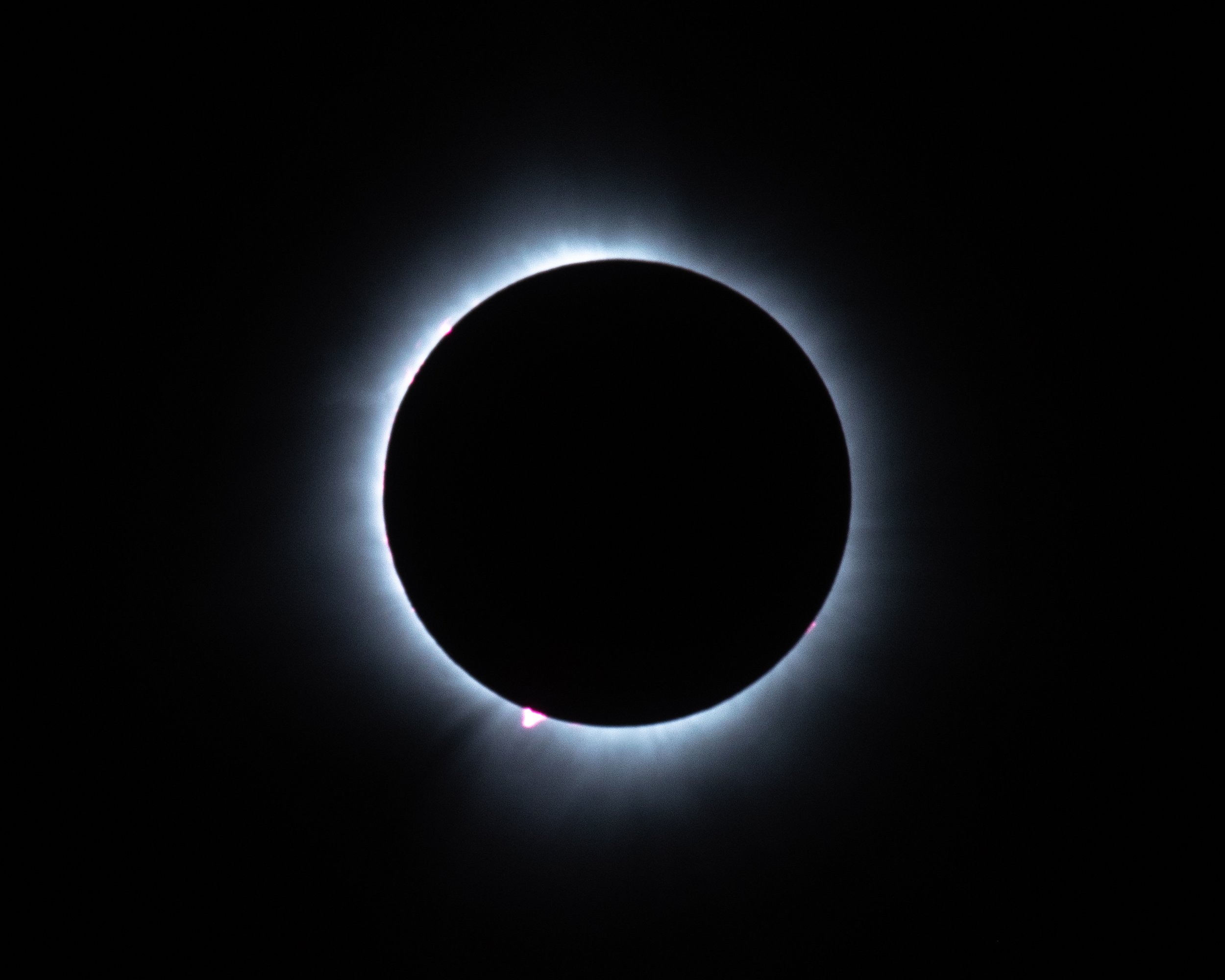
Eclipse No. 1, 2017, NFS, © Sean Brown, Belleville, New Jersey
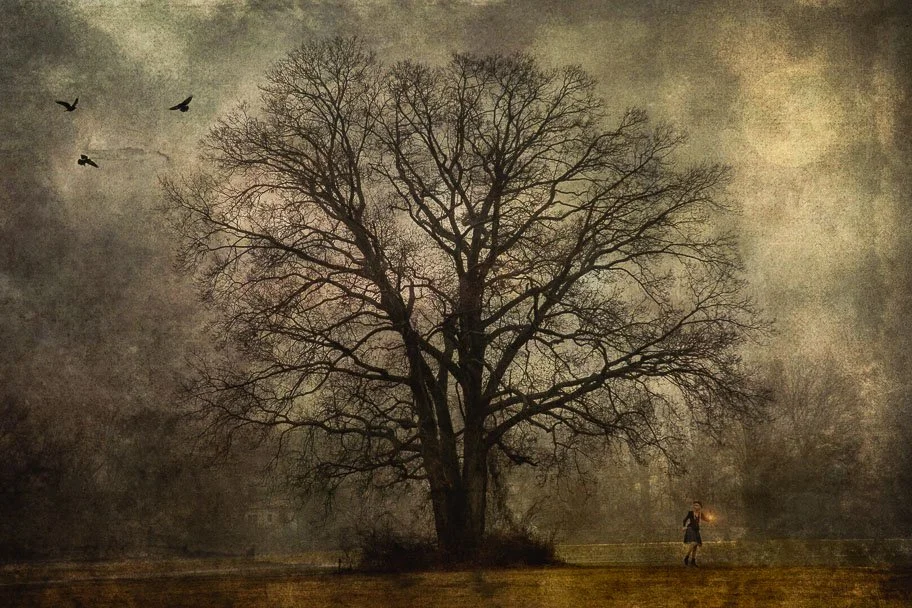
Night Terrors, archival print, 16 x 24 in, 2024, USD 350, © Nanci Hellmuth, Bensalem, Pennsylvania
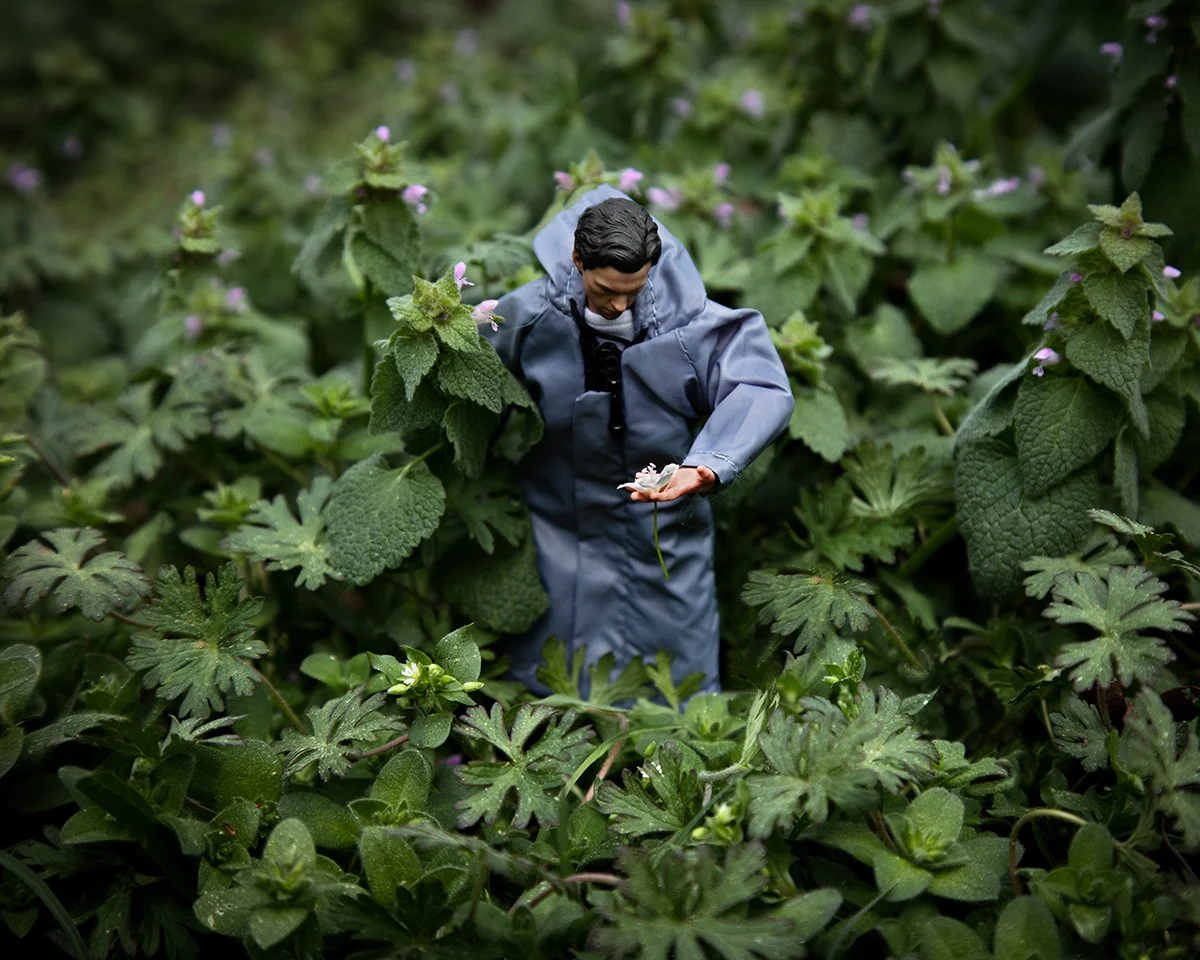
Flower, archival print, 10 x 8 in, 2026, USD 800, © Dominic Lippillo, Starkville, Mississippi
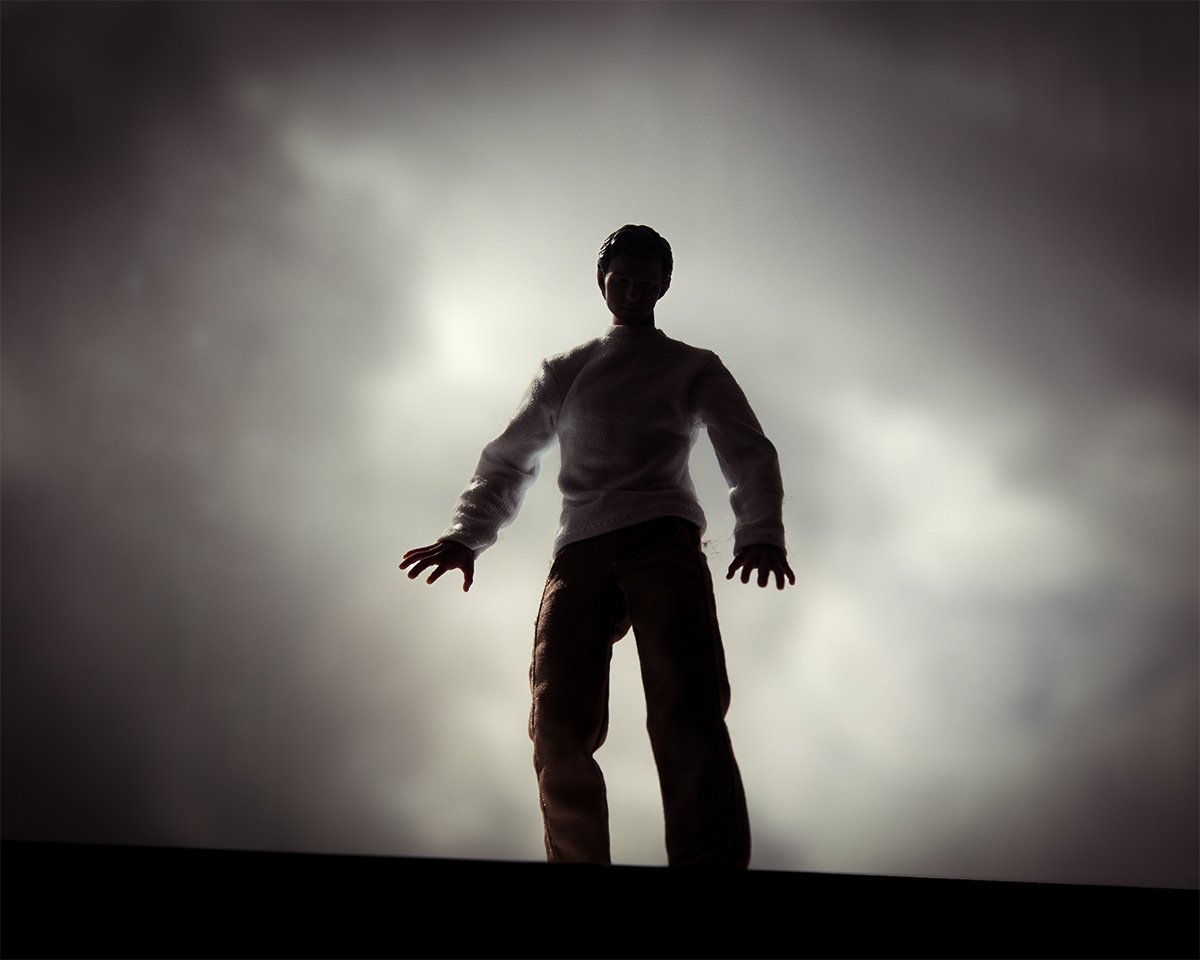
Ledge, archival print, 8 x 10 in, 2026, USD 800, © Dominic Lippillo, Starkville, Mississippi
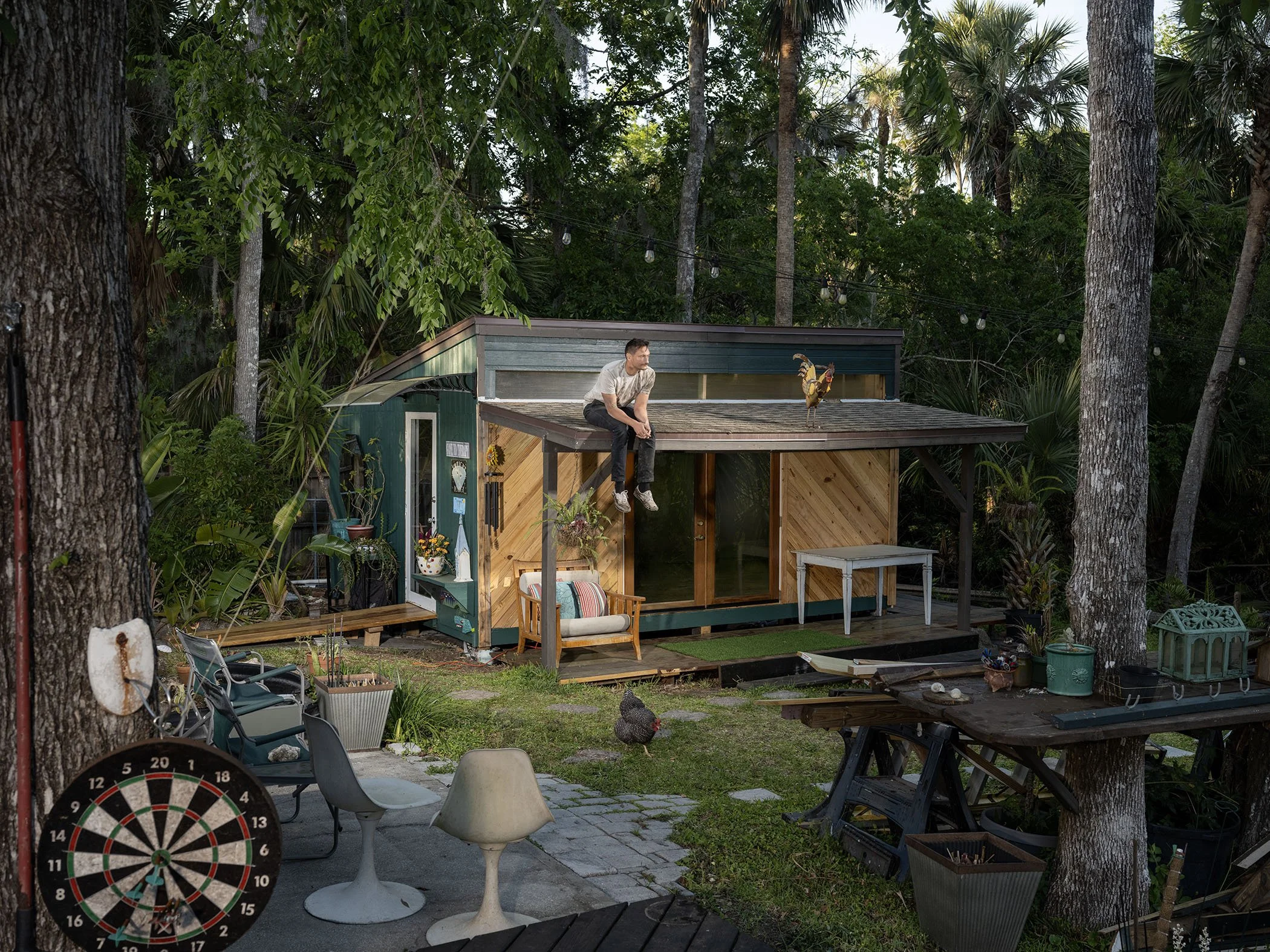
Shed, archival print, 48 x 38 in, 2025, USD 2200, © Nick Perry, New Smyrna Beach, Florida
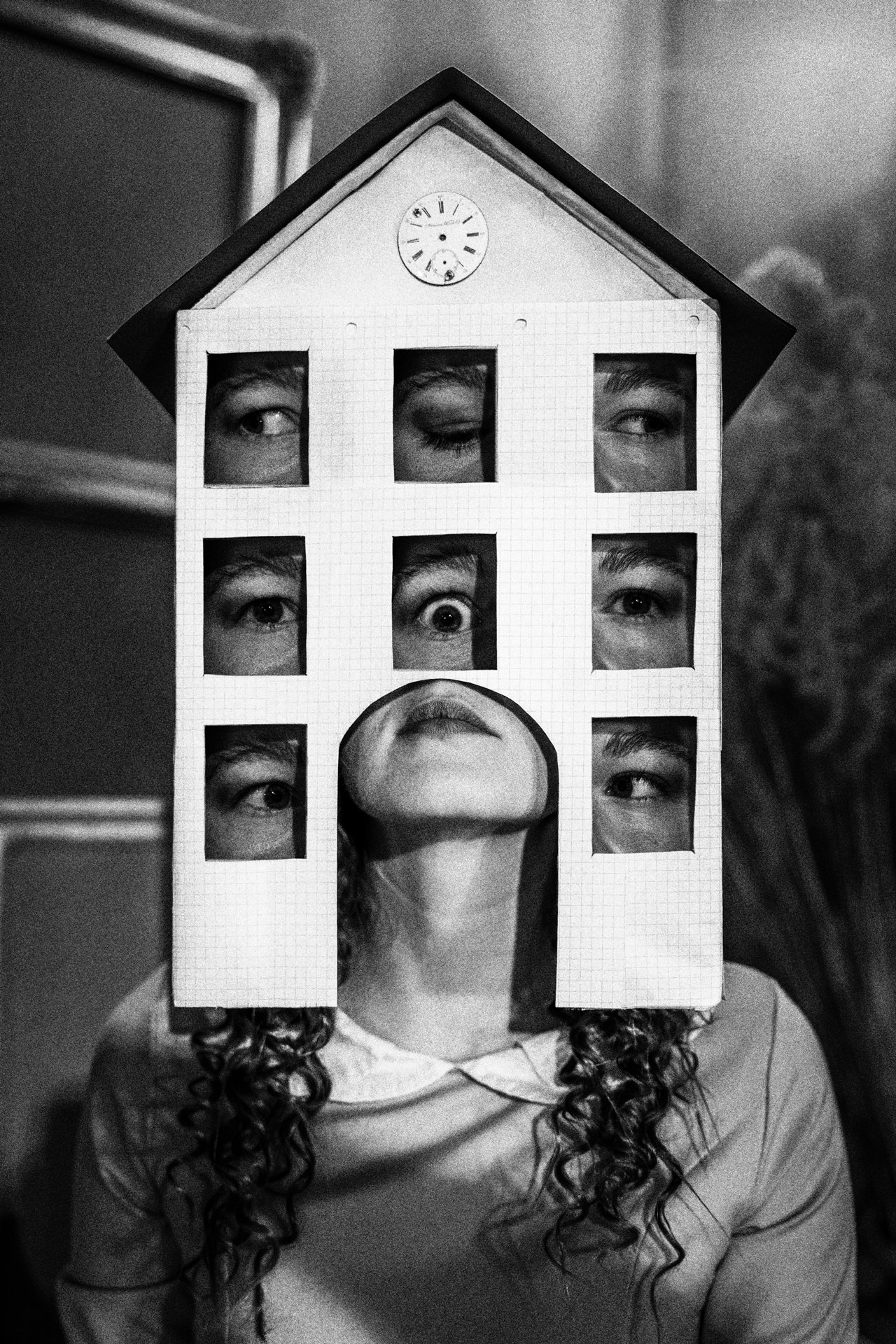
Under One Roof, archival print, 50 x 75 cm, 2024, 450€, © Ivan in Abstracts, Weissenburg, Germany
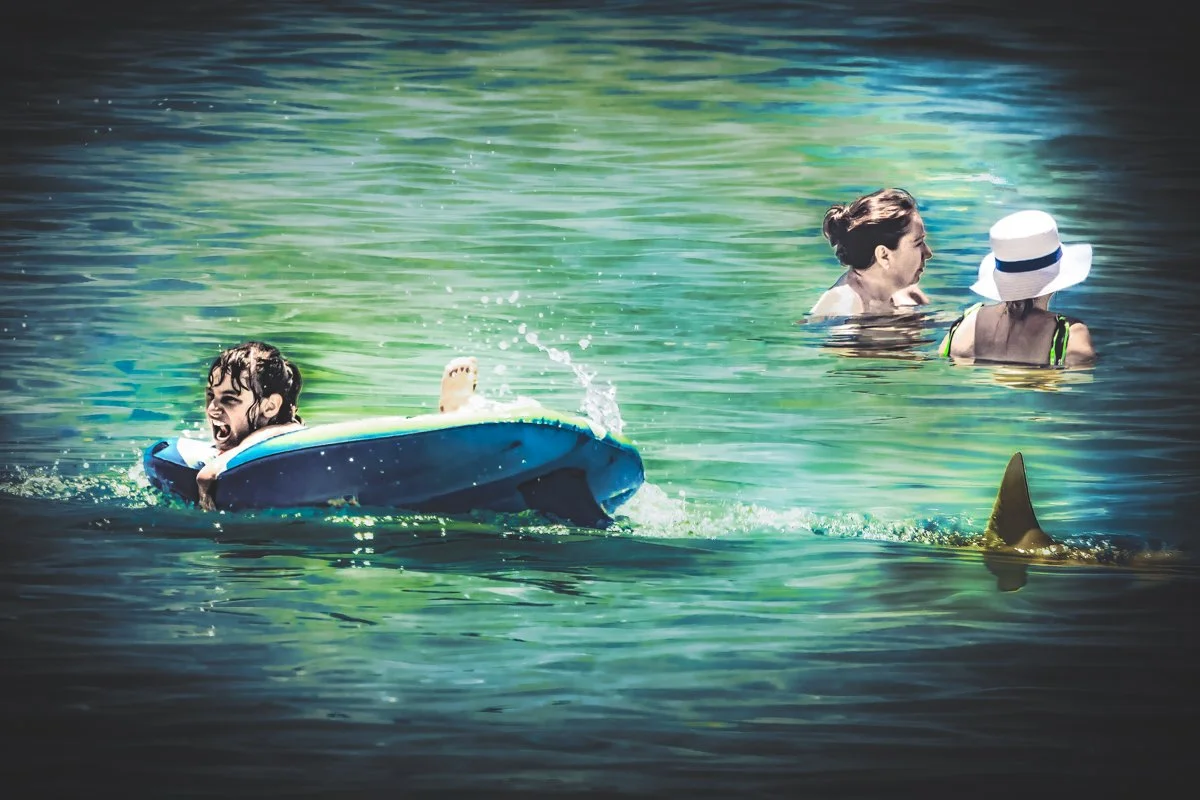
Scream, photo transfer on metal, 16 x 24 in, 2025, USD 695, © Kylo-Patrick Hart, Aledo, Texas
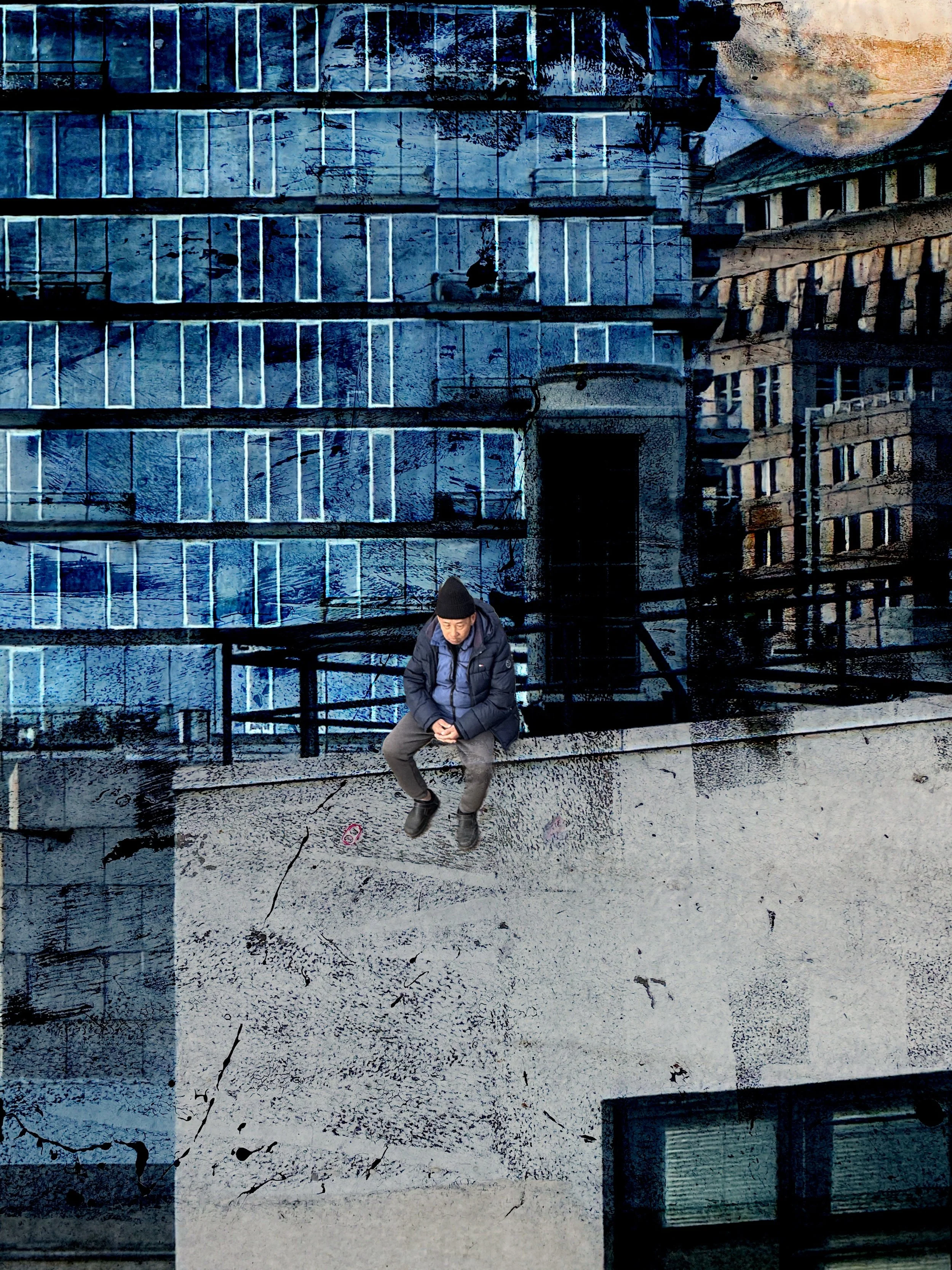
This is One of Them, archival print, 24 x 18 in, 2025, USD 150, © Brian Hallas, Shrewsbury Township, New Jersey
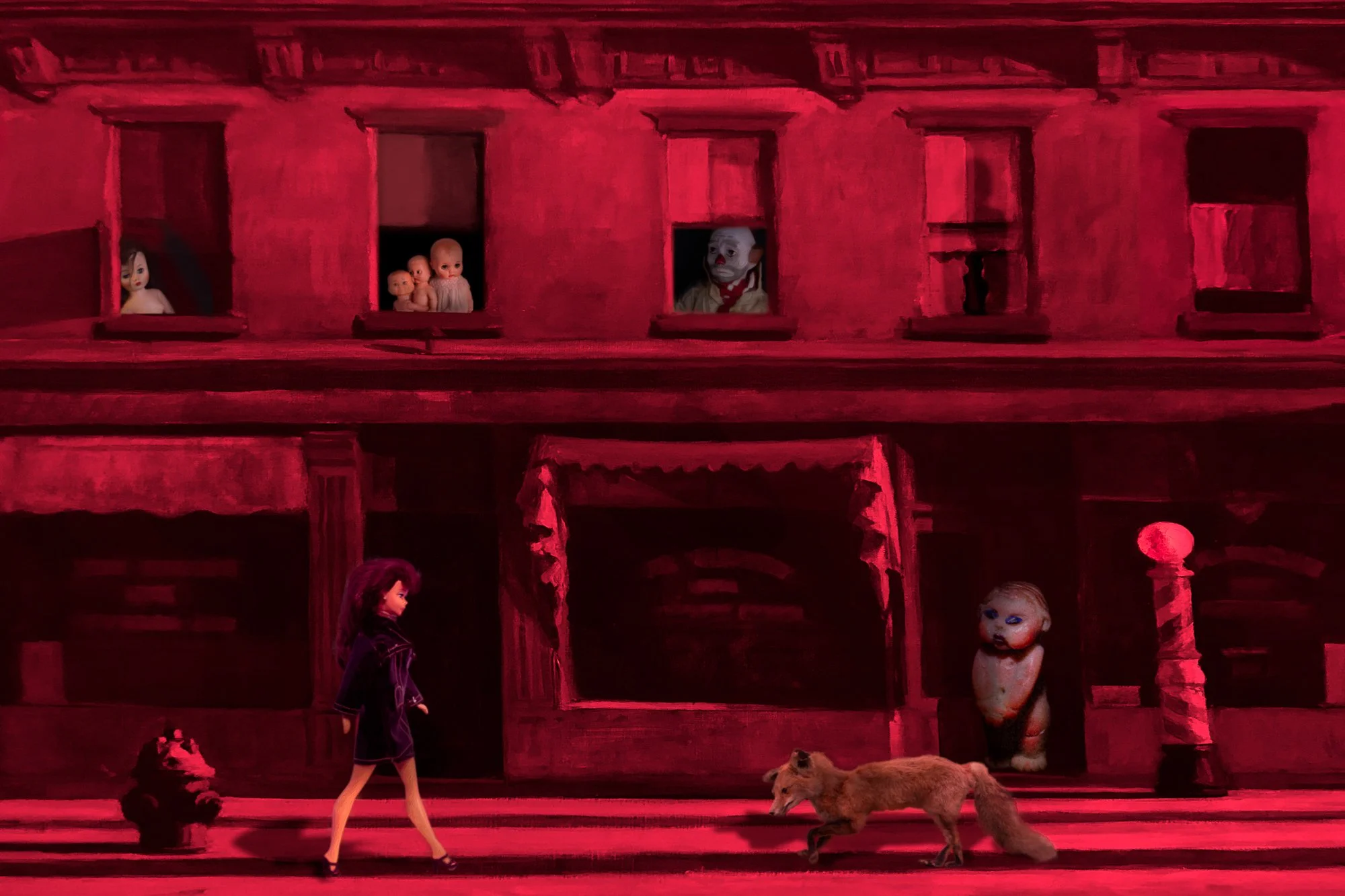
Later On Sunday, archival print, 12 x 18 in, 2025, USD 200, © Barbara Ringer, Ridgefield, Connecticut
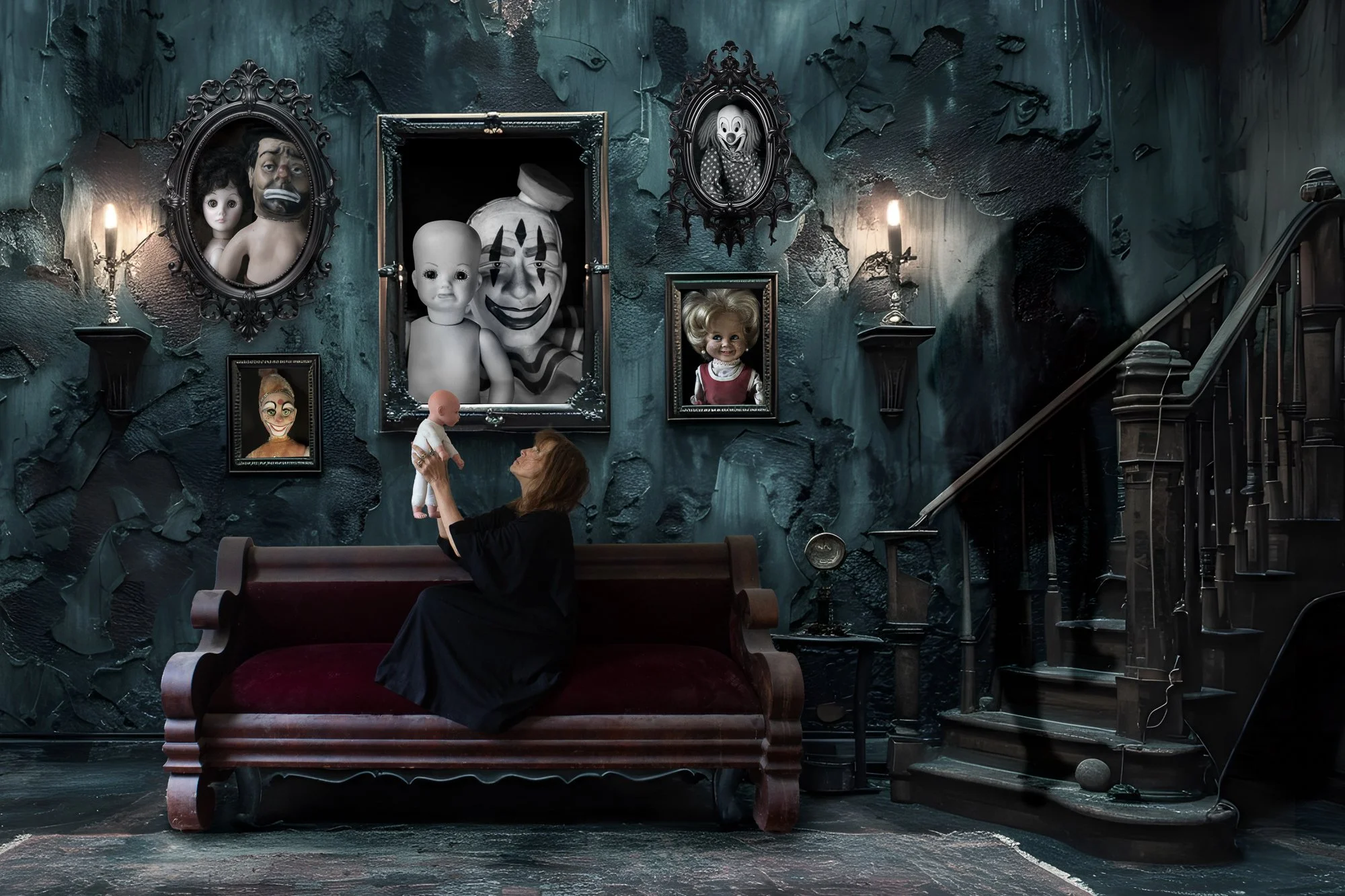
Act One, archival print, 12 x 18 in, 2025, USD 200, © Barbara Ringer, Ridgefield, Connecticut
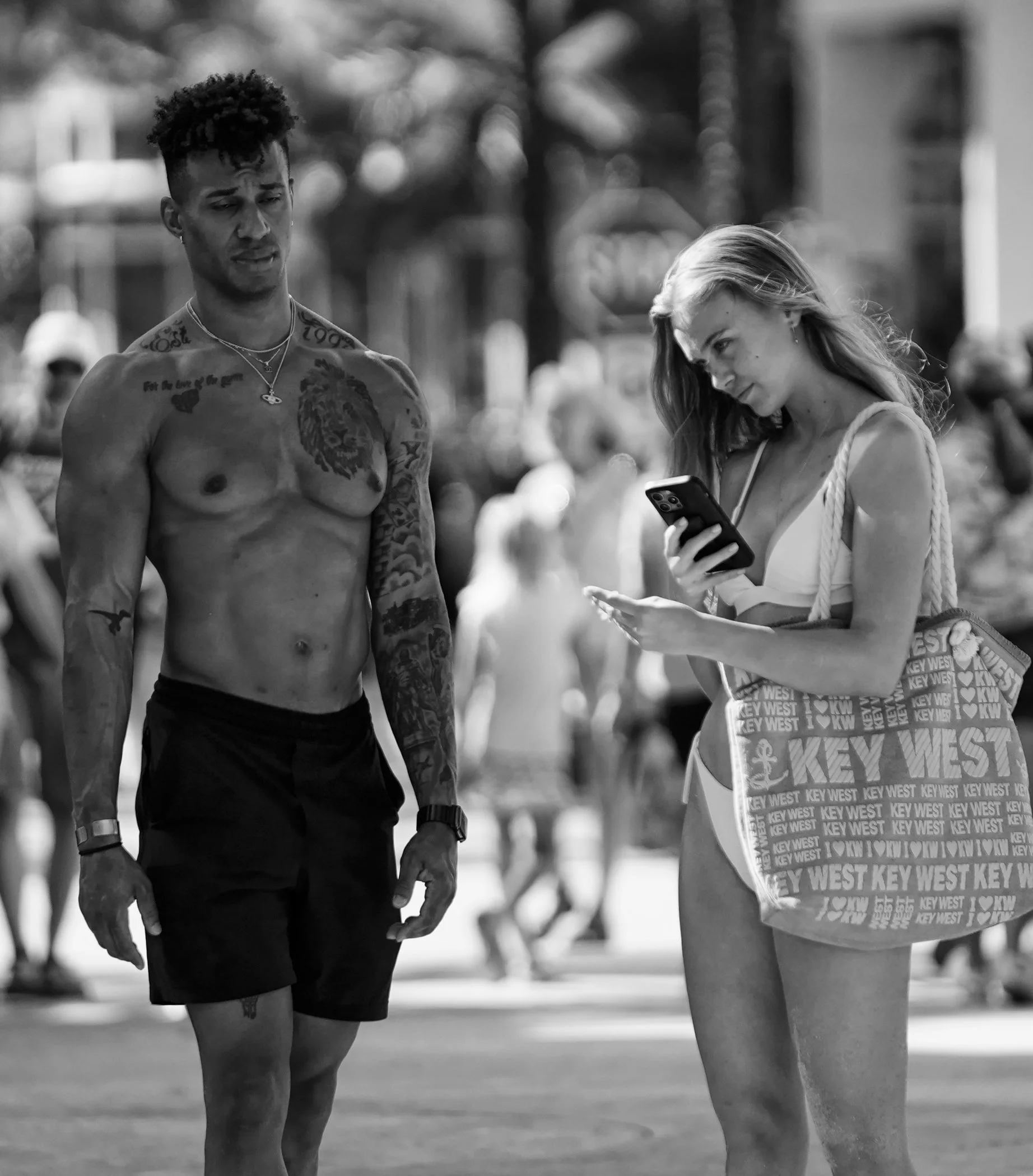
Sneak Peek, photo transfer on glass, 21 x 15 in, 2024, USD 400, © David Cohen, Delray Beach, Florida
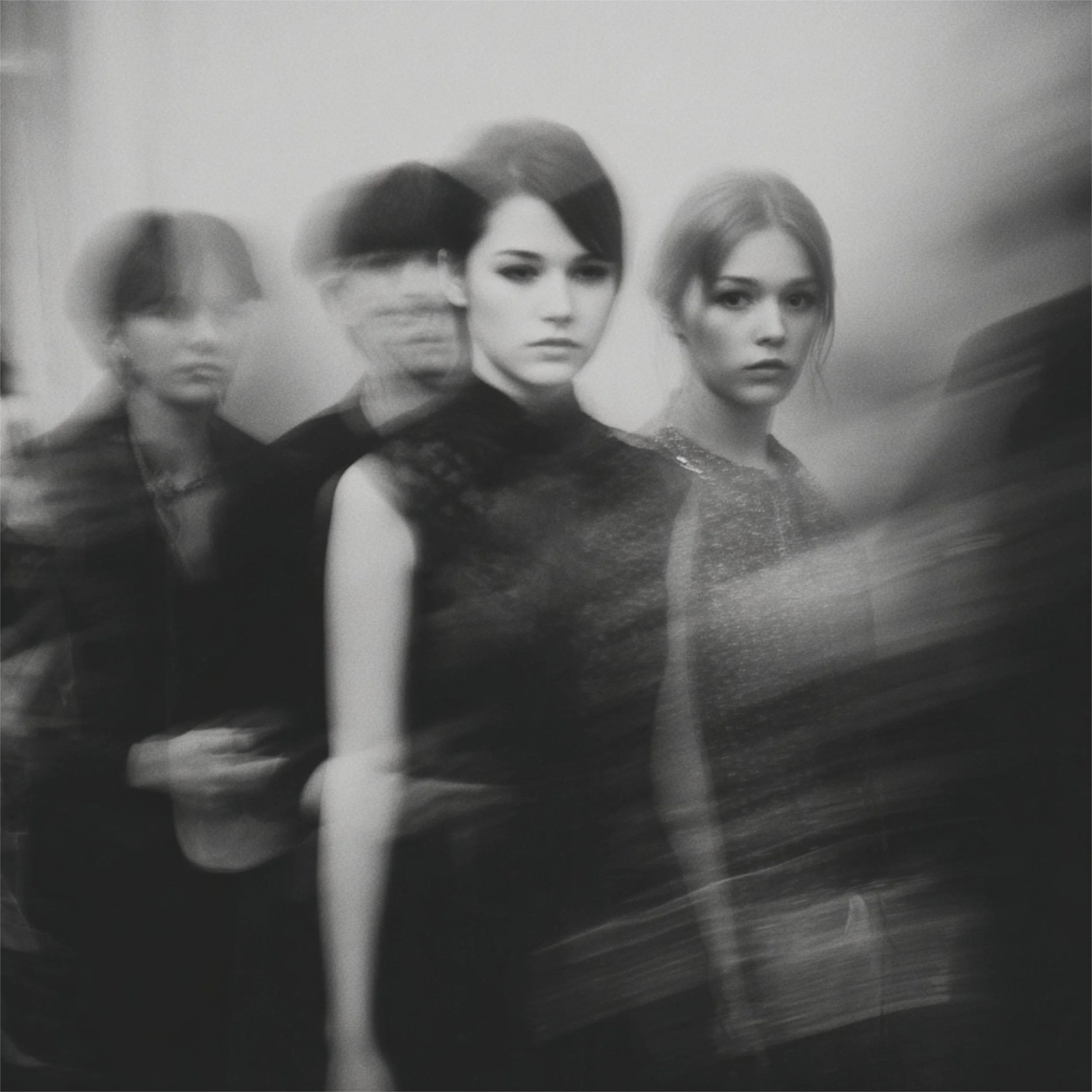
Just Out of Reach, archival print, 36 x 36 in, 2025, USD 589 (limited edition of 25), © David Miller, London, United Kingdom
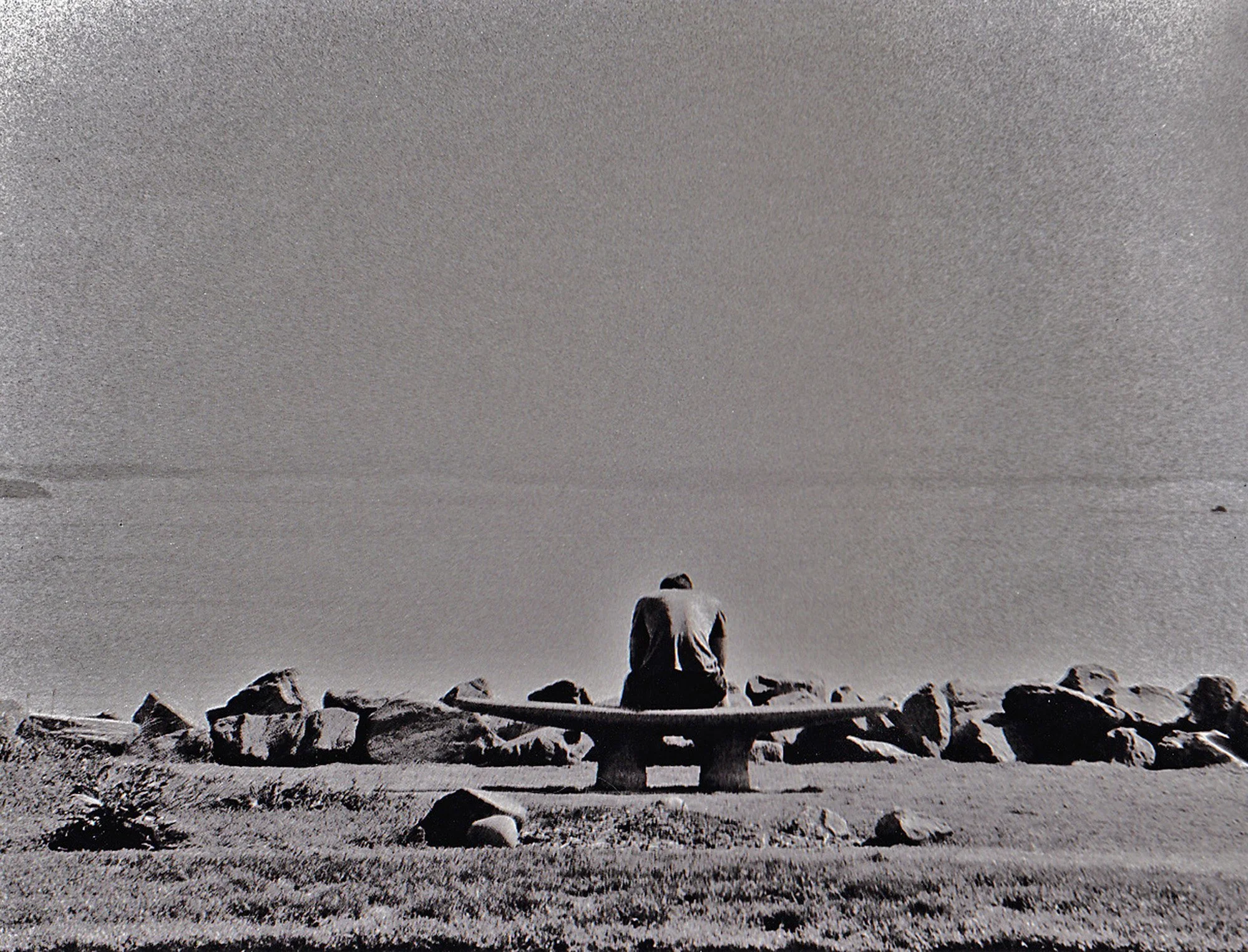
Man Overboard, silver gelatin print, 15 x 20 in, 2022, USD 375, © Howard Pohl, Lindenhurst, New York
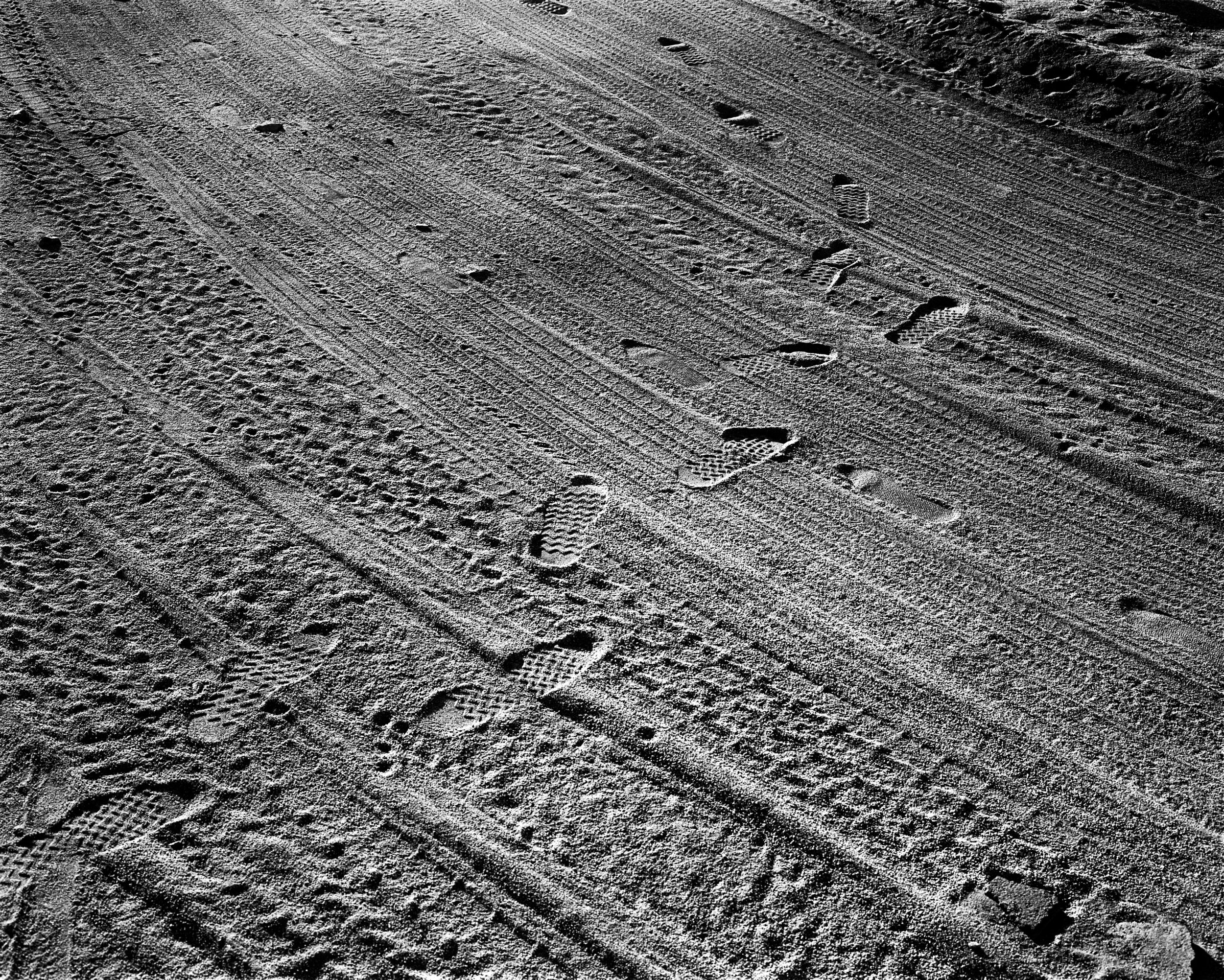
Visitor No. 1, silver gelatin print, 20 x 24 in, 2024, USD 800, © Makenzie Goodman, Boone, North Carolina
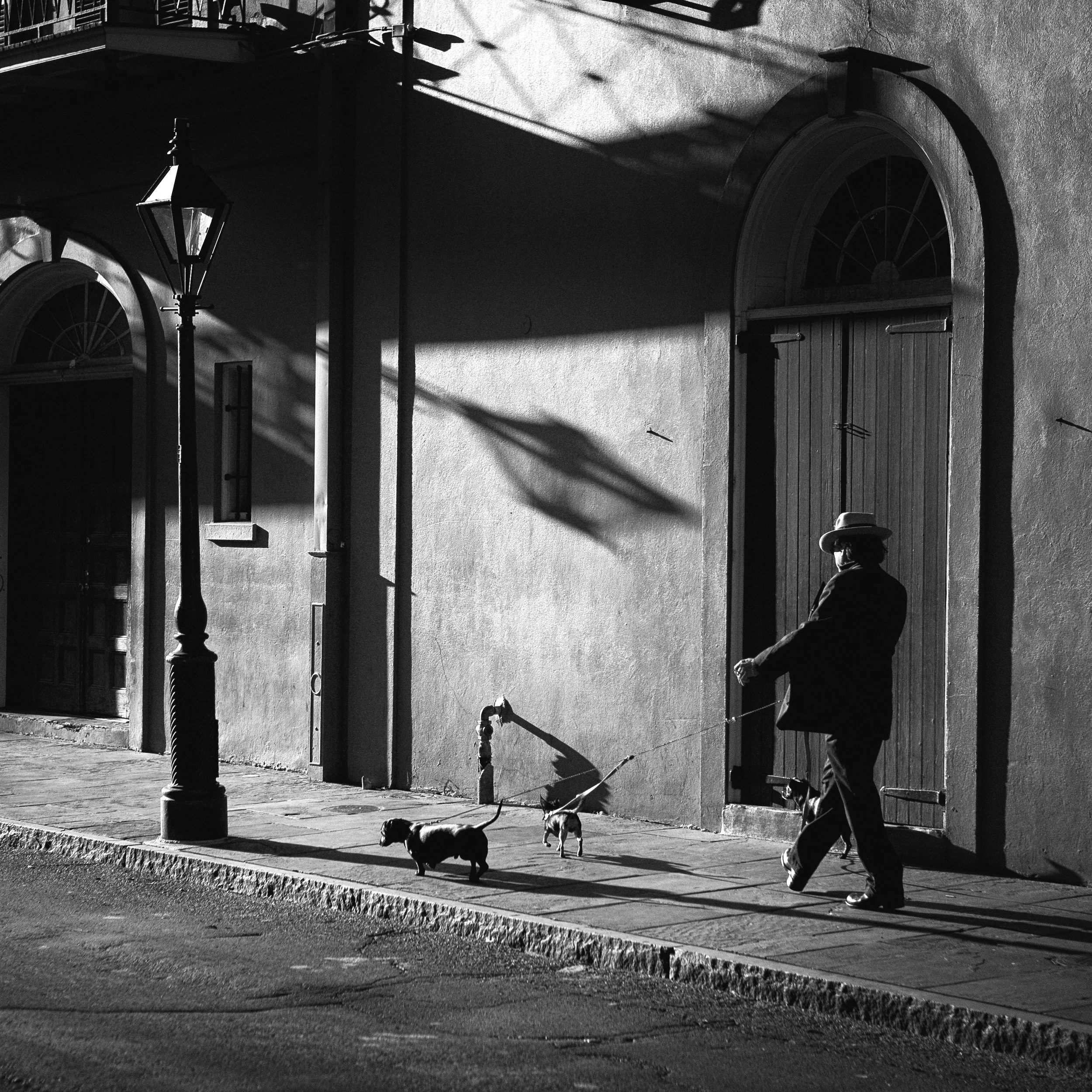
Shadow Hour, archival print, 12 x 12 in, 2025, USD 250, © Scott Anderson, Rancho Santa Margarita, California
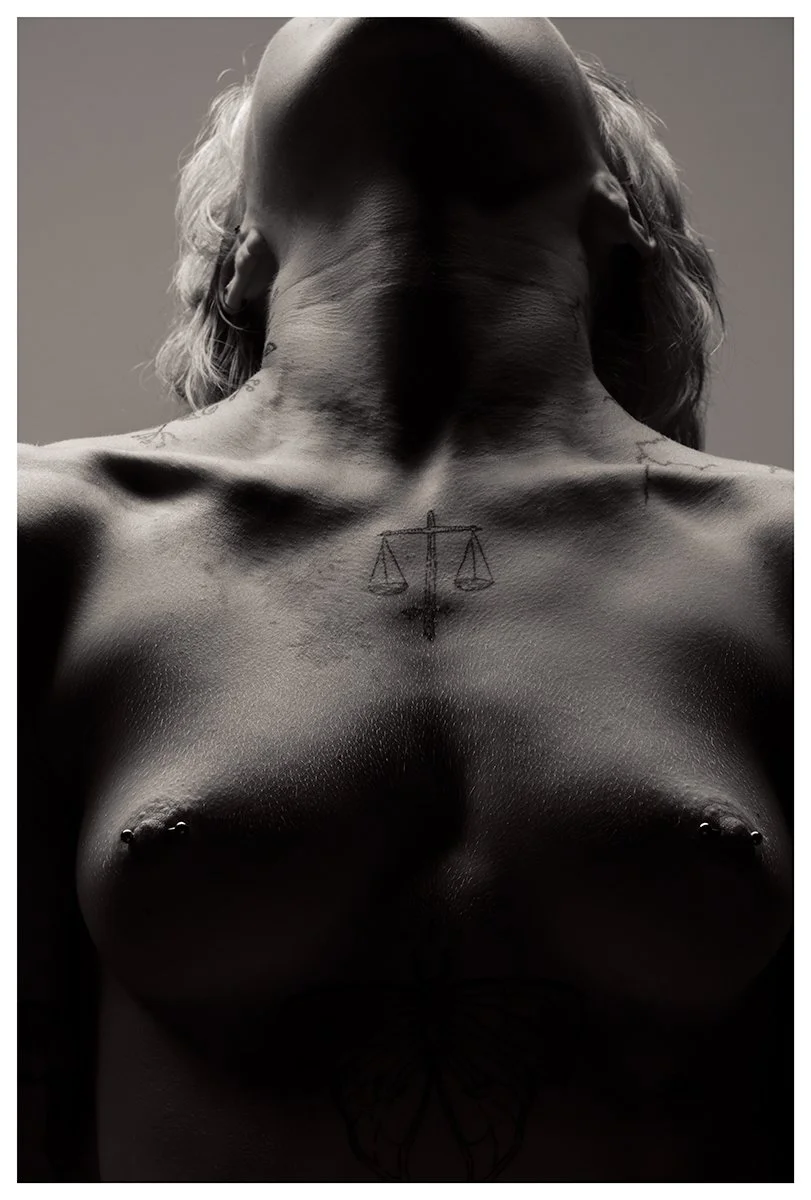
Balance, archival print, 12 x 18 in, 2024, © Marilou Encarnacion, Austin, Texas
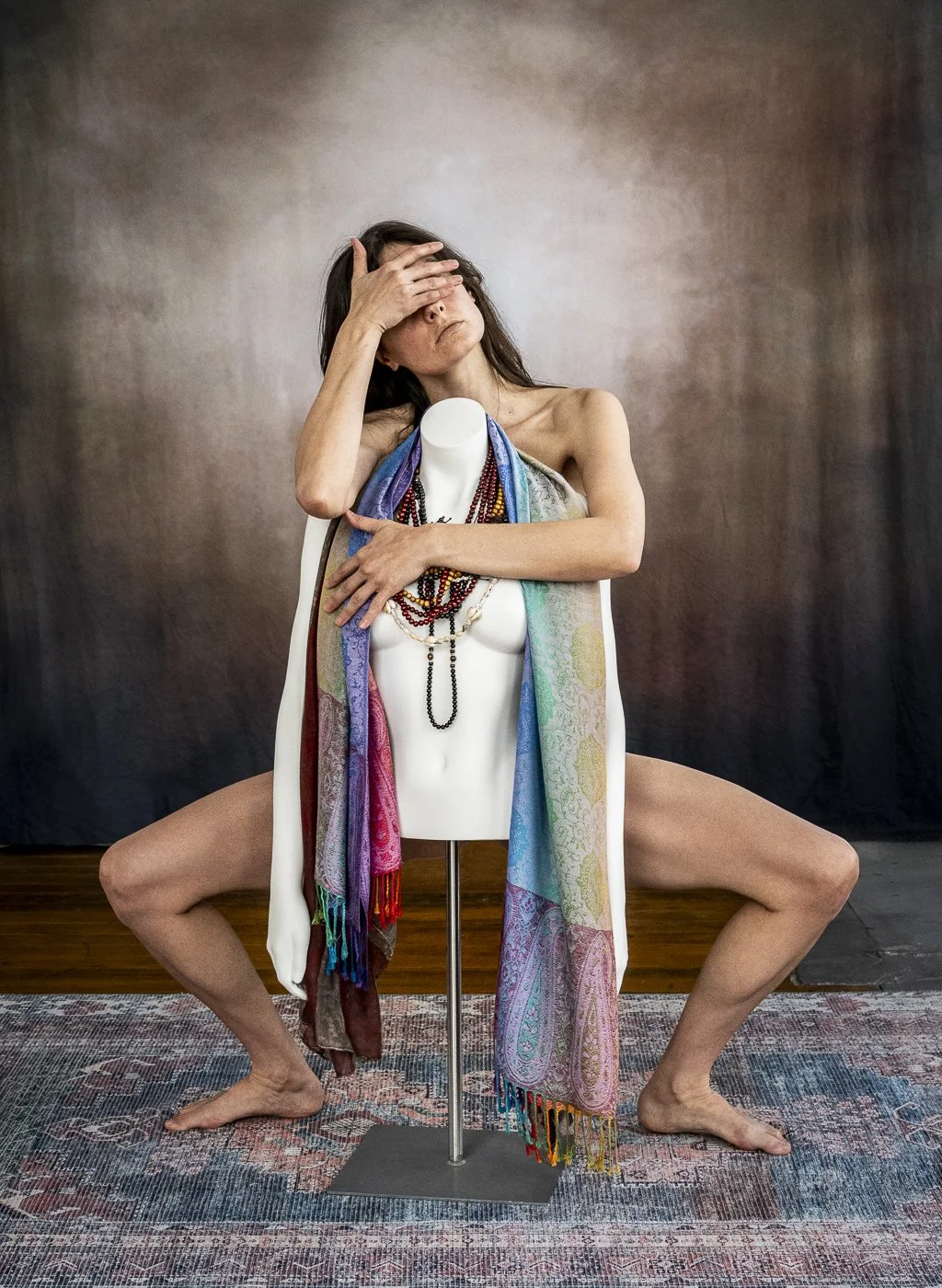
Night Out, archival print, 16 x 20 in, 2024, USD 350, © Anthony Striplen, Lafayette, California
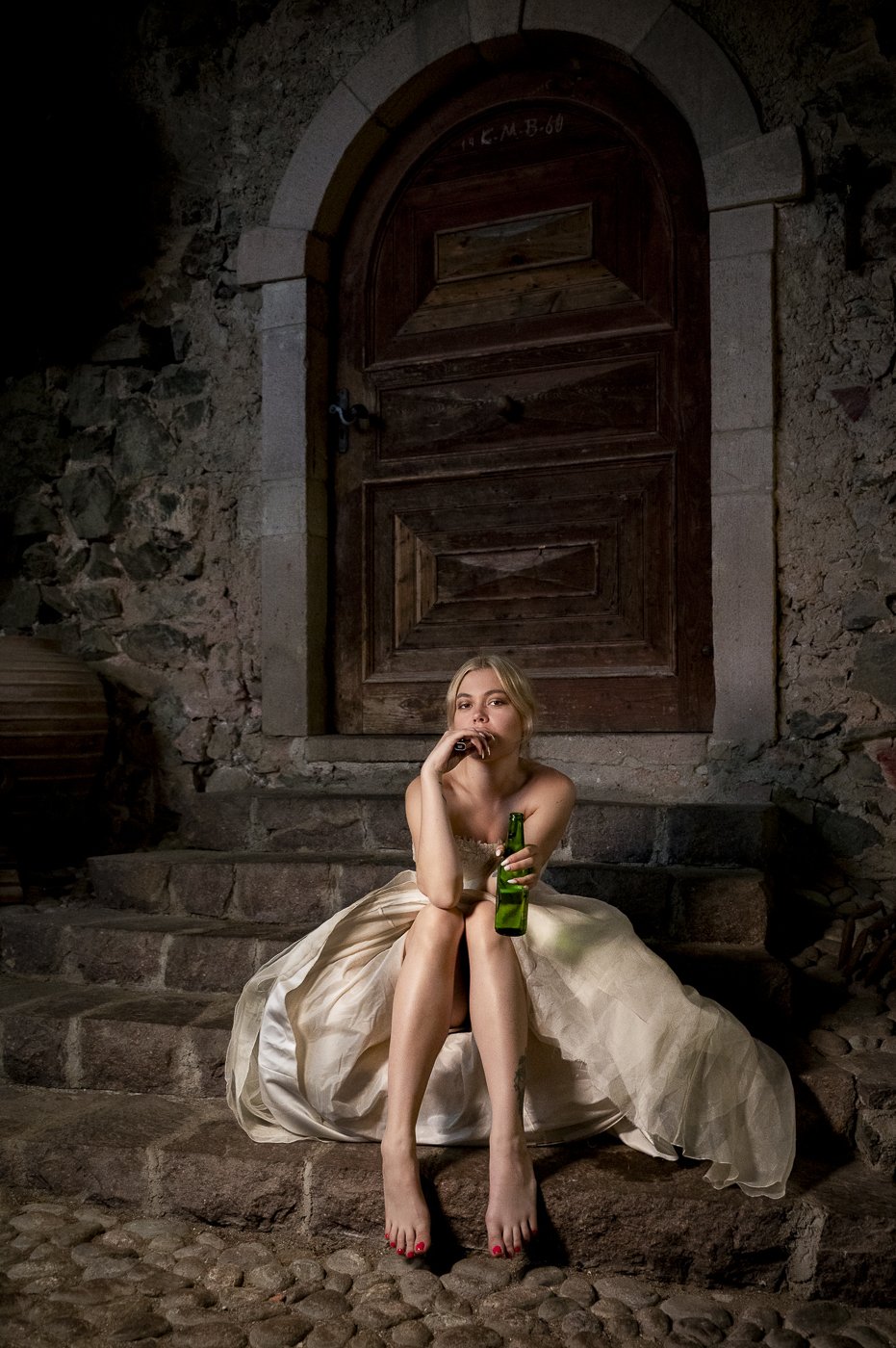
The Wedding Reception, archival print, 16 x 20 in, 2025, USD 350, © Anthony Striplen, Lafayette, California
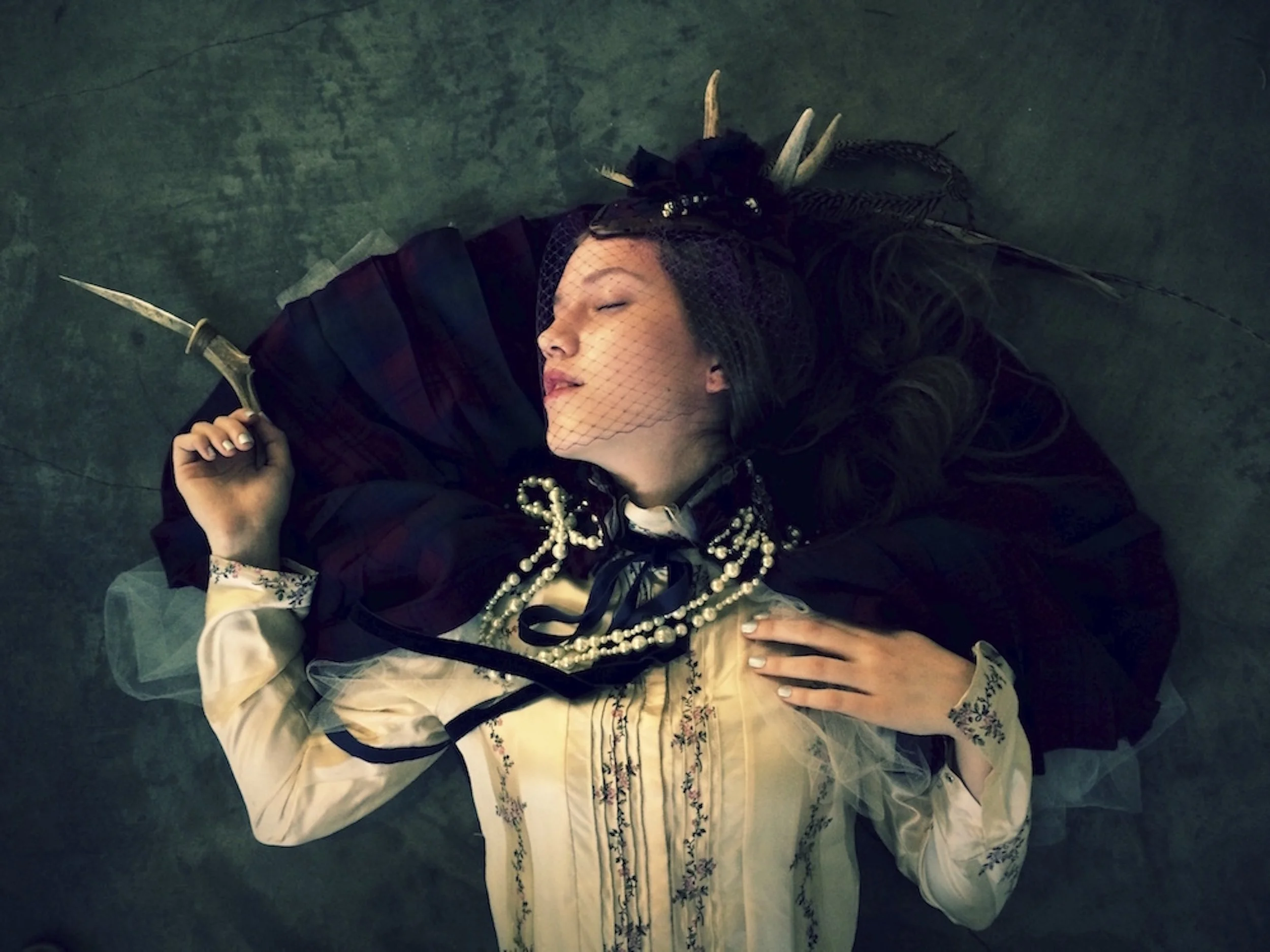
Lady of the Highlands, archival print, 18 x 12 in, 2016, USD 1000, © Melora Walters, Los Angeles, California
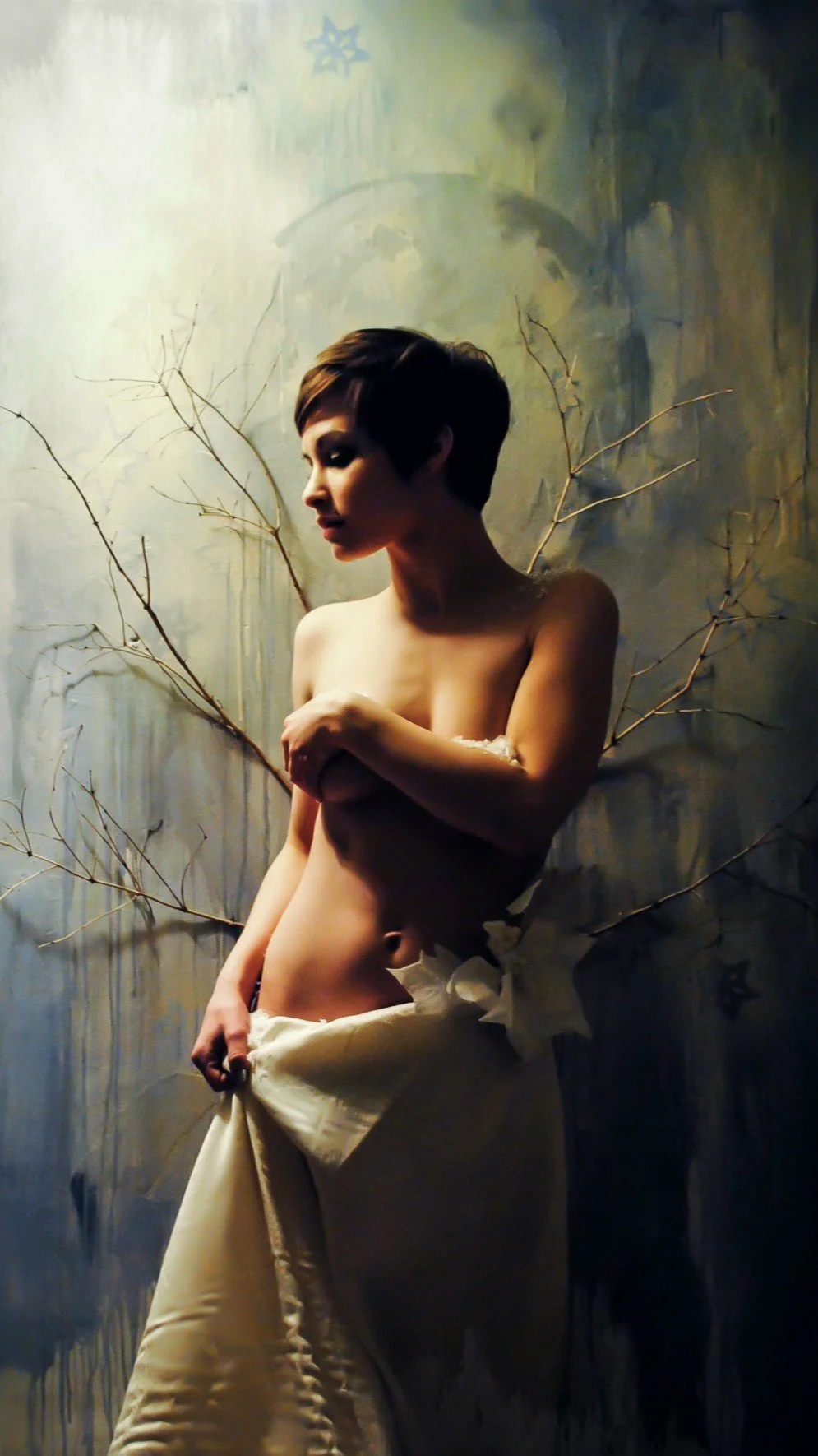
Winter After, photo transfer on metal, 9 x 16in, 2025, USD 225, © Adam Miller, Lowell, Massachusetts
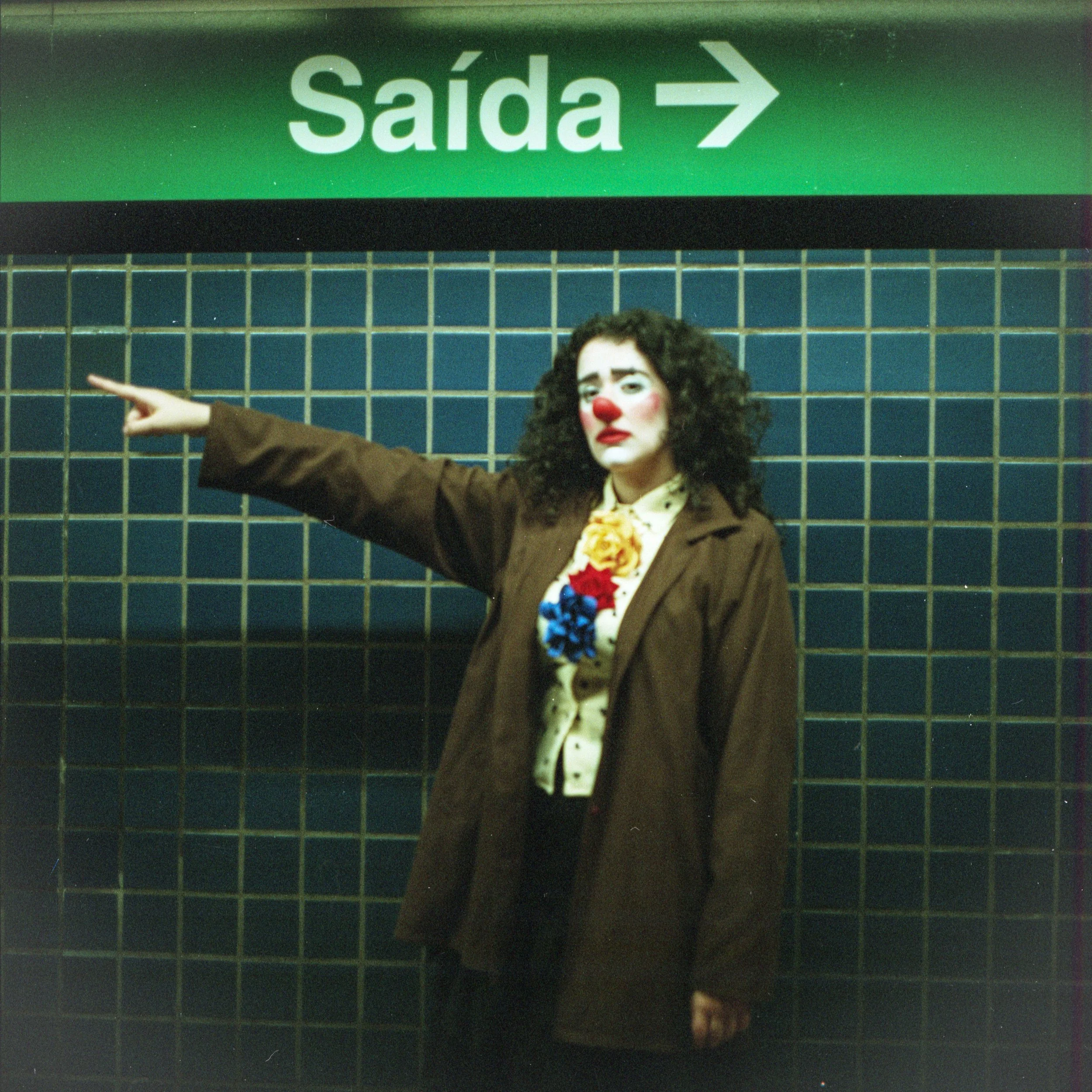
Saída, 2025, NFS, © Theo Boccara, Los Angeles, California
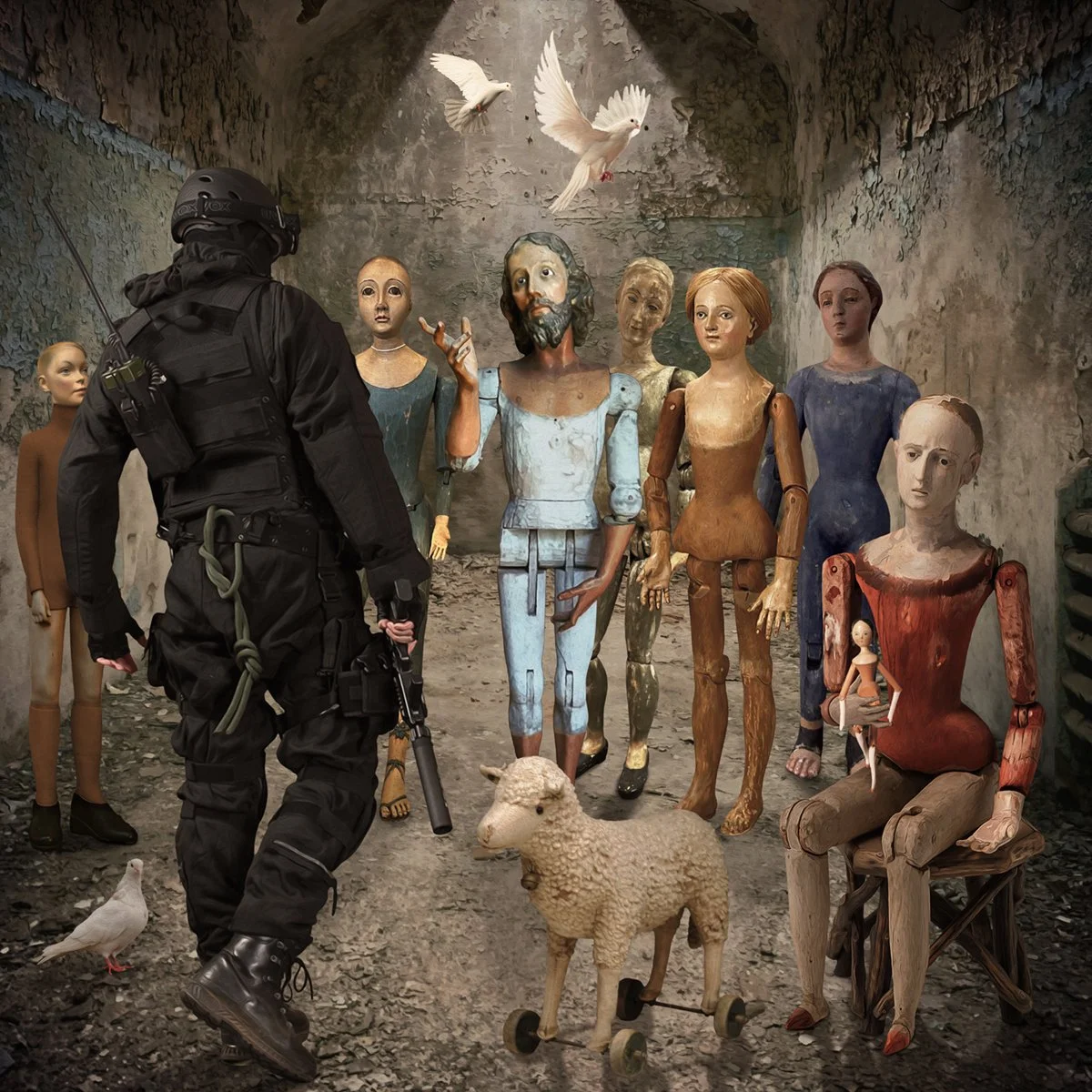
When Doves Cry, archival print, 20 x 20 in, 2025, USD 350, © Linda Lewis, Edinburg, Texas
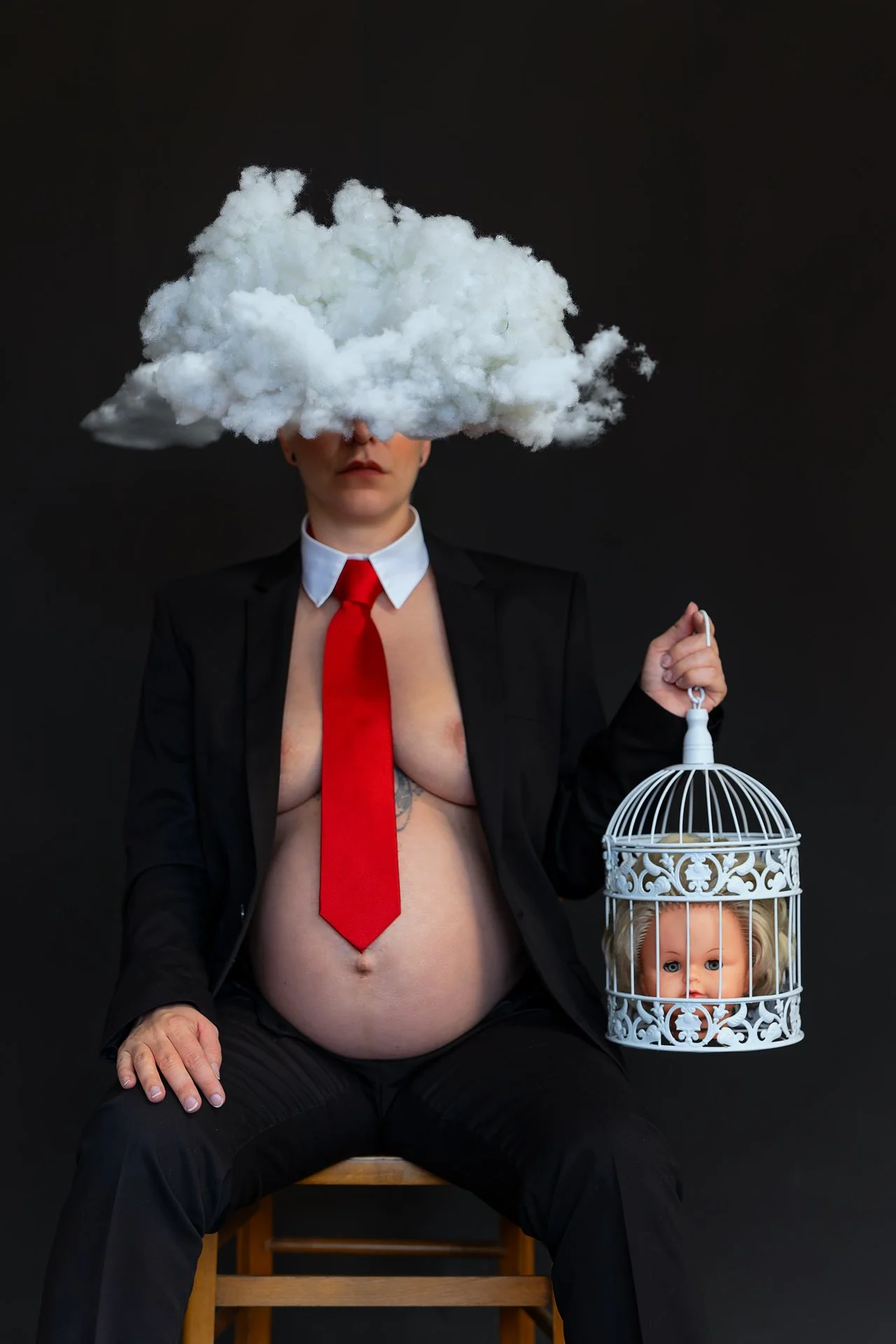
Surreal Dreams, archival print, 50 x 75 cm, 2026, 950€, © Ivan in Abstracts, Weissenburg, Germany
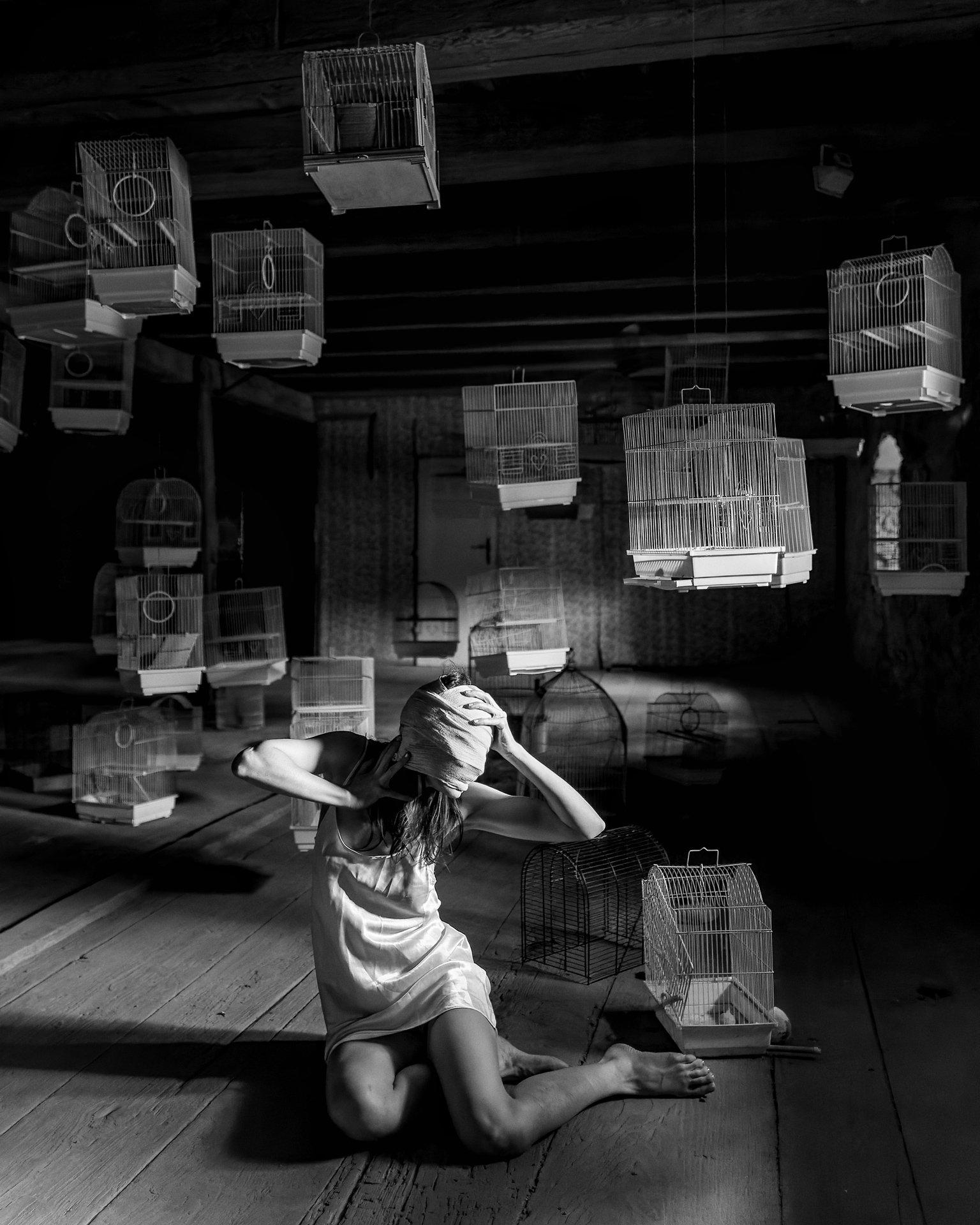
All the Birds Have Flown Away, archival print, 60 x 75 cm, 2023, 950€, © Ivan in Abstracts, Weissenburg, Germany
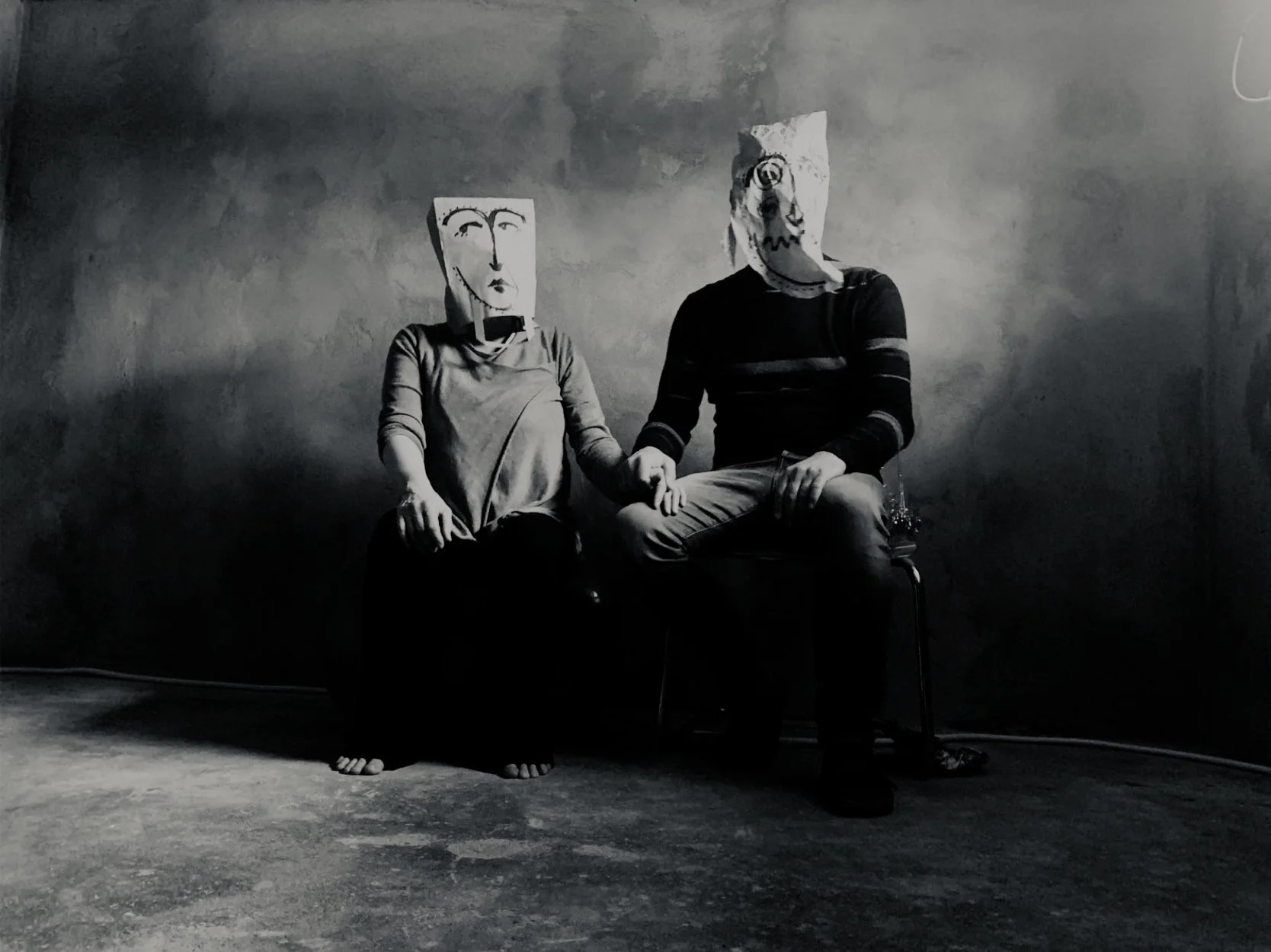
Gavle No. 1, archival print, 29 x 21 cm, 2022, USD 300, © Zsuzsa Megyesi, Budapest, Hungary
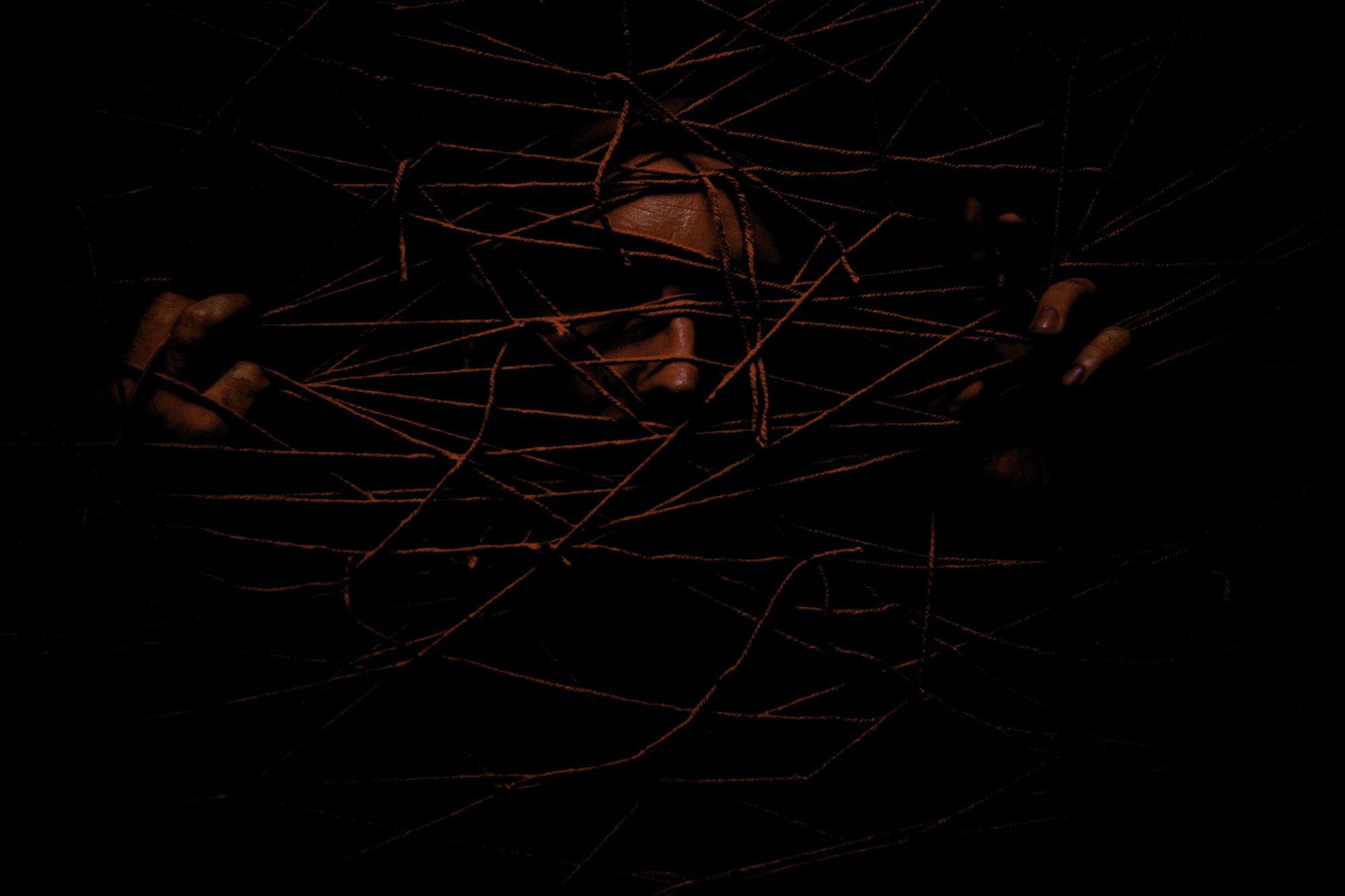
Viscera, archival print, 16 x 20 in, 2021, USD 800, © Joe Geyer, Scranton, Pennsylvania
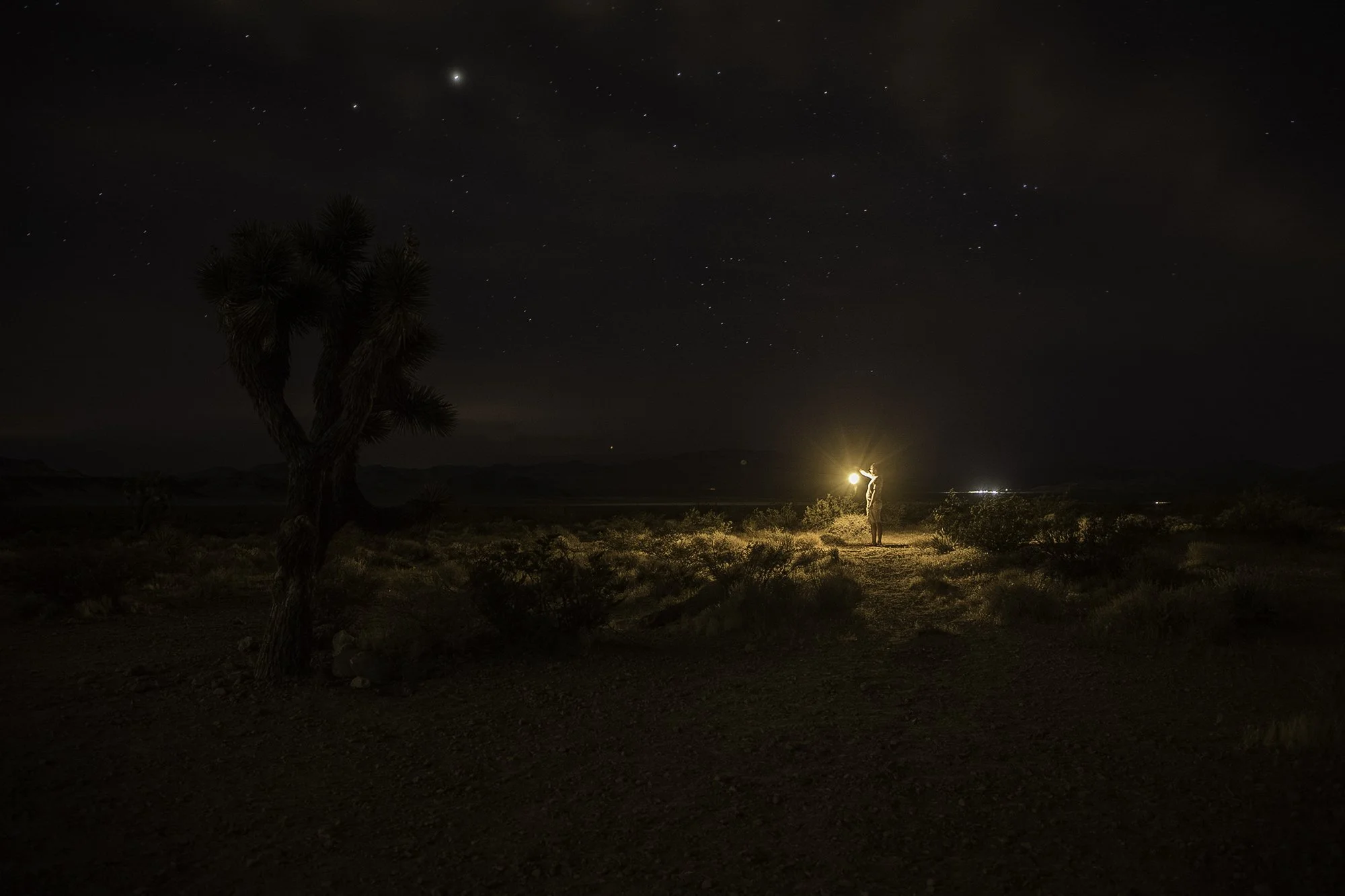
A Light in the Dark, archival print, 2020, USD 800, © Joe Geyer, Scranton, Pennsylvania
Sales and Artist Inquiries
Are you interested in making a purchase or connecting with one of the featured artists? Send us a message through our contact form, and we'll get back to you shortly.