

Abandoned (2023)
June 1–July 1, 2023
Abandoned explores deserted and rediscovered objects, locations, and structures. These works preserve traces of human presence before they are lost to time, asking what ruins and ephemera reveal about the lives that shaped them, the meaning of place, and what—or whom—we leave behind.
Featured Artists
Bianca Tardini, Bill Thauer, Bob Debski, Brian Cox, Charles Anselmo, Chiara Costa, Dave McKinney, Dereck Mangus, Flaminia Gentile, Francis Sullivan, Howard Pohl, Ian Fabre, Jason Reekie, Jessica Margo, Jiri Sneider, Joan Eckhardt, John Diephouse, Jonnie Lace, Jordan Griffenberg, Ken Evans, Kristen Memoli, Leah Oates, Linda Briskin, Margaret Clingan, Mark Peacock, Patrick O’Brien, Platzen Luca, Richard Schramm, Roberto Scaramuzza, Sean Richardson, Sean Sullivan, Terra Strickland, Wright Schickli, Yoav Cohen
Abandonment Is an Economic Event Before It Is a Picture
No building is abandoned by accident. A factory closes because a supply chain reroutes, a farmhouse empties because the children take waged work in a city, a sanatorium shuts because a drug makes it obsolete. By the time abandoned places photography arrives, the decisive events are decades old and entirely invisible. What the camera records is the settlement of those events into plaster, joinery and glass. The thirty-six works in this edition, made between 2010 and 2023 by thirty-four photographers, describe that settlement rather than the rupture that caused it.
Deindustrialisation Has a Geography
Abandonment clusters. It follows the closure of single-industry towns, the mechanisation of agriculture, the collapse of resource extraction, and the medical advances that emptied sanatoria and asylums. This is why abandoned places photography from very different countries can look uncannily alike: the same economic events produced the same building types, and the same building types fail in the same way. It also explains the genre's blind spots. Sites that are photogenic, accessible and structurally dramatic are heavily documented, while agricultural outbuildings, social housing and small commercial premises are not, though they account for far more of the actual stock.
The Object and the Building Are Different Subjects
An abandoned structure is architecture, and photographs of it inherit the conventions of architectural work: symmetry, verticals held true, wide coverage, deep focus. An abandoned object — a shoe, a ledger, a drawing left on a windowsill — is closer to still life, and inherits the conventions of that genre instead. This exhibition holds both. The shift between them is not a matter of scale but of implication: abandoned building photography tells you an institution ended, while the object tells you a particular person stopped.
Photography as Salvage Record
The documentary lineage here is long and unromantic. Atget photographed a Paris that municipal planning was about to demolish and sold the prints to archives and painters as reference material. The Farm Security Administration commissioned a survey of rural collapse for administrative purposes. Bernd and Hilla Becher catalogued winding towers and cooling systems in flat, frontal, comparative sets because the industry that built them was closing. In each case the pictures outlived their brief and became the primary record. Contemporary abandoned photography sits in this tradition whether or not it intends to, and a great many of these sites are now demolished, remediated or converted, leaving the photograph as the only remaining description.
The Problem of the Empty Frame
A room with no one in it is difficult to photograph well, because absence has no shape. The usual solutions are visible throughout this catalog: introduce a strong directional light so the space appears occupied by something; find a trace of use — a made bed, a set table, a coat on a hook — that implies a person just out of frame; or refuse the implication entirely and photograph the room as pure geometry. The first is theatrical, the second narrative, the third analytical. None is more honest than the others, but they cannot be combined in one frame without the picture arguing with itself.
Why the Theme Recurs
Abandonment is not a fixed subject but a rate of change, and this 2023 edition records an earlier point on that curve than the editions that follow it. TCG Gallery is an independent online photography gallery, and each juried exhibition remains part of a permanent public archive after its run ends, so these catalogs accumulate into a longer record than any single project. Photographers can enter the current photography open calls directly.
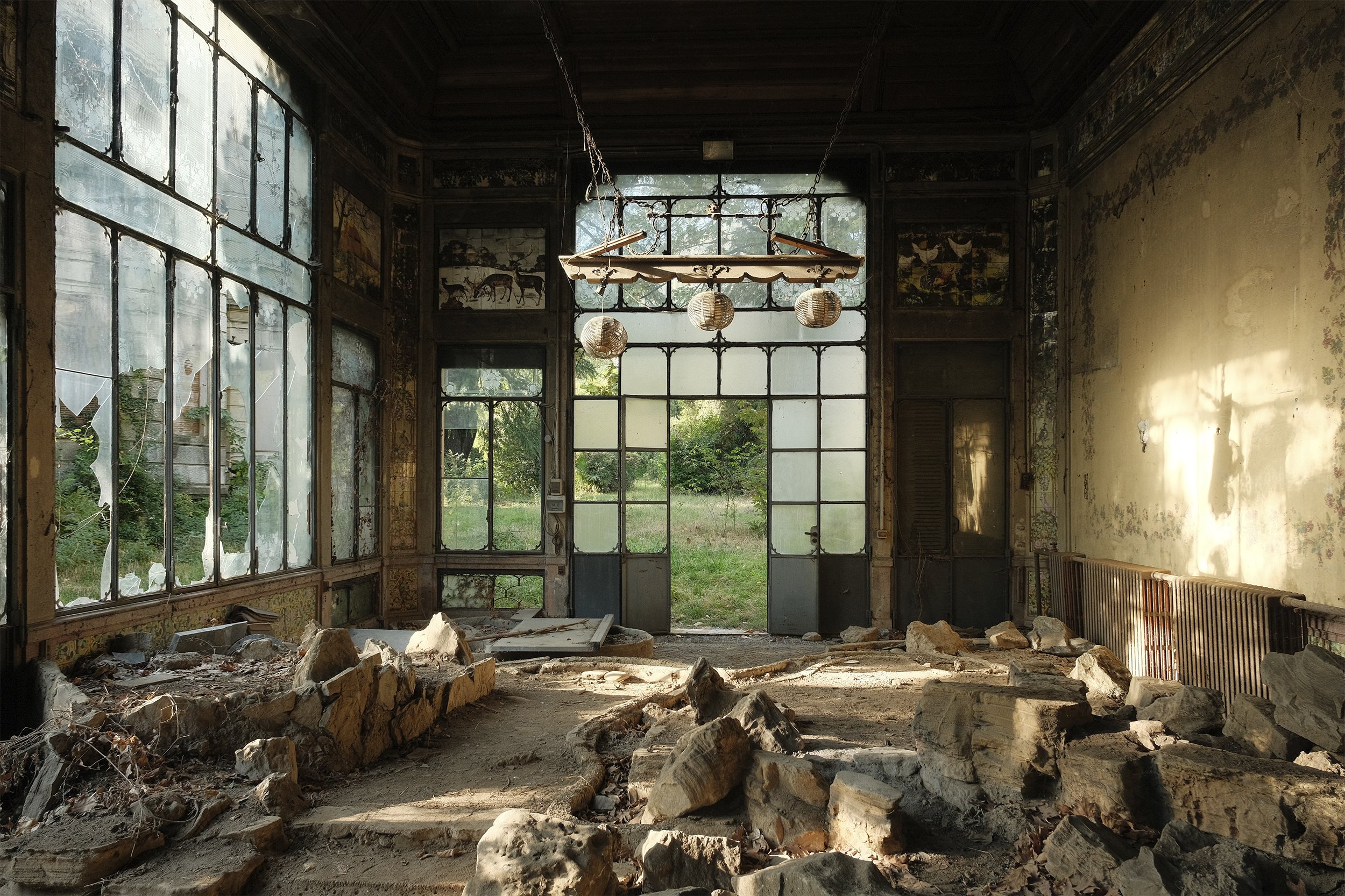
Liberty Ruins, Archival print, 45 x 30 cm, 2022, €150, Bianca Tardini, Milano, Italy
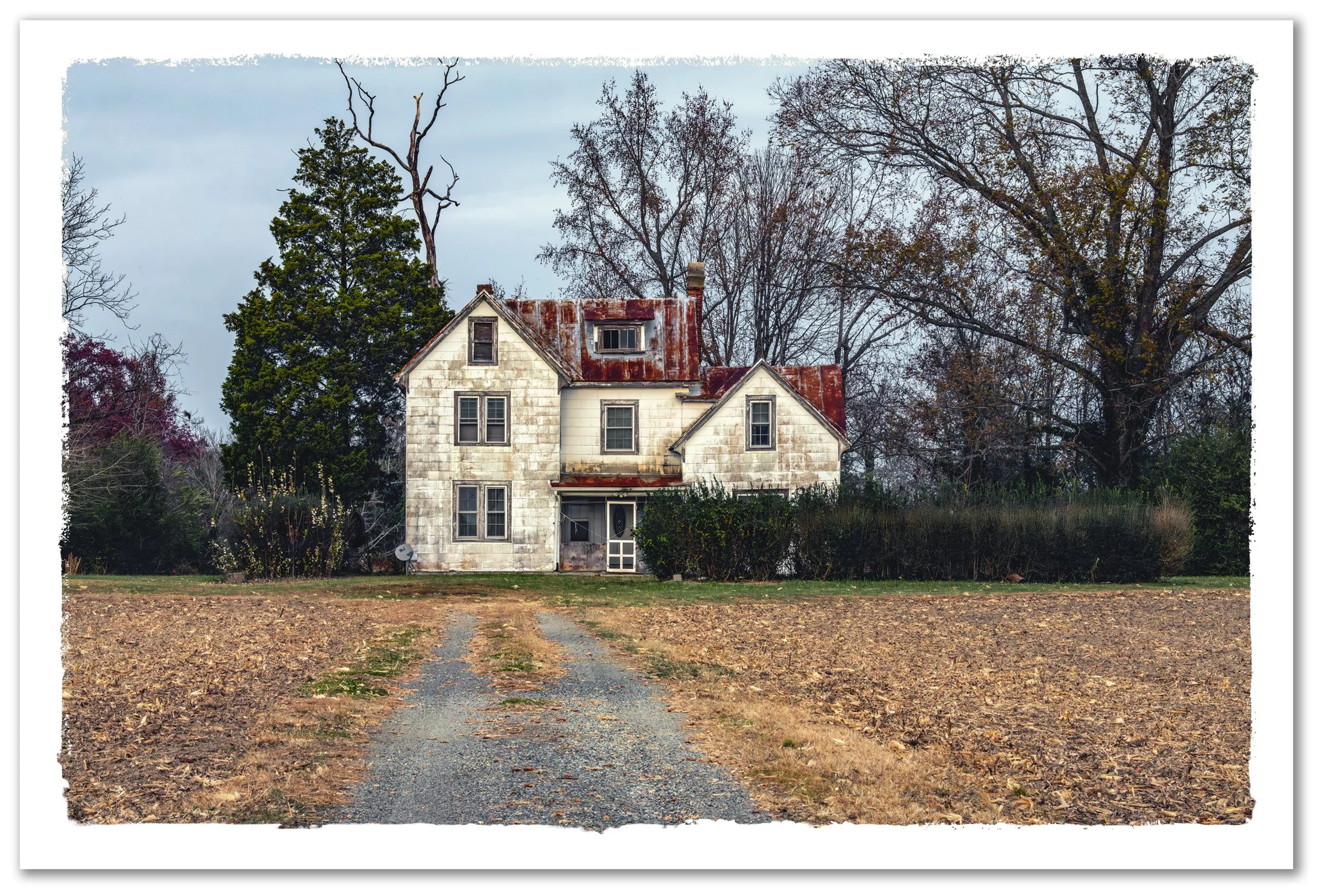
Rusted Red Roof, Archival gicleé print on Hahnemühle, 16 x 24 in, 2021, USD 375, Bill Thauer, Bethlehem, Pennsylvania
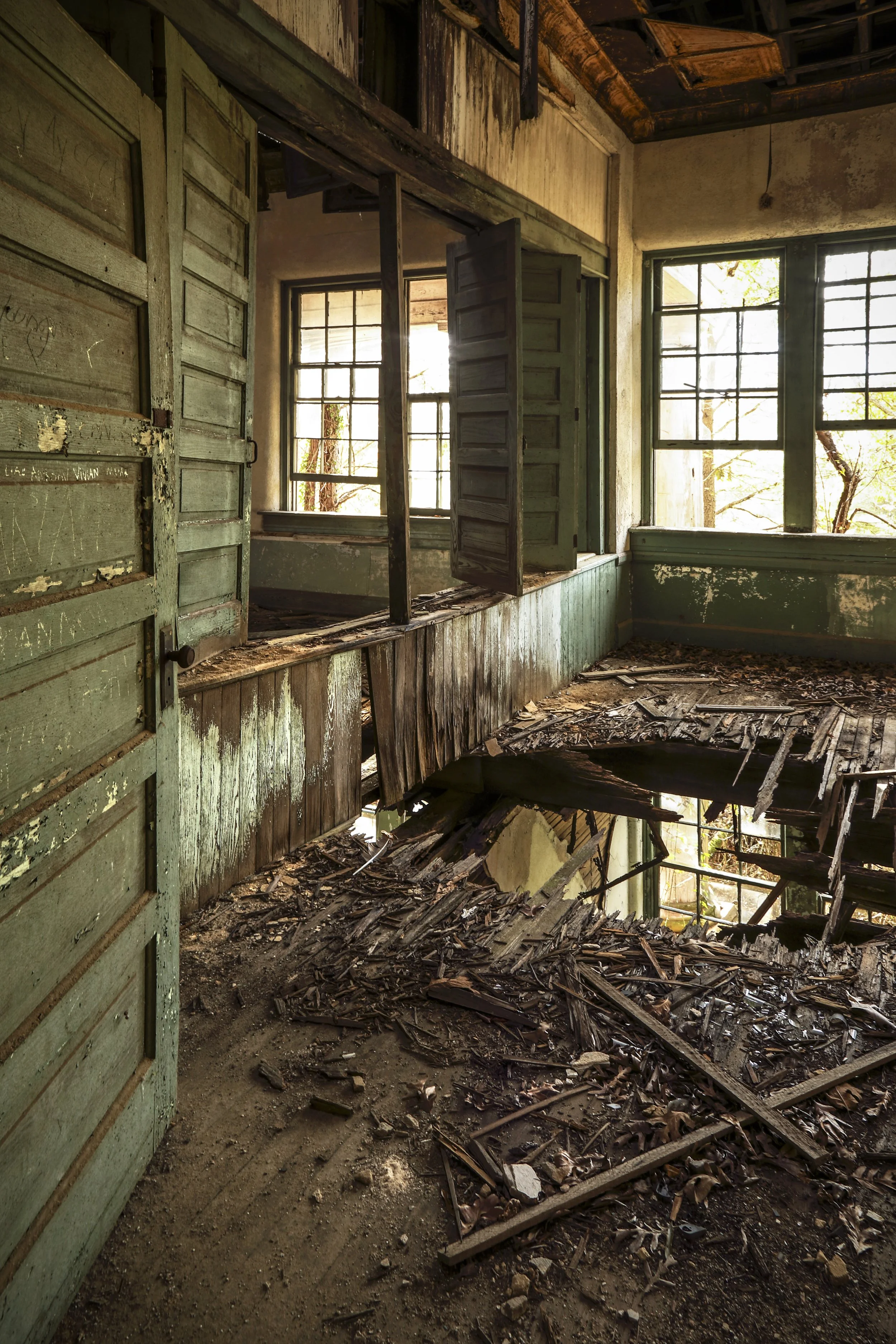
Dark Sarcasm, Archival print, 24 x 16 in, 2022, USD 270, Bob Debski, Lansdale, Pennsylvania
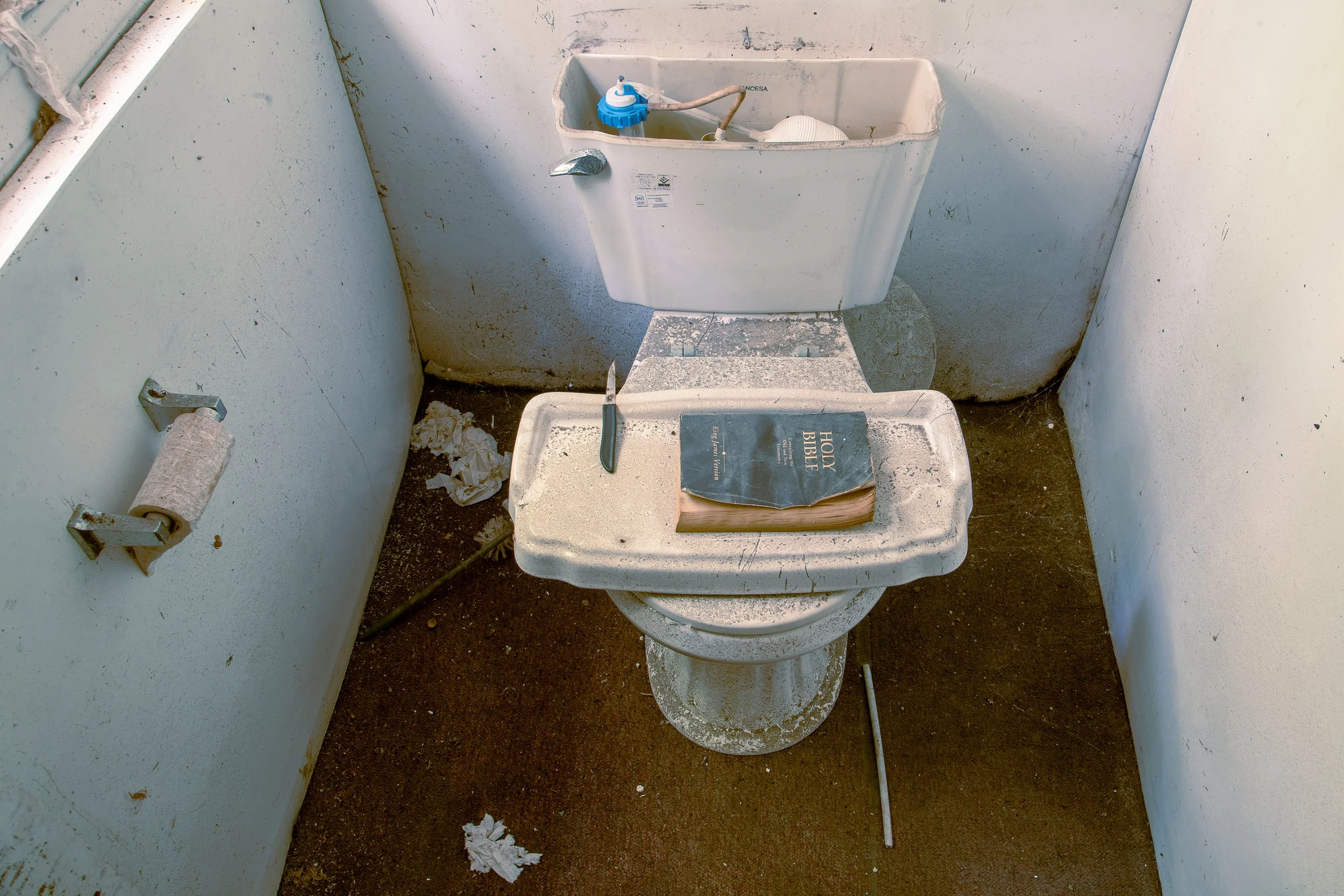
Conflicted, Archival print, 12 x 8 in, 2022, USD 150, Brian Cox, Winston Salem, North Carolina
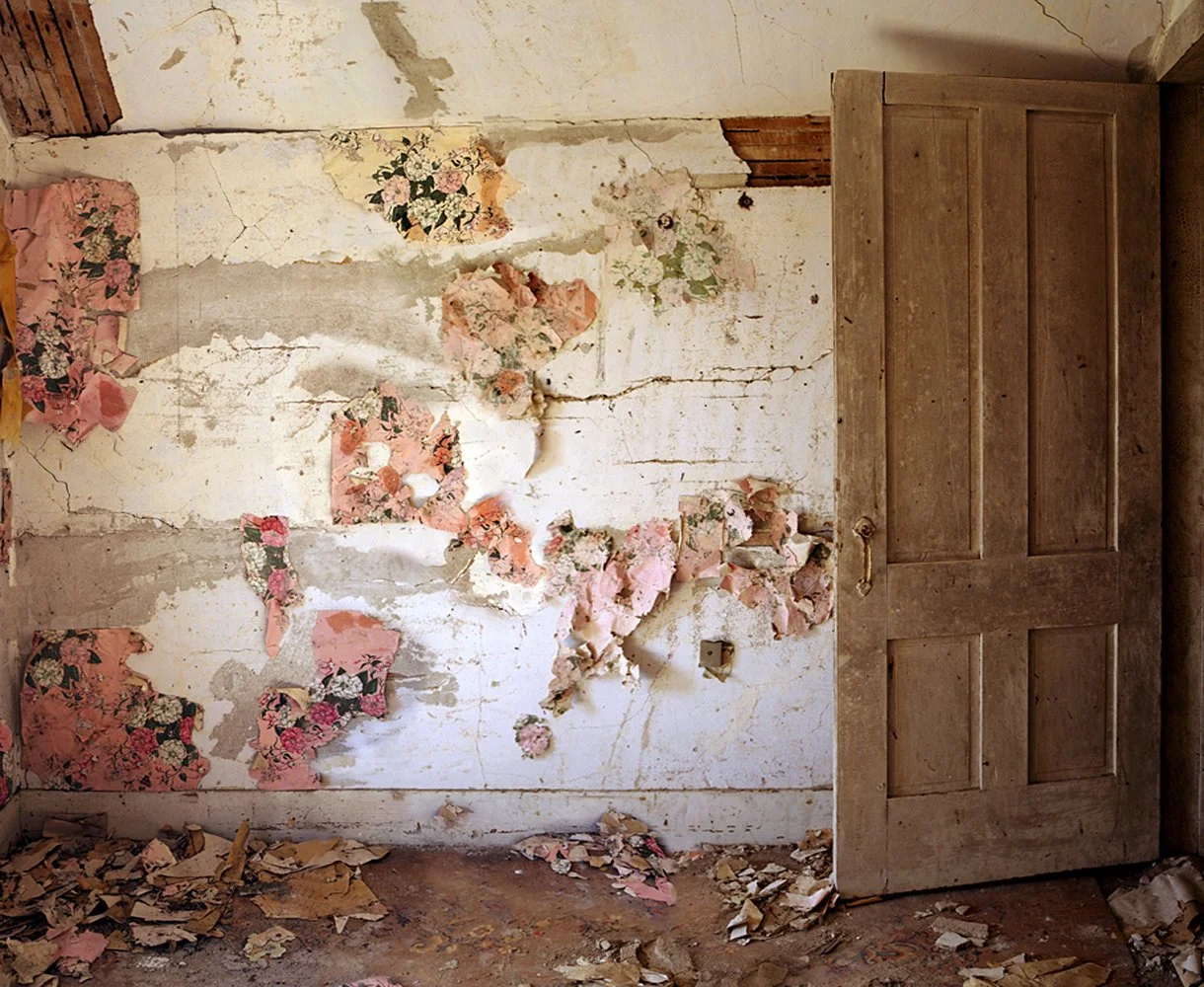
Ephemera, Large format print on Moab Entrada, 24 x 30 in, 2023, USD 900, Charles Anselmo, Inverness, California

Casa Delle Fate, Archival print, 36 x 24 cm, 2023, USD 300, Chiara Costa, Lombardy, Italy

Riverview Apartments, Archival print, 16 x 20 in, 2021, USD 195, Dave McKinney, Frisco, Texas
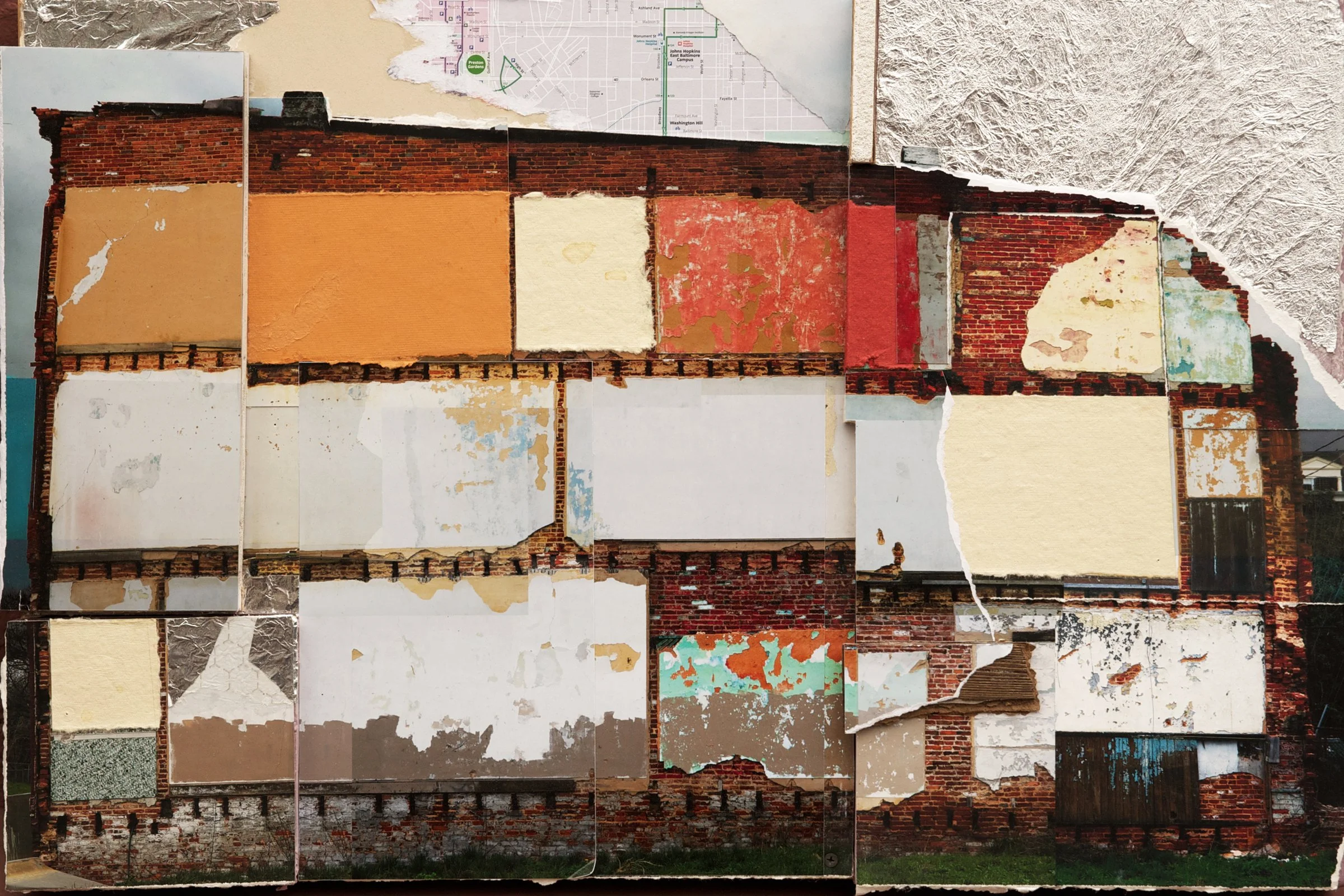
Johnston Square Ruin, Mixed media/archival print, 20x 30 in, 2020, USD 3500, Dereck Mangus, Baltimore, Maryland
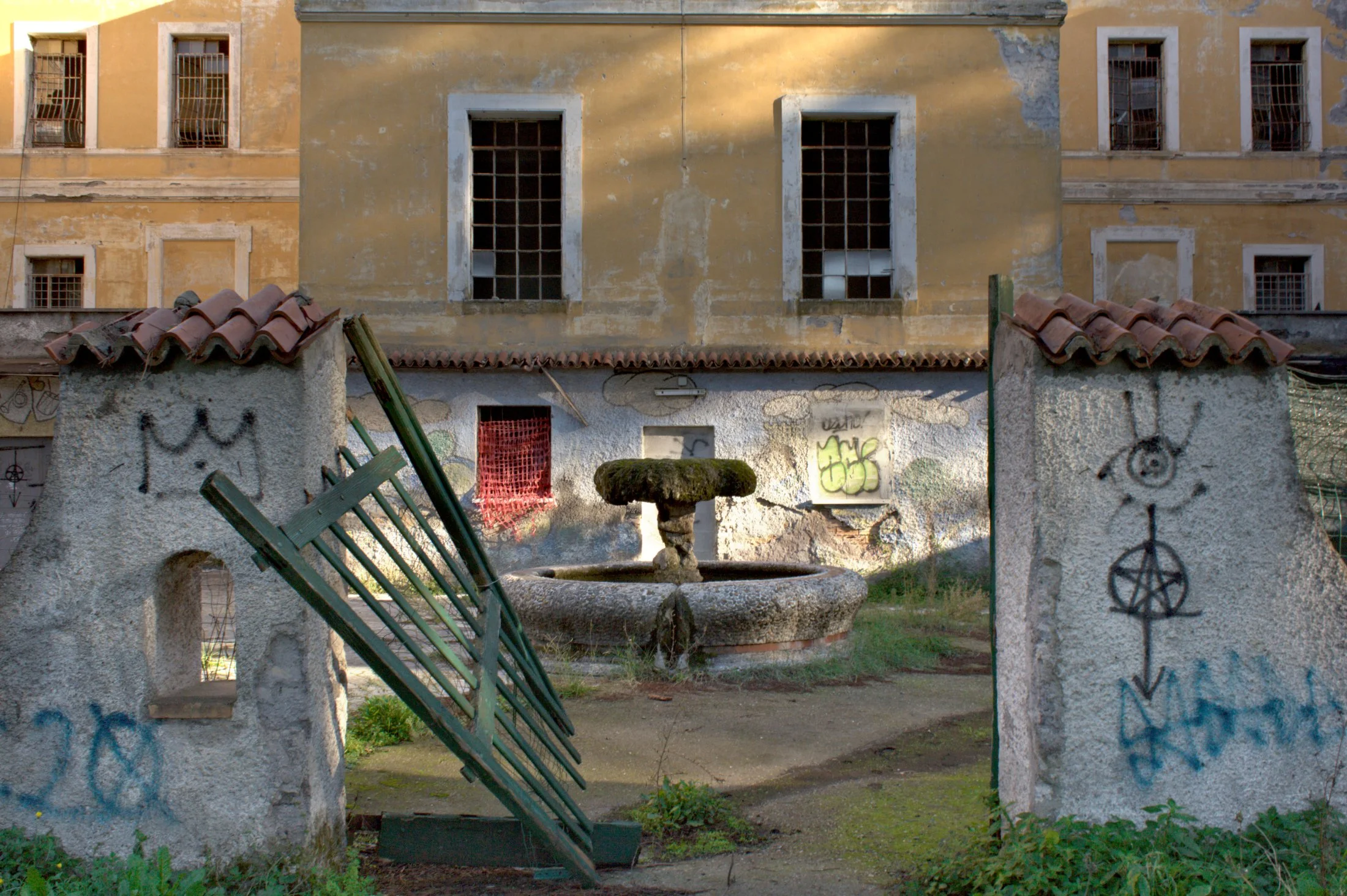
Pavilion No. 18, Archival print, 18 x 12 cm, 2022, NFS, Flaminia Gentile, Rome, Italy
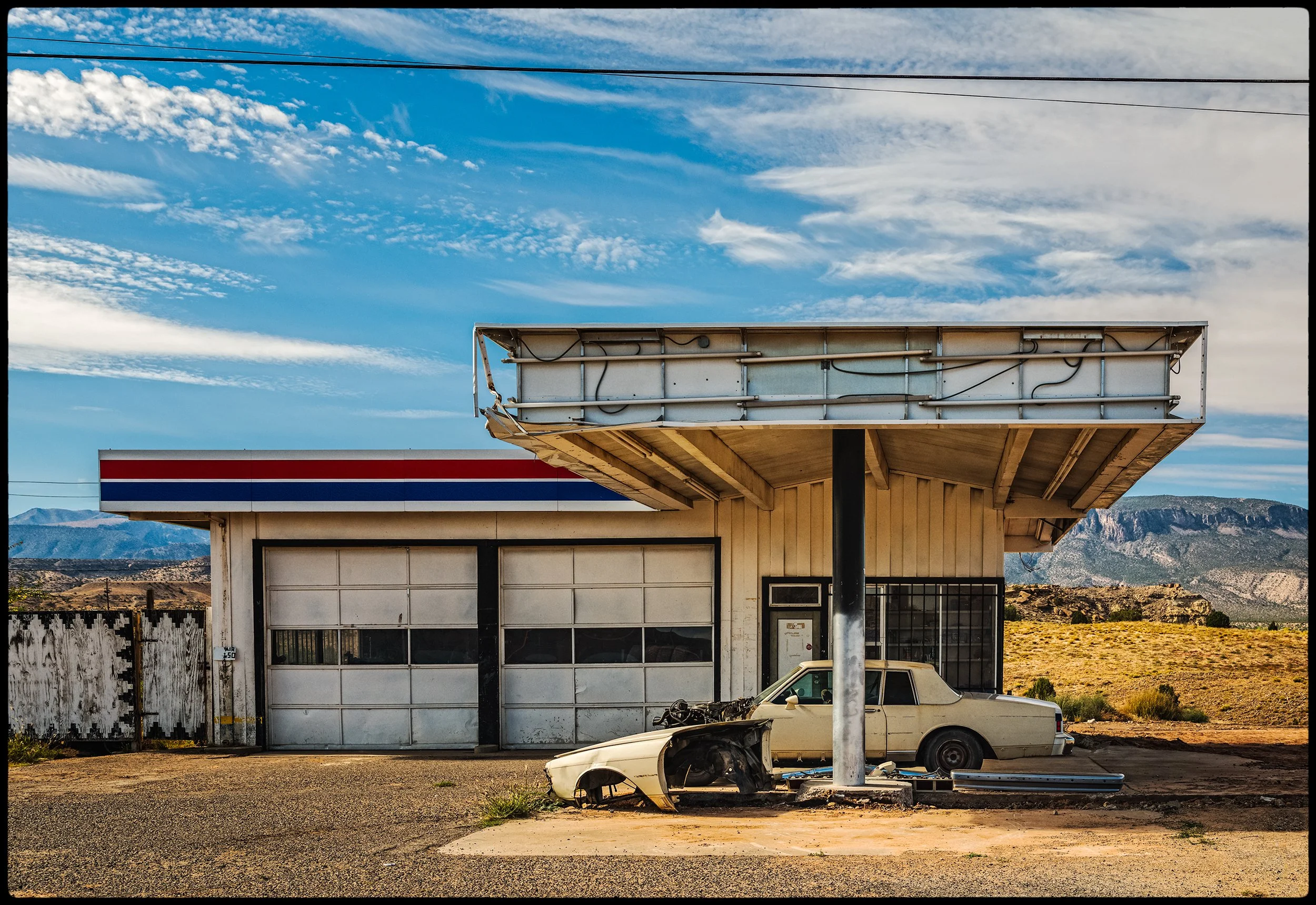
Abandoned, Archival print, 20 x 13.75 in, 2012, USD 300, Francis Sullivan, Daajing Giids, British Columbia, Canada
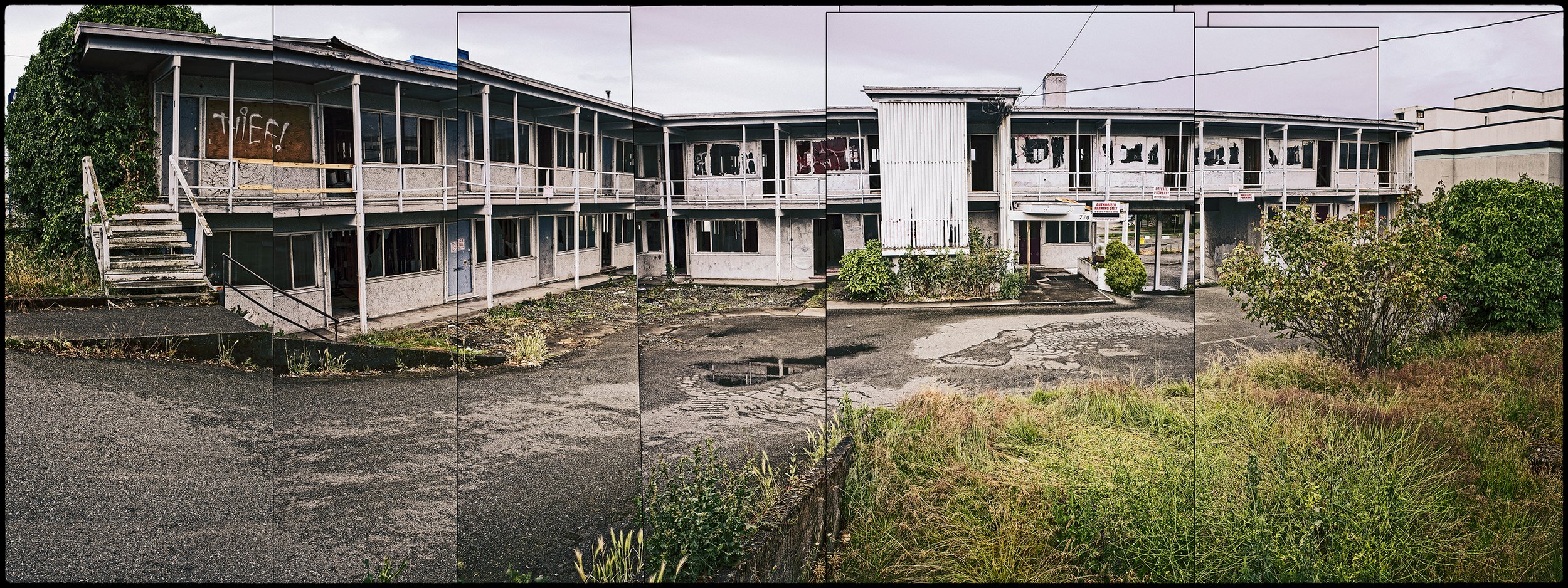
Holiday Court Motel, Photo collage/archival print, 24 x 9 in, 2012, USD 300, Francis Sullivan, Daajing Giids, British Columbia, Canada
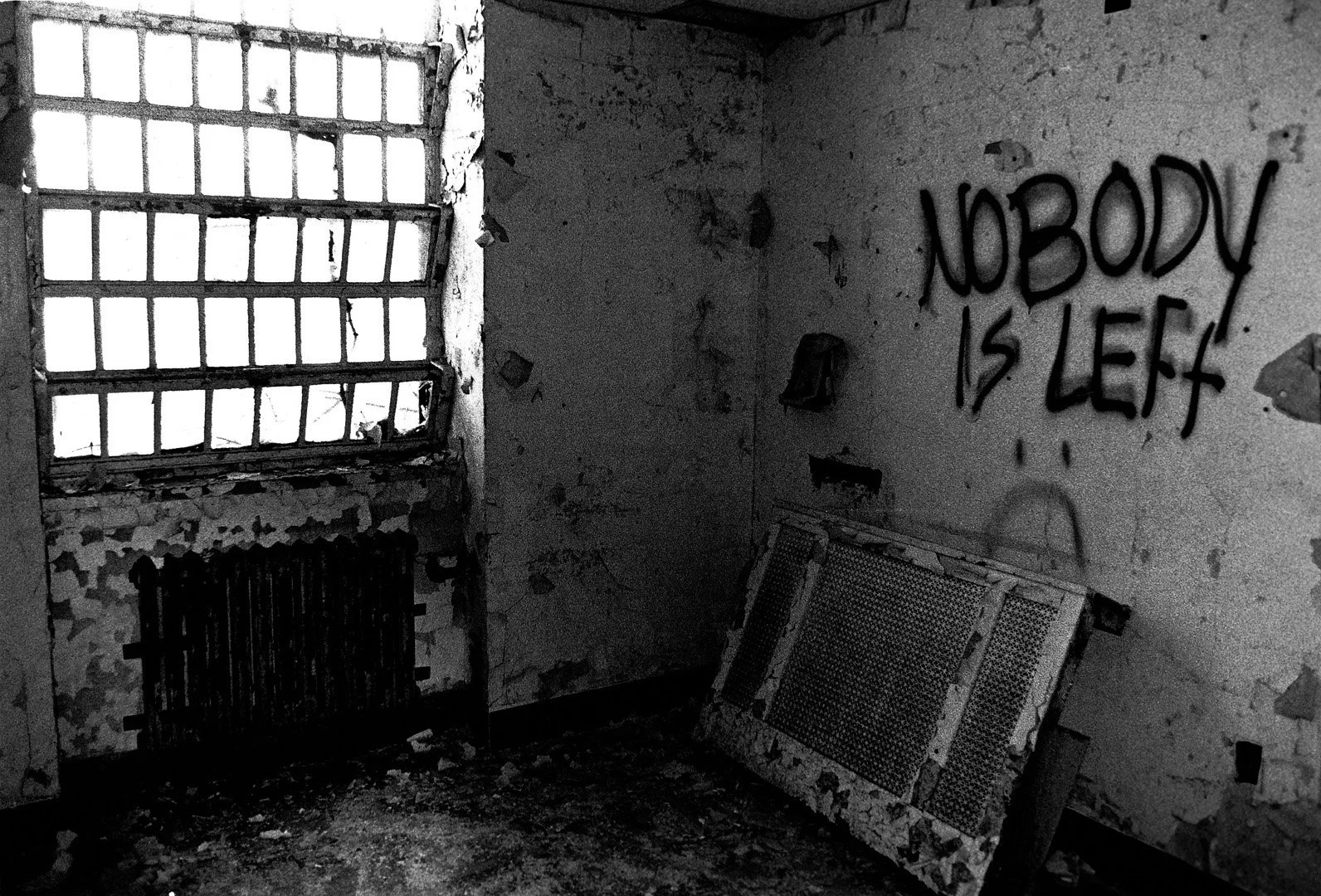
Nobody is Left, Silver gelatin print, 14 x 20 in, 2019, USD 350, Howard Pohl, Lindenhurst, New York
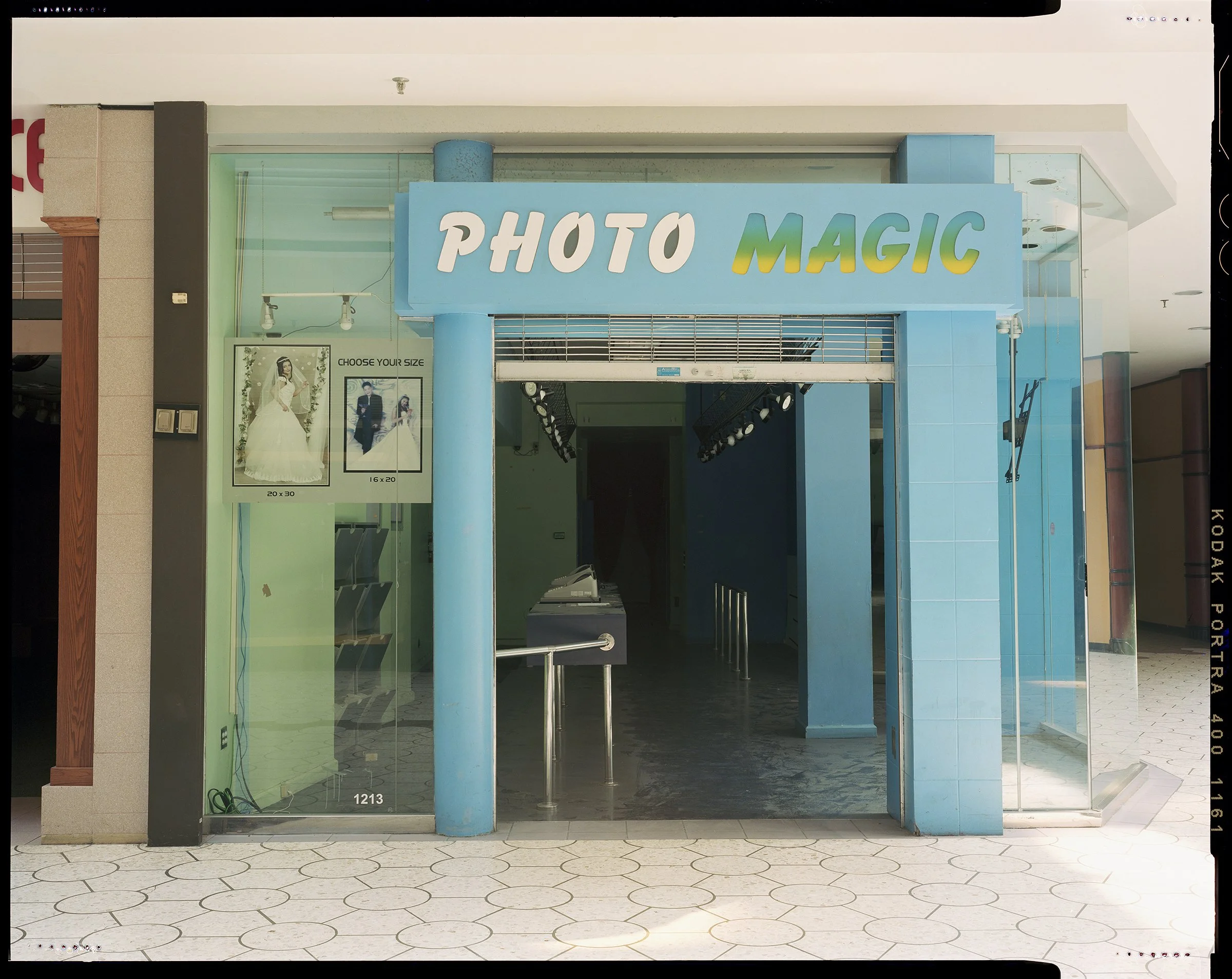
Photo Magic, Archival print, 40 x 30 in, 2022, USD 2600, Ian Fabre, Oakland, California
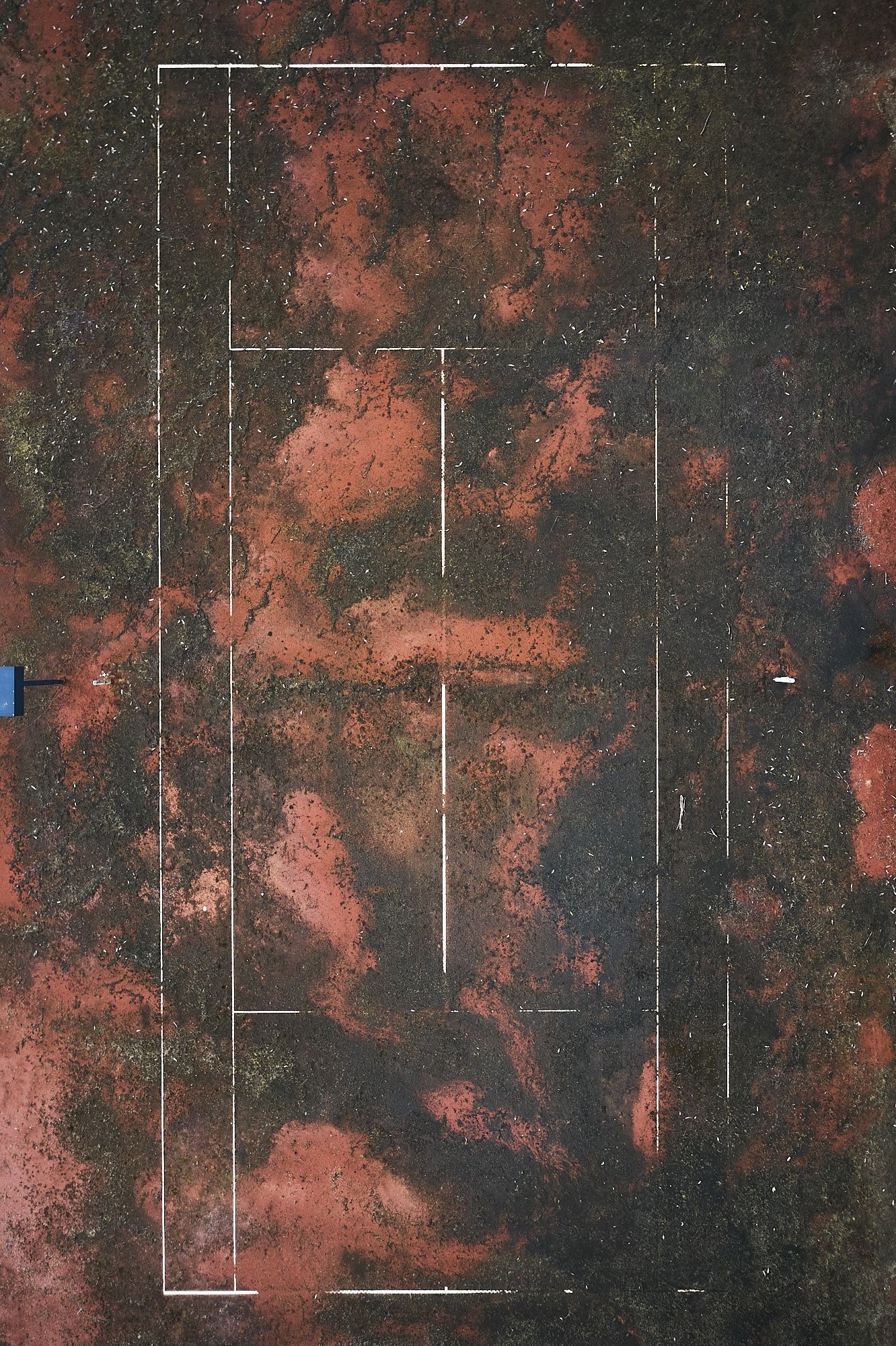
Baxter Tennis Courts, Archival print, 55 x 39 cm, 2022, USD 300, Jason Reekie, Carrum, Victoria, Australia
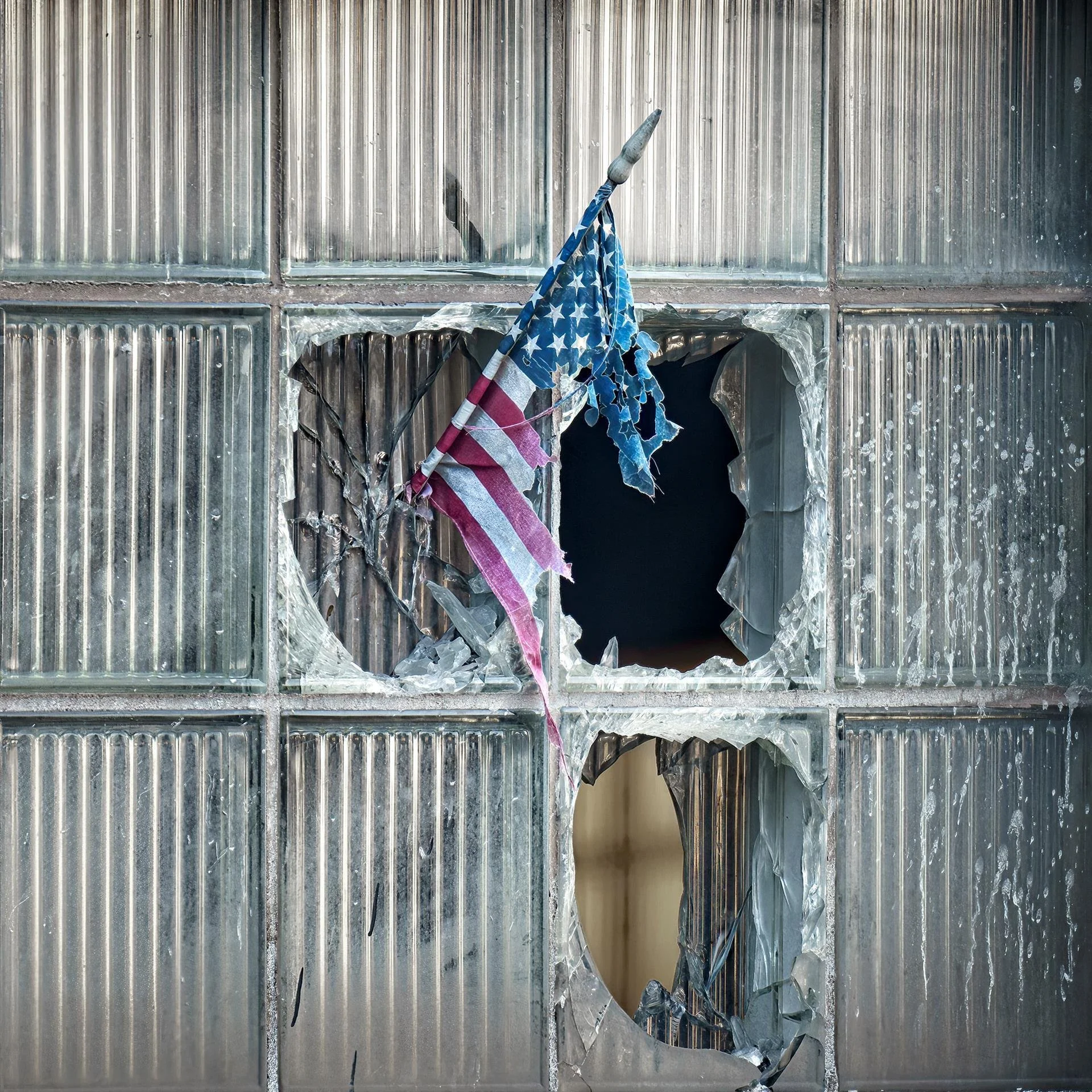
Wavering, Archival print, 12 x 12 in, 2022, USD 225, Jessica Margo, Madison, New Jersey
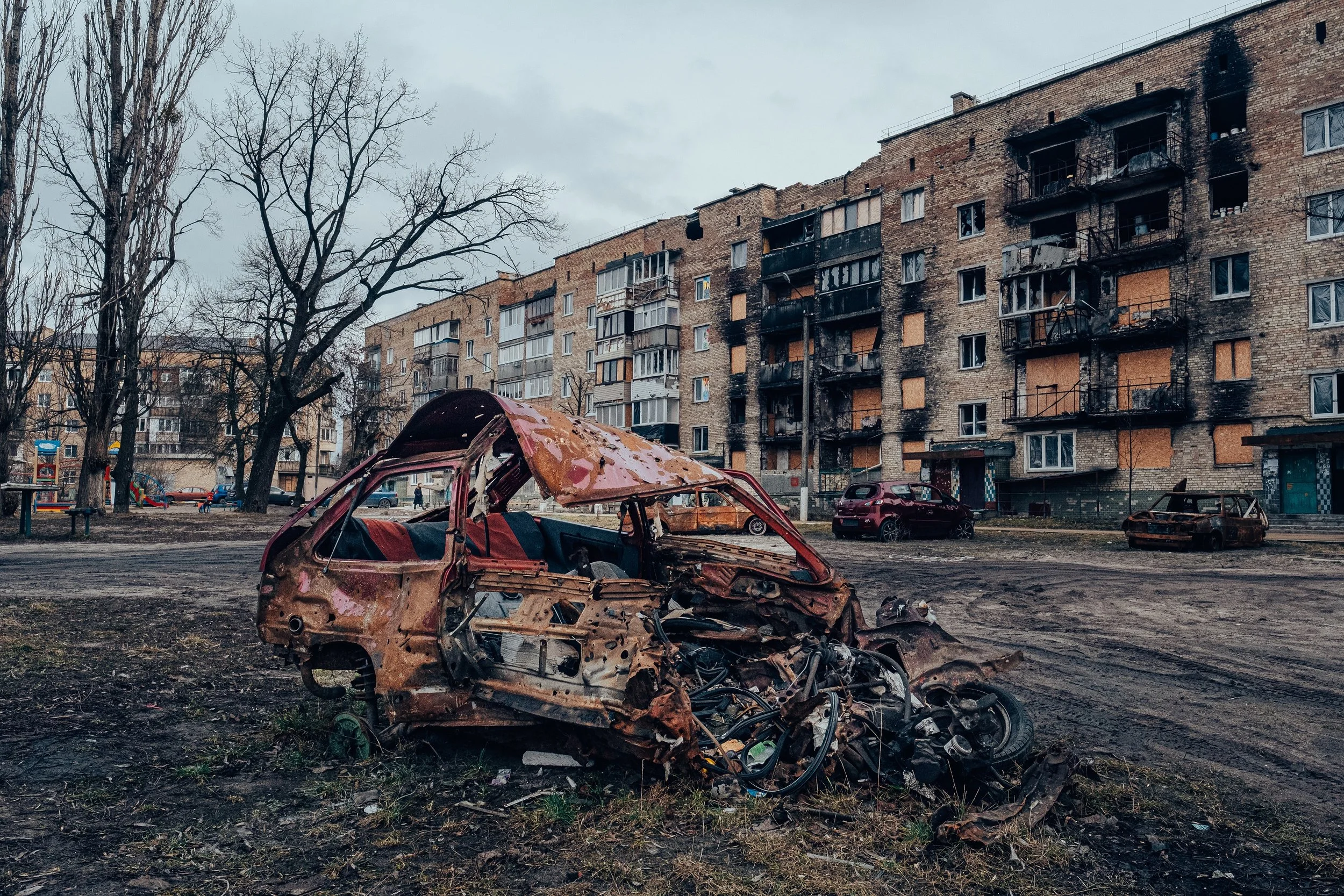
Housing Estate, Archival print, 30 x 45 cm, 2023, USD 300, Jiri Sneider, Cesky Krumlov, Czech Republic
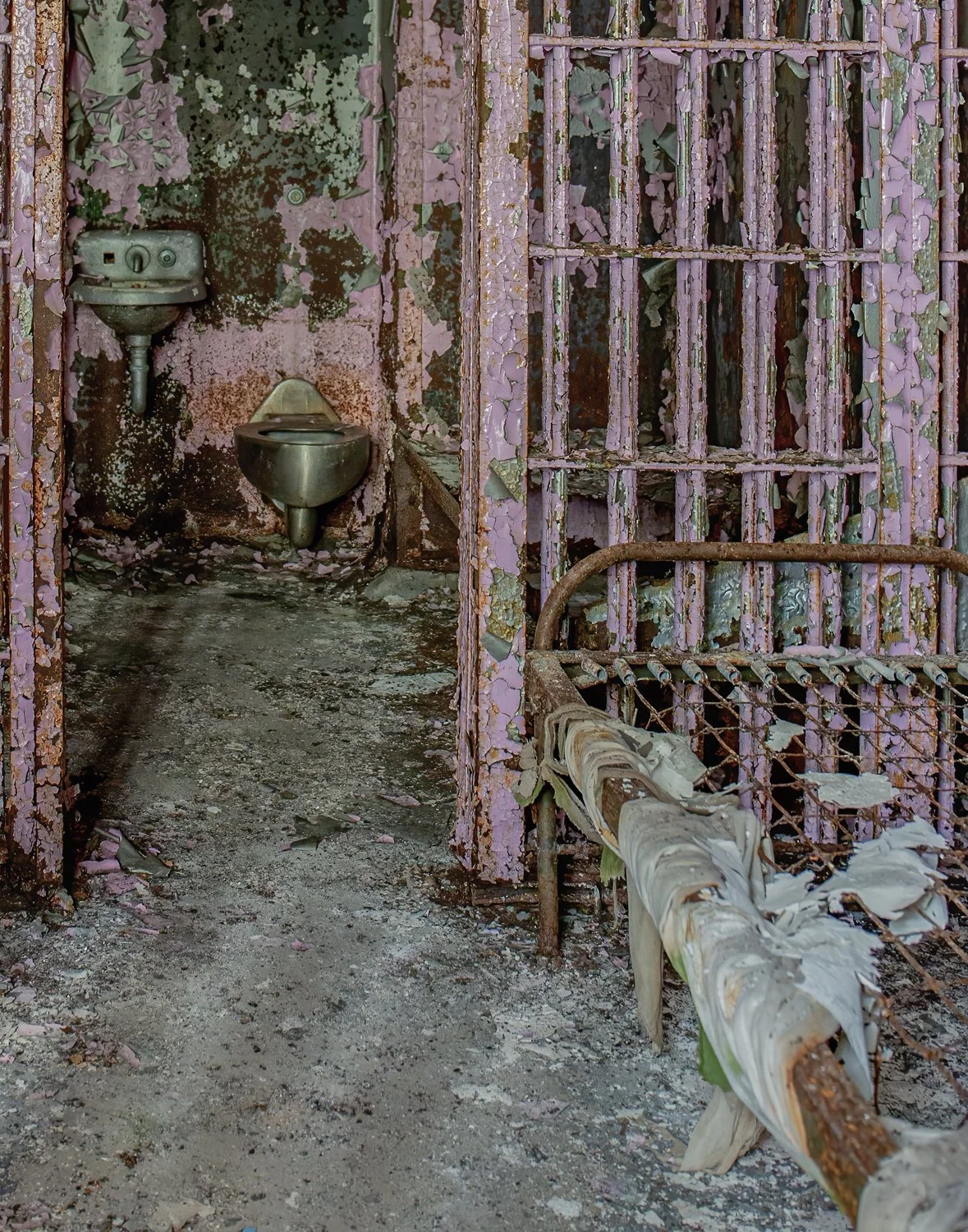
Jail Bed, Archival print, 14 x 11 in, 2020, USD 175, Joan Eckhardt, Okatie, South Carolina
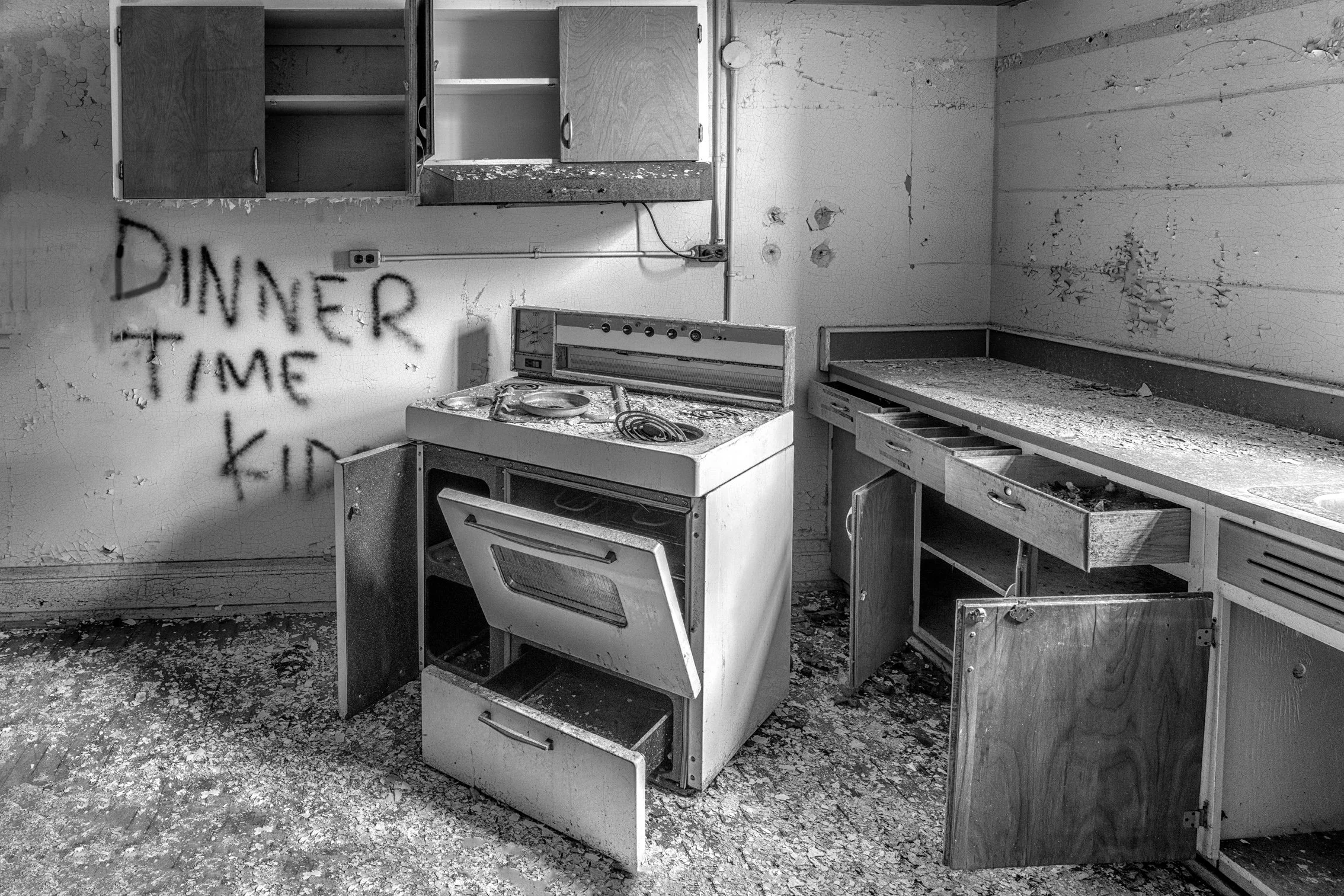
Dinner Time Kids, Archival print, 18 x 24 in, 2022, USD 450, John Diephouse, Lansing, Michigan
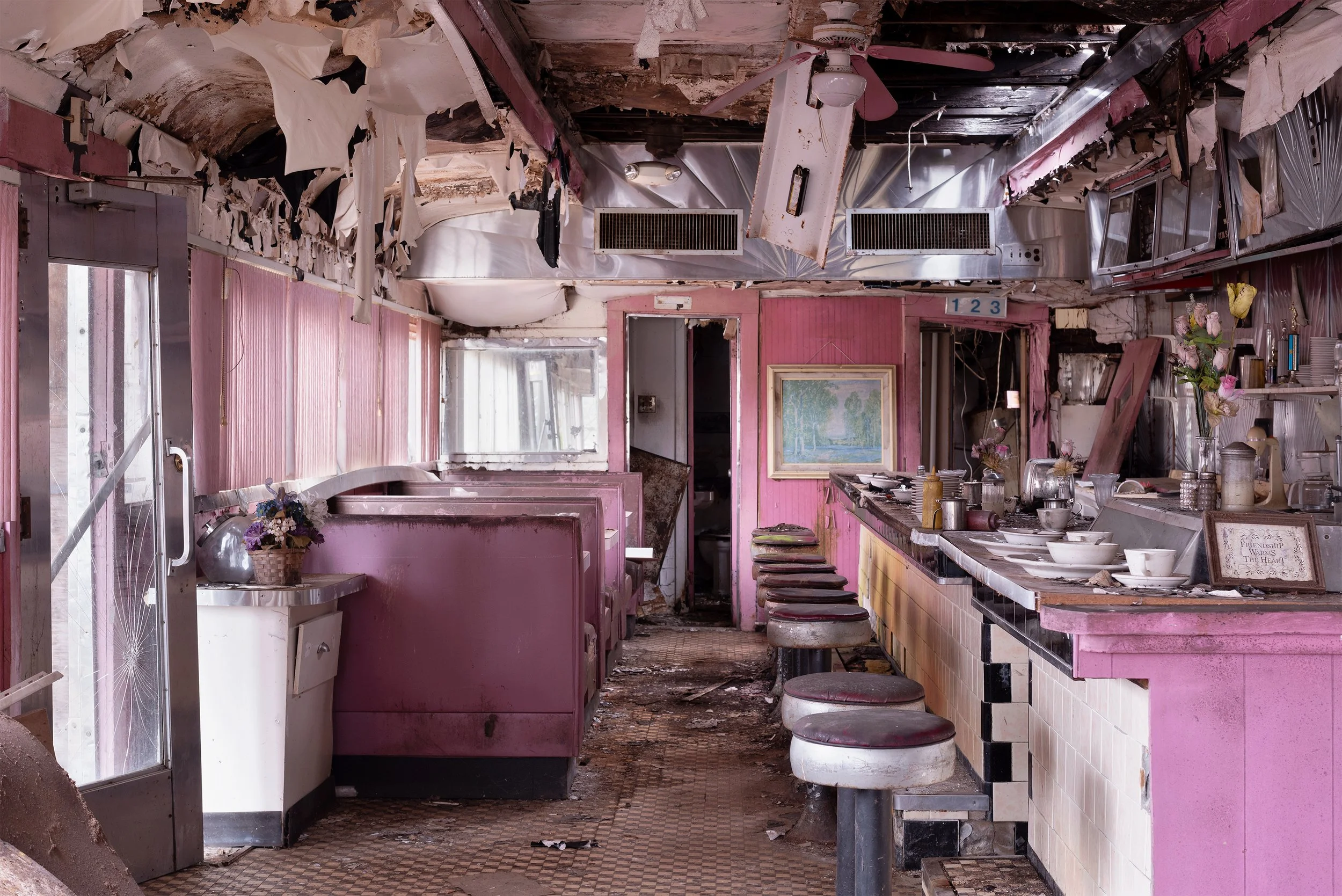
Pink Diner, Archival print, 24 x 36 in, 2020, USD 500, Jonnie Lace, Weymouth, Massachusetts
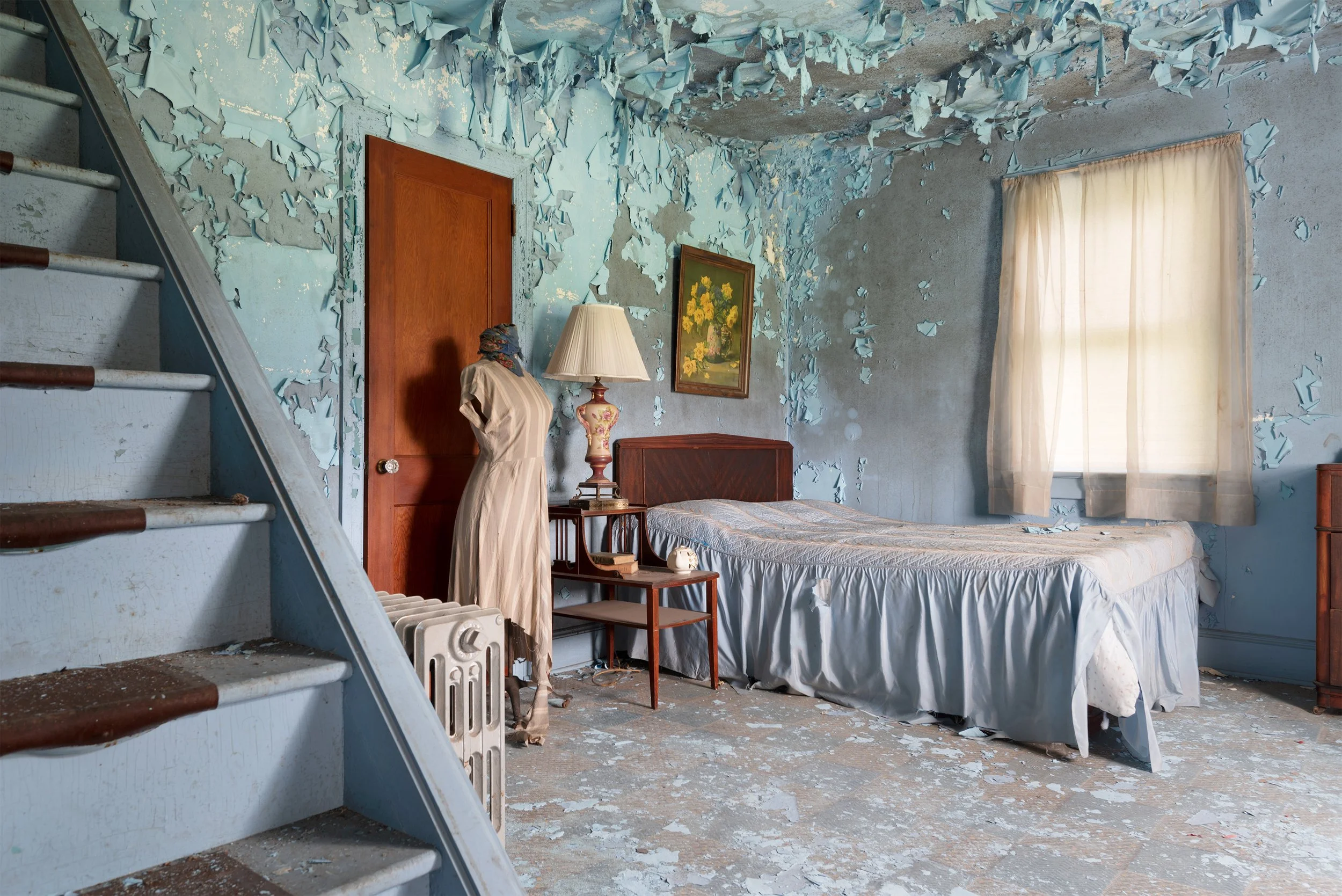
The House of Blues, Archival print, 24 x 36 in, 2020, USD 500, Jonnie Lace, Weymouth, Massachusetts
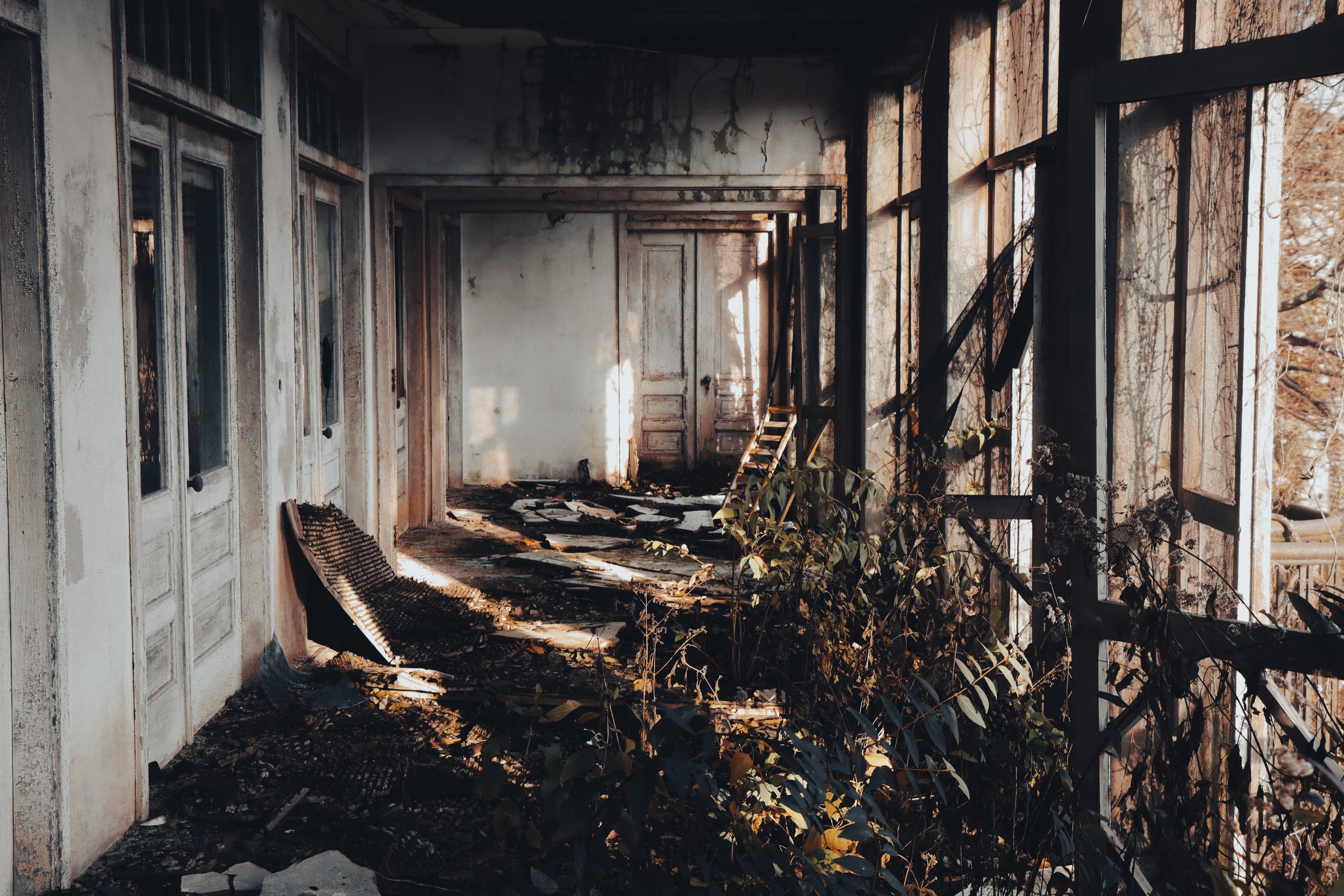
Decay, Archival print, 18 x 27 in, 2021, USD 300, Jordan Griffenberg, Ewing, New Jersey
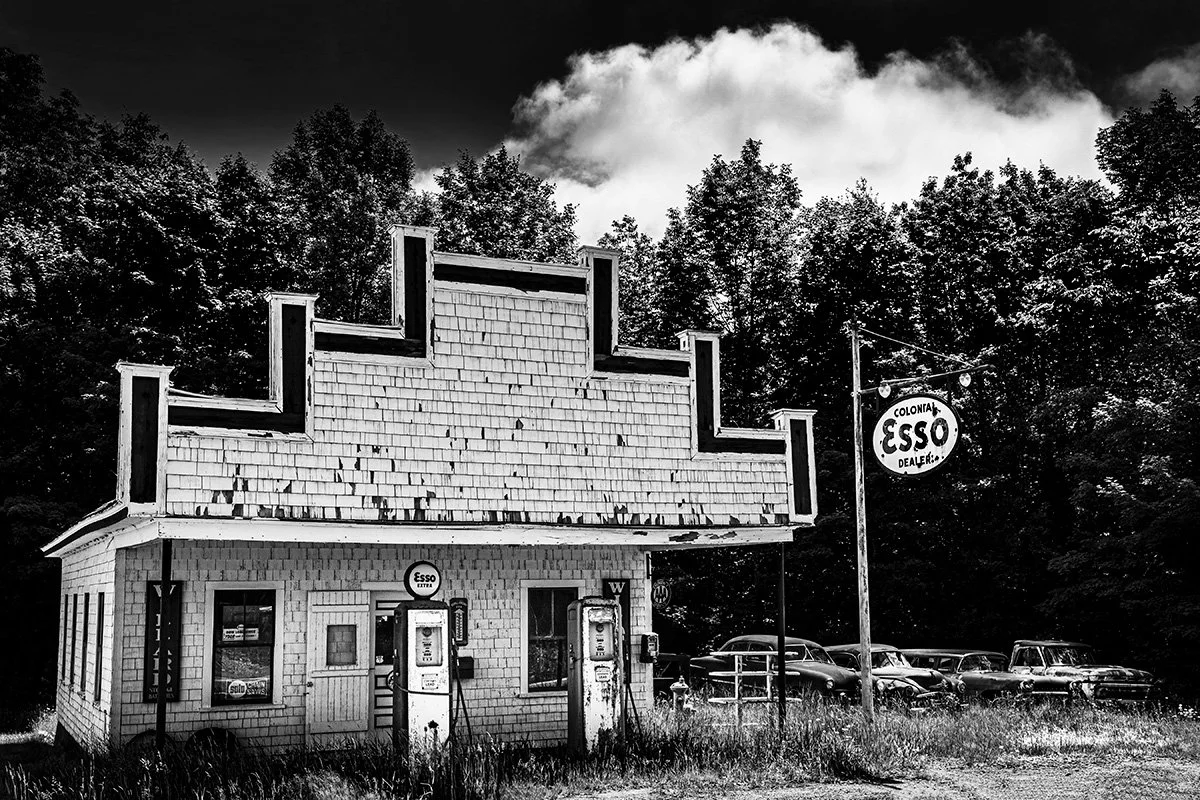
Speed Trapped, Archival print, 36 x 24 in, 2020, USD 2300, Ken Evans, Westminster, Maryland
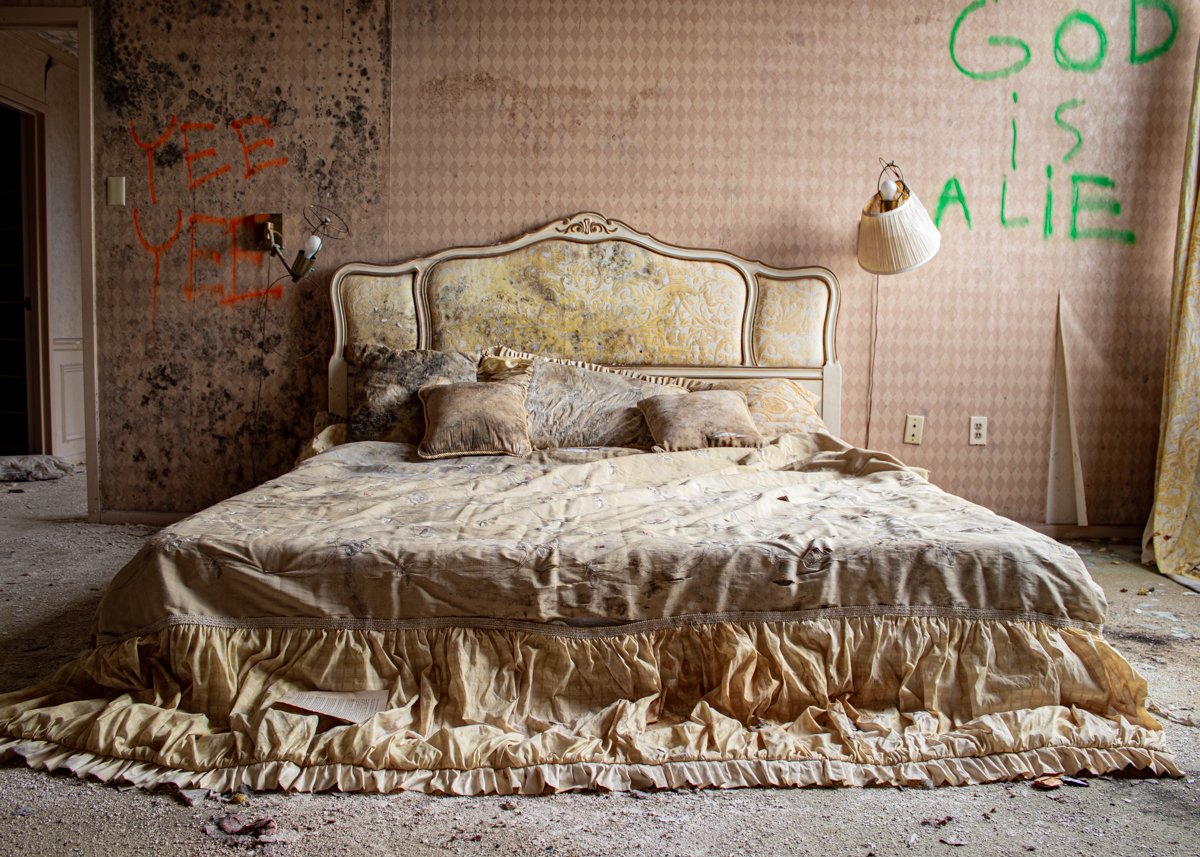
Sleeping Beauty, Archival print, 11 x 17 in, 2019, USD 200, Kristen Memoli, Huntington, New York
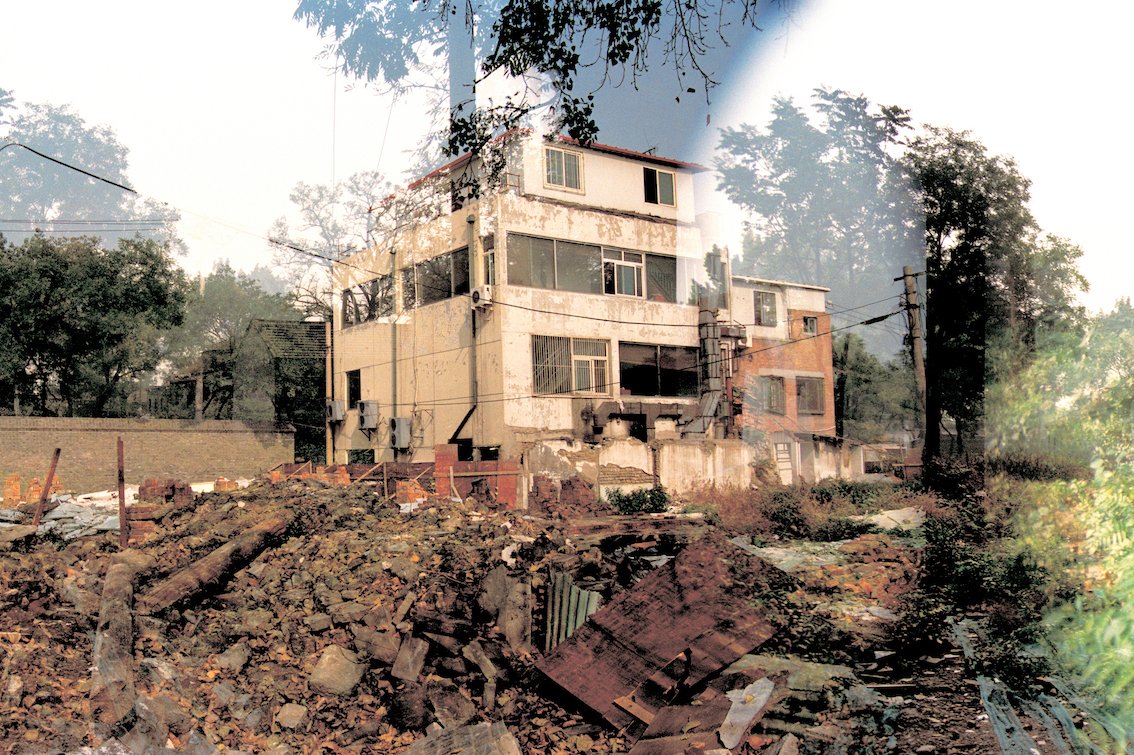
Transitory Space No. 13, Archival print, 20 x 16 in, 2010, USD 900, Leah Oates, Toronto, Ontario, Canada
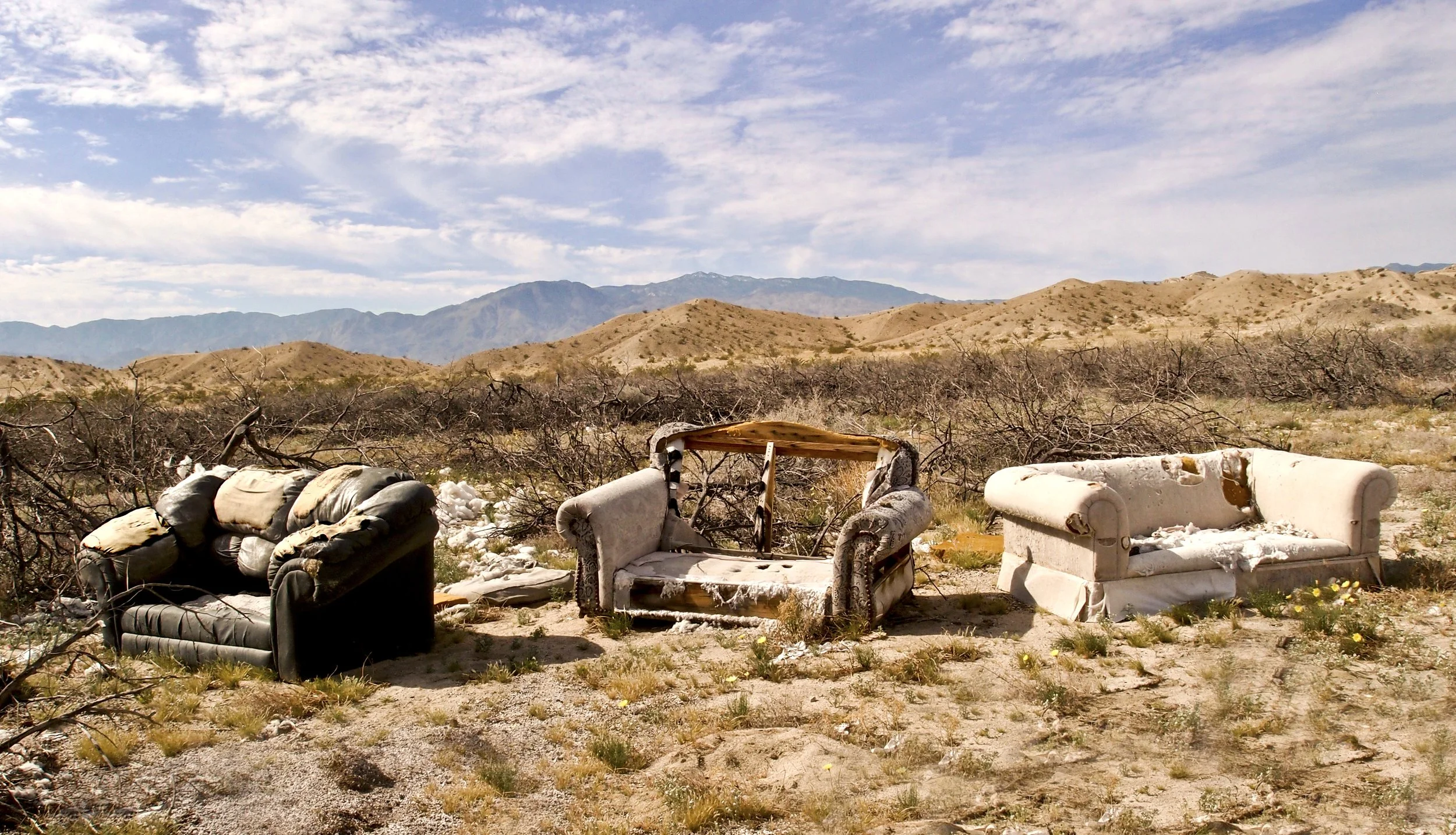
Three Sofas, Archival print, 20 x 14 in, 2023, USD 225, Linda Briskin, Toronto, Ontario, Canada

Old School, Archival print, 16 x 24 in, 2022, USD 275, Margaret Clingan, Williamsport, Maryland
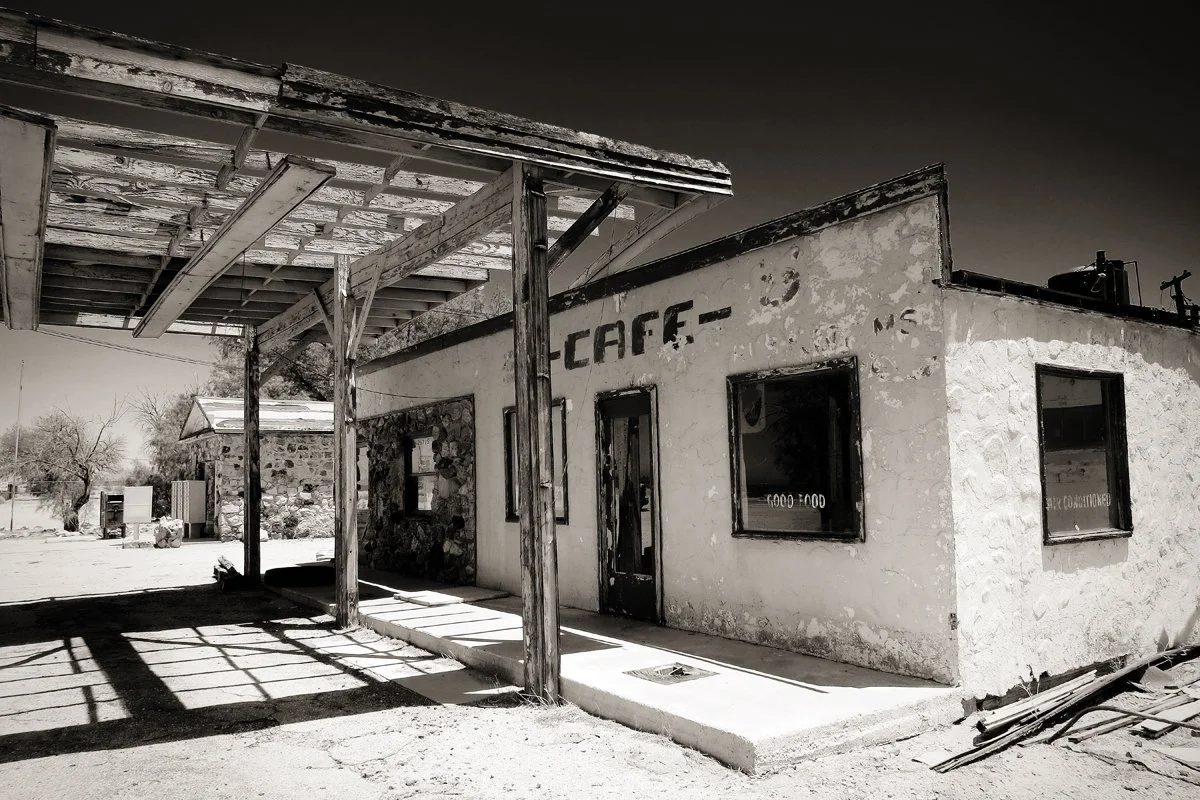
Amboy Café, Archival print, 15 x 20 in, 2012, USD 400, Mark Peacock, Reseda, California

Solitude, Archival print, 12 x 18 in, 2022, USD 200, Patrick O'Brien, New York City, New York
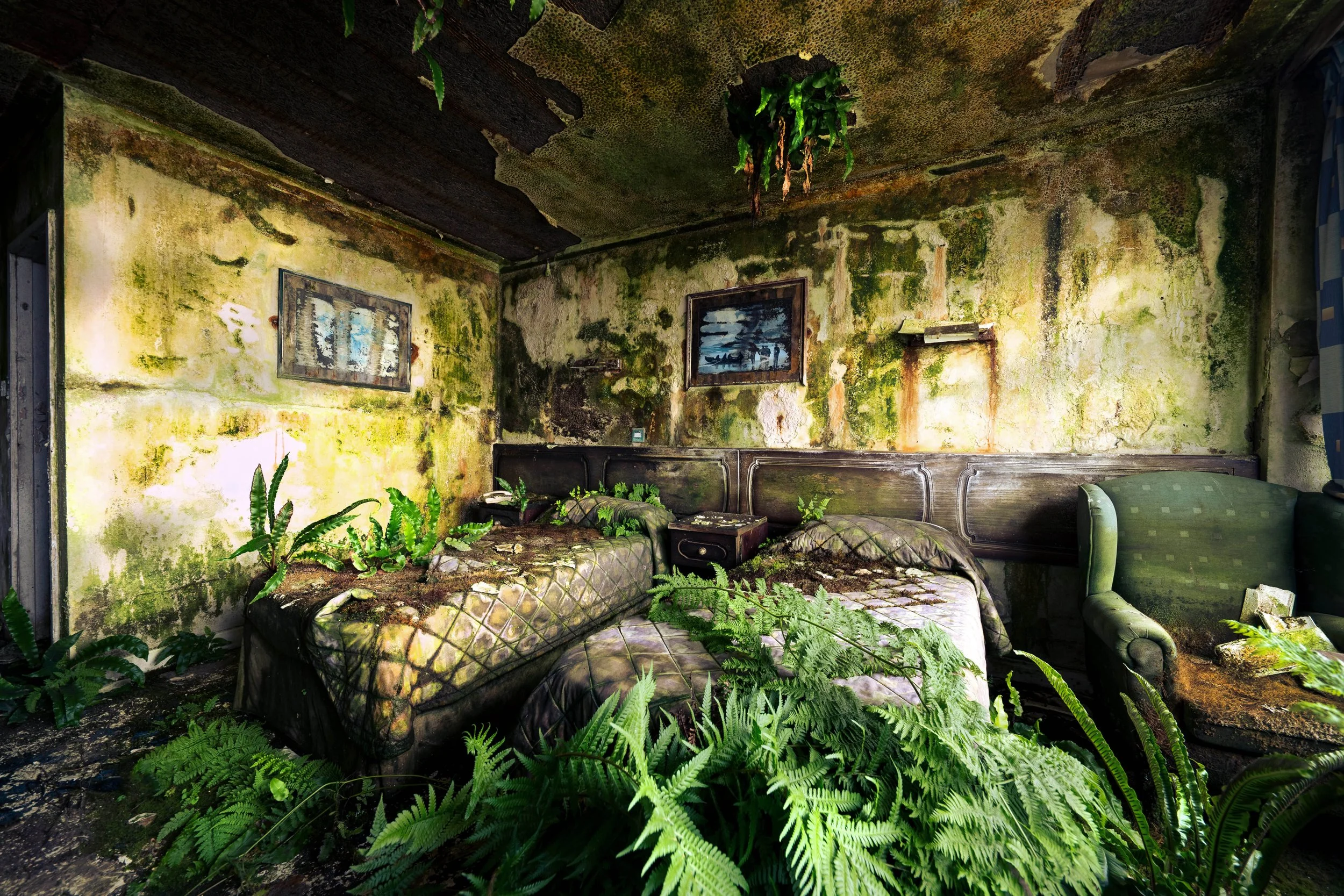
Nature Travels No. 2, Archival print on aluminium-dibond, 120 x 80 cm, 2022, USD 890, Platzen Luca, Kempen, Germany
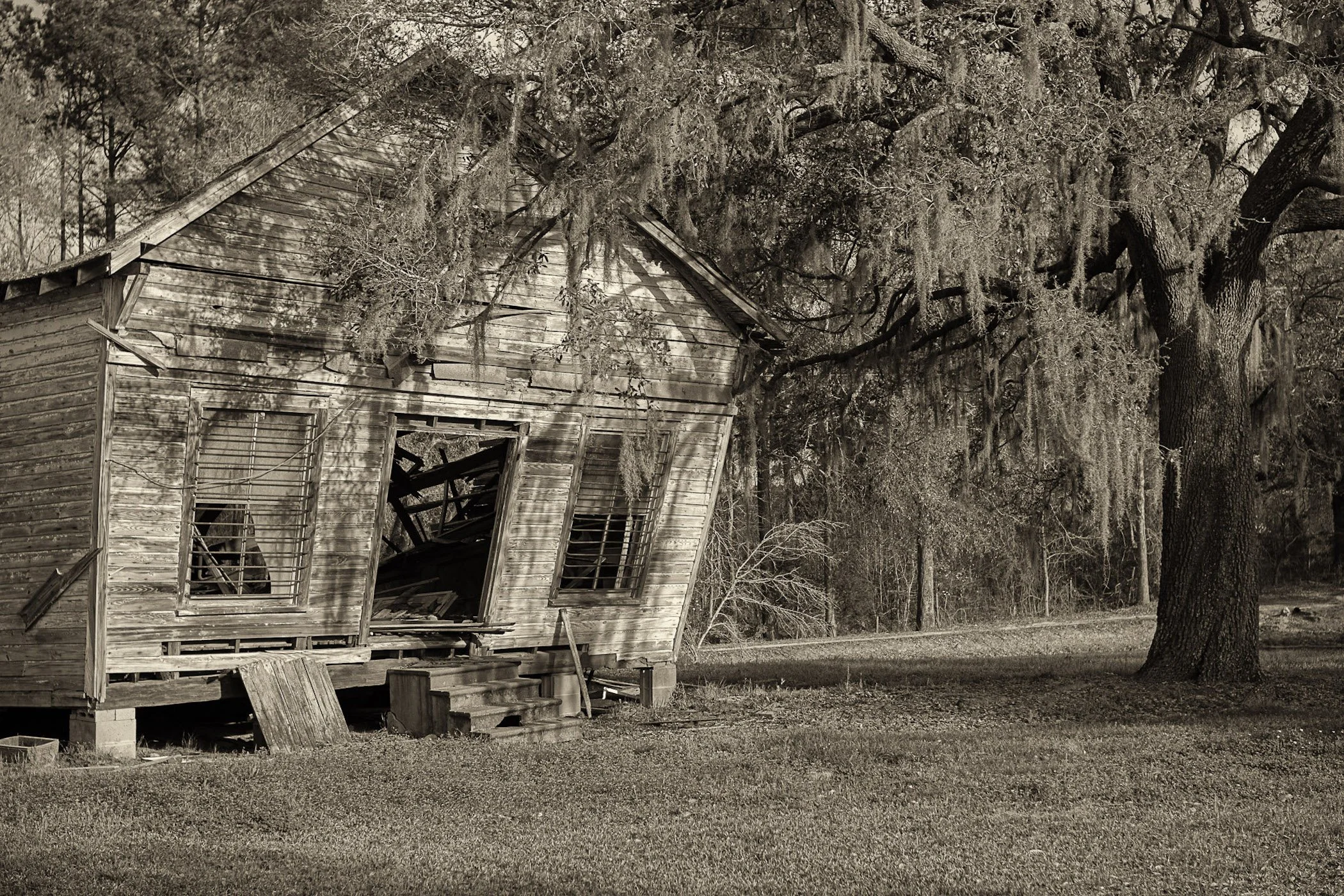
Abandoned Store, Archival print, 7 x 5 in, 2021, USD 250, Richard Schramm, Carrboro, North Carolina
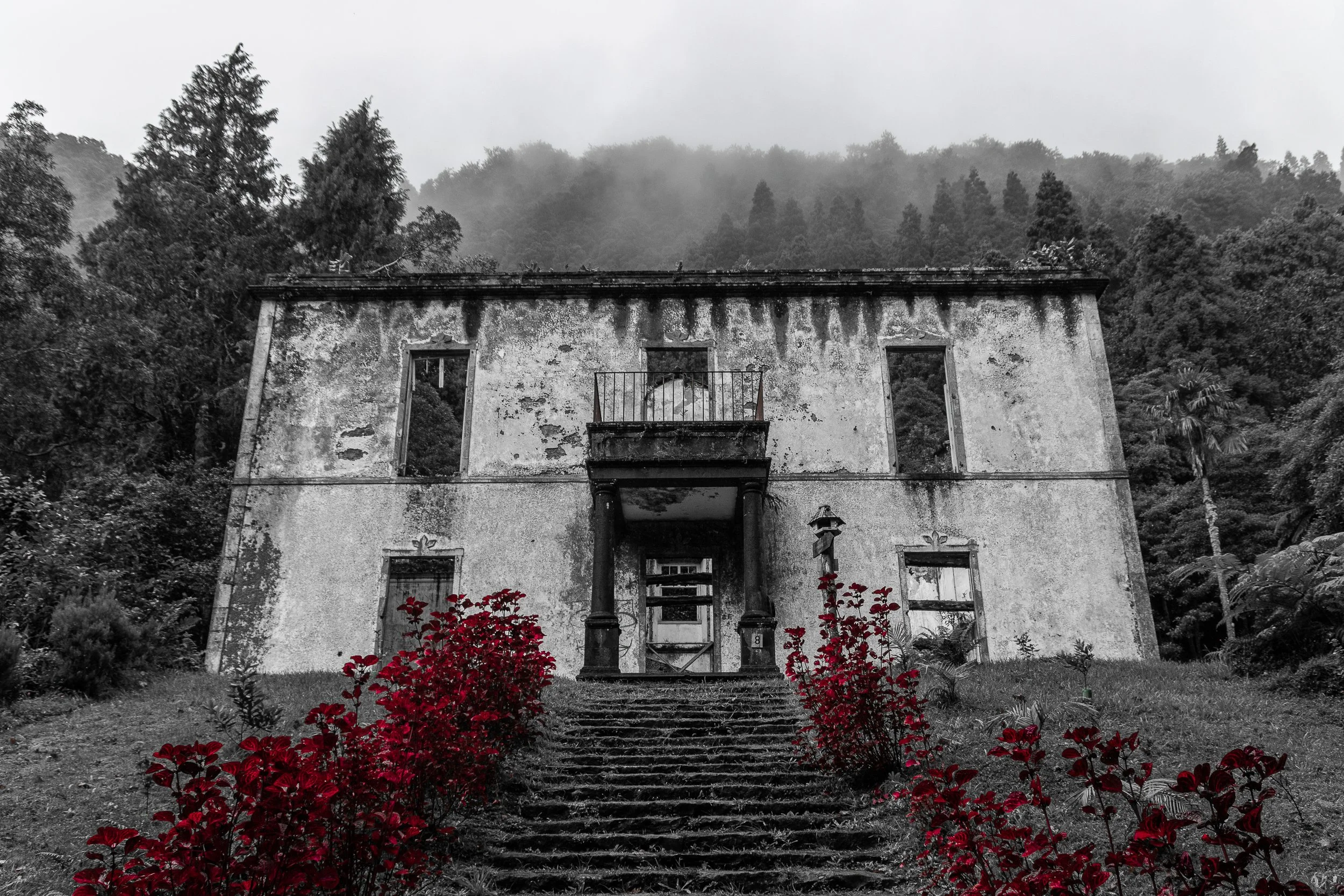
Summer House, Chromogenic print, 50 x 80 cm, 2022, USD 200, Roberto Scaramuzza, Münsingen, Bern, Switzerland
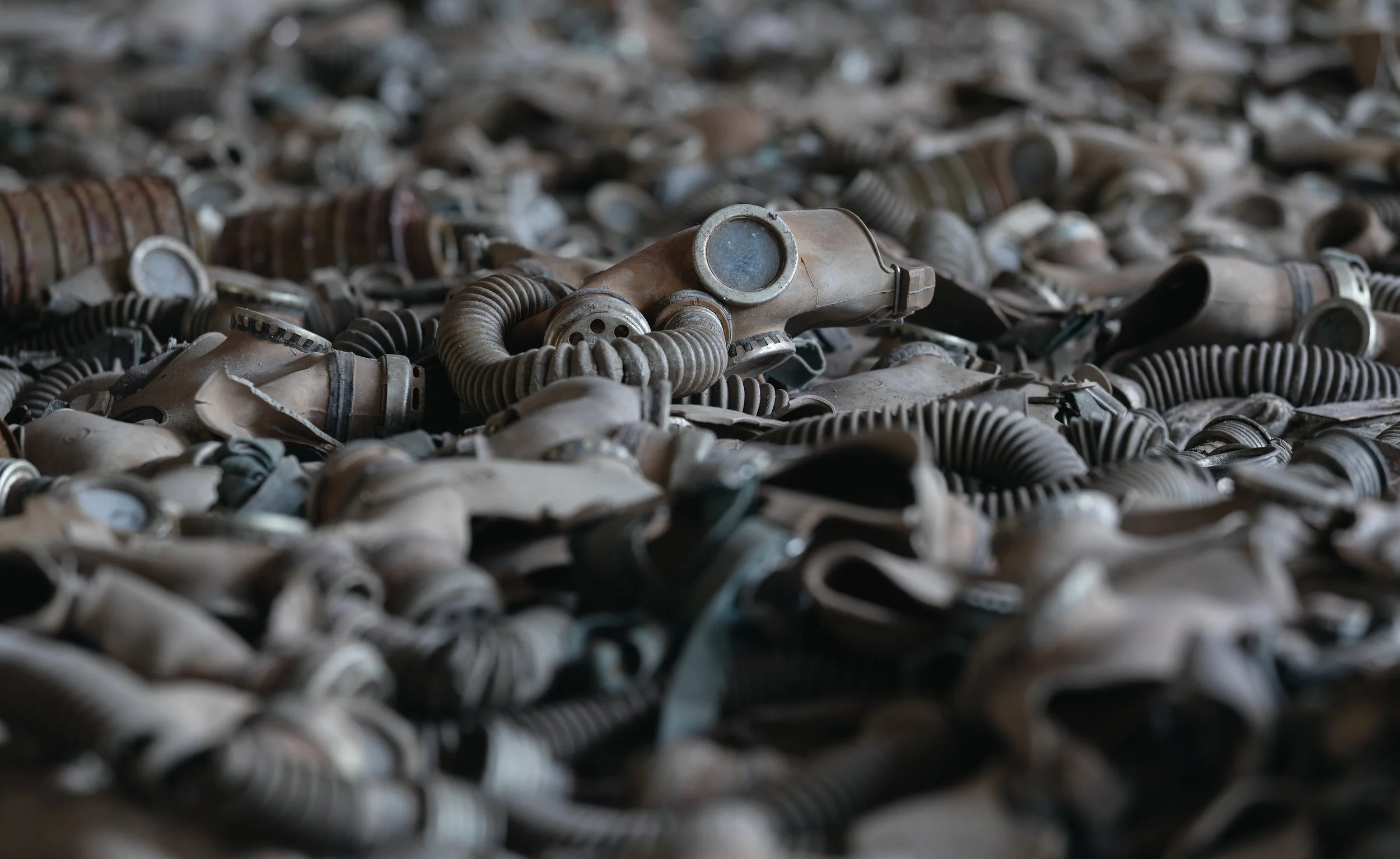
Pripyat, Archival print, 24 x 36 in, 2018, USD 500, Sean Richardson, Weymouth, Massachusetts

Pig 'N Whistle Diner, Archival print, 12 x 18 in, 2023, USD 500, Sean Sullivan, Waltham, Massachusetts
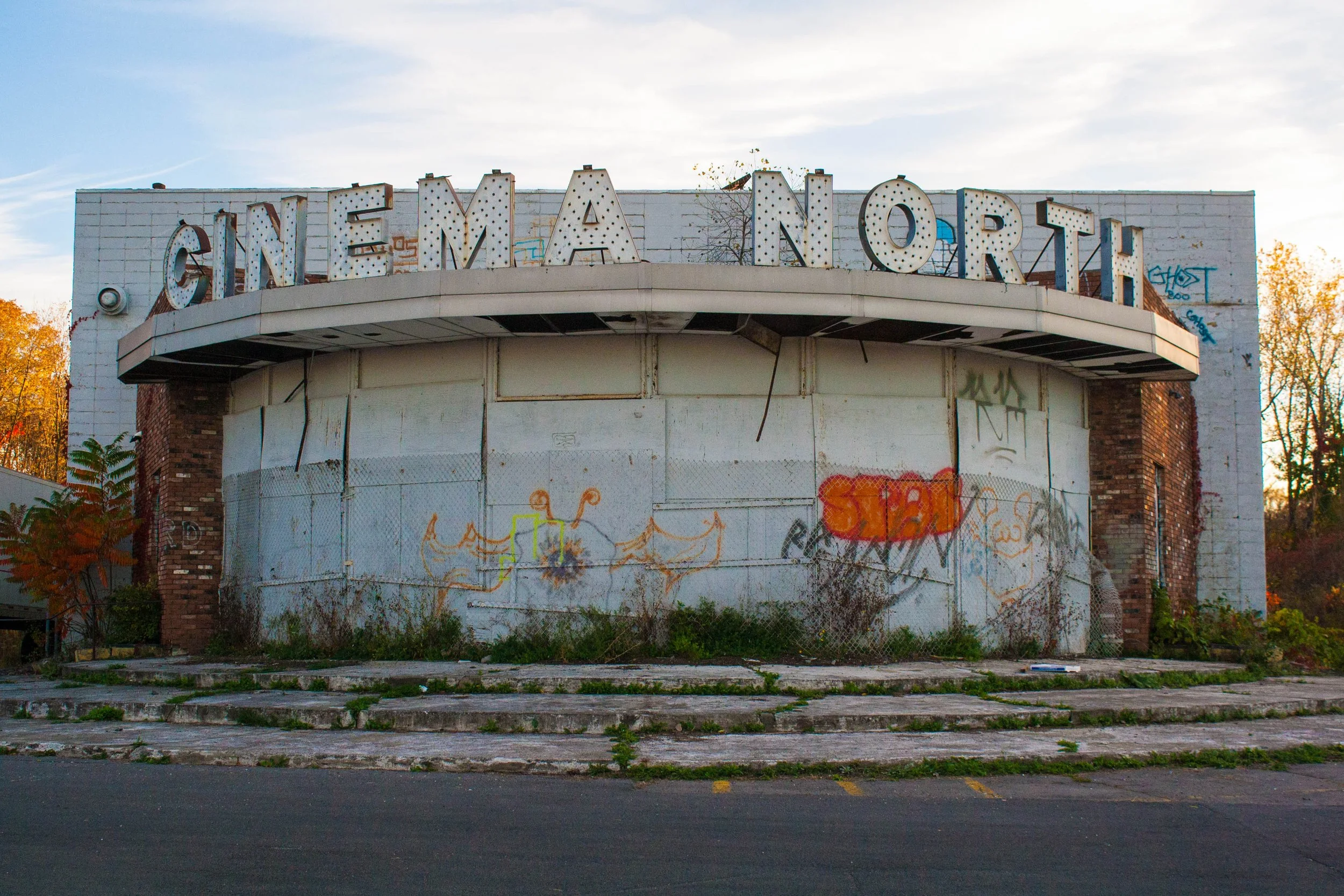
Cinema North, Archival print, 12.8 x 8.5 in, 2015, USD 200, Terra Strickland, Cardigan, Wales, United Kingdom
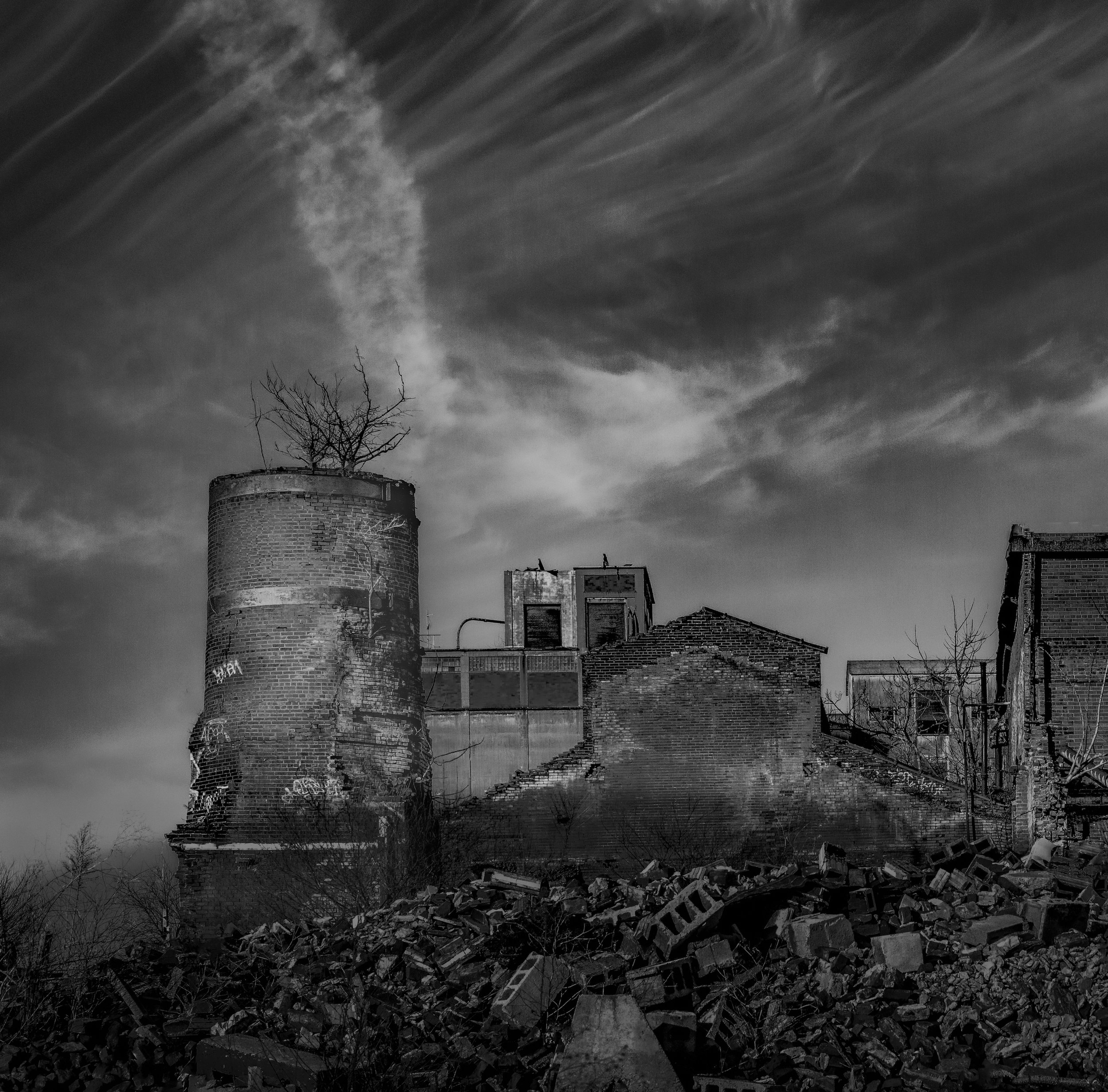
Off-Broadway, Archival print, 11 x 14 in, 2023, USD 300, Wright Schickli, Palo Alto, California
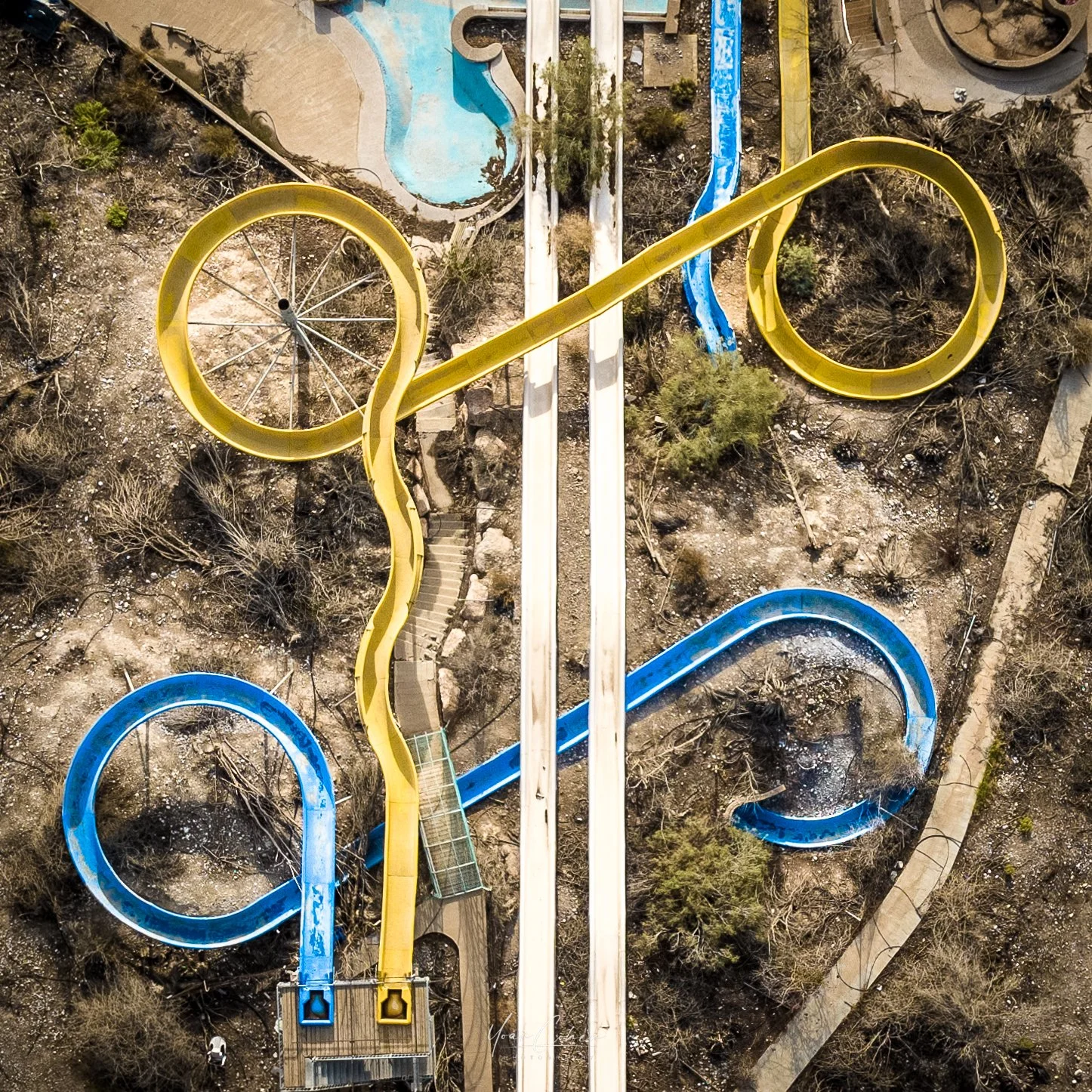
The Last Song, Archival print, 100 x 75 cm, 2023, USD 550, Yoav Cohen, Tel Aviv, Israel
Sales and Artist Inquiries
Are you interested in making a purchase or connecting with one of the featured artists? Send us an inquiry through our contact form, and we'll get back to you shortly. We accept Apple Pay, PayPal and Stripe.