

Abandoned (2024)
June 1–July 1, 2024
Abandoned explores deserted and rediscovered objects, locations, and structures. Through the captured image, we glimpse memories of ourselves and our surroundings, preserving them before they are lost to time and place. These photographs ask what structures and ephemera reveal about humanity as we leave them to decay, and what it means to abandon a place, object, or history.
Featured Artists
Allison Corso-Allison, Amanda DiGiovanni, Andrea London, Brandi Foster, C.E. Morse, Charles Anselmo, Christian Spreng, Cindy Turrell, Claude Roussillon, Dave Jordano, David Palmer, Devon Green, Edwin Carungay, Emmanuelle Namont, Galit Meushar, Geoffrey Krader, Graham Cassano, Isidora Torrealba, Jason Furda, Jeff Schewe, Jessica Schulte, John Pitocco, Jolene Sedgwick, Kelly O’Leary, Kris Kaffenberg, Kylo-Patrick Hart, Li Poya, Mary Eileen Carson, Matthew J. Wierzbowski, Michael Dolan, Olga Sorukhanova, Paul R. Berger, Rebekah Alviani, Shaoyi Zhang, Soliani Davide, Steph Carrico, Suella Holland, Victoria Molchan, Willy Conley
Abandonment Is a Process With a Schedule
Buildings do not fail randomly. They fail in a fixed order, and knowing the order is most of what separates a photographer who understands the subject from one who has found a nice texture. The roof goes first. Once water is inside, plaster follows, then floors, then the structural timber, and finally biology arrives and the interior becomes an ecosystem. A photographer who returns to the same site over several years is documenting a sequence rather than a state, which is why long-term projects in this genre carry weight that single visits cannot. This exhibition collected thirty-nine works from thirty-eight artists, credited between 2007 and 2024.
Urban Exploration Has a Code
The subculture that supplies much of this imagery operates on a compact and widely observed ethic: take nothing, break nothing, leave nothing, and do not publish the location. The last rule is the one outsiders find strangest and practitioners defend most fiercely, because a published address reliably produces looting, arson, and fatal accidents within a season. It means the genre routinely withholds the single most useful caption a document could carry, and photographers accept a permanent trade between the archival value of the record and the survival of the site.
The Legal Position Is Not Comfortable
Most of the best sites are private property, and access is frequently unauthorised. The genre depends on that fact and rarely discusses it, which leaves a real tension between the work's documentary claim and the conditions of its making. There is a straightforward alternative that a minority of practitioners take, which is to find the owner and ask. Permission changes the pictures, mostly by permitting tripods, long exposures, and return visits, and the resulting work tends to be more considered and less atmospheric.
Interiors Carry More Than Facades
An abandoned exterior reads as architecture. An abandoned interior reads as a life interrupted. The difference is the presence of decisions: the wallpaper someone chose, the height of a shelf, a calendar stopped on a particular month. Domestic and institutional interiors are the most legible form the subject takes, and they are also where the ethical questions sharpen, because the traces belong to identifiable people who did not consent to being read.
The Physical Cost of the Picture
This is one of the few genres with a genuine casualty rate. Asbestos, lead, unsupported floors, open shafts, and contaminated air are ordinary conditions rather than exotic risks, and the atmospheric quality that makes the pictures attractive is frequently airborne particulate. It is worth stating plainly, because the aesthetic is so seductive that the hazard tends to go unmentioned in the writing around the work.
Why the Theme Recurs
Abandonment is not a fixed subject but a rate of change, which is why it can be re-examined annually without repetition: the sites from the previous edition have moved further along the sequence, and some no longer exist. TCG Gallery is an independent online photography gallery, and each juried exhibition remains part of a permanent public archive after its run ends, so these catalogs accumulate into a longer record than any single project. Photographers can enter the current photography open calls directly.

Lost Paradise, archival print, 15 x 10 in, 2023, USD 200, Shaoyi Zhang, New York City, New York

Liquid Sofa, archival print, 20 x 13.33 in, 2024, USD 300, Devon Green, Mill Valley, California

Resting, archival print, 14 x 11 in, 2024, USD 250, Rebekah Alviani, Brevard, North Carolina
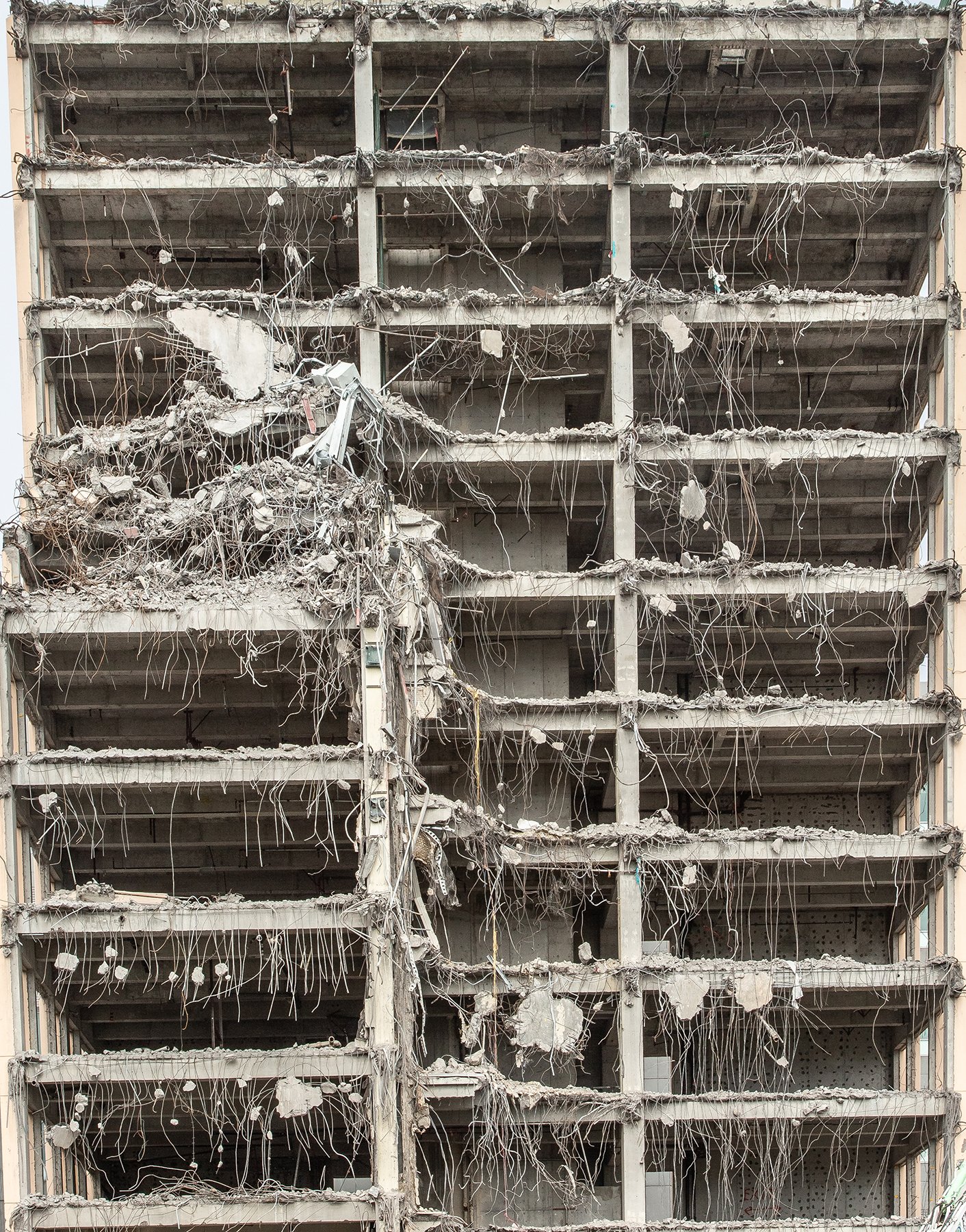
Unmonumental, archival print, 22.5 x 18 in, 2022, USD 1000, Emmanuelle Namont, San Francisco, California

Paradise, photo transfer on aluminum, 16 x 24 in, 2019, USD 650, Kylo-Patrick Hart, Aledo, Texas

Stadium Court Seats, archival print, 8 x 10 in, 2023, USD 75, Amanda DiGiovanni, El Cajon, California

Address Unknown, archival print, 22 x 28 in, 2008, USD 500, Paul R. Berger, Newtown, Connecticut

Not Alone, archival print, 60 x 39.87 cm, 2013, USD 600, Edwin Carungay, San Francisco, California

Untitled, archival print, 30 x 45 cm, 2022, USD 800, Galit Meushar, Herzeliya, Israel

Belmont Homestead, archival print, 30 x 20 in, 2024, USD 300, David Palmer, Bozeman, Montana

Left in the Cold, archival print, 16 x 24 in, 2024, USD 300, Jessica Schulte, Davidsville, Pennsylvania

The Surreal Decay of Darjeeling's Mount Everest Hotel, 30 x 46 cm, 2023, USD 200, Isidora Torrealba, Camperdown, Australia

Le Mellah, archival print, 30 x 45 cm, 2012, USD 300, Claude Roussillon, Bordeaux, France

Teatro Campoamor No. 8, archival print, 24 x 30 in, 2021, USD 850, Charles Anselmo, Inverness, California

The Bridge, archival print, 128 x 228 cm, 2023, USD 100, Li Poya, New Taipei City, Taiwan

Nature Always Wins, 16 x 20 in, 2022, USD 400, John Pitocco, Chepachet, Rhode Island

Photographer Fodder, archival print, 8 x 10 in, 2018, USD 200, Cindy Turrell, Tequesta, Florida

Cow Canyon, archival print, 17 x 22 in, 2009, USD 750, Jeff Schewe, Chicago, Illinois

Kennedy, archival print, 10.5 x 7 in, 2024, USD 150, Steph Carrico, Phoenix, Arizona

Golden Hour at Rhyolite Mercantile, archival print, 12 x 18 in, 2013, USD 250, Geoffrey Krader, Wheaton, Illinois

East 62nd Street, archival print, 12 in x 16 in, 2023, USD 200, Andrea London, Bonita Springs, Florida

Window, archival print, 9 x 13.5 in, 2021, USD 300, Victoria Molchan, Weston, Connecticut

Dust and Knowledge, archival print, size on request, Jolene Sedgwick, Hampton, Virginia

Space Shuttle, archival print, 20 x 15 in, 2008, USD 1000, Dave Jordano, Chicago, Illinois

Non-Player Piano, archival print, 18 x 24 in, 2023, USD 265, Kris Kaffenberg, Cincinnati, Ohio

The Abandoned Chair, archival print, 19 x 15 in, 2015, USD 150, Mary Eileen Carson, Harrisburg, Pennsylvania

Beauty of a Beast, archival print, 16 x 24 in, 2015, USD 200, Jason Furda, Bridgeville, Pennsylvania

St. Brigid's Asylum, archival print, 35 x 50 cm, 2018, 175€, Suella Holland, Bailieborough, Ireland

Descending Spiral, 16 x 24 in, 2013, USD 200, Jason Furda, Bridgeville, Pennsylvania

Blue House, archival print, 24 x 12 in, 2023, USD 499, Michael Dolan, Metuchen, New Jersey

The Blue Church, archival print, 60 x 80 cm, 2023, USD 249, Soliani Davide, Trigolo, Italy

Where Have All Gone?, archival print, 60 x 40 cm, USD 600, Christian Spreng, Lugaggia, Switzerland

Faded Dreams, archival print, 100 x 80 cm, 2021, 100€, Olga Sorukhanova, Olexandria, Ukraine

Home Sweet Home, archival print, 20 x 30 in, 2023, USD 400, Brandi Foster, Hagerstown, Maryland

Dismantled Sky Star, archival print, 8 x 10 in, 2024, USD 58, Allison Corso-Allison, Livermore, California

Anhydrous, archival print, 12 in x 18 in, 2022, USD 385, Kelly O'Leary, Port Orange, Florida

Shanties, archival print, 8 x 10 in, 2022, USD 150, Matthew J. Wierzbowski, Rensselaer, New York

Sunken Scallop Trawler, archival print, 16 x 24 in, 2021, USD 300, Willy Conley, Hanover, Maryland
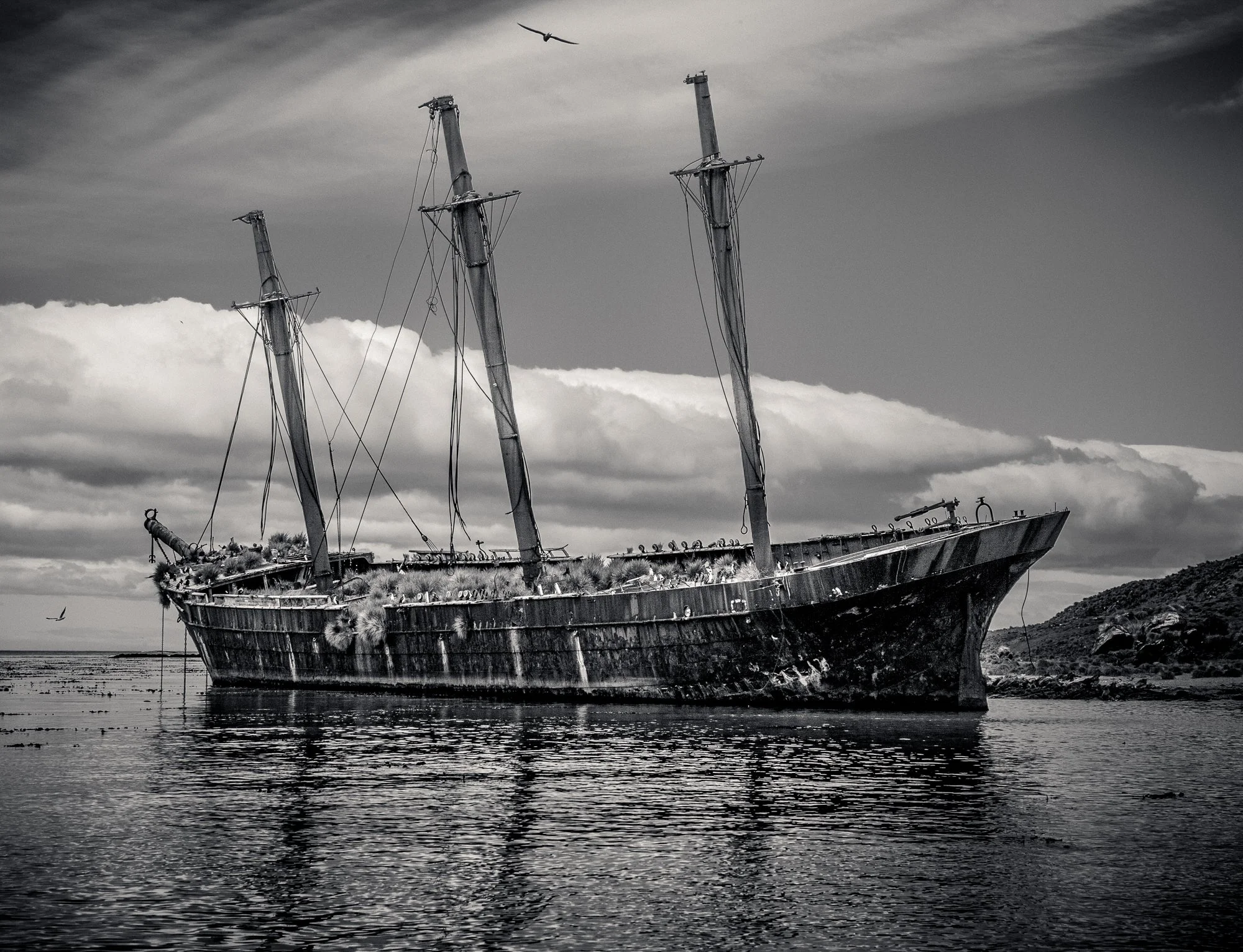
South Georgia Island Shipwreck, archival print, 17 x 22 in, 2007, USD 750, Jeff Schewe, Chicago, Illinois
Sales and Artist Inquiries
Are you interested in making a purchase or connecting with one of the featured artists? Send us an inquiry through our contact form, and we'll get back to you shortly.