

The Beauty in Decay (2025)
July 1–August 1, 2025
Beauty is subjective and shaped by culture, memory, and expectation. The Beauty in Decay looks beyond conventional ideas of perfection to find visual power in weathering, ruin, transformation, and the passage of time. These photographs question what we are taught to value and show how deterioration can reveal texture, history, resilience, and unexpected grace.
Featured Artists
Andrew Elsten, Ben De Marco, Bob Debski, Brian Hallas, Brigitte B. Burckhardt, Dana Allyson, Diane Danthony, Dina Belenko, Florin Firimita, Geoffrey Krader, James Lewis, Jeanne Garrett, Jeremy Lips, Jill Sutherland, Jordan Nobles, Julie Wang, Les Schmidt, Mark Peacock, Melissa Brewer-Hinners, Miachelle Breese, Rebecca Skinner, Roy Ricci, Ryan Claunch, Stephanie Romanowski, Stephen Mimms, Tasman Fruhauf, Thomas Bradley, Wendy Kappy, Wright Schickli
Decay Has a Chemistry, and It Photographs Differently at Every Stage
Decay is not one process. It is a family of largely unrelated chemical and biological reactions that happen to share a direction, and each produces a distinctive surface. Oxidising iron goes orange and flakes; copper goes green and stays put; lime mortar blooms white; timber greys, then silvers, then goes soft. The thirty-two works here, credited between 2007 and 2025, are photographs of specific reactions at specific stages, and the more precisely a photographer understands which reaction is in front of the lens, the better the picture tends to be.
Rust, Patina, Bloom
Rust is the most photographed form of decay because it is the most colourful and the most legible, announcing both material and duration at a glance. Patina behaves in the opposite way, forming a stable protective layer that arrests further change, so a green bronze may look far older than it is. Efflorescence — the white crystalline salt that migrates to the face of brick and stone — indicates water movement rather than age, and photographs badly in bright light because it burns out. Biological colonisation, from lichen through moss to sapling, marks the point at which a structure has stopped being architecture and started being habitat. Reading these correctly is the difference between a picture about time and a picture about texture.
Weathering Is a Record of Local Climate
Decay is site-specific in a way that decay photography rarely acknowledges. Salt air strips paint and pits metal quickly; freeze-thaw cycles split masonry along its bedding planes; high humidity favours mould and rot over rust; strong ultraviolet light bleaches and embrittles anything polymer. A photograph of a weathered surface is therefore also a photograph of a climate, and works from very different latitudes in this catalog deteriorate along visibly different lines. The same building type ages at quite different rates depending on where it was put.
Photographing Texture Without Flattening It
Decayed surfaces are technically demanding because their interest lies in relief measured in millimetres. Frontal light removes that relief entirely; raking light from a low angle restores it but risks reducing the subject to pattern. Overcast conditions give the even, low-contrast illumination that lets colour do the work, which is why so much of this genre is made under grey skies. Depth of field is the other constraint: at close range the plane of focus is thinner than the surface itself, and focus stacking is common. Over-sharpening is the characteristic failure, producing a uniform grit in which every material looks the same.
The Collector's Paradox
There is an obvious tension in selling an archival pigment print of something impermanent, and this exhibition is built on it. The print is made to outlast its subject, often by a wide margin: works credited to 2007 in this catalog show surfaces that have since changed beyond recognition or gone altogether. The photograph does not commemorate decay so much as interrupt it, fixing one stage and granting it a stability the original never had. A buyer acquires the single version of the object that will not deteriorate further.
Why the Theme Recurs
Decay is the rare subject that improves with re-examination, because the same sites and materials yield a different photograph each year while the underlying reactions stay constant. TCG Gallery is an independent online photography gallery, and each juried exhibition remains part of a permanent public archive after its run ends, so these catalogs accumulate into a longer record than any single project. Photographers can enter the current photography open calls directly.

Inheritance, archival print, 18 x 12 in, 2013, USD 950, Florin Firimita, Winchester, Connecticut

What Remains, archival print, 36 x 24 in, 2024, USD 400, Jill Sutherland, Topanga, California
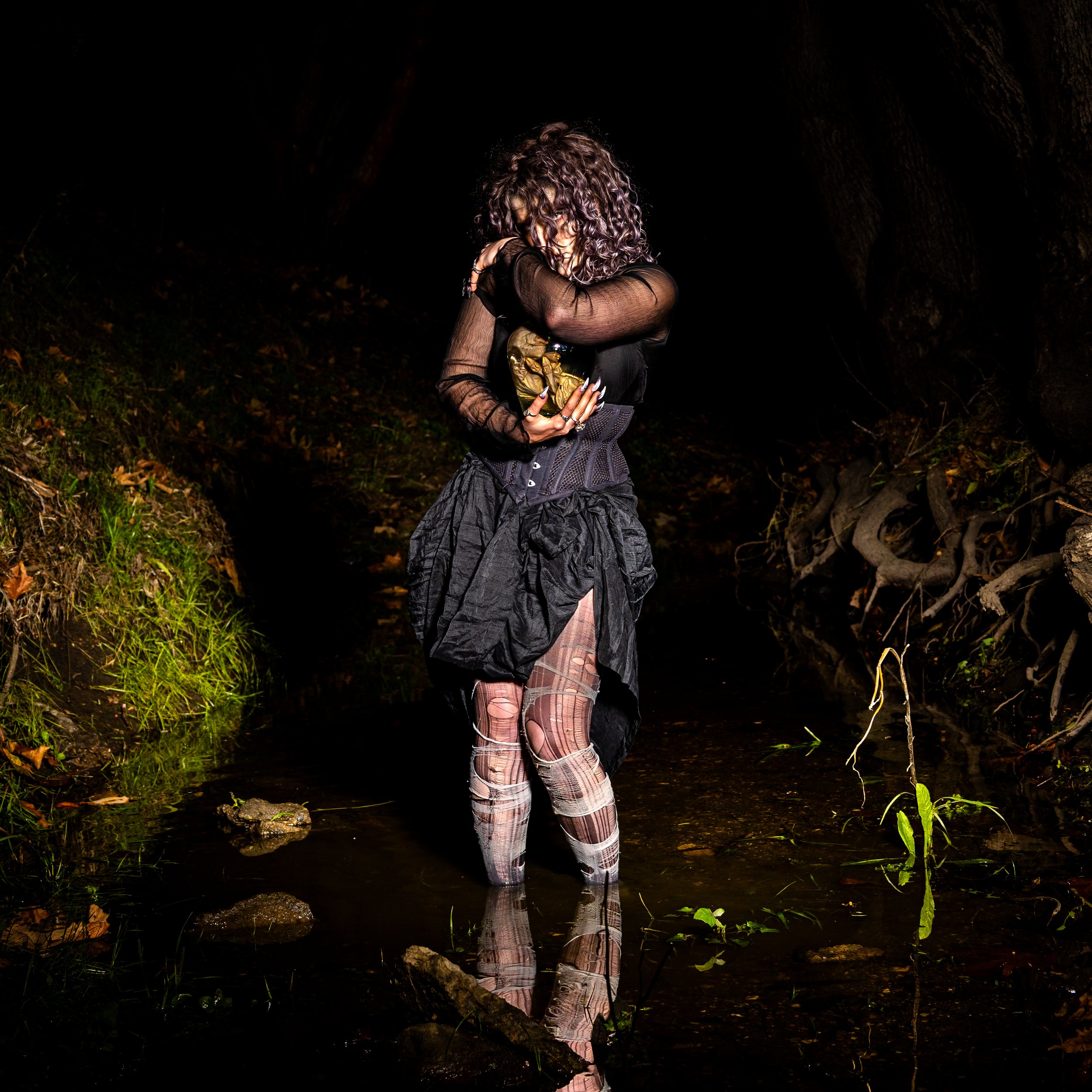
Decay, metallic print, 16 x 16 in, 2025, USD 350, Tasman Fruhauf, Burbank, California

Anfractuous, archival print, 12 x 12 in, 2023, USD 250, Wendy Kappy, Albuquerque, New Mexico

Luminescent Eucalyptus Tree Log, archival print, 18 x 24 in, 2010, USD 450, Wright Schickli, Palo Alto, California

Afterlife, archival print, 15 x 24 in, 2007, USD 575, Stephen Mimms, Silver Spring, Maryland

Dew Spirits, archival print, 18 x 24 in, 2025, USD 1200, Dina Belenko, Burbank, California

In the Fullness of Withering, archival print, 8.5 x 11.5 in, 2023, USD 260, Julie Wang, Redmond, Washington
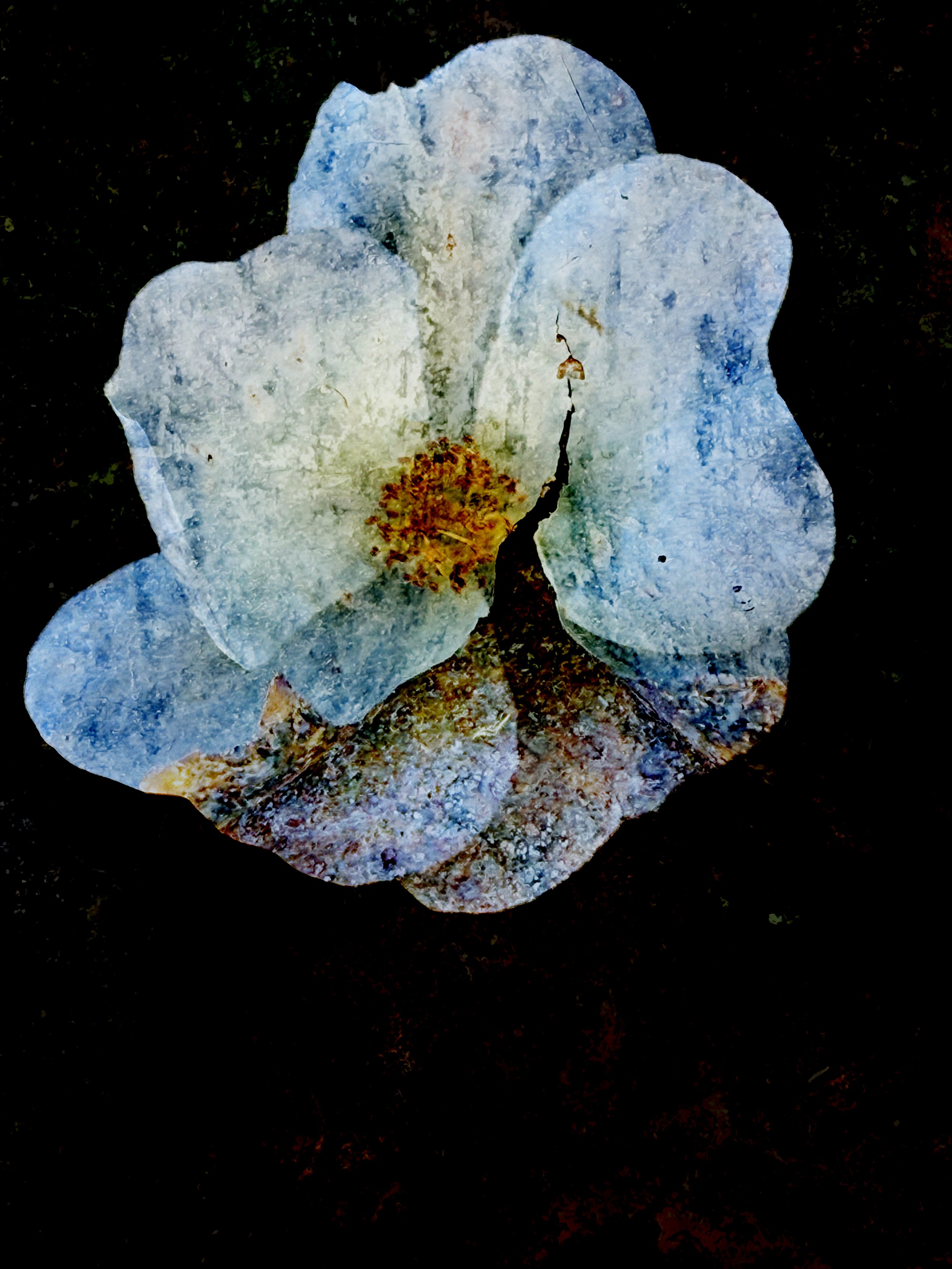
Resistance White Roses No. 21, archival print, 20 x 16 in, 2024, Brian Hallas, Shrewsbury Township, New Jersey

Bad Banana, archival print, 20 x 30 in, 2025, USD 1850, Les Schmidt, New Orleans, Louisiana

Acorn Squash, archival print, 16 x 20 in, 2020, USD 300, Jeremy Lips, Overland Park, Kansas
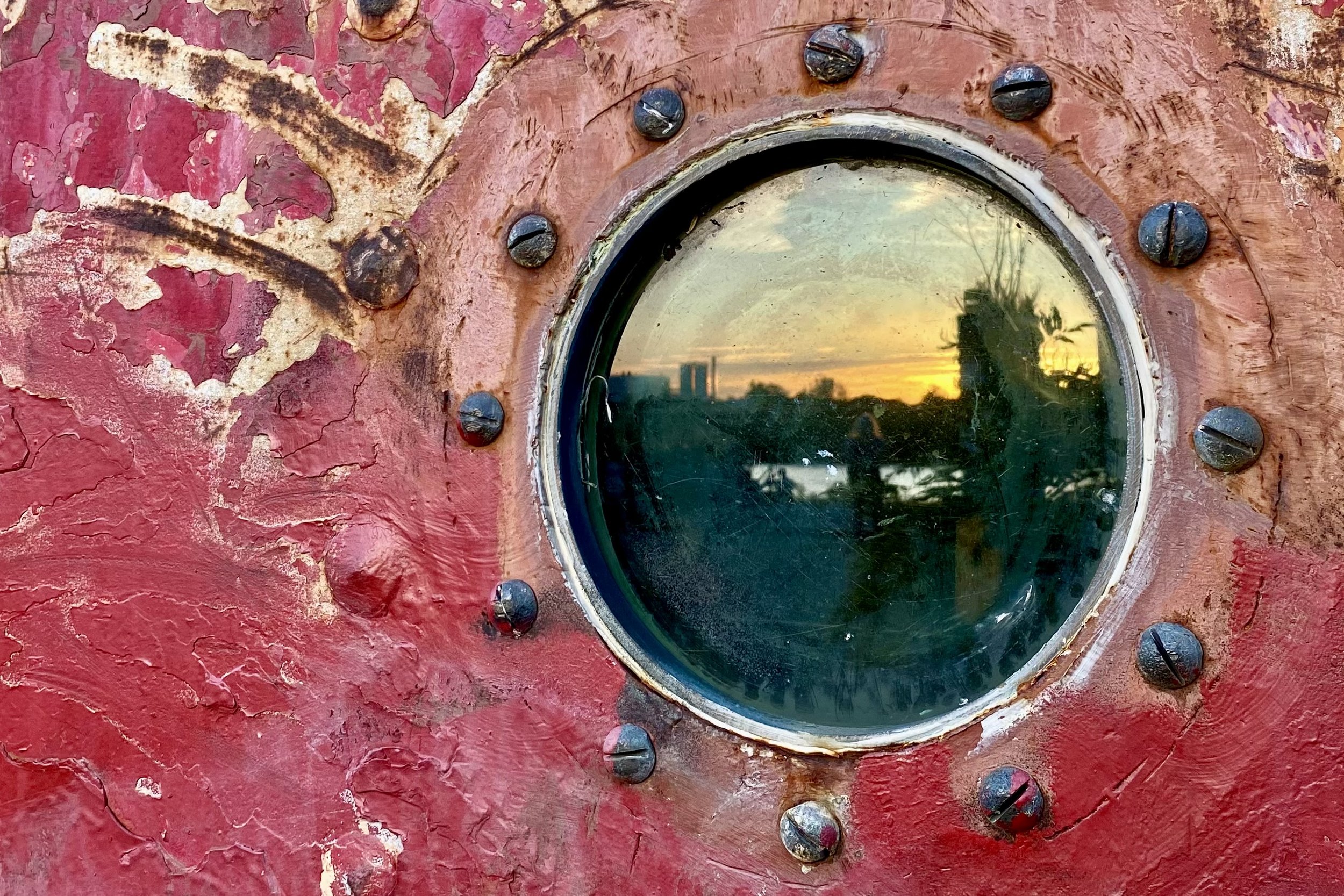
The Boat, archival print, 60 x 40 cm, 2023, USD 325, Brigitte B. Burckhardt, Vevey, Switzerland

Haida Gwaii Shipwreck, archival print, size on request, 2021, USD 250, Jordan Nobles, North Vancouver, British Columbia, Canada

Tidal Remnants, archival print, 13 x 19 in, 2025, USD 350, Jeanne Garrett, Arlington Heights, Illinois

55 Gallon Drums, archival print, 18 x 24 in, 2010, USD 450, Mark Peacock, Los Angeles, California
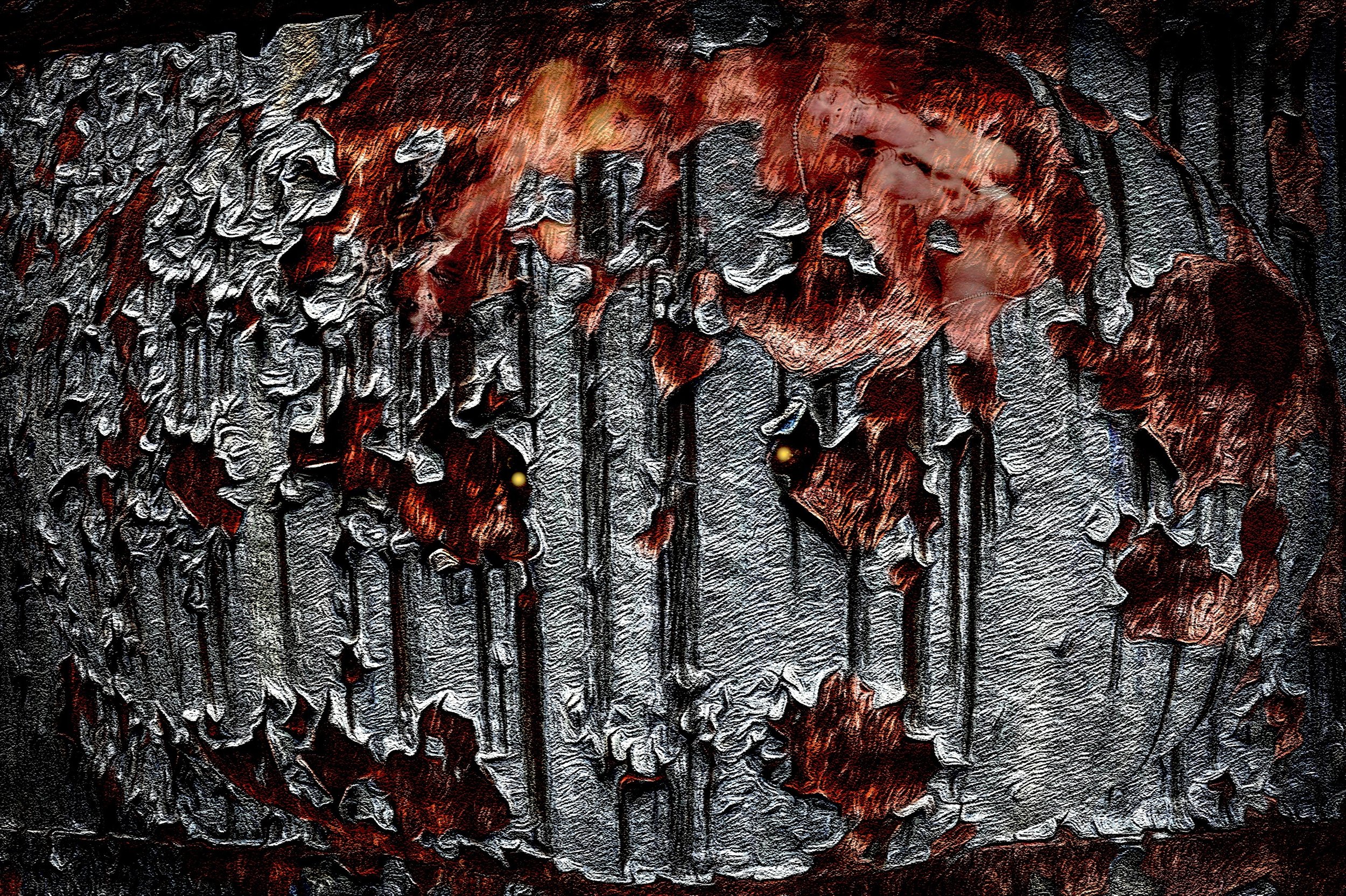
The Hunger of Oxide, archival print, 19 x 13 in, USD 475, Ben De Marco, Whitehouse Station, New Jersey

Refuse, archival print, 13.5 x 20 in, 2024, NFS, Andrew Elsten, Milan, Michigan

Church Bell, photo transfer on metal, 12 x 18 in, 2024, USD 250, Stephanie Romanowski, Pittsburg, California

Last of the Pony Rides, archival print, 20 x 17 in, 2022, USD 150, Roy Ricci, Albuquerque, New Mexico
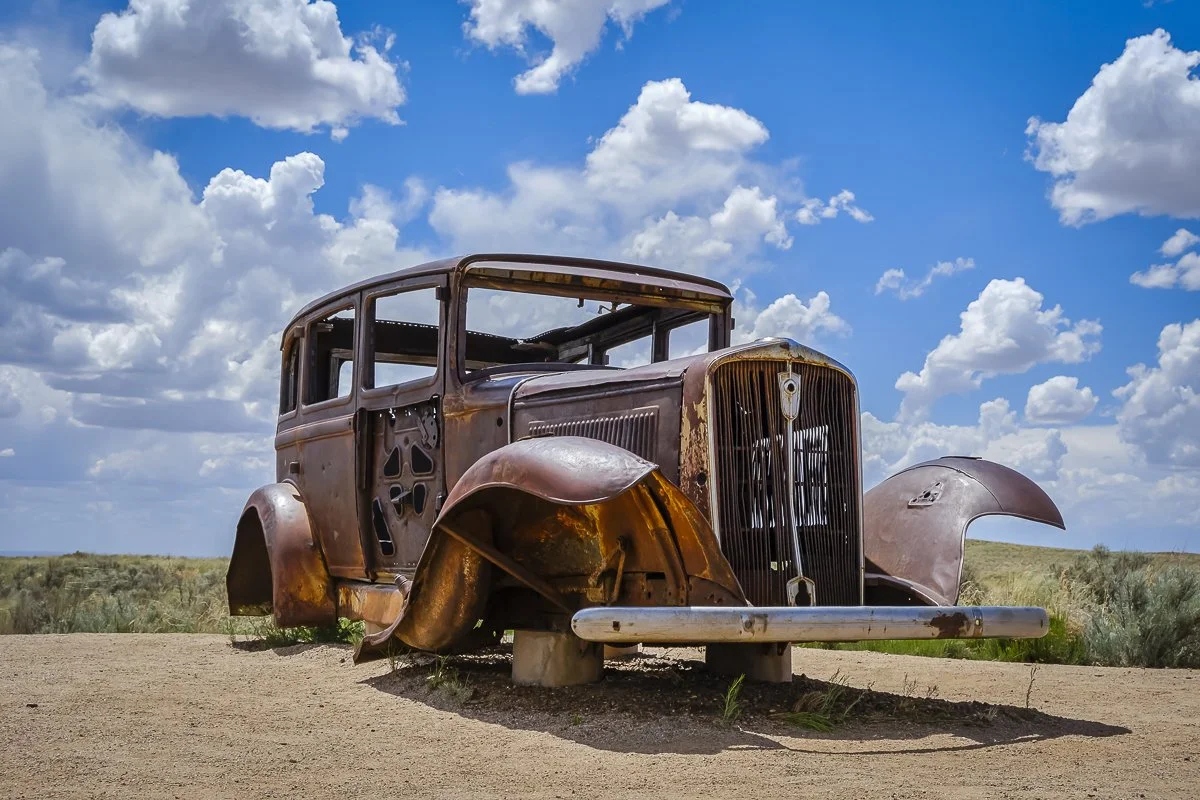
Left Behind, archival print, 12 x 18 in, 2023, USD 250, Miachelle Breese, Chandler, Arizona

San Jon Sunset, archival print, 11 x 14, 2021, USD 100, Melissa Brewer-Hinners, Cincinnati, Ohio

Shrouded Ruin, archival print, 20 x 16 in, 2022, USD 750, Dana Allyson, Los Angeles, California

Stories, archival print, 16 x 20 in, USD 260, Bob Debski, Lansdale, Pennsylvania

Faded Elegance, archival print, 18 x 12 in, 2023, USD 250, Geoffrey Krader, Wheaton, Illinois
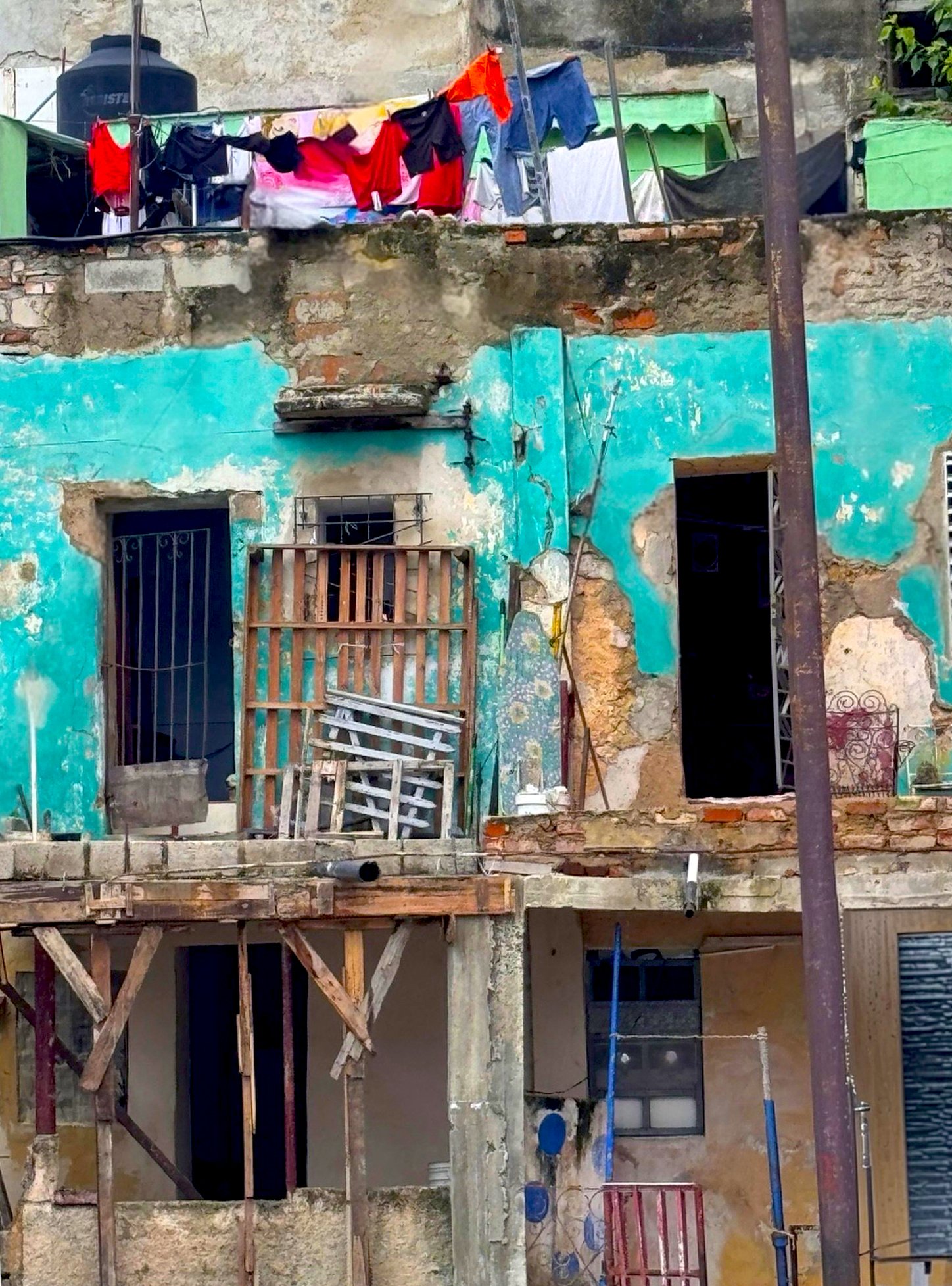
Deterioration, archival print, 20 x 16, 2022, USD 525, Dana Allyson, Los Angeles, California

Exist, metallic print, 18 x 12 in, 2022, USD 500, Rebecca Skinner, Franklin, Massachusetts
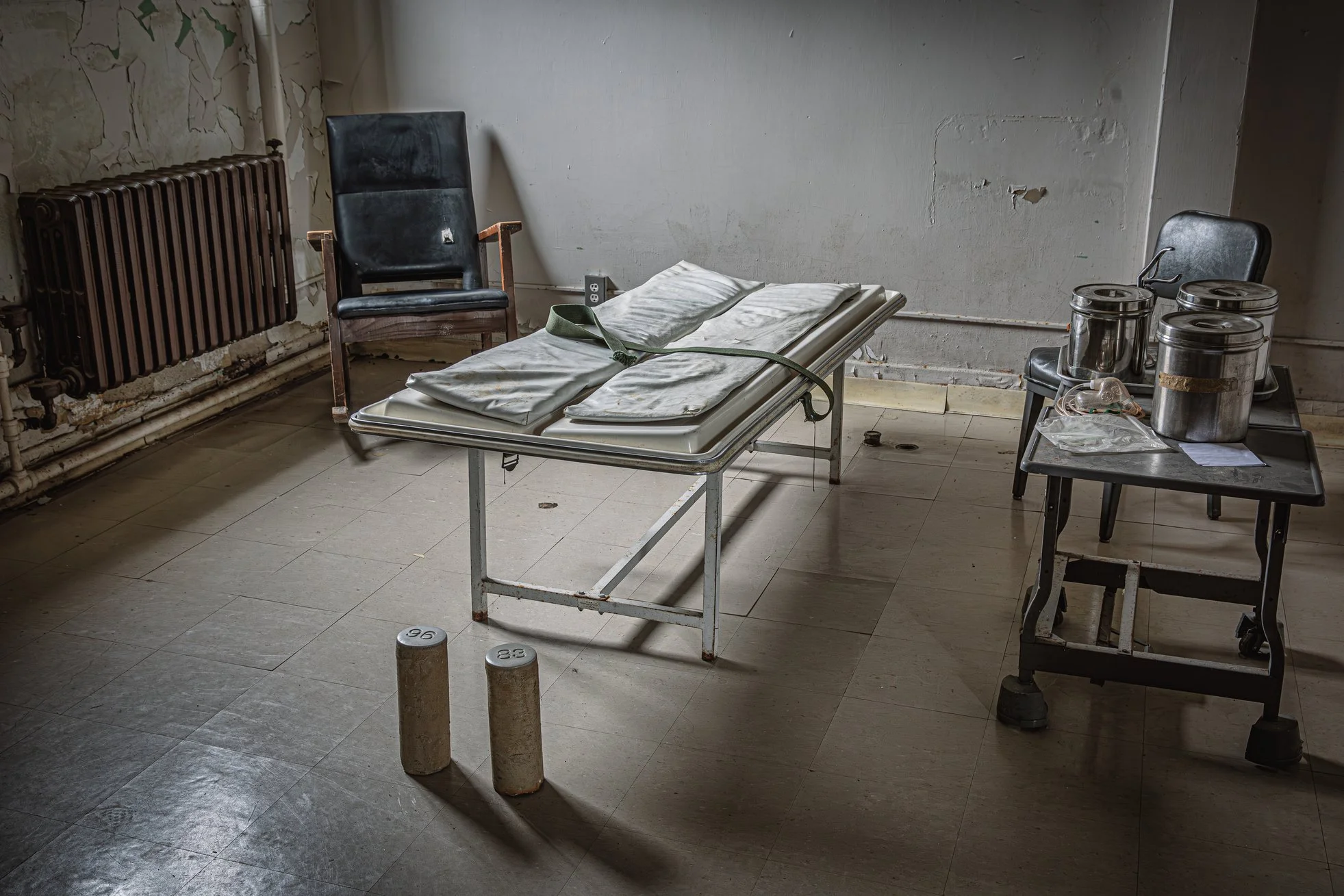
What's Left Behind, archival print, 18 x 12 in, 2025, USD 300, James Lewis, Bridgeton, New Jersey

Seven Years, archival print, 18 x 12 in, 2025, USD 300, James Lewis, Bridgeton, New Jersey

Seeing is Believing, archival print, 17 x 18 in, 2022, USD 350, Diane Danthony, Northampton, Massachusetts

A Dreamy Afternoon, archival print, 16 x 24 in, 2022, USD 450, Diane Danthony, Northampton, Massachusetts

Born Screaming, archival print, 24 x 16 in, 2025, USD 250, Thomas Bradley, Pittsburgh, Pennsylvania

Through the Years, archival print, 36 x 9.25 in, 2014, USD 250, Ryan Claunch, Dallas, Texas
Sales and Artist Inquiries
Are you interested in making a purchase or connecting with one of the featured artists? Send us a message through our contact form, and we'll get back to you shortly.