

In Dreams (2023)
February 1–March 1, 2023
In Dreams explores the images, desires, fears, and distortions that surface from the unconscious. Moving between dream logic and waking perception, these photographs ask what hidden meanings emerge in sleep, what we suppress when awake, and how an image can make reality feel uncertain.
Featured Artists
Ahmad Adham, Allyson Ely, Andrzej Wojciechowski, Ayaz Yıldız, Bankon Isarbodhi, Clare Dygert, David Quinn, Doug Testa, Gina White, Gregory Vershbow, Guglielmo Antuono, Henry Au, Ivan Horvat, Jason and Amanda Ray, Jill Law, John Manno, Josiah Rogers, Katrin Loy, Kicca Tommasi, Leanne Trivett, Luba Golubeva, Mags Fitzmaurice, Markiyan Yaremchuk, Mary Eileen Carson, Maundy Mitchell, Michael Potts, Michelle Hendrix, Perry Hambright, Peter Britton, Rory Hejtmanek, Ruslan Morozov, Stefanie Waiblinger, Stephen Wilson, Steve Anderson, Tracy Whiteside, Tristan Sheldon, Will Thompson, Yahya Paryav, Zhuomin Wu, Zoe Vassiliou
Dreams Have a Grammar, and It Is Not Narrative
Dreams are remembered as stories because waking memory can only file them that way. What happens inside them follows different rules: objects substitute for one another, several people occupy one face, a place is simultaneously two places, and causality runs backwards or not at all. Photographers working with dream material are therefore not illustrating stories but attempting to reproduce a set of operations. The thirty-nine works in this edition, credited between 2016 and 2023 by forty artists, mostly proceed by borrowing those operations rather than by depicting sleepers.
Condensation and Displacement
Freud's account of the dream-work named two mechanisms that translate directly into photographic technique. Condensation fuses several elements into one, which is what a double exposure does mechanically and what a composite does deliberately: two rooms occupying the same wall, a face carrying features that belong to someone else. Displacement shifts emotional weight onto an unimportant object, so the dream is ostensibly about a chair or a plate while the anxiety belongs elsewhere. A photograph that gives disproportionate attention to something trivial reproduces that effect precisely, and does so without any visible manipulation.
Why Dream Images Are Usually Sharp
The standard visual shorthand for dreaming — soft focus, vignetting, desaturation, a haze at the edges — is a cinema convention rather than a description of experience. Reported dream imagery tends to be vivid, specific and oddly detailed: the wrong wallpaper is recalled exactly. The strongest work in this genre is consequently made with the conventions of documentary rather than reverie: hard light, full detail, ordinary framing, and one thing badly wrong. The dissonance between plain description and impossible content is what unsettles. Blur simply announces that the picture is not to be believed.
The Bedroom, the Corridor, the Stair
Dream architecture is remarkably consistent across accounts, and interiors dominate: corridors that extend, staircases that fail to arrive, doors opening onto rooms that cannot geometrically exist, and the bedroom itself, which is both the setting of the dream and the place where the dreamer's body actually is. Photographers return to these spaces because they are legible instantly, and because domestic interiors already carry the peculiar quality of being intensely familiar and entirely unmemorable. Very little intervention is needed to make a hallway threatening.
Sleep Is a Physical State
The dreamer is a problem for the medium. A photograph of a sleeping person shows a body with no accessible interior, which is why so many attempts at this subject fail: the sleeper looks either peaceful or dead, and neither reads as dreaming. More productive approaches deal with the border states instead — hypnagogic imagery on the edge of sleep, the paralysis that sometimes accompanies waking, the disordered room that records a bad night. These are photographable because they leave physical evidence, and evidence is what a camera is for.
Why the Theme Recurs
Dream material is private and unverifiable, so the theme functions as an unusually direct sample of what a group of photographers is preoccupied with at a given moment. TCG Gallery is an independent online photography gallery, and each juried exhibition remains part of a permanent public archive after its run ends, so these catalogs accumulate into a longer record than any single project. Photographers can enter the current photography open calls directly.
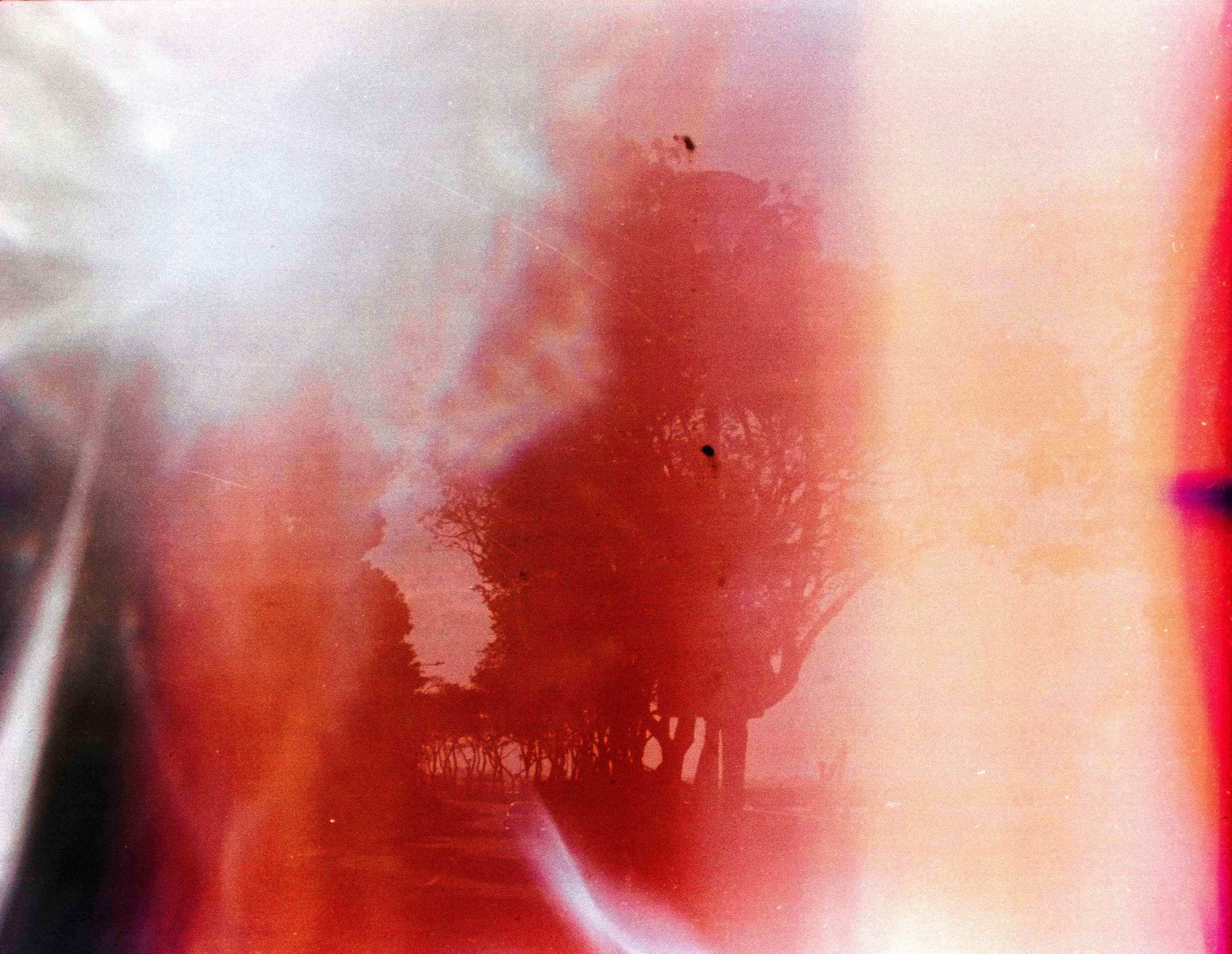
Earth Water, Archival photo print, 12.5 x 9.6 cm, 2021, NFS, Ahmad Adham, Singapore

Dreamlike, Archival photo print, 13 x 18 in, 2022, USD 300, David Quinn, Setauket, New York

Moving On, Giclée Print, 18 x 24 in, 2021, USD 350, Doug Testa, Lebanon, New Jersey

Walking Out Of A Dream, Archival photo print, 20 x 26 in, 2022, USD 400, Will Thompson, Philadelphia, Pennsylvania

Tree Arms, Archival photo print, 17 x 22 in, 2022, USD 225, Gina White, Atlanta, Georgia

Within You, Without You, Archival photo print from negative, 12 x 12 in, 2022, USD 500, Jason and Amanda Ray, Florence, Mississippi
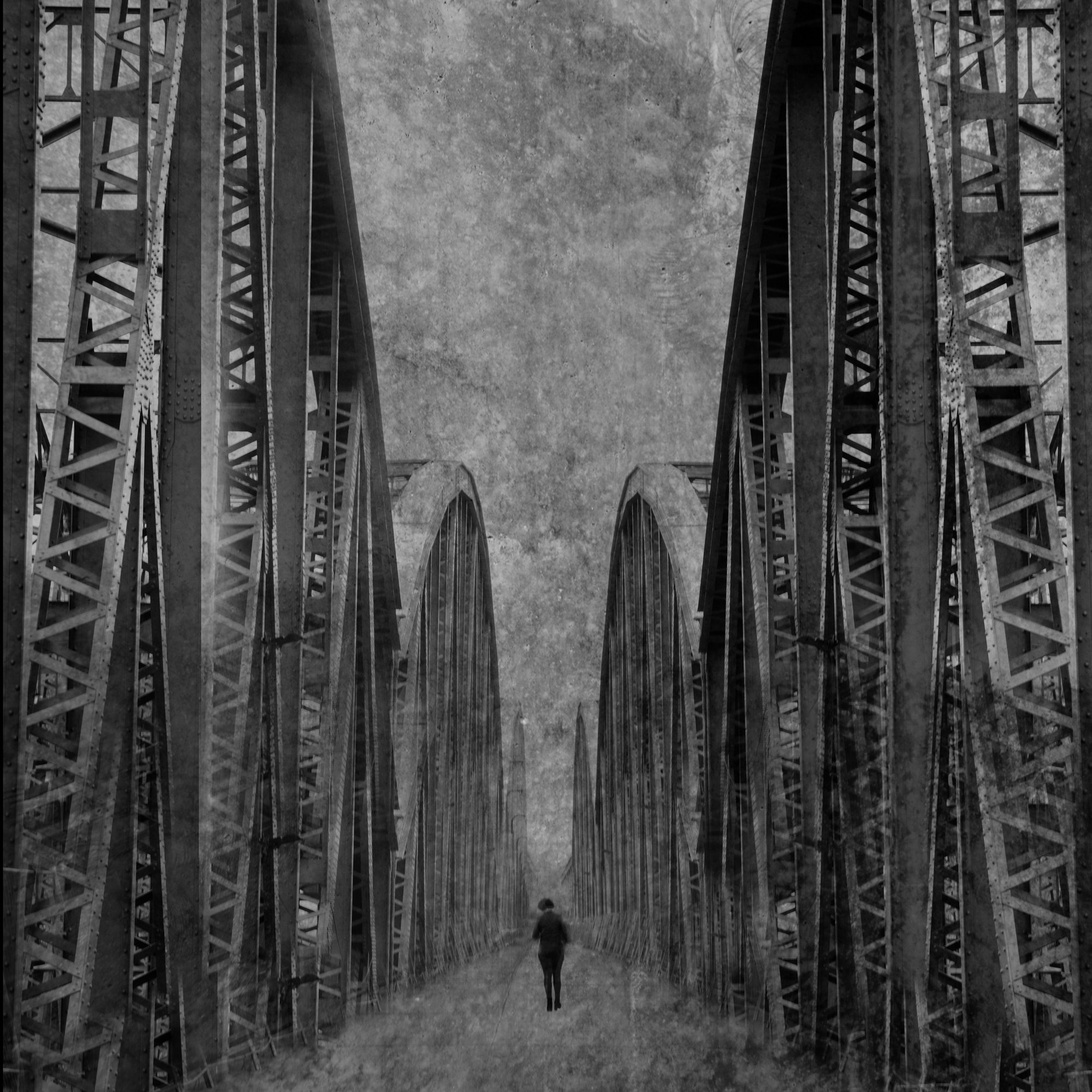
Dream Atlas, Archival photo print, 60 x 60 cm, USD 400, Andrzej Wojciechowski, Warsaw, Poland

Theatre of the Absurd, Archival photo print on cotton rag paper, 16 x 20 in, 2021, USD 400, Allyson Ely, San Francisco, California

All the Birds Have Flown Away, Archival photo print, 60 x 75 cm, 2021, USD 350, Ivan Horvat, Heideck, Germany

Gone, Archival photo print, 60 x 50 cm, 2021, USD 300, Stefanie Waiblinger, Hamburg, Germany

Chess Room, Archival photo print, Edition of 9, 22 x 30 in, 2016, USD 2500, John Manno, New York City, New York
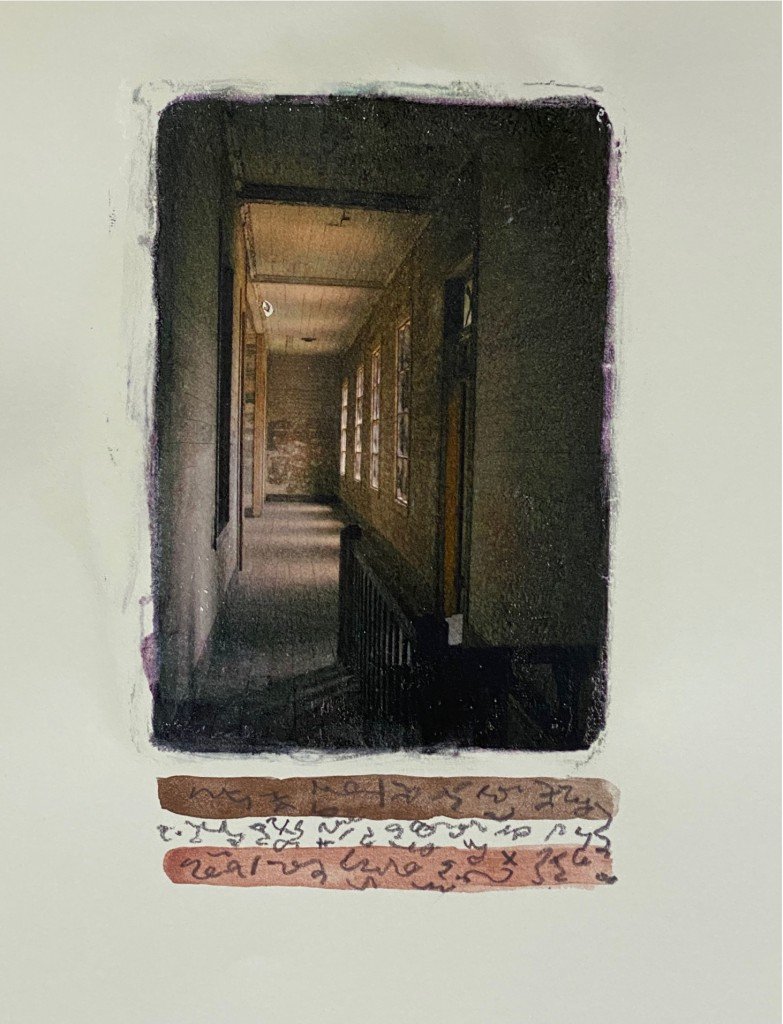
Home, Photo transfer on watercolor paper with asemic writing, watercolor, 11 x 14 in, 2020, USD 200, Clare Dygert, Riverview, Florida

Decay Into New Colorfulness, Archival photo print, 80 x 60 cm, 2022, USD 200, Bankon Isarbodhi, Grünwald, Germany

No Such Place: Moon Reflex #1, Cyanotype, 16 x 20 in, 2022, USD 600, Gregory Vershbow, Philadelphia, Pennsylvania

Without Title, Archival photo print, Edition of 24, 40 x 60 cm, 2022, USD 450, Katrin Loy, München, Germany

Rapture, Photo transfer on aluminum, 12 x 18 in, 2021, USD 275, Josiah Rogers, Louisville, Kentucky

Alone in the Dark, Archival photo print, 16 x 24 in, 2022, USD 600, Tracy Whiteside, Elburn, Illinois

Winter's Mistress, Digital photo, 13 x 20 in, 2022, NFS, Maundy Mitchell, Plymouth, New Hampshire

Upstairs, Archival photo print, 8 x 5 in, 2021, USD 65, Michelle Hendrix, Villa Rica, Georgia

Am I Still Dreaming?, Archival photo print, 8 x 12 in, 2020, USD 65, Mary Eileen Carson, Harrisburg, Pennsylvania

Happily Ever After, Archival photo print, Edition of 10, 35 x 50 cm, 2022, USD 350, Kicca Tommasi, Soriano nel Cimino, Italy

Her Majesty Flow, Archival photo print on linen paper, 40 x 60 cm, 2019, USD 500, Markiyan Yaremchuk, Kyiv, Ukraine

Maladaptive Daydreaming, Archival photo print, 8 x 8 in, 2023, NFS, Mags Fitzmaurice, Louisville, Kentucky

Drowning, Archival photo print, Size on request, 2023, USD 500, Leanne Trivett, Johnson City, Tennessee

Awakening, Archival photo print, Edition of 10, 11 x 14 in, 2020, USD 600, Michael Potts, Phoenix, Arizona

When I Cry, Archival photo print, 35 x 52.5 cm, 2019, USD 500, Ayaz Yıldız, Istanbul, Turkey

The Dream Land, Archival photo print, 20 x 15 in, 2022, USD 200, Henry Au, Hong Kong

Untitled, Archival photo print, 12 x 18 in, 2022, USD 350, Rory Hejtmanek, Georgetown, Texas

Blackbird Blackbird, Archival photo print, 12 x 8 in, 2021, USD 275, Stephen Wilson, Groveland, Illinois

You Have My Whole Heart, Archival photo print, 16 x 12 in, 2021, USD 220, Peter Britton, South Cornelly, United Kingdom

Tree Sitters, Archival photo print, 12 x 18 in, 2022, USD 680, Perry Hambright, Santa Barbara, California
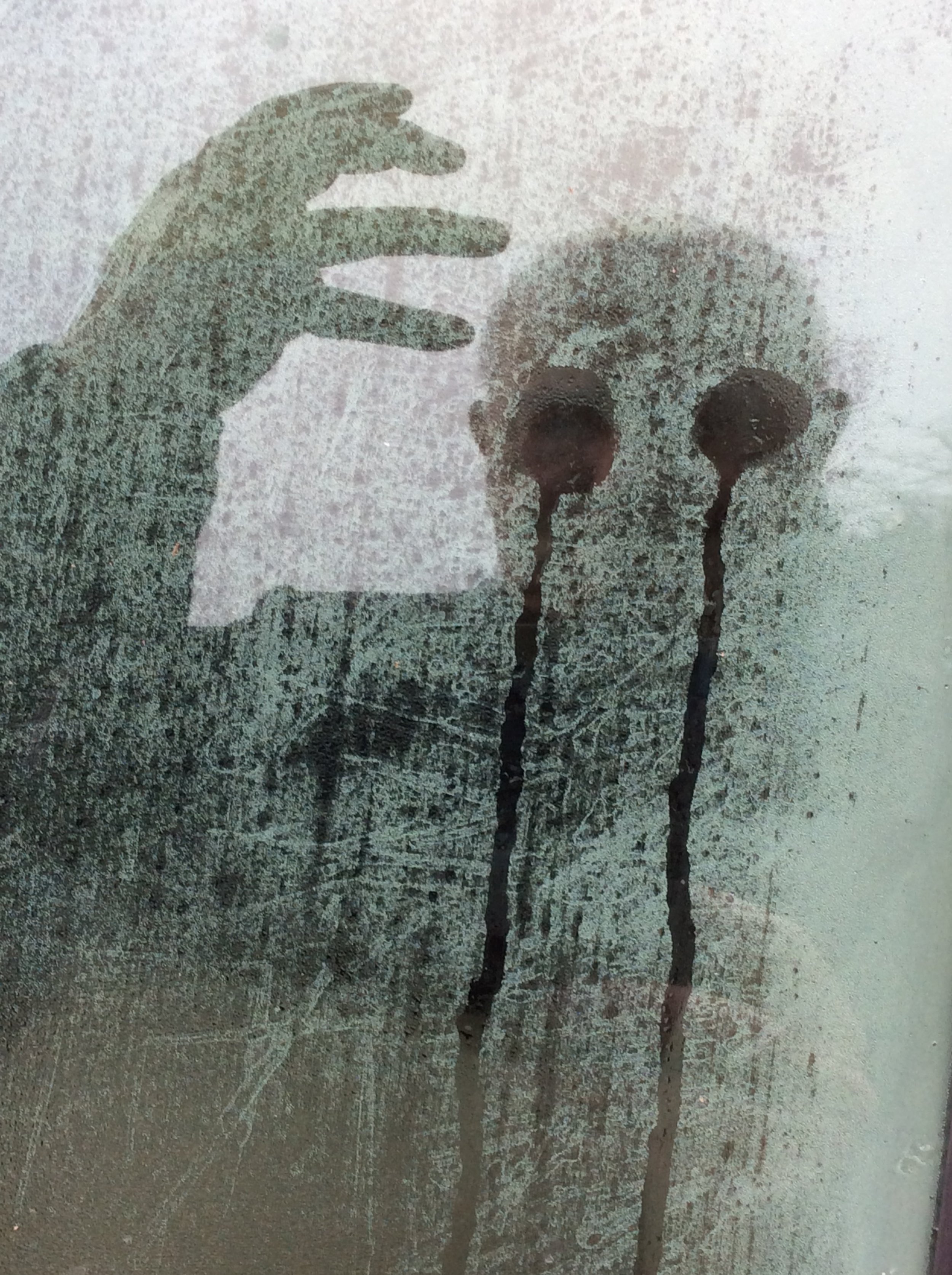
Creepy Figure in Window, Archival photo print, Size on request, 2023, USD 300, Steve Anderson, Waldport, Oregon

Man From Swamp, Archival photo print, 20 x 30 cm, 2021, USD 200, Luba Golubeva, Kyiv, Ukraine

Torn Consciousness, Archival photo print, Size on request, 2022, USD 250, Ruslan Morozov, Izmail, Ukraine

Subdivision, Archival photo print, 24 x 36 in, 2022, USD 1000, Tristan Sheldon, Columbia, Missouri
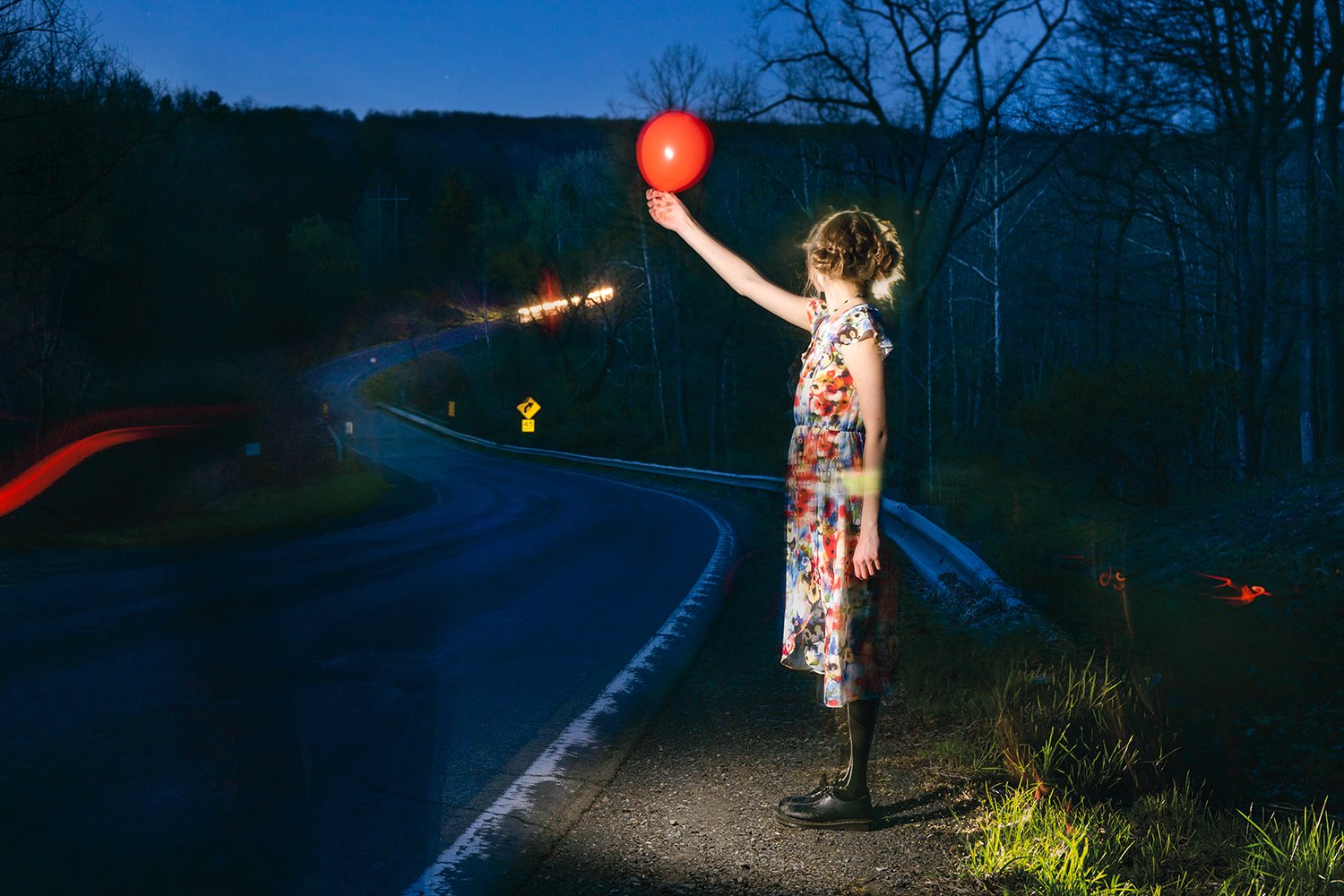
Hitchhiker, Archival photo print, 12 x 18 in, 2021, USD 200, Zoe Vassiliou, New York City, New York

Hidden Soul, Archival photo print, 49 x 32 cm, NFS, Guglielmo Antuono, Teano, Italy
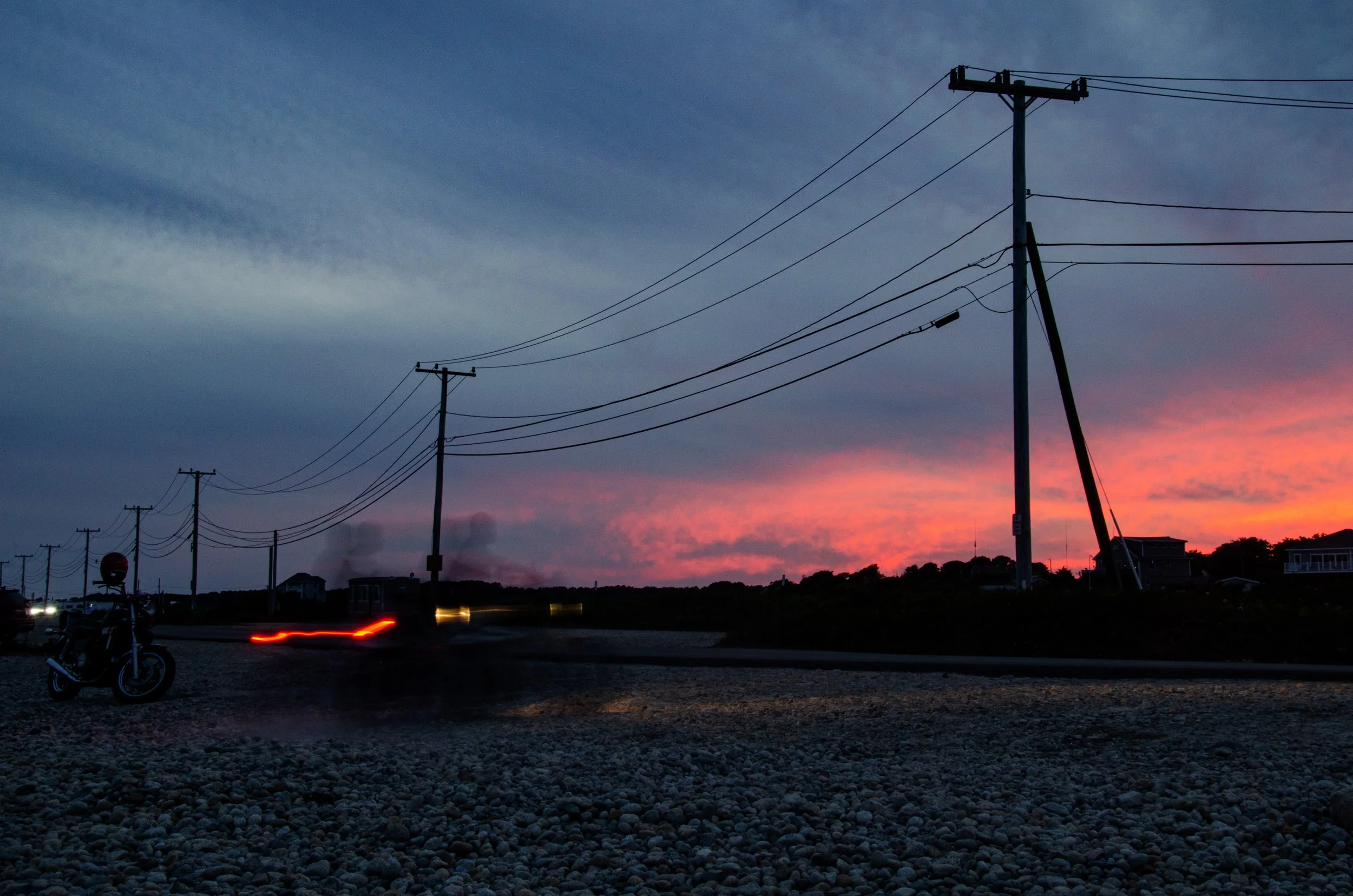
Just Leave, Archival photo print, 12 x 18 in, 2022, USD 400, Jill Law, North Dartmouth, Massachusetts

Visitor, Archival photo print, 50 x 70 cm, 2019, NFS, Yahya Paryav, Gonbad-e Kavus, Golestan, Iran
Sales and Artist Inquiries
Are you interested in making a purchase or connecting with one of the featured artists? Send us an inquiry through our contact form, and we'll get back to you shortly.