

In the Nude, Vol. 1 (2025)
November 1–December 1, 2025
In the Nude, Vol. 1 (2025) was a juried online photography exhibition at TCG Gallery, on view November 1 through December 1, 2025, presenting 42 works by 31 artists from nine countries. The exhibition treats the human body as a site of vulnerability, strength, intimacy, and self-possession rather than as an occasion for idealization.
The nude is the oldest subject in Western art and the one most weighed down by its own history. Every photographer working in it inherits centuries of argument about who is looking, who is being looked at, and on whose terms. The work here answers that inheritance in different directions. Kevin Black made two original tintypes, Eve and Holy Prayer. Michael David Walrond and Bear Dierker printed silver gelatin. Parker Pfister exhibited three editioned works spanning 2015 to 2025. Norman Sherfield titled a work Man Ray's Notes. Ricardo de Vicq de Cumptich submitted from São Paulo, Rik Roos from Amsterdam, Patrick Stumm from Zurich, and Maciej Doryk from Warsaw.
The full exhibition remains permanently available in the TCG Gallery photography exhibition archive, and a second volume followed in 2026.
Featured Artists
Alessandra Di Ronza, Anthony Striplen, Beamie Young, Bear Dierker, Brian Cann, Clay Arnold, Dan Katz, David Kelm, David Perelman-Hall, Derek Liu, Desiree Sydow, Federico Fiorenzani, James Johnson, Jill Sutherland, John Prusak, Kevin Black, Kevin Spalding, Lance Pressl, Locke Wood, Lorne Resnick, Maciej Doryk, Michael David Walrond, Michael Kelly-DeWitt, Norman Sherfield, Parker Pfister, Patrick Stumm, Ricardo de Vicq de Cumptich, Rik Roos, Roy Ricci, Svitlana Zinovieva, Vance Gellert
Nude, Naked, and the Difference That Will Not Go Away
Kenneth Clark drew the line and John Berger sharpened it into an accusation: to be naked is simply to be without clothes, while the nude is a body arranged for an audience and converted into a form of art. The distinction has been argued about for sixty years without being retired, because it identifies something real. A photograph of an unclothed person is never only a record of a fact. It carries a decision about framing, lighting, and address, and those decisions are where the ethics of the genre actually live. Fine art nude photography is the part of the field that treats those decisions as the subject rather than as production details.
Fine Art Nude and the Categories Around It
The phrase exists largely to do defensive work. It marks a separation from glamour, erotica, and commercial pornography, and the separation is real even though the border is genuinely difficult to survey. What distinguishes the categories is not how much skin is visible but what the picture is organized to do. Platform moderation has made this newly practical rather than theoretical. Automated classifiers do not read intent, and a great deal of serious work is now effectively unpublishable on the largest social networks, which is part of why dedicated online galleries and juried nude exhibitions matter more than they did a decade ago.
Why Analog Processes Keep Returning
The nude attracts historical process more than almost any other genre. Tintype, wet plate, and silver gelatin recur in submissions far out of proportion to their share of contemporary practice overall. Some of that is lineage, a way of placing the work inside a long tradition rather than beside this month's output. Some of it is optical, because these processes render skin as continuous tone and long transitions instead of clinical detail. The rest is procedural. A long exposure requires a sitter to hold still and to agree to hold still, which converts the encounter from something done to a subject into something made with a collaborator.
The Body as Terrain
A substantial amount of nude photography is landscape photography conducted at close range. Light rakes across a shoulder and the shoulder reads as a dune. A folded knee becomes an escarpment. The strategy can be evasive, a way of abstracting the body until personhood is no longer at stake, and when it fails that is exactly how it fails. When it succeeds it does something harder: it makes the viewer aware of having read a person as geology, and puts the responsibility for that reading back where it belongs.
Consent as Visible Content
Contemporary practice has largely absorbed the critique that the genre spent the twentieth century resisting. The clearest sign is that the terms of the encounter increasingly appear inside the frame rather than being smoothed out of it: the sitter returning the look, the studio visible at the edges, the pose obviously chosen rather than discovered. Self-portraiture is the limit case, because the photographer and the sitter are the same person and the question of who holds authority collapses into a single decision. Work of this kind tends to read as self-possession rather than exposure, which is a distinction viewers make quickly and reliably.
Why the Theme Recurs
The nude is the oldest subject in Western art and the one most weighed down by its own history, which makes it a reliable test of what an open call is actually attracting. TCG Gallery is an independent online photography gallery, and each juried exhibition remains part of a permanent public archive after its run ends, so this catalog stays readable alongside the second volume that followed in 2026. Photographers can enter the current photography open calls directly.
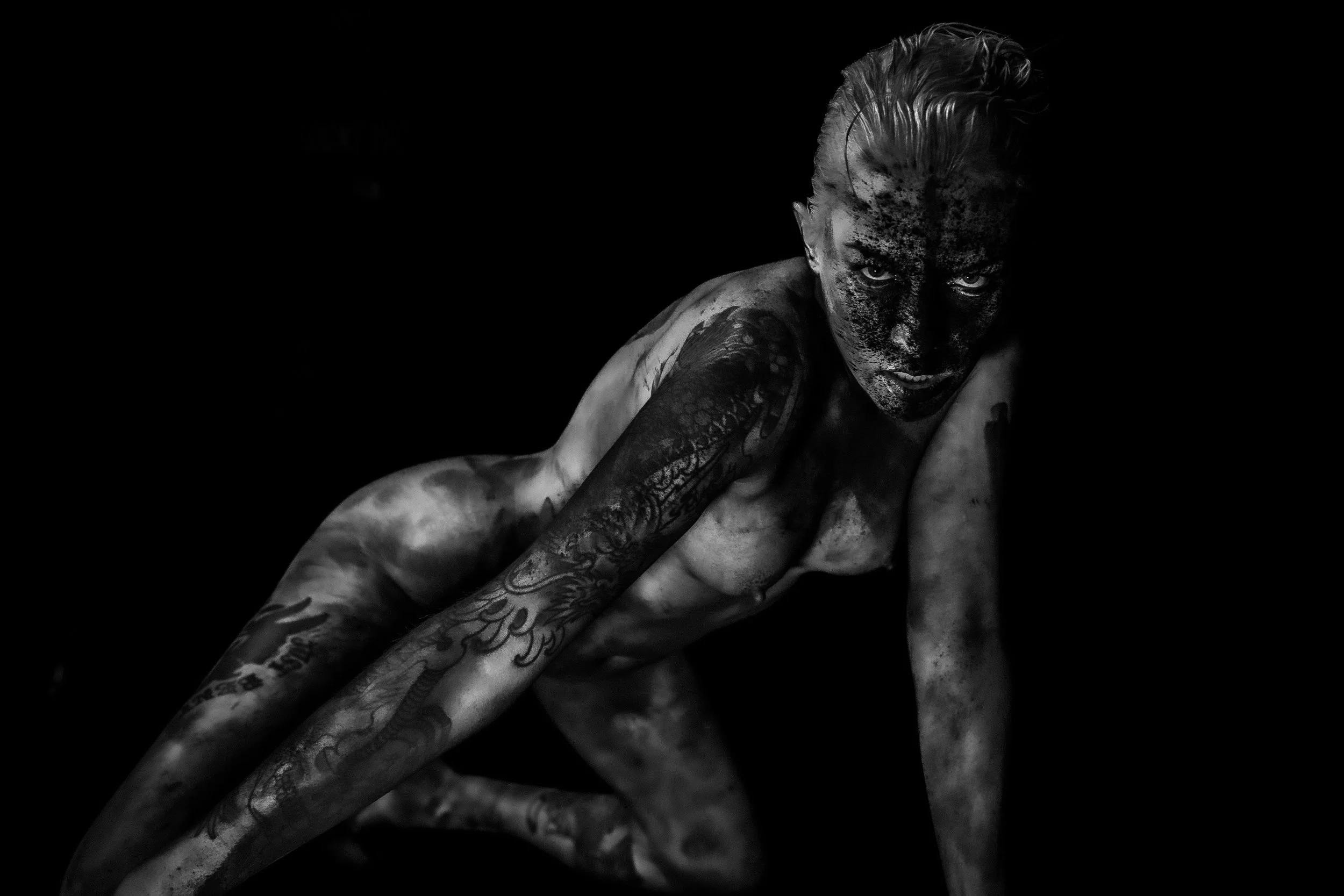
Gunpowder Gaze, archival print, 19 x 13 in, 2025, USD 250, © Locke Wood, Asheville, North Carolina
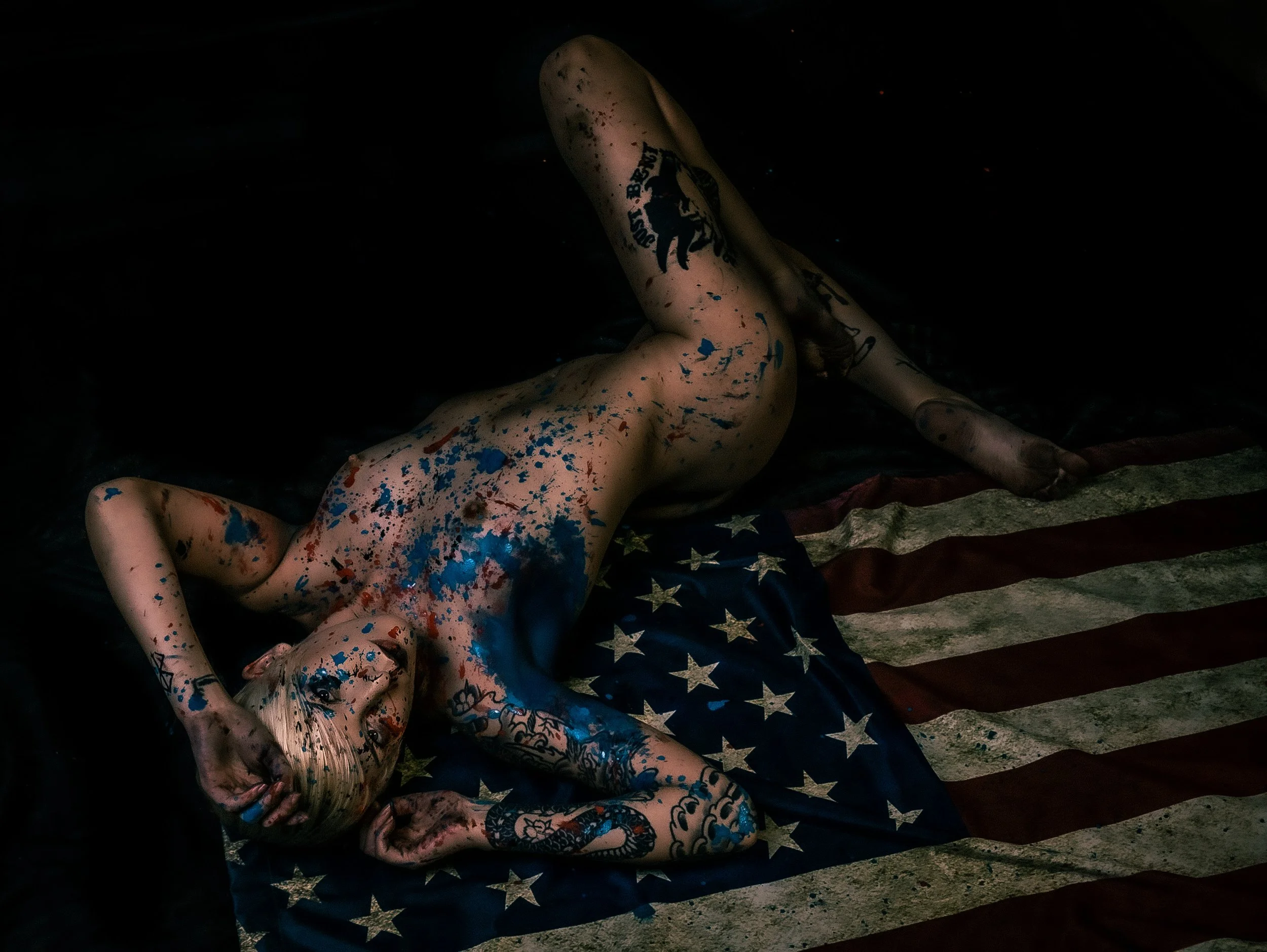
Submission States of America, archival print, 11 x 8 in, 2024, USD 300, © Locke Wood, Asheville, North Carolina
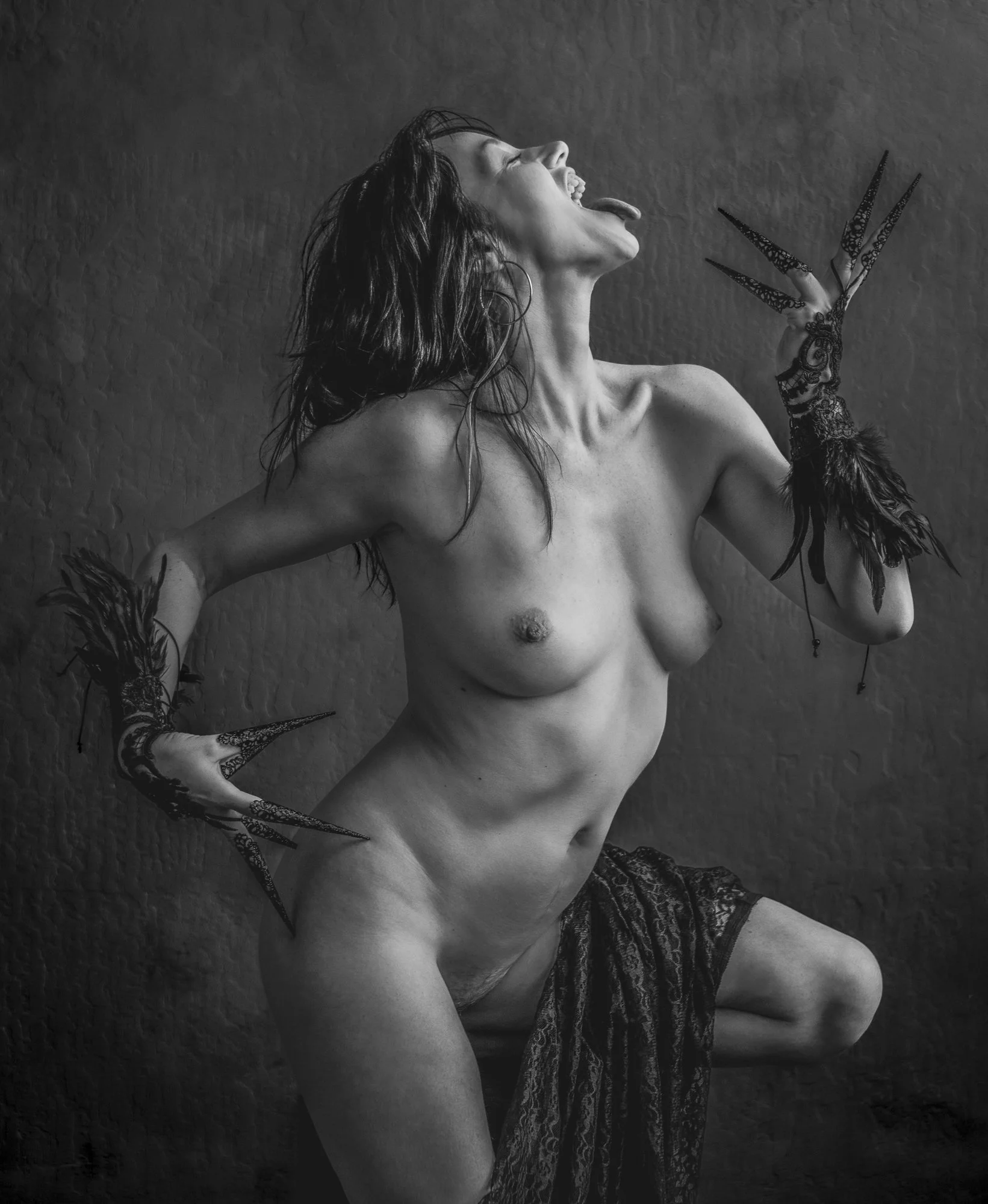
Kiss, archival print, 20 x 16 in, 2025, USD 700, © Anthony Striplen, Lafayette, California
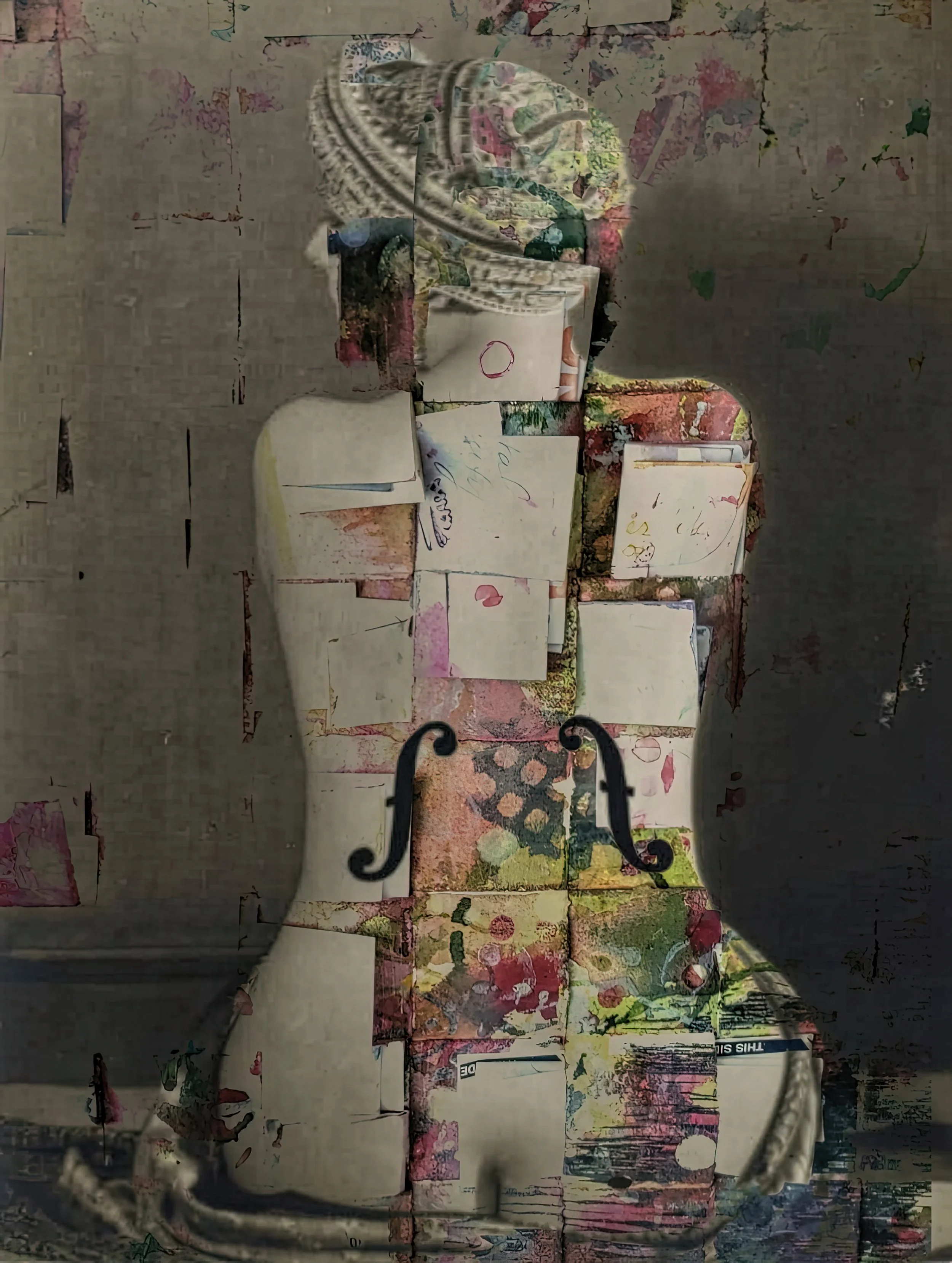
Man Ray's Notes, archival print, 11 x 8 in, 2024, USD 300, © Norman Sherfield, Eureka, California
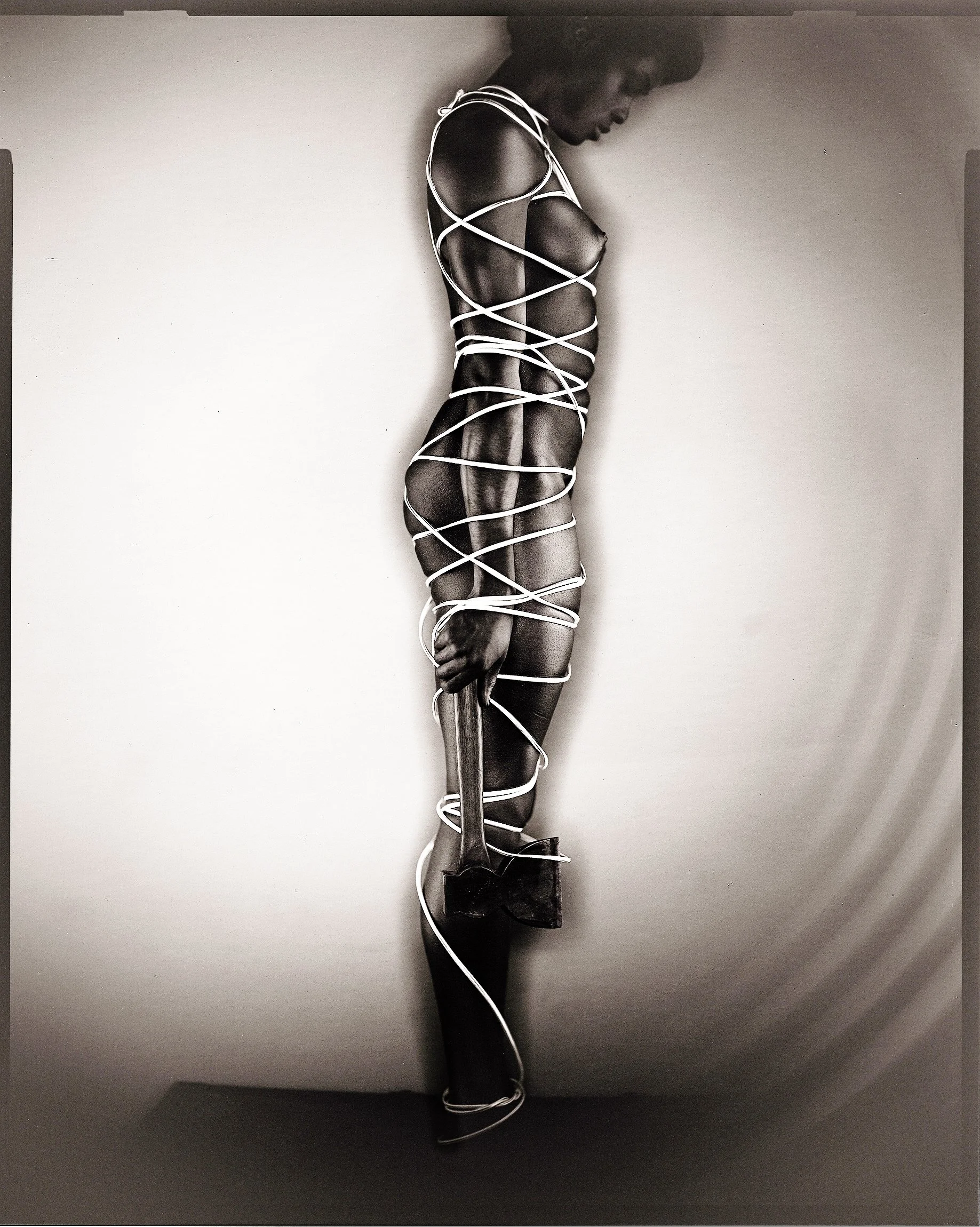
Holding Back, archival print edition 2/5, 24 x 30 in, 2015, USD 2600, © Parker Pfister, Asheville, North Carolina

Ice Target, archival print edition 2/5, 32 x 40 in, 2025, USD 3800, © Parker Pfister, Asheville, North Carolina
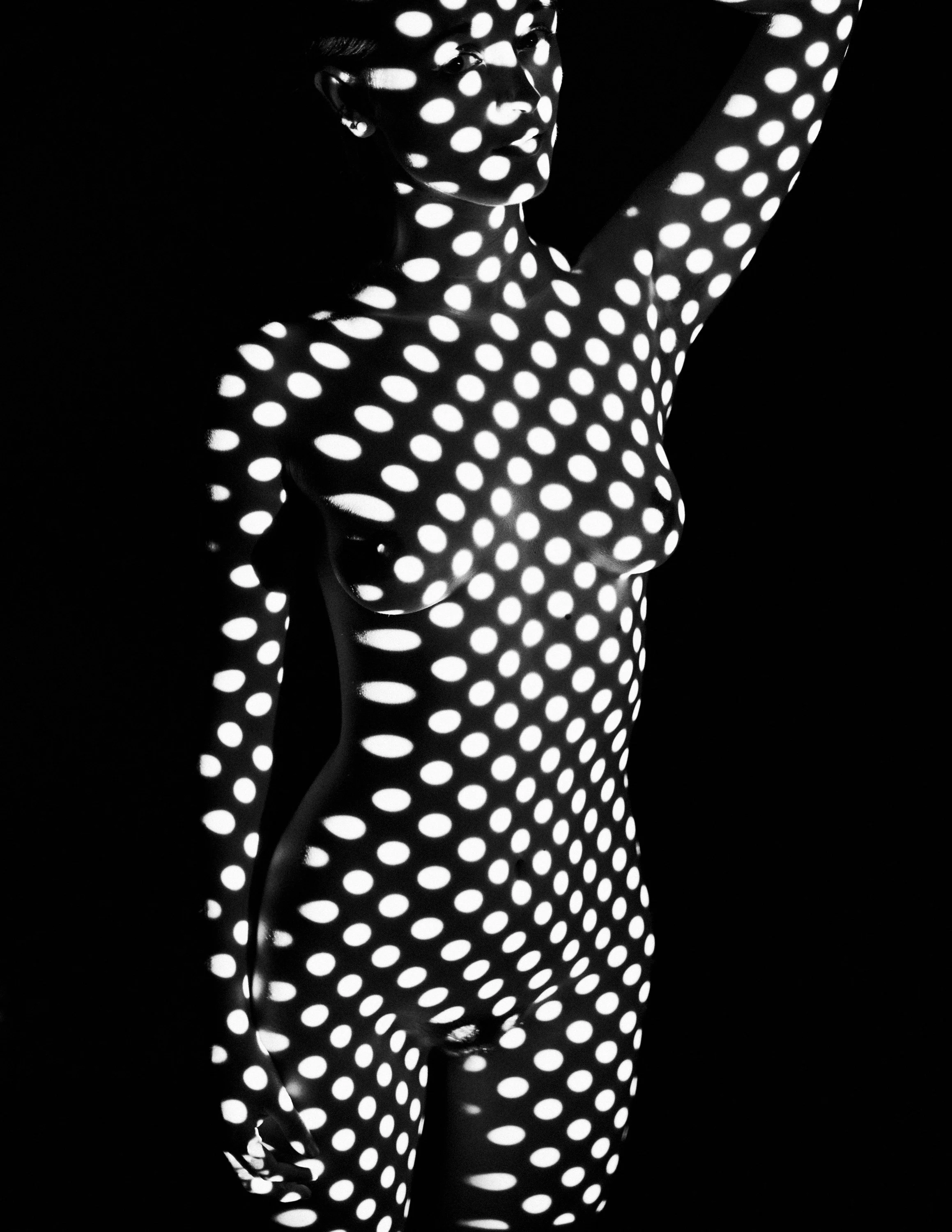
Seeing Spots, archival print Edition 2/10, 32 x 40 in, 2016, USD 3800, © Parker Pfister, Asheville, North Carolina
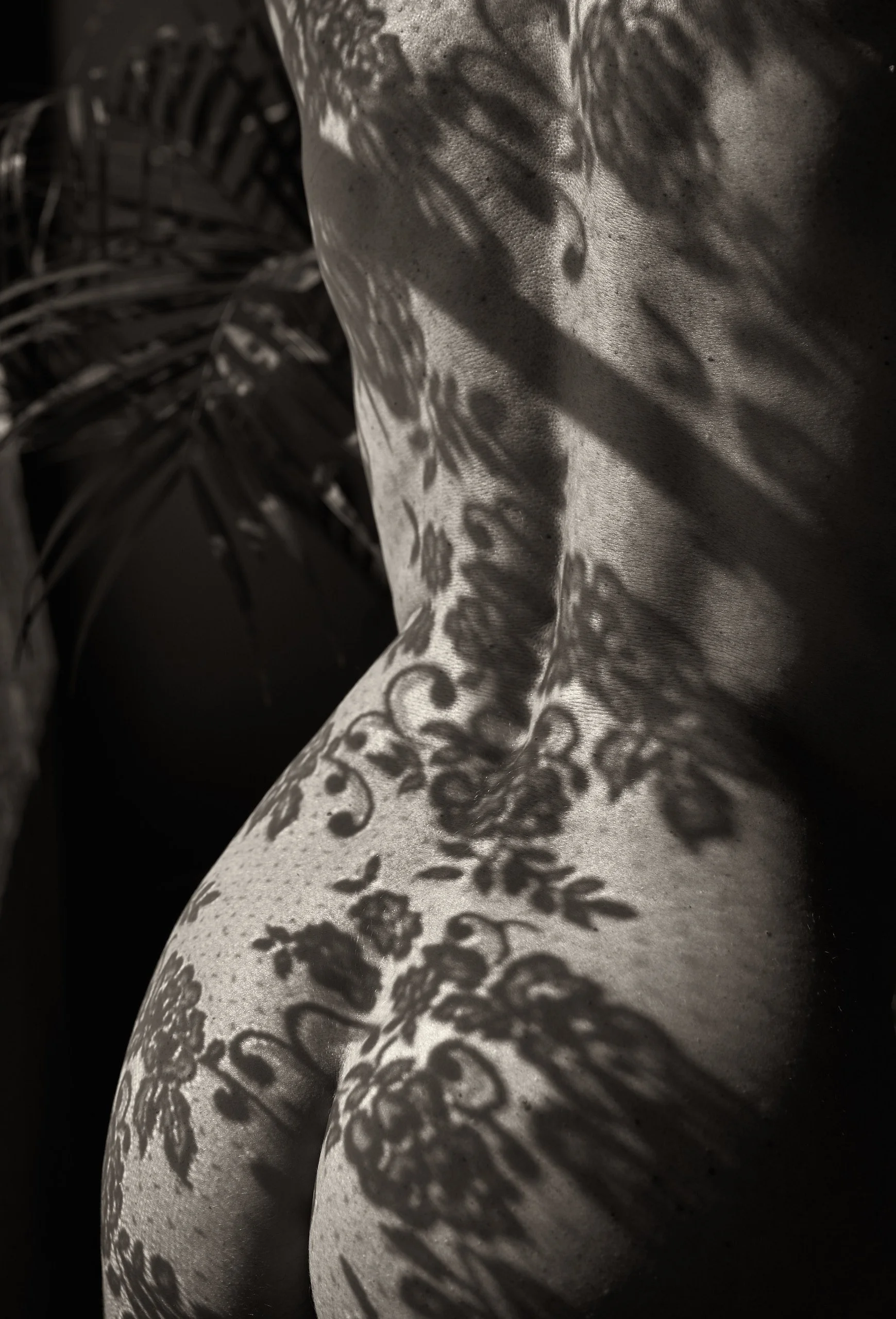
Dappled Shadow, archival print, 24 x 16 in, 2025, USD 750, © James Johnson, Norton Shores, Michigan
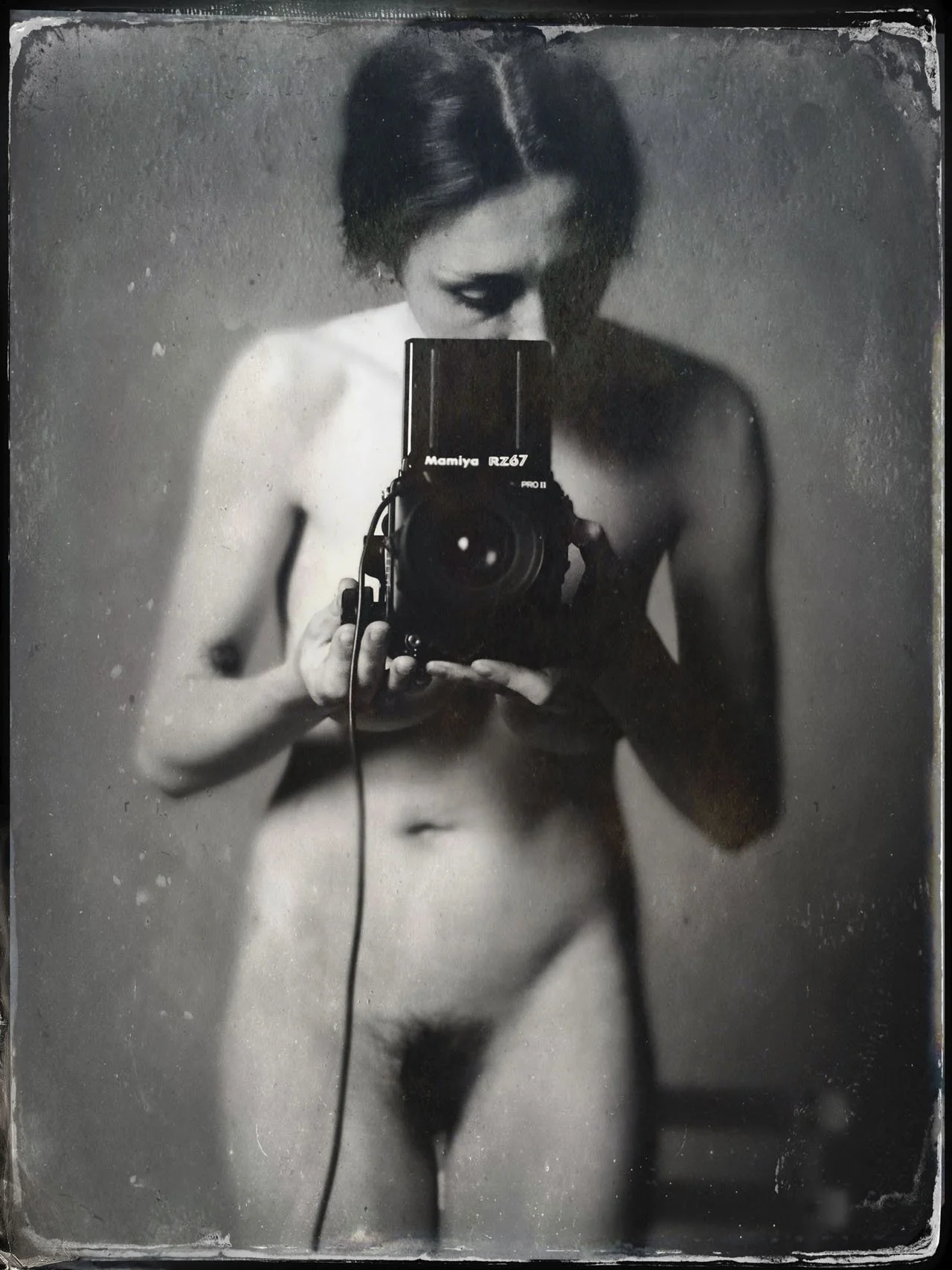
A Portrait Within a Portrait, archival print, 40 cm x 30 cm, 2023, USD 800, © Patrick Stumm, Zurich, Switzerland
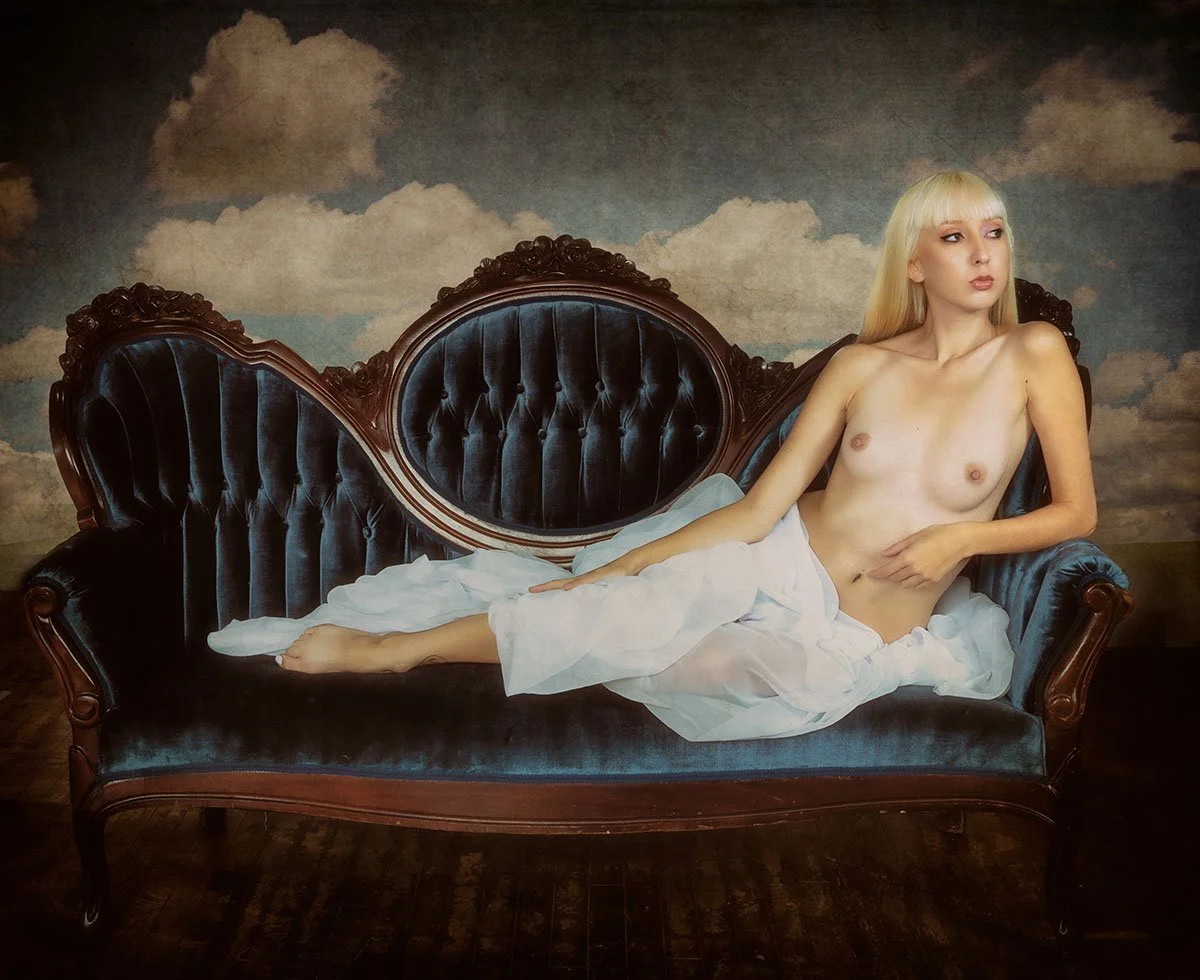
Day Dream, archival print, 11.4 x 14 in, 2018, USD 350, © Beamie Young, Dickerson, Maryland
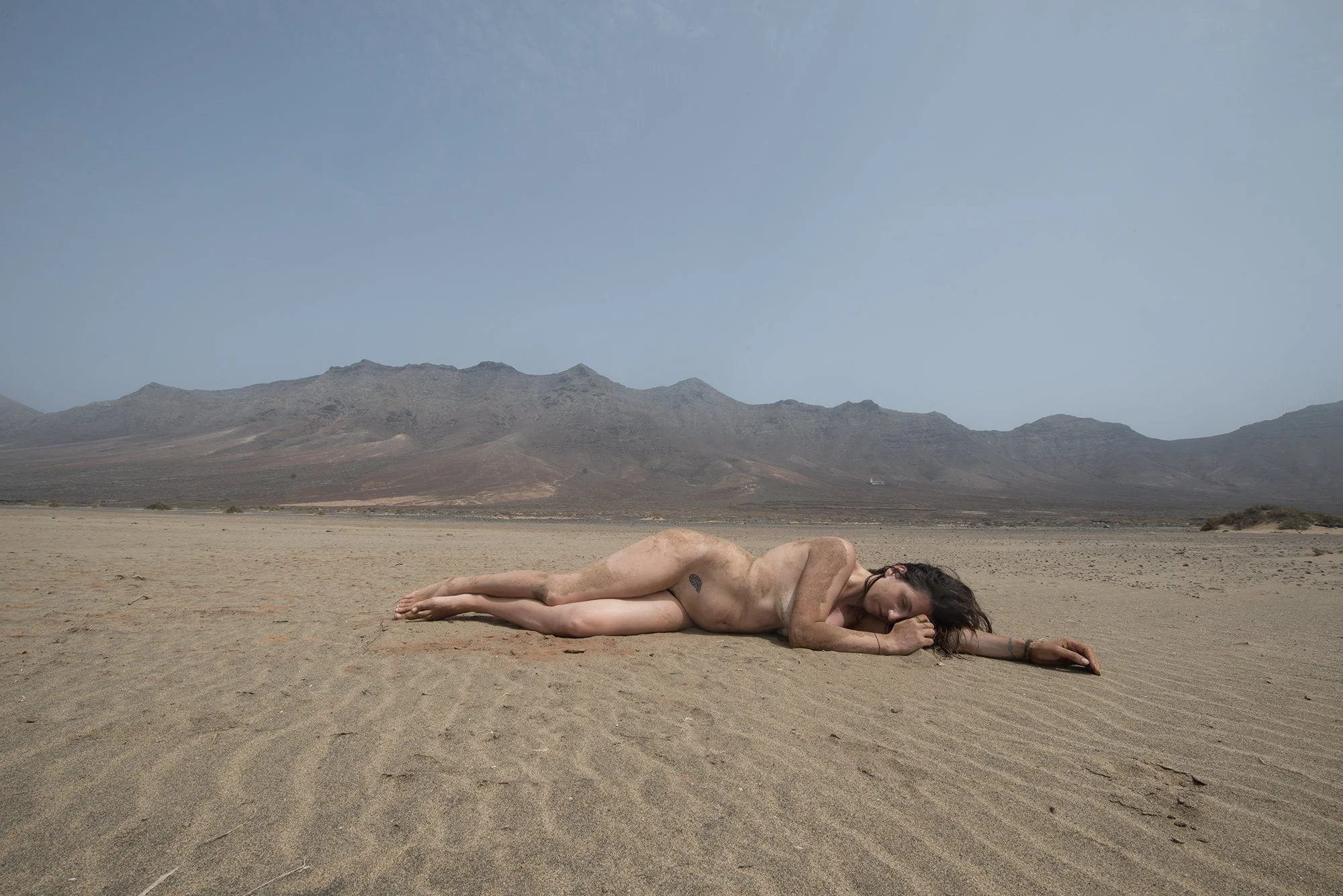
Eutierria No. 2, archival print, 60 x 40 cm, 2025, £250, © Alessandra Di Ronza, Fiume Veneto, Italy
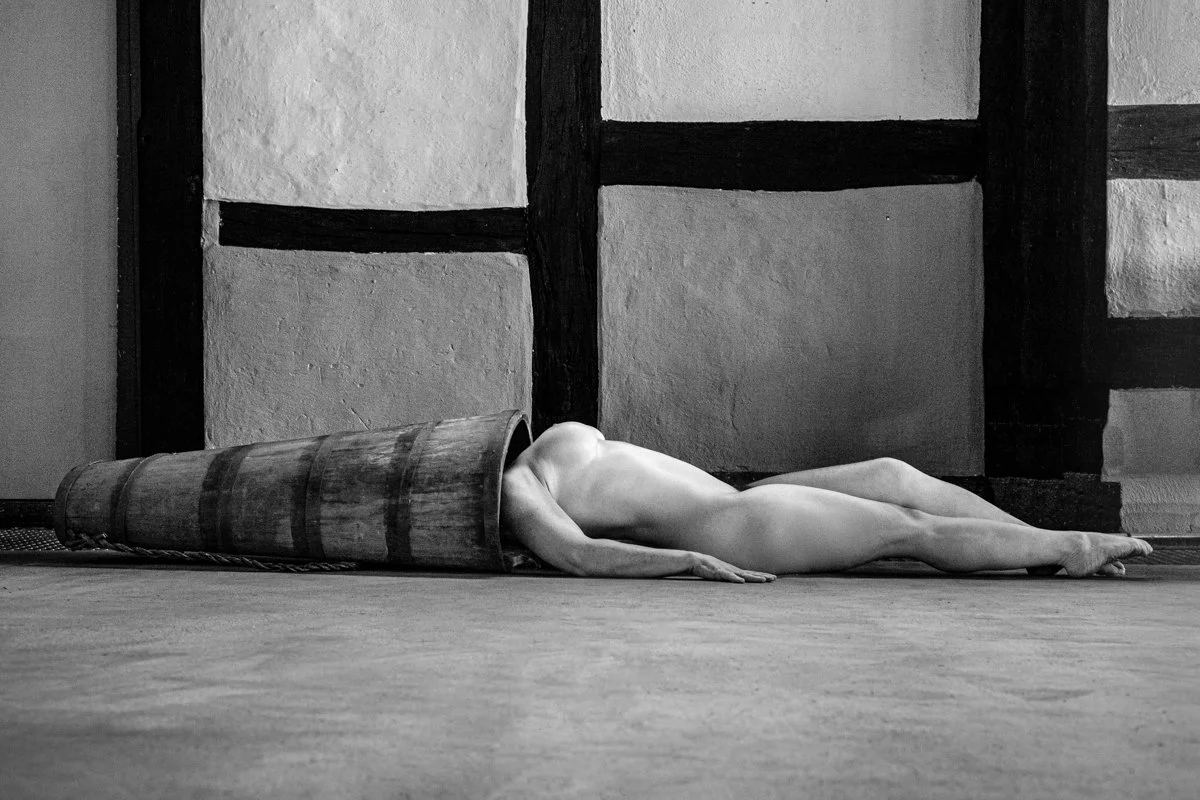
Alex in the Butte, archival print, 39 x 26 cm, 2023, USD 400, © Brian Cann, Waldenbuch, Germany

By its Cover, archival print, 19 x 13 in, 2024, USD 300, © Clay Arnold, Rochester, New York
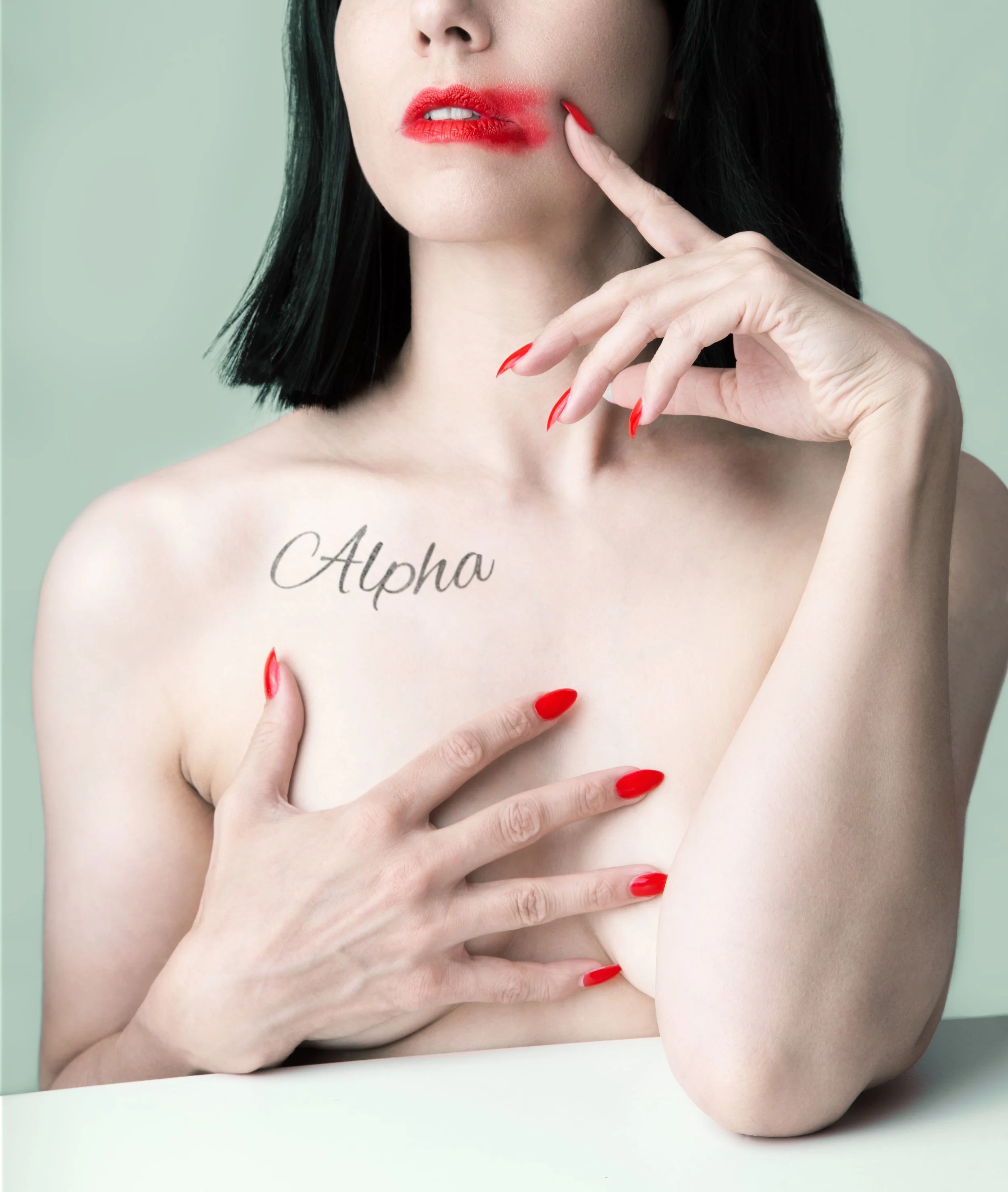
Alpha, archival print, 40 x 50 cm, 2023, £450, © Desiree Sydow, London, United Kingdom
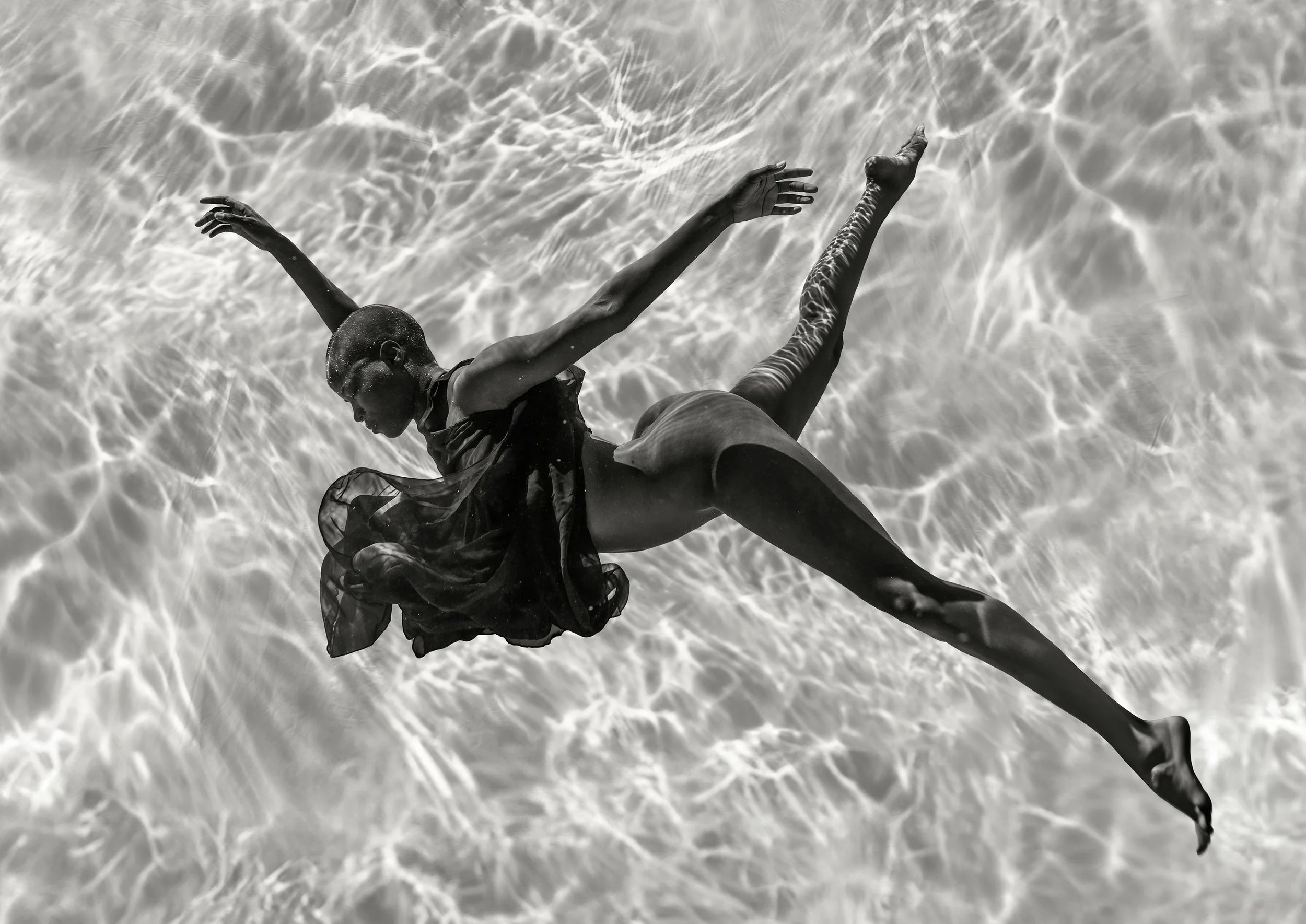
A Simple Dance, archival print, 16 x 20 in, 2024, USD 165, © Dan Katz, Northridge, California
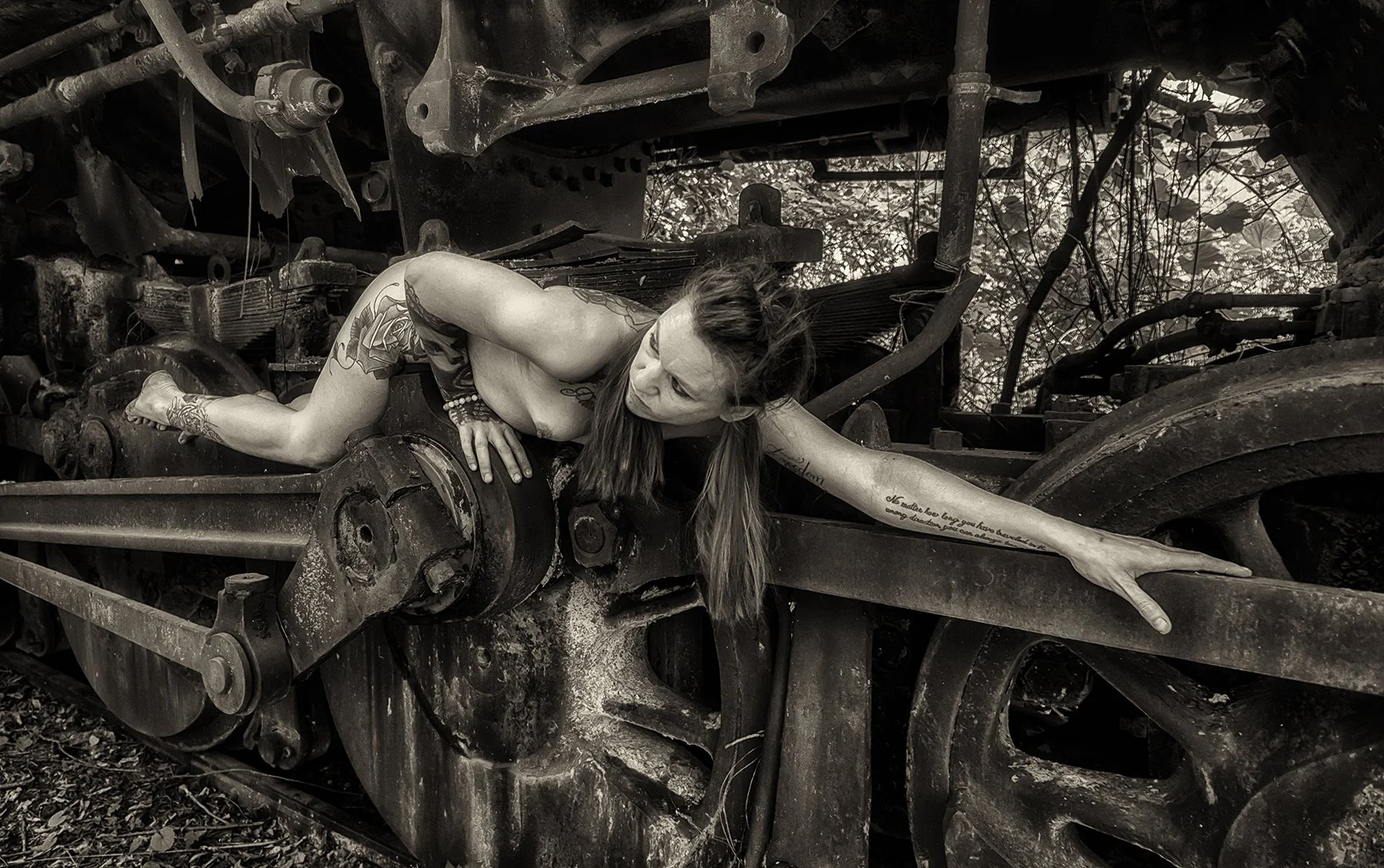
Riding the Rails, Silver Gelatin Print, 18 x 24 in, 2024, USD 350, © Bear Dierker, Dubuque, Iowa
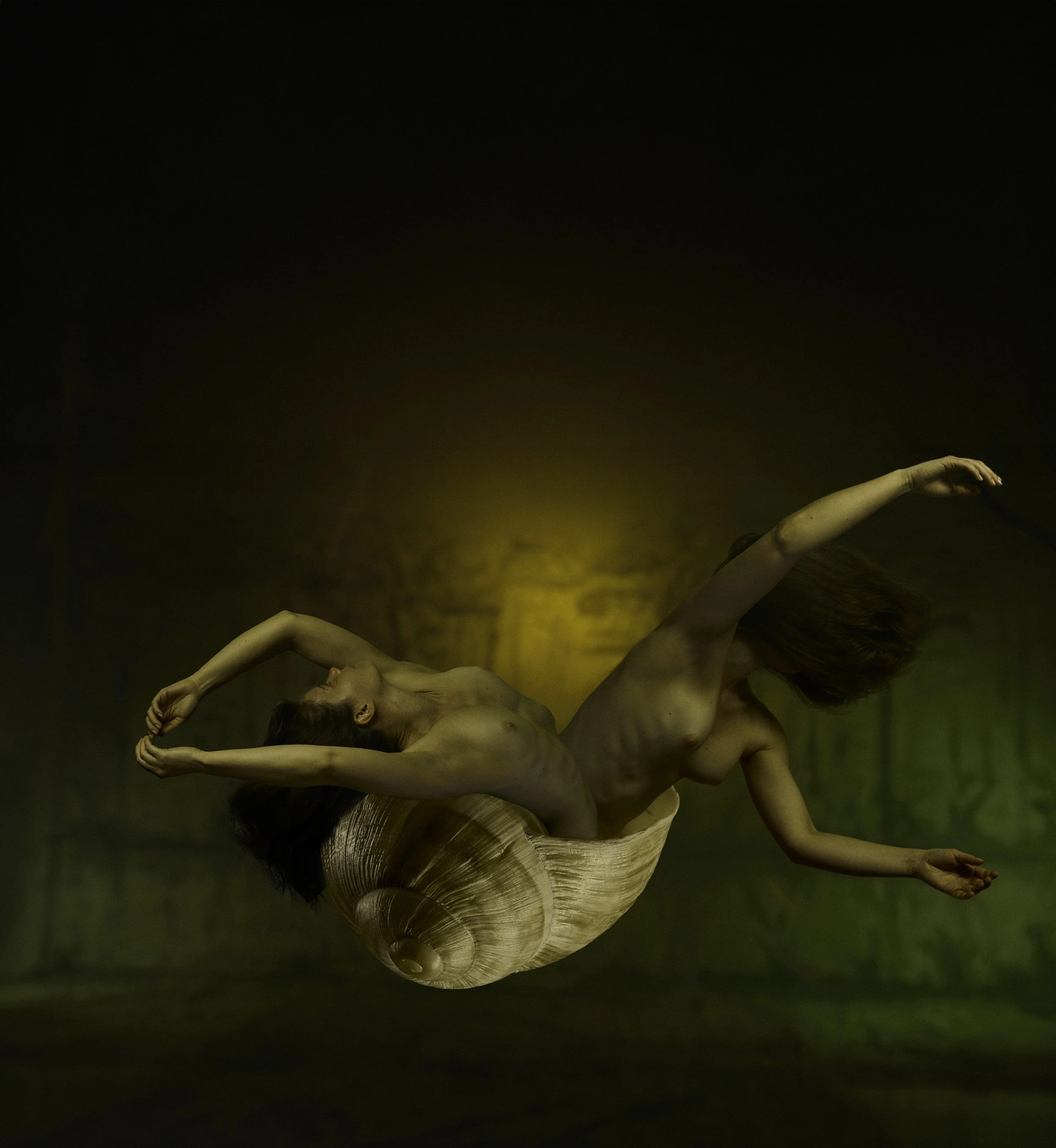
Espirais de Devir No. 2, archival print, 42 x 59.4 cm, 2022, USD 500, © Ricardo de Vicq de Cumptich, São Paulo, Brazil
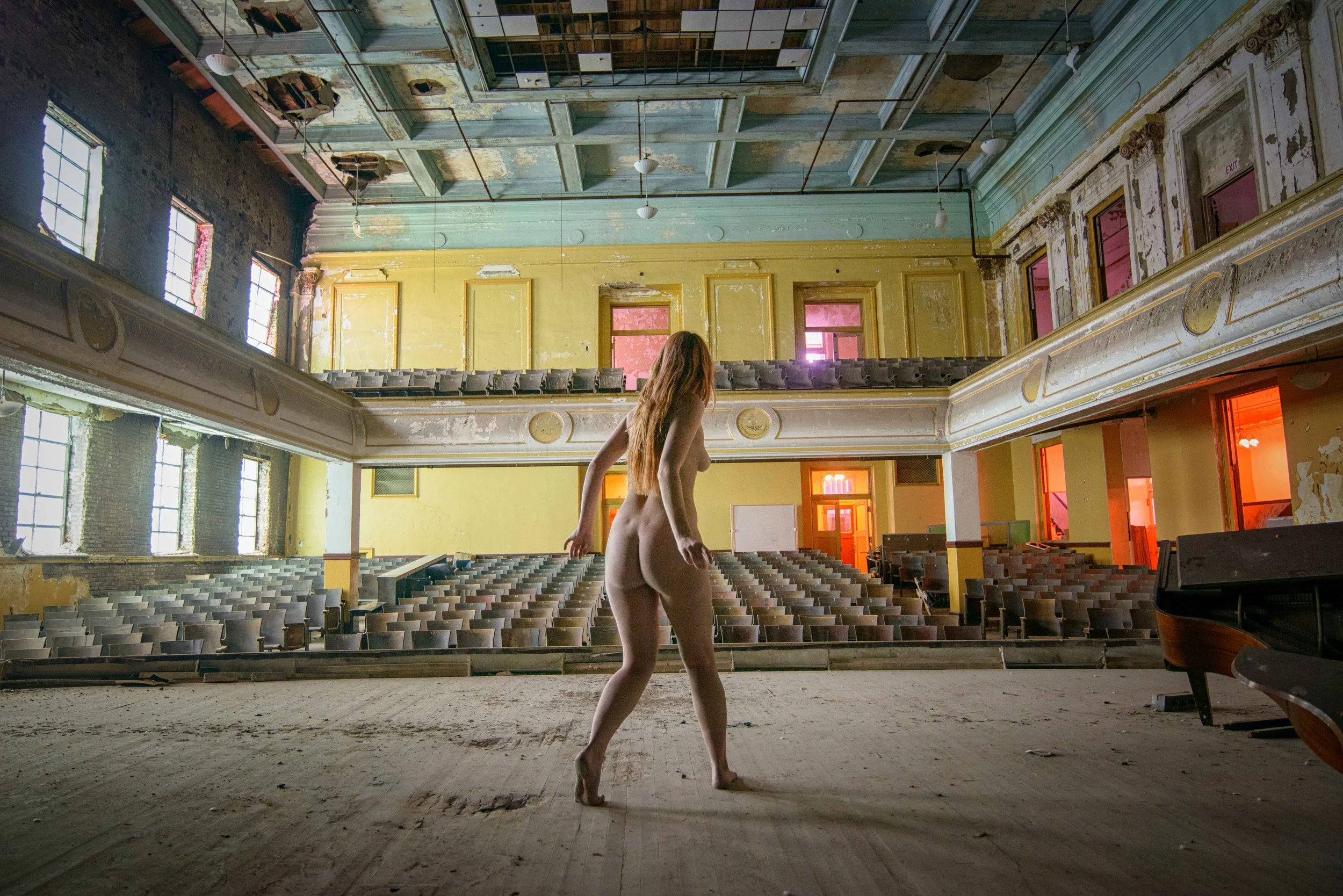
Stage Fright, archival print, 12 x 18 in, 2020, USD 300, © David Kelm, Louisville, Kentucky
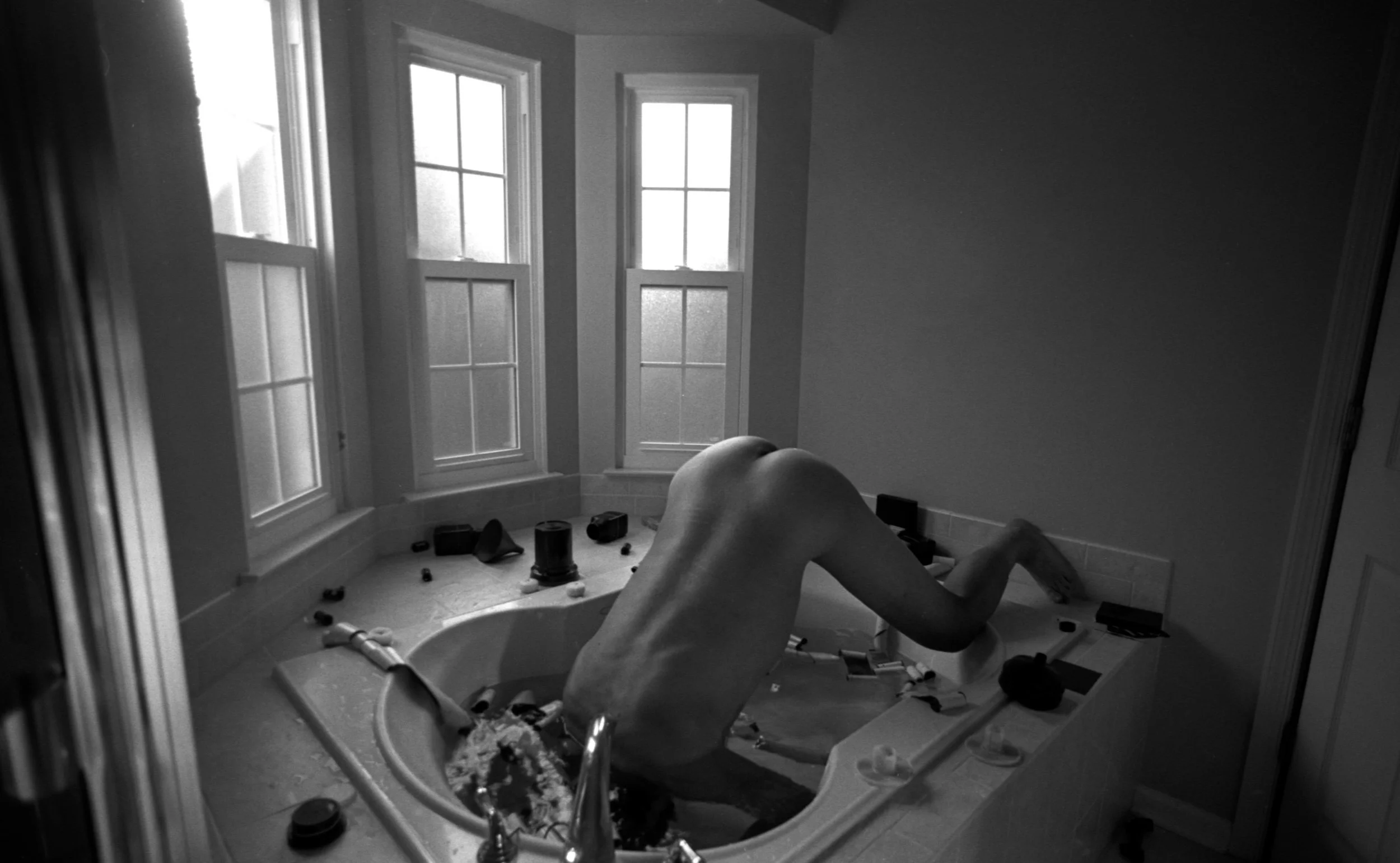
A Film Developer, archival print, 14 x 11 in, 2025, USD 800, © Derek Liu, Basking Ridge, New Jersey
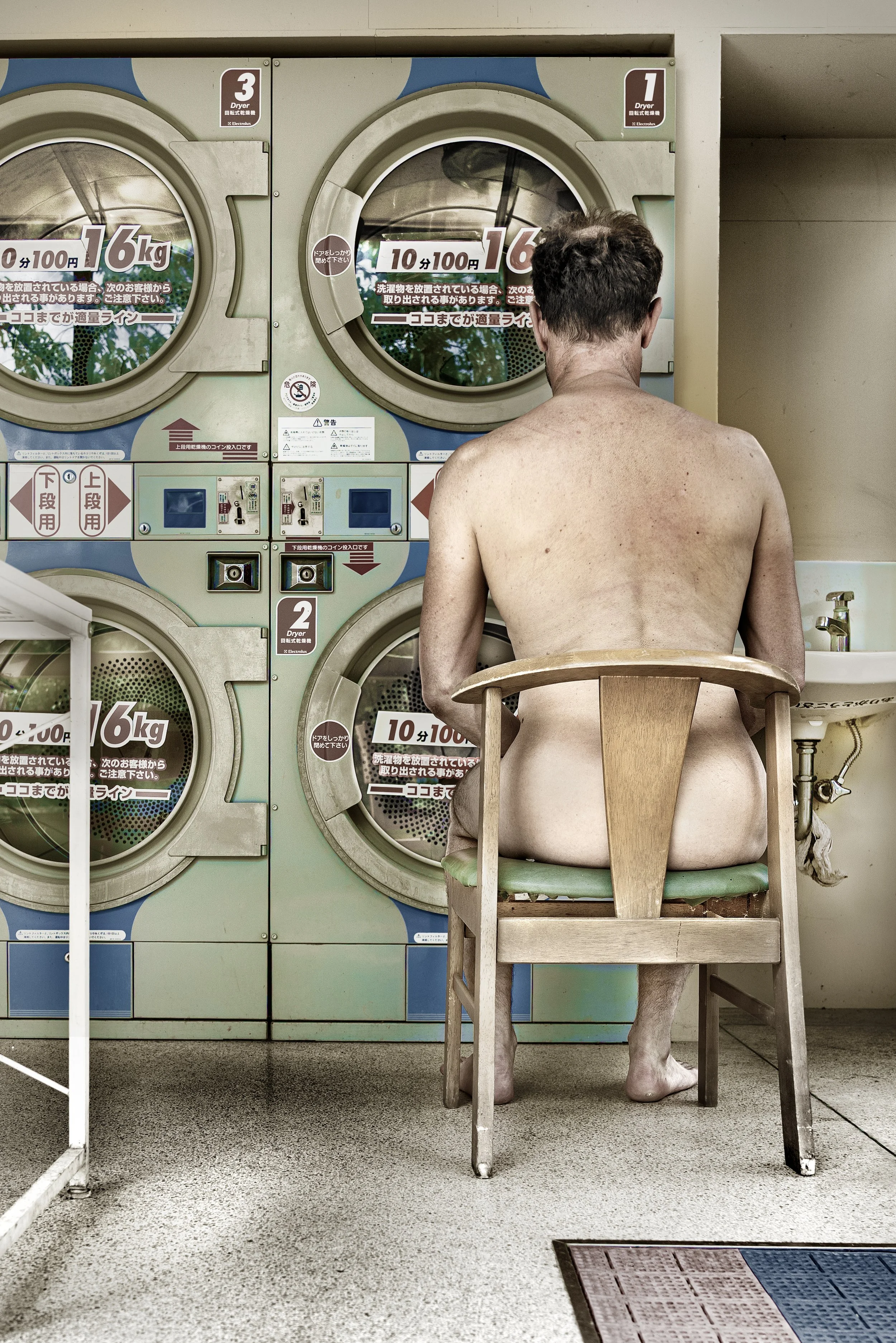
Washing of the Water No. 2, archival print on dibond, 30 x 42 cm, 2025, 850€, © Rik Roos, Amsterdam, Noord-Holland, Netherlands
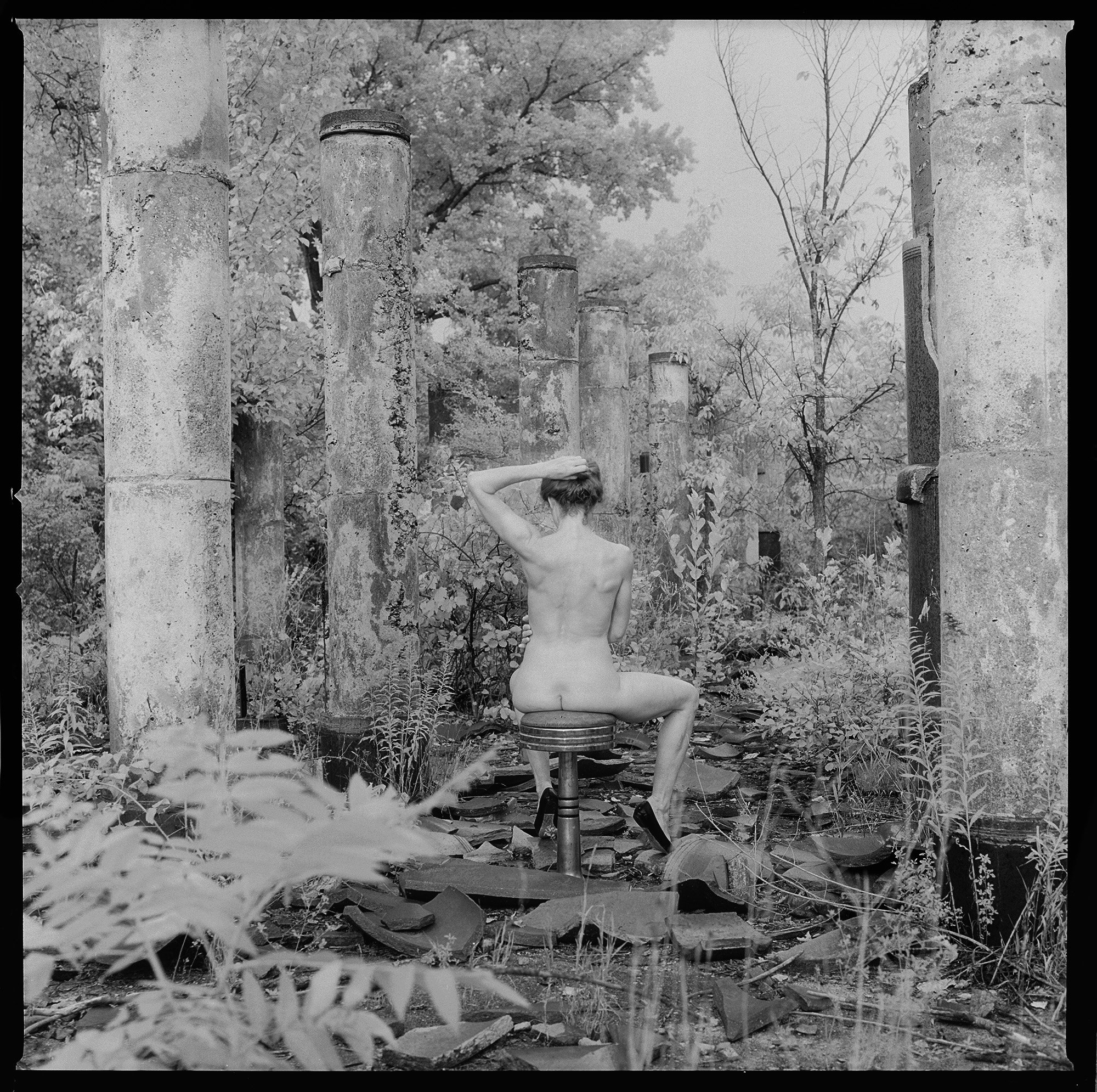
Nude on Stool, archival print, 10 x 10 in, 1998, USD 500, © Vance Gellert, Minneapolis, Minnesota
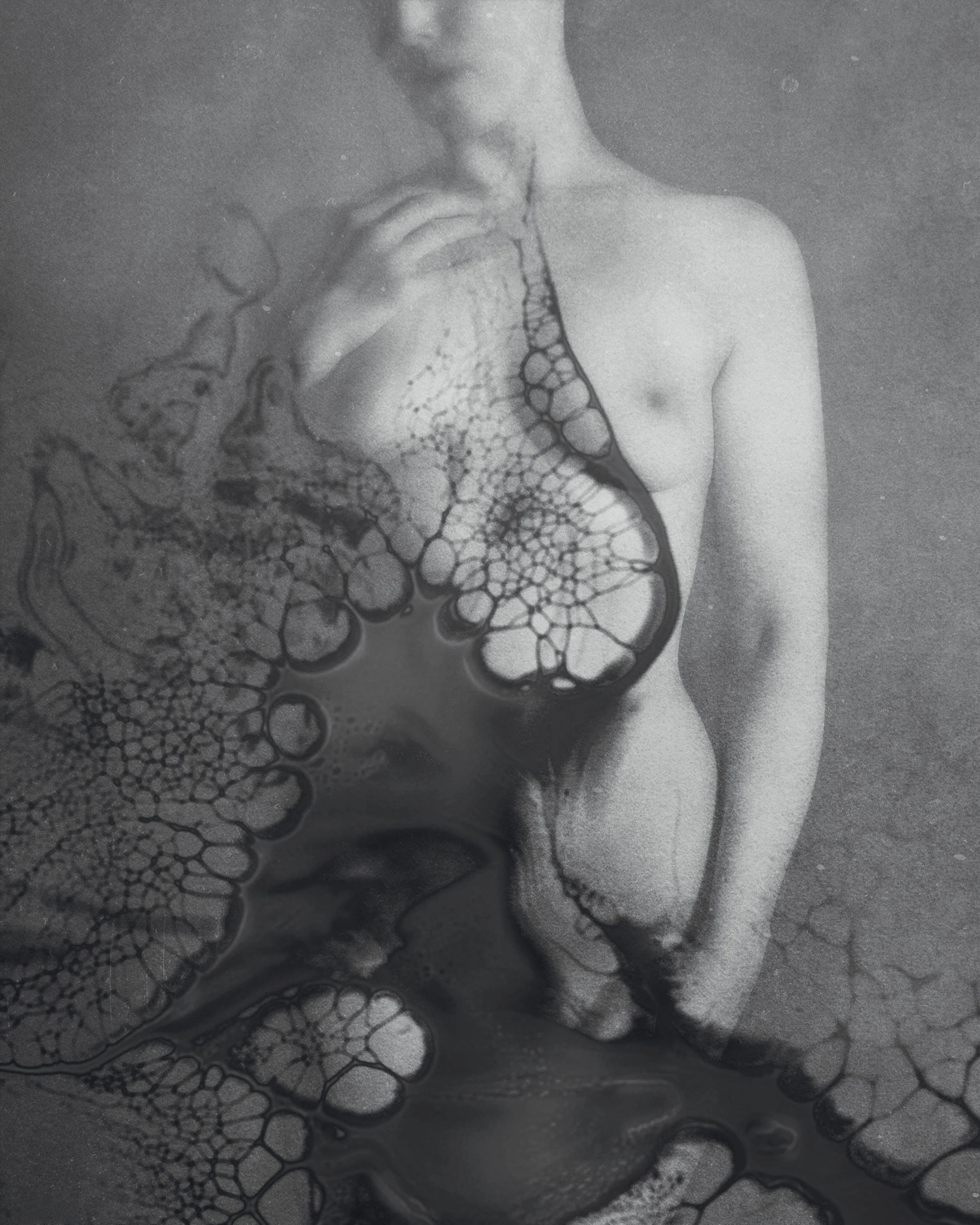
Tainted, archival print, 40 x 50 cm, 2025, £450, © Desiree Sydow, London, United Kingdom

Amelia, archival print, 14 x 20 in, 2023, USD 300, © David Perelman-Hall, Cleveland Heights, Ohio
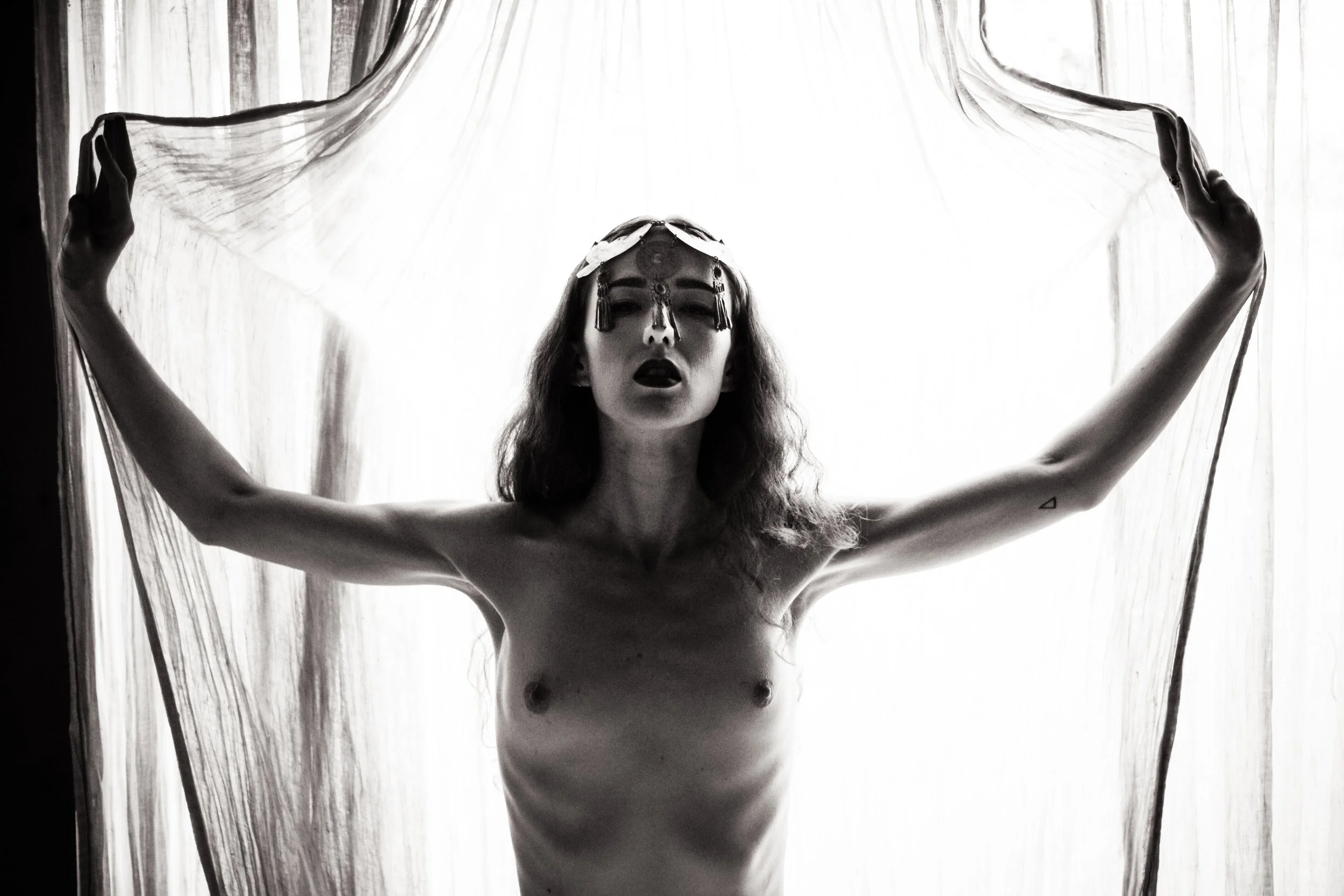
Unleash, archival print, 17 x 22 in, 2017, USD 450, © Jill Sutherland, Topanga, California
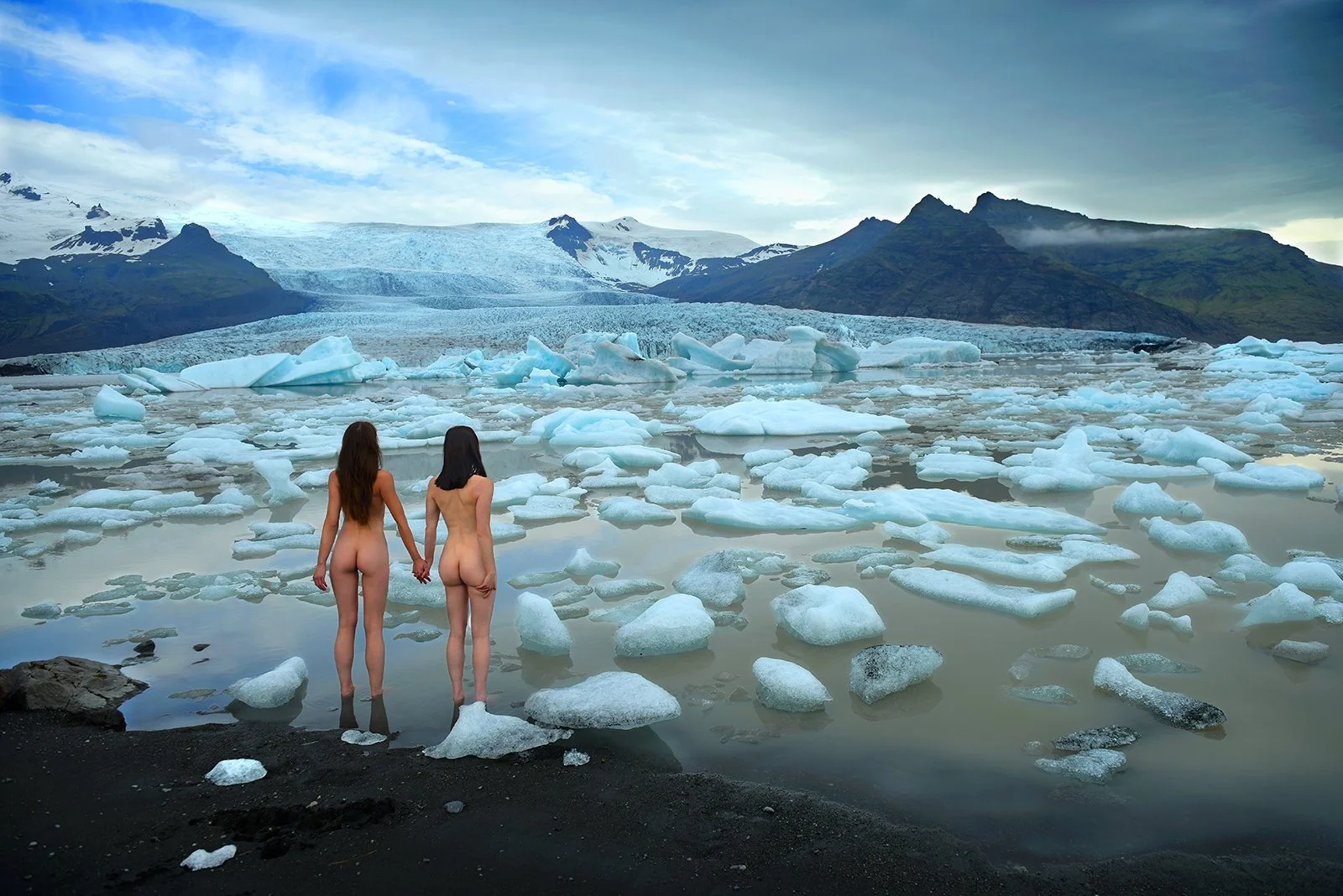
Skinny Dip, archival print, 8 x 12 in, 2018, USD 295, © John Prusak, Hartland, Wisconsin
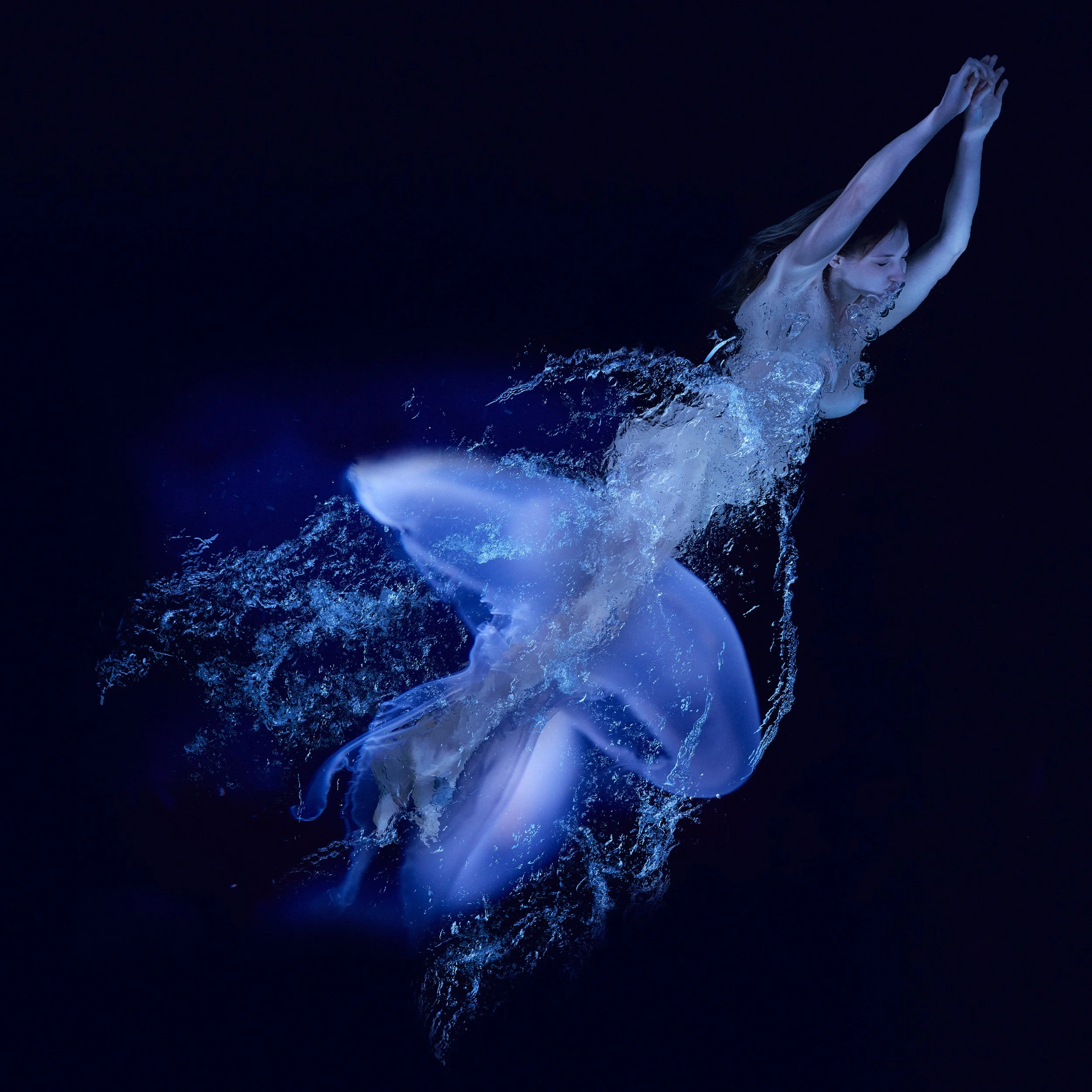
Oceanus No. 3, archival print, 42 x 59.4 cm, 2022, USD 500, © Ricardo de Vicq de Cumptich, São Paulo, Brazil
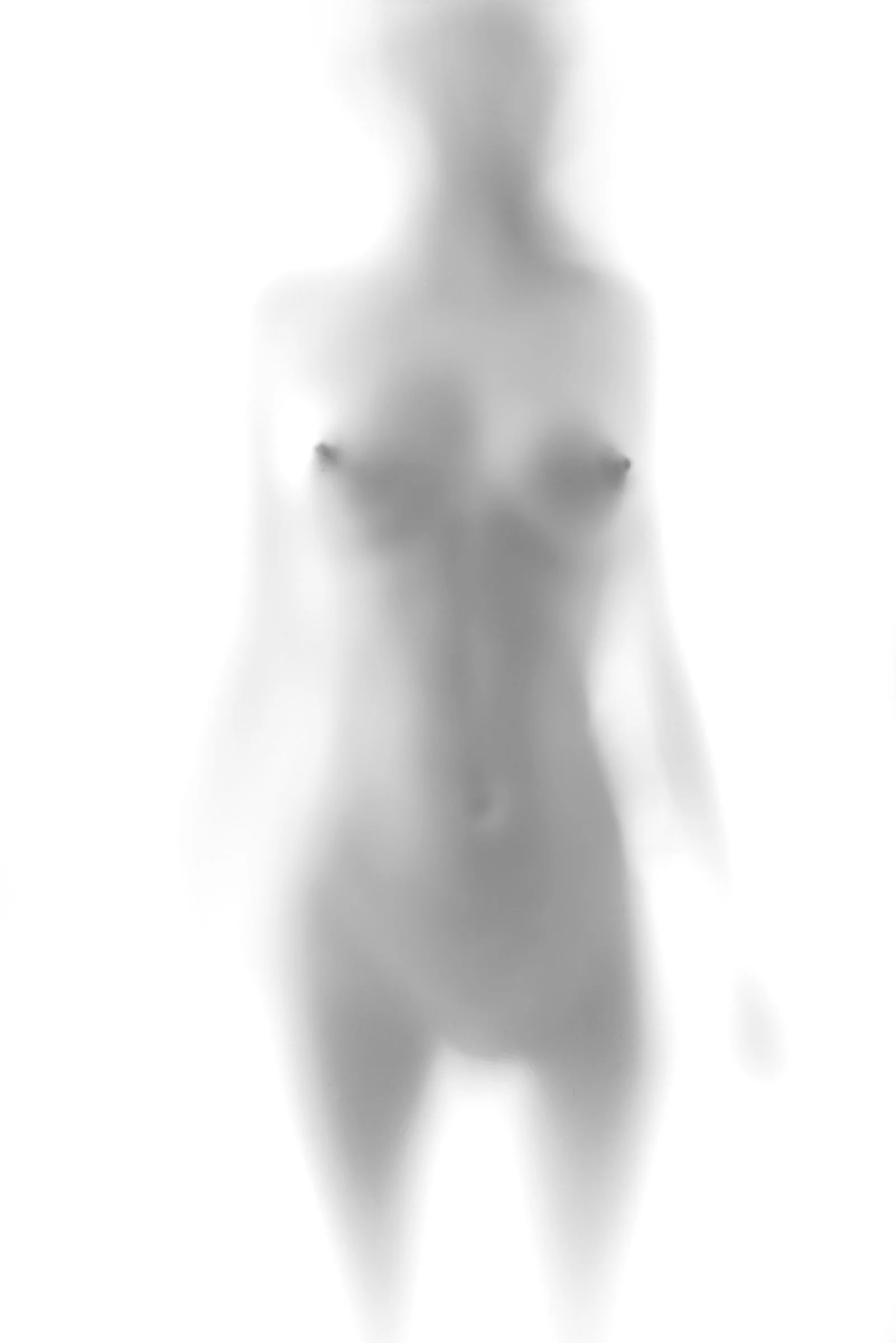
Alien, archival print, 8 x 12 in, 2018, USD 325, © John Prusak, Hartland, Wisconsin
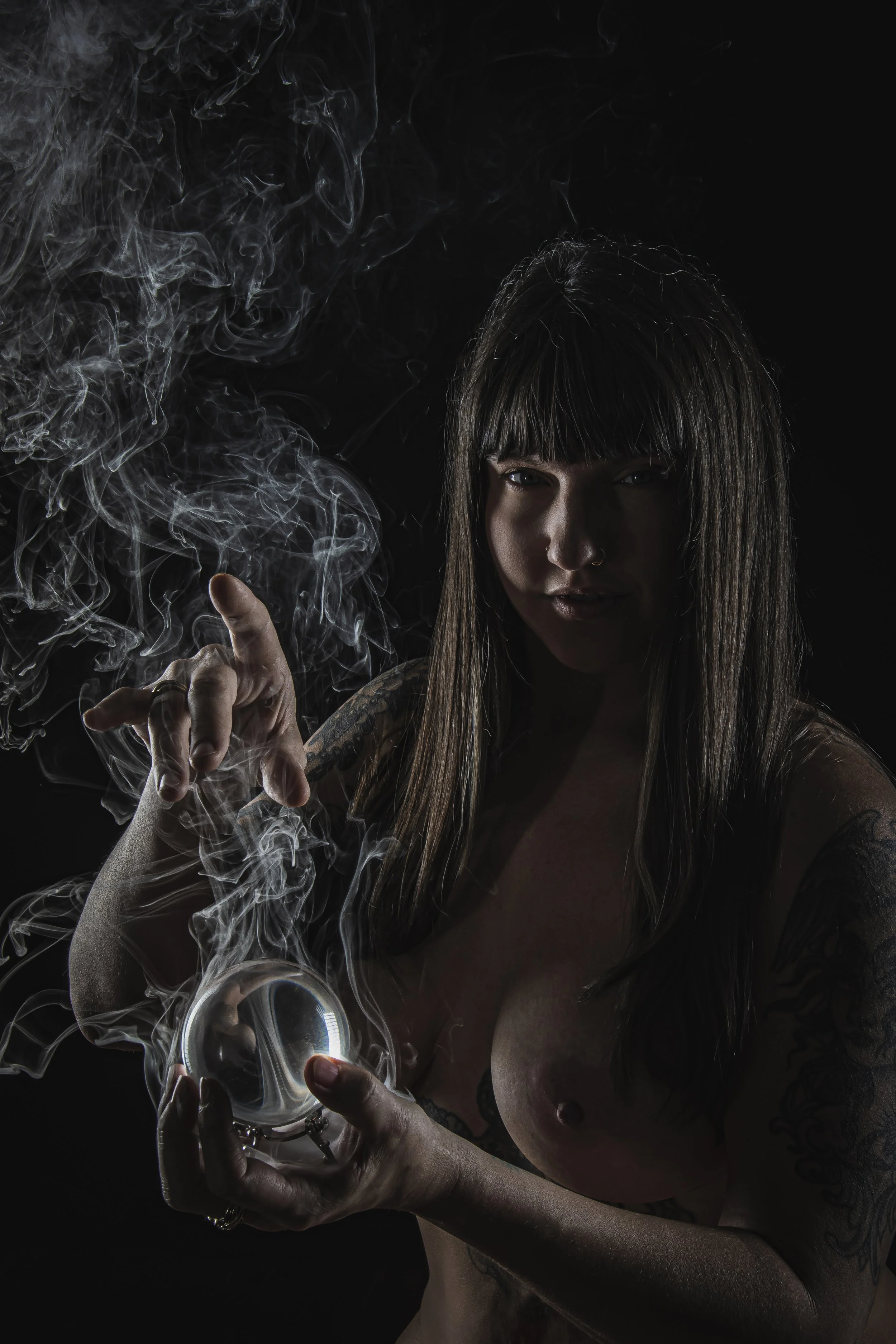
A Glimpse of Smoke and Shadow, photo transfer on metal, 12 x 8 in, 2025, USD 200, © Kevin Spalding, Louisville, Kentucky
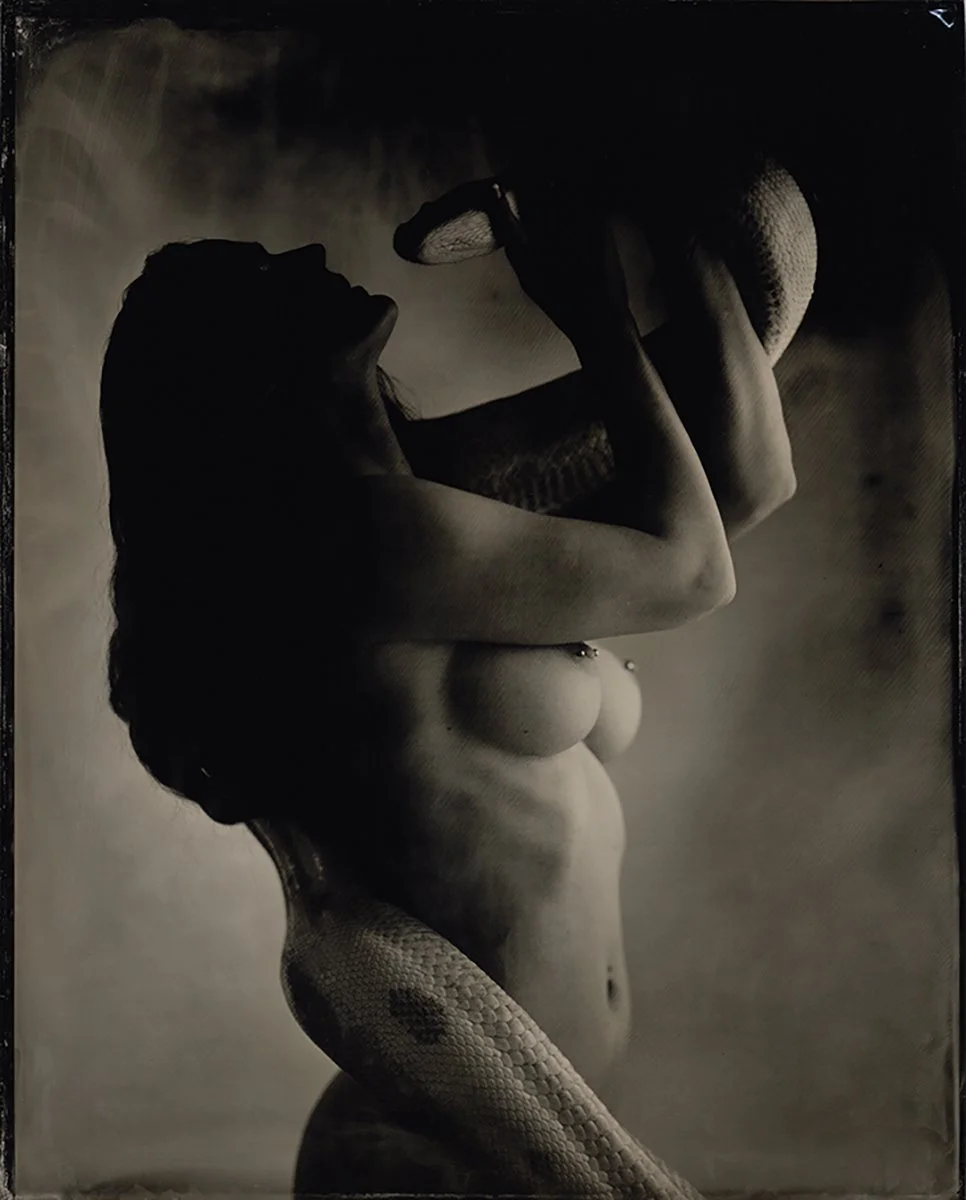
Eve, original tintype, 8 x 10 in, 2024, USD 350, © Kevin Black, Rio Rancho, New Mexico
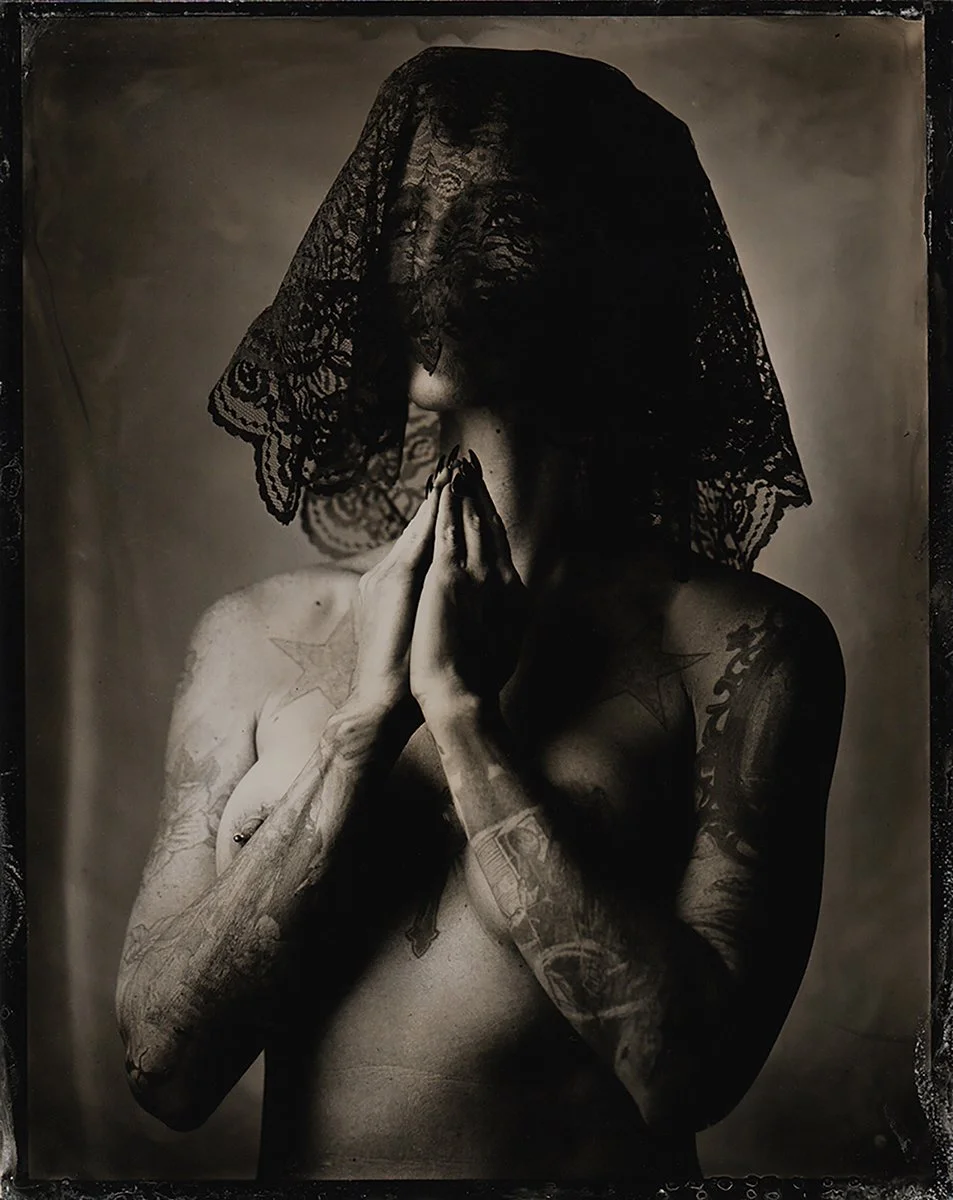
Holy Prayer, original tintype, 8 x 10 in, 2024, USD 350, © Kevin Black, Rio Rancho, New Mexico
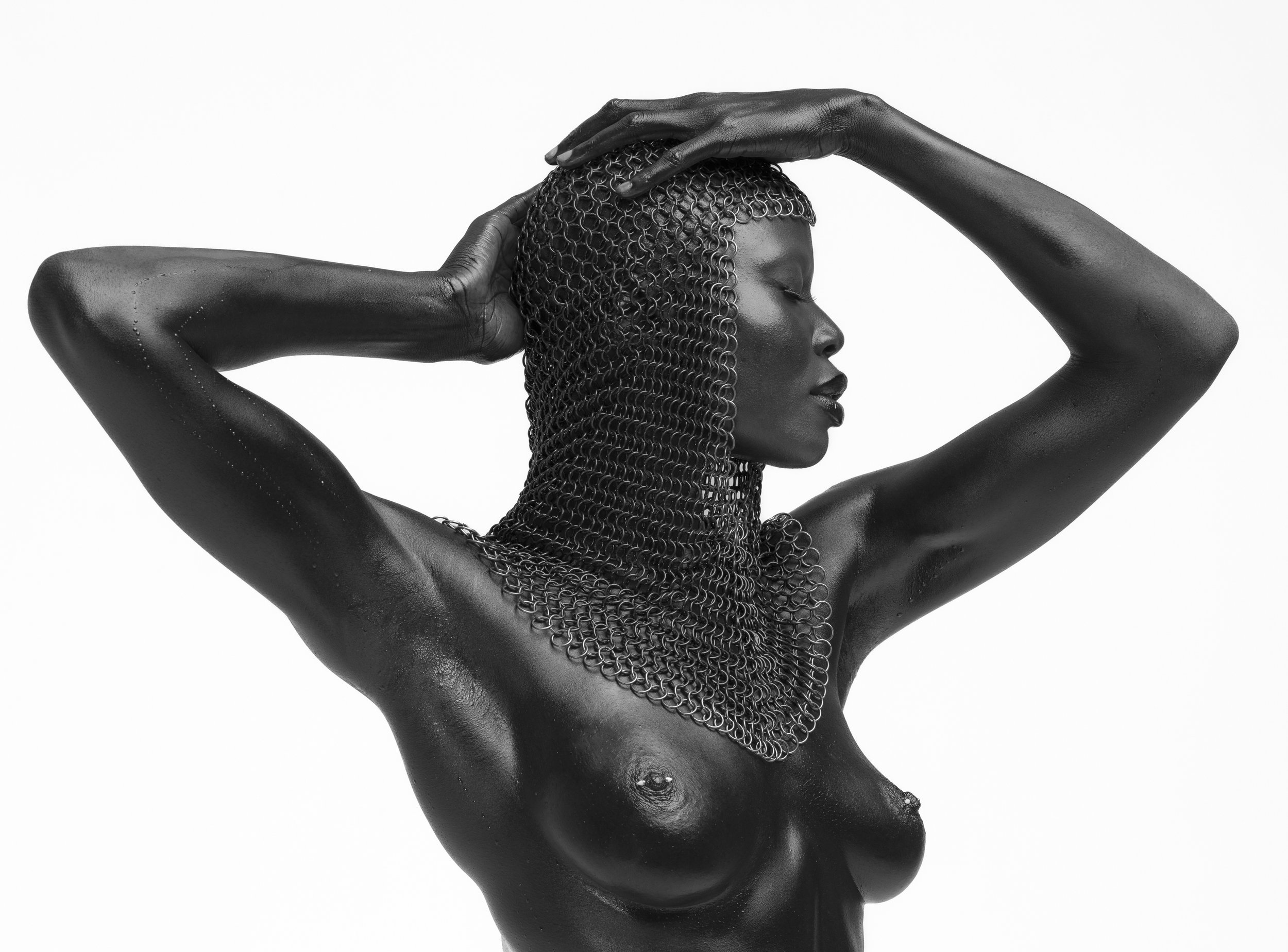
Goddess Obiani II, archival print, 18.8 x 14 in, 2024, USD 850, © Lance Pressl, Deerfield, Illinois
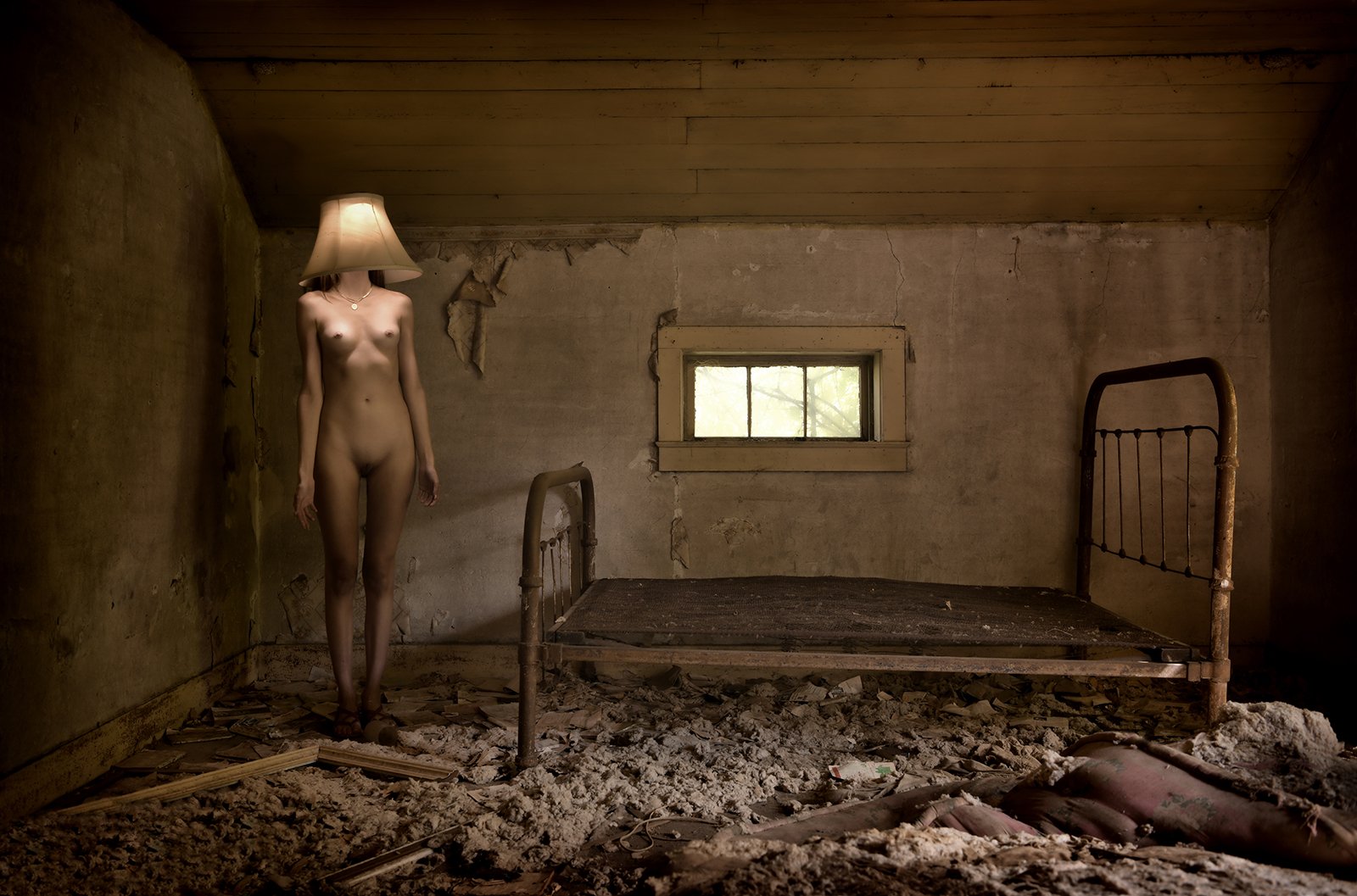
Lampshade, archival print, 8 x 12 in, 2022, USD 325, © John Prusak, Hartland, Wisconsin

Denial, archival print, 10.4 x 15 in, 2017, USD 350, © Beamie Young, Dickerson, Maryland

Madhouse No. 3, archival print, 2025, NFS, © Maciej Doryk, Warszawa, Poland
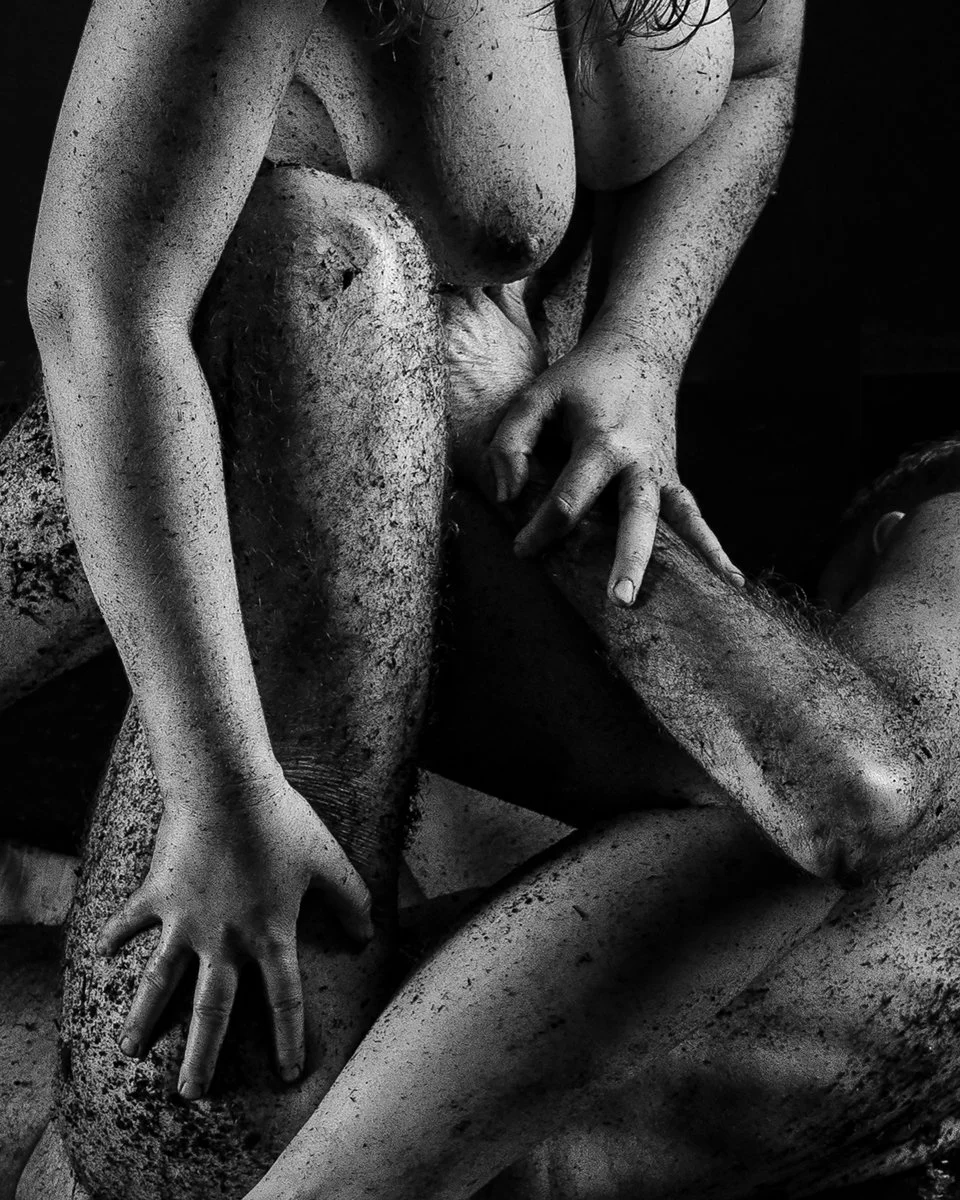
Conflict Resolution No. 3, archival print, 32 x 40 cm, 2024, USD 400, © Brian Cann, Waldenbuch, Germany

Sophia Jade & Alice Antoinette No. 1, archival print, 13 x 17 in, 2024, USD 695, © Lorne Resnick, Atlanta, Georgia
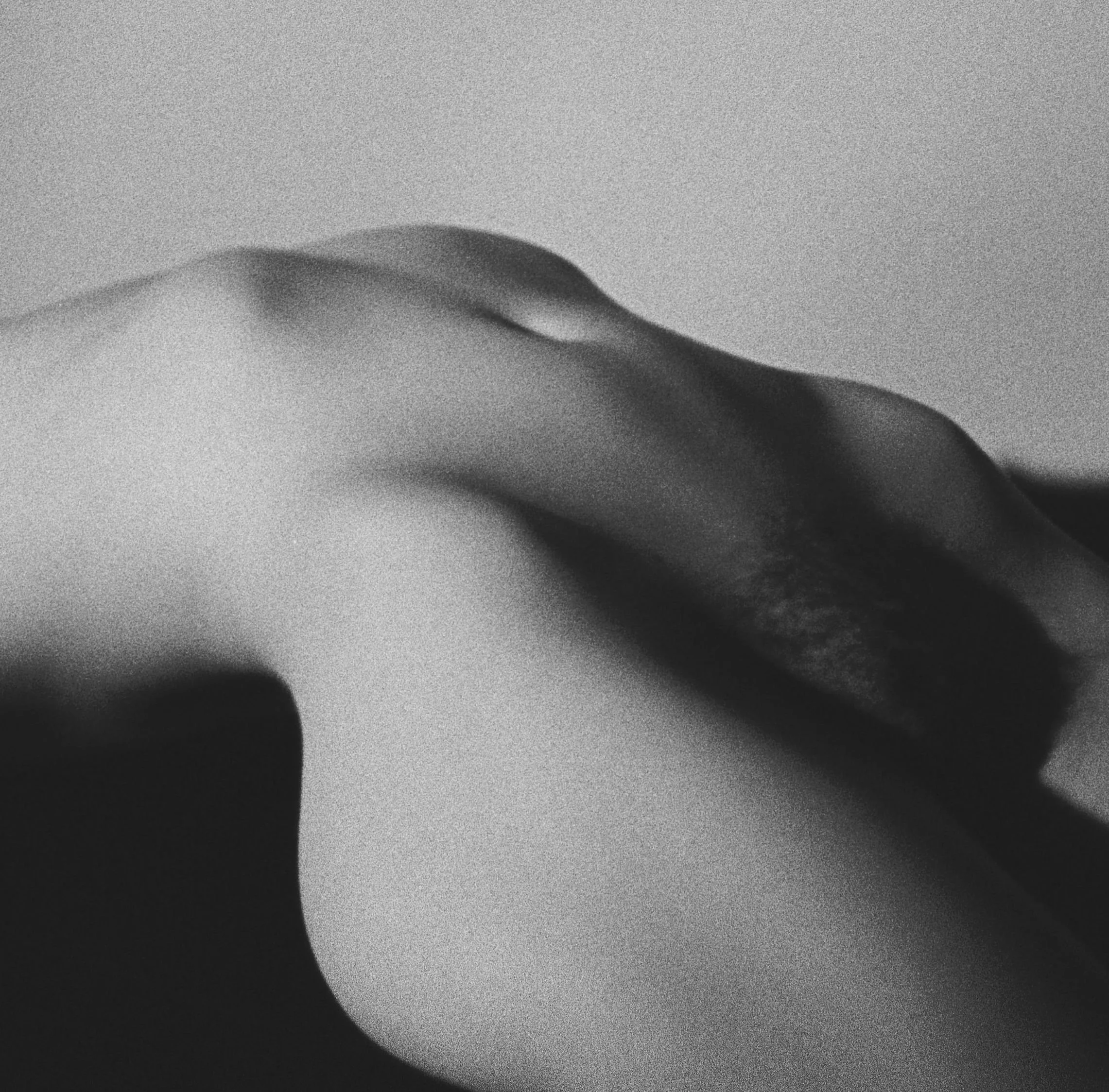
Shape & Form, silver gelatin print, 14 x 14 in, 2025, USD 1900, © Michael David Walrond, San Francisco, California
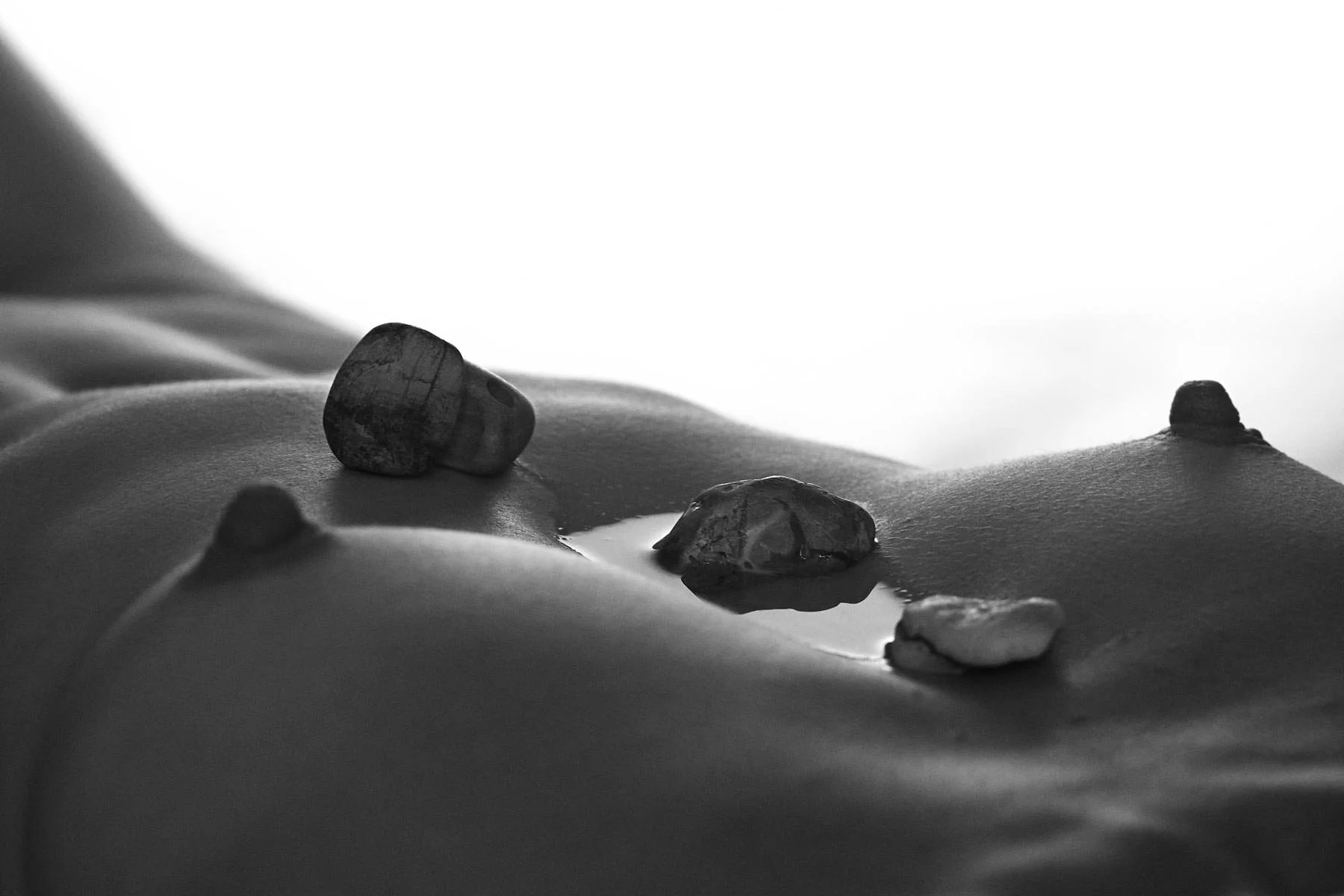
Stones, archival print, 21 x 29.7 cm, 2025, 200€, © Federico Fiorenzani, Grosseto, Italy
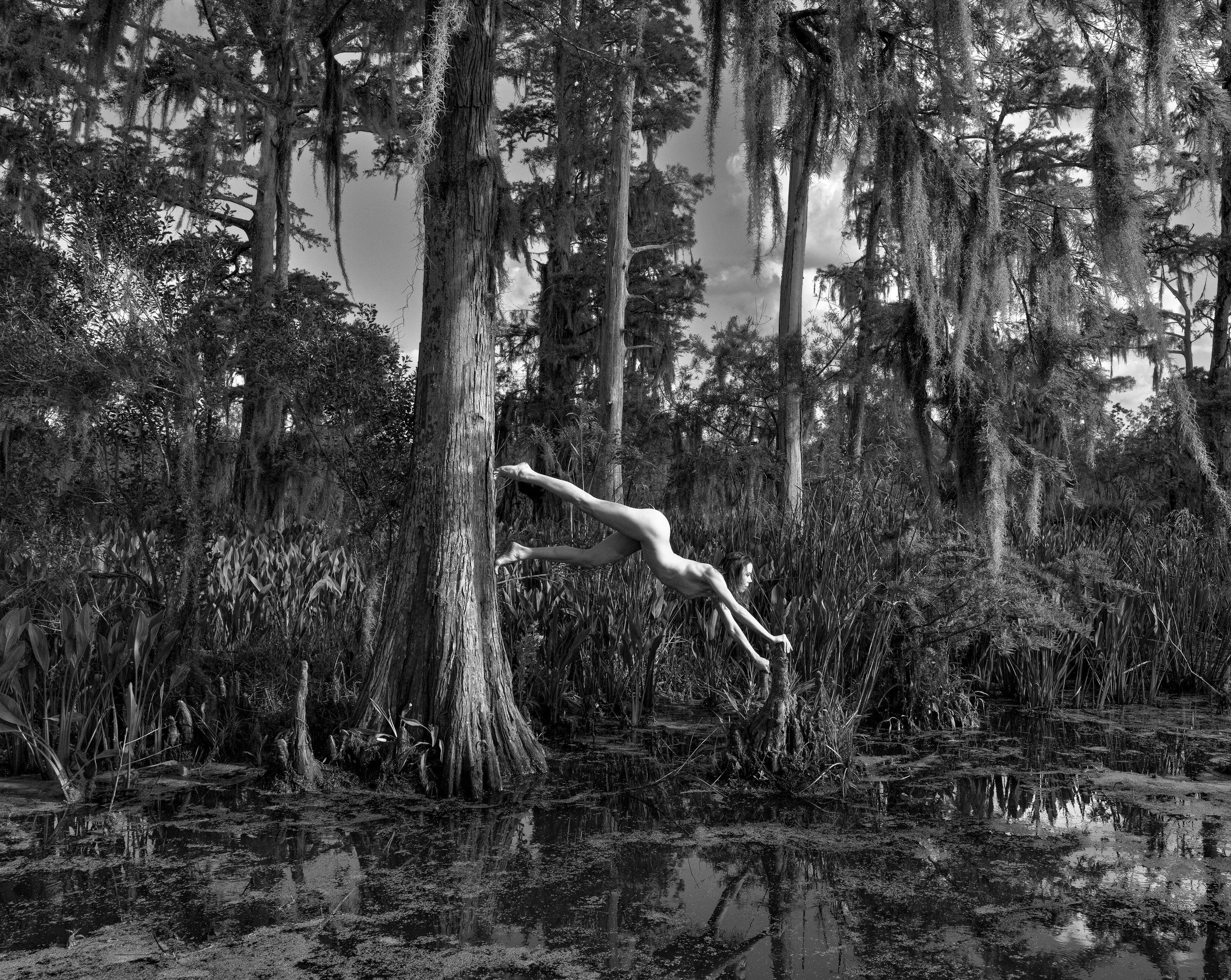
Bridging the Gap, archival print, 17.6 x 14 in, 2024, USD 850, © Lance Pressl, Deerfield, Illinois
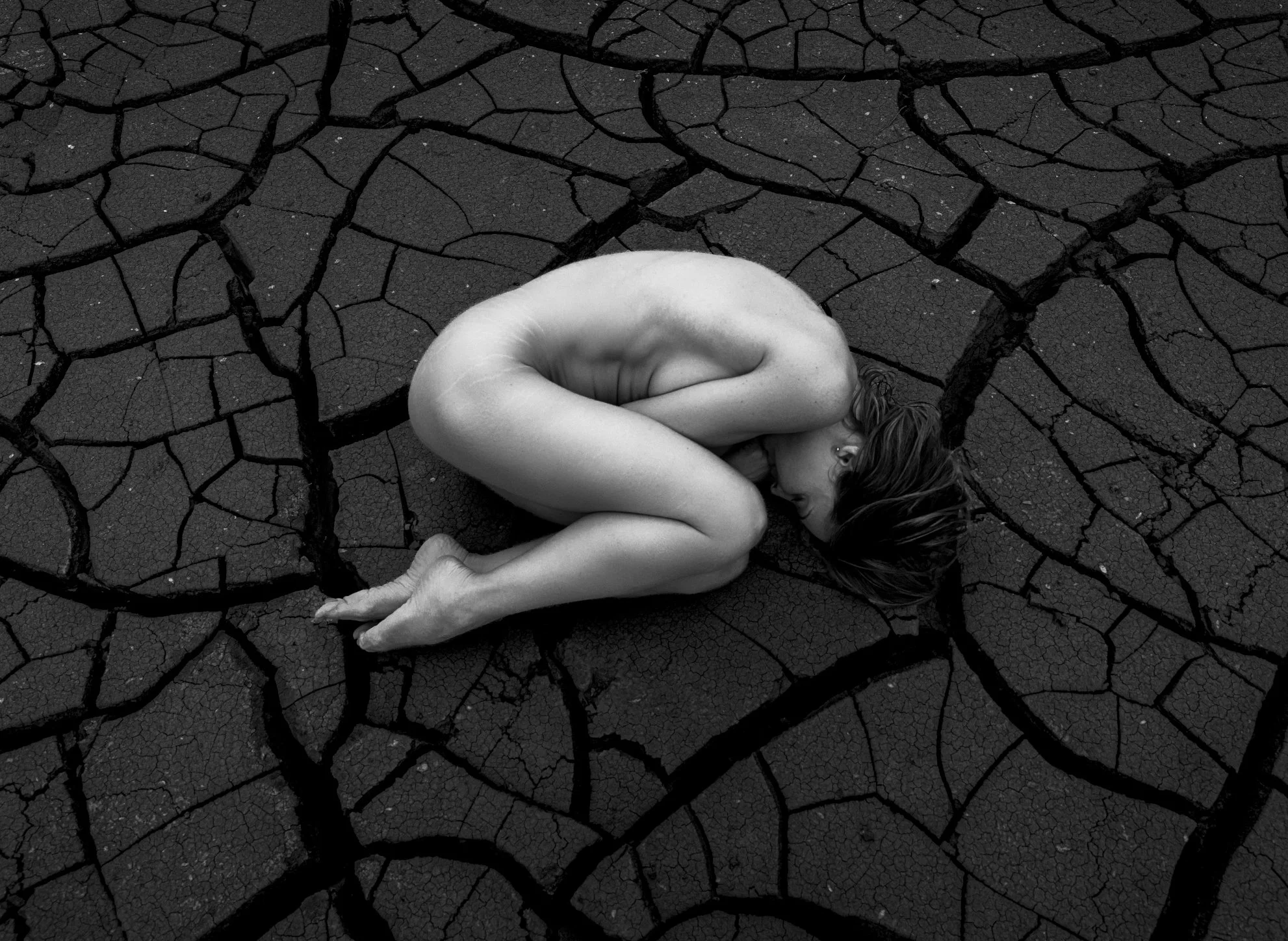
Untitled No. 3, archival print, 13 x 18 in, 2025, USD 350, © Michael Kelly-DeWitt, Sacramento, California

Mistress of Novices, archival print, 17 x 11 in, 2017, USD 200, © Roy Ricci, Albuquerque, New Mexico
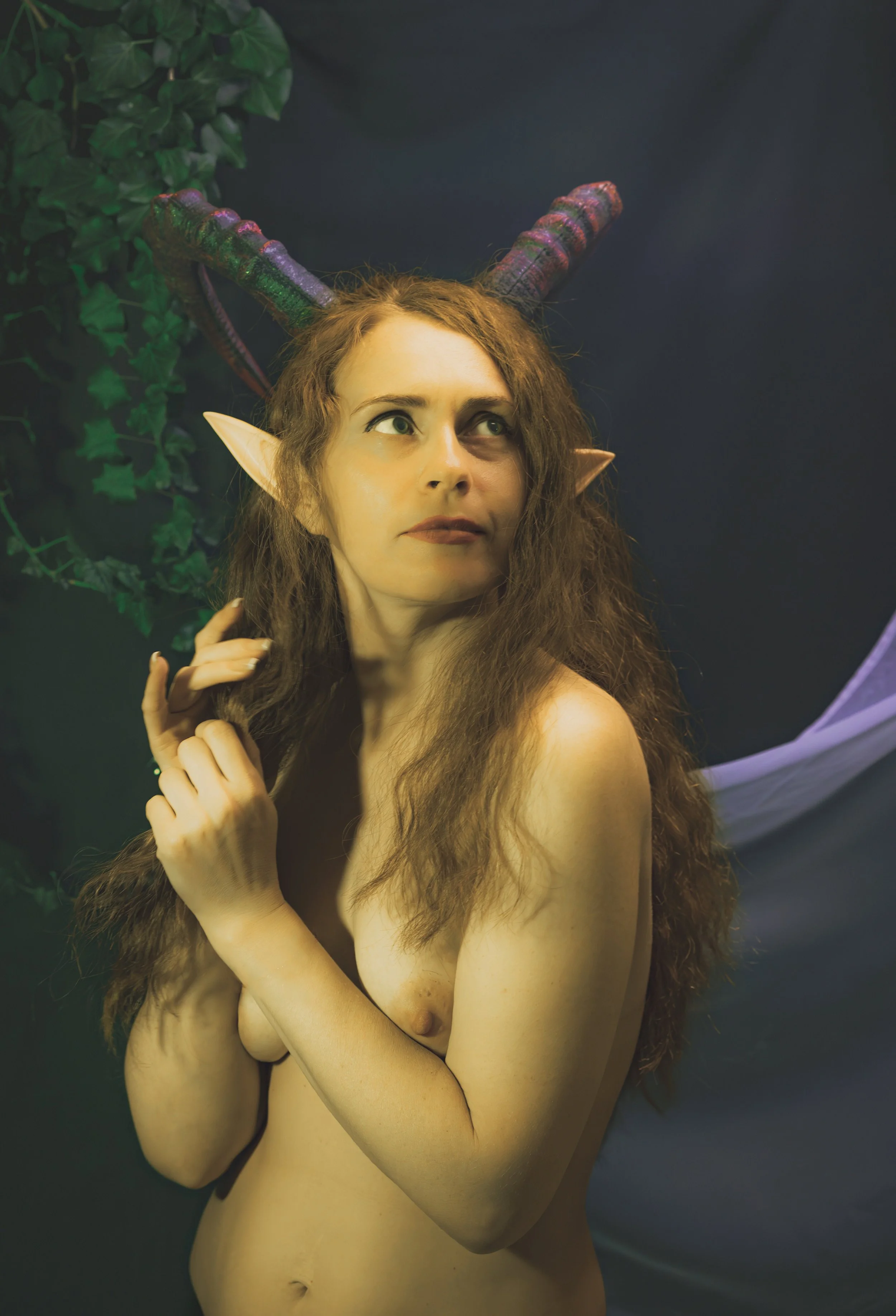
Daughter of a Satyr, 30 x 20 in, 2025, USD 750, © Svitlana Zinovieva, Plzeň, Czech Republic
Sales and Artist Inquiries
Are you interested in making a purchase or connecting with one of the featured artists? Send us a message through our contact form, and we'll get back to you shortly.