

Letters, Numbers & Symbols (2024)
November 1–December 1, 2024
Letters, Numbers & Symbols re-evaluates the fundamental elements of communication—letters, numbers, and symbols—by presenting them in ways that challenge typical perception and encourage a deeper understanding of their visual and conceptual power. The exhibition explores the intersection of language, mathematics, and semiotics through the captured image.
Featured Artists
Andy Mattern, B.A. Bliss, Beki Cowey, Bob Debski, Bruce Warren, Denis Sivack, Donald Bolak, Ellen Stern, Howard Pohl, James Tabor, Joan Eckhardt, Johnny Sutton, Katie Murken, Kip Harris, Kylo-Patrick Hart, Leonard Jewler, Mark Peacock, Mauro Zorer, Meredith Andrews, Mike Narciso, Mojtaba Chenari, Nansi Lent, Paul R. Berger, Roger Archibald, Sena Clara Creston, Serhii Diedushev, Sue Abramson
Reading Interrupts Looking
A photograph containing text is processed in two incompatible ways at once. The eye reads, which is fast, automatic and linear, and it also looks, which is slower and spatial. Reading wins. Any legible word in a frame becomes the first thing a viewer attends to regardless of its size or placement, which makes text the most powerful and least controllable compositional element available. The thirty works in this edition, credited between 1992 and 2024 by twenty-seven artists, all negotiate that problem.
Text in a Photograph Is Never Just Texture
Photographers sometimes treat lettering as pattern, and it refuses to cooperate. A word photographed for its shape will still be read, and once read it acquires a meaning that competes with whatever the picture was about. The workable strategies are to make the text the subject outright, to render it illegible through distance, angle, damage or shallow focus, or to choose a word whose meaning reinforces the image rather than fighting it. What rarely works is including a legible word and hoping the viewer will look past it.
Signage Dates a Picture Precisely
Typography is among the most reliable dating tools available in a photograph. Letterforms, sign fabrication methods, telephone-number formats and price conventions all change on documented schedules, and a single shopfront fascia can locate an image within a few years. Photographers interested in vernacular lettering are therefore working with chronology as much as with form. Hand-painted commercial signage in particular has been disappearing steadily, replaced first by vinyl and then by illuminated panels, which is why so much of this genre reads as salvage even when the photographer intended nothing of the kind.
Numbers Behave Differently From Letters
Numerals carry information across languages in a way that words do not, and this changes what a photograph of them can do. A number in a frame prompts a specific question — how many, which one, how much, what date — rather than a general one. It also implies a system: a house number implies a street, a serial number implies a production run, a price implies a market. Photographs of numbers therefore tend to point outward at bureaucracy, commerce and enumeration, while photographs of words point inward at voice and address.
Alphabets You Cannot Read
An unfamiliar script reverts to pure form, and the same characters that function as language for one viewer function as ornament for another. This produces an awkward asymmetry in any international exhibition: a work built on a pun in one language becomes an abstract composition elsewhere. The photographers who handle this best either make the visual structure strong enough to survive the loss of meaning, or make the illegibility itself the subject, so that a viewer who cannot read the sign is experiencing the intended condition rather than missing it.
Why the Theme Recurs
Written and numeric material changes faster than almost any other photographic subject, because it is manufactured, dated and routinely replaced, so a brief on letters and symbols produces a visibly different catalog each time it is issued. TCG Gallery is an independent online photography gallery, and each juried exhibition remains part of a permanent public archive after its run ends, so these catalogs accumulate into a longer record than any single project. Photographers can enter the current photography open calls directly.
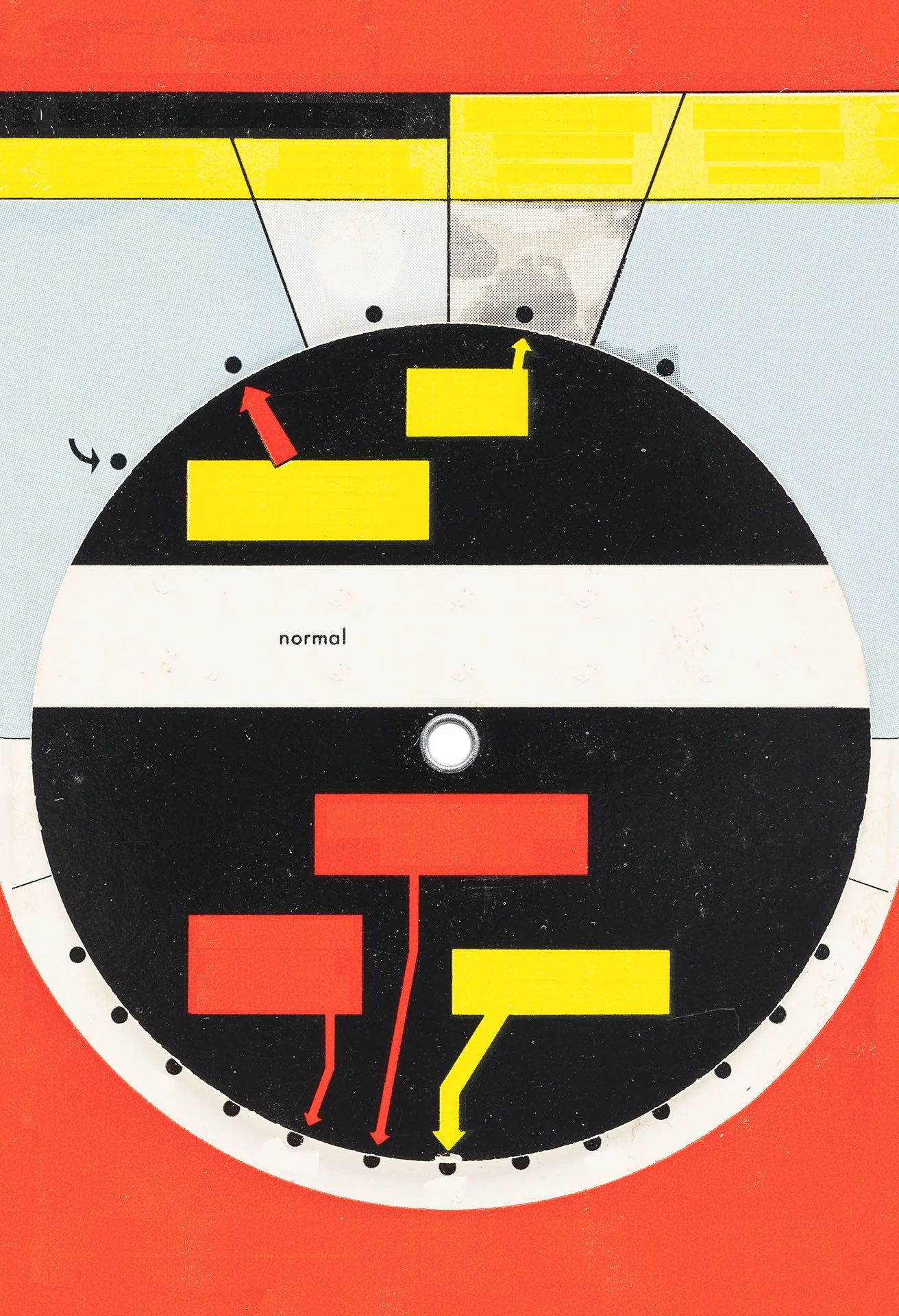
Normal, archival print, 25.75 x 17.75 in, 2018, USD 3800, © Andy Mattern, Stillwater, Oklahoma
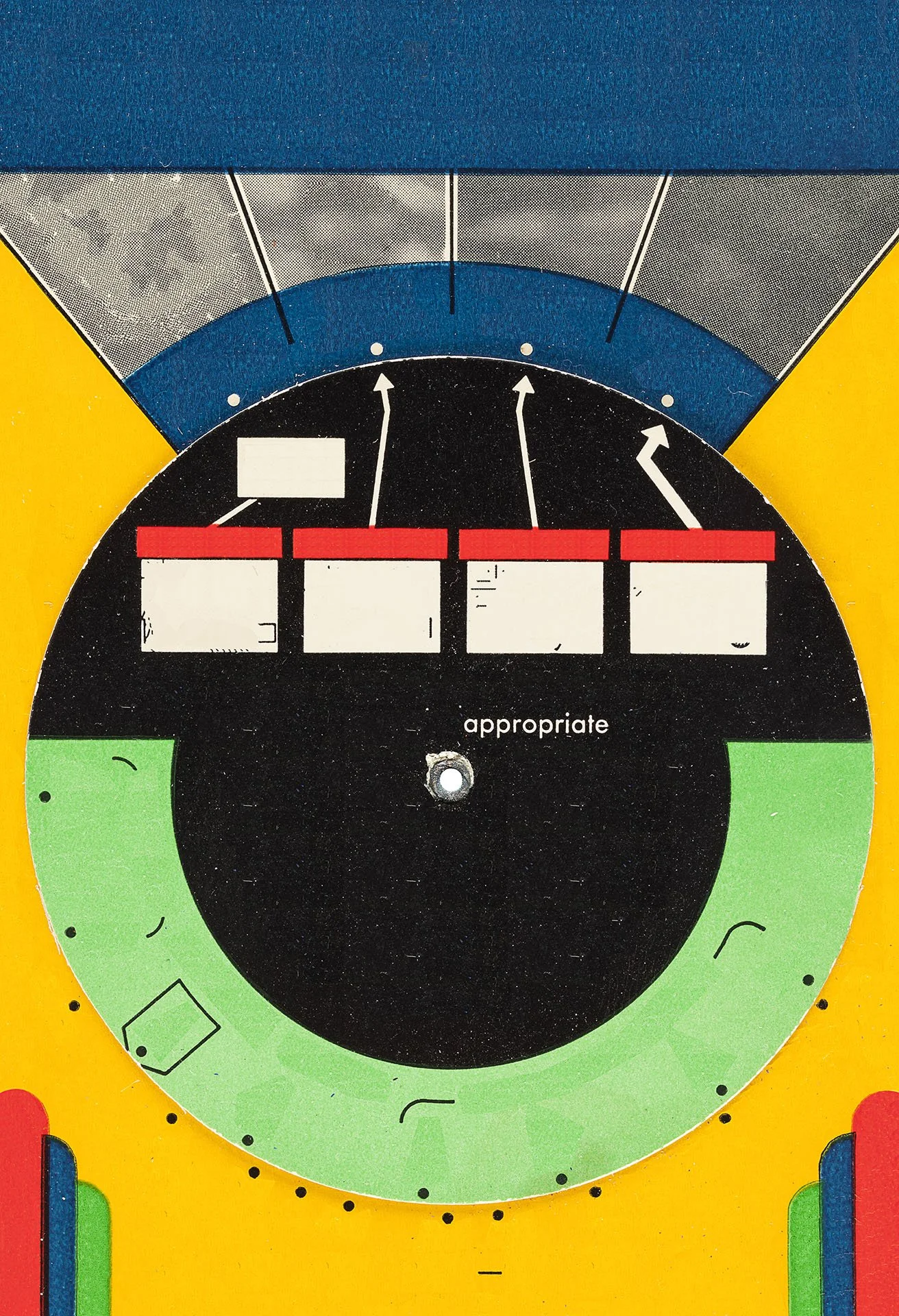
Appropriate, archival print, 25.75 x 17.75 in, 2018, USD 3800, © Andy Mattern, Stillwater, Oklahoma

Isosceles Serenade, archival print on canvas, 30 x 30 in, 2024, USD 2500, © B.A. Bliss, Orlando, Florida

Vanity Table Vanitas, archival print, 12 x 10 in, 2023, 450€, © Beki Cowey, Guisborough, United Kingdom
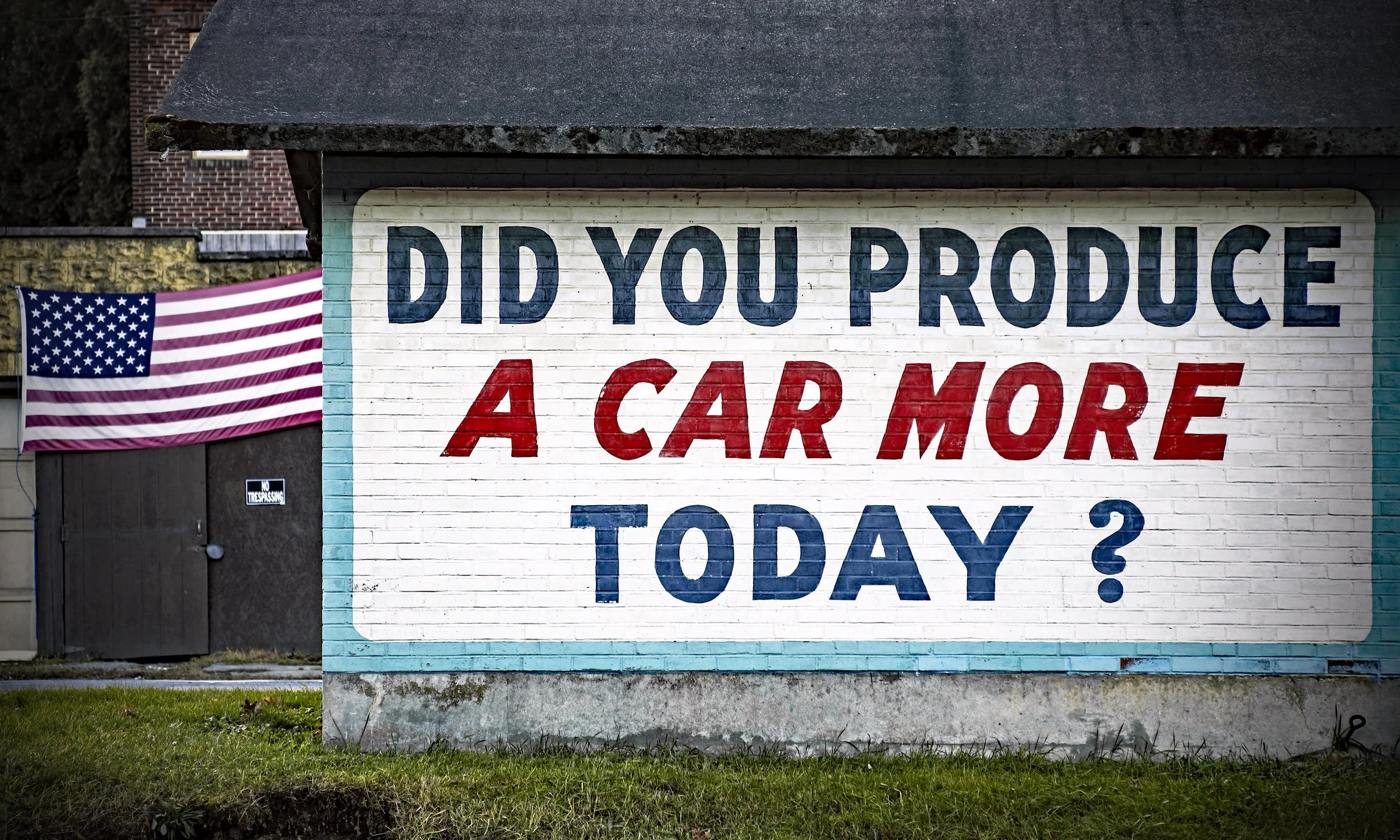
Work Ethic, archival print, 12 x 20 in, 2021, USD 350, © Bob Debski, Lansdale, Pennsylvania

50K, c-print, 13.5 x 10.5 in, 1992, USD 350, © Bruce Warren, Eau Claire, Wisconsin

The Hand of Man?, archival print, 12 x 18in, 2022, USD 190, © Donald Bolak, Wheeling, Illinois
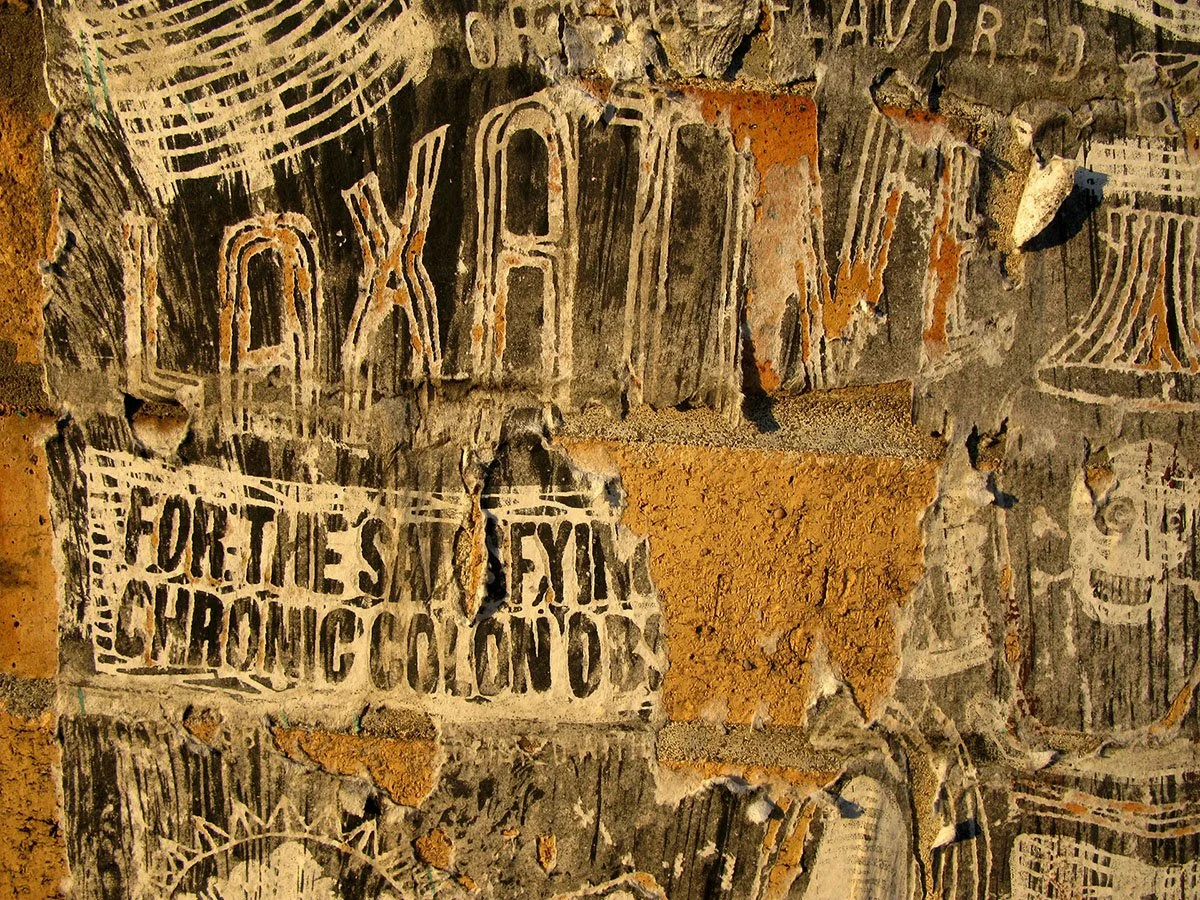
Chronic, archival print, 10.1 x 13.5 in, 2022, USD 800, © Denis Sivack, New York City, New York

Seven, archival print, 16 x 20 in, 2018, USD 350, © Ellen Stern, Royal Palm Beach, Florida
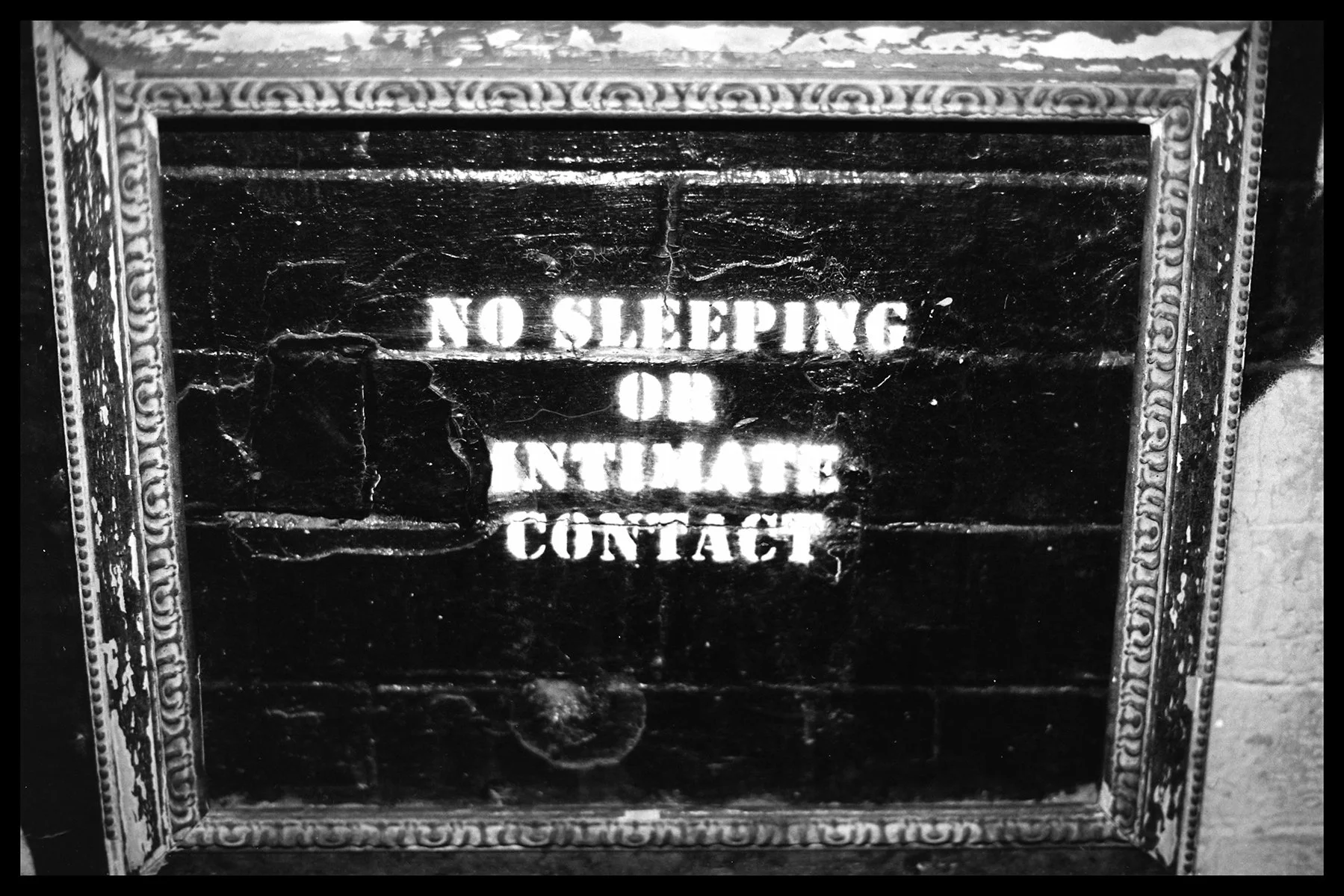
No Sleeping or Intimate Contact, silver gelatin print, 8 x 10 in, 2023, USD 150, © James Tabor, Phoenix, Arizona

Open All Year, silver gelatin print, 16 x 20 in, 2022, USD 375, © Howard Pohl, Lindenhurst, New York
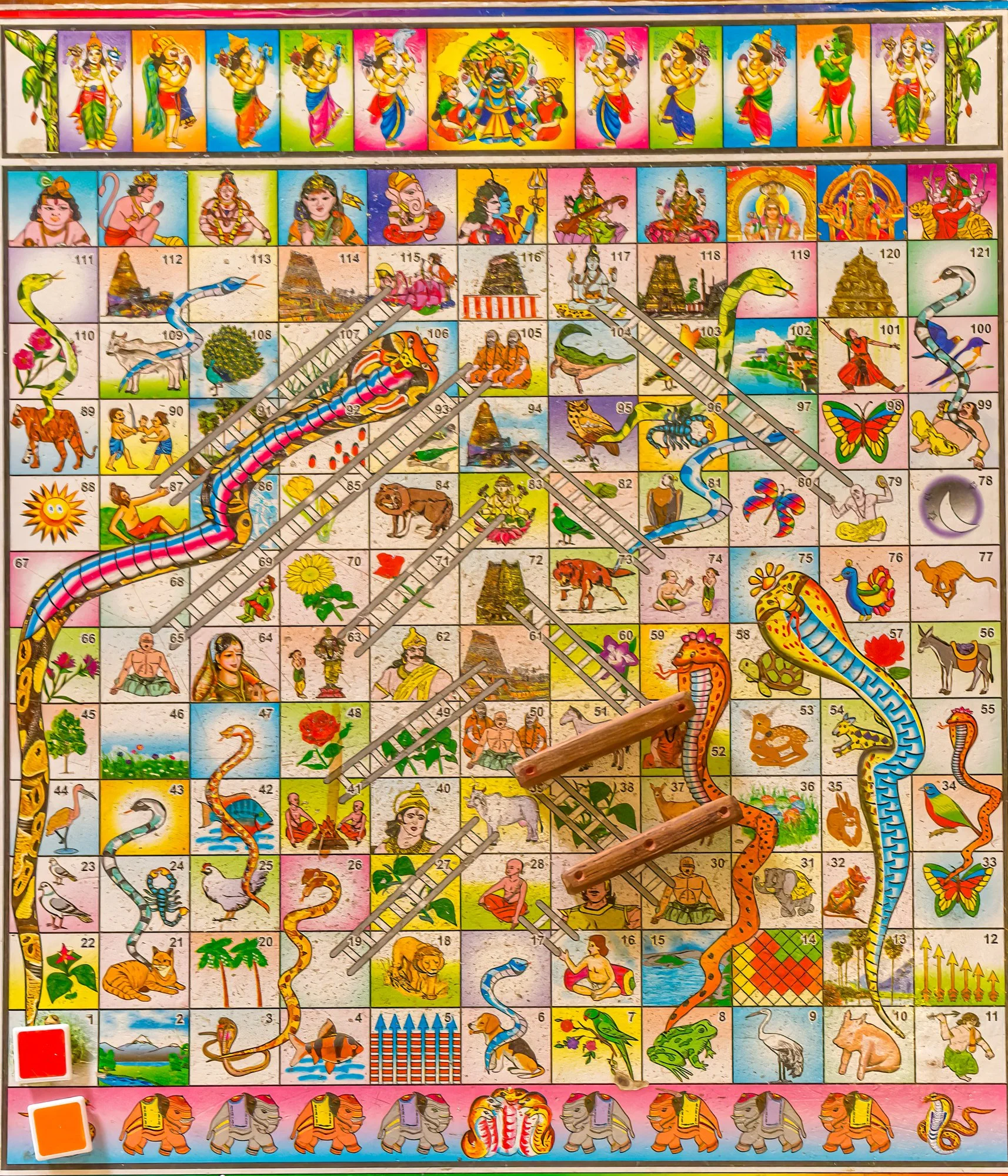
Snakes and Ladders, archival print, 12 x 14 in, 2023, USD 225, © Joan Eckhardt, Okatie, South Carolina

ACAB, archival print, 12 x 12 in, 2021, NFS, © Johnny Sutton, Wichita, Kansas

Dust to Dust: Crisis, shipping pallet, inkjet photographs, floral bedsheet, cyanotype, acrylic wash, 35.75 x 44 x 4.75 in, 2024, USD 3500, © Katie Murken, Alameda, California
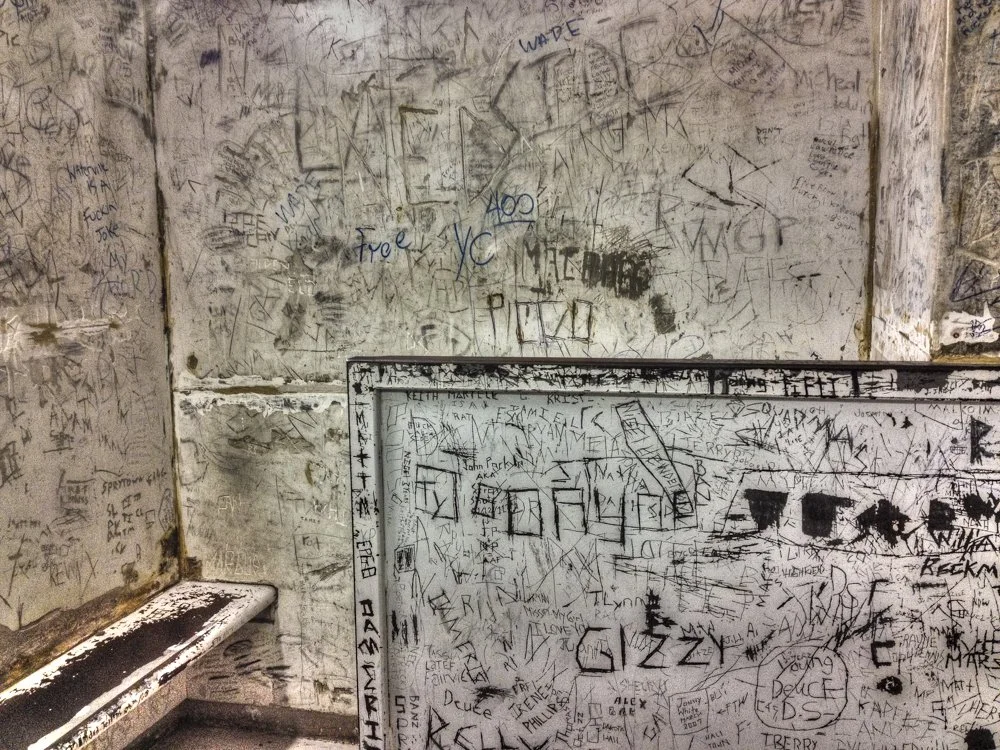
Women's Holding Cell, archival print, 23 x 28.75 in, 2014, USD 500, © Kip Harris, Indian Harbor, Nova Scotia, Canada
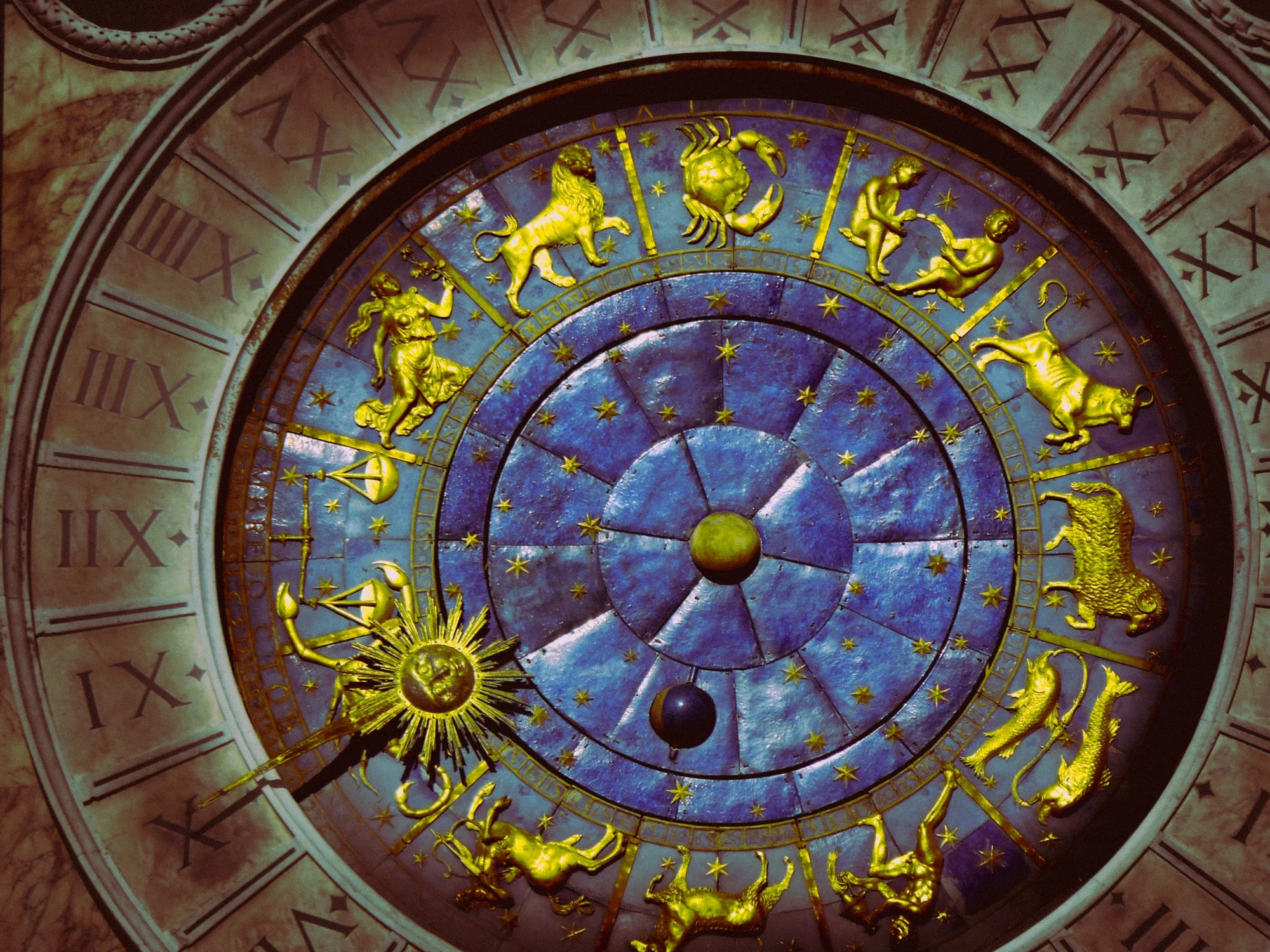
Zodiac, photo transfer on metal, 16 x 20 in, 2022, USD 600, © Kylo-Patrick Hart, Aledo, Texas
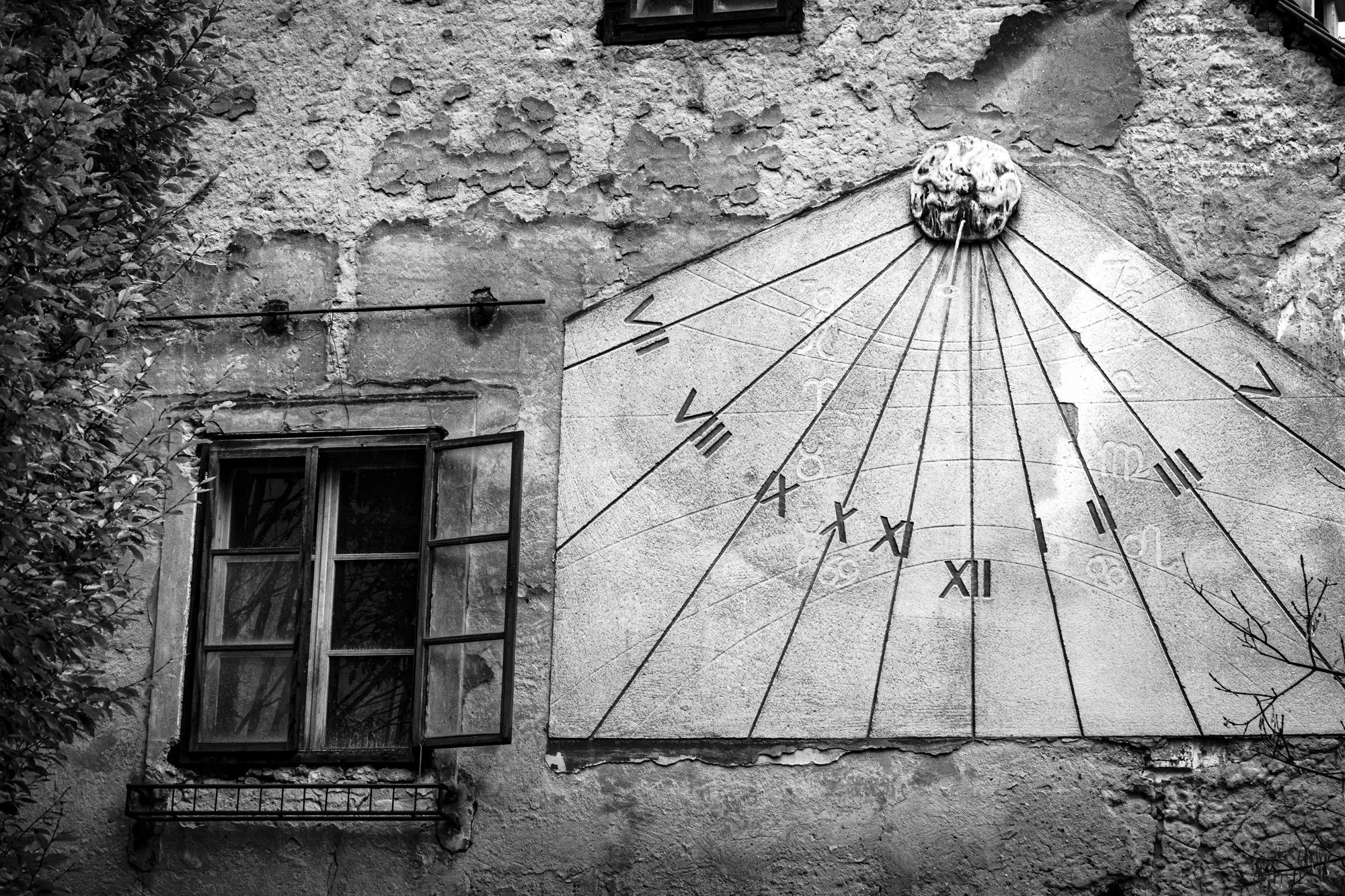
Passage, photo transfer on metal, 16 x 24 in, 2023, USD 650, © Kylo-Patrick Hart, Aledo, Texas

Gate, archival inkjet print, 12 x 18 in, 2022, USD 250, © Leonard Jewler, Washington, D.C.
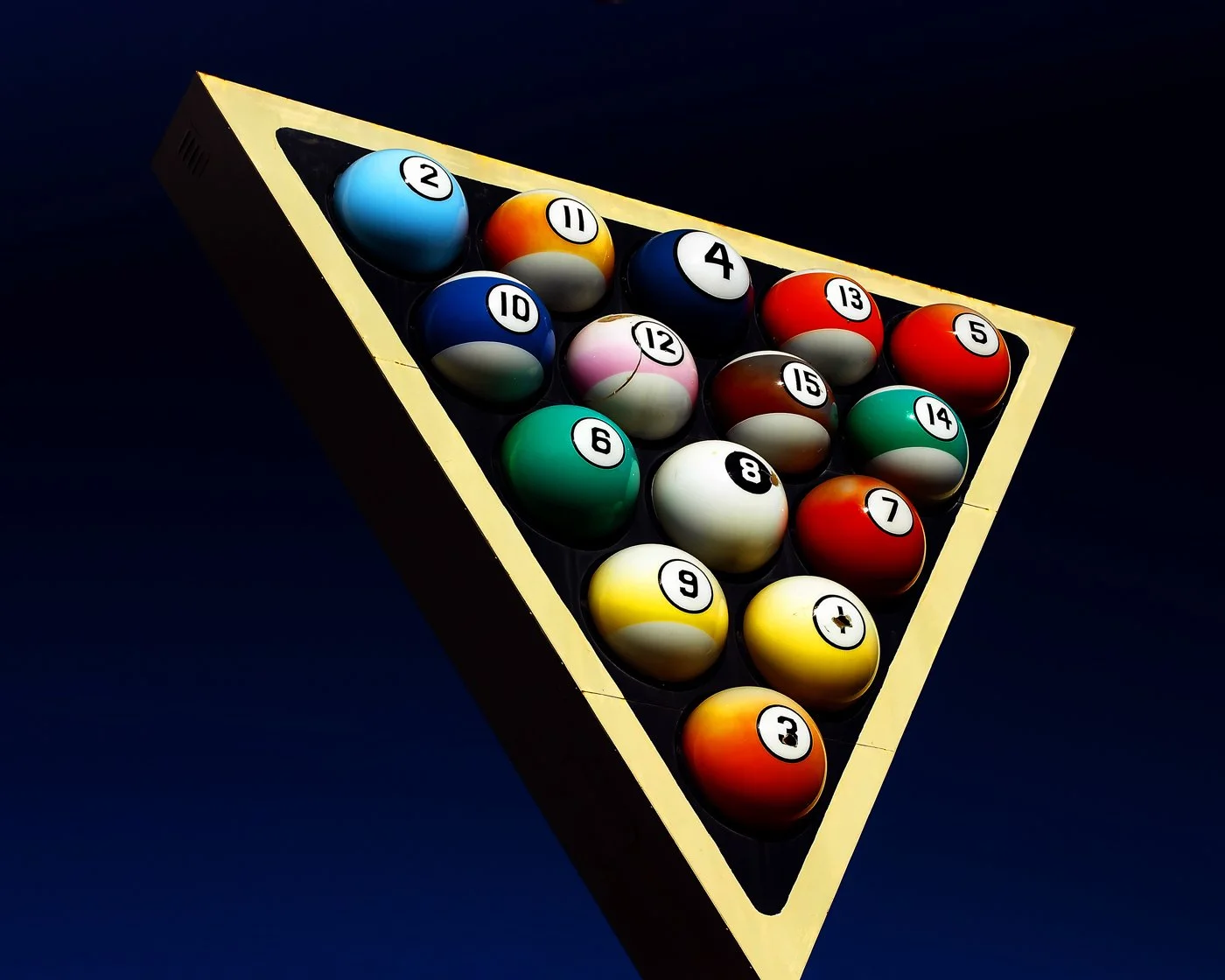
Rack 'em Up, archival print, 16 x 20 in, 2010, USD 340, © Mark Peacock, Los Angeles, California
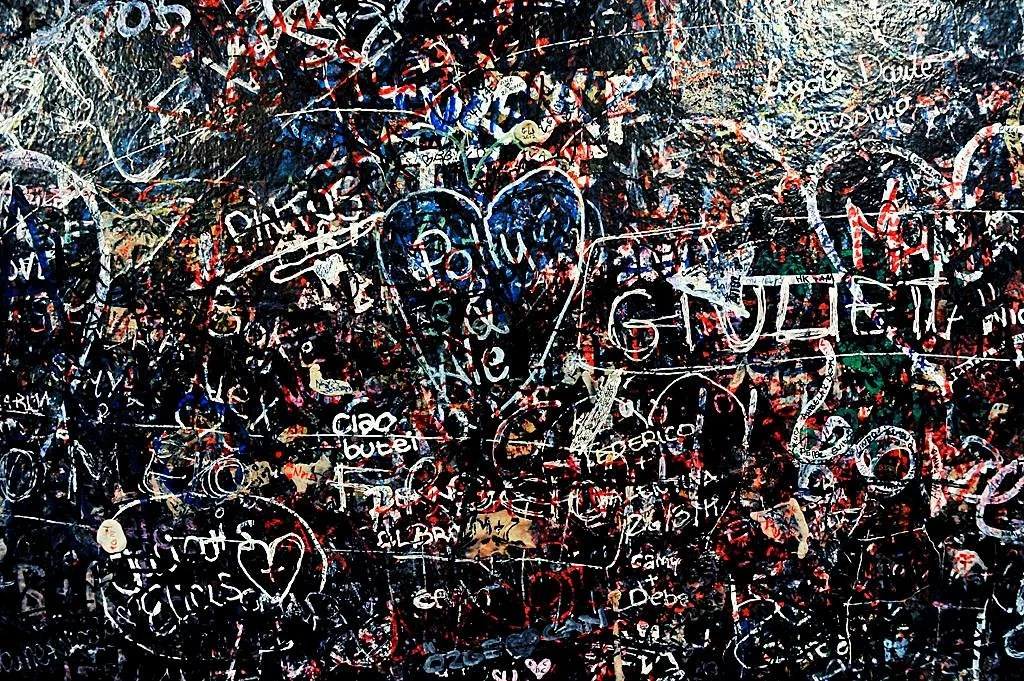
The Wall of Love, archival print, 70 x 50 cm, 2013, 2000€, Mauro Zorer, Altopiano della Vigolana, Italy
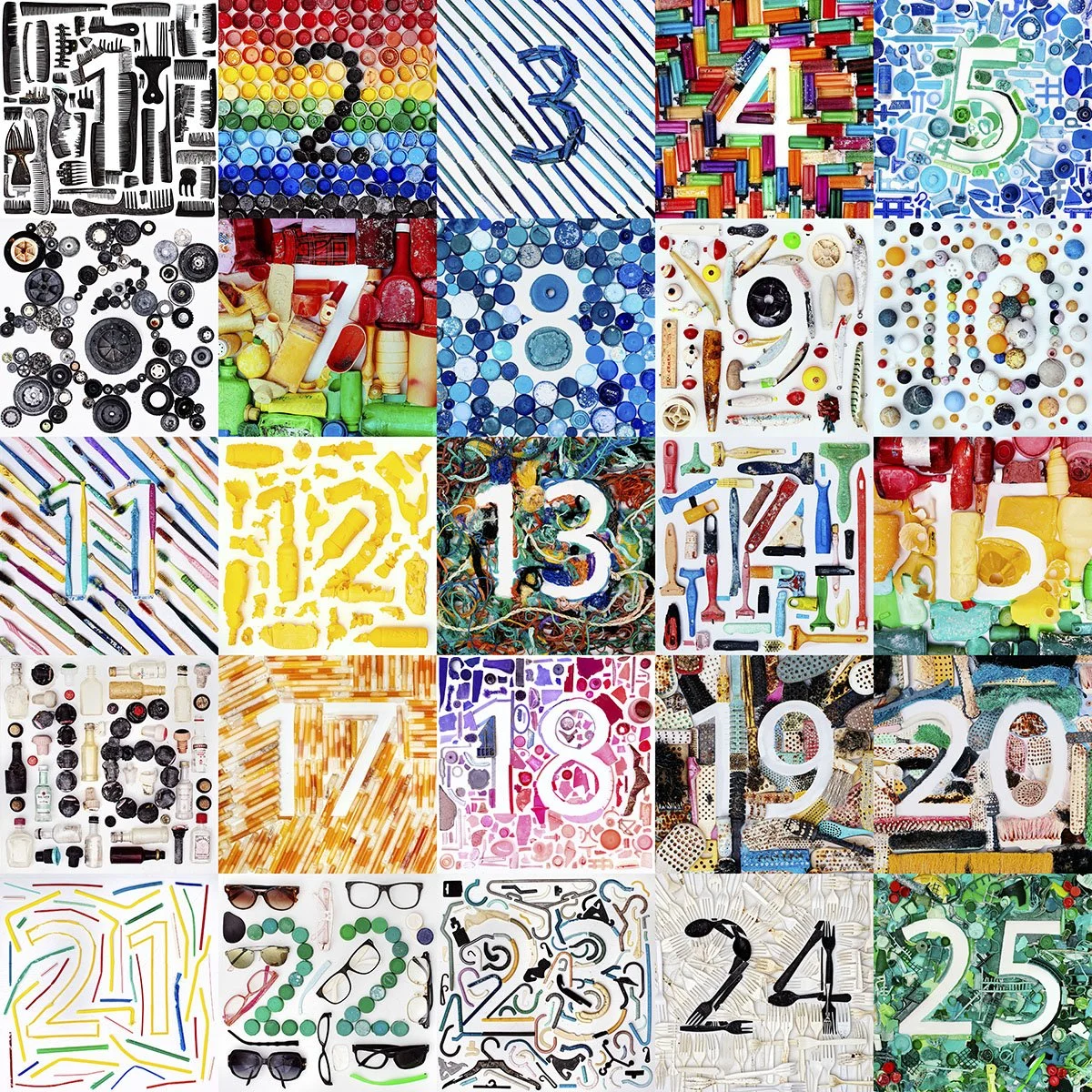
Ocean Plastic Advent Calendar, archival print, 24 x 24 in, 2017, USD 500, © Meredith Andrews, Paget, Bermuda
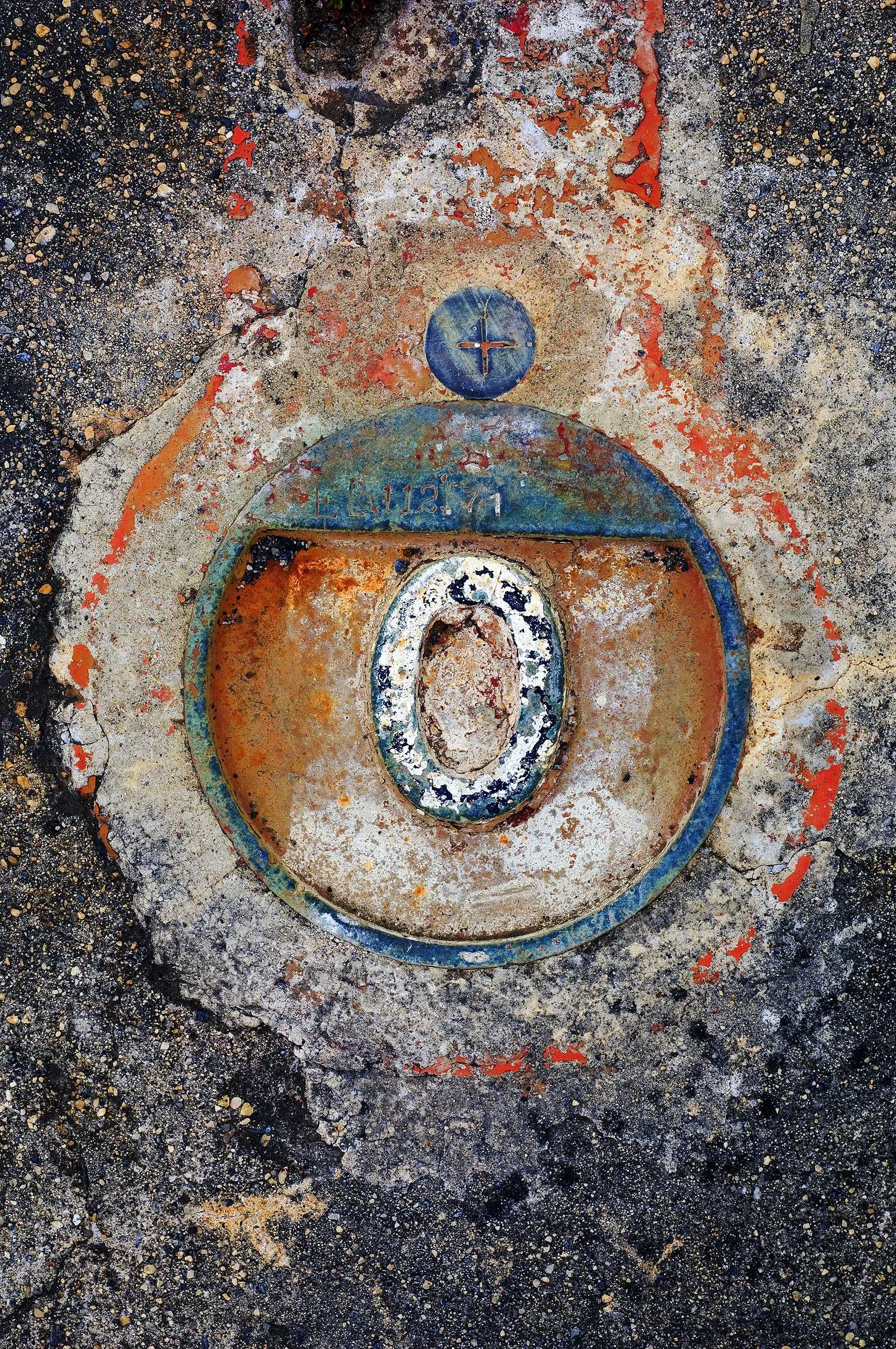
Paint By Numbers - Zero, archival print, 8 x 12 in, 2023, USD 250, © Mike Narciso, Vallejo, California
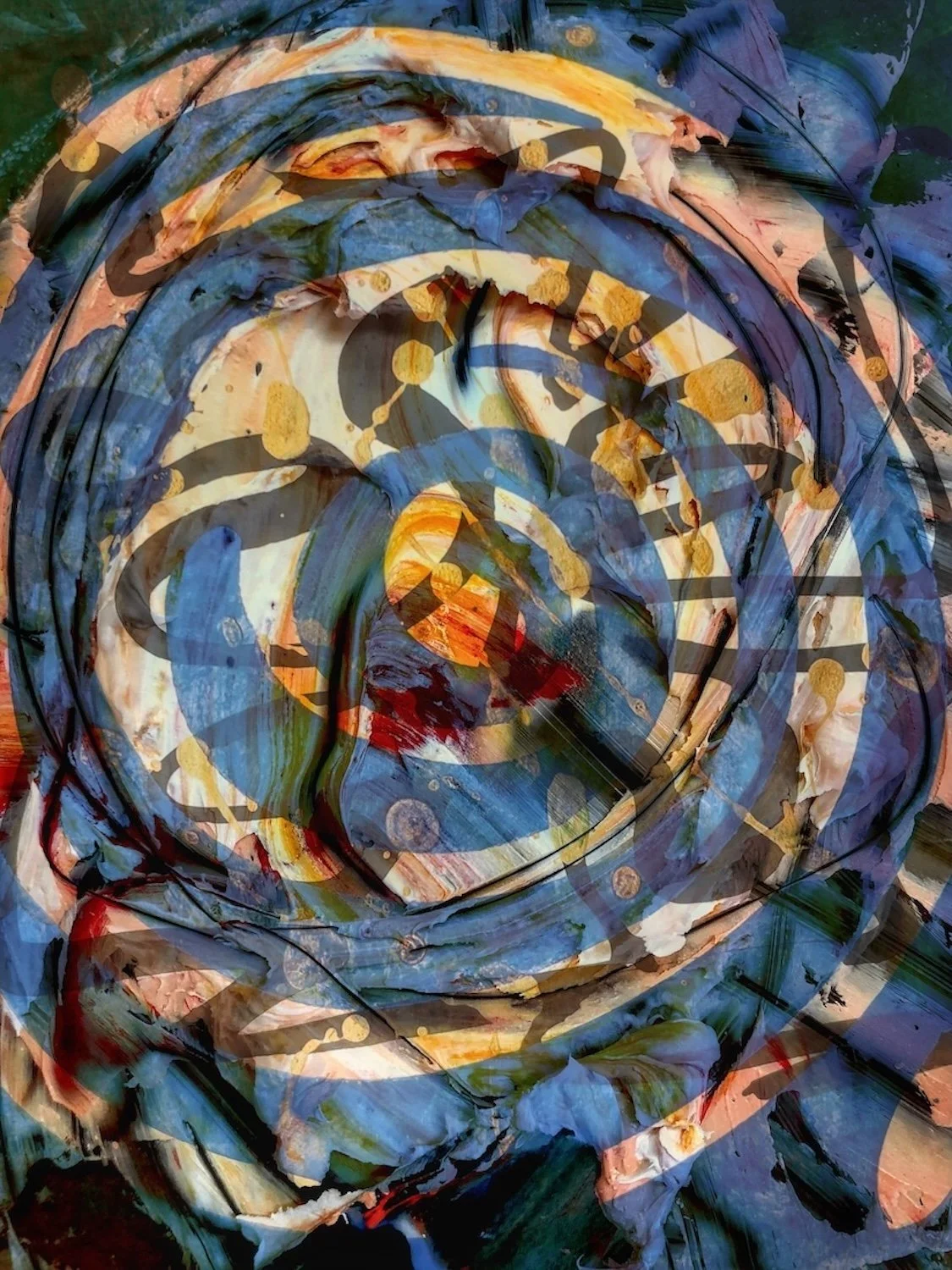
Spiraling Thoughts, archival print, 24 x 18 in, 2024, USD 950, Nansi Lent, Rhinebeck, New York
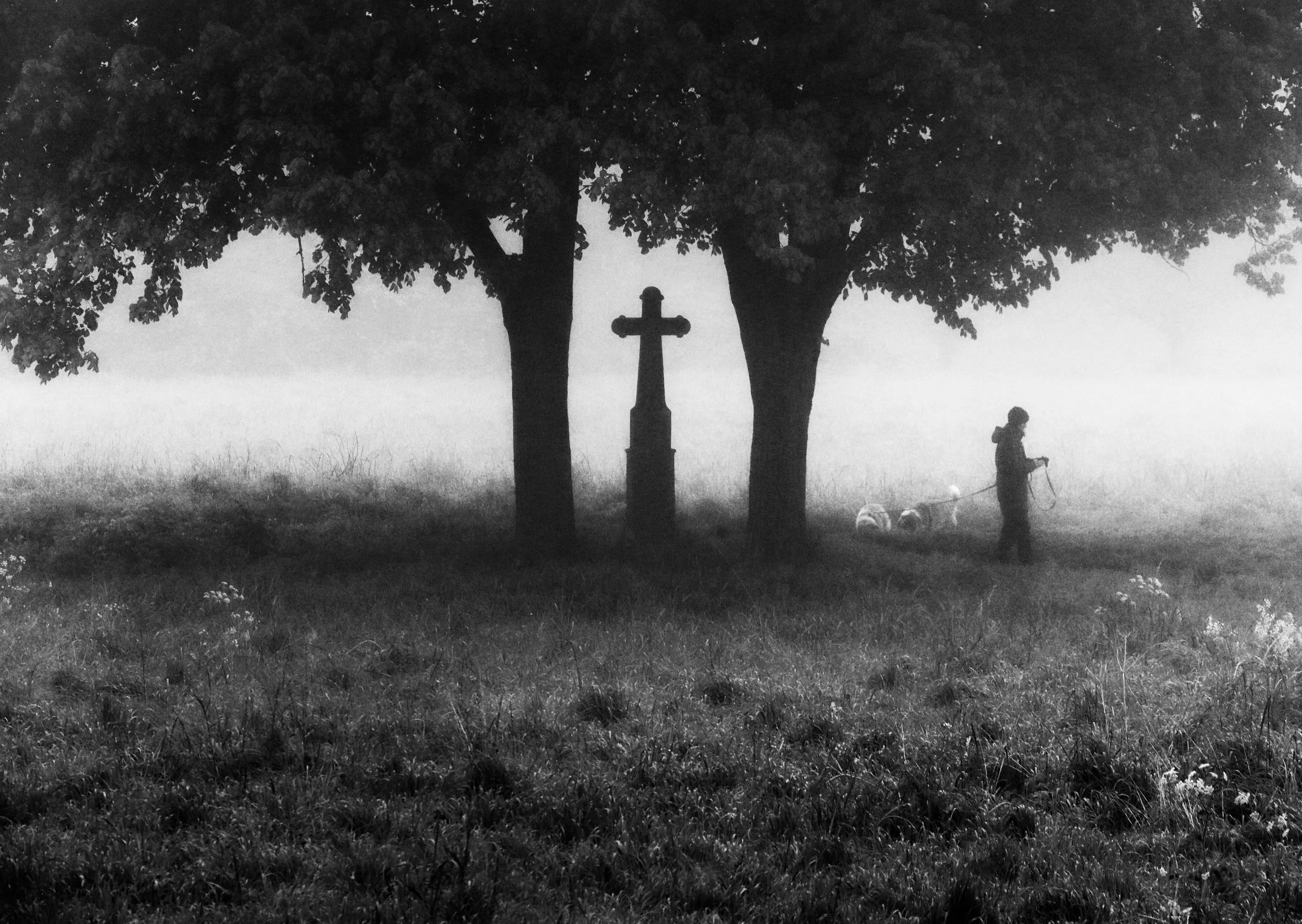
Lady and the Cross, archival print, 50 cm x 70 cm, 2024, 500€, © Mojtaba Chenari, Bonn, Germany
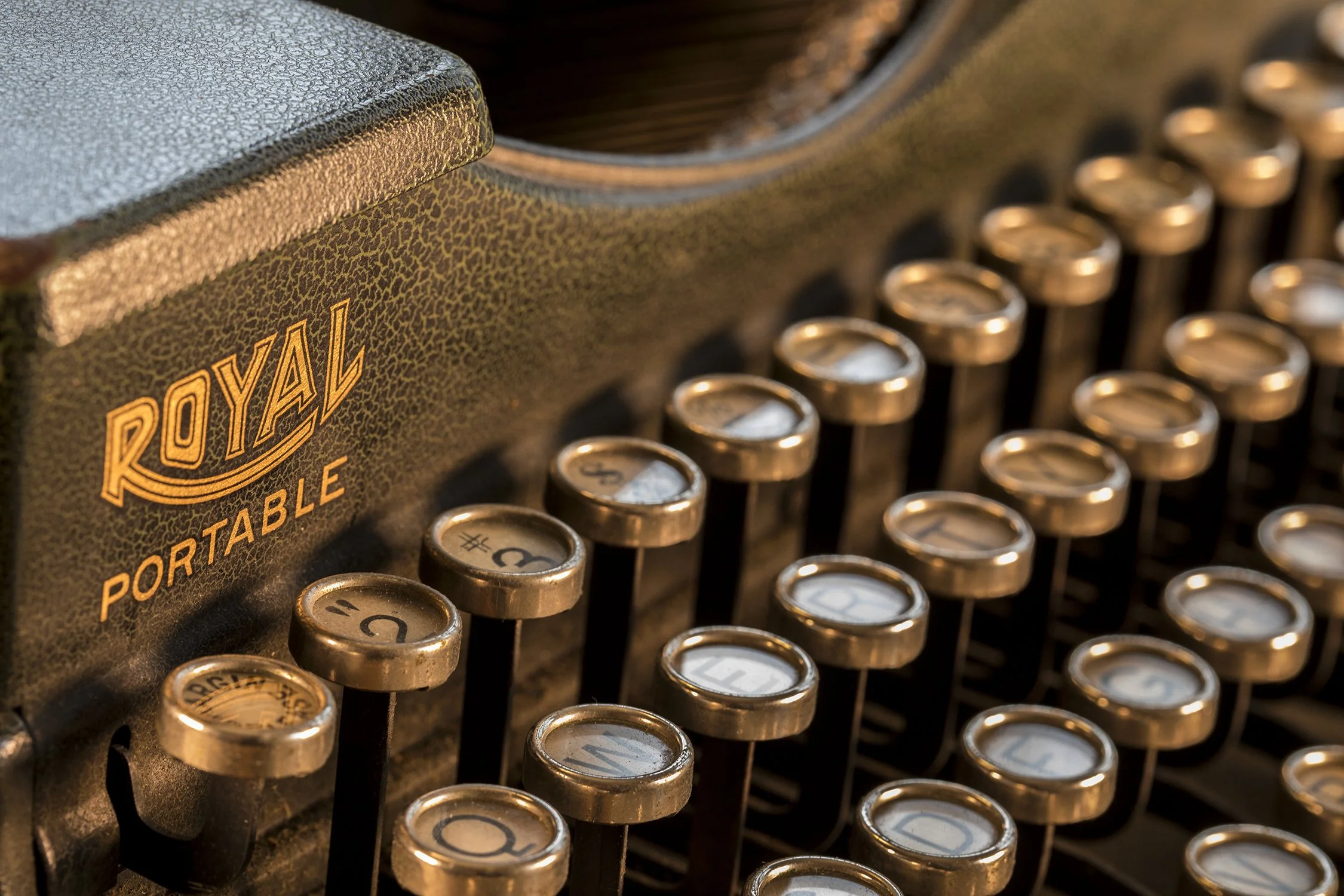
Treasured Letters, archival print, 24 x 31 in, 2018, USD 600, © Paul R. Berger, Newtown, Connecticut
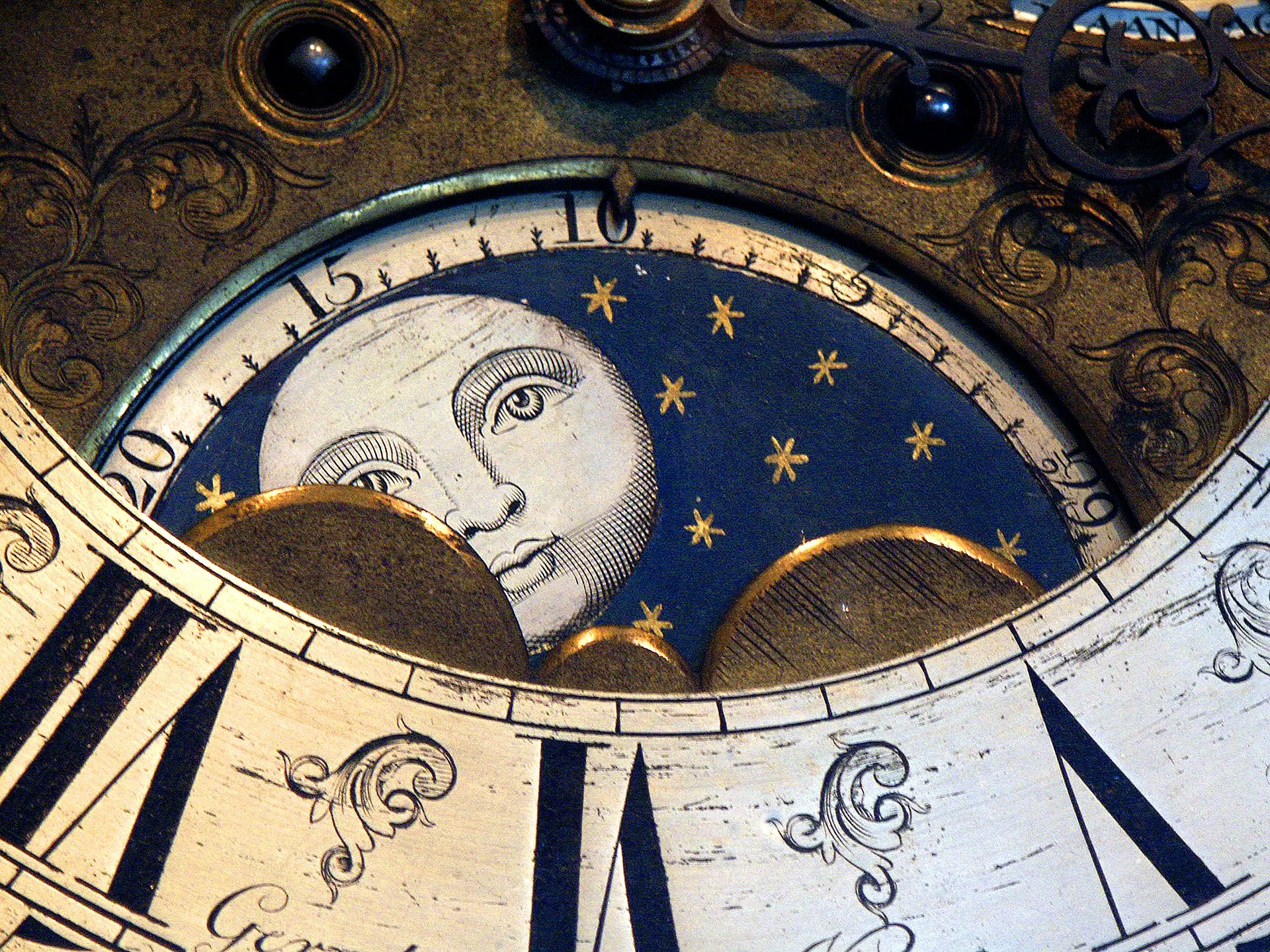
First Quarter, archival print, 17 x 13 in, 2004, USD 400, © Roger Archibald, North Quincy, Massachusetts
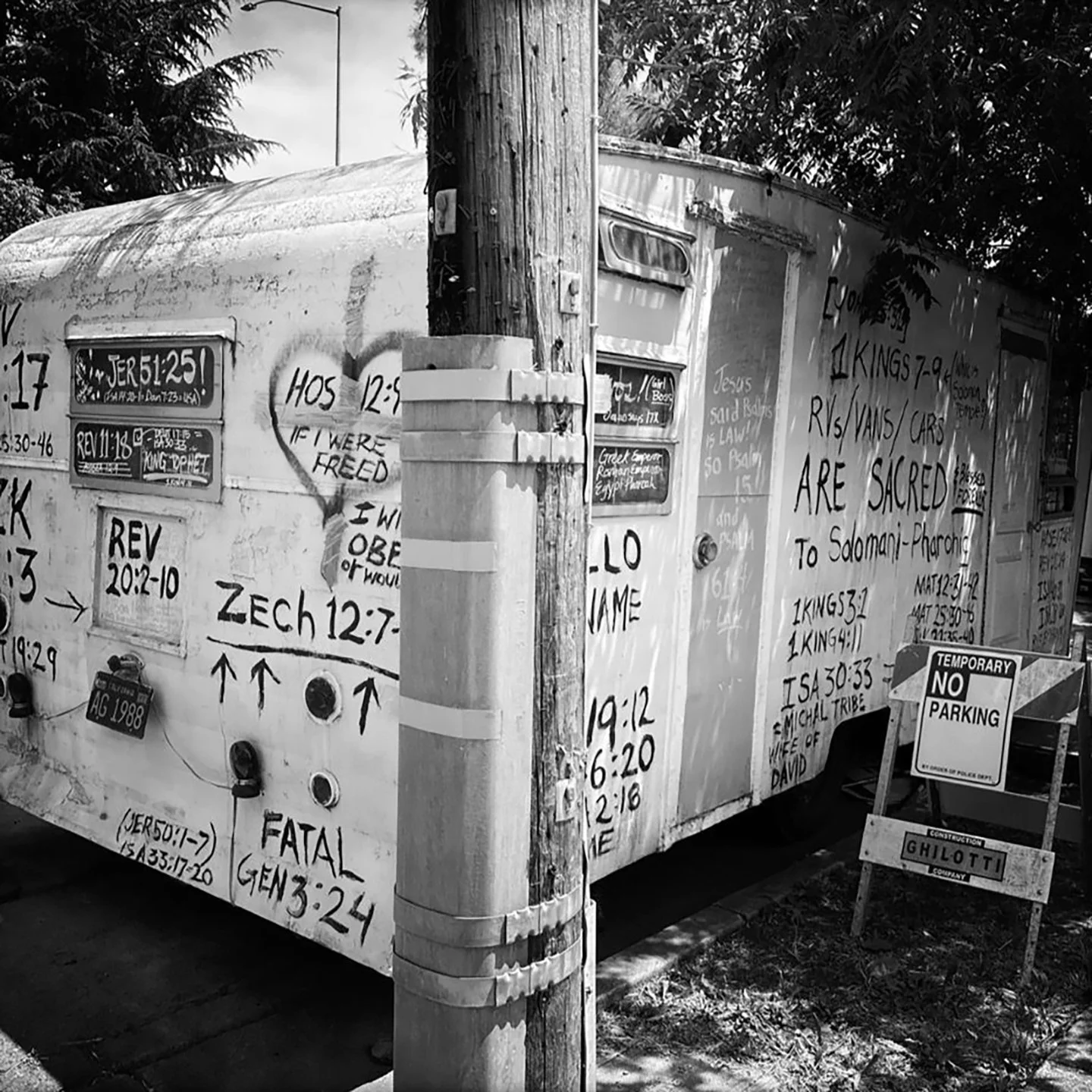
Zech, archival print, 11 x 11 in, 2024, USD 150, © Sena Clara Creston, Santa Rosa, California
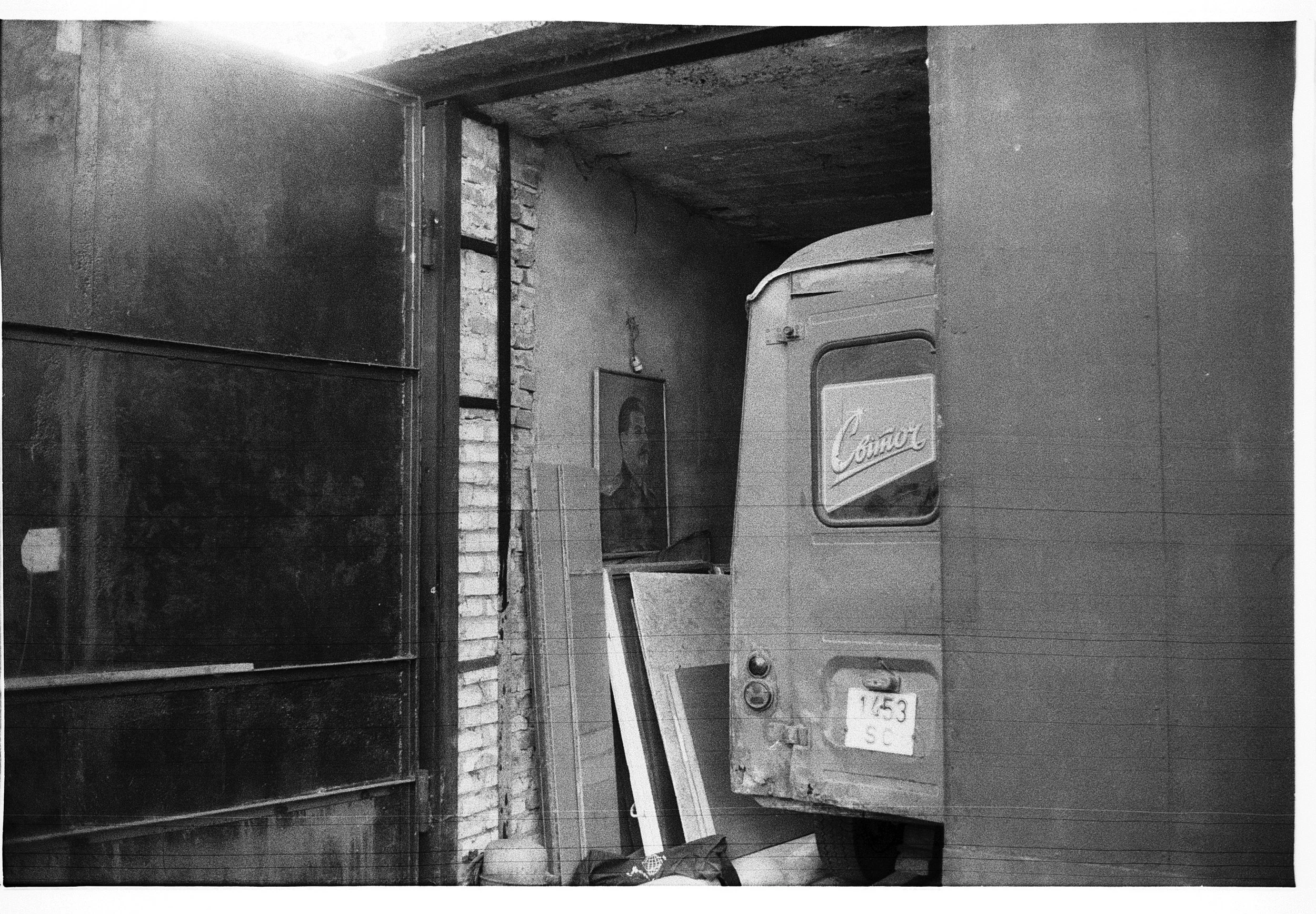
Forgotten Garage Chronicles, archival print, 20 x 30cm, 2022, USD 350, © Serhii Diedushev, Kryvyi Rih, Dnipropetrovska, Ukraine
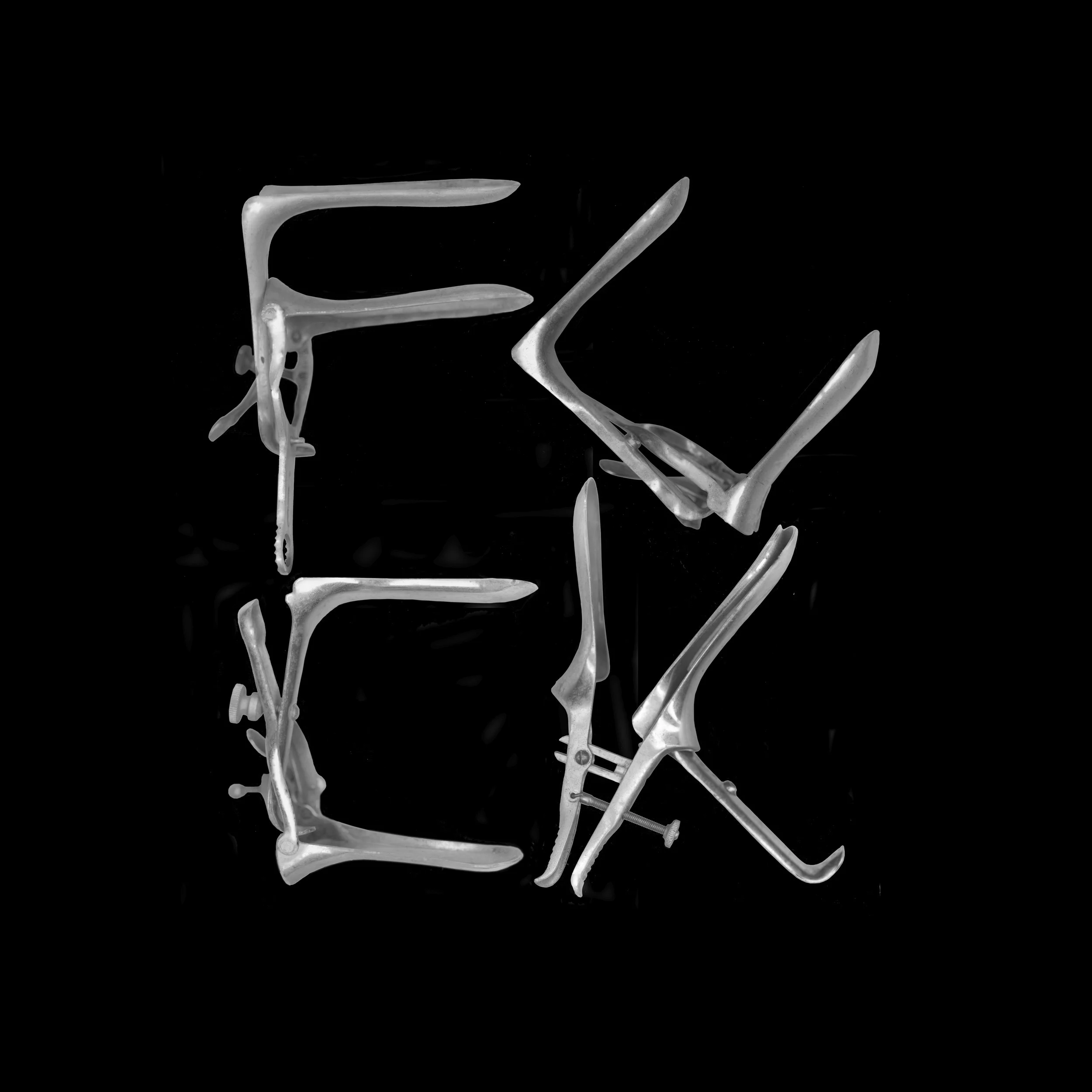
Fuck, archival print, 12 x 12 in, 2016, USD 250, © Sue Abramson, Pittsburgh, Pennsylvania
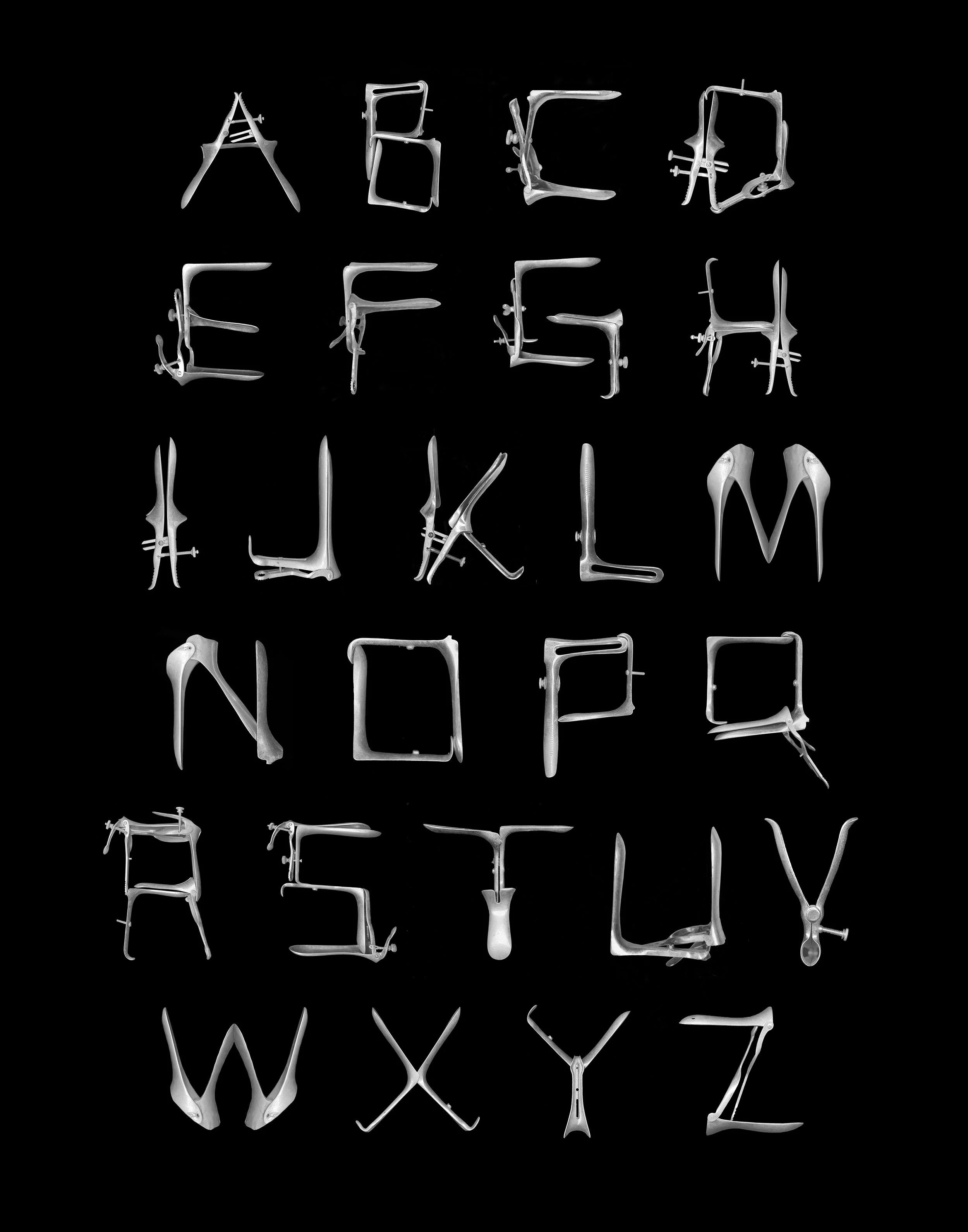
Speculum Alphabet, 20 x 16 in, silver gelatin print, 2009 - 2024, USD 1500, © Sue Abramson, Pittsburgh, Pennsylvania
Sales and Artist Inquiries
Are you interested in making a purchase or connecting with one of the featured artists? Send us a message through our contact form, and we'll get back to you shortly.