

Lucid: In Dreams (2025)
September 1–October 1, 2025
Lucid: In Dreams (2025) was a juried online photography exhibition at TCG Gallery, on view September 1 through October 1, 2025, presenting 35 works by 34 artists from eleven countries. The subject is the territory between observation and imagination, the moment where a photograph stops reading as a record and starts reading as something remembered wrong.
Dreams are difficult to photograph for an obvious reason. They cannot be pointed at. Every artist here had to build the condition rather than find it, or find something in the waking world that already carried it. Dmitry Ersler submitted The Gateway No. 1: Into the Unknown from Bangkok. Marie Sueur printed on hahnemuhle torchon paper and embroidered it with gold thread. Kevin Vogrin titled a 2014 work Deja vu No. 3. Nilofer Khan submitted The Colour of Solitude from Mumbai. Cheng Gong submitted Sea of Devourment No. 3, the largest print in the exhibition at 42 by 27.4 inches.
The exhibition is unusually international, with work arriving from Thailand, Spain, Romania, India, China, France, Israel, Germany, the Czech Republic, Italy, and across the United States. It remains permanently available in the TCG Gallery photography exhibition archive.
Featured Artists
Amy Heller, Cathleen Trainor, Cheng Gong, Cyrille Parry, Damien Smith, Darrell O’Sullivan, Dmitry Ersler, Dominic Lippillo, Elya Kezene, Erica Sloan, Florin Firimita, Geneveive Selph, Holly April Harris, Iuliana Pasca, Jeff Wiles, Jingyi Zhang, Joseph Geyer, Kevin Vogrin, Kylo-Patrick Hart, Lawrence Manning, Marie Sueur, Matthew Sims, Maureen Lohan Bremer, Michael Prais, Nilofer Khan, Nouralrabee Mohammad, Pedro Ros, Ruben Calderon, Stephen Sheffield, Sue Anderson, Susan Borowitz, Svitlana Zinovieva, Wright Schickli, Z. Vladanovic
Lucidity Is a Question of Control
A dream becomes lucid when the dreamer notices it is a dream and does not wake. The interesting part is what follows: awareness does not end the dream, it changes the dreamer's relationship to it from passenger to participant. That shift describes something photographers do routinely. A picture made in full knowledge of its own artifice behaves differently from one that pretends to have found what it in fact arranged, and the thirty-five works here occupy that middle condition.
Knowing You Are Dreaming Changes What You Do
Laboratory work in the late 1970s established that lucid dreamers could signal awareness to observers while still asleep, which turned a reported experience into a measurable one. The technique that induces it is mundane: reality testing, the habit of checking whether the environment behaves consistently. Photographers working in this territory tend to build the same test into the picture — one element that will not hold up under inspection, placed where a viewer will find it on the second pass rather than the first. The image invites belief and then quietly withdraws it.
Staged, Found, Processed
There are three routes to dream imagery and they carry different obligations. Staging builds the impossible scene in front of the camera, which is laborious and honest, since the viewer can see that a decision was made. Finding relies on the world producing its own anomalies, which is cheap and rare and yields the most convincing results when it works. Processing constructs after the fact, and is the most flexible and the easiest to overuse, because the absence of physical constraint removes the discipline that constraint supplies. This catalog contains all three, and the route is usually identifiable.
A Shared Vocabulary Across Many Countries
Dream imagery travels unusually well. Exhibitions on this theme reliably assemble work from many countries that turns out to share a narrow set of situations: falling, being pursued, an empty version of a familiar place, a body that will not obey, water where water should not be. Whether these arise from common neurology or common storytelling is unsettled, but the practical consequence for a group show is that submissions converge. What differentiates the strong work is almost never the motif; it is the specificity of the room, the light and the person.
The Risk of the Dictionary
Every dream genre accumulates a symbol dictionary, and photography's version is well worn: clocks, mirrors, birds, keys, doorways, drifting fabric. These read as dreamlike because they have been used to mean dreamlike, which makes them efficient and empty. The alternative is not to avoid symbols but to refuse the ones already assigned meanings, and to let the strangeness come from arrangement instead. A perfectly ordinary object in a position it could not have reached does more work than any mirror.
Why the Theme Recurs
Dream and lucidity briefs return because they are the least prescriptive prompts a gallery can issue: they specify a state of mind rather than a subject, so the submissions describe the photographers more than the theme. TCG Gallery is an independent online photography gallery, and each juried exhibition remains part of a permanent public archive after its run ends, so these catalogs accumulate into a longer record than any single project. Photographers can enter the current photography open calls directly.
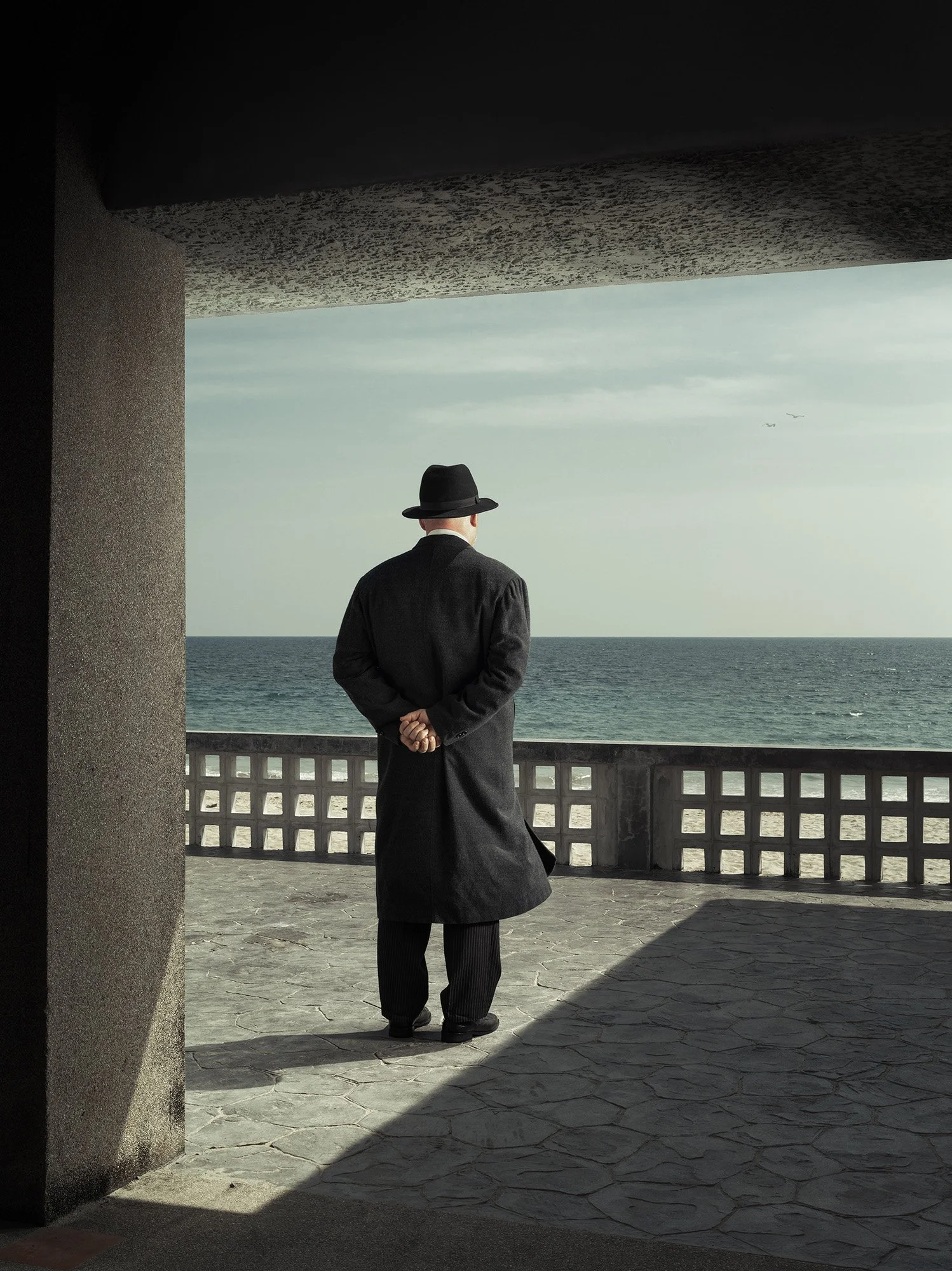
The Gateway No. 1: Into the Unknown, archival print, 31 x 23 in, 2024, USD 1400, © Dmitry Ersler, Bangkok, Thailand
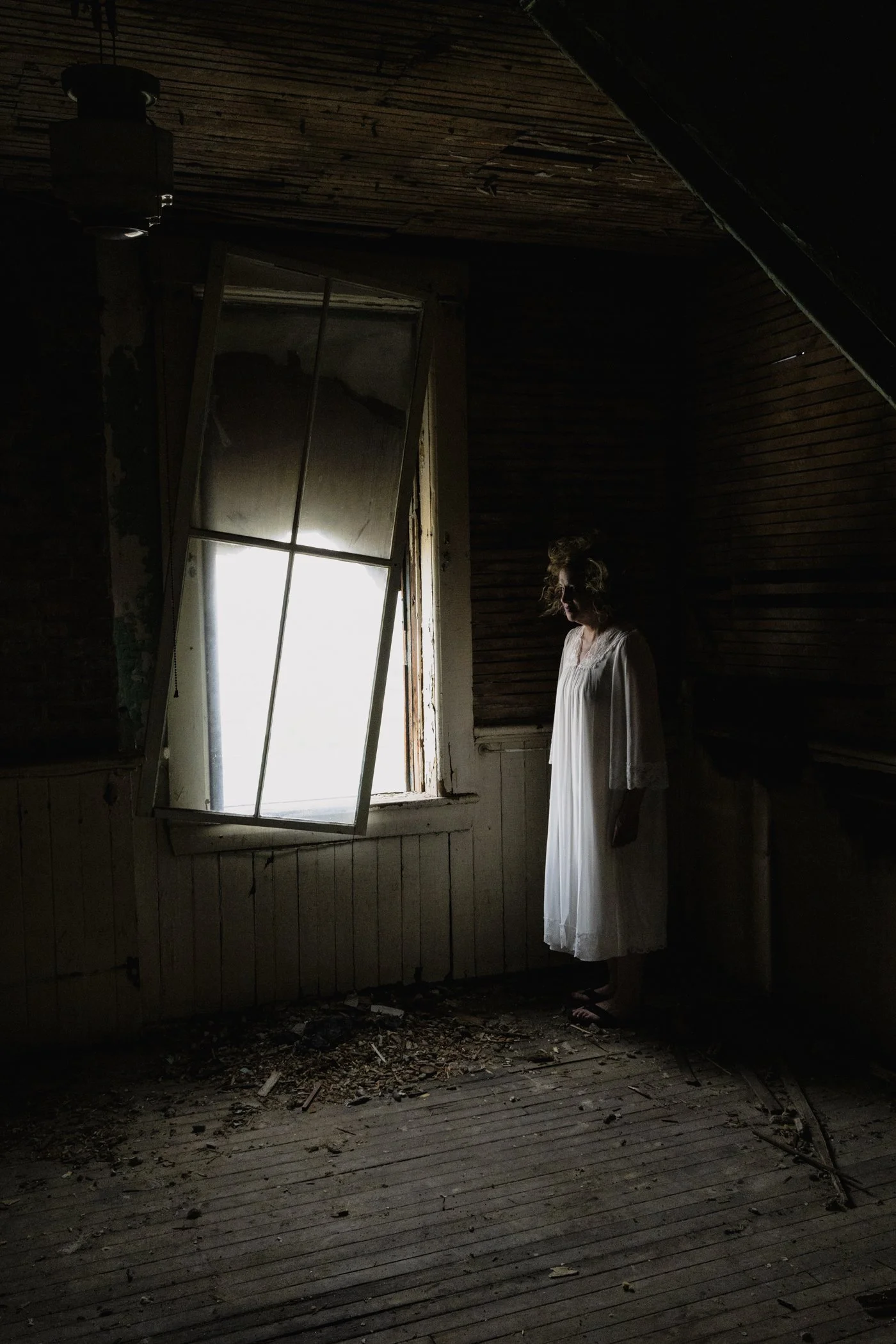
Cornered, archival print, 18 x 12 in, 2025, USD 250, © Maureen Lohan Bremer, Stone Ridge, New York
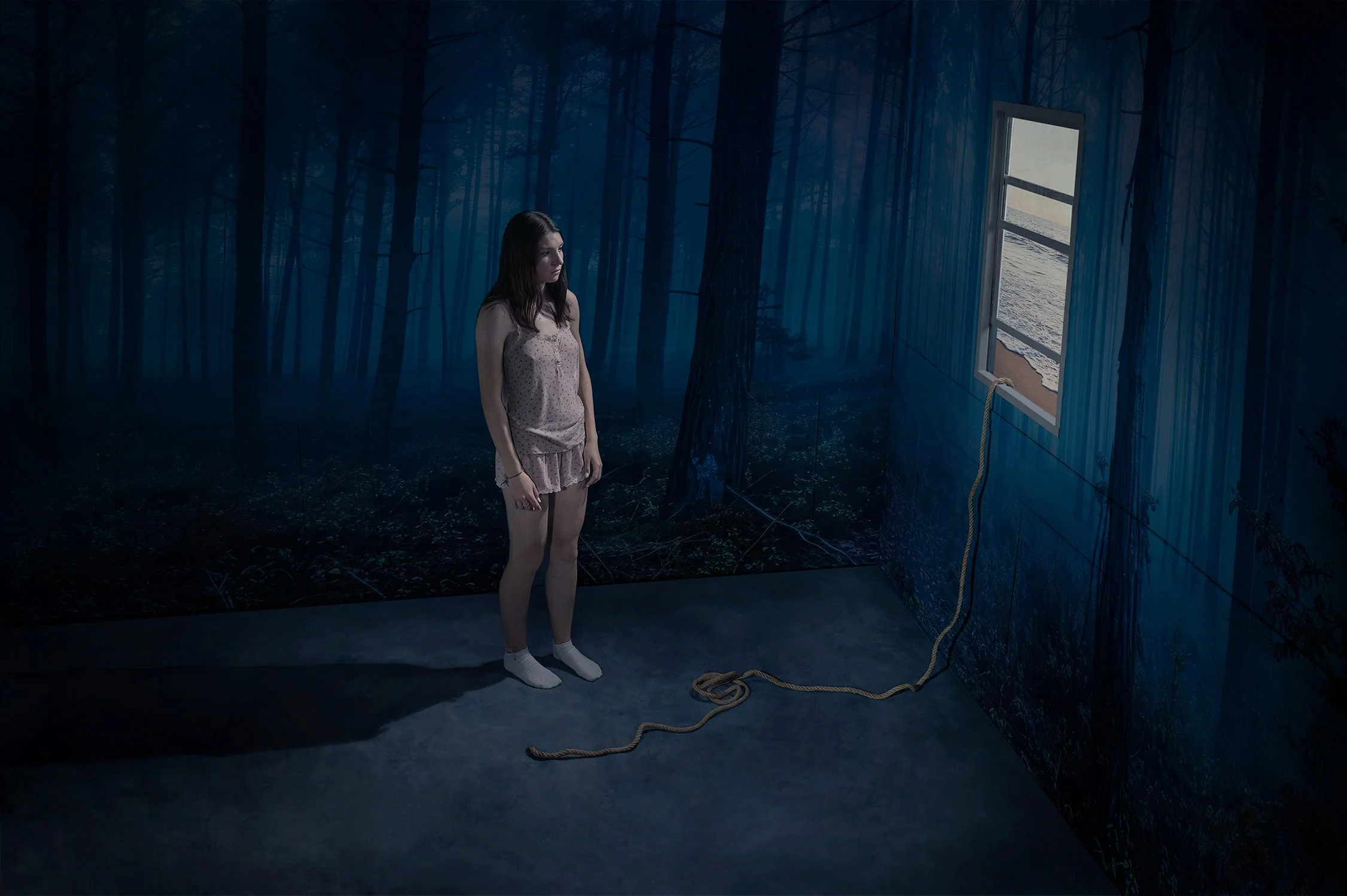
Uncertainty, archival print, 20 x 30 in, 2025, 450€, © Pedro Ros, Madrid, Spain
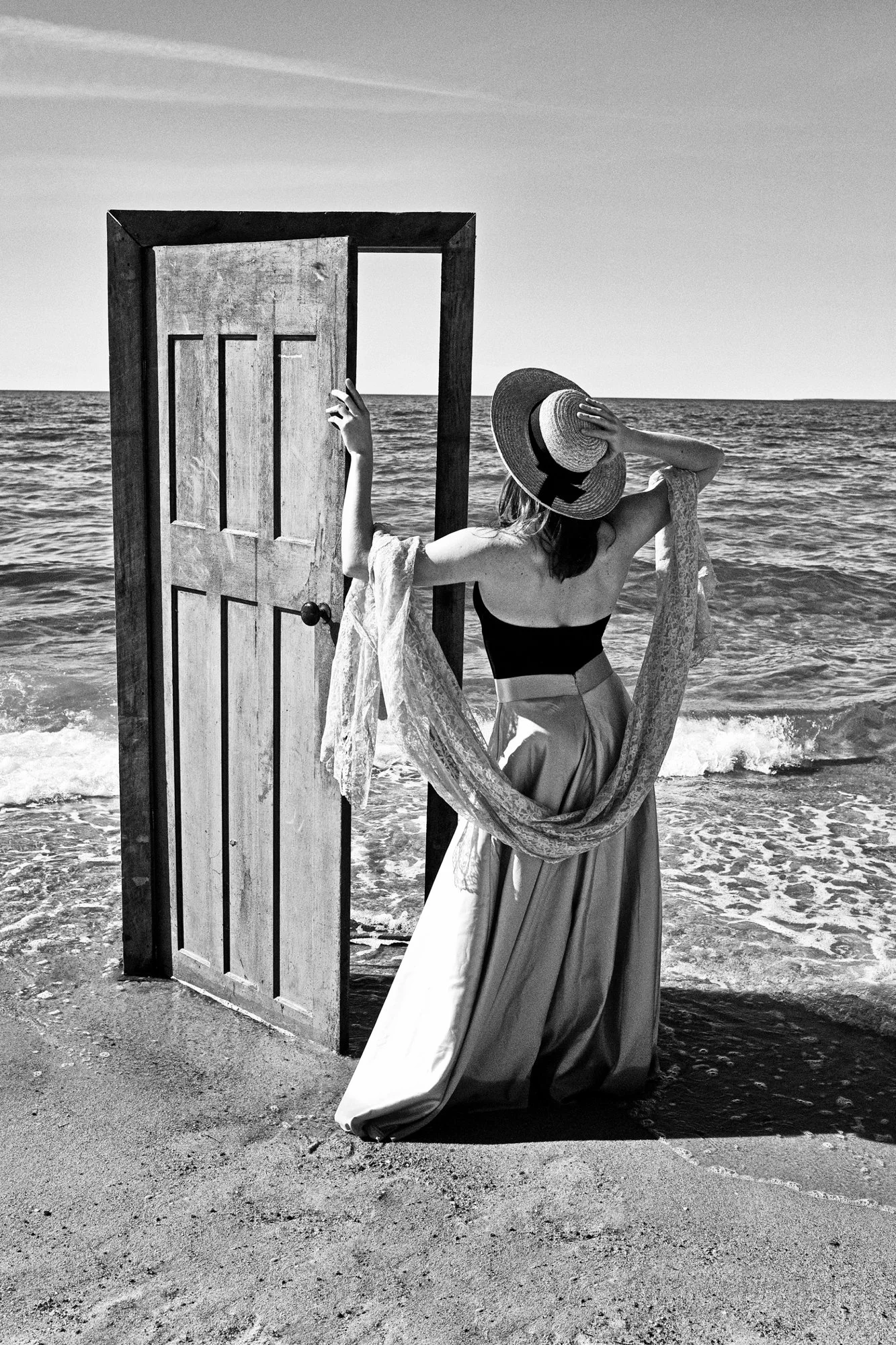
Portal, archival print, 18 x 12 in, 2019, USD 1250, © Florin Firimita, Winchester, Connecticut
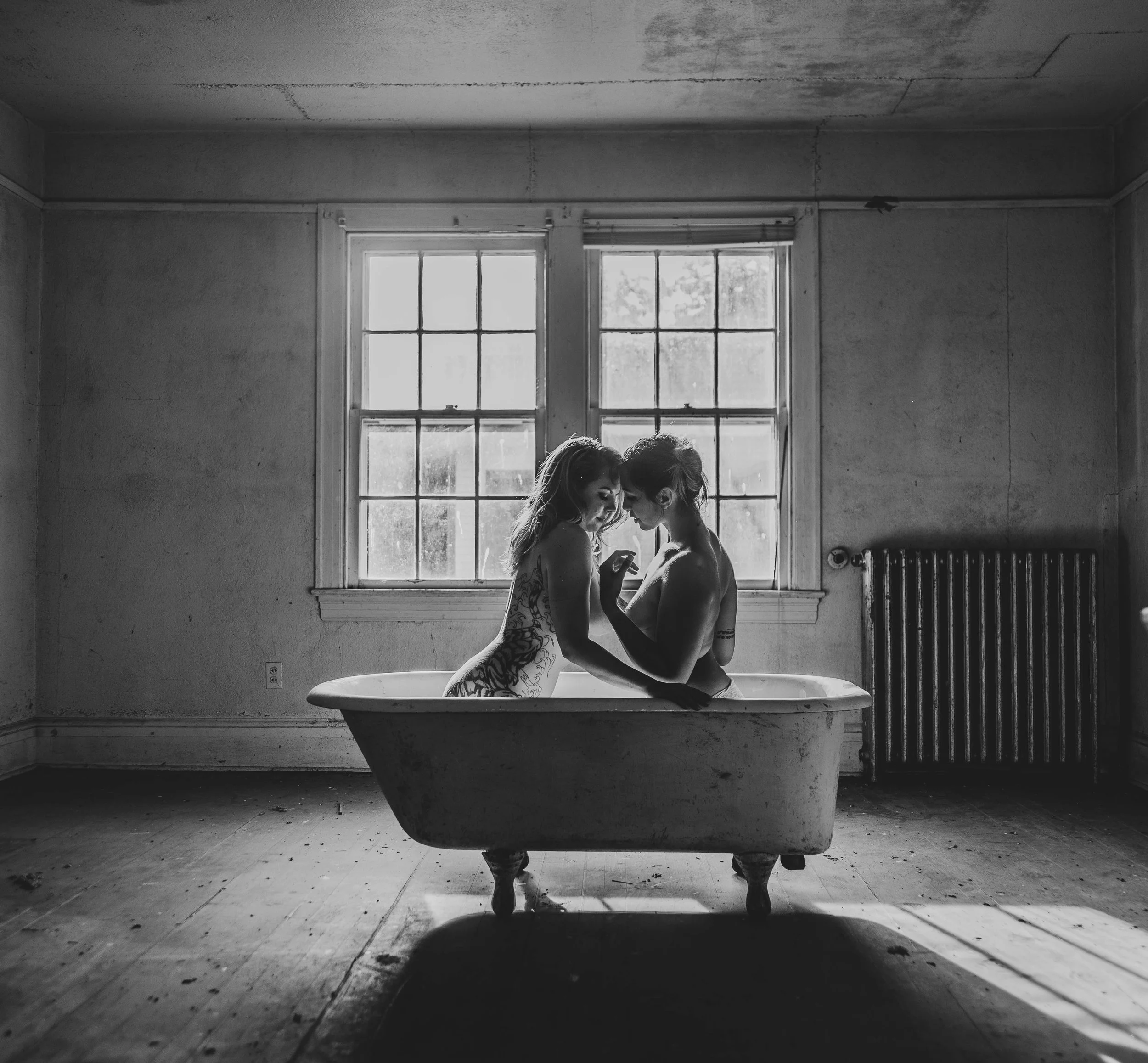
Can I Share This Window?, archival print, 8 x 10 in, 2022, USD 150, © Damien Smith, Chesapeake, Virginia
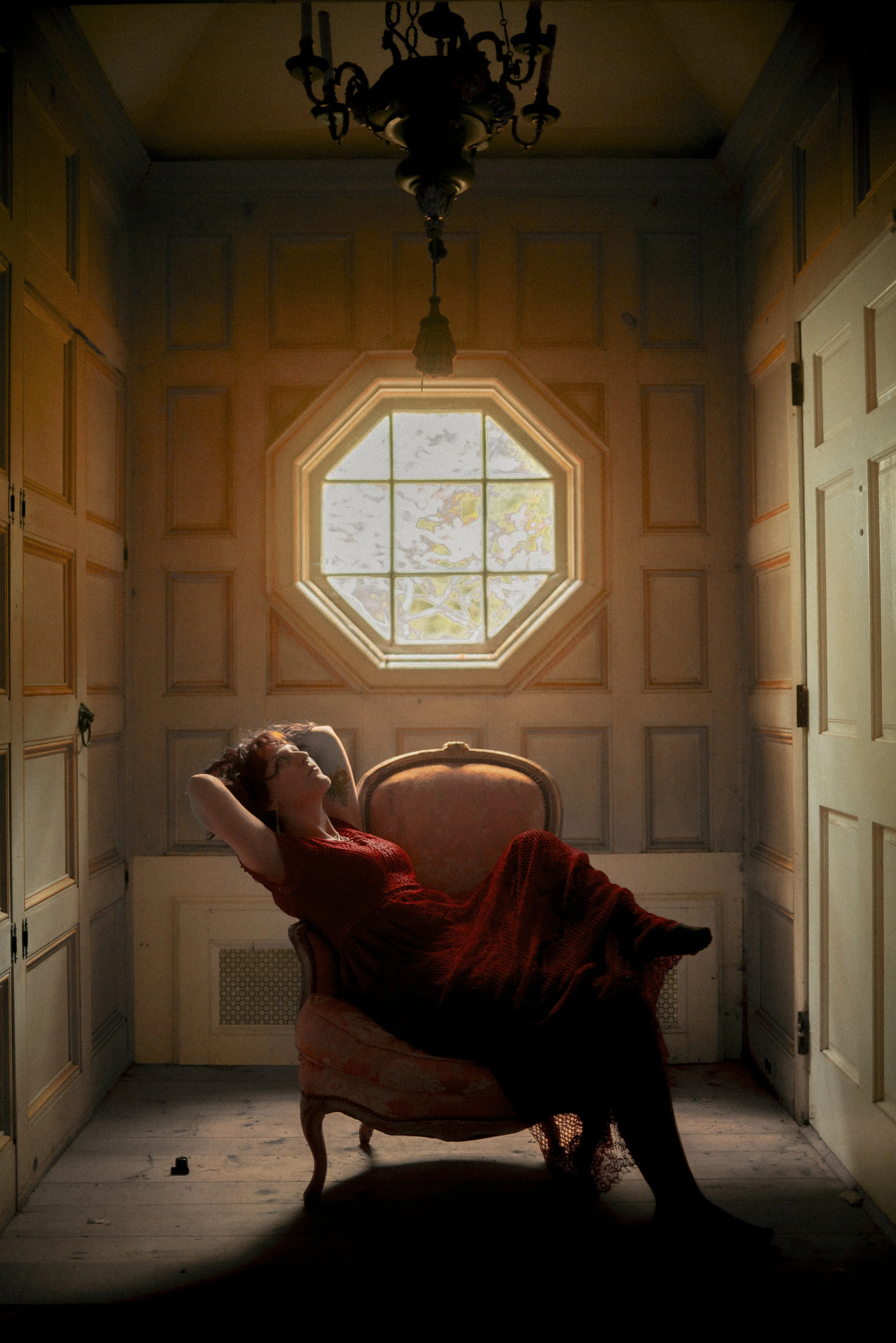
Chaste Lounge, archival print, 12 x 18 in, 2025, USD 300, © Geneveive Selph, Baltimore, Maryland
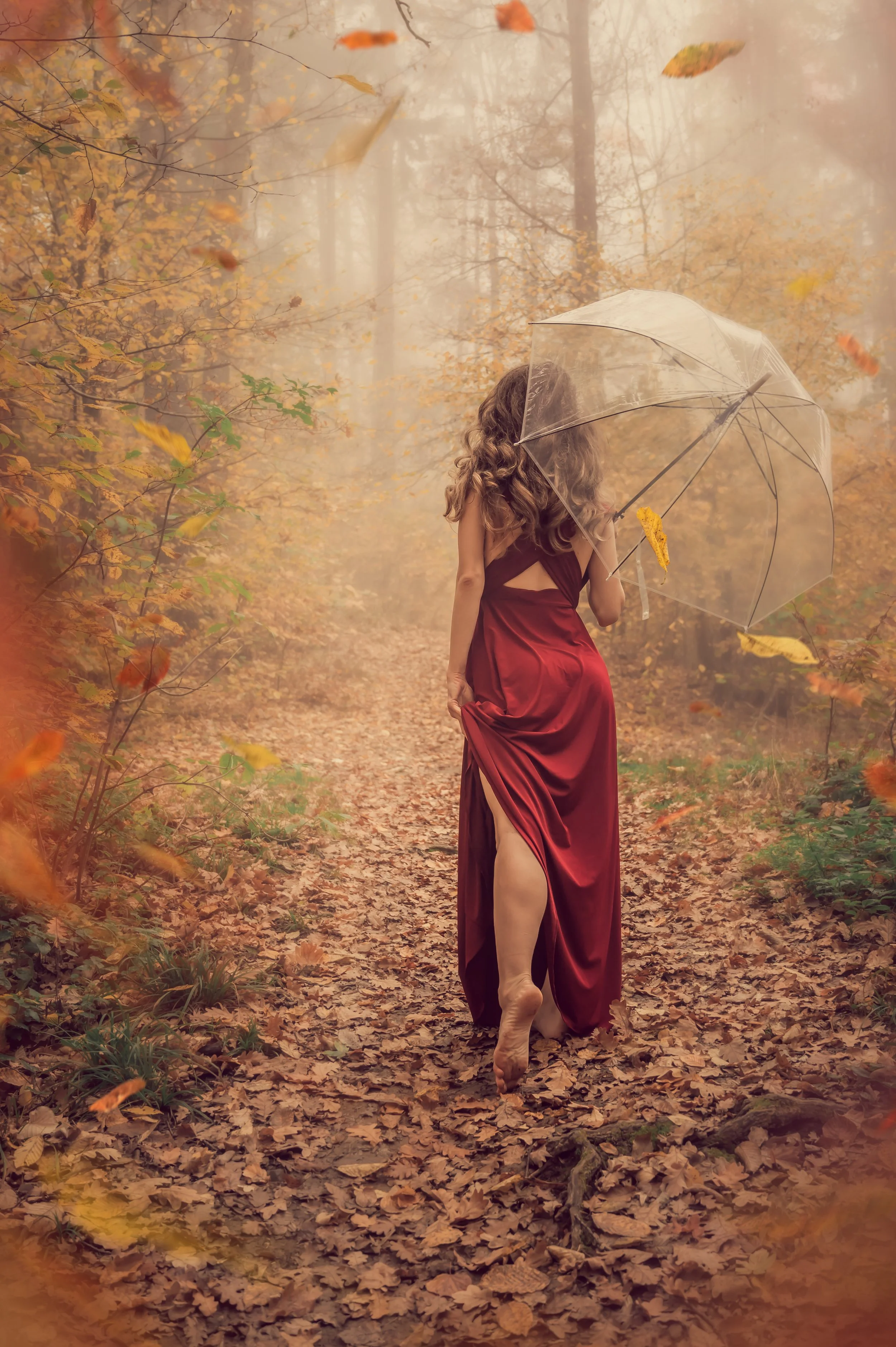
Autumn Leaves, archival print, size on request, 2023, USD 200, © Iuliana Pasca, Baia Mare, Romania
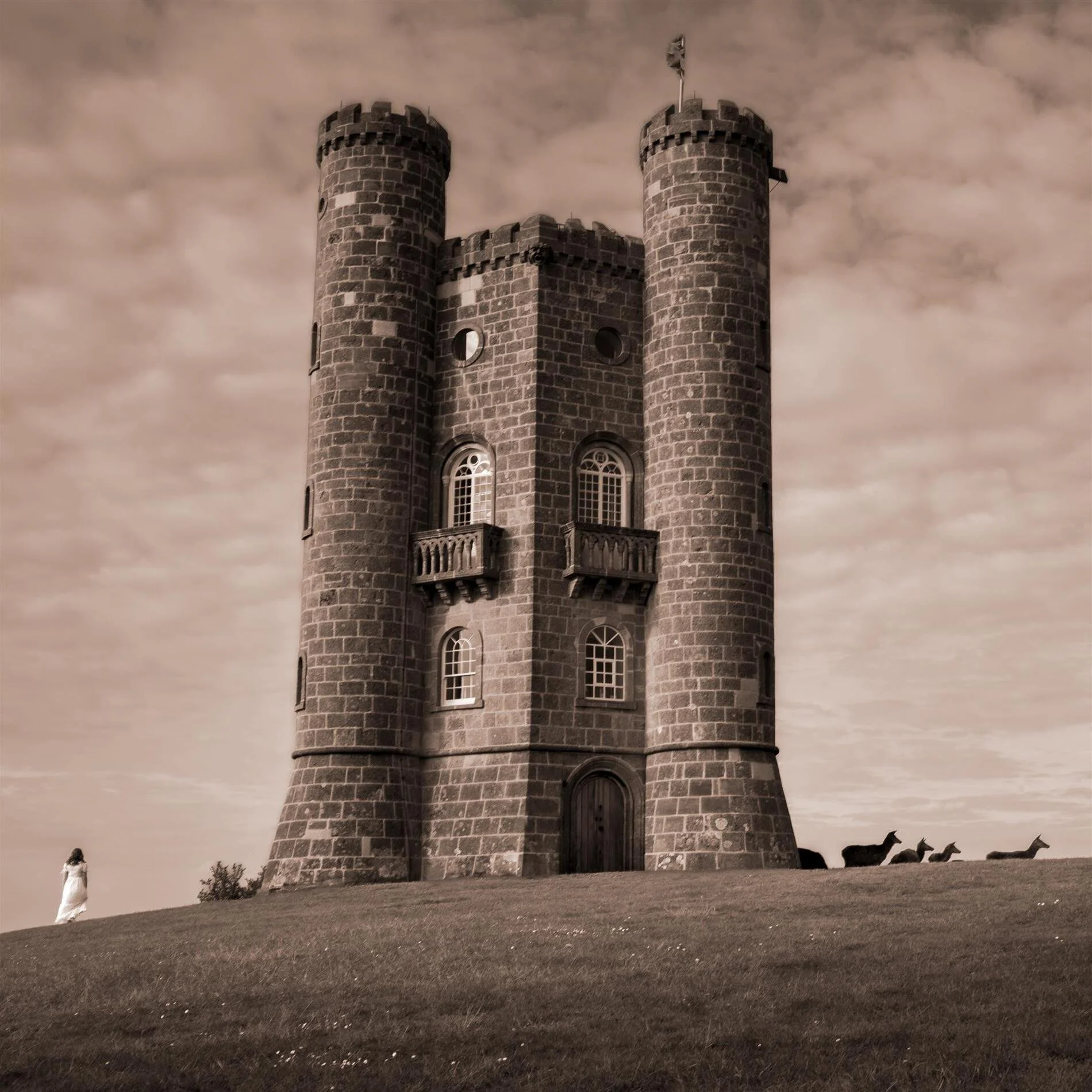
Transformation, archival print, 12 x 12 in, USD 300, © Matthew Sims, Grapevine, Texas
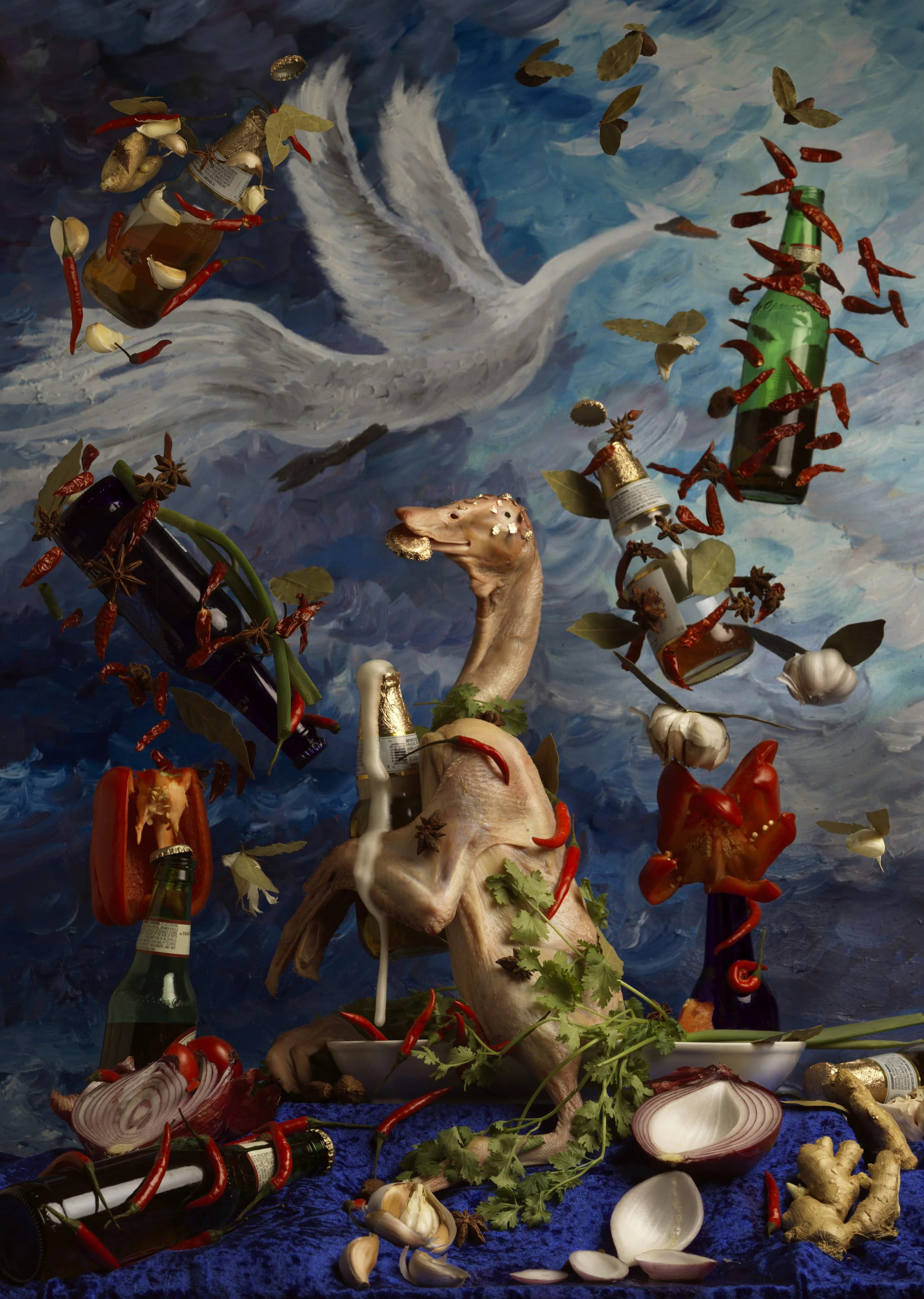
Sea of Devourment No. 3: Braised Duck with Beer, archival print, 42 x 27.4 in, 2025, USD 1000, © Cheng Gong, New York, New York
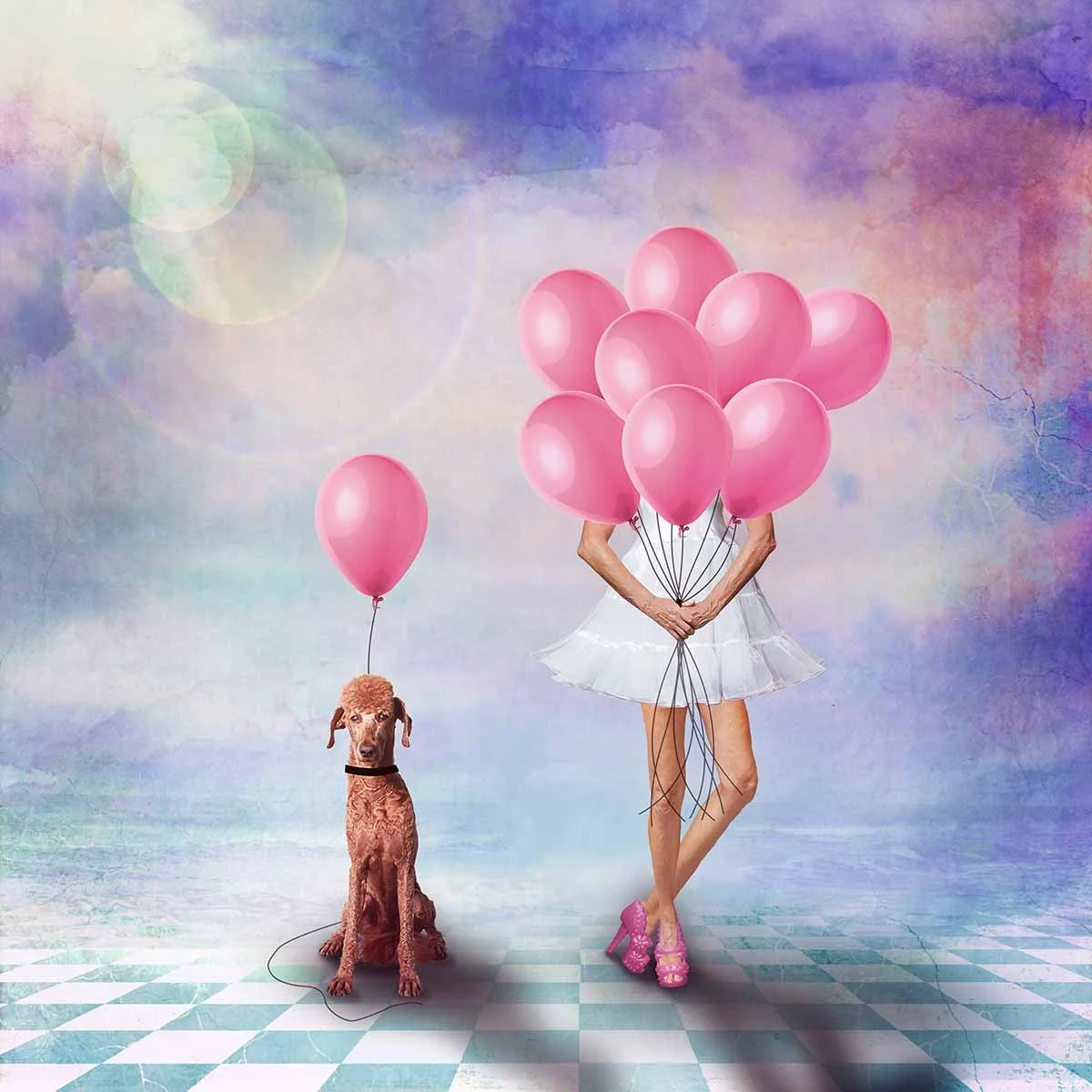
No Matter What, archival print, 8 x 8 in, 2023, USD 75, © Sue Anderson, Jonestown, Texas
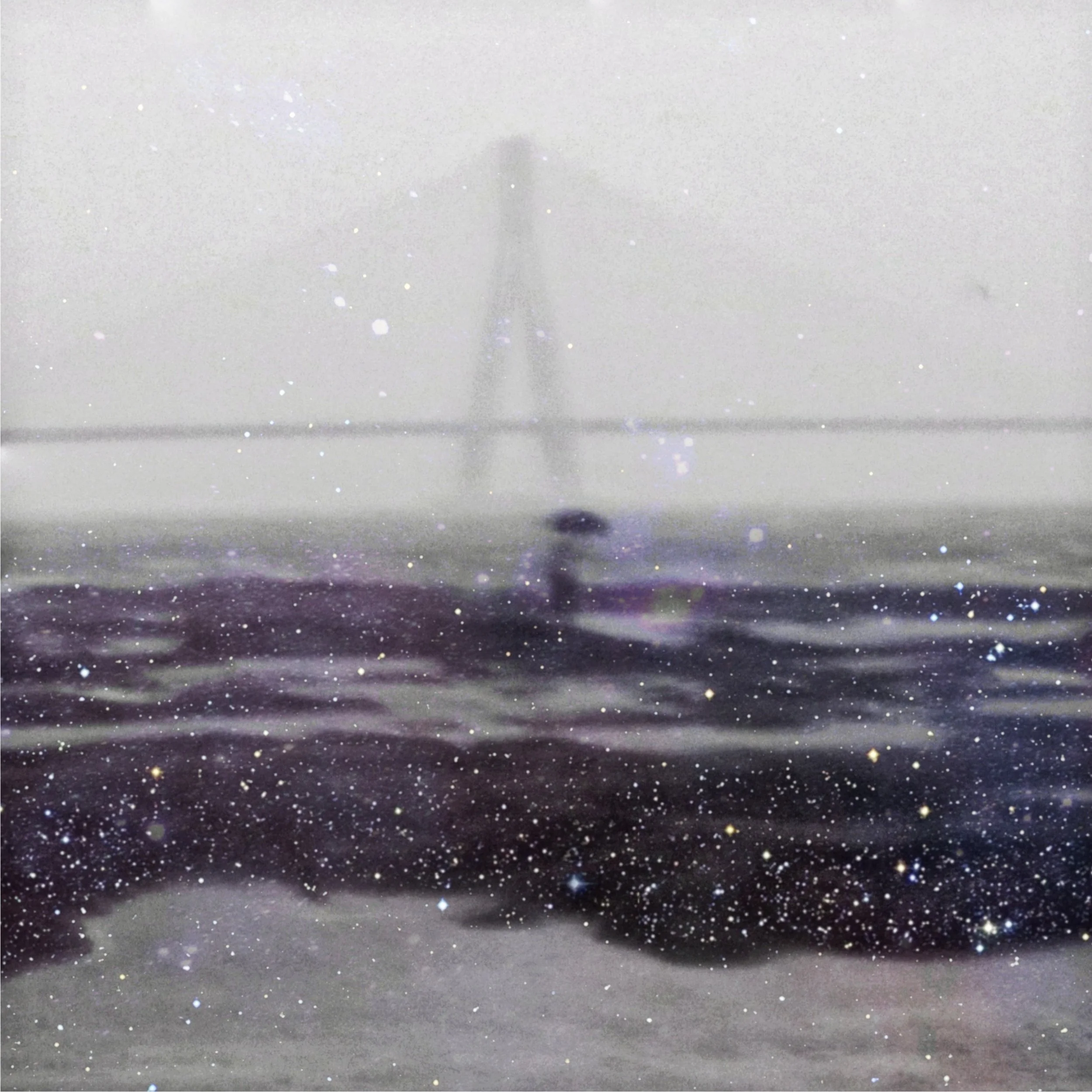
The Colour of Solitude, archival print, size on request, 2020, USD 200, © Nilofer Khan, Mumbai, India

Emei Temple, archival print, 90 x 60 cm, 2024, USD 350, © Jingyi Zhang, Beijing, China
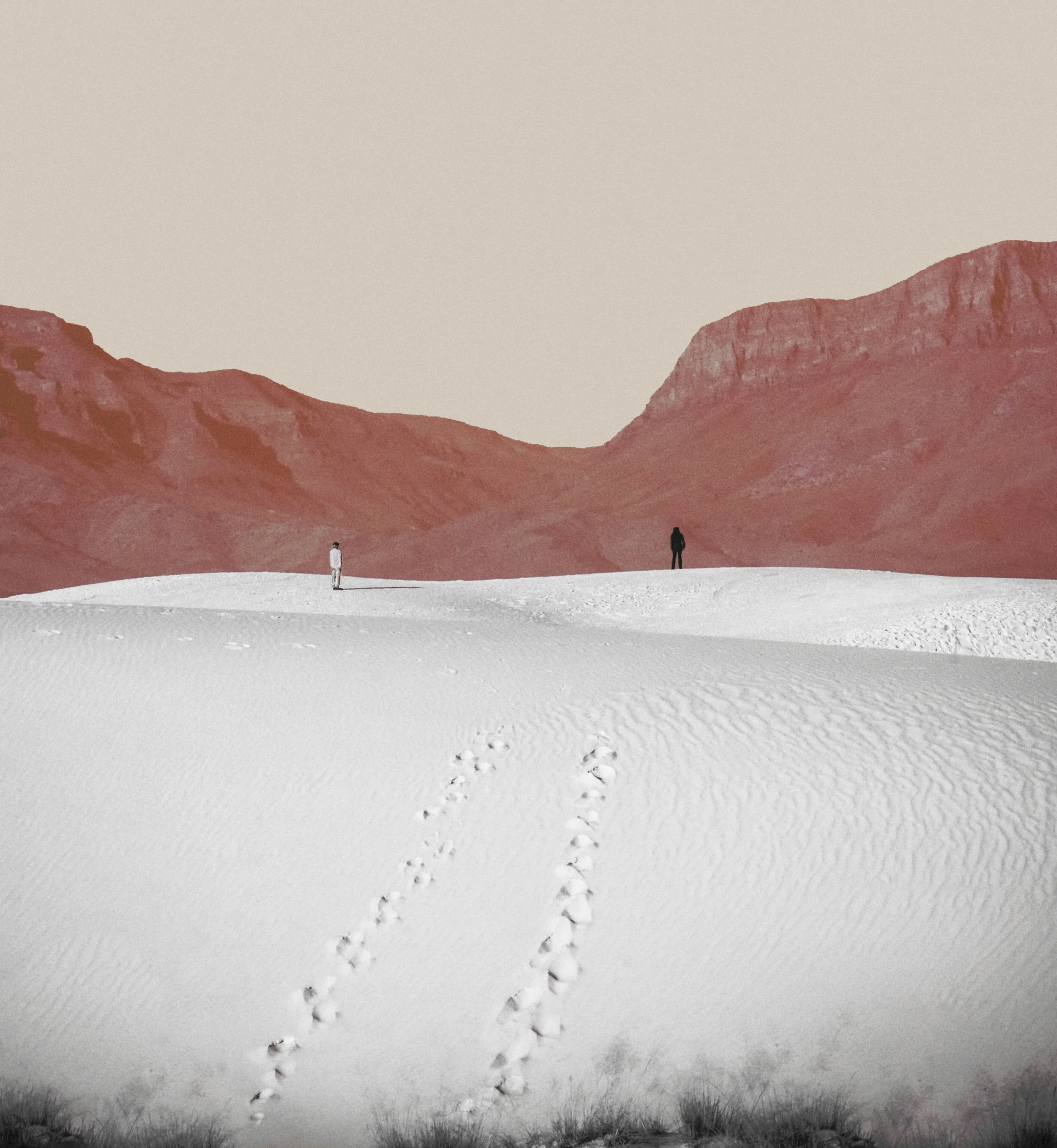
Candid, archival print, 19 x 18 in, 2021, USD 500, © Ruben Calderon, Hickory, North Carolina
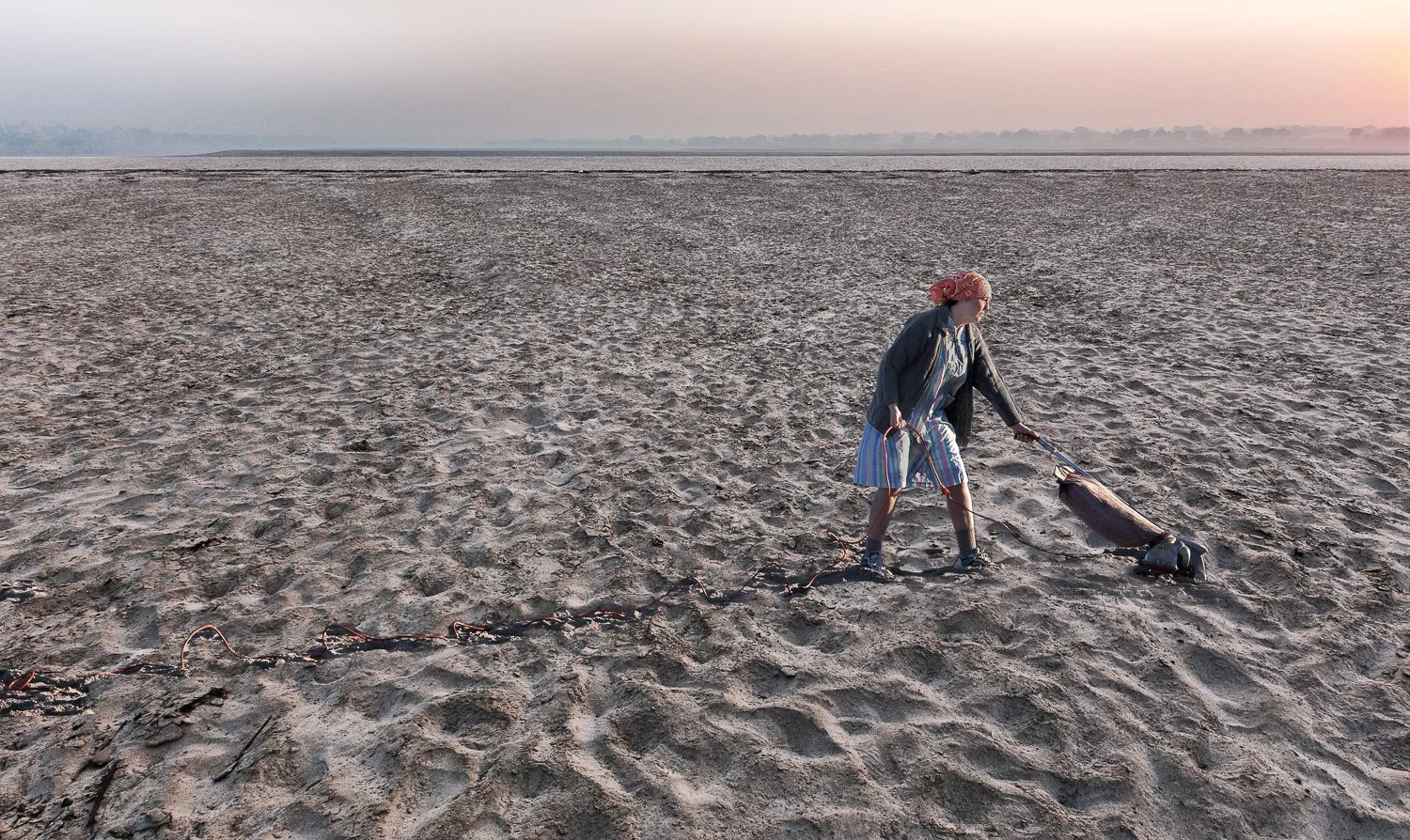
Sandtrap, archival print, 18 x 30 in, 2021, USD 750, © Susan Borowitz, West Harrison, New York
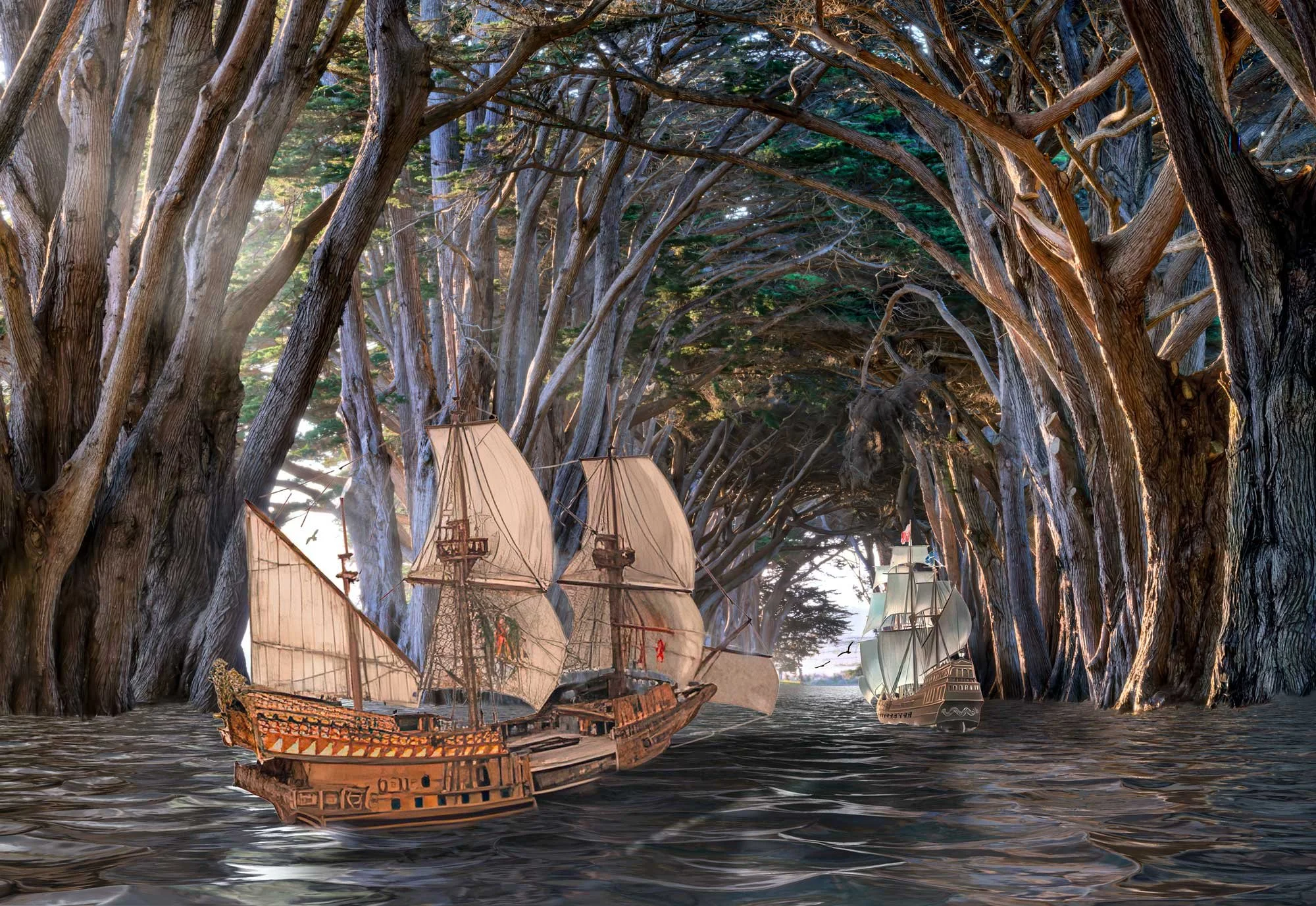
Passage to the Far East, archival print, 20 x 14 in, 2025, USD 100, © Darrell O'Sullivan, Galt, California
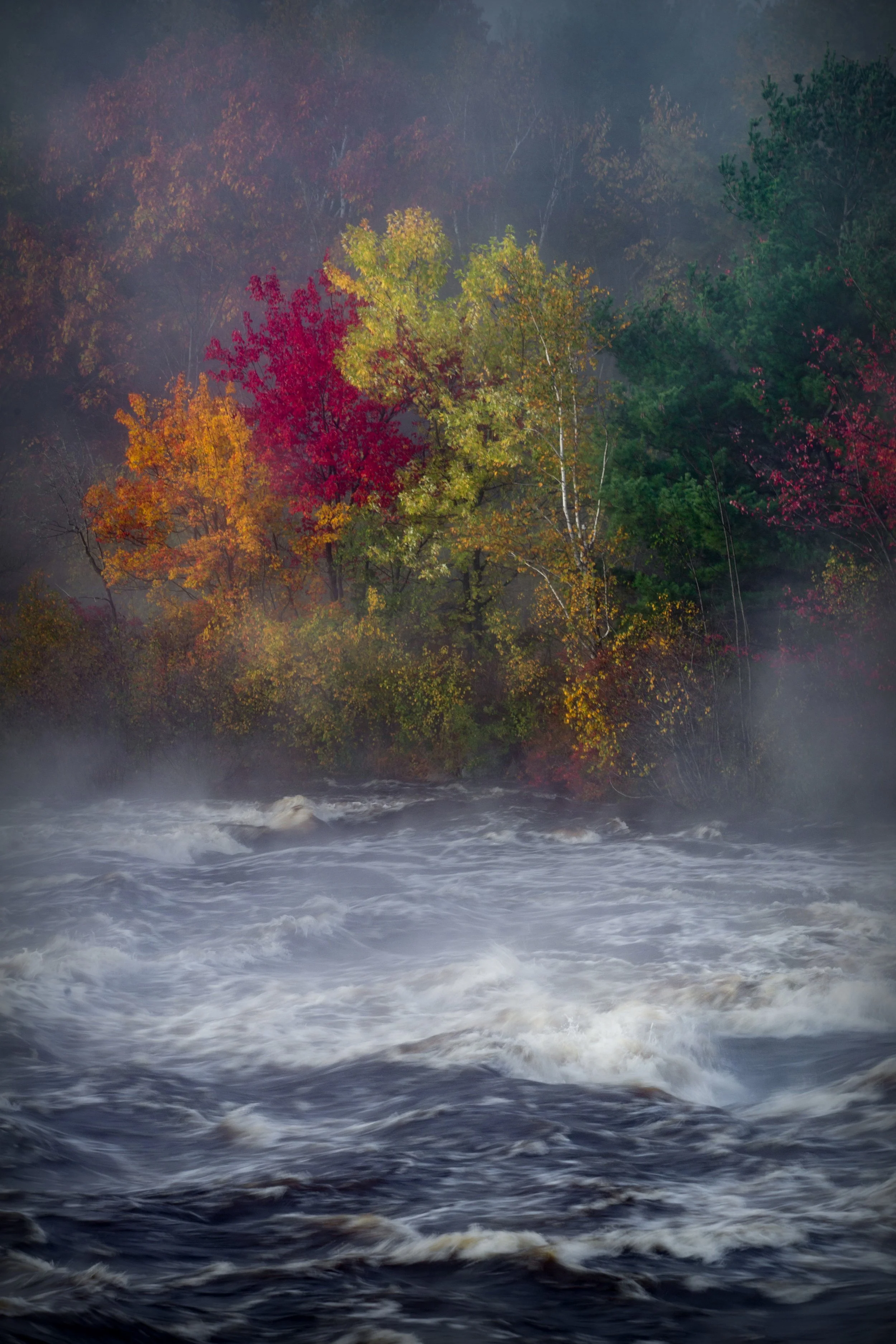
Angry River, archival print, 12 x 18 in, 2017, USD 300, © Cathleen Trainor, Andover, Massachusetts
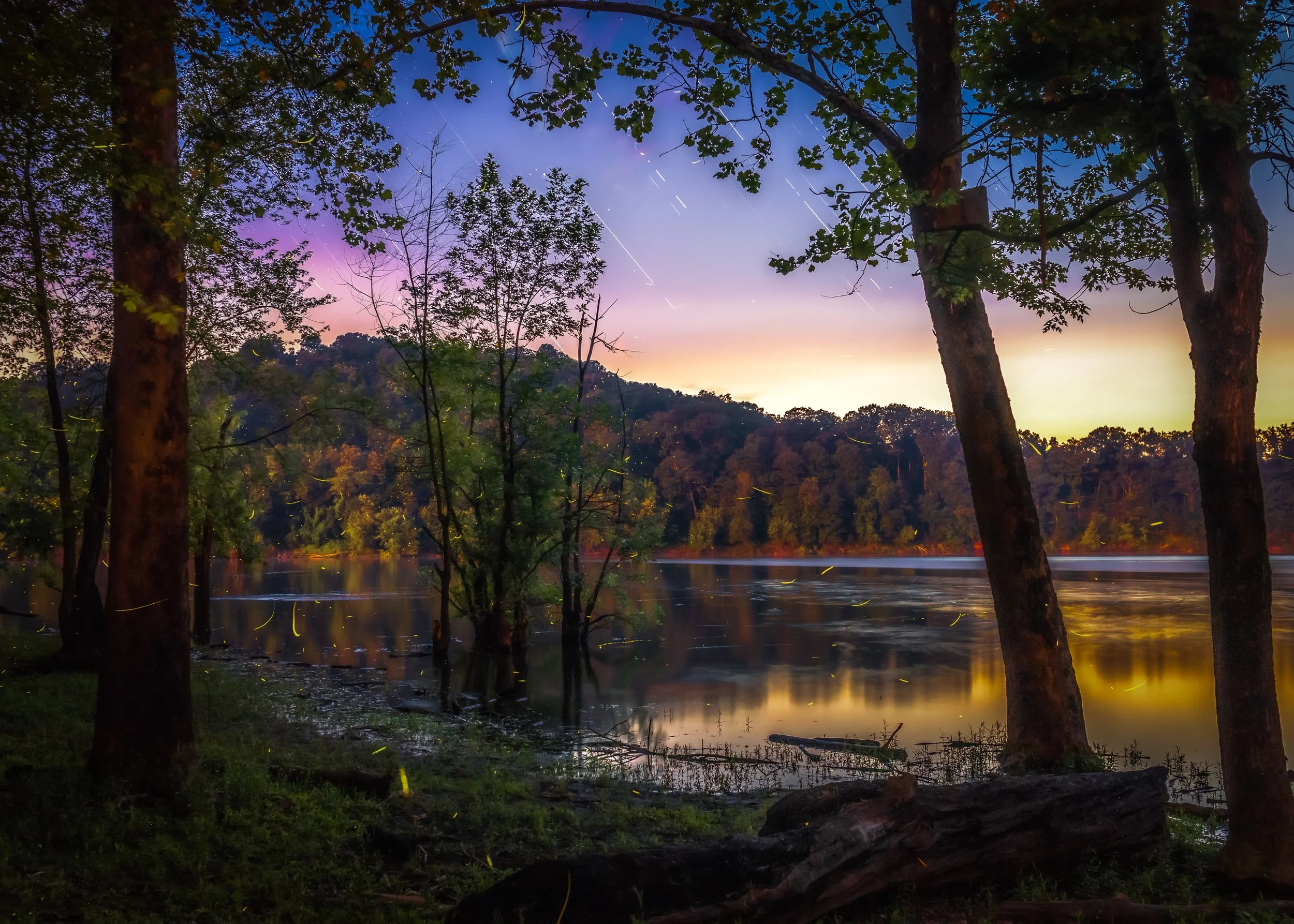
Luminescence, archival print, 9 x 12 in, 2025, USD 60, © Holly April Harris, Coal Center, Pennsylvania
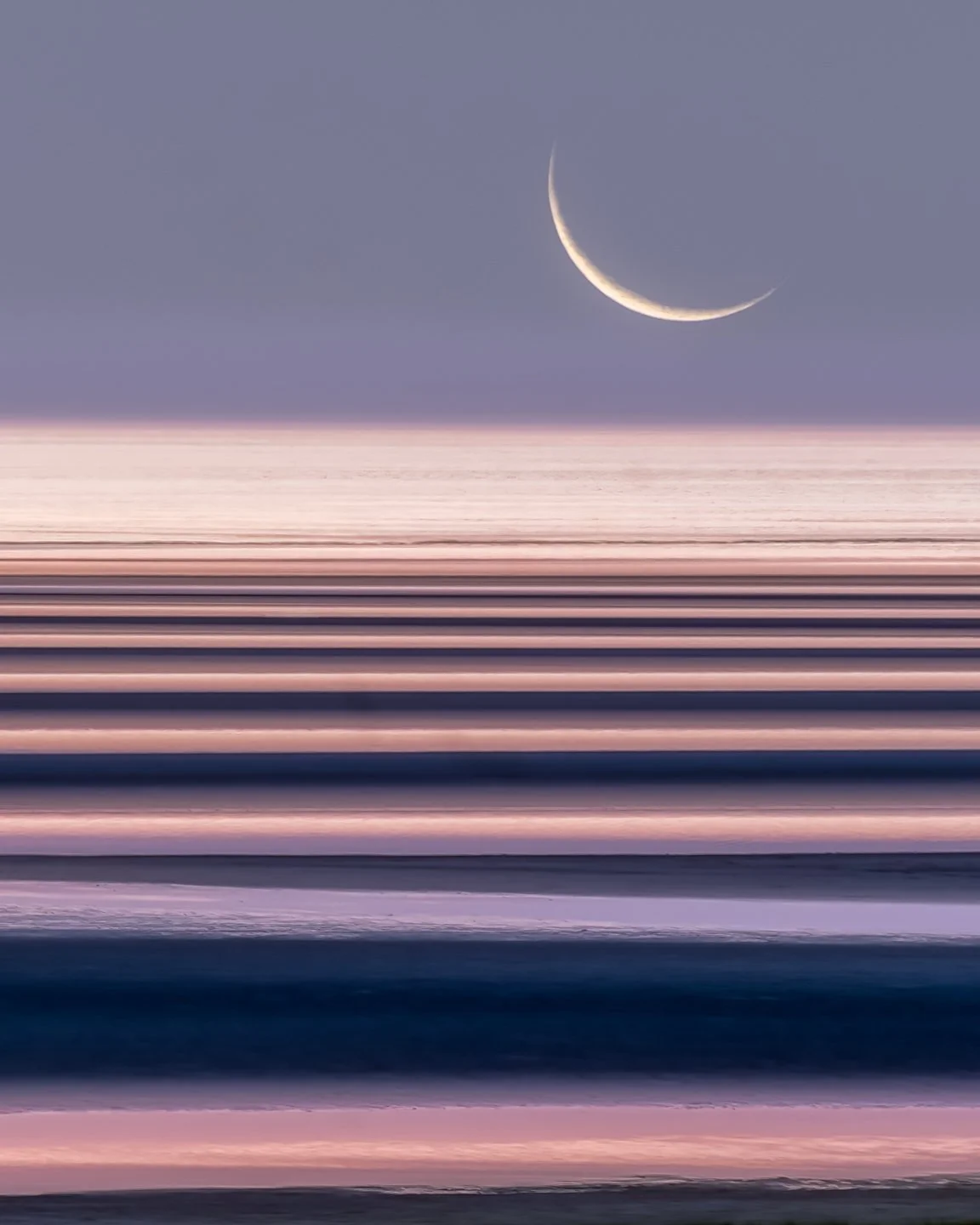
Crescent Flats, photo transfer on aluminum, 36 x 24 in, 2023, USD 1000, © Erica Sloan, Cambridge, Massachusetts
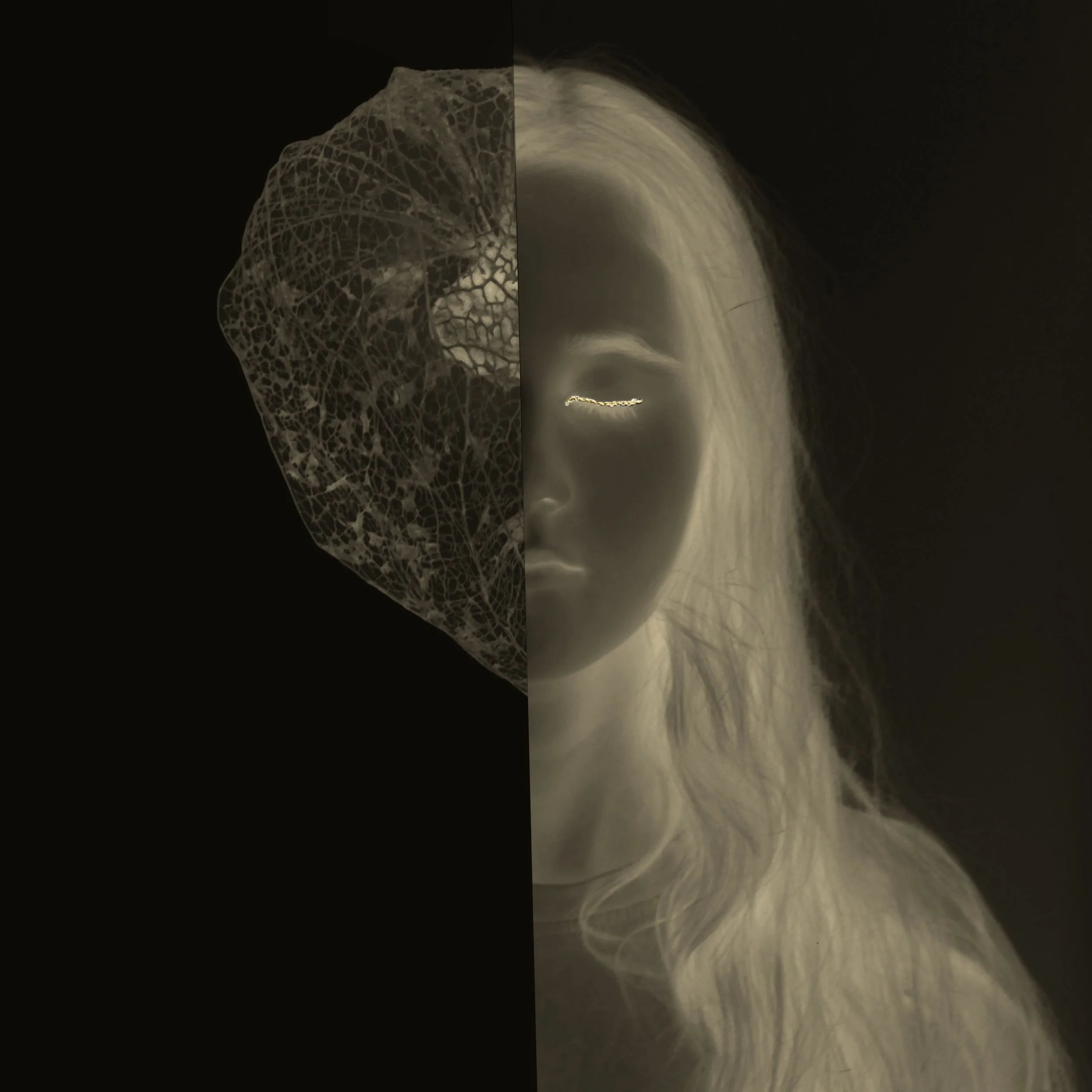
Secrets d'enfance, archival print on hahnemuhle, torchon paper, embroidered with gold thread, 40 x 40 cm, 2024, 3000€, © Marie Sueur, Hauts-de-Seine, France
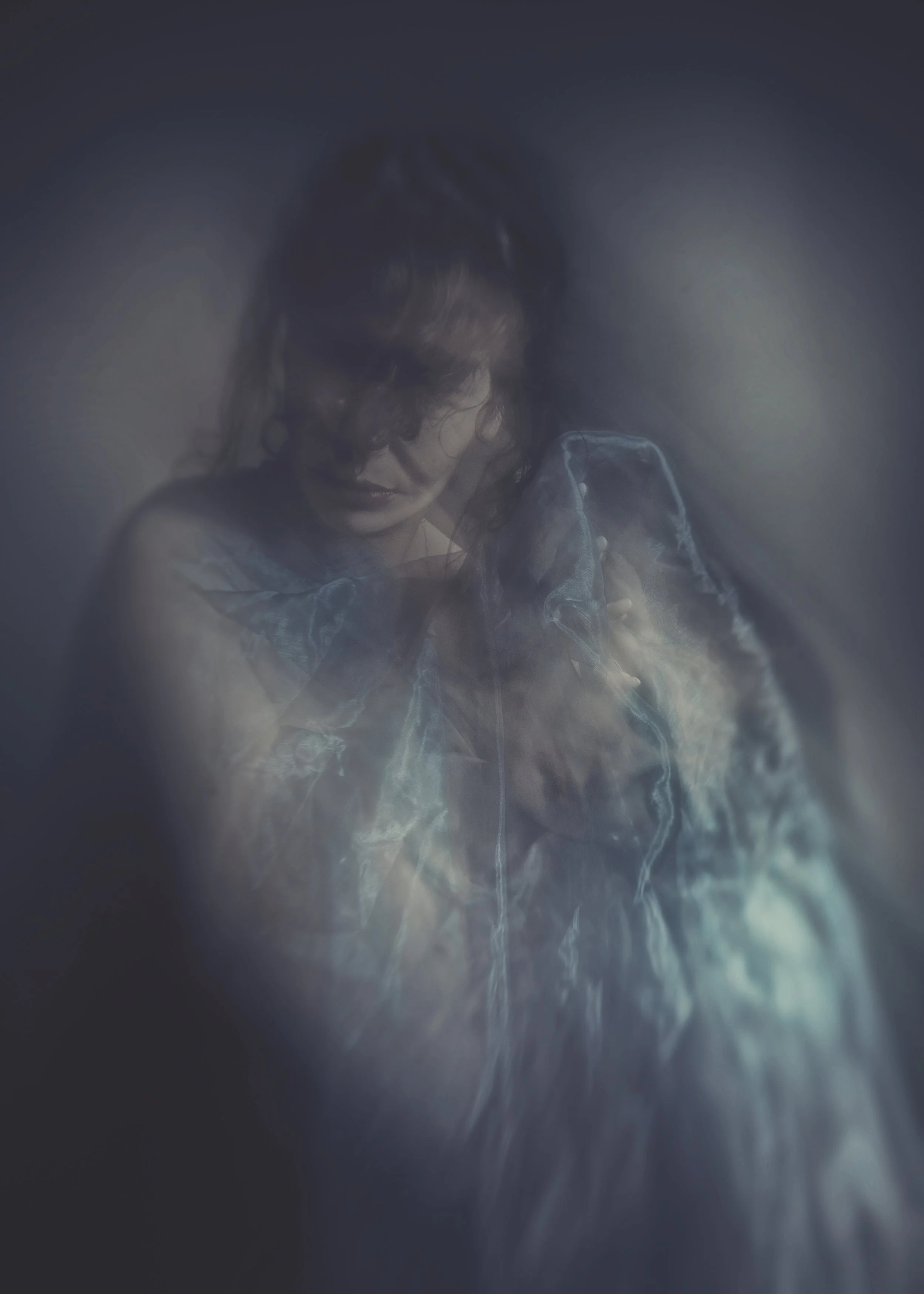
Revelations of Judith, archival print, 50 x 70 in, 2025, USD 200, © Elya Kezene, Ashdod, Israel
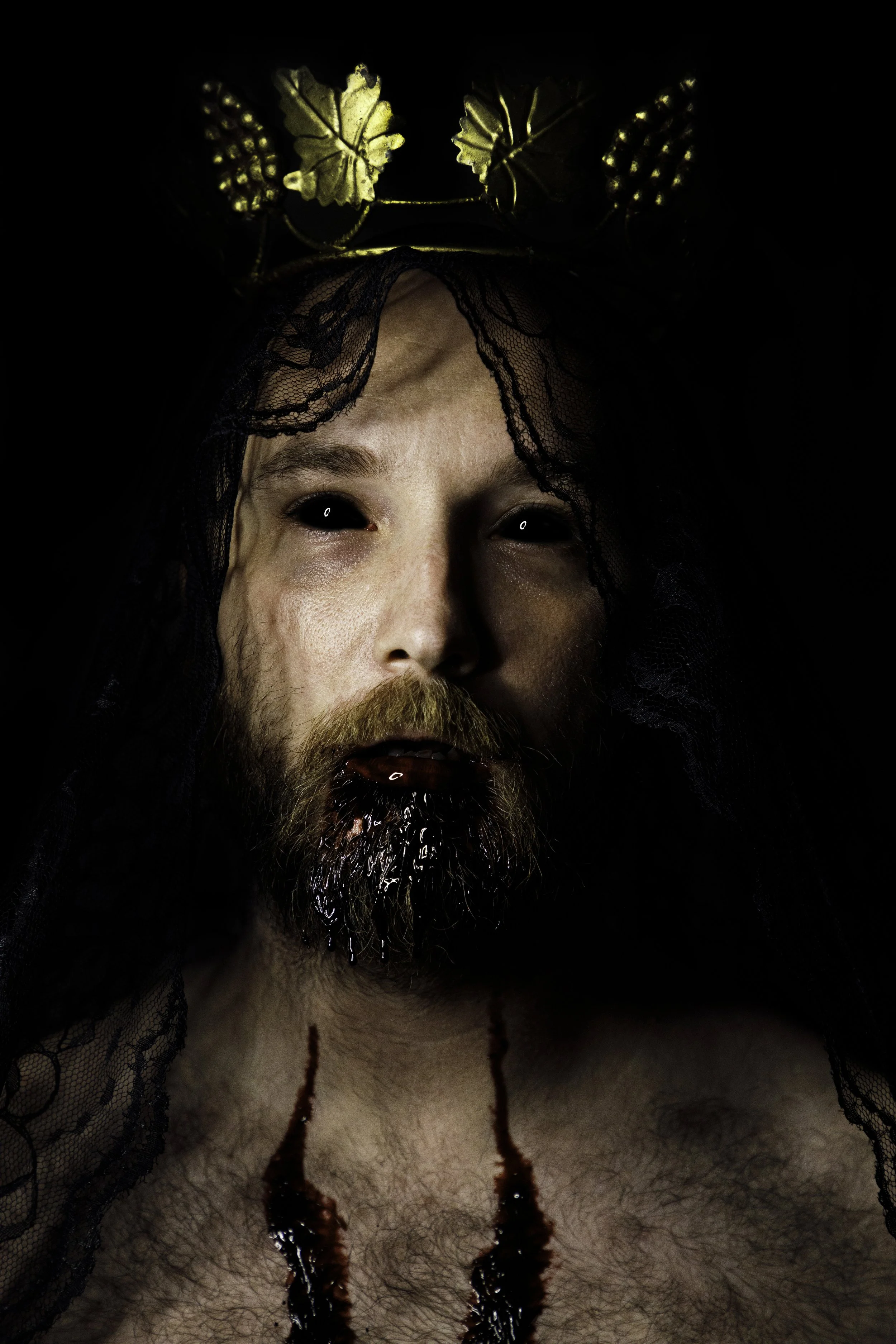
The Messiah, archival print, 20 x 16 in, 2024, USD 800, © Joseph Geyer, Scranton, Pennsylvania
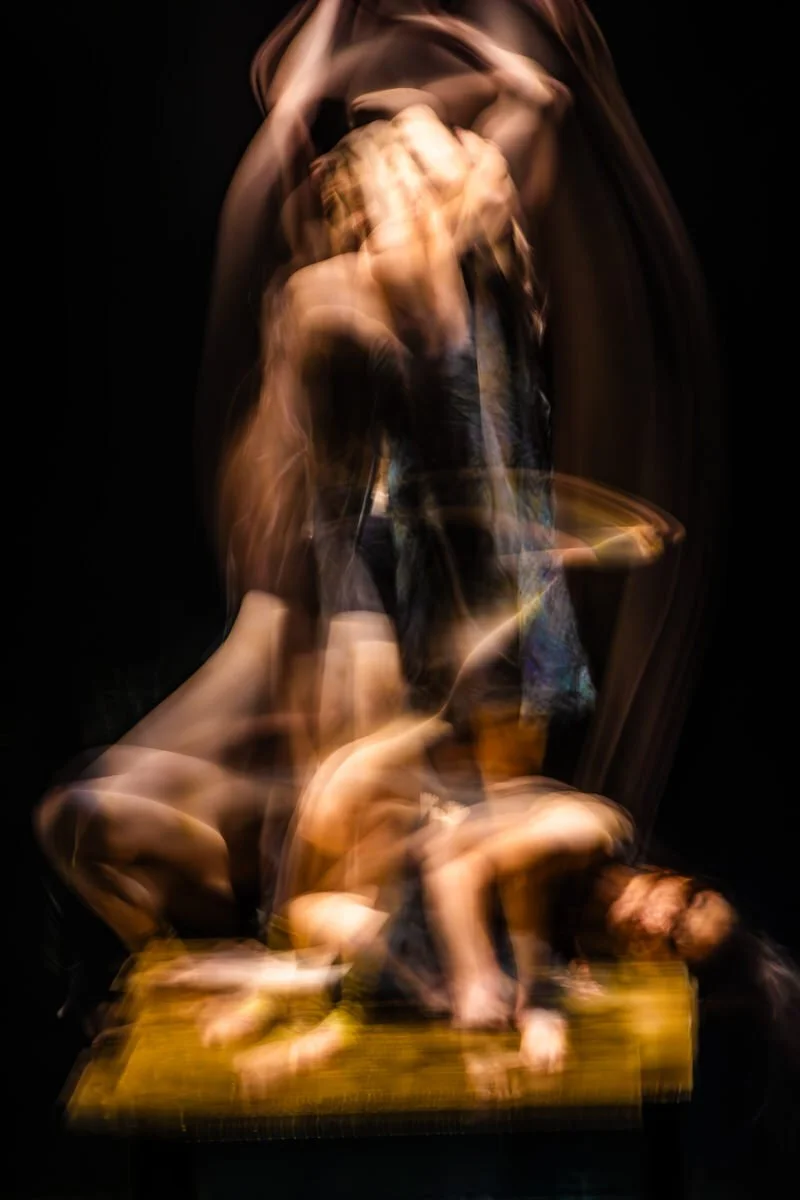
Embodied Anarchy, archival print, 70 x 50 in, 2019, USD 600, © Nouralrabee Mohammad, Potsdam, Germany
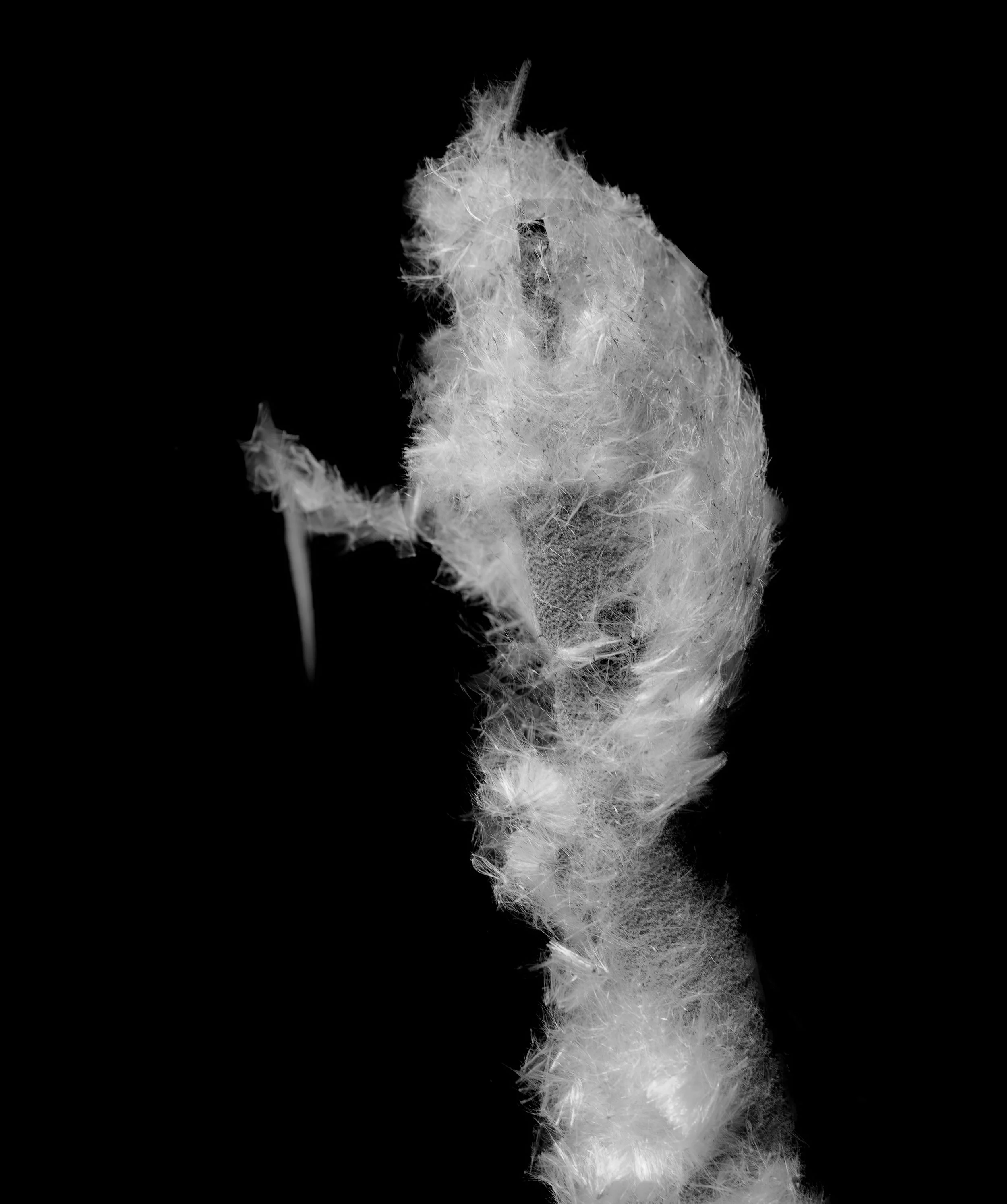
Stalked, archival print, 11 x 14 in, 2023, USD 400, © Wright Schickli, Palo Alto, California
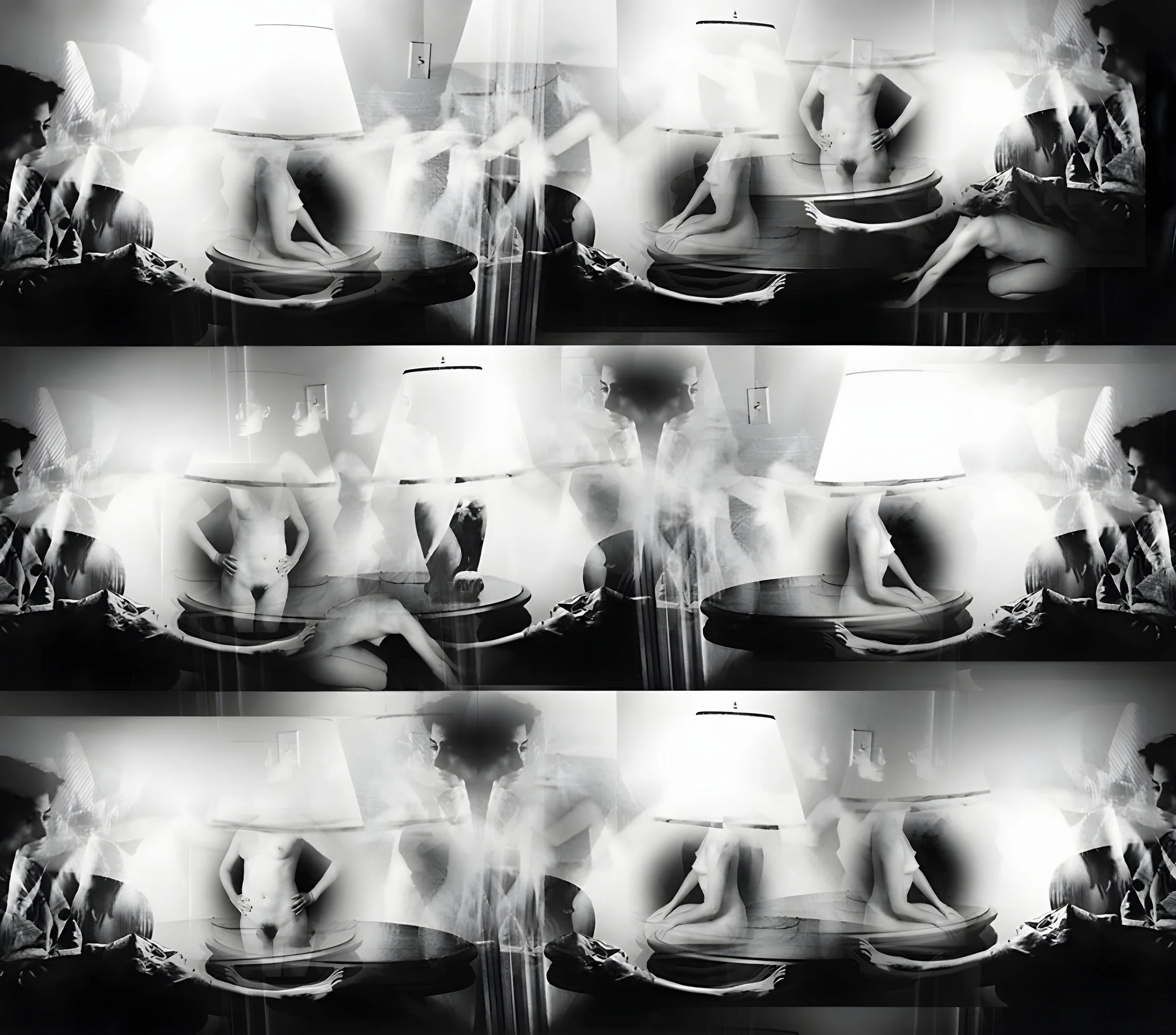
Susan Lamp Multiple, archival print, 26 x 30 in, 2025, USD 3200, © Amy Heller, Orleans, Massachusetts
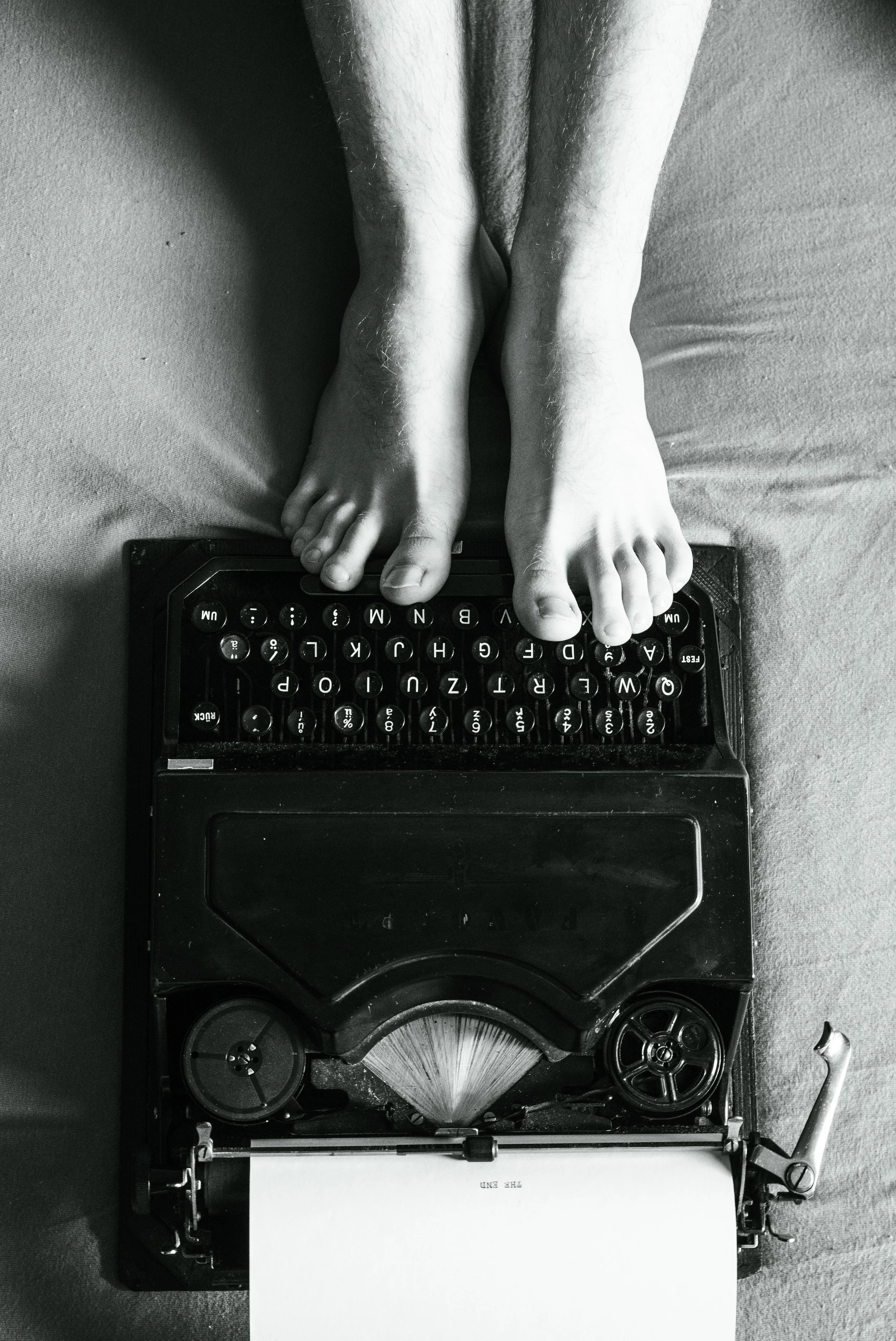
Final, archival print on canvas, 55 x 35 cm, 2025, USD 300, © Svitlana Zinovieva, Plzeň, Czech Republic
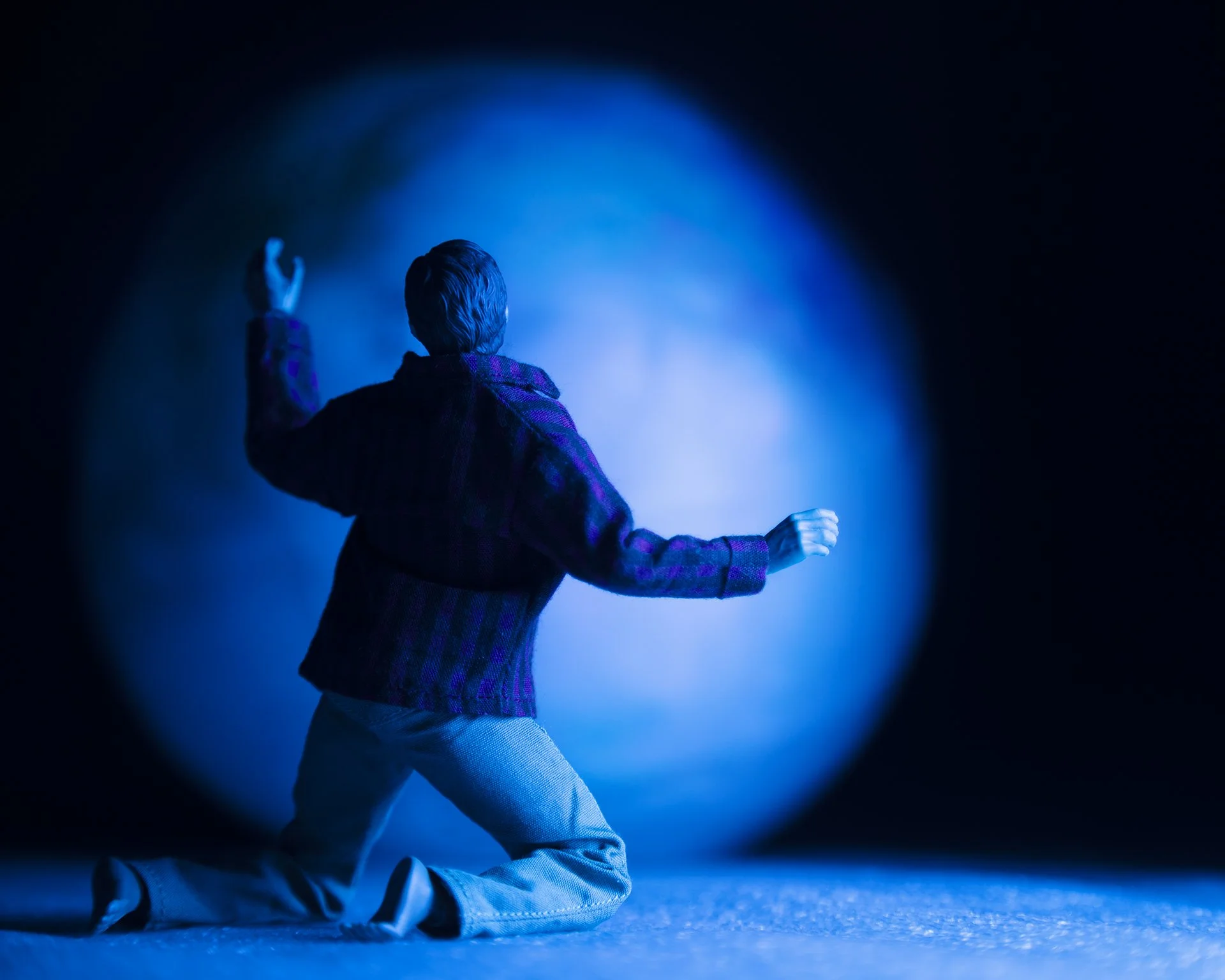
Surrender, archival print, 8 x 10 in, 2025, USD 600, © Dominic Lippillo, Starkville, Mississippi
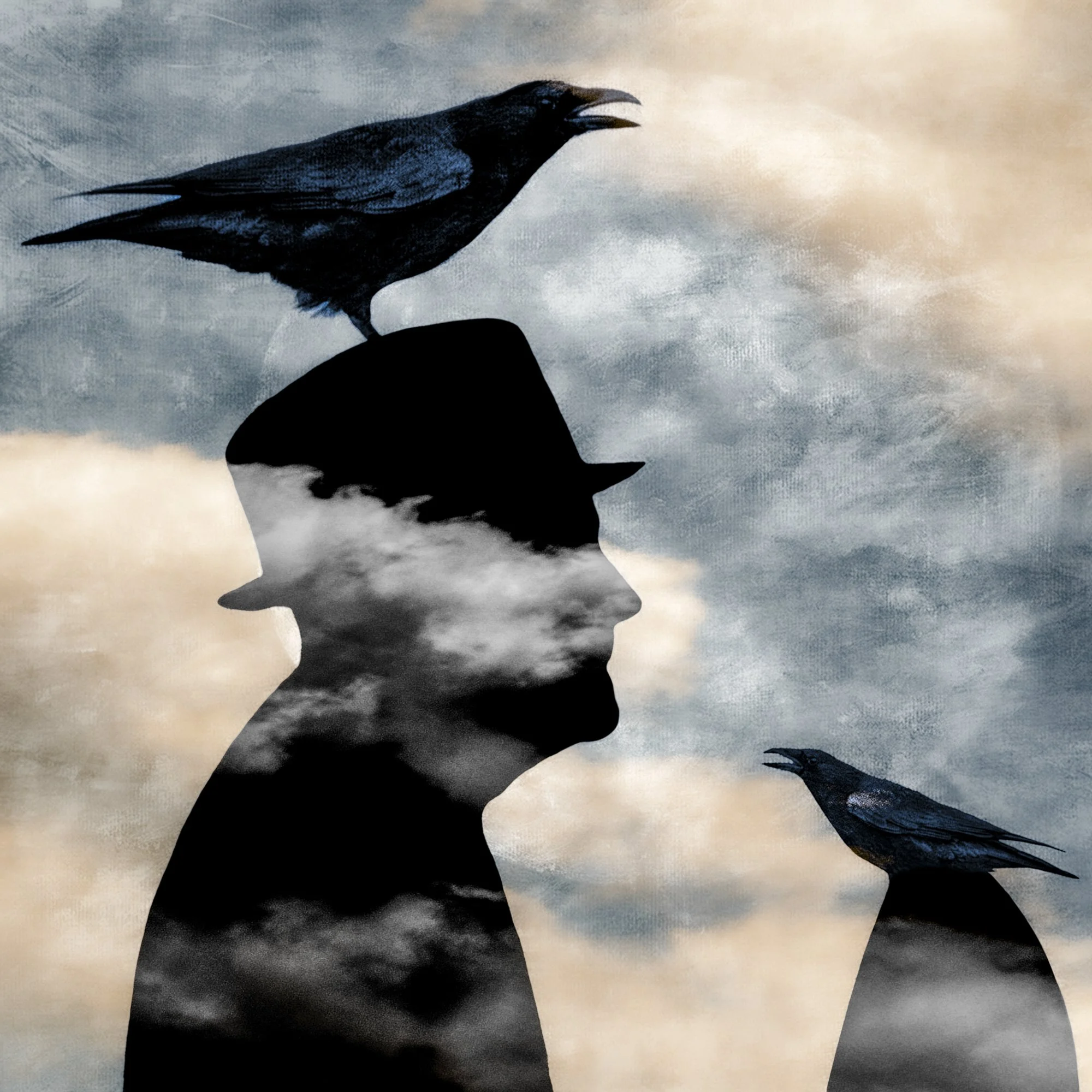
Duality, archival print, 12 x 12 in, 2023, USD 325, © Lawrence Manning, Nampa, Idaho
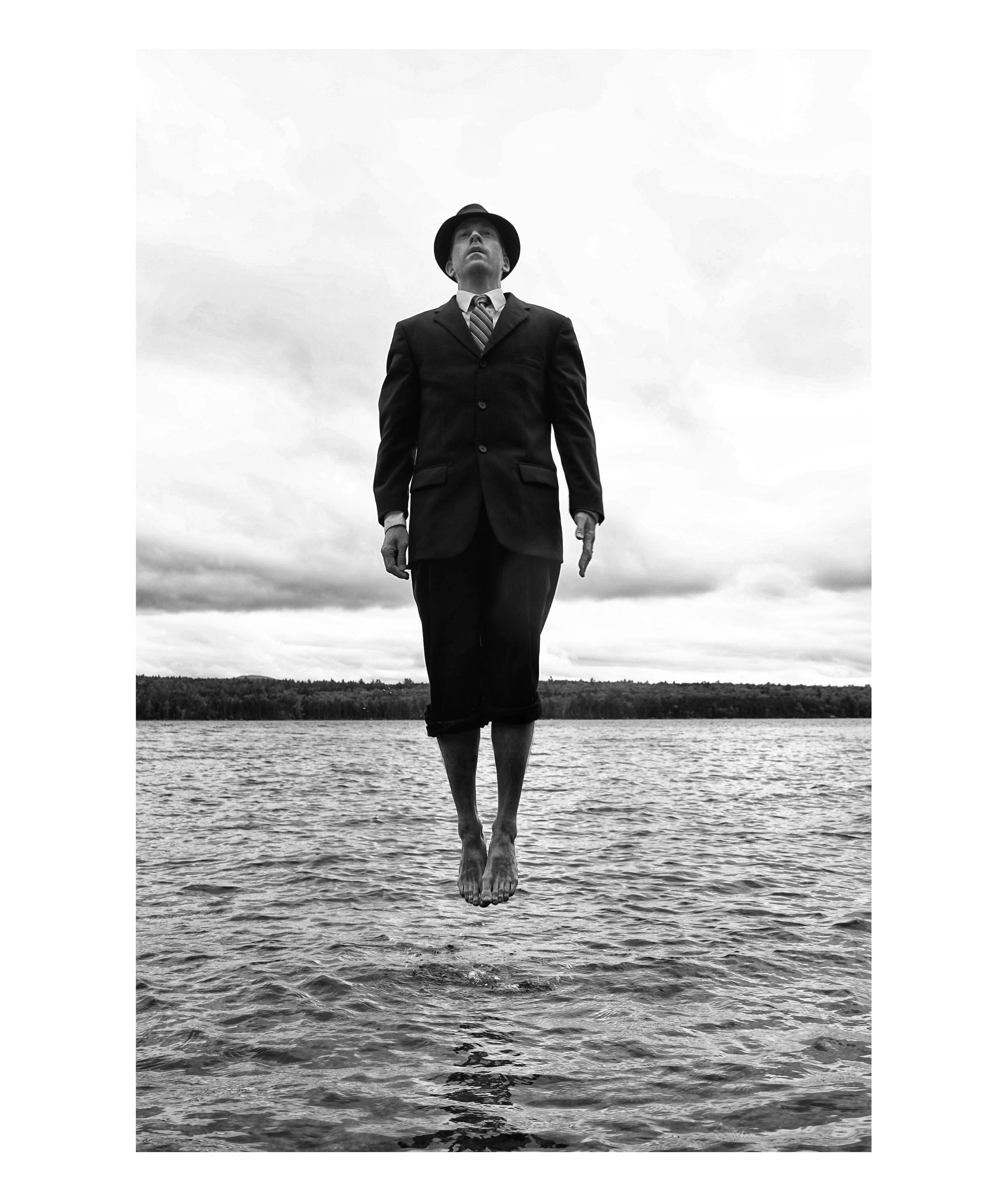
Float, archival print, 16 x 20 in, 2018, USD 850, © Stephen Sheffield, Cohasset, Massachusetts
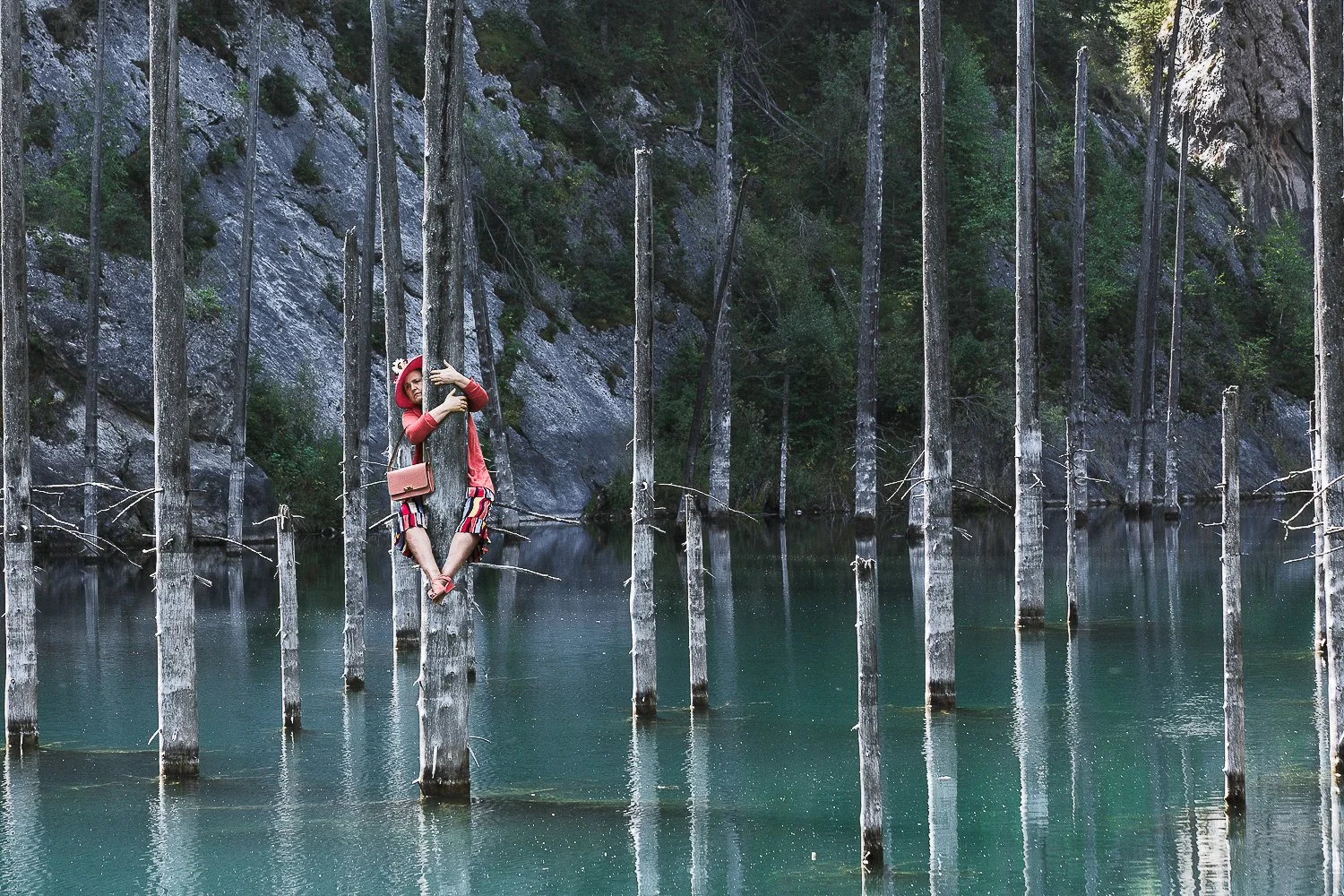
Marooned, archival print, 21 x 30 in, 2018, USD 750, © Susan Borowitz, West Harrison, New York
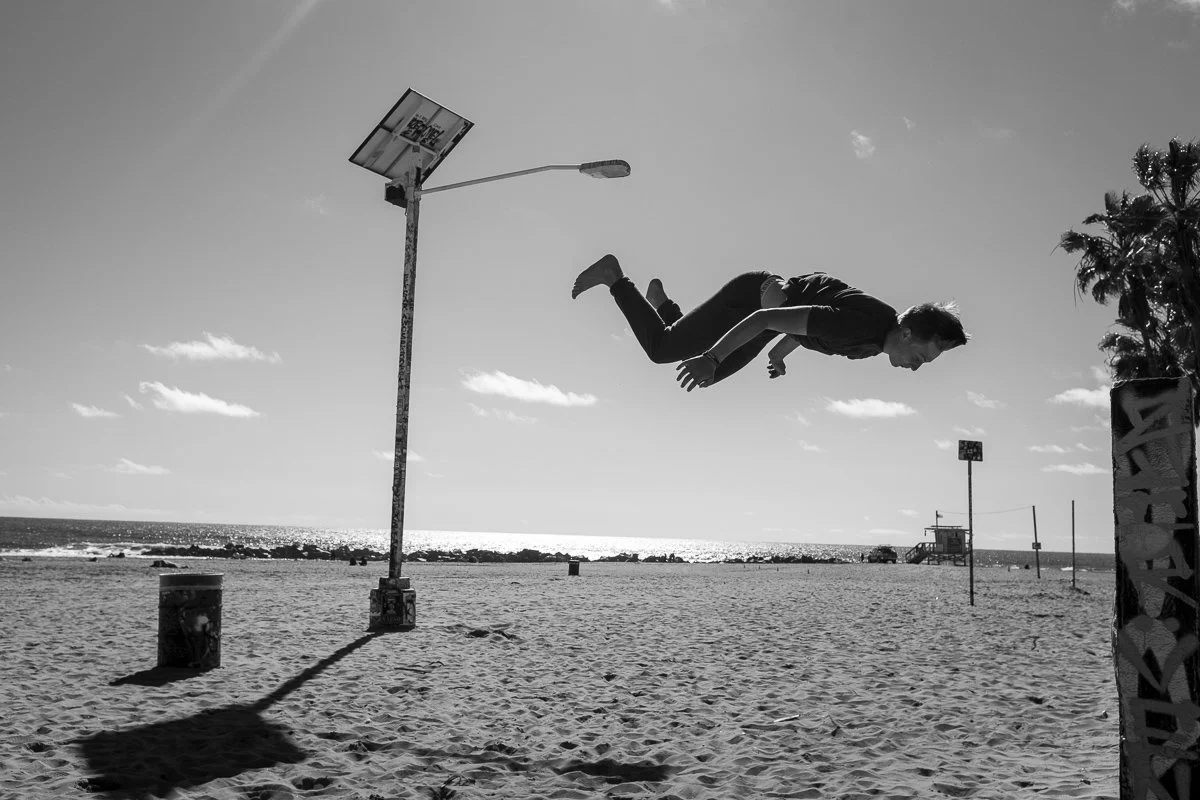
Déjà vu No. 3, archival print, 11 x 14 in, 2014, USD 275, © Kevin Vogrin, Tunkhannock, Pennsylvania
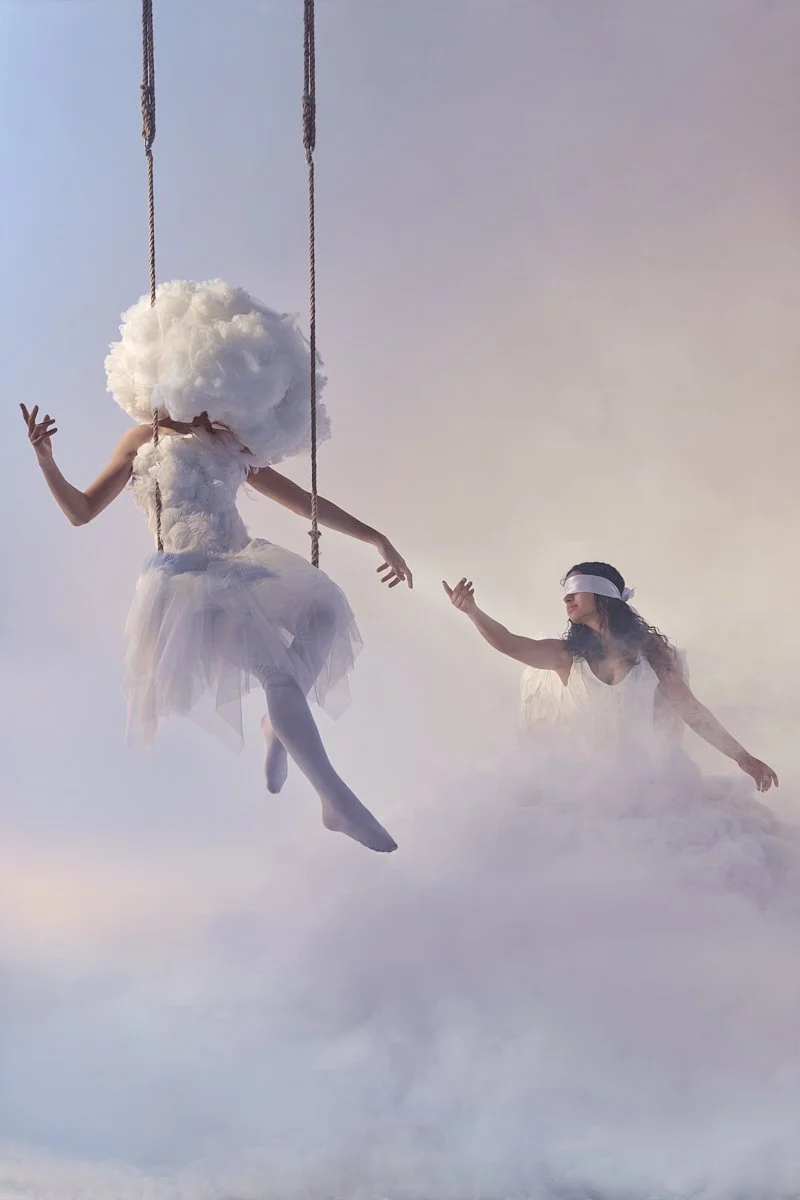
Cloudy Tales, archival print, 40 x 60 cm, 2024, 249€, © Cyrille Parry, Saint Germain En Laye, France
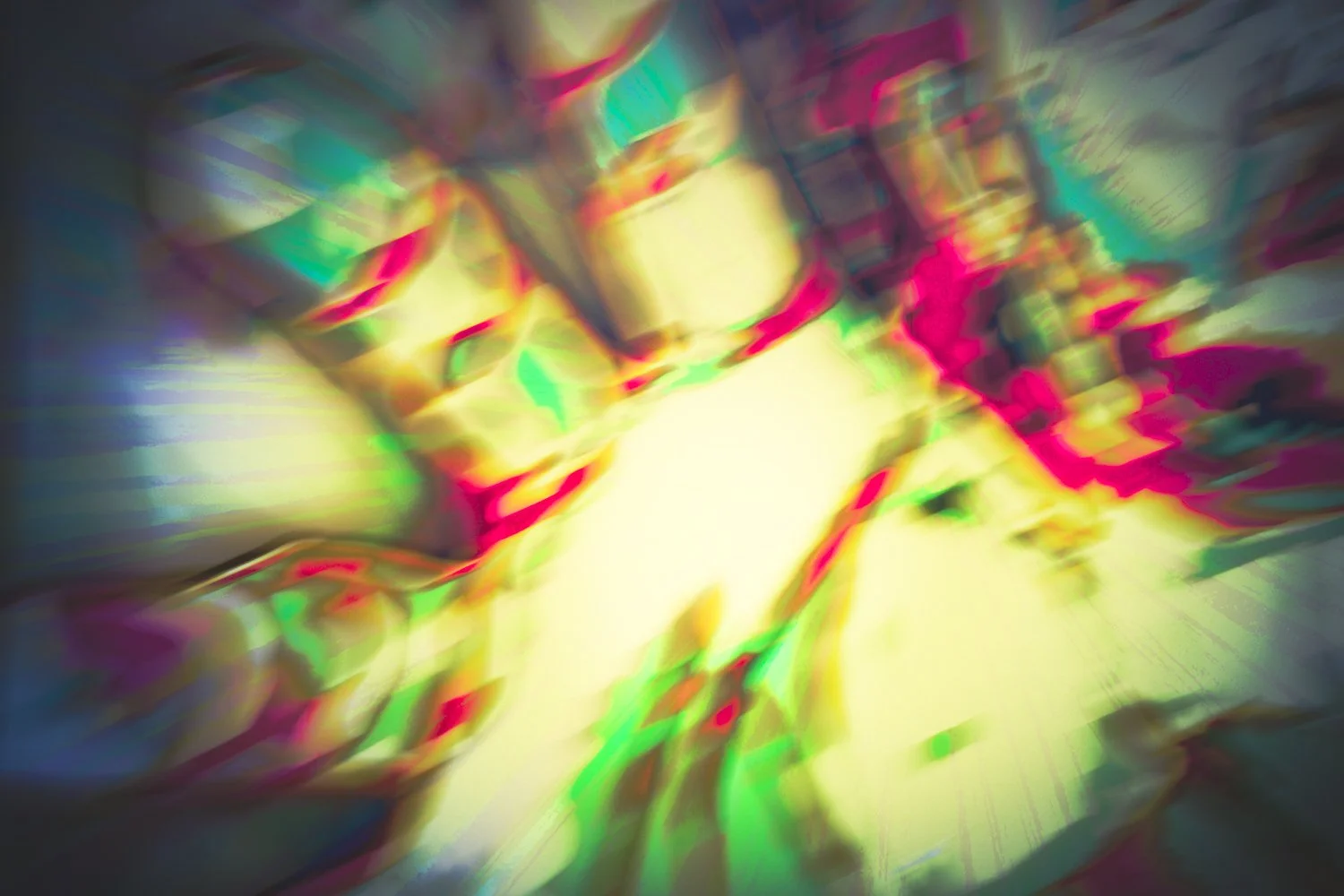
From the Other Side, photo transfer on metal, 16 x 24 in, 2025, USD 650, © Kylo-Patrick Hart, Aledo, Texas
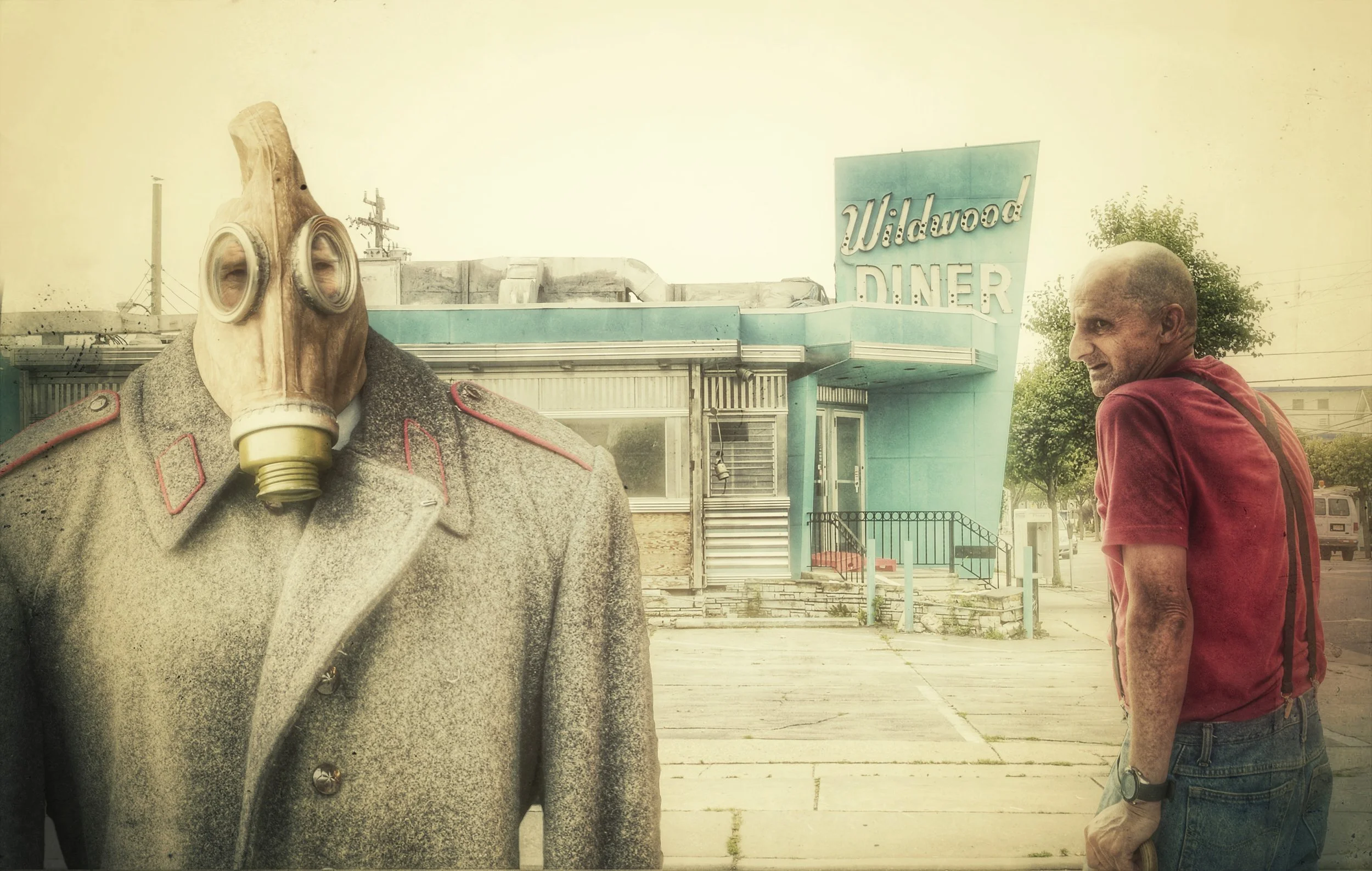
When They Come, archival print, 10 x 6.4 in, 2023, USD 175, © Jeff Wiles, Mechanicsburg, Pennsylvania
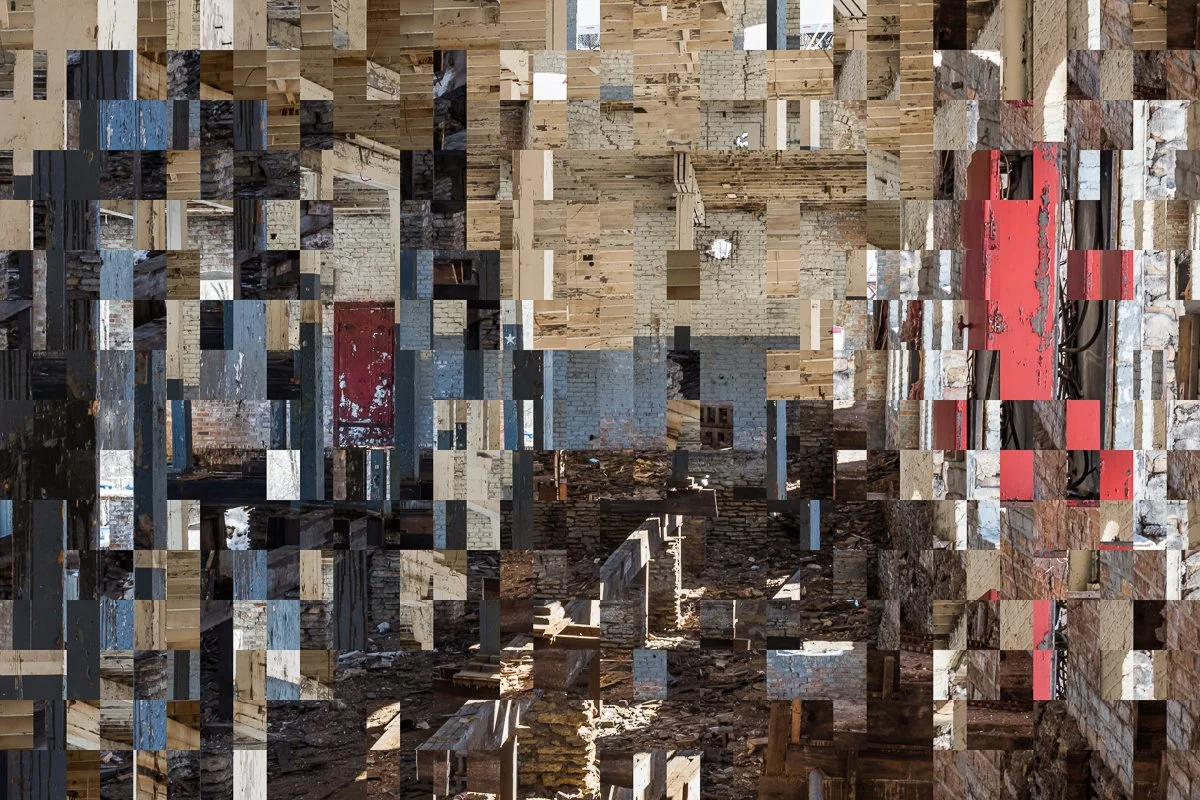
Out of Context: Factory No Floor, archival print, 24 x 16 in, 2024, USD 400, © Michael Prais, Geneva, Illinois
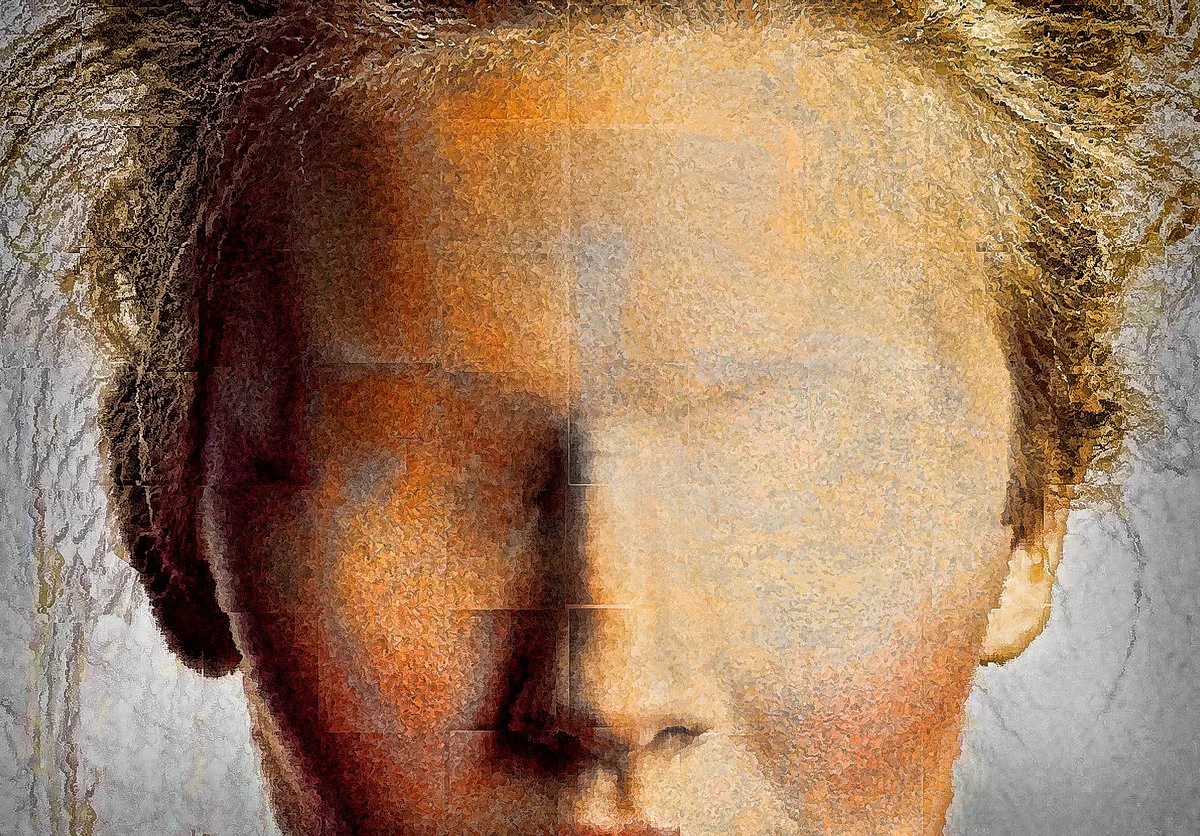
Fruit of Time No. 2, archival print, 65 x 45 cm, 2014, 260€, © Z. Vladanovic, Bassano del Grappa, Italy
Sales and Artist Inquiries
Are you interested in making a purchase or connecting with one of the featured artists? Send us a message through our contact form, and we'll get back to you shortly.