

Memento Mori (2024)
October 1–November 1, 2024
Memento mori is a profound and evocative theme in photography, focusing on the transient nature of life and the inevitability of death. Rooted in the Latin phrase meaning “remember that you must die,” it encourages deep reflection on mortality and the passage of time. It can be a powerful reminder of the fleeting nature of existence, a source of comfort and inspiration, and an invitation to make the most of our remaining time. This exhibition asks what makes life worth living and how one copes with the certainty of death.
Featured Artists
Agata Cardoso, Alexa Garbarino, Andrea Gluckman, Andy Mattern, Chanel Gray, Christer Björkman, Dave Hanson, Enrico Pompei, Ghawam Kouchaki, Howard Pohl, James Landon Johnson, Jerry Stevenson, John Diephouse, Kristen Lothspeich, Ksenia Winnicki, Kylo-Patrick Hart, Liliana Del Vedova, Maria Drazilov, Marianne McCarthy, Mariia Sokor, Mark Peacock, Mauro Zorer, Michael Bloomfield, Nanci Hellmuth, Patricia Fortlage, Rena Sanft Rogers, Rikk Dunlap, Sai Prasad, Sean Grove, Sue Vaughton, Val Juma, William Nieberding
Memento, Not Momento
The phrase is misspelled often enough that the error has its own search traffic. It is memento mori, from the Latin verb meaning to remember, and it translates as remember that you must die. A momento is something else entirely, a souvenir, and the slip is revealing: the two words describe opposite operations. A souvenir is an object that helps you hold on to something. A memento mori is an instruction to let go. Photography, awkwardly, is very good at both, which is why the genre keeps producing work that cannot decide whether it is mourning or collecting.
The Victorian Industry
The nineteenth century built a commercial apparatus around this subject that has no modern equivalent. Post-mortem portraiture was an ordinary service, memorial cards circulated as printed objects, and hair was set into jewellery as a physical index of a specific person. None of this was considered morbid. It was the reasonable response to high mortality and to a new technology that could, for the first time and at accessible cost, produce a durable likeness. The catalog for this exhibition includes a print made from a glass negative, which places a contemporary photographer inside that lineage at the level of process rather than reference.
The Short List of Available Symbols
The vocabulary of the genre is small and very old: the skull, the extinguished candle, the stopped clock, the cut flower. Flowers do the most work, because a bouquet is a mortality timer that the viewer can read without instruction. The problem is that the list is so well established that using it can substitute for thinking. A photograph of a skull announces its subject and then has to do something further, and the further thing is where the work either exists or does not.
The Permanence Paradox
This catalog includes a platinum print, which is worth pausing on. Platinum and palladium prints are among the most chemically stable photographic objects ever made, expected to outlast the papers they sit on and most of the buildings that house them. Choosing that process for a work about impermanence is either a contradiction or the sharpest available comment on one. The image insists that nothing lasts; the object is built to last several centuries. Every archival decision in a mortality exhibition carries some version of this tension, and the honest work tends to acknowledge it.
Photographing Absence Instead
The most effective contemporary strategy is usually indirect. Rather than depicting death, the photograph records what death left behind: the chair still angled toward the television, the coat on the hook, the garden continuing without supervision. This approach avoids the two failure modes of the genre, which are shock and sentimentality, by giving the viewer an ordinary object and letting the inference happen unassisted. It also tends to be truer to the experience it describes, since grief is mostly encountered in the form of household objects rather than in dramatic scenes.
Why the Theme Recurs
Mortality is the one subject with no possibility of resolution, which is precisely why it can be re-opened annually without exhausting itself. TCG Gallery is an independent online photography gallery, and each juried exhibition remains part of a permanent public archive after its run ends, so this catalog sits alongside the earlier edition of the theme and can be read against it. Photographers can enter the current photography open calls directly.
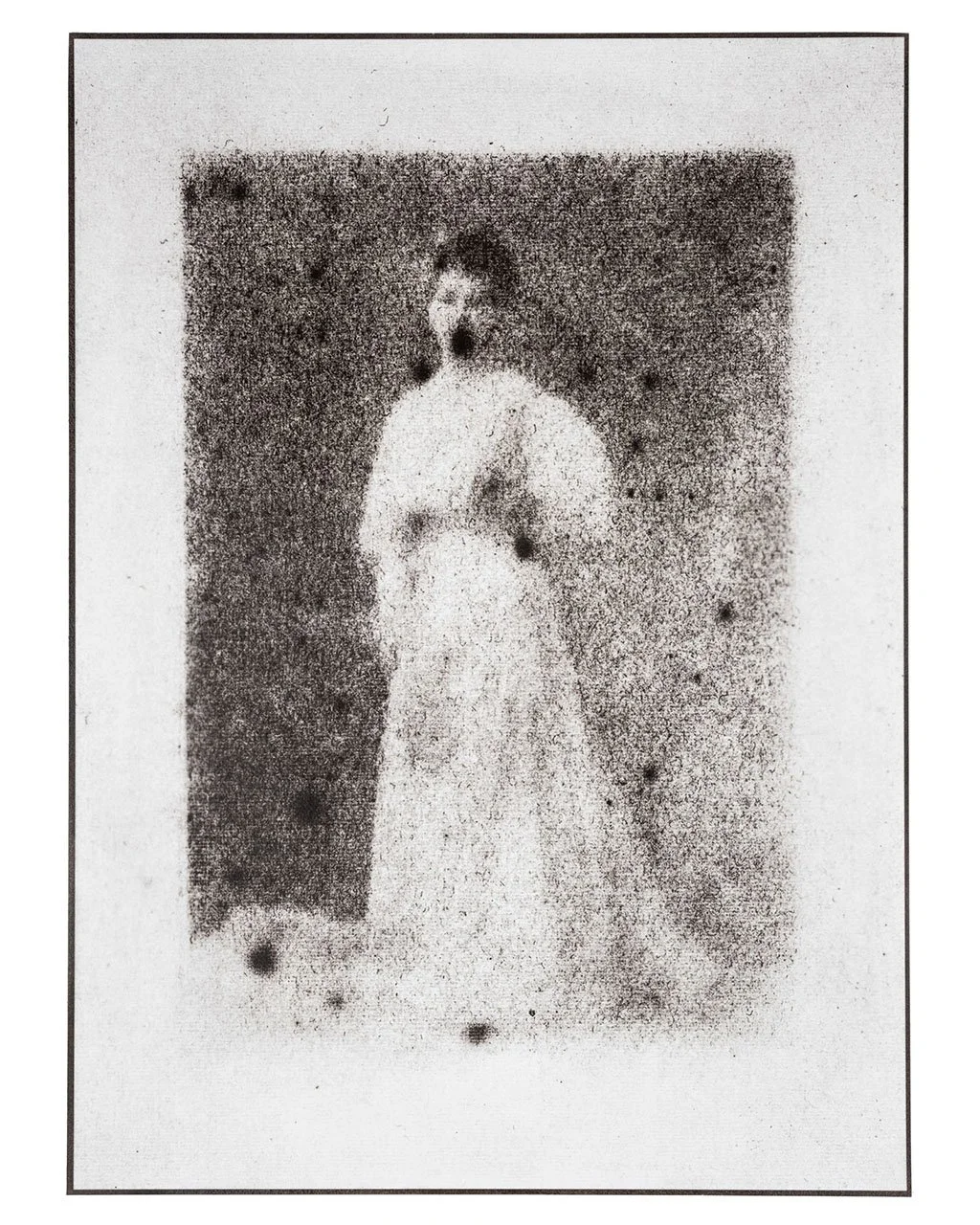
Ghost No. 165, platinum print, 15 x 11 in, 2022, USD 1800, © Andy Mattern, Stillwater, Oklahoma
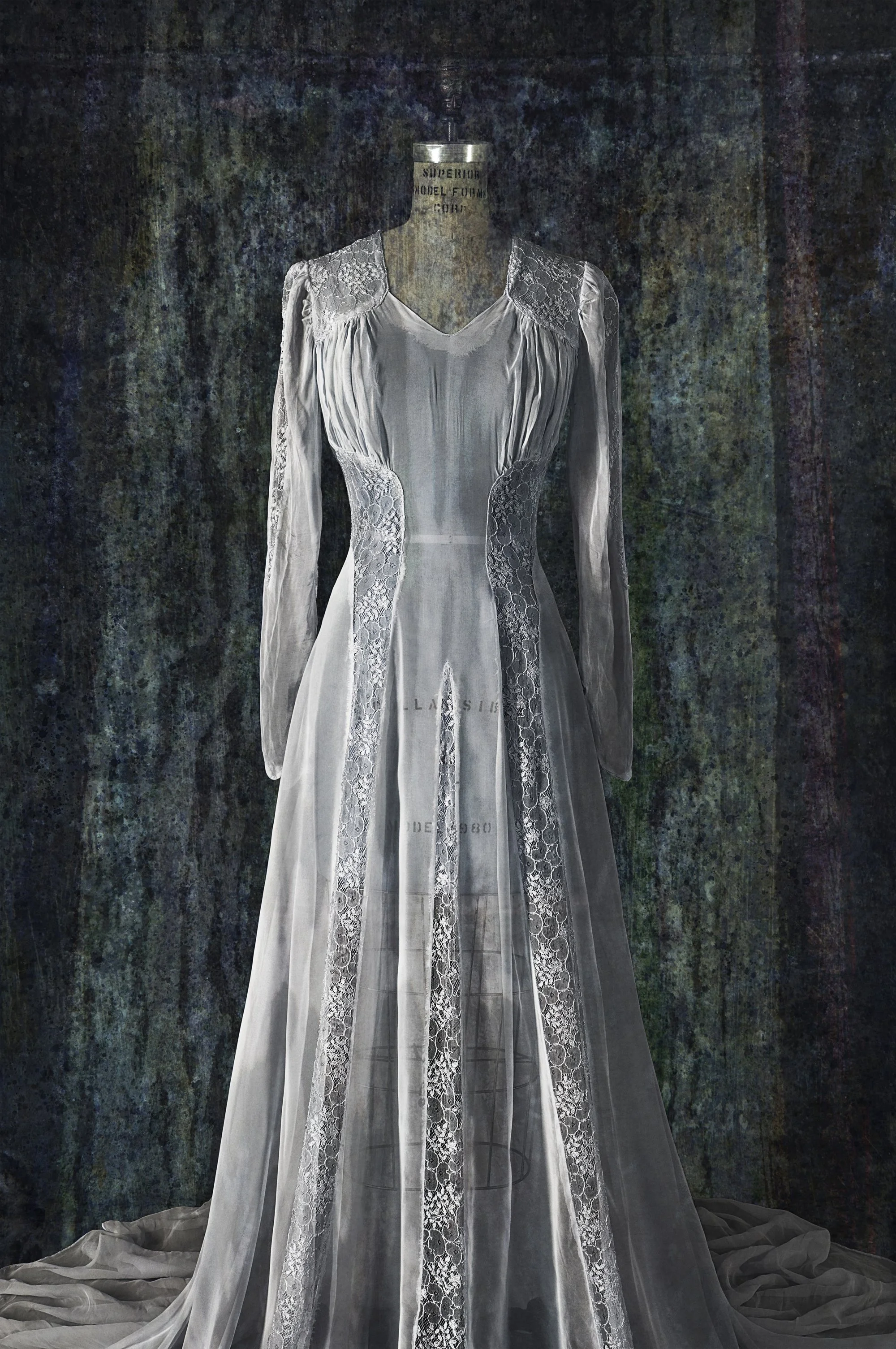
Gown, archival print, 24 x 36 in, 2020, USD 500, © Alexa Garbarino, Montclair, New Jersey
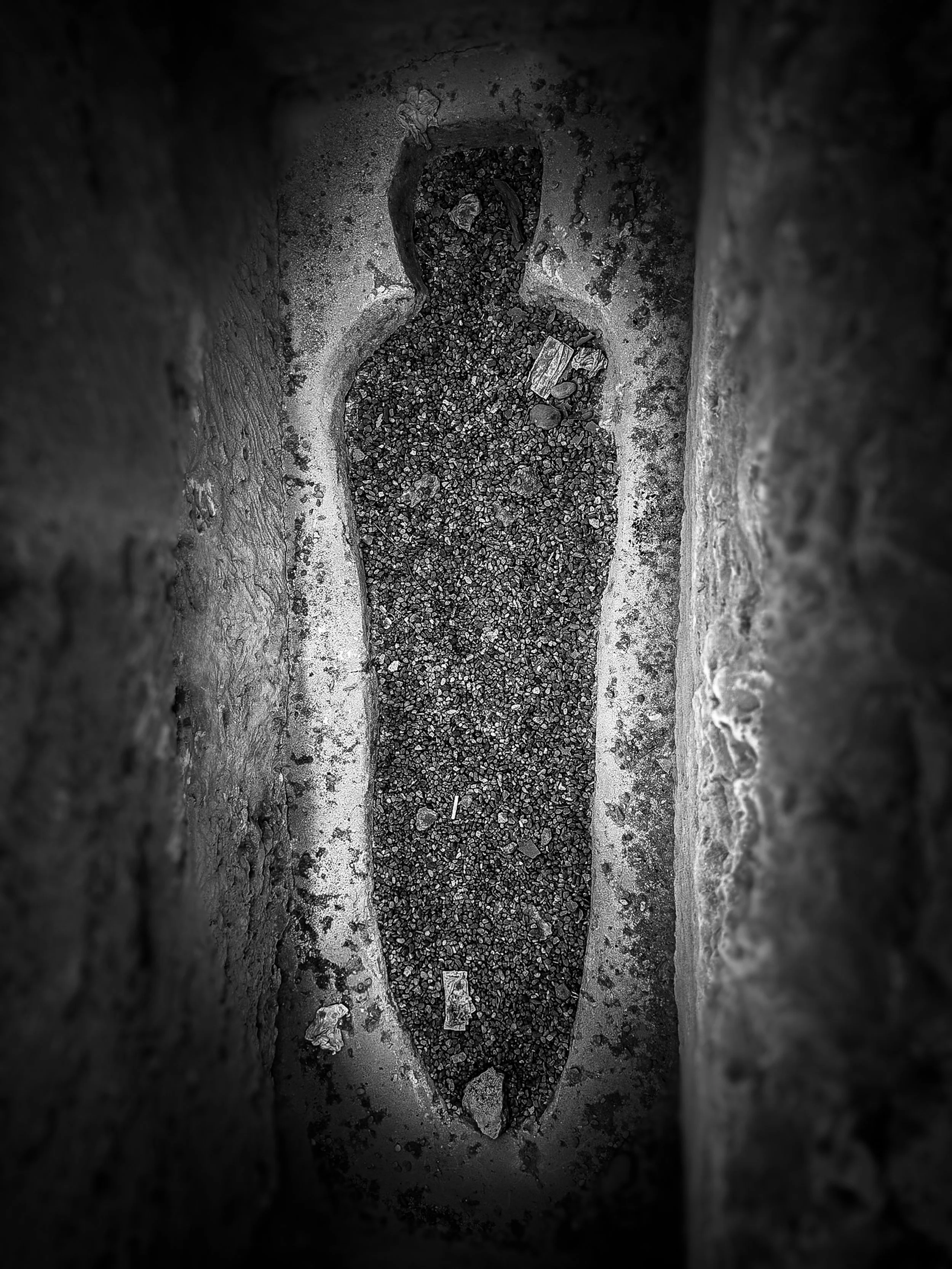
Imprint, archival print, 18 x 12 in, 2024, USD 200, © Andrea Gluckman, Pittsford, New York
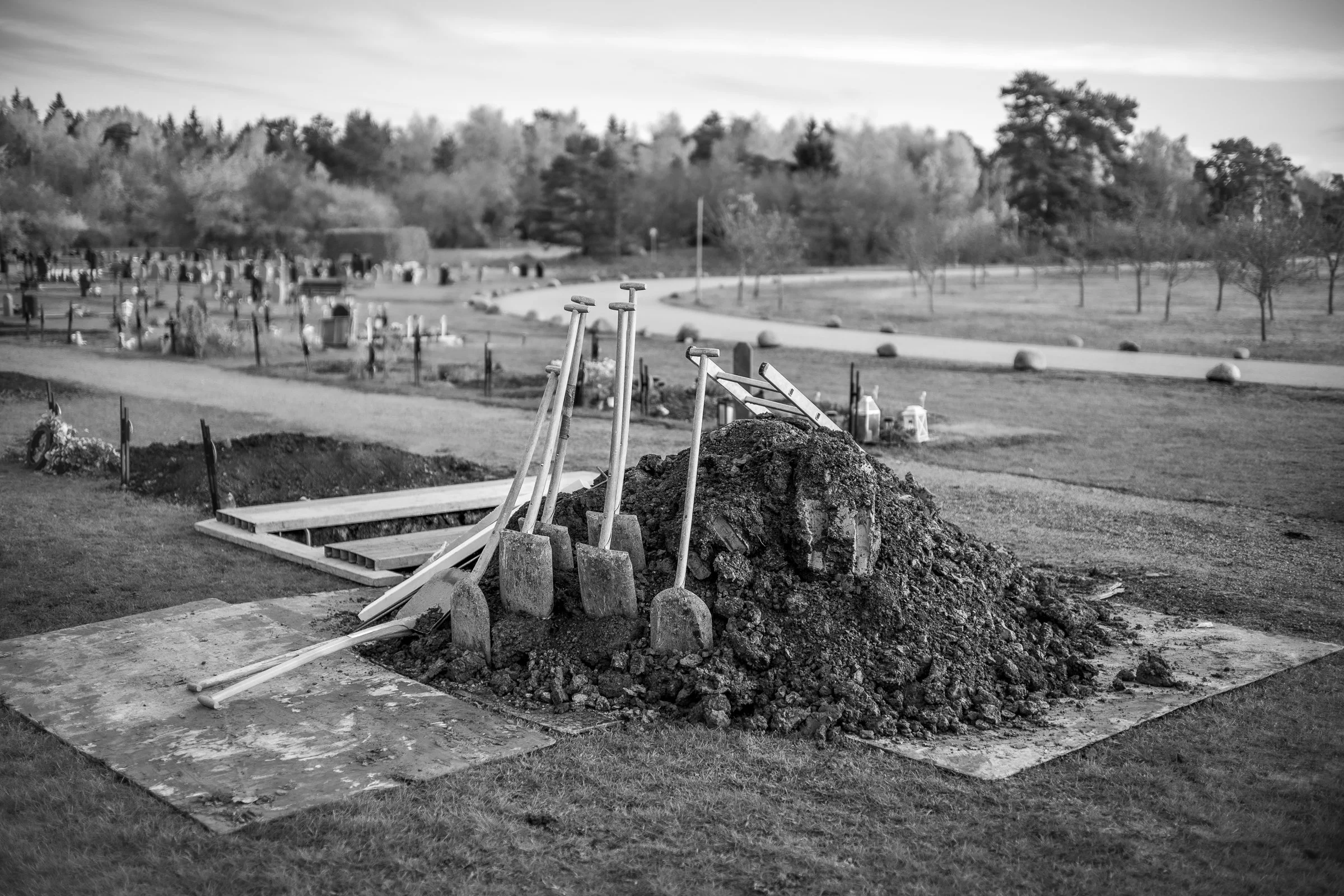
Rest, archival print, 20 x 30 cm, 2022, USD 275, © Christer Björkman, Uppsala, Sweden

Mother's Porcelain Cup Collection, archival print, 12 x 18 in, 2024, USD 450, © Sue Vaughton, Torquay, Great Britain
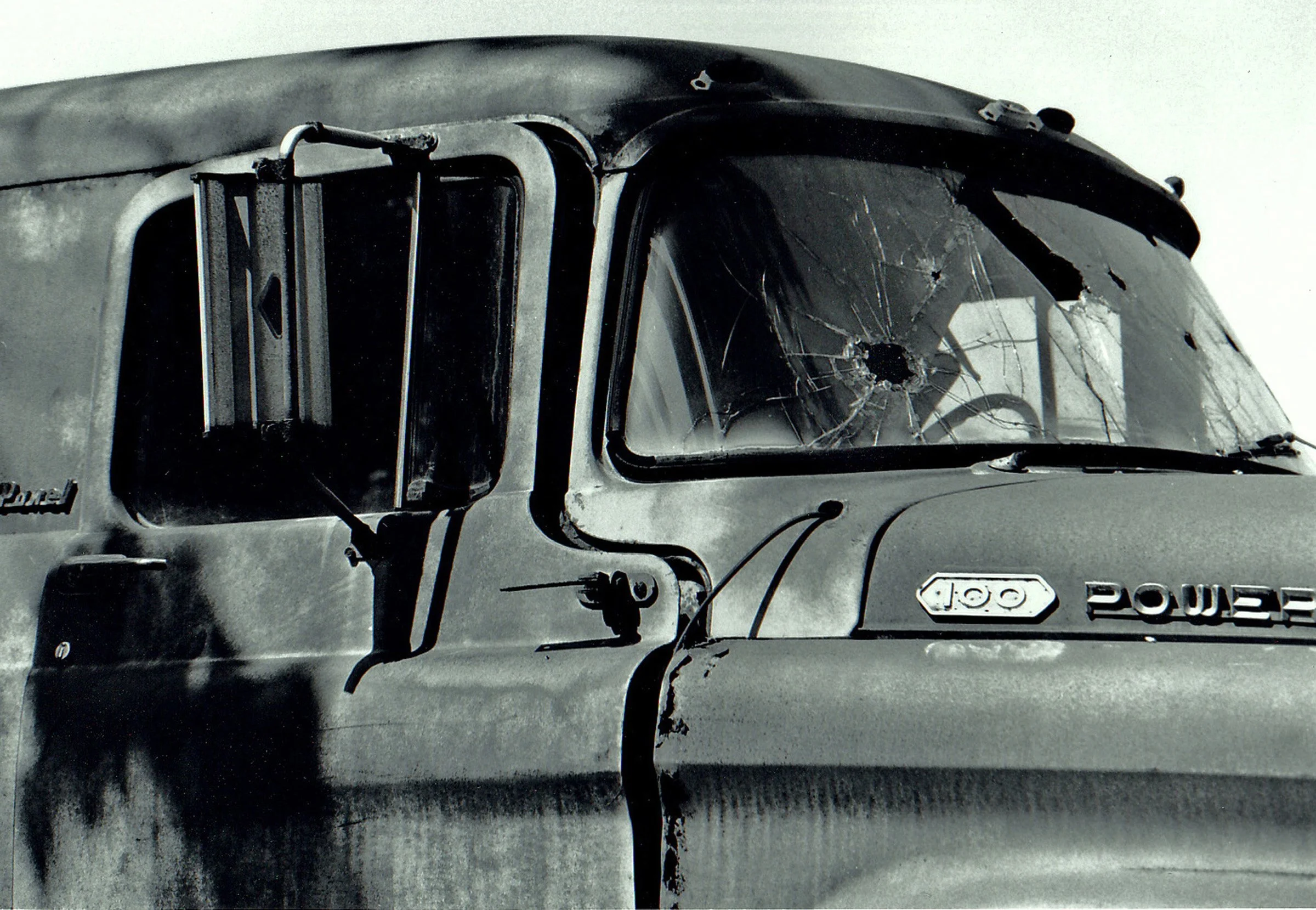
Scene of the Crime, silver gelatin print, 14 in x 20 in, 2022, USD 375, © Howard Pohl, Lindenhurst, New York
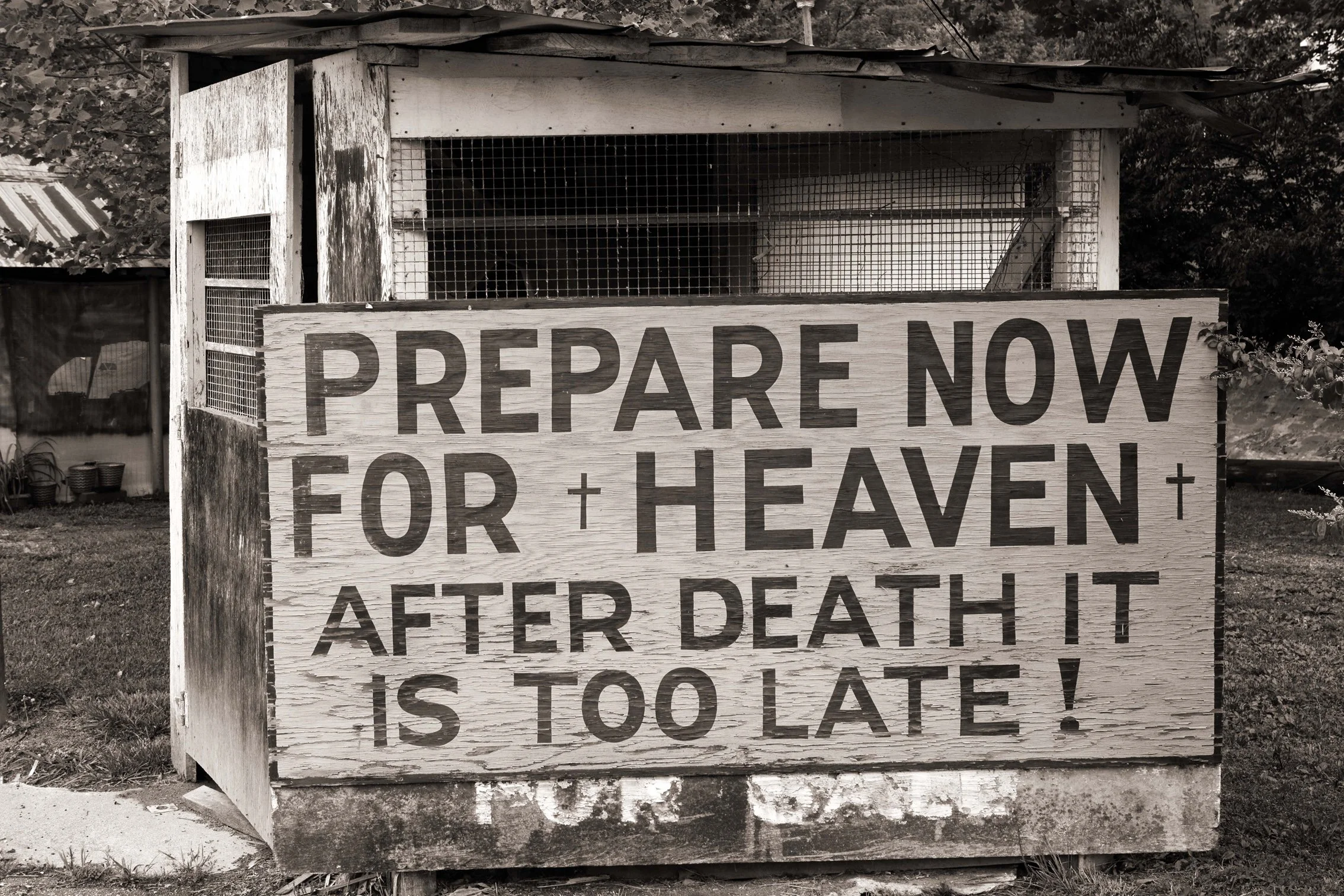
Prepare Now, archival print, 12 x 18 in, 2010, USD 450, © John Diephouse, Lansing, Michigan
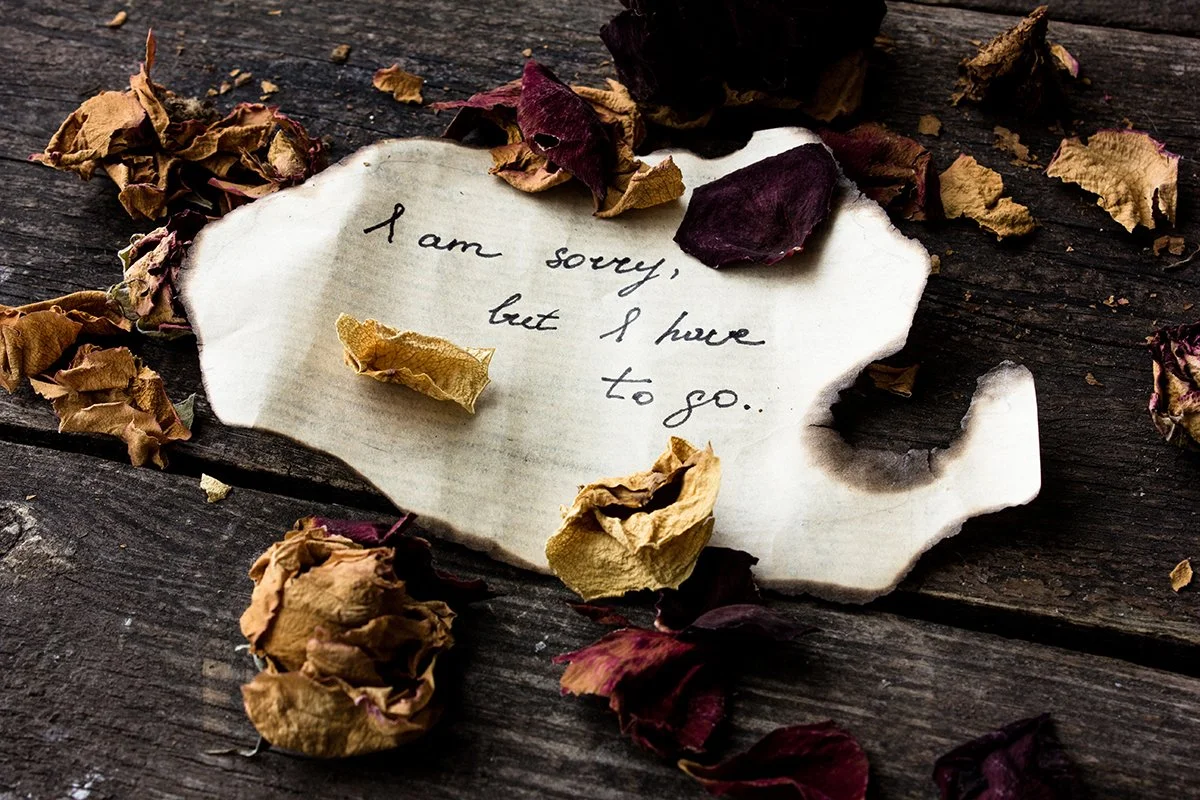
Sorry, archival print, 12 x 18 in, 2017, USD 120, © Mariia Sokor, Kyiv, Ukraine
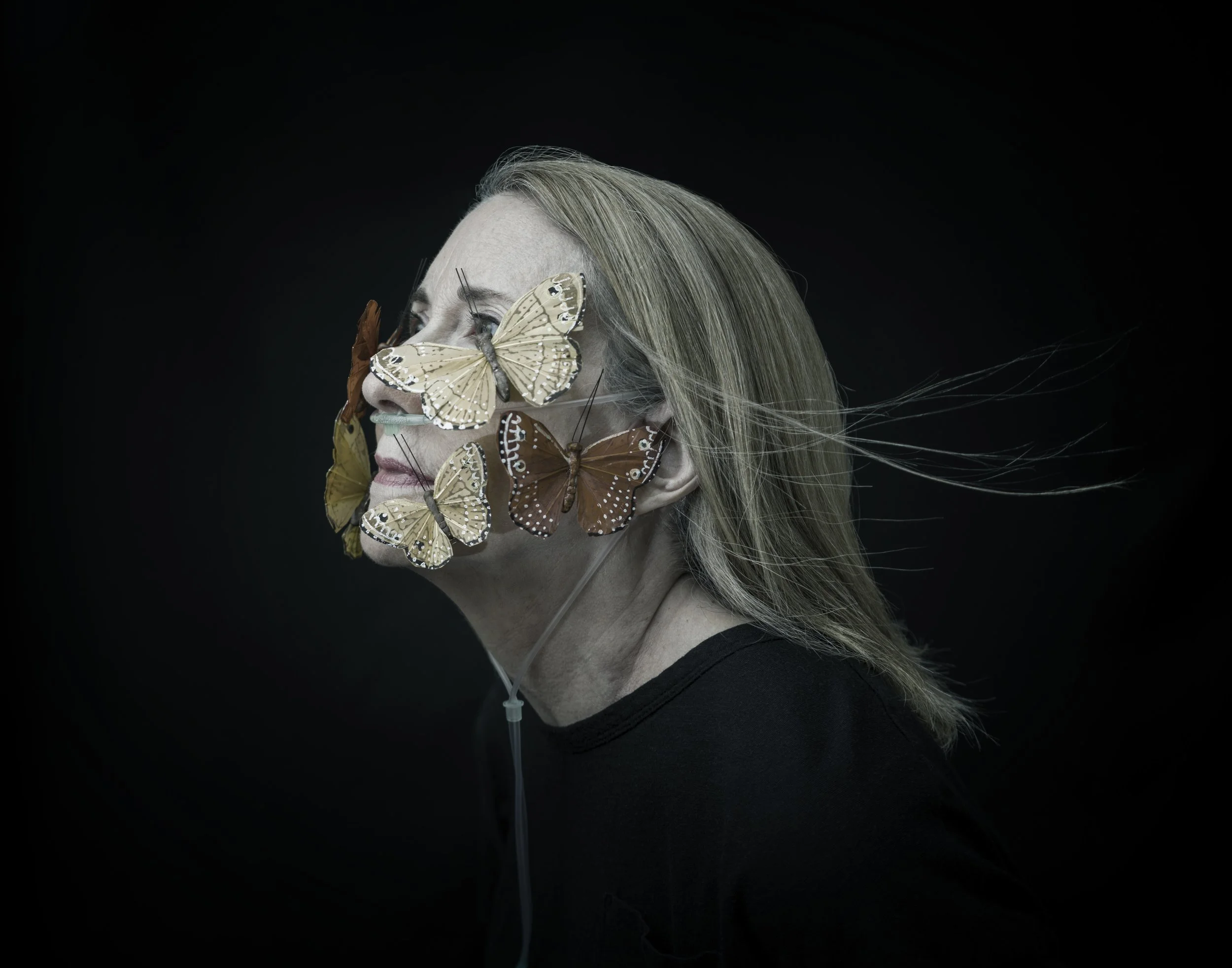
The Breath, archival print, 30 x 40 in, 2023, USD 2800, © Patricia Fortlage, Monrovia, California
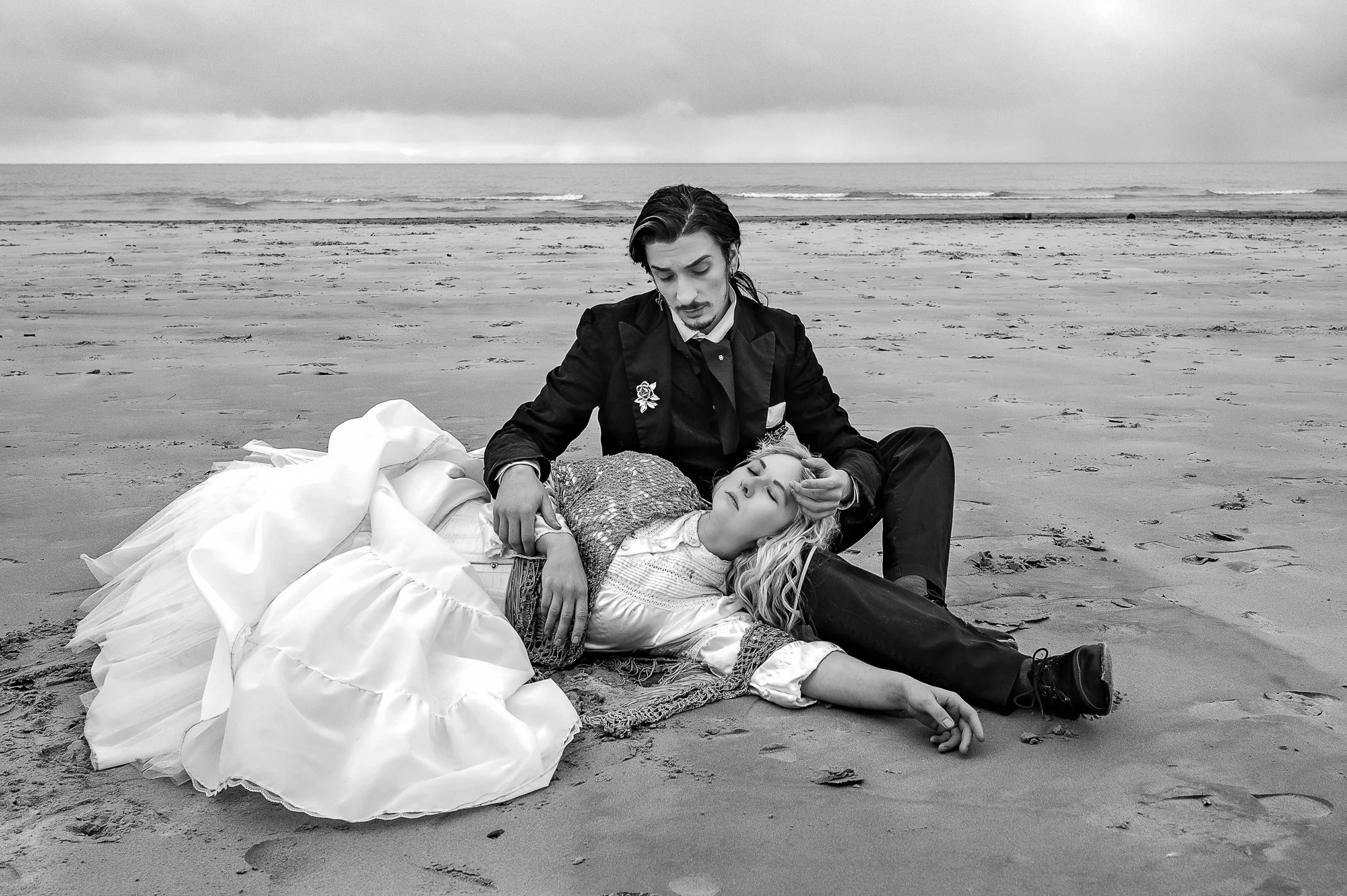
Annabel Lee, archival print, 11 x 17 in, 2020, USD 350, © Sean Grove, Chicago, Illinois
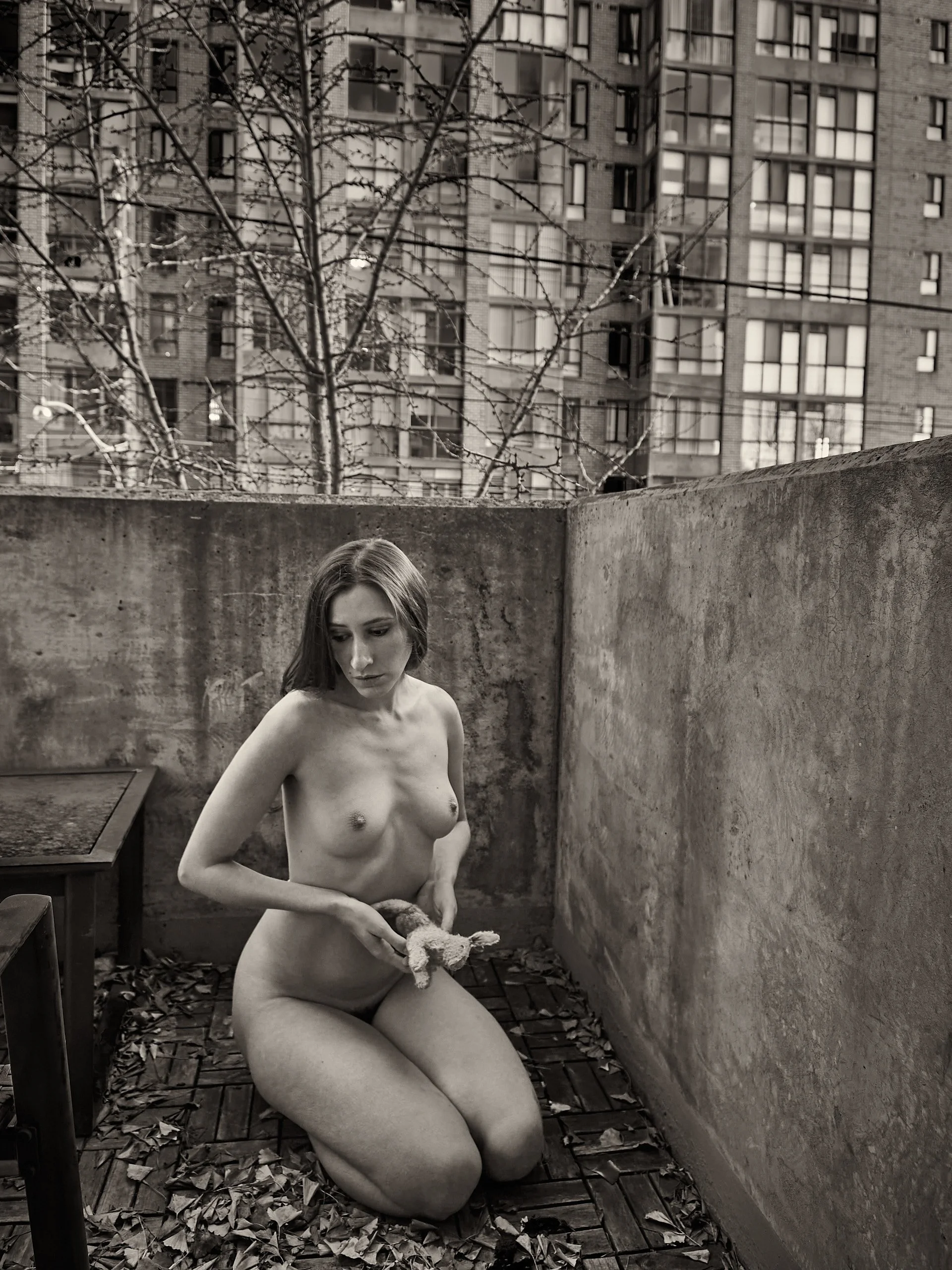
Memories, archival print, 12 in x 16 in, 2024, USD 750, © James Landon Johnson, Norton Shores, Michigan
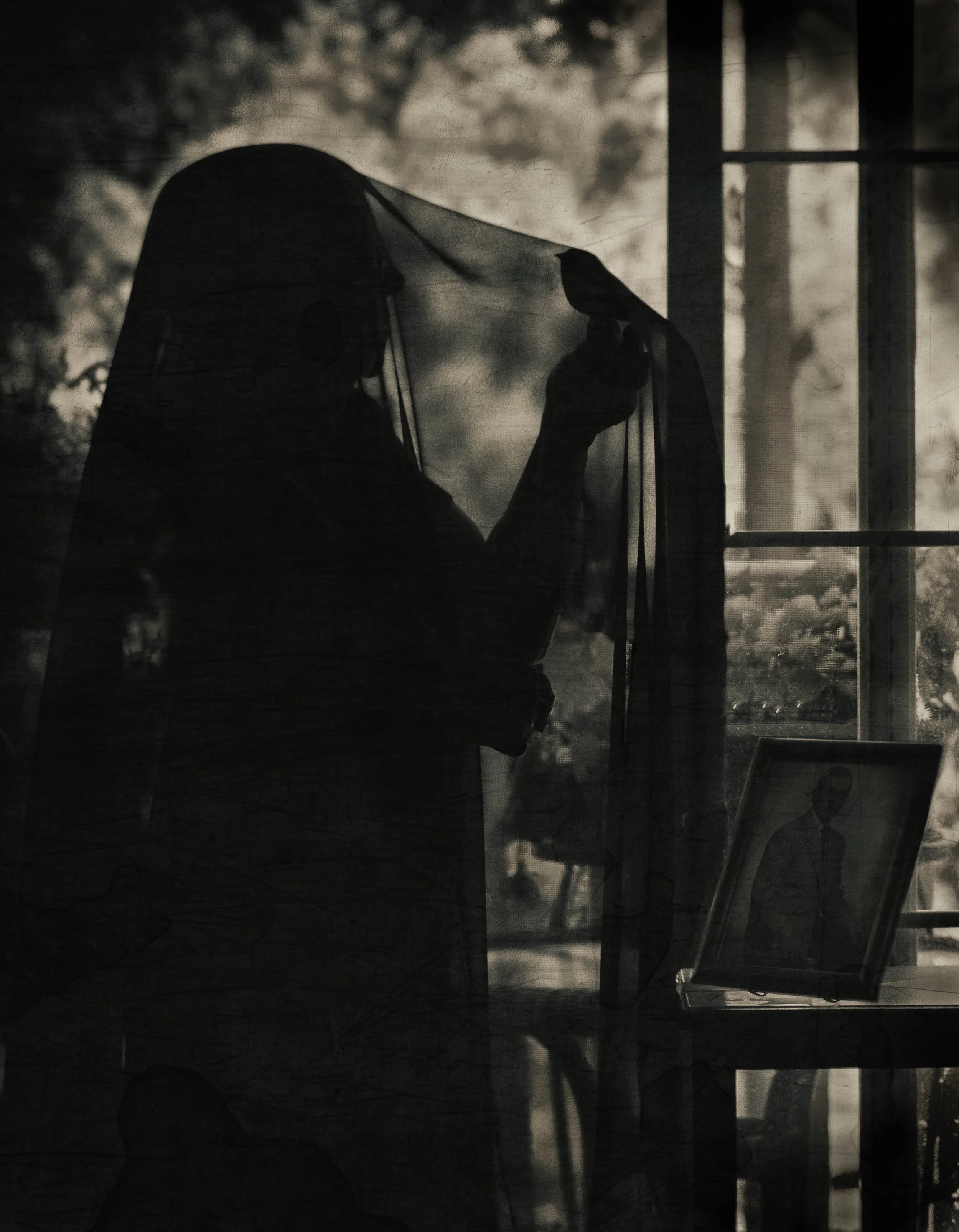
The Visitor, archival print, 11 x 14 in, 2020, USD 110, © Nanci Hellmuth, Bensalem, Pennsylvania
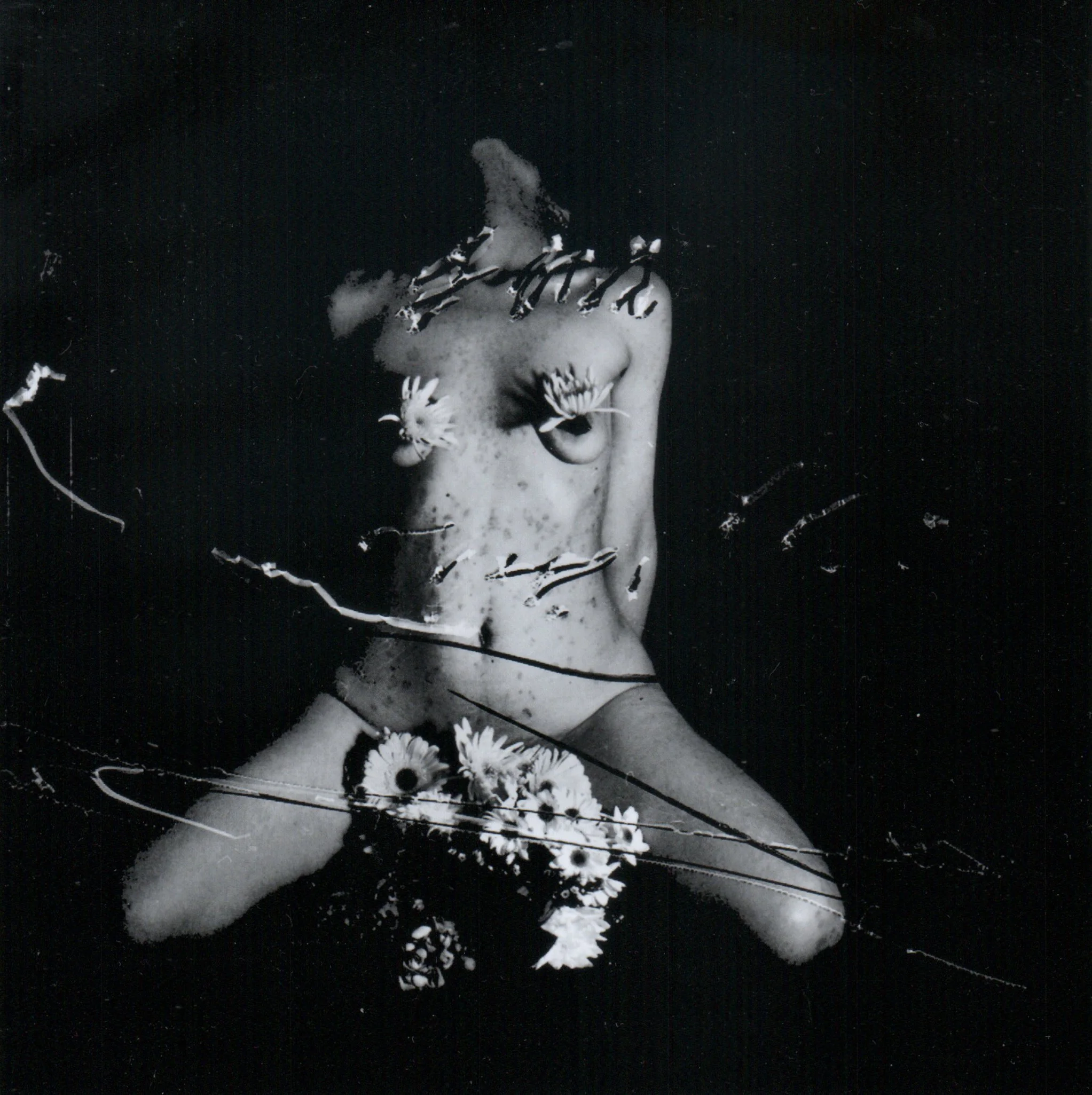
Hysteria, chromogenic print, 6 x 6 in, 2021, USD 250, © Agata Cardoso, Lisbon, Portugal
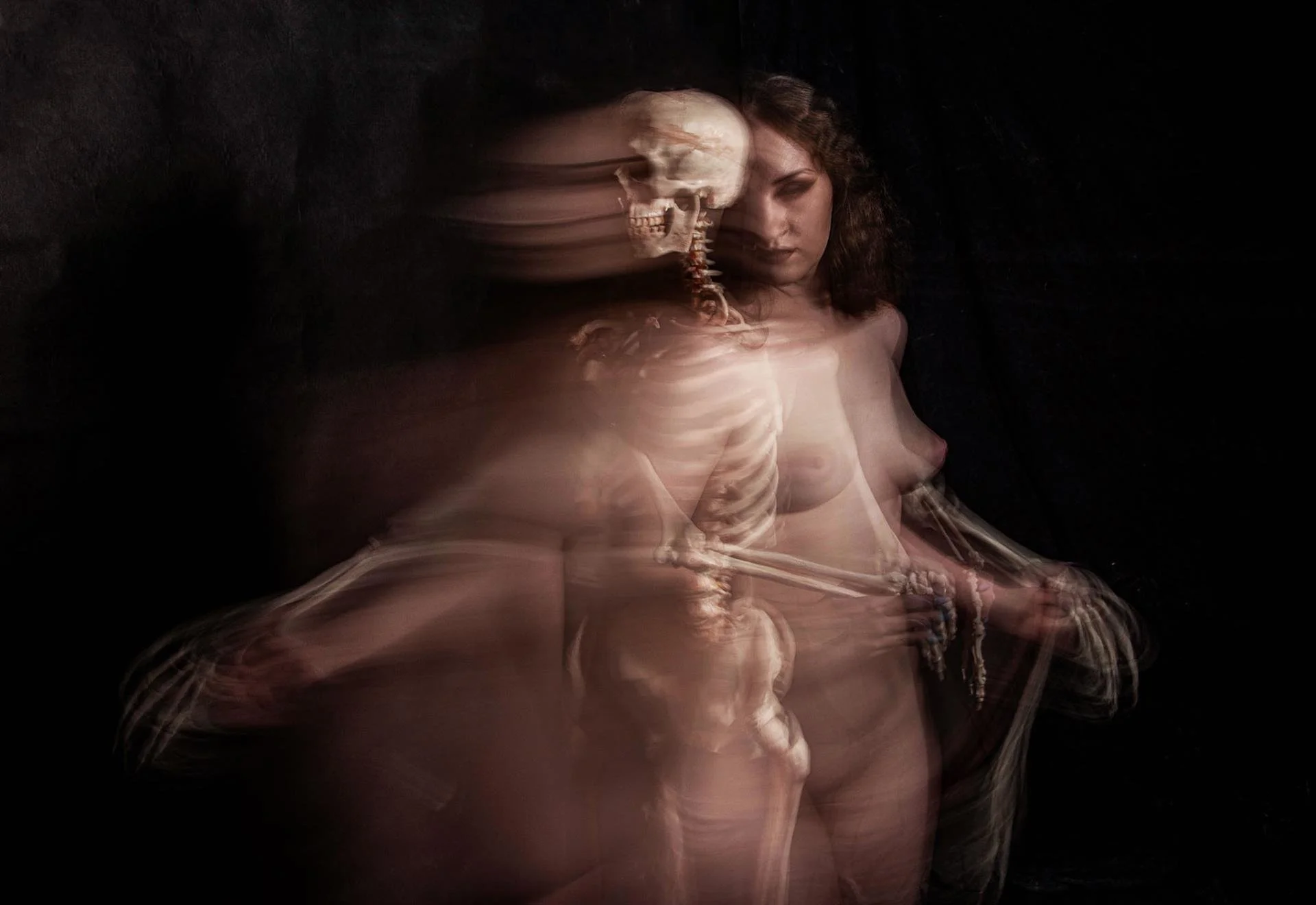
Transfiguration, archival print, 14 x 18 in, USD 400, © Dave Hanson, Farmington, New Mexico
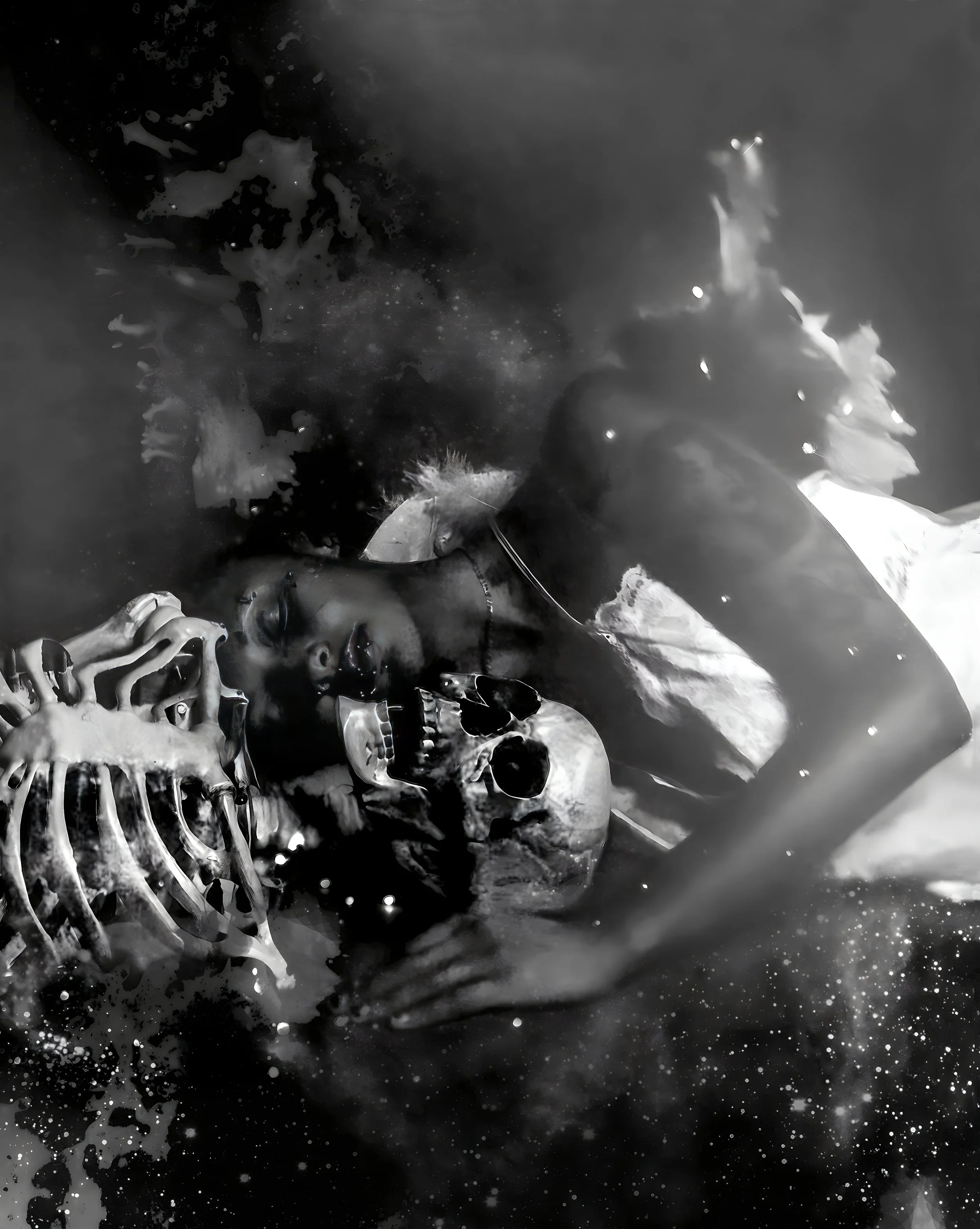
Soul Connections No. 2, archival print, 8 x 10 in, 2023, USD 150, © Liliana Del Vedova, Ottawa, Ontario, Canada
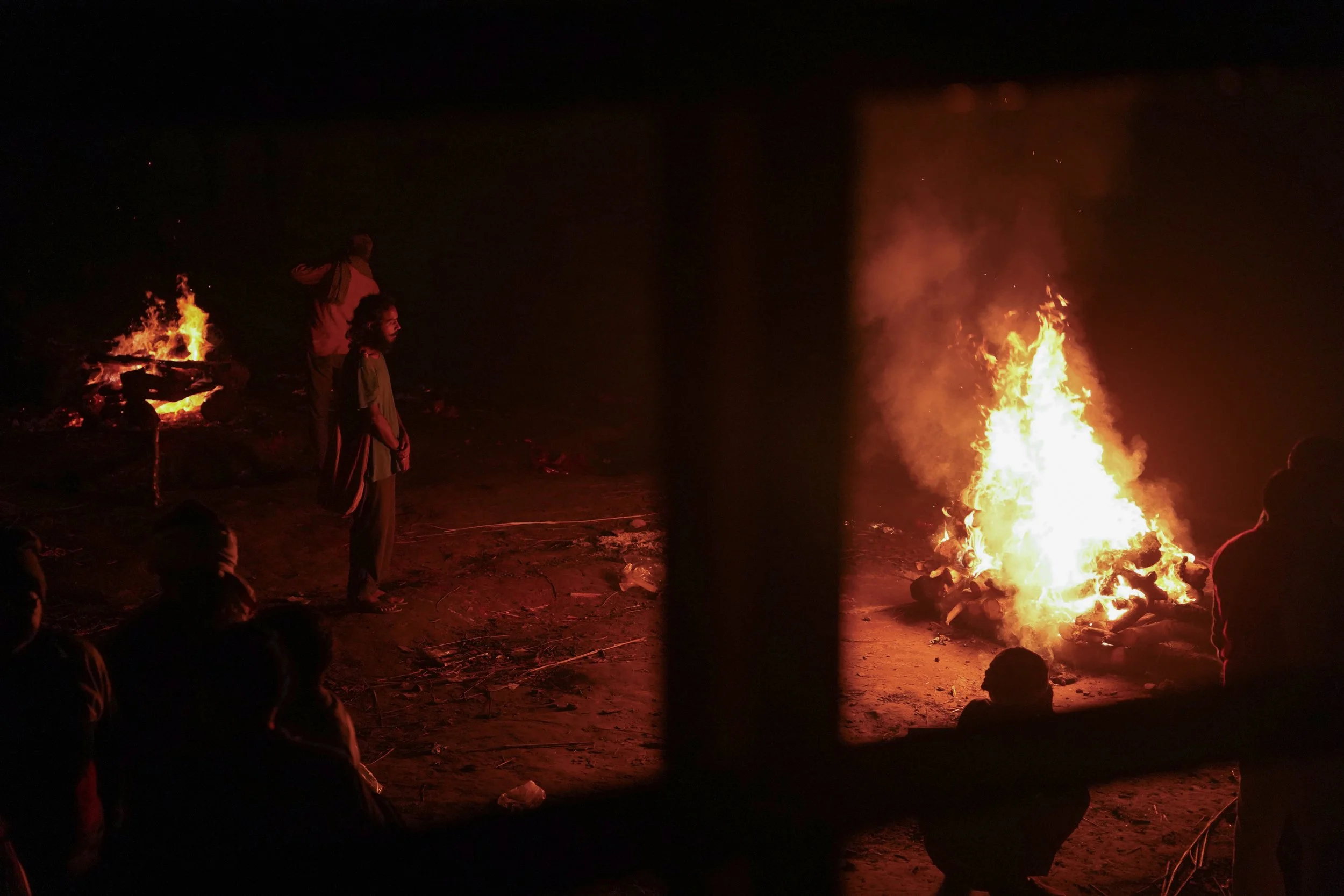
Crematorium in Varanasi, archival print, 35.4 x 23.6 cm, 2022, 750€, © SaI Prasad, Thiruvananthapuram, India
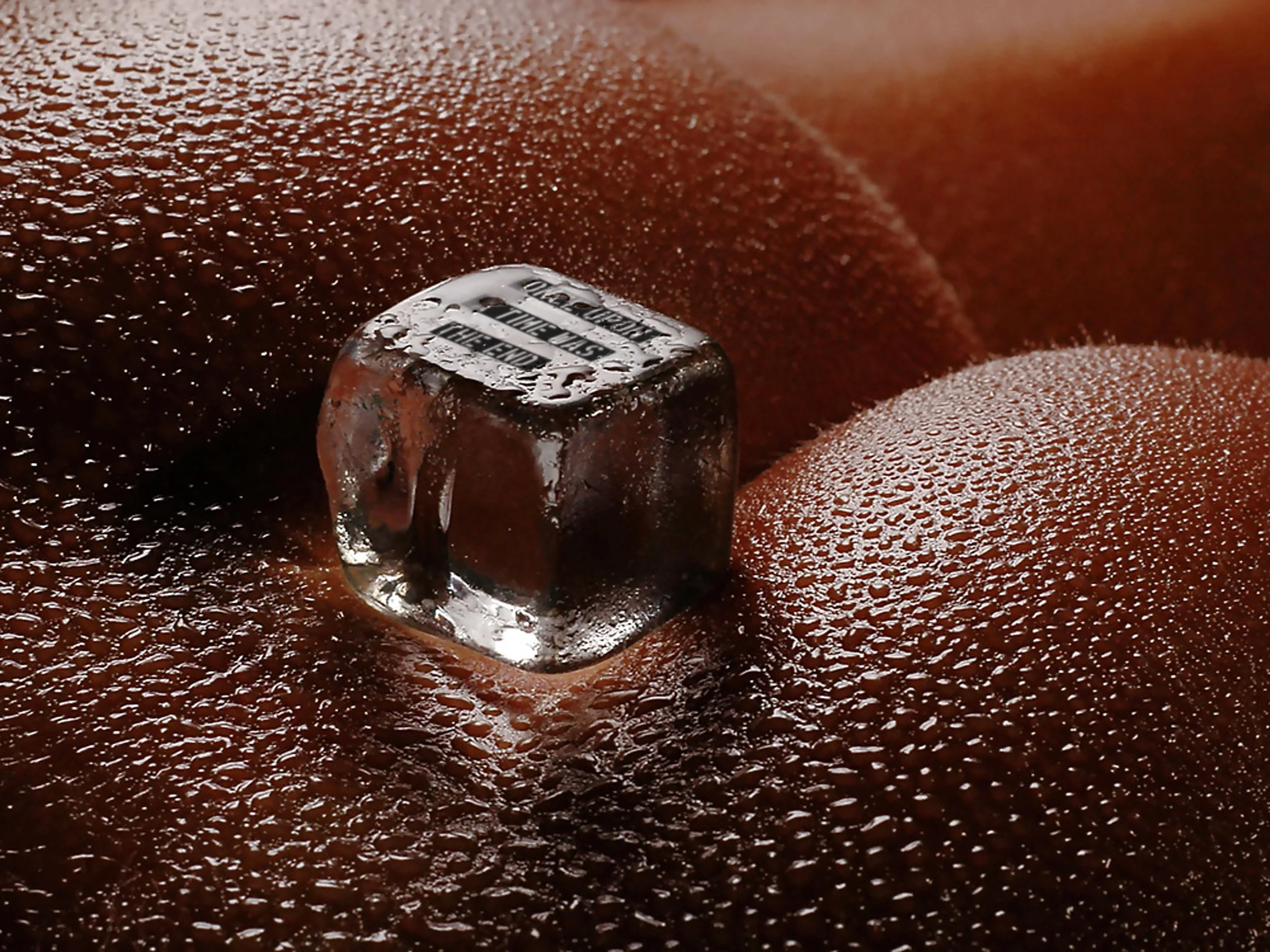
Flash Fiction, archival print, 22 x 30 in, 2024, £750, © Michael Bloomfield, London, Great Britain
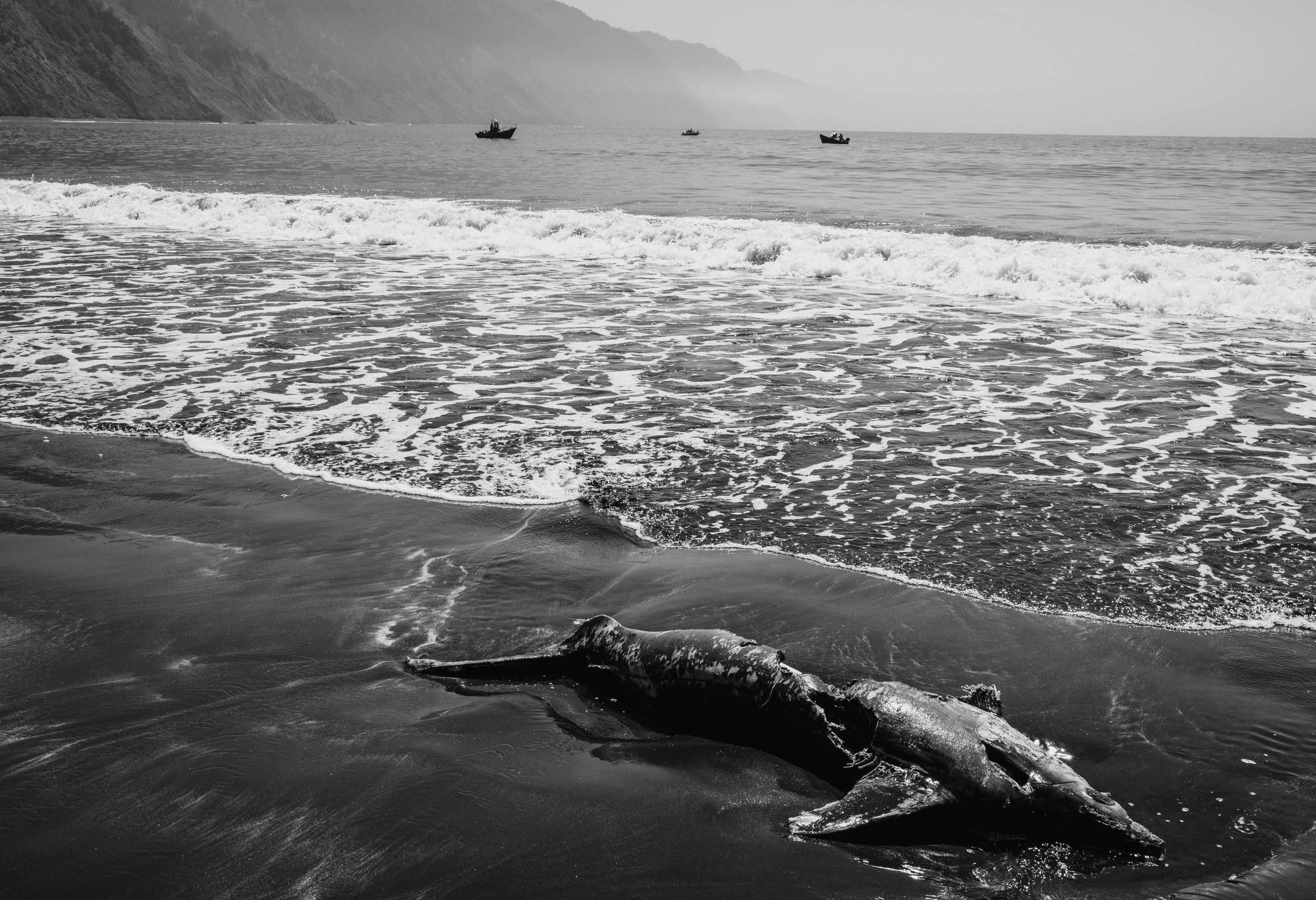
Untitled, archival print, 13 x 19 in, 2024, USD 300, © Ghawam Kouchaki, Claremont, California

Natural Selection, archival print, 60 x 40 cm, 2024, 300€, © Enrico Pompei, Lombardia, Italy
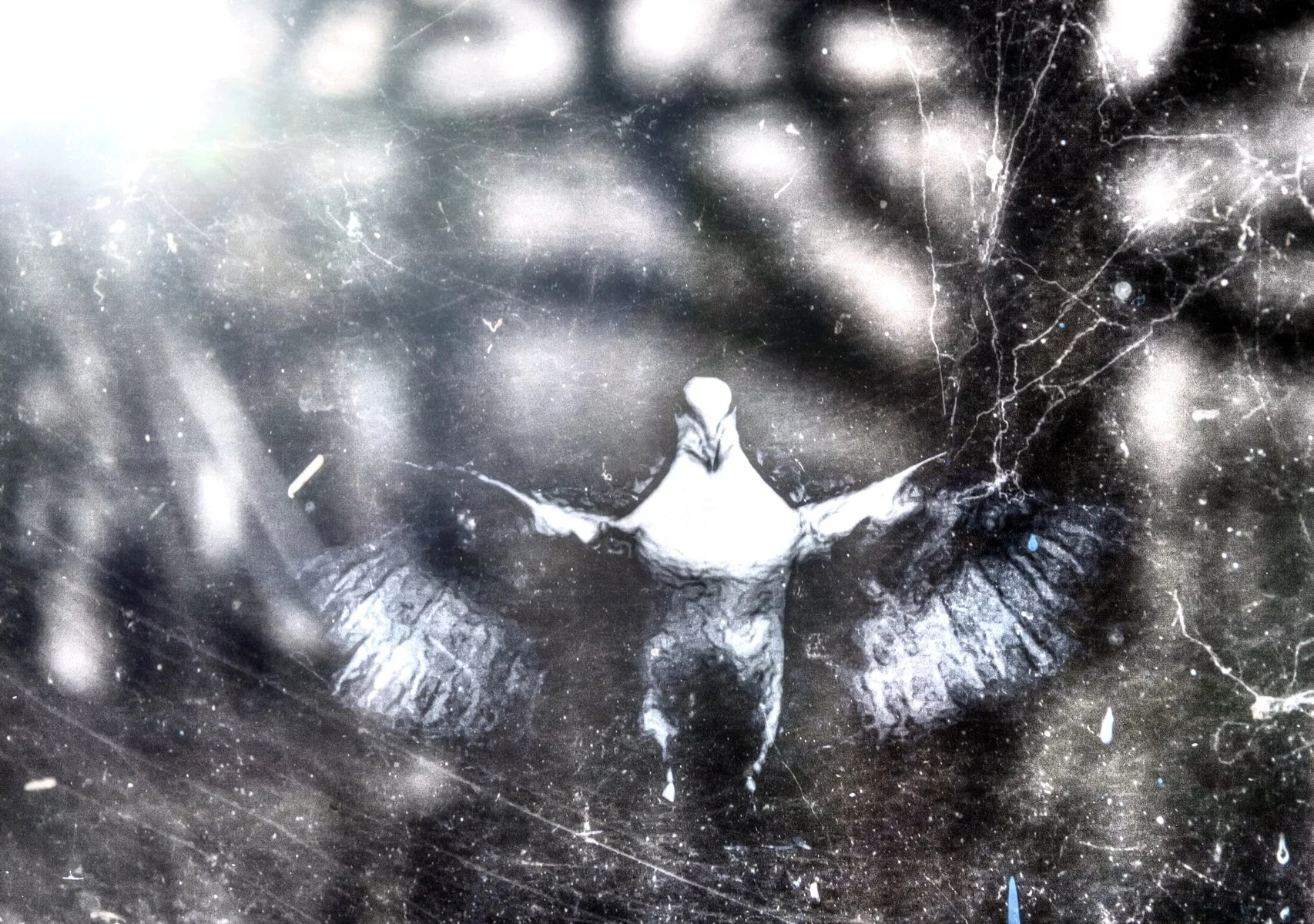
Spirit, archival print, 12 x 18 in, 2020, USD 350, © Rena Sanft Rogers, Vancouver, British Columbia, Canada

Life and Death in the Ancient Bristlecone Pine Forest, archival print, 12.5 x 16.75 in, 2019, USD 300, © Maria Drazilov, Toronto, Ontario, Canada

A Prayer for the Departed, archival print, 16 x 20 in, 2009, USD 340, © Mark Peacock, Los Angeles, California
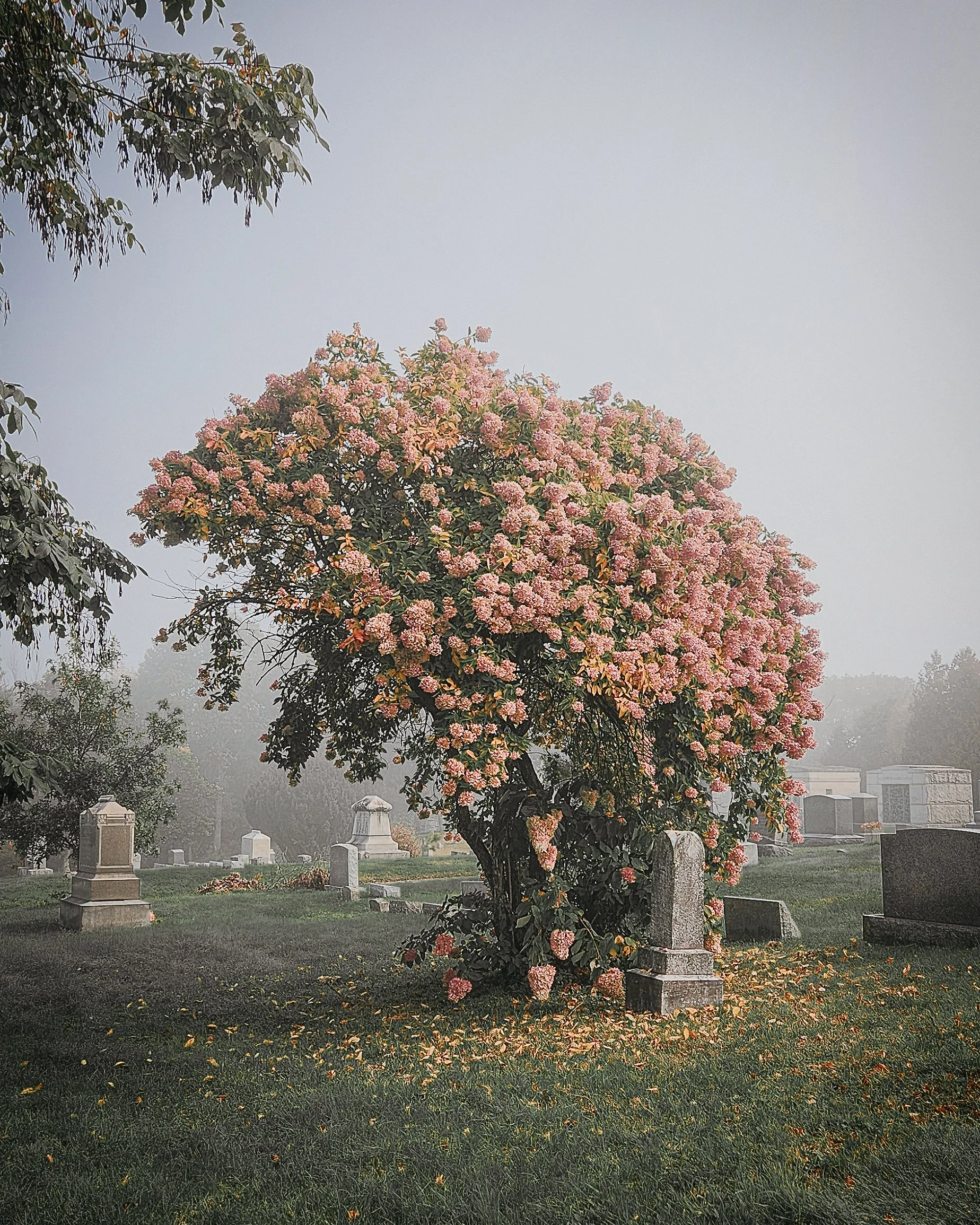
Brightening the Cemetery, archival print, 8 x 10 in, 2023, USD 75, Ksenia Winnicki, RIdgewood, New York

Reunion, photo transfer on metal, 16 x 24 in, 2023, USD 650,© Kylo-Patrick Hart, Aledo, Texas
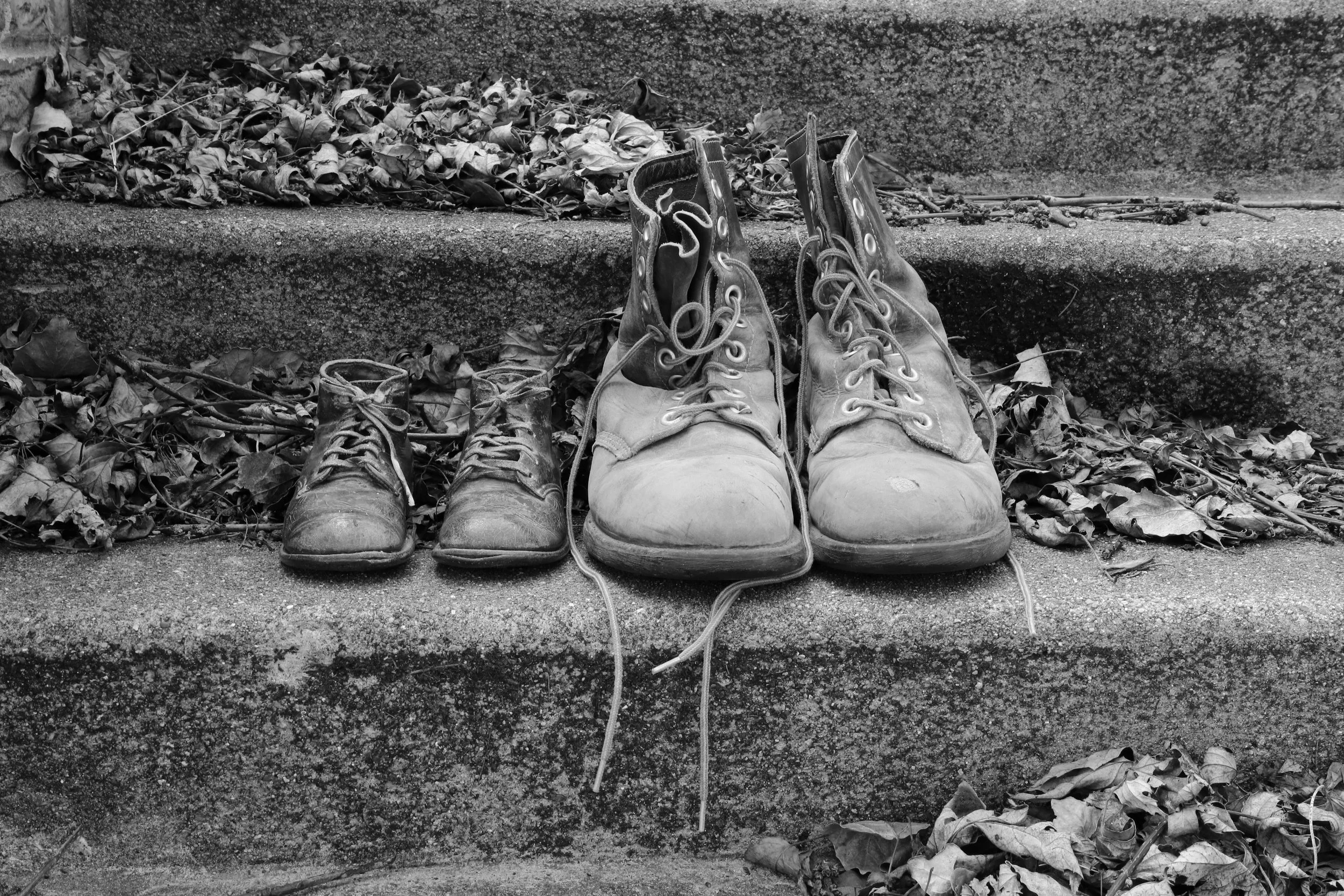
Life In Between, archival print, 12 x 18 in, 2024, USD 60, © Rikk Dunlap, Park Forest, Illinois
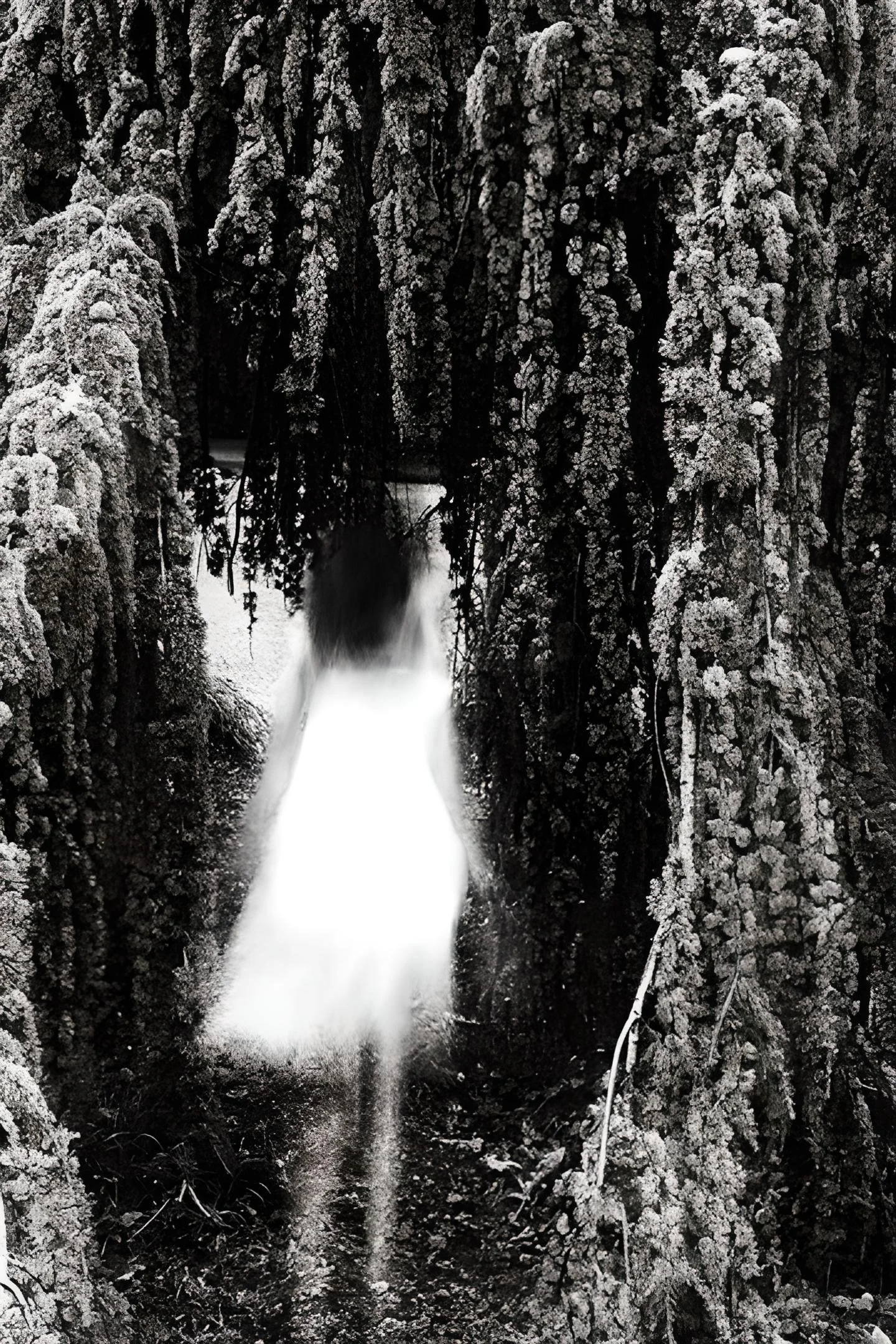
Passage, archival print, 70 x 100 cm, 2000€, 2014, © Mauro Zorer, Altopiano della Vigolana, Italy
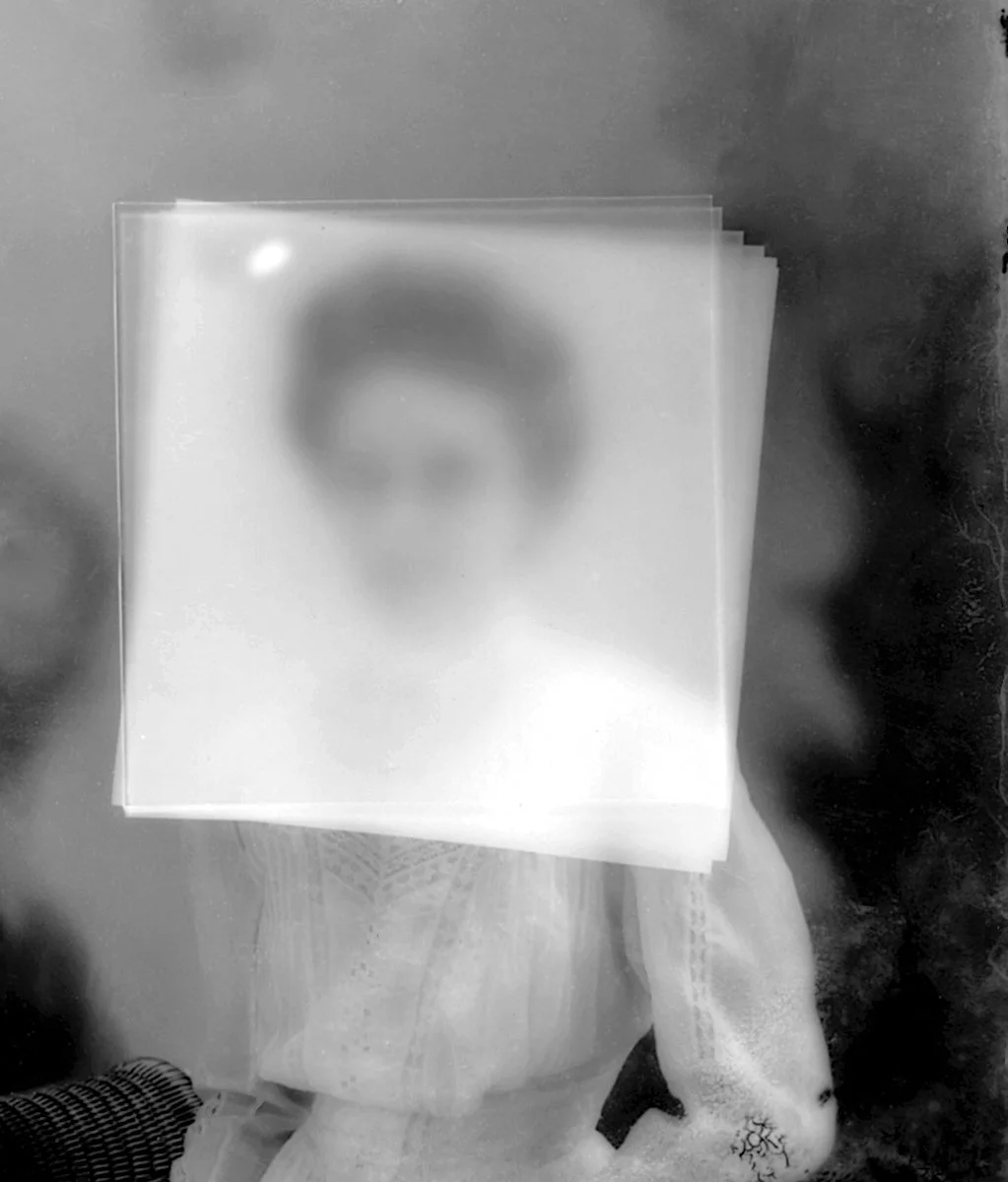
We Are Here Case No. 11, archival print, 17.5 x 15 in, 2018, USD 800, © Marianne McCarthy, New York City, New York

Floral Vamp, archival print, 12 x 18 in, 2023, £350, © Val Juma, London, Great Britain

Memento Mori, archival print, 20 x 14 in, 2023, NFS, © Jerry Stevenson, Upland, California

Thank You, archival print, 40 x 30 cm, 2022, £280, © Chanel Gray, Tyne and Wear, Great Britain
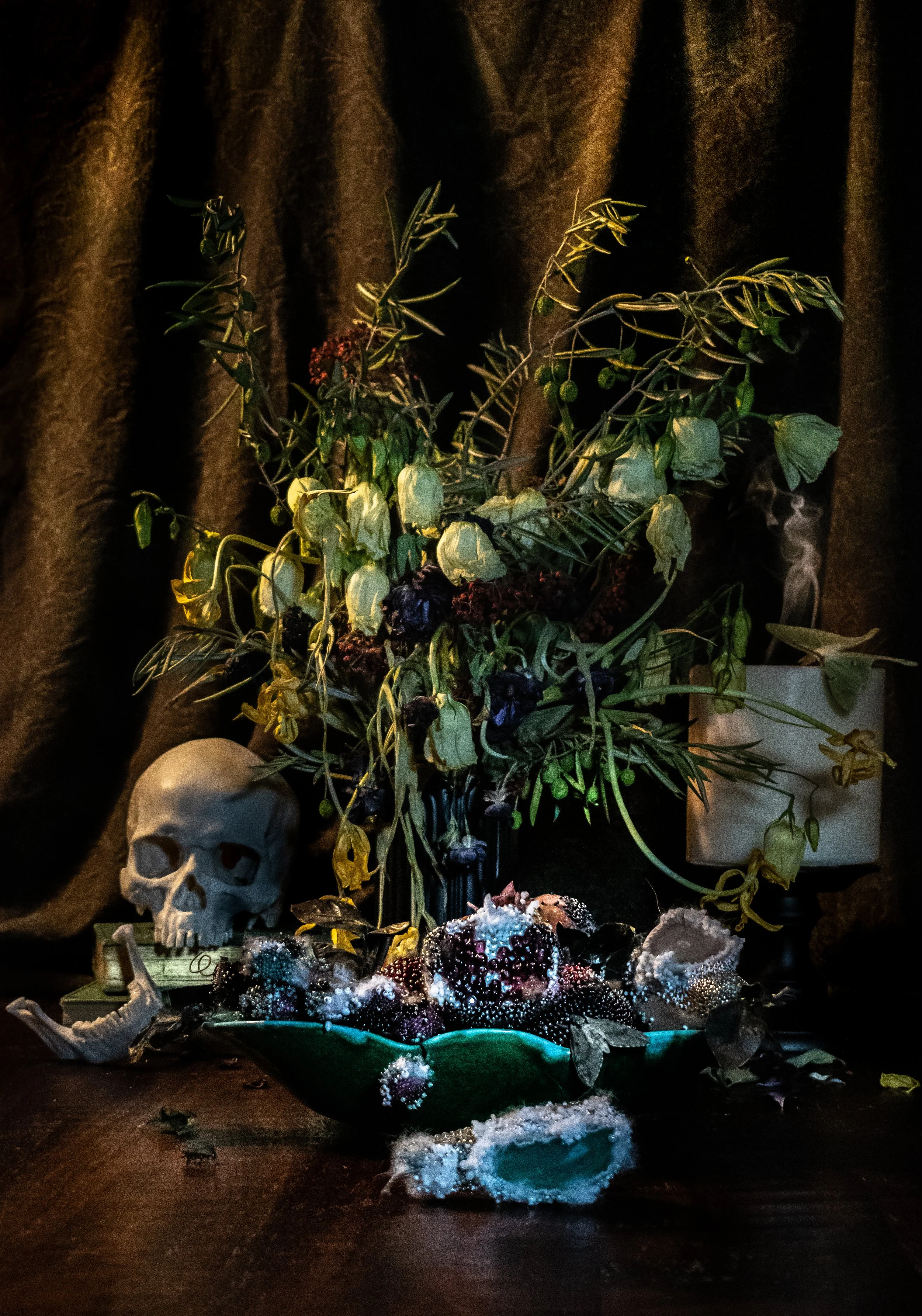
Vanitas, archival print, 24 x 36 in, 2021, USD 1000, © Kristen Lothspeich, Hendersonville, Tennessee

Memento Mori, archival print from glass negative, 16 x 20 in, 2024, USD 350, © William Nieberding, Nacogdoches, Texas
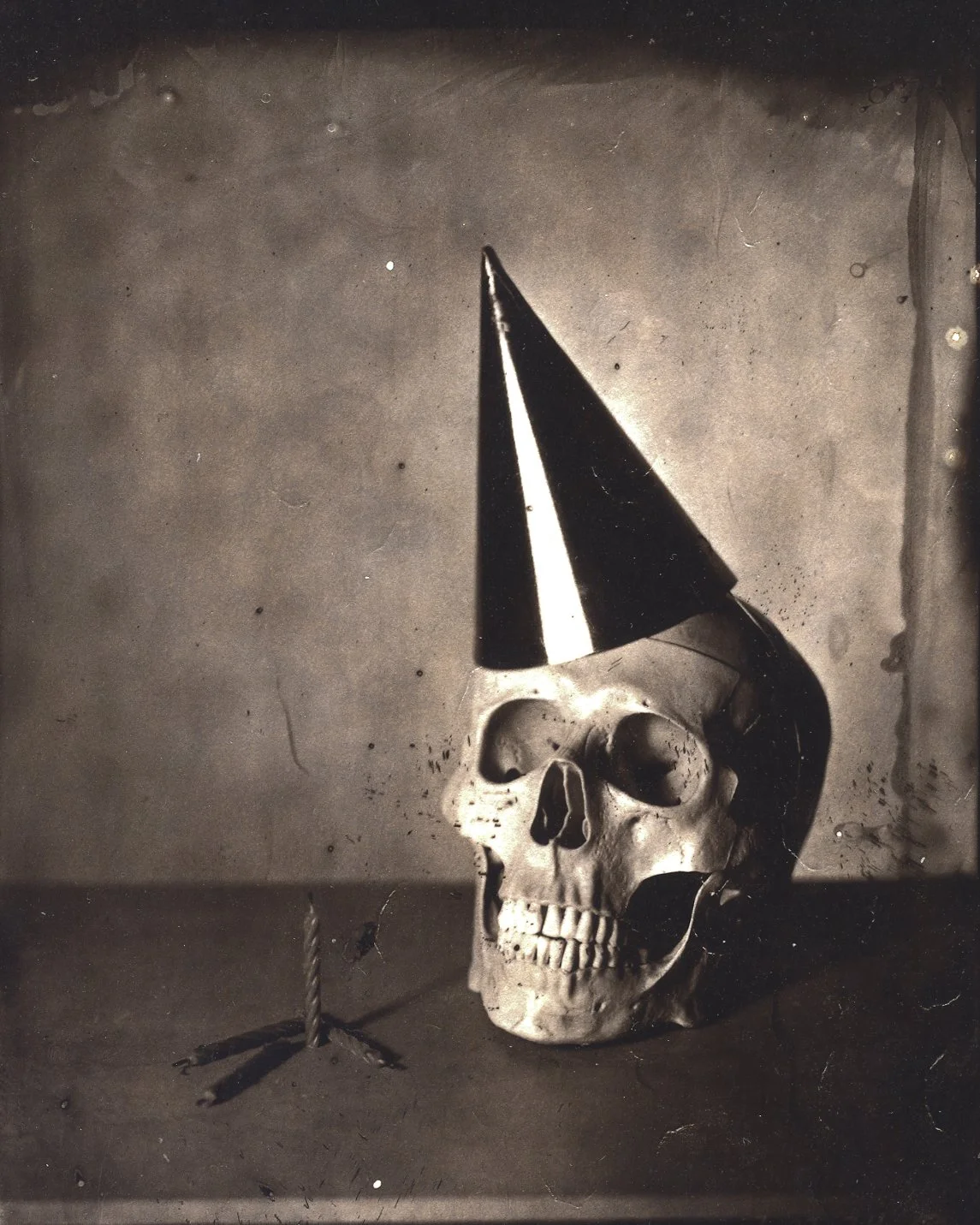
Party Hat, albumen silver print from glass negative, 4 x 5 in, 2024, USD 350, © William Nieberding, Nacogdoches, Texas
Sales and Artist Inquiries
Are you interested in making a purchase or connecting with one of the featured artists? Send us an inquiry through our contact form, and we'll get back to you shortly.