

Monochromatic (2024)
February 1–March 1, 2024
Monochromatic explores the expressive power of color in the captured image. While monochrome is often understood as black and white or grayscale, a monochromatic scheme can balance the tones, tints, and shades of any single hue. The exhibition brings together early photographic processes, analog film, infrared, sepia, tintype, traditional black and white, and contemporary digital approaches.
Featured Artists
Aashish Chandratreya, Alexandre Mounayer, Anna Archinger, Anne Armelle Langlois, Barbara Brundage, Bob Debski, Czkey Cheuk Lam-Chung, Darrell O’Sullivan, Denis Sivack, Gergő Karkecz, Hadzhymurad Chopsiiev, Hilda Champion, Hillary Greene-Pae, Igor Mokrenko, Jeff Maysent, Jessica Schulman, Joanna Li, John Giesin, Judy Guenther, Kelly O’Leary, Kylo-Patrick Hart, Mark Peacock, Mary C. Legg, Matt Currington, Nick Sullivan, Niko Mitsuko, Peter Harlow, Rick Lingo, Samuel Ioannidis, Saumitra Chandratreya, Steve Toole, Viktoriia Lienova
One Hue Is Not the Same as No Hue
Monochrome is routinely treated as a synonym for black and white, and the confusion costs the subject a lot of its interest. A monochromatic image is one built from a single hue, which means a cyanotype is monochromatic and intensely blue at the same time. This catalog includes a cyanotype on watercolour paper alongside thirty-three archival prints, credited between 2005 and 2023, and the cyanotype makes the point better than an argument can: nothing about restricting the palette to one colour requires that colour to be grey.
Why Monochrome Reads as Serious
The association is historical rather than logical. The founding century of the medium had no practical alternative, so the entire canon of early photography is monochrome by default, and the canon subsequently taught viewers that the absence of colour signals intention. The effect is now so entrenched that converting a weak colour photograph to black and white will make it look more considered without making it any better, which is the trap the theme sets for anyone entering it casually.
Removing Colour Is an Interpretation, Not a Reduction
Black and white is often described as stripping a scene back to essentials, but it is a larger departure from human perception than almost anything else a photographer can do. Nobody has ever seen the world in grey. The conversion requires decisions about how each hue maps to a tone, and those decisions are where the picture is actually made: a red filter darkens a sky dramatically, a green one lifts foliage, and the same negative can produce entirely different images depending on the choice. Monochrome is a translation, and translations have translators.
Infrared Records Something Nobody Can See
Infrared belongs to this territory and works differently from everything else in it. It captures wavelengths outside human vision, which is why foliage renders as white and skies go near black. The result is monochromatic but not a simplification of a visible scene; it is a picture of information that was present and inaccessible. That distinction is worth holding onto, because it separates monochrome as subtraction from monochrome as access.
Toning Is a Choice About Permanence
Sepia and selenium arrived as archival treatments before they became aesthetic signatures. Toning converts the silver in a print into a more stable compound, so the warm brown that now reads as nostalgic was originally a preservation decision. That history is a useful corrective to the assumption that a tone is only a mood. Some of the colour in an old monochrome print is there because someone wanted the object to last.
Why the Theme Recurs
A monochrome brief filters for tonal control, which is the least fakeable skill in photography and the one most visible at small reproduction sizes. TCG Gallery is an independent online photography gallery, and each juried exhibition remains part of a permanent public archive after its run ends, so this catalog can be read against The Monochrome Image, which sets the same problem a year later. Photographers can enter the current photography open calls directly.
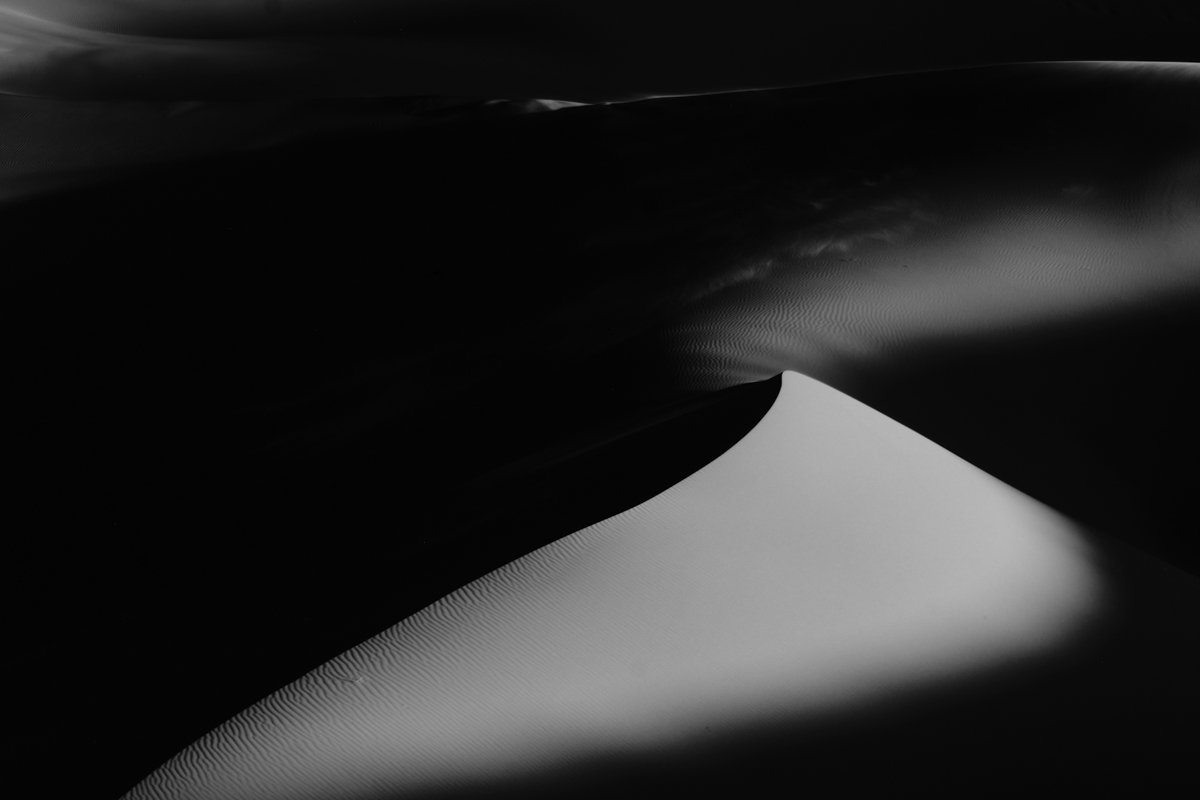
Sahara, archival print, 90 x 60 cm, 2023, £1500, © Matt Currington, London, United Kingdom
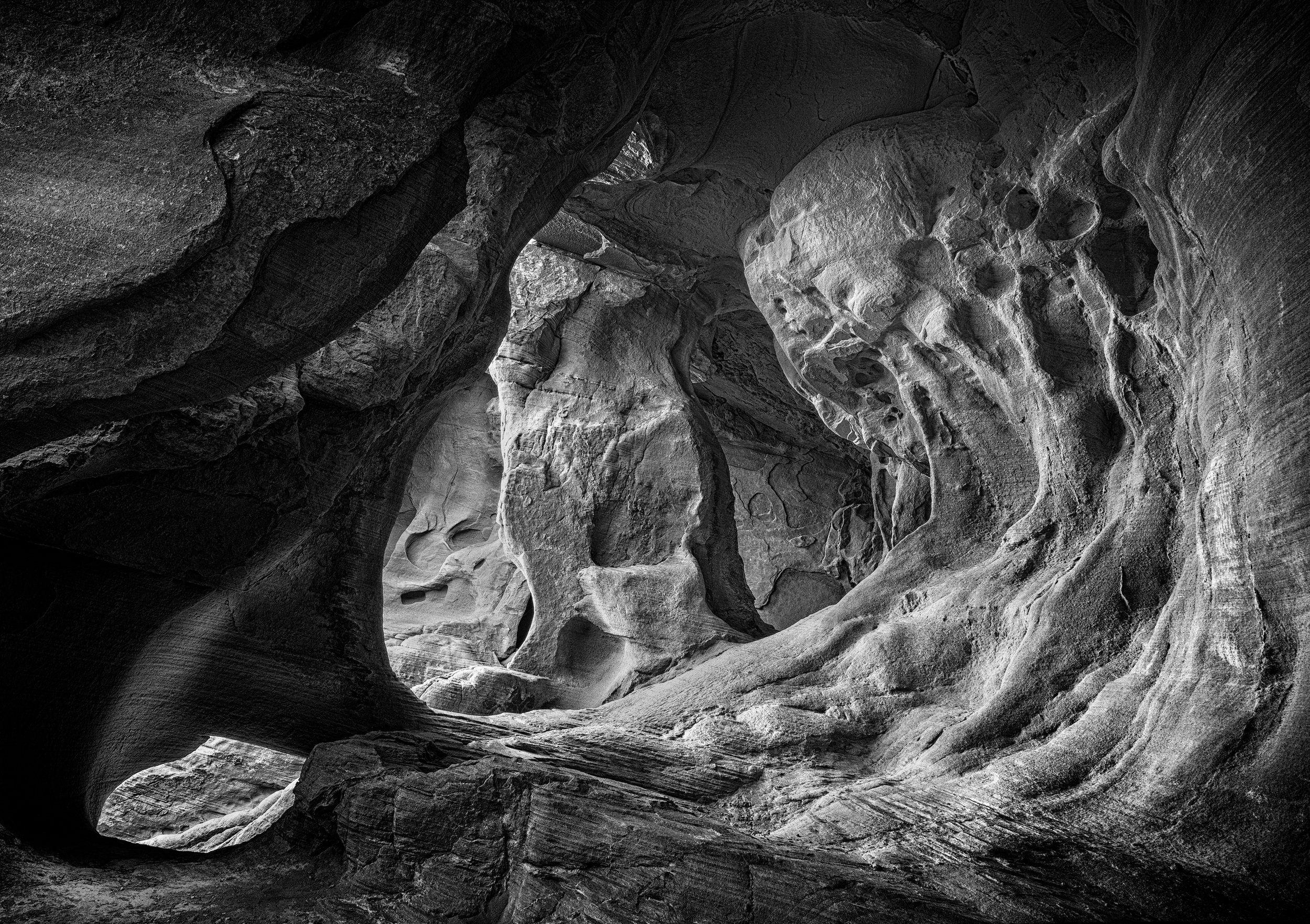
Wind Cave, archival print, 6 x 20 in, 2022, USD 75, © Darrell O'Sullivan, Galt, California

Majestic Landscape, archival print, 43 x 24 in, 2019, USD 2500, © Aashish Chandratreya, Edison, New Jersey
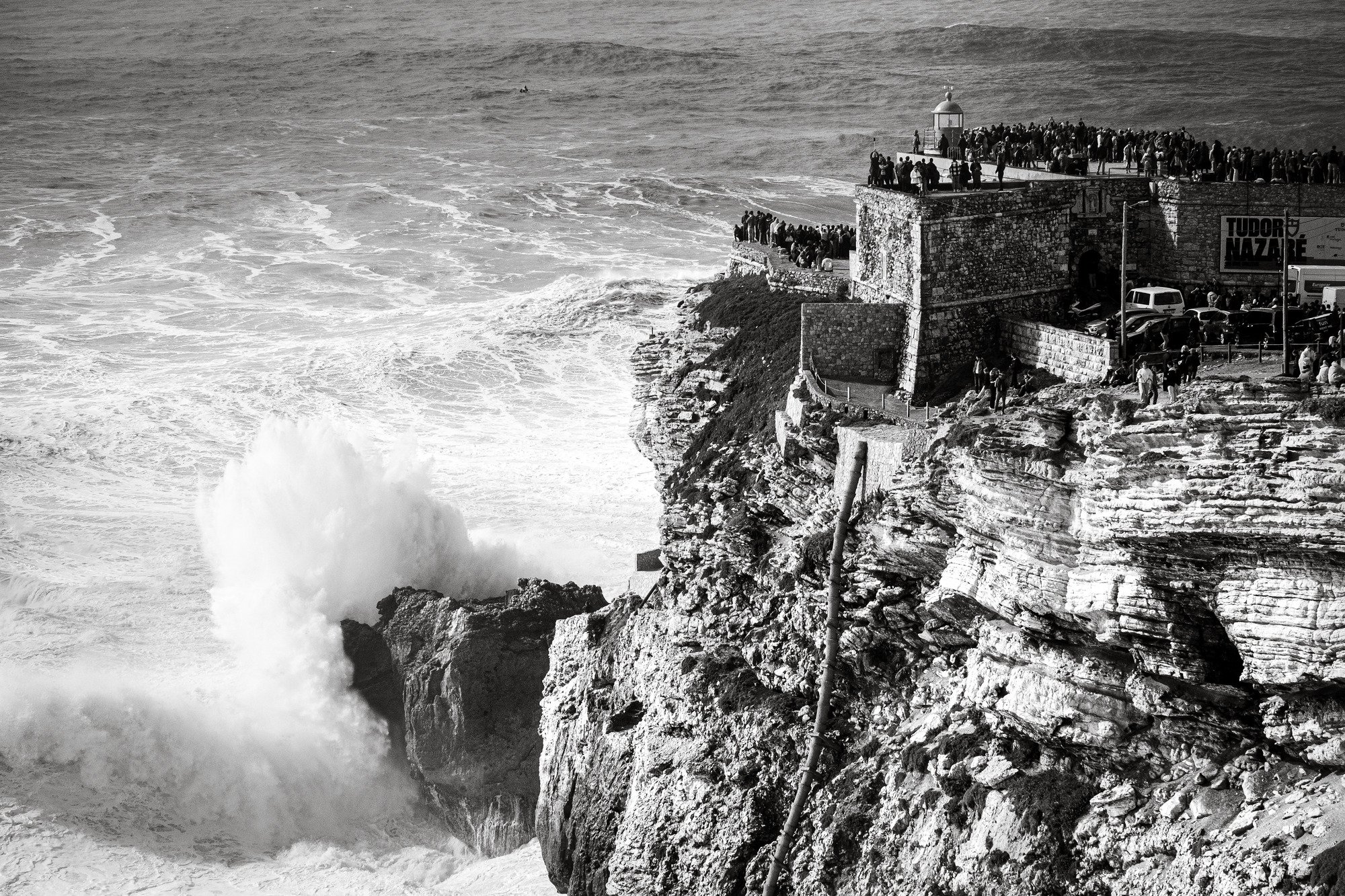
Spectators of the Surge, archival print, 150 x 70 cm, 2023, USD 1000, © Hadzhymurad Chopsiiev, Lisbon, Portugal
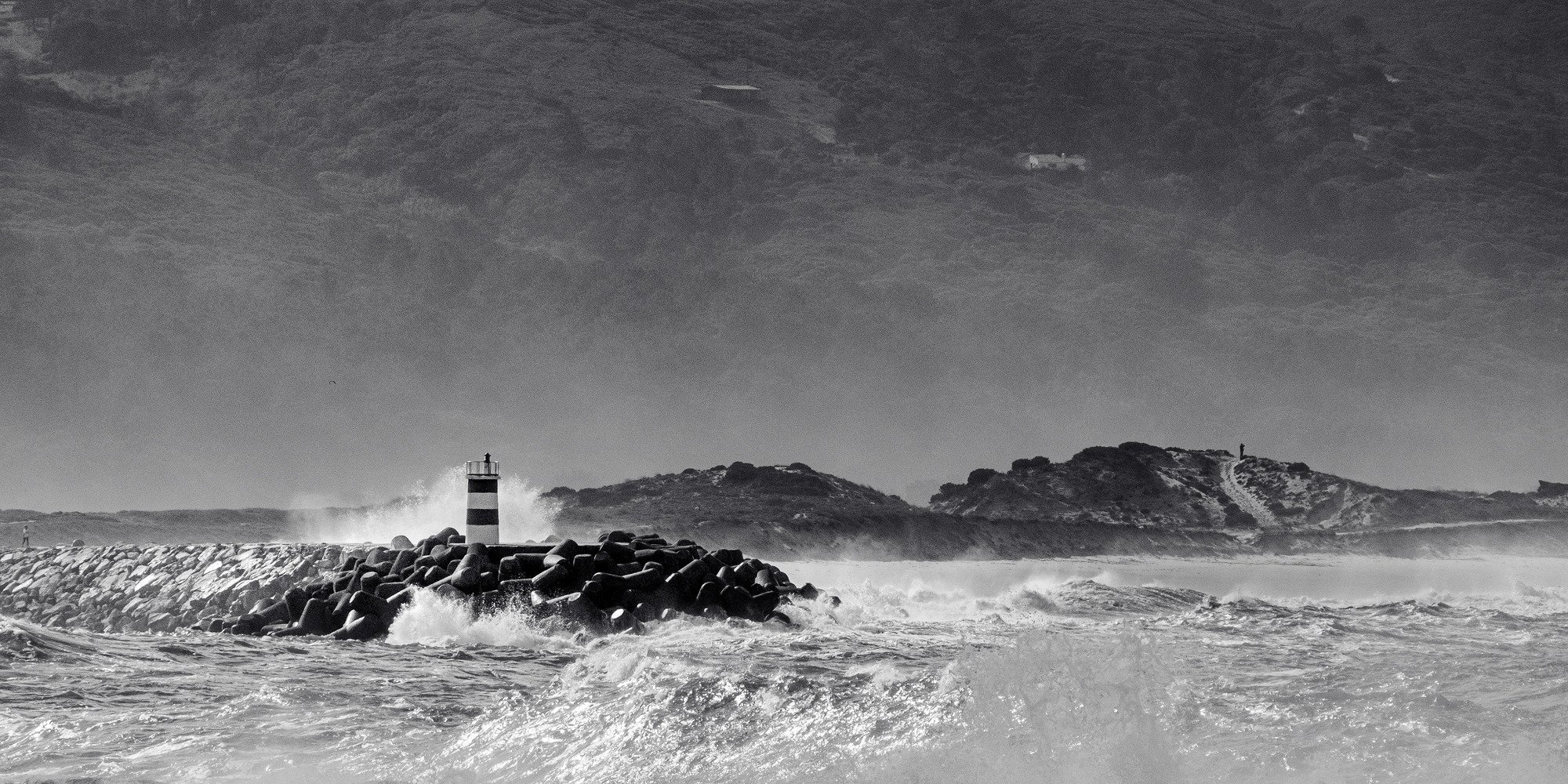
Vigil of the Titans, archival print, 100 x 66 cm, 2023, USD 1000, © Hadzhymurad Chopsiiev, Lisbon, Portugal
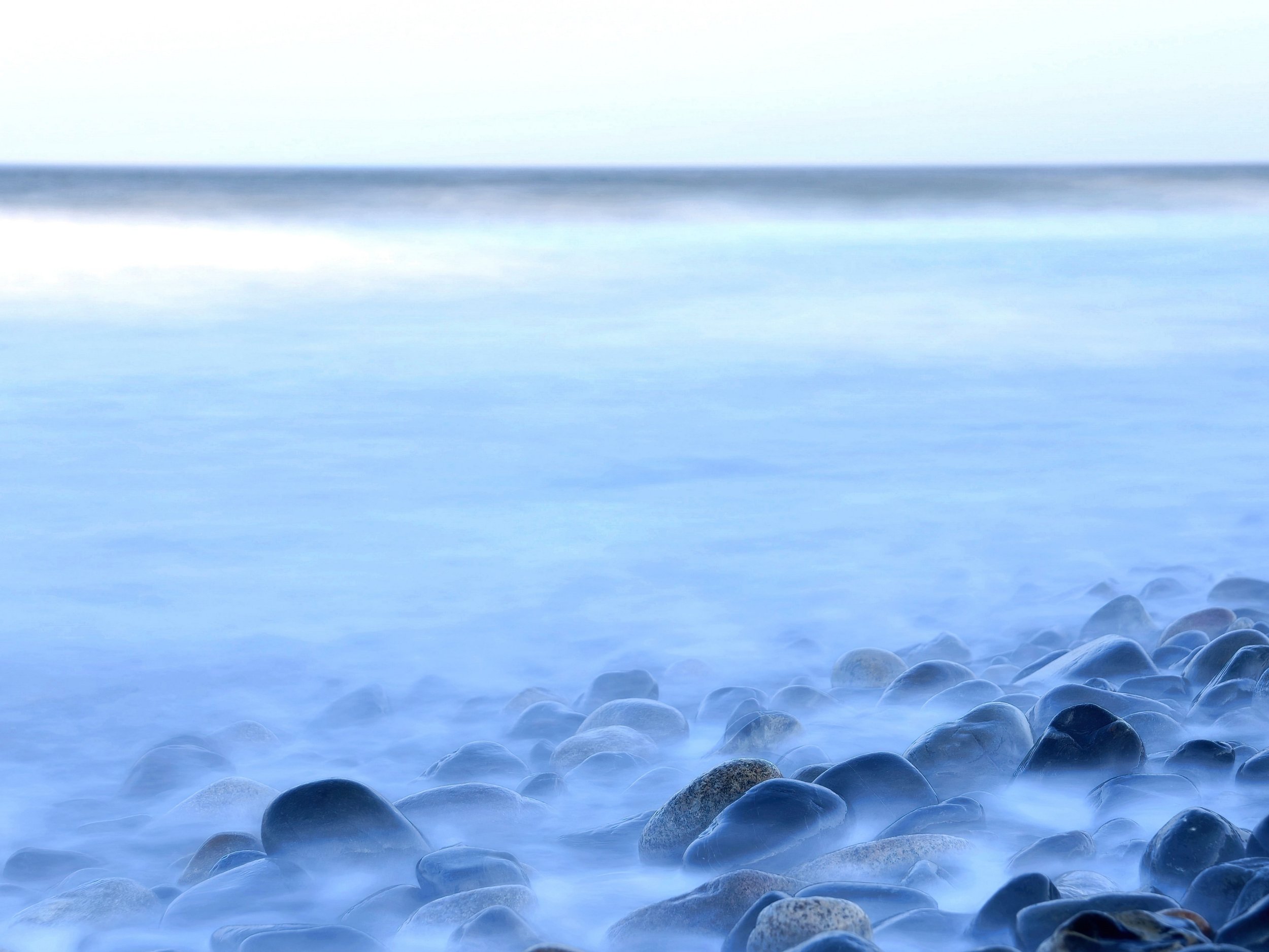
Ocean Mist Rocks, archival print, 24 x 18 in, 2022, USD 125, © Nick Sullivan, Havertown, Pennsylvania
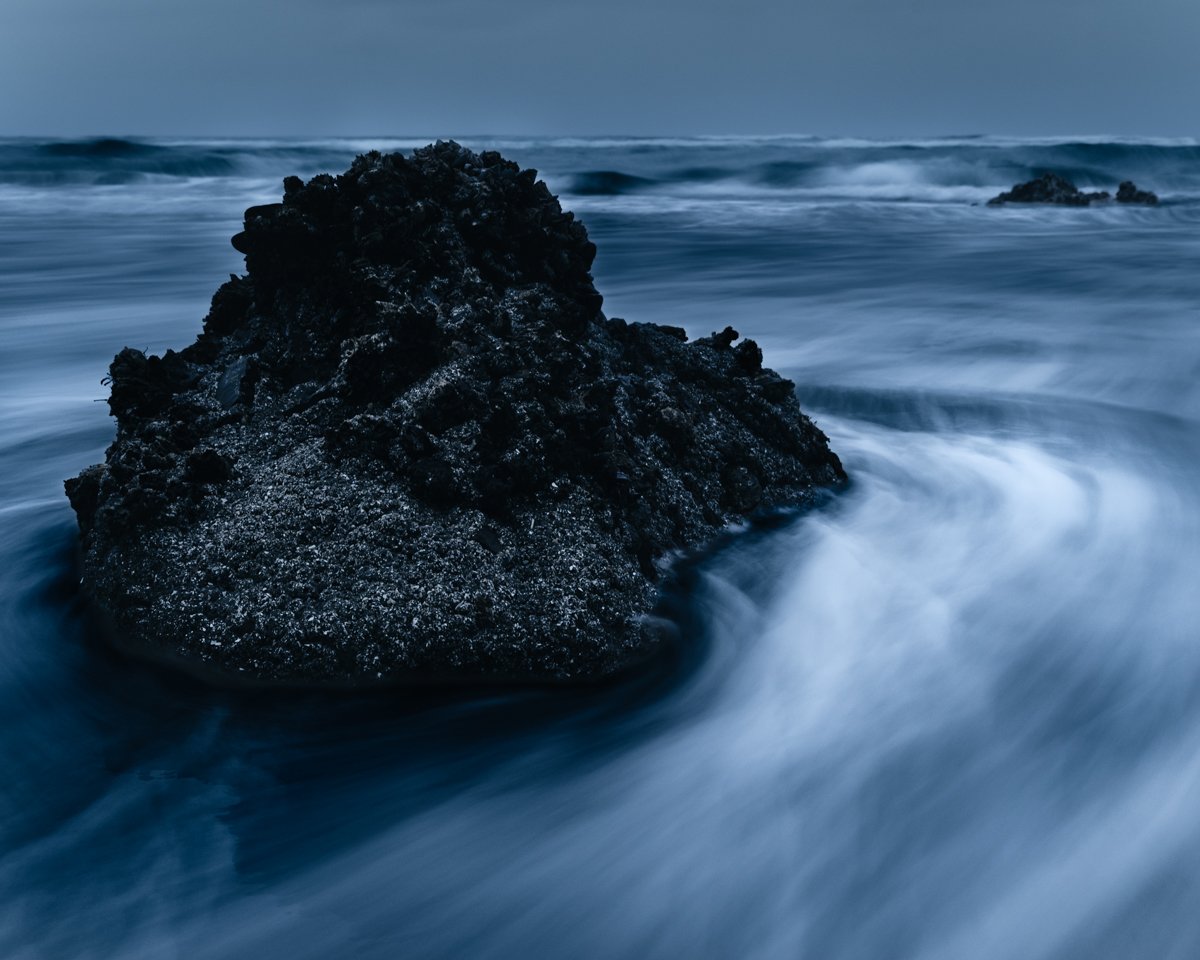
Ebb and Flow, archival print, 16 x 20 in, 2023, USD 112, © John Giesin, Kittitas, Washington
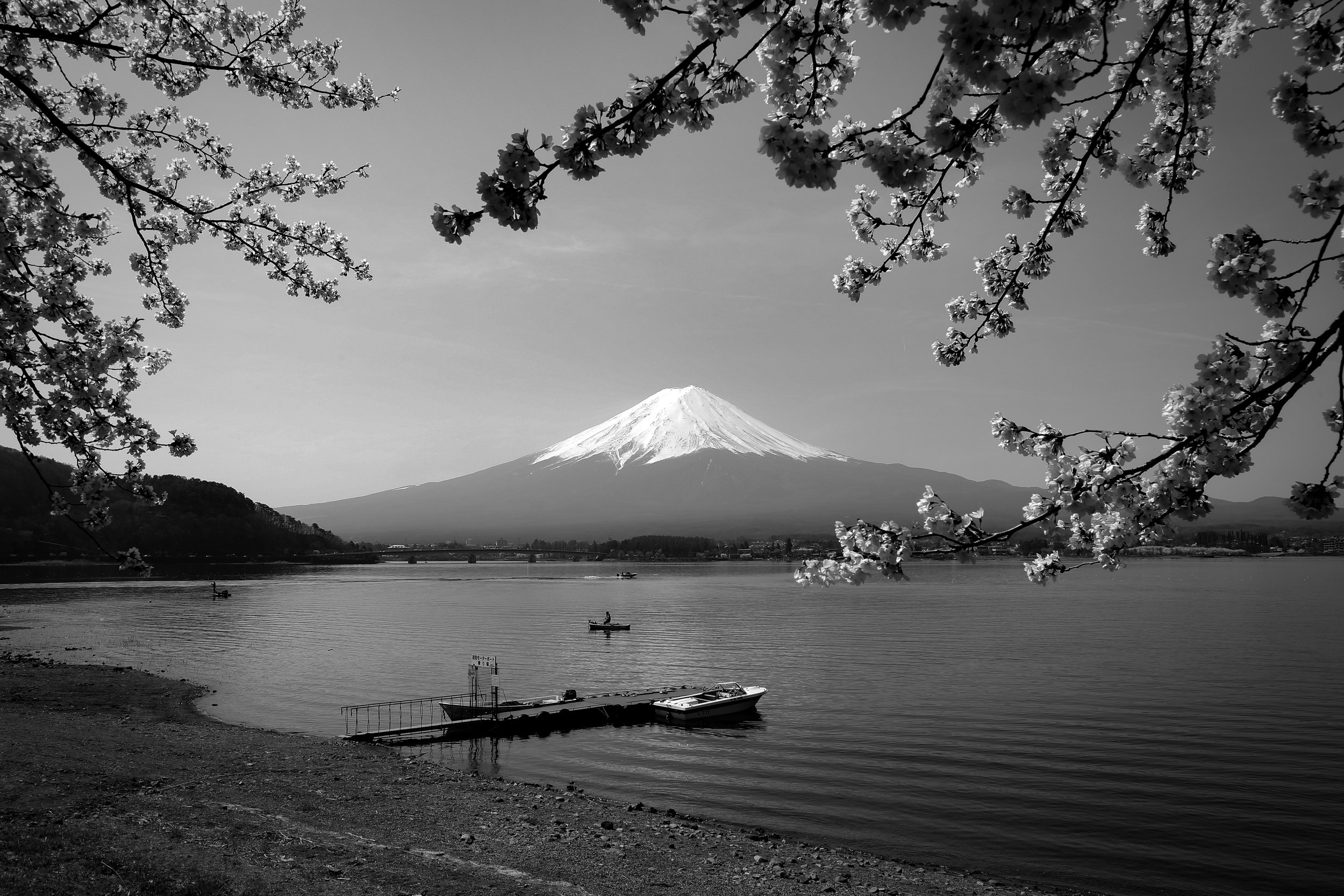
Mount Fuji, archival print, 14.5 x 19.5 in, 2015, USD 100, © Alexandre Mounayer, The Pearl, Qatar

Three Gossips, archival print, 8 x 10 in, 2016, USD 80, © Steve Toole, Ashton, Illinois

Blue Cathedral, archival print, 16 x 20 in, 2023, USD 112, © John Giesin, Kittitas, Washington
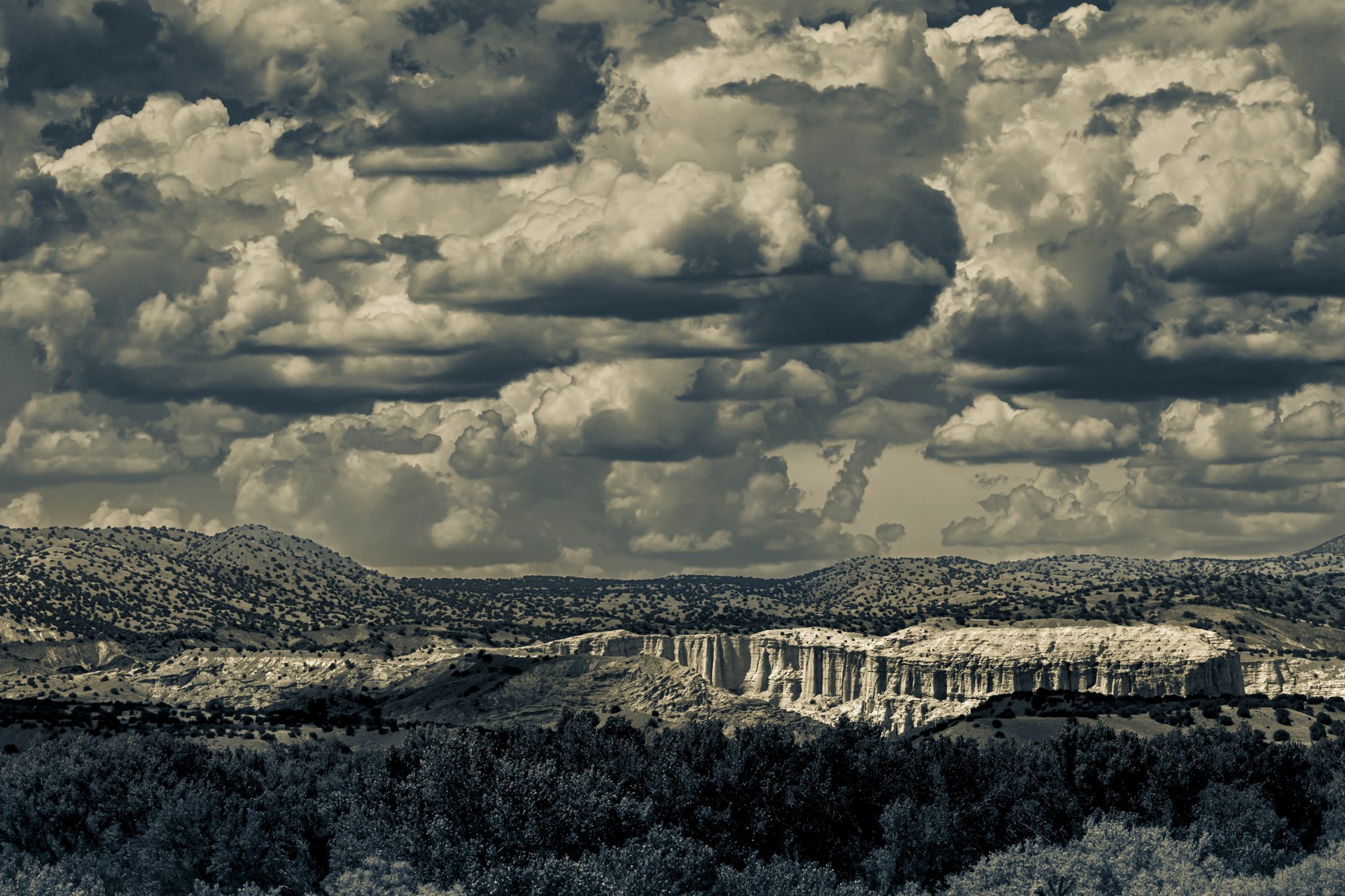
Selenium, photo transfer on metal, 16 x 24 in, 2023, USD 650, © Kylo-Patrick Hart, Aledo, Texas
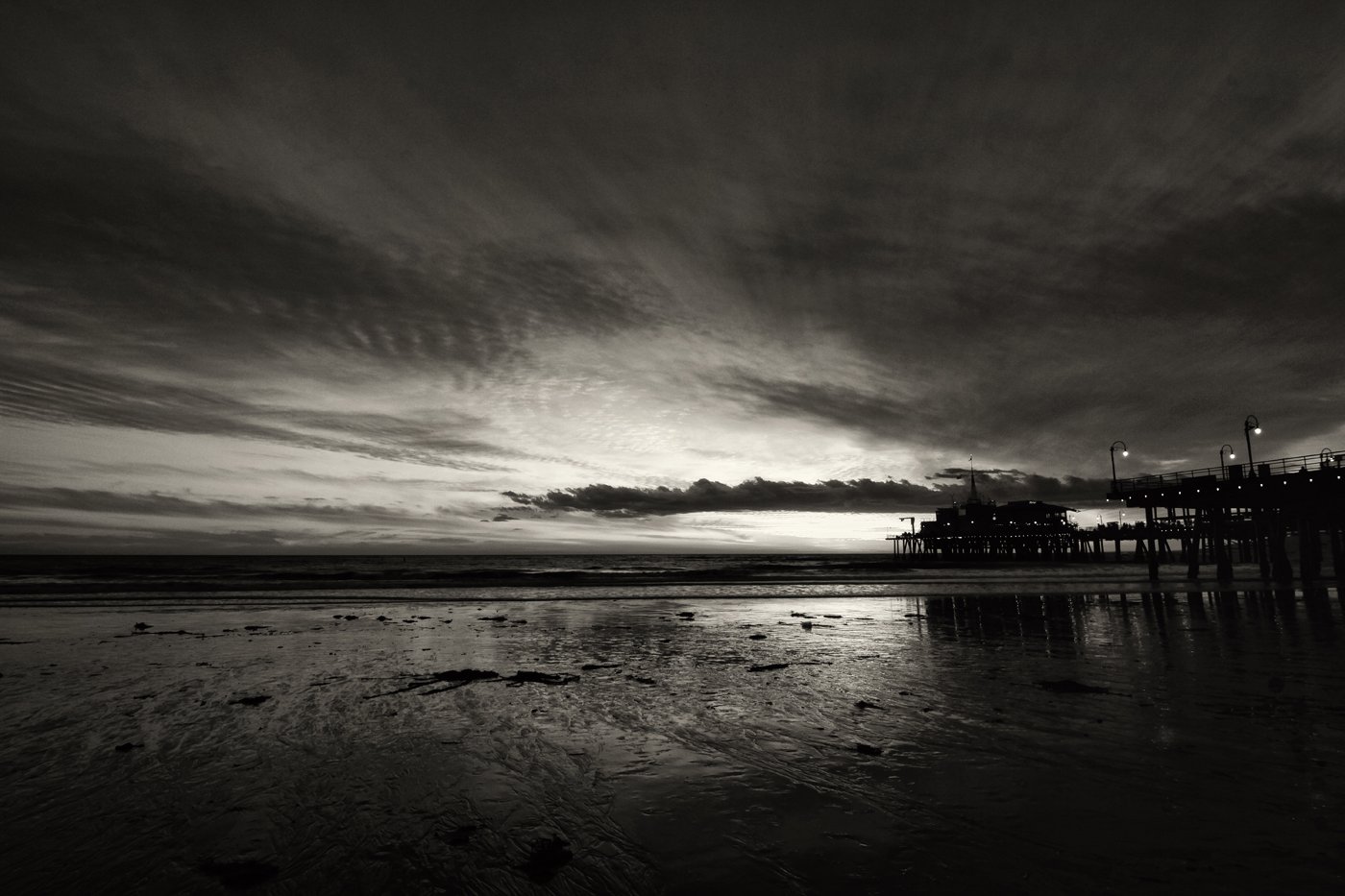
End of the Day, archival print, 19 x 24 in, 2010, USD 450, © Mark Peacock, Los Angeles, California
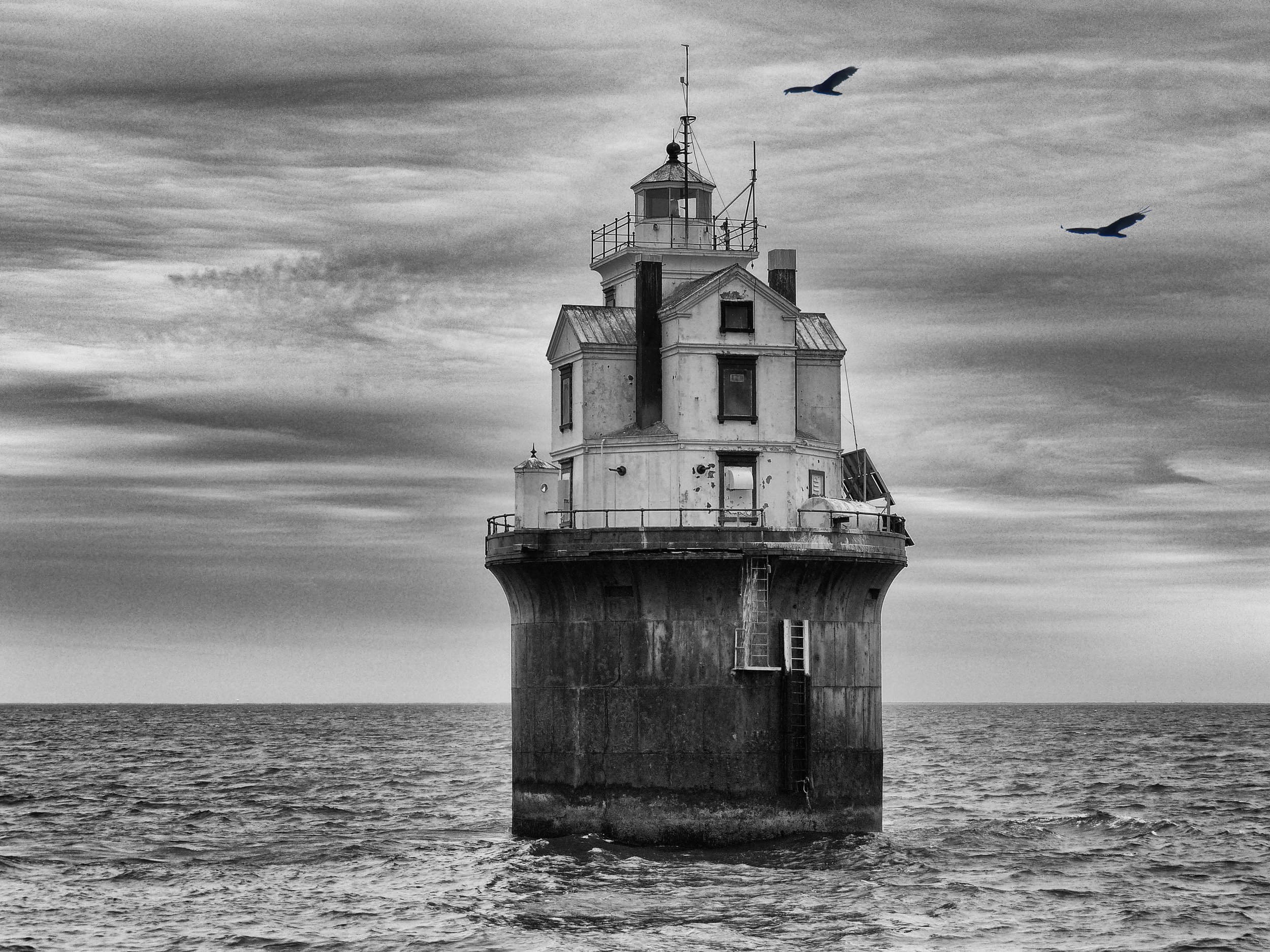
Fourteen Foot Bank, archival print, 11 in x 14 in, 2014, USD 200, © Jessica Schulman, New York City, New York
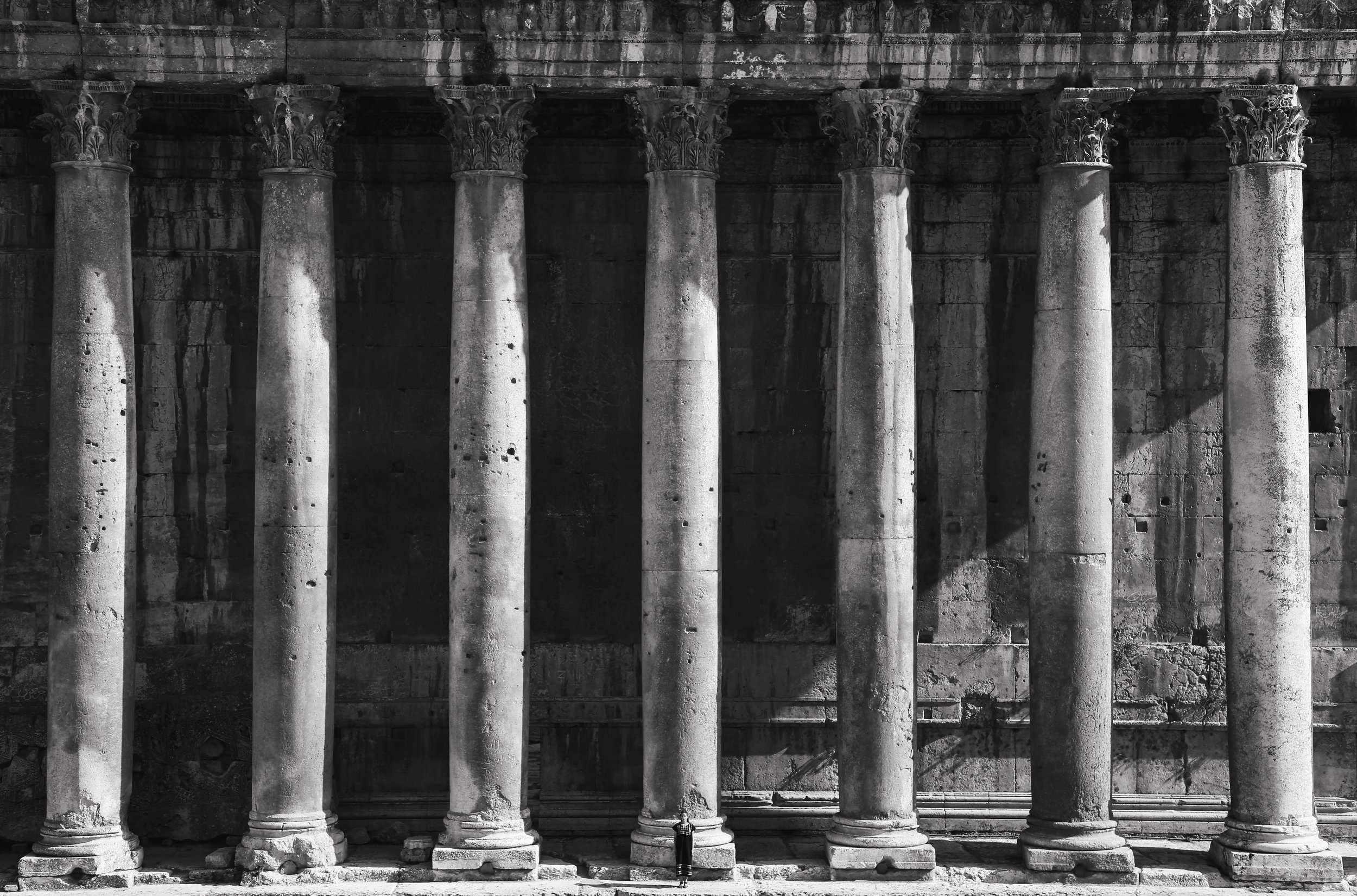
Temple of Bacchus, archival print, 14.5 x 19.5 in, 2015, USD 100, © Alexandre Mounayer, The Pearl, Qatar
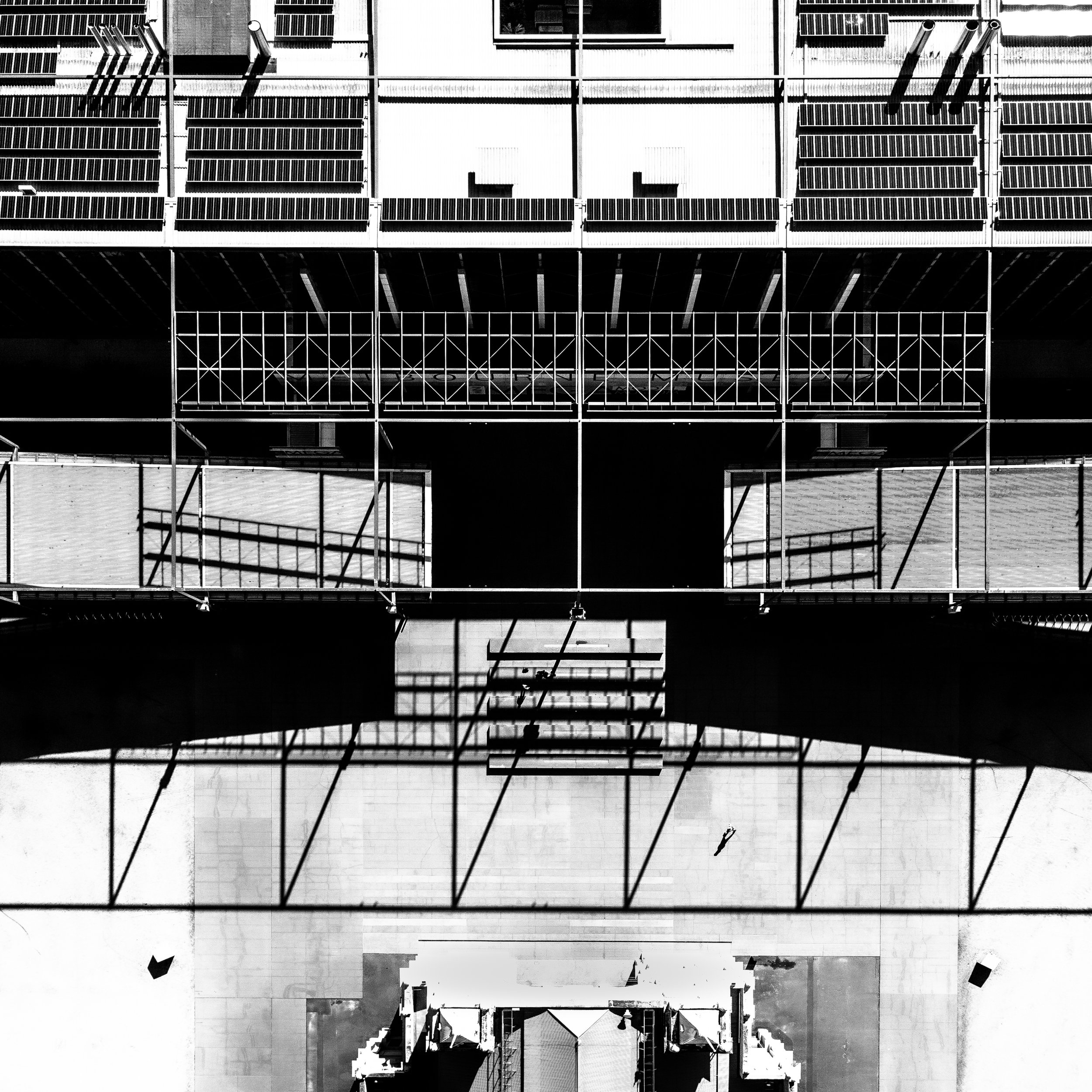
Amuse, archival print, 60 x 60 cm, 2020, USD 250, © Peter Harlow, Melbourne, Australia

Outsider, archival print, 90 cm x 90 cm, 2021, USD 30, © Joanna Li, London, United Kingdom
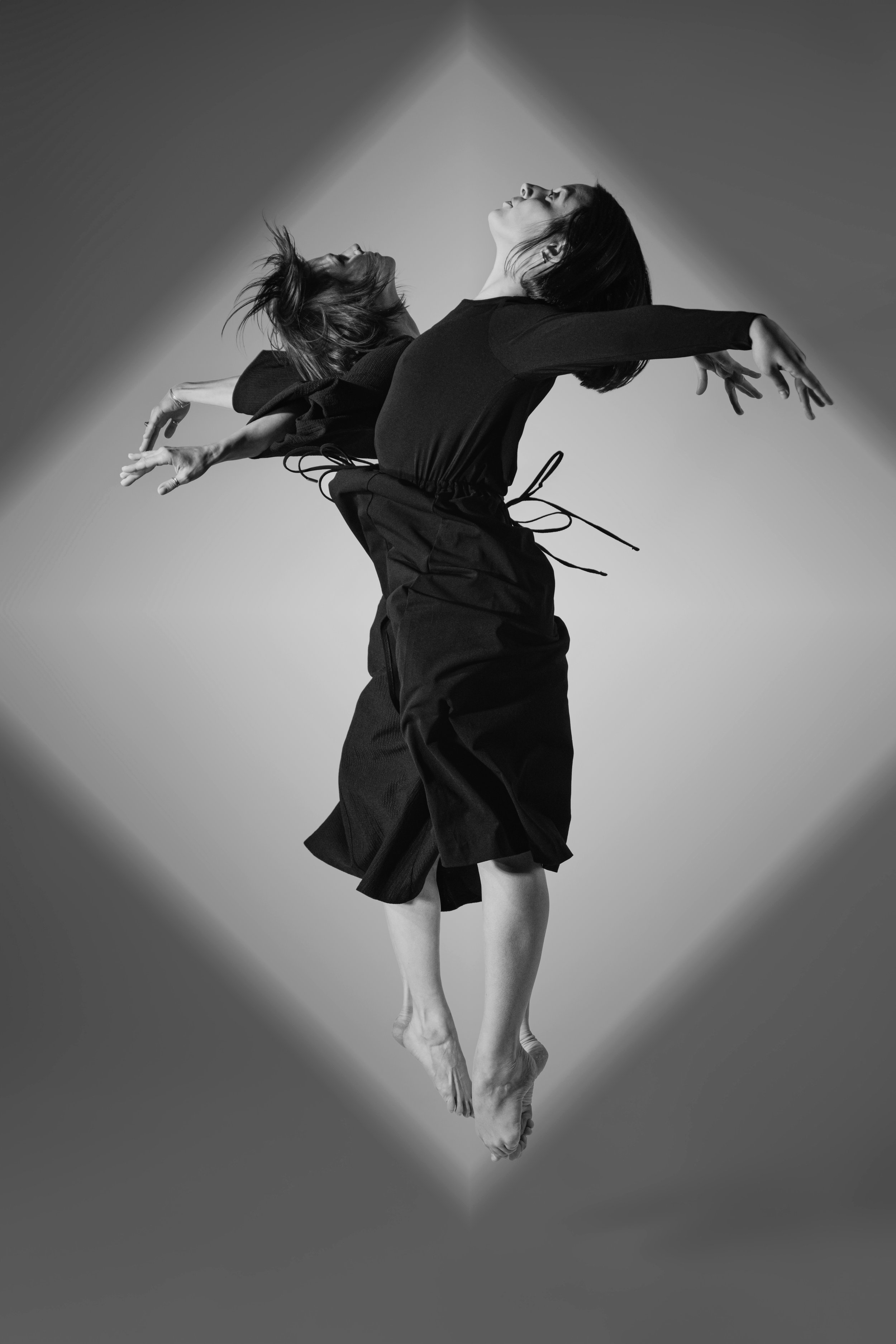
One Flight for Two, archival print, 30 х 45 cm, 2023, USD 50, © Viktoriia Lienova, Kyiv, Ukraine
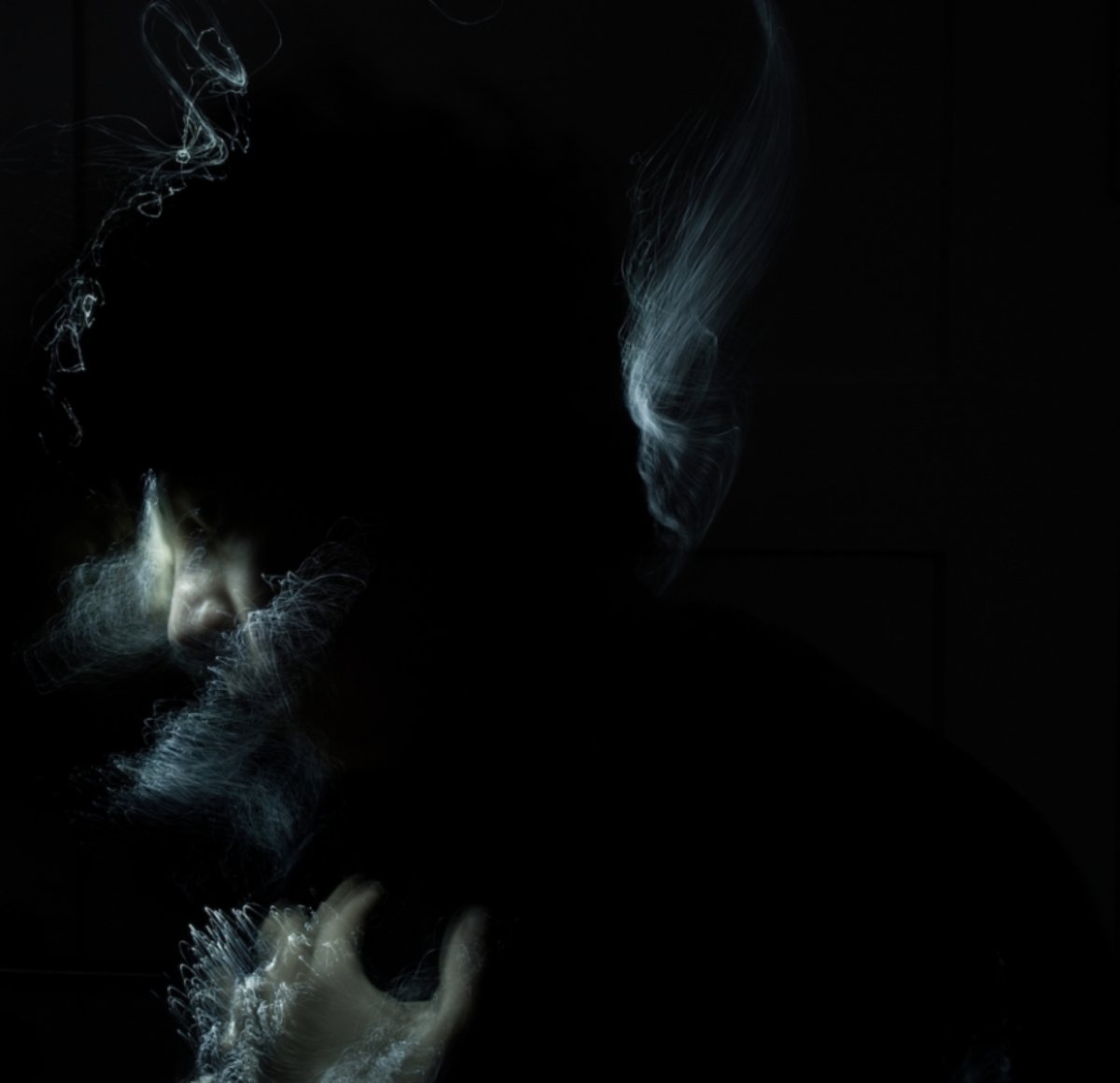
Ghost in the Machine, archival print, 40 x 38 cm, 2022, €1050, © Niko Mitsuko, Berlin, Germany
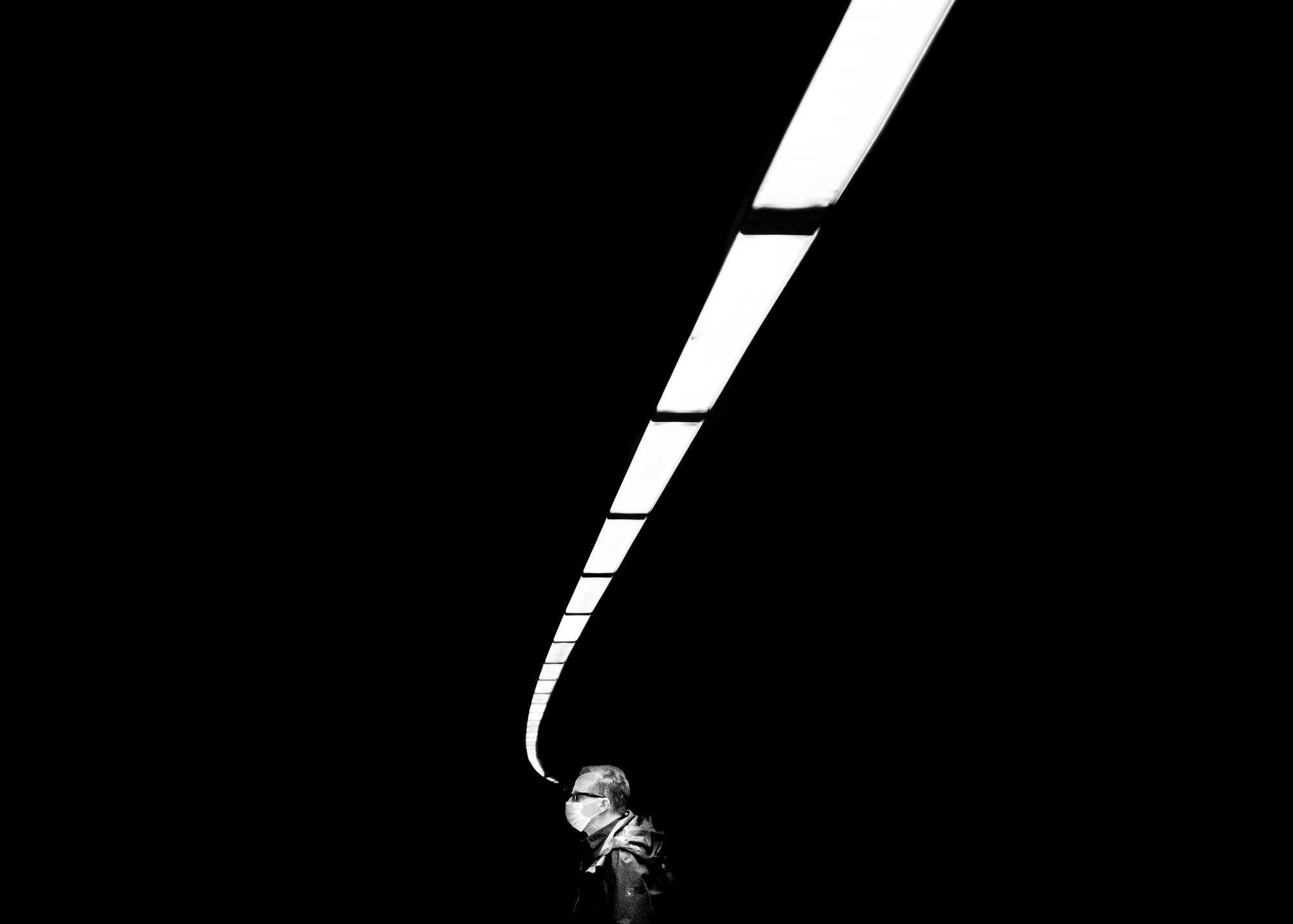
Street Entanglement No. 3, archival print, 35 x 26 cm, 2023, POR, © Samuel Ioannidis, Nuremberg, Germany

Amador's Shapes in Sepia, archival print, 20 x 30 in, 2020, NFS, © Jeff Maysent, Solana Beach, California

Fortress, archival print, 10.5 x 16.5 in, 2023, NFS, © Czkey Cheuk Lam-Chung, Hong Kong
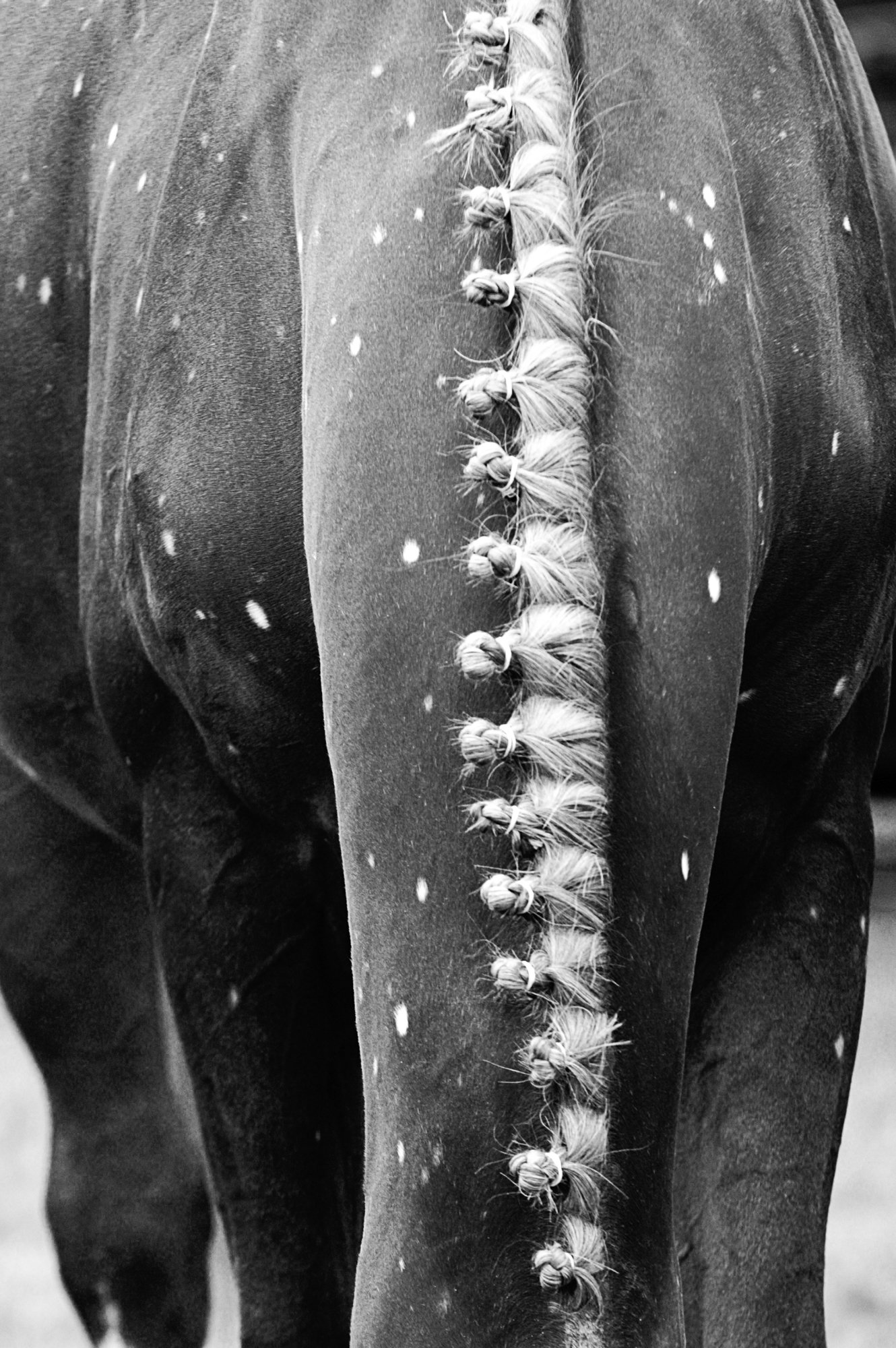
Constellation, archival print, 70 x 100 cm, 2005, €359, © Anne Armelle Langlois, Le Mesnil Eury, France
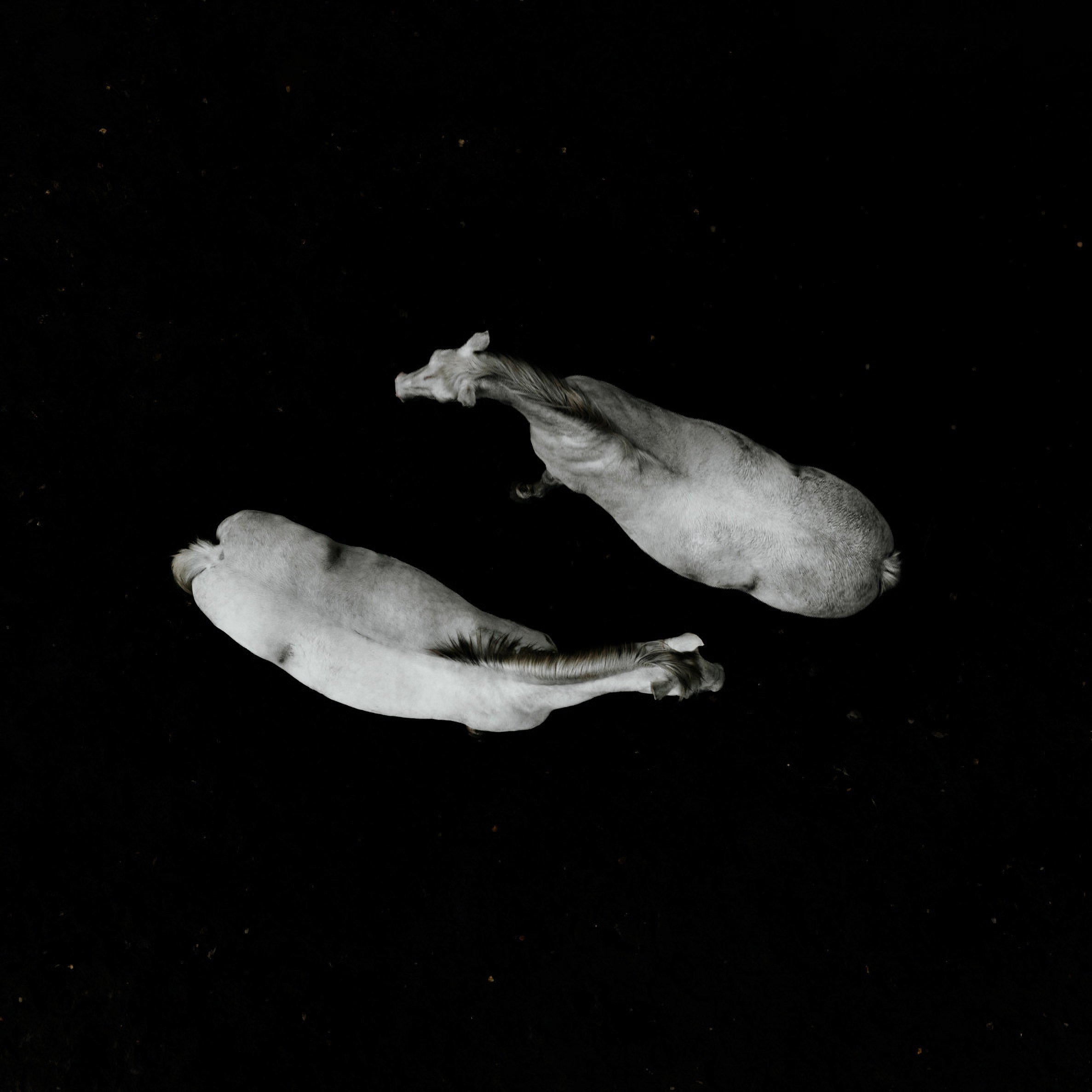
Yin and Yin, archival print, 50 x 50 cm, 2023, €200, © Anna Archinger, Dronningmølle, Denmark

Pyramid Door, archival print, 13 x 8.6 in, 2015, USD 800, © Denis Sivack, New York City, New York
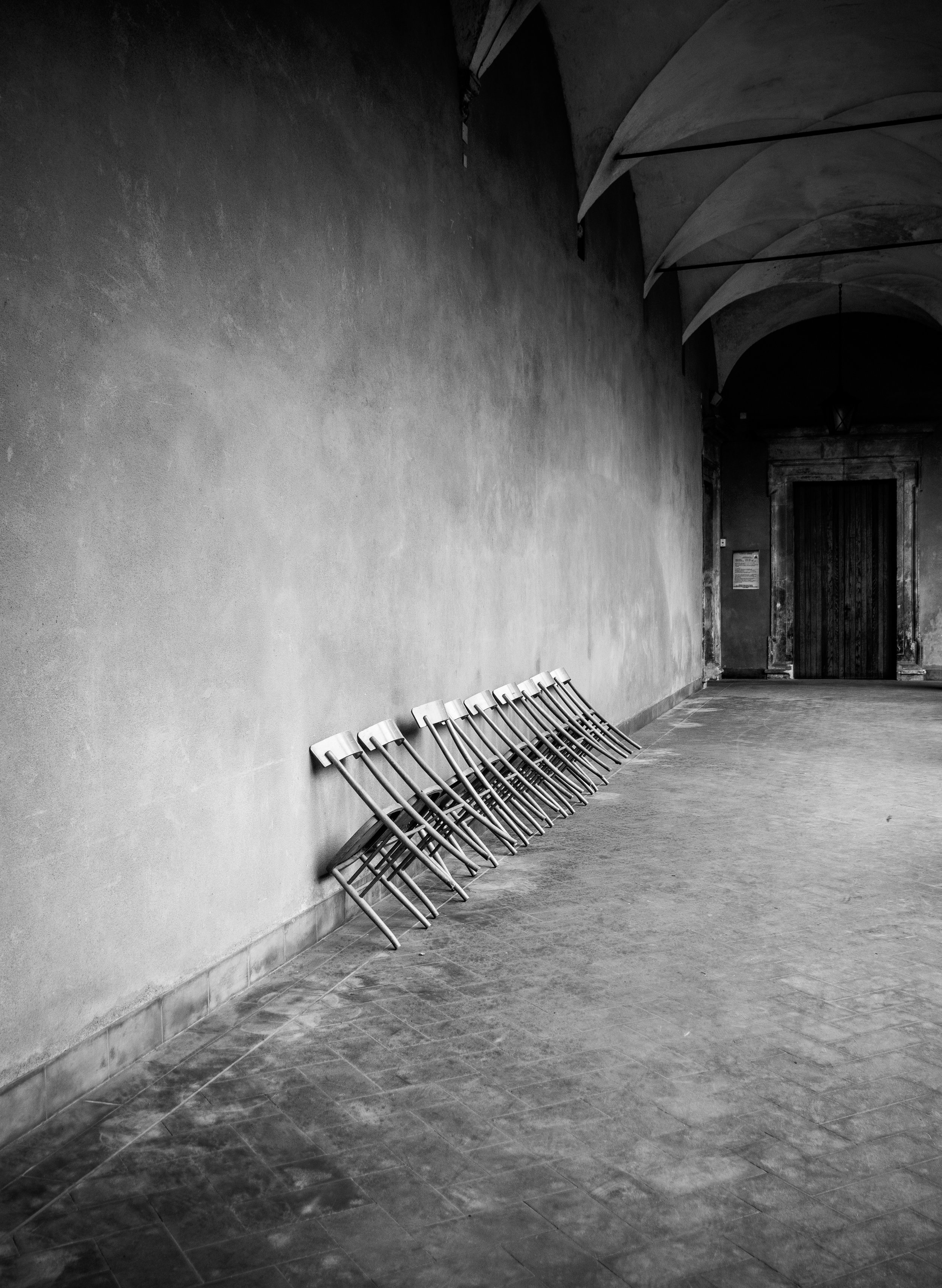
The Nine Chairs, archival print, 36 x 55, 2022, €500, © Gergő Karkecz, Athens, Greece
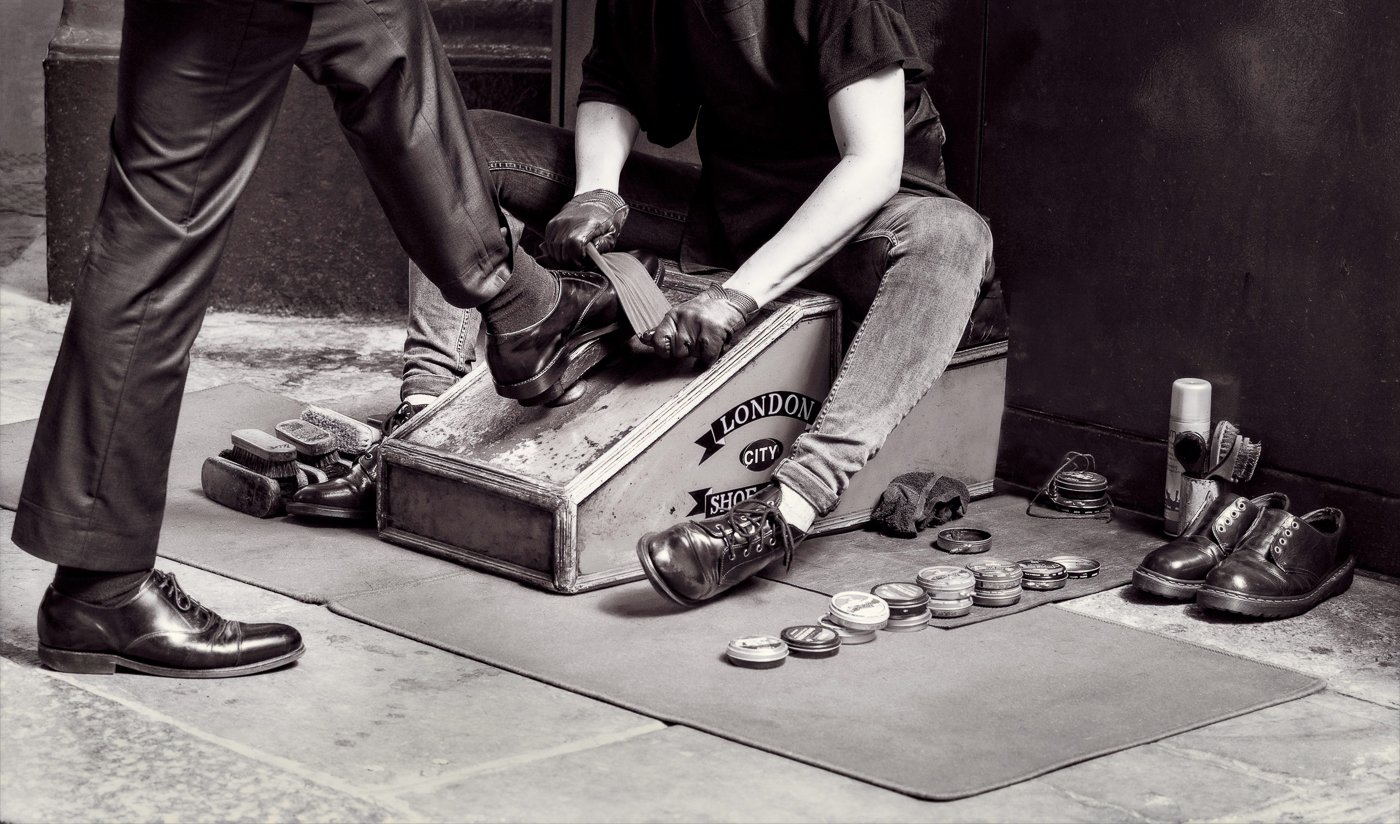
London Shoe Shine, archival print, 14 x 20 in, 2022, USD 400, © Judy Guenther, Springfield, Virginia
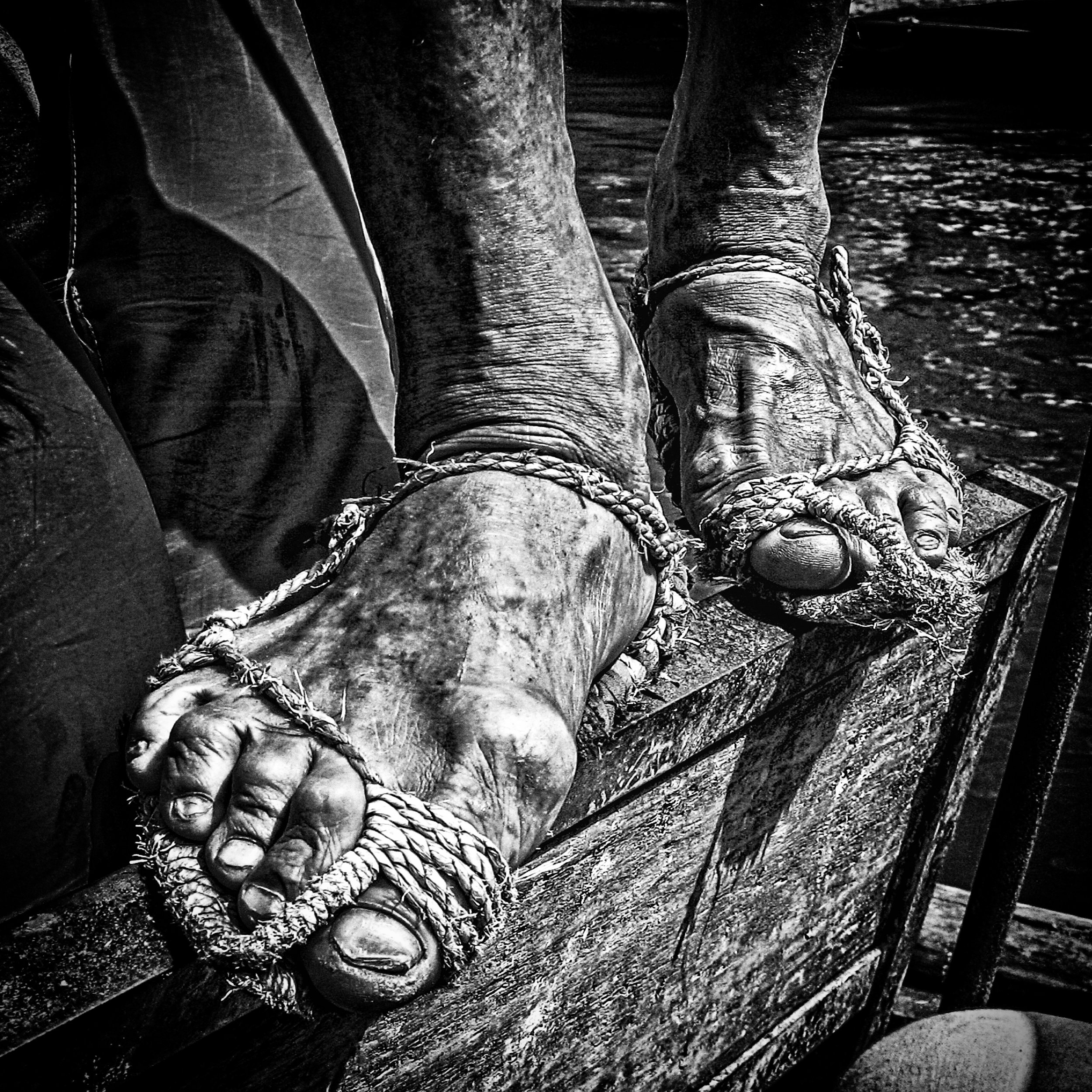
Feet of a Boatman, archival print, 12 x 12 in, 2008, USD 199, © Rick Lingo, Cincinnati, Ohio
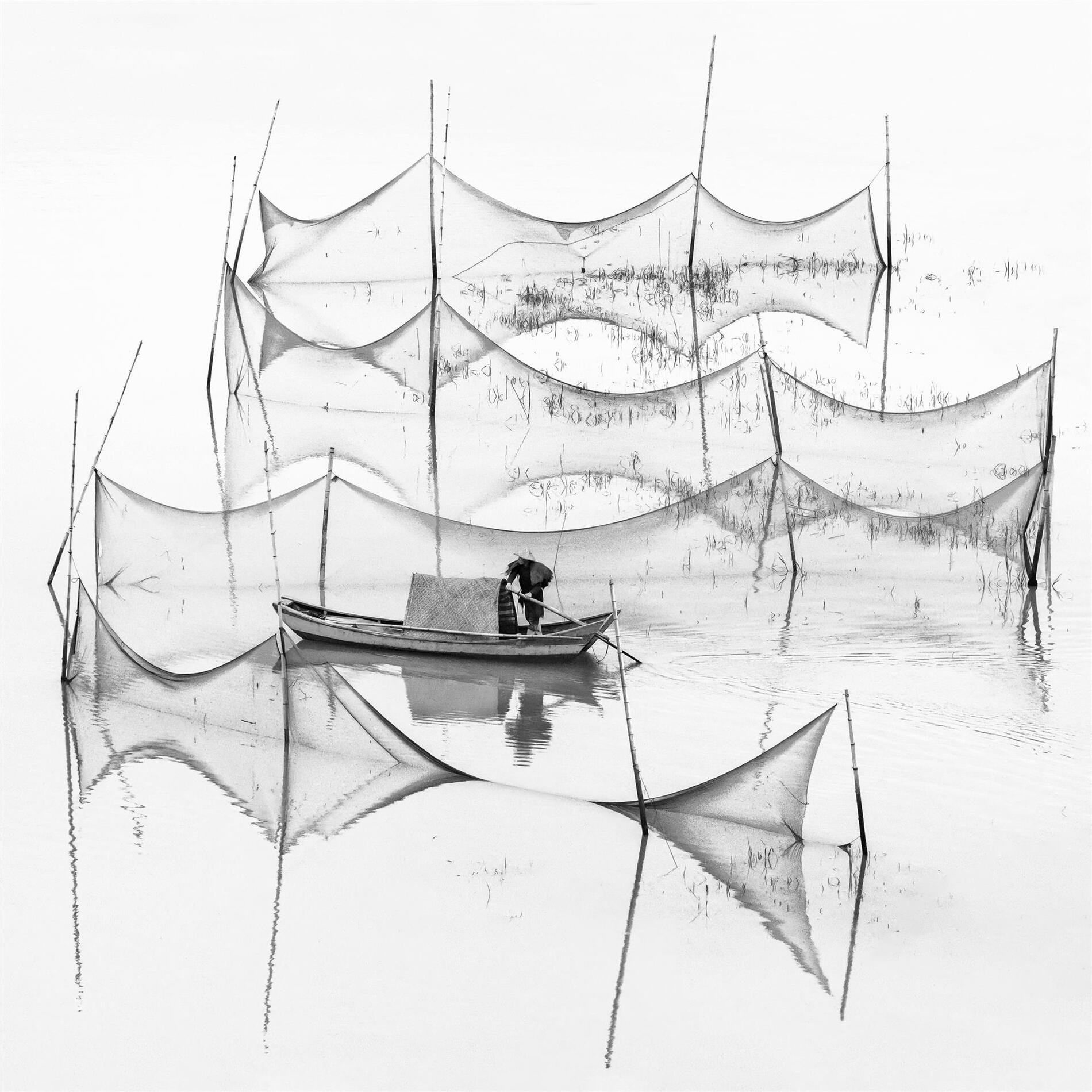
In the Fishing Maze, archival print, 24 x 24 in, 2022, USD 780, © Hilda Champion, Naples, Florida

No Thank You, cyanotype on watercolor, 18 x 24 in, 2023, USD 500, © Saumitra Chandratreya, Chicago, Illinois
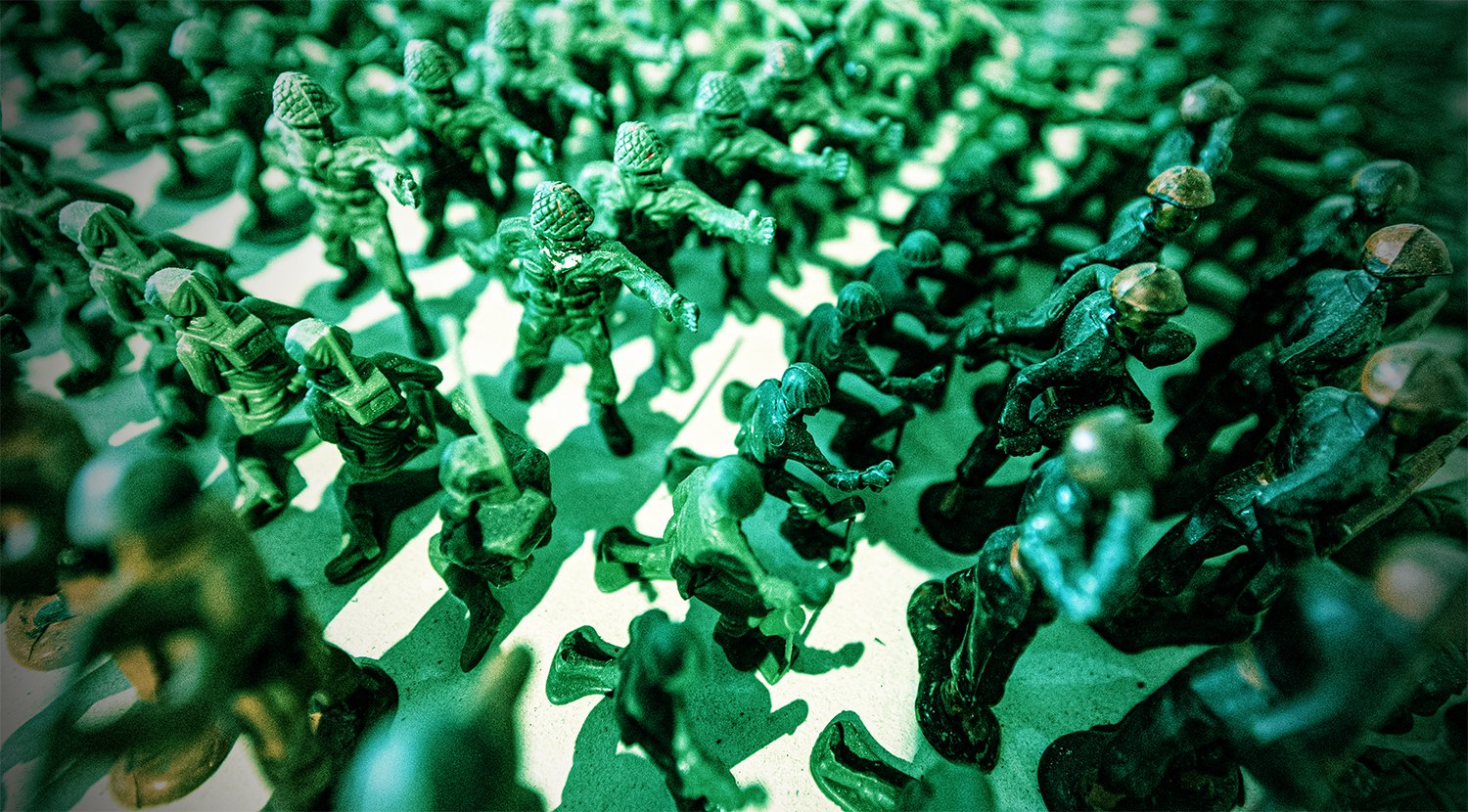
March and Mortars, archival print, 11 x 14 in, 2023, USD 350, © Hillary Greene-Pae, Calabasas, California
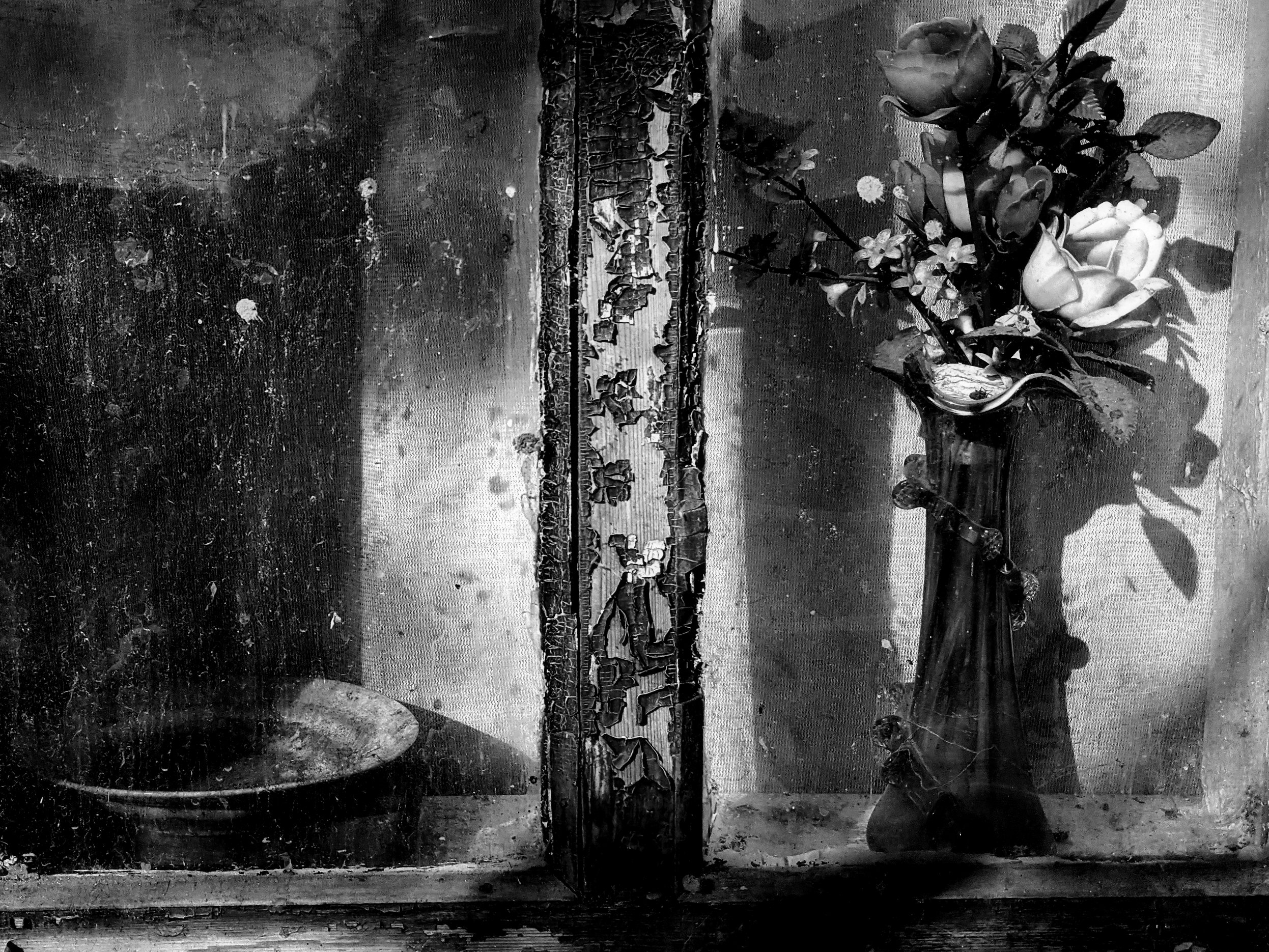
Bouquet From the Past, archival print, 40 х 60 cm, 2022, USD 500, © Igor Mokrenko, Sumy, Ukraine
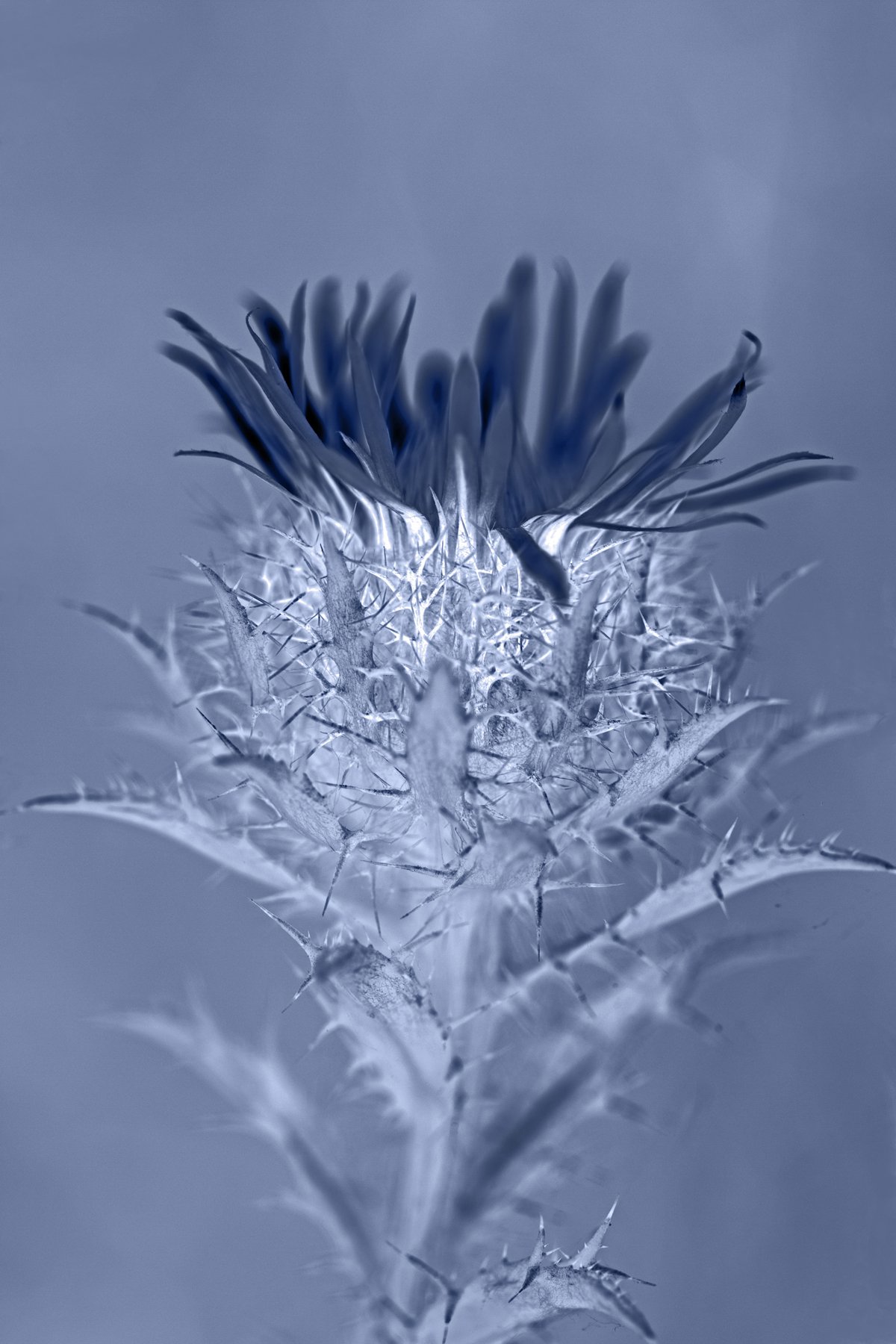
Carline Thistle, archival print, 40 x 60 cm, 2023, USD 400, © Mary C. Legg, Prague, Czechia

Submerged: Hibiscus in a Red Dress, archival print, 16 x 20 in, 2021, USD 650, © Barbara Brundage, Soquel, California
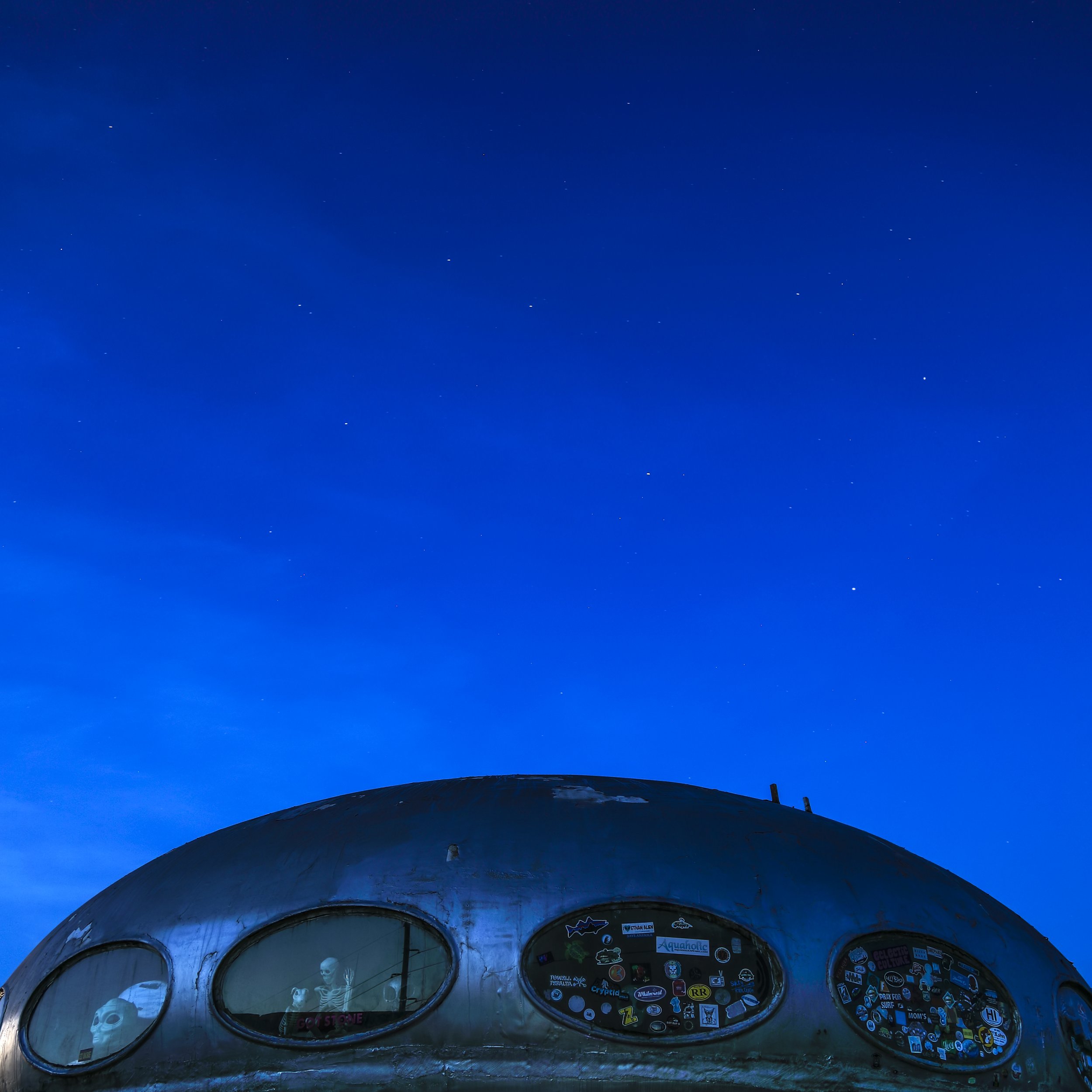
Close Encounters, archival print, 20 x 20 in, 2022, USD 340, © Bob Debski, Lansdale, Pennsylvania
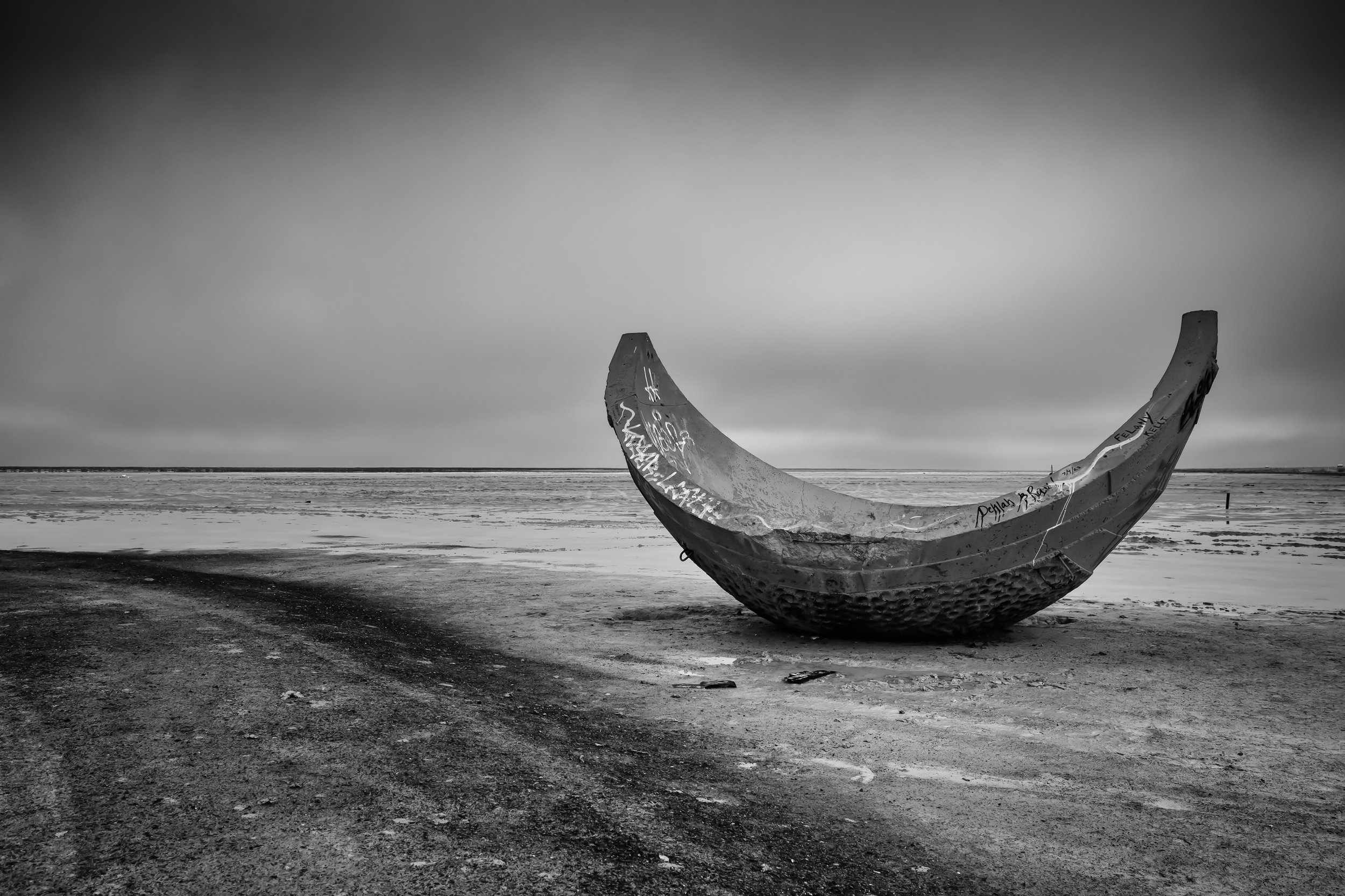
A Mere Shell, archival print, 12 x 18 in, USD 450, © Kelly O'Leary, Port Orange, Florida
Sales and Artist Inquiries
Are you interested in making a purchase or connecting with one of the featured artists? Send us an inquiry through our contact form, and we'll get back to you shortly.