

No Justice No Peace (2020)
November 6, 2020 to January 8, 2021
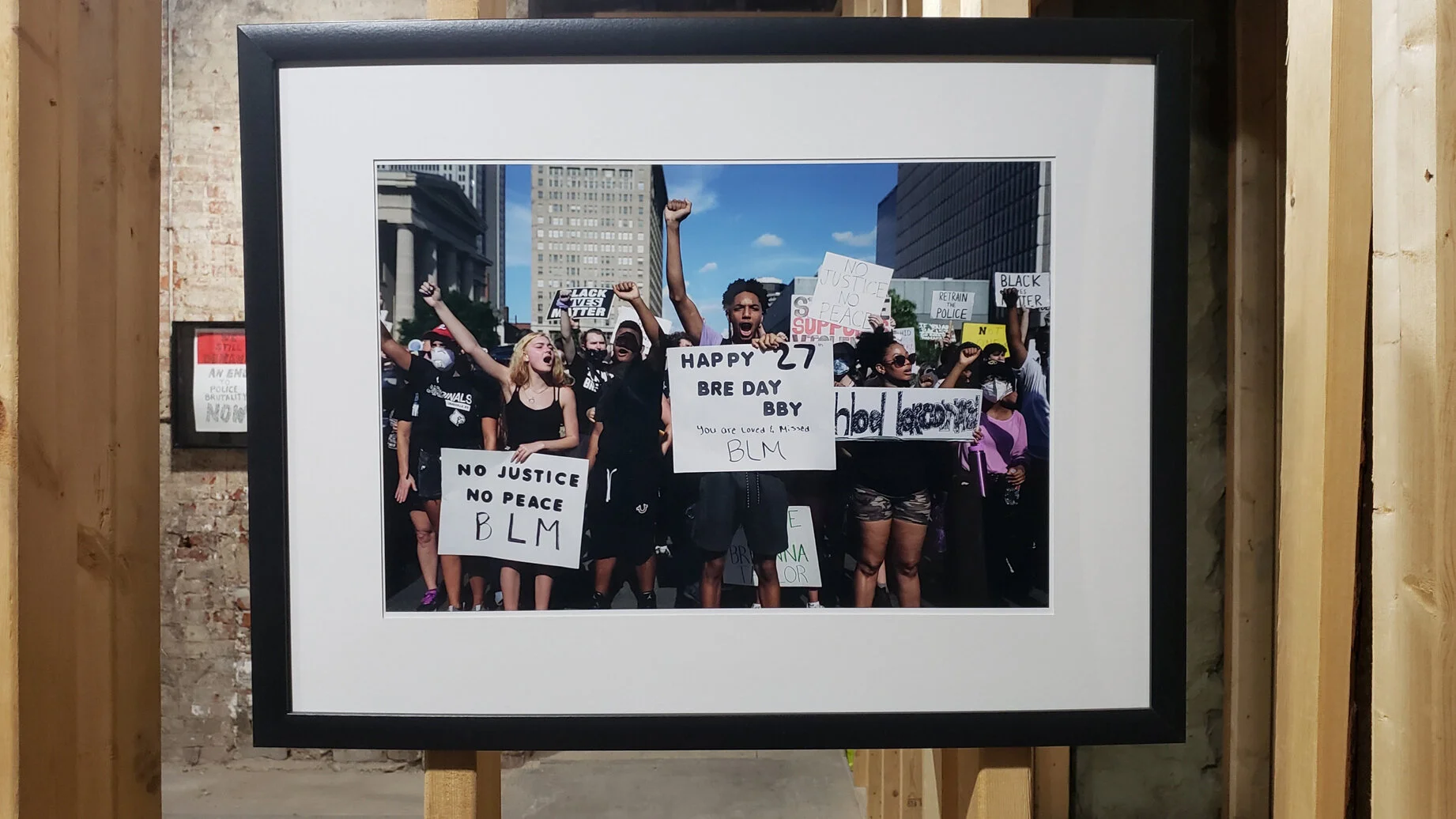
No Justice No Peace was the first formal public exhibition at The Chateau Gallery. Emerging from the Breonna Taylor protests and Louisville's wider movement for racial justice, it established photography and exhibition-making as forms of public record, refusal, and pressure.
The gallery printed and framed work by twelve photographers in-house during a national printer shortage. Gallery commissions from the exhibition were designated for the Louisville Community Bail Fund.
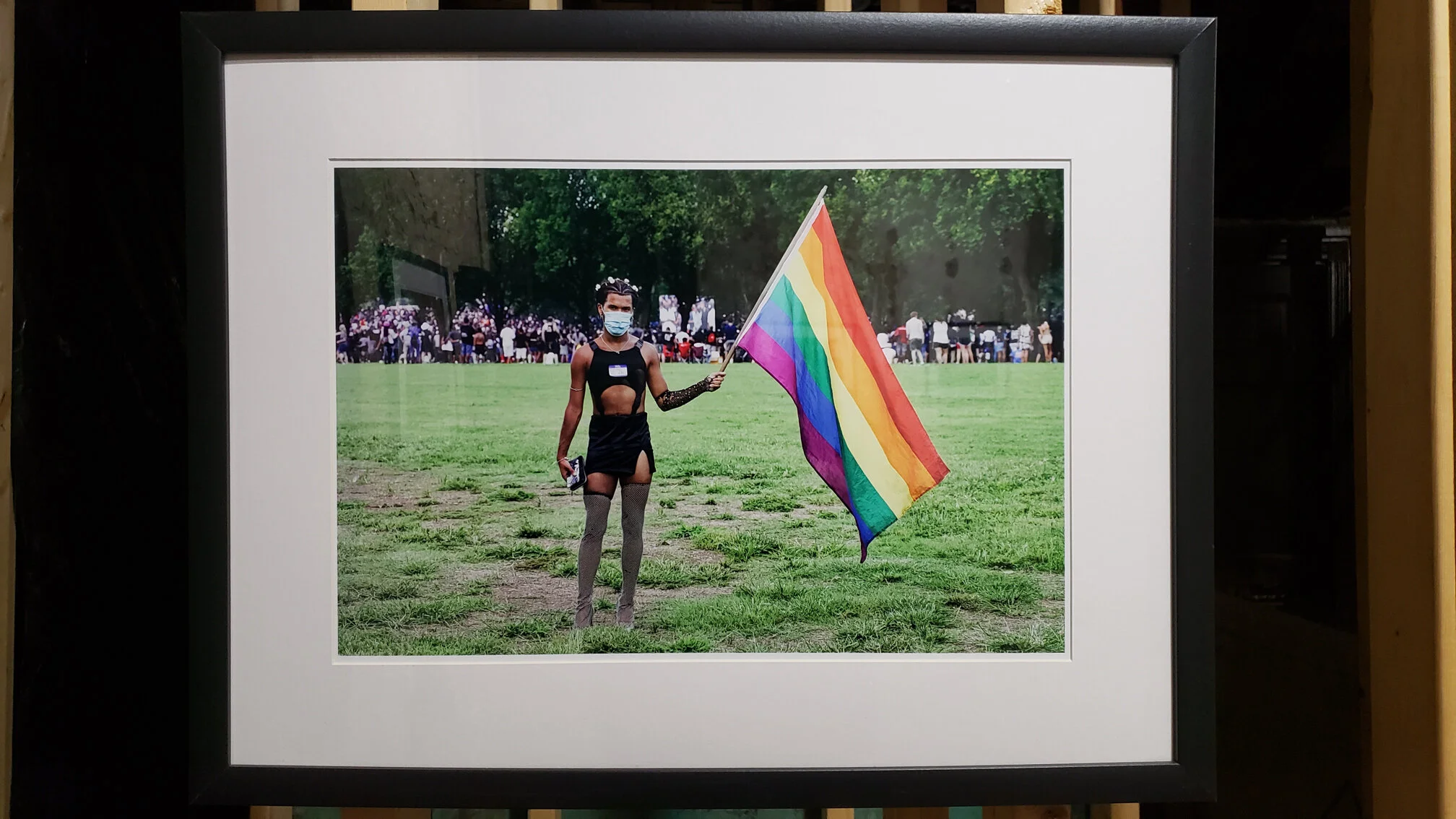
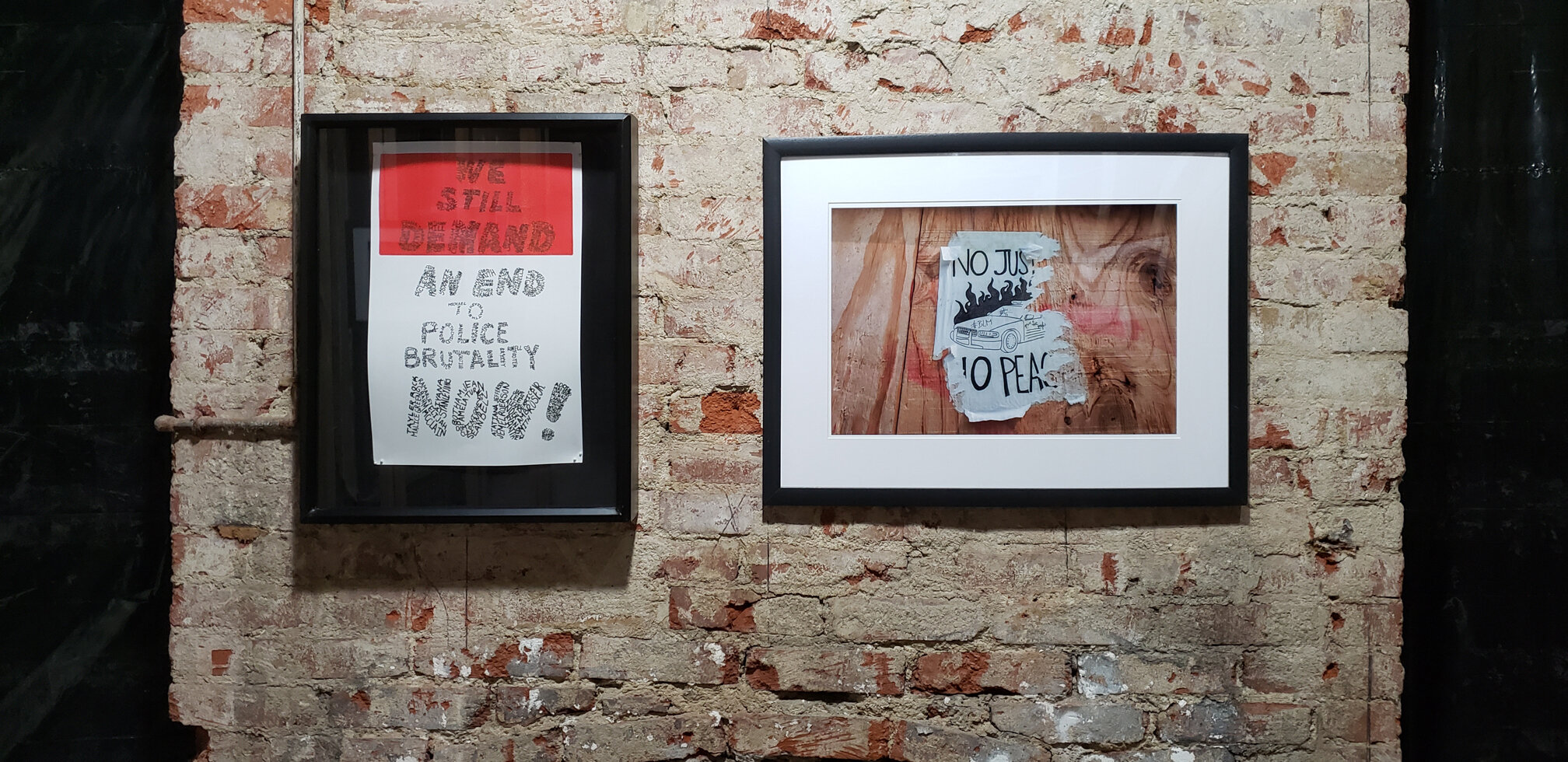
Featured works preserved in the exhibition record include Art Vidrine's Be Who You Want To Be, Jason Stout's Tougher Pills to Swallow and Shoots and Ladders Nebula, and Lillian Young's two-color risograph print We Still Demand.
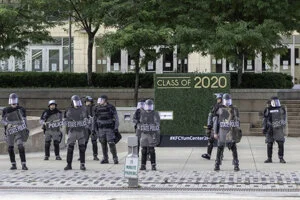
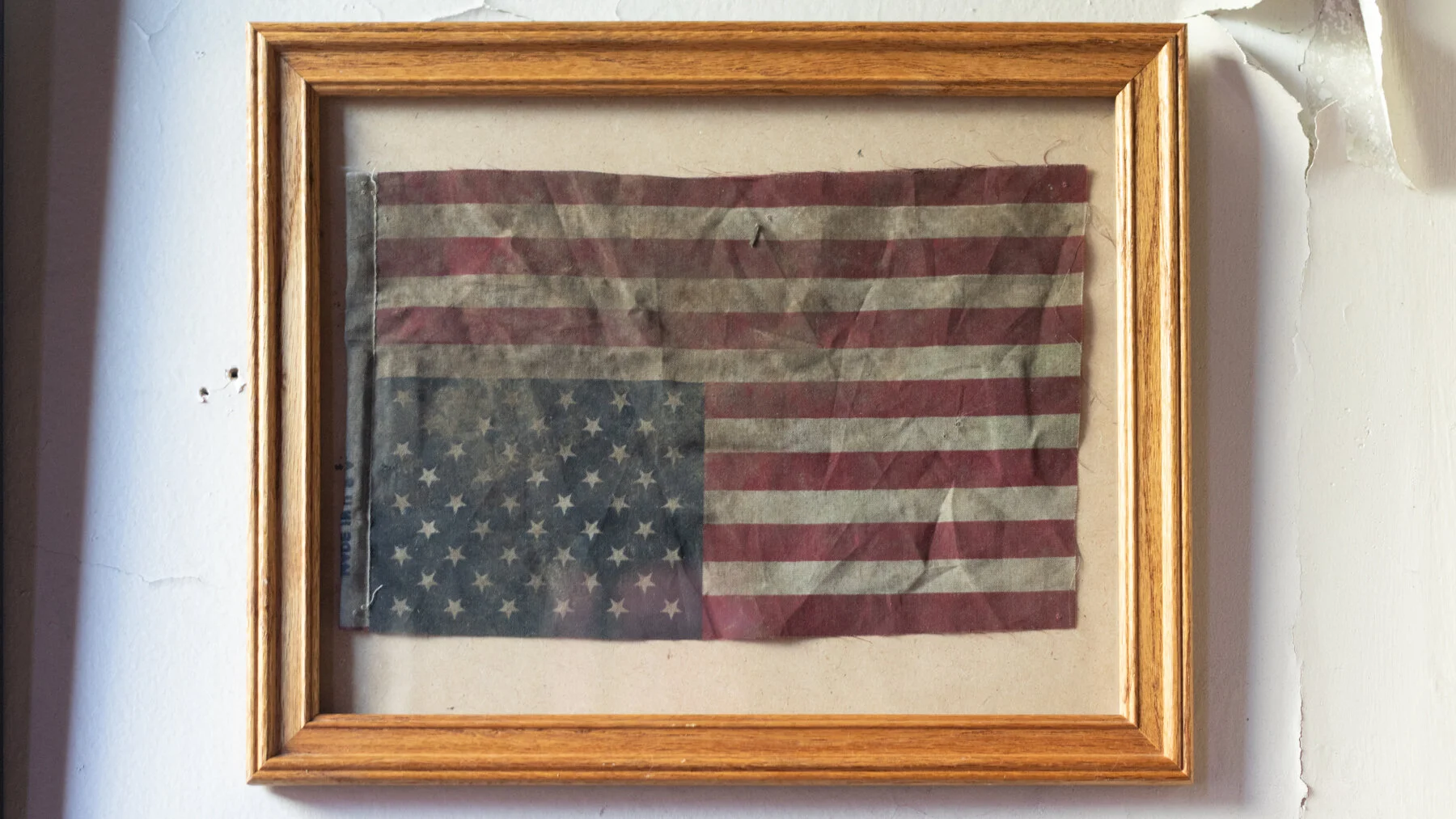
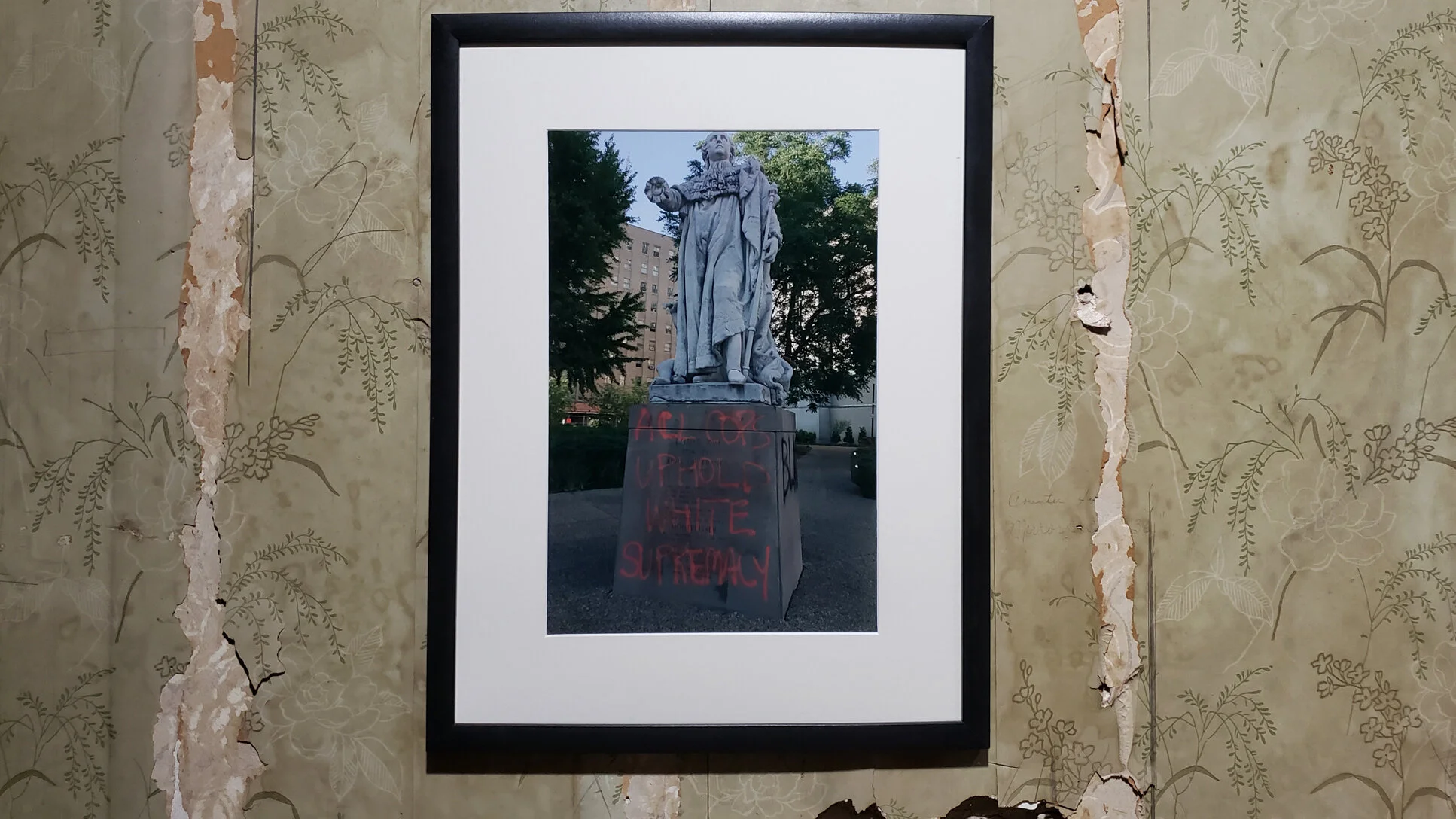
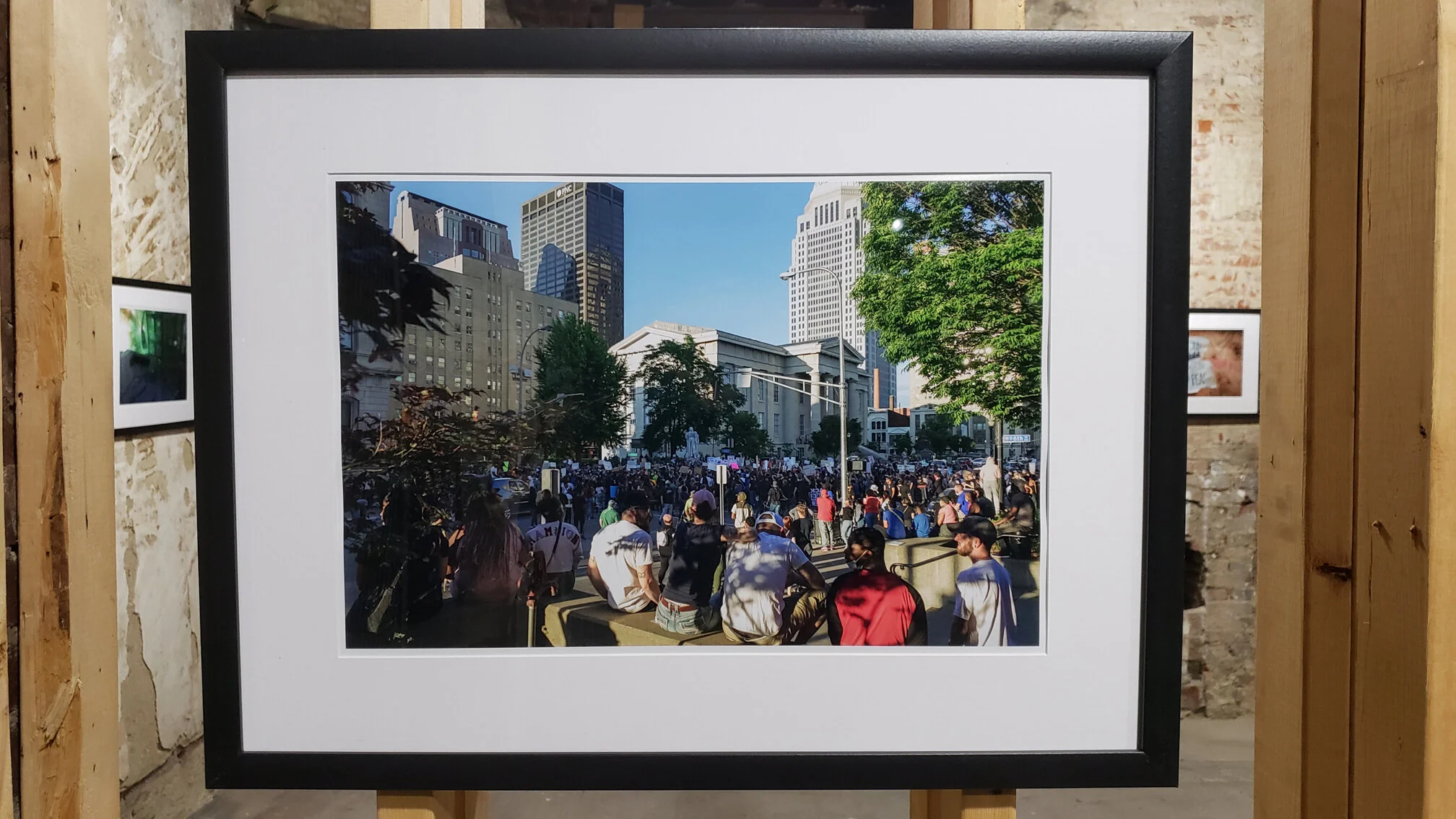
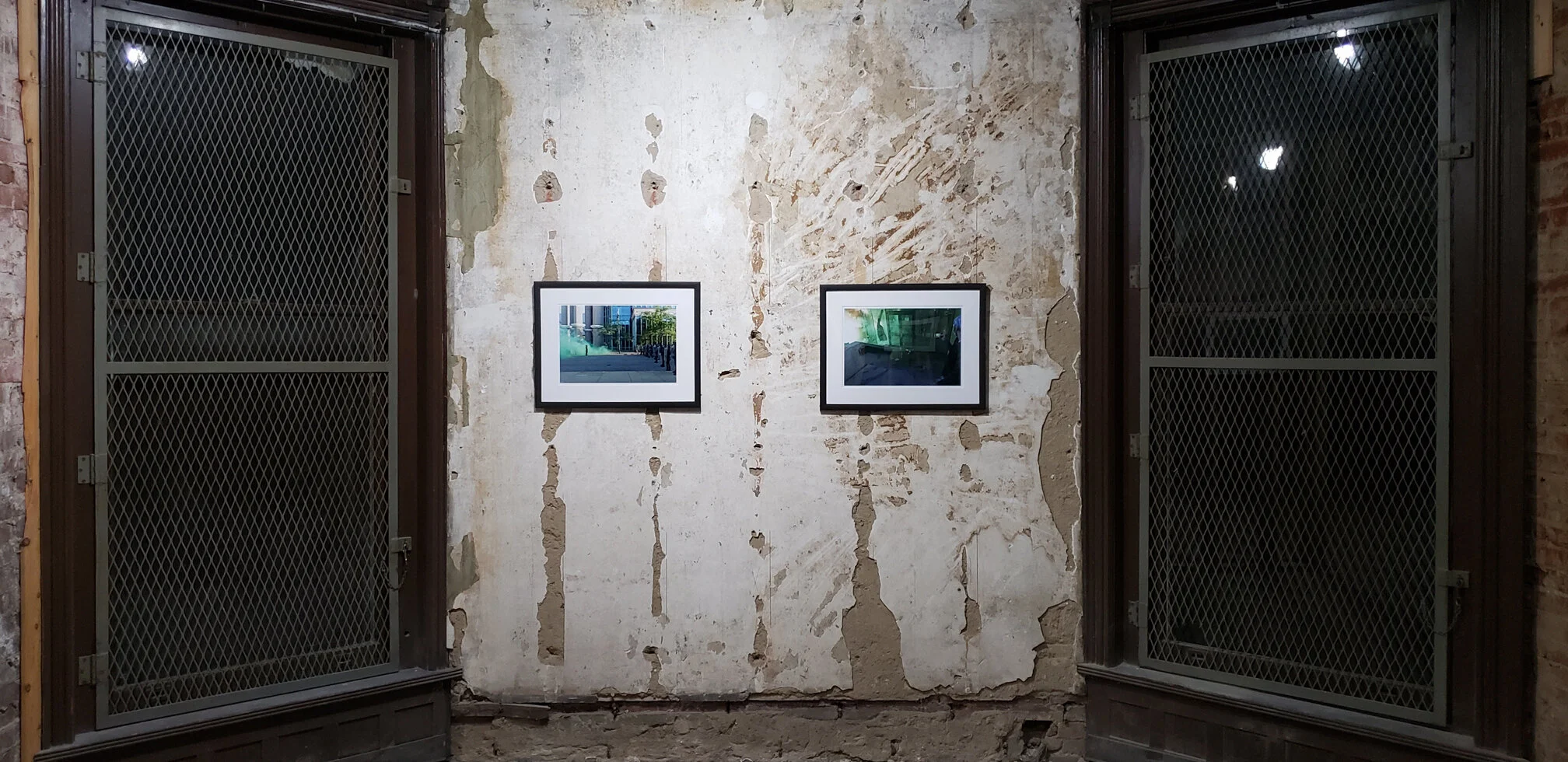
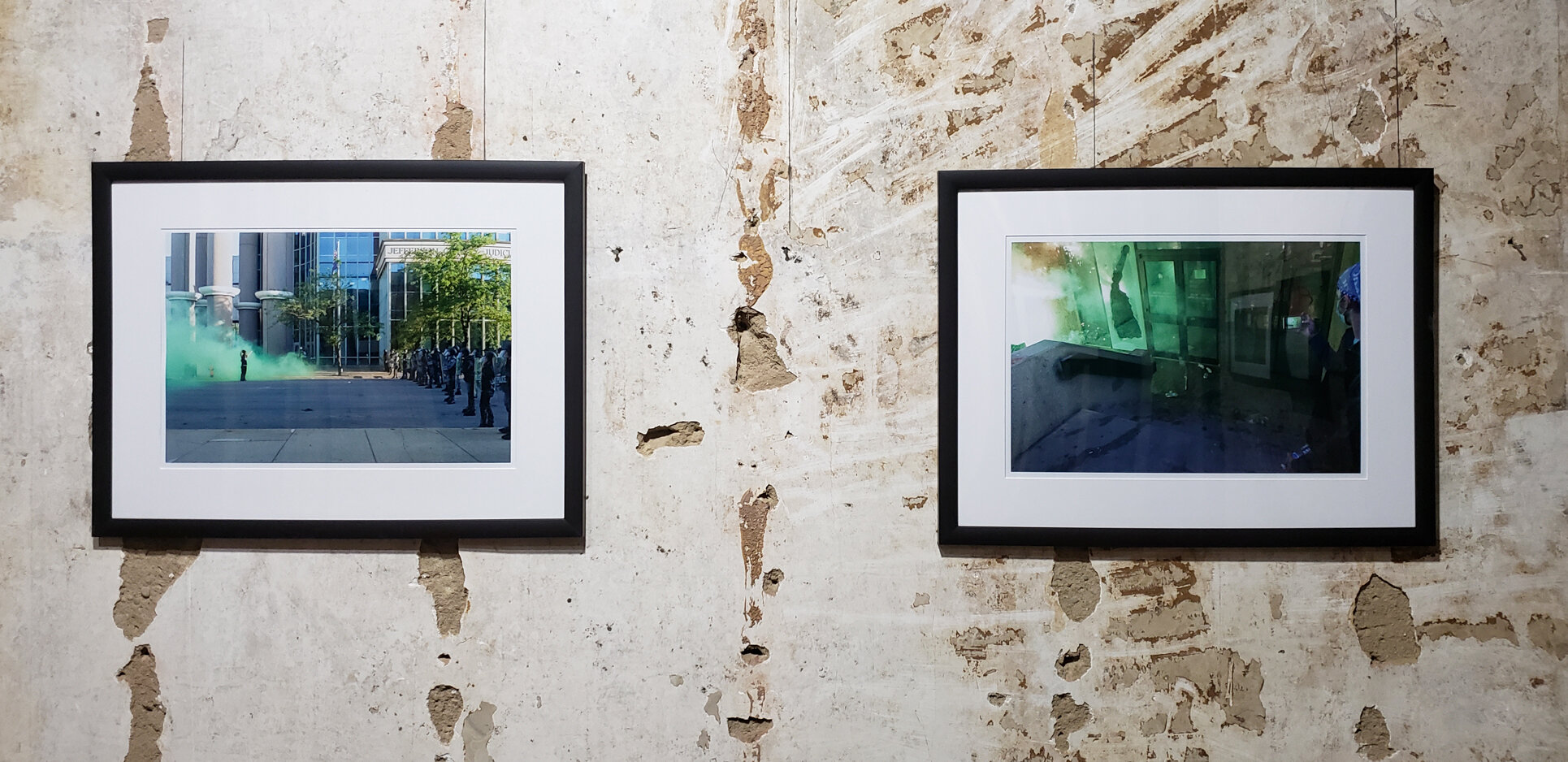
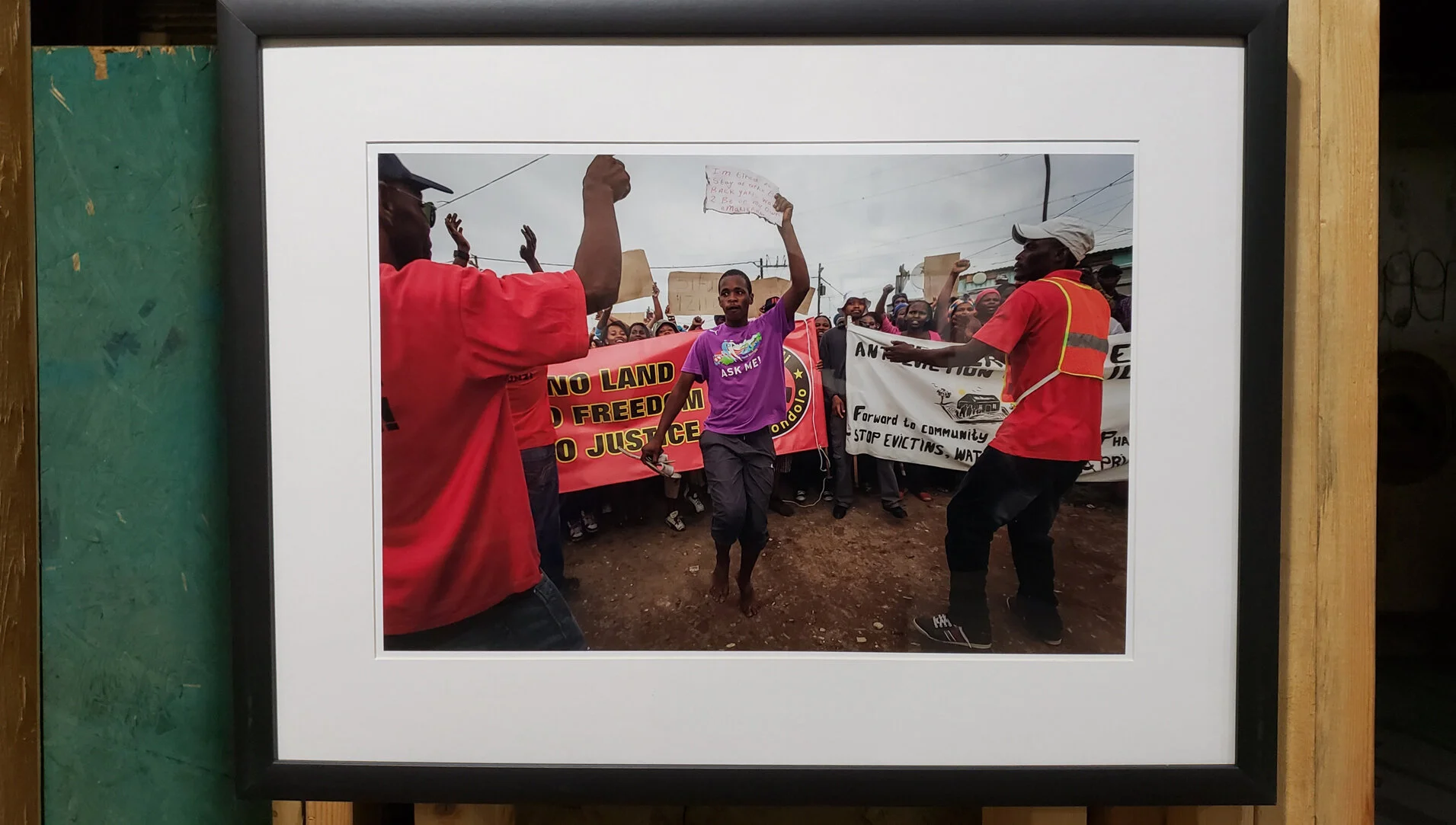
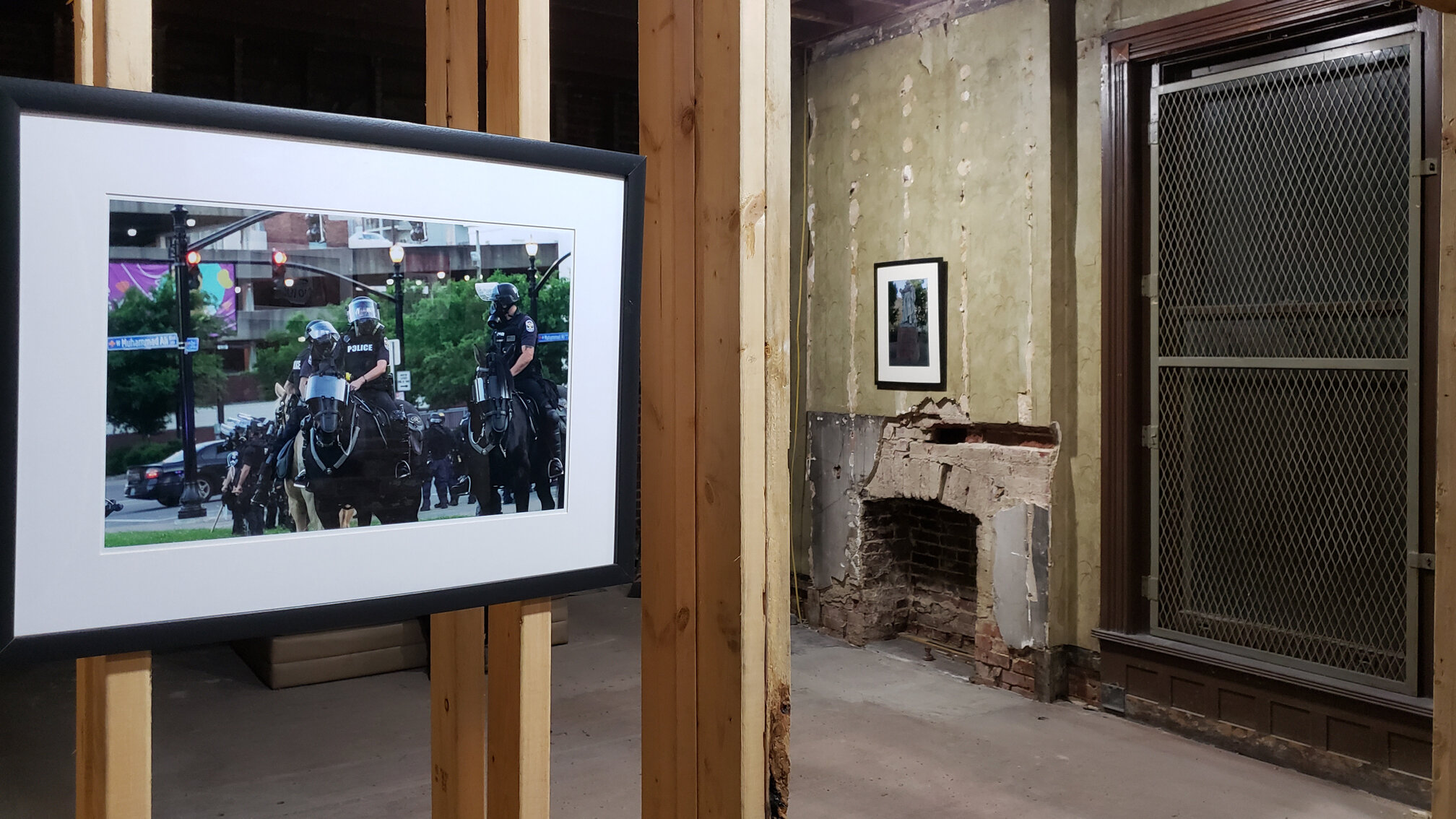
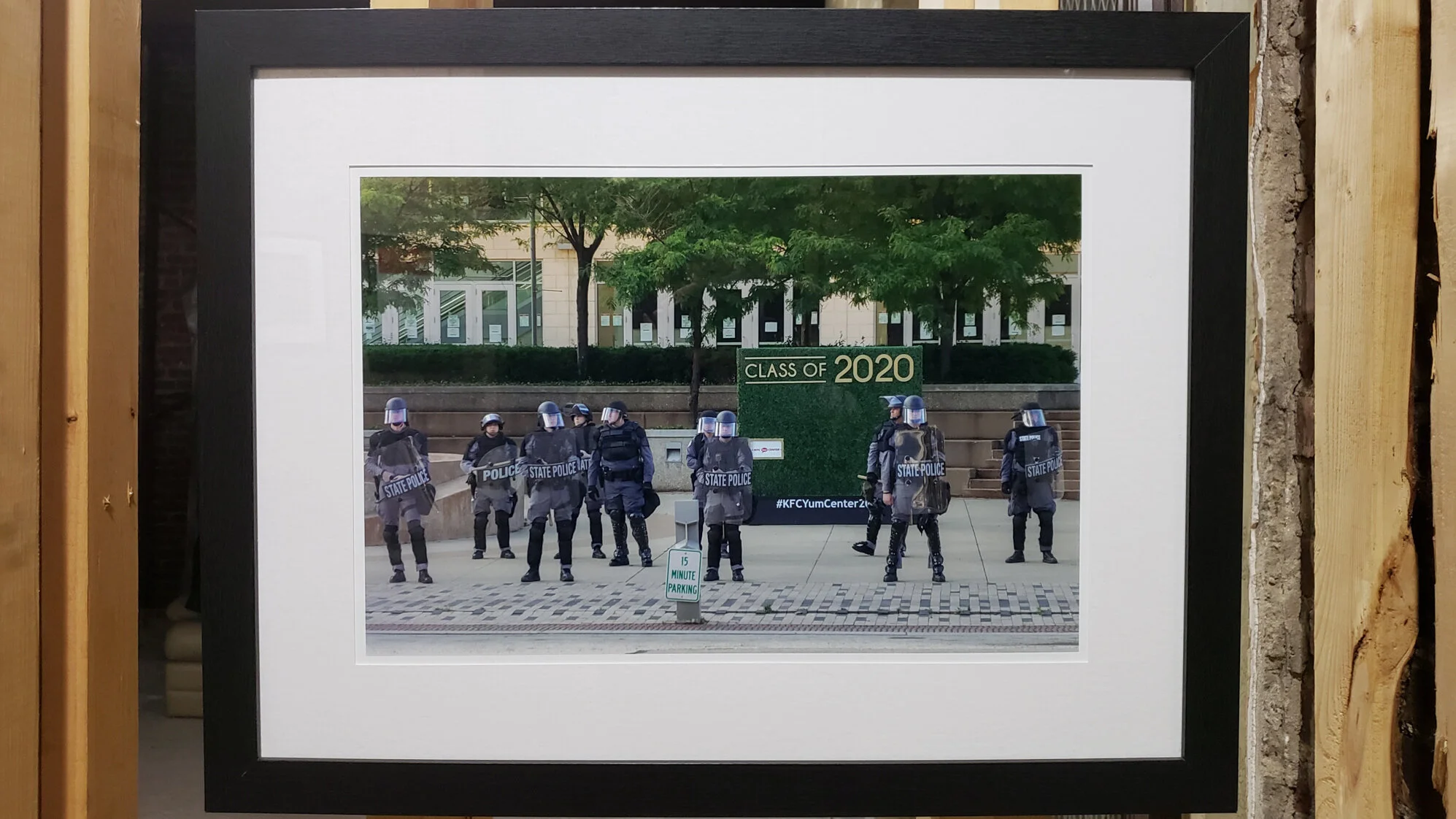
The installation photographs below document the exhibition inside the gallery's former Old Louisville space.
Editor’s Note: This exhibition is a reconstruction from a physical exhibition during the Omicron Covid-19 wave. It is an archive missing and is still in progress. It was not documented in its entirety. Please message us if you have any photographs!
An Exhibition Assembled Quickly and Recorded Incompletely
This was the gallery's first formal public exhibition, mounted in Louisville in late 2020. It is also the most incompletely documented exhibition in this archive. Both facts are worth stating plainly, because together they describe what a small gallery can do at short notice and what it loses when there is no time to record the doing.
Protest Photography Is a Form of Record-Keeping
Photographs made at demonstrations serve several functions at once, and only one of them is aesthetic. They establish that events occurred, at a scale and in a sequence that written accounts frequently dispute. They are consulted afterwards by journalists, lawyers, historians and the participants themselves. This evidentiary role is why documentary photography of civil unrest has an unusually long institutional afterlife: images made for immediate publication are examined decades later for reasons nobody anticipated. An exhibition that gathers such work in the same year it was made is doing something closer to deposit than to display.
Printing and Framing Inside the Building
The practical circumstances shaped the show. Work by twelve photographers was printed and framed in the gallery during a period when commercial print supply was severely constrained, which meant paper stock, mounting materials and framing decisions were determined by what could actually be obtained. That constraint is visible in the installation views: sizes are modest, framing is simple and consistent, and the hang is dense. Small independent spaces routinely absorb this kind of production work, and it almost never appears in any record of the exhibition.
What This Archive Is Missing
The documentation here is partial. The exhibition was installed and taken down during a period when the gallery's attention was elsewhere, and it was never photographed in full: individual works are represented unevenly and installation coverage is incomplete. Publishing an archive with its gaps marked is more useful than publishing a tidied version, because it tells a researcher what is absent and what to look for.
Photographing Protest Involves a Publication Decision
Every frame made at a demonstration contains identifiable people who did not individually agree to appear. A photographer's obligation therefore extends past the shutter into what is published, at what resolution, and for how long. Practices differ: some photographers work at distances or angles that do not resolve faces, some obtain agreement where circumstances allow, some restrict circulation of particular frames entirely. None of these choices is visible in a finished print, which is why exhibitions of this material carry an editorial responsibility that ordinary documentary work does not.
Why This Exhibition Stays in the Archive
An early exhibition records an institution's starting position, and this one established the gallery's working assumption that exhibition-making is itself a form of public record. TCG Gallery is an independent online photography gallery, and each juried exhibition remains part of a permanent public archive after its run ends, so these catalogs accumulate into a longer record than any single project. Photographers can enter the current photography open calls directly.

Sales and Artist Inquiries
Are you interested in making a purchase or connecting with one of the featured artists? Send us a message through our contact form, and we'll get back to you shortly.