

Pharmacopeia (2025)
October 1–November 1, 2025
Pharmacopeia asks what substances mean in private and public life. These photographs assemble archives of medication and recreational drugs, reflect on addiction, recovery, relapse, and harm, and examine the ways chemistry enters bodies, rituals, memory, and creative practice. The exhibition moves between medicine and misuse, care and compulsion, euphoria and consequence.
Featured Artists
Alessandra Mureddu, Anne Dignam, Beamie Young, Brian Churchman, Caroline Bell, Christine Ortiz, David Cohen, David Fiedler, David Hooker, David Moenkhaus, Eric Stein, Fabrizio Intonti, Gabriel Paiva, Howard Kaplan, Jacob Bautista, John Prusak, Joseph Sharketti, Kristopher Dunn, Kylo-Patrick Hart, Mark Shaw, Michael Lorenzini, Paul Carter, Ravneet Marwaha, Sara Sicona, Suzanne Steiner, Svitlana Zinovieva, Trace Deaton, Vance Gellert, Vincent Gorlami, Xander Whirlow
Photographs of Substances Are Never Only About Substances
A tablet is a small manufactured object with a colour, a shape, an imprint and a designed identity. It is also a legal category, a household routine, a household expense and sometimes a household crisis. Photographs in this territory therefore carry a great deal more than their subject matter. The thirty-five works in this edition, credited between 2000 and 2025 by thirty artists, range from inventory and still life through domestic document to work made from inside the experience of dependency and recovery.
The Pill as Still Life
Pharmaceuticals photograph unusually well, which is a complication rather than an advantage. They are small, uniform, brightly coloured, precisely finished and produced in enormous variety, which makes them ideal material for the grid, the array and the macro study. The typological approach — many similar objects photographed identically and presented as a set — comes from an industrial documentary tradition and lends the result an air of neutral cataloguing. That neutrality is partly an illusion. Deciding what belongs in an inventory is an argument, and a beautifully lit array is a persuasive one.
Documentary Photography's Long Debt to This Subject
Reportage on drugs has produced some of the most widely reproduced and most heavily criticised photographs of the past century. The criticism is consistent: work made by visitors, in short bursts, about people at their least able to negotiate tends to produce spectacle, and it circulates long after the circumstances have changed. The response within the field has been a slow shift toward longer engagements, toward returning prints and information to the people photographed, and toward work authored by people describing their own lives rather than being described. Several submissions here belong to that later approach.
The Medicine Cabinet Is a Portrait
A shelf of prescriptions is a biography written by a health system: dates, schedules, a prescriber's name, a condition implied by the drug class, and the repetition that indicates something chronic. Photographed plainly it says more about a person than most portraits, which is precisely why it raises the same consent questions as any other intimate document. Photographers working with their own cabinets are on straightforward ground. Those working with someone else's are not, and the difference is rarely visible in the picture.
Photographing Recovery Is Harder Than Photographing Harm
Crisis is legible: it has visible signs, evident stakes and a clear narrative shape. Recovery has almost none of these. It consists largely of repetition, appointments, ordinary rooms and the absence of events, and it extends over years rather than nights. Photographers who take it on generally abandon the documentary climax altogether and work with time instead — the same room revisited, the same person a decade later, the objects of a maintained routine. The results are quieter and considerably more useful, and this remains the most under-represented part of the subject.
Why the Theme Recurs
Attitudes to medication, dependency and treatment change quickly, and a periodic brief on the subject records those shifts more honestly than any single project could. TCG Gallery is an independent online photography gallery, and each juried exhibition remains part of a permanent public archive after its run ends, so these catalogs accumulate into a longer record than any single project. Photographers can enter the current photography open calls directly.
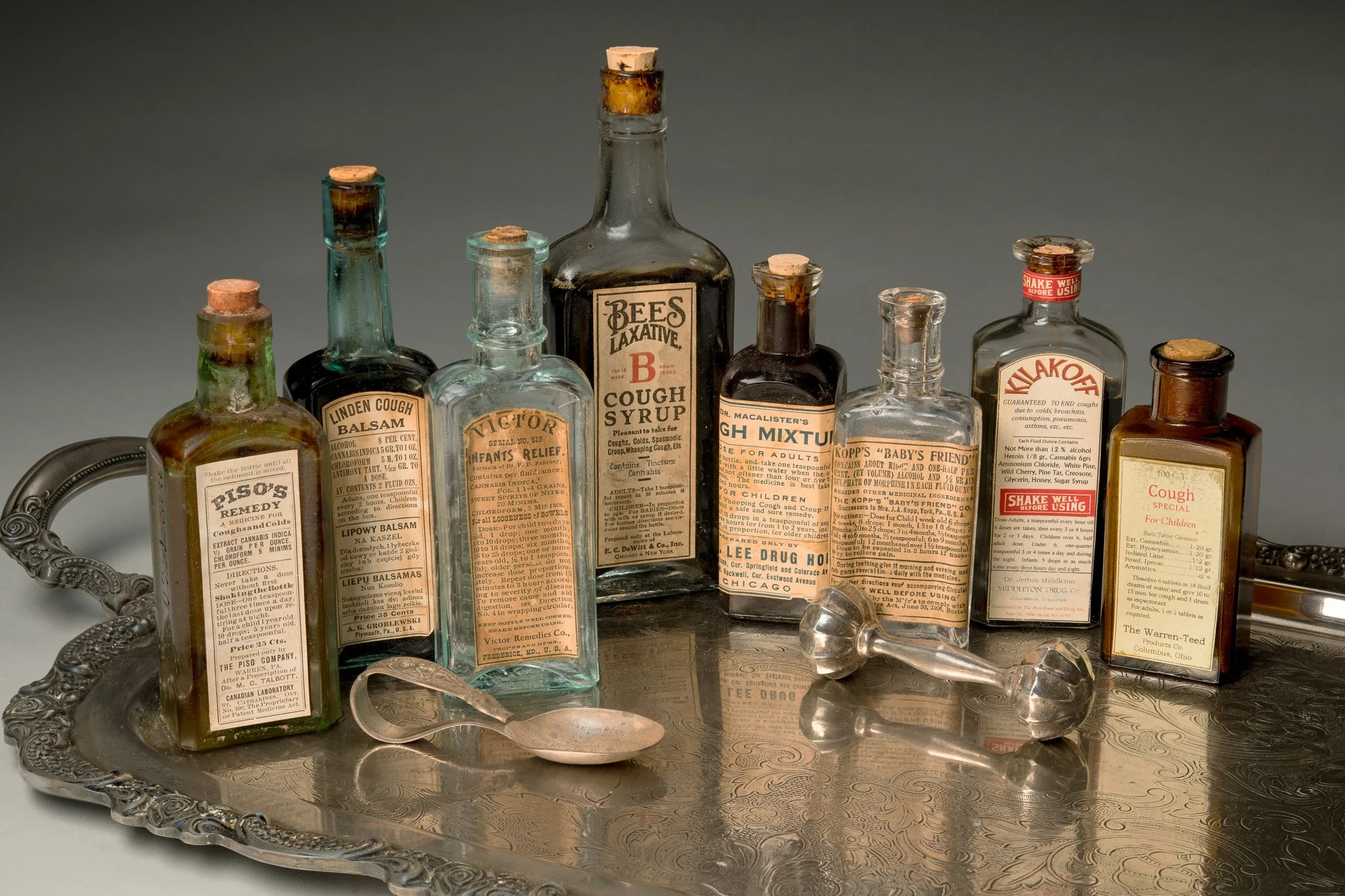
Children's Cannabis Medicines, photo transfer on metal, 20 x 30 in, 2018, NFS, © David Hooker, Columbus, Ohio
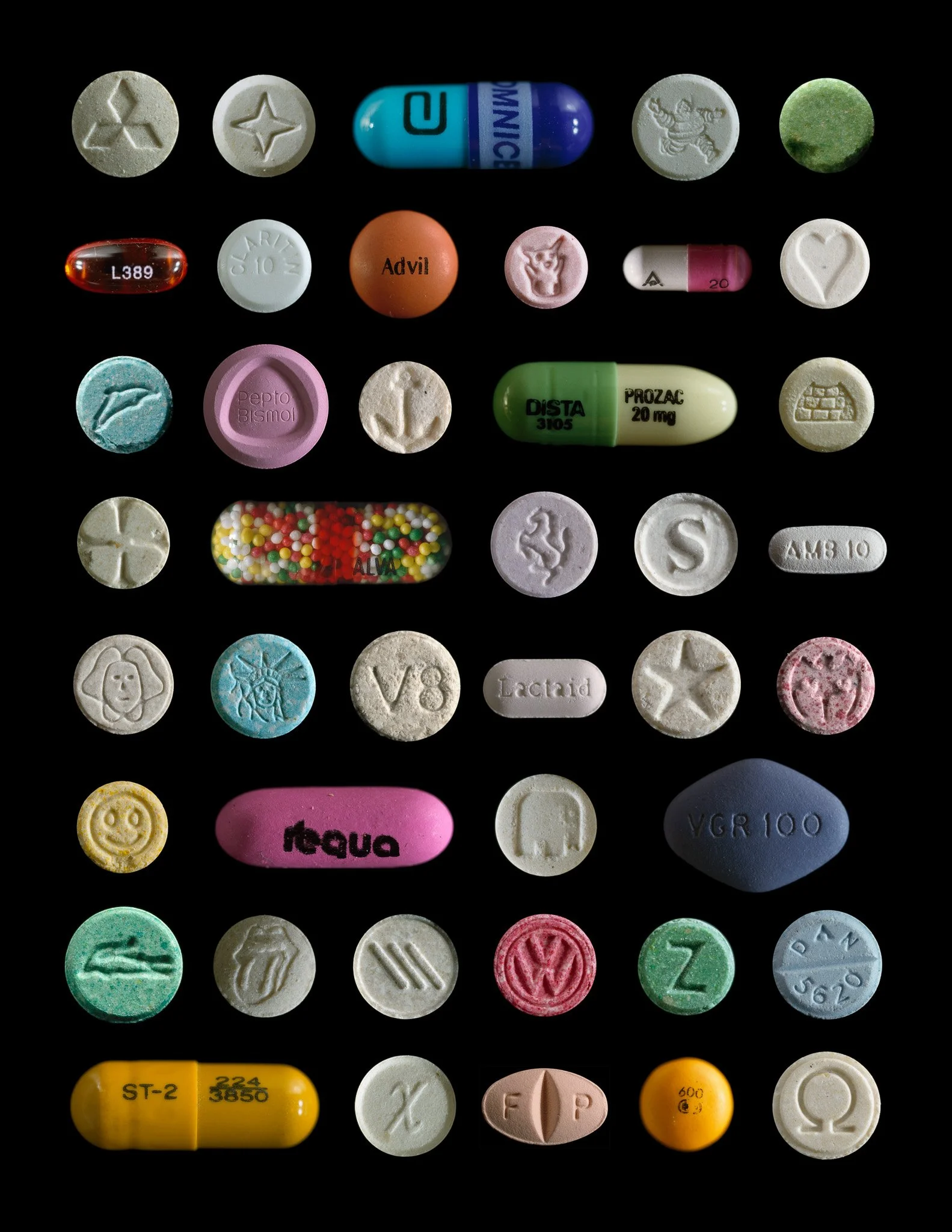
Interactions: Every Pill I Took, archival print on cotton rag, 24 x 31 in, 2002/2025, USD 450, © Michael Lorenzini, New York, New York
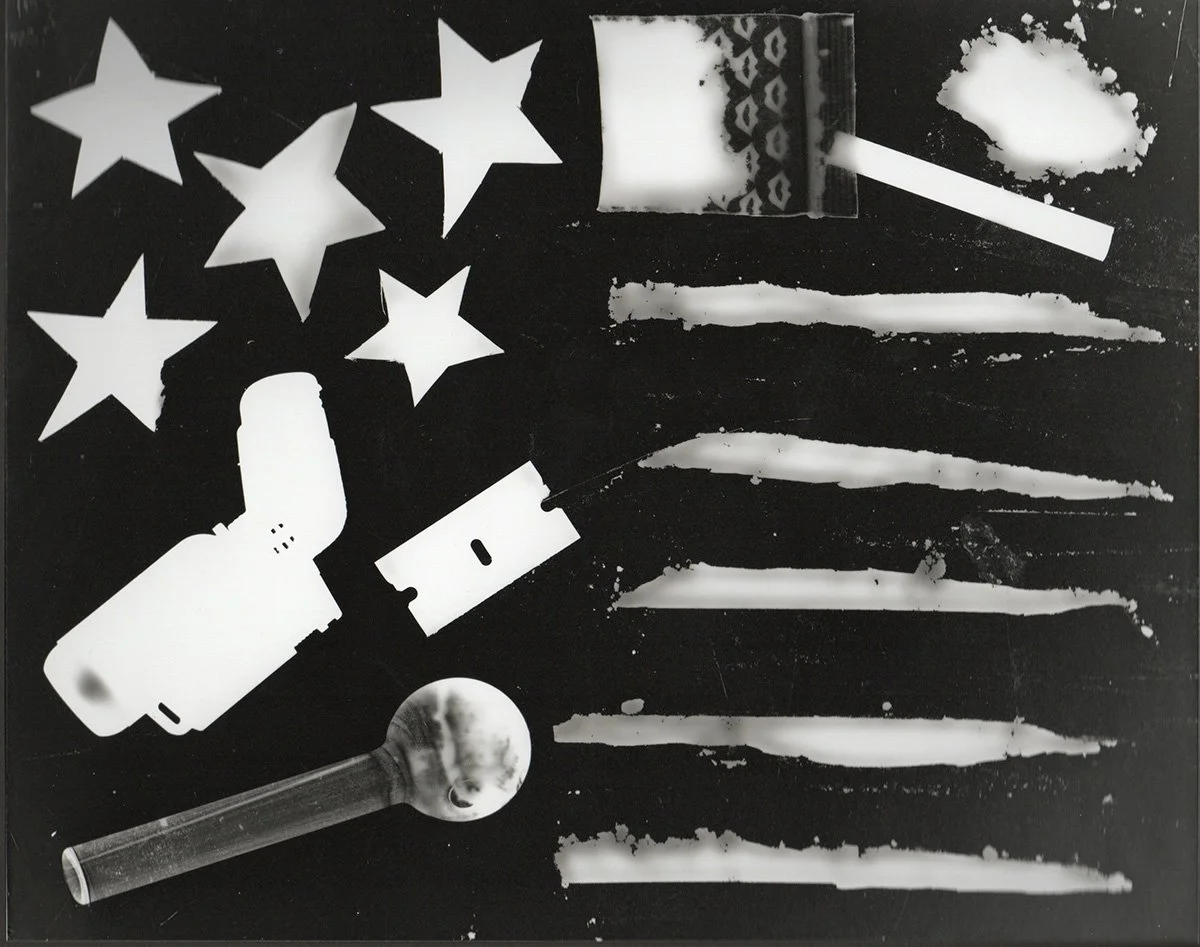
USAddict, silver gelatin print, 8 x 10 in, 2023, USD 250, © Jacob Bautista, Houston, Texas
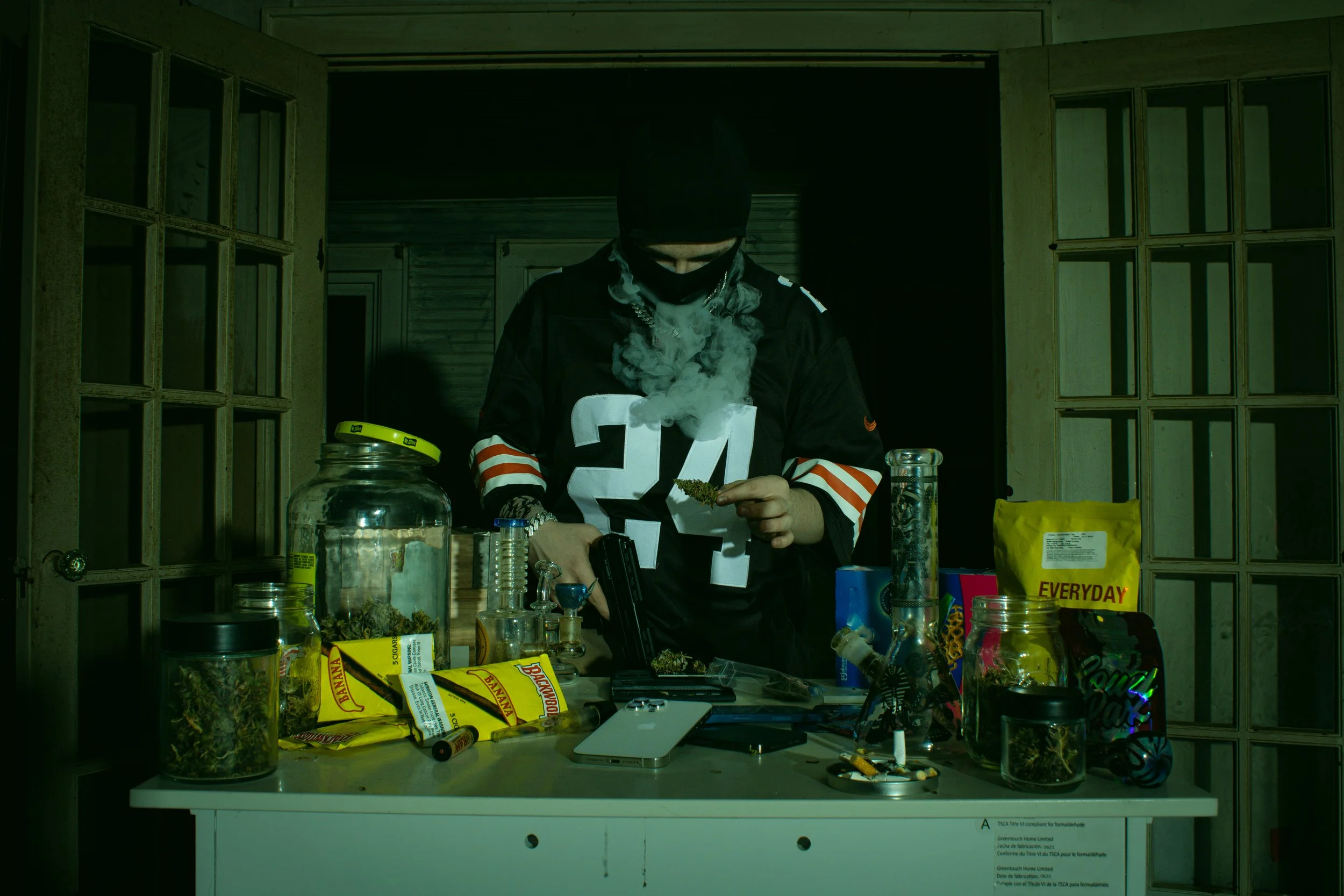
Veil of Vice, archival print, 12 x 8 in, 2023, USD 500, © Xander Whirlow, Kent, Ohio
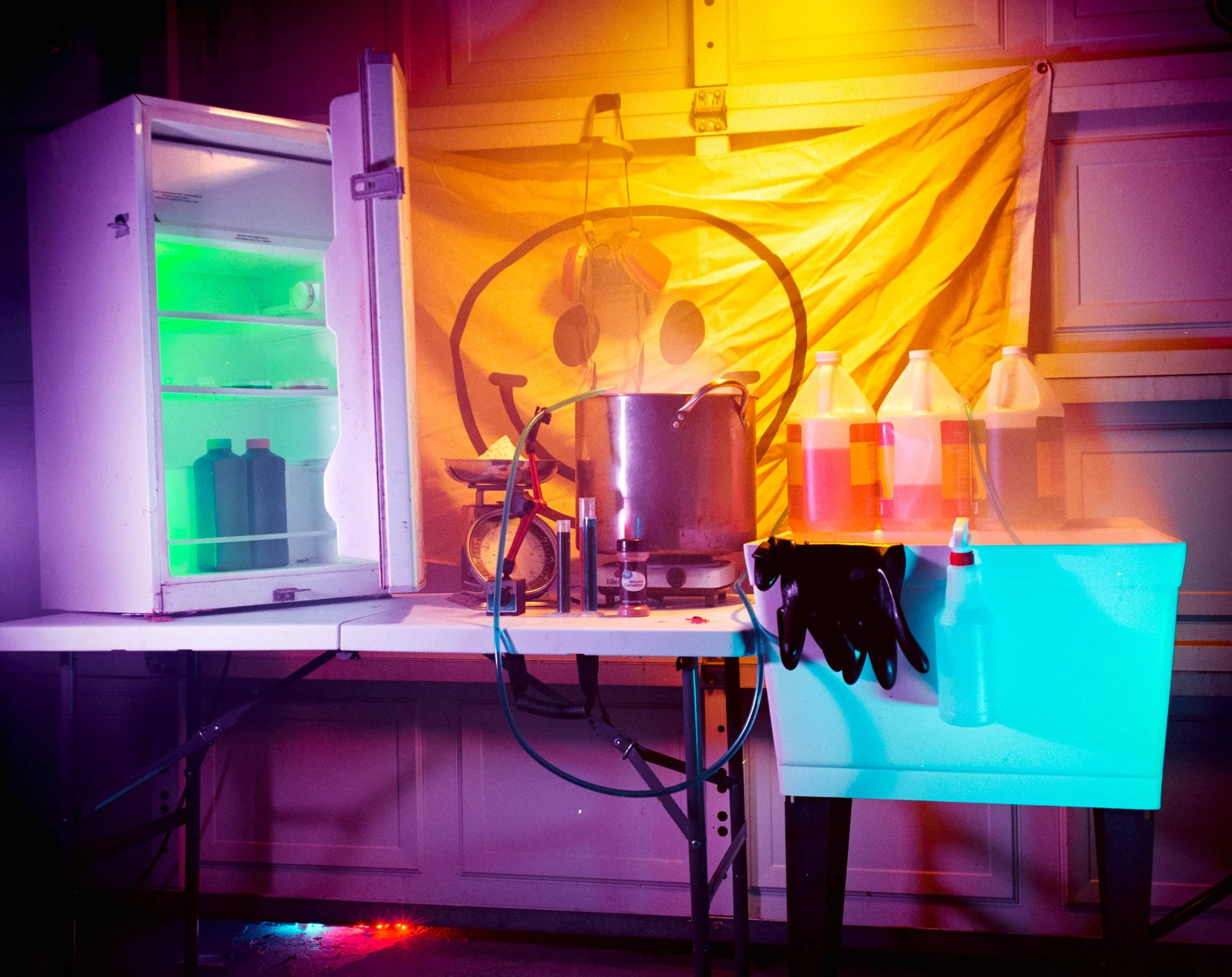
Broken Badly, archival print, 4 x 5 in, USD 2025, 2000, © Brian Churchman, Blanchester, Ohio

Absinthe Pour, Aluminum Dibond, 16 x 20 in, 2023, USD 800, © Joseph Sharketti, Colorado Springs, Colorado
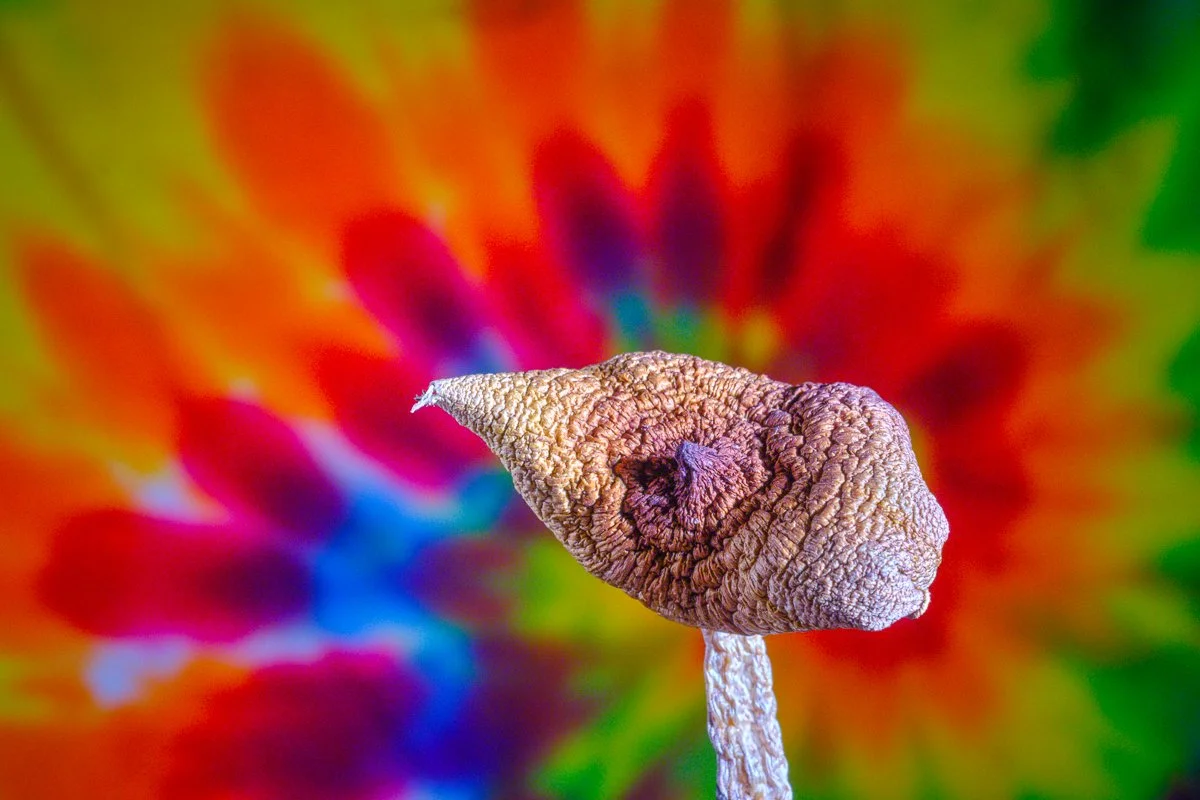
Magic, archival print, 2022, USD 420, © David Fiedler, Shingle Springs, California

Ambien (Zolpidem), archival print, 6 x 9 in, NFS, © Vincent Gorlami, New York, New York
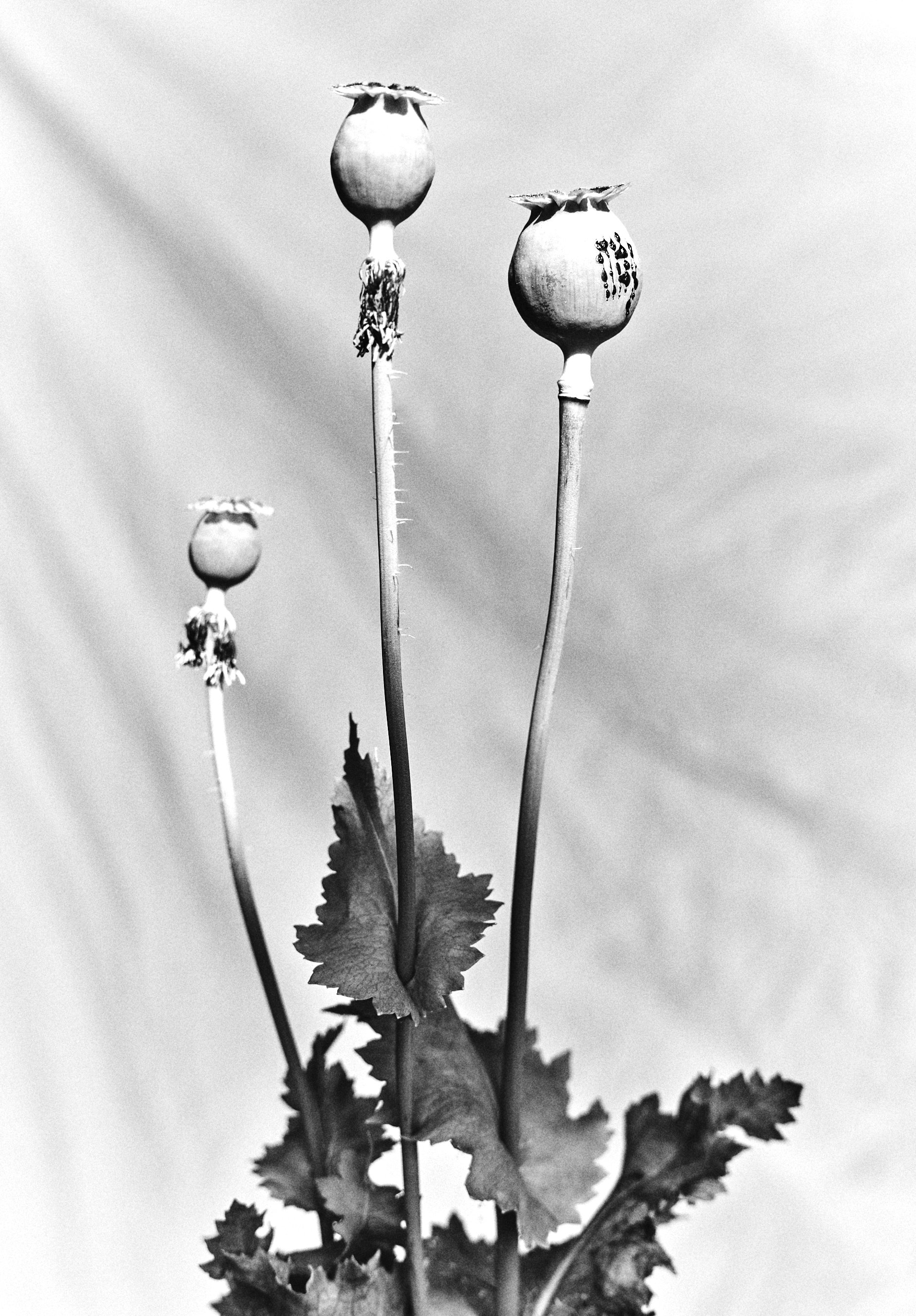
Opiate, archival print, 8 x 10 in, 2024, USD 200, © Paul Carter, Los Angeles, California
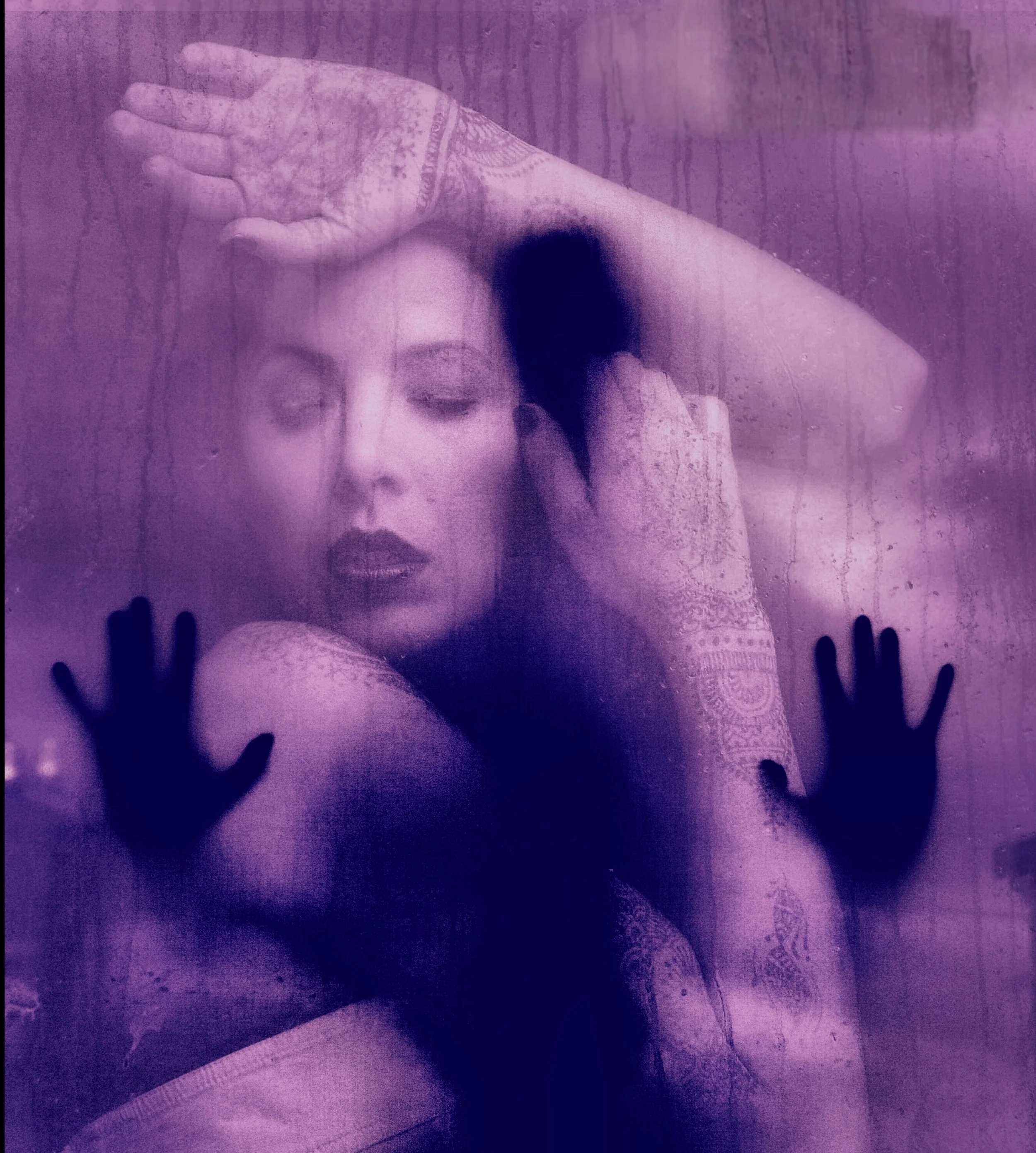
Personal Demons, archival print, 16 x 20 in, 2025, USD 300, © Trace Deaton, Georgetown, Kentucky
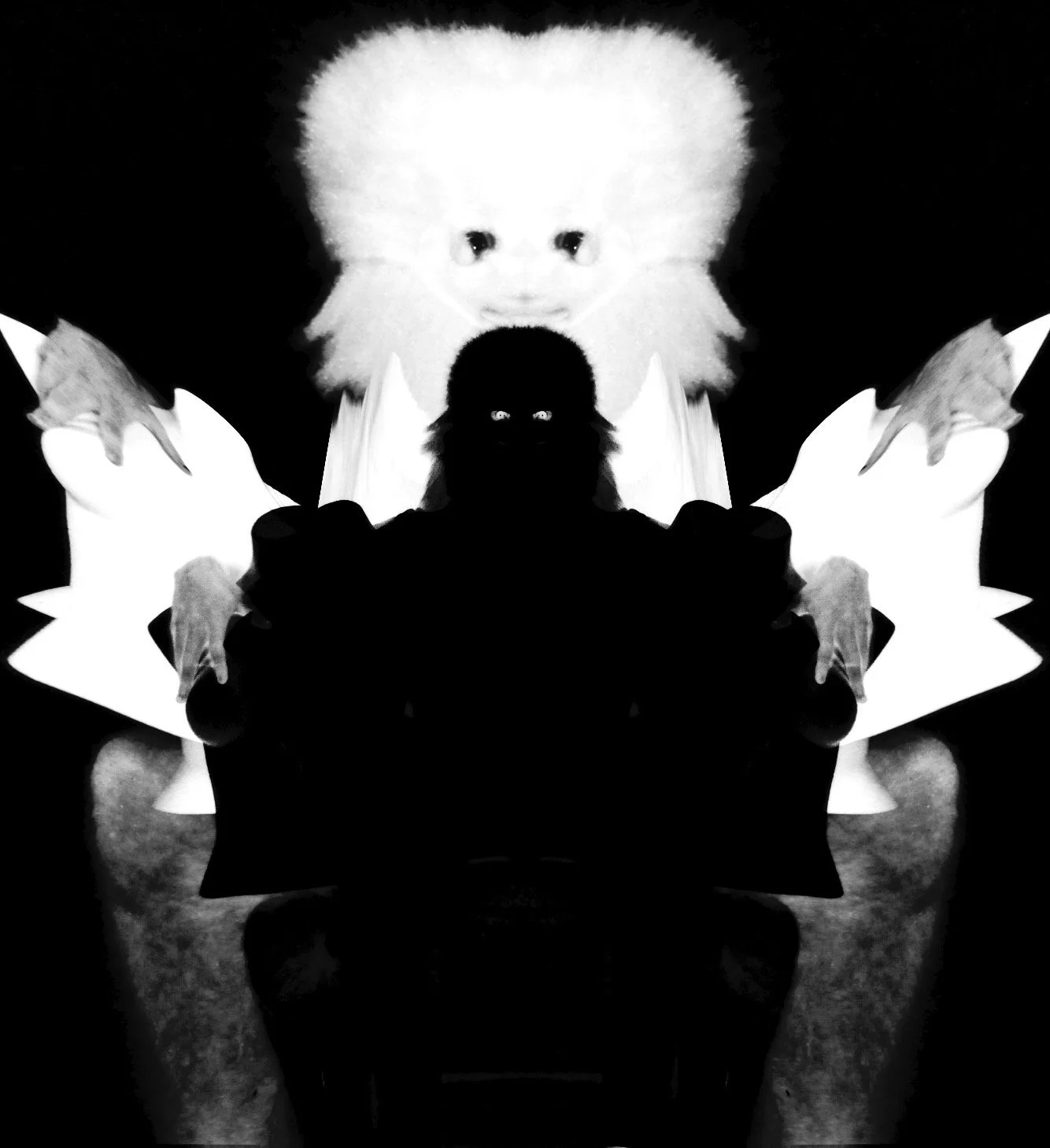
Dogman, archival print, 2020, USD 100, © Kristopher Dunn, Fort Wayne, Indiana
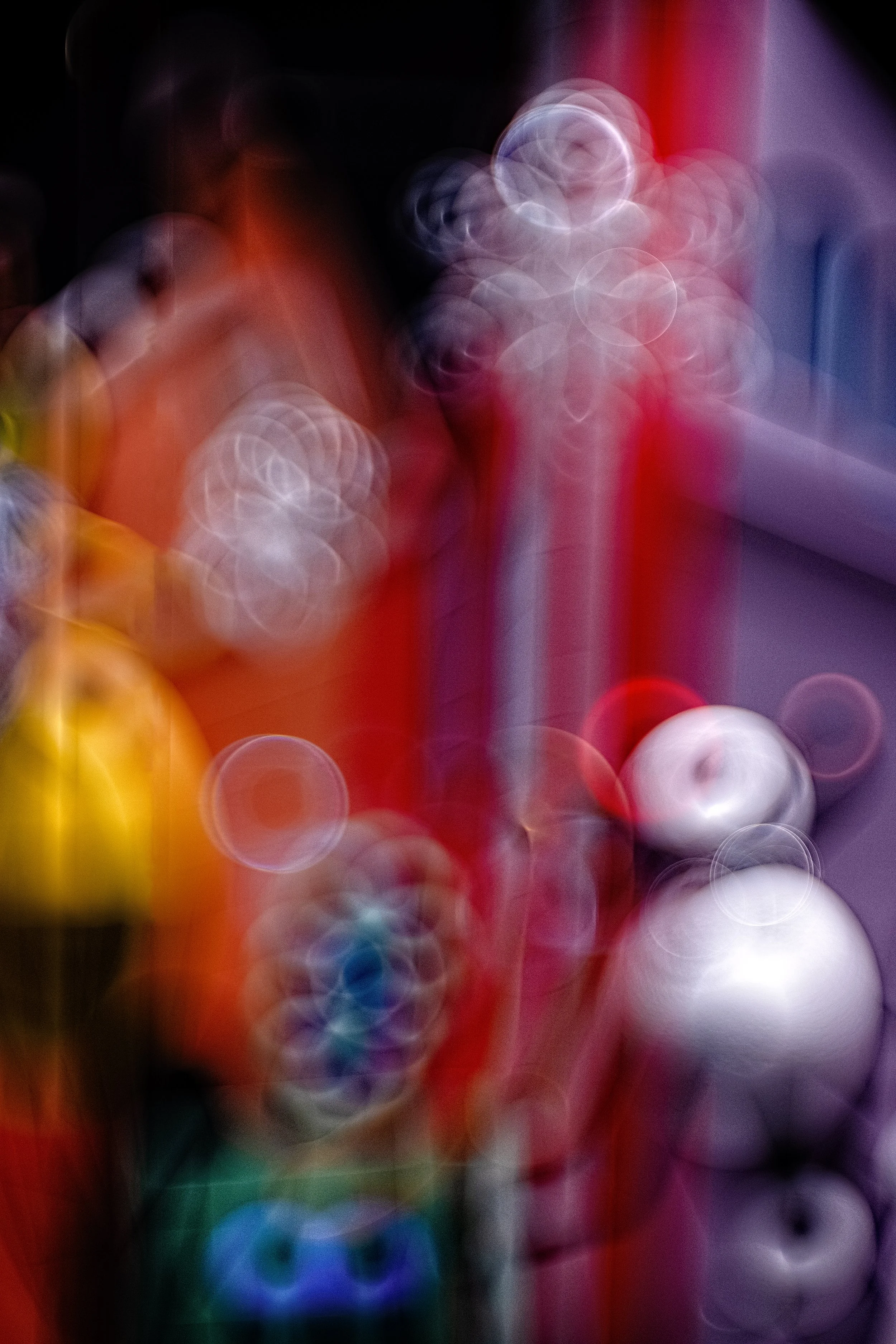
Carnival, archival print, 12 x 18 in, 2025, USD 950, © Eric Stein, Los Angeles, California
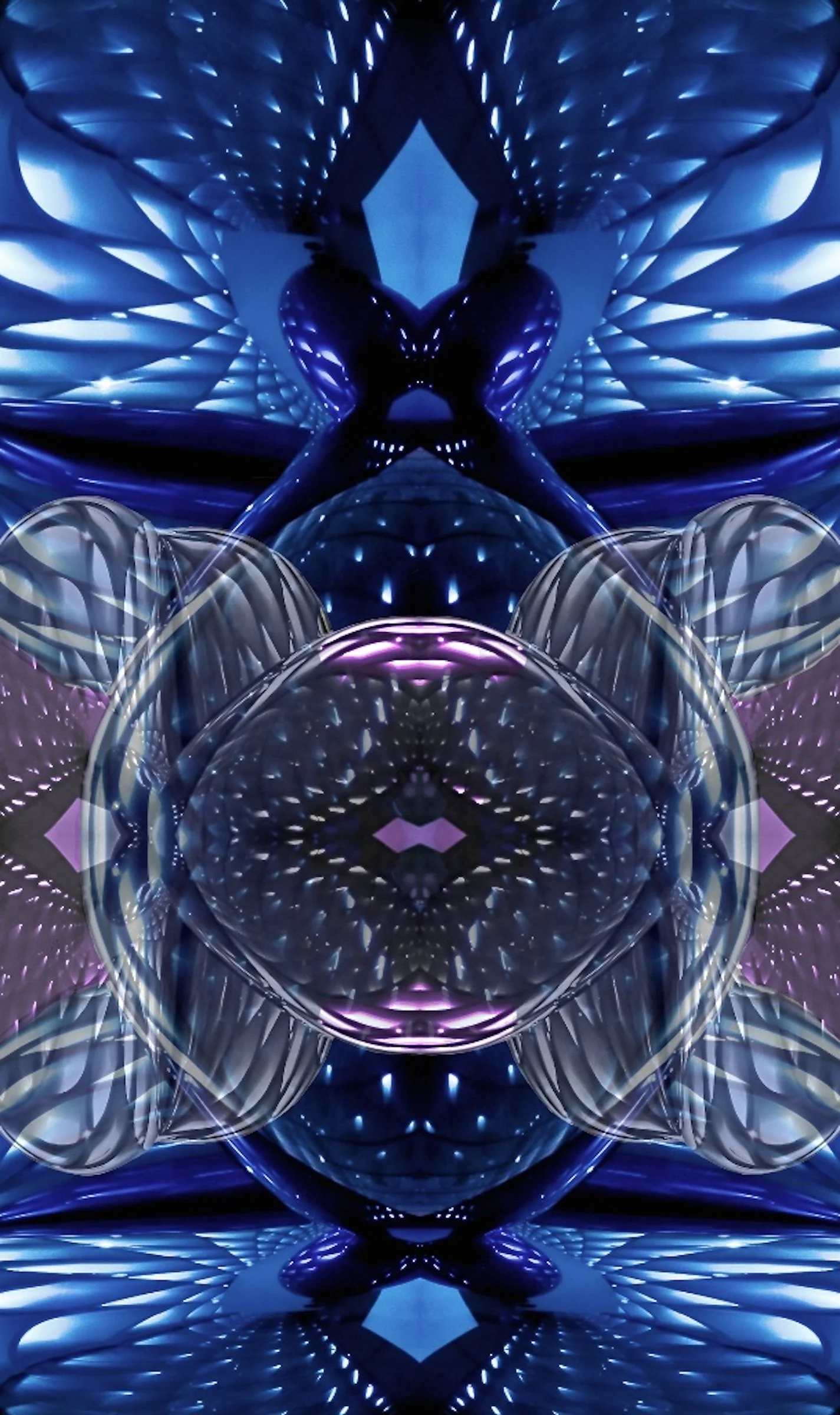
Ethereal Mind, photo transfer on metal, 33 x 19.5 in, 2024, USD 450, © Howard Kaplan, Chattanooga, Tennessee
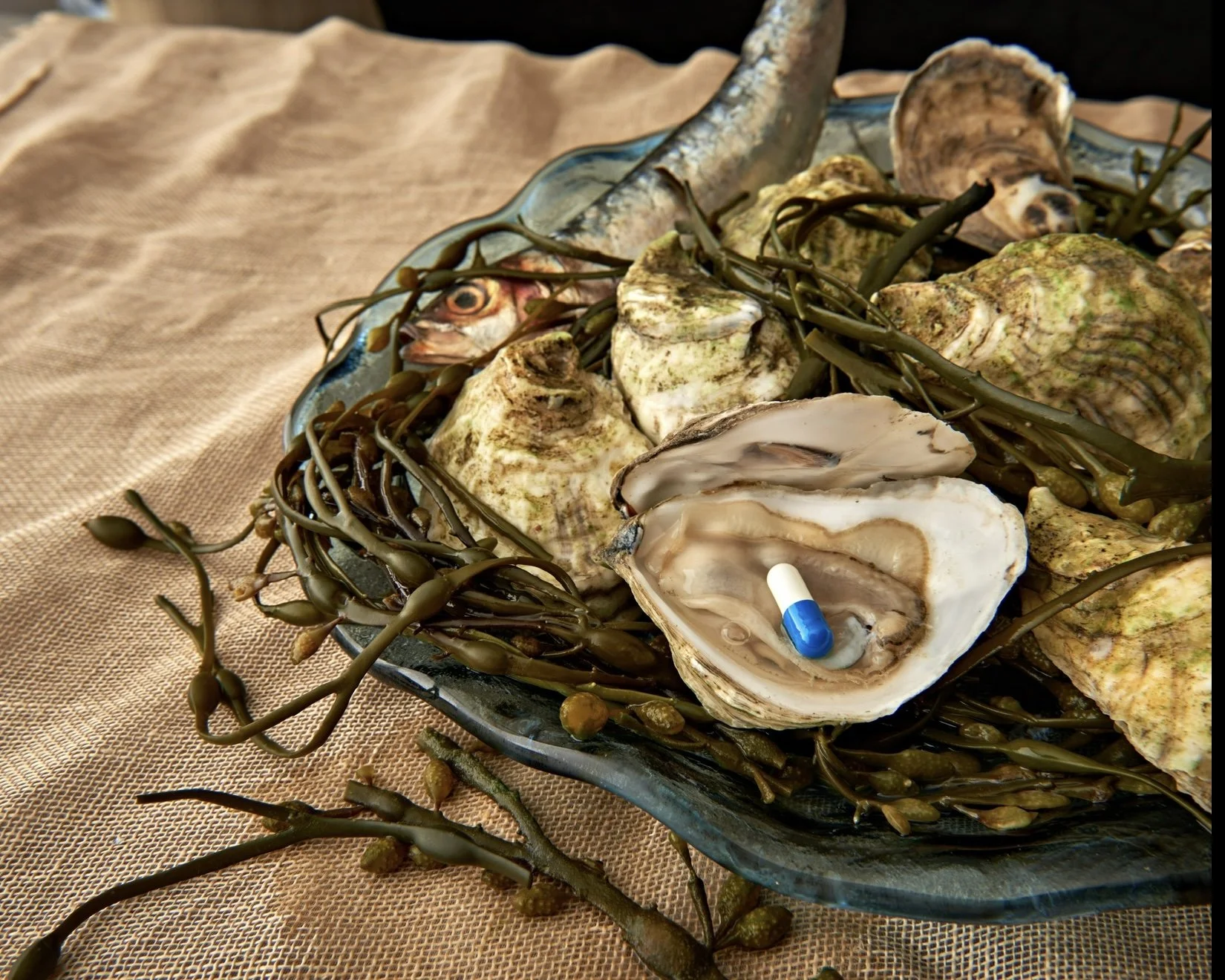
Bivalvium, photo transfer on metal, 16 x 20 in, 2016, USD 650, © Mark Shaw, New York, New York
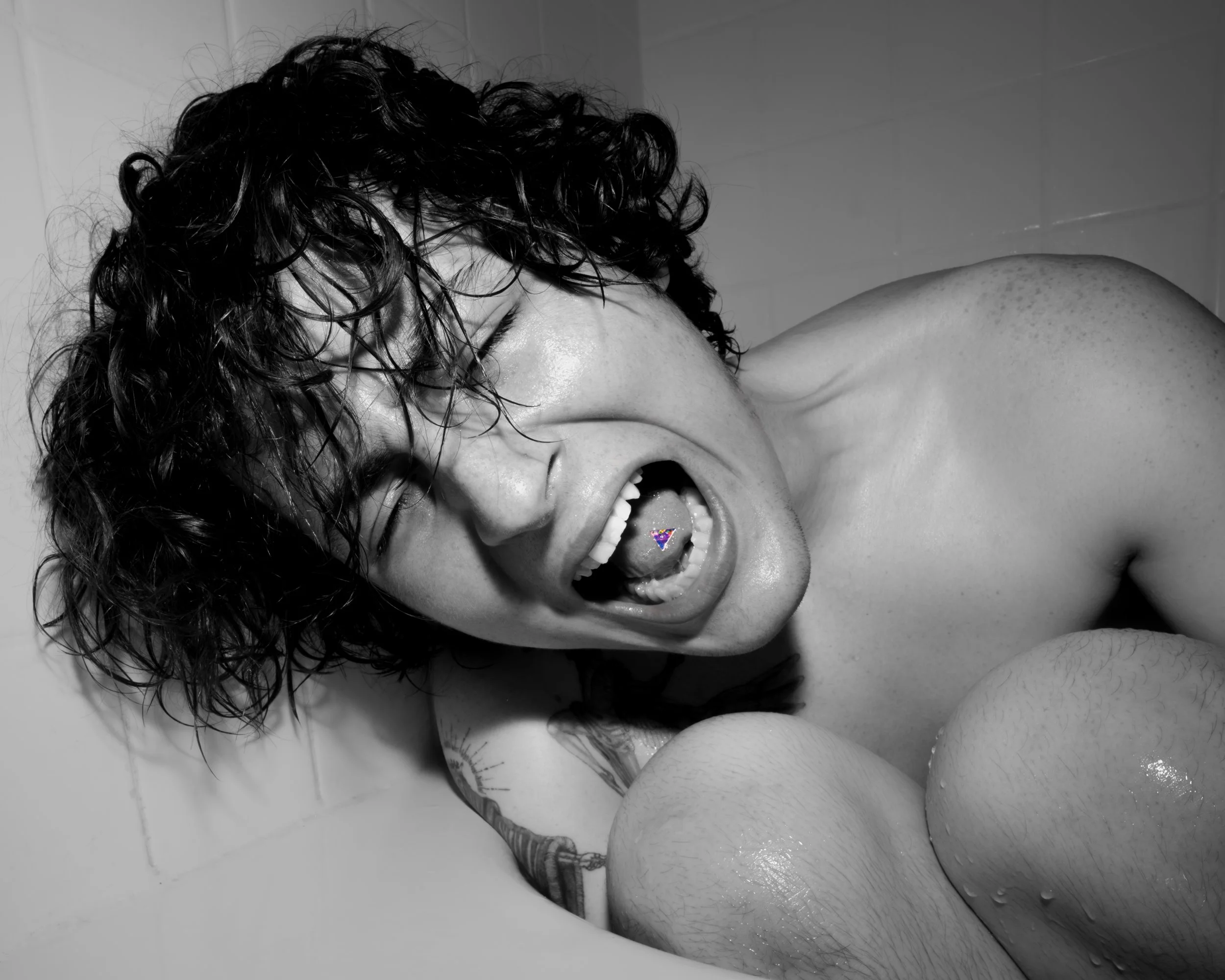
Entheogen No. 1, archival print, 3 x 4 in, 2025, USD 1200, © Gabriel Paiva, San Francisco, California
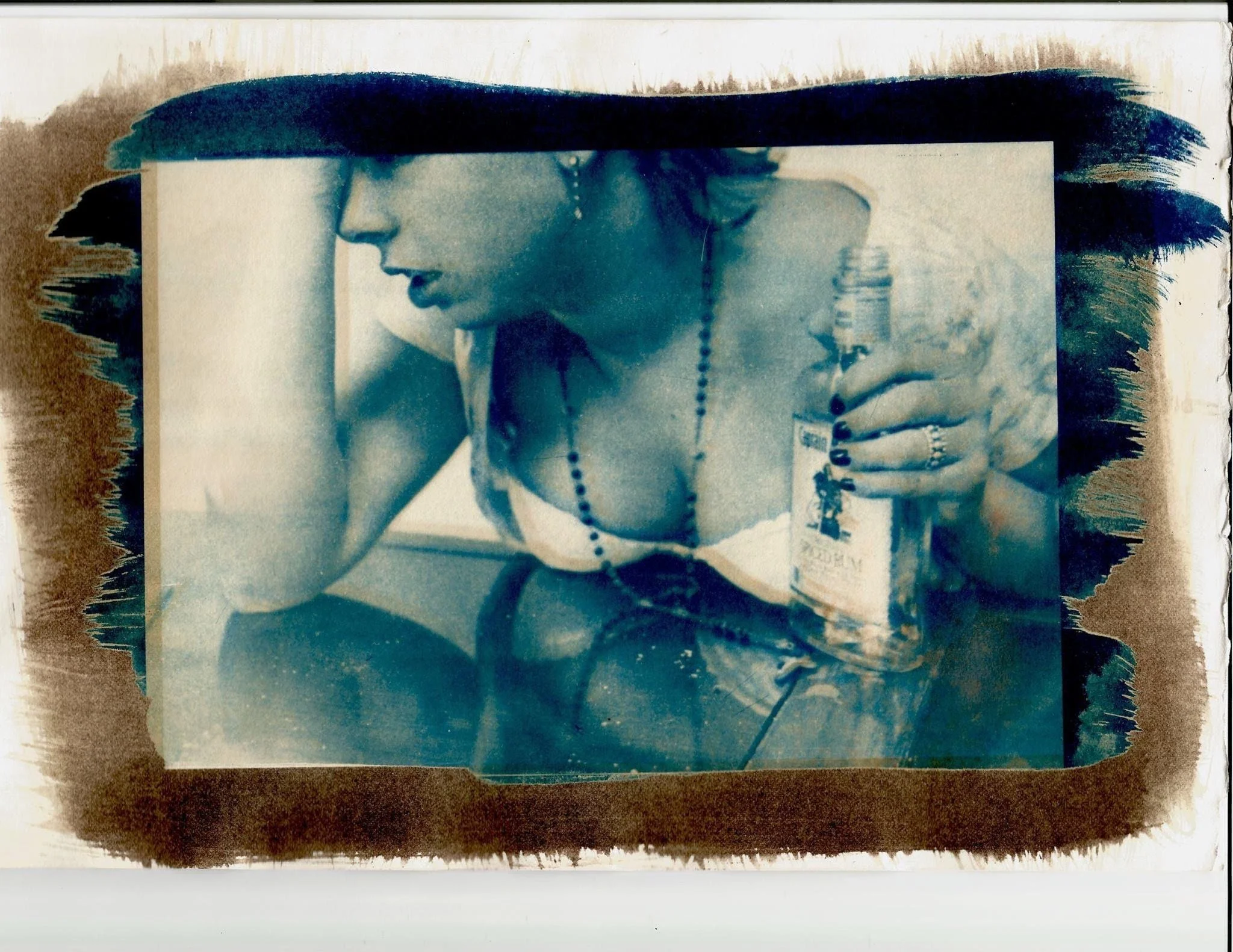
Delida's Afternoon Drink, van dyke print, 9 x 12 in, 2012, NFS, © Sara Sicona, Trumbull, Connecticut
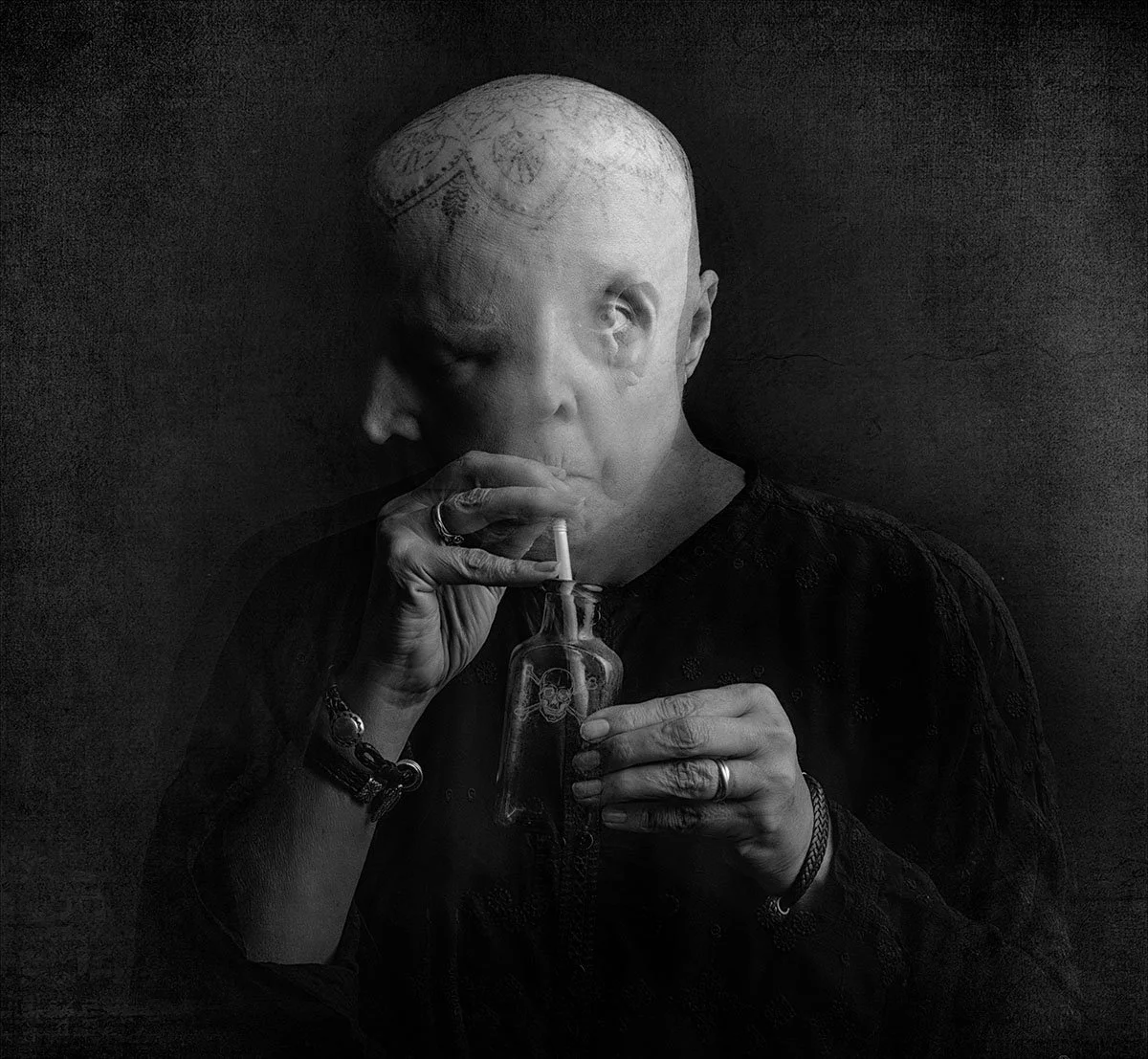
Poison, archival print, 14 x 15.25 in, 2017, USD 300 © Beamie Young, Dickerson, Maryland

I Don't Want to Lose My Sight, archival print, 8 x 8 in, 2024, USD 350, © Christine Ortiz, El Sobrante, California
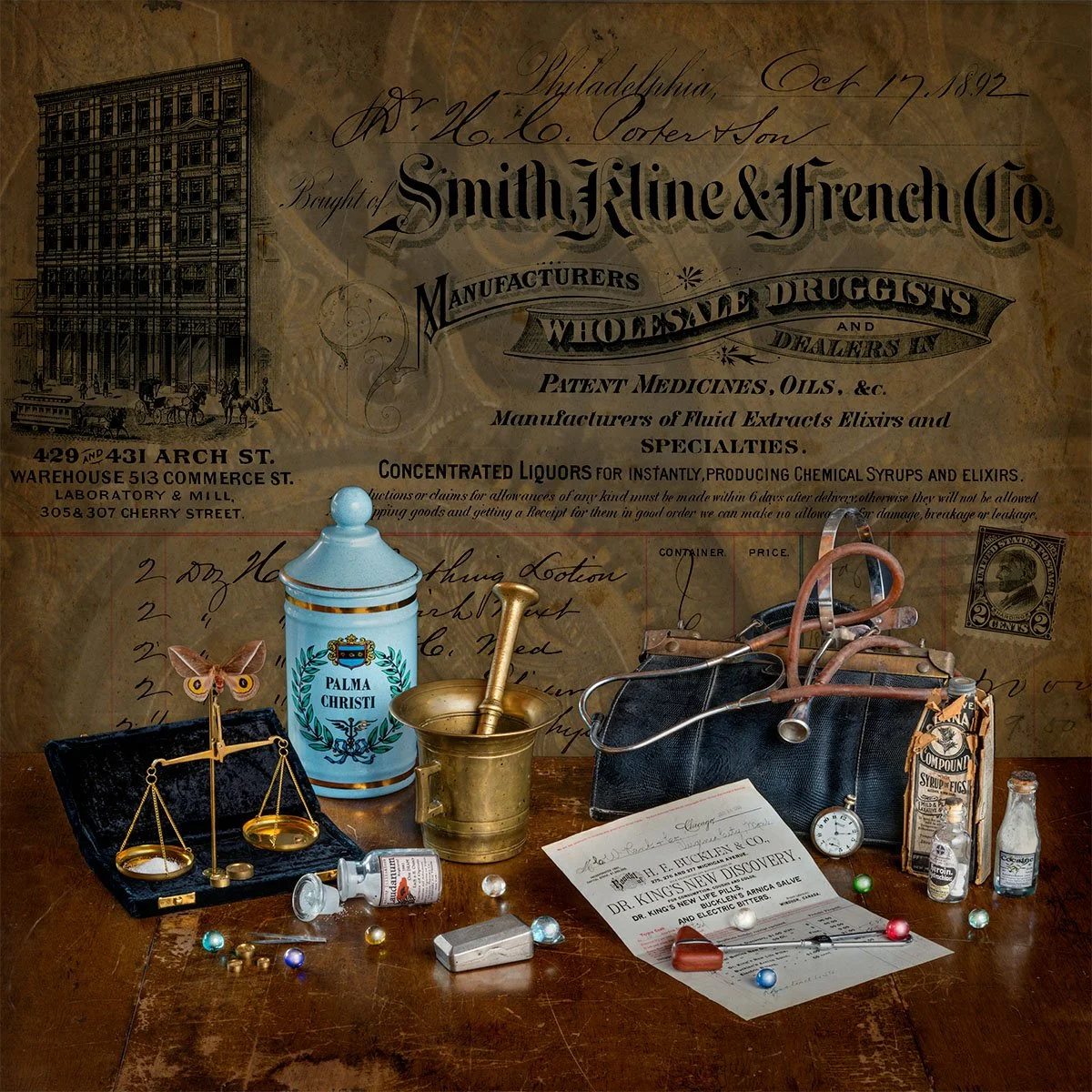
Electric Bitters, archival pigment print, 12 x 12 in, 2020, USD 300, © Beamie Young, Dickerson, Maryland
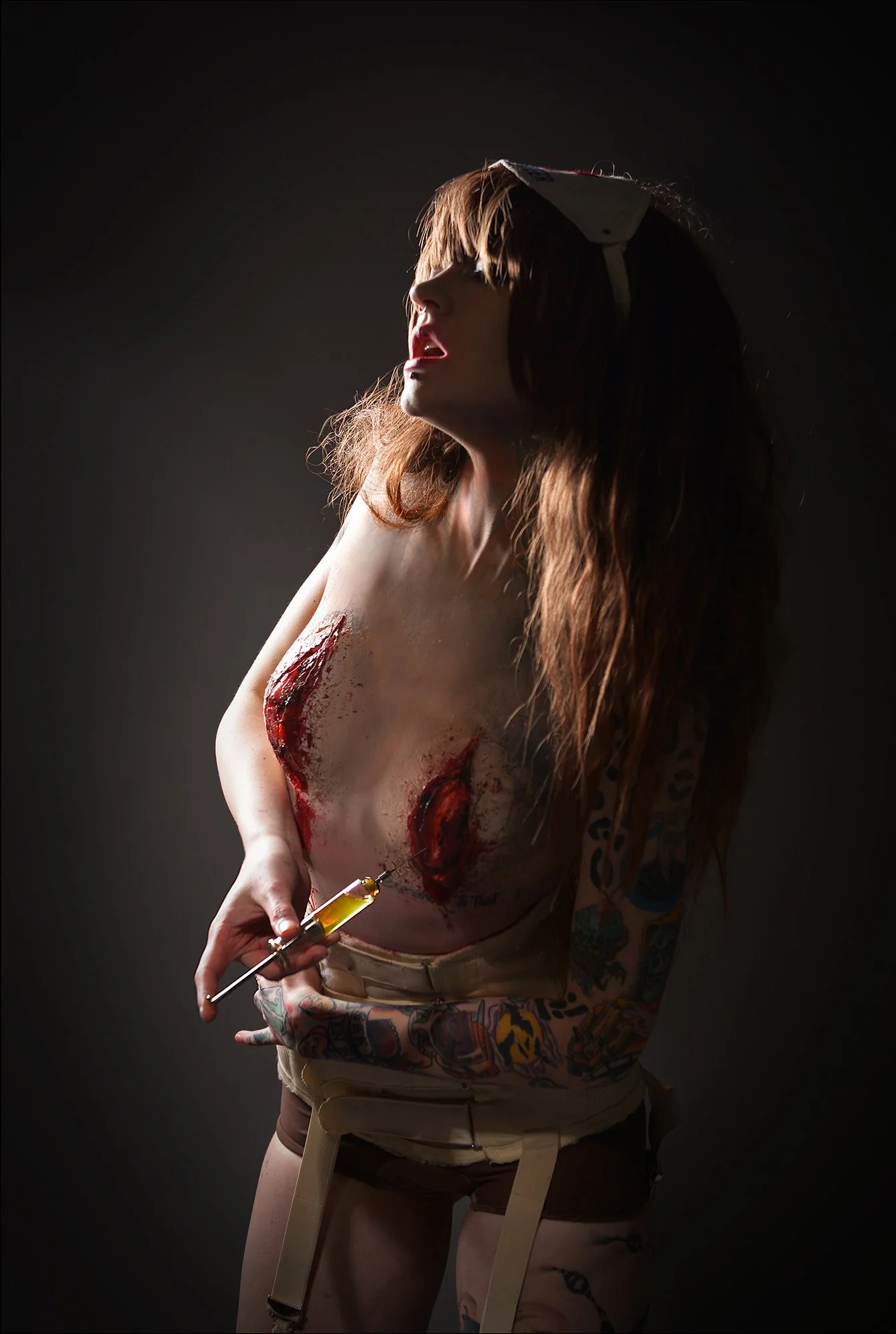
The Needle and the Damage Done, archival print, 16 x 24 in, 2015, USD 500, © John Prusak, Hartland, Wisconsin
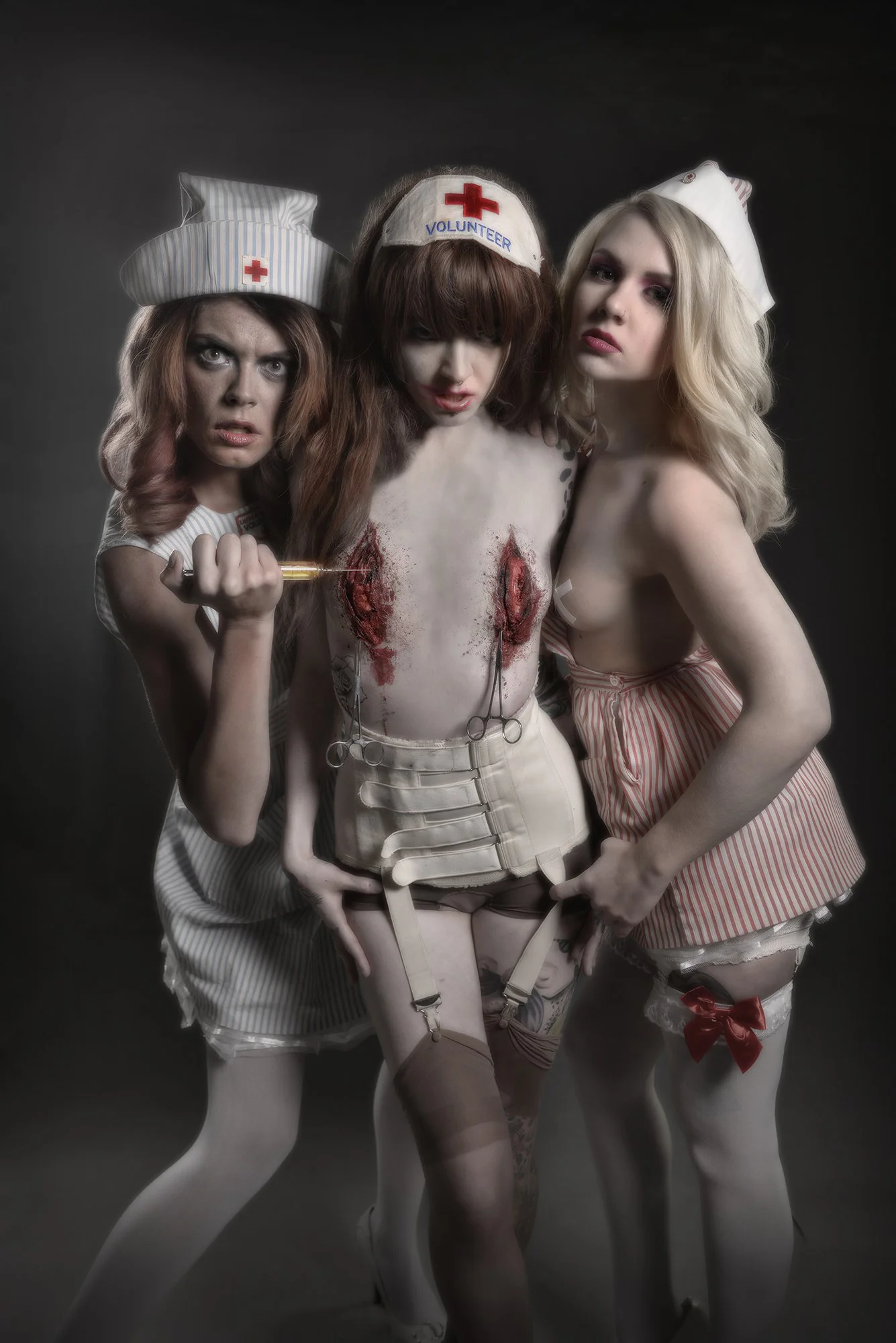
Never Volunteer, archival print, 16 x 24 in, 2015, USD 500, © John Prusak, Hartland, Wisconsin

Euphoria is a Lie Wrapped in Pills and a Crown, archival print, 36 in x 24 in, 2025, USD 350, © Caroline Bell, Grand Rapids, Michigan
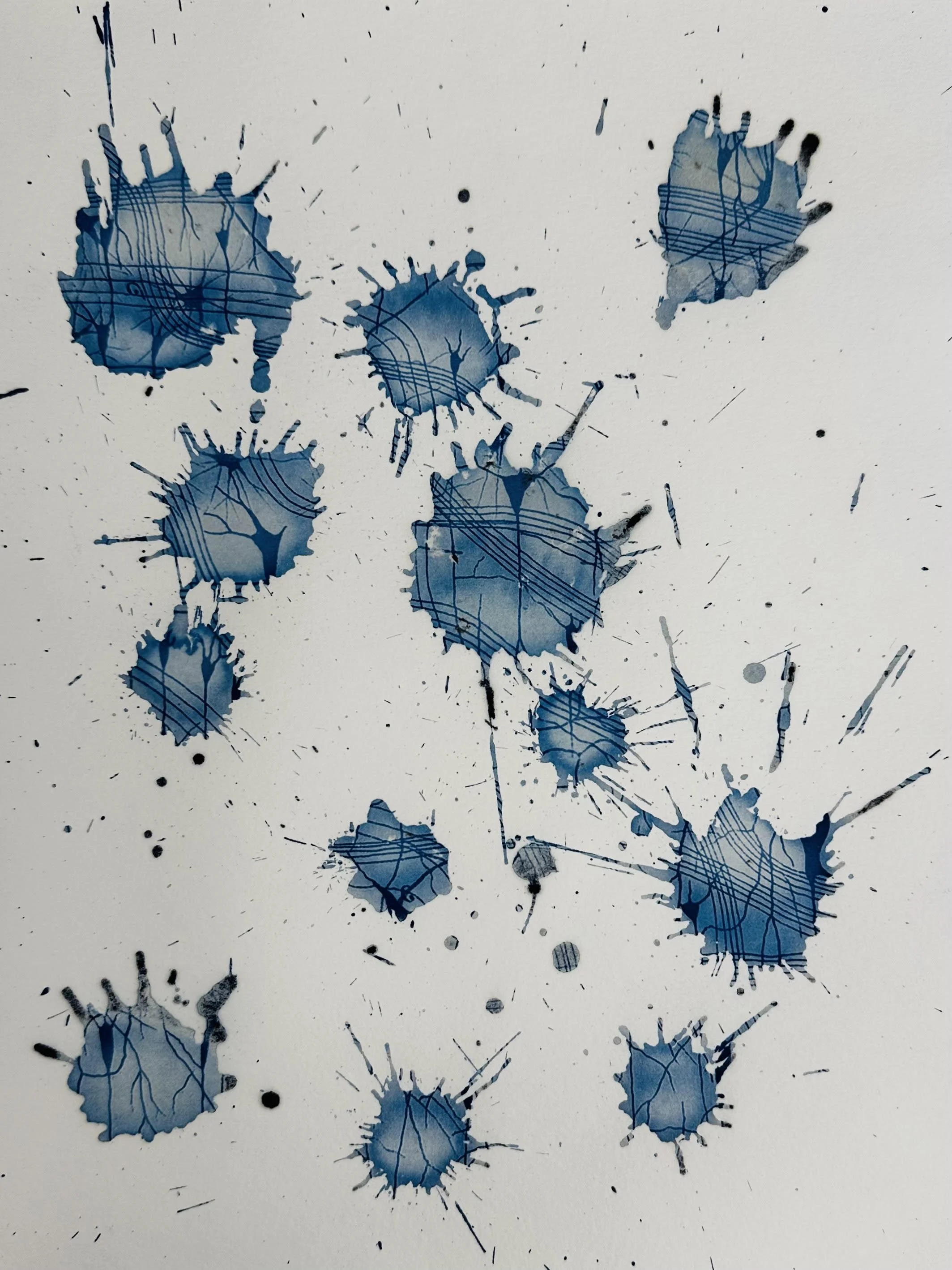
Dropping Neurons, cyanotype, 9 x 12 in, 2023, NFS, © Sara Sicona, Trumbull, Connecticut

Enter, archival print, 24 x 16 in, 2023, USD 420, © Alessandra Mureddu, London, United Kingdom

Happiness Meal, archival print, 40 x 40 cm, 2025, 600€, © Fabrizio Intonti, Rome, Italy
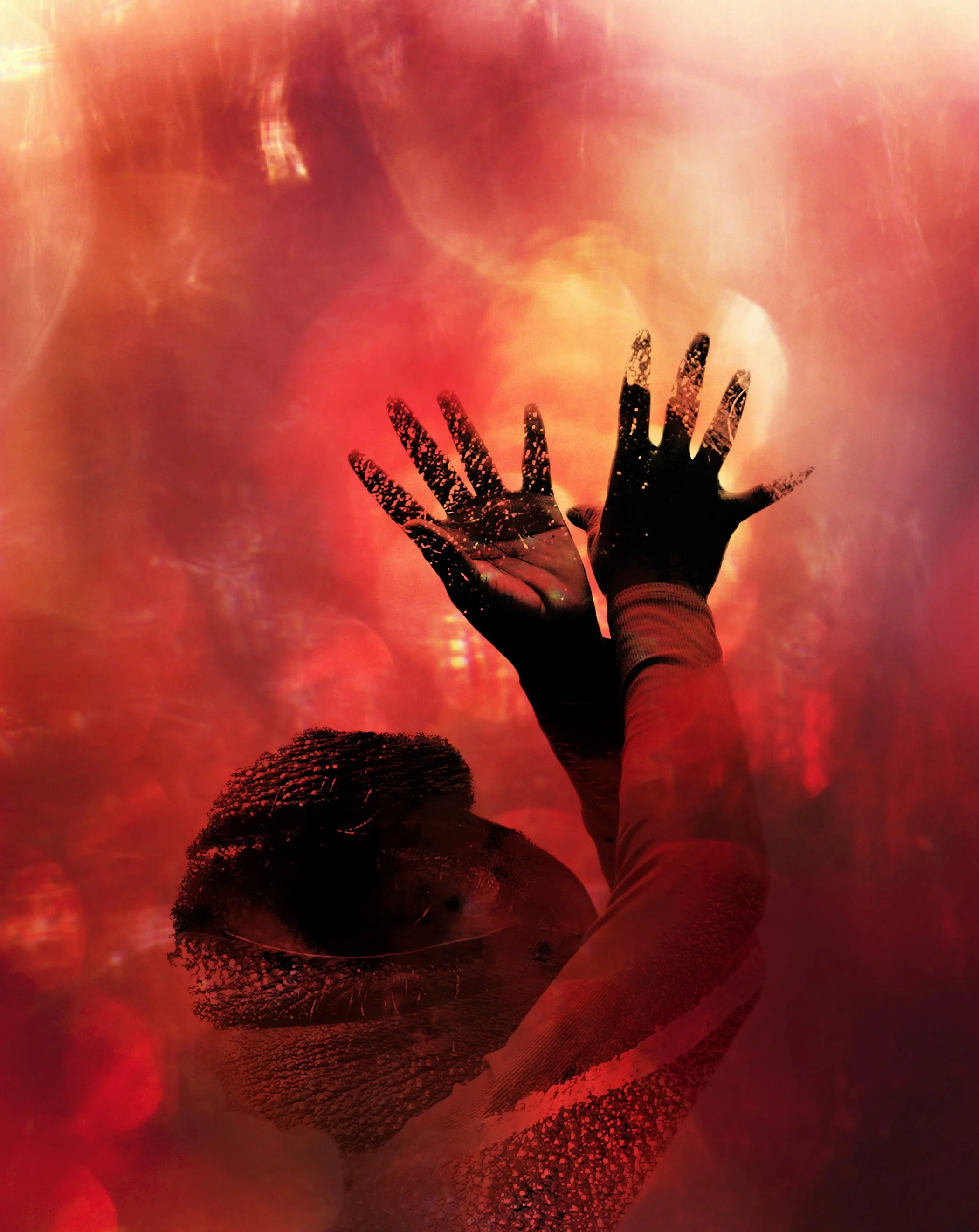
Going Under, photography on glass, 21 x 15 in, 2025, USD 500, © David Cohen, Delray Beach, Florida
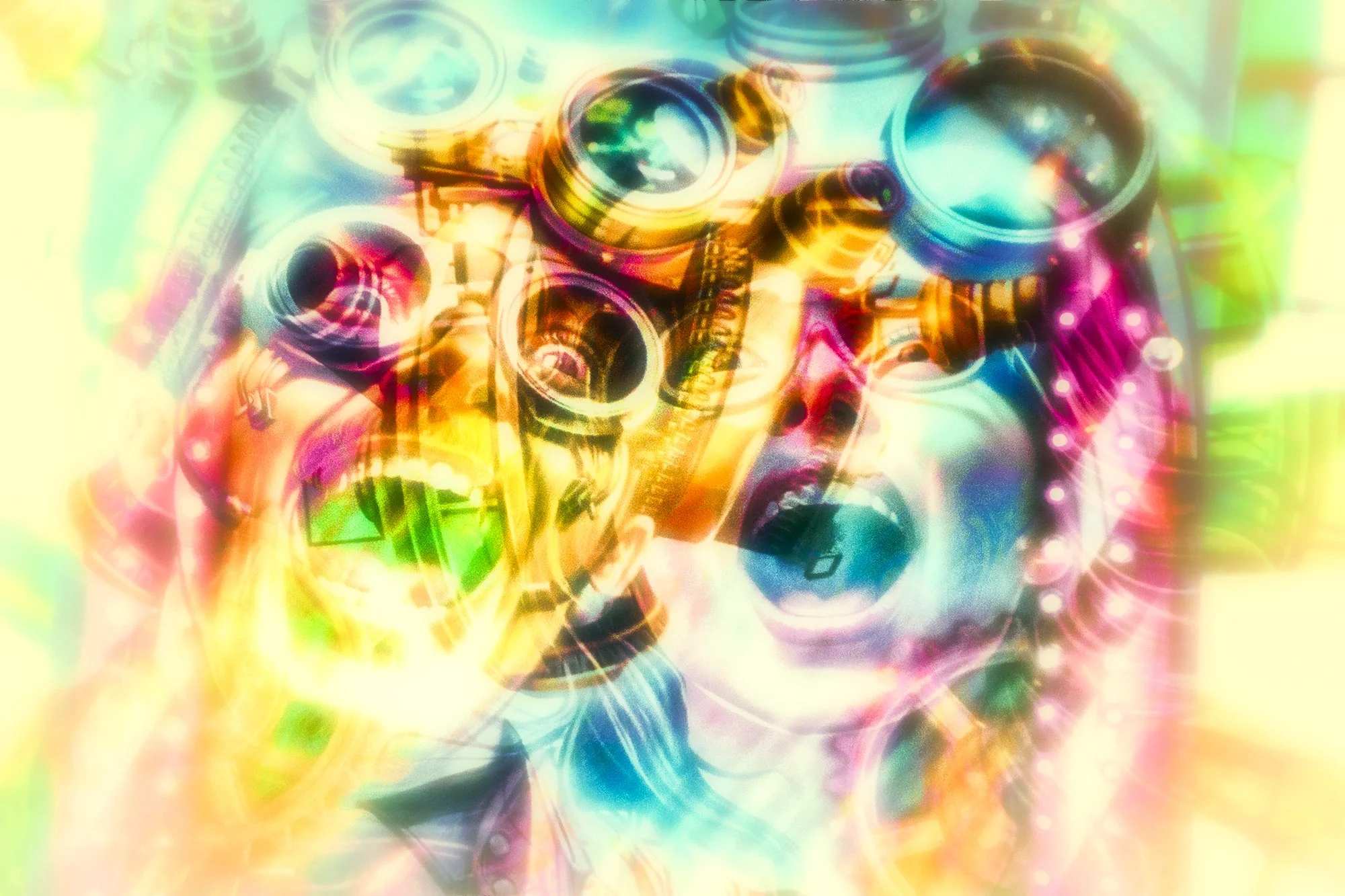
Enjoy the Ride, photo transfer on metal, 16 x 24 in, 2025, USD 950, © Kylo-Patrick Hart, Aledo, Texas
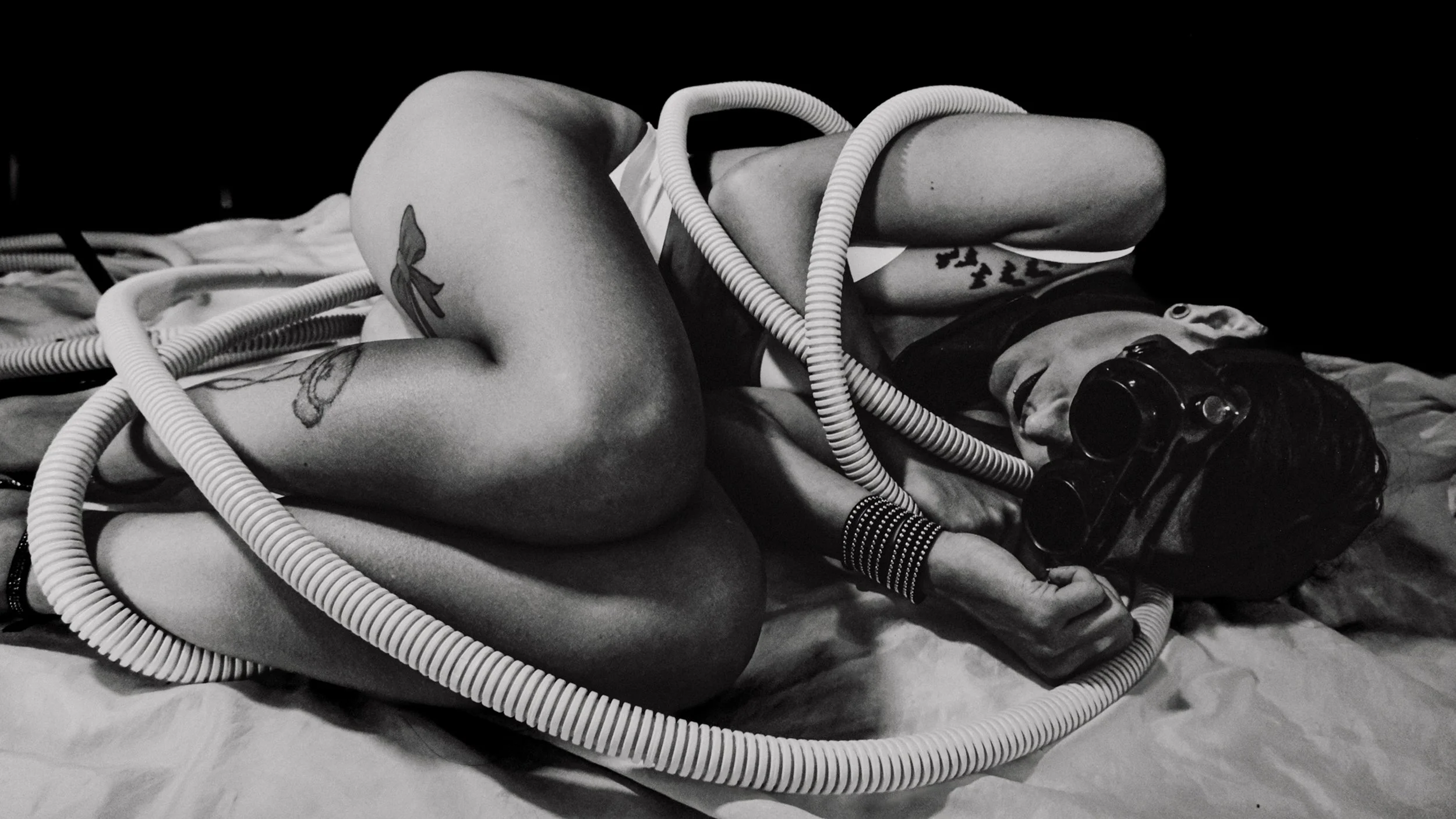
Embryo, archival canvas print, 60 x 35 cm, 2025, USD 400, © Svitlana Zinovieva, Plzeň, Czech Republic
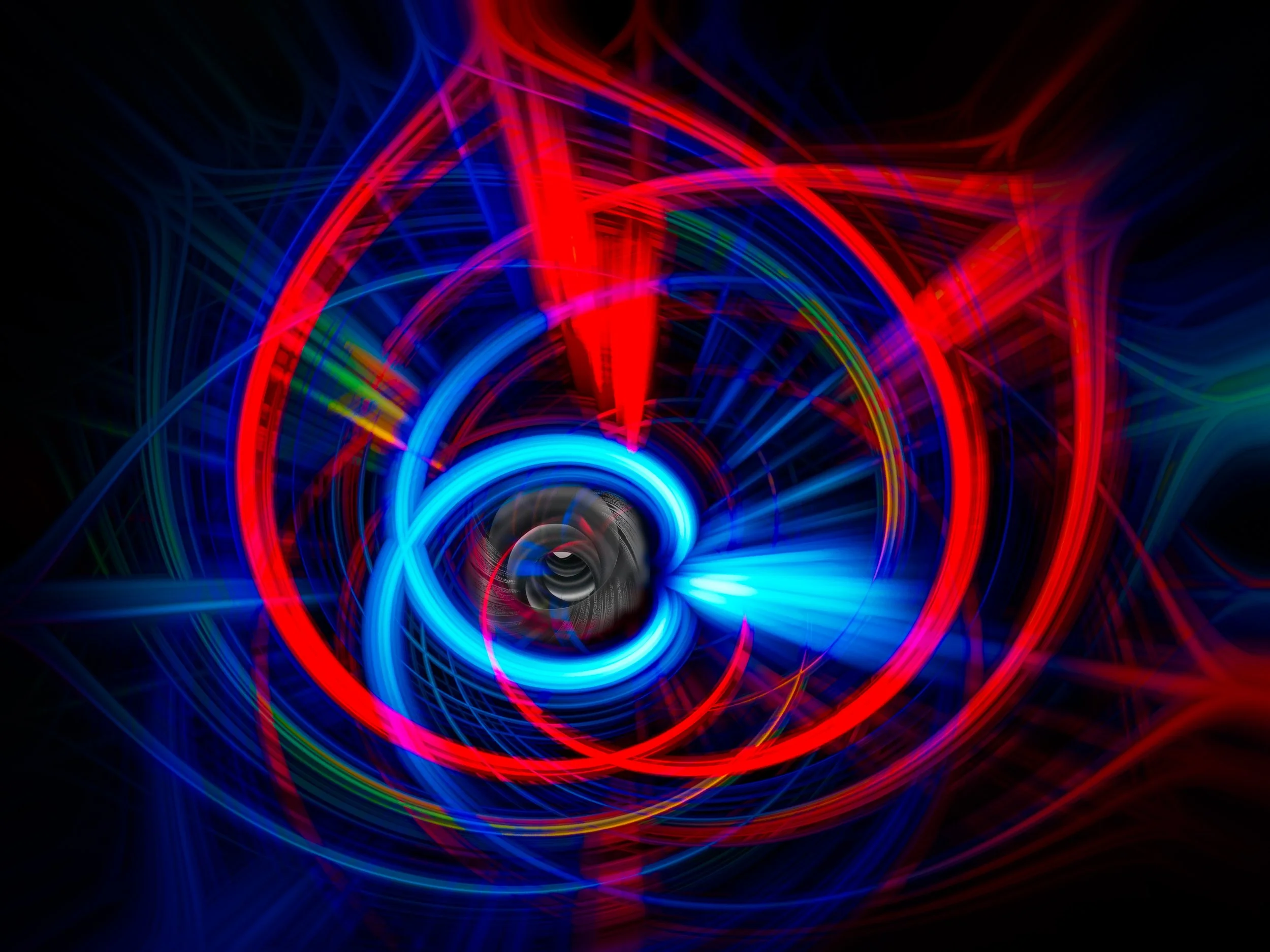
The Mind's Eye, archival print, 16 x 12 in, 2023, USD 500, © Anne Dignam, Delray Beach, Florida
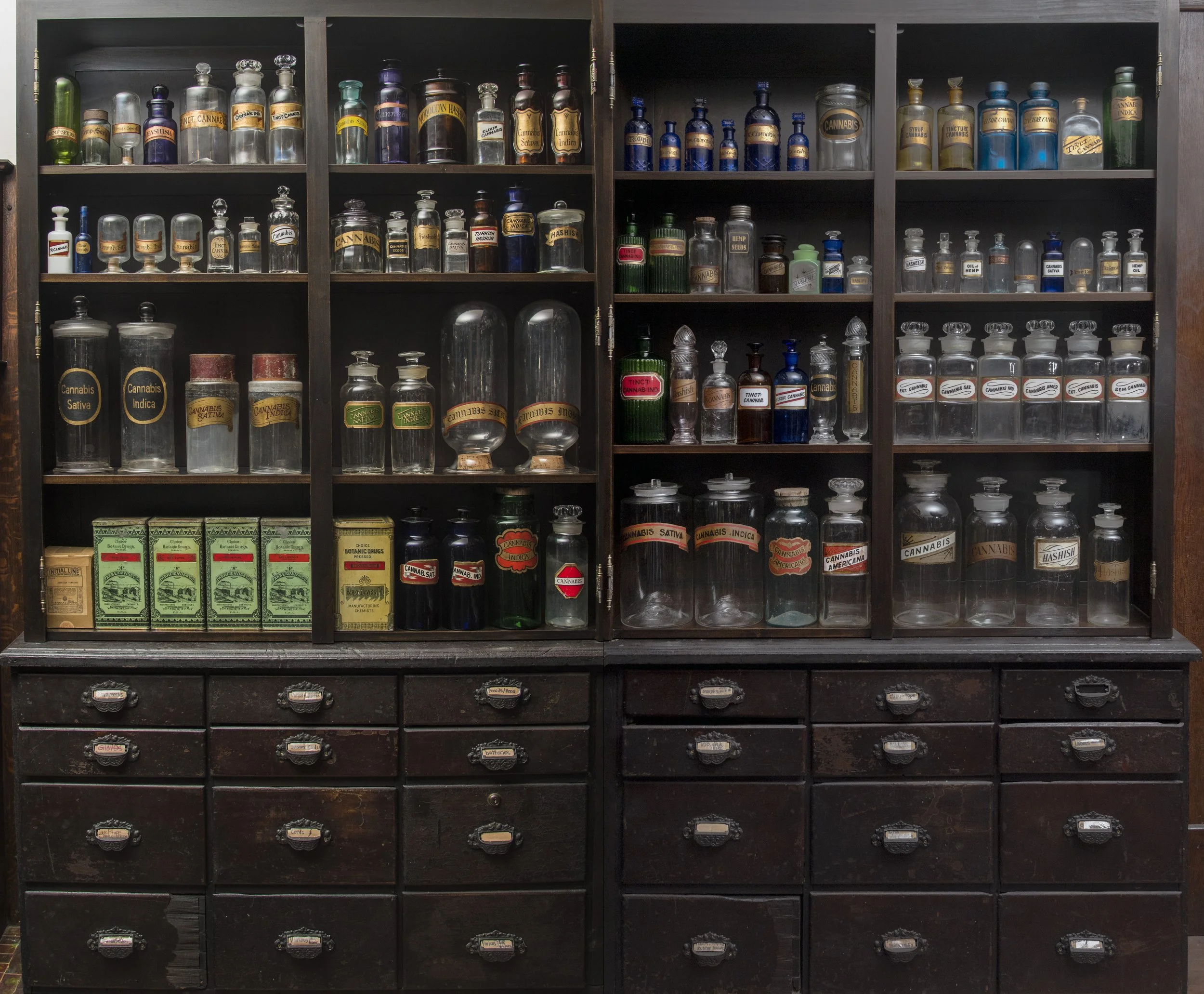
Apothecary Cannabis Medicines, vinyl banner, 81 x 98 in, 2017, NFS, © David Hooker, Columbus, Ohio
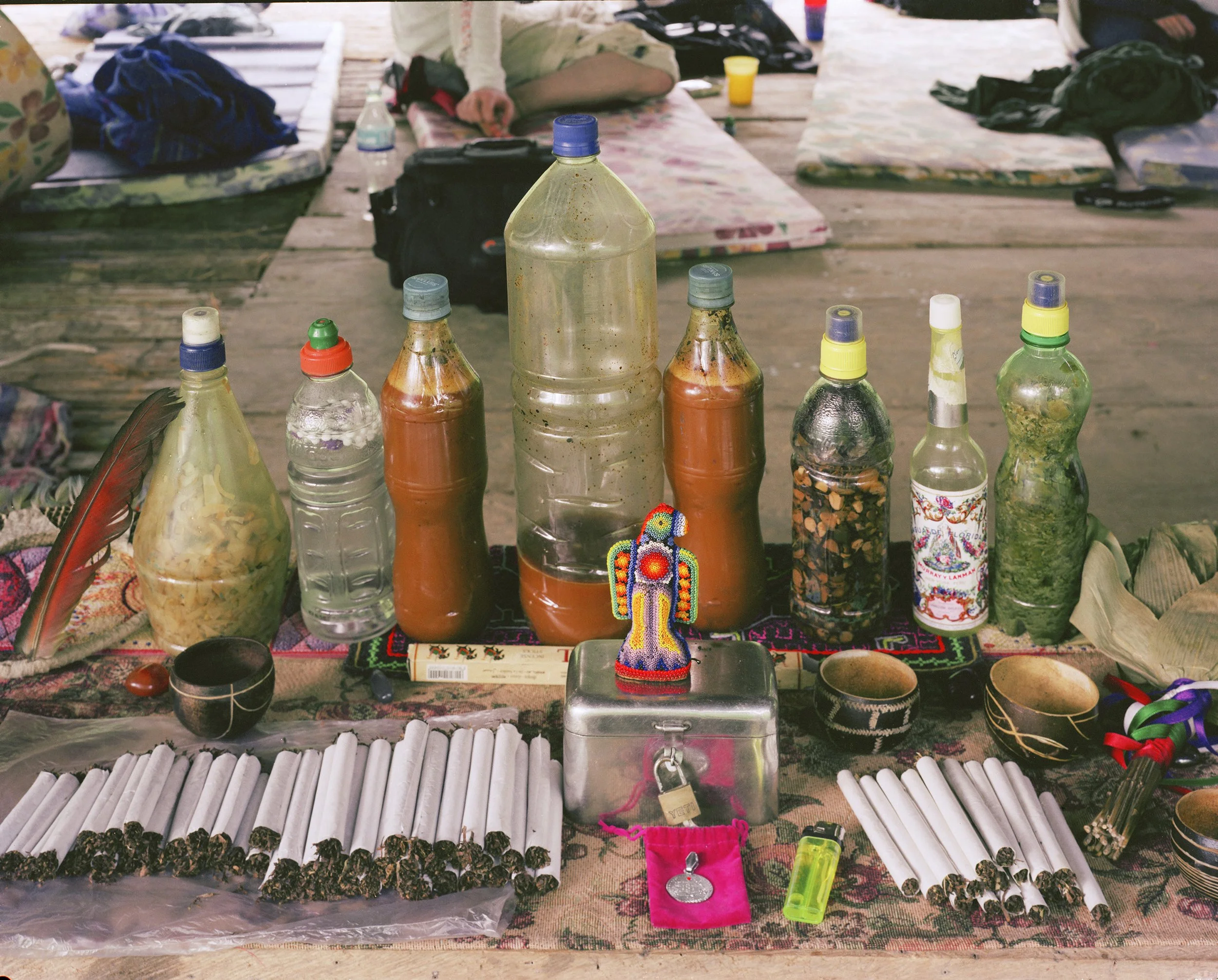
Percy's Ayahuasca Altar, archival print, 24 x 30 in, 2006, USD 1200, © Vance Gellert, Minneapolis, Minnesota
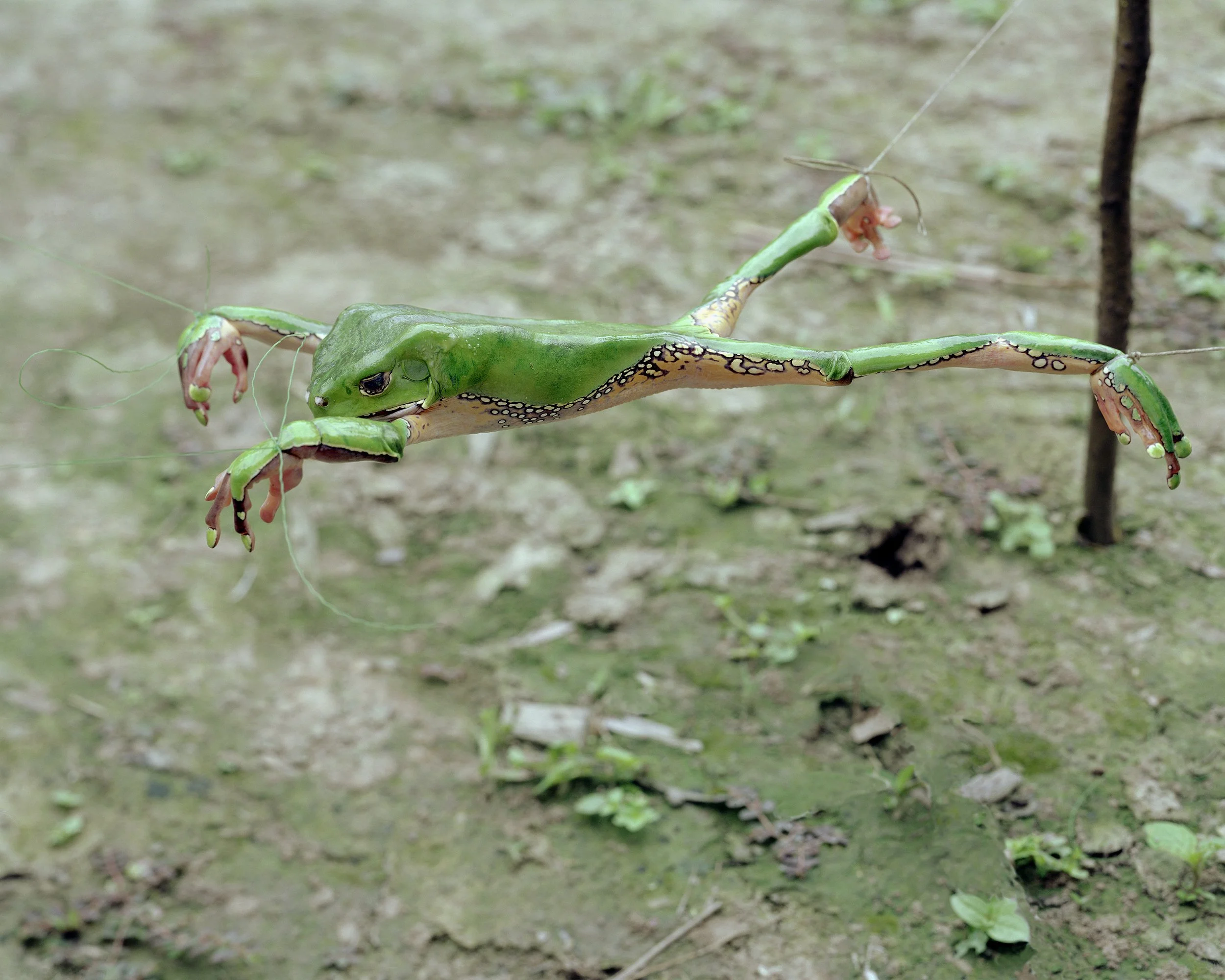
Frog Stressing to Produce Sapo, Archival print, 24 x 30 in, 2006, USD 1200, © Vance Gellert, Minneapolis, Minnesota

Blister pack, archival print, 20 x 26 in, 2014, USD 275, © David Moenkhaus, Chicago, Illinois

Fixings, archival print, 16 x 24 in, 2025, USD 425, © Ravneet Marwaha, Amherst, Massachusetts
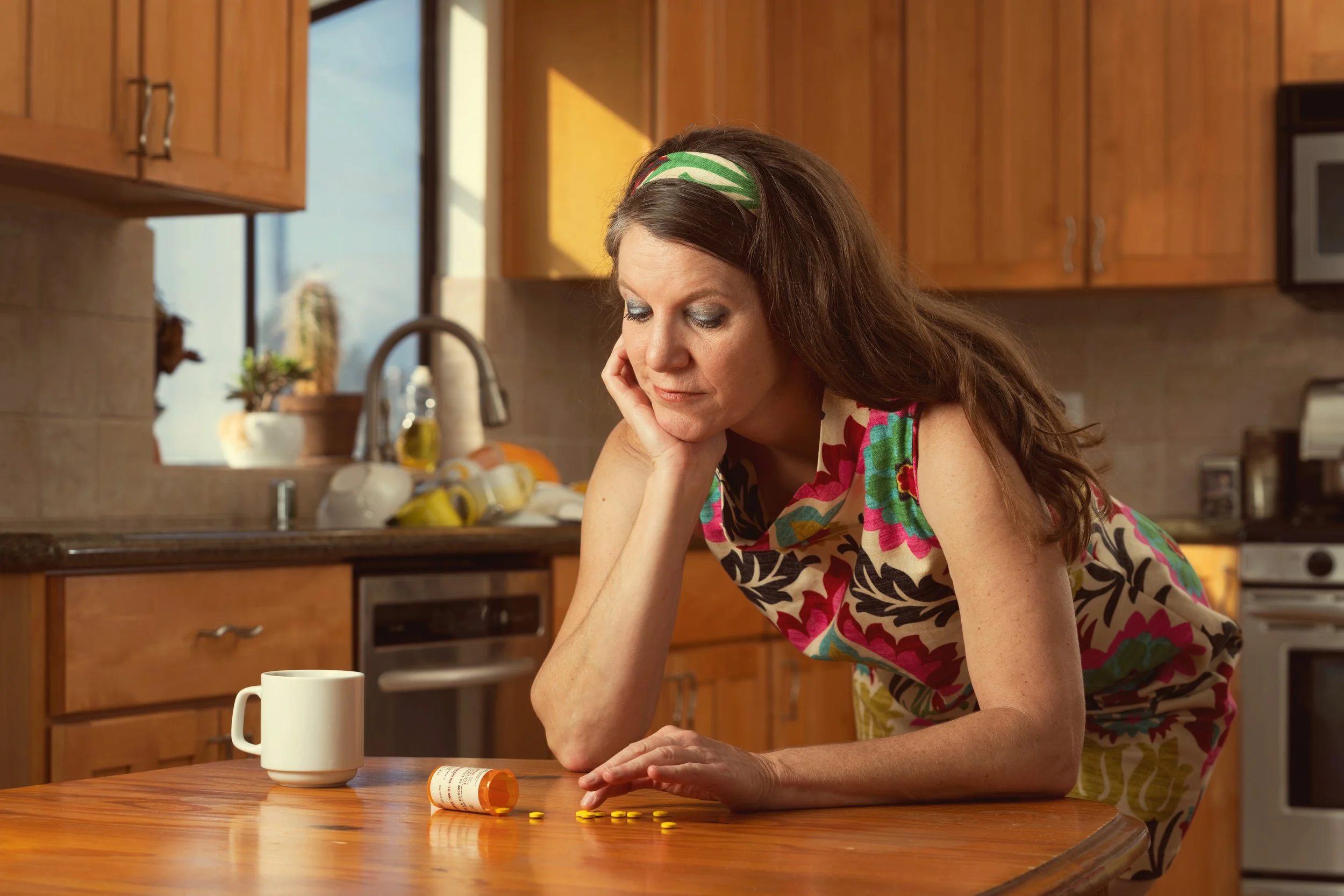
Escaping the Mundane, archival print, 18 x 12 in, 2020, USD 350, © Suzanne Steiner, Santa Monica, California
Sales and Artist Inquiries
Are you interested in making a purchase or connecting with one of the featured artists? Send us a message through our contact form, and we'll get back to you shortly.