

Spring (2023)
March 1–April 1, 2023
Spring considers renewal, emergence, and the return of warmth after winter. Drawing on seasonal cycles and the myth of Persephone and Demeter, these photographs explore growth, color, reunion, and the forms of life that surface when the world begins again.
Featured Artists
Alborz Kamalizad, Andrea Gluckman, Andrzej Wojciechowski, Ayaz Yıldız, Bankon Isarbodhi, Barbara Davidson, Chera DeHoff, Chloe Richardson, Christopher Rodriguez, Elizabeth Thomas, Erik Suchy, Gwendolyn Roth, Howard Pohl, Jean Phillips, Jill Sneidman, Joan Eckhardt, John Diephouse, Karen Bailey, Kelly O’Leary, Kim Perdue, Kimberly Flynn, Kylo-Patrick Hart, Laura Ally, Leanne Trivett, Léna Piani, Mark Weller, Markiyan Yaremchuk, Mehdi Babadi, Michael Corthell, Michael Powell, Nathan Wilkinson, Nazia Akram, Nick Sullivan, Pieter de Koninck, Roni Ben-Nun, Spencer Cunningham, Tarunima Sen, Thomas Brasch, Wright Schickli
Spring Is the Hardest Season to Photograph Well
Difficult subjects are usually difficult in obvious ways. Spring is difficult in a hidden one: everything in it is already agreeable, and agreeable material does most of the photographer's work while removing any reason for the picture to exist. The thirty-nine works here, credited between 1989 and 2023 by thirty-nine artists, are attempts to make something from a season that resists being made into anything, because it arrives pre-approved.
The Problem of Agreeable Subject Matter
Blossom, new leaves, young animals and long light are effective before a photographer touches them. The result is a genre in which competence is nearly indistinguishable from success, and where the commonest outcome is a picture that is pleasant and forgettable. The usual escape is to introduce something the season does not supply: an awkward frame, a human intrusion, an unflattering light, a subject caught at the ungainly stage between bud and leaf. Spring photography that holds attention almost always contains a refusal of some kind.
Persephone Is a Story About Return, Not Arrival
The myth this exhibition draws on is not a celebration. It concerns an abduction, a negotiated settlement and a permanent division of the year, and its point is that the return is conditional and temporary. That framing is more useful than it looks. A photograph of emergence implies the dormancy it followed, and pictures which make the previous season visible — last year's dead stems still standing among new growth, mud, meltwater, damage — carry more weight than those showing only what is new. Renewal is legible mainly against what it replaced.
Green Is Difficult
New foliage is among the more awkward subjects a camera encounters. Chlorophyll reflects strongly in a narrow visible band and heavily again in the near infrared, which sensors register and then have to be told to ignore; the result is a yellow-green that resists neutral rendering and shifts unpredictably between light sources. Fresh leaves are also translucent, so backlit foliage carries several stops more brightness than the same leaf in shade, and new growth in dappled sun exceeds the range of most exposures. Overcast conditions solve the range problem and flatten the colour; direct sun does the reverse. No single setting solves both.
Emergence Has a Short Window
Phenology is unforgiving: a given species flowers for a few days, and the interval between bare and full is often shorter than a week. Serious work in this genre therefore depends on the same discipline as any documentary project — returning to a known site repeatedly, accepting that most visits will produce nothing, and recognising the stage worth photographing when it appears. The oldest works in this catalog argue for that patience, since the same week photographed decades apart no longer falls on the same date.
Why the Theme Recurs
Seasonal briefs produce an unusually direct record of change, because the subject is scheduled and any shift in its timing shows up as a difference between one edition and the next. TCG Gallery is an independent online photography gallery, and each juried exhibition remains part of a permanent public archive after its run ends, so these catalogs accumulate into a longer record than any single project. Photographers can enter the current photography open calls directly.

Wildflowers, Archival photo print, 8 x 8 in, 2022, USD 200, Alborz Kamalizad, Seattle, Washington
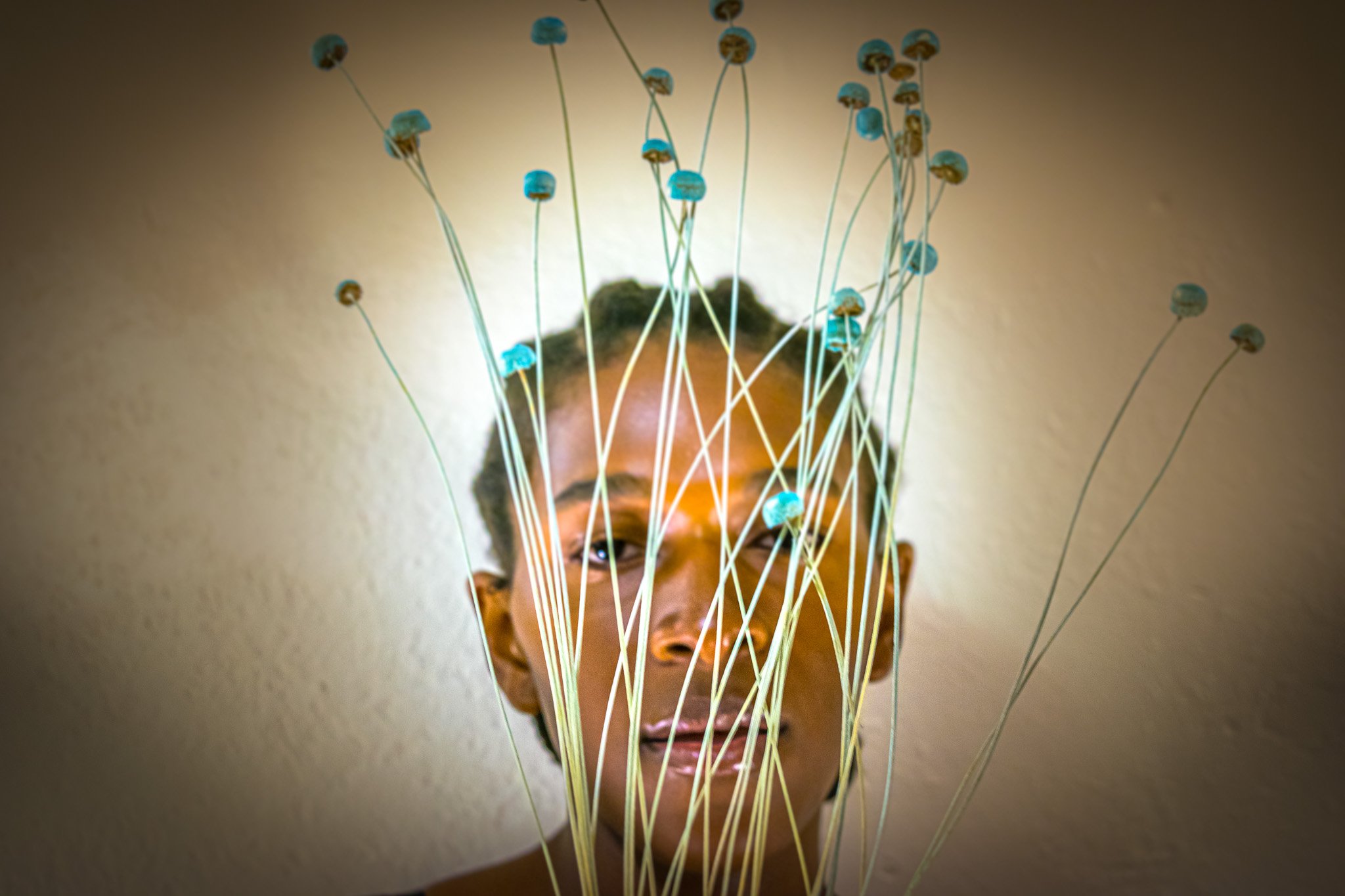
Budding, Archival photo print, Size on request, 2022, USD 200, Andrea Gluckman, Pittsford, New York

Life Force, Archival photo print, 60 x 60 cm, 2021, USD 400, Andrzej Wojciechowski, Warsaw, Poland

A Woman Giving Birth to Flowers II, Archival photo print, 35 x 45 cm, 2021, USD 500, Ayaz Yıldız, Istanbul, Turkey
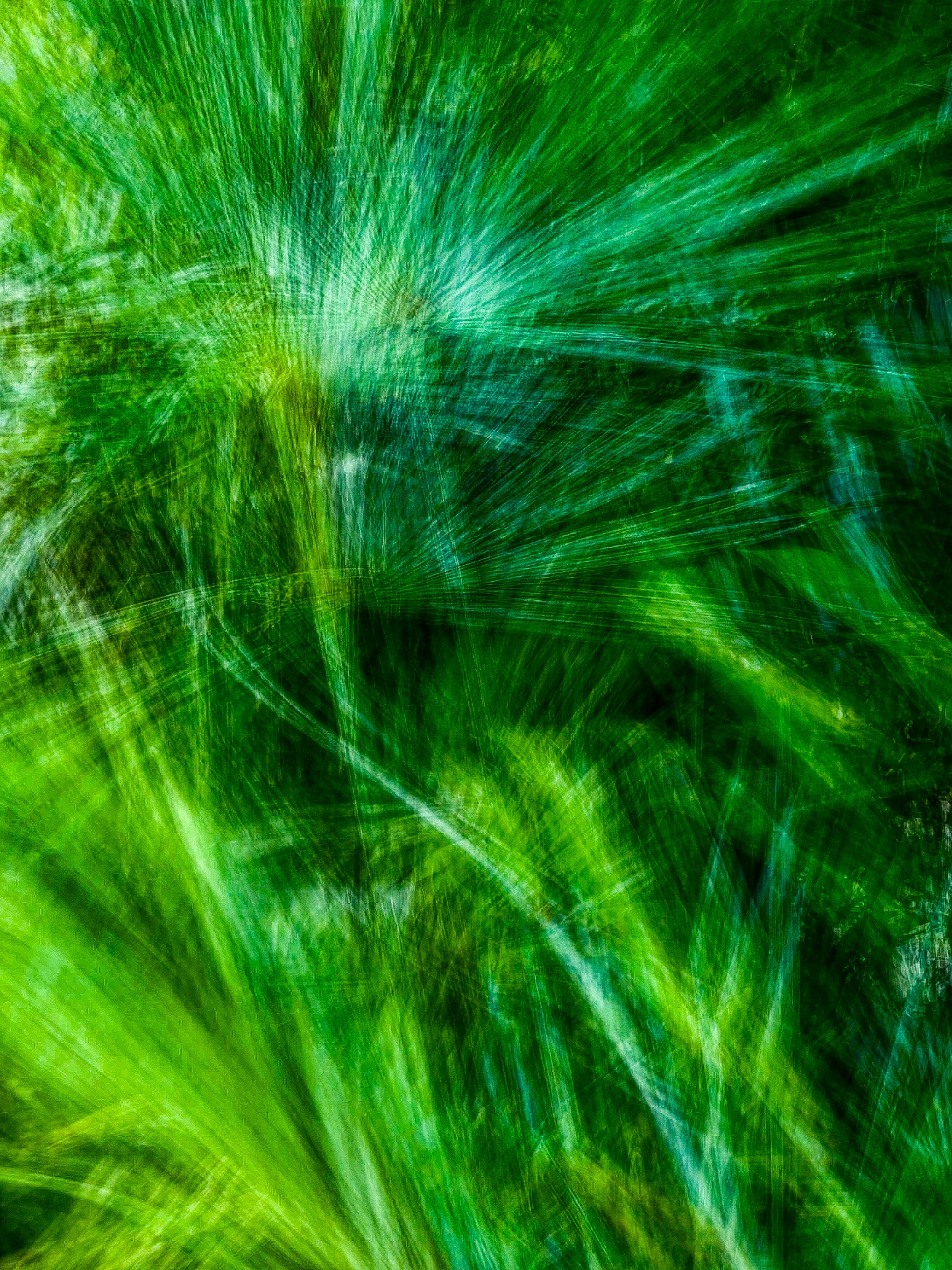
Explosion of Green, Archival photo print, 40 x 60 cm, 2023, USD 700, Bankon Isarbodhi, Grünwald, Germany

The Last Summer, Archival inkjet print, 12 x 16 in, 2022, USD 225, Barbara Davidson, Palo Alto, California

Innocent Endurance, Archival photo print, 20 x 30 in, 2022, USD 300, Chera DeHoff, Castleberry, Alabama

Bloom, Archival photo print, 13 x 19 in, 2022, USD 400, Chloe Richardson, Denver, Colorado

Magnifying Flowers Until Combustion, Archival pigment print, 48 x 60 in, 2020, NFS, Christopher Rodriguez, Dana Point, California

Queen Anne's Lace #4, Wet cyanotype on watercolor paper, 9 x 12 in, 2022, USD 600, Elizabeth Thomas, Davison, Michigan

Pretty in Pink, Archival photo print, 11 x 11 in, 2018, USD 250, Erik Suchy, St. Paul, Minnesota

Tanglewood, Archival photo print, 20 x 24 in, 2021, USD 400, Gwendolyn Roth, Canton, Michigan

New York Botanical Gardens, Archival photo print, 13 x 20 in, 1989, USD 300, Howard Pohl, Lindenhurst, New York
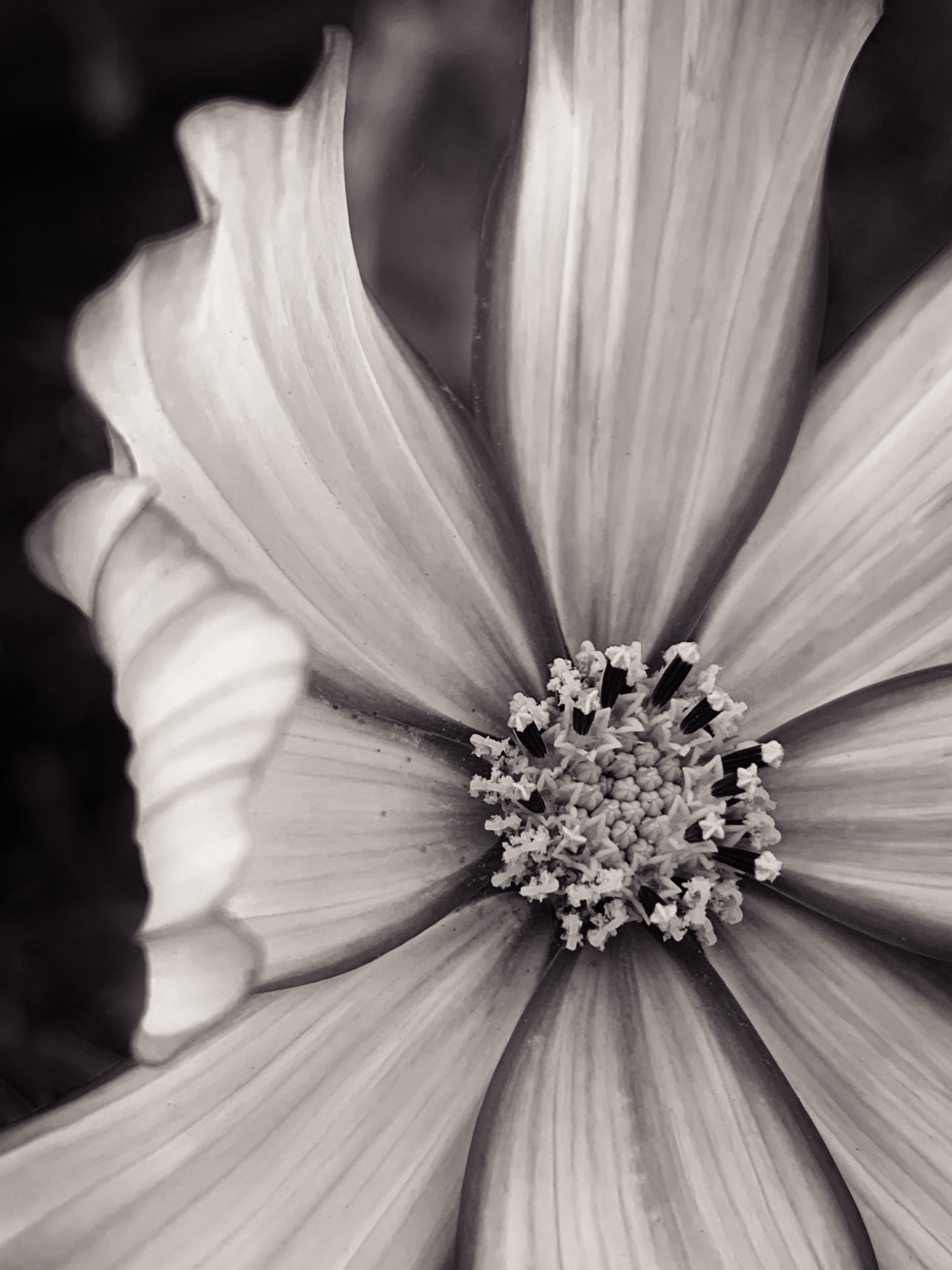
Cosmo in the Wind, Archival photo print, 3.75 x 5 in, 2022, USD 150, Jean Phillips, Santa Barbara, California

The Gardens at Powerscourt, Archival photo print, 30 x 45 in, 2022, USD 1500, Jill Sneidman, Coral Springs, Florida

Spring in a Southern Garden, Archival Photo Print, 9 x 14 in, 2022, USD 275, Joan Eckhardt, Okatie, South Carolina

Melange, Archival photo print, 16 x 20 in, 2022, USD 450, John Diephouse, Lansing, Michigan

Urban Springtime, Archival photo print, 12 x 18 in, 2019, USD 400, Karen Bailey, Philadelphia, Pennsylvania

Tendril, Archival Pigment Print, 12 x 18 in, 2022, USD 325, Kelly O'Leary, Port Orange, Florida

Fern Frond, Archival photo print, 8.5 x 11 in, 2022, USD 150, Kim Perdue, Decatur, Georgia

Brigham Hill Road, Archival photo print, 8 x 12 in, 2016, USD 250, Kimberly Flynn, Savannah, Georgia

Pinwheels, Photo transfer on metal, 24 x 16 in, 2023, USD 650, Kylo-Patrick Hart, Aledo, Texas

Rebirth, Archival photo print, 12 x 12 in, 2021, USD 75, Laura Ally, Schenectady, New York

The Valley's Breath, Archival photo print, Size on request, 2022, USD 500, Leanne Trivett, Johnson City, Tennessee

Chardons Ardents, Archival photo print, 11 x 15 in, 2022, USD 300, Léna Piani, Ajaccio, France

Early Bird, Archival photo print, 13 x 20 in, 2021, USD 250, Mark Weller, Waunakee, Wisconsin

Soft and Martial, C-Type print on linen paper, 30 x 42 cm, 2022, USD 350, Markiyan Yaremchuk, Kyiv, Ukraine

Flow Valve, Archival photo print, 50 x 70 cm, 2022, NFS, Mehdi Babadi, Shahin Shahr, Iran
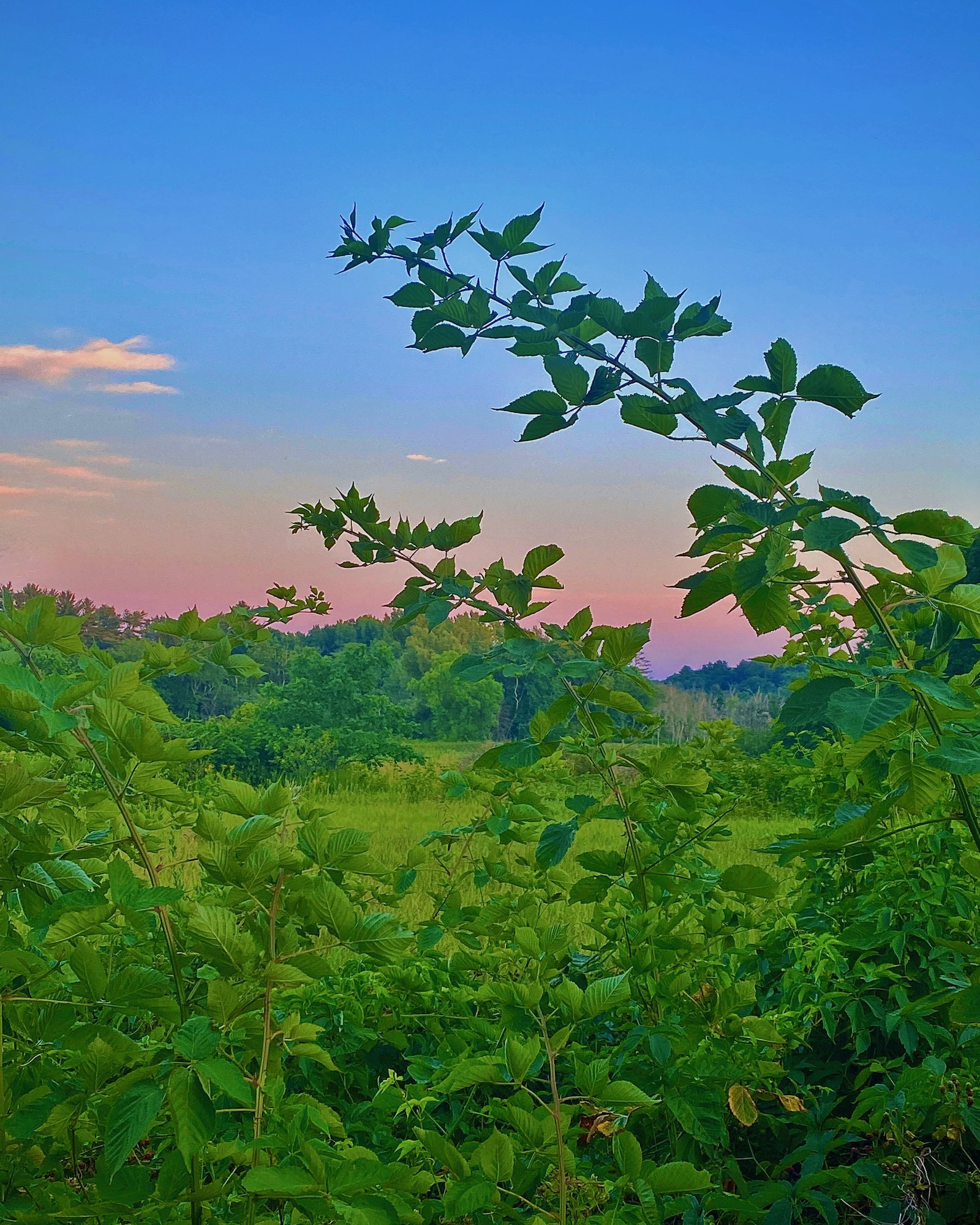
Blackberry Canes, Photo transfer on metal, 16 x 20 in, 2022, USD 550, Michael Corthell, Millis Massachusetts

Separation of Power #10, Archival photo print, 20 x 30 in, 2020, USD 300, Michael Powell, Chicago, Illinois

Phases, Cyanotype on peroxide-stained paper, 7 x 8.75 in, 2022, NFS, Nathan Wilkinson, Goodyear, Arizona
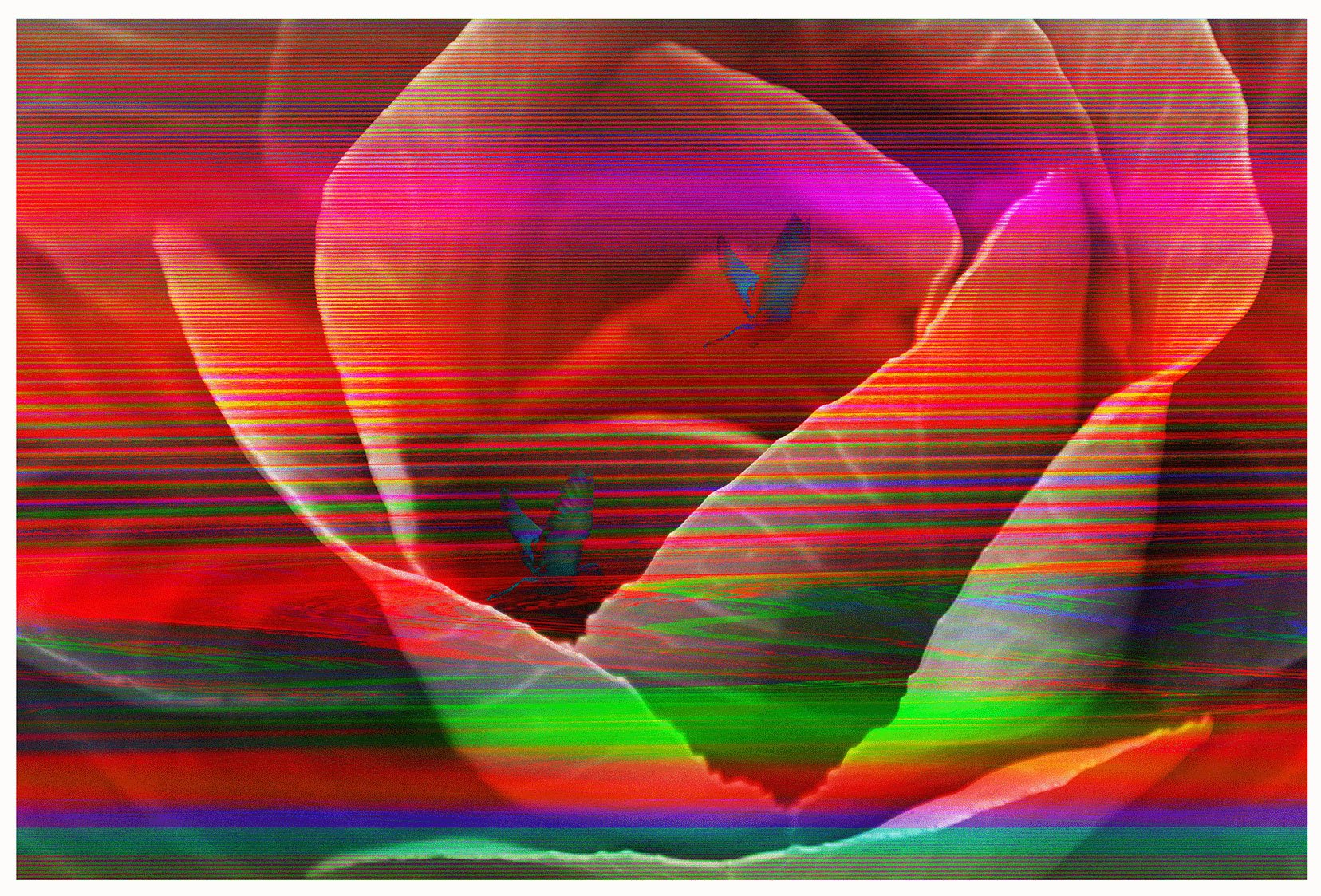
Celestial Layers #1, Archival photo print, 23 x 15 in, 2022, USD 400, Nazia Akram, Islamabad, Pakistan
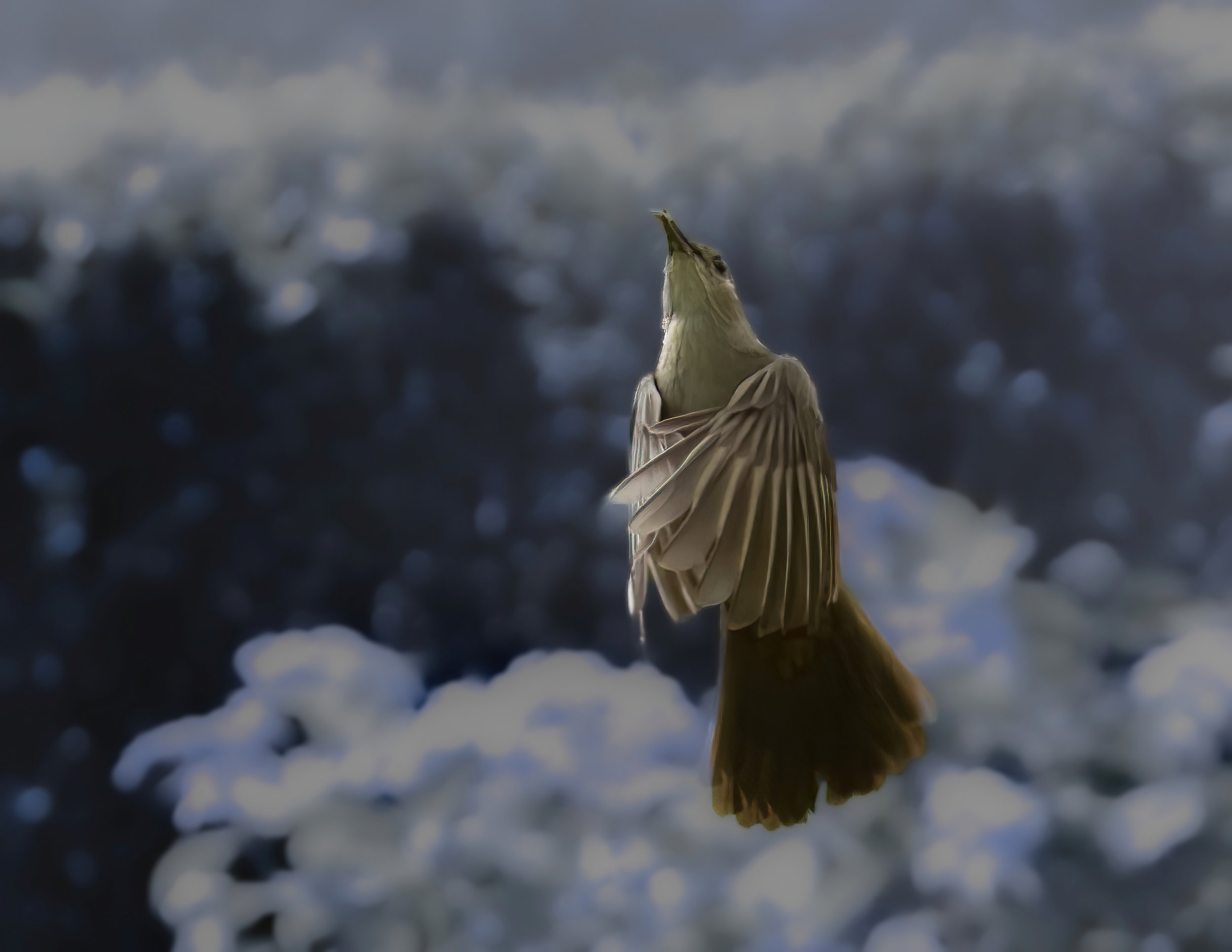
Emergence and Ascension, Archival photo print, 24 x 19 in, 2022, USD 150, Nick Sullivan, Havertown, Pennsylvania
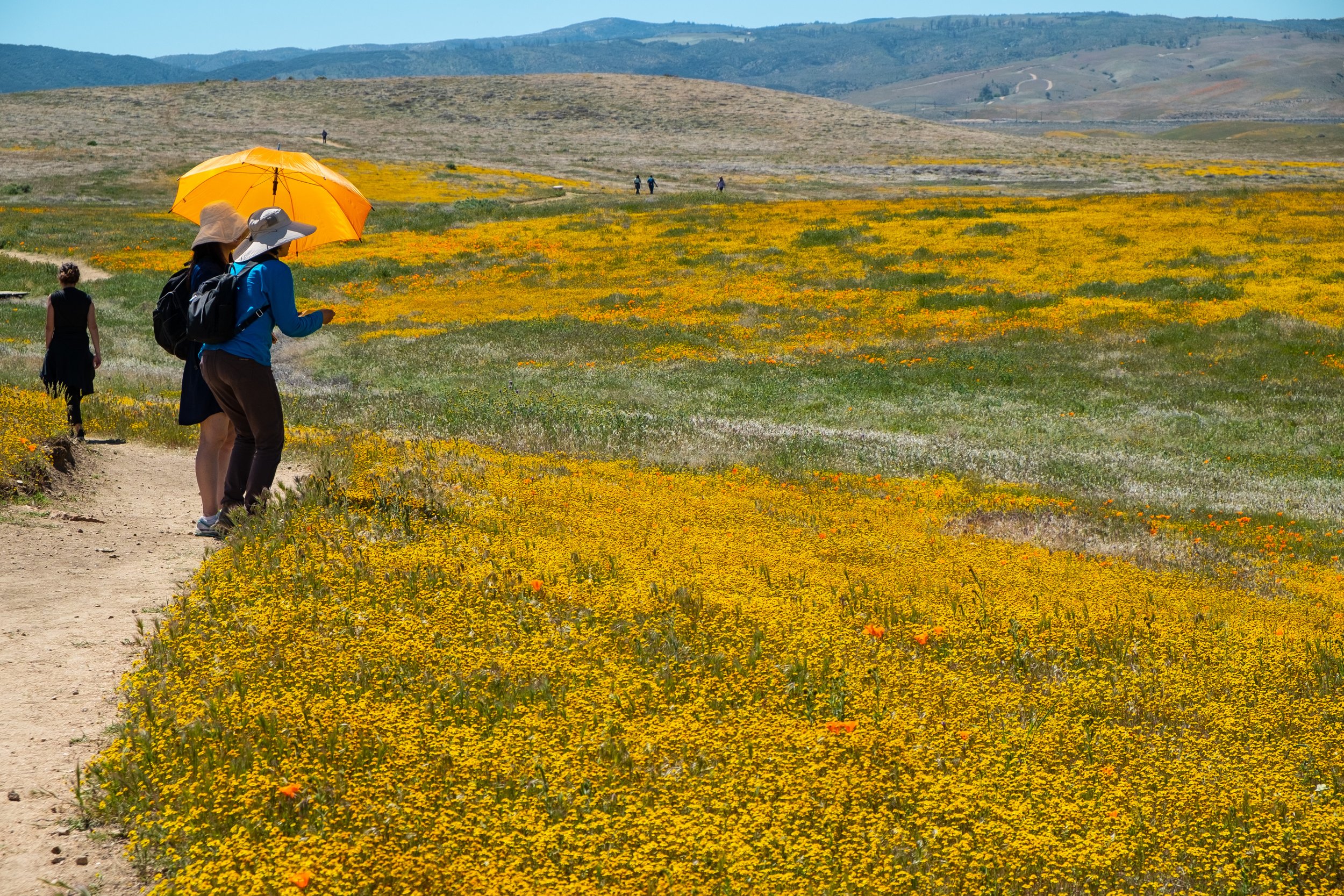
Wildflower Field, Archival pigment print, 15 x 10 in, 2017, USD 600, Pieter de Koninck, Santa Monica, California

Unfurling, Archival photo print, 10 x 10 in, 2022, USD 150, Roni Ben-Nun, Pearl River, New York

Spawn Fest, Archival photo print, 16 x 20 in, 2022, USD 300, Spencer Cunningham, Bowling Green, Ohio

Genda Phool, Archival photo print, 10 by 14 in, 2015, USD 275, Tarunima Sen, Noida, India

Untitled #05, Archival pigment print, Edition of 6, 40 x 40 in, 2014, USD 1800, Thomas Brasch, Toronto, Canada

Emerging, Archival photo print, 11 x 11 in, 2022, USD 300, Wright Schickli, Palo Alto, California
Sales and Artist Inquiries
Are you interested in making a purchase or connecting with one of the featured artists? Send us an inquiry through our contact form, and we'll get back to you shortly.