

The Abstract Image (2024)
January 1–February 1, 2024
The Abstract Image highlights the transformative power of abstraction in photography, allowing us to break from reality and explore the possibilities of non-representational states. Through alternative, experimental, and accidental elements, these photographs push the boundaries of the medium and use the captured image as a conduit for visual metaphor and personal expression.
Featured Artists
Andrew Wiener, Ann Zhulan, Asia Tsyhankova, Barbara Brundage, Brigitte Bourger, Darrell O’Sullivan, Darrell Rodriguez, David J. Cook, David Pyefinch, Denis Sivack, Eltaj Zeynalov, Hillary Greene-Pae, Howard Pohl, Irina Cheremisina, Janvi Choksi, Jay Levy, Jill Law, Joan Eckhardt, John H. Diephouse, John Tronsor, Julien Jefferson, Katie West, Kiel Fletcher, Kylo-Patrick Hart, Laurel Lueders, Leanne S. Trivett, Mark Peacock, Mark Weller, Melissa K. Barnes, Nacho Martín Encinas, Nicola DeLee, Oleg Gant, Otto Brink, Patrícia Abreu, Patrick Aalto, Peter Harlow, Robert Claus, Simone Madeo, Taylor Hedrick, Tom Walder, Wean Bekker, Yuehan Hao
Abstraction Was Photography's Late Arrival
Painting reached non-representation around 1910 and never really looked back. Photography could not follow, because a lens is a describing instrument and the negative keeps insisting that something stood in front of it. Abstract photography therefore developed as a set of techniques for defeating the camera's own competence — for making a machine built to record fail usefully. The forty-two works in this edition, credited between 2018 and 2023, survey those techniques and what remains once description has been removed.
Four Routes Out of Description
Most abstract photography arrives by one of four means. The first is movement: long exposures and intentional camera movement, which convert form into direction and speed. The second is scale, where extreme proximity or extreme distance strips away the cues that would let a viewer name the subject. The third is camera-less work — photograms, chemigrams, cliché verre — in which light and chemistry act on the sensitised surface directly. The fourth is intervention after capture, whether in the darkroom, in the printing substrate, or in the file. This catalog contains examples of all four, and the routes are not always distinguishable in the finished print.
The Referent Refuses to Leave
A painted abstraction can be about nothing. A photographic abstraction is almost always about something the viewer cannot identify, which is a different condition entirely. The eye keeps working, testing the image against known objects, and that restlessness is the genre's distinguishing pleasure rather than a defect. It also sets a limit: the moment a viewer names the subject, the abstraction collapses into a close-up. Much of the craft in experimental photography consists of staying on the right side of that threshold — legible as form, illegible as thing.
Accident as Method
Photographic abstraction has always drawn on accidents that were first regarded as faults. Fogging, flare, halation, reticulation, uneven development and light leaks were problems to be eliminated long before they were effects to be pursued. Man Ray's rayographs came out of a darkroom mistake; solarisation was a mishandled print. The contemporary equivalents include expired film, deliberately mismatched chemistry, sensor artefacts and scanner interference. What separates method from mess is repeatability. A photographer who can produce the accident twice has acquired a technique.
Titles Do a Great Deal of Work Here
In non-representational photography the title is often the only verbal handle a viewer is given, and its register sets the terms of the encounter. A number or a coordinate insists on formal reading. A word borrowed from geology or music invites metaphor. A title that names the actual subject, as several works in this exhibition do, converts the piece from abstraction into revelation and rewards a second look with new information. None of these choices is neutral, and inconsistency across a body of work is usually more conspicuous than any single decision.
Why the Theme Recurs
Abstract work is where new equipment shows up first, because every sensor, film stock and processing pipeline has characteristic failures, and photographers interested in abstraction find them before anyone else does. TCG Gallery is an independent online photography gallery, and each juried exhibition remains part of a permanent public archive after its run ends, so these catalogs accumulate into a longer record than any single project. Photographers can enter the current photography open calls directly.
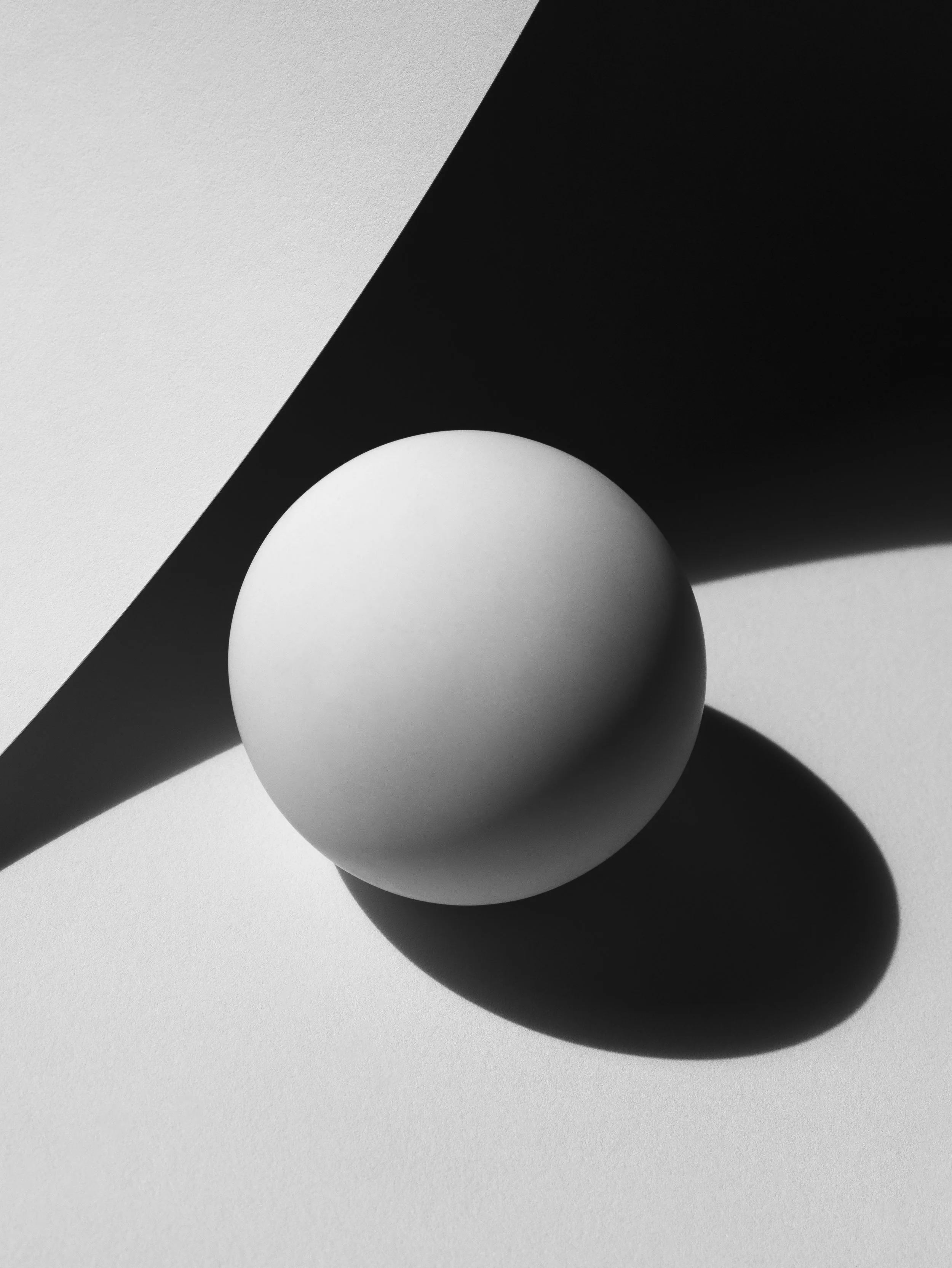
Sphere, archival print, 30 x 40 cm, 2022, USD 500, © Simone Madeo, Alessandria, Italy
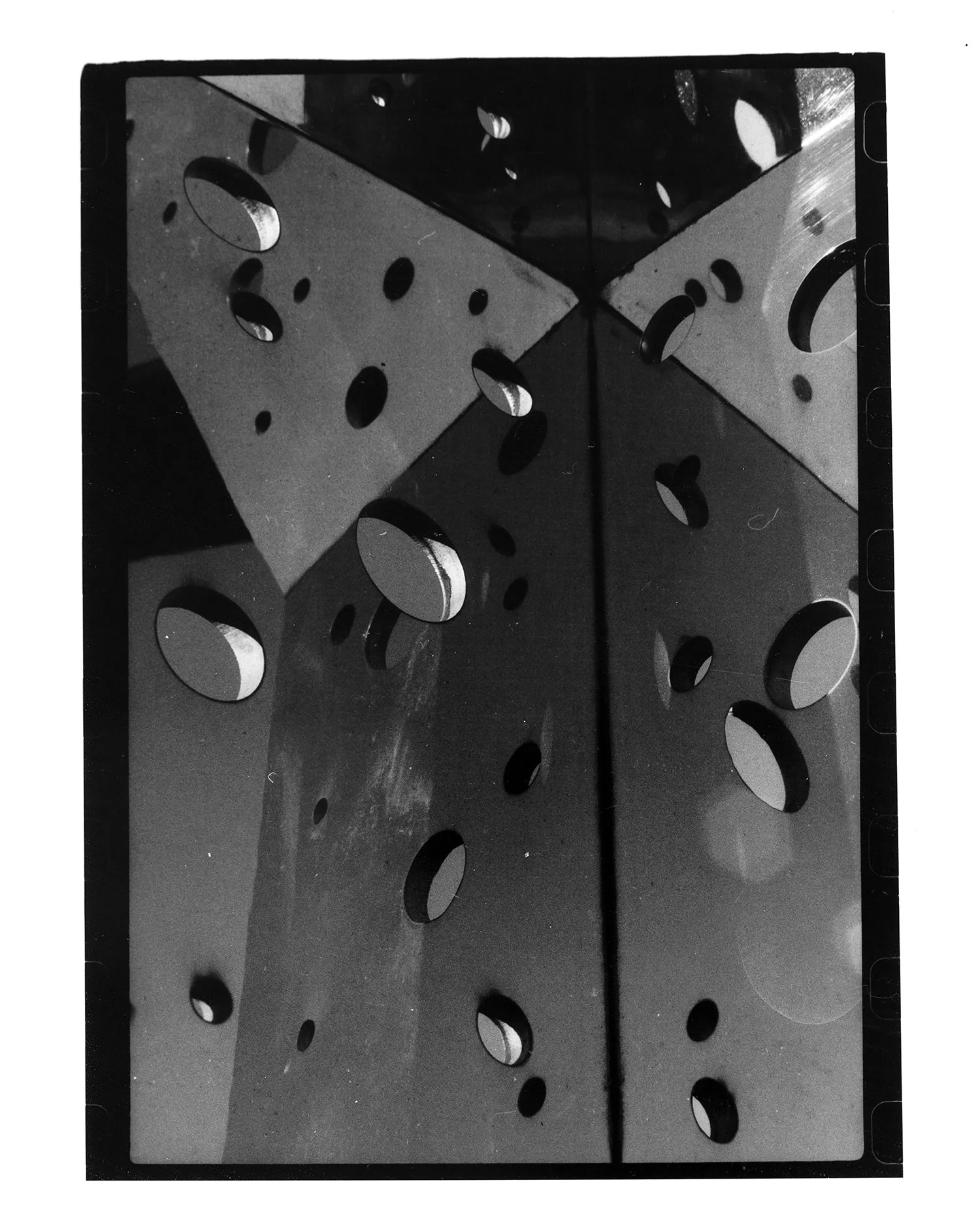
Circles, archival print, 5 x 8 in, 2023, USD 50, © Julien Jefferson, Halifax, Nova Scotia, Canada
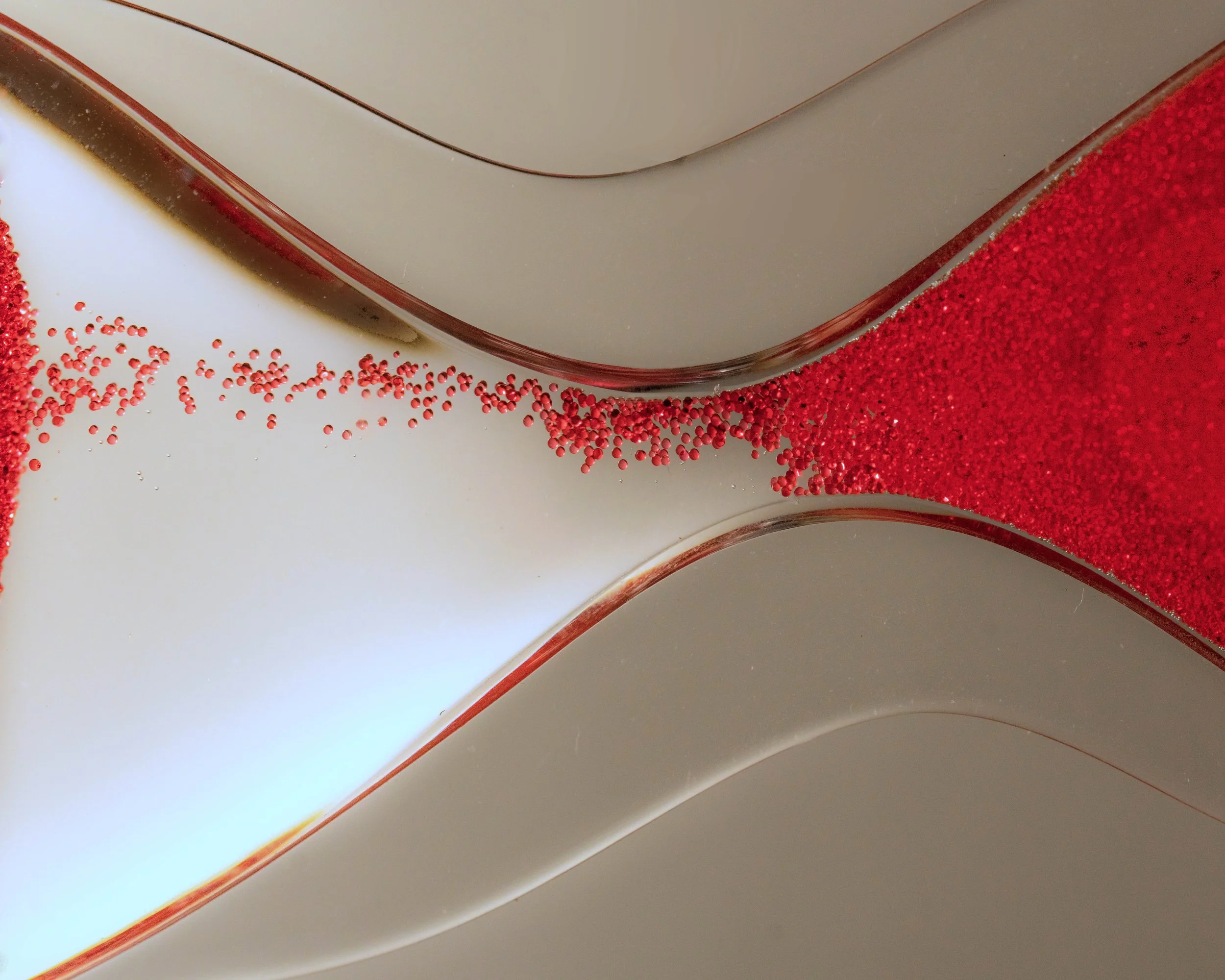
Seeking Equilibrium, archival print, 16 x 20 in, 2023, USD 450, © John H. Diephouse, Lansing, Michigan
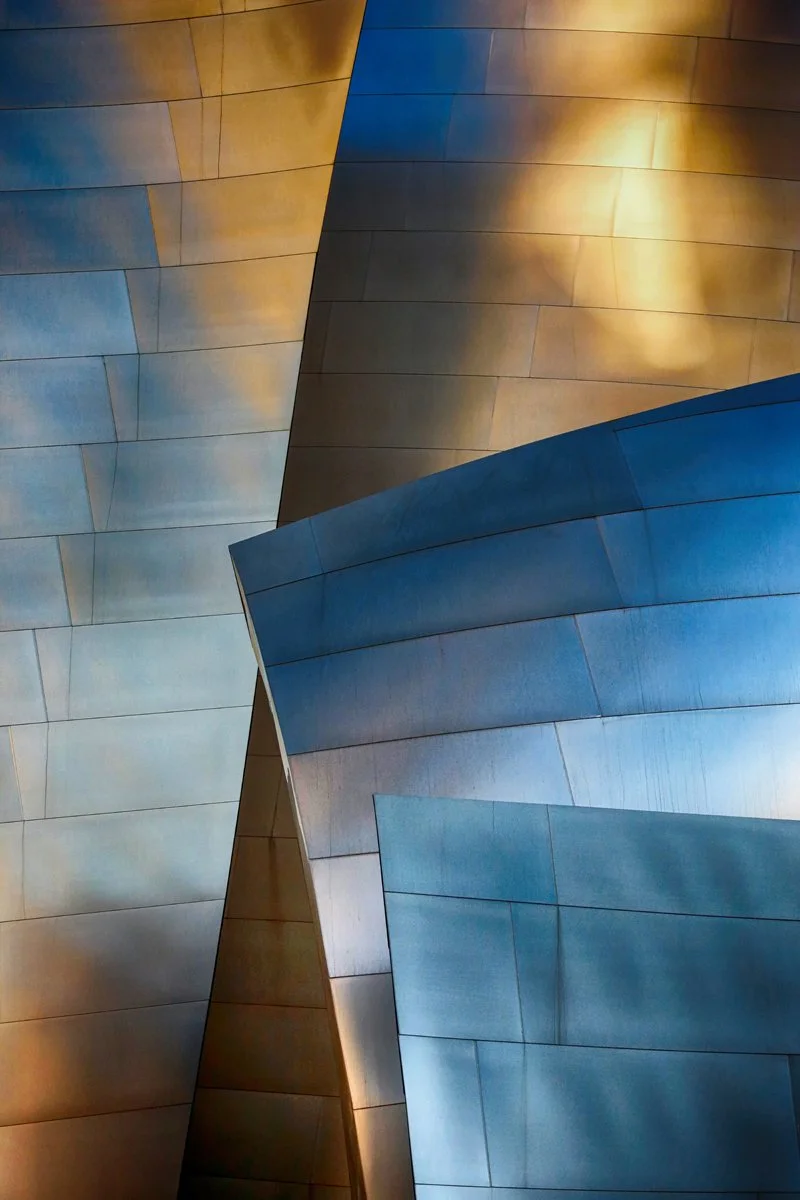
Metal Abstract, archival print, 16 x 24 in, 2021, USD 450, © Mark Peacock, Los Angeles, California
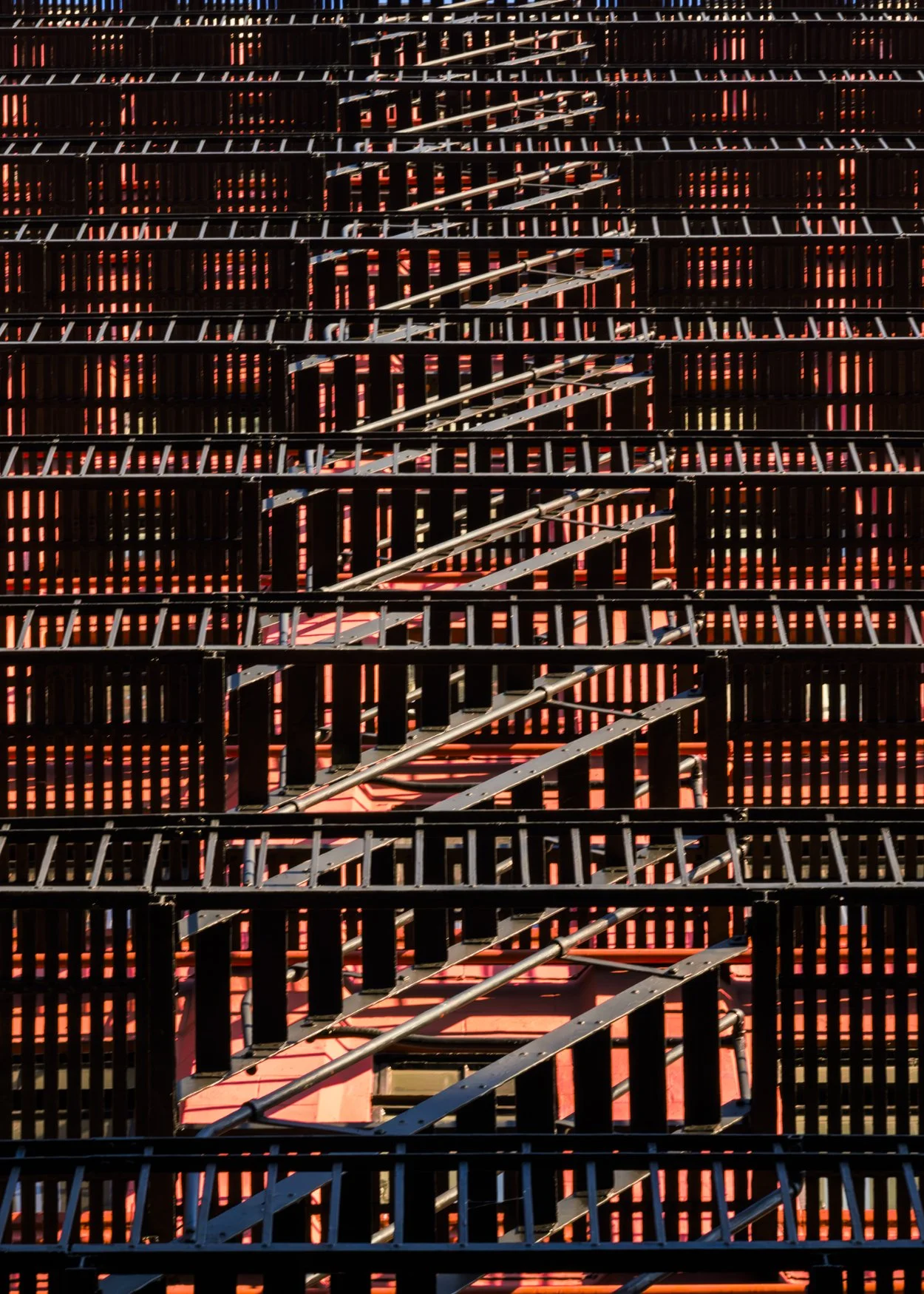
Crimson Lattice, archival print, 8 x 10 in, 2023, USD 100, © Darrell Rodriguez, Mill Valley, California
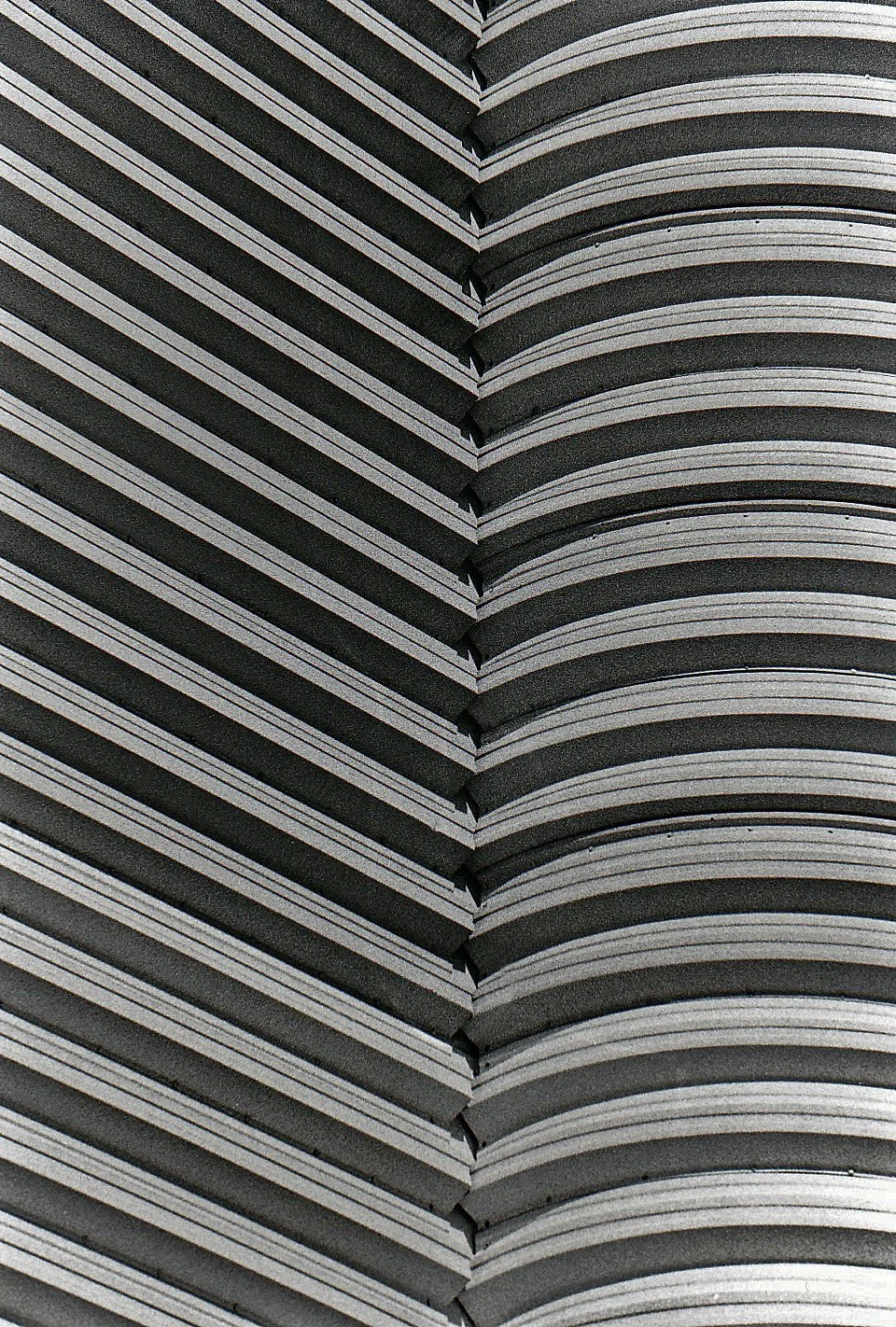
Estee Lauder Building, archival print, 20 x 14 in, 2021, USD 350, © Howard Pohl, Lindenhurst, New York
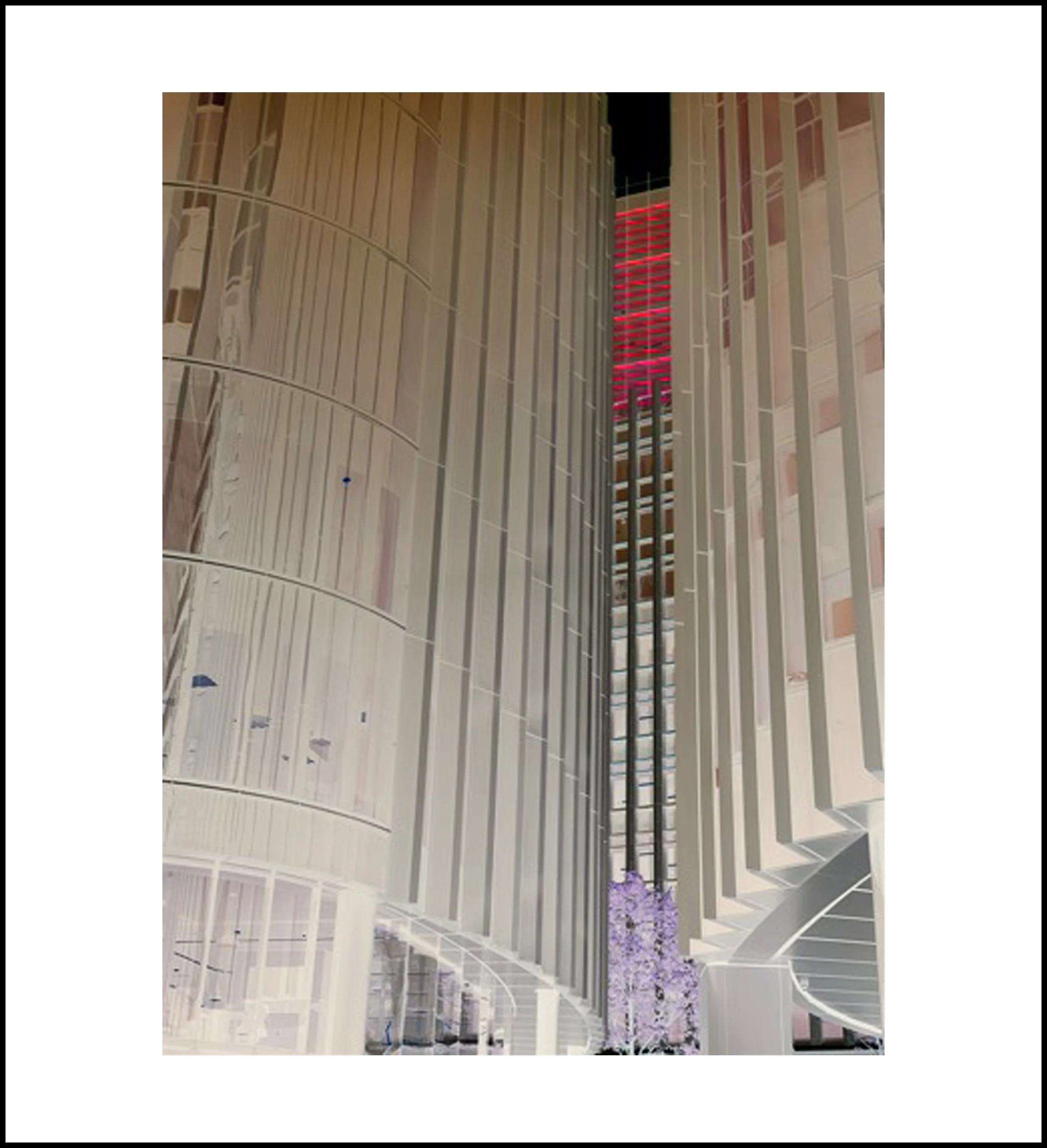
Layers of Life Lost, archival print, 8.3 x 11.7 in, 2023, £250, © Nicola DeLee, Saffron Walden, United Kingdom
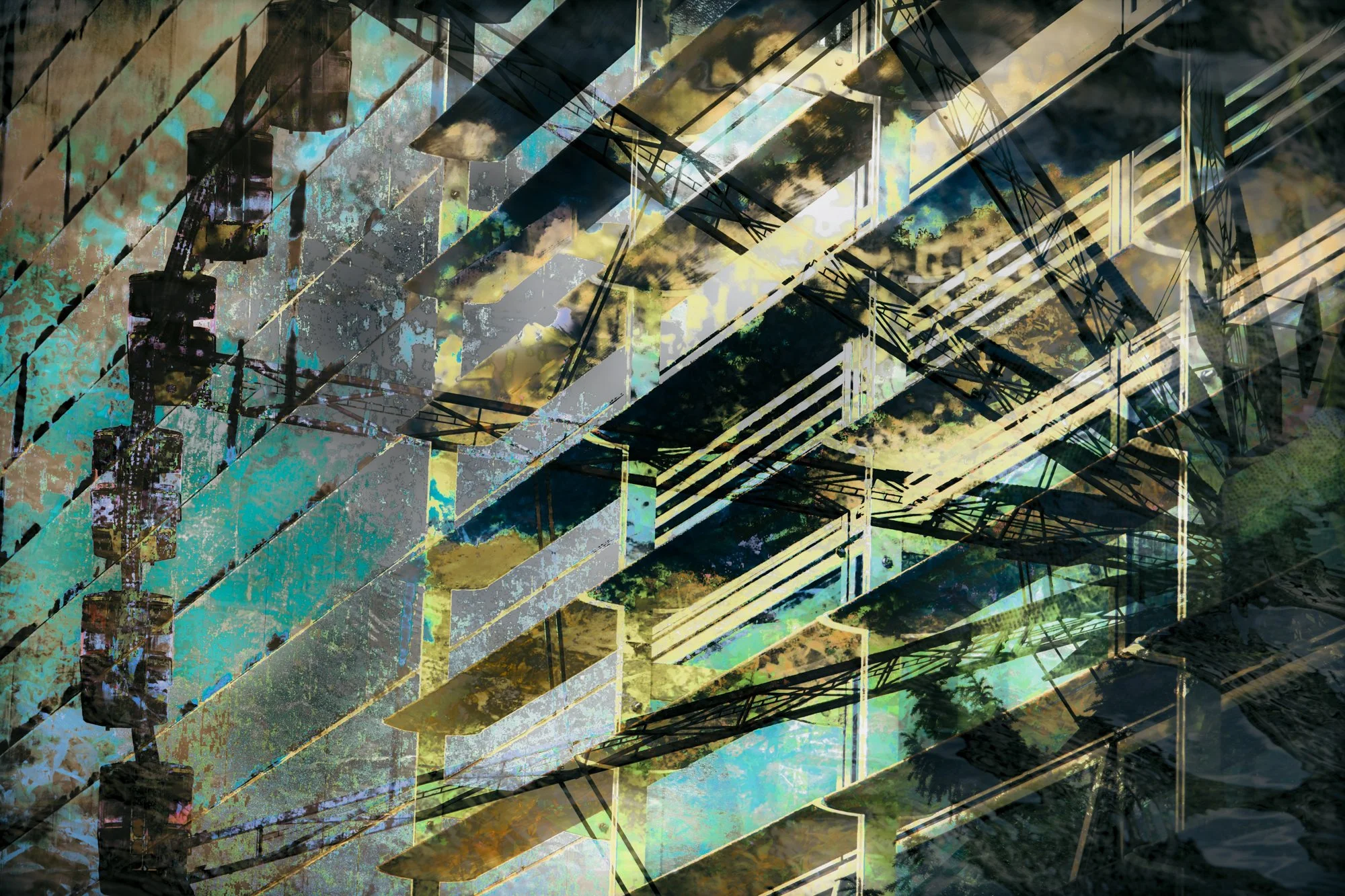
Urban Wheel, photo transfer on metal, 24 x 16 in, 2023, USD 650, © Kylo-Patrick Hart, Aledo, Texas
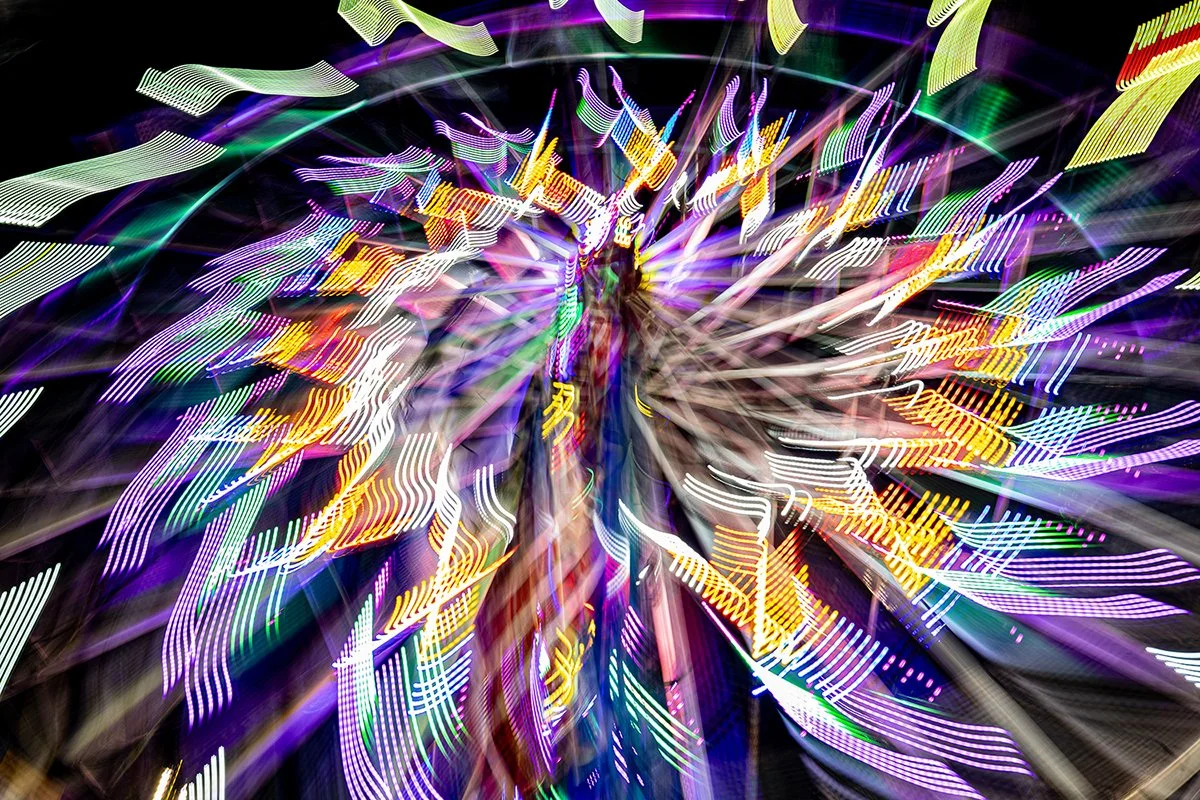
Ferris Patterns, archival print, 11 x 14 in, 2023, USD 300, © Hillary Greene-Pae, Calabasas, California
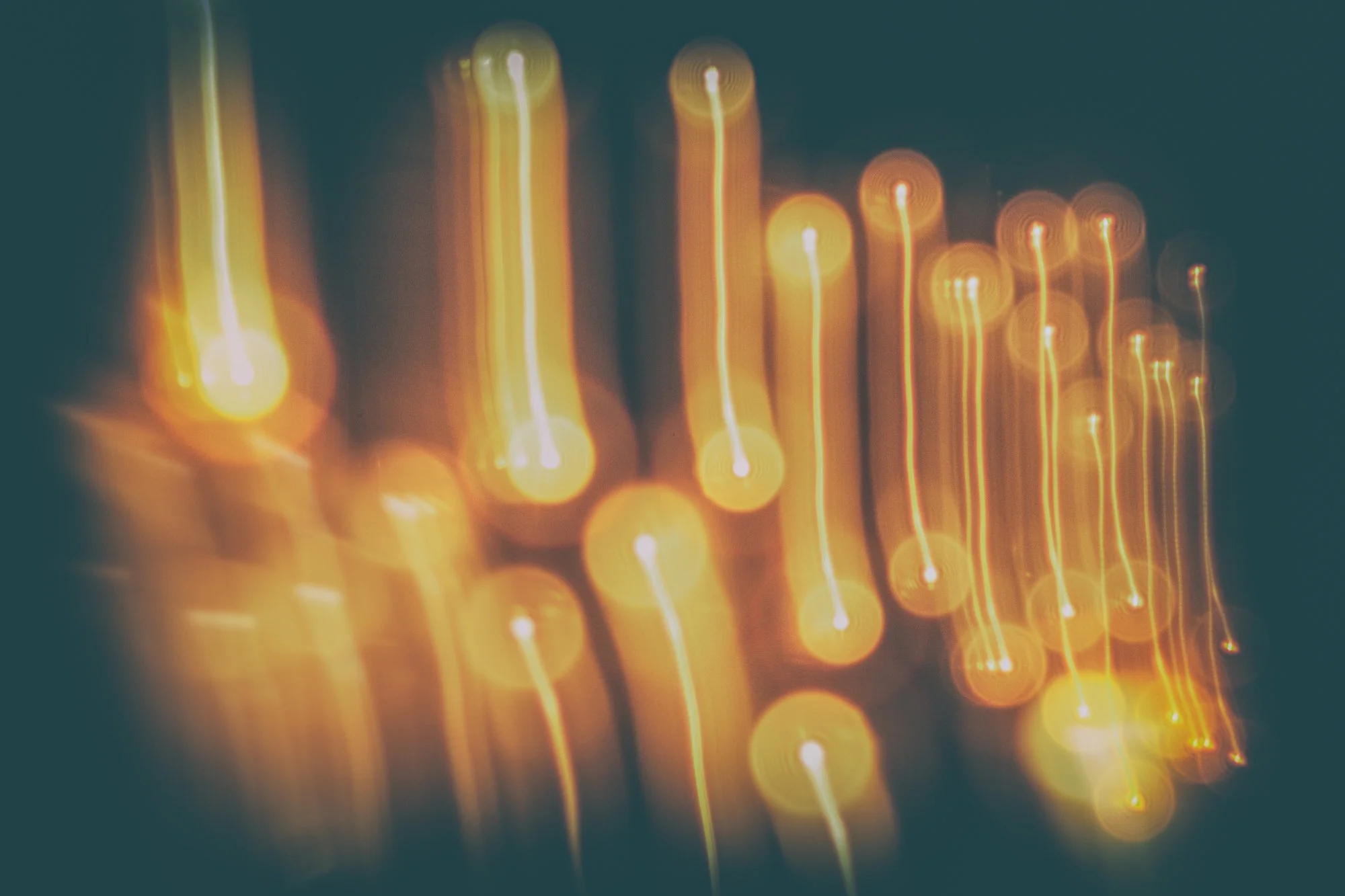
Heart Strings and Lightning Bugs, archival print, 9 x 6 in, 2021, USD 500, © Leanne S. Trivett, Johnson City, Tennessee
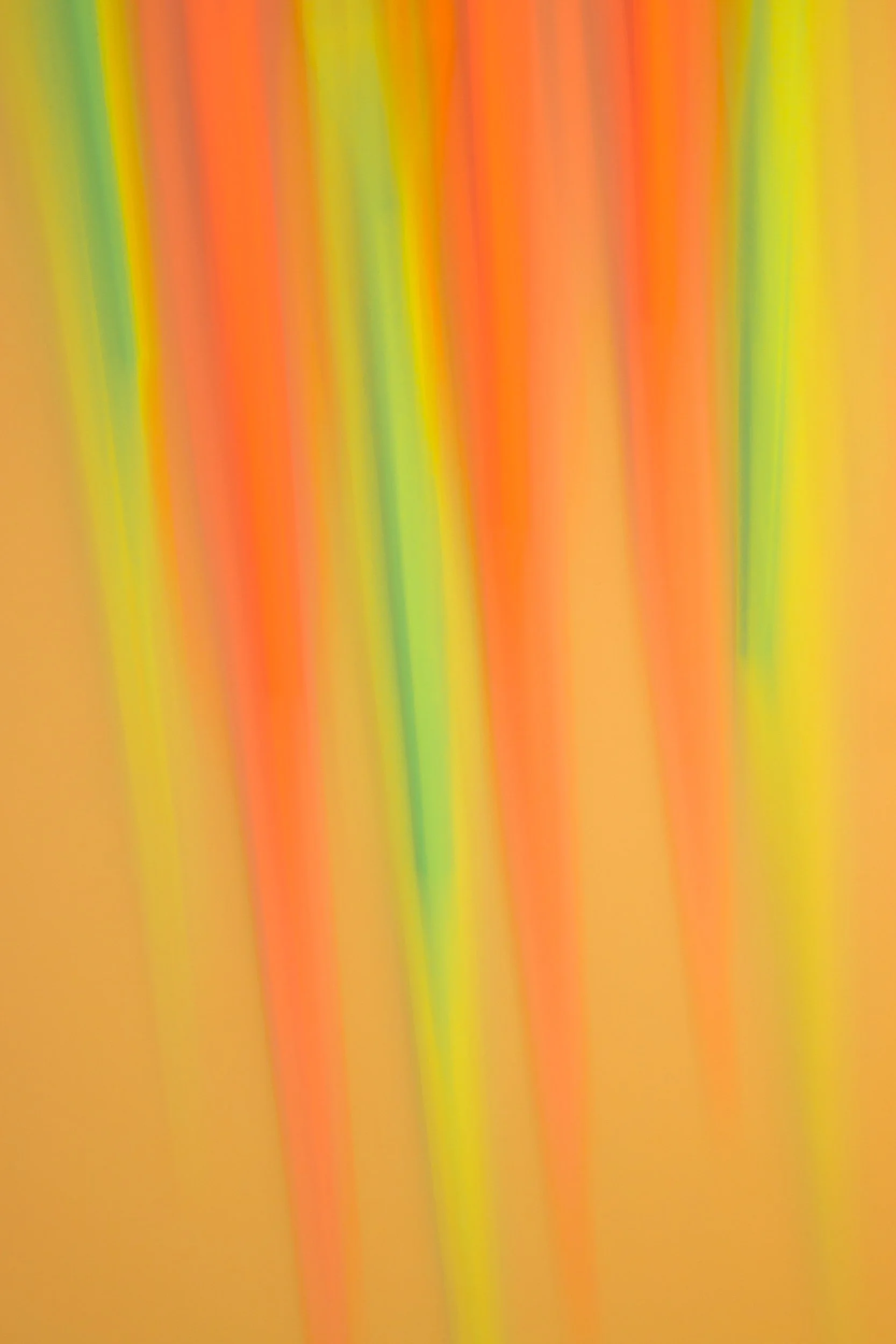
Mood of Life, archival print, 20 x 30 cm, 2023, 245€, © Irina Cheremisina, Kyiv, Ukraine
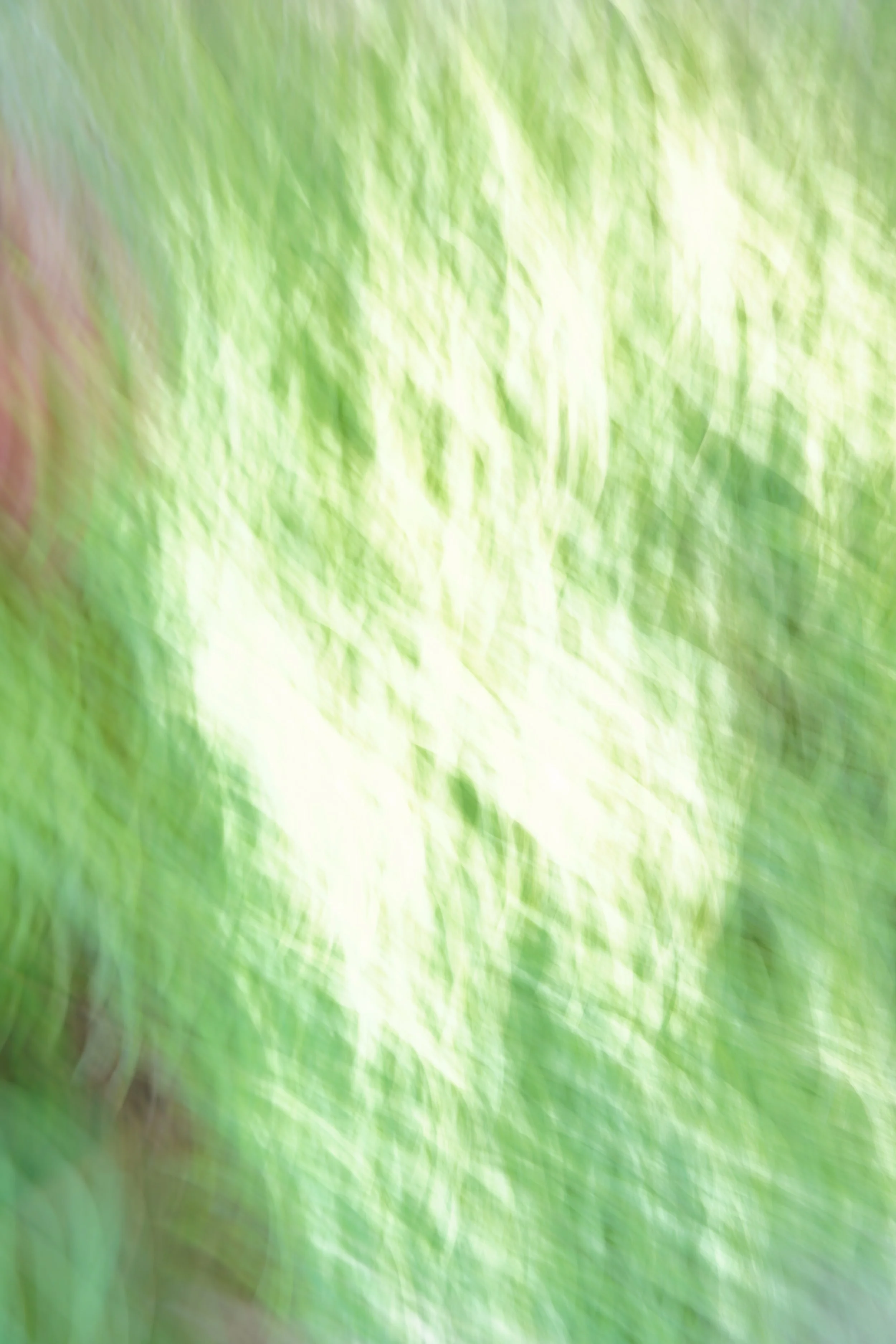
Galbanum and Silver Star, archival print, 33 x 18.5 cm, 2023, 450€, © Nacho Martín Encinas, Madrid, Spain
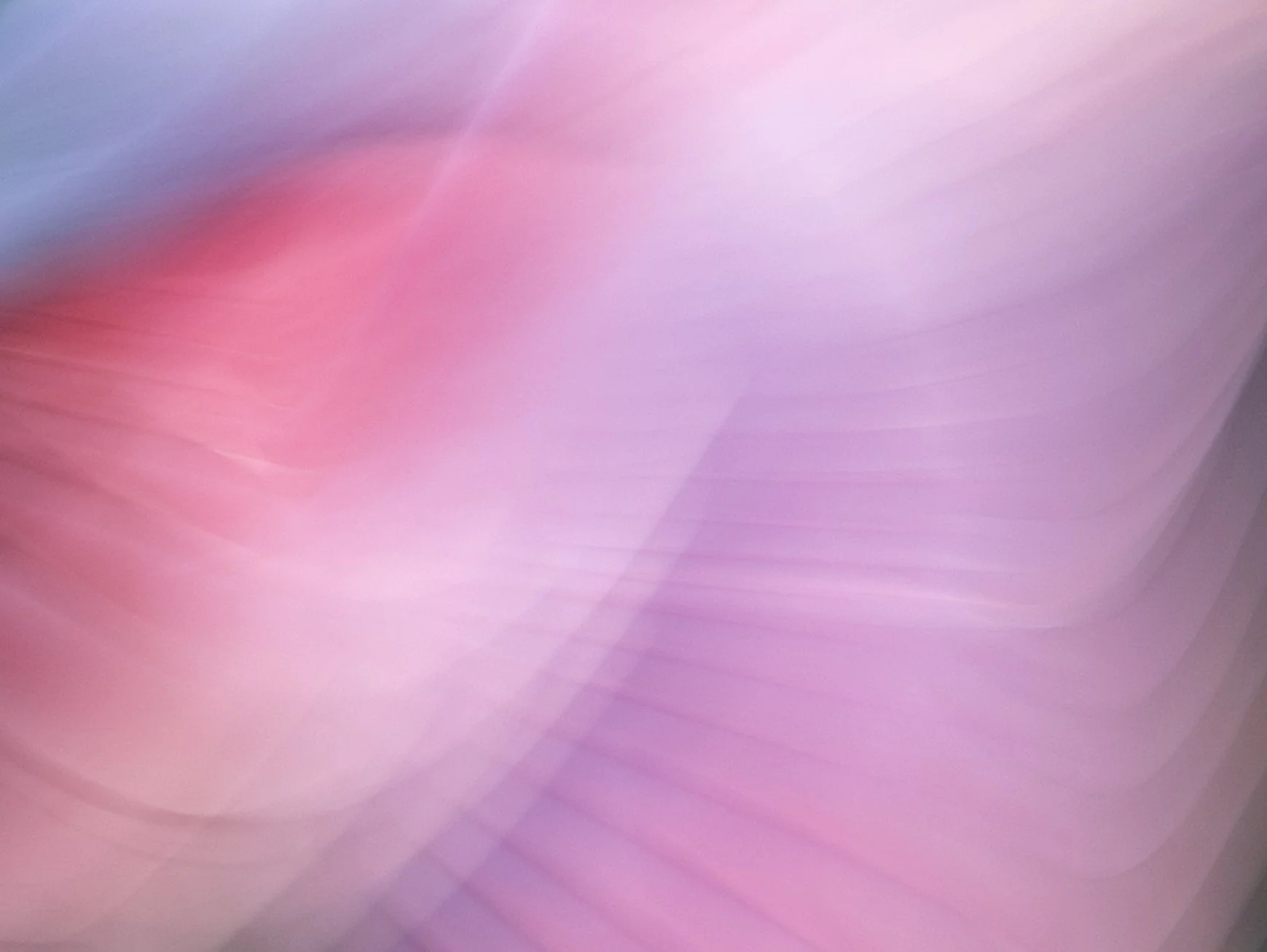
Spoonbill Plumage, archival print, 8 x 10 in, 2022, USD 300, © David J. Cook, Austin, Texas
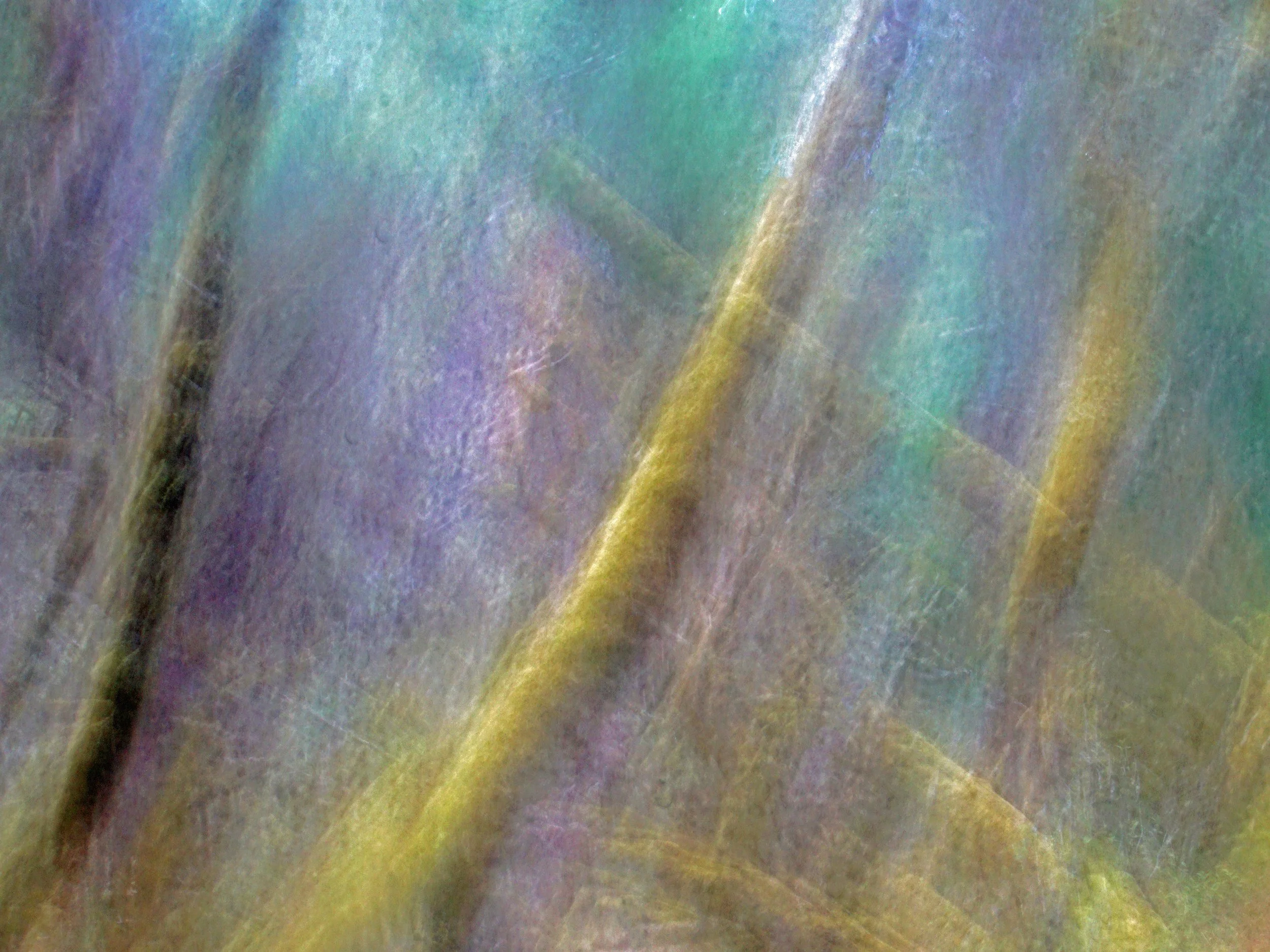
Forest Wind, archival print, 15 x 20 in, 2023, USD 200, © Melissa K. Barnes, Olympia, Washington
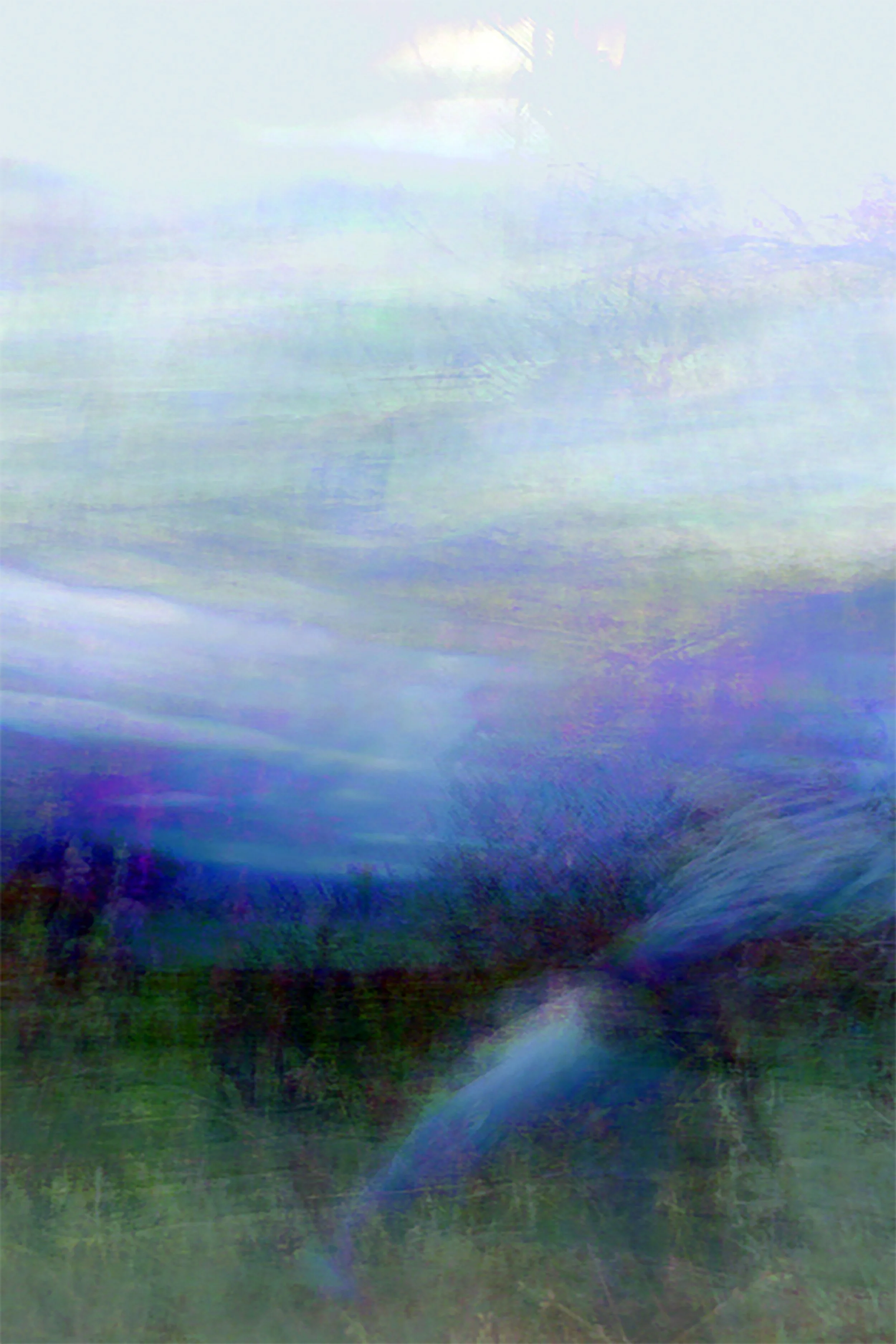
Four Hours, archival print, 60 x 40 in, 2021, USD 650, © Kiel Fletcher, Bend, Oregon
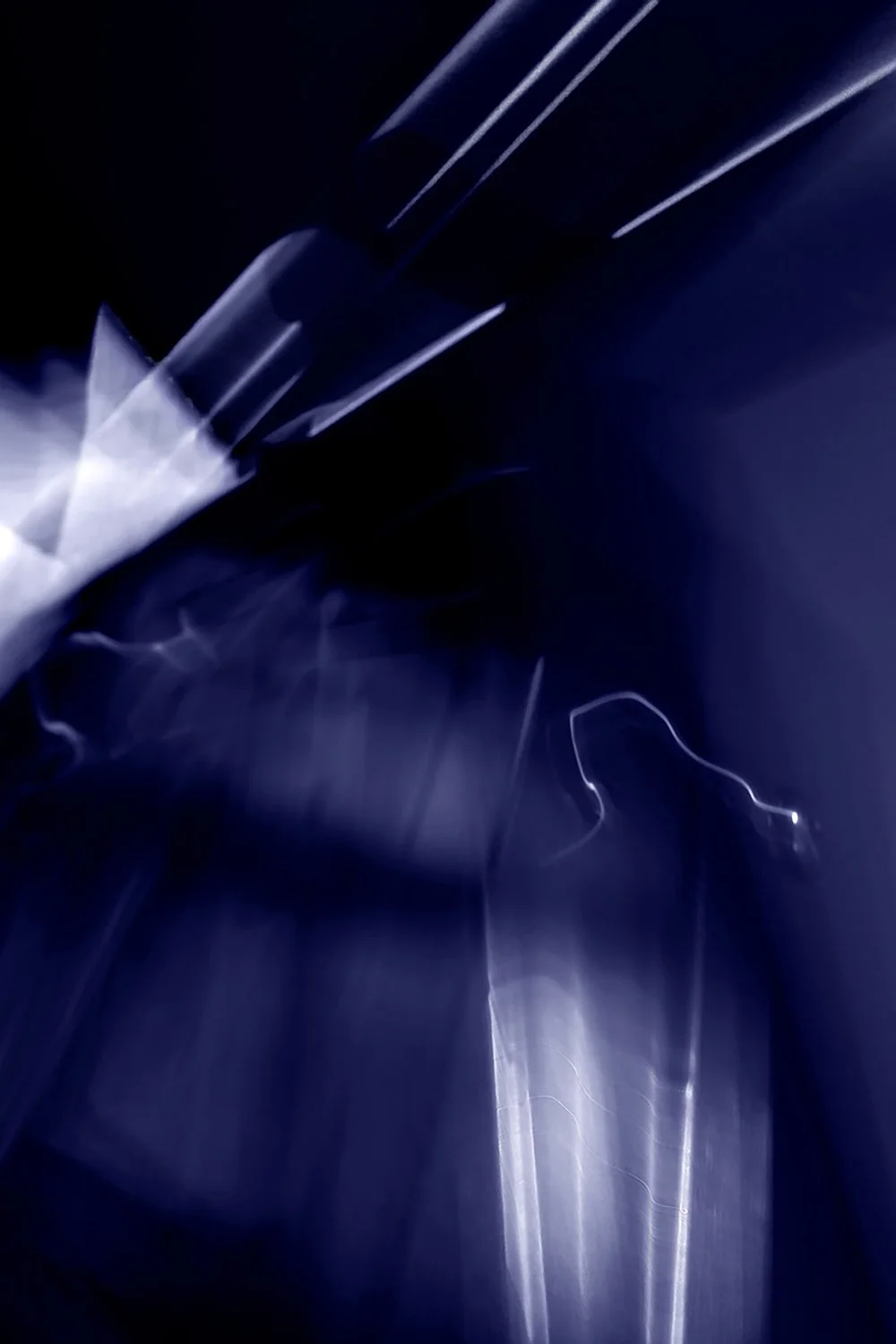
Construct, archival print, 12 x 8 in, 2023, USD 1500, © Laurel Lueders, New York City, New York
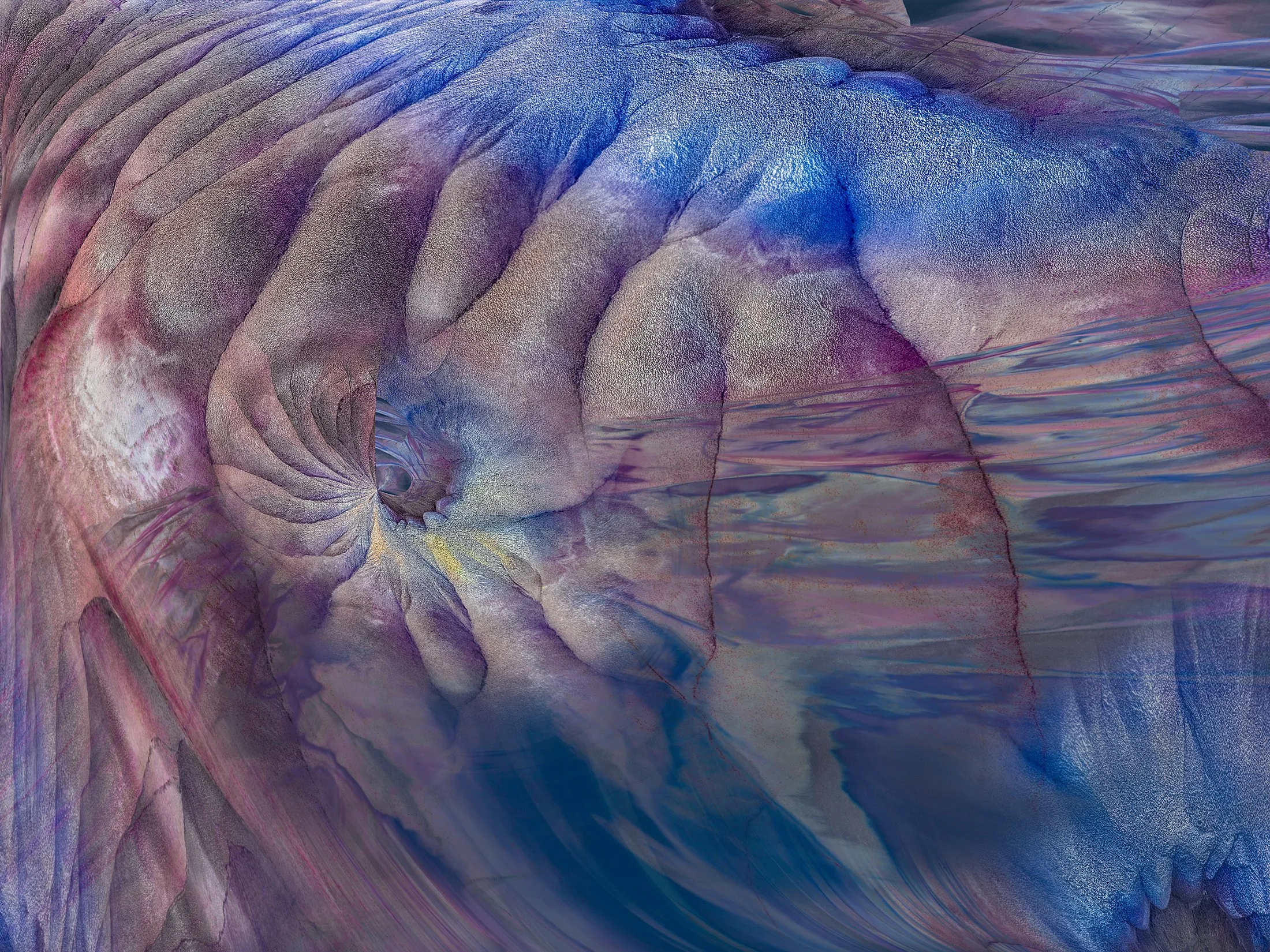
Emergence, archival print, 16 x 20 in, 2022, USD 85, © Darrell O'Sullivan, Galt, California
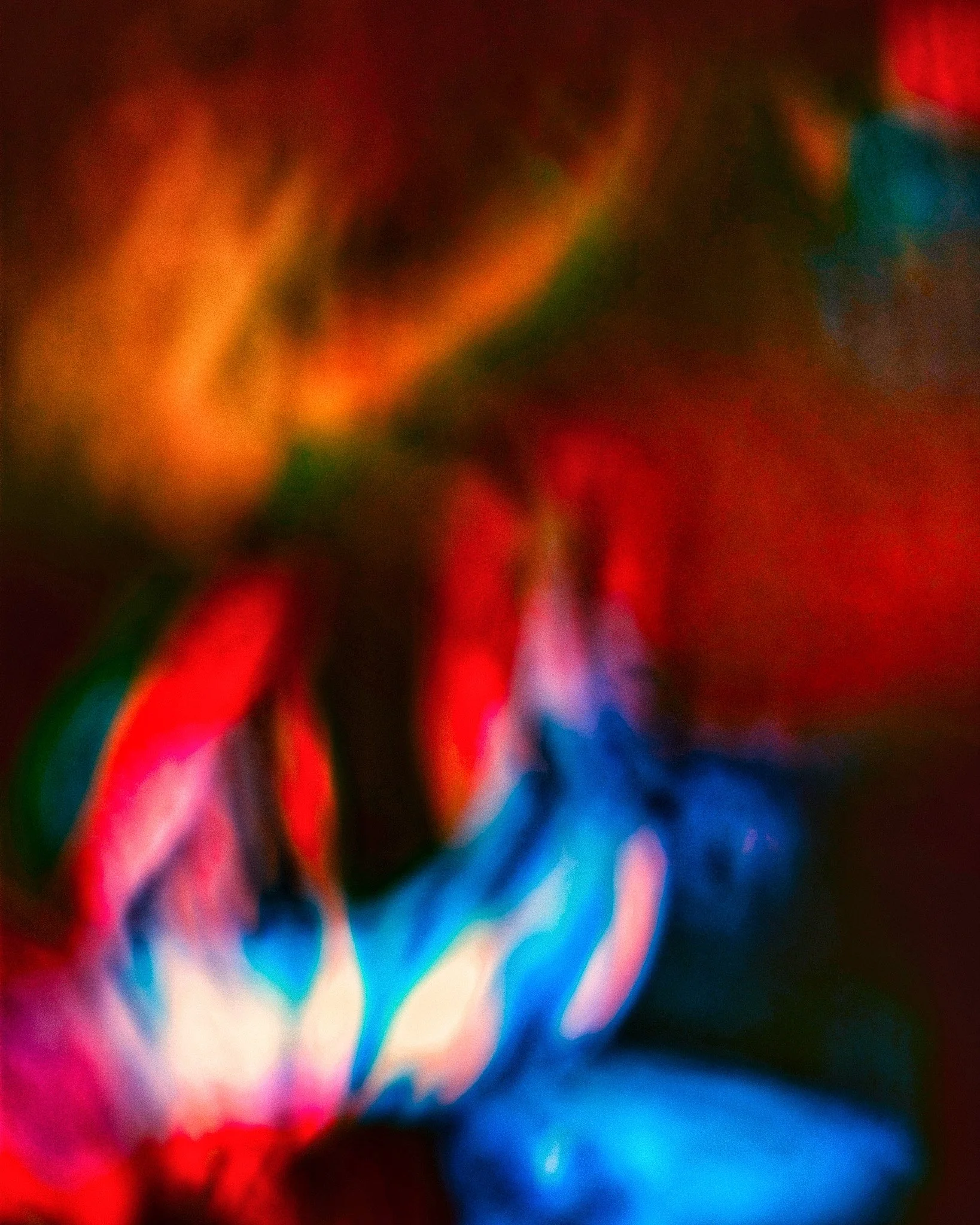
You Light My Path to You, archival print, 41.3 x 62.2 cm, 2023, NFS, © Oleg Gant, Vilnius, Lithuania
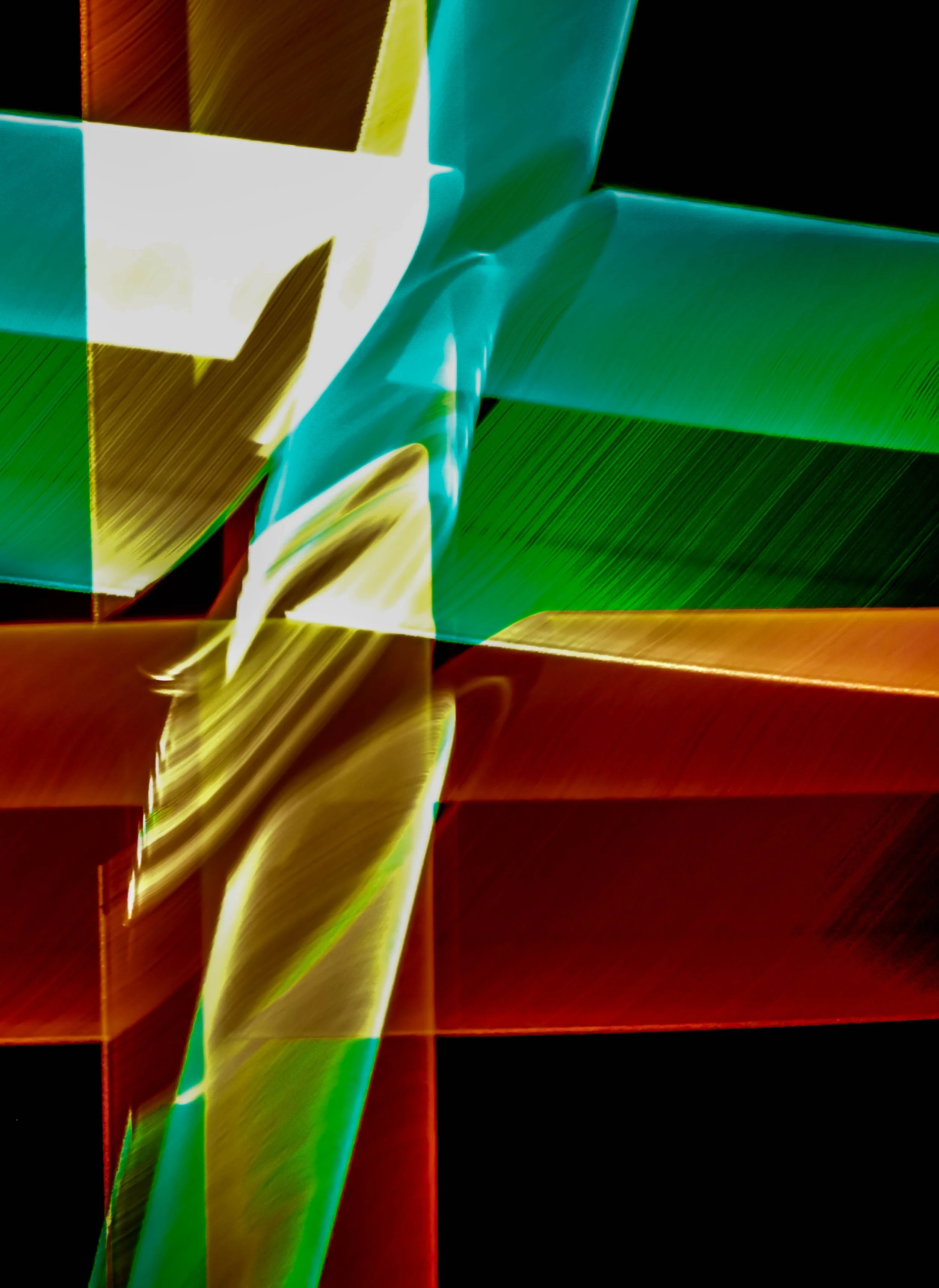
Excalibur, archival print, 8 x 10 in, 2023, USD 500, © Andrew Wiener, Oakland, California
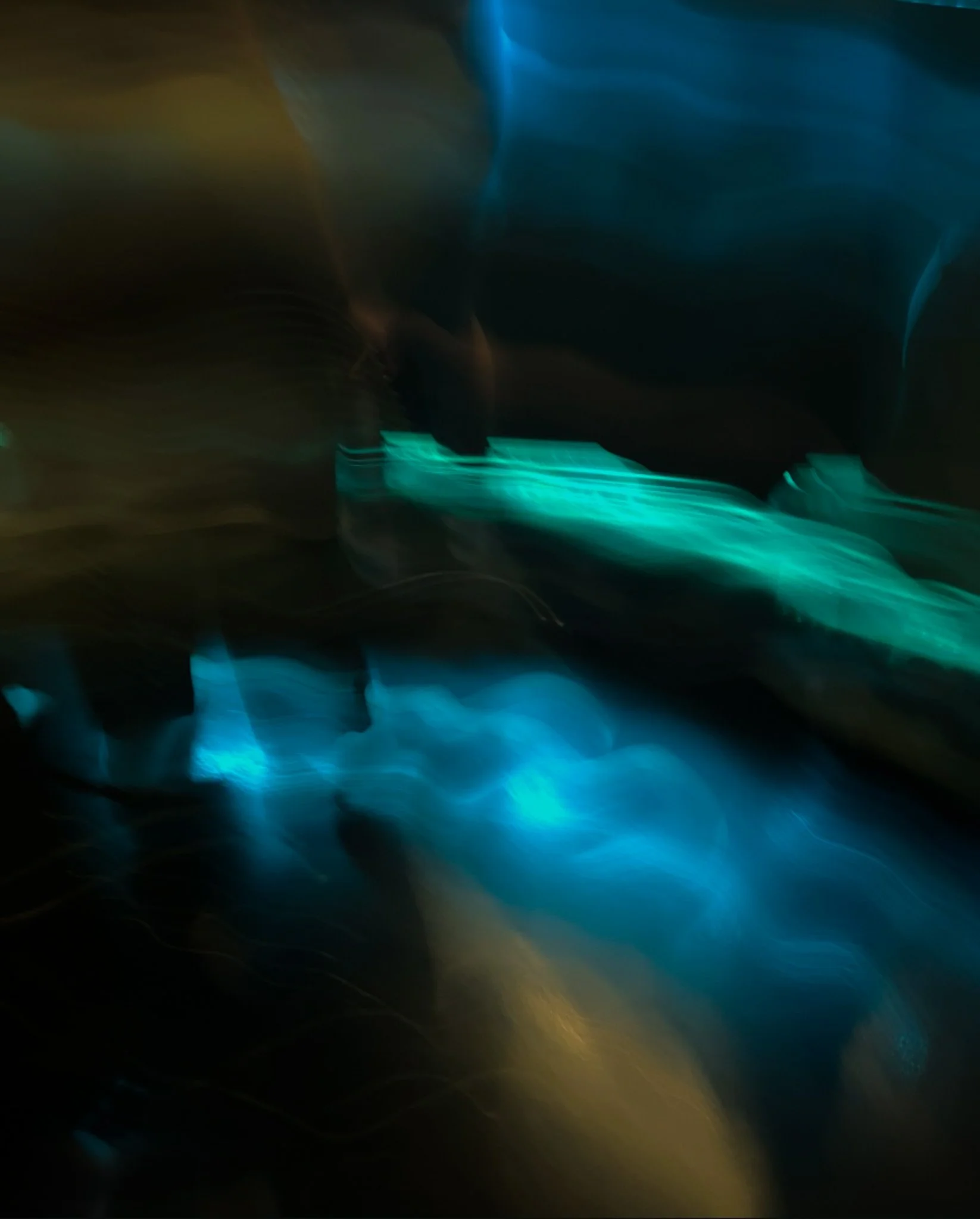
Feel, archival print, 30 x 42 cm, 2023, USD 500, © Janvi Choksi, Mumbai, India
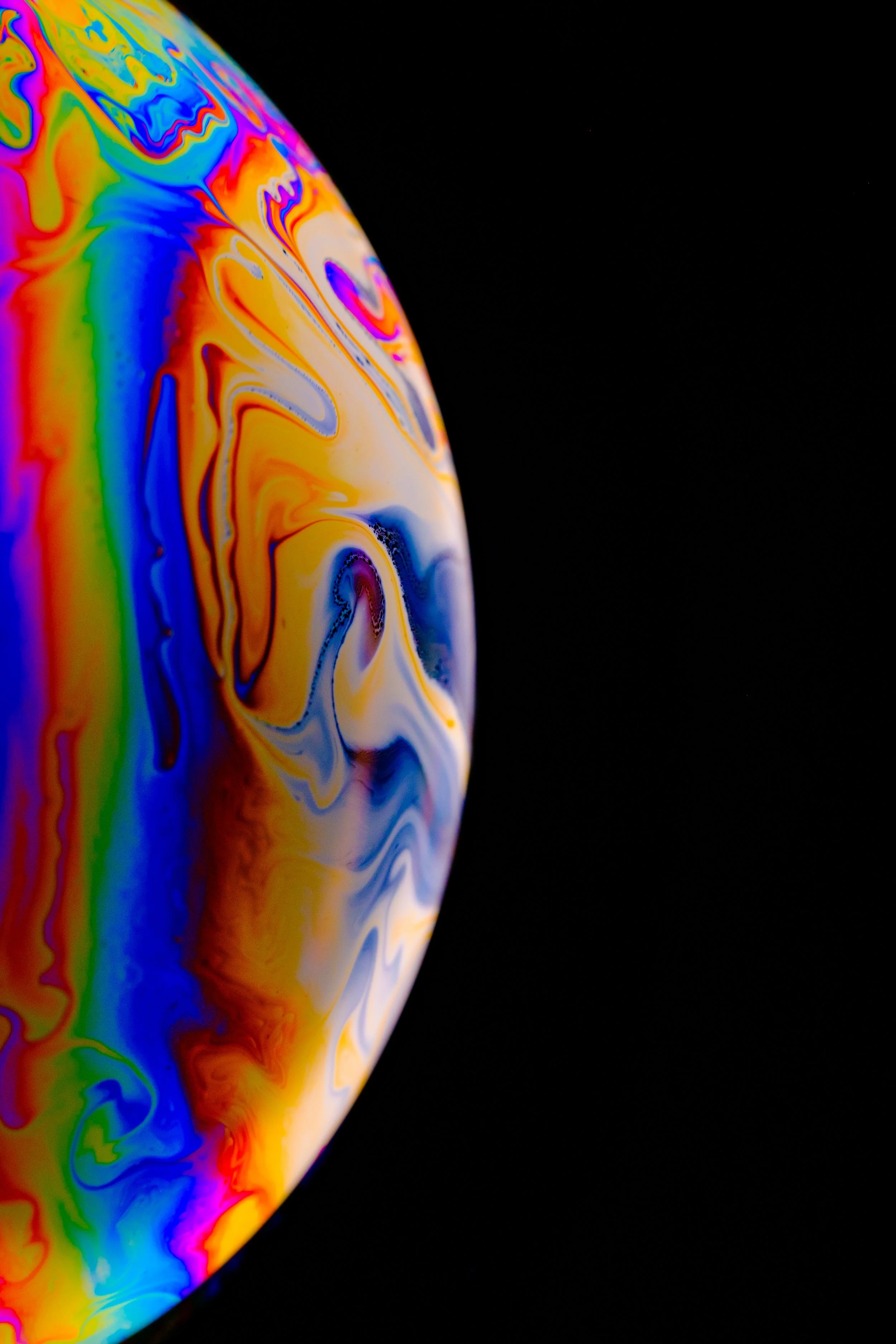
Microcosmic Symphony, archival print, 60 x 90 cm, 2023, USD 250, © Wean Bekker, Centurion, South Africa
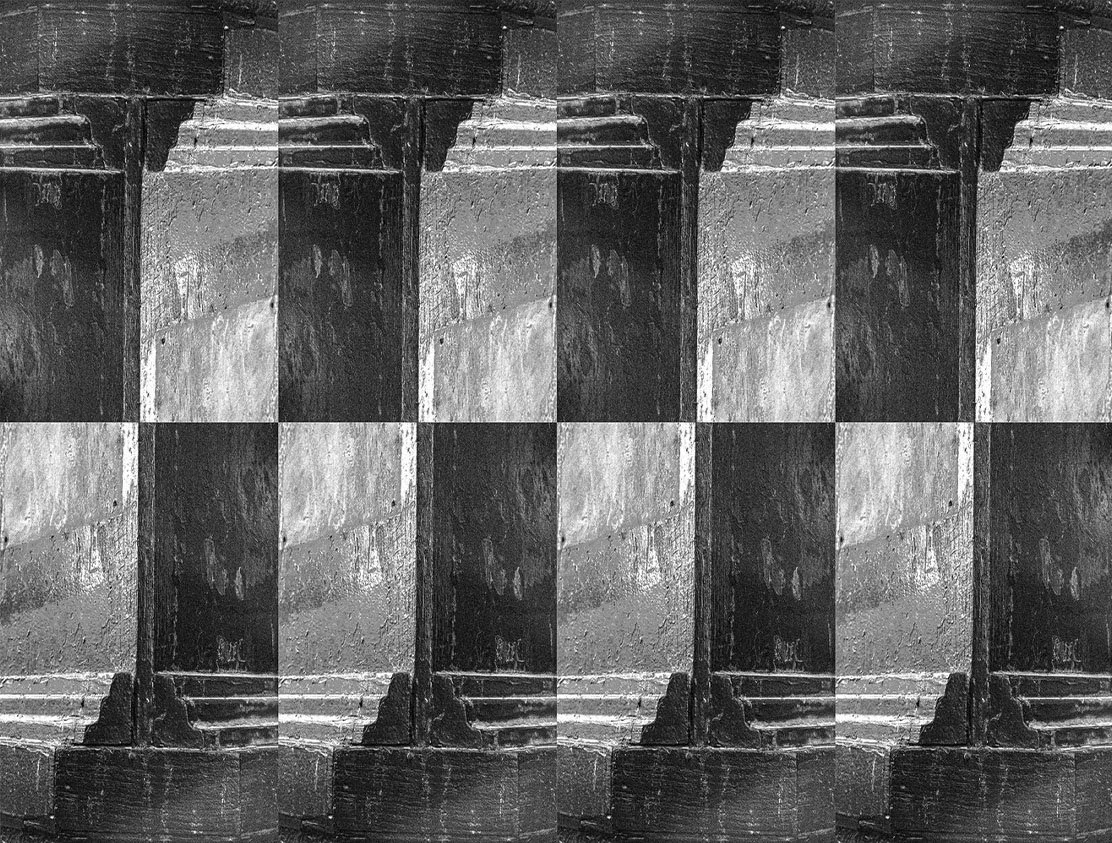
Corner Edge, archival print, 16.5 x 23.4 in, 2023, USD 350, © Tom Walder, London, United Kingdom
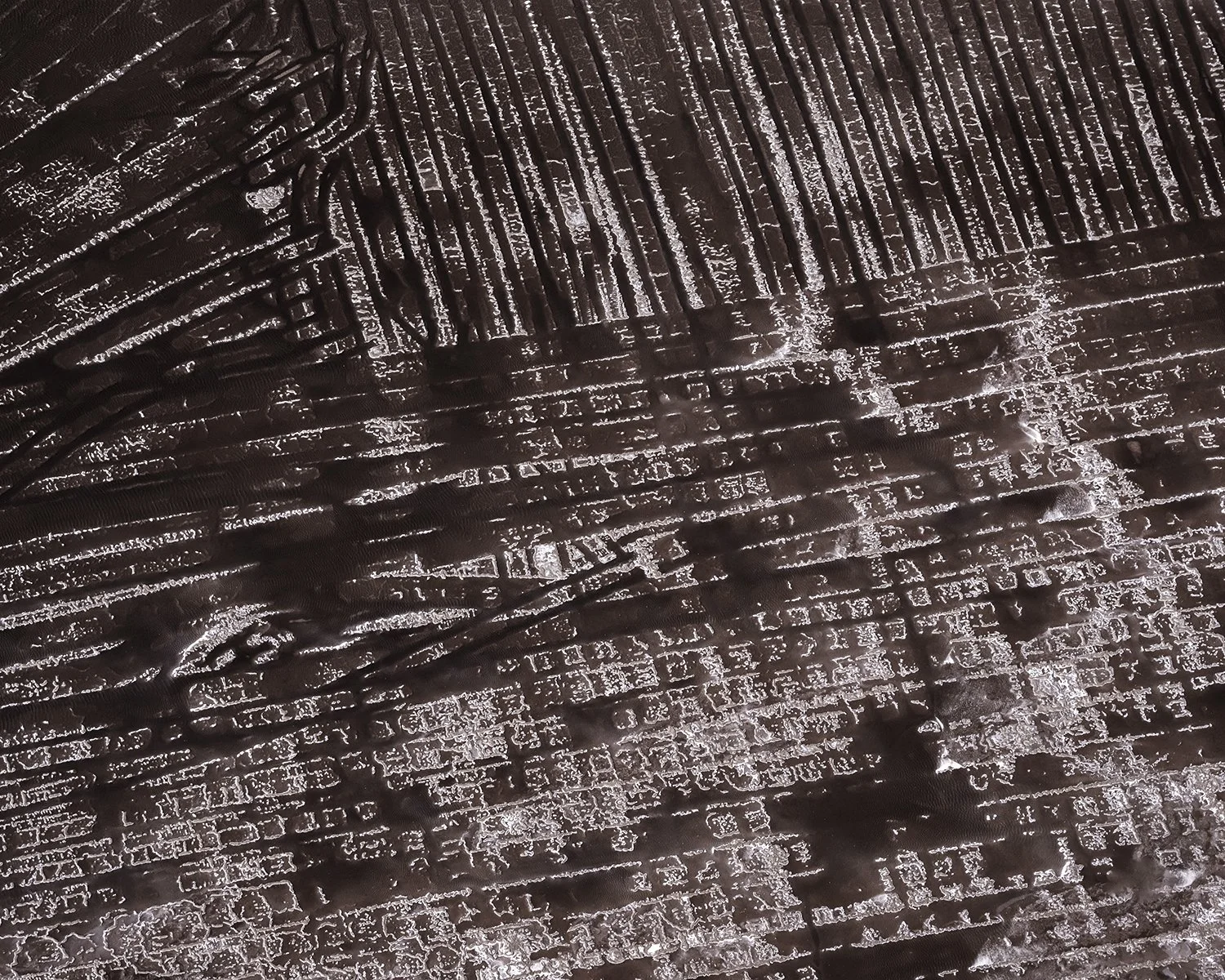
Hints of Colors, archival print, 50 x 40 cm, 2023, USD 450, © Brigitte Bourger, Papara, French Polynesia
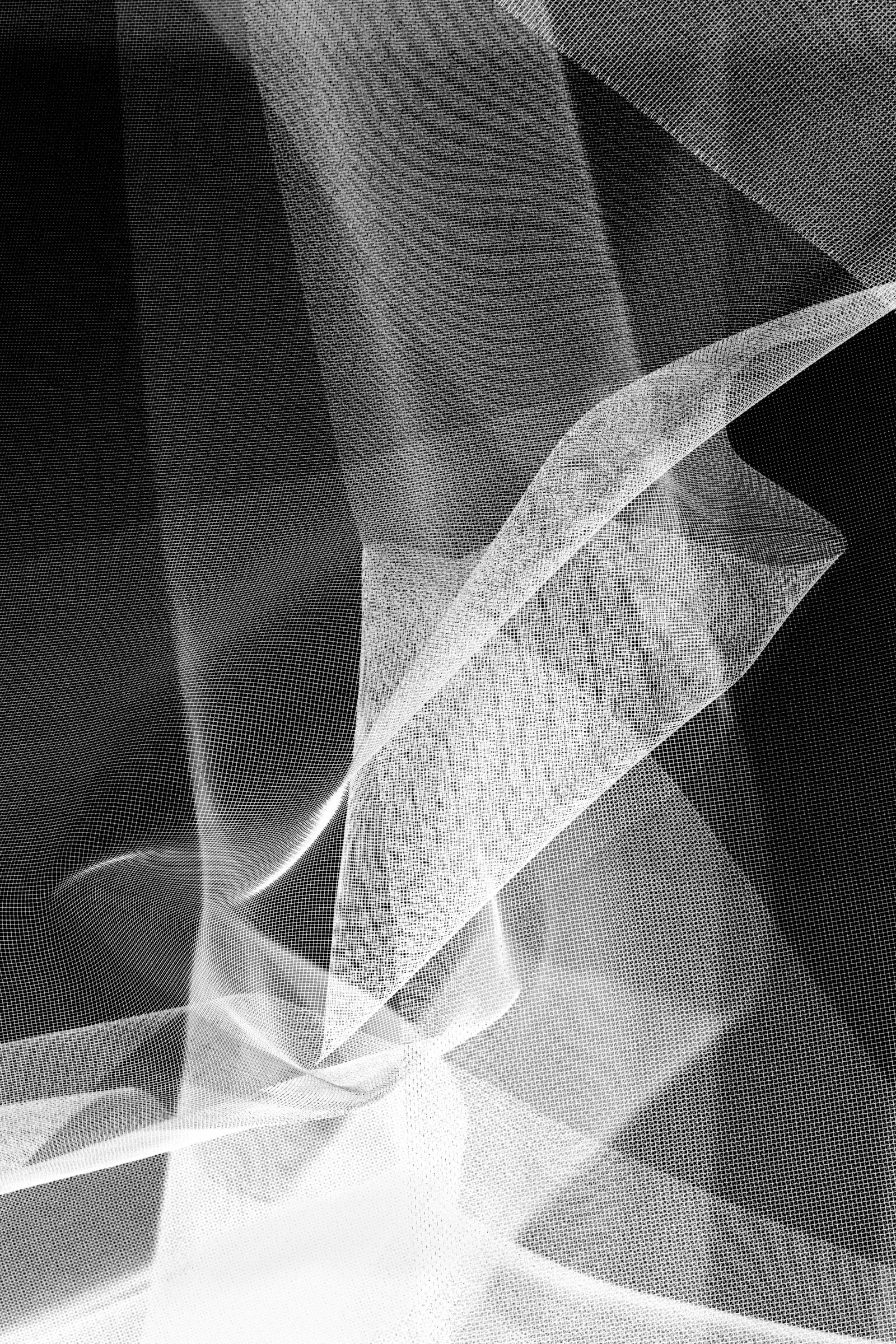
Obstructed Desire, archival print, 24 x 36 in, 2022, USD 1000, NFS, © Taylor Hedrick, Omaha, Arkansas
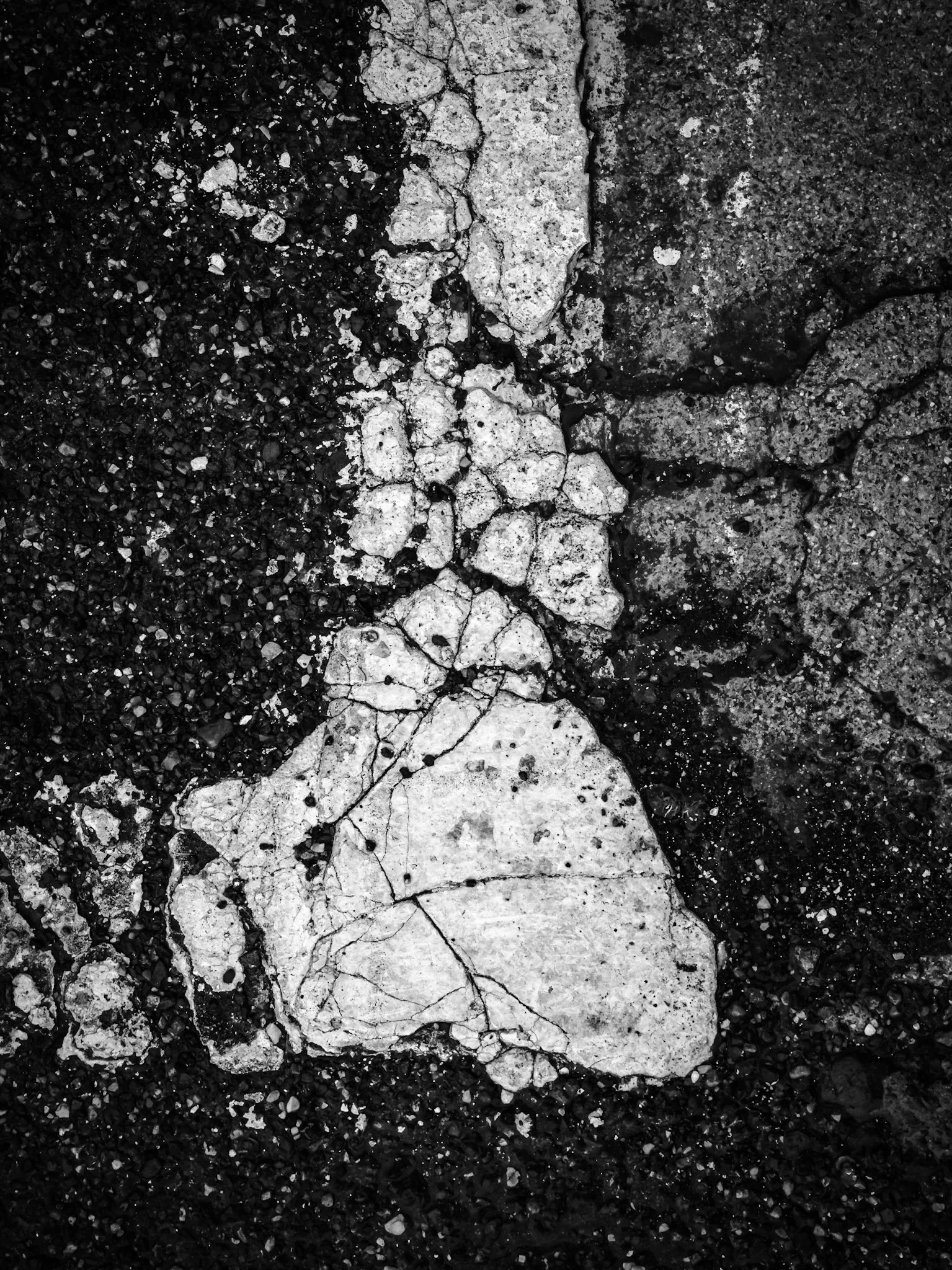
Study of a Weathered Parking Lot, archival print, 12 x 16 in, 2023, USD 200, © Robert Claus, San Jose, California
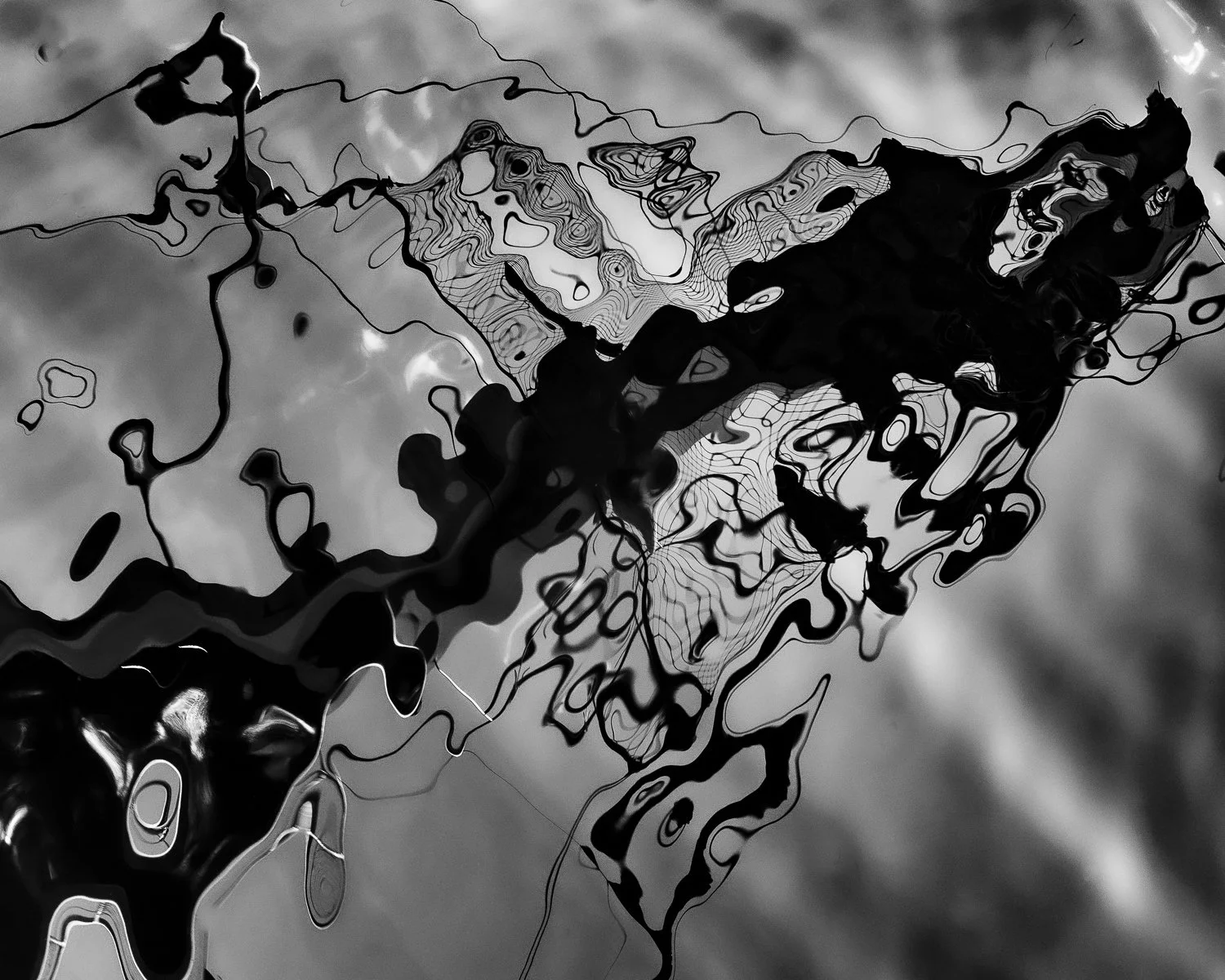
River Dance, archival print, 16 x 20 in, 2023, USD 350, © Joan Eckhardt, Okatie, South Carolina
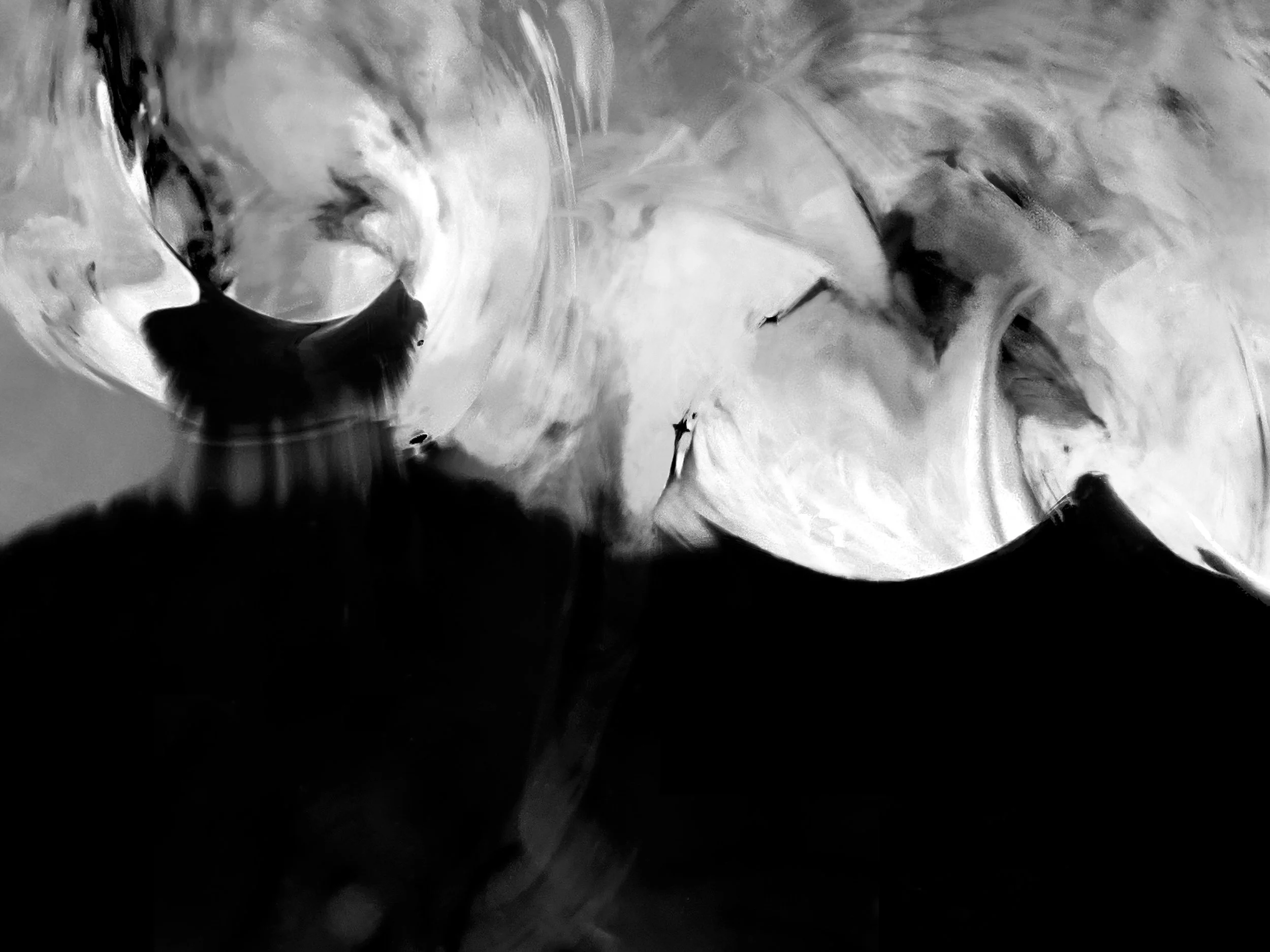
Borealis No. 3, archival print, 75 x 100 cm, 2023, 1380€, © Patrícia Abreu, Rio de Janeiro, Brazil
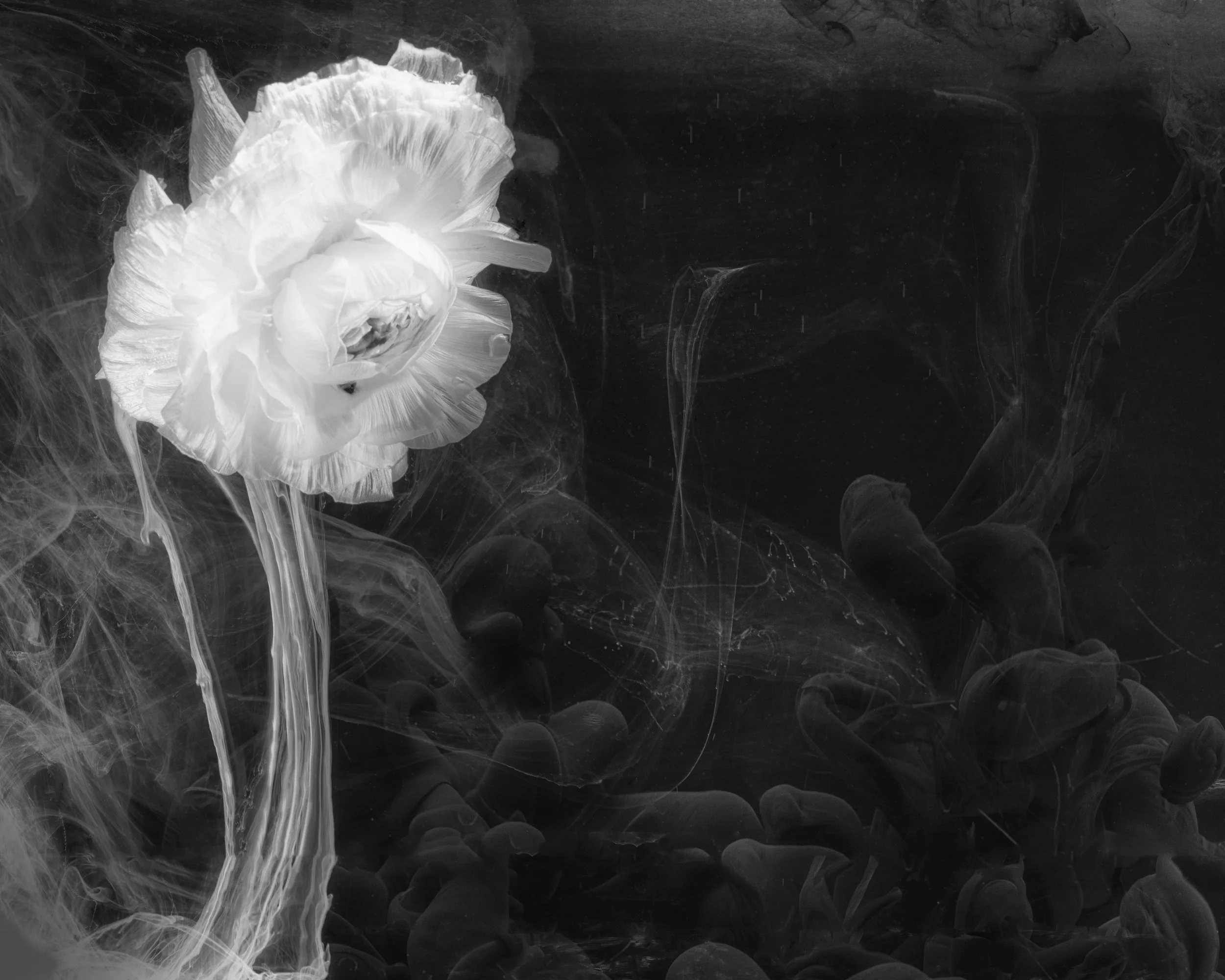
Submerged: I Go Back to Black, archival print, 16 x 20 in, 2021, USD 650, © Barbara Brundage, Soquel, California
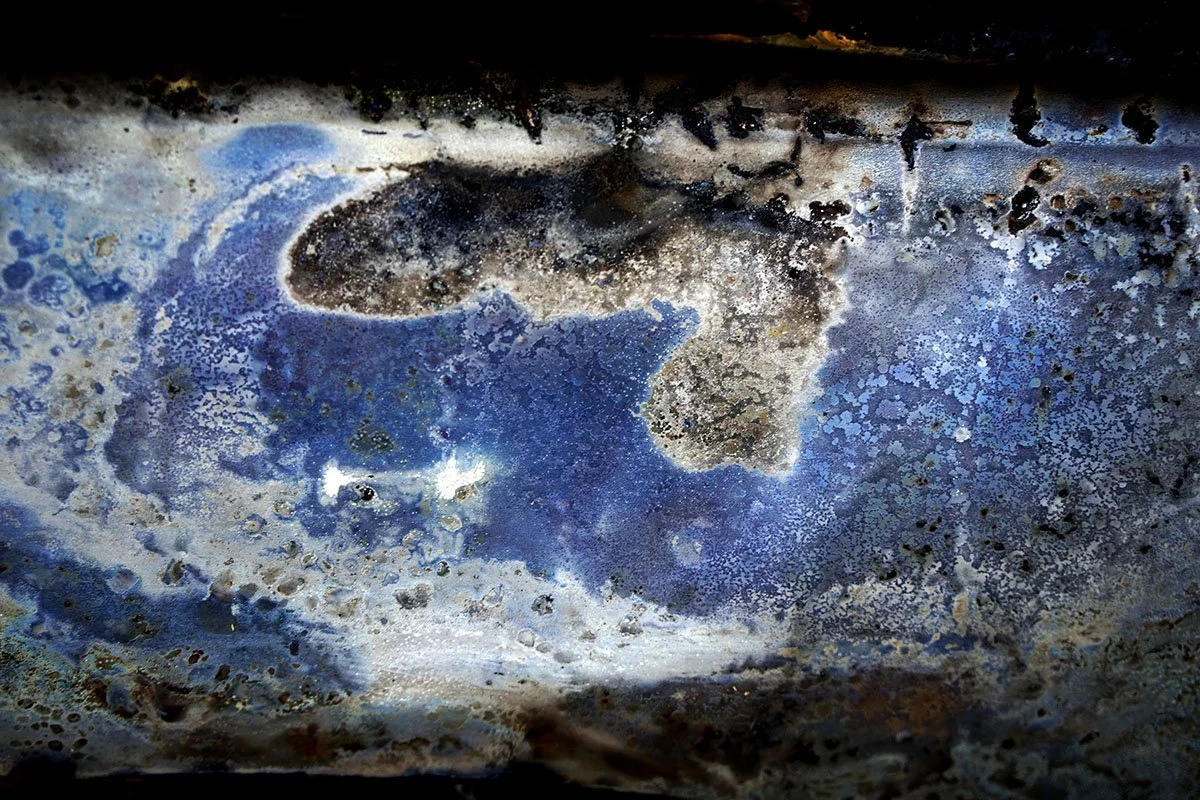
Black into Blue, archival print, 9 x 13 in, 2018, USD 800, © Denis Sivack, New York City, New York
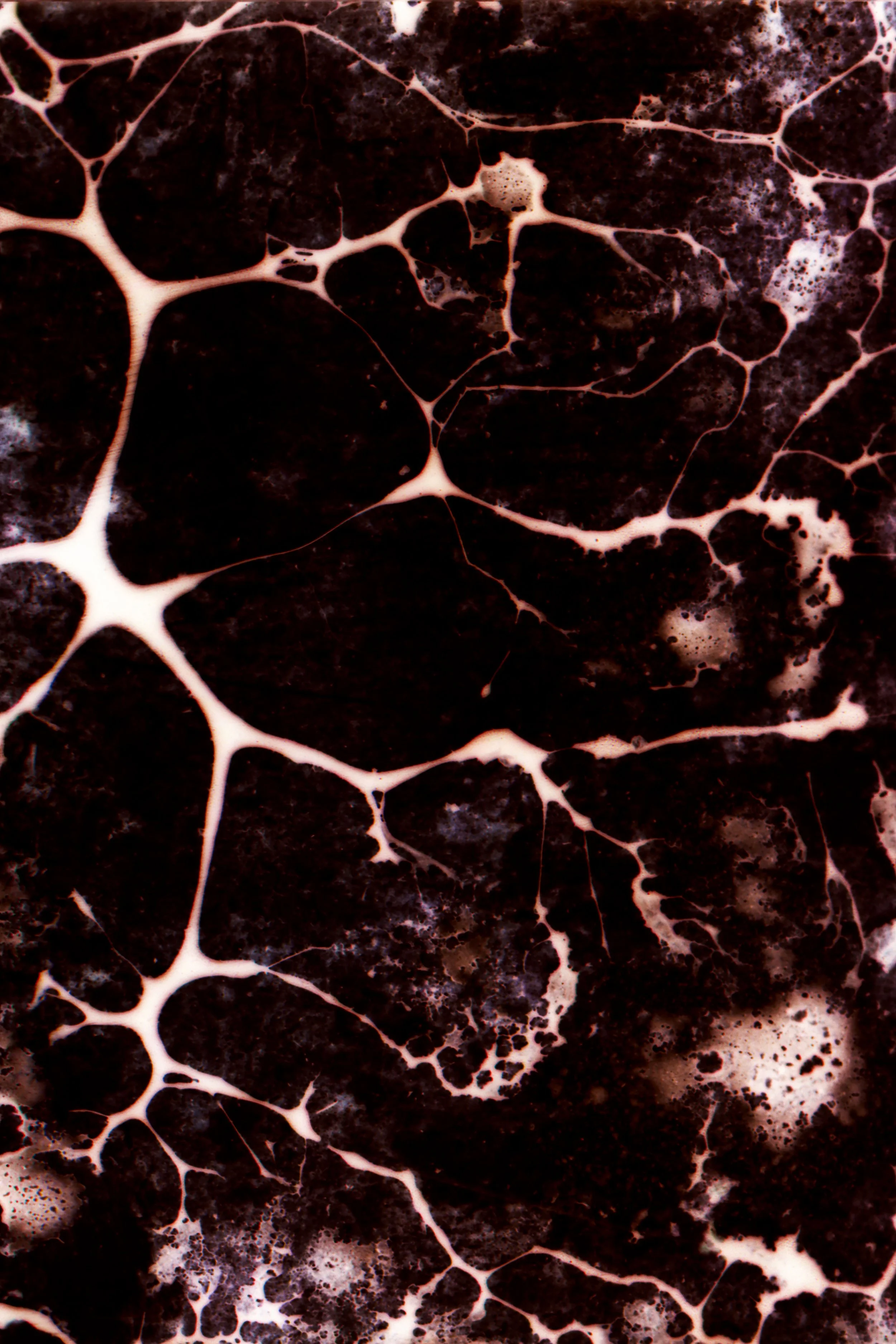
Imperfections, archival print, 42 x 59.4 cm, 2021, USD 500, © Eltaj Zeynalov, Baku, Azerbaijan
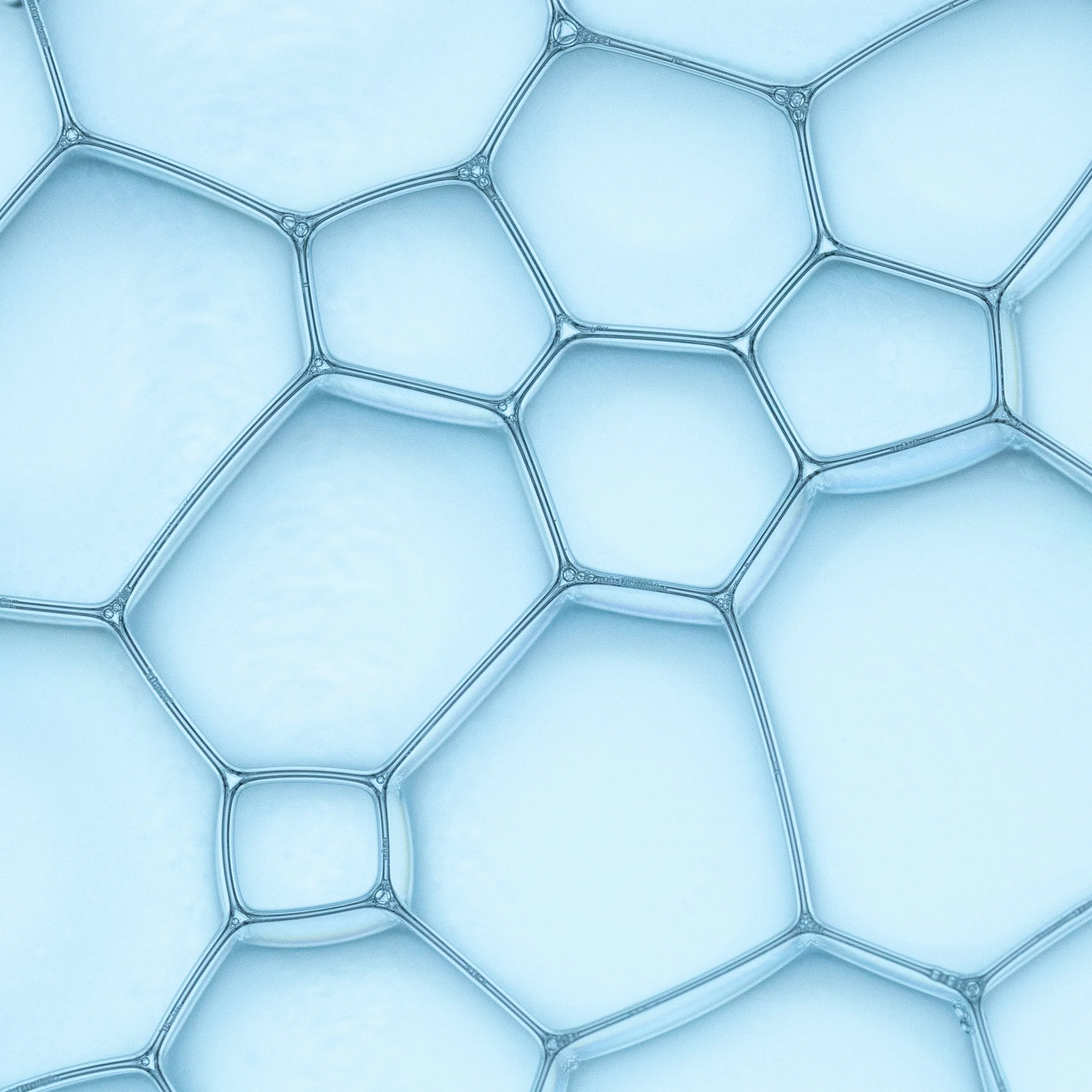
Connection, archival print, 42 x 42 cm, 2023, 320€, © Asia Tsyhankova, Kyiv, Ukraine
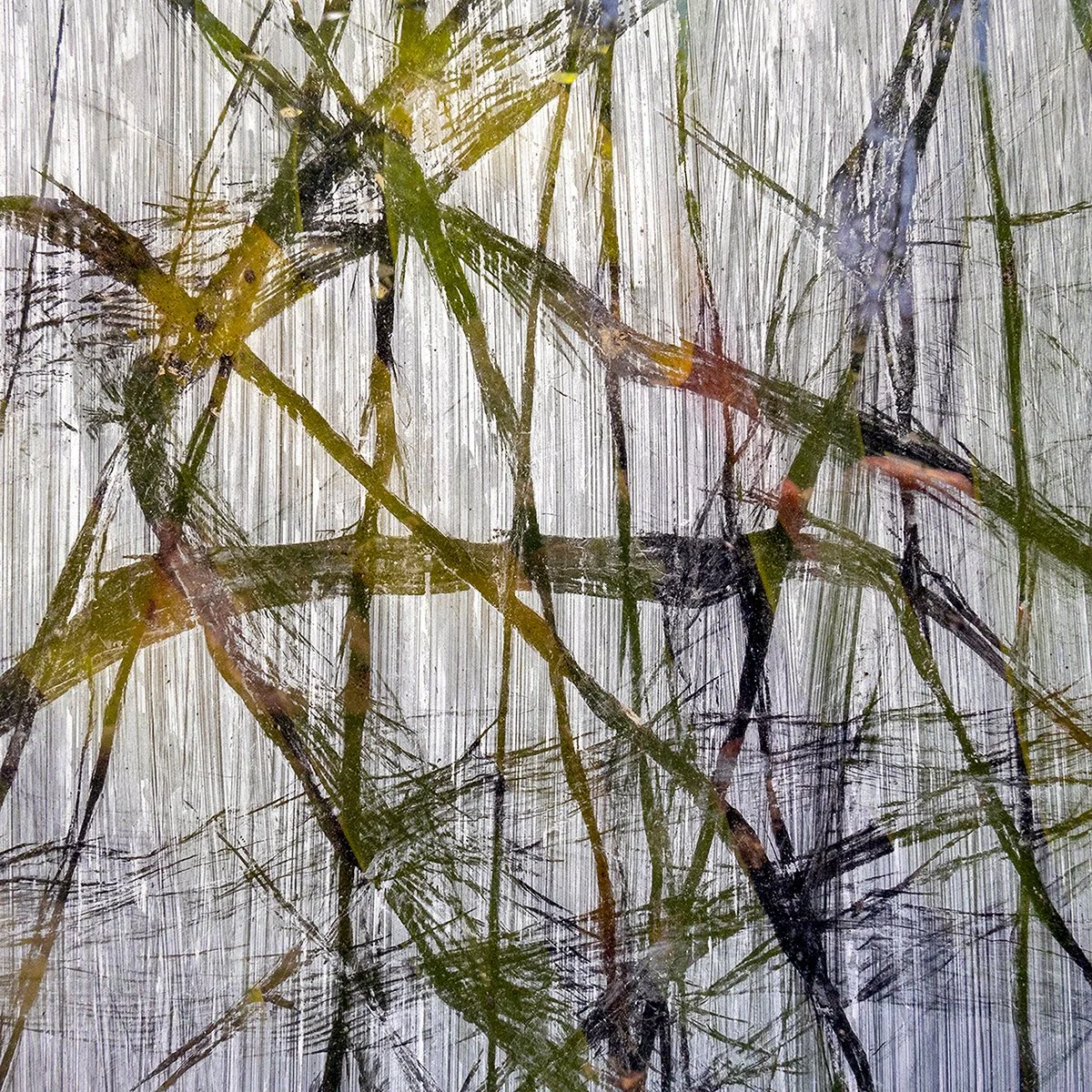
El Cerrito, archival print, 12 x 12 in, 2022, USD 300, © Jay Levy, El Cerrito, California
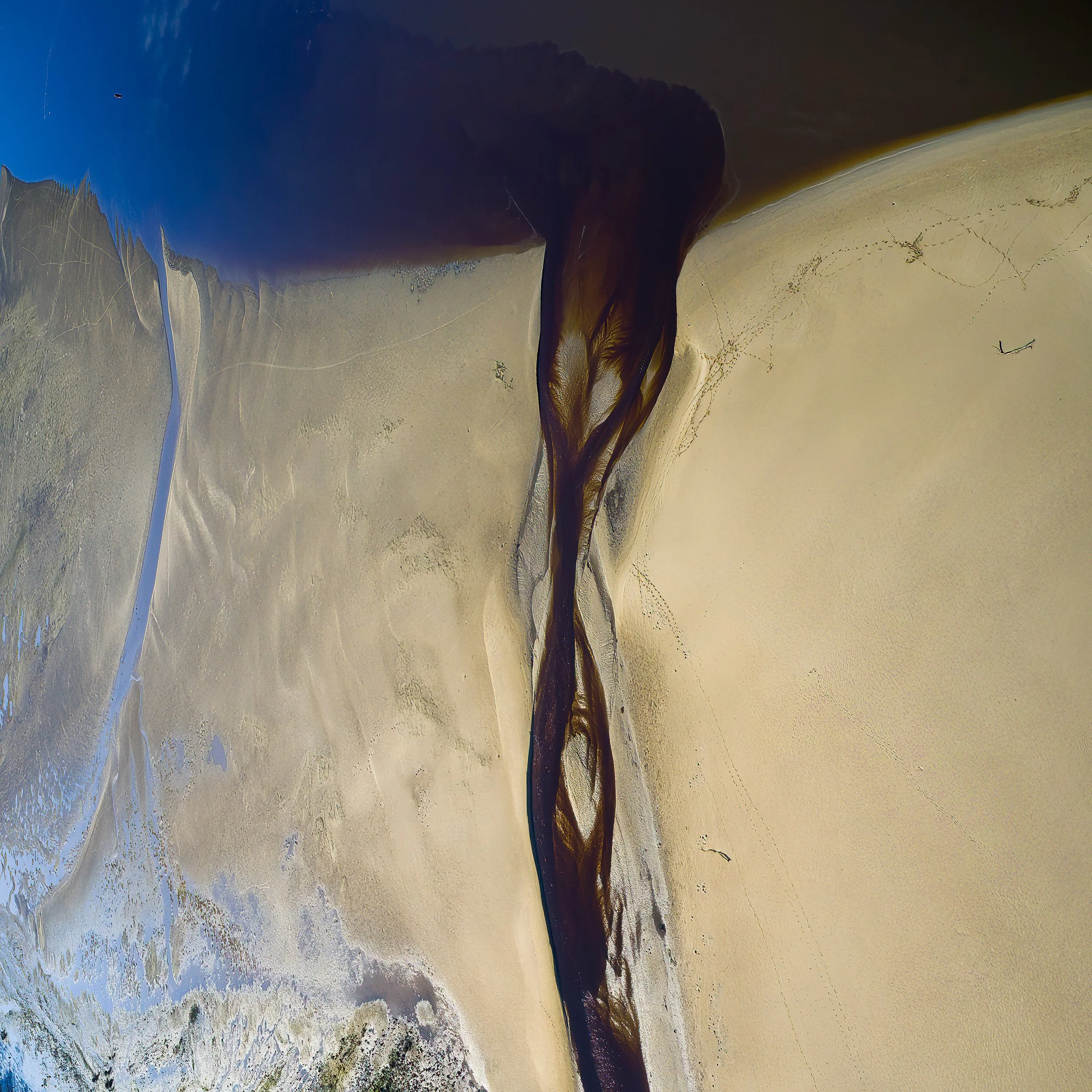
Fissura, archival print, 60 x 60 cm, 2022, USD 250, © Peter Harlow, Melbourne, Australia
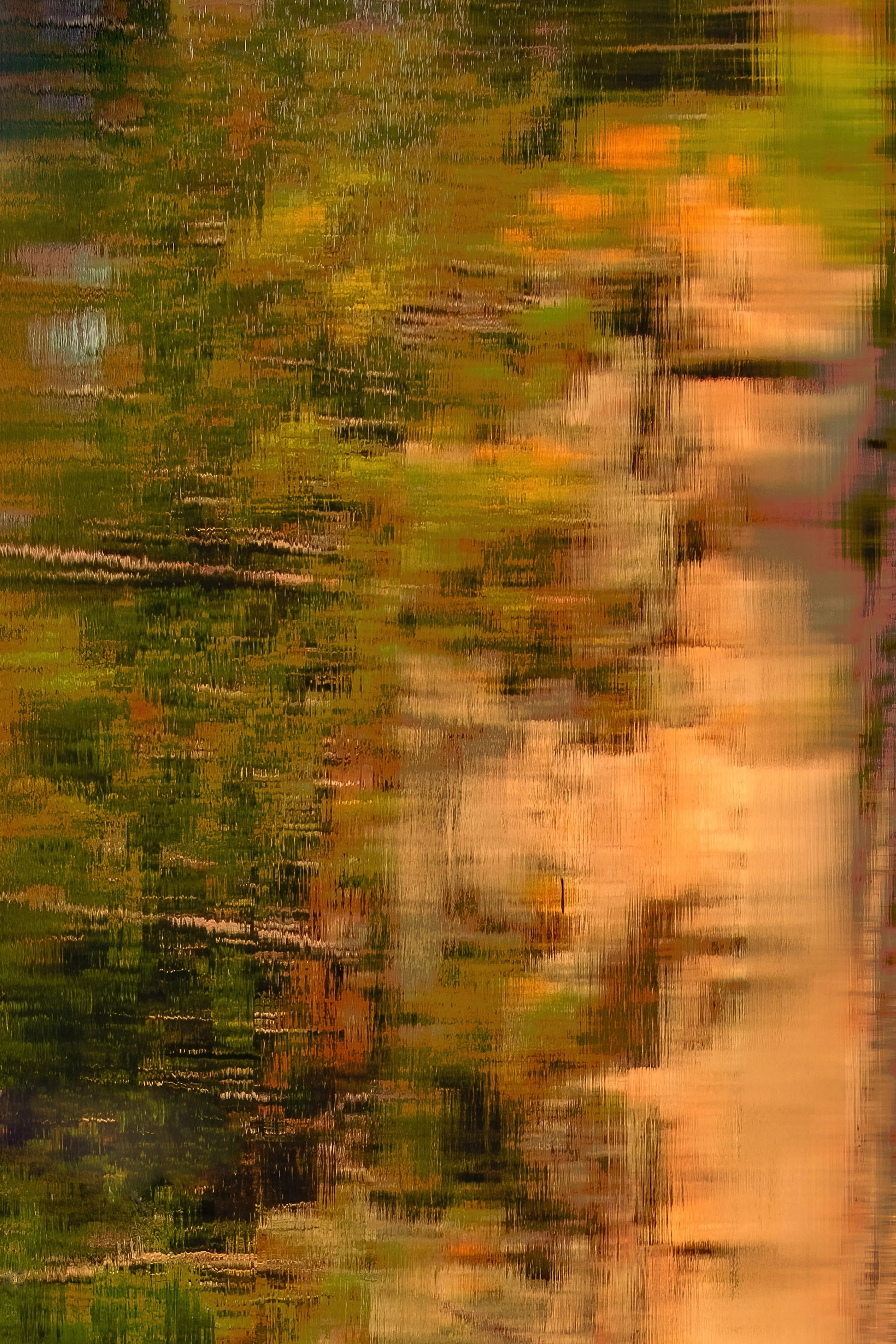
Spectrum of Silence, archival print, 36 x 24 in, 2023, USD 900, © Mark Weller, Waunakee, Wisconsin
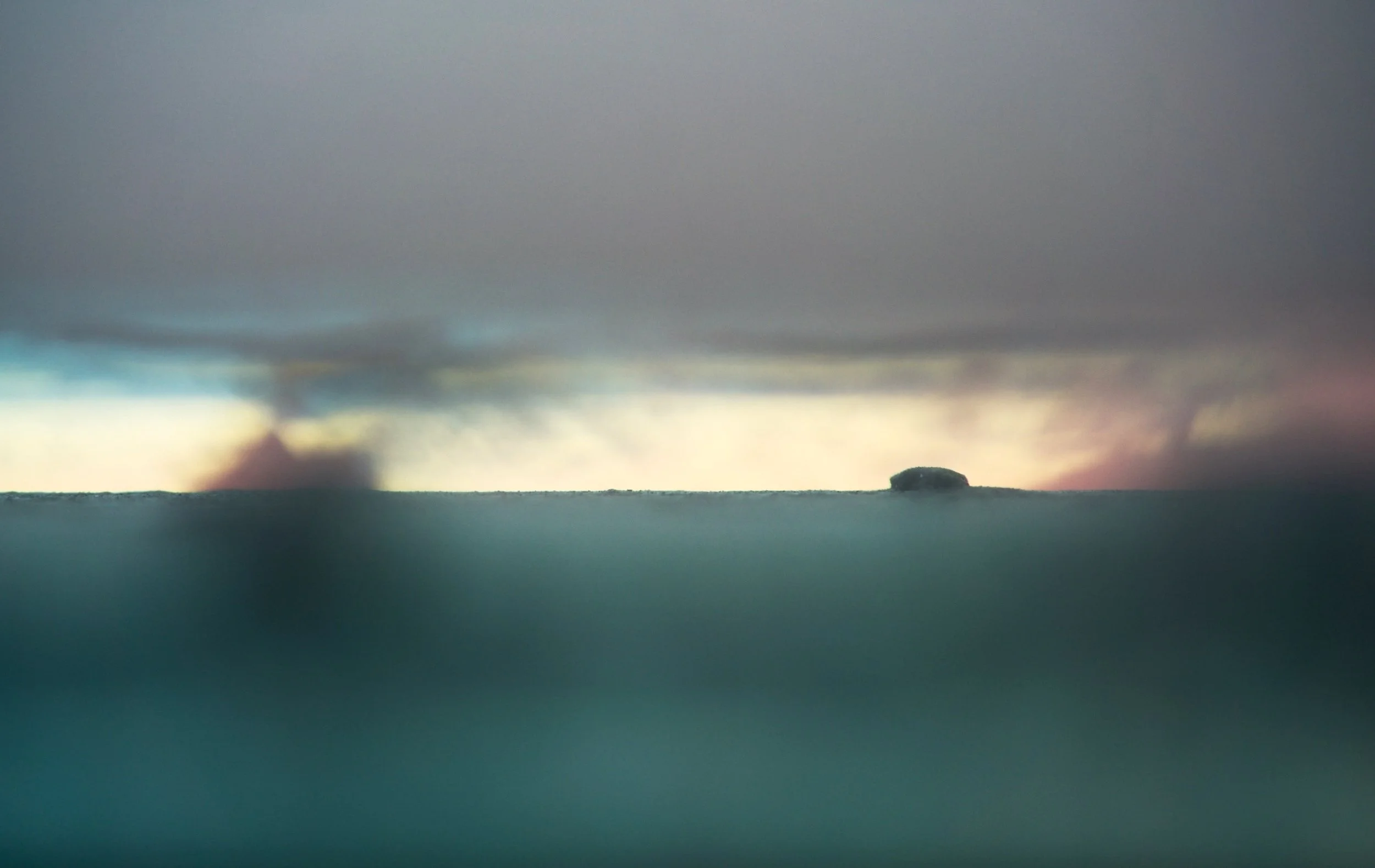
Limen, archival print, 29.5 x 17 in, 2021, USD 750, © John Tronsor, Pittsburgh, Pennsylvania
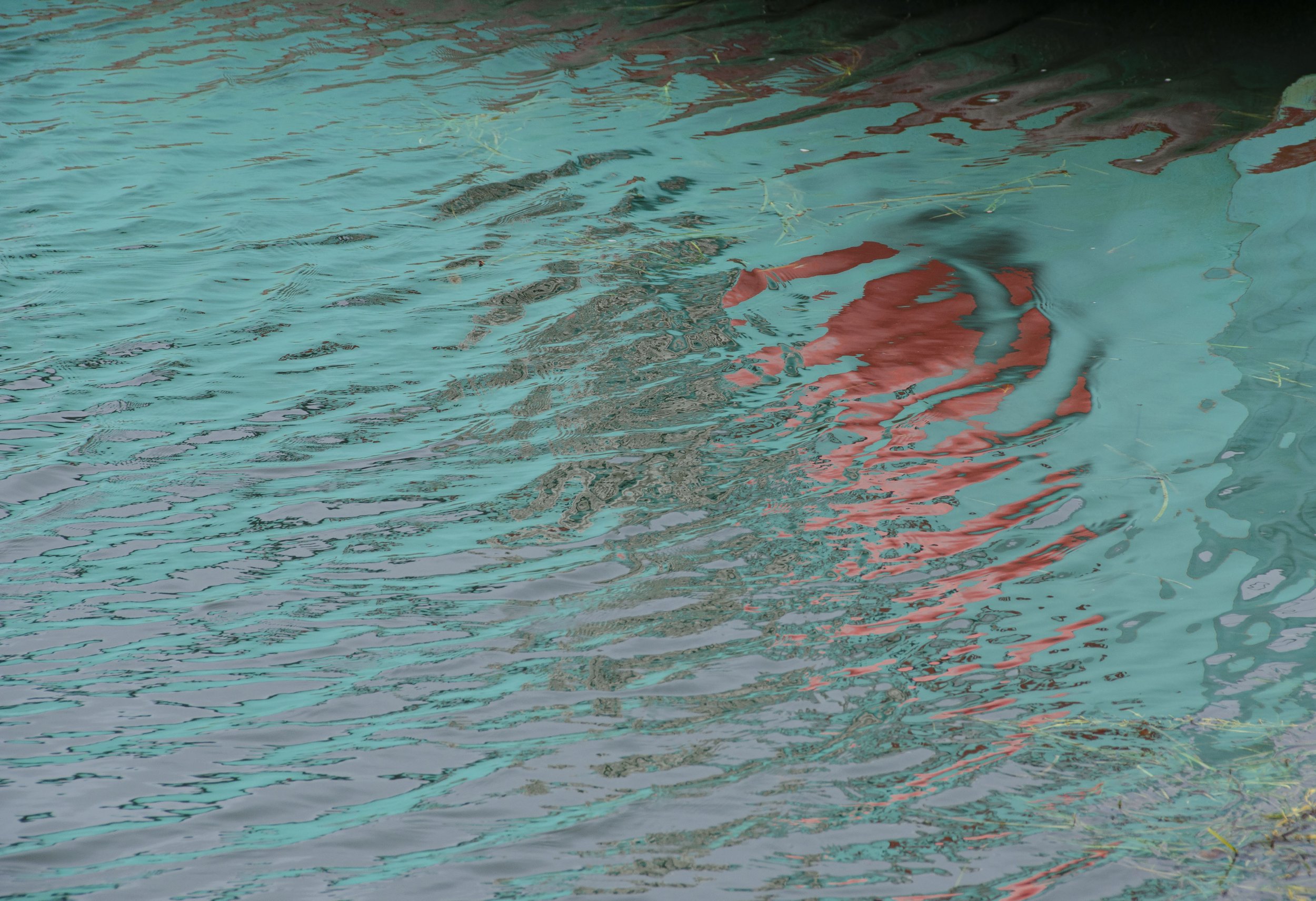
Bumper, archival print, 12 x 18 in, 2022, USD 400, © Jill Law, North Dartmouth, Massachusetts
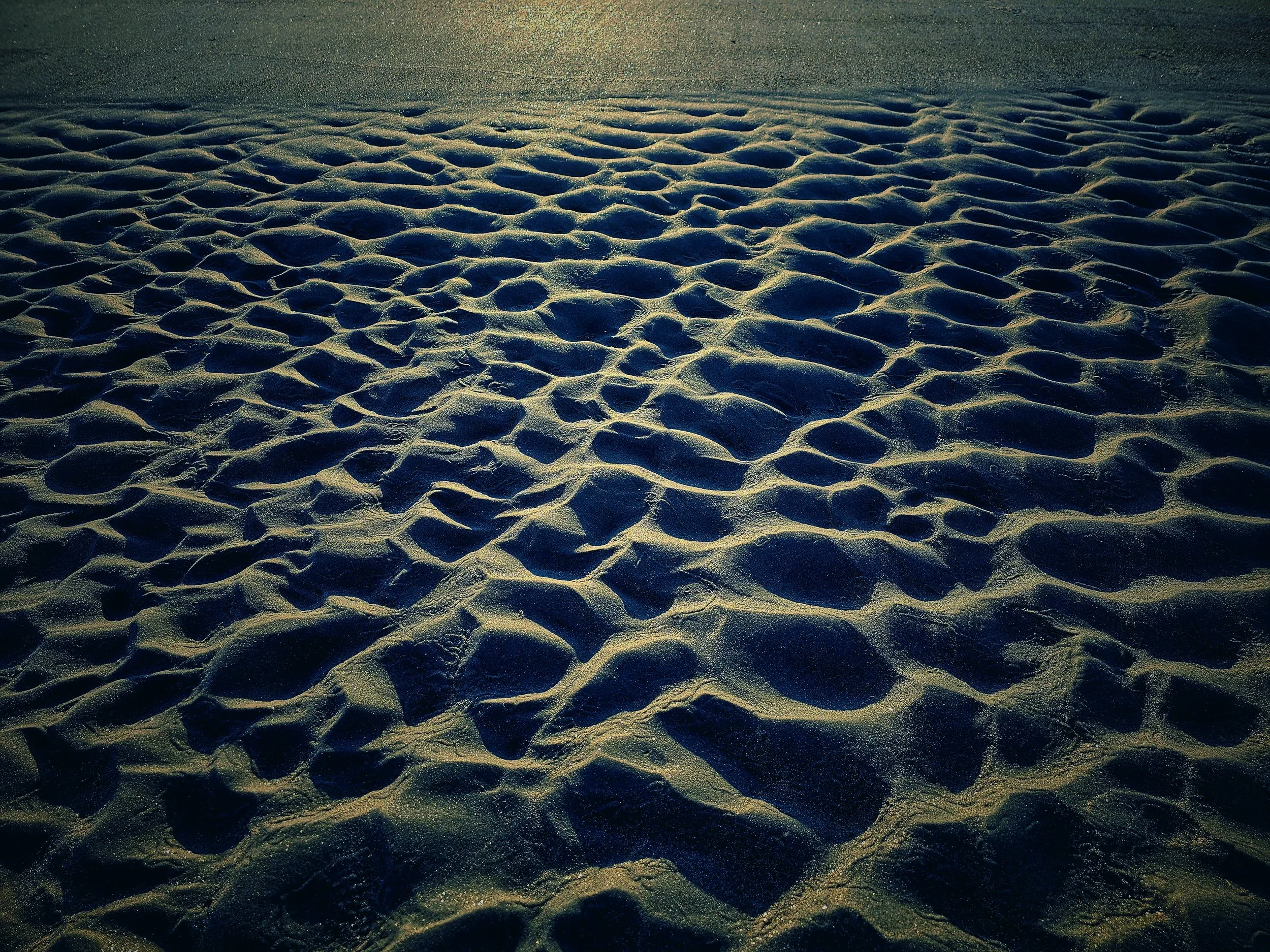
Bumps, photo transfer on metal, 17 x 21 in, 2023, USD 200, © Katie West, Wilmington, Delaware
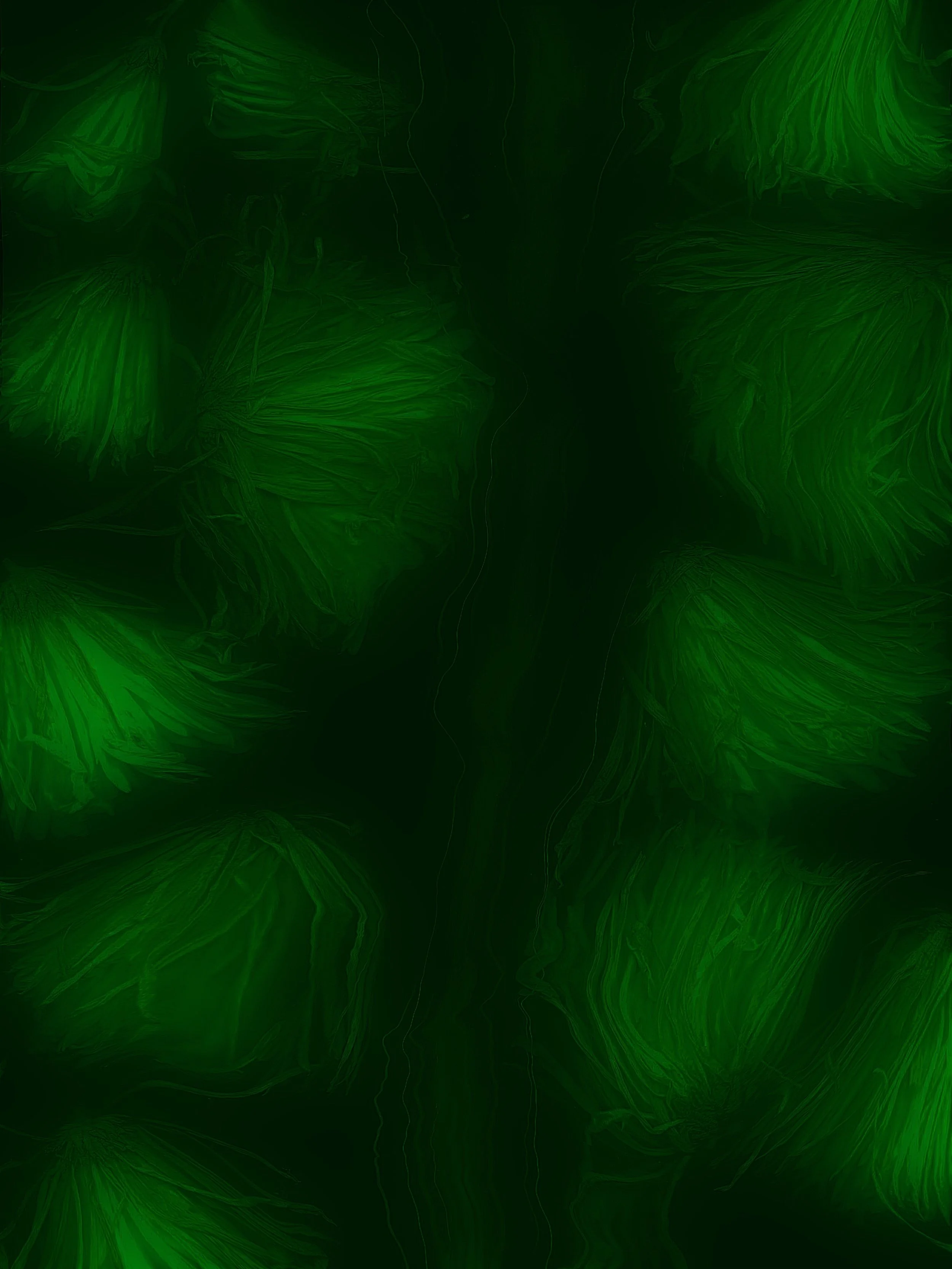
Transition, archival print, 60 x 80 cm, 2023, USD 1100, © Ann Zhulan, Kyiv, Ukraine
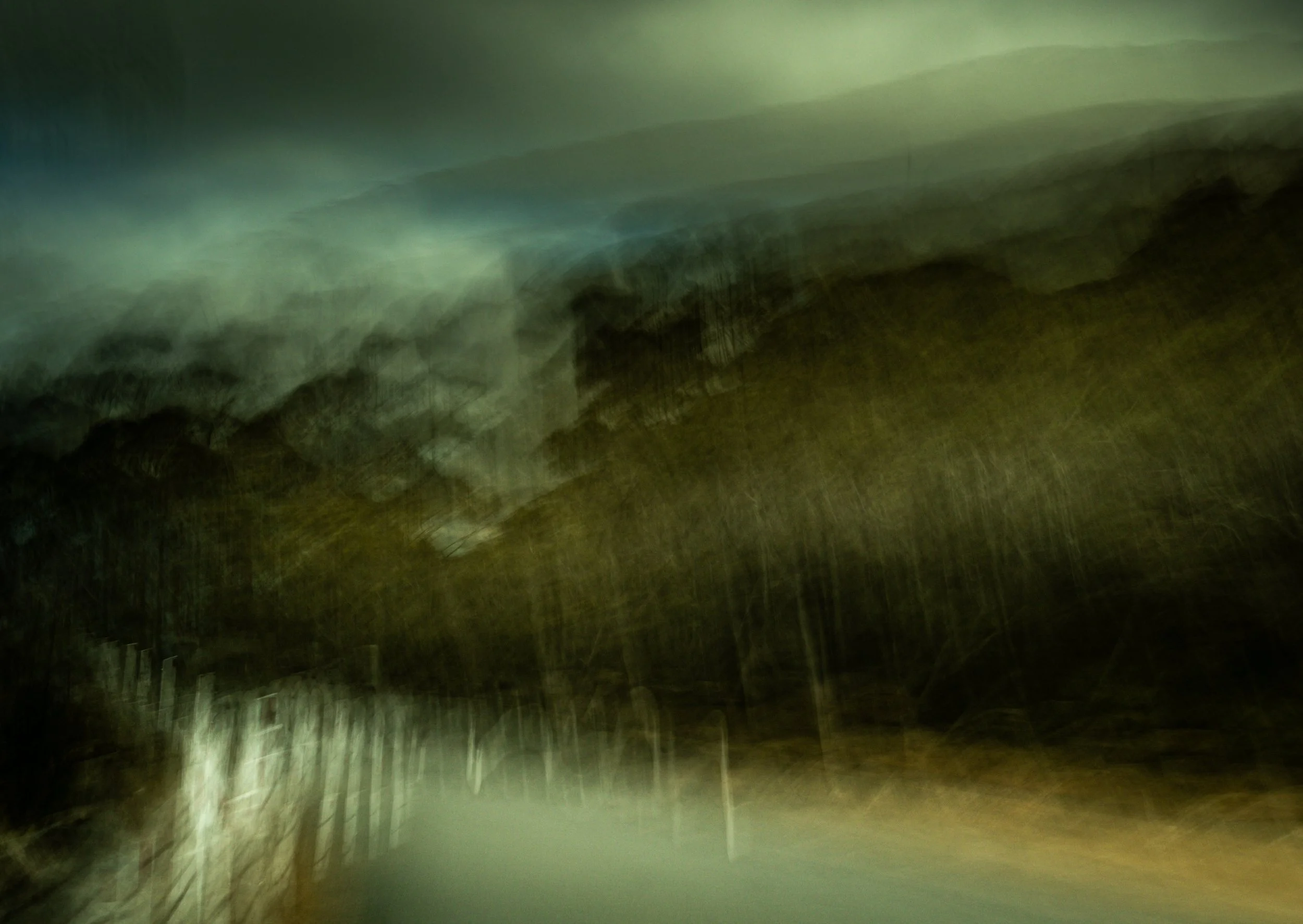
Straya, archival print, 42 x 59.4 cm, 2023, USD 600, © David Pyefinch, Hobart, Australia
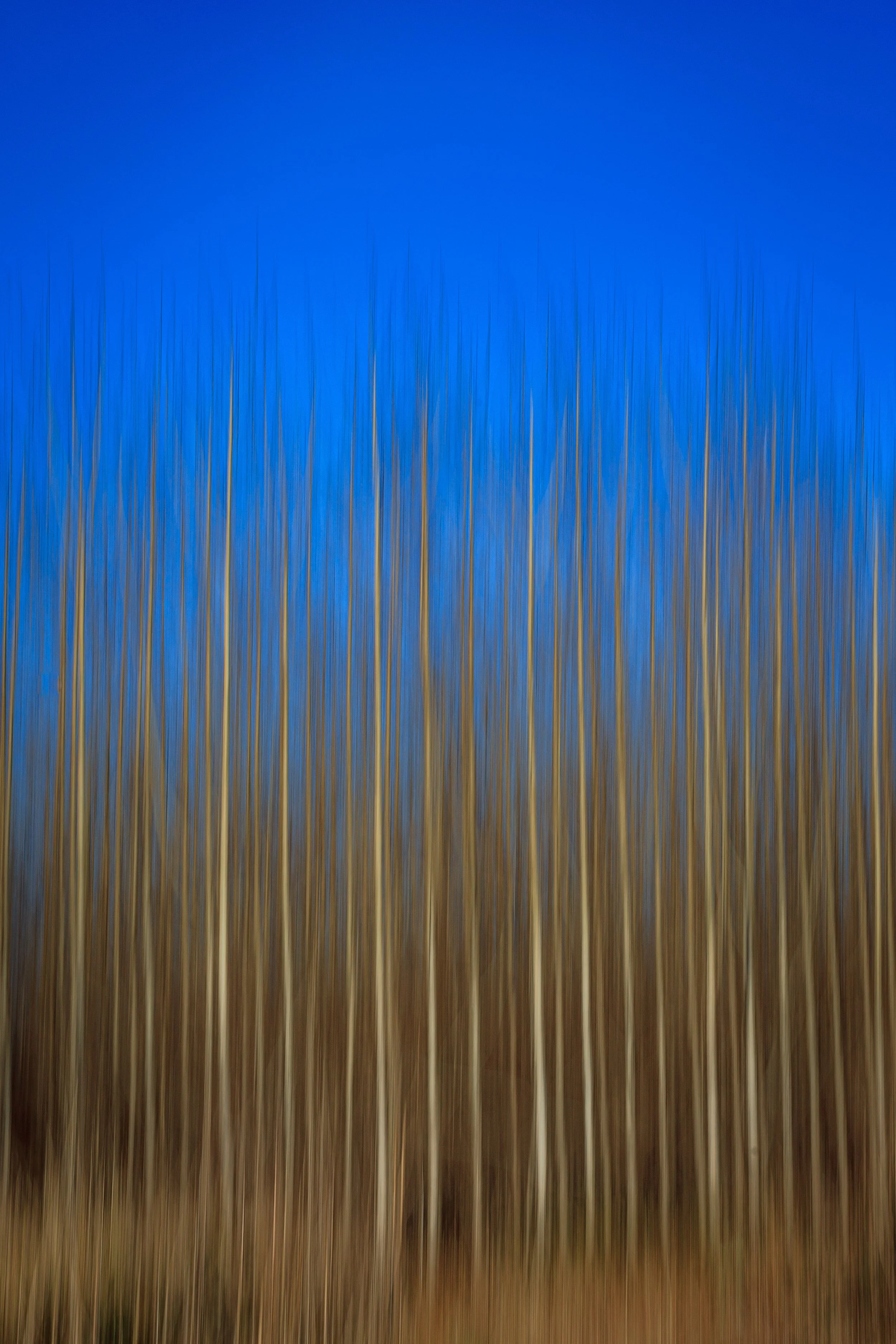
Midday Treefarm, photo transfer on aluminum, 12 x 18 in, 2021, USD 110, © Patrick Aalto, Portland, Oregon
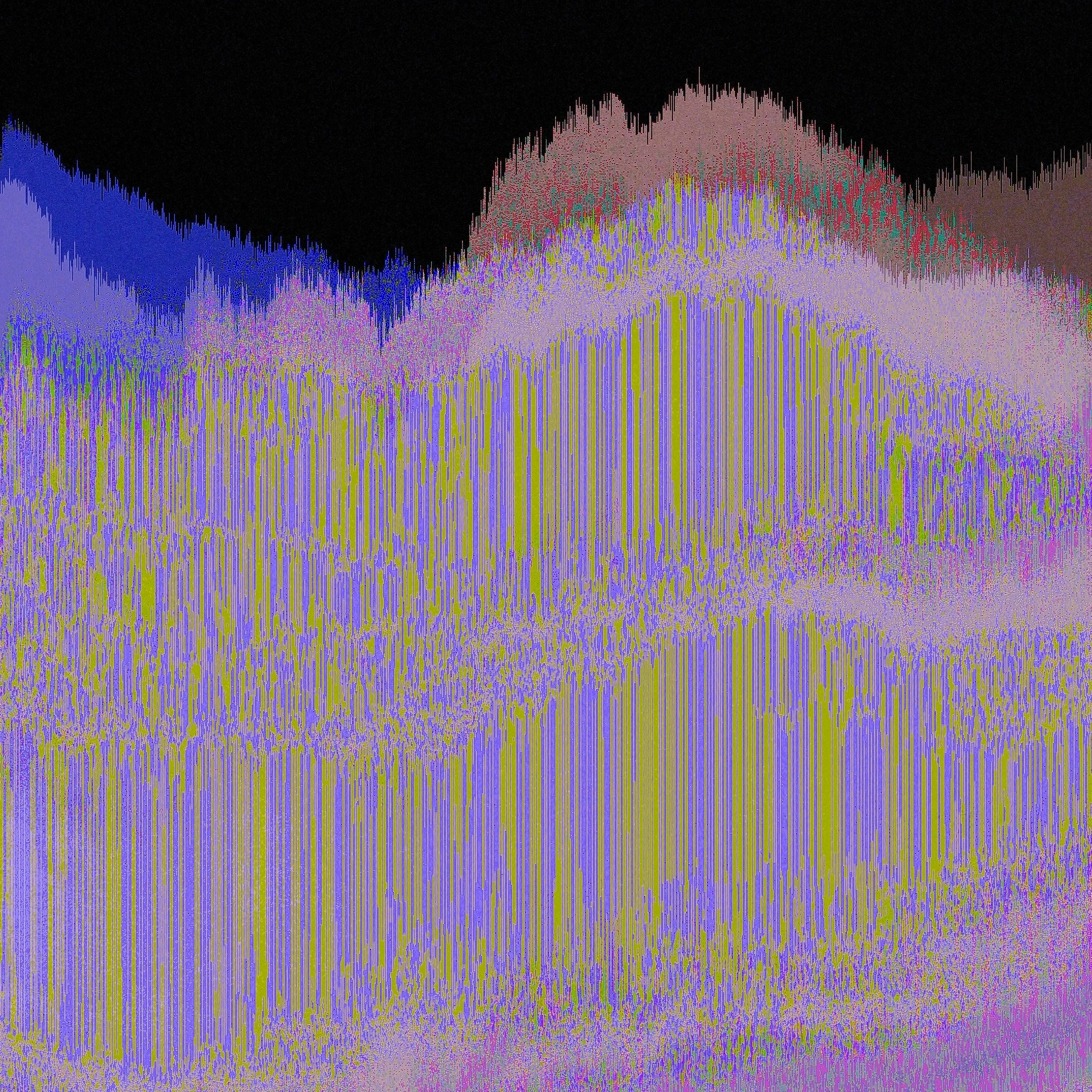
Peak, archival print, 18 x 18 in, 2023, USD 250, © Otto Brink, Phoenix, Arizona
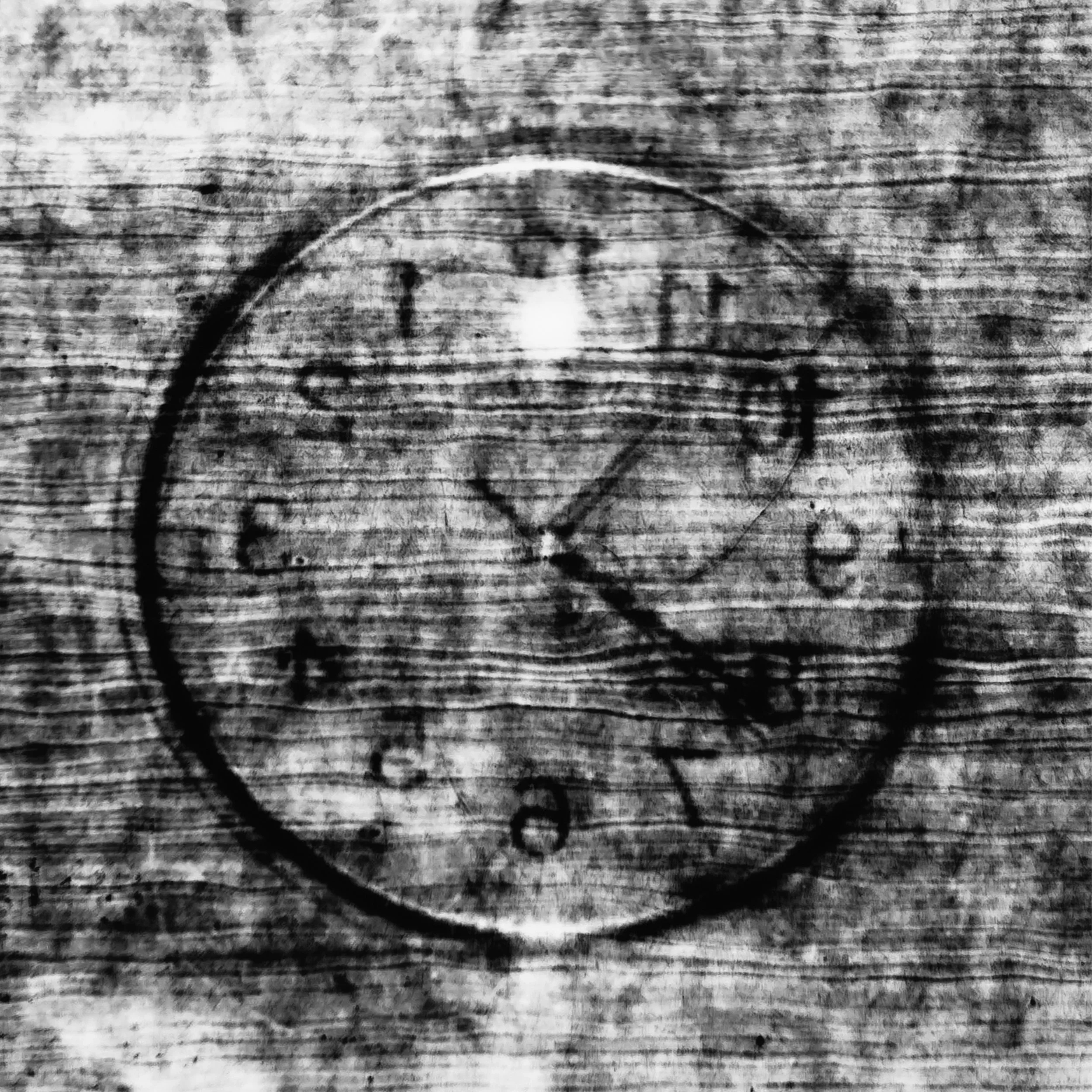
Lies in Stopping, archival print, 30 x 30 cm, 2023, £150, © Yuehan Hao, Qingdao, China
Sales and Artist Inquiries
Are you interested in making a purchase or connecting with one of the featured artists? Send us an inquiry through our contact form, and we'll get back to you shortly.