

The Art of Street Photography (2025)
March 1–April 1, 2025
The Art of Street Photography (2025) was a juried online photography exhibition at TCG Gallery, presented as part of the gallery's 2025 program. Street photography is the genre with the highest ratio of failure to success in all of photography, because the photographer controls almost nothing. Not the light, not the subject, not the background, not the moment. The only decision available is when to press the shutter, and everything depends on it.
That constraint is also the appeal. A street photograph cannot be assembled or repeated. It records a configuration of people and space that existed for a fraction of a second and then dispersed, and the photographer had to be standing in the right place, already looking, already ready. Most of the time it does not come together. The exhibition is a record of the times it did.
The genre has changed under pressure in recent years. Public space is more surveilled and people are more aware of being photographed, which has made the old candid approach harder to practice and more contested. The work here operates inside that changed condition rather than pretending it away.
The exhibition remains permanently available in the TCG Gallery photography exhibition archive.
Featured Artists
Barry Bellovin, David Shamburger, Debottam Saha, Demetriusz Wenglarczyk, Dyl Elner, Eileen Busby, Erika Fujiyama, Eugene Lee, Felix Brown, Harry Williams, Jason Hamric, Jelisa Peterson, Jiawen Wei, John Stanley, Kyle Spears, Kylo-Patrick Hart, Marcus Holloway, Mark Peacock, Matt Sims, Michael Eckart, Michael Lee, Naaima Abd-Elhameed, Nathan Gentry, Richard Jackoway, Sanwal Deen, Stephanie Maatta, StreetMax 21, Vadim Kaduchenko, Wright Schickli
A Genre Built Entirely on Timing
Street photography is the purest test of a photographer's reflexes, and it is unforgiving in a way studio work never is. There is no second attempt. The gesture completes, the person walks on, the light shifts, and whatever the frame caught is what exists. Photographers who work this way describe long stretches of nothing punctuated by moments that resolve without warning, and the discipline is less about hunting than about being sufficiently present that recognition arrives fast enough to act on.
Composition Under Conditions of No Control
What separates a good street photograph from a snapshot is almost always structure. The background was already there and the photographer chose the position that made it work. A doorway framing a figure, a line of shadow dividing the frame, a repetition between a poster and a passerby. None of it can be arranged, so all of it has to be anticipated. Experienced practitioners often find a location that has good geometry and wait for someone to walk into it, which is closer to fishing than to hunting and produces a different kind of picture than pure pursuit does.
The Ethics Have Changed
Candid photography of strangers in public rests on a set of assumptions that were less examined a generation ago. Public space is now densely recorded, people are considerably more conscious of cameras, and the question of who gets photographed and who does the photographing carries weight it did not previously carry. Some photographers have responded by asking permission, which changes the picture completely and produces something closer to portraiture. Others work at distances or angles that preserve anonymity. Others have kept working exactly as before. The genre has not settled this, and any honest street exhibition contains work operating under different answers to the same question.
Phones Changed the Baseline
Nearly everyone now carries a competent camera, which has produced more street photographs than ever made before and simultaneously raised the bar for what distinguishes one. Ubiquity has not made the genre easier. It has made the merely competent frame worthless and pushed the value entirely into seeing rather than access.
The Question of What Counts
The genre's boundaries are unusually contested. Some practitioners insist on people in the frame and treat an empty street as architectural photography wearing the wrong label. Others hold that the subject is public life itself, which includes its traces and its absence. The argument never resolves, and a juried exhibition on the theme inevitably contains work from both positions sitting next to each other, which is more useful than a narrower definition would be.
Street Photography in an Archive
The genre rewards accumulation. A single street photograph is an anecdote, while a body of them becomes a record of how a place looked and behaved at a particular time. That is an argument for a permanent public archive rather than a temporary show, since the value of this work compounds as it ages. TCG Gallery is an independent online photography gallery running open calls for photography continuously, and each juried exhibition remains available after its run ends.
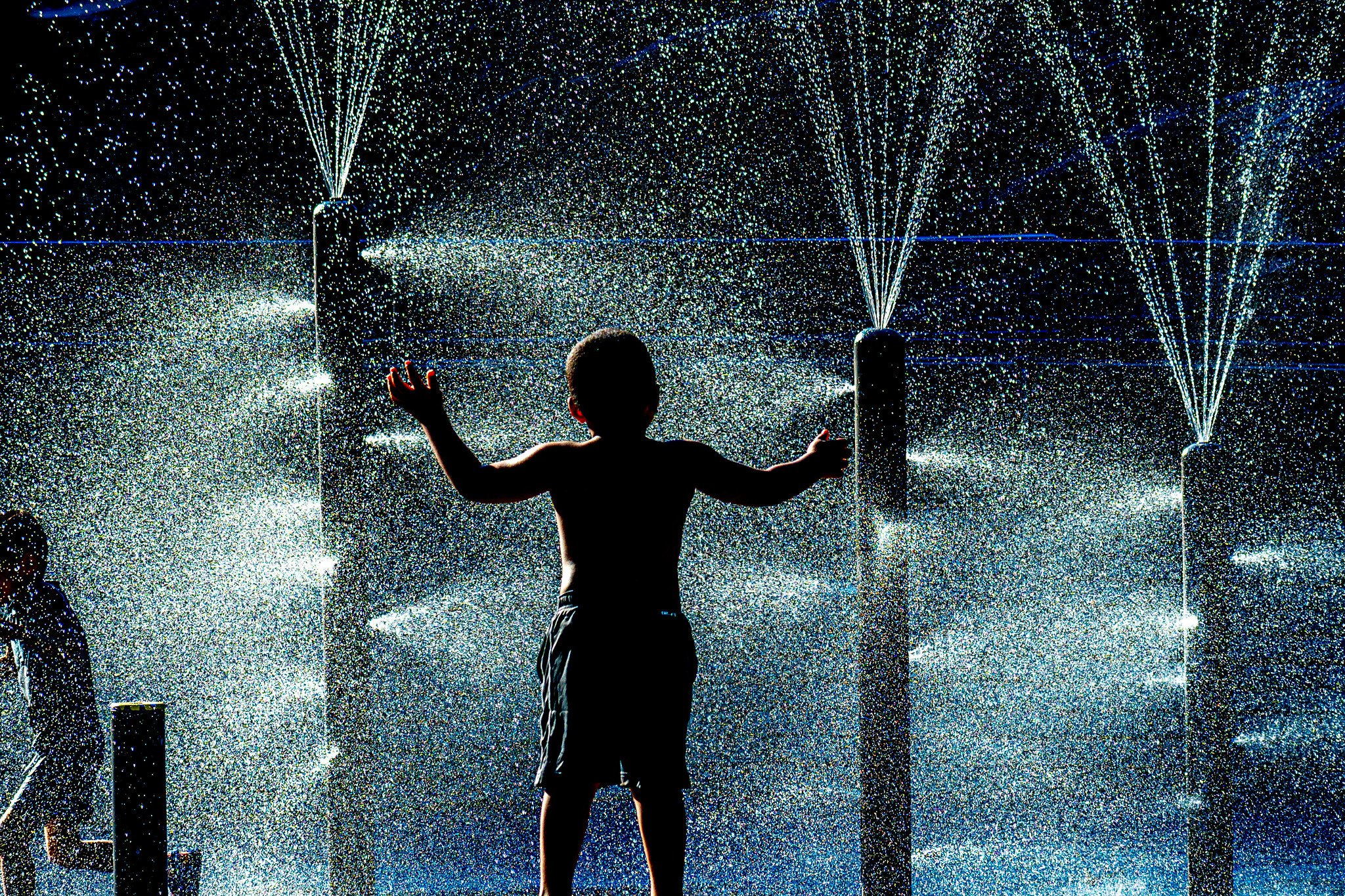
The Fountain, archival print, 12 x 18 in, 2024, USD 450, Barry Bellovin, New York City, New York
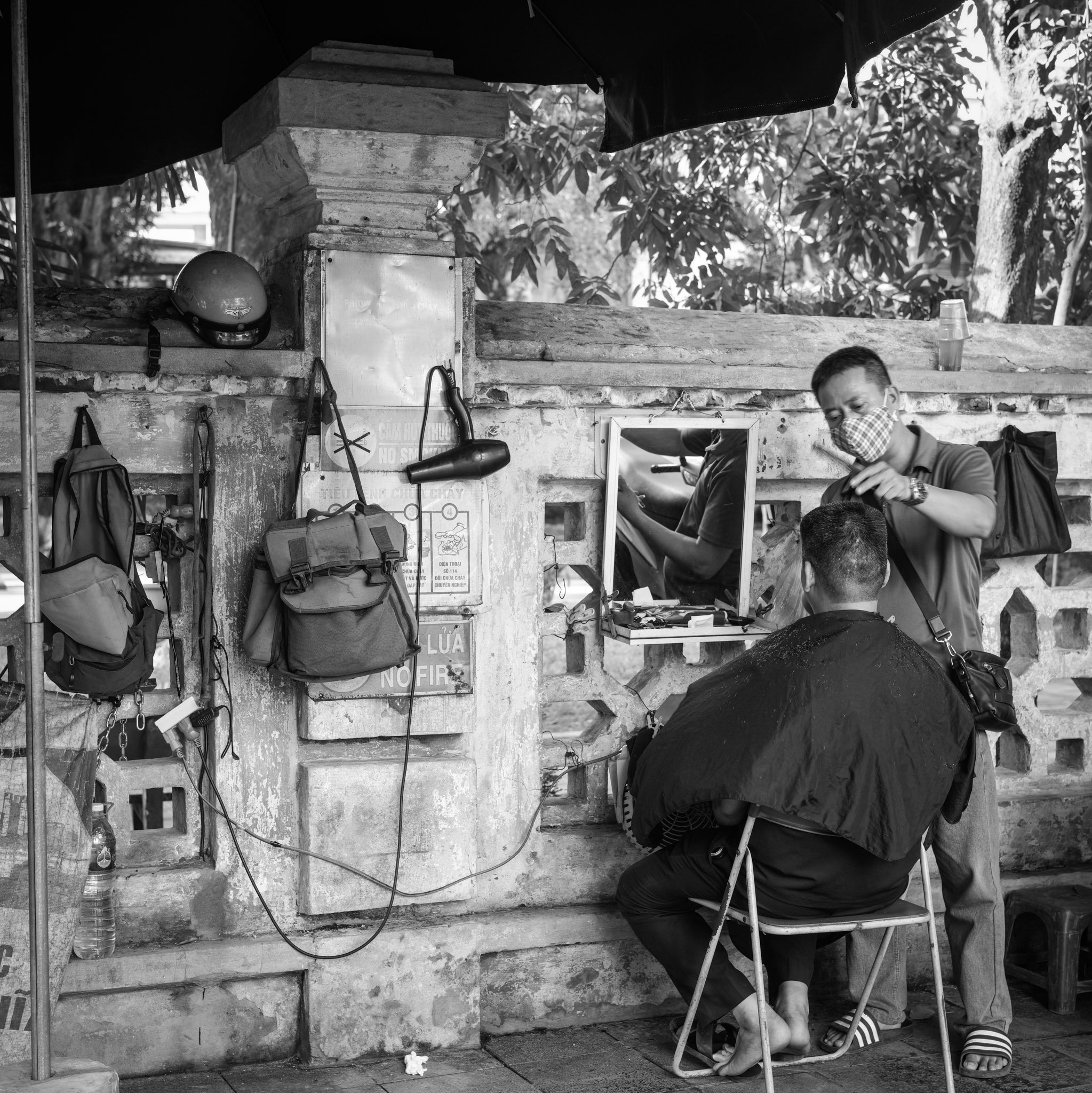
Fade, archival print, 6.8 x 6.8 in, 2024, USD 100, David Shamburger, Sacramento, California
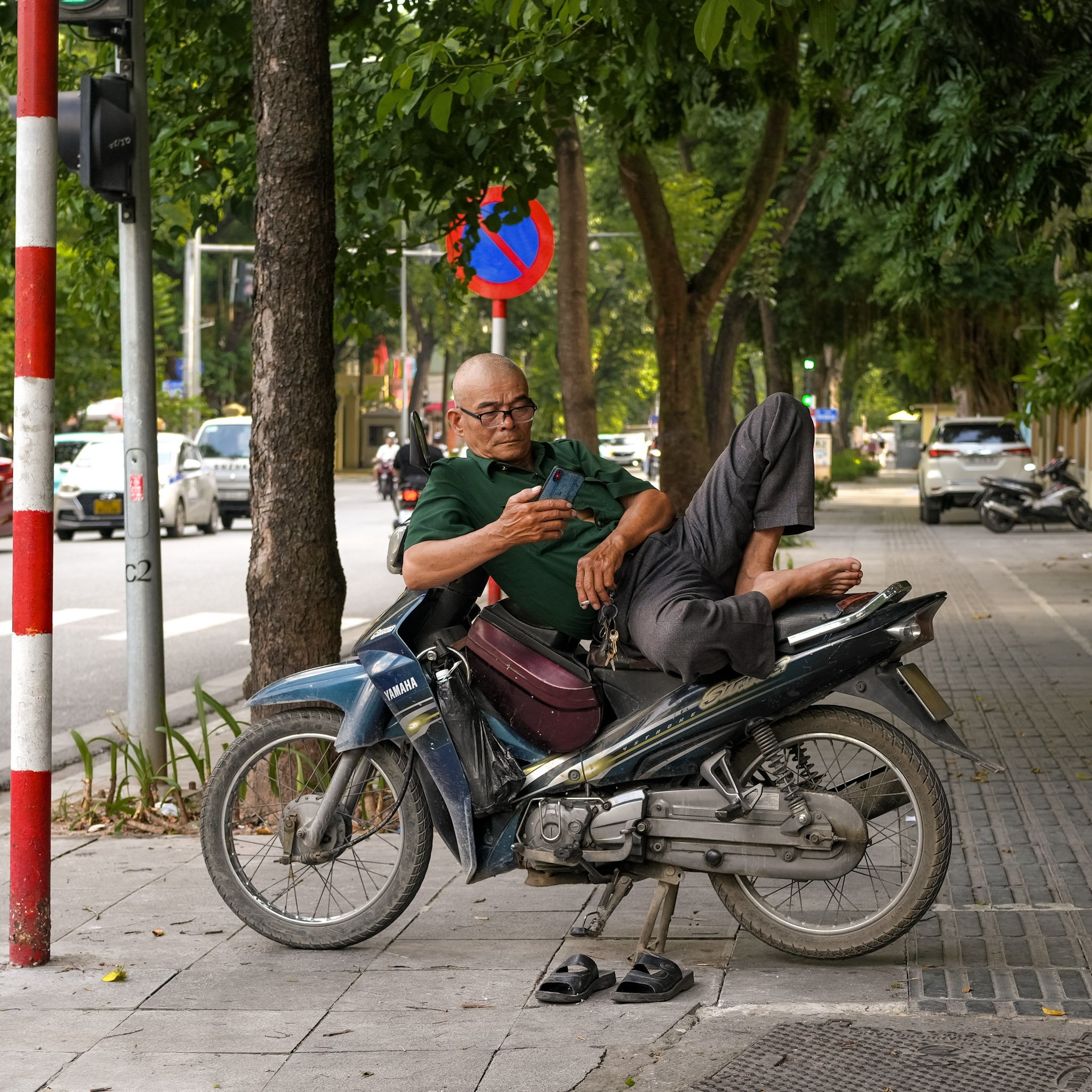
Hardly Workin', archival print, 6.8 x 6.8 in, 2024, USD 300, David Shamburger, Sacramento, California
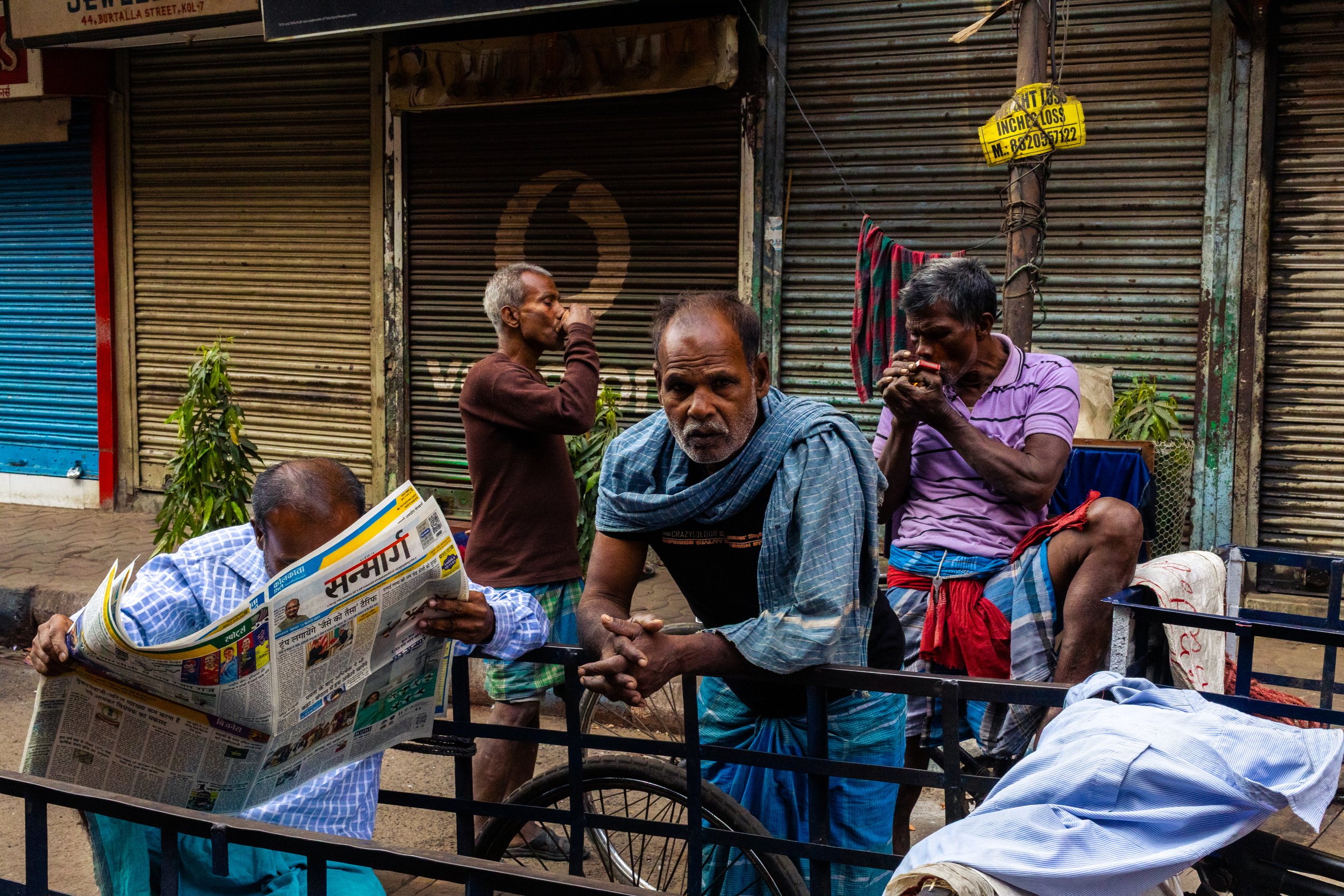
Filled With Action, archival print, 18 x 12 in, 2025, USD 75, Debottam Saha, Kolkata, West Bengal India
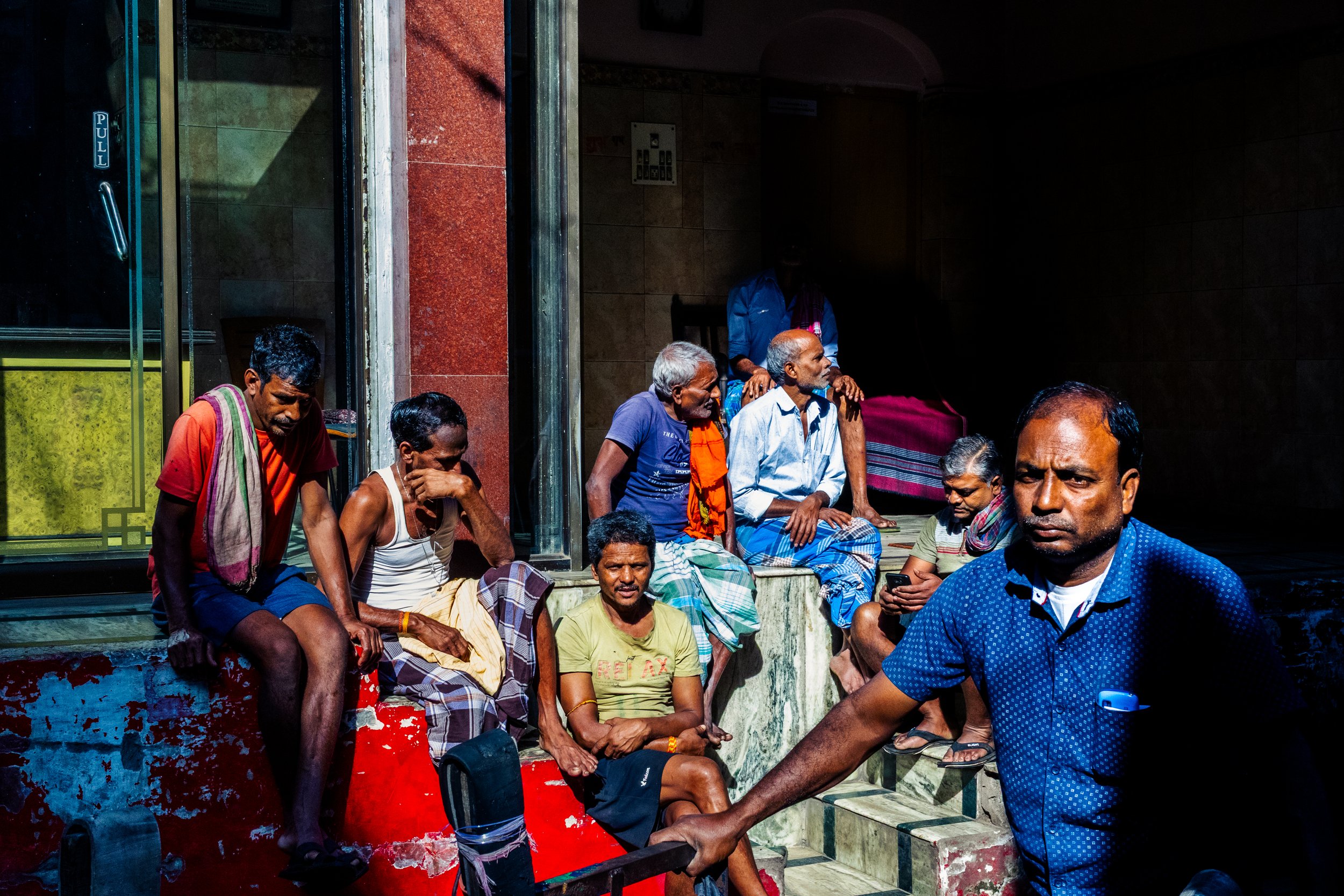
The Convention, archival print, 18 x 12 in, 2025, USD 75, Debottam Saha, Kolkata, West Bengal India
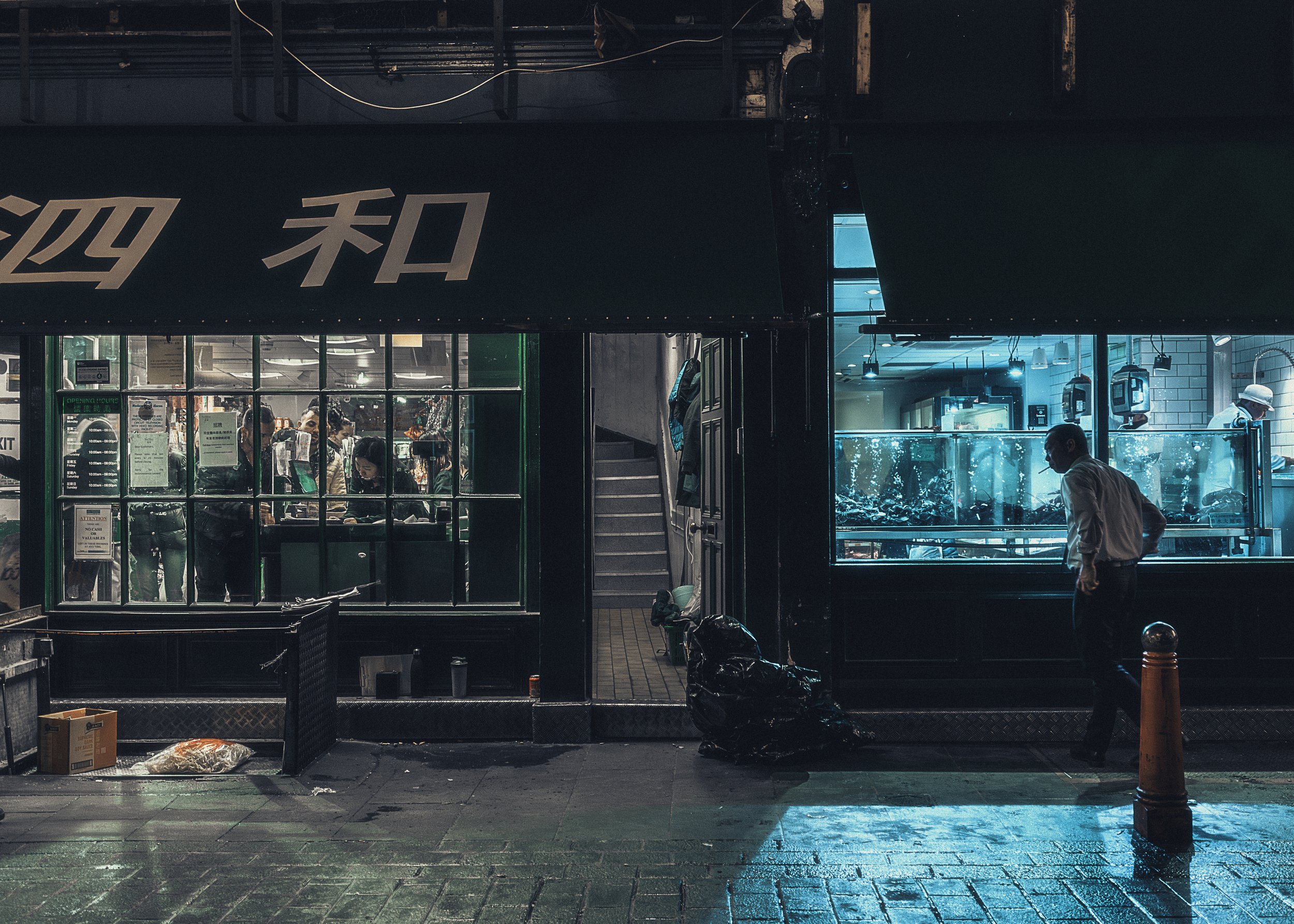
Smoke Break, archival print, 30 x 20 in, 2019, USD 250, Demetriusz Wenglarczyk, Pogórze, Poland
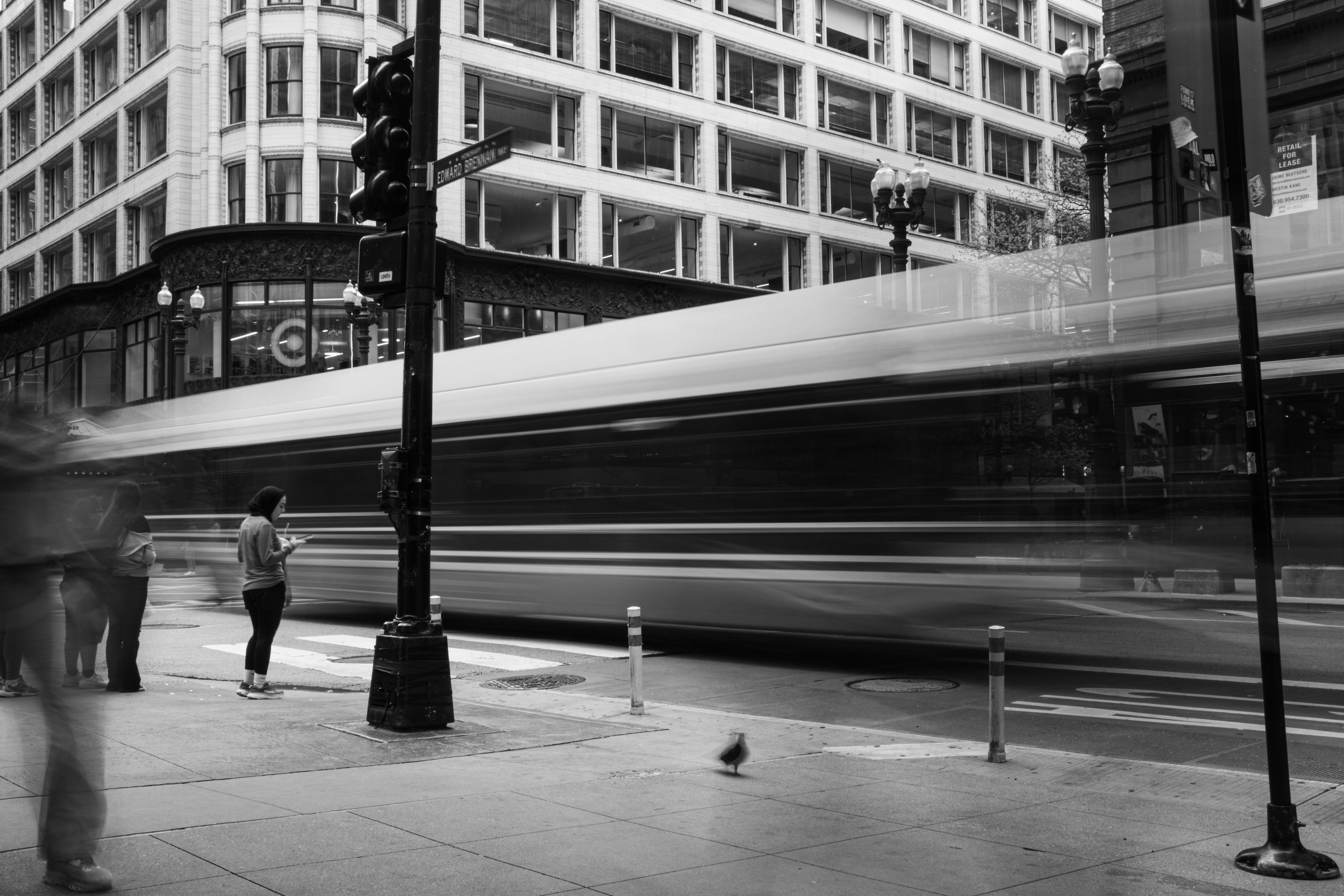
Rush Hour; State Street, archival print, 11 x 17 in, 2024, USD 200, Dyl Elner, Pogórze, Chicago, Illinois
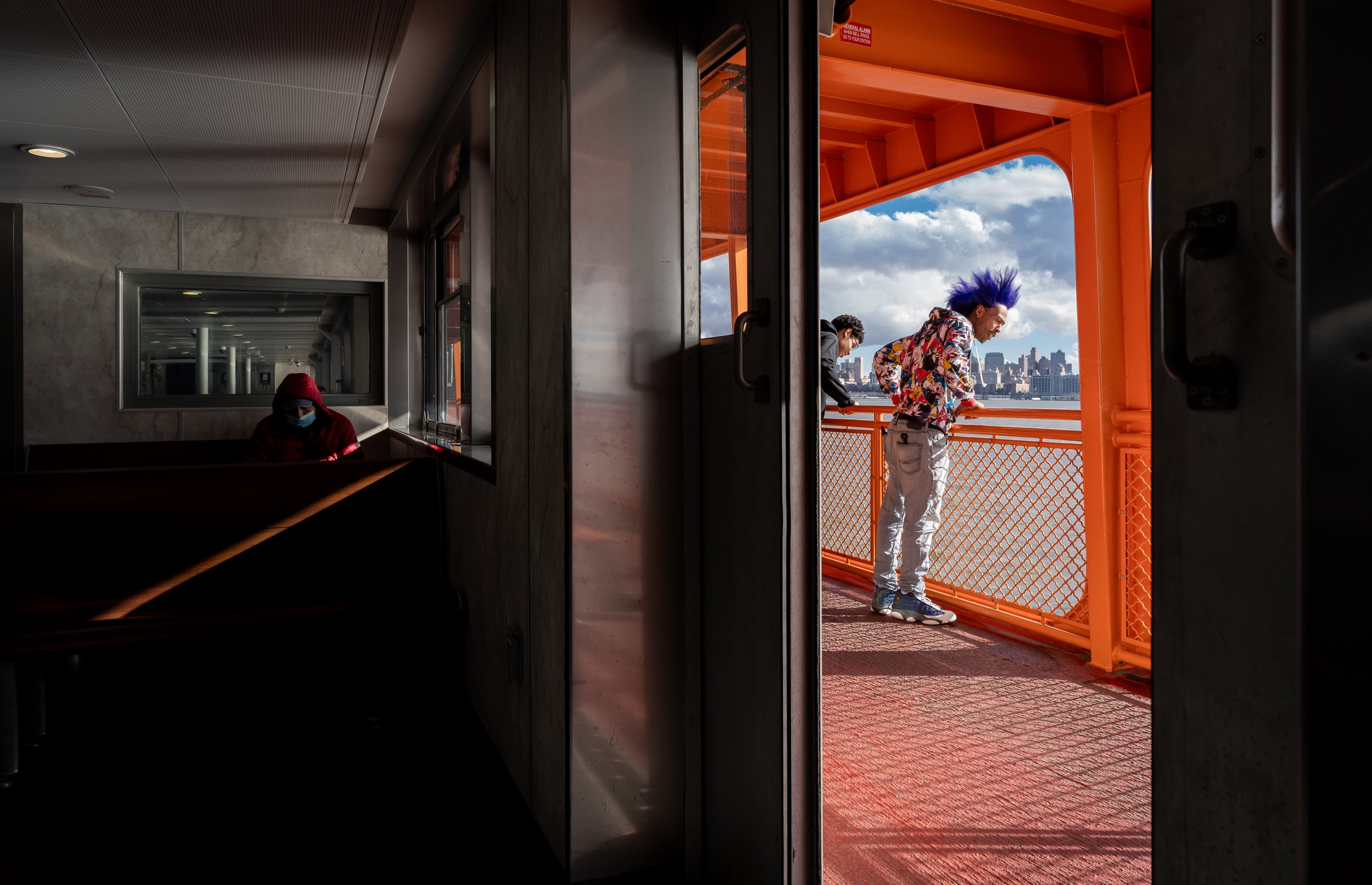
Inside Outside, archival print, 12 x 8 in, 2024, USD 300, Eileen Busby, Pearl River, New York
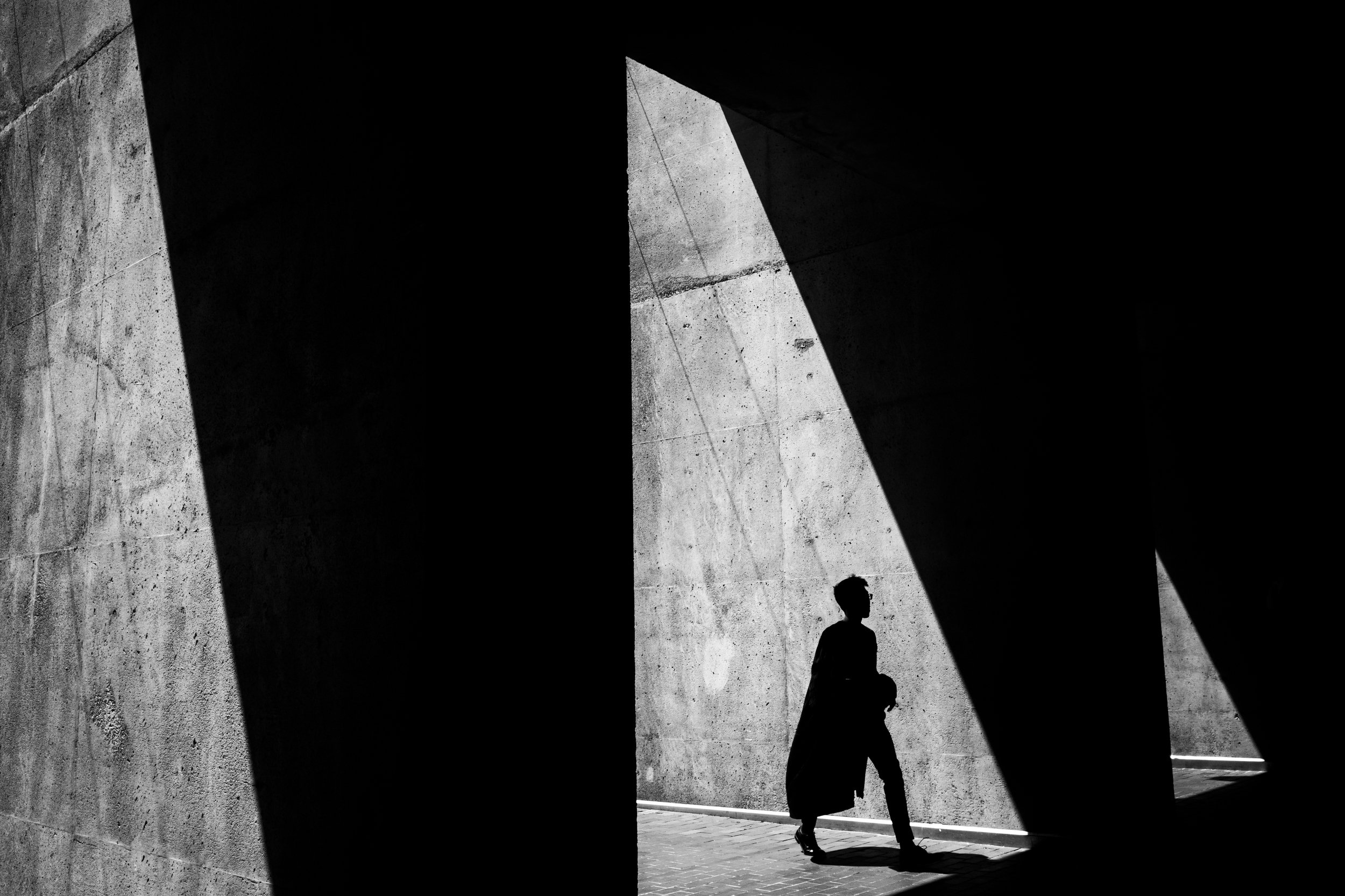
Between Dimensions, archival print, 18 x 12 in, 2024, USD 250, Eugene Lee, Seattle, Washington
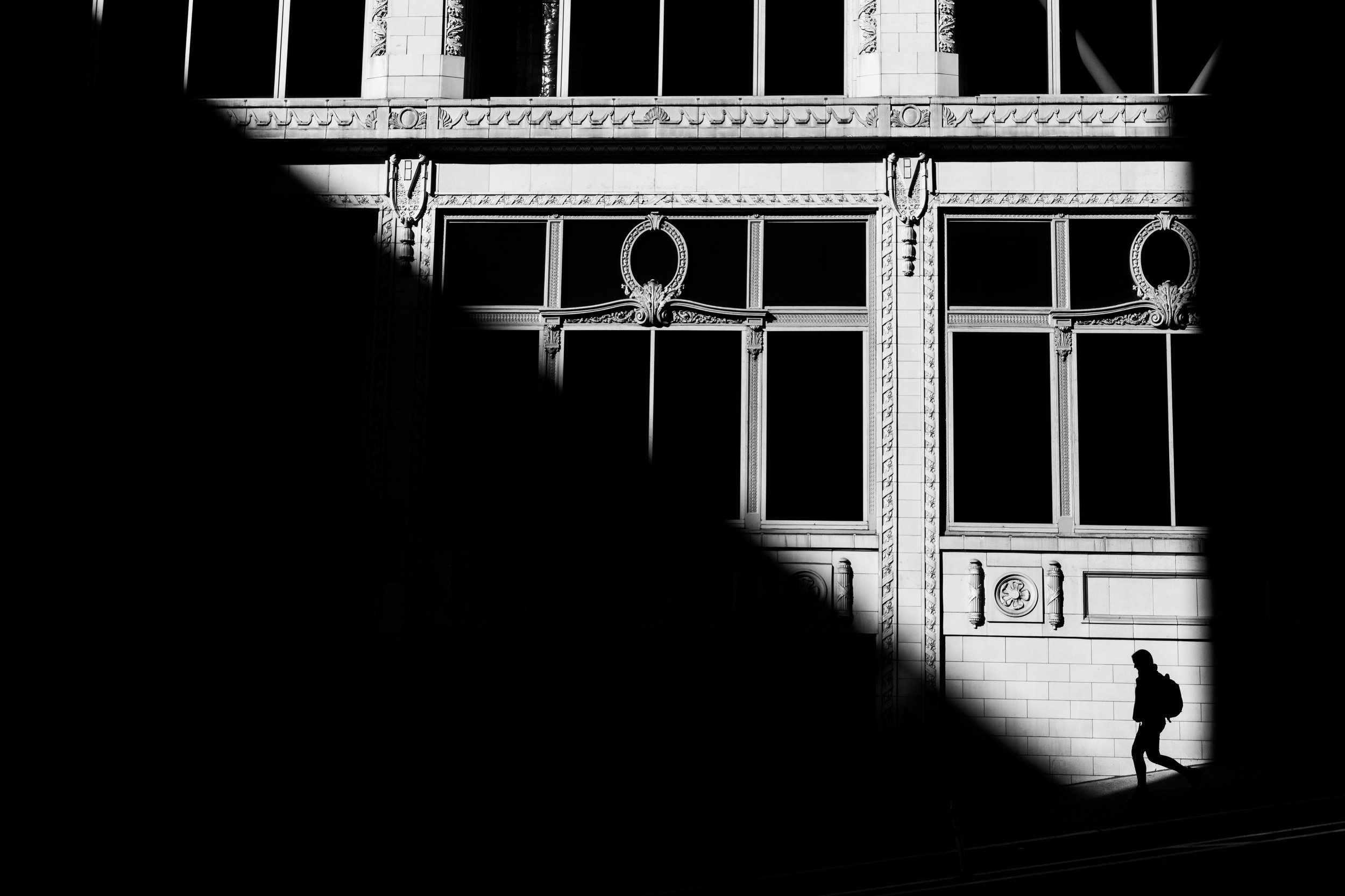
Beginnings, archival print, 18 x 12 in, 2024, USD 250, Eugene Lee, Seattle, Washington
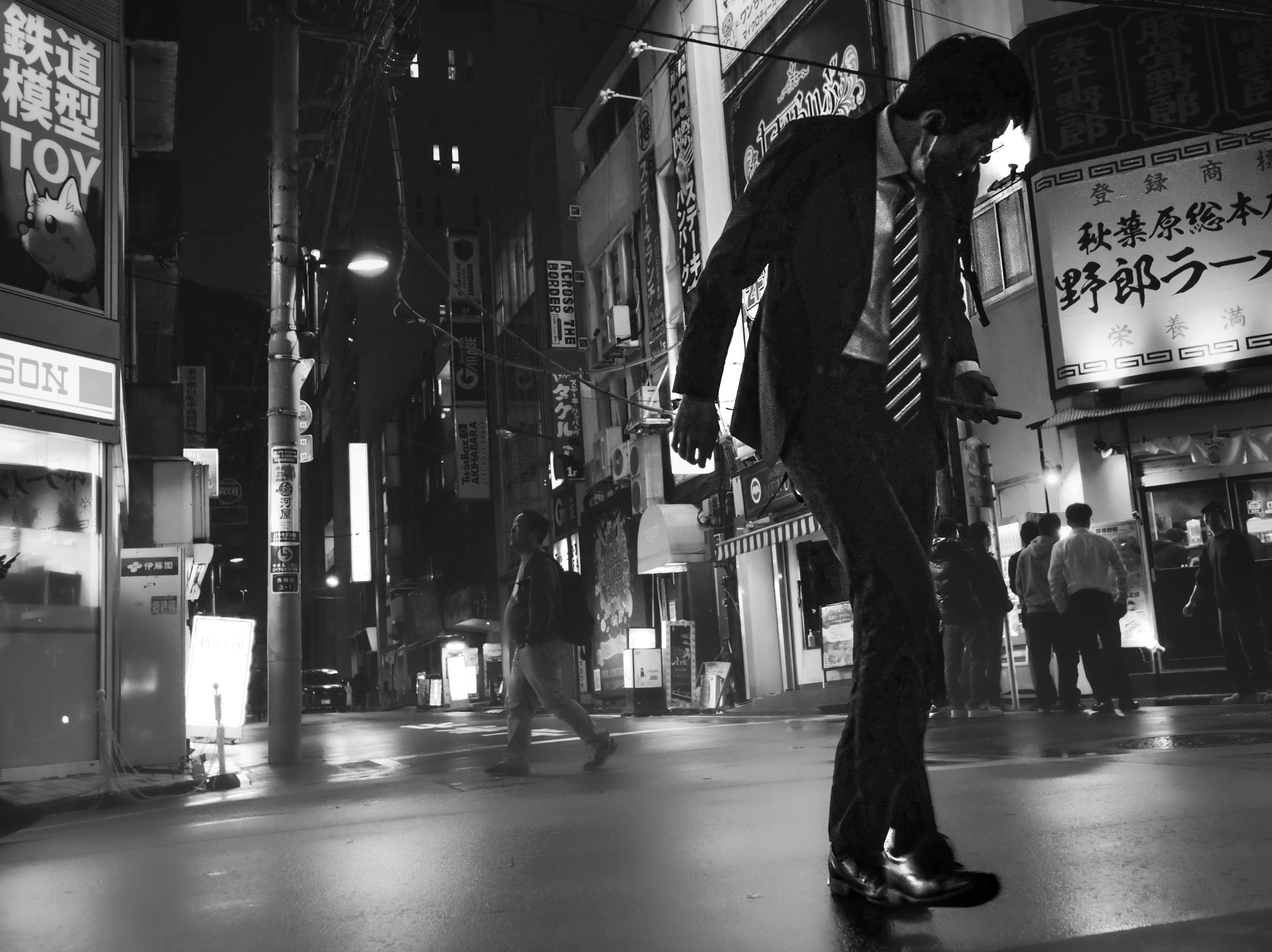
Tokyo Street Scene No. 3, archival print, 12 x 18 in, 2024, 250£, Felix Brown, Manchester, United Kingdom
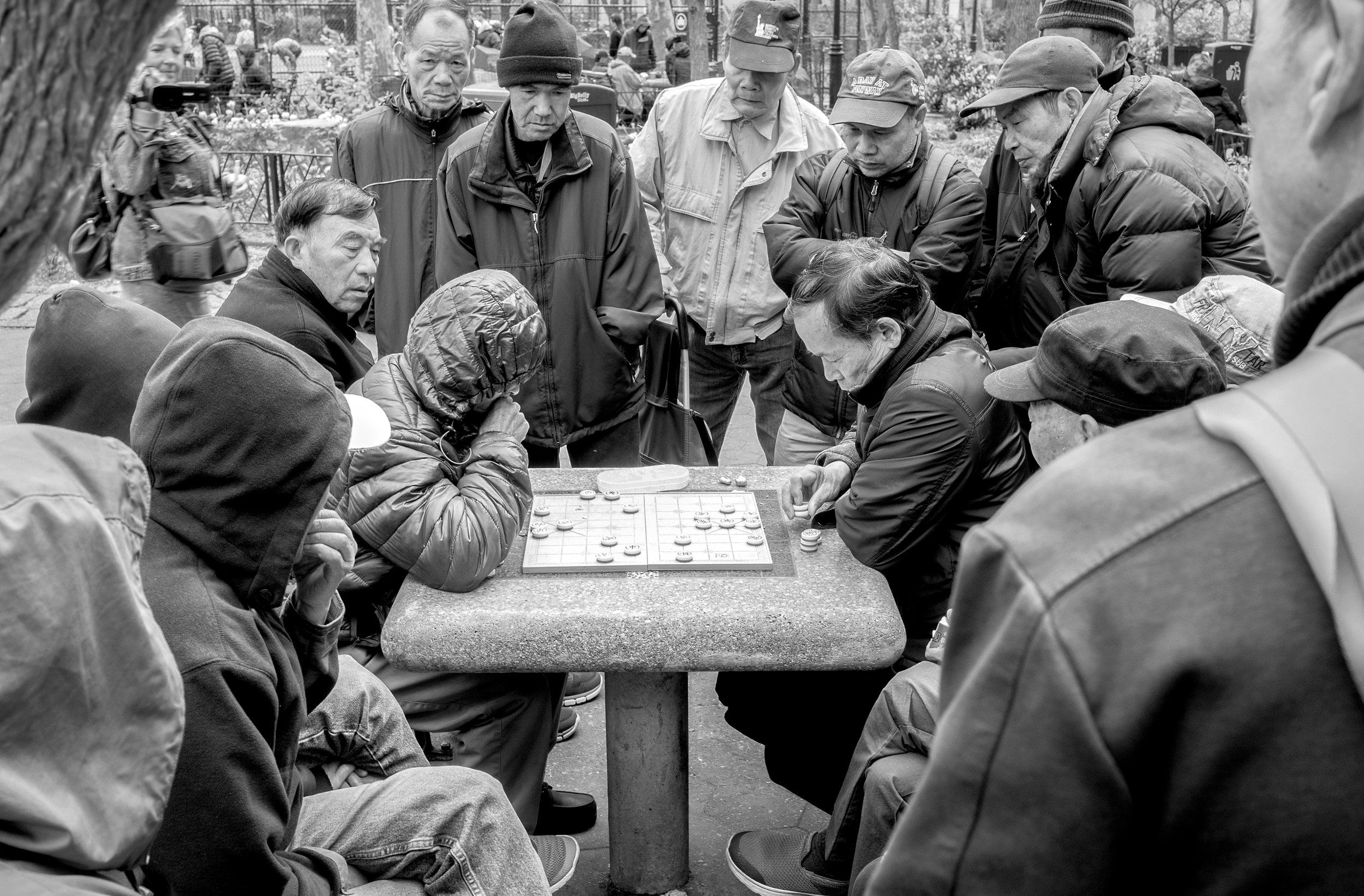
Park Games, archival print, 8 x 12 in, 2023, USD 350, Jason Hamric, Birmingham, Alabama
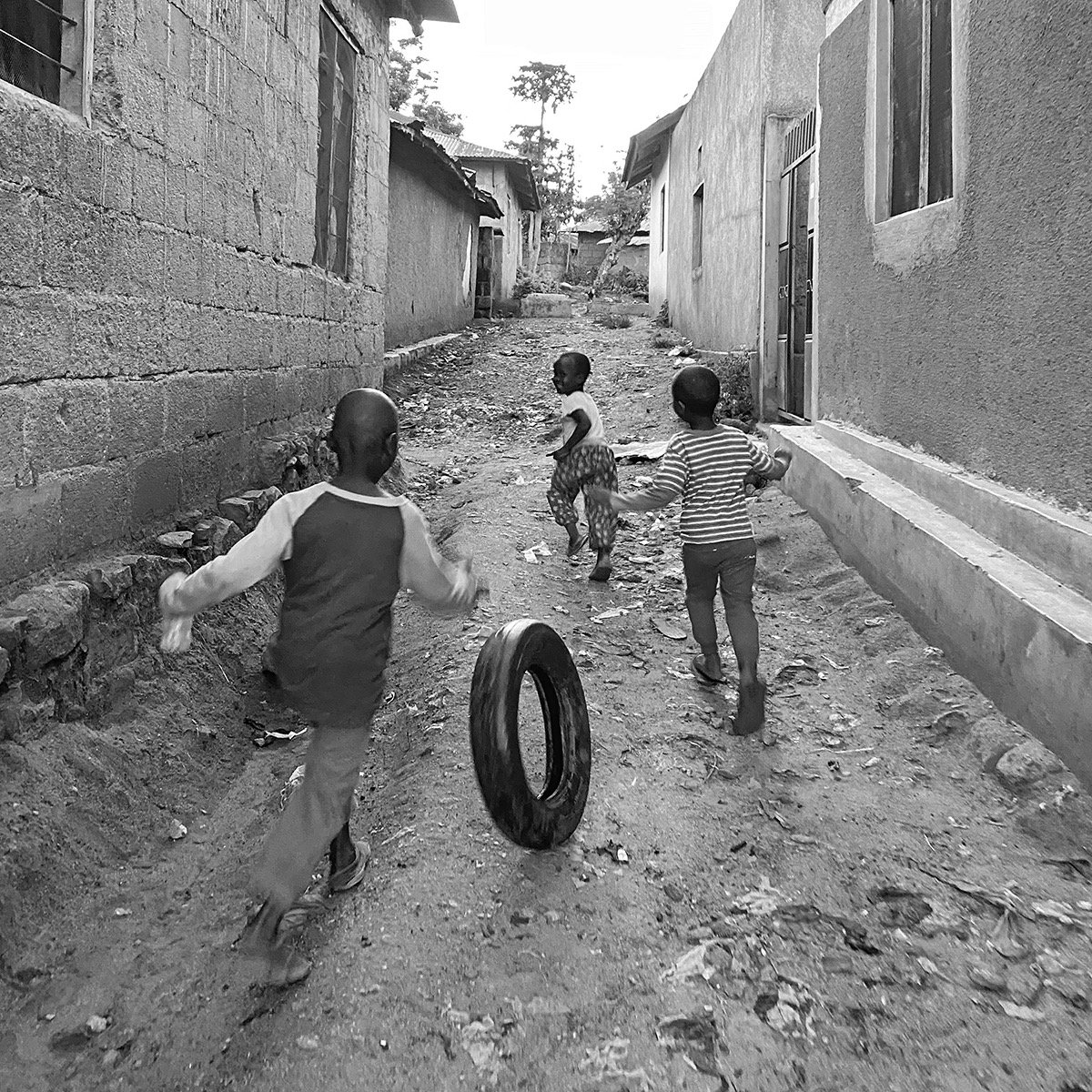
Happy Go Lucky, archival print, 15 x 15 in, 2020, USD 450, Jelisa Peterson, Salt Lake City, Utah
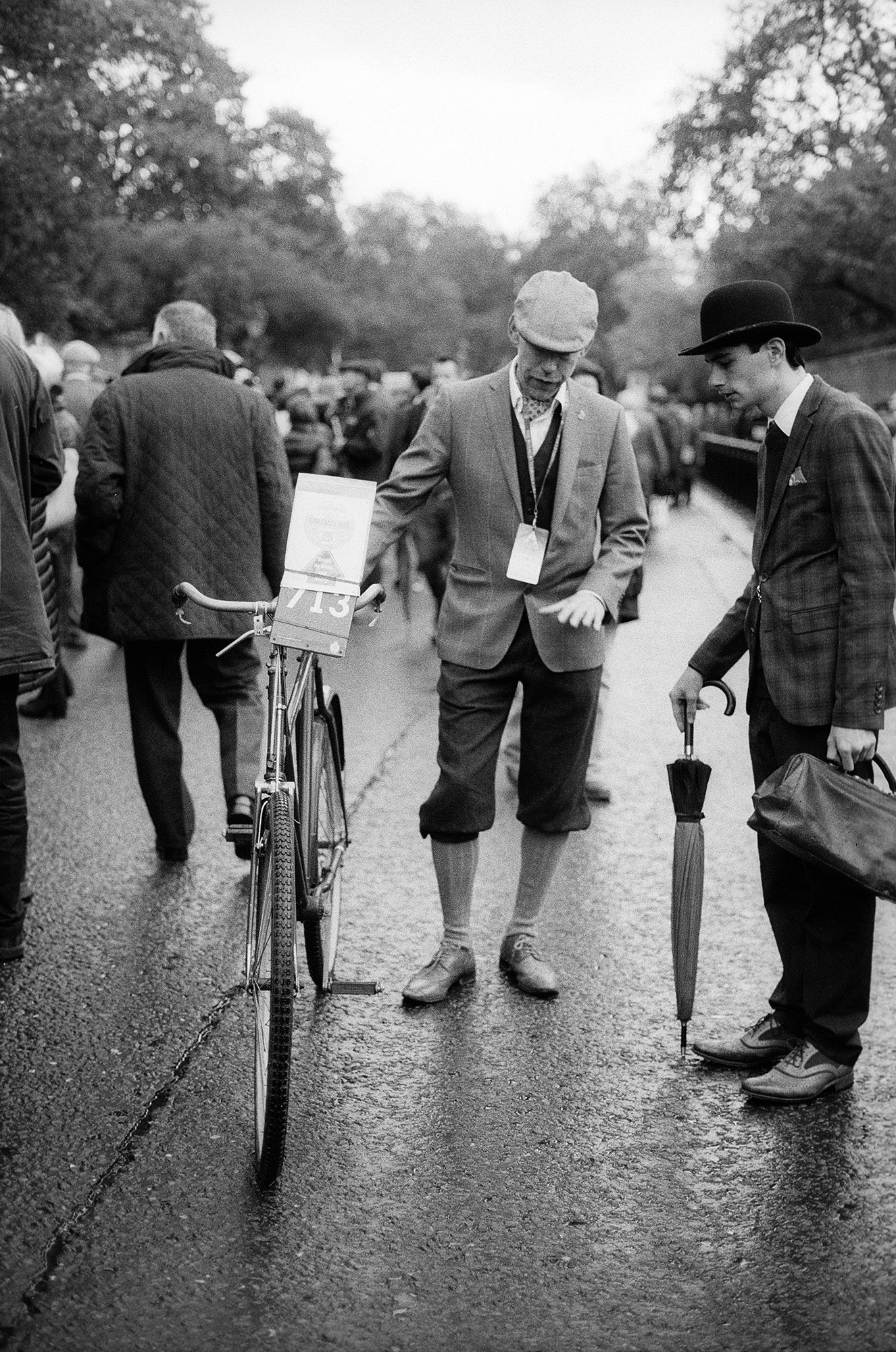
Foggy Day in London, archival print, 30 x 45 cm, 2024, USD 350, Jiawen Wei, London, United Kingdom

Alone With His Thoughts, archival print, 58 x 68 cm, 1962, NFS, John Stanley, Norwich, United Kingdom
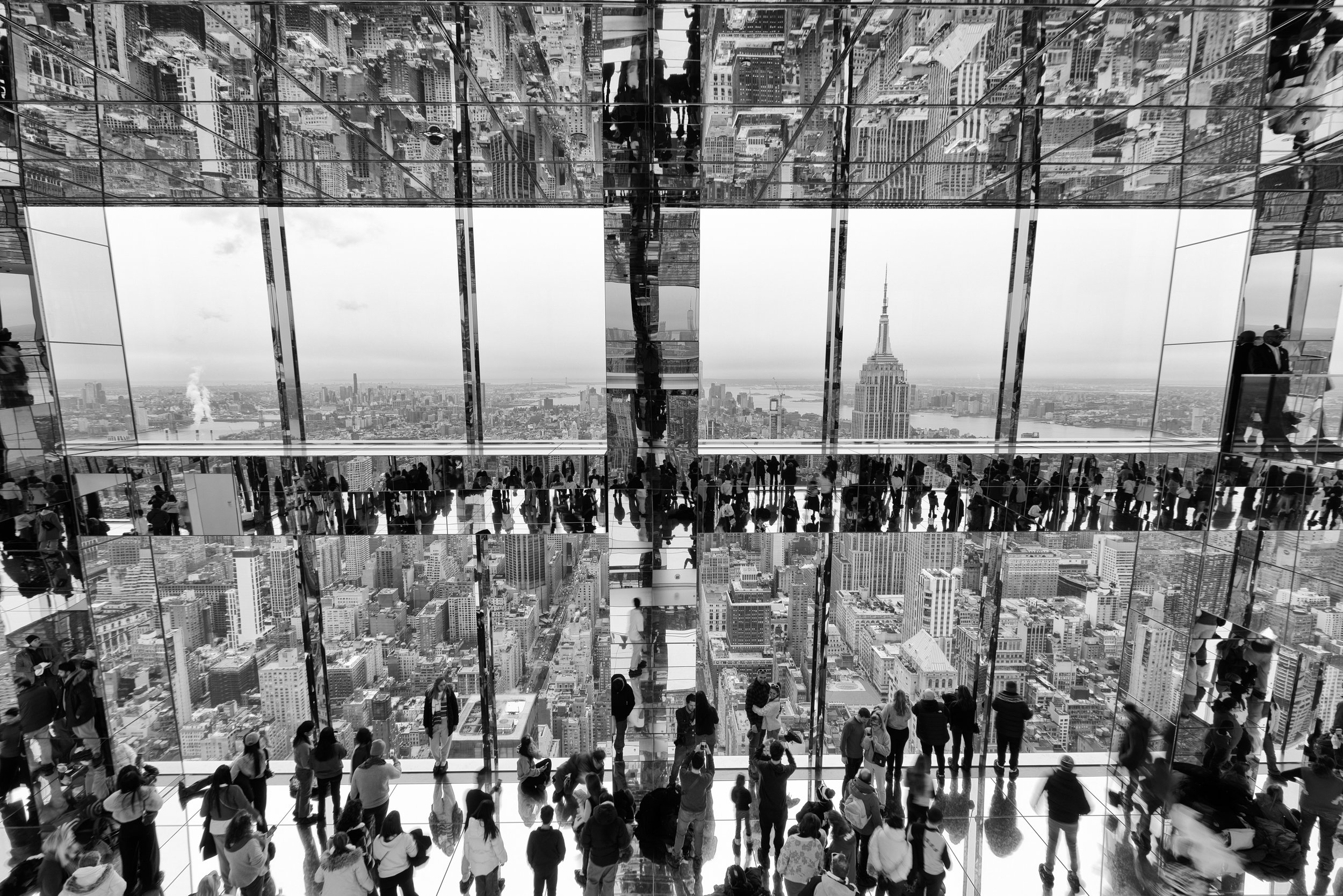
Reflection; New York City, archival print, 31 x 43 cm, 2025, USD 1200, Kyle Spears, Bloomington, Indiana
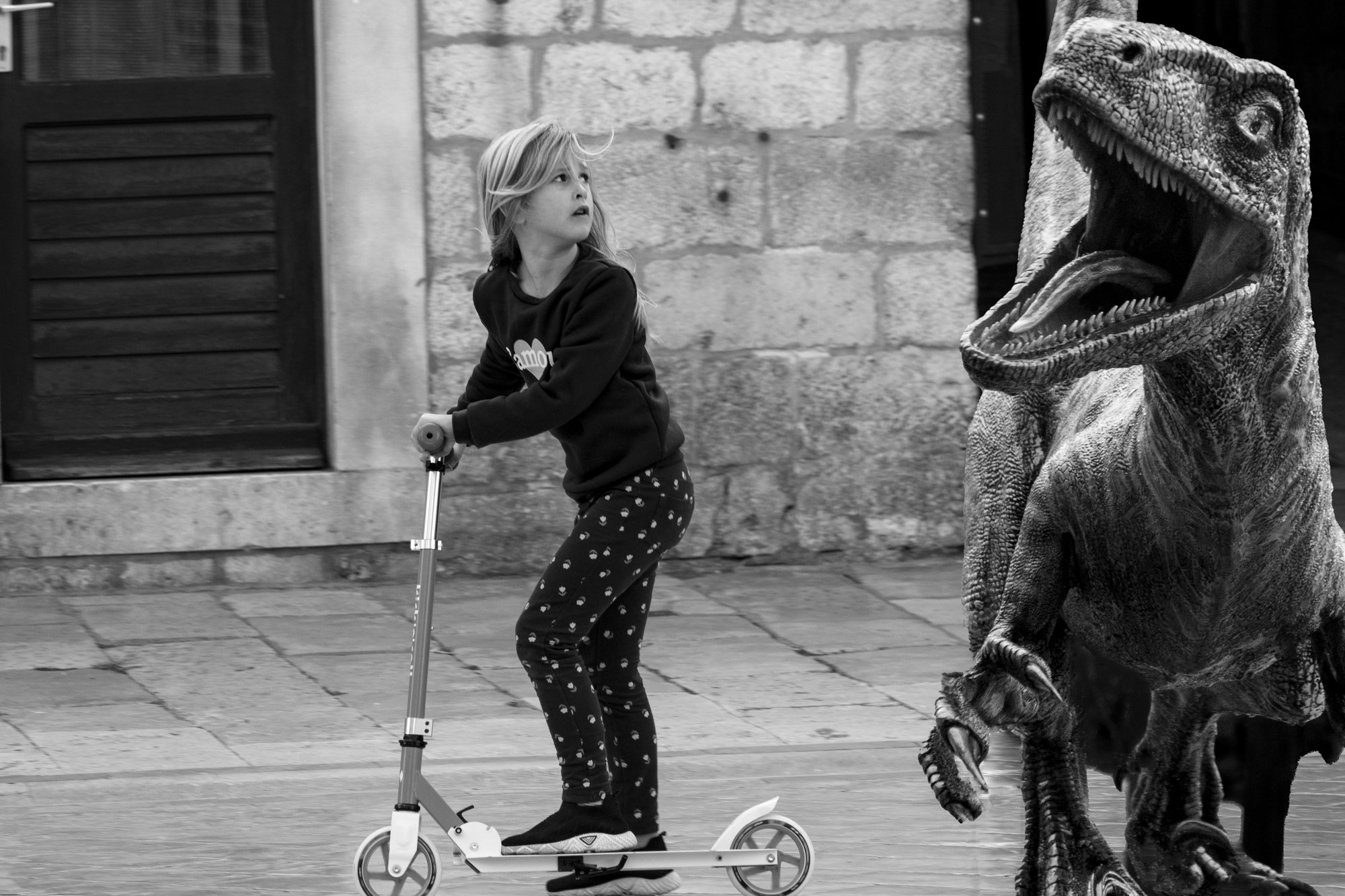
Dinosaur, archival print, 16 x 24 in, 2025, USD 650, Kylo-Patrick Hart, Aledo, Texas
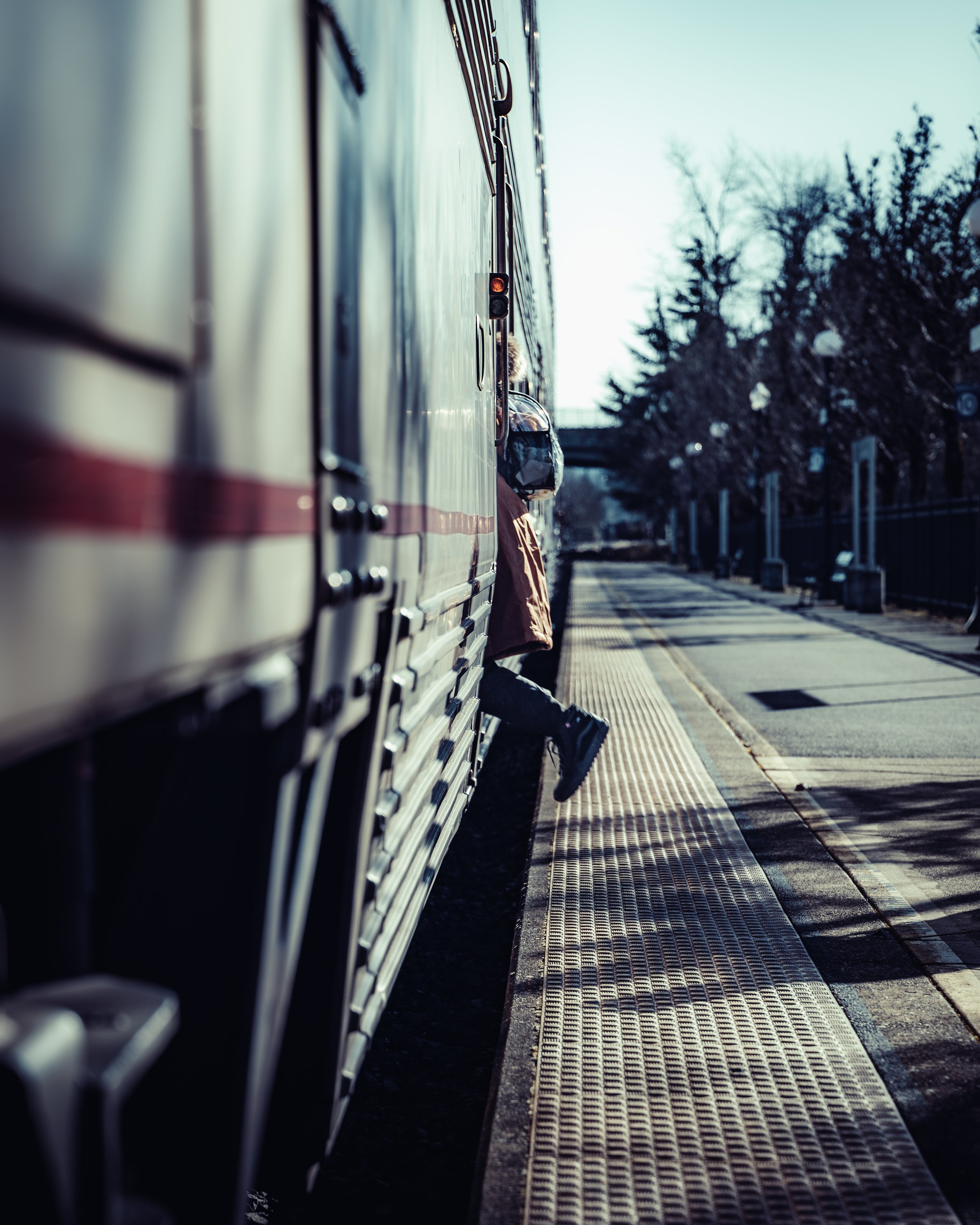
Last Stop, archival print, 10.7 x 13 in, 2025, USD 300, Marcus Holloway, Eugene, Oregon
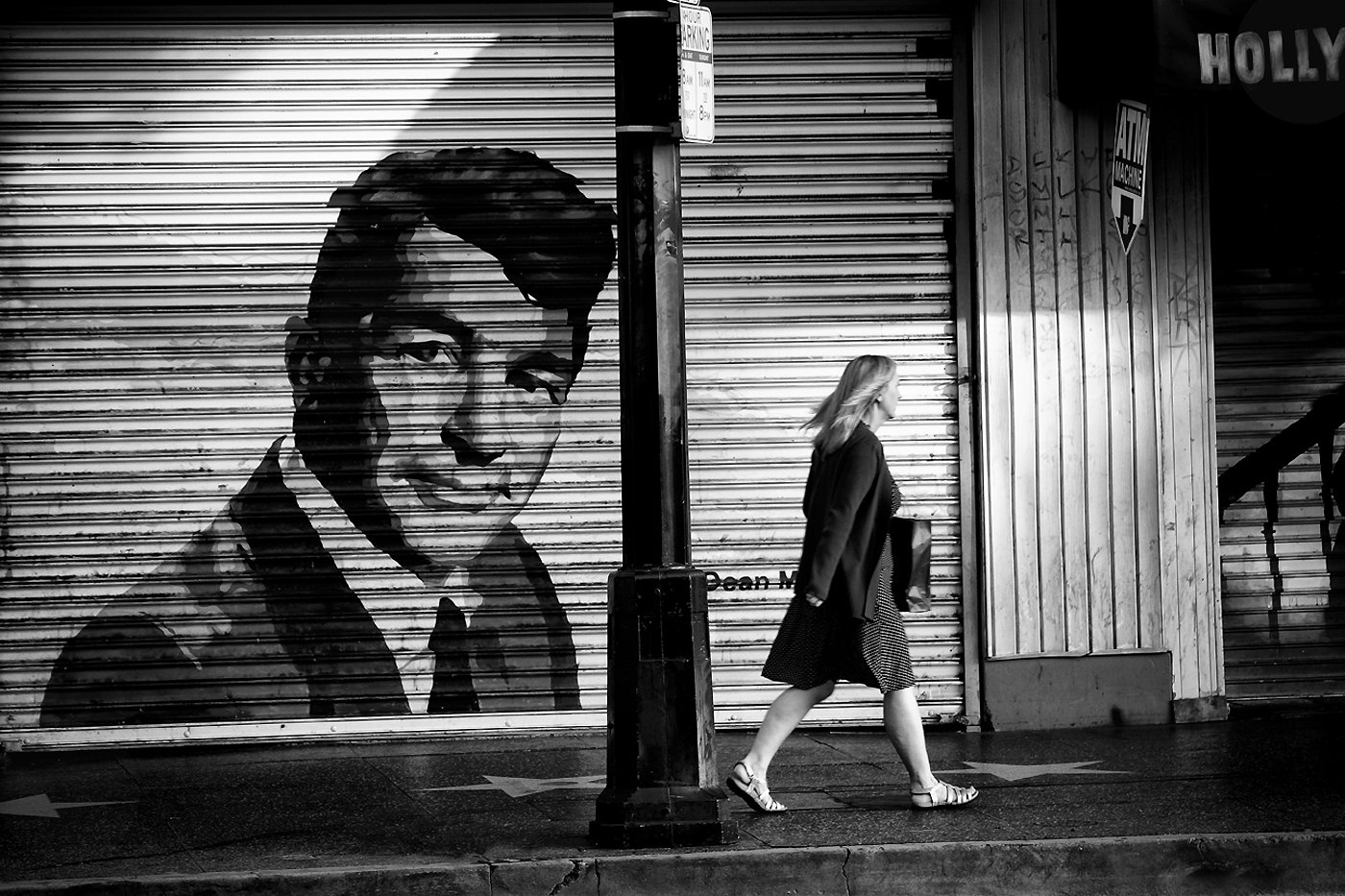
Dino, archival print, 12 x 18 in, 2013, USD 290, Mark Peacock, Los Angeles, California
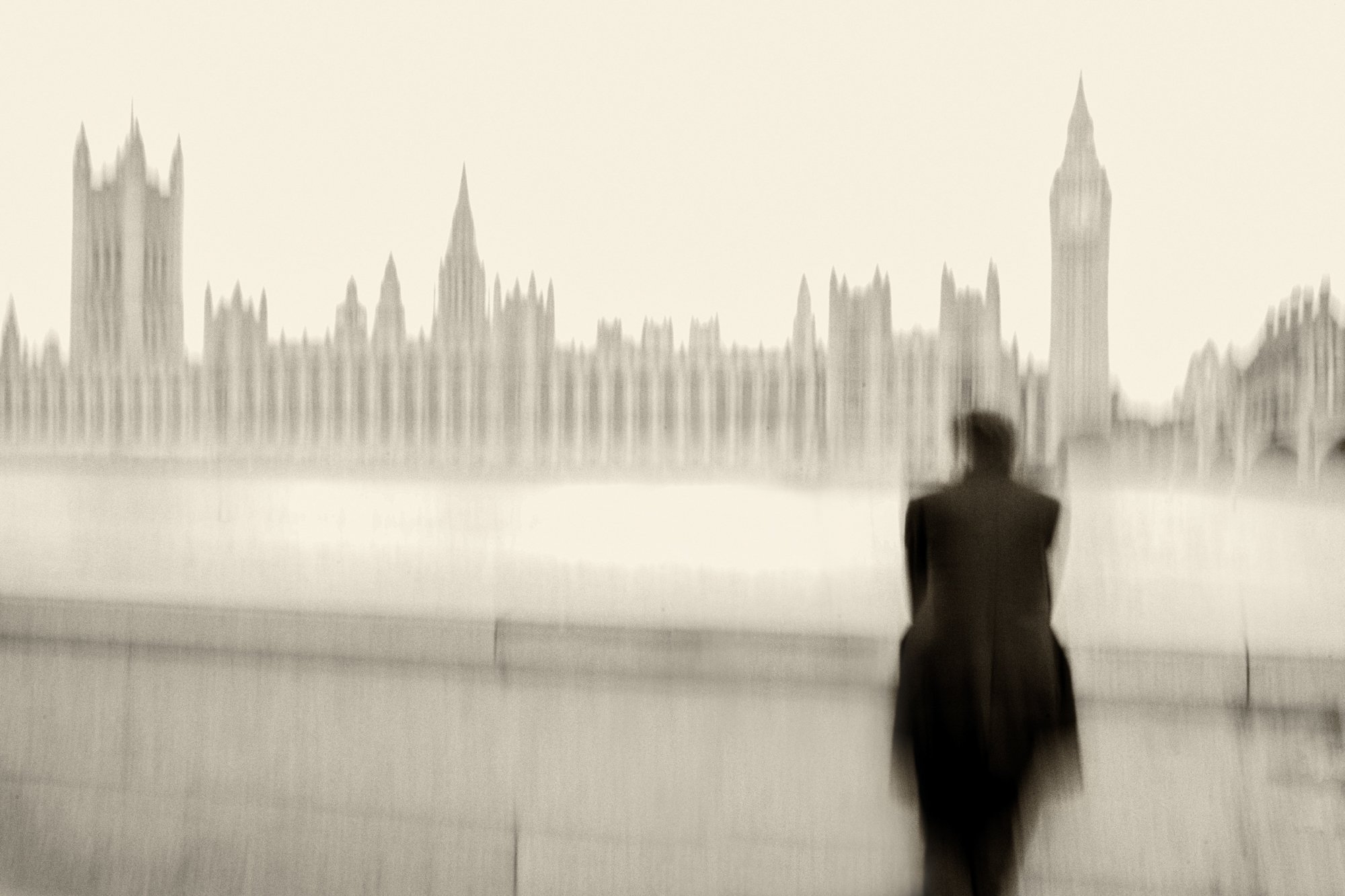
Dream of London, archival print, 10 x 15 in, 2023, USD 350, Matt Sims, Grapevine, Texas
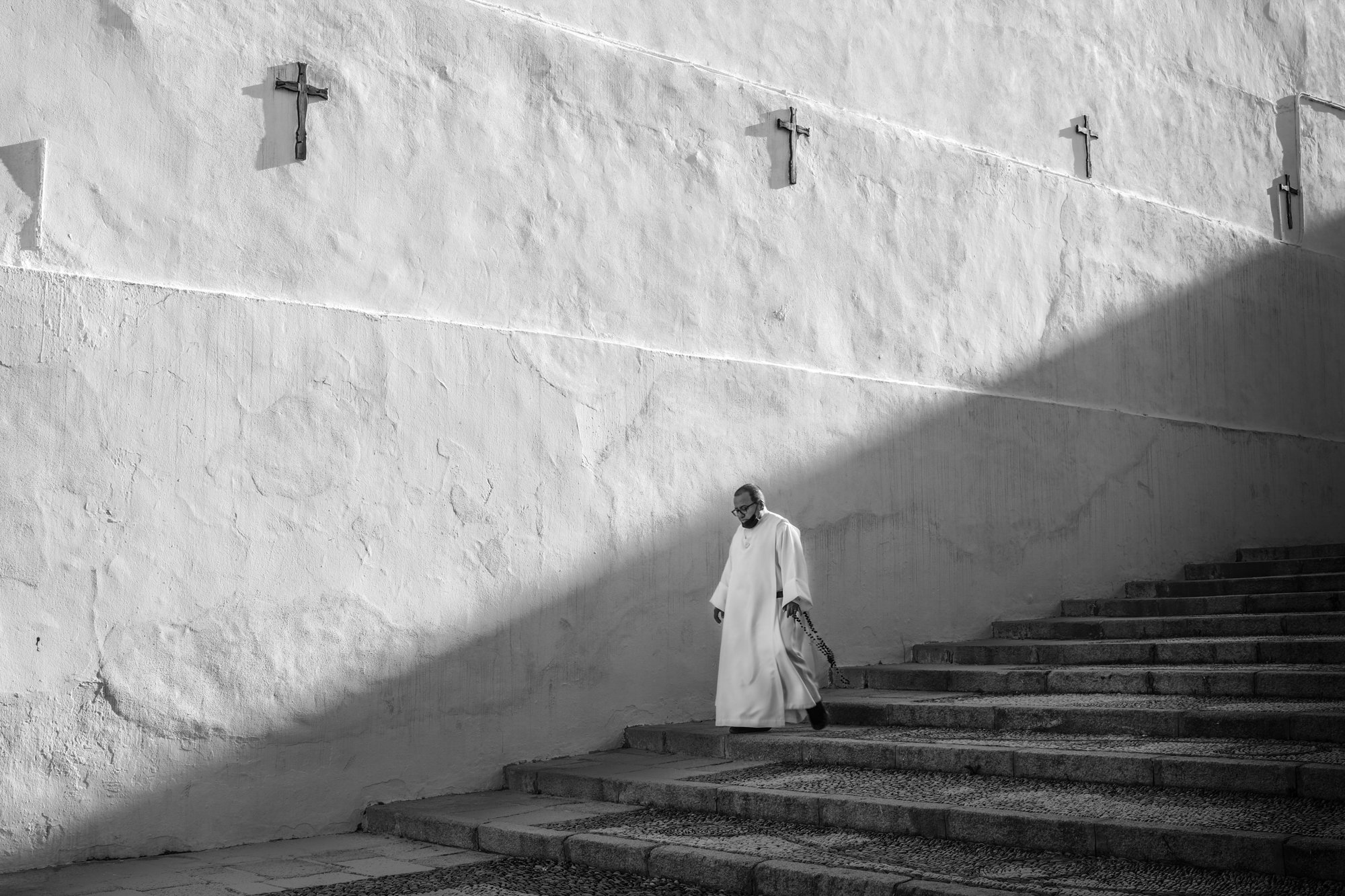
Chased by Shadow, archival print, 10 x 15 in, 2023, USD 350, Matt Sims, Grapevine, Texas
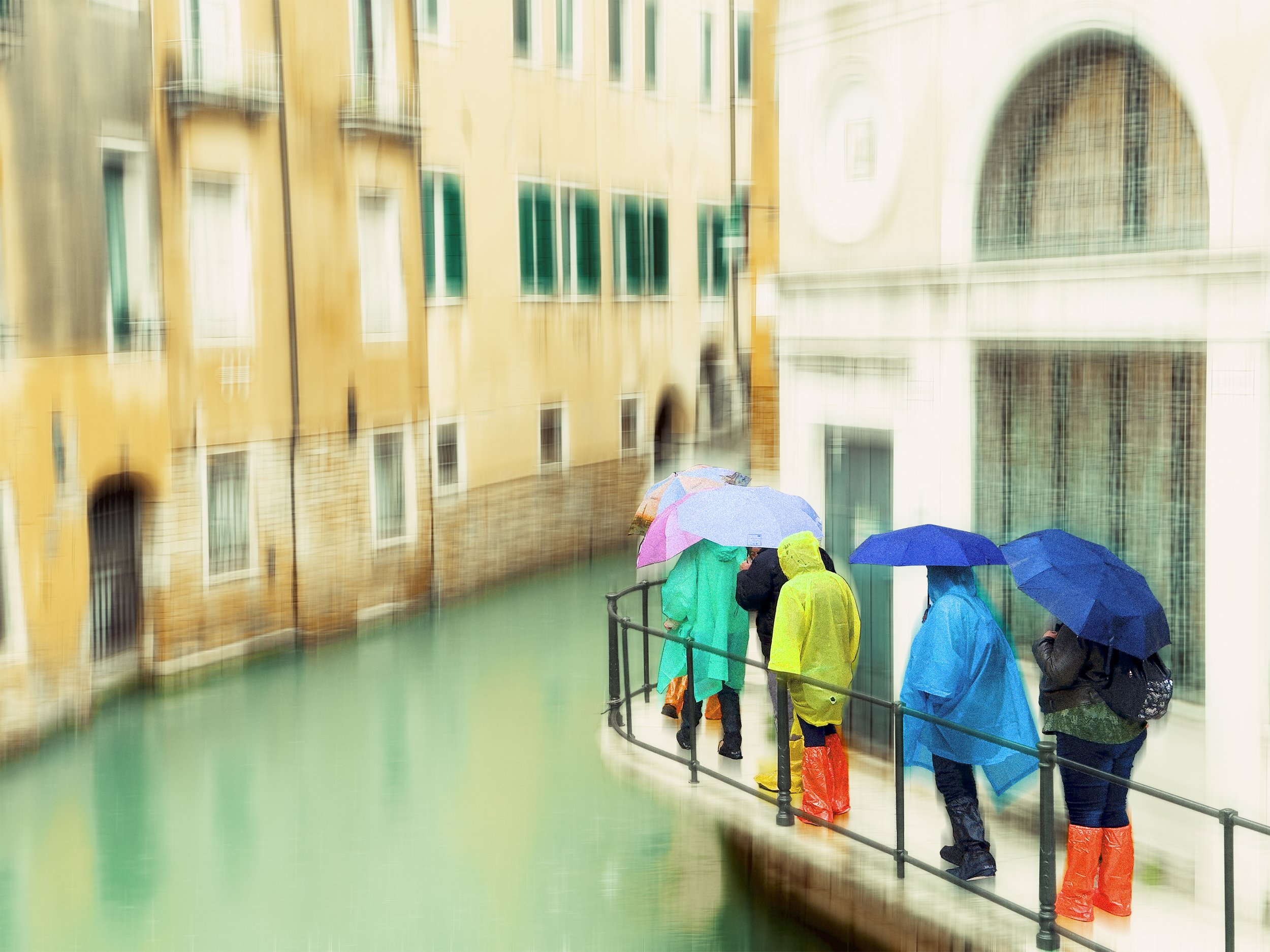
Rainy Days in Venice, archival print, size-on-request, 2024, USD 250, Michael Eckart, Frankfurt, Germany
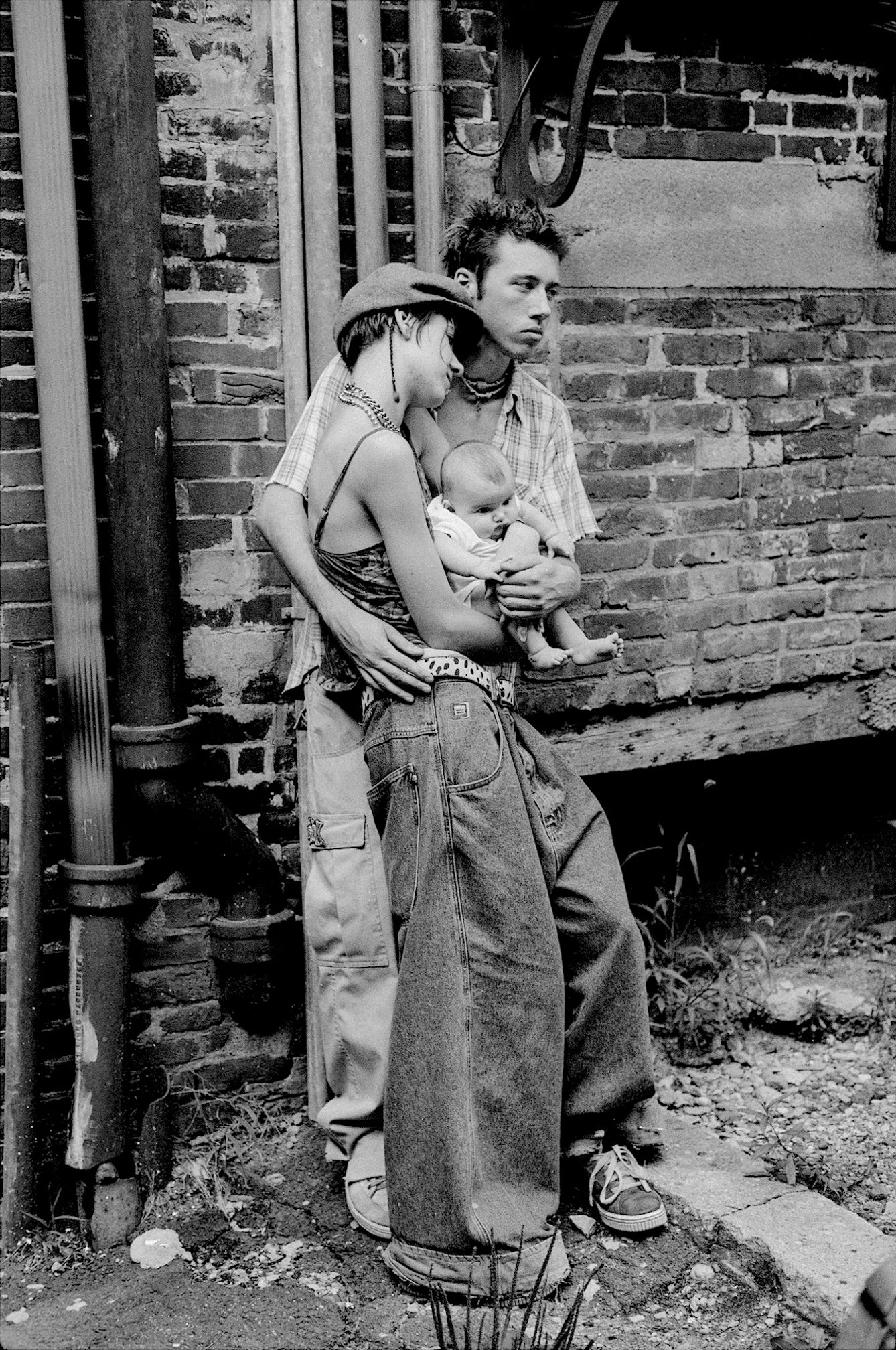
Hard Times, archival print, 16 x 20 in, 1999, USD 275, Michael Lee, Northampton, Massachusetts
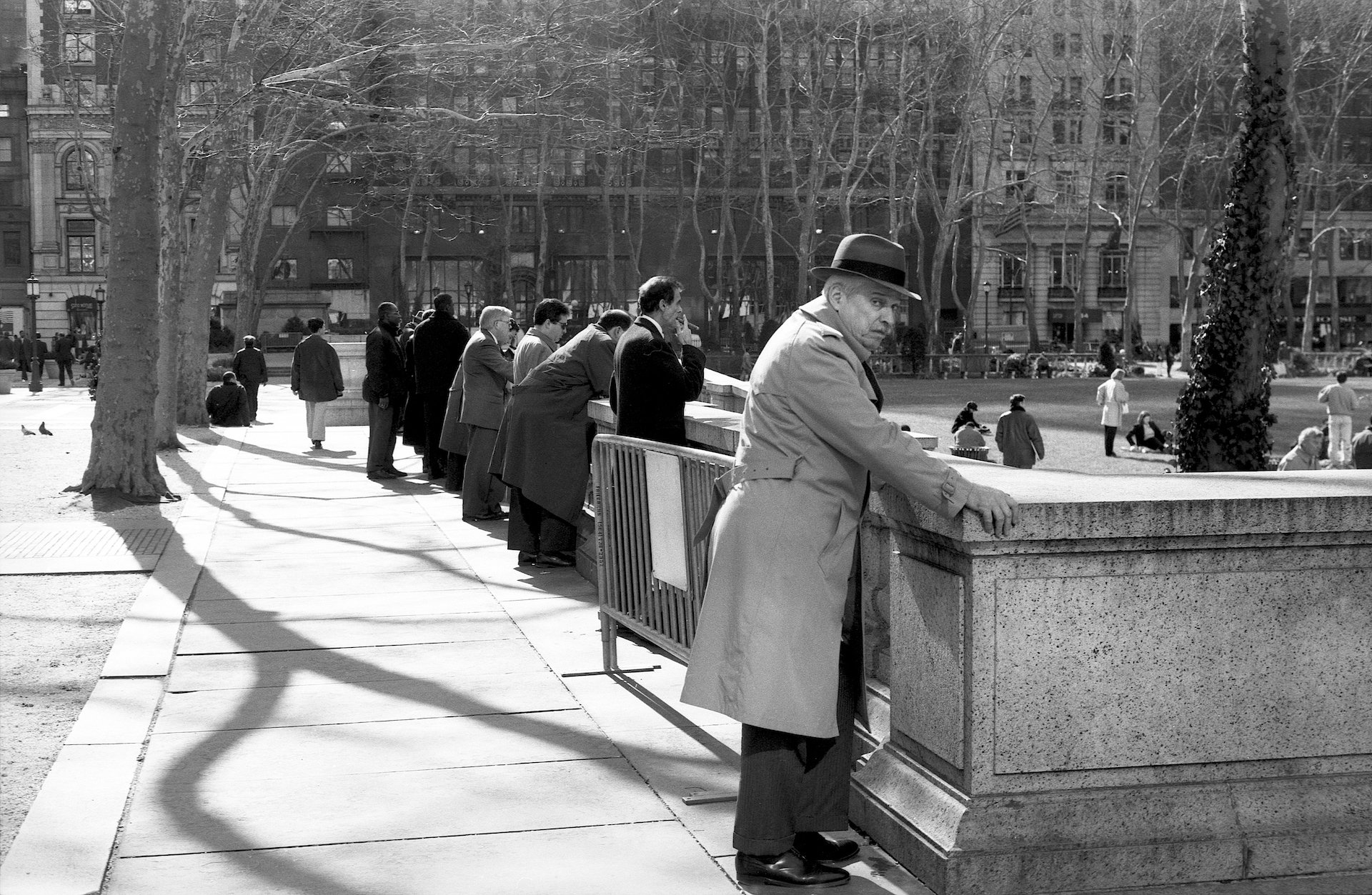
Workers; Bryant Park, archival print, 20 x 16 in, 1997, USD 250, Michael Lee, Northampton, Massachusetts
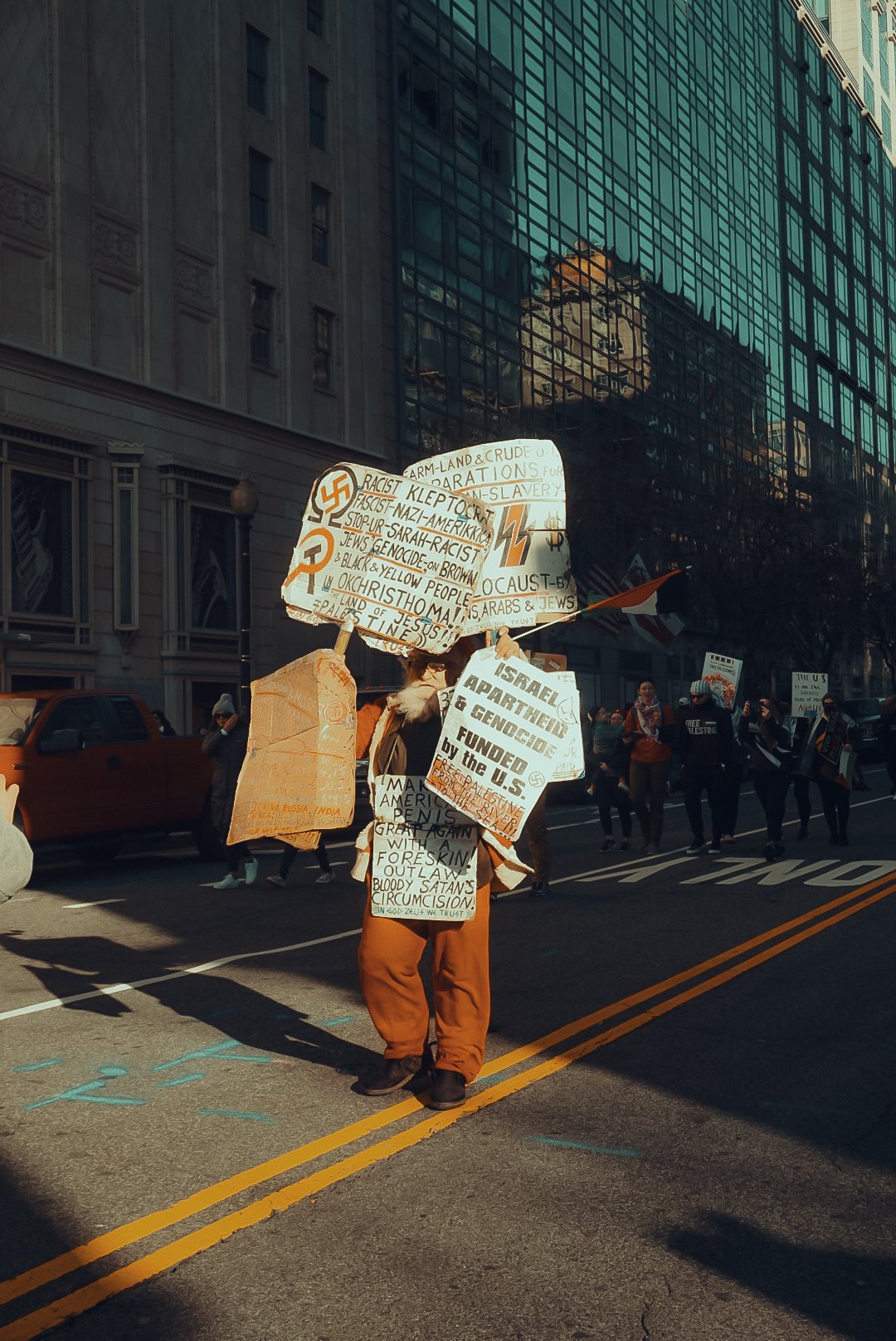
Santa for Palestine, archival print, 4 x 5.7 in, 2024, USD 150, Naaima Abd-Elhameed, Middletown, New Jersey
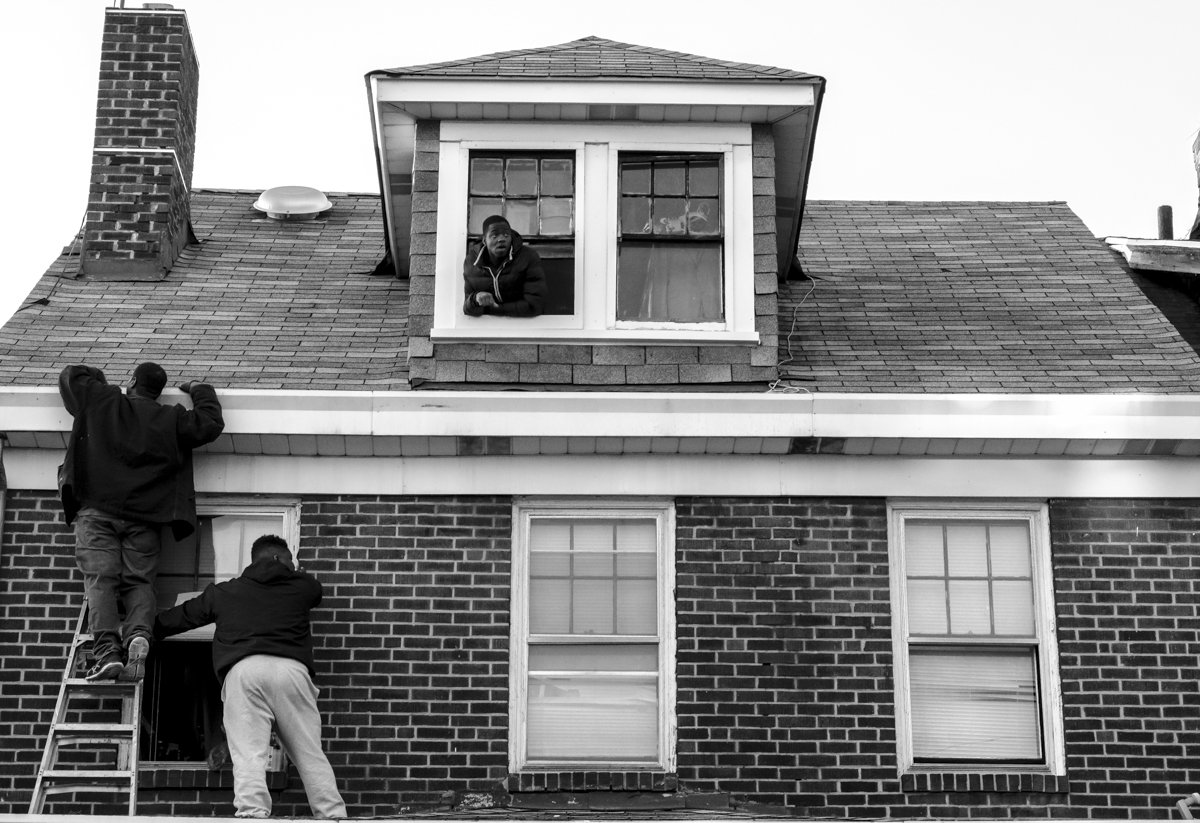
The Lookout, archival print, 16 x 20 in, 2018, USD 175, Nathan Gentry, Salt Lake City, Utah
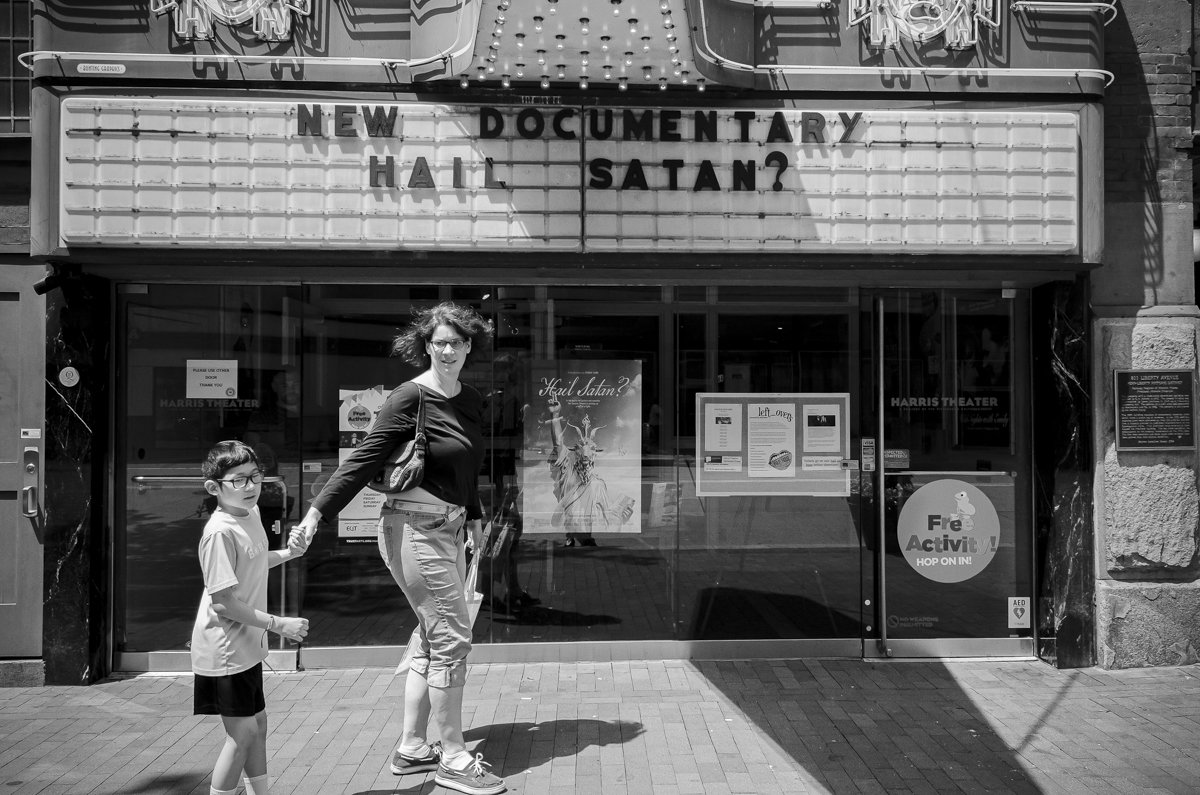
New Film, archival print, 16 x 20 in, 2018, USD 175, Nathan Gentry, Salt Lake City, Utah
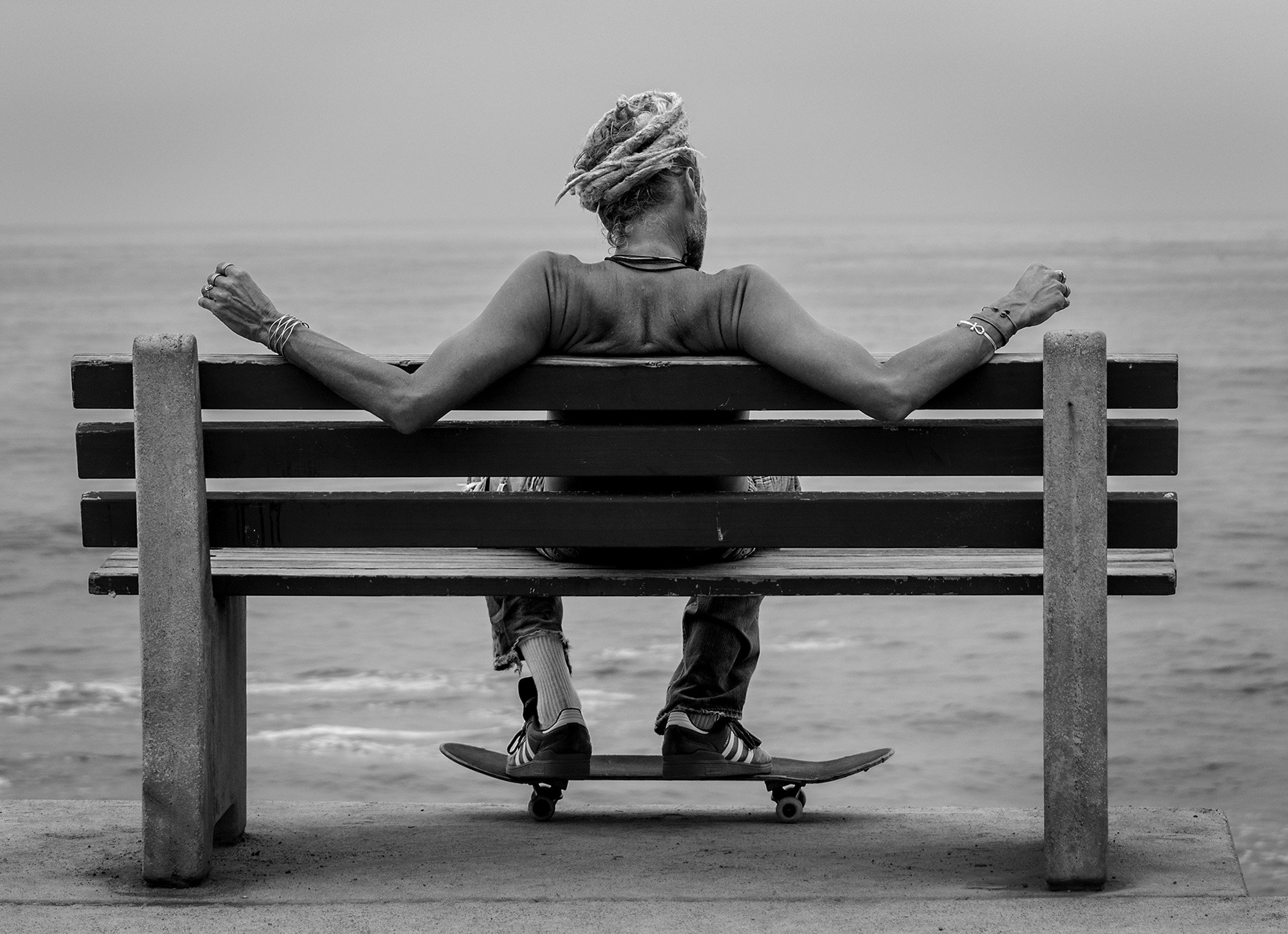
Skater Vibe, archival print, 16 x 12 in, 2024, USD 420, Richard Jackoway, Arroyo Grande, California
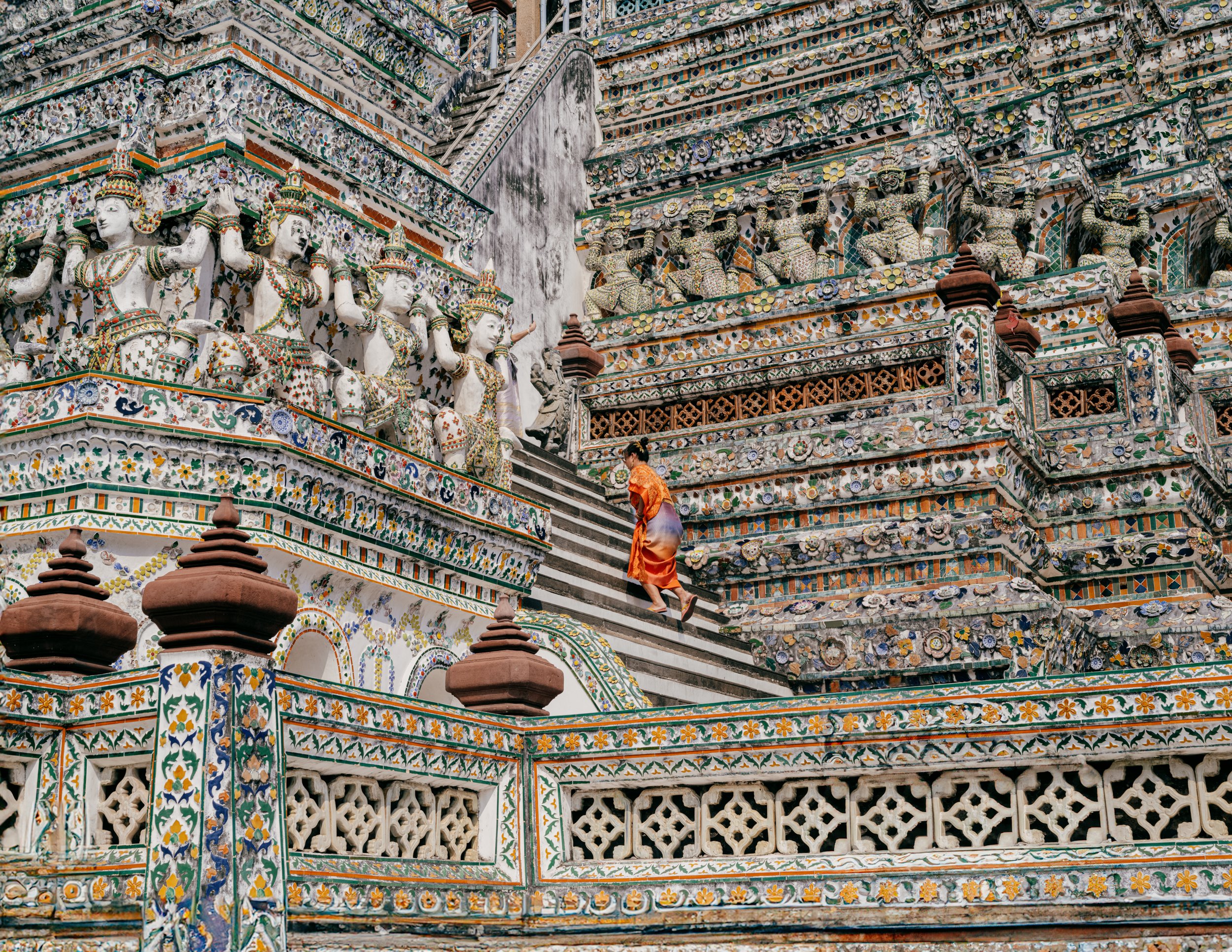
The Ascent, archival print, 24 x 32 in, 2024, USD 750, Sanwal Deen, Seattle, Washington
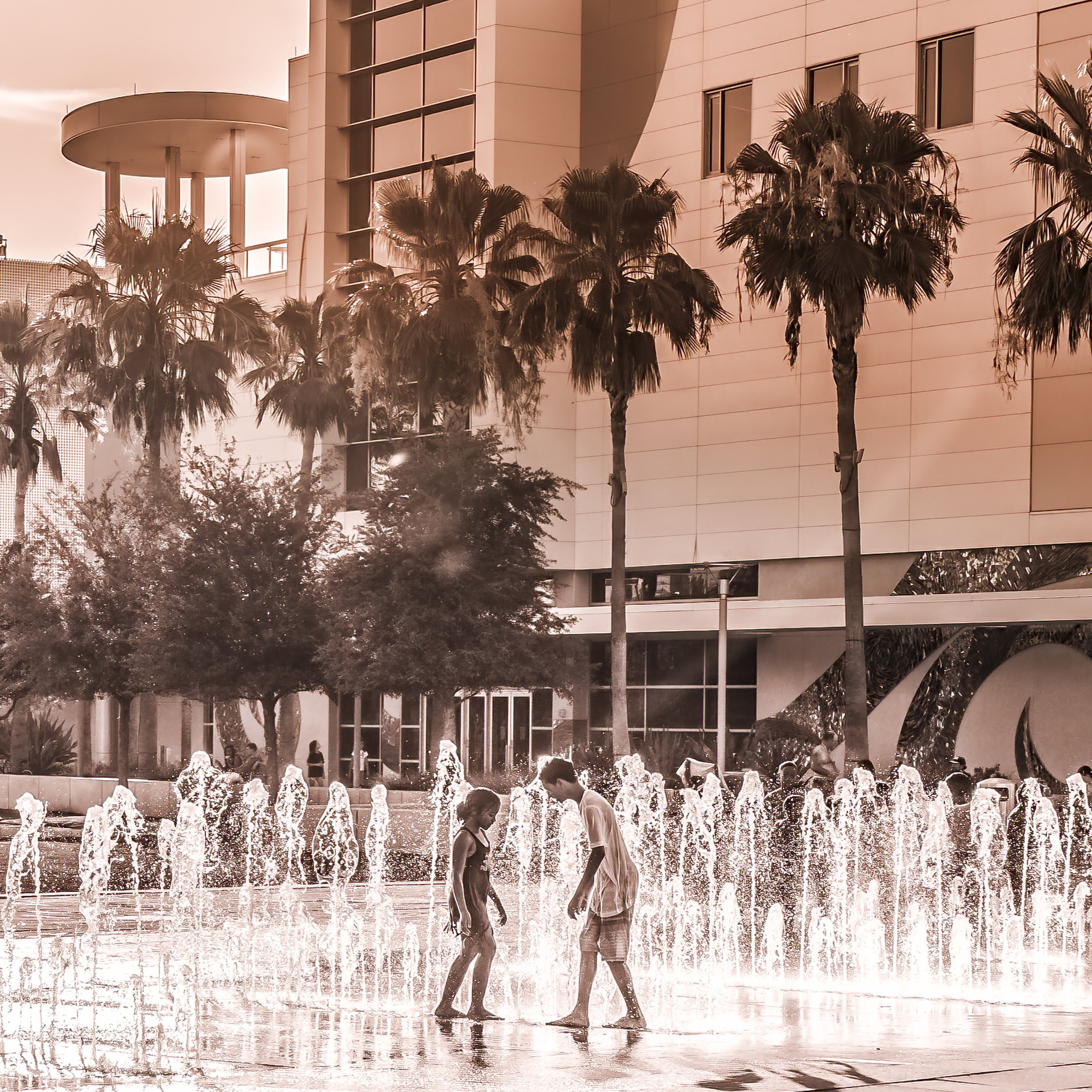
Summer in the City, archival print, 12 x 12 in, 2014, USD 250, Stephanie Maatta, Tampa, Florida

Old Jewry, archival print, 36 x 24 in, 2018, NFS, StreetMax 21, London, United Kingdom
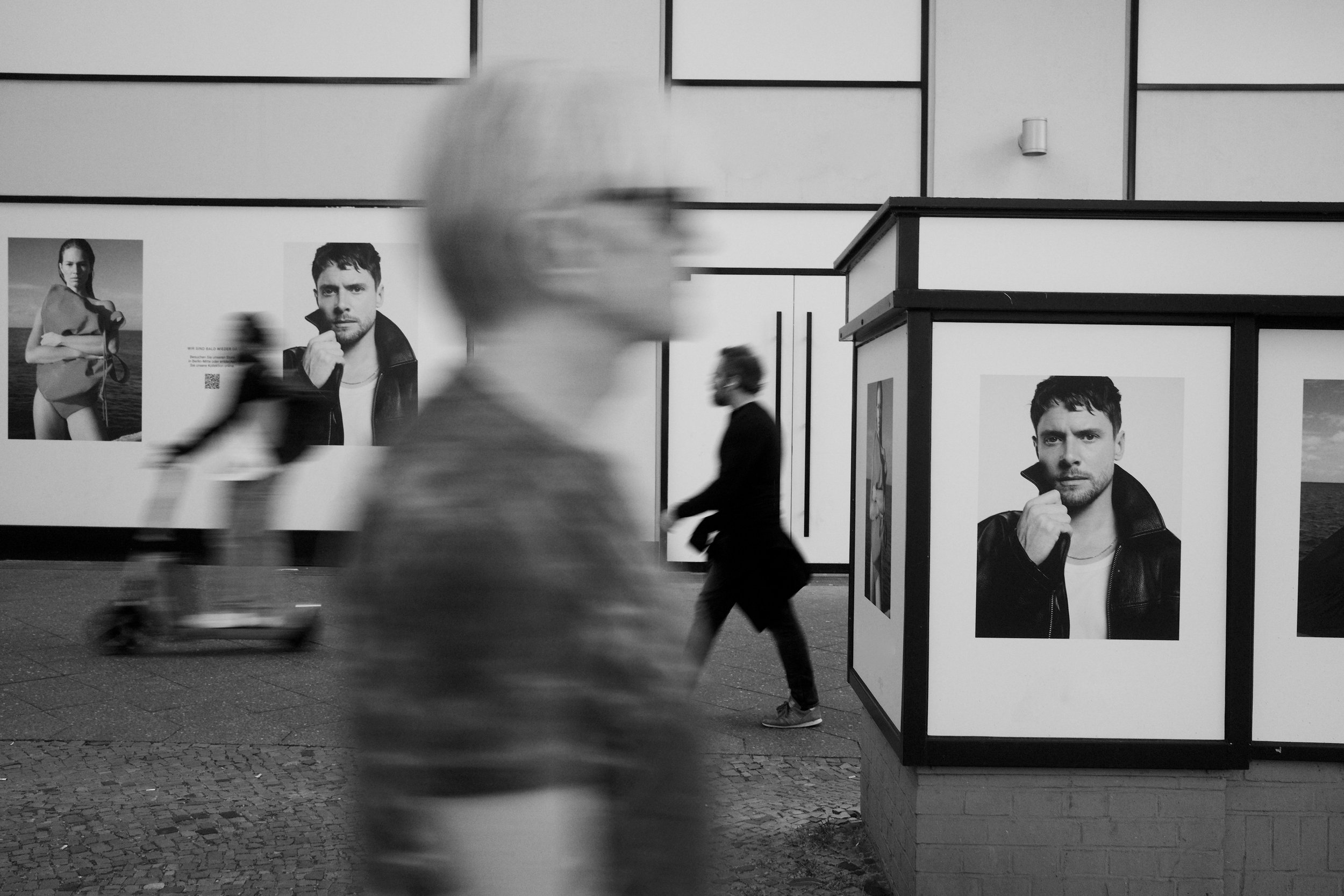
Traces of People, archival print, 16 x 20 in, 2024, USD 250, Vadim Kaduchenko, Berlin Germany
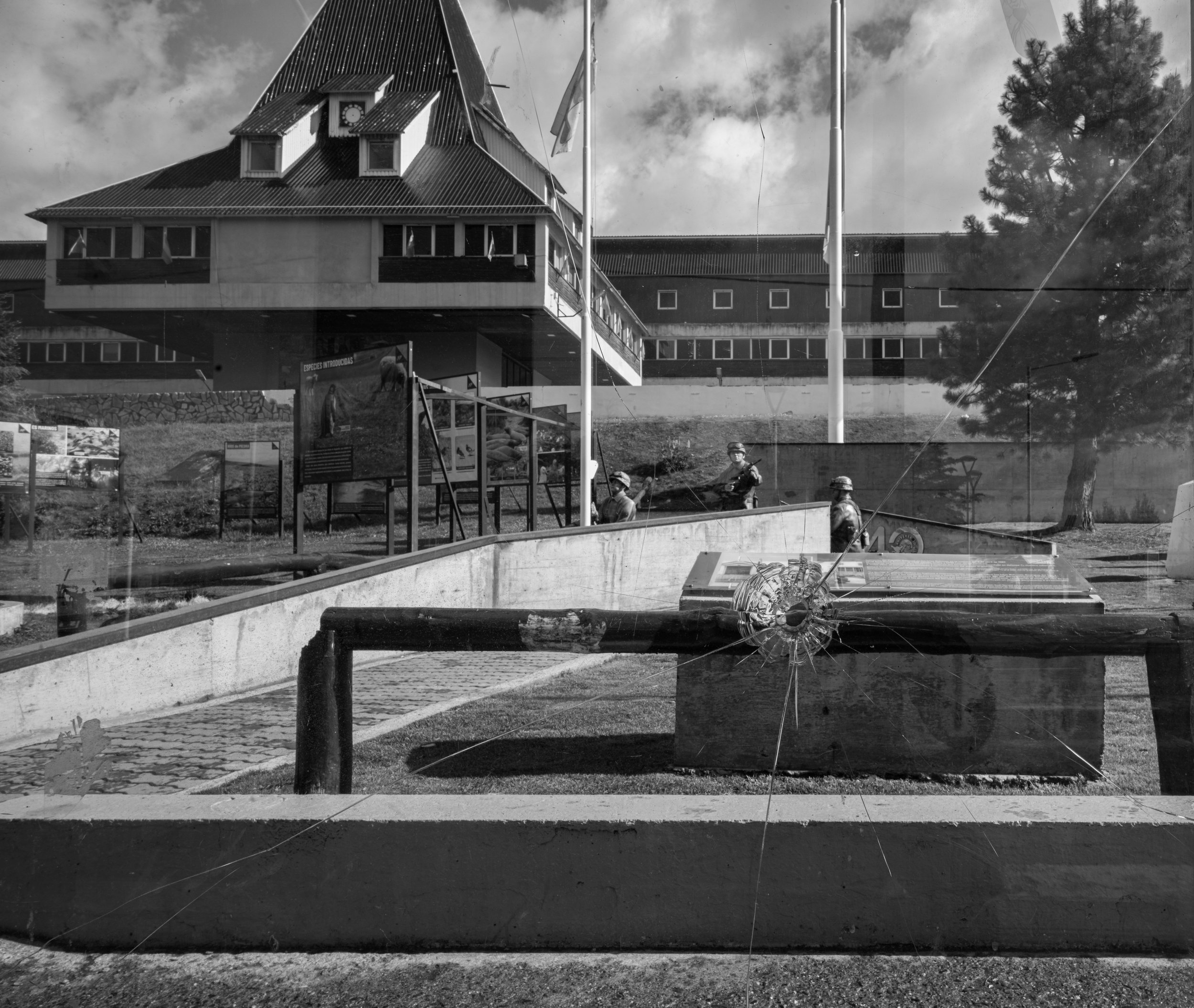
Warning Shot, archival print, 14 x 11 in, 2025, USD 400, Wright Schickli, Palo Alto, California
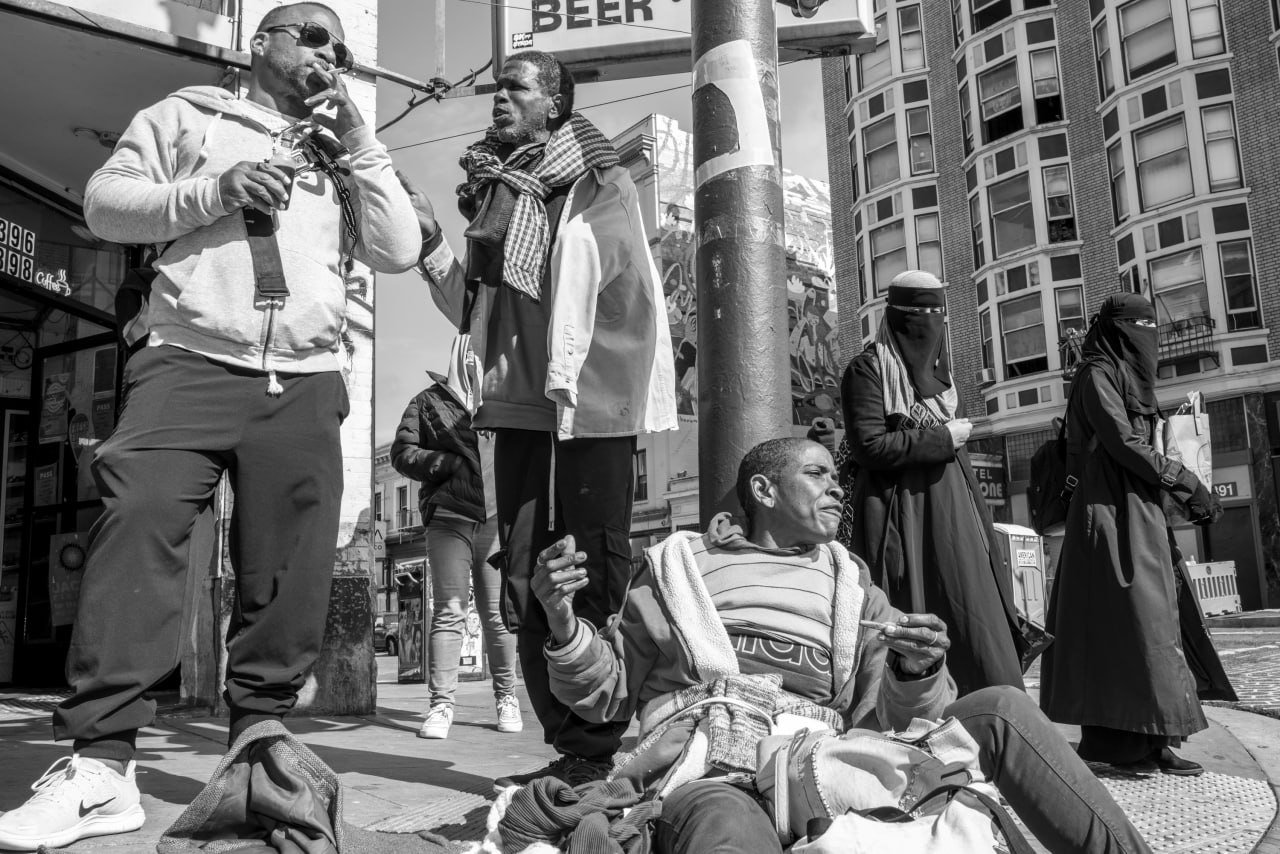
Intersecting Realities, archival print, 48 x 36 in, 2024, USD 600, Harry Williams, San Francisco, California
Sales and Artist Inquiries
Are you interested in making a purchase or connecting with one of the featured artists? Send us a message through our contact form, and we'll get back to you shortly.