

The Art of Street Photography (2026)
January 1–February 1, 2026
Street photography is a unique art form rooted in a photographer’s ability to capture a moment that might otherwise go unseen. Street photographers work where the mundane becomes extraordinary, using the energy of busy streets and the quiet solitude of hidden alleyways as a canvas for artistic expression. These photographs share distinct visions of public life and the human condition.
Featured Artists
Abigail Chua, Brigitte B. Burckhardt, Cathleen Steele, David Coleman, Davide Bellini, Dirk Wetzel, Dominic Rasini, Eileen Busby, Eugene Lee, Felix Brown, Harry Longstreet, Howard Pohl, James Krajicek, Jason Hamric, Jedidiah Lu, Jill Sutherland, John Kaminski, Juan Monte, Justine Crowley, Kevin Ketterie, Kim Keller, Kylo-Patrick Hart, Masoud Jorsara, Matt Sims, Mauro Zorer, Peter J. Robinson Jr., Rajan Dosaj, Richard Martin Hahn, Sanwal Deen, Ted Christodulidis, Thomas Szalay, Ties van Brussel, Vadim Kaduchenko, Vinnie Patella, William Bloomfield, Wright Schickli
The Street Changed Before the Photographers Did
Street photography is usually discussed as a matter of instinct and timing, as though the street itself were a constant. It is not. Over recent decades the physical and legal character of public space has altered substantially, and so has the visibility of the person holding the camera. The forty works in this edition, credited between 2012 and 2025 by thirty-six photographers, were made under conditions the genre's founders would not recognise.
Public Space Is Shrinking
A great deal of what looks like street is not street. Shopping centres, transport interchanges, plazas attached to office towers, redeveloped waterfronts and campus grounds are privately owned and privately policed, and photography in them is typically prohibited by contract rather than by law. The consequence is that the genre has been pushed back toward genuine thoroughfares, markets and transit, and that a photographer's working knowledge now includes which surface they are standing on. Street photography art made under these conditions frequently records the boundary itself: the barrier, the signage, the guard.
The Camera Stopped Being Conspicuous
A twin-lens reflex held at the waist was a visible object that announced an intention. A phone at arm's length announces nothing, and a mirrorless body with an electronic shutter makes no sound at all. This has changed the pictures: subjects behave less performatively, and candid work has become genuinely candid rather than semi-consented. It has also removed a check that older equipment supplied. When the act of photographing was obvious, a subject could object in the moment; now the objection, if it comes, arrives after publication or not at all. Photographers who take the ethics of the genre seriously have had to reintroduce that friction deliberately.
Composition in Crowds
The technical difficulty here is not focus or exposure but organisation. A busy frame contains several planes, each with its own event, and the picture succeeds when those planes align for a fraction of a second into a relationship none of the participants intended. Achieving it reliably requires working close, pre-setting distance and depth of field, and accepting that most attempts will produce clutter. The alternative — isolating one figure against a clean ground — is far easier and yields a quieter kind of picture.
Where the Genre Is Actually Being Made
The canon of street photography is overwhelmingly mid-century, European and North American, and it no longer describes where the work is happening. Dense, informal, pedestrian cities produce the conditions the genre needs, and many of those cities are elsewhere. An open call reflects this immediately: submissions arrive from places whose streets are still used primarily as streets. Reading a contemporary catalog against the canon is a useful correction, because it shows how much of what was taken for a photographic style was really a description of one kind of city.
Why the Theme Recurs
Street work is the most direct index of urban change a gallery can commission, since the same brief issued a few years apart returns pictures of different rules, different equipment and different crowds. TCG Gallery is an independent online photography gallery, and each juried exhibition remains part of a permanent public archive after its run ends, so these catalogs accumulate into a longer record than any single project. Photographers can enter the current photography open calls directly.
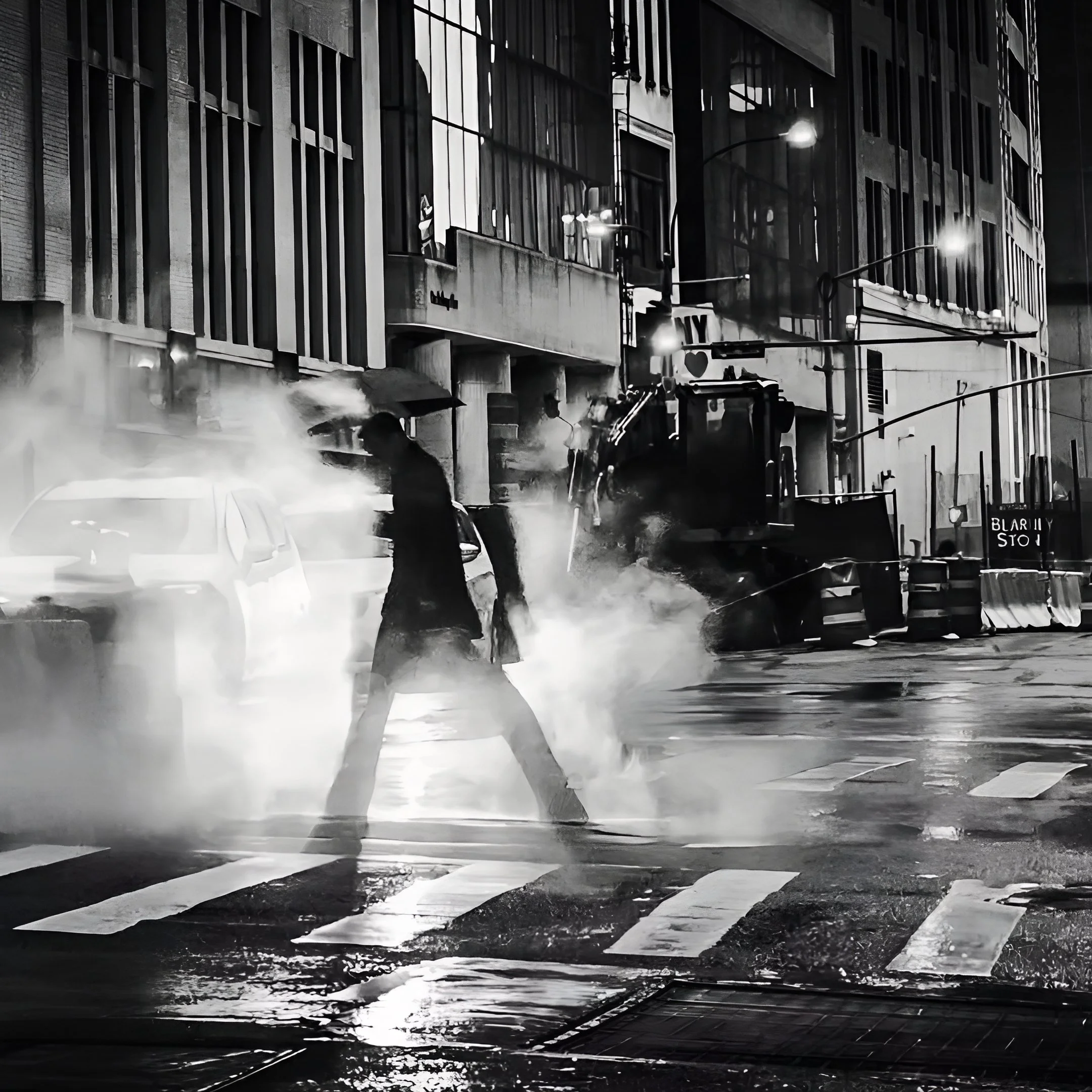
Steam, archival print, 20 x 20 in, USD 350, 2025, © Abigail Chua, Jersey City, New Jersey
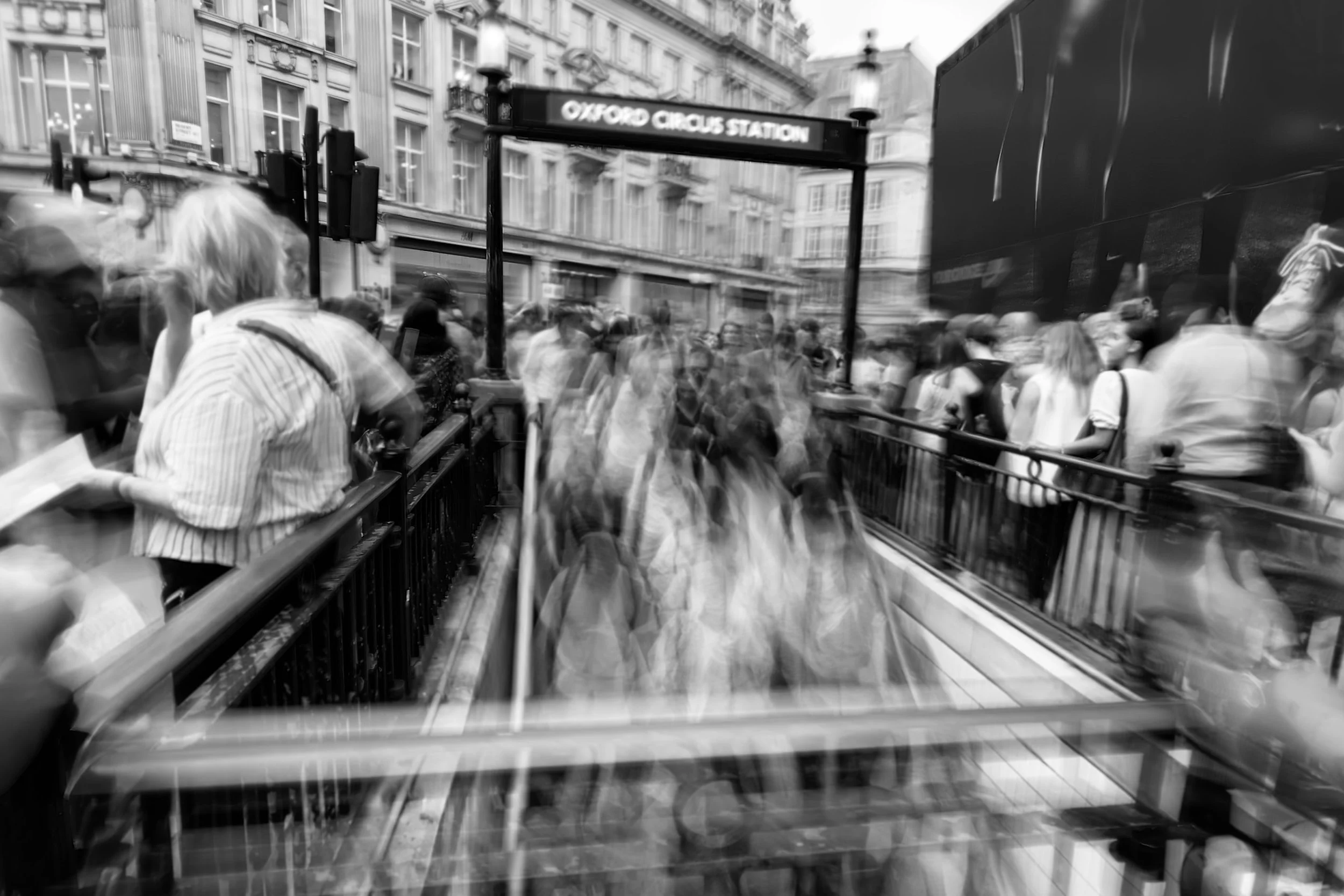
Rush Hour, archival print, 45 x 80 cm, USD 375, 2025, © Brigitte B Burckhardt, Vevey, Switzerland
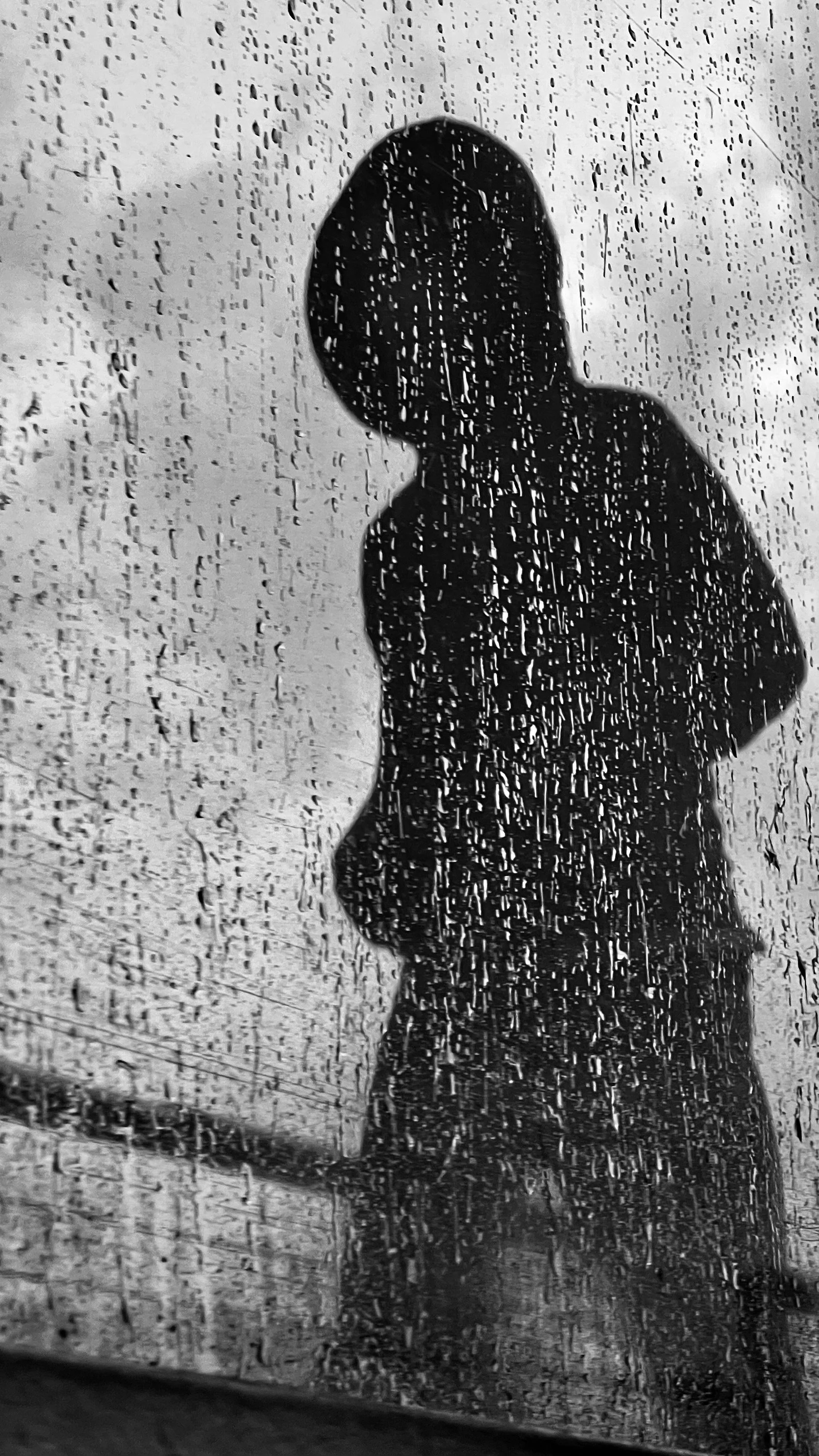
The Hood, archival print, 80 x 45 cm, USD 375, 2025, © Brigitte B Burckhardt, Vevey, Switzerland
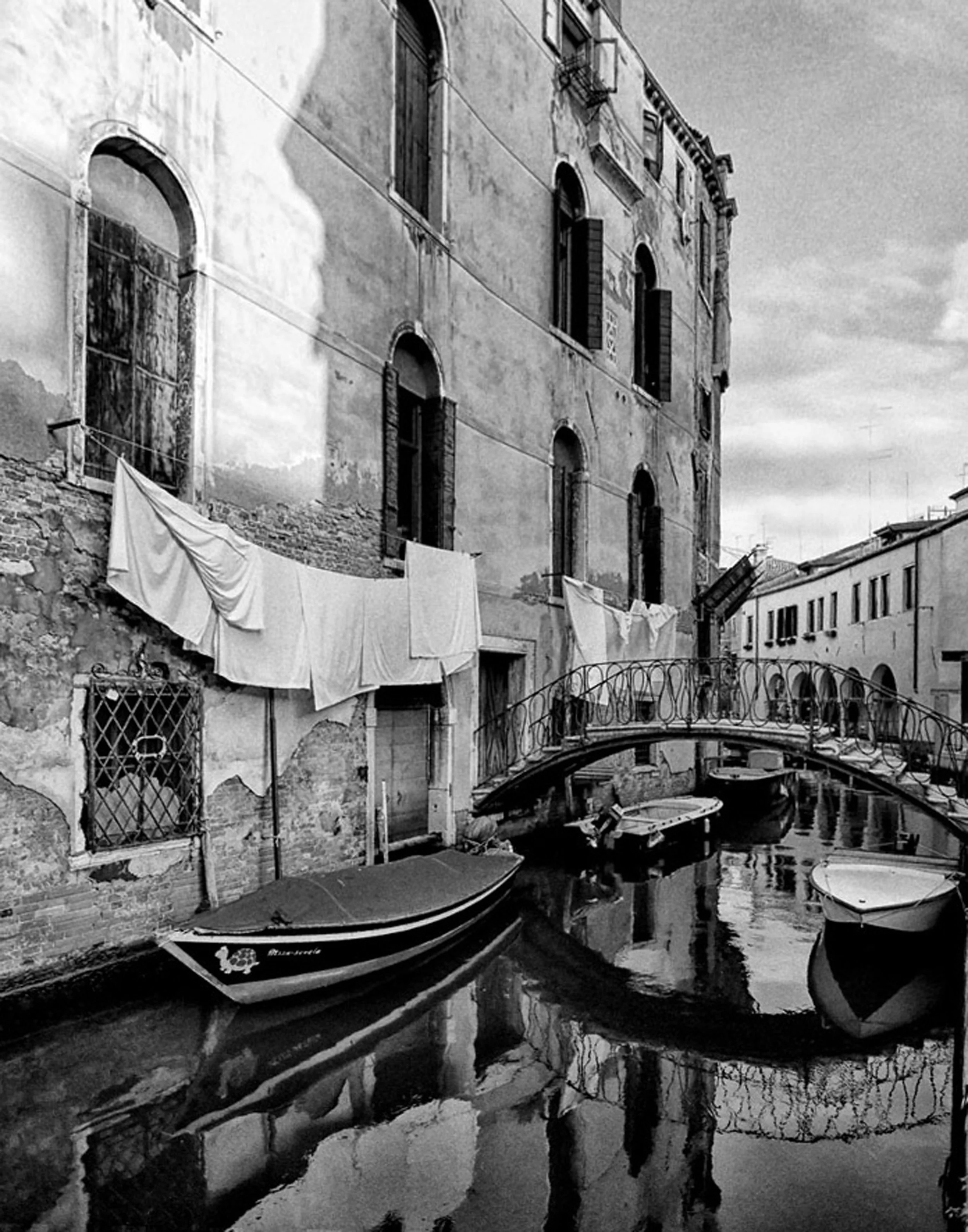
Venetian Way, archival print, 11 x 14 in, USD 250, 2024, © Cathleen Steele, Severna Park, Maryland
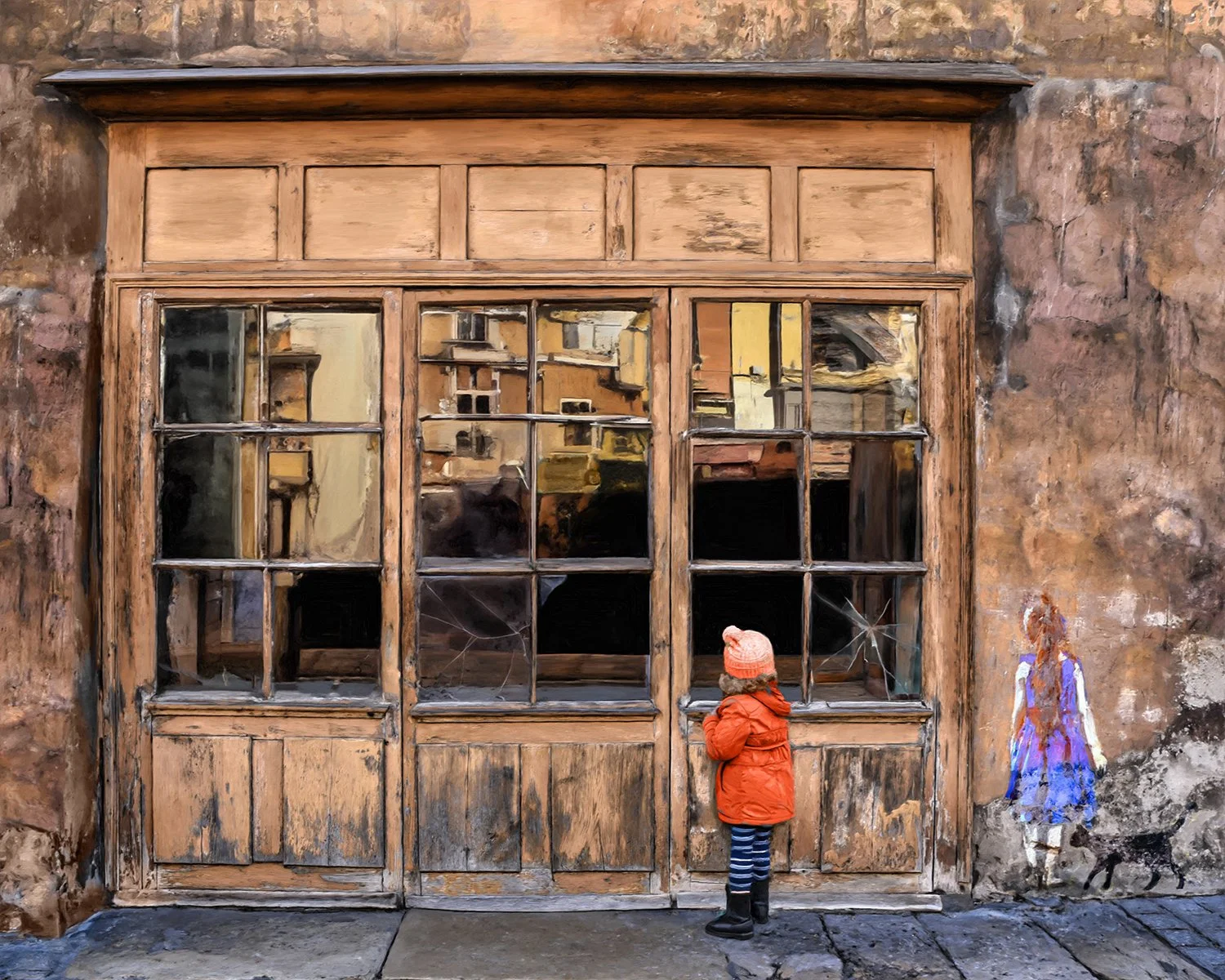
Curiosity, archival print, 8 x 10 in, USD 100, 2024, © David Coleman, New Smyrna Beach, Florida
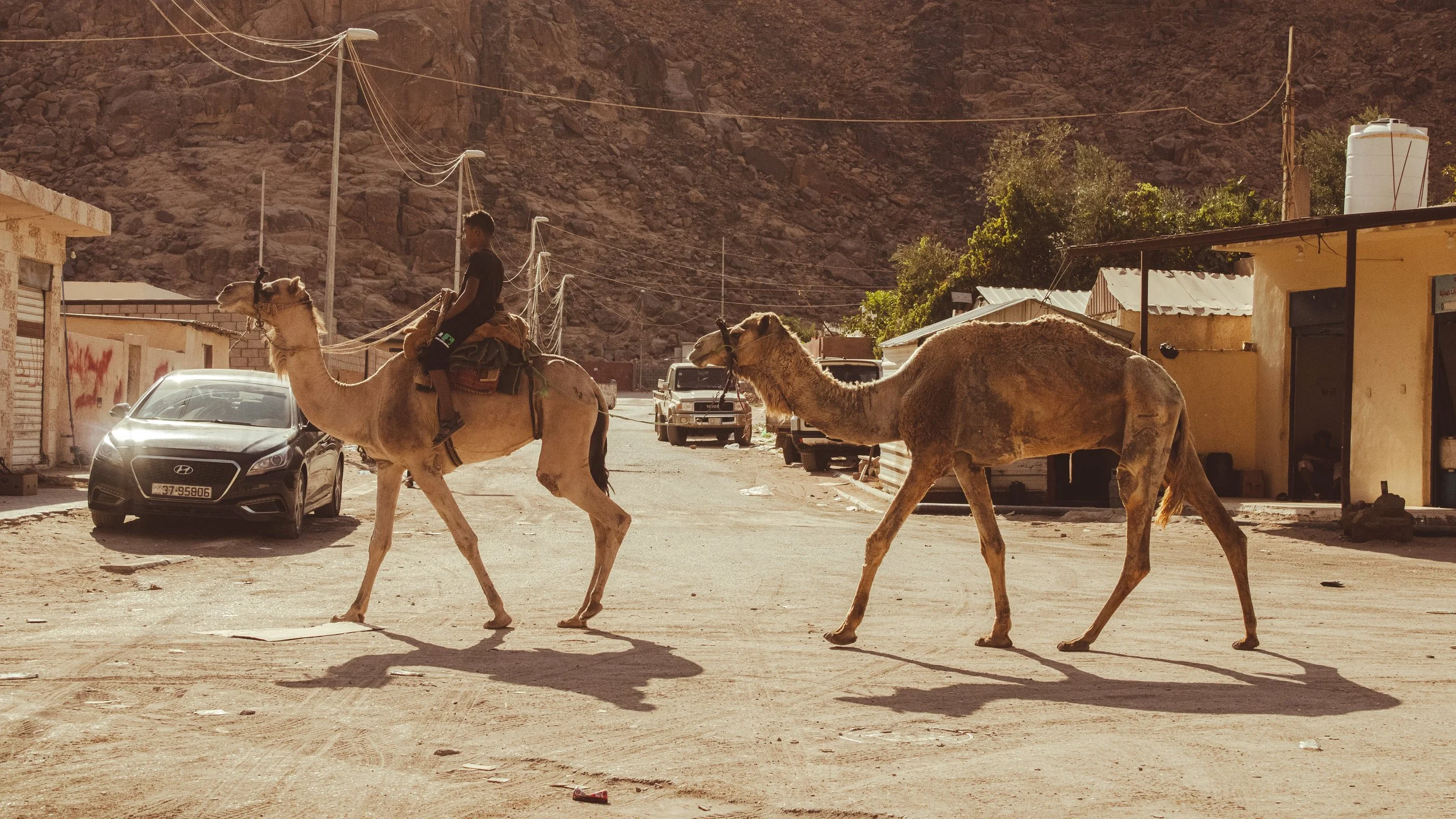
Wadi Rum Village, archival print, 40 x 22.5 cm, 150€, 2023, © Davide Bellini, Rivoli, Italy
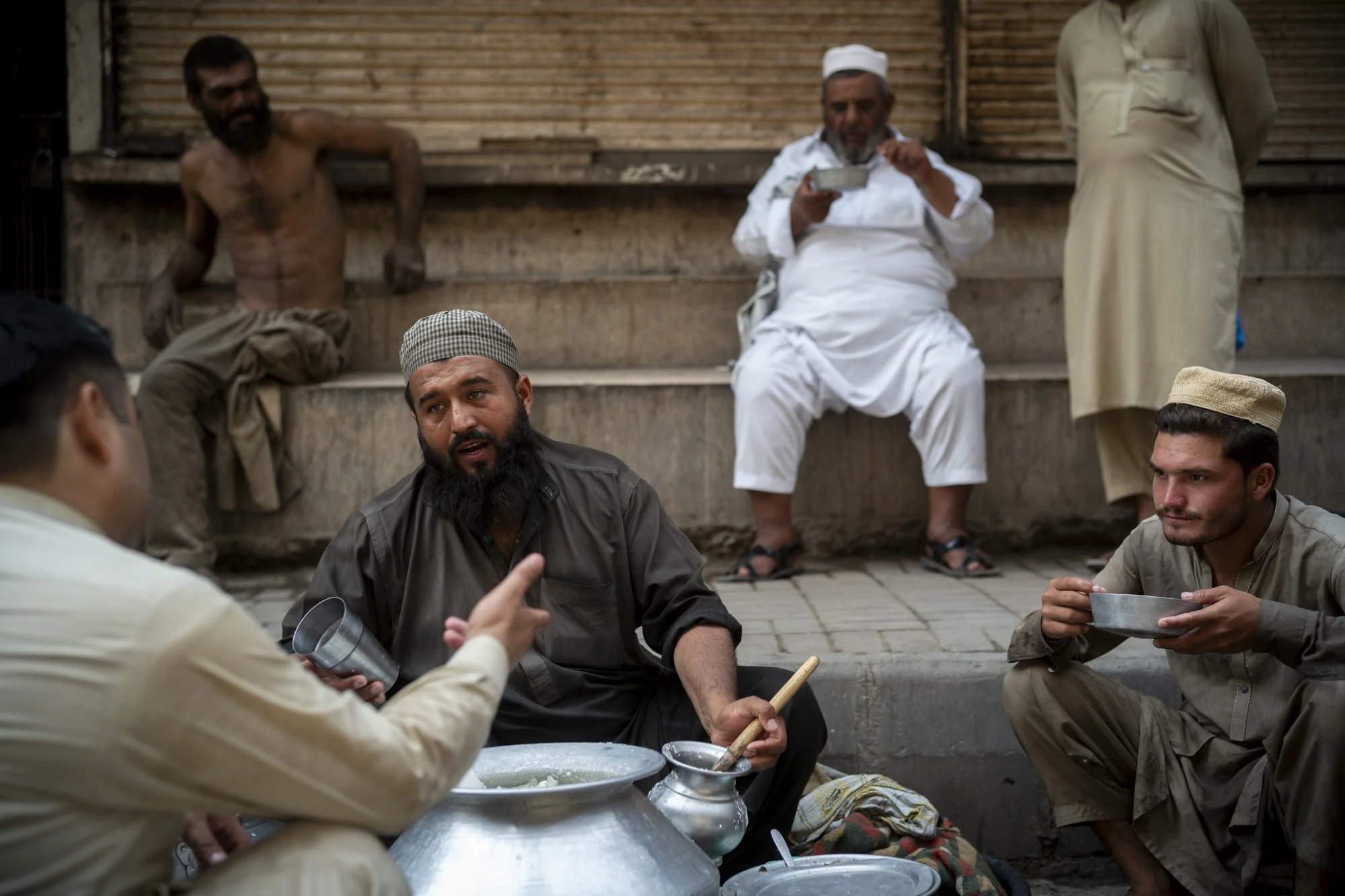
Breakfast in Peshawar, archival print, 29.7 x 42 cm, 410€, 2024, © Dirk Wetzel, Basel, Switzerland
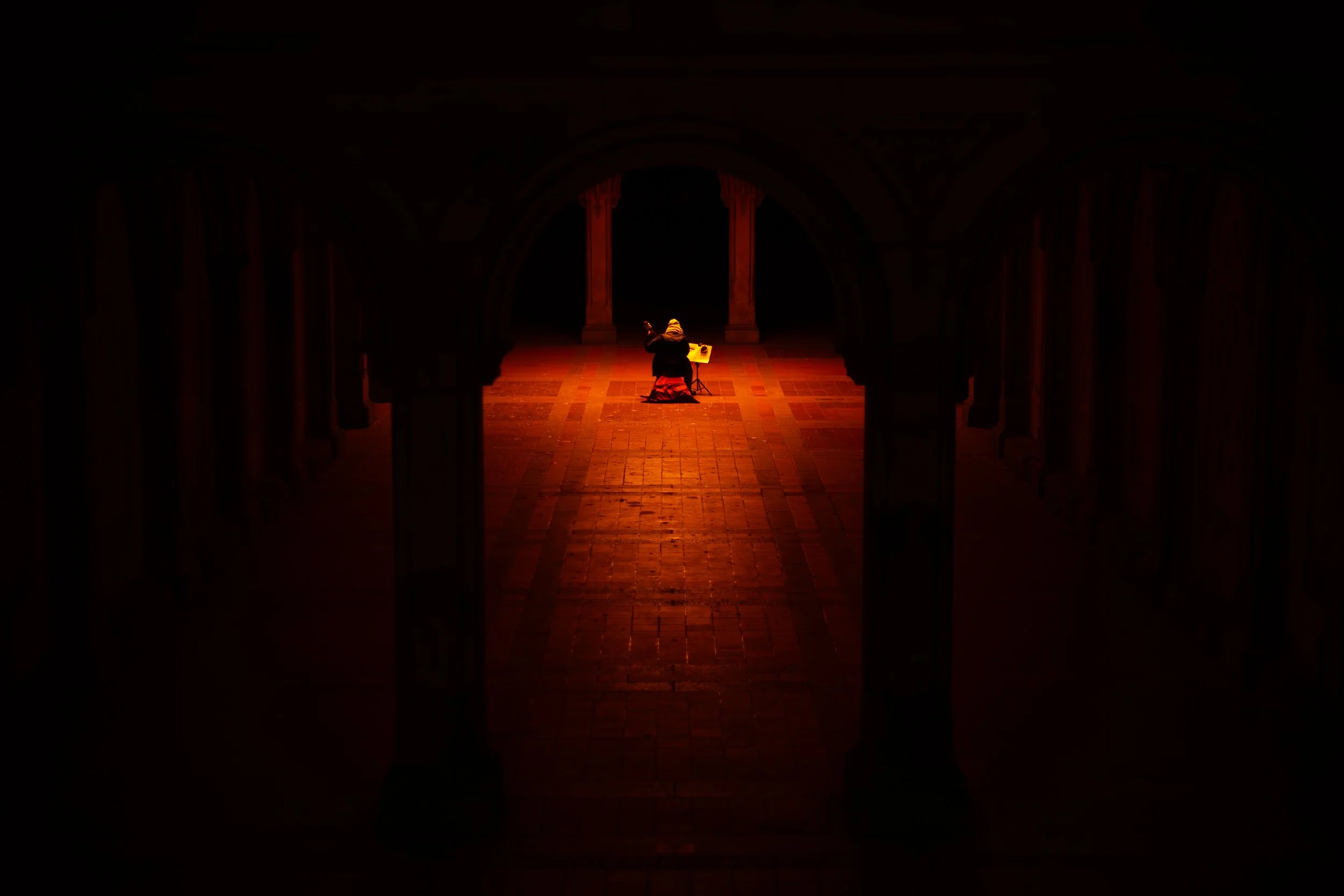
Bethesda Serenade, archival print, NFS, 2025, © Dominic Rasini, New York City, New York
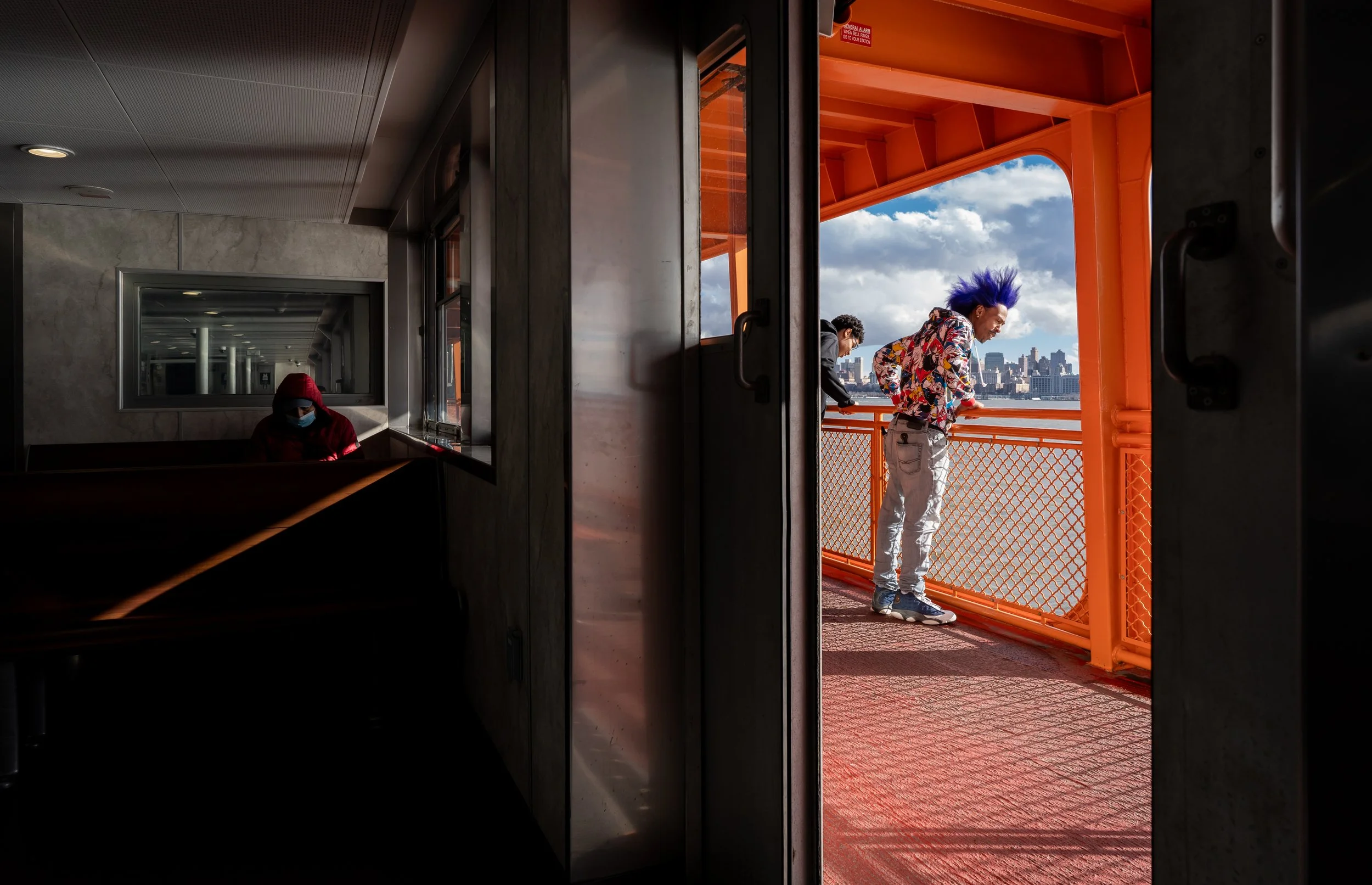
Inside Outside, archival print, 12 x 8 in, USD 300, 2024, © Eileen Busby, Pearl River, New York
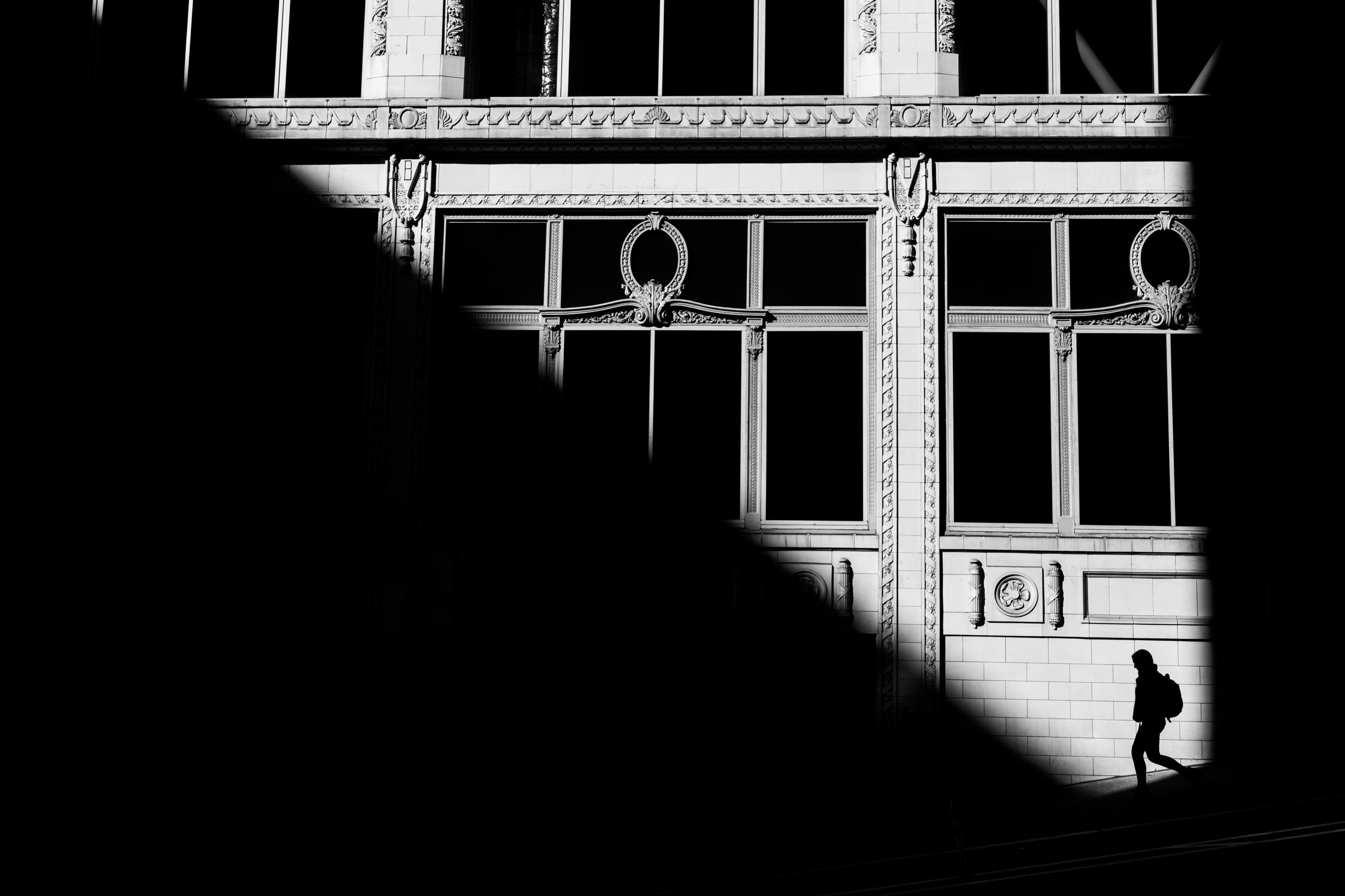
Beginnings, archival print, 18 x 12 in, USD 250, 2024, © Eugene Lee, Seattle, Washington
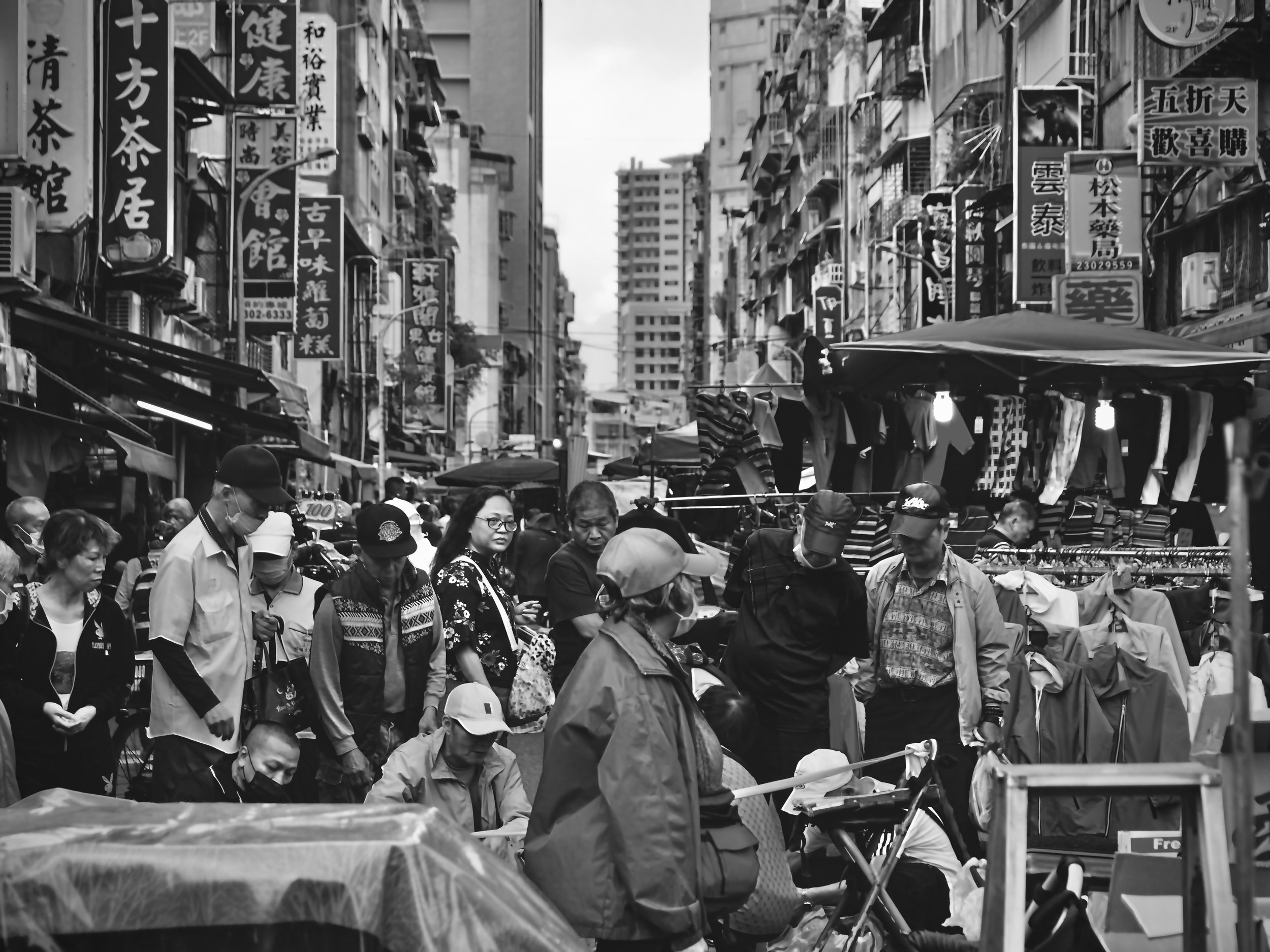
Antique Flea Market, archival print, USD 350, 2025, © Felix Brown, Shrewsbury, United Kingdom
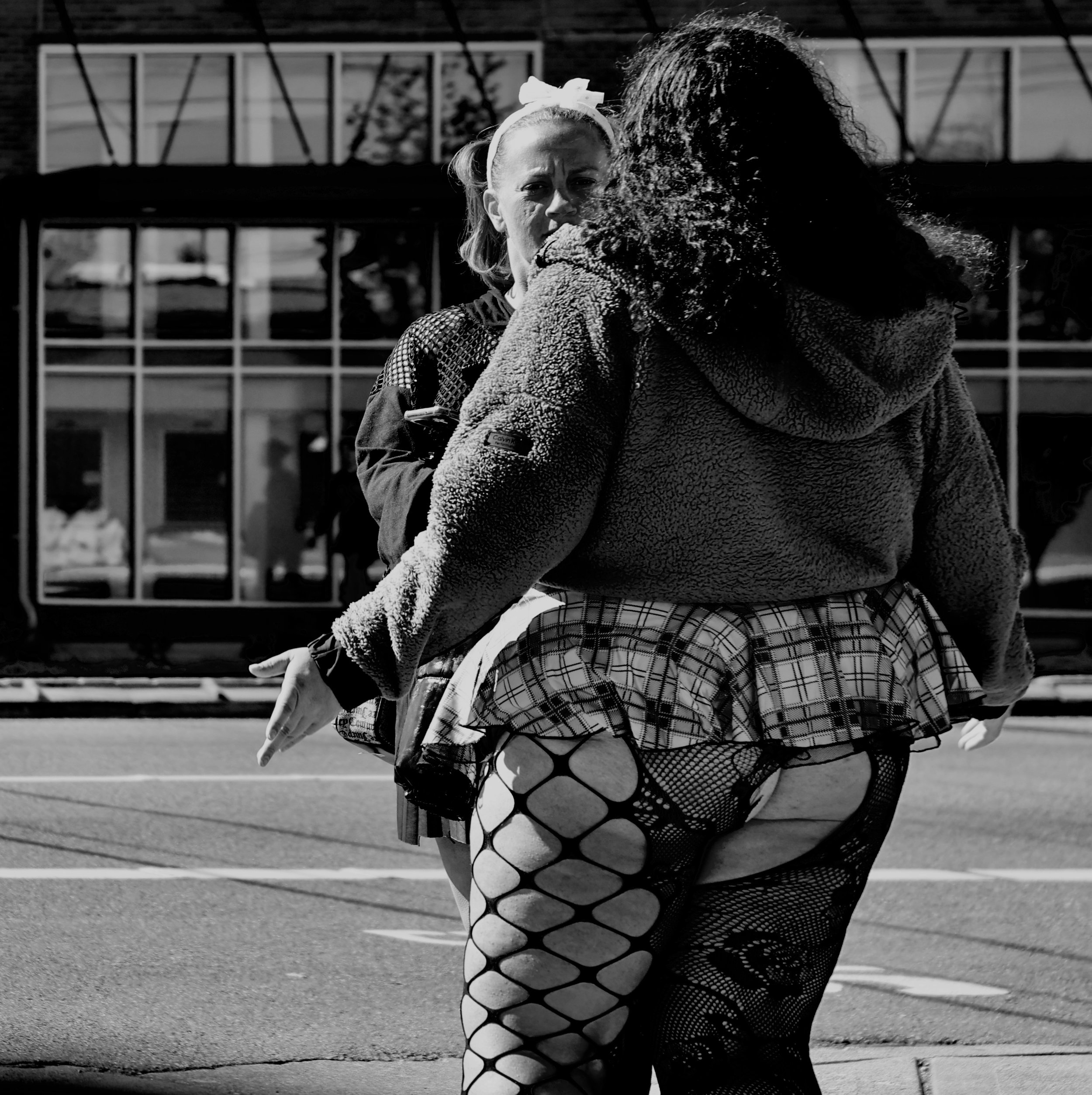
Bargain Basement, archival print, 13 x 13 in, USD 900, 2024, © Harry Longstreet, Edmonds, Washington
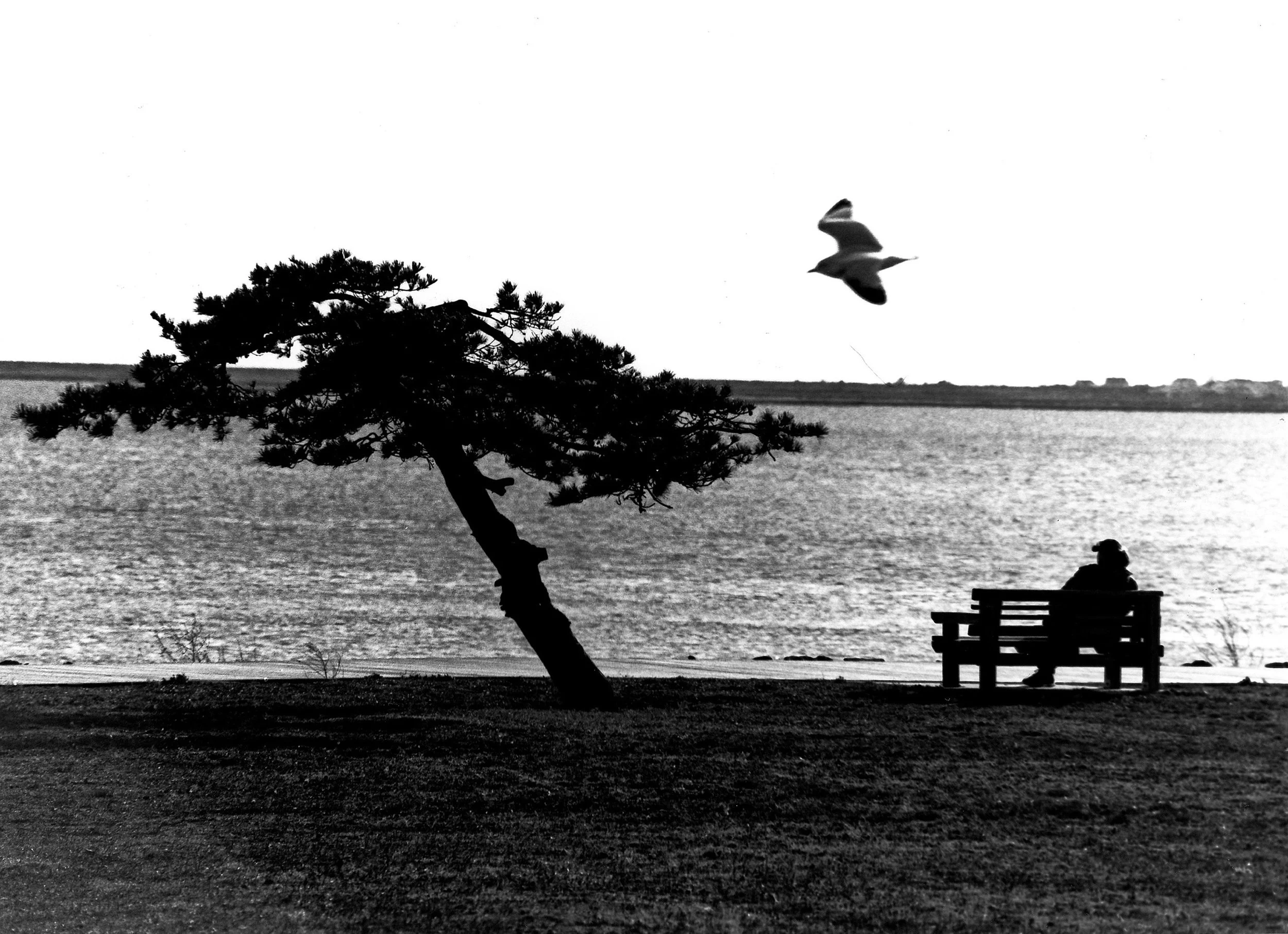
You’ll Go Your Way and I’ll Go Mine, silver gelatin print, 15 x 20 in, USD 400, 2018, © Howard Pohl, Lindenhurst, New York
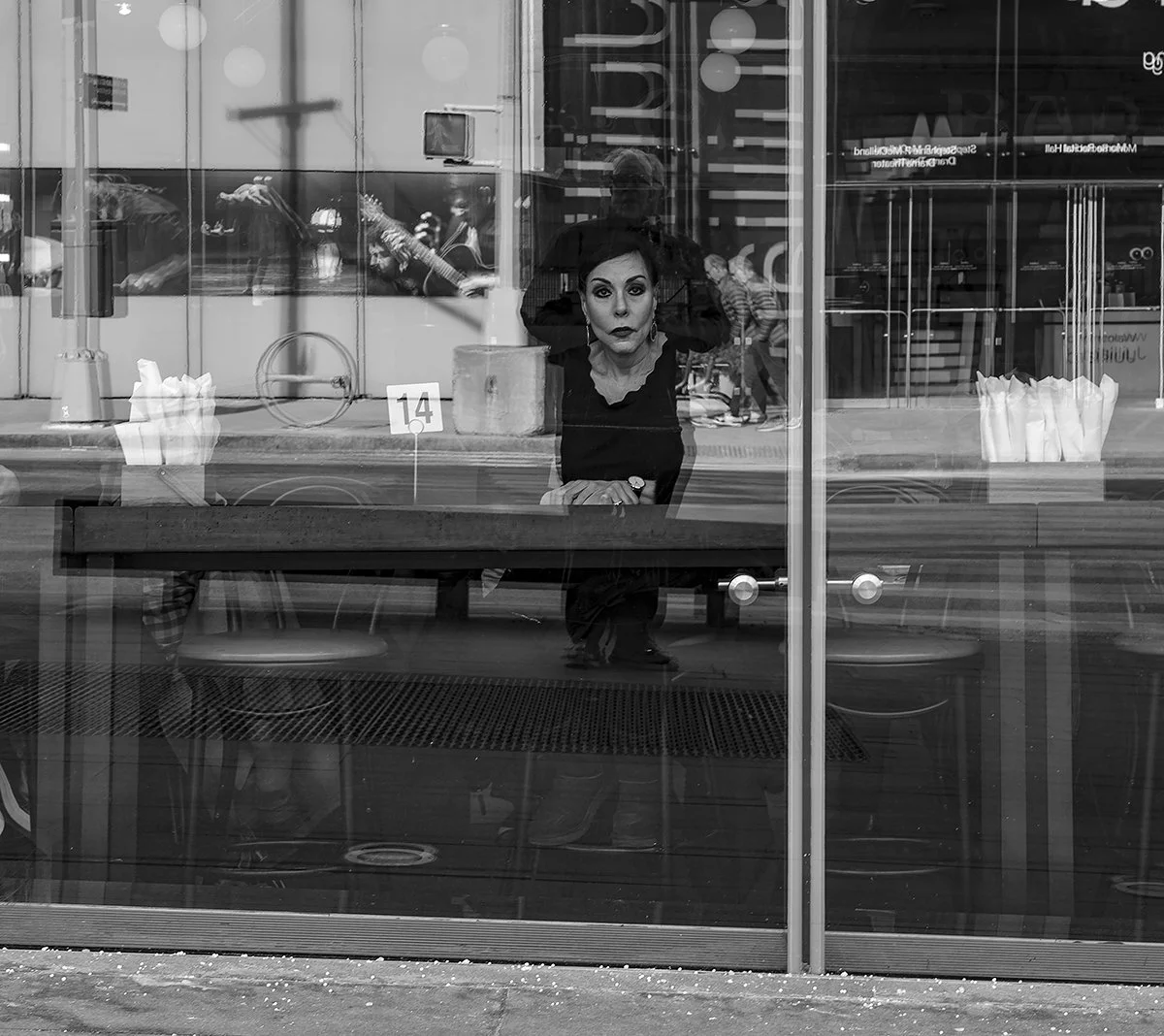
Window Seat No. 14, archival print, 34 x 30 in, USD 400, 2021, © James Krajicek, New York City, New York
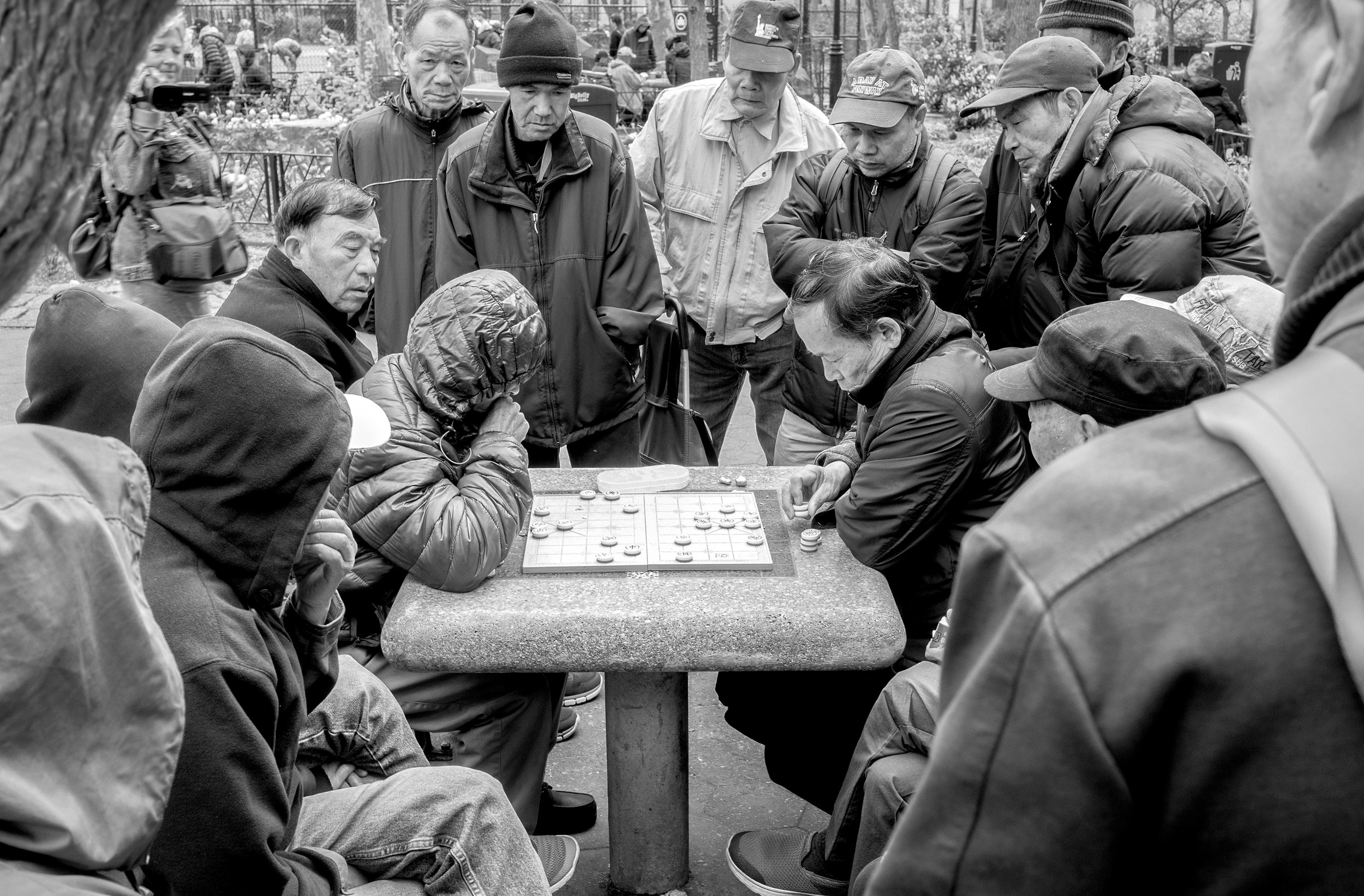
Park Game, giclee print, 8 x 12 in, USD 350, 2023, © Jason Hamric, Birmingham, Alabama
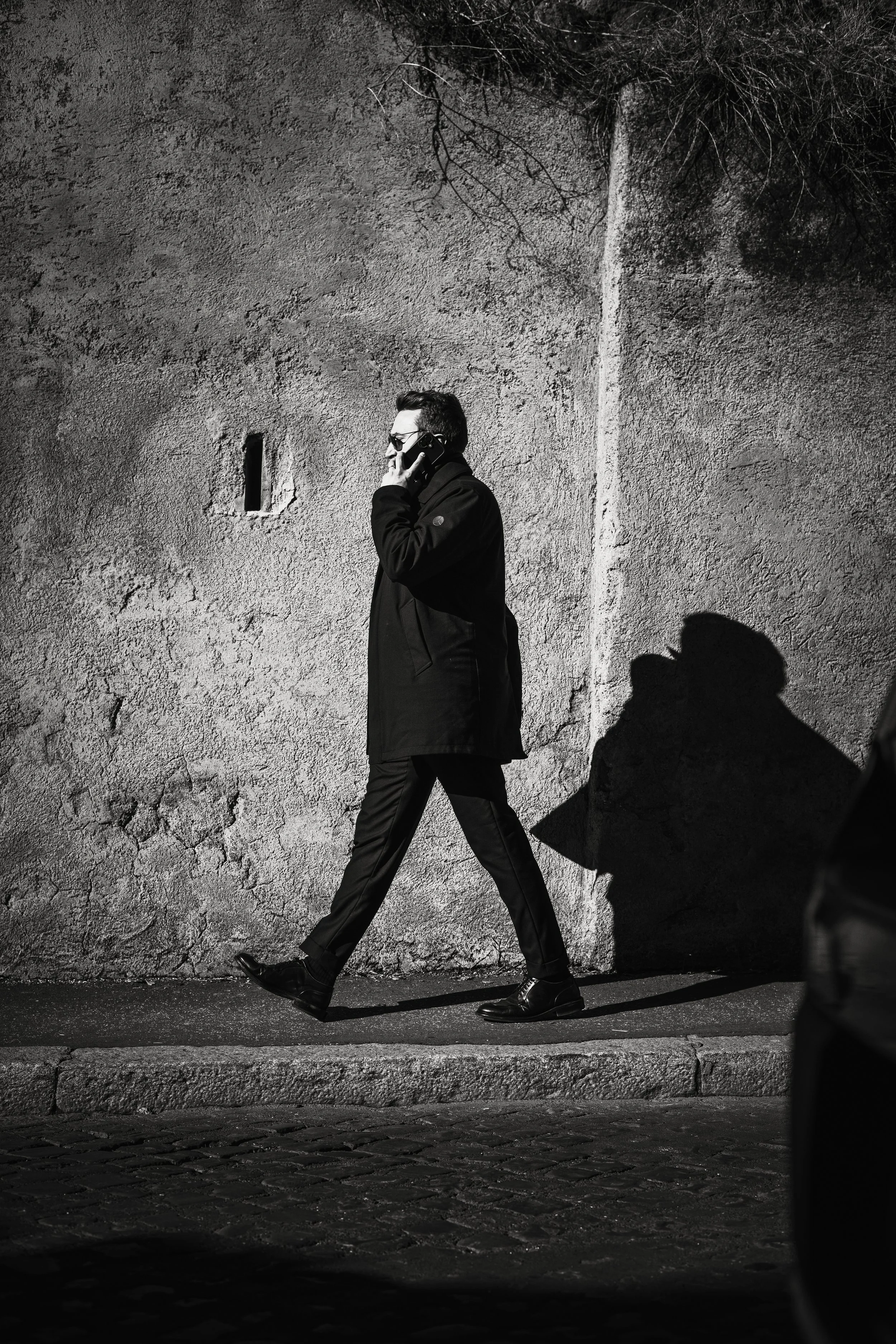
On the Line, archival print, 16 x 24 in, USD 250, 2025, © Jedidiah Lu, Malvern, Pennsylvania
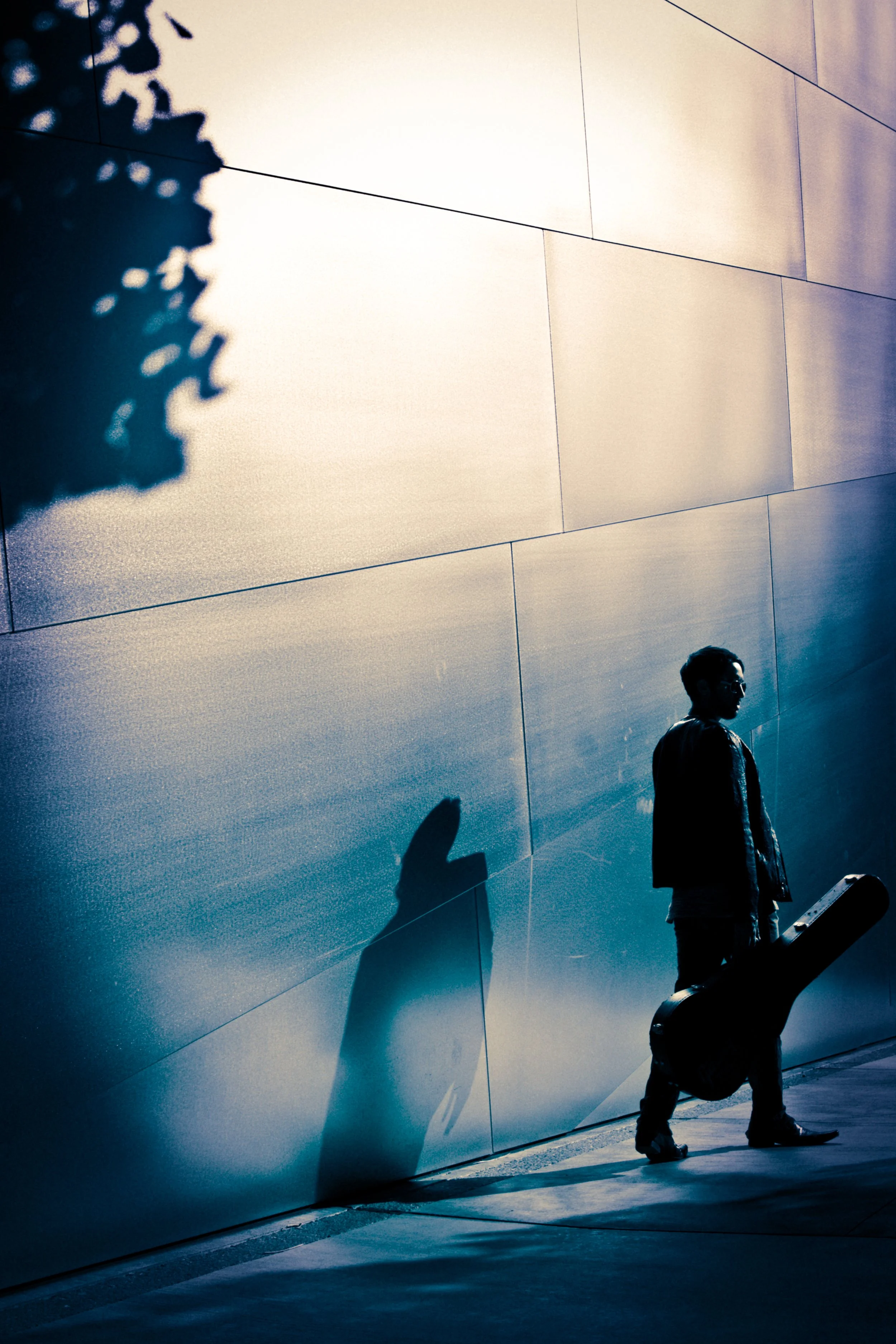
Shadow Notes, archival print, 19 x 13 in, USD 400, 2013, © Jill Sutherland, Topanga, California
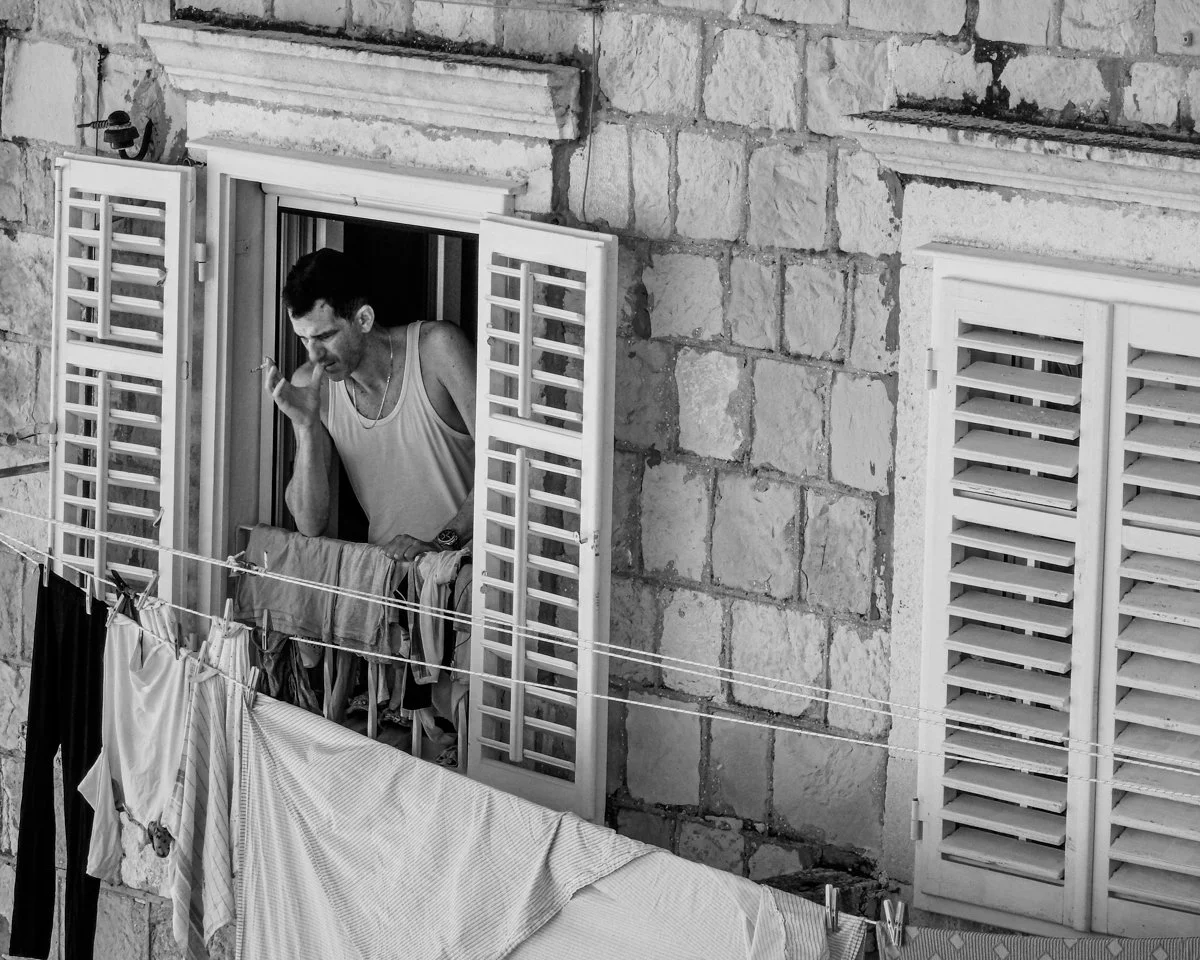
Laundry Day, archival print, 11 x 14 in, USD 250, 2019 © John Kaminski, Portland, Maine
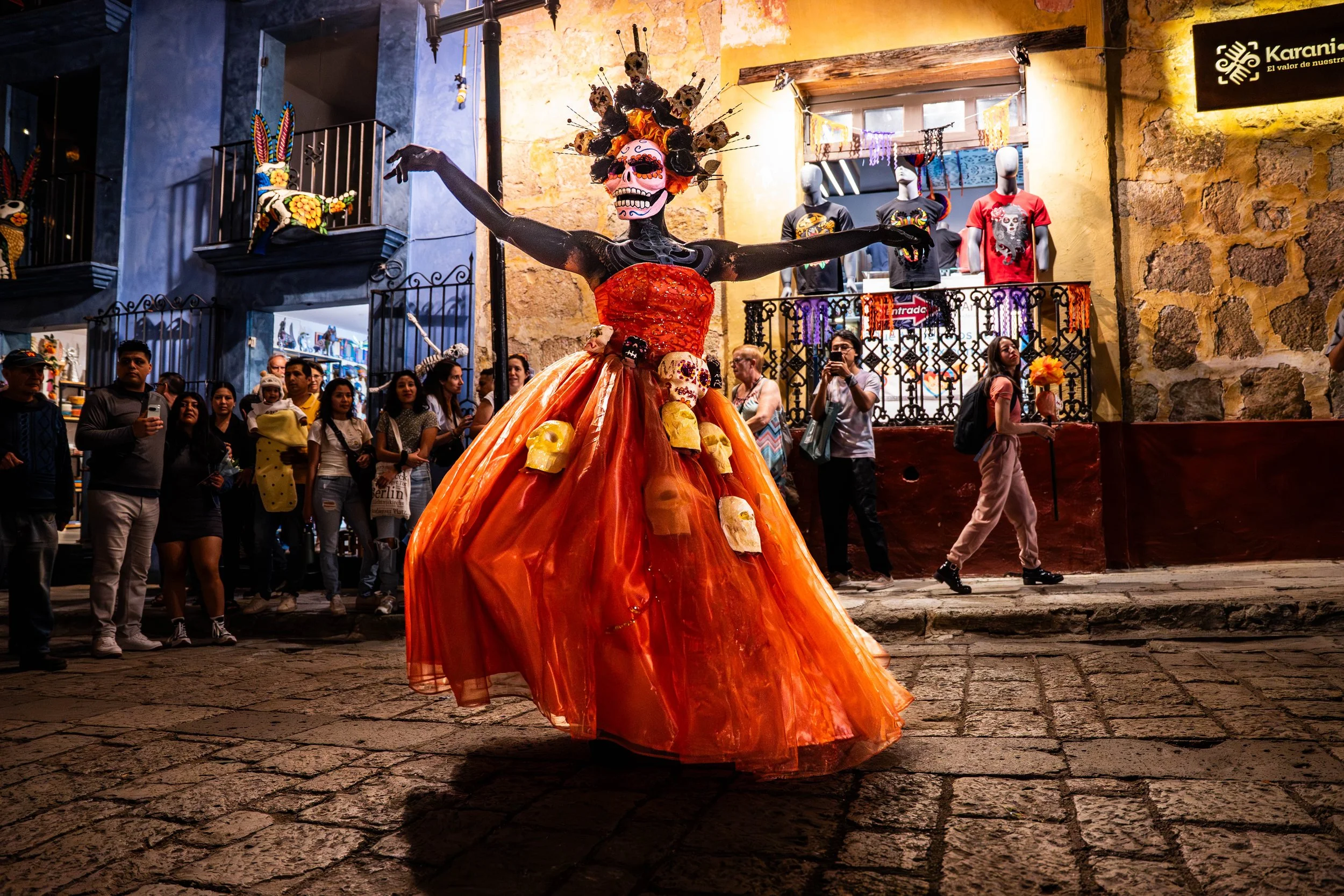
La Catrina, archival print, 60 x 40 cm, 300€, 2025, © Juan Monte, Turnhout, Belgium
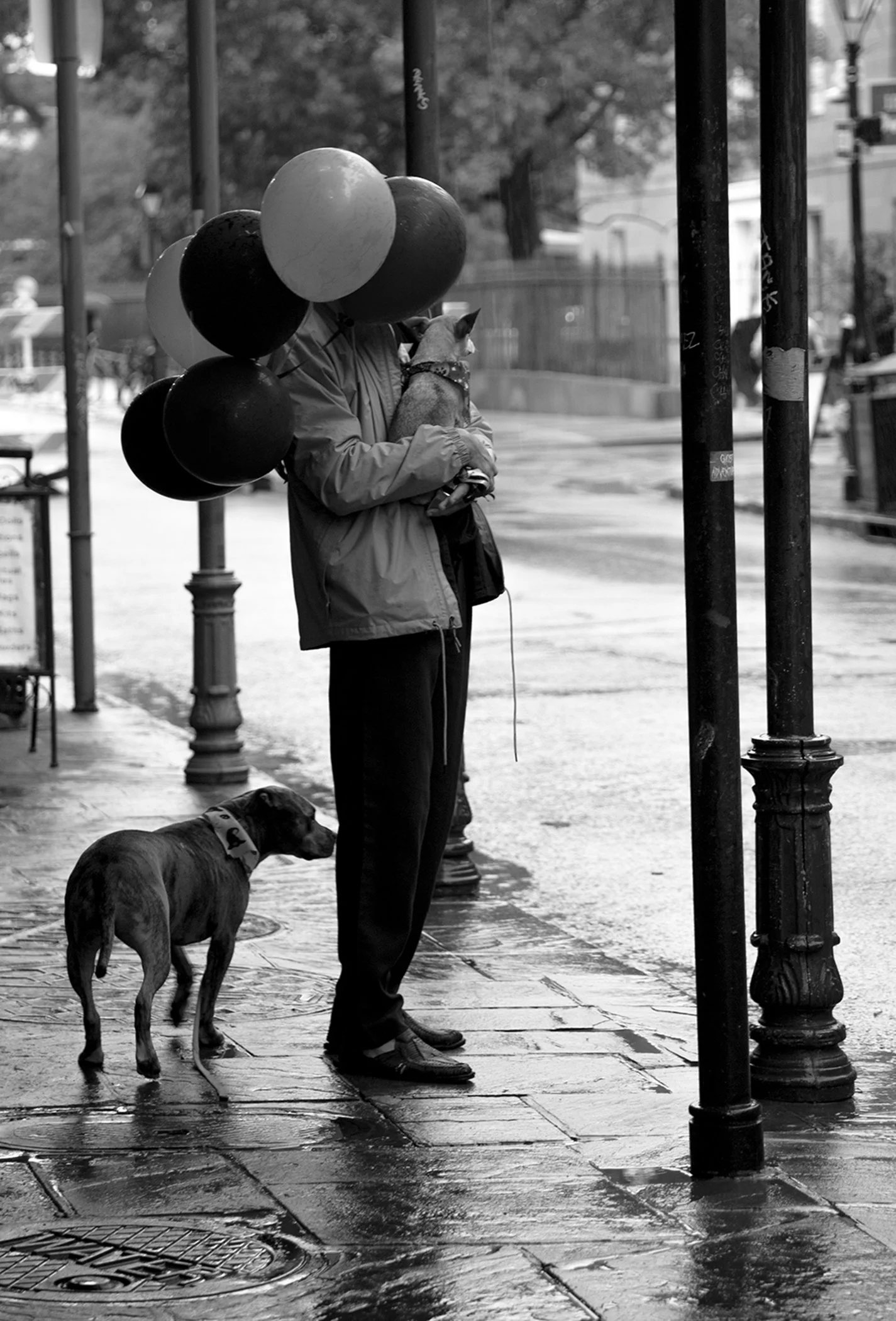
Dogs and Balloons, archival print, 20 x 16 in, USD 200, 2025, © Justine Crowley, New Orleans, Louisiana
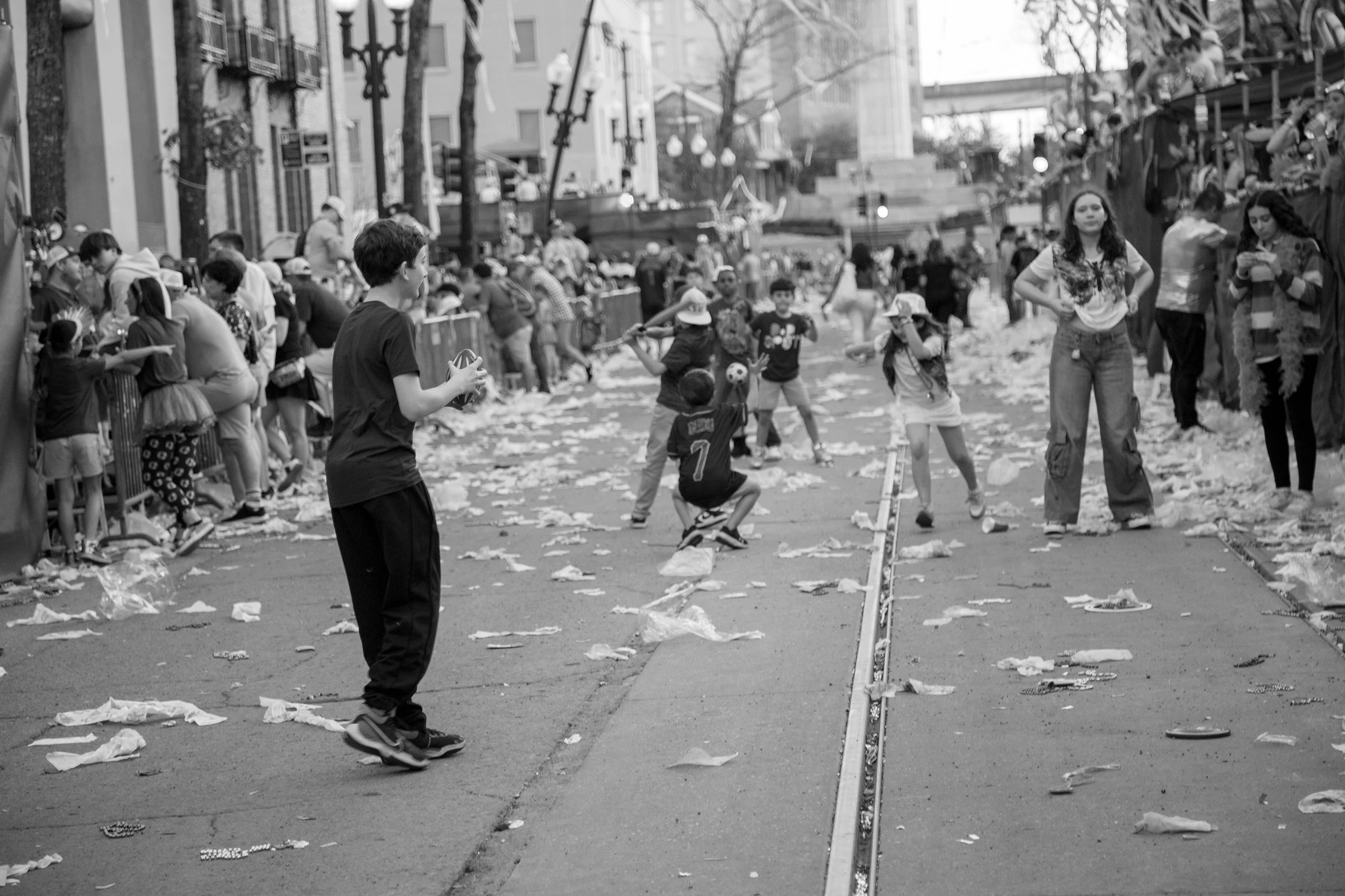
Streetball, archival print, 16 x 20 in, USD 250, 2025, © Justine Crowley, New Orleans, Louisiana
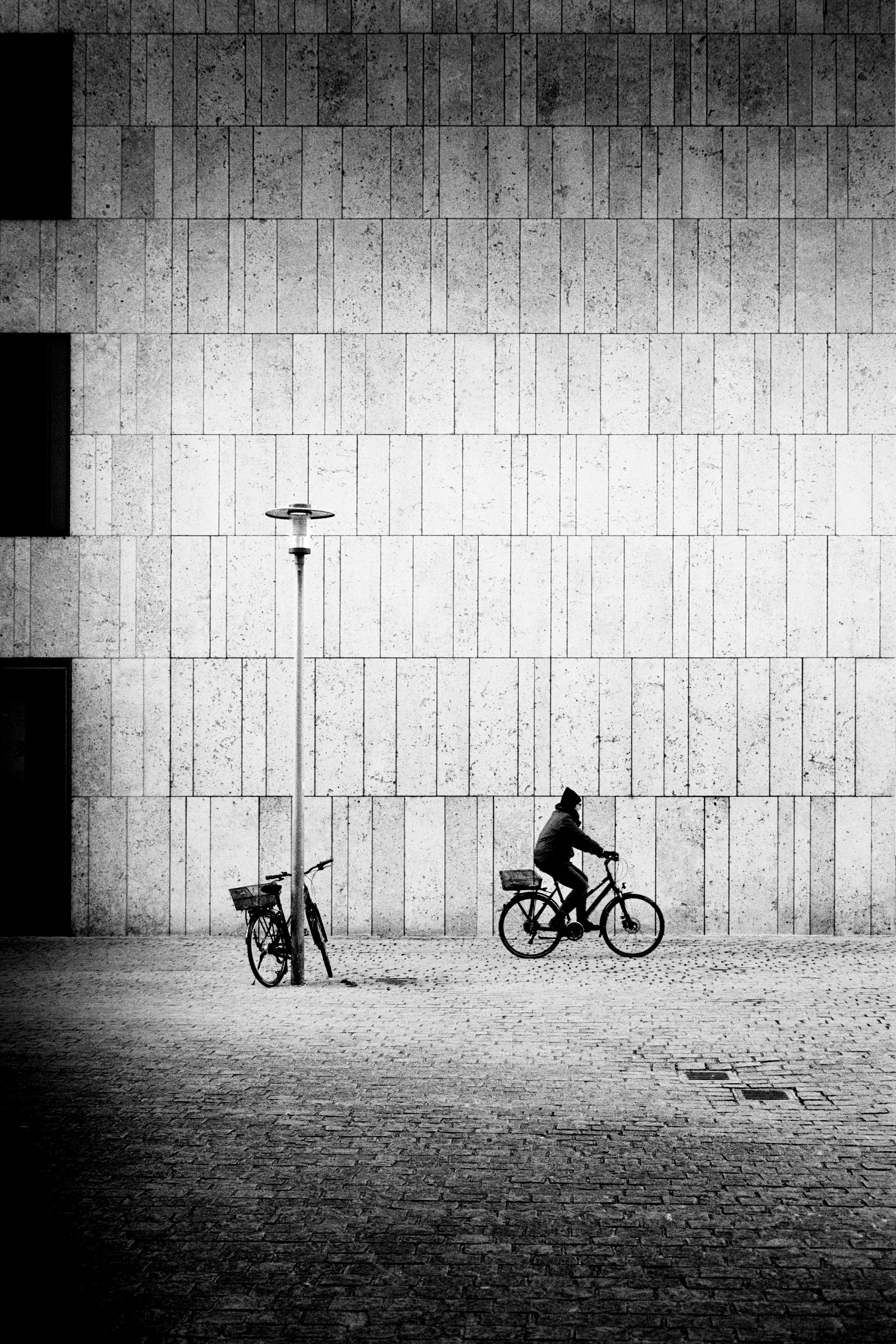
Two Bicycles, archival print, 21 x 30 cm, 300€, 2025, © Kevin Ketterie, Marktoberdorf, Germany
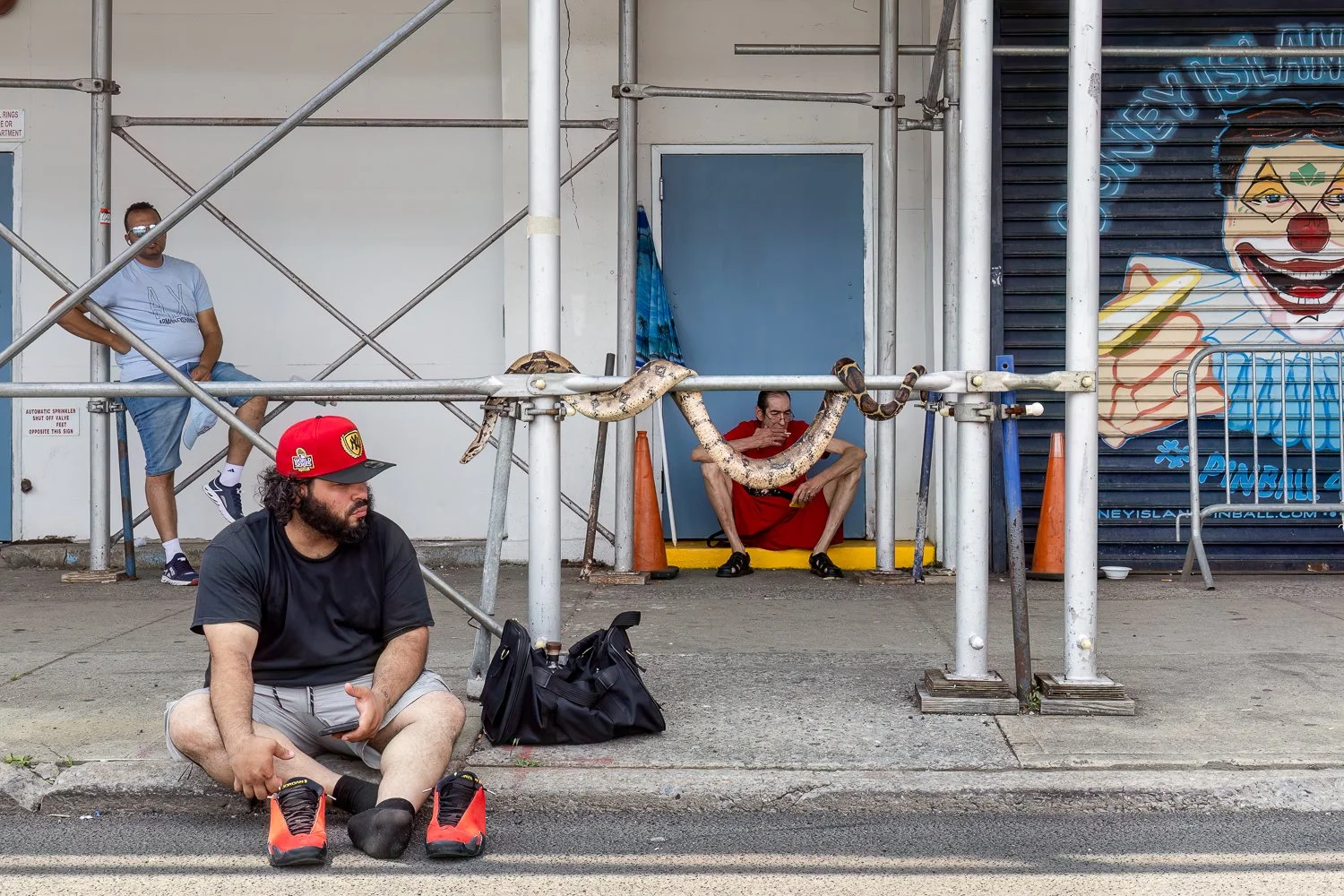
Hangin, archival print, 12 x 18 in, USD 200, 2025, © Kim Keller, Olney, Maryland
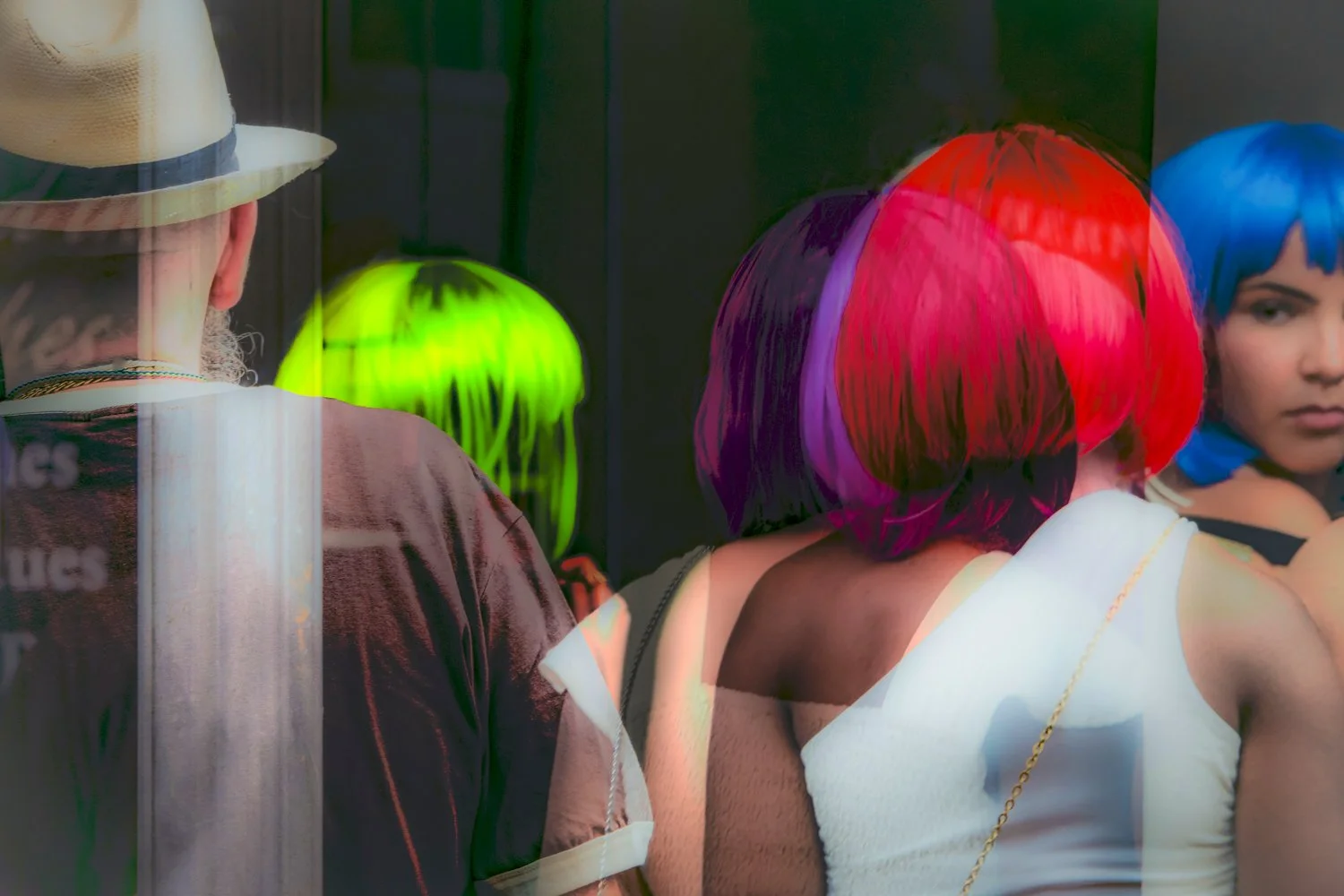
Detect, photo transfer on metal, 16 x 24 in, USD 950, 2025, © Kylo-Patrick Hart, Aledo, Texas
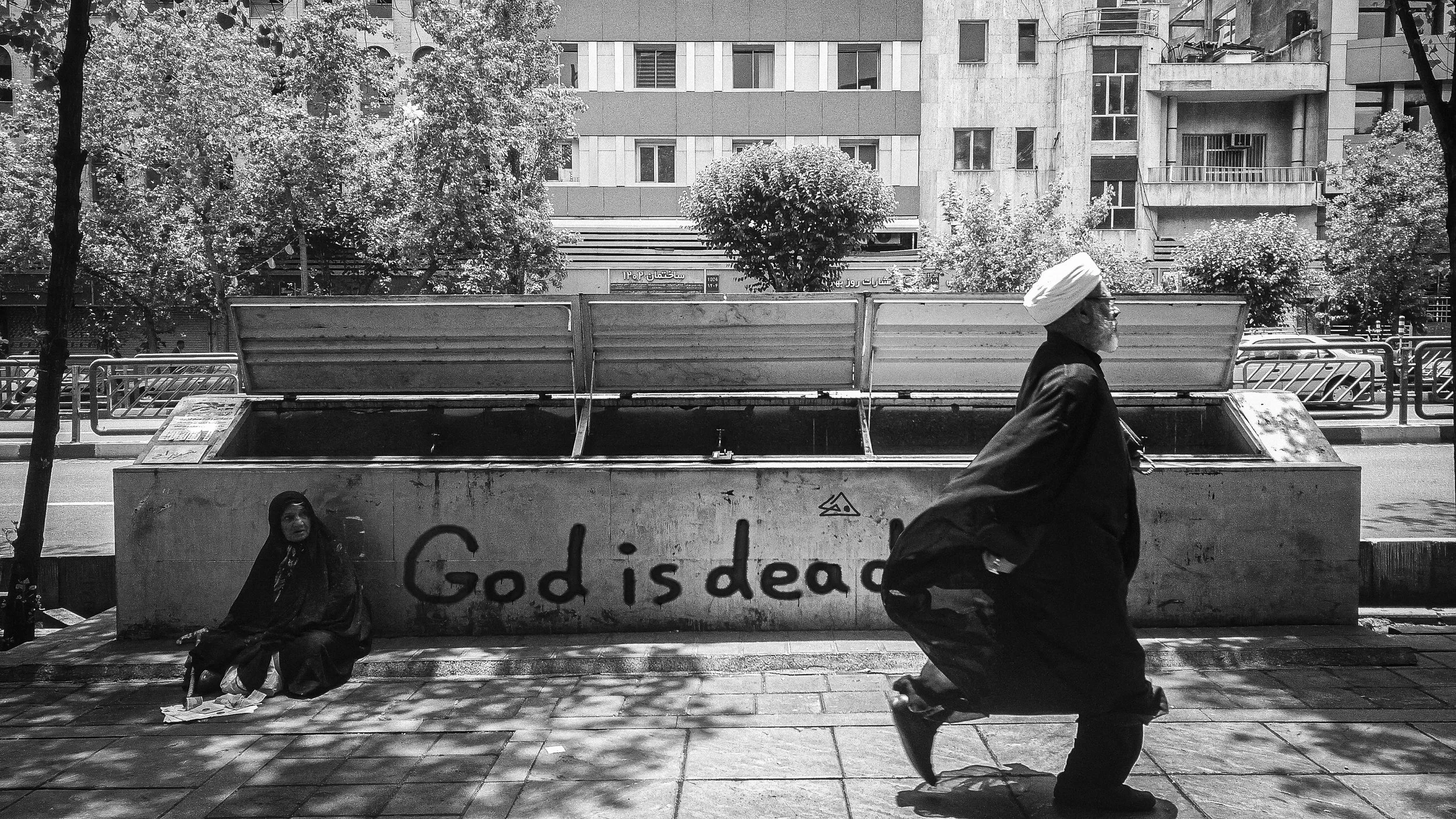
Is He No. 1, archival print, 40 x 30 cm, USD 400, 2024, © Masoud Jorsara, Tehran, Iran
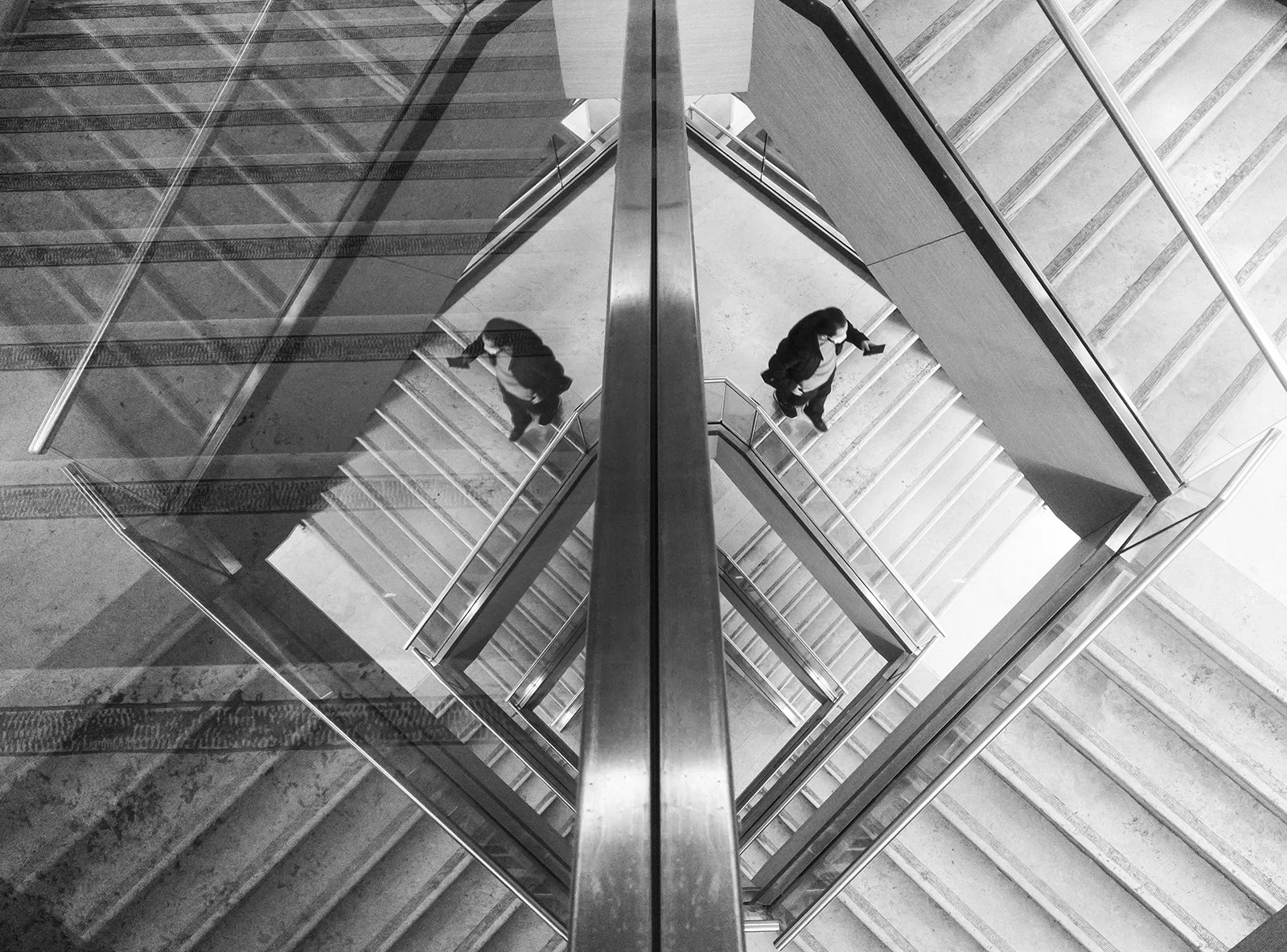
The Geometry of Loneliness, archival print, 40 x 30 cm, USD 400, 2025 © Masoud Jorsara, Tehran, Iran
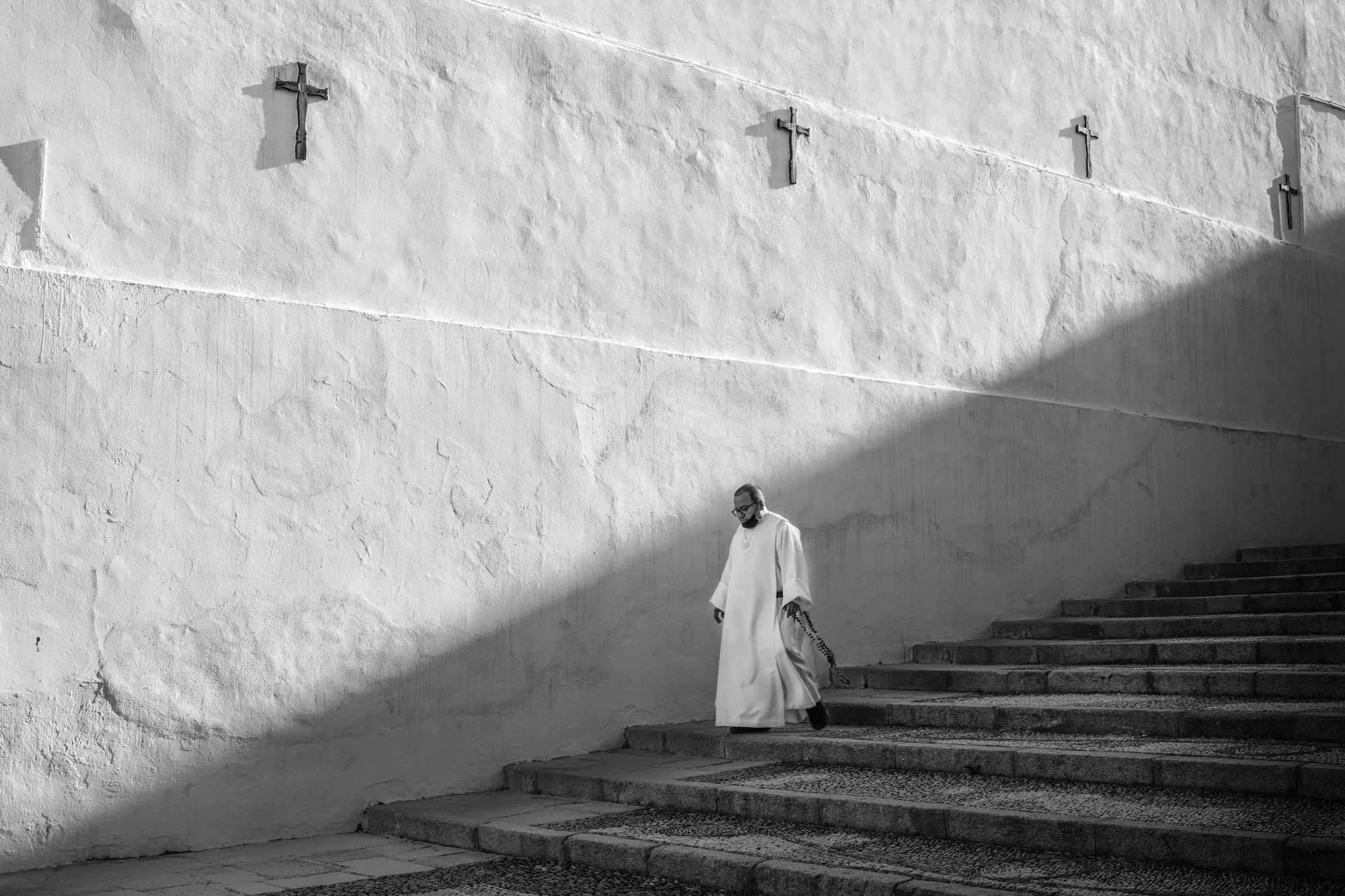
Chased by Shadow, archival print, 10 x 15 in, USD 350, 2023, © Matt Sims, Grapevine, Texas
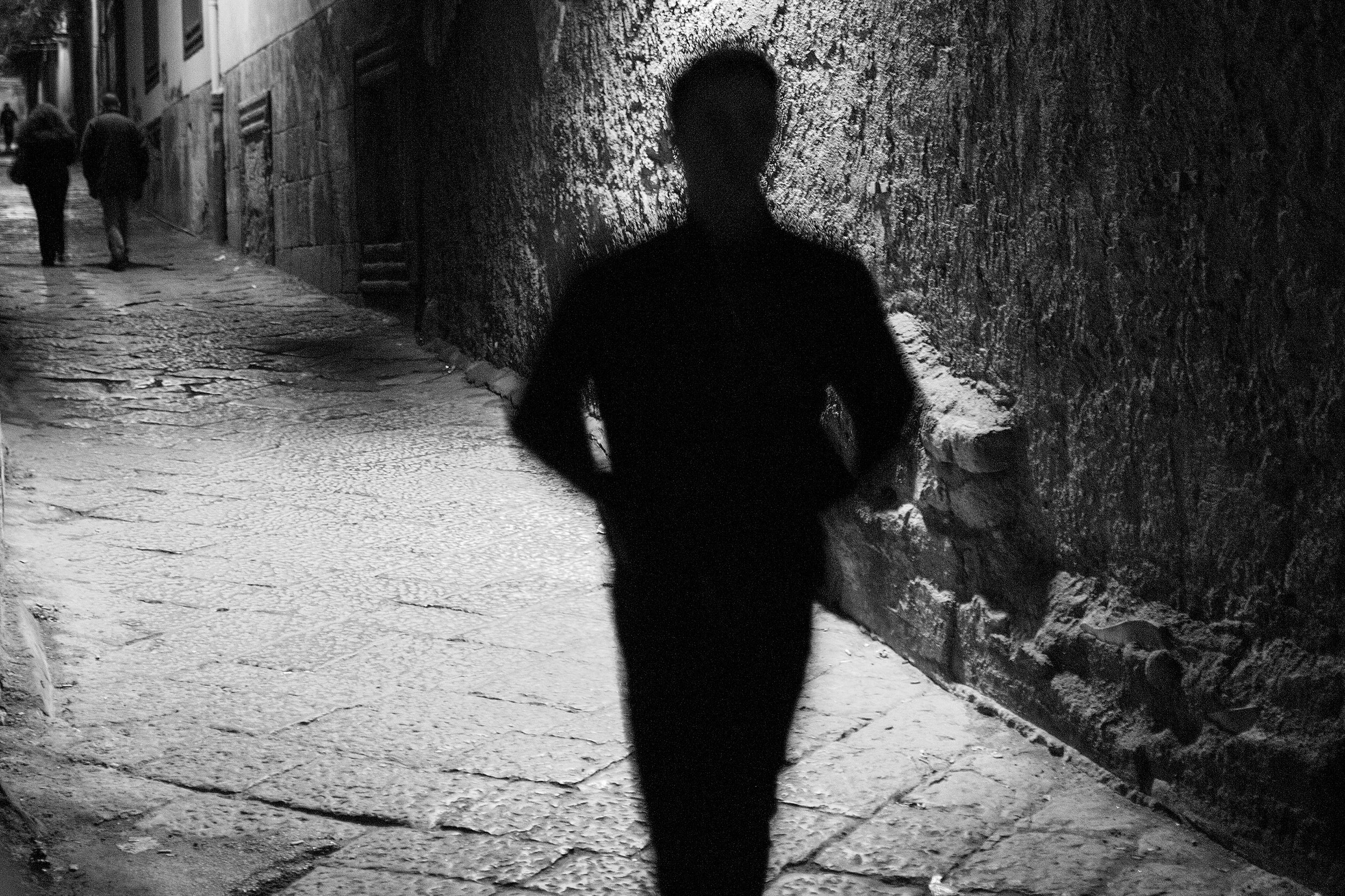
The Ghost, archival print, 70 x 50 cm, 750€, 2012, © Mauro Zorer, Altopiano della Vigolana, Italy
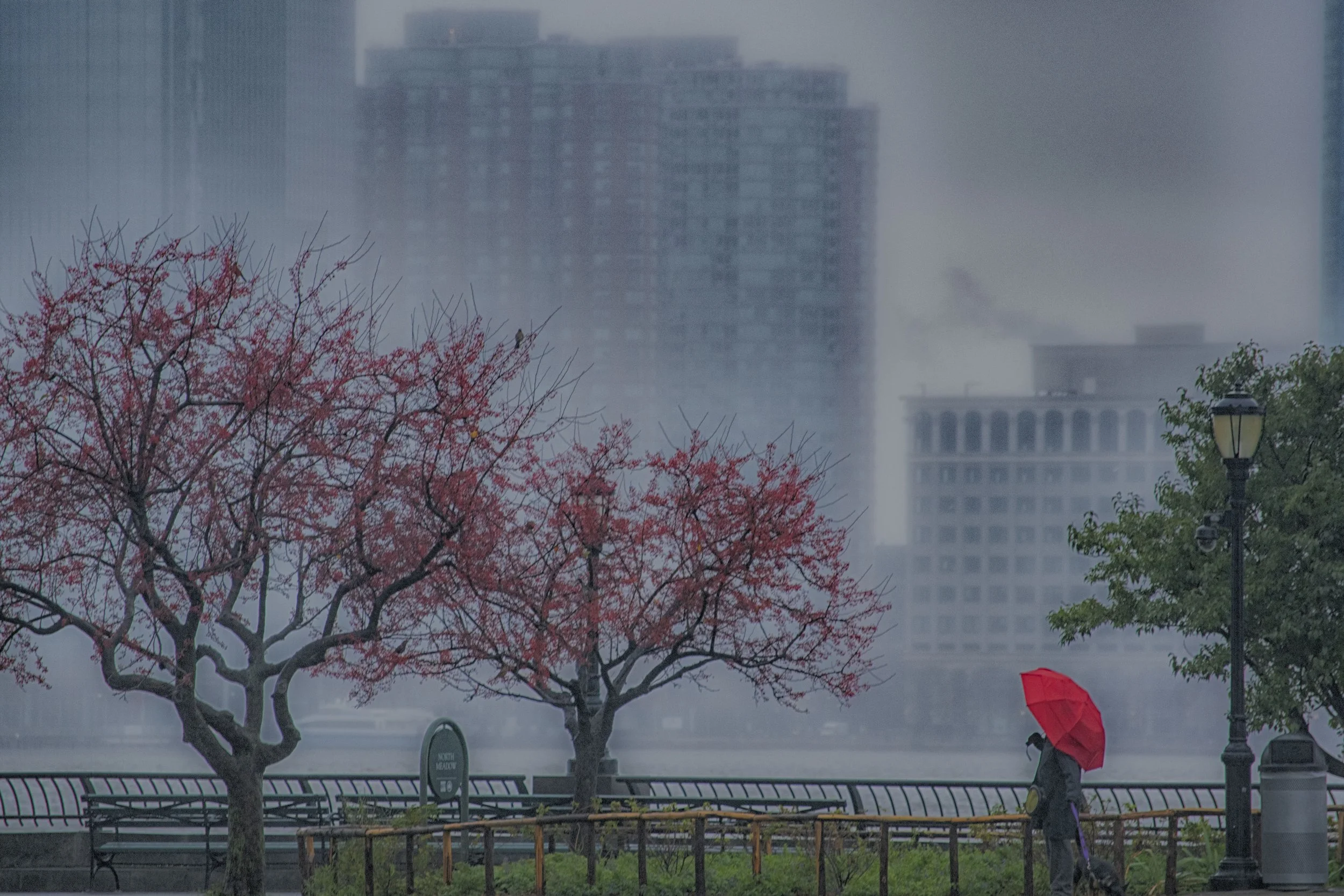
The Red Umbrella, archival print, 20 x 14 in, USD 600, 2018, © Peter J Robinson Jr., New York City, New York
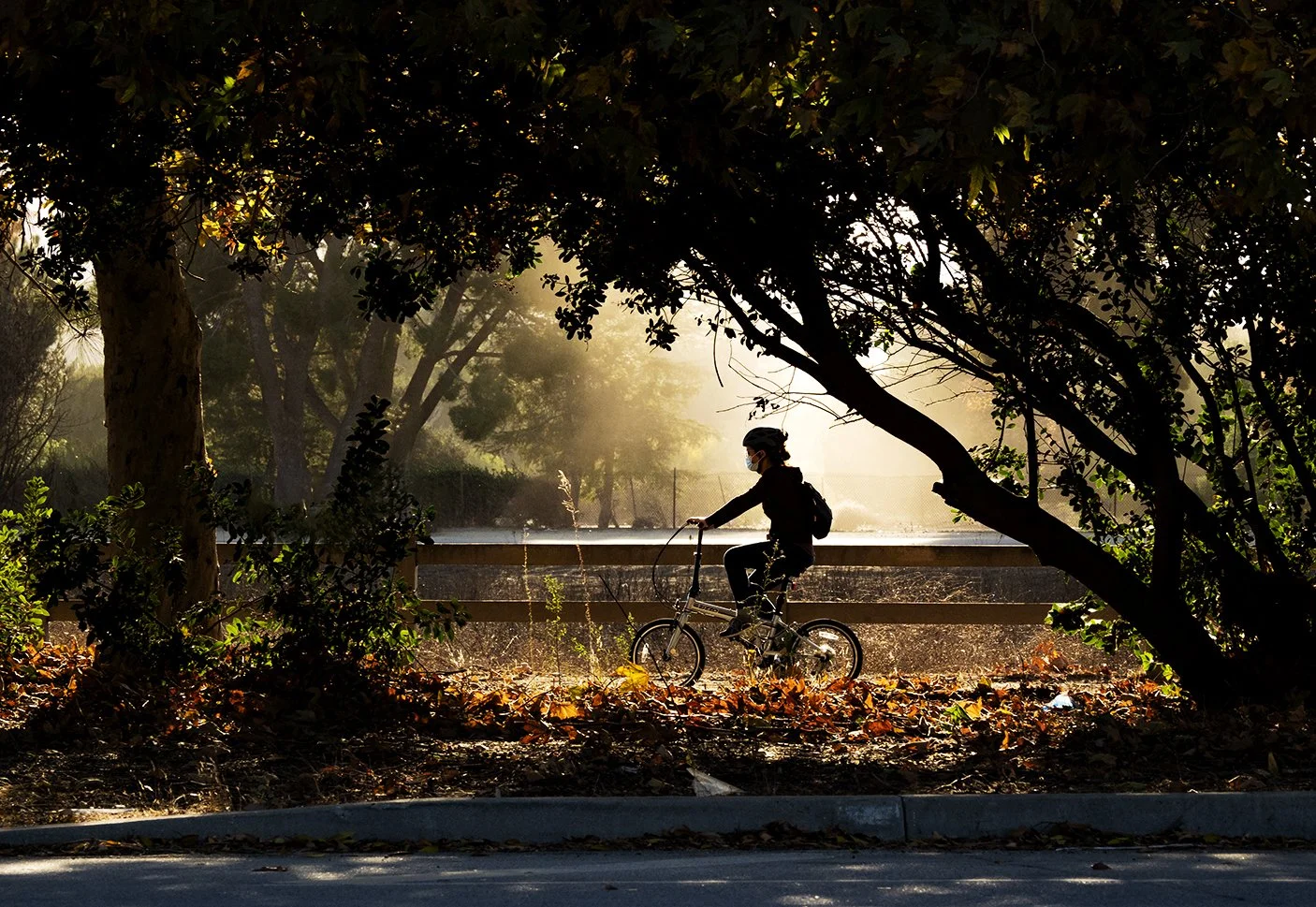
Joy Ride, digital print, 13.46 x 19.53 in, USD 1500, 2020, © Rajan Dosaj, Van Nuys, California
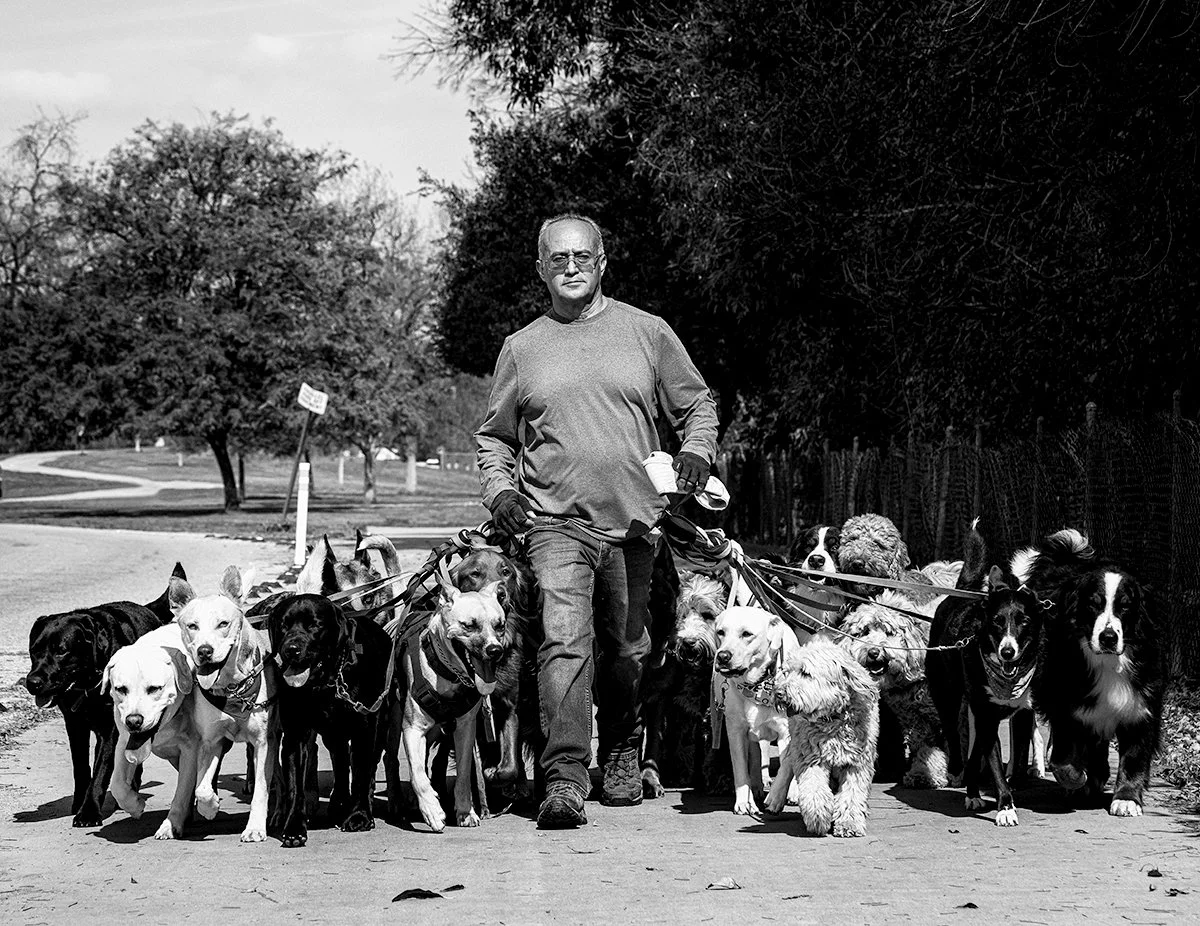
Training Day, digital print, 12.51 x 16.21 in, USD 1500, 2024, © Rajan Dosaj, Van Nuys, California
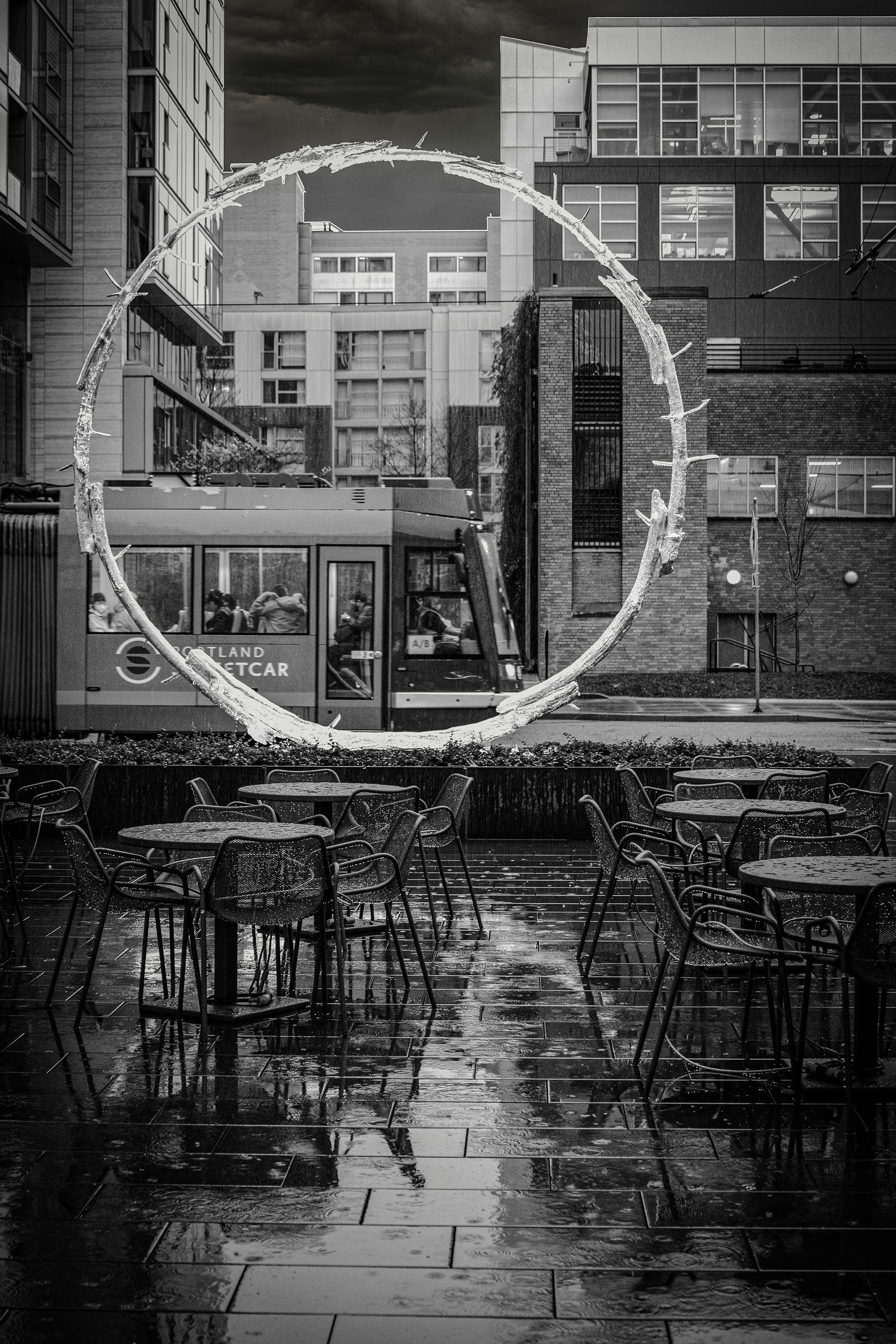
Streetcar, archival print, 11 x 17 in, USD 375, 2025, © Richard Martin Hahn, Youngstown, Ohio
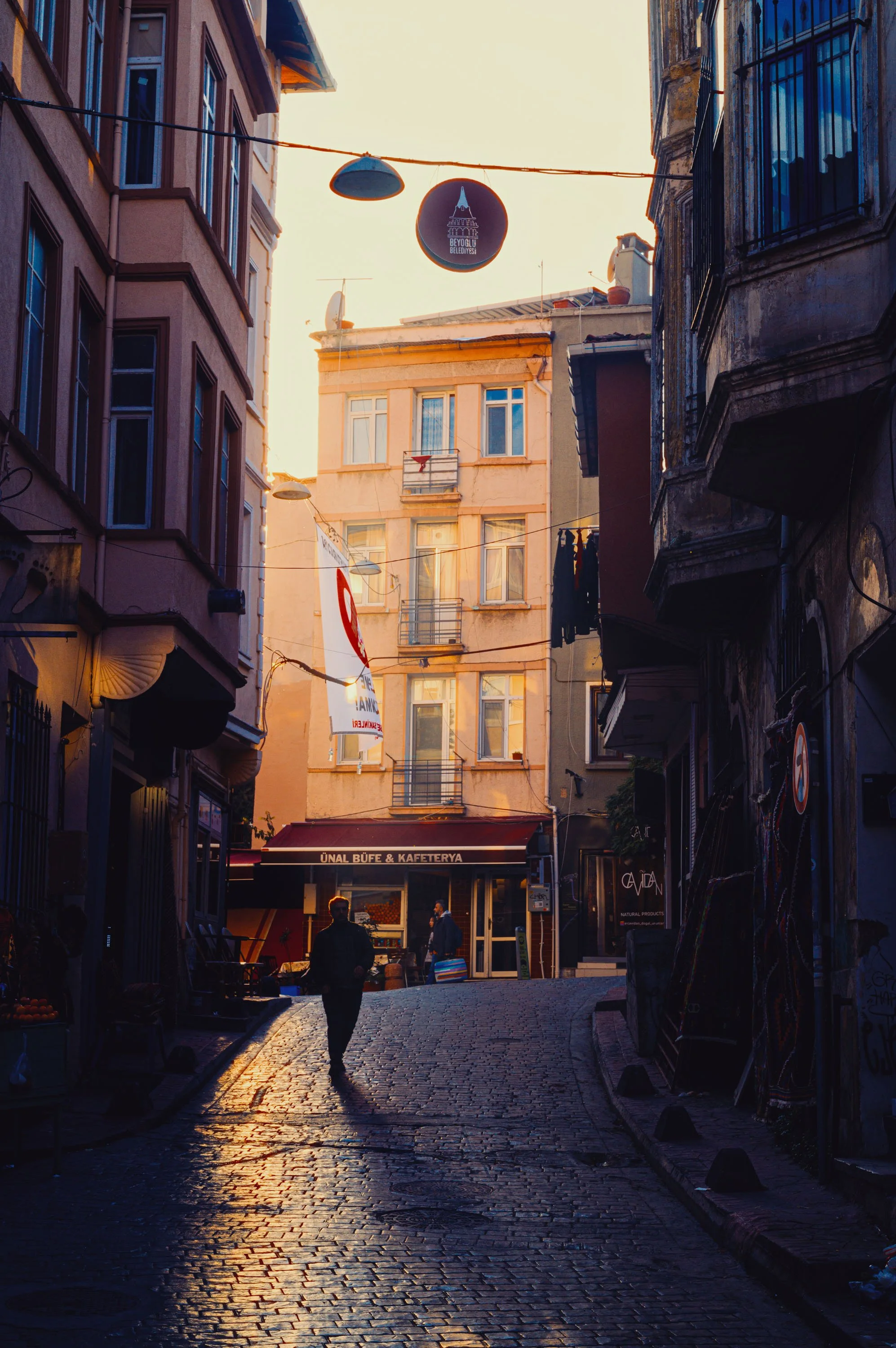
In Transit, NFS, 2024, © Sanwal Deen, Seattle, Washington
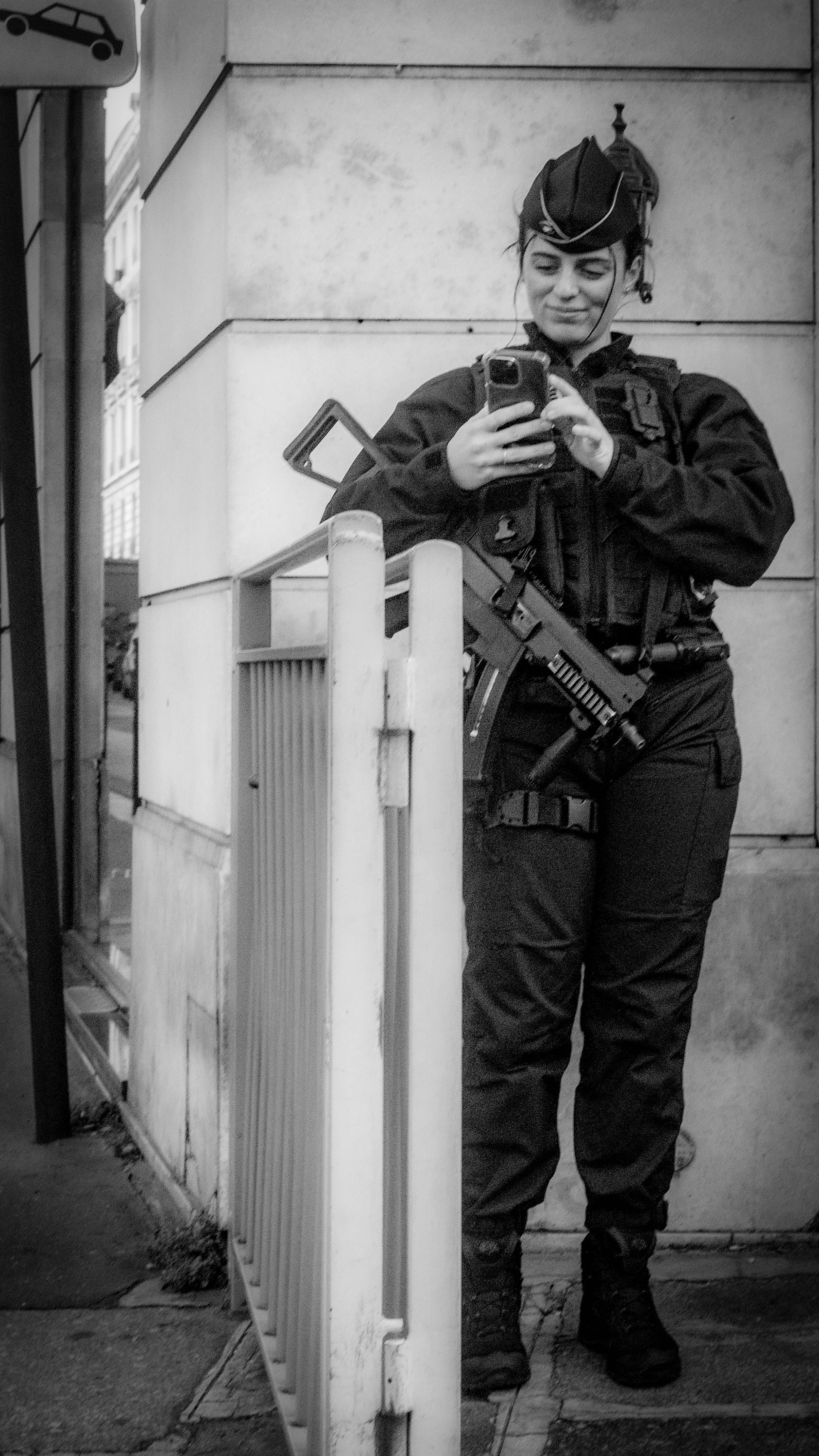
Scroll to Smile, archival inkjet print, 15 x 8.44 in, USD 200, 2025, © Ted Christodulidis, Windermere, Florida
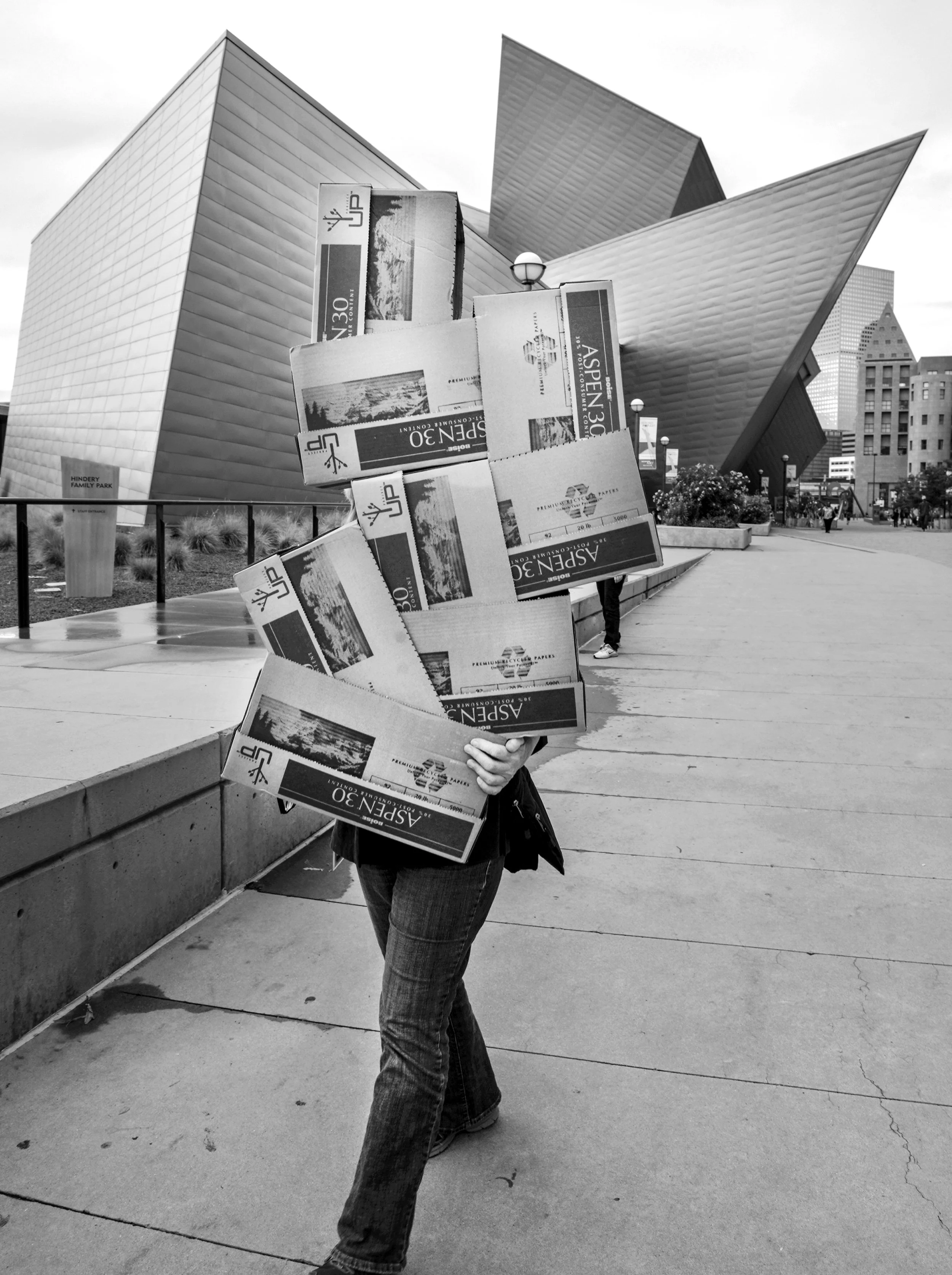
Denver Art Museum, digital print, 13 x 19 in, USD 350, 2015, © Thomas Szalay, Ogden, Utah
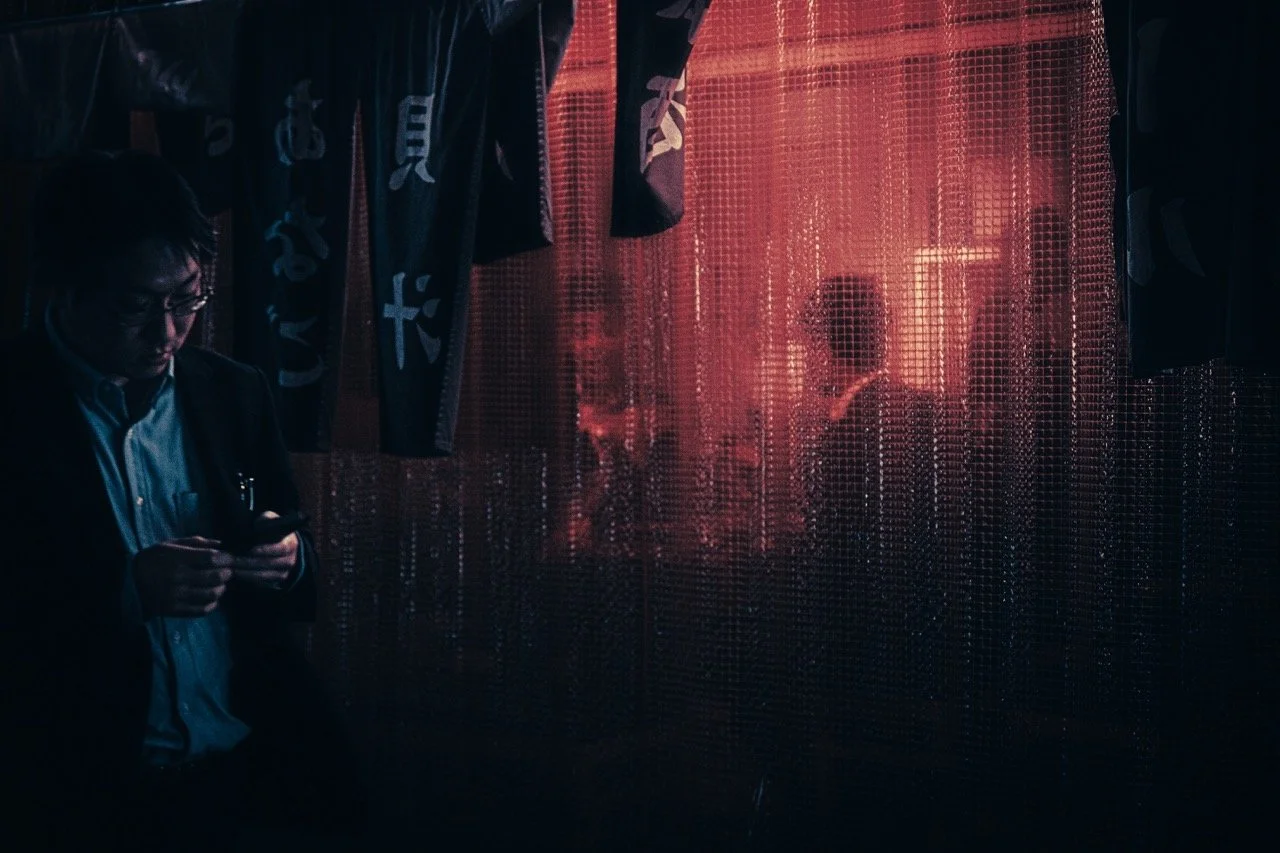
Lets Eat Noodles, archival print, 60 x 40 cm, 400€, 2023, © Ties van Brussel, Amsterdam, Netherlands
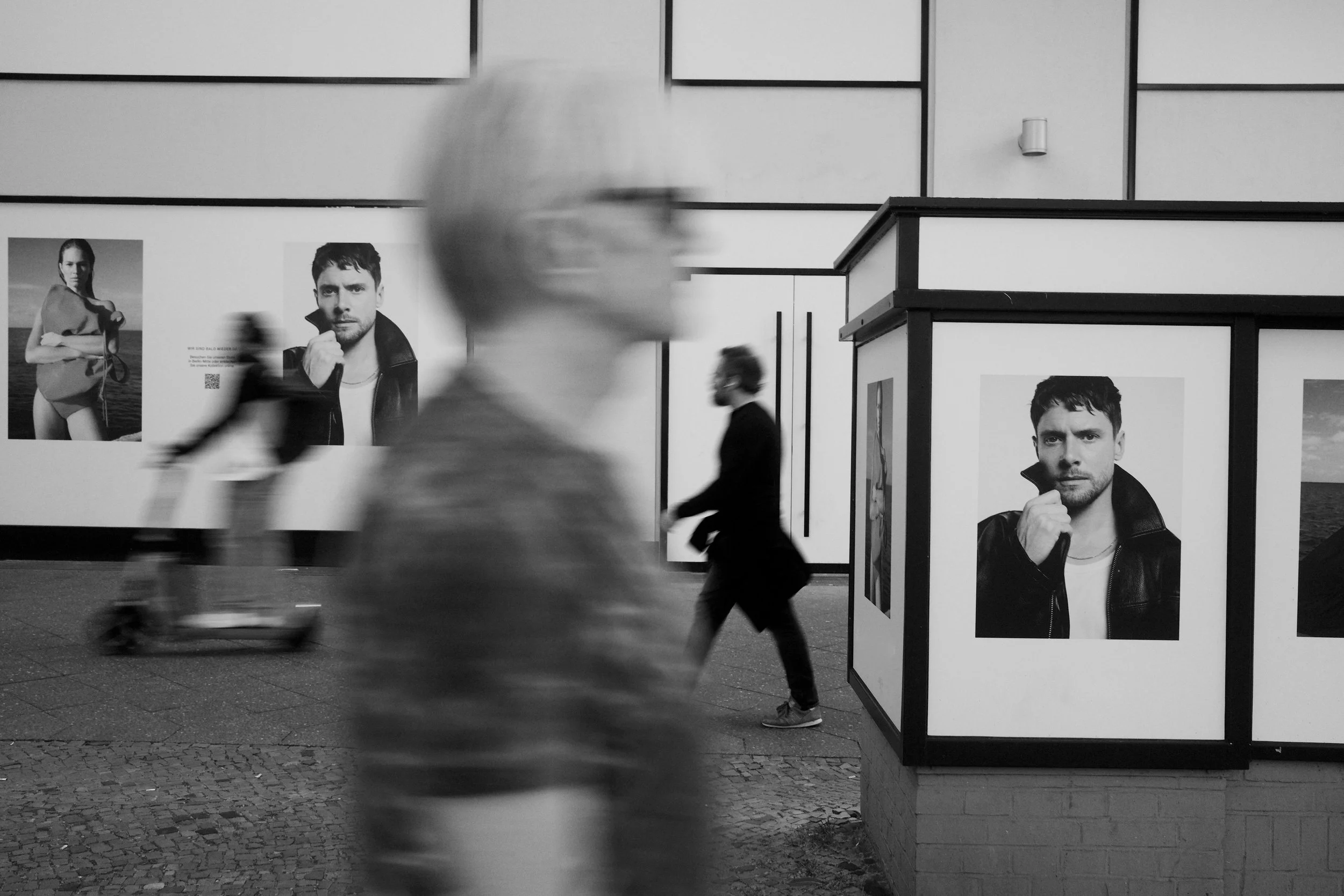
Traces of People, archival print, 16 x 20 in, USD 250, 2024, © Vadim Kaduchenko, Berlin, Germany
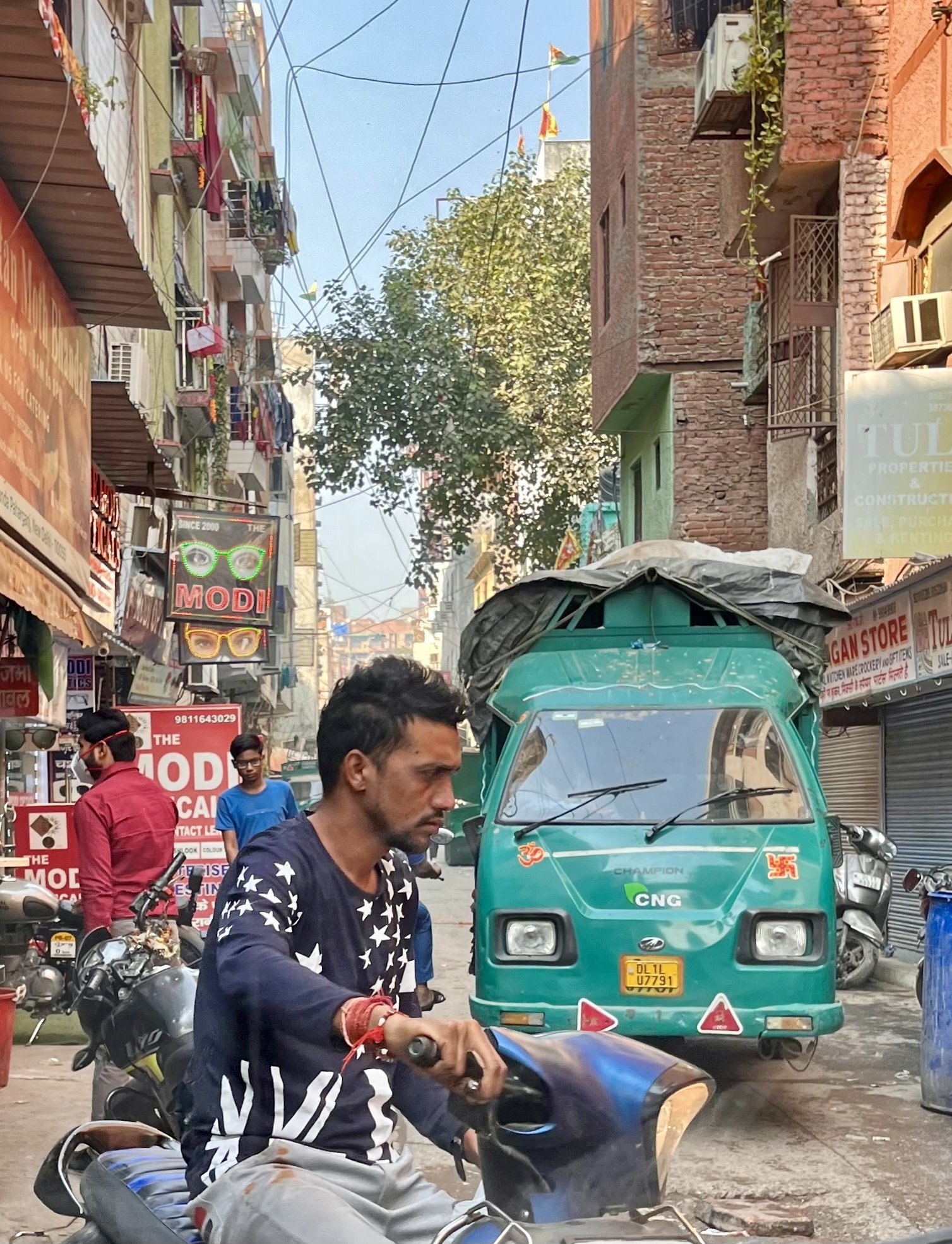
The Green Bus, archival print, 11 x 14 in, USD 225, 2022, © William Bloomfield, Atlanta, Georgia
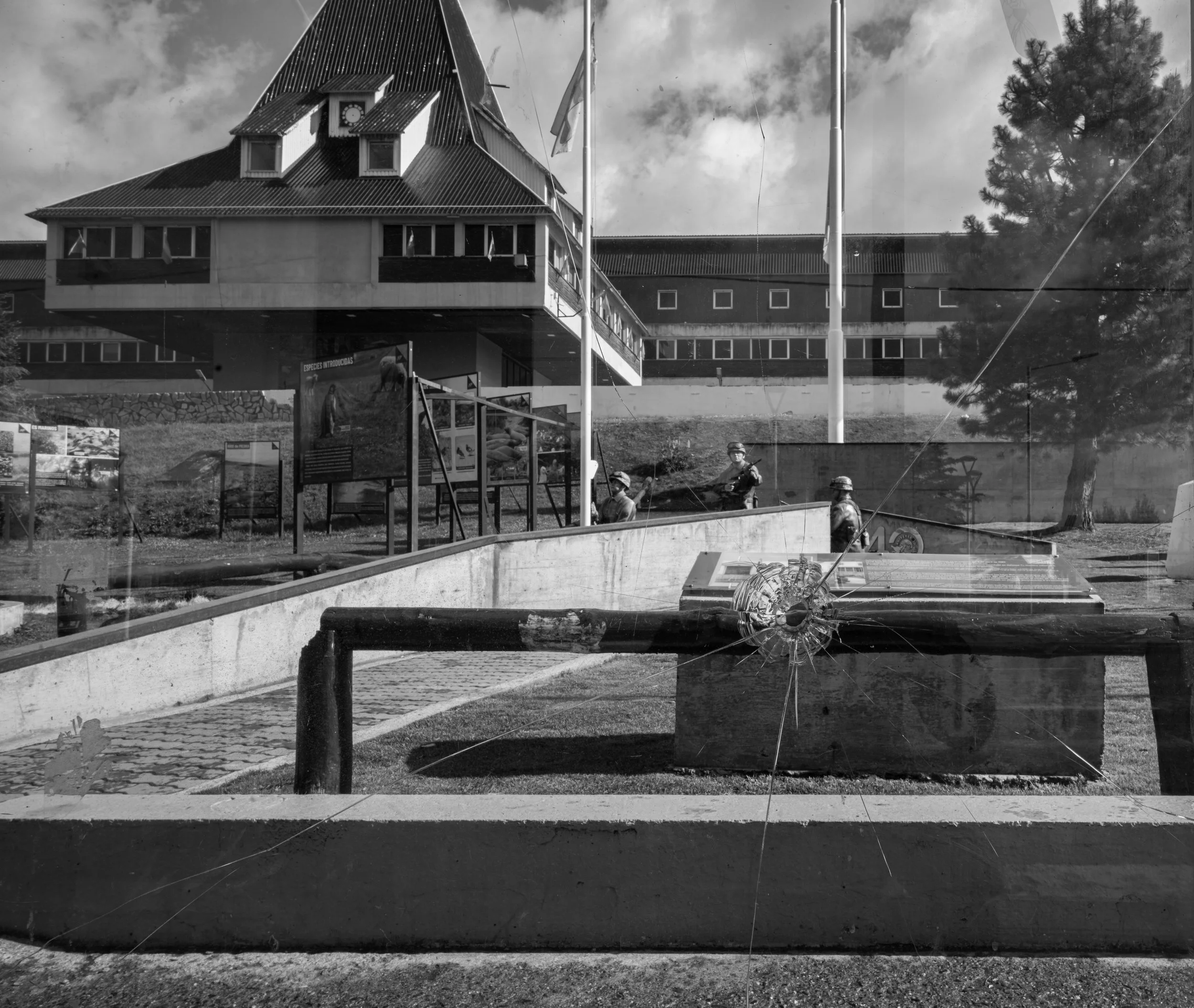
Warning Shot, archival print, 14 x 11 in, USD 400, 2025, © Wright Schickli, Palo Alto, California
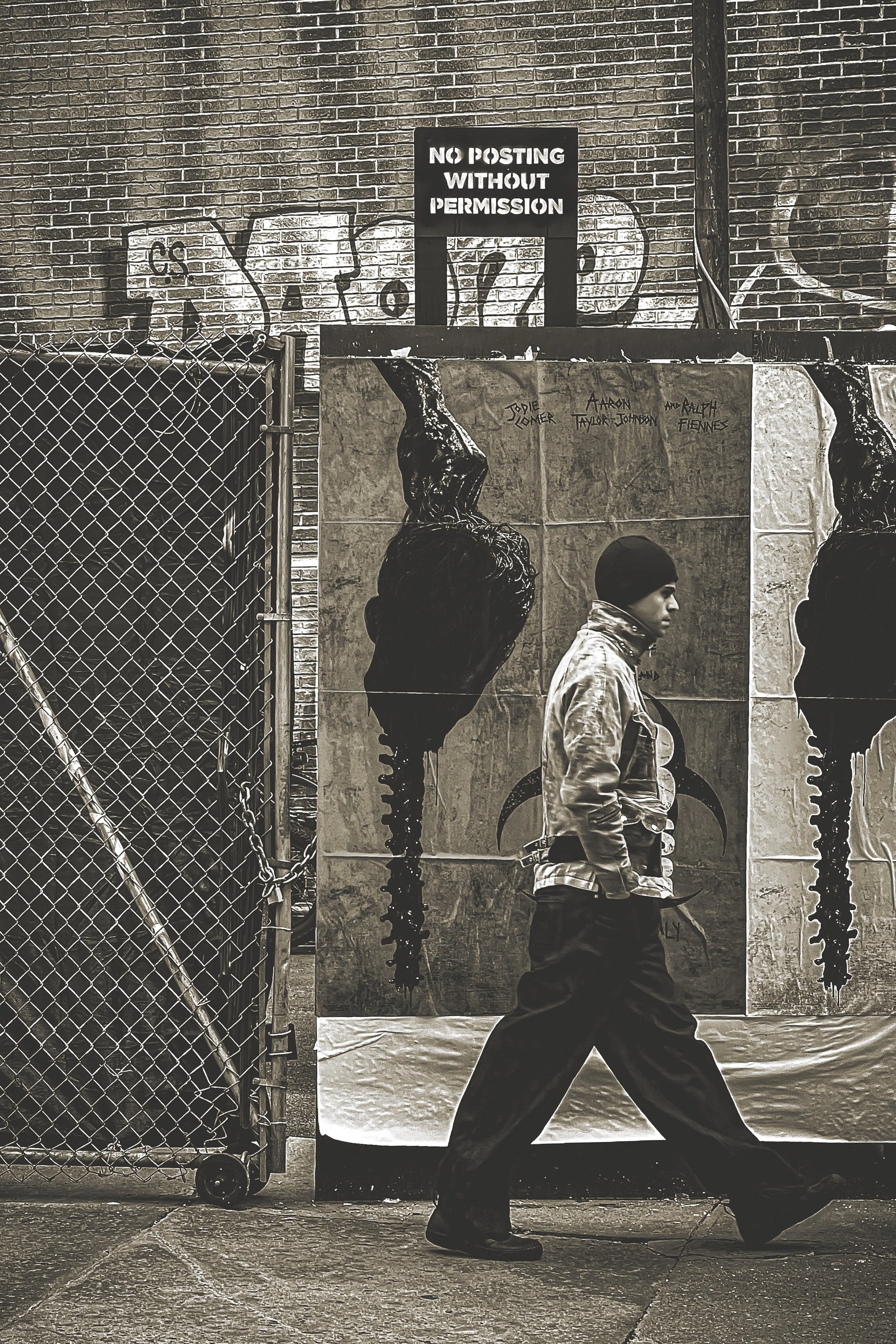
Into the Ink, archival print, 12 x 18 in, USD 500, 2025, © Vinnie Patella, Youngstown, Ohio
Sales and Artist Inquiries
Are you interested in making a purchase or connecting with one of the featured artists? Send us a message through our contact form, and we'll get back to you shortly.