

The Beauty in Decay (2024)
March 1–April 1, 2024
Beauty is subjective in the eye of the viewer. Societal conventions pressure us toward like-mindedness, yet creative innovation often emerges from work that departs from established norms. The Beauty in Decay asks how photography can discover or challenge beauty in deterioration, discarded materials, aging surfaces, and the passage of time.
Featured Artists
Alexander Albrecht, Alessandro Mallamaci, Daniel Mirer, Donna Dufault, Eric Rennie, Hanna Tynkkynen, Howard Pohl, Jeanine Philippe, Jeff Schewe, Jennifer L. Boynton, Jerome Agboton, Joan Eckhardt, Jonathan Clayton, Karissima Walker, Katie Tasch, Kylo-Patrick Hart, Linda J. McManus, Linda Smith, Mark Peacock, Matt Currington, Matthew Johnston, Matthew Kirkpatrick, Mehdi Moghimnejad, Nailia Schwarz, Natalia Petkov, Rajan Dosaj, Richard Schramm, Sara Bensaltana, Stephen Honicki, Susan Borowitz, Wright Schickli
Decay Is the Only Process Every Photograph Shares
Deterioration is the one subject that does not require the photographer to go anywhere in particular. It is happening to the building, to the print, to the negative, and to the photographer, at rates that differ only in speed. That universality is what makes the theme durable and also what makes it easy to do badly, because a decaying surface is attractive before it is interesting. The catalog for this exhibition ran to thirty-four works from thirty-one artists, with credit lines spanning 1992 to 2024, and the processes on display are unusually varied for a themed open call.
Ruin Lust Has a Long History
The taste for ruins is not a contemporary invention and was not invented by photography. Eighteenth-century European painters built careers on picturesque ruins, some of them fabricated in gardens for the purpose, and the German language kept a word for the appetite. What photography added was evidentiary weight: the ruin is no longer an allegory of vanished empire but a specific building at a specific address that used to hold a specific business. That shift from symbol to document is the interesting part, and the work that ignores it tends to slide back into eighteenth-century scenery.
The Ruin Porn Objection
The strongest criticism of the genre is that it aestheticizes economic catastrophe and edits out the people still living next to it. Photographing a collapsed factory as texture converts job losses into surface interest, and the accusation has landed hard on work made in post-industrial American cities in particular. The objection does not invalidate the genre, but it does raise the standard. Work that survives it usually does one of two things: it admits the presence of the people who remain, or it is specific enough about cause that the image cannot be read as mere atmosphere.
Wabi-Sabi and the Argument for Imperfection
A different tradition treats deterioration as completion rather than loss. The Japanese aesthetic of wabi-sabi values the worn, the asymmetric, and the impermanent, and finds a repaired crack more interesting than an unbroken surface because the repair is a record. This is a genuinely different proposition from ruin lust. It is not nostalgic and it is not tragic. It treats age as information, which is closer to how most photographers describing weathered wood or oxidized metal actually seem to be thinking.
When the Medium Decays Too
The most self-aware work on this theme puts the decay in the process rather than only in the subject. This catalog includes a chromogenic print made from expired Polaroid film, an archival print from wet plate collodion on glass, and a cyanotype on mulberry paper, alongside gelatin silver prints and a pigment print on aluminium. Expired film is chemistry that has already begun to fail, and photographing with it means accepting a partner that is deteriorating on its own schedule. Silver, glass, and paper all have failure modes, and a photographer who chooses one of them is choosing a rate of decay as deliberately as a shutter speed.
Why the Theme Recurs
Decay accepts work from every other genre without distorting any of them, which is why it returns to open calls more reliably than almost any other subject. An abandoned building, a portrait of an ageing face, a still life of rotting fruit, and a landscape reclaiming a road all belong to the same argument. TCG Gallery is an independent online photography gallery, and each juried exhibition remains part of a permanent public archive after its run ends, so this catalog stays readable alongside the later editions of the theme. Photographers can enter the current photography open calls directly.

Roses for Eternity, archival print, 60 x 90 cm, 2021, 2695€, © Alexander Albrecht, Hannover, Germany

Siccitas, archival print, 27.9 x 21 cm, 2024, NFS, © Hanna Tynkkynen, Amsterdam, The Netherlands

Aesthetics of Decay, archival print, 21 x 29.7 cm, 2023, 450€, © Nailia Schwarz, Speyer, Germany

Dead Roses, archival print, 17 x 22 in, 2020, USD 500, © Jeff Schewe, Chicago, Illinois

Memories, archival print, 22 x 30 in, 2024, NFS, © Linda Smith, Heflin, Louisiana

Chrysanthemums: Lemons, and Egg Shells, pigment print on aluminum, 16 x 16 in, 2021, USD 325, © Stephen Honicki, Ulster Park, New York

Celestial, archival print, 8 x 12 in, 2021, USD 155, © Donna Dufault, Leominster, Massachusetts

Broccoli Leaves, archival print, 20 x 24 in, 2024, USD 250, © Katie Tasch, St Johns, Florida

Sea Fan, archival print, 11 x 14 in, 2022, USD 275, © Joan Eckhardt, Okatie, South Carolina

Skeena River Life Cycle, archival print, 16 x 24 in, 2022, NFS, © Jeanine Philippe, Terrace, British Columbia, Canada
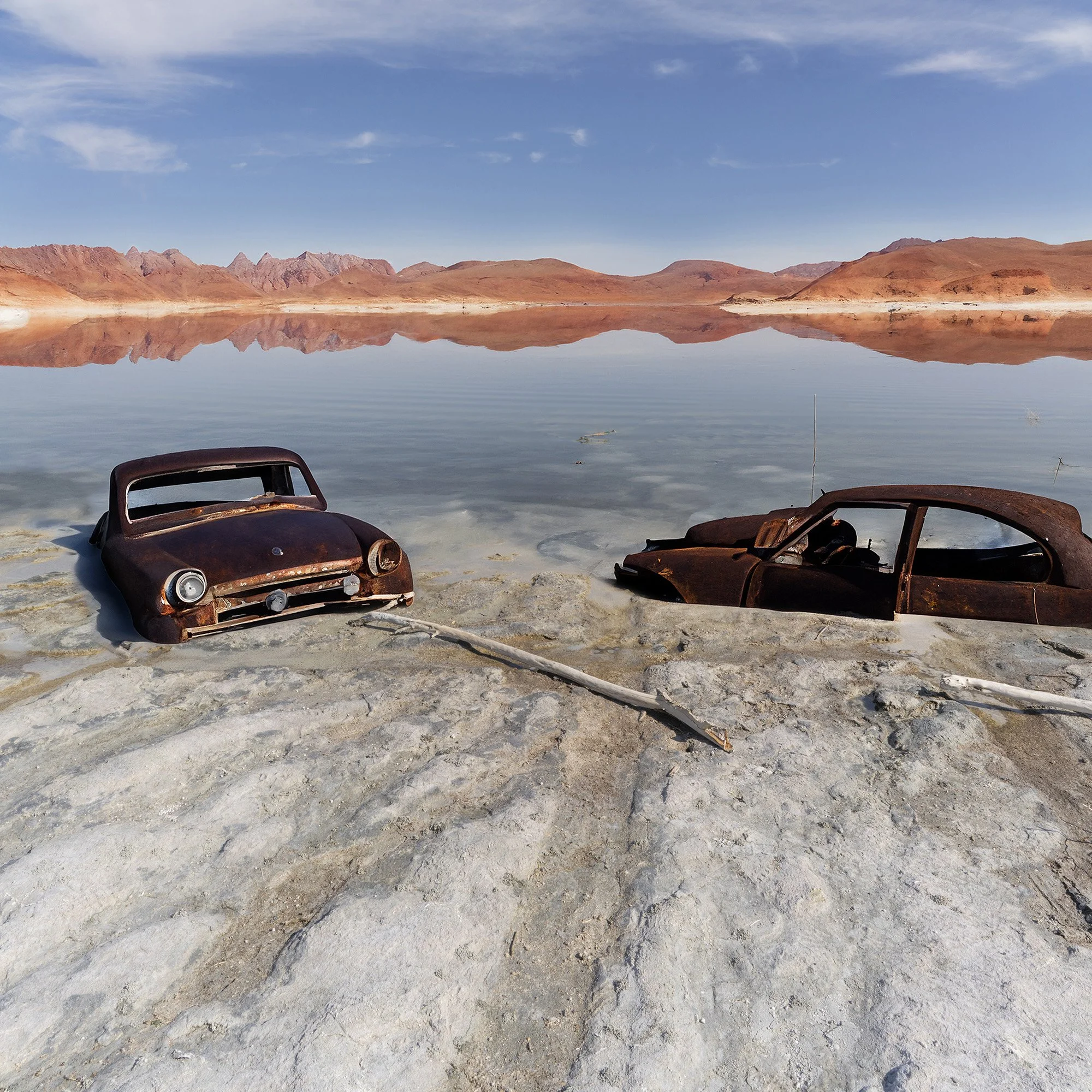
Stuck in the Mud, archival print, 20 x 20 in, 2023, USD 1500, © Daniel Mirer, Sunnyvale, California

Cotton Hollow, archival c-print, 10 x 10 in, 2015, USD 250, © Eric Rennie, Cromwell, Connecticut

Curtain, archival print, 40 x 26 in, 2018, USD 1200, © Susan Borowitz, West Harrison, New York

House in Shade, gelatin silver print, 17 x 25 in, 2010, USD 300, © Howard Pohl, Lindenhurst, New York

Looking North, archival print, 10 x 8 in, 2023, USD 350, © Karissima Walker, Taylors, South Carolina

Plate No. 7, archival print from wet plate collodion on glass, 16 x 20 in, 2024, USD 800, © Jonathan Clayton, Natchitoches, Louisiana

Master Bedroom Wall, archival print, 11 x 17 in, 2022, USD 300, © Wright Schickli, Palo Alto, California

Fading, archival print, 11 x 14 in, 2024, USD 375, © Linda J. McManus, Chalfont, Pennsylvania

Winter Decay: River Thames, archival print, 90 x 60 cm, 2023, £900, © Matt Currington, London, United Kingdom

Verisimilitudes: Chapter Four, Found History, Untitled, archival print, 70 x 105 cm, 2013, USD 1500, © Mehdi Moghimnejad, Tehran, Iran

Love, archival print, 21 x 32 in, 2021, USD 550, © Rajan Dosaj, Van Nuys, California

One Way, gelatin silver print, 11 x 11 in, 2018, NFS, © Jennifer L. Boynton, Daytona Beach, Florida

Un'ora immobile, archival print, 18 x 27 cm, 2015, 1100€, © Alessandro Mallamaci, Reggio Calabria, Italy

Members Only, archival print, 15 x 20 in, 2010, USD 200, © Mark Peacock, Los Angeles, California

Porto Novo Mosque, archival print, 75 x 55 cm, 2019, 2125€, © Jerome Agboton, La Plaine Saint Denis, France

Fade to Blue, archival print, 17 x 16 in, 2023, USD 250, © Richard Schramm, Carrboro, North Carolina

The Burnout, archival print, 30 x 40 in, 2022, USD 800, © Matthew Johnston, Olympia, Washington

Transition, photo transfer on metal, 16 x 16 in, 2024, USD 600, © Kylo-Patrick Hart, Aledo, Texas

Ford, archival print, 6 x 4 in, 2017, USD 250, © Richard Schramm, Carrboro, North Carolina

Handbill, archival print, 22 x 17 in, 1992, USD 500, © Jeff Schewe, Chicago, Illinois

Birds No. 6, cyanotype on mulberry paper, 9 x 13 in, 2023, USD 600, © Natalia Petkov, New York City, New York
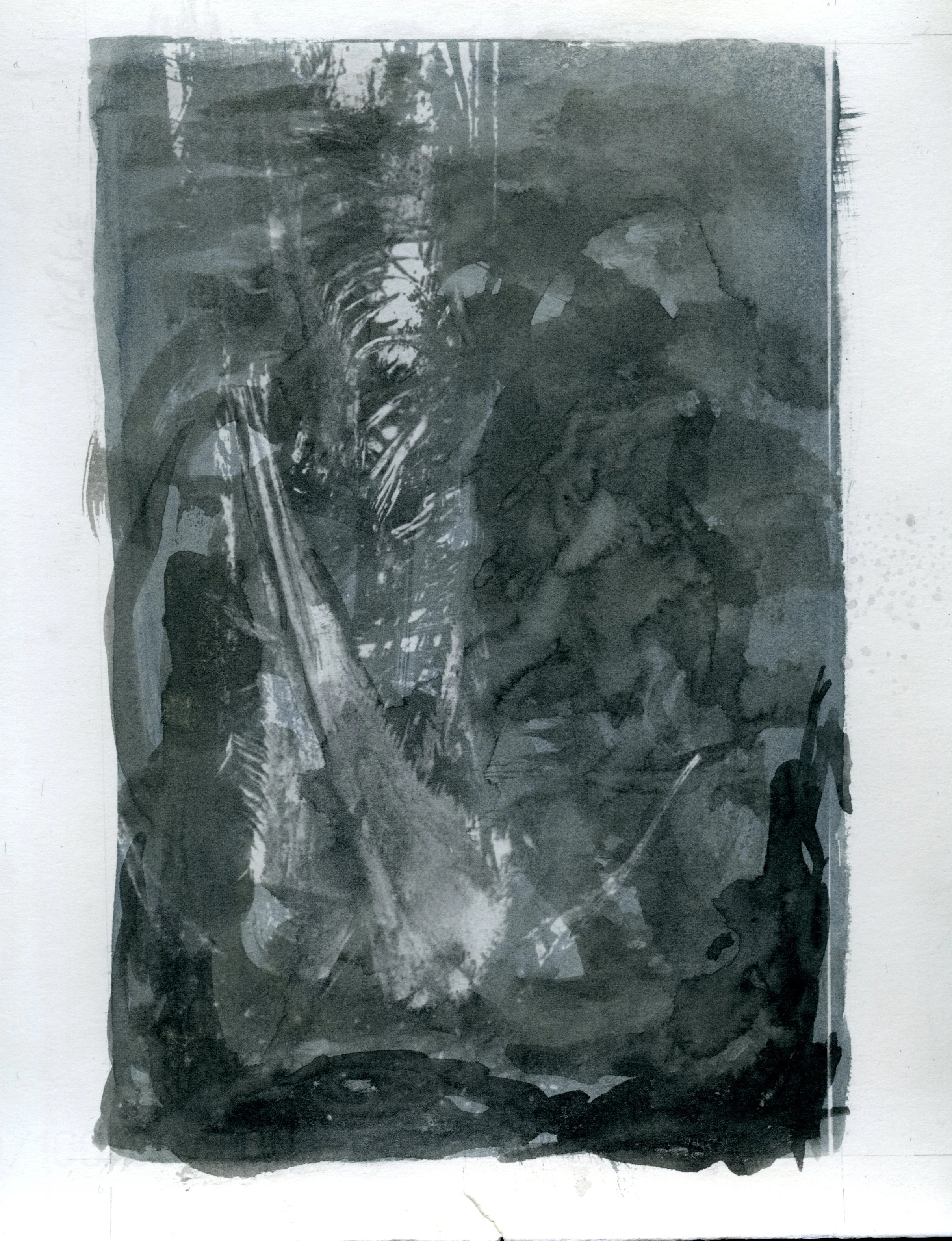
Dead Palm, gum bichromate print, 8 x 10 in, 2023, USD 700, © Matthew Kirkpatrick, Peralta, New Mexico
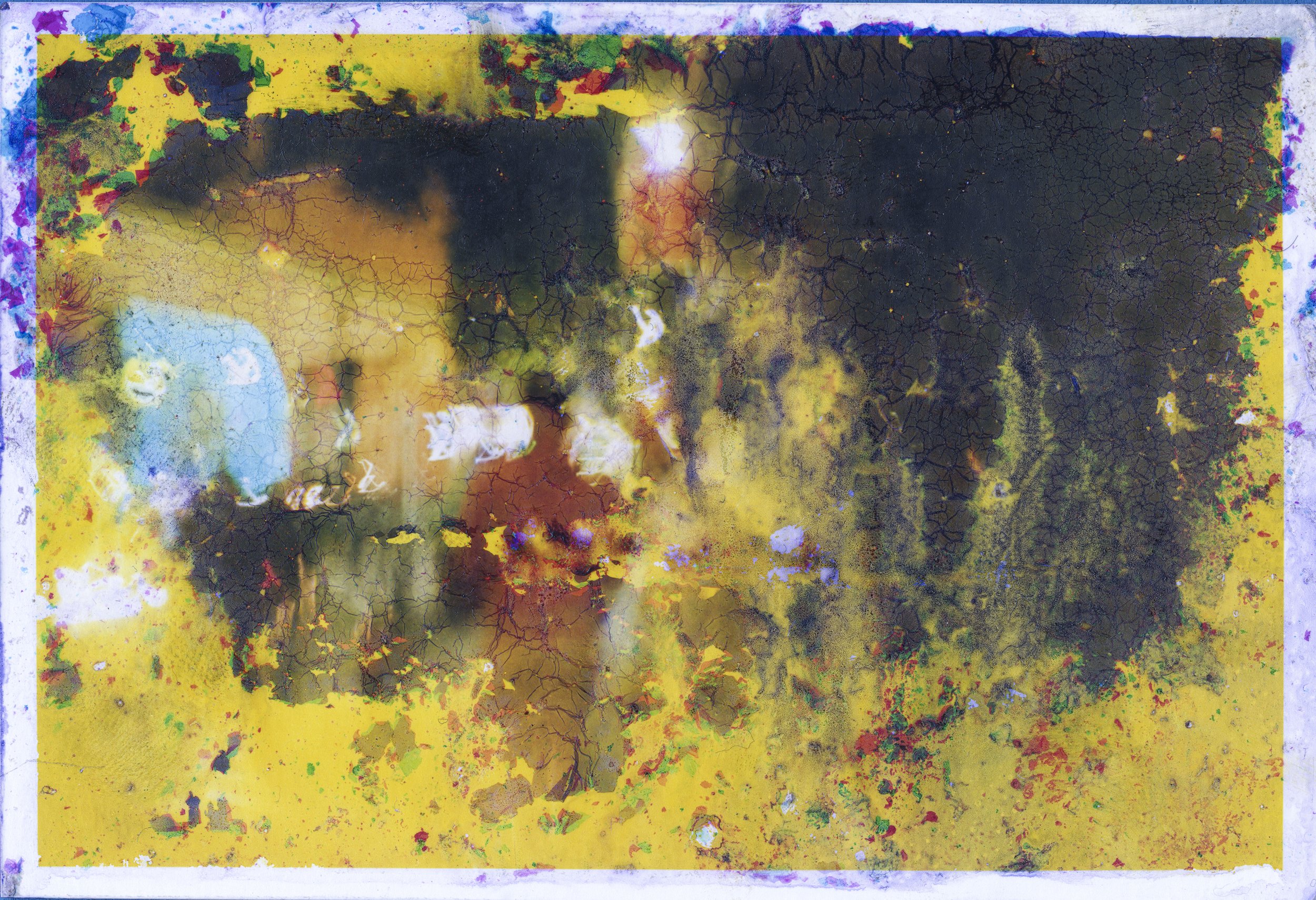
Fastlife, c-print of expired polaroid film, 30 x 50 cm, 2019, 200€, © Sara Bensaltana, Toulouse, France

Shinrin-yoku, c-print corroded w/silver halide, 50 x 70 cm, 2022, 300€, © Sara Bensaltana, Toulouse, France
Sales and Artist Inquiries
Are you interested in making a purchase or connecting with one of the featured artists? Send us an inquiry through our contact form, and we'll get back to you shortly.