

The Portrait (2024)
August 1–September 1, 2024
The Portrait explores the diverse and nuanced realm of expression through portraiture, delving into individuality, cultural identity, and the universal human experience. These photographs move through moments of despair, strength, joy, and thought, inviting viewers to contemplate the narratives and emotions behind each captured image.
Featured Artists
Antonina Zharko, Arnab Sarkar, Colin Ward, Dogu Ozorhan, Doug Bruns, Erin McConnell, Eugene Ellenberg, Fran Orellana Polanka, Gregory Anderson, Ivan Horvat, Jeff Schewe, John H. Diephouse, Johnny Tang, Joshua Brinlee, Katja Saegesser, Kylie Shaw Williams, Lana Đurđek, Marylise Vigneau, Matt Coglianese, Michael Toussaint, Mooke Micheaux, Nils Rieger, Patricia Fortlage, Peter Meszynski, Robert Arnold, Sean Lin, Sean Yang, Shoga Tadevosya, Sophie Abramson, Synnova Blattman, Willow Roberts
A Portrait Is a Negotiation, Not a Description
A landscape does not know it is being photographed. A person always does, and everything that follows from that fact is what portrait photography actually studies. The thirty-four works in this edition, credited between 1985 and 2024, are records of thirty-four negotiations: what the sitter was willing to show, what the photographer asked for, and what neither of them fully controlled.
The Sitter Always Performs
There is no neutral face. Put a camera in front of someone and they compose themselves — posture straightens, the jaw sets, an expression is selected from a small personal repertoire. Portrait photographers spend most of their working time managing this rather than operating equipment. Some wait for the performance to exhaust itself, which is the logic behind long sittings and unforgiving empty backdrops. Others accept the performance as the subject, photographing the mask rather than trying to get behind it. Both are honest positions. What fails is pretending the camera was not there.
Studio, Environment, Street
Fine art portrait work divides roughly into three approaches, each making a different claim. The studio portrait removes context deliberately: no room, no weather, no possessions, nothing to read but the person. The environmental portrait does the opposite, treating the desk, the kitchen or the workshop as evidence and accepting that the setting will do part of the characterisation. The street portrait trades control for candour, gaining spontaneity and losing the ability to fix light and background. This catalog contains all three, and the approach is usually legible within a second of looking.
Lighting Is Characterisation
Light in portraiture is not illumination but argument. A single hard source from above and to the side produces the modelling that reads as gravity and authority. A large soft source close to the face flattens texture and reads as sympathy or youth. Underlighting reads as threat because it inverts the sun. Ratio matters as much as direction: two stops between the lit and shadowed sides of a face suggests interiority, while an even wash suggests candour or clinical description. None of this is neutral, and a portrait's lighting often reveals more about the photographer's opinion of the sitter than the expression does.
Likeness Versus Resemblance
A photograph can resemble a person exactly and still fail as a portrait, which is why families reject technically excellent pictures of their own relatives. Resemblance is a matter of geometry; likeness is a matter of recognition, and recognition depends on a characteristic set of the mouth or tilt of the head that appears for a fraction of a second at unpredictable intervals. This is the argument for making more than one frame, and also the argument against making hundreds: the more exposures taken, the more likely some accidental configuration will look correct without being characteristic at all.
Why the Theme Recurs
Portraiture is the theme in which changing convention is most visible, because every era teaches people a different way to hold their face for a camera, and prints from 1985 and 2024 hanging in the same room make that instruction obvious. TCG Gallery is an independent online photography gallery, and each juried exhibition remains part of a permanent public archive after its run ends, so these catalogs accumulate into a longer record than any single project. Photographers can enter the current photography open calls directly.
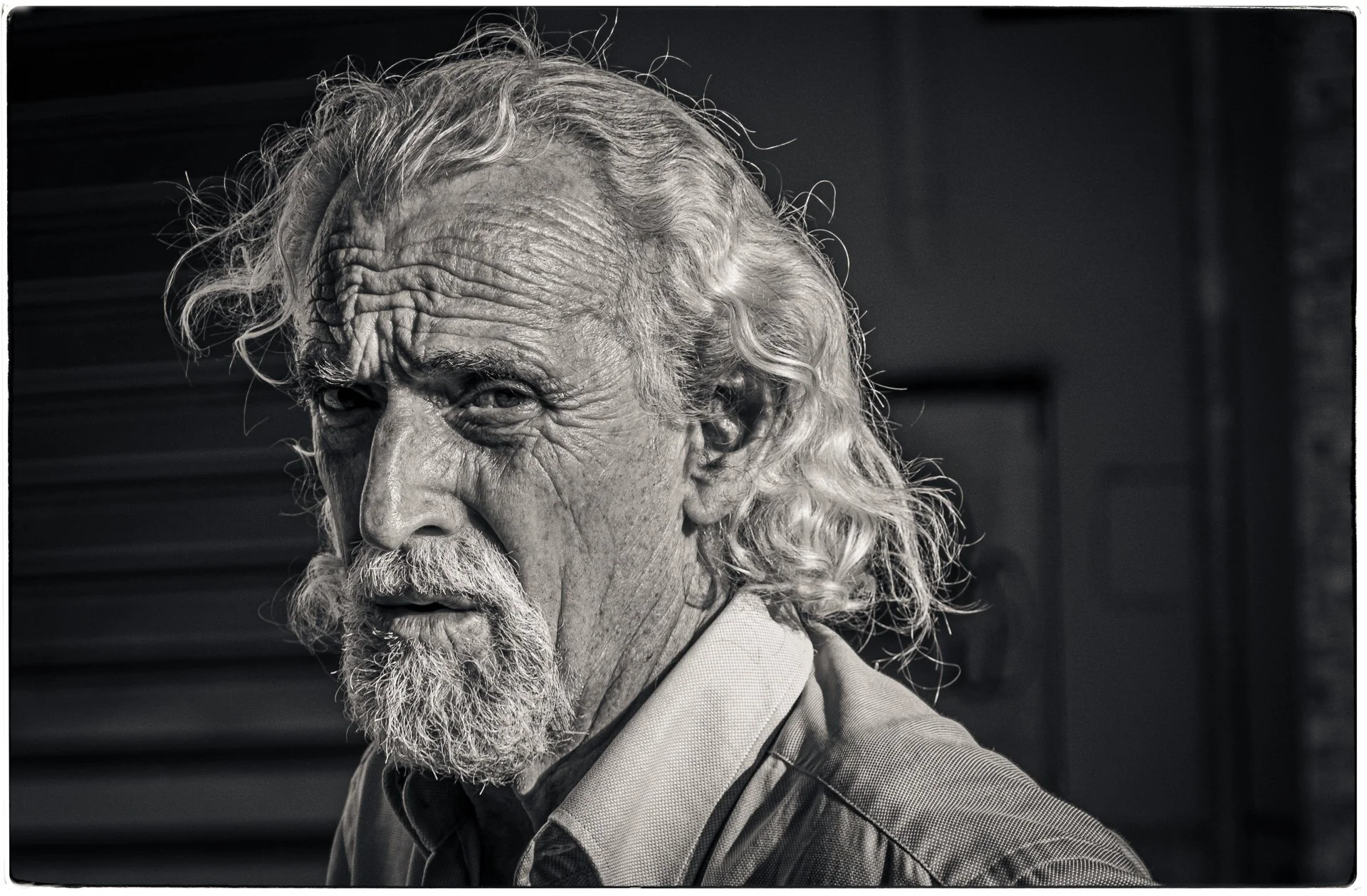
Italian Man, archival print, 17 x 22 in, 2023, USD 1200, Jeff Schewe, Chicago, Illinois
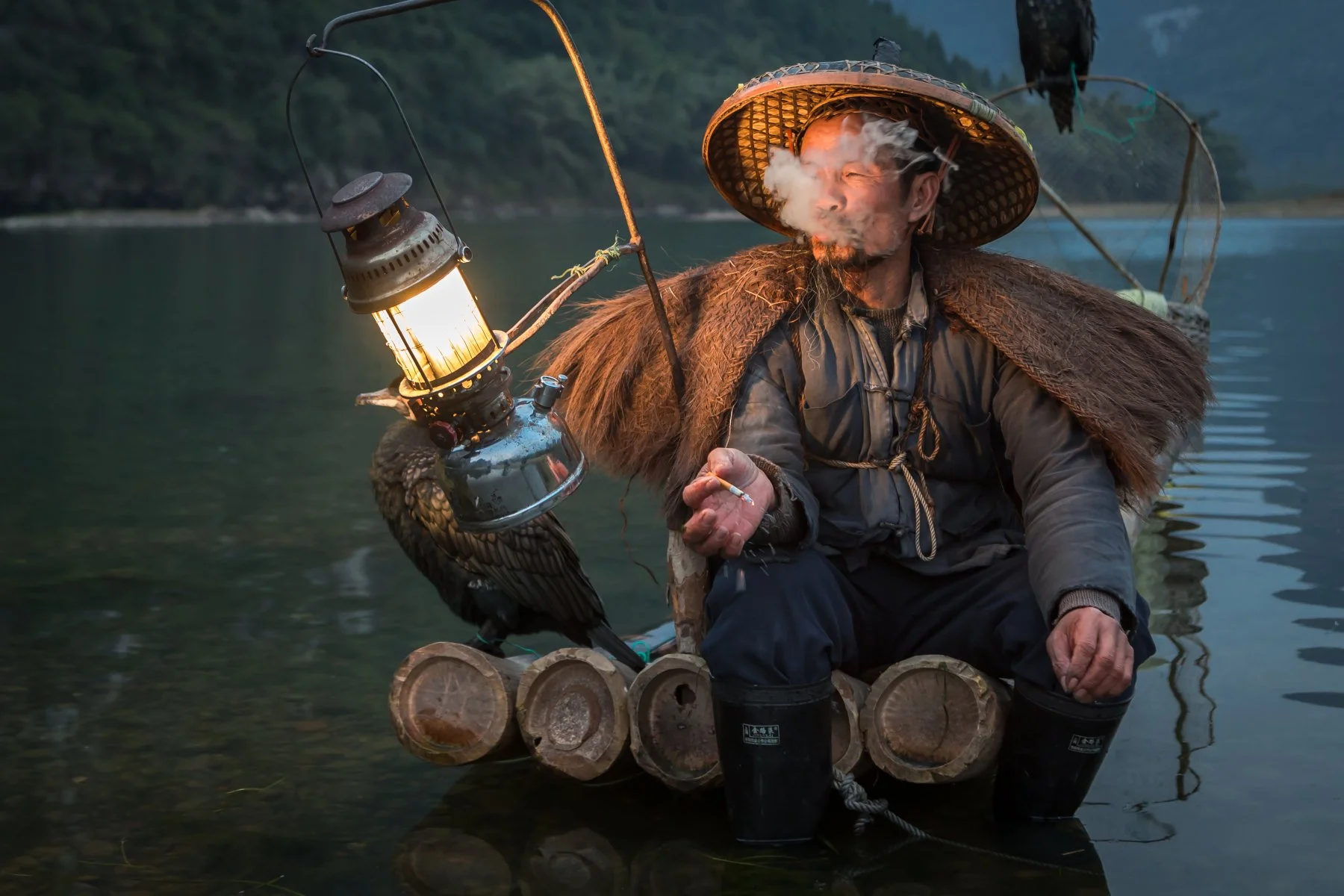
The Cormorant Fisherman, archival print, 120 x 80 cm, 2014, 850€, Nils Rieger, Cologne, Germany
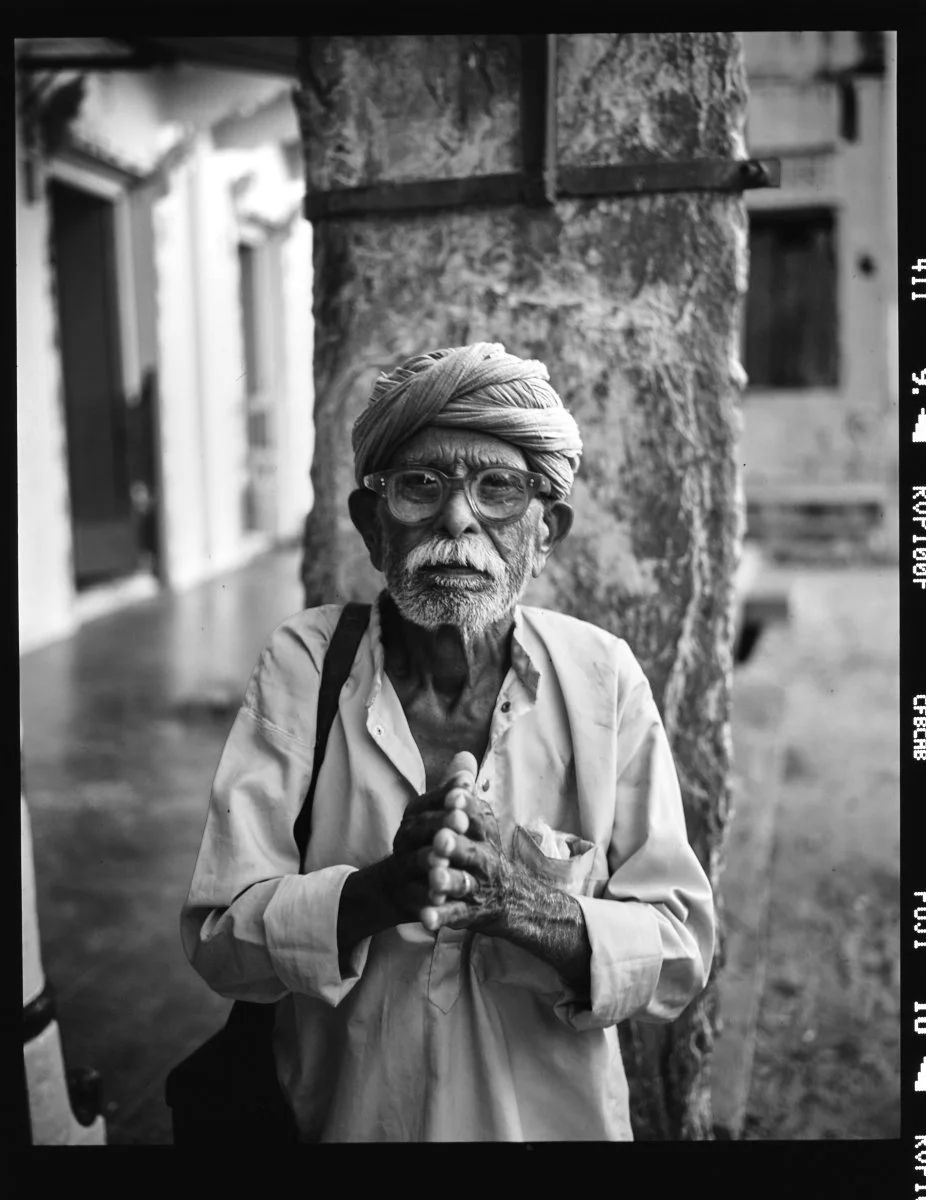
Barber, archival print, 13 x 11 in, 2012, USD 300, Doug Bruns, Berlin, Maryland
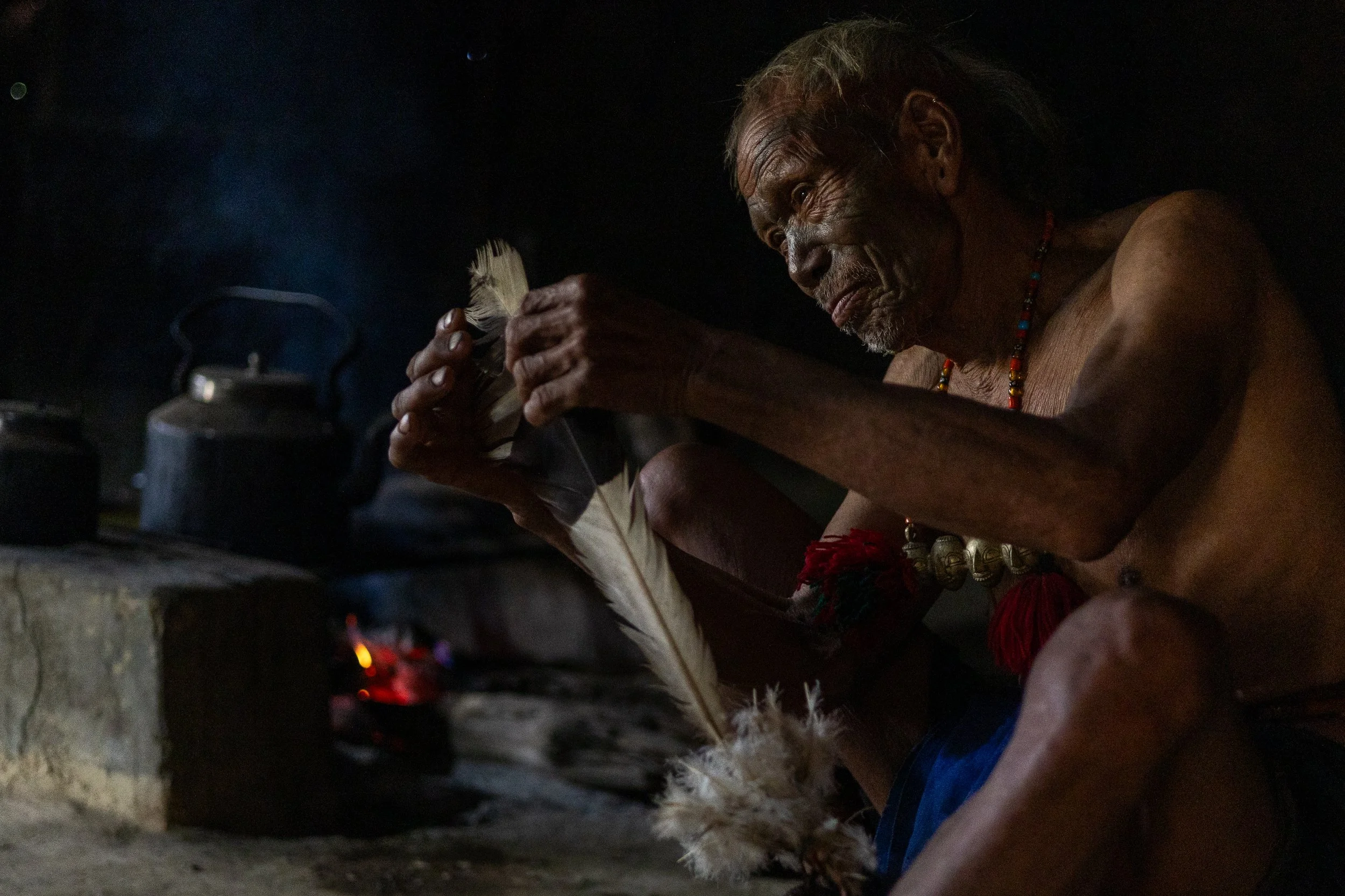
Nostalgic Konyak, archival print, 18 x 12 in, 2024, USD 2500, Arnab Sarkar, Siliguri, India
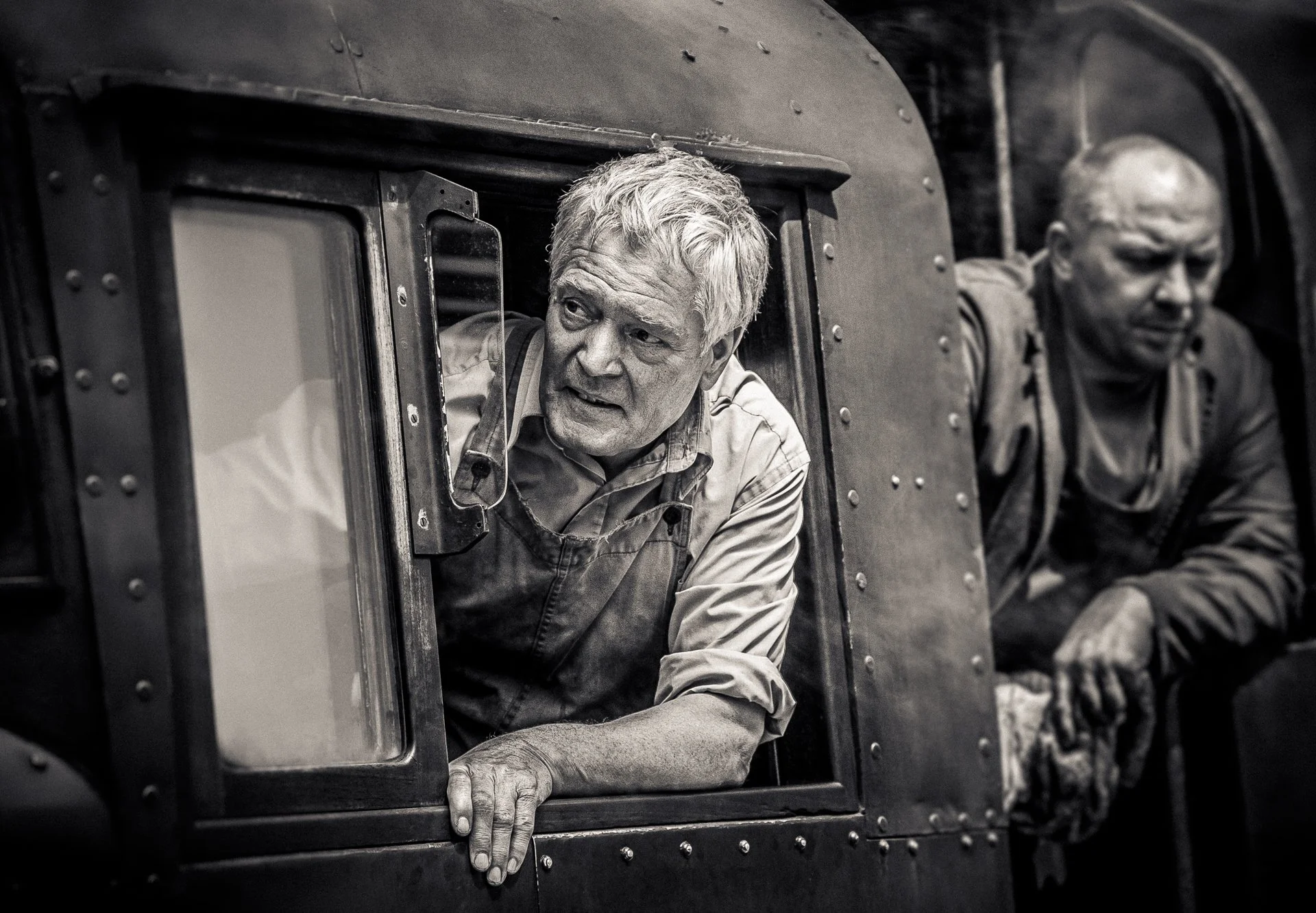
Steam Engineer, archival print, 17 x 22 in, 2023, USD 1200, Jeff Schewe, Chicago, Illinois
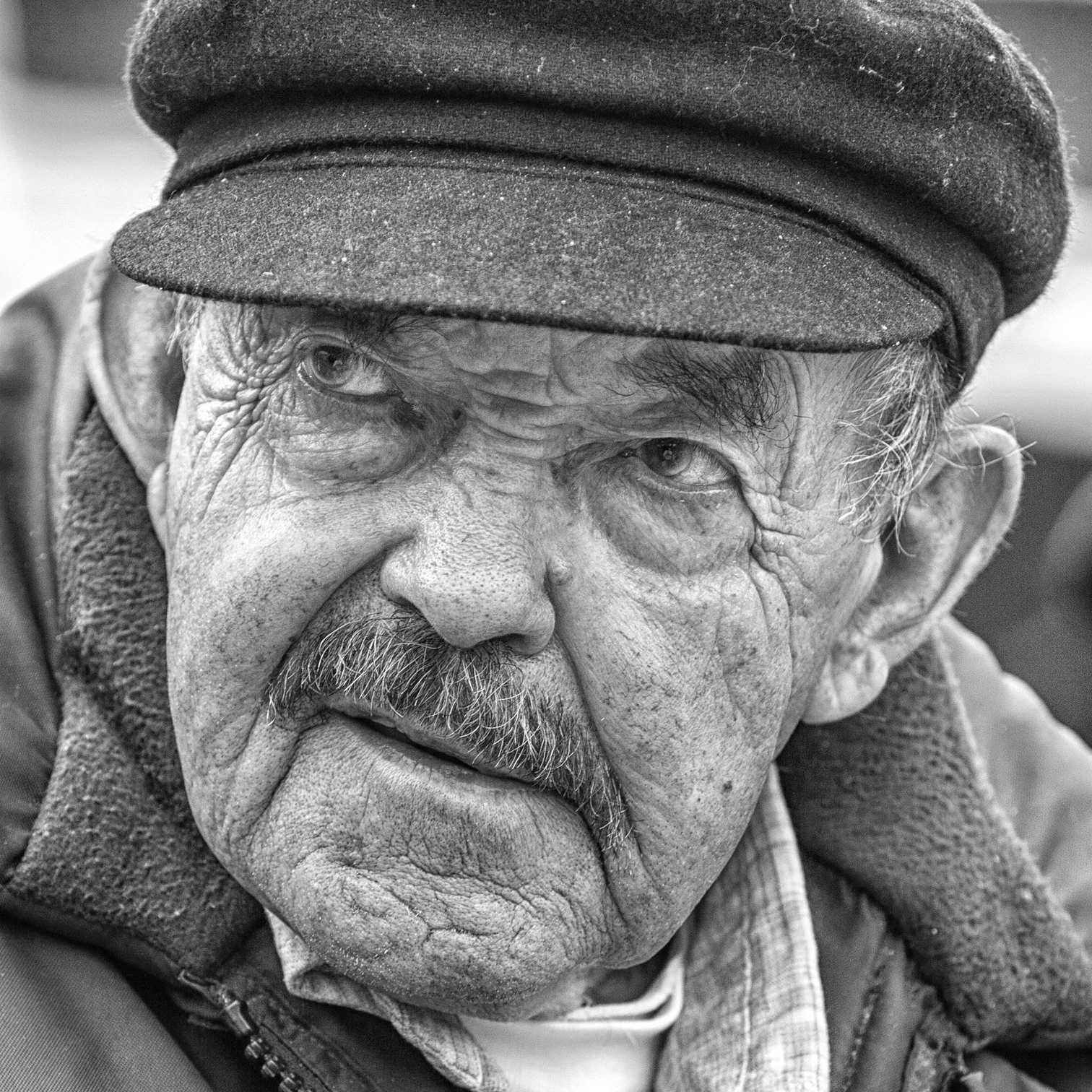
Old Salt Spins Tales, archival print, 10 x 10 in, 2008, USD 450, John H. Diephouse, Lansing, Michigan
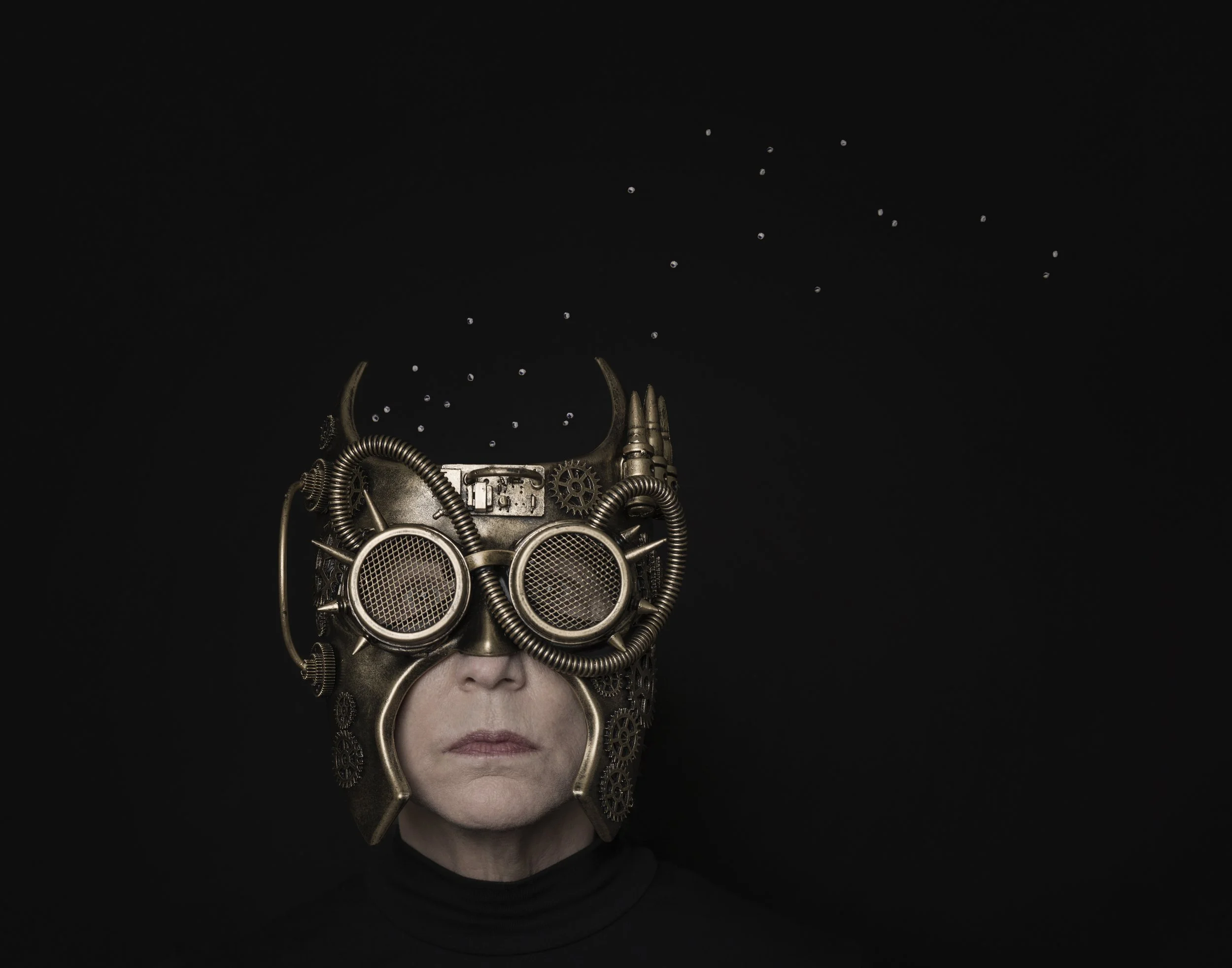
Object Recall, archival print, 30 x 40 in, 2024, USD 1400, Patricia Fortlage, Monrovia, California
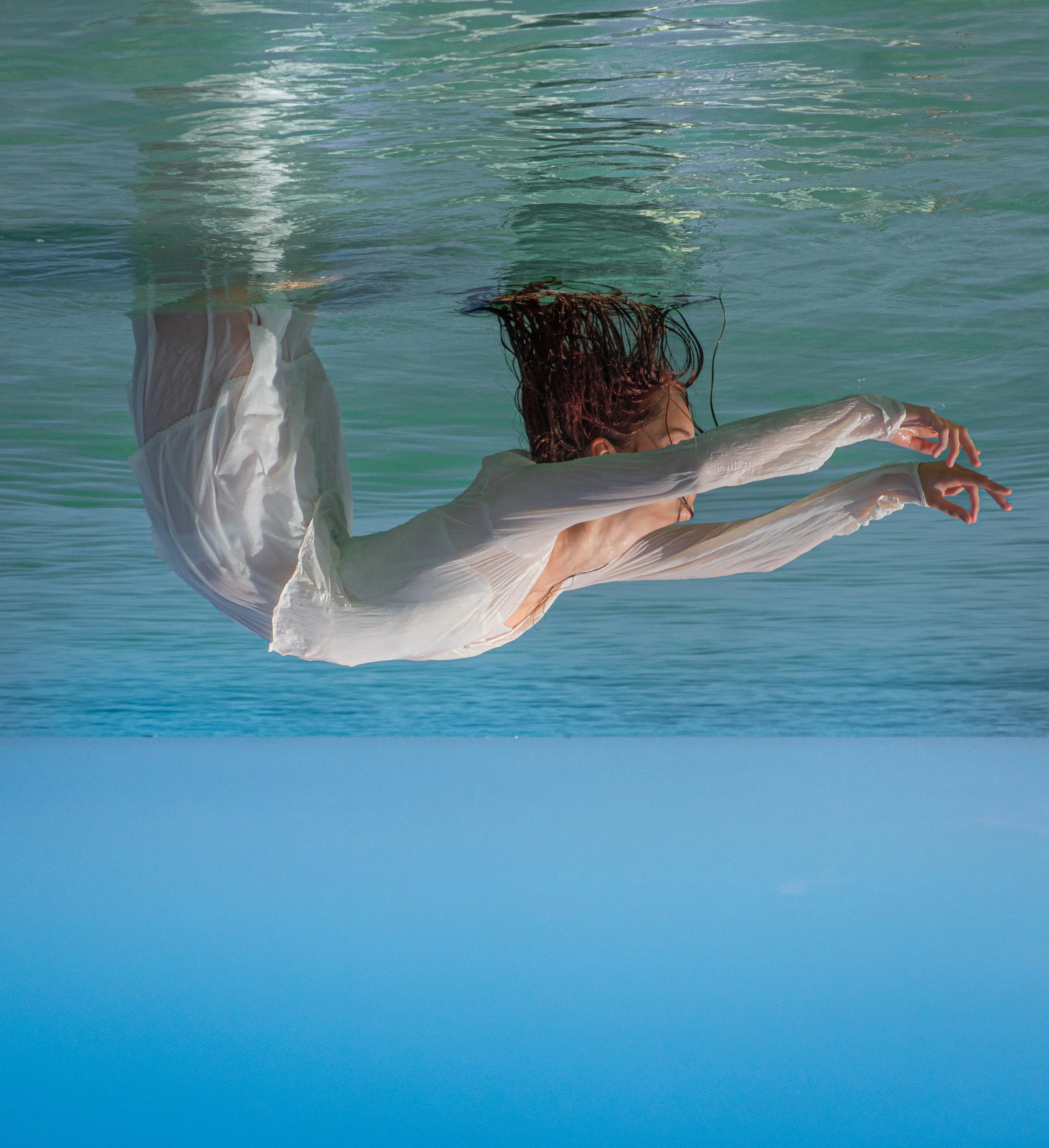
Saint Aquatic, archival print, 40 x 60 cm, 2024, USD 200, Dogu Ozorhan Sarasota, Florida
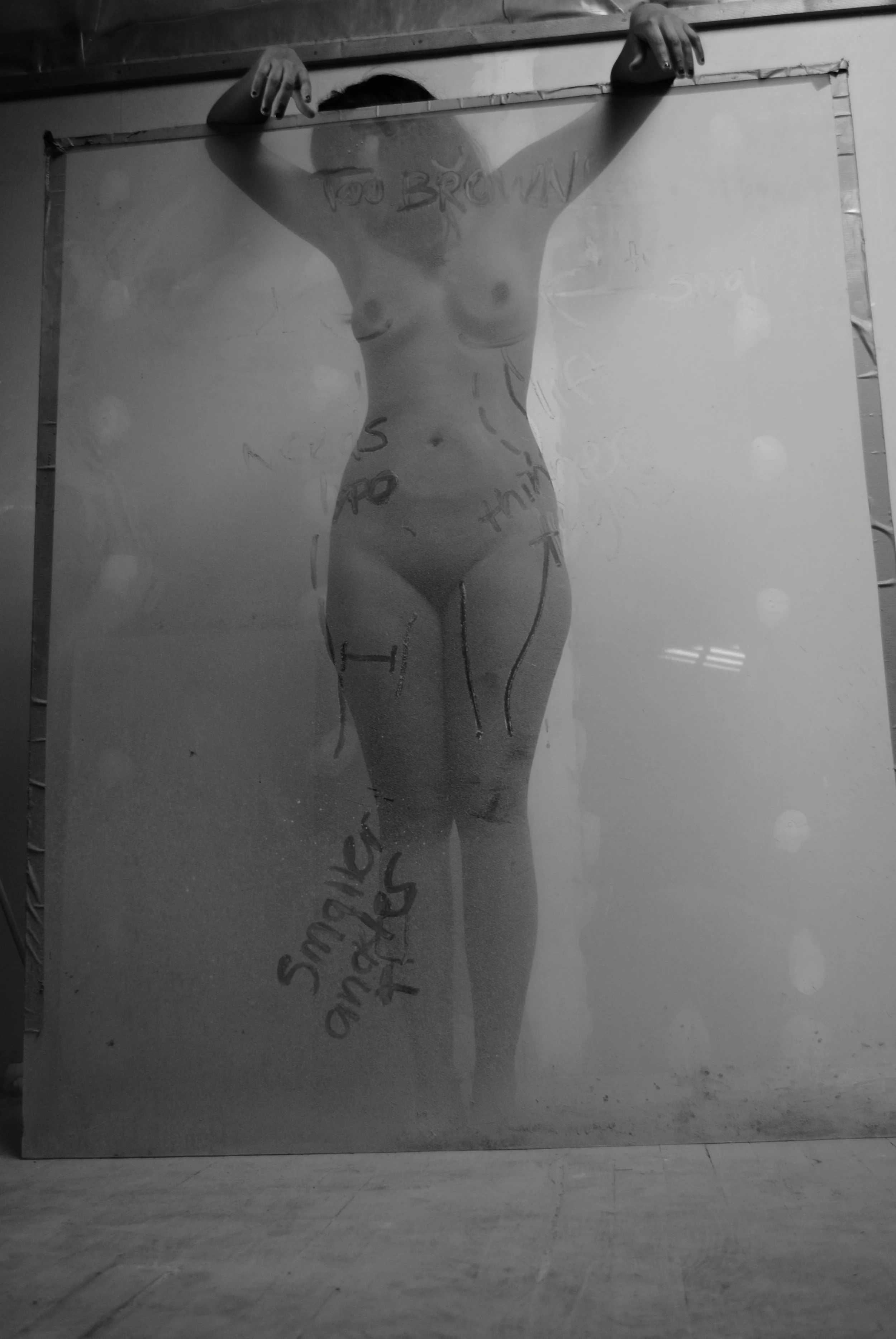
The Lens, archival print, 30 x 20 in, 2012, USD 150, Fran Orellana Polanka, Brunswick, Georgia
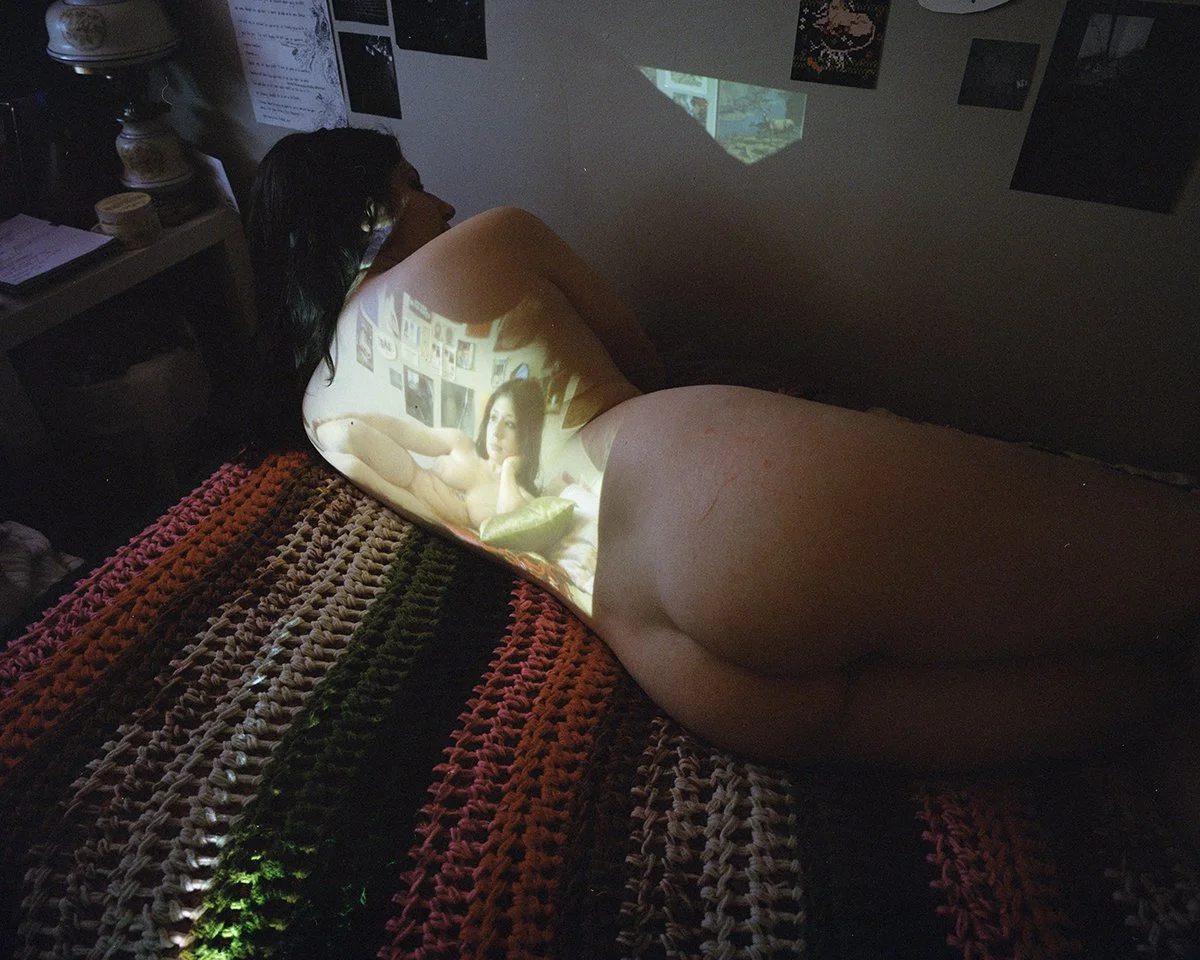
Television, archival print, 24 x 30 in, 2022, USD 500, Willow Roberts, Chicago, Illinois
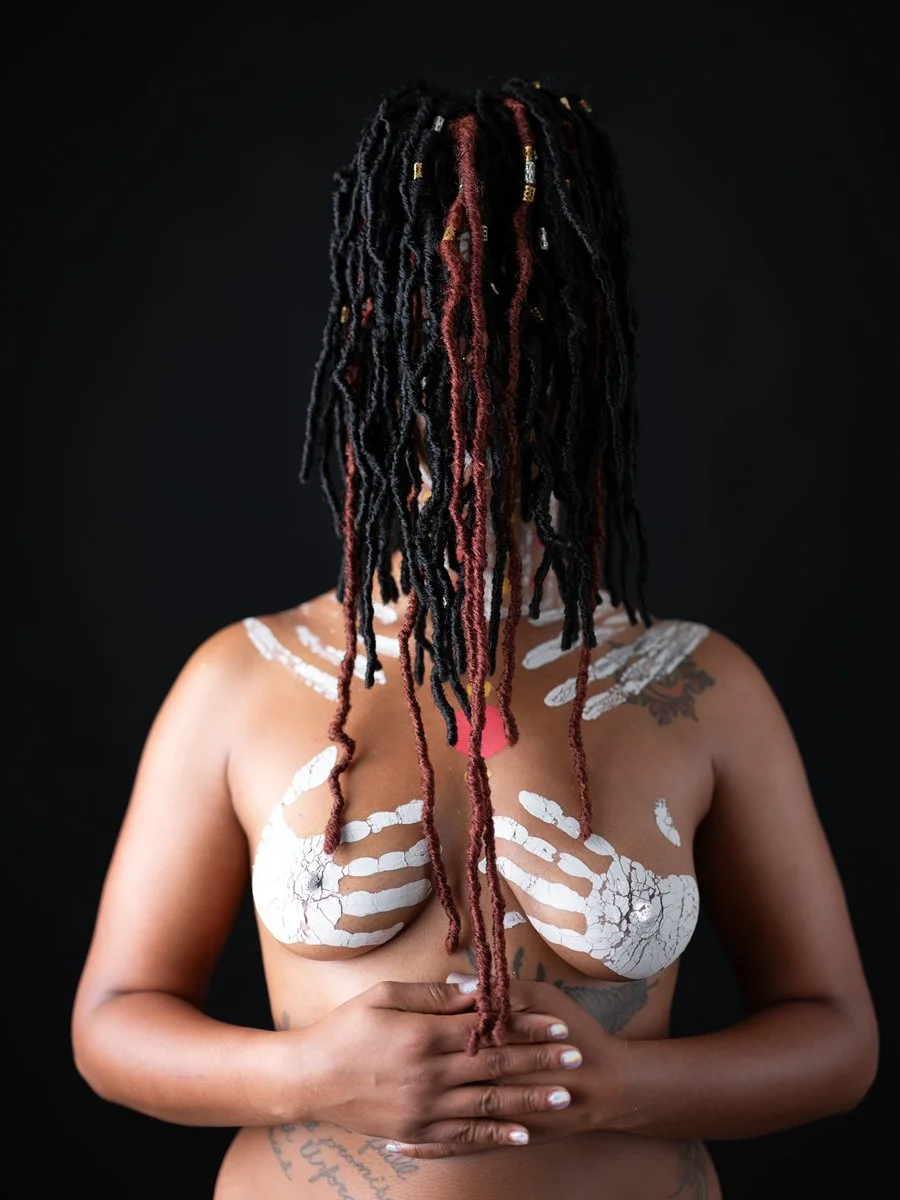
The Hands That Shape Us, archival print, 24 x 36 in, 2023, USD 300, Peter Meszynski, Buffalo, New York
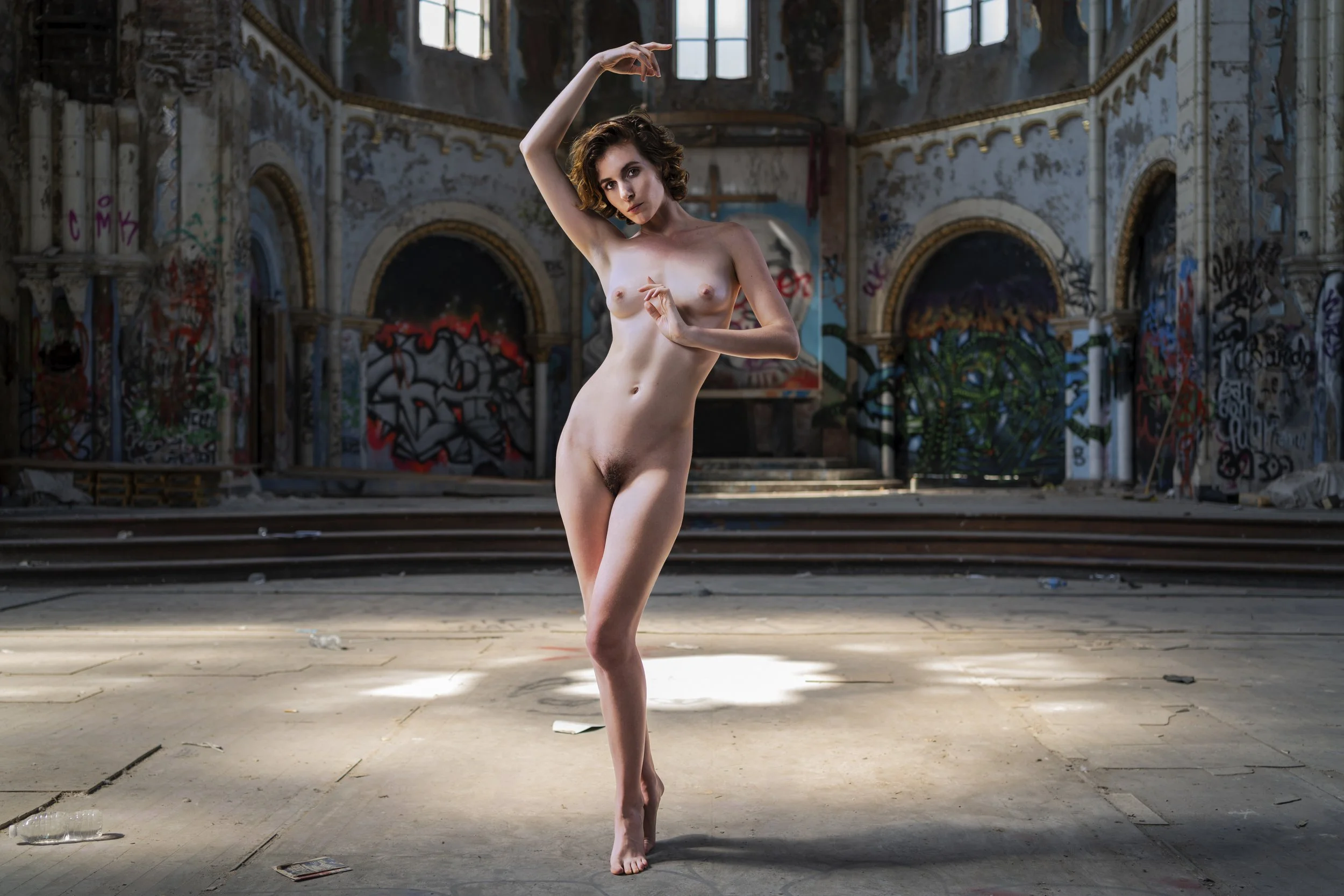
Unforsakable Grace, archival print, 24 x 18 in, 2021, USD 750, Sean Lin, Lisle, Illinois
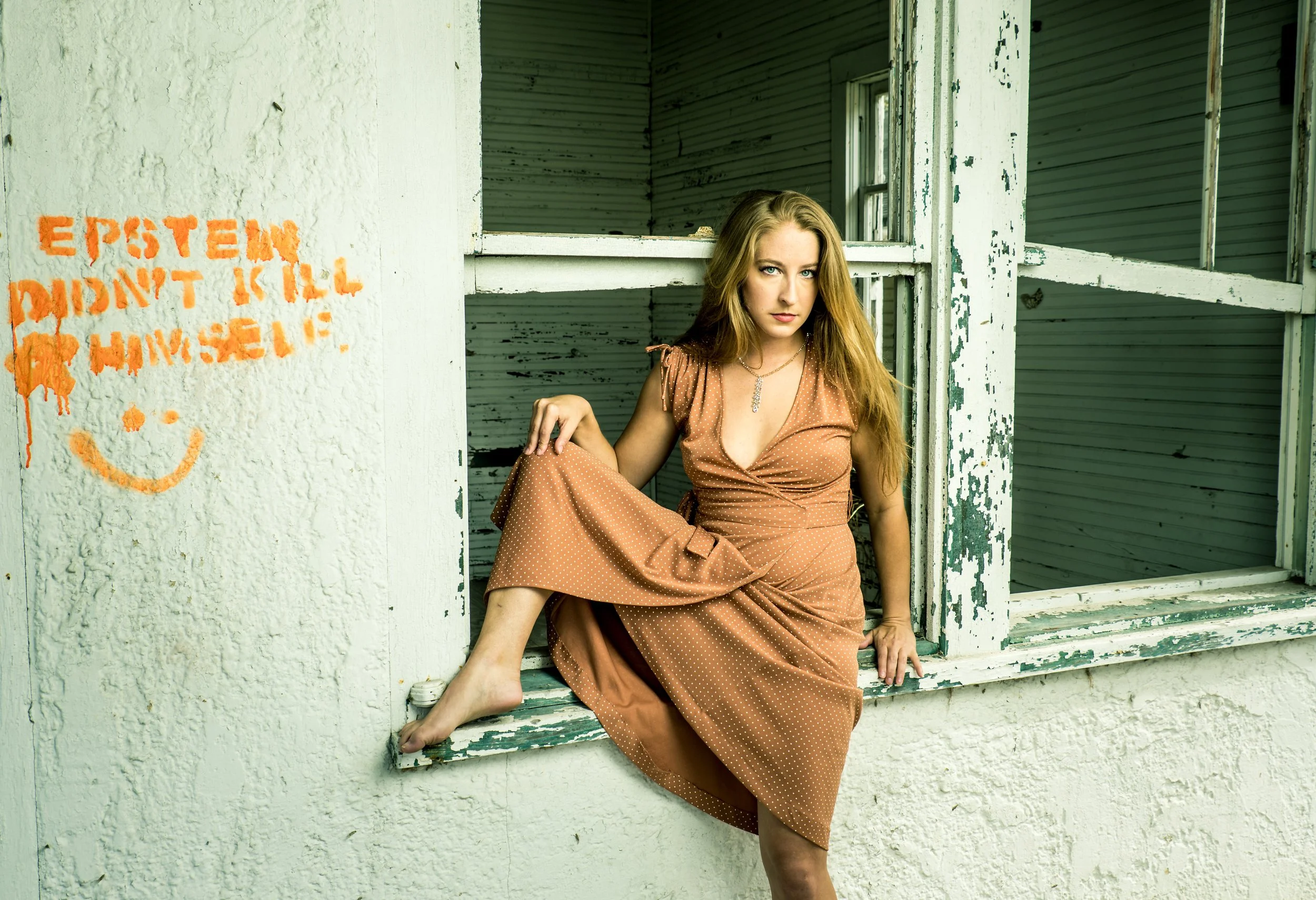
Epstein Didn't Kill Himself, archival print on acrylic, 20 x 16 in, 2020, USD 300, Colin Ward, St. Petersburg, Florida

It Would be a Sin if Either of Us Were a Saint, archival print on Alu-Dibon, 90 x 60 cm, 2021, 980€, Ivan Horvat, Heideck, Germany
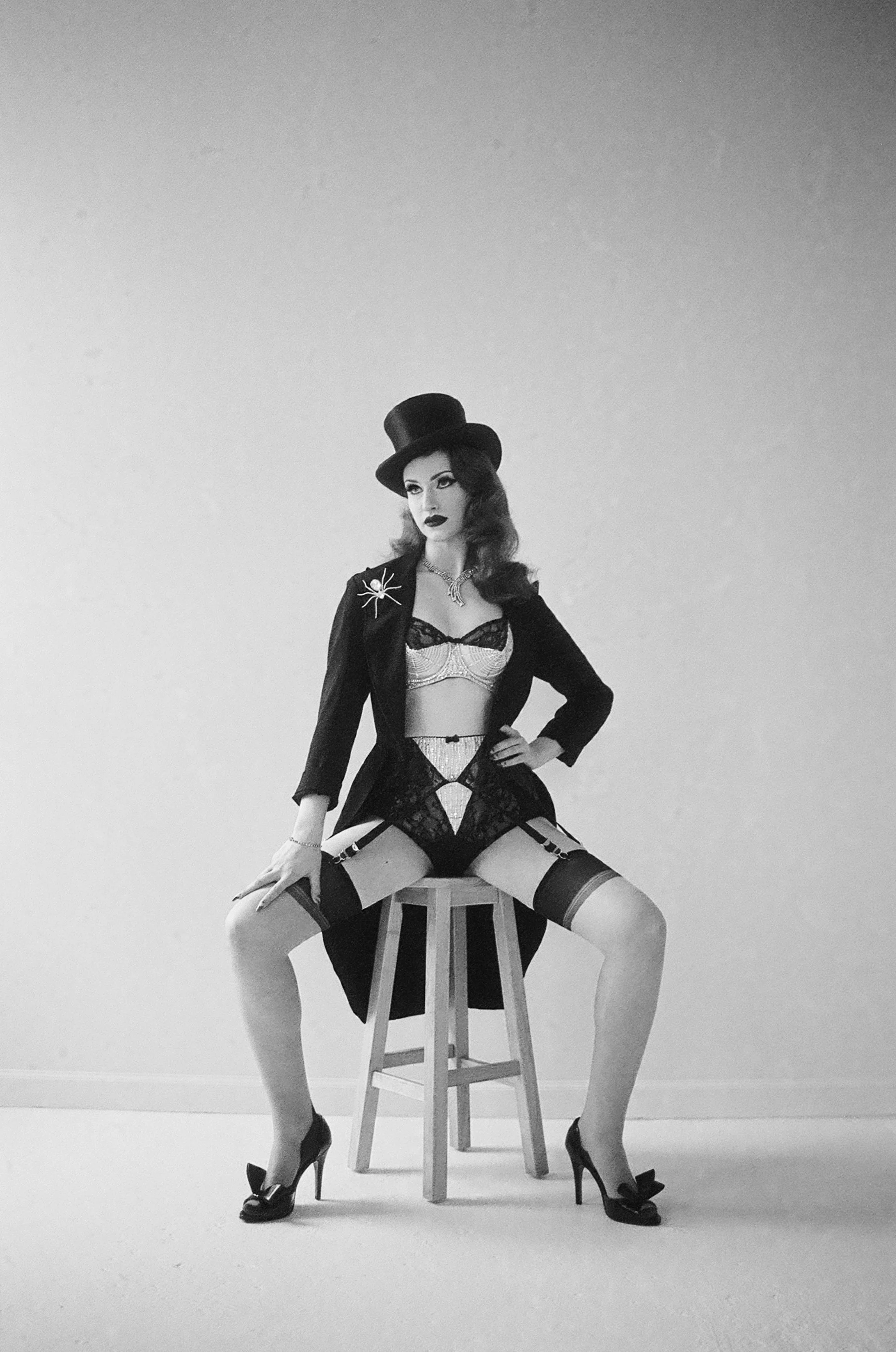
Silver Screen Siren, archival print, 16 x 20 in, 2024, USD 500, Erin McConnell, Hamtramck, Michigan
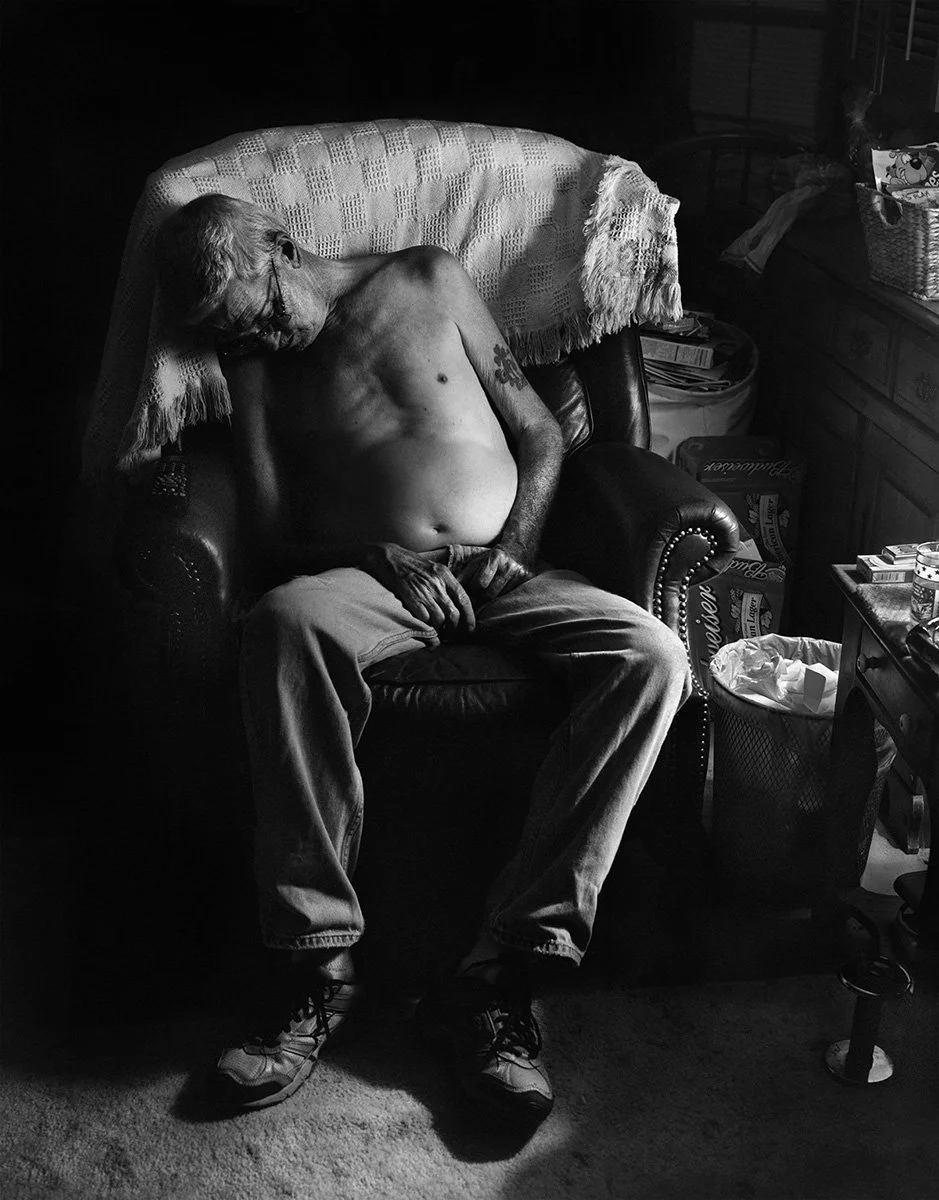
Sleeping Giant, archival print, 16 x 20 in, 2010, USD 500, Eugene Ellenberg, Hodges, South Carolina
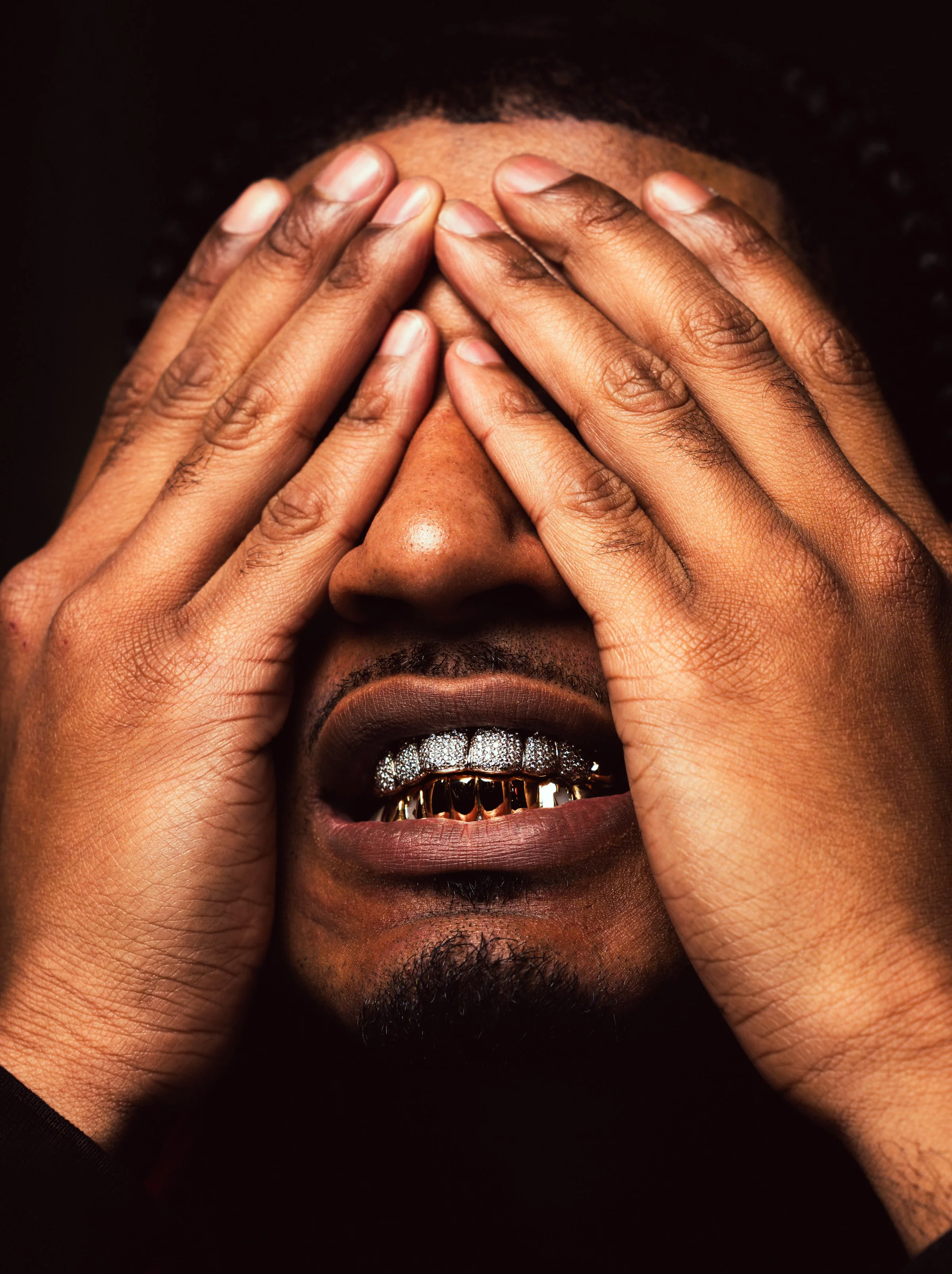
Gold Mouf, archival print, 60 x 40 in, 2024, USD 1500, Mooke Micheaux, Atlanta, Georgia
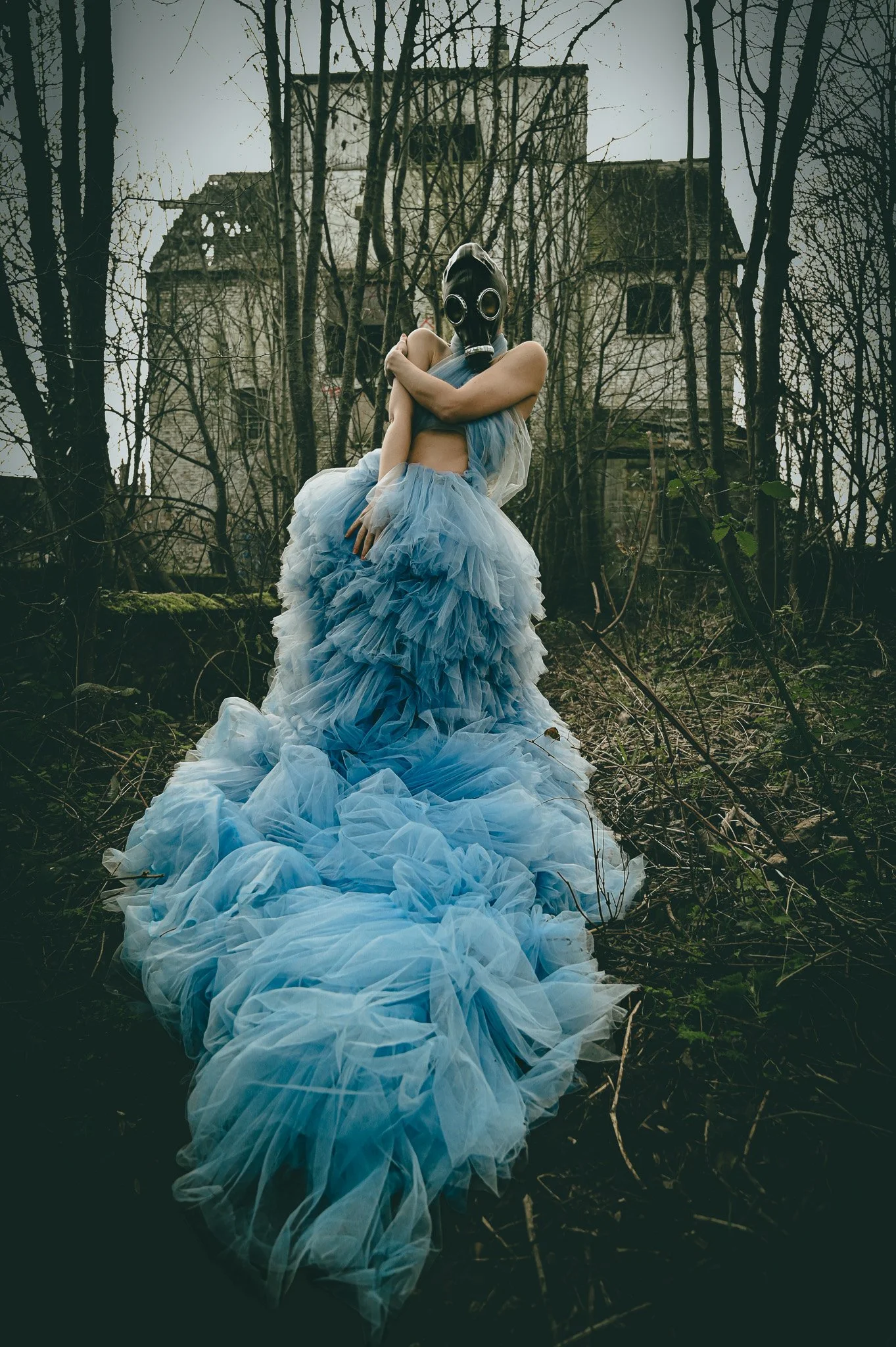
Apocalypse Ball, archival print, 30 x 40 cm, 2024, £150, Sophie Abramson, Eastbourne, United Kingdom
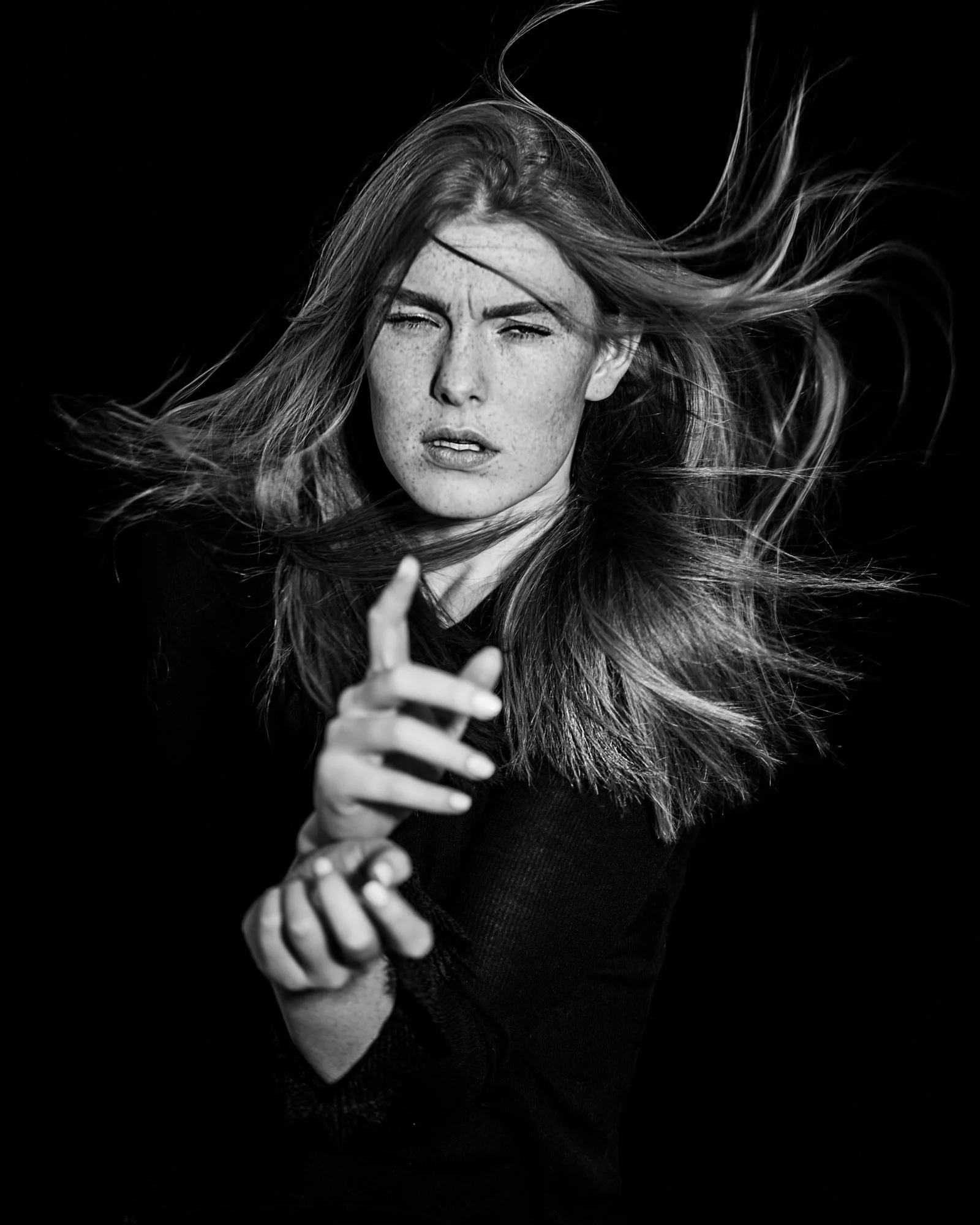
Gross, archival print, 150 x 200 cm, 2019, USD 950, Katja Saegesser, Zürich, Switzerland
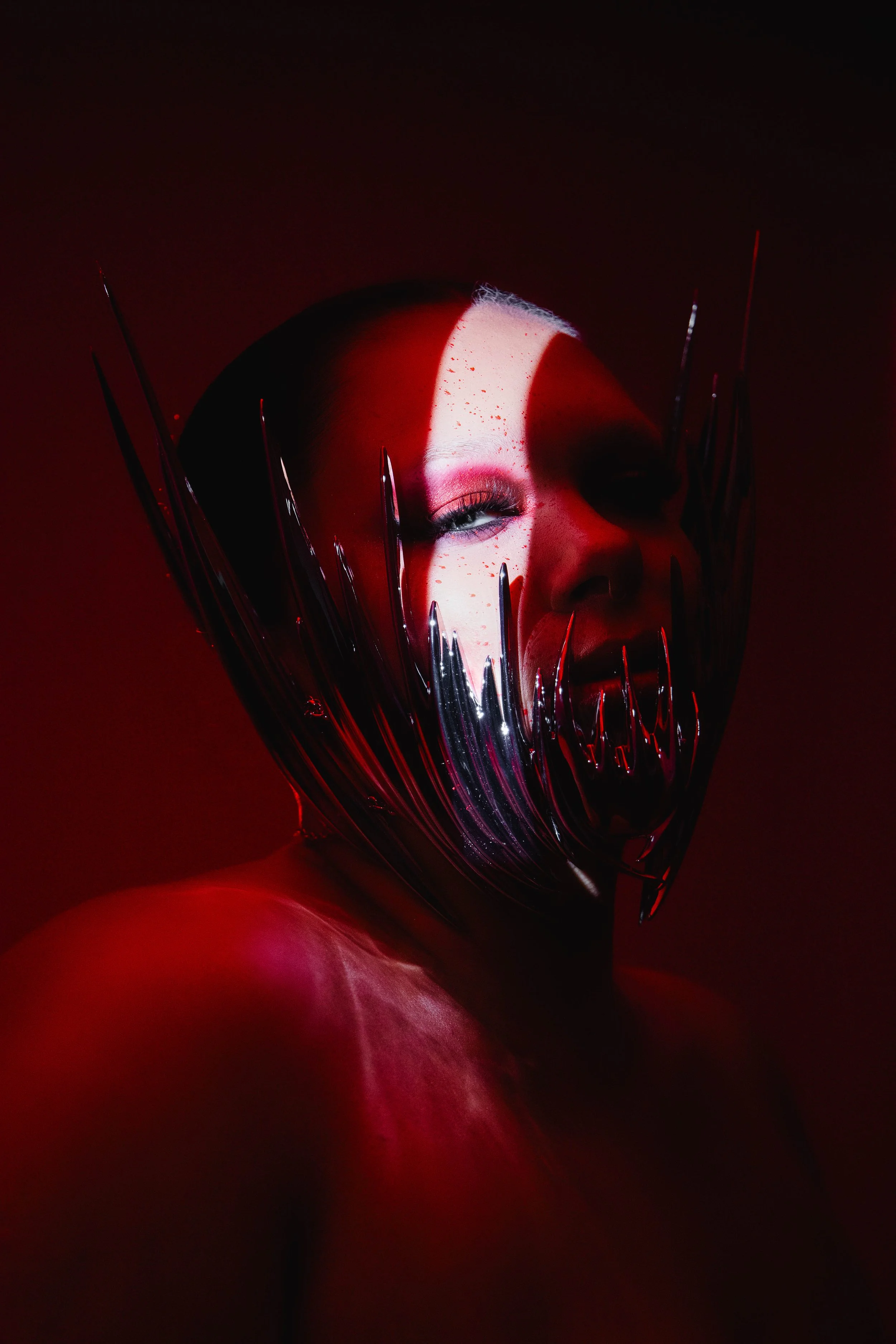
Predator, archival print, 16 x 20 in, 2023, USD 500, Erin McConnell, Hamtramck, Michigan
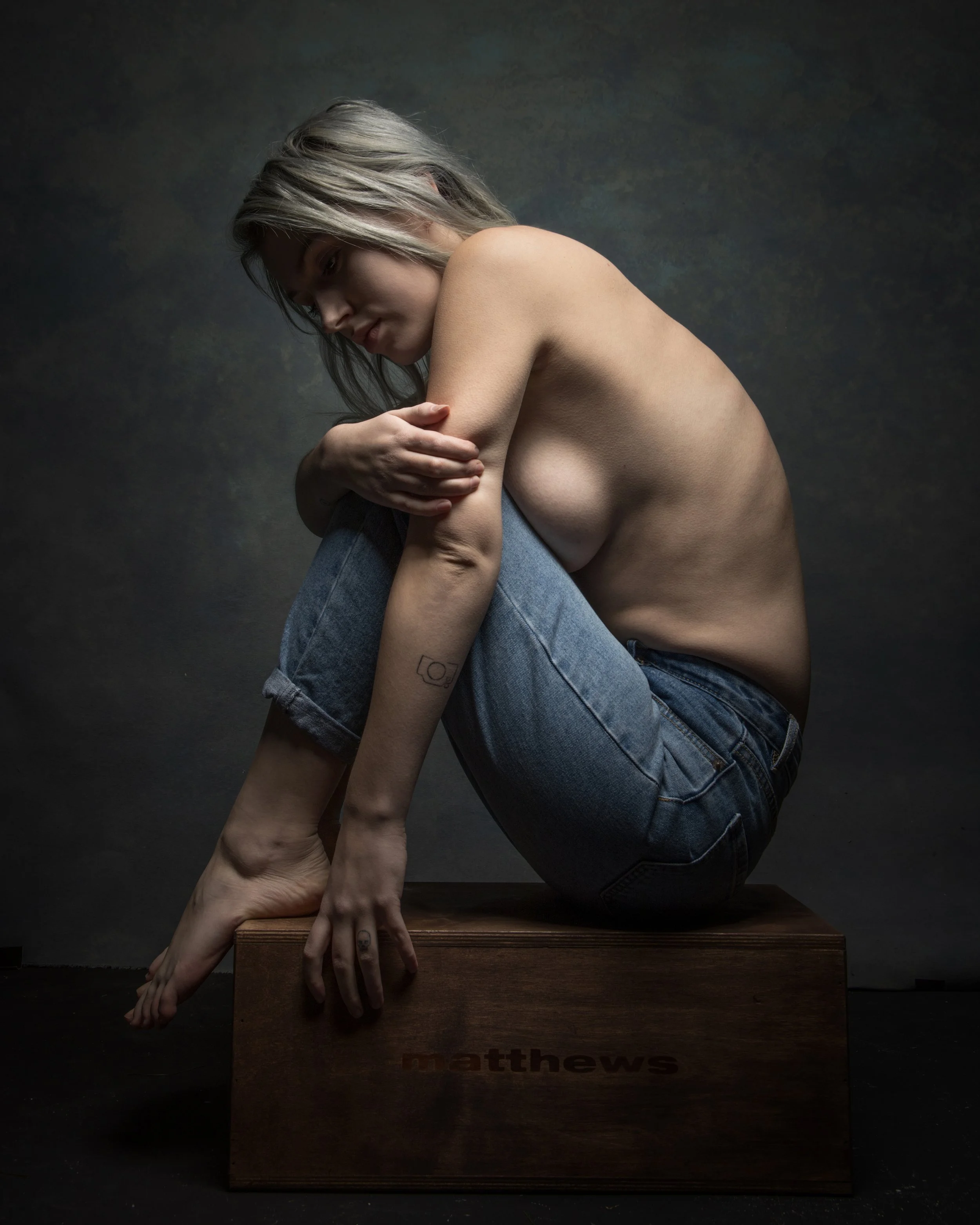
Ennui, archival print, 14.84 x 18.55 in, 2023, USD 500, Gregory Anderson, Ann Arbor, Michigan
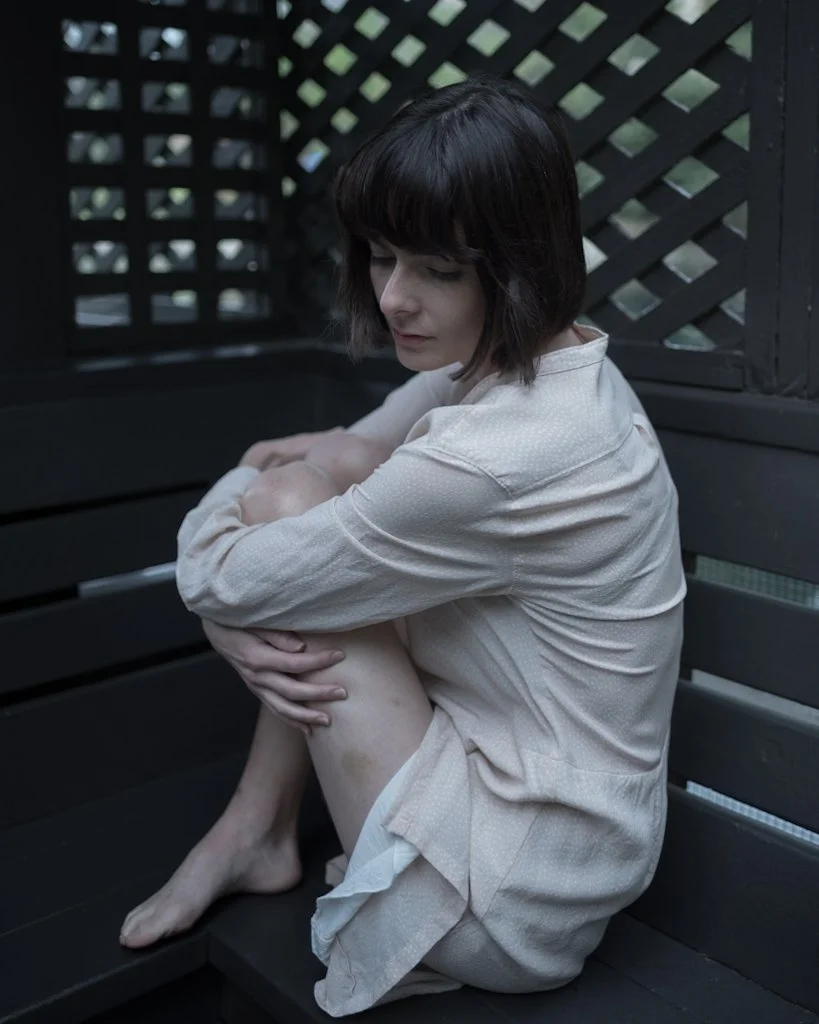
Essence No. 2, archival print, 20 x 25 in, 2019, USD 125, Sean Yang, Los Angeles, California
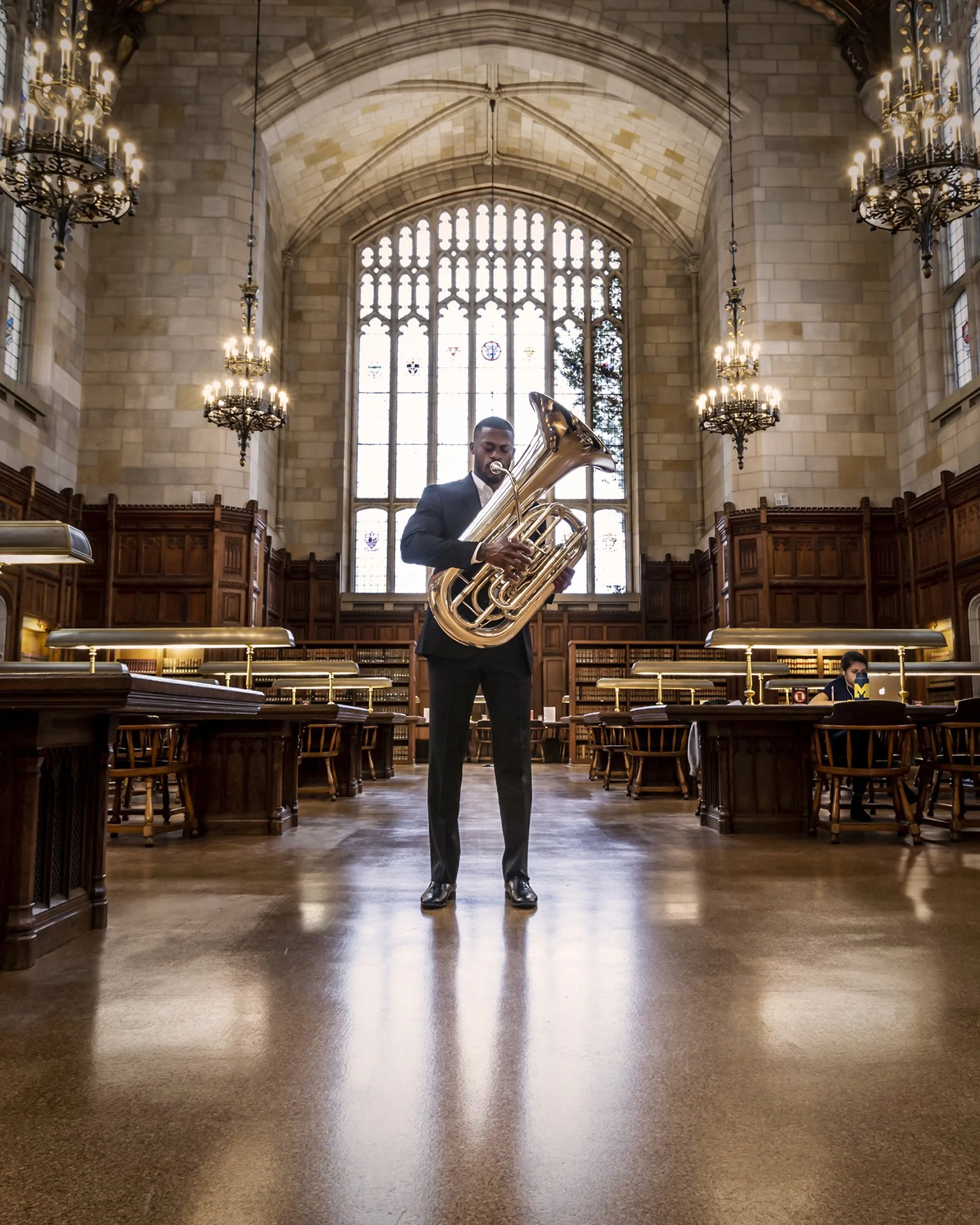
In Flagrante Delicto, archival print, 12.8 x 10.24 in, USD 500, 2024, USD 500, Gregory Anderson, Ann Arbor, Michigan

The World is Watching, Giclée from 35mm film, 24 x 41.75 in, 2020, USD 5000, Johnny Tang, Cambridge, Massachusetts

Baby Gangster, archival print, 70 x 46.67 cm, 2023, 400€, Lana Đurđek, Gothenberg, Sweden
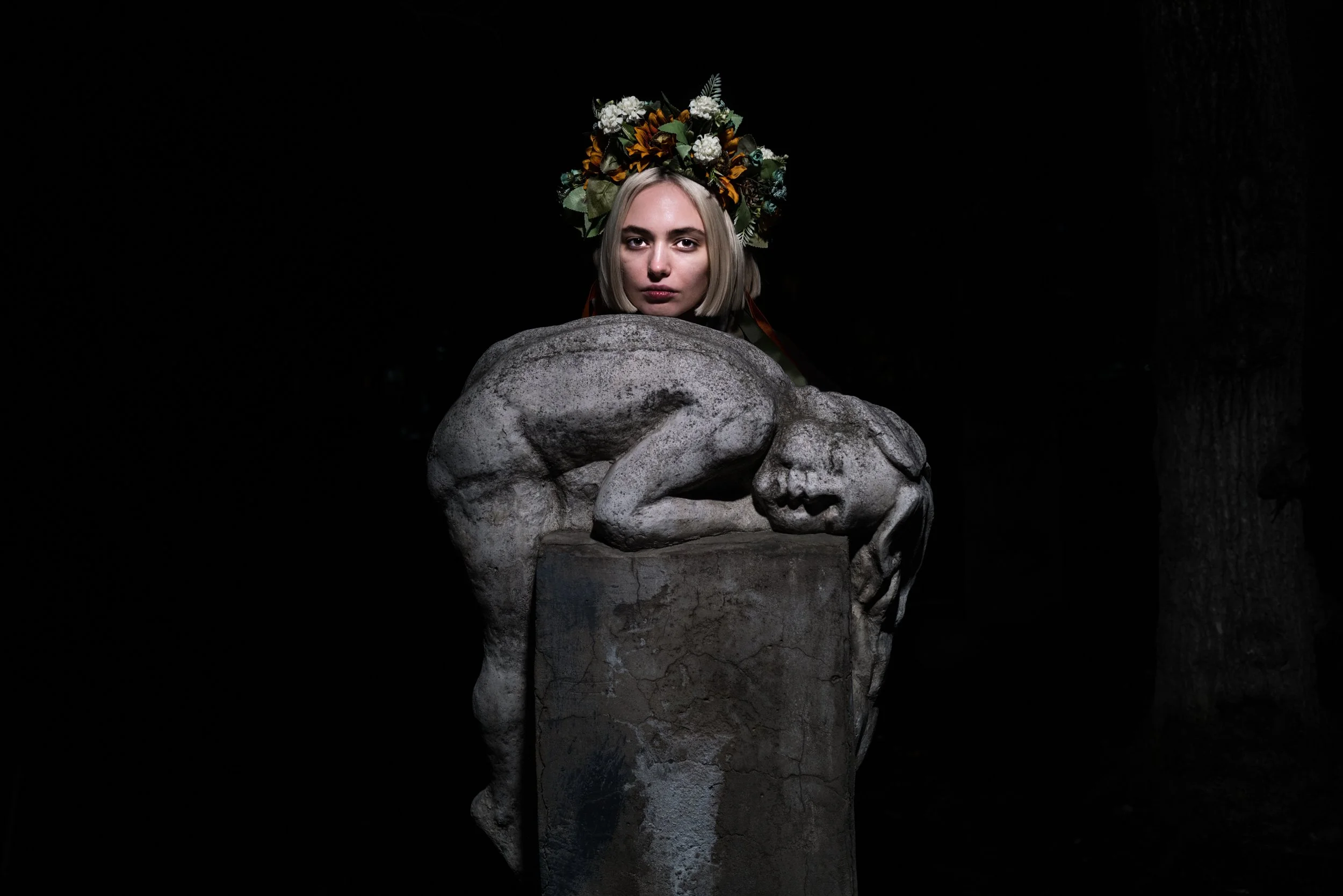
Portrait of a Ukrainian Refugee, archival print, 60 x 90 cm, 2023, 350€, Marylise Vigneau, Retz, Austria
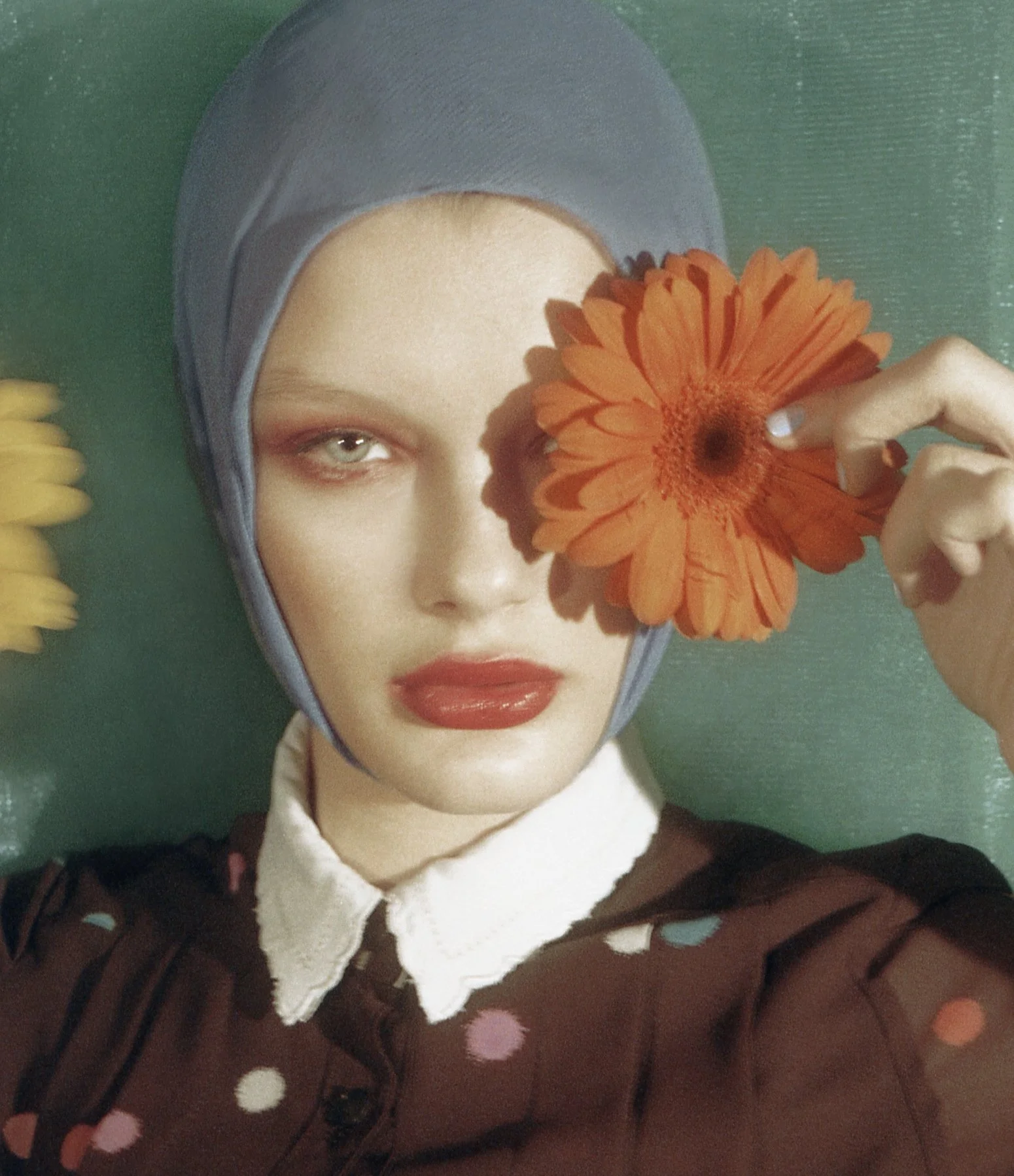
Étude de femme, archival print, 150 x 107.63 cm, 2017, USD 1050, Antonina Zharko, Arusha, Tanzania

Self-Inflicted, archival print, 16 x 20 in, 2022, USD 175, Kylie Shaw Williams, Columbia, Missouri
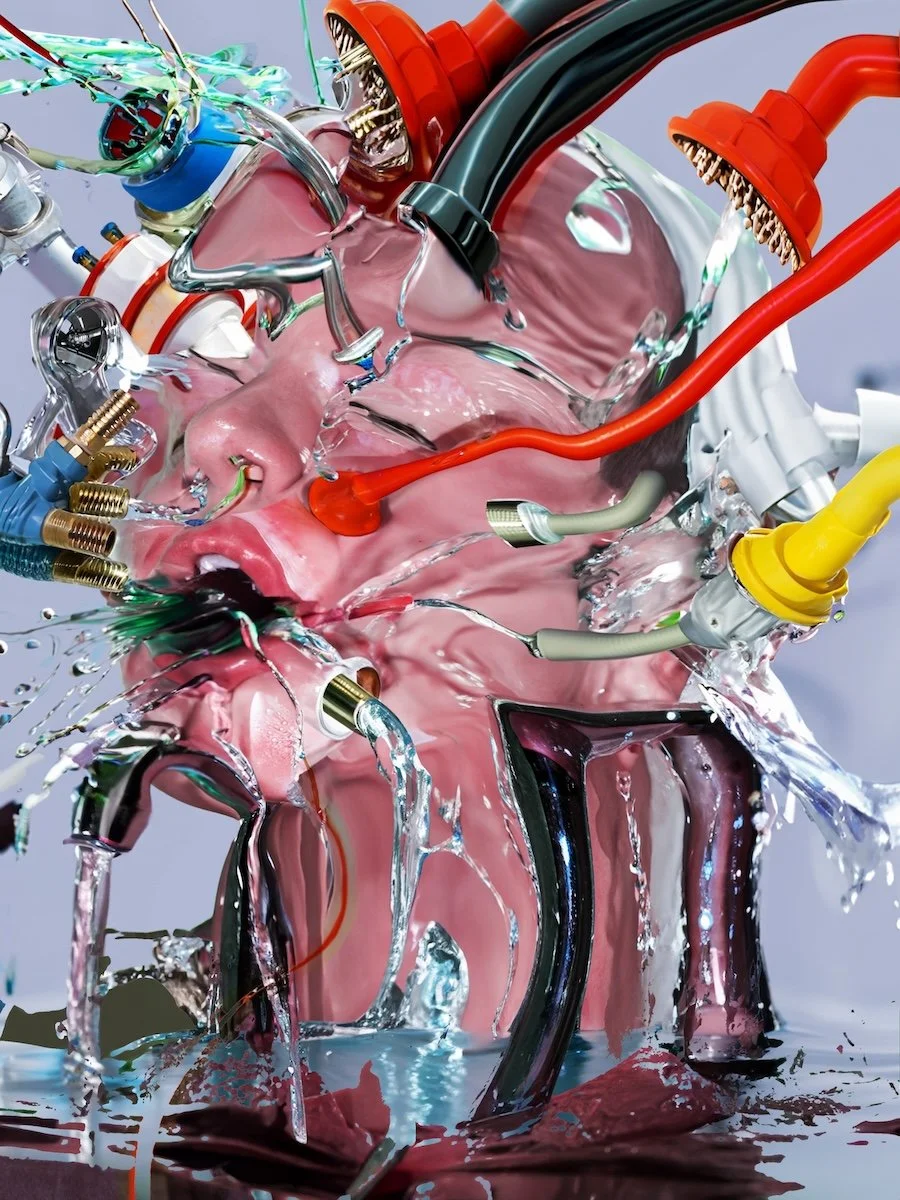
Self Portrait as Thirst Trap, archival print, 24 x 30 in, 2024, NFS, Joshua Brinlee, Memphis, Tennessee
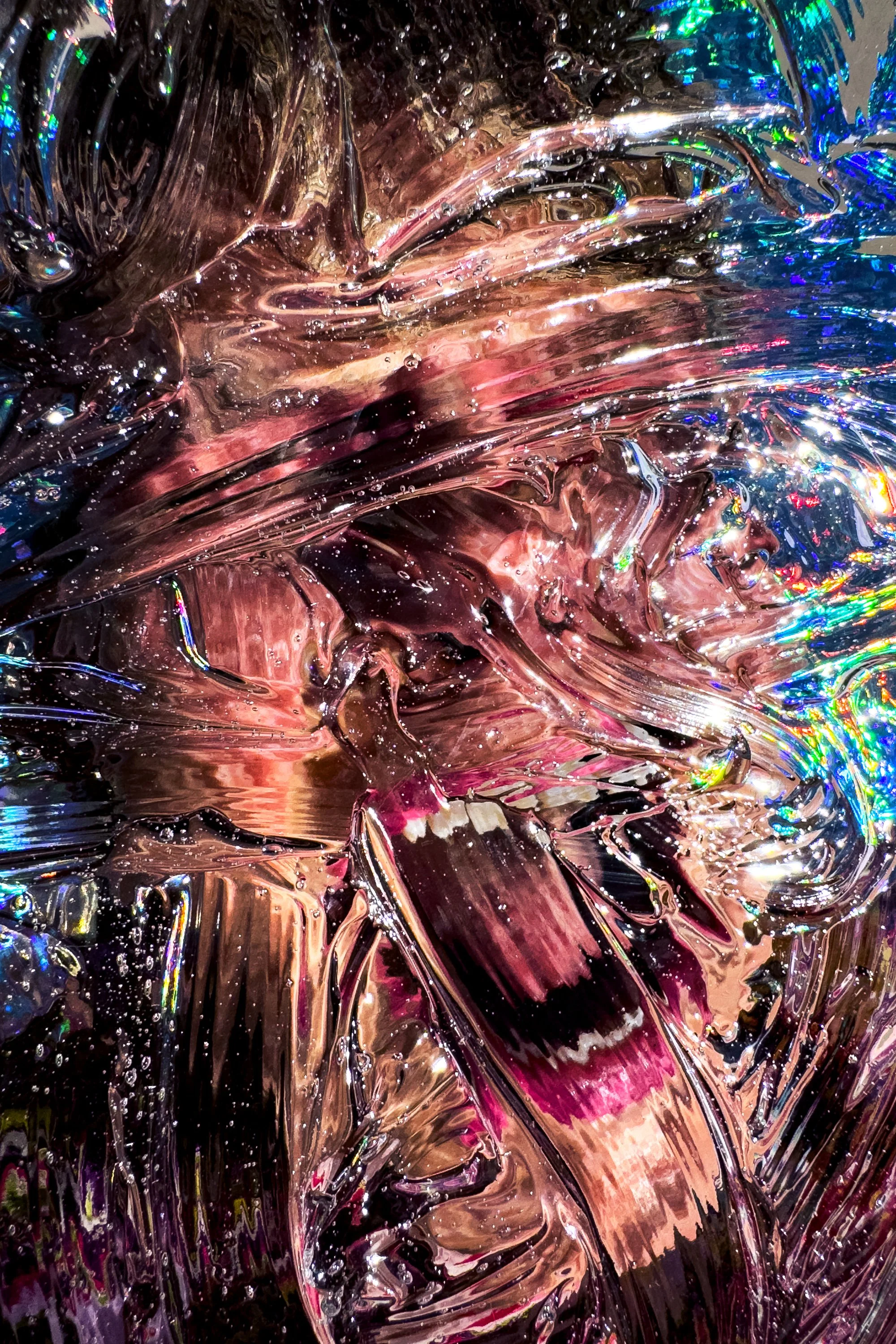
Being Pulled Apart, archival print, 13.33 x 20 in, 2024, USD 500, Michael Toussaint, Littleton, Colorado
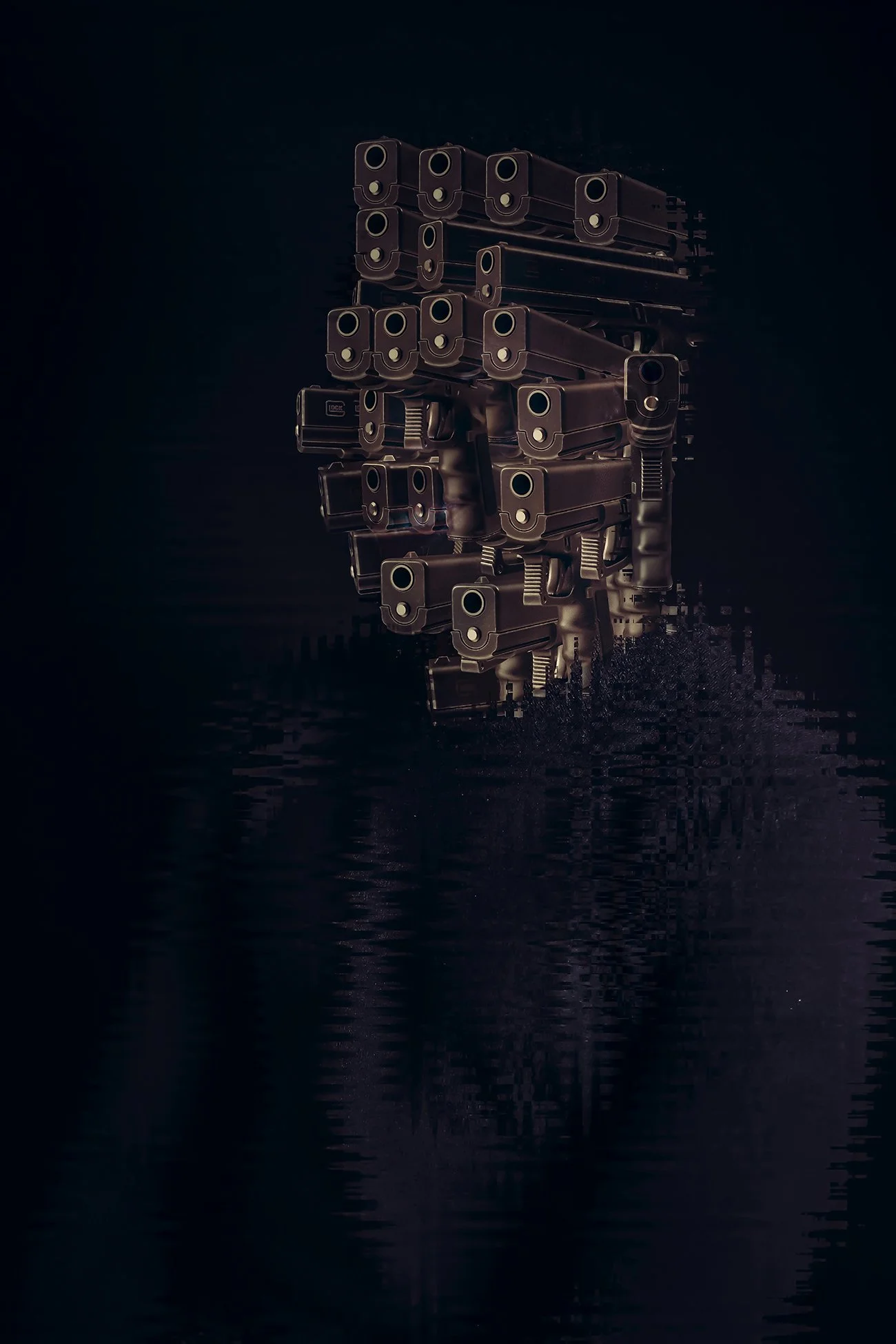
Glockface, archival print, 16 x 24 in, 2020, USD 500, Matt Coglianese, Chicago, Illinois
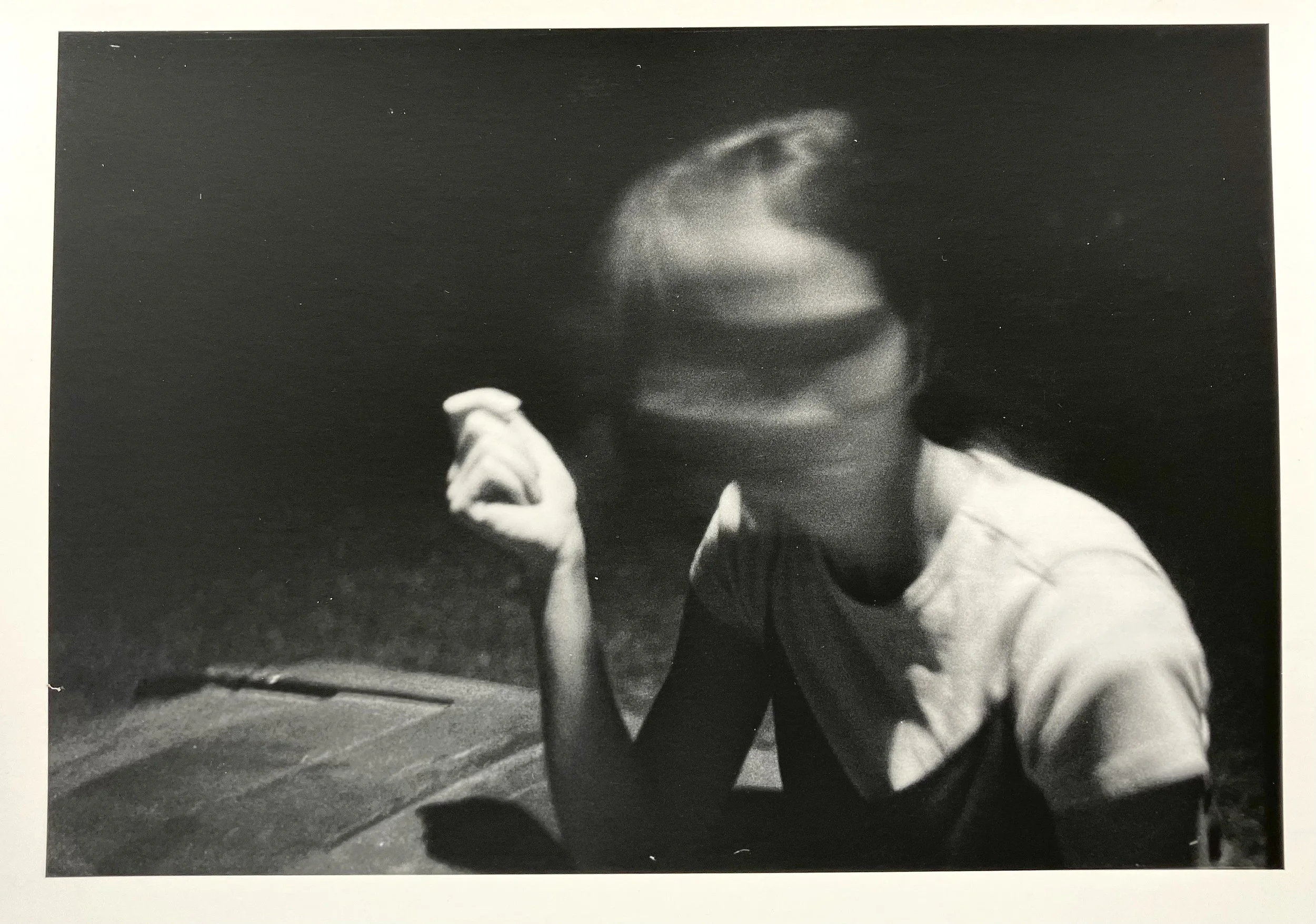
Threshold, silver gelatin print, 8.5 x 11 in, 2024, USD 150, Synnova Blattman, Tempe, Arizona
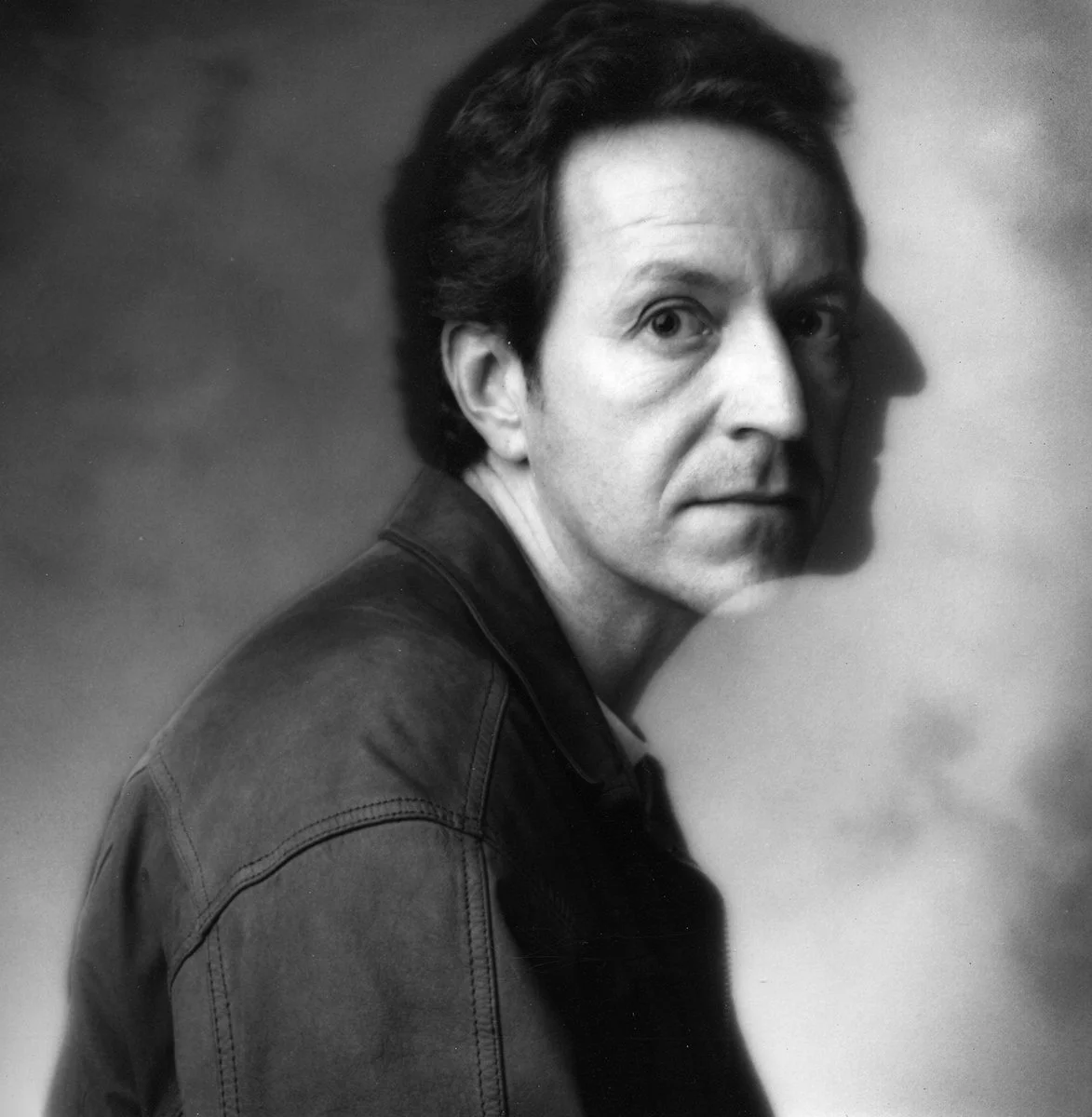
Shadow Two Face, silver gelatin print, 6.75 x 6.75 in, 1985, USD 450, Robert Arnold, Nevada City, California

The Traumas We Share, archival print, 18 x 24 in, 2024, USD 1200, Shoga Tadevosya, Pasadena, California
Sales and Artist Inquiries
Are you interested in making a purchase or connecting with one of the featured artists? Send us an inquiry through our contact form, and we'll get back to you shortly.