

The Power of Color (2025)
June 1–July 1, 2025
Color shapes how we perceive and remember the world. It can operate as sensation, symbol, atmosphere, and unspoken language—at once physical and elusive. The Power of Color brings together photographs that use hue, saturation, contrast, and vibrancy as essential tools of meaning rather than decoration.
Featured Artists
Alicea Martin, Andrea Morales, Bing Lu, Brandon Woods, Brian Hallas, Brigitte B. Burckhardt, Dora Yan, Holly Hutton, Holm Klöckling, Jeff Schewe, Jessica Schulman, John Woodruff, Joseph Geyer, Lissy Walker, Maceo Foster, Mariano Caruso, Mark Satin, Meryl Epstein, Mike Gorman, Nichole Velasquez, Palline Plum, Peggy Ryan, Qiana Rickabaugh Rich, Raees Mustafa, Seth Thompson, Soliani Davide, Sonja Schaeffeler, Stefanie Blue, Teri Miller, Tom Delaney, William Conley
The Late Legitimacy of Color
For most of photography's history, color was the disreputable option. It was expensive, unstable, and associated with commerce, so the serious tradition built itself in black and white and defended that position with real conviction. Color read as vulgar, as unearned, as the visual equivalent of a raised voice. The reversal took decades and it is now complete enough that the original argument is hard to reconstruct. What survives from it is useful, though. It established that color in a photograph is a choice, and choices can be examined.
Color as Structure
The most disciplined use of color is compositional. A single warm mark in a cool field organizes an image faster than any arrangement of lines can, because the eye sorts by hue before it sorts by shape. Photographers working this way tend to treat color the way a designer treats weight and balance. The result can look effortless, which is generally a sign of how much was thrown away to get there. Restraint is the harder version of this discipline. One color doing all the work in an otherwise muted frame demands that the color be exactly right, because there is nothing else in the picture to hide behind.
Color as Feeling
The other tradition runs the opposite direction and uses color as temperature. Saturation reads as intensity. Desaturation reads as memory, distance, or exhaustion. Green reads differently in a forest than in a hospital corridor, and photographers who work this way are usually working with that gap rather than against it. This is the mode most vulnerable to cliche, because the associations are so available that they can be reached for without thought. The work that survives the vulnerability is work where the color is doing something more specific than setting a mood.
Color as Document
There is a third position, less discussed, in which color is simply what was there. A painted storefront, a uniform, a product package, a national flag. These are cultural facts, and photographing them in color records information that black and white would delete. Color in this mode is not expressive at all. It is evidentiary, and the photographer's job is recognition rather than construction. Period is legible in color in a way it rarely is in monochrome, which makes color photographs age differently and often faster.
The Problem of Too Much
Color is also the easiest thing in photography to overdo, and saturation is the cheapest effect available. Pushed hard enough, any image acquires a kind of surface intensity that reads at a glance and dissolves on the second look. The work that lasts tends to be work where the color was already in the scene and the photographer's contribution was recognizing it rather than manufacturing it.
Why the Theme Recurs
Color is one of the few subjects broad enough to accept work from every other genre at once. A portrait, a landscape, a street photograph, and a still life can all belong to a color exhibition without any of them being diluted, which makes the theme a useful cross section of what an open call actually attracts. TCG Gallery is an independent online photography gallery, and each juried exhibition remains part of a permanent public archive after its run ends. Photographers can enter the current photography open calls directly.
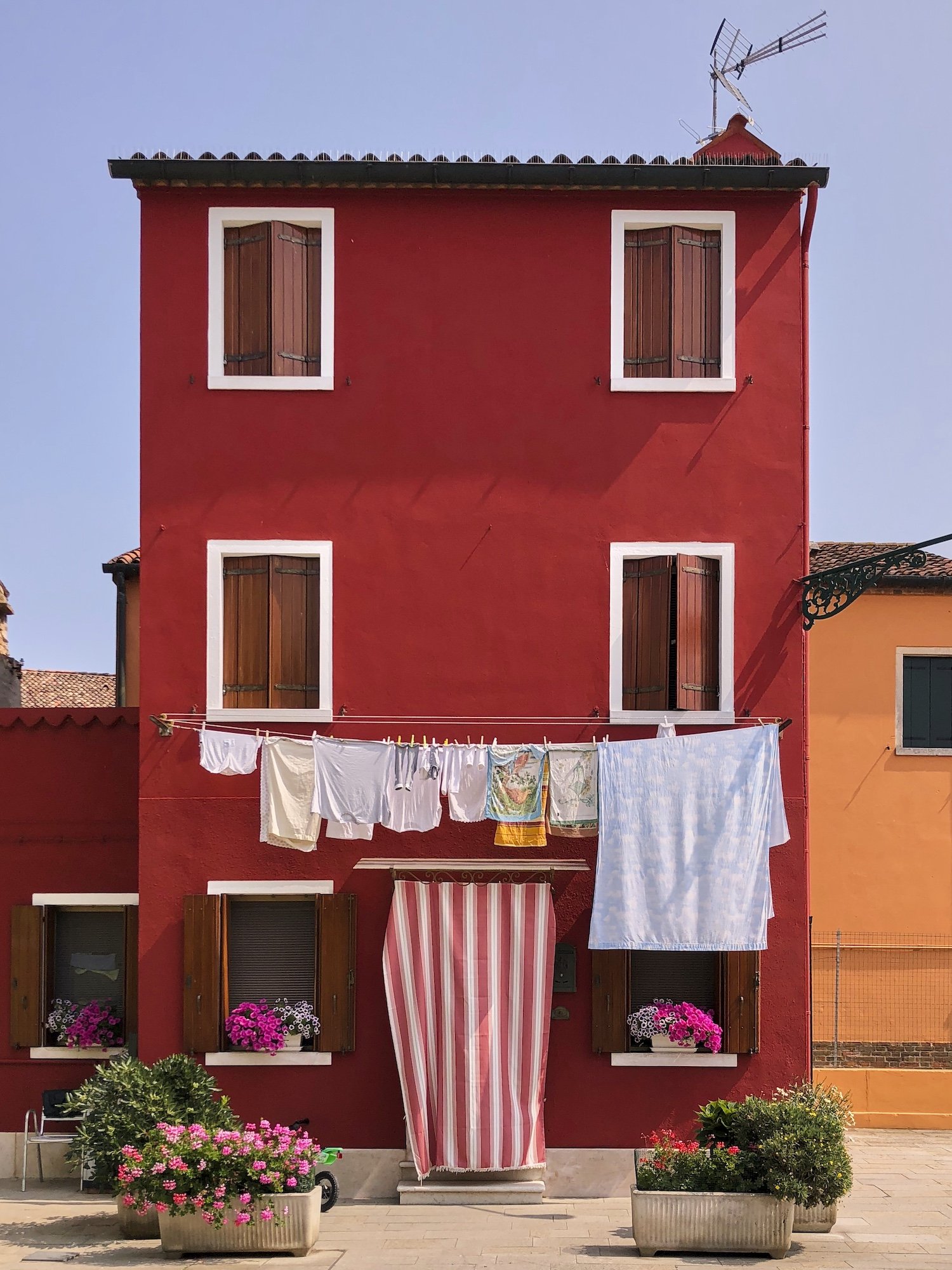
The Red Door Blooms, archival print, 13.3 x 10 in, 2018, USD 200, Peggy Ryan, Washington, D.C.

Dance Dance Dance, archival print, 50 x 60 cm, 2018, USD 199, Soliani Davide, Trigolo, Italy

Colourful Grid, archival print, 2023, USD 200, Mariano Caruso, Buenos Aires, Argentina

Subdivisions No. 1, cyanotype collage, 9 x 5 in, Tom Delaney, Charlotte, North Carolina
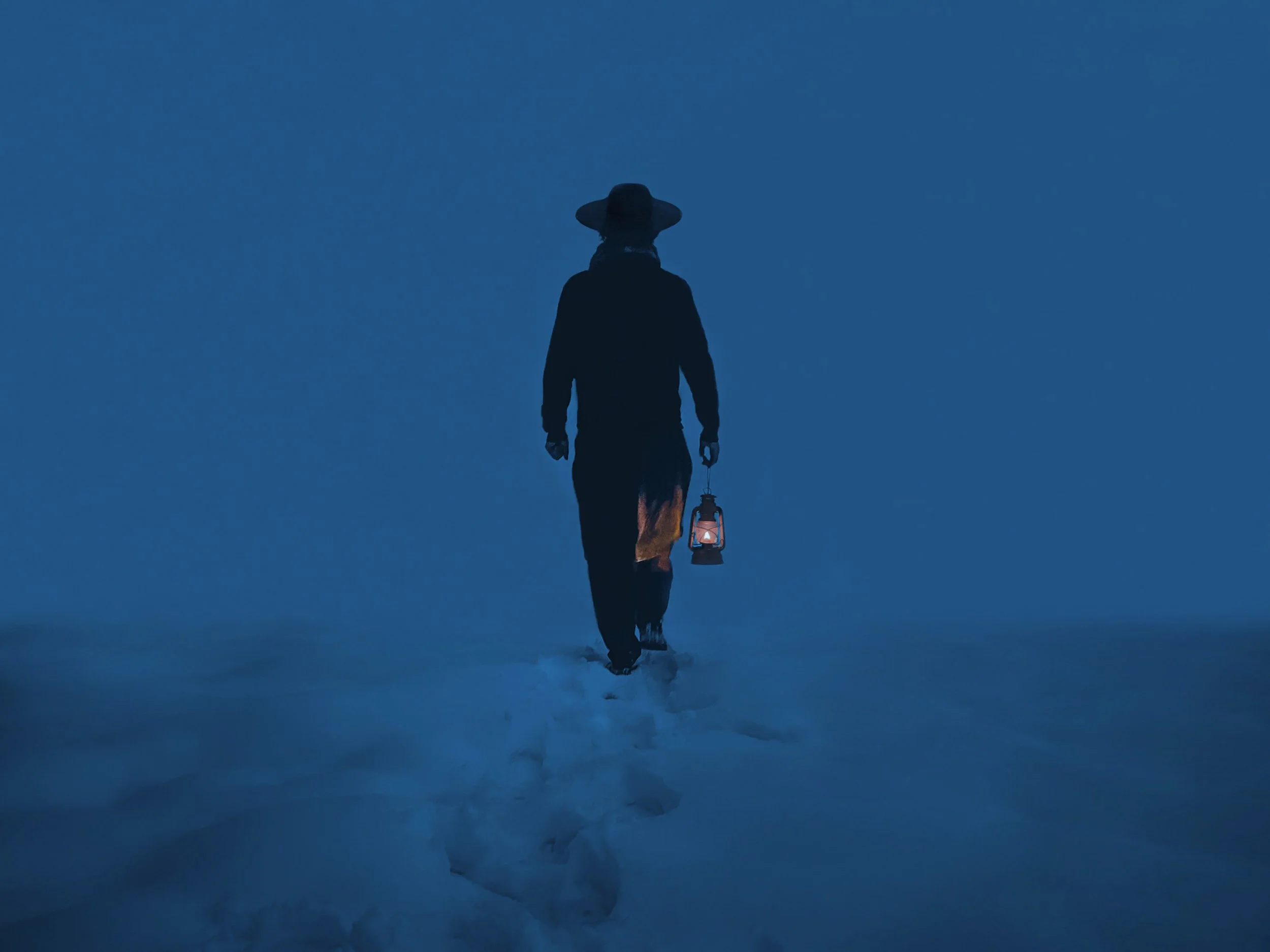
The Night Walker, archival print, 2024, USD 370, Raees Mustafa, Fata, Pakistan

Barton, archival print, 25.5 x 18 in, 2025, USD 400, William Conley, Jackson, Ohio

Purple Haze, archival print, 16 x 20 in, 2024, USD 800, Joseph Geyer, Scranton, Pennsylvania

Dead Flower No. 3, archival print, 30 x 20 in, 2024, USD 600, Palline Plum, Richmond, Indiana

Finding My Center, archival print, 30 x 24 in, USD 635, Teri Miller, Littleton, Colorado

COMPOSTition No. 01, archival print, 2024, USD 700, Qiana Rickabaugh Rich, Portland, Oregon

Paloma Hyacinth, archival print, 31 x 45 cm, Sonja Schaeffeler, Zurich, Switzerland
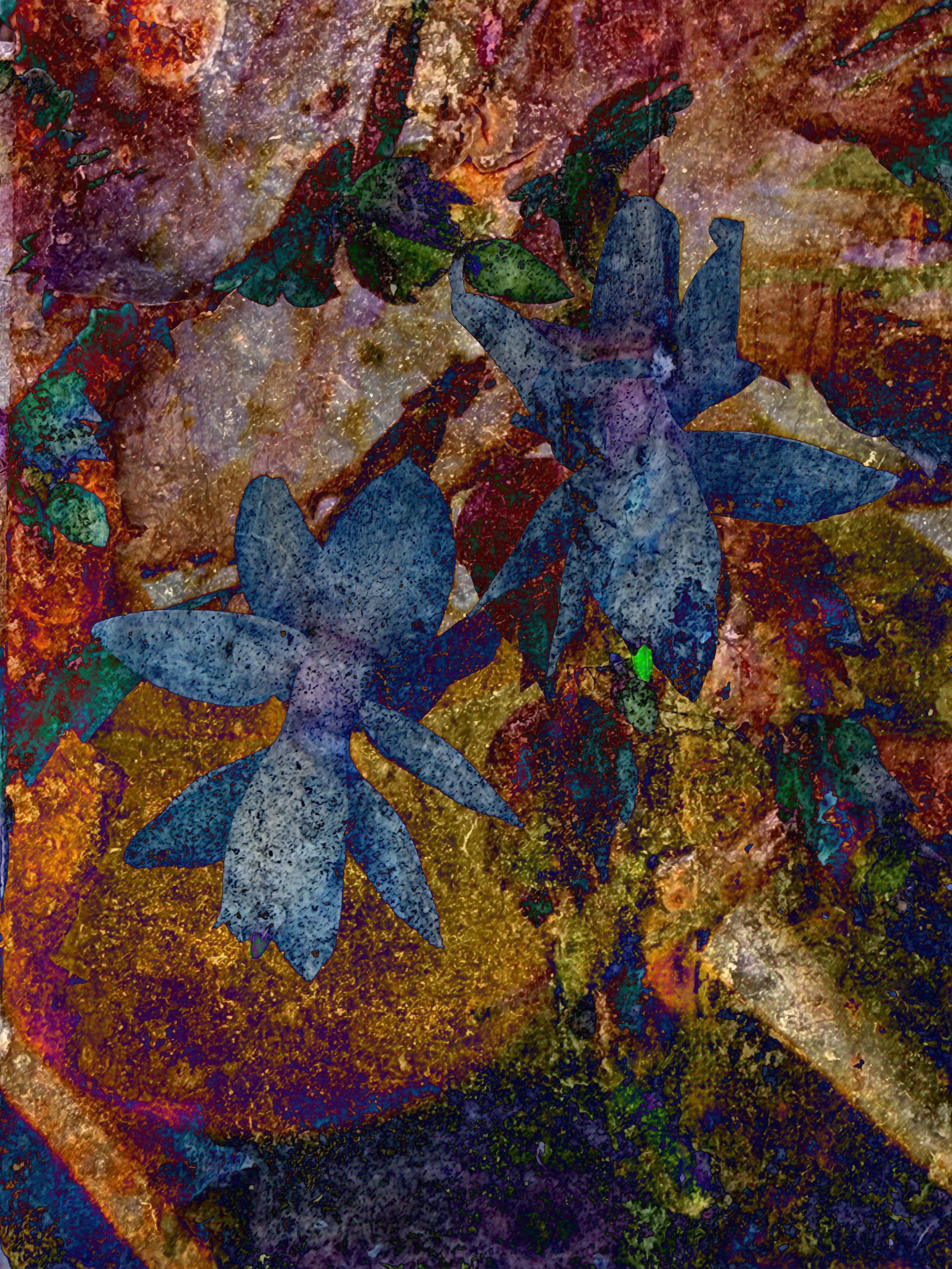
These Cacti Exhibit Photoperiodism, archival print, 20 x 16 in, 2024, USD 100, Brian Hallas, Shrewsbury Township, New Jersey

Still Life in Color, archival print, 19 x 13 in, 2025, USD 350, Lissy Walker, Berkeley, California

Red Flower, archival print, 2024, NFS, Alicea Martin, Middletown, Ohio

Oaxaca Impressions, archival print, 12 x 18 in, 2023, USD 350, Holly Hutton, Bend, Oregon

Yellow, archival print, 45 x 30 cm, 2025, USD 165, Mike Gorman, Edinburgh, United Kingdom
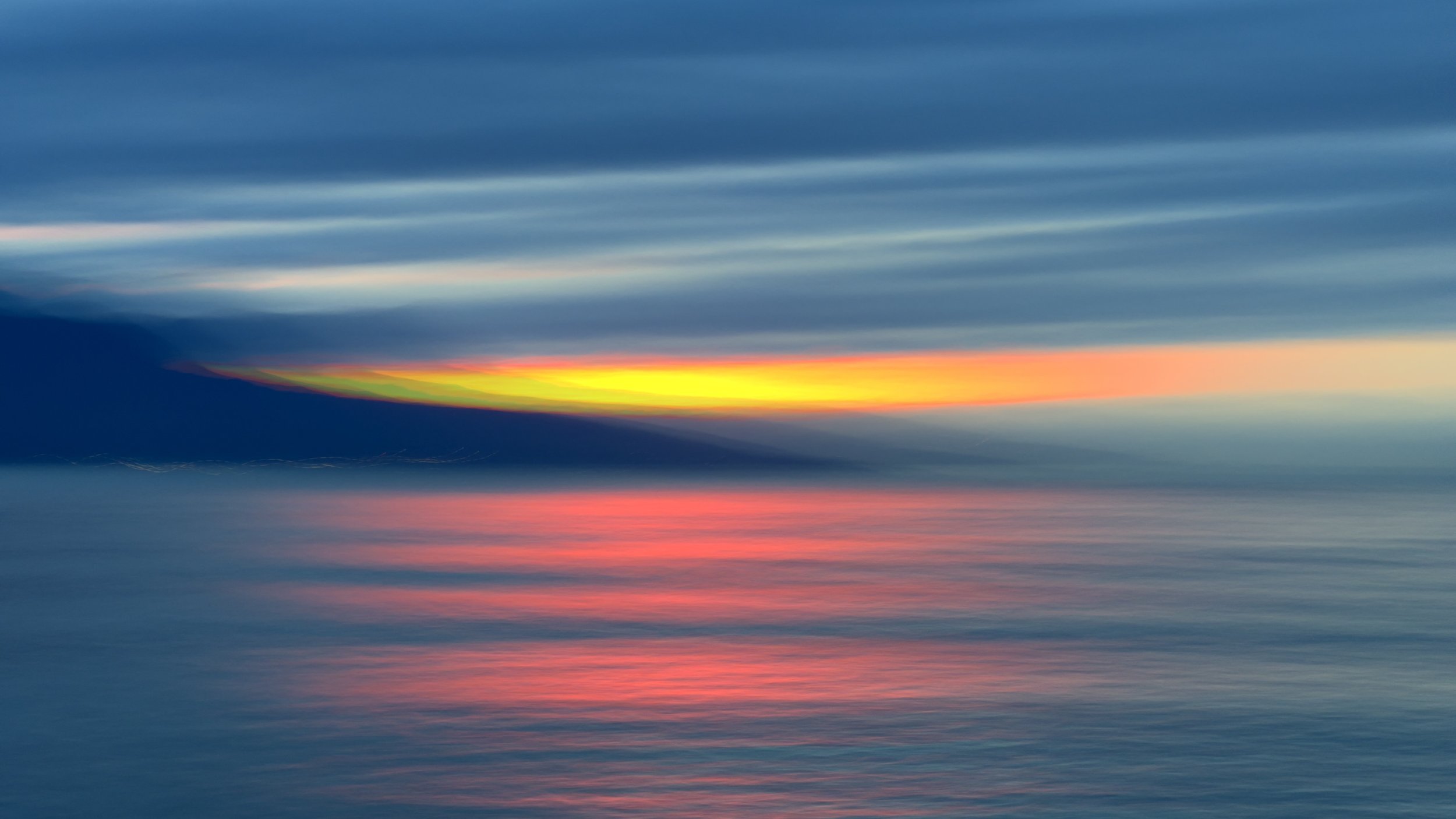
Reflection, archival print, 80 x 45 cm, 2025, USD 375, Brigitte B. Burckhardt, Vevey, Switzerland

Briny Margin No. 07, archival print, 23.5 x 15.5 in, 2024, John Woodruff, Seattle, Washington
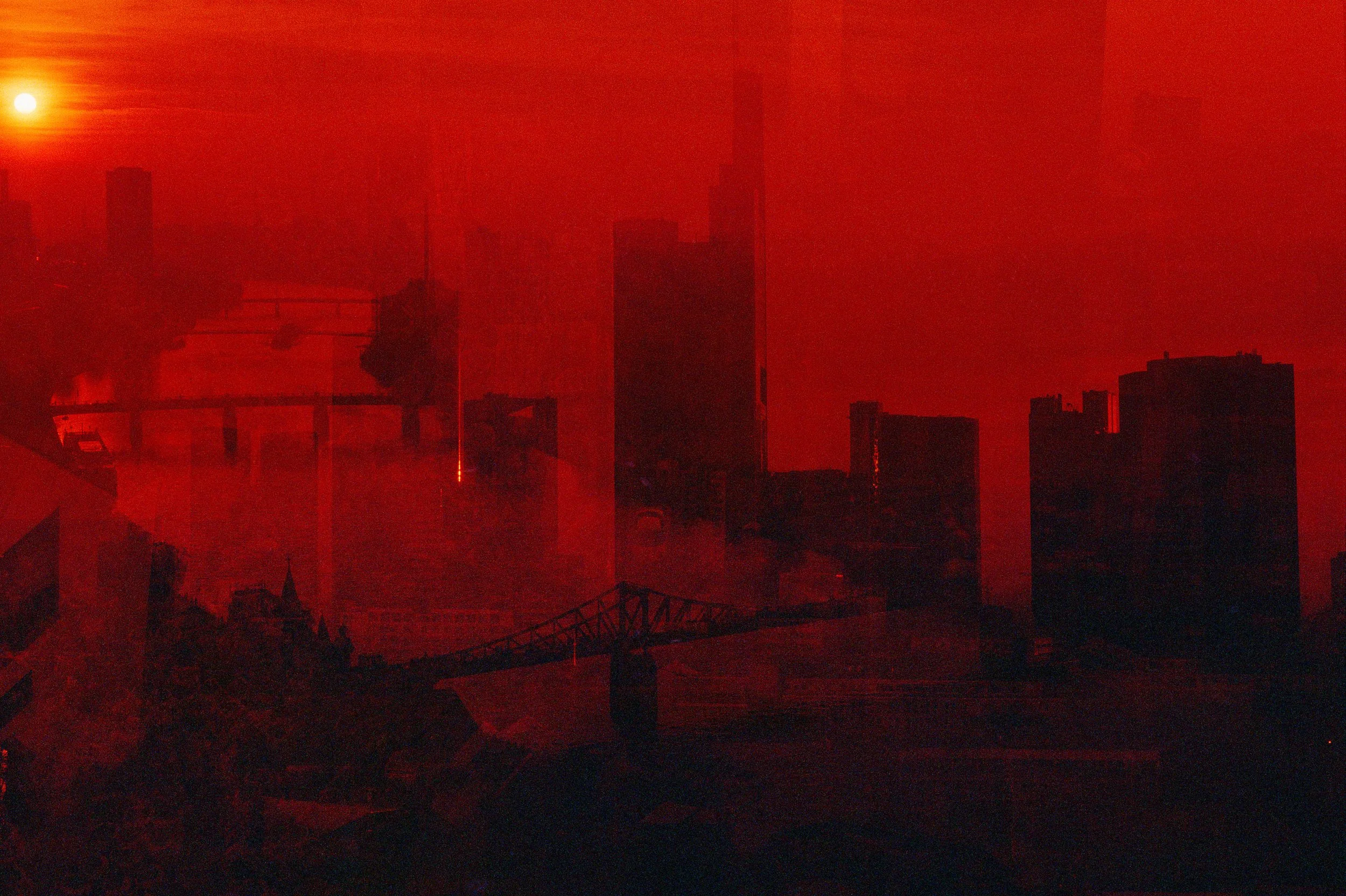
Novacene Sunrise, archival print, 2025, USD 500, Nichole Velasquez, San Diego, California

Mono Lake After Sunset, archival print, 17 x 22 in, 2014, USD 750, Jeff Schewe, Chicago, Illinois

Jigsaw Puzzle, archival print, 22 x 17 in, 1986, USD 1200, Jeff Schewe, Chicago, Illinois

Lanterns, archival print, 14 x 11 in, 2012, USD 350, Jessica Schulman, New York, New York

Take Your Meds, archival print, 24 x 24 in, 2023, NFS, Andrea Morales, Miami, Florida

Solitude, archival print, 2024, NFS, Maceo Foster, Dobbs Ferry, New York

Waterfall, archival print, 36 in x 48 in, 2021, USD 1000, Mark Satin, New York, New York

Barely Blue, archival print, 30 x 20 in, 2022, USD 250, Stefanie Blue, San Diego, California

Become Light, 40 x 60 in, 2025, USD 777, Seth Thompson, Savannah, Georgia

Weightless Surrender, 40 x 60 in, 2025, USD 777, Seth Thompson, Savannah, Georgia
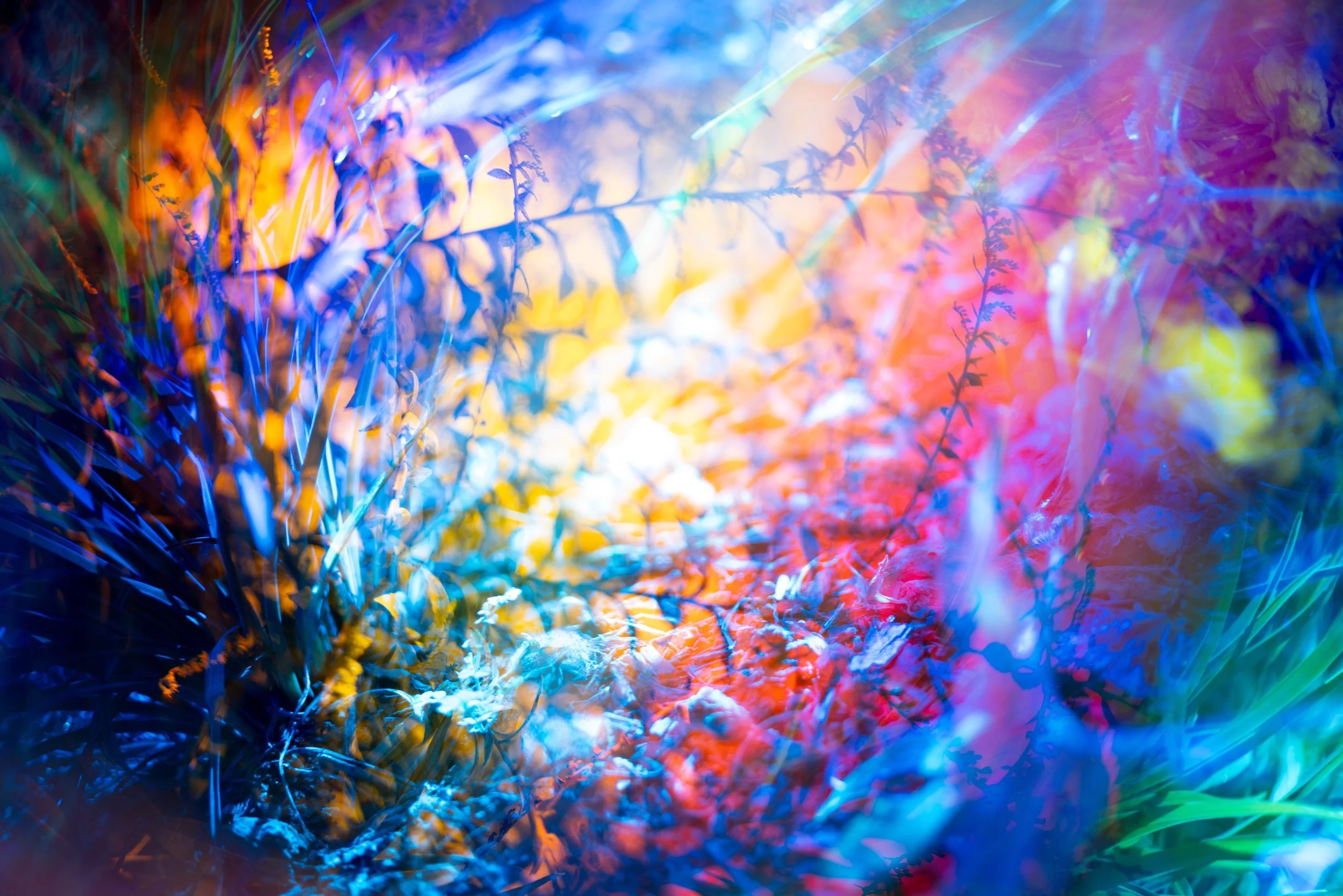
Maelstrom in a Rainbow, archival print, 18 x 27 in, 2024, Brandon Woods, Knoxville, Tennessee

Prismatic Camellia, archival print, 18 x 27 in, 2024, Brandon Woods, Knoxville, Tennessee

Untitled No. 10, archival print, 24 x 20 in, Bing Lu, New York, New York

The Trace of the Sun, vandyck print, 2025, £800, Dora Yan, Xi'an, China

The Bird, archival print, 60 x 40 cm, 2025, 250€, Holm Klöckling, Schwarzenbek, Germany

Monterey, archival print, 17 x 11.35 in, 2025, USD 500, Meryl Epstein, Phoenix, Arizona
Sales and Artist Inquiries
Are you interested in making a purchase or connecting with one of the featured artists? Send us a message through our contact form, and we'll get back to you shortly.