

Vices (2023)
November 1–December 1, 2023
Content advisory: nudity and irreverent religious imagery.
Vices examines behaviors and ideas associated with immorality, temptation, appetite, and taboo. These works approach vice through cultural, historical, religious, and ethical lenses, opening questions about personal belief, changing social norms, and the boundaries between desire and transgression.
Featured Artists
Adam Strange, Amelia McLeod, Andreas Theologitis, Andrew Burke, Barbara Diaz Tapia, Chris Sellers, Dmytro Geshengorin, Don Bergland, Gareth Seigel, Ivan Horvat, Jennifer Holstrom, John H. Diephouse, John Manion, Jolie Nunez, Lauren Silberman, Mark Battista, Mark Sawrie, Mattie Sterling, Paulo de Tarso Souza, Ron Jesiolowski, Stacy Duncan, Stefan Hessman, Takako Konishi, Timothy Eckler, Todd Johnson, Vincent Gorlami
A Medieval Filing System Still in Use
The list of deadly sins was assembled for pastoral purposes in late antiquity, revised by Gregory the Great, and given its most durable literary architecture by Dante. It was a management tool for confession, and it has outlived the institution that needed it by several centuries. Exhibitions on vice still reach for it because it is the only widely shared taxonomy of bad behaviour available, and because it is unusually well suited to pictures: each entry has a posture, a prop, and a facial expression already attached. This exhibition collected thirty works from thirty artists, credited between 1986 and 2023, and the media range from silver prints and archival prints to collage, oil, and acrylic on linen.
The Category Will Not Hold Still
What counts as a vice is renegotiated continuously, which makes work on this subject age faster than almost any other genre. Smoking moved from sophistication to public health emergency inside two generations. Gambling has been substantially normalised and rebranded. Drinking has cycled through several positions. A photograph of a vice is therefore also a photograph of a moment's moral consensus, and the pictures that survive tend to be the ones that noticed the consensus was temporary.
Observation Versus Verdict
The genre has an inherited problem, which is that photographing other people's transgressions has historically been a respectable cover for looking at them. Nineteenth and twentieth-century documentary campaigns produced enormous archives of the poor, the intoxicated, and the incarcerated, framed as reform and functioning as spectacle. The distinction between observation and verdict is not always visible in the picture itself, and it usually turns on whether the subject appears to have any authority in the exchange.
Malebolge as Designed Space
One work in this catalog takes Dante's eighth circle as its subject, which is a more interesting choice than it first appears. Malebolge is not a metaphor but a piece of architecture: ten concentric stone trenches with bridges, assigned by category of fraud. Dante's innovation was to make punishment a matter of zoning. Treating hell as a building rather than a state of mind gives a photographer or a painter something to actually construct, and it locates the horror in administration rather than in flames.
Pleasure Photographs Badly
Guilt has a visual language. Shame produces posture, aftermath produces still lifes of empty glasses and disordered rooms, and both are easy to read. Actual pleasure is much harder, because it either looks staged or looks like nothing much. This is why so much work on vice is really about consequence, and why the small number of pictures that manage to convey appetite without either condemning or advertising it stand out sharply in a catalog like this one.
Why the Theme Recurs
A brief about transgression tells you what the current boundaries are by showing what photographers think is worth testing. TCG Gallery is an independent online photography gallery, and each juried exhibition remains part of a permanent public archive after its run ends, so this catalog remains available as a record of where those boundaries sat. Photographers can enter the current photography open calls directly.
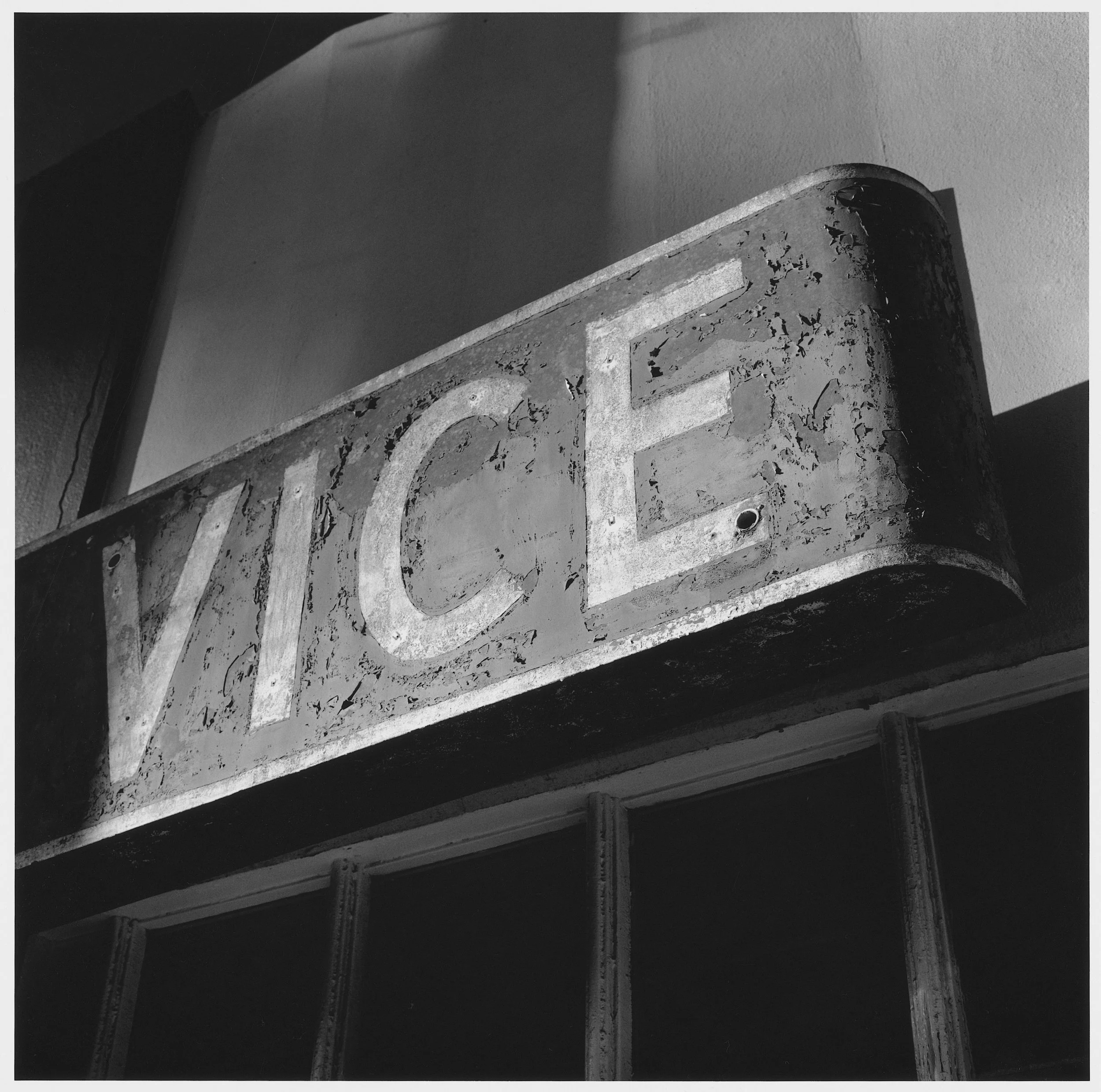
Vice, silver print, 15 x 15 in, 2006, USD 995, © Gareth Seigel, Pasadena, California
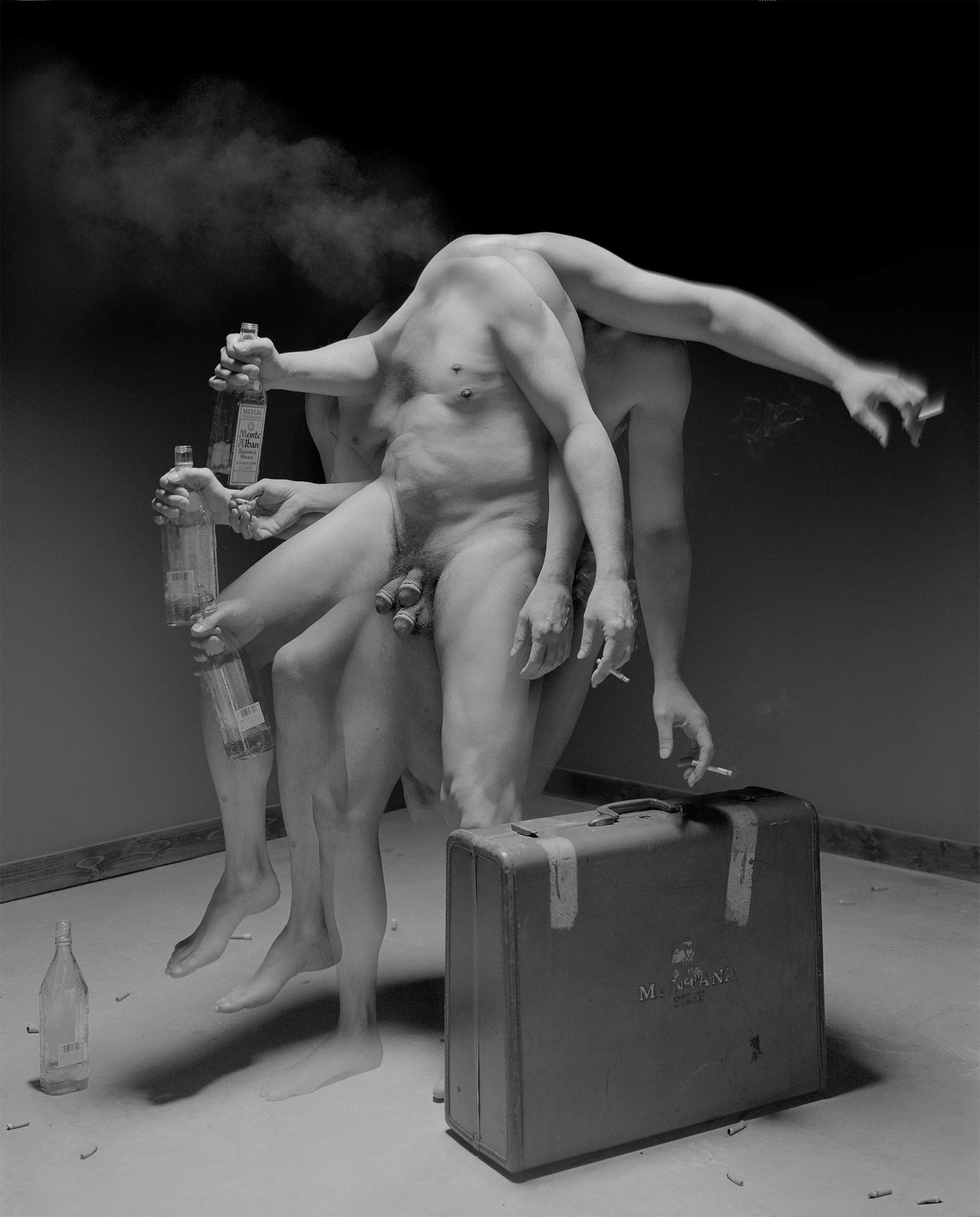
Journey, archival print, 15 x 12 in, 2004, USD 500, © Mark Sawrie, Muncie, Indiana
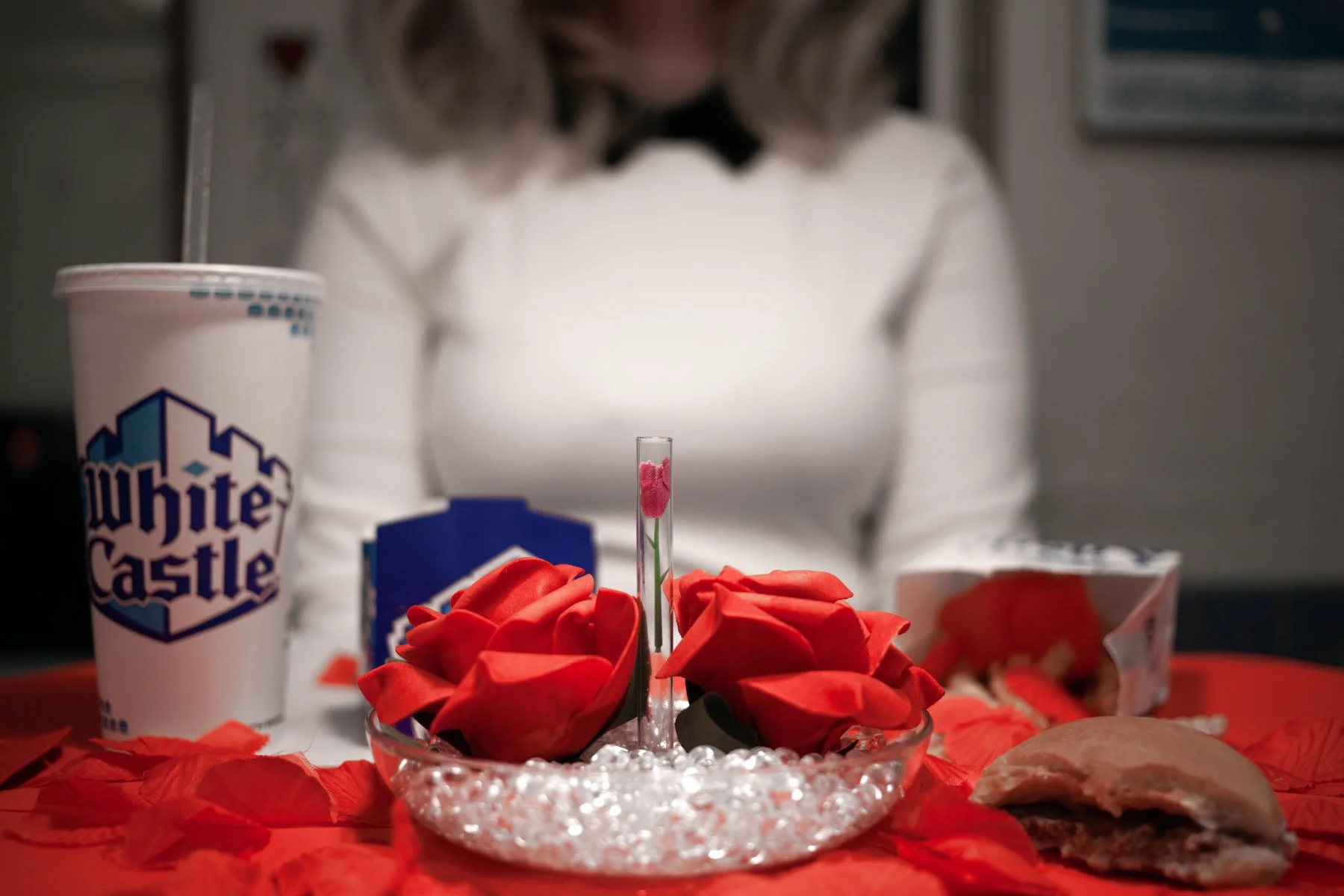
White Castle, archival print, 12 x 18 in, 2020, USD 300, © Vincent Gorlami, Louisville, Kentucky
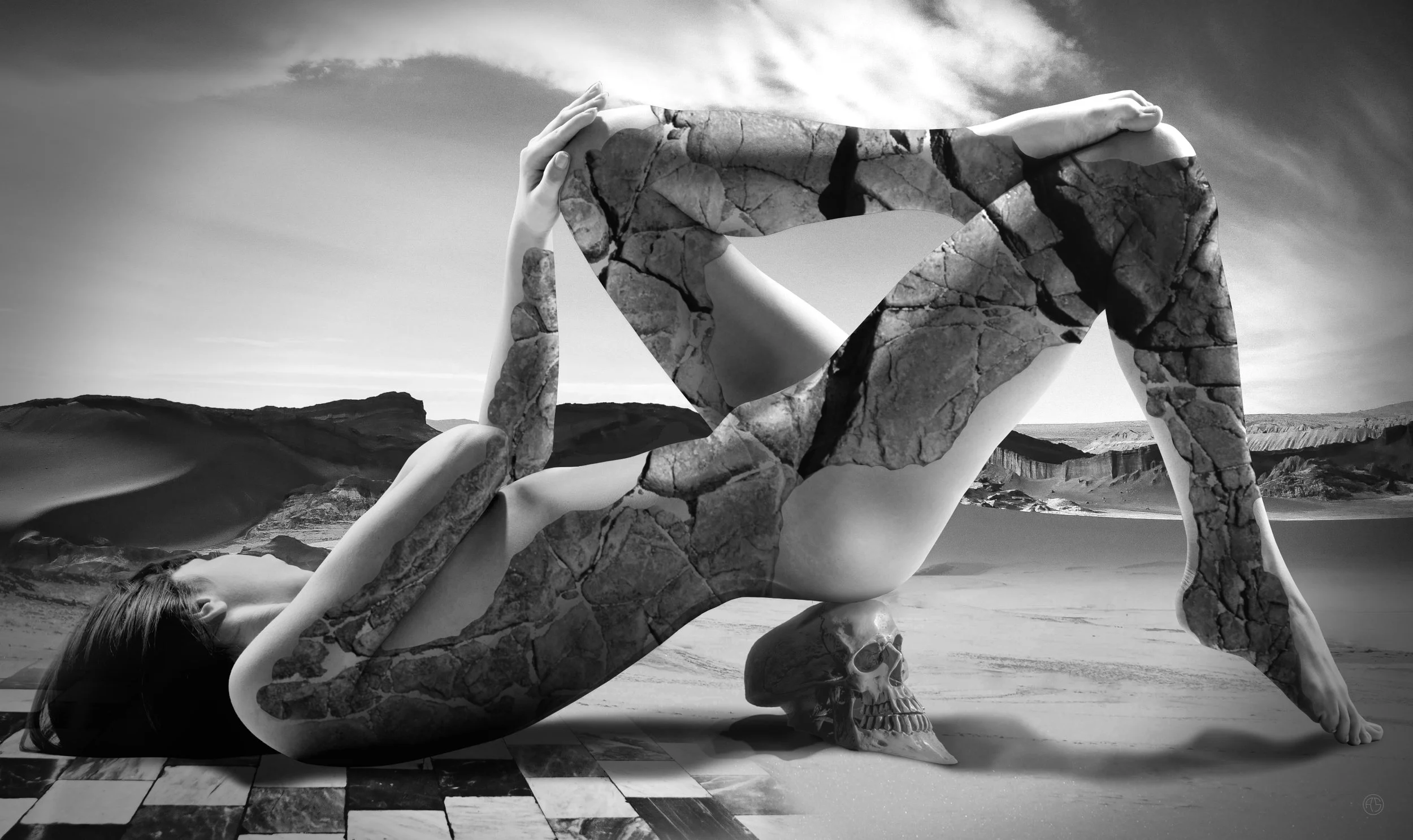
Cold to the Touch, archival print, 12 x 7 in, 2019, USD 500, © Adam Strange, London, Ontario, Canada
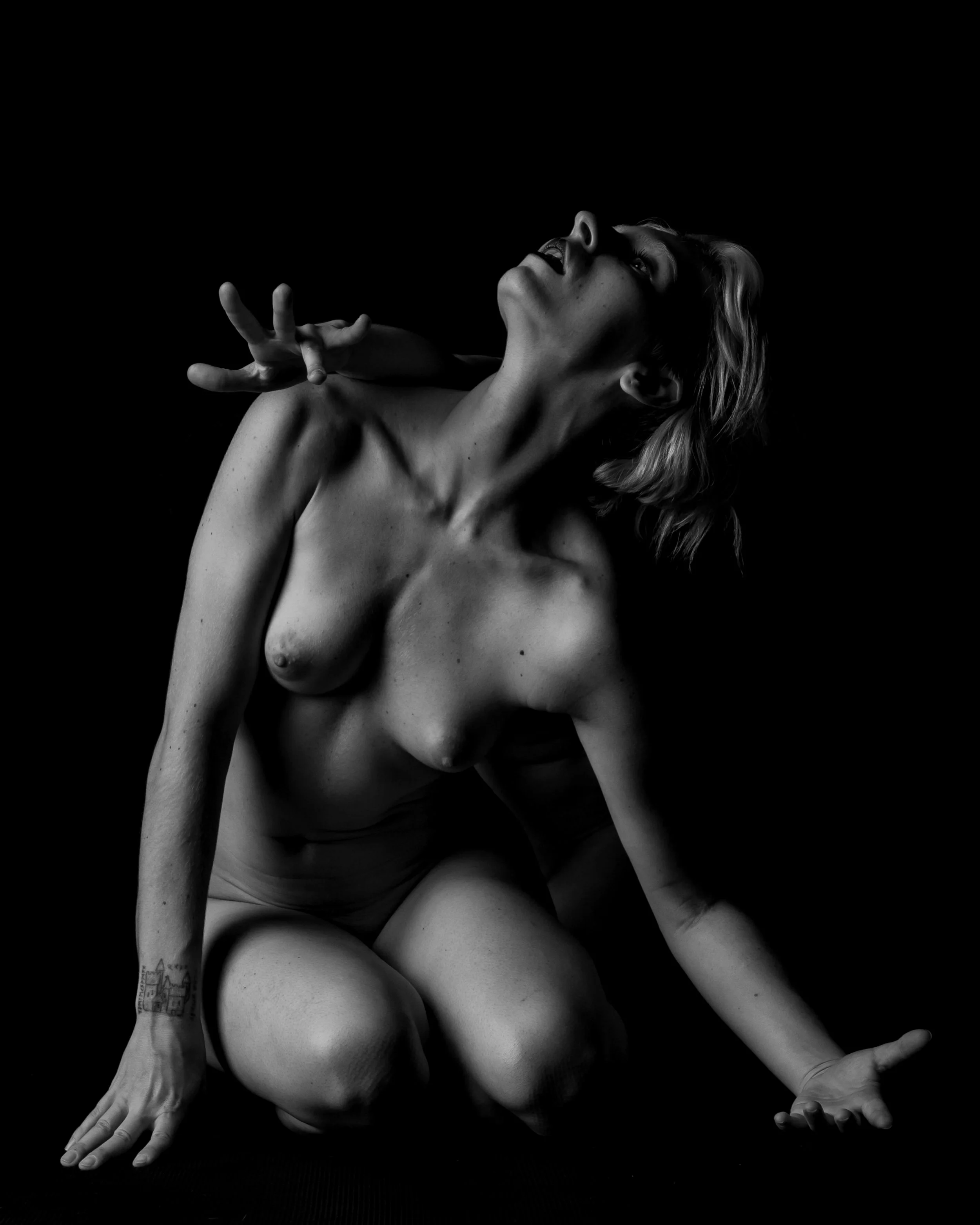
Surreal No. 3, archival print, 43 x 60 cm, 2022, USD 350, © Andreas Theologitis, Athens, Greece
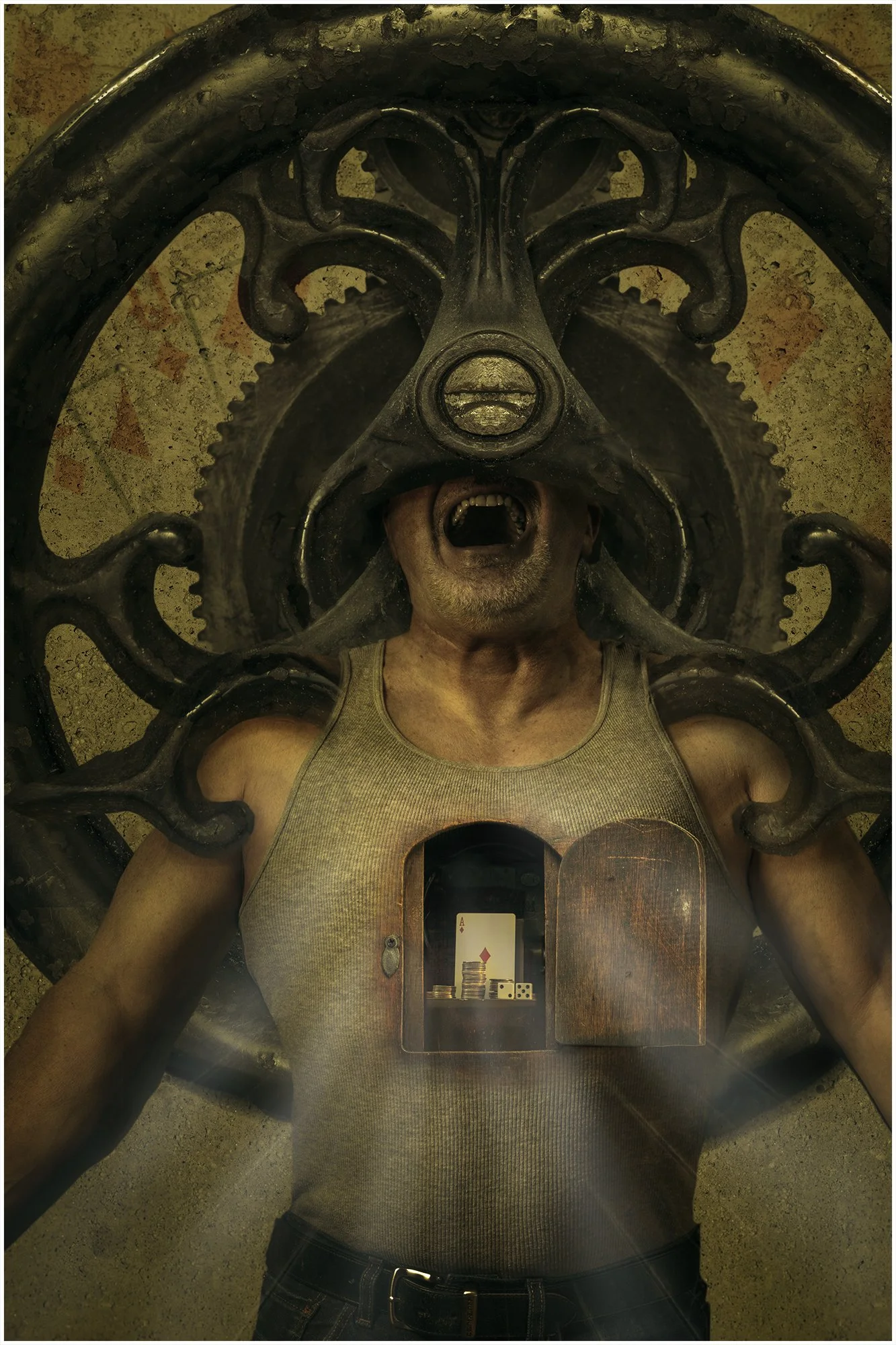
Greed, archival print, 12 x 18 in, 2021, USD 850, © Mark Battista, North Haven, Connecticut
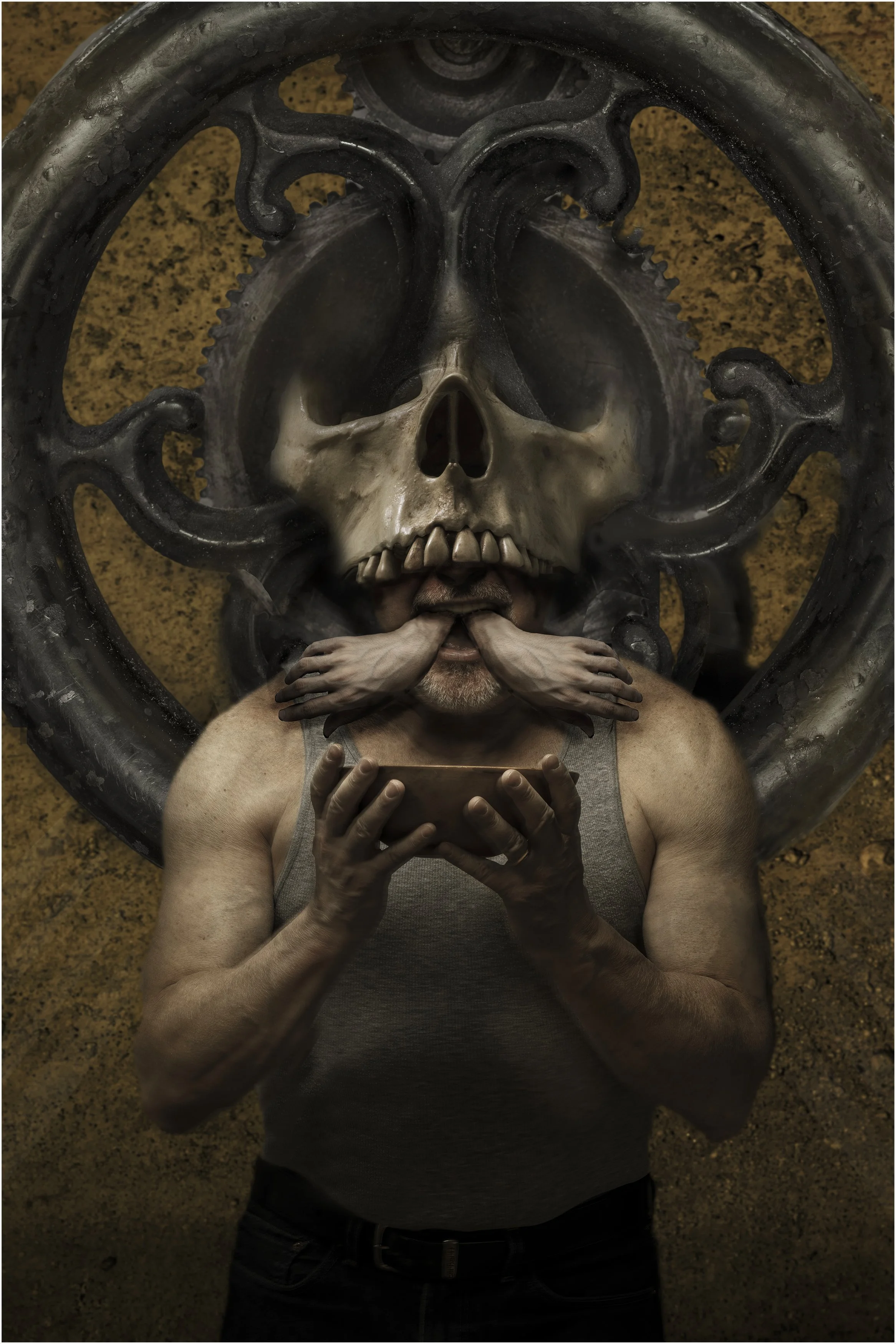
Gluttony, archival print, 12 x 18 in, 2021, USD 850, © Mark Battista, North Haven, Connecticut
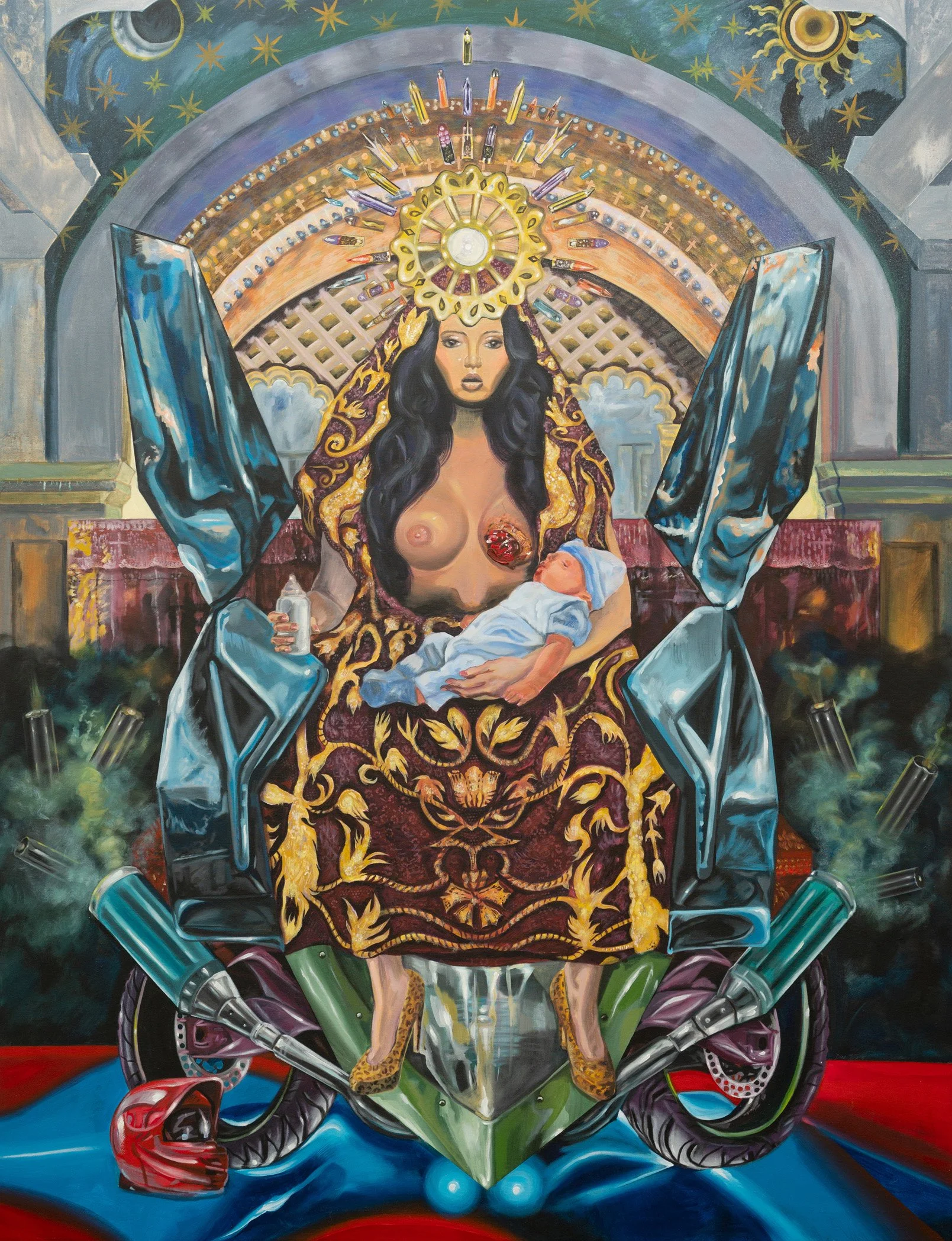
Our Lady of the Drug Lords, acrylic on linen, 78 x 60 in, 2015, USD 15000, © Barbara Diaz Tapia, San Juan, Puerto Rico
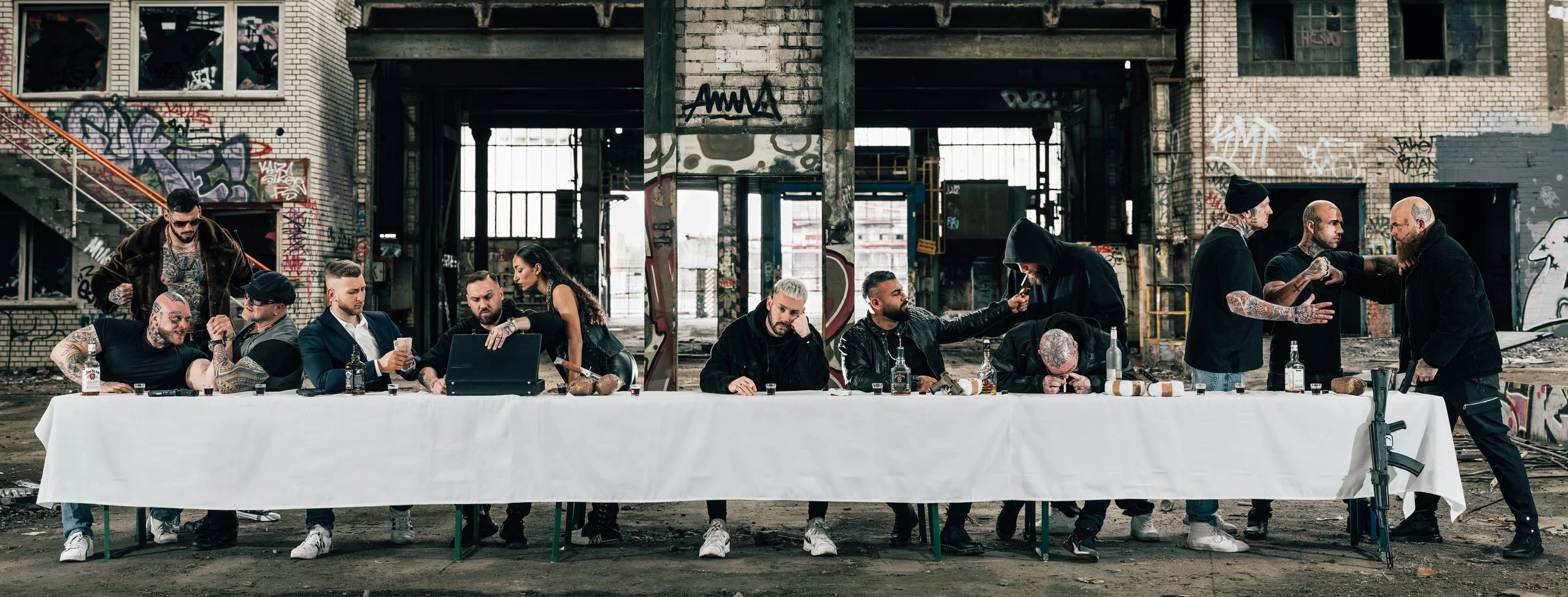
The Last Supper No. 1, archival print, 180 x 70 cm, 2023, USD 2000, © Dmytro Geshengorin, Dortmund, Germany
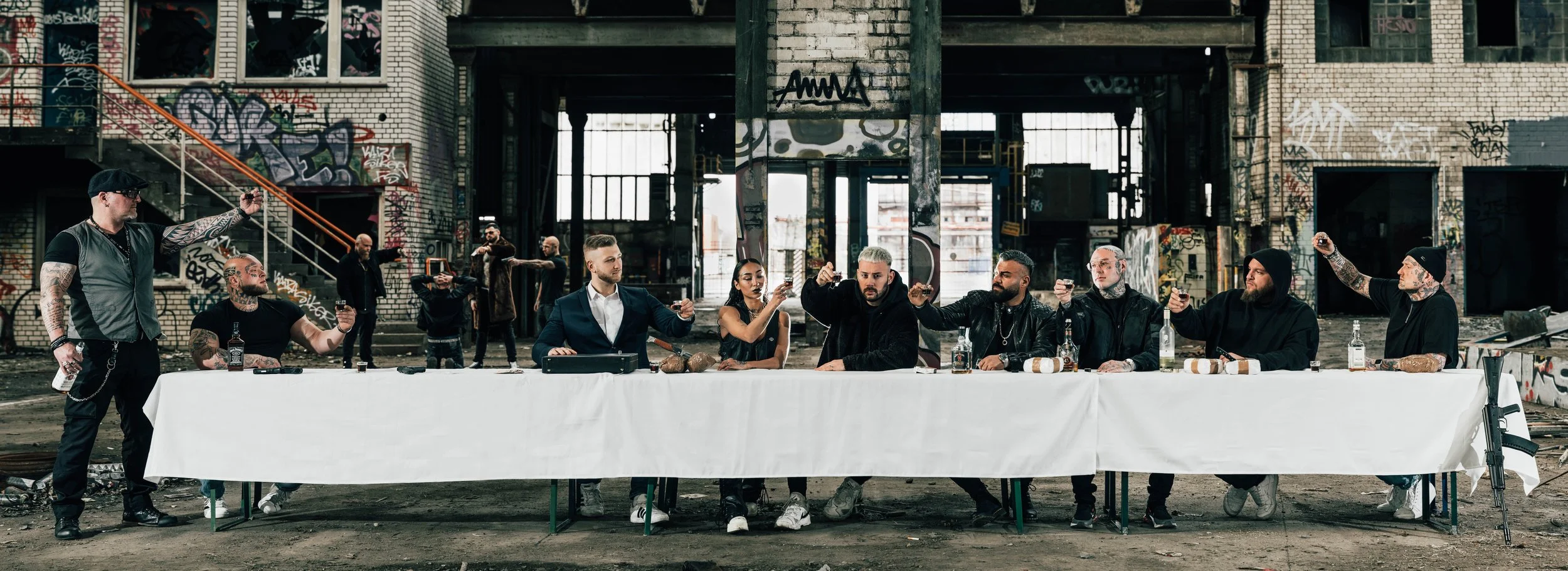
The Last Supper No. 2, archival print, 180 x 70 cm, 2023, USD 2000, © Dmytro Geshengorin, Dortmund, Germany
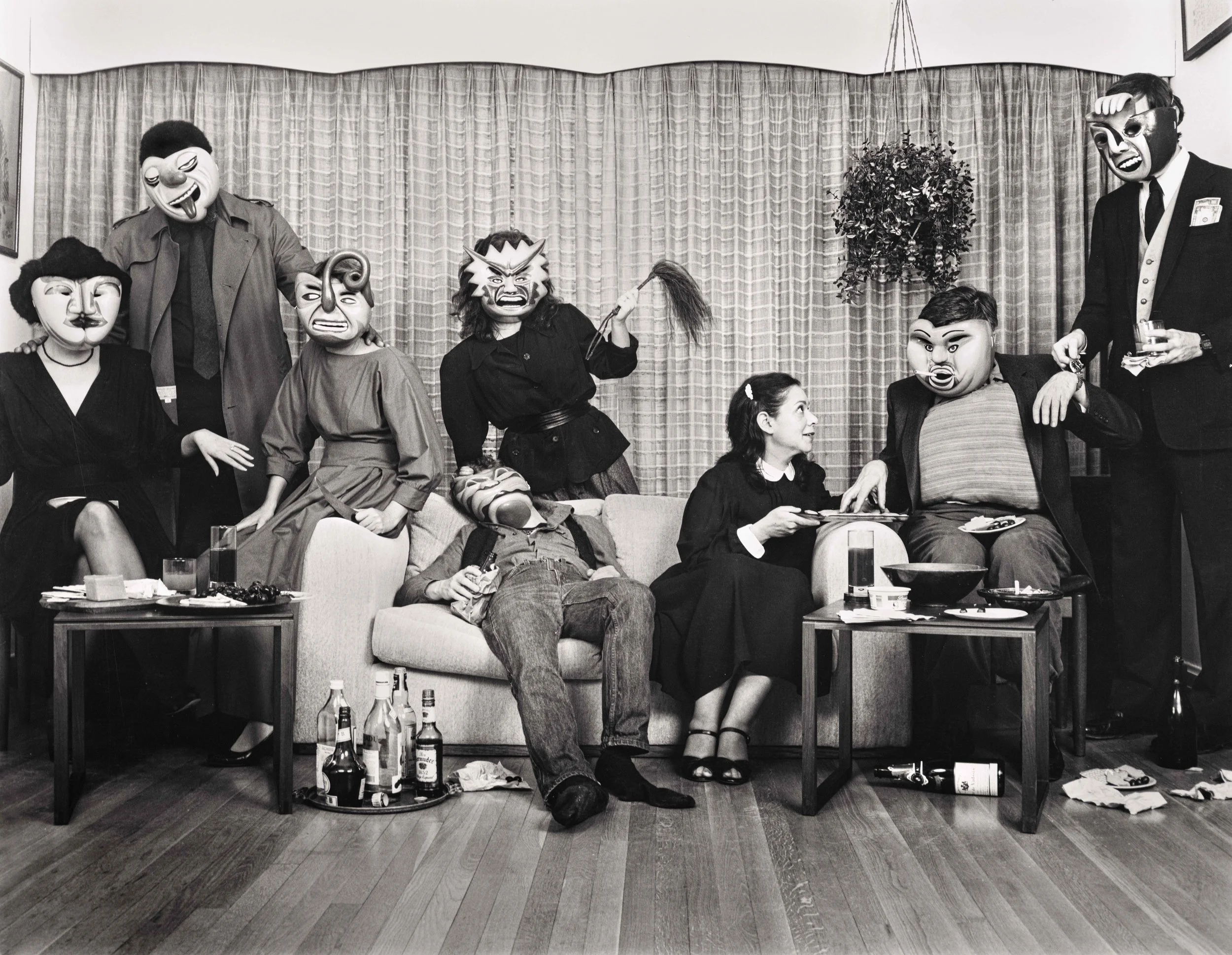
The Artist and Her Sins, silver print, 16 x 20 in, 1986, USD 395, © Stacy Duncan, Louisville, Kentucky
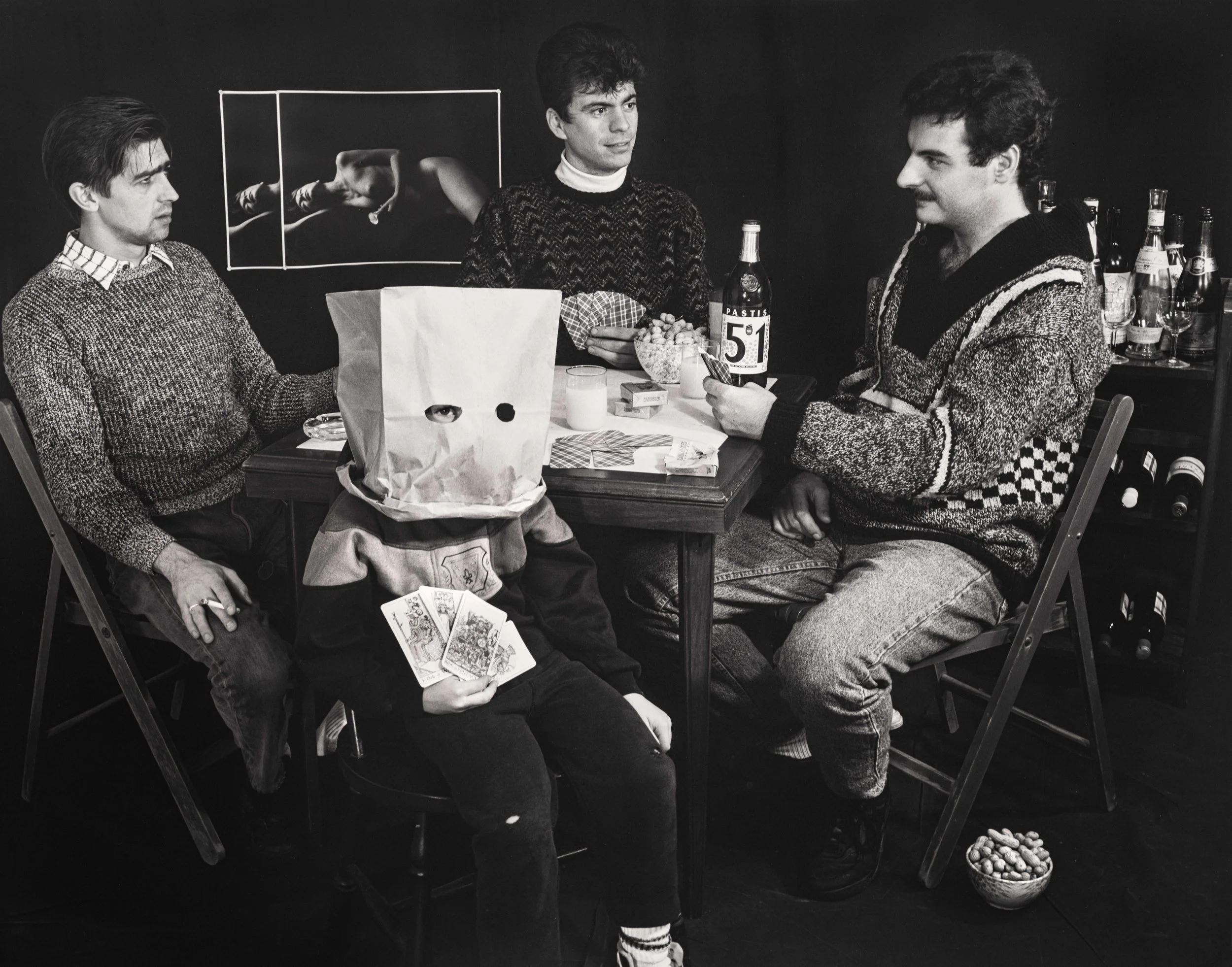
Tarot, silver print, 16 x 20 in, 1993, USD 395, © Stacy Duncan, Louisville, Kentucky
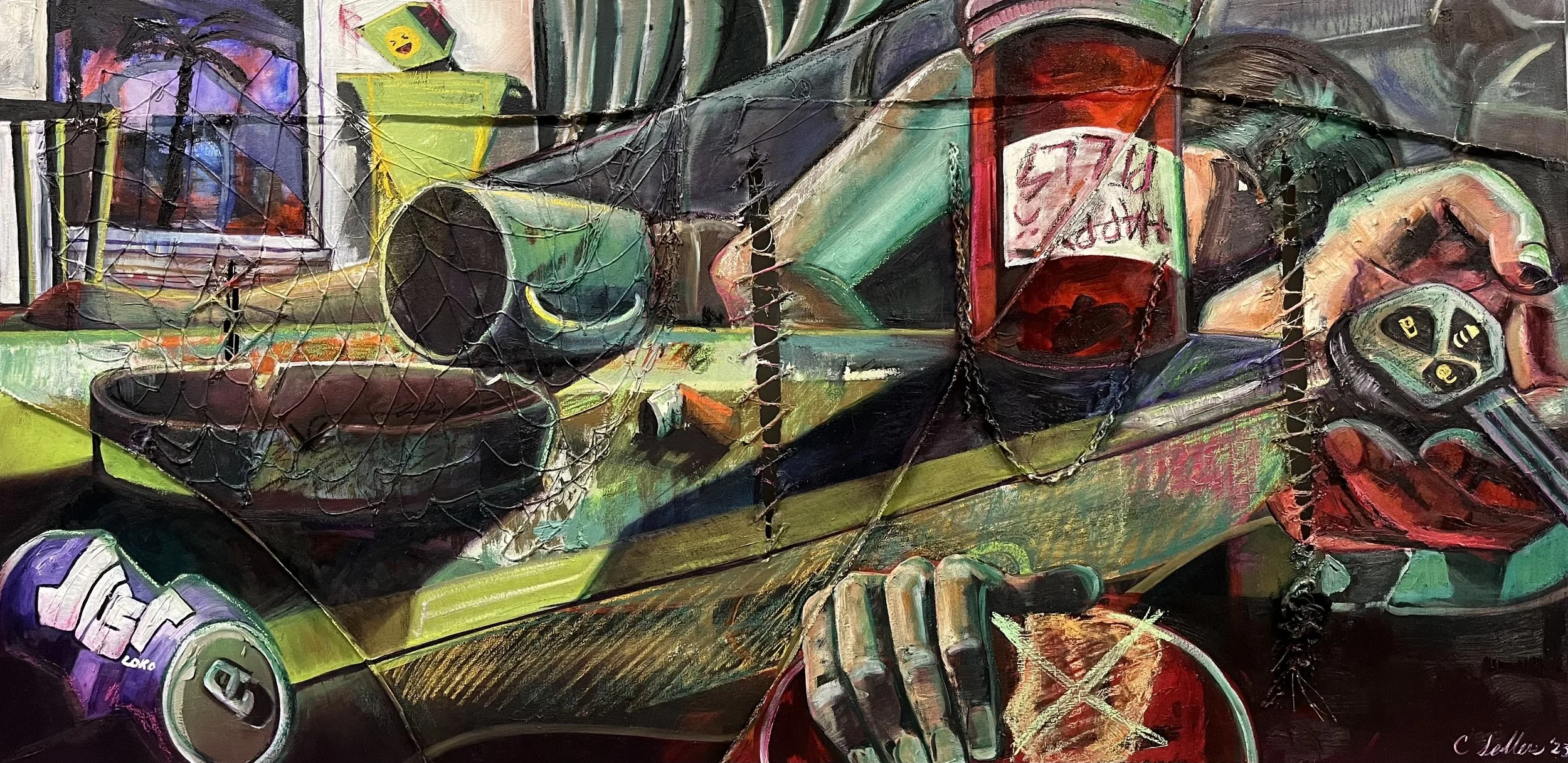
Pop a Xanax So I Can Sleep Easy, oil, pastel, twine, net, chain, and plastic on canvas, 36 x 72 in, 2023, USD 5200, © Chris Sellers, Tampa, Florida

Lady in Red, archival print, 18 x 12 in, 2022, USD 450, © John H. Diephouse, Lansing, Michigan
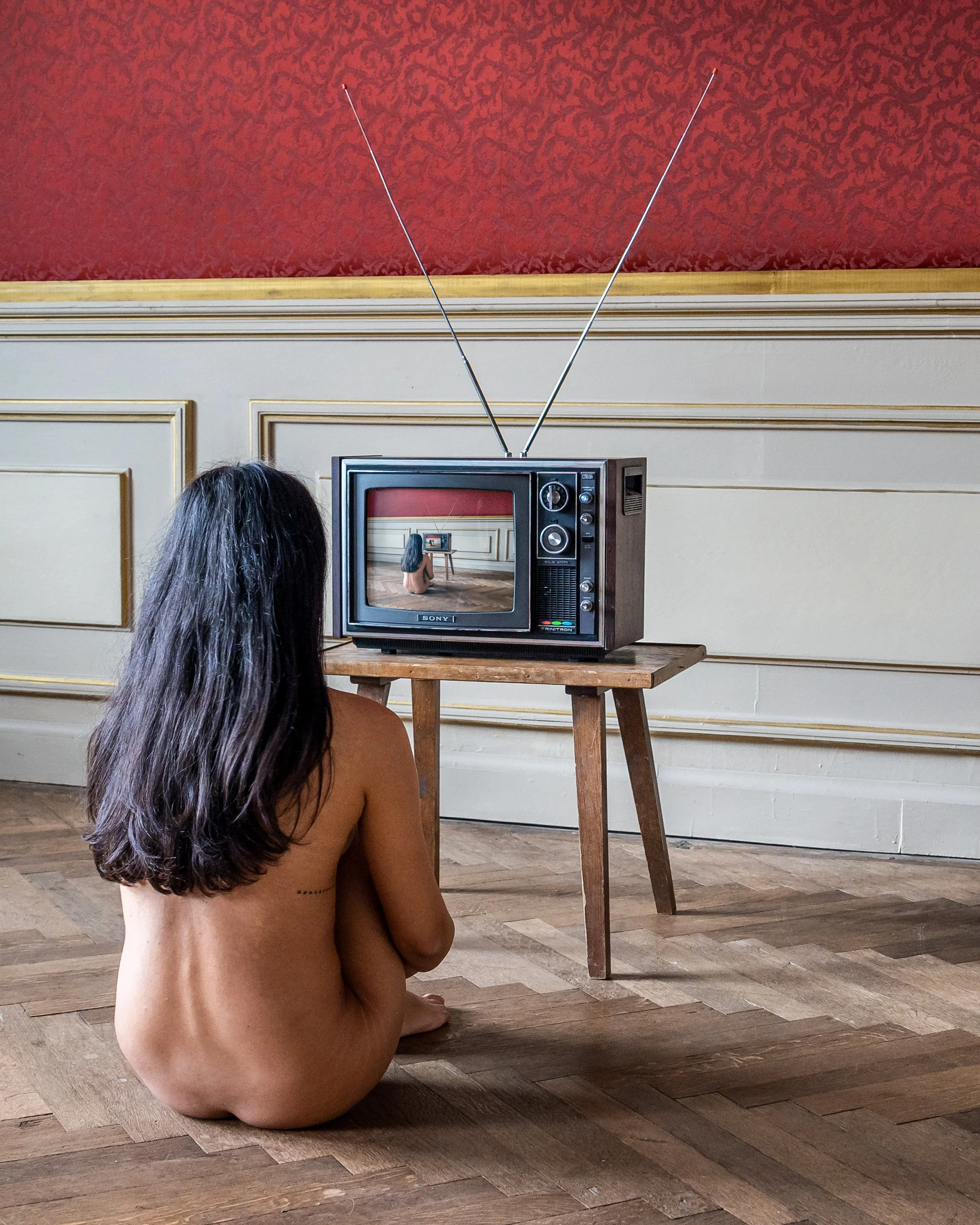
SuReality TV, archival print, 40 x 50 cm, 2022, USD 200, © Ivan Horvat, Heideck, Germany
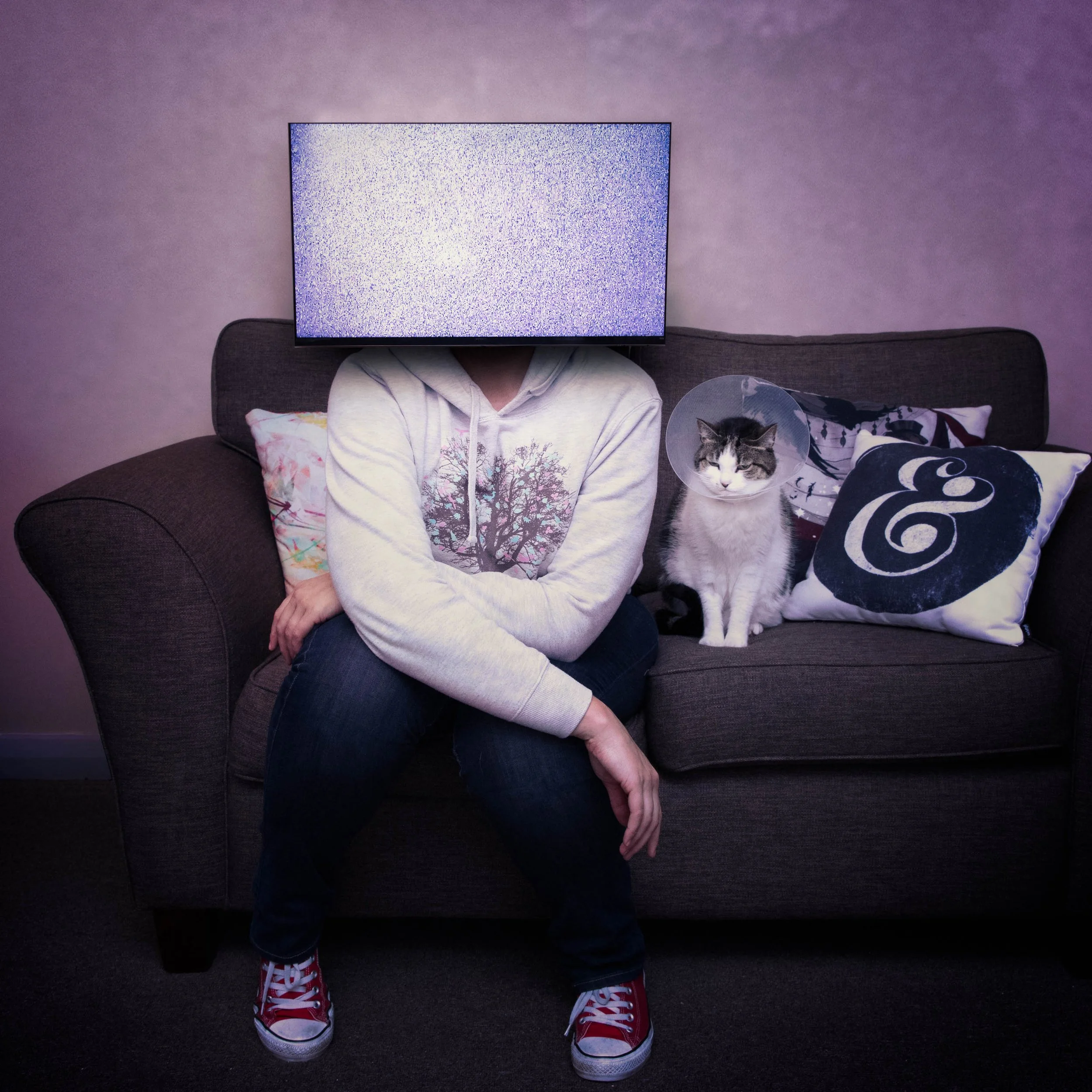
TV Head, archival print, 20 x 20 in, 2018, POR, © Amelia McLeod, Adelaide, Australia
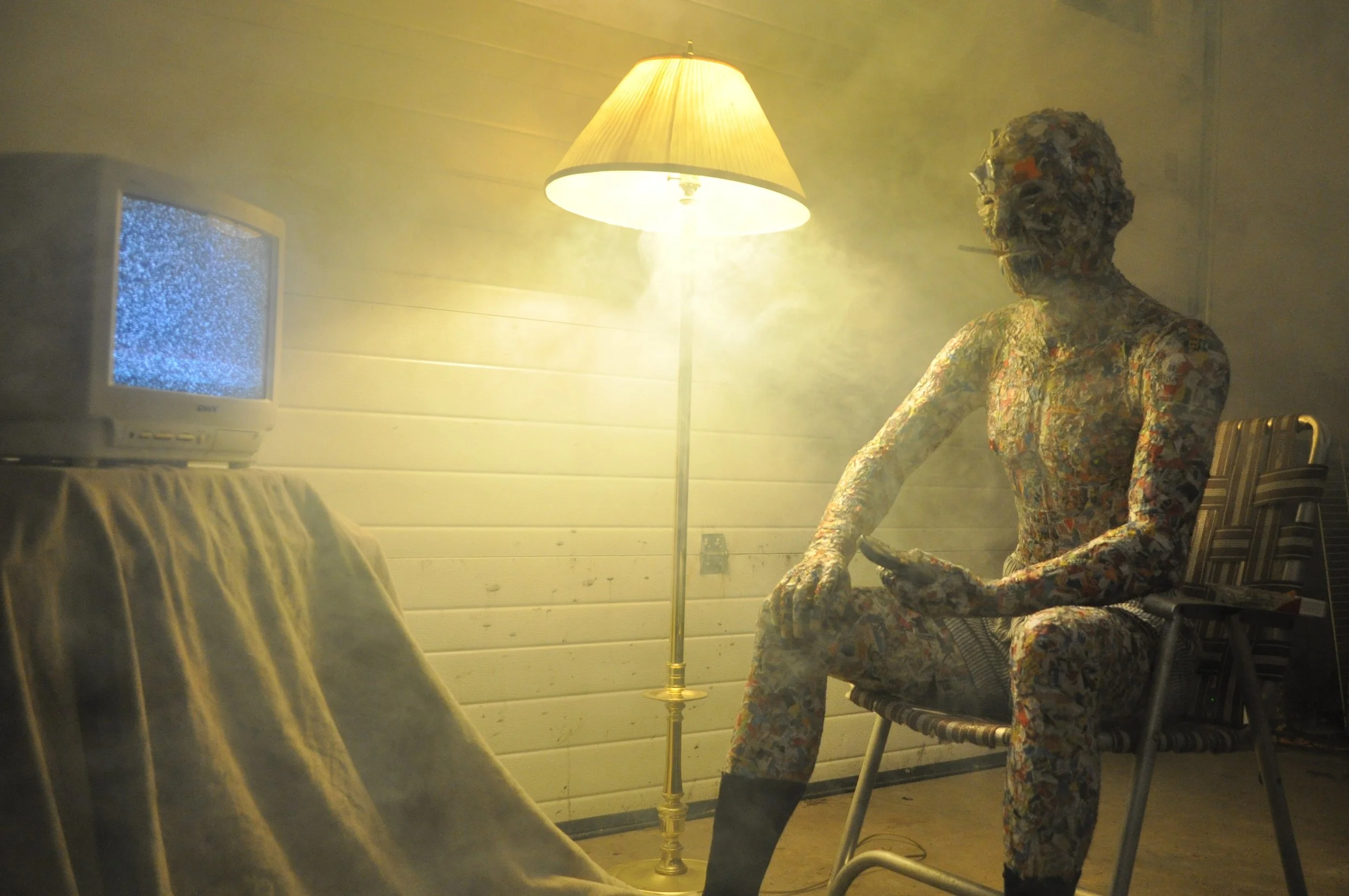
Wastrel, archival print, 12 x 18 in, 2021, NFS, © Andrew Burke, Boston, Massachusetts
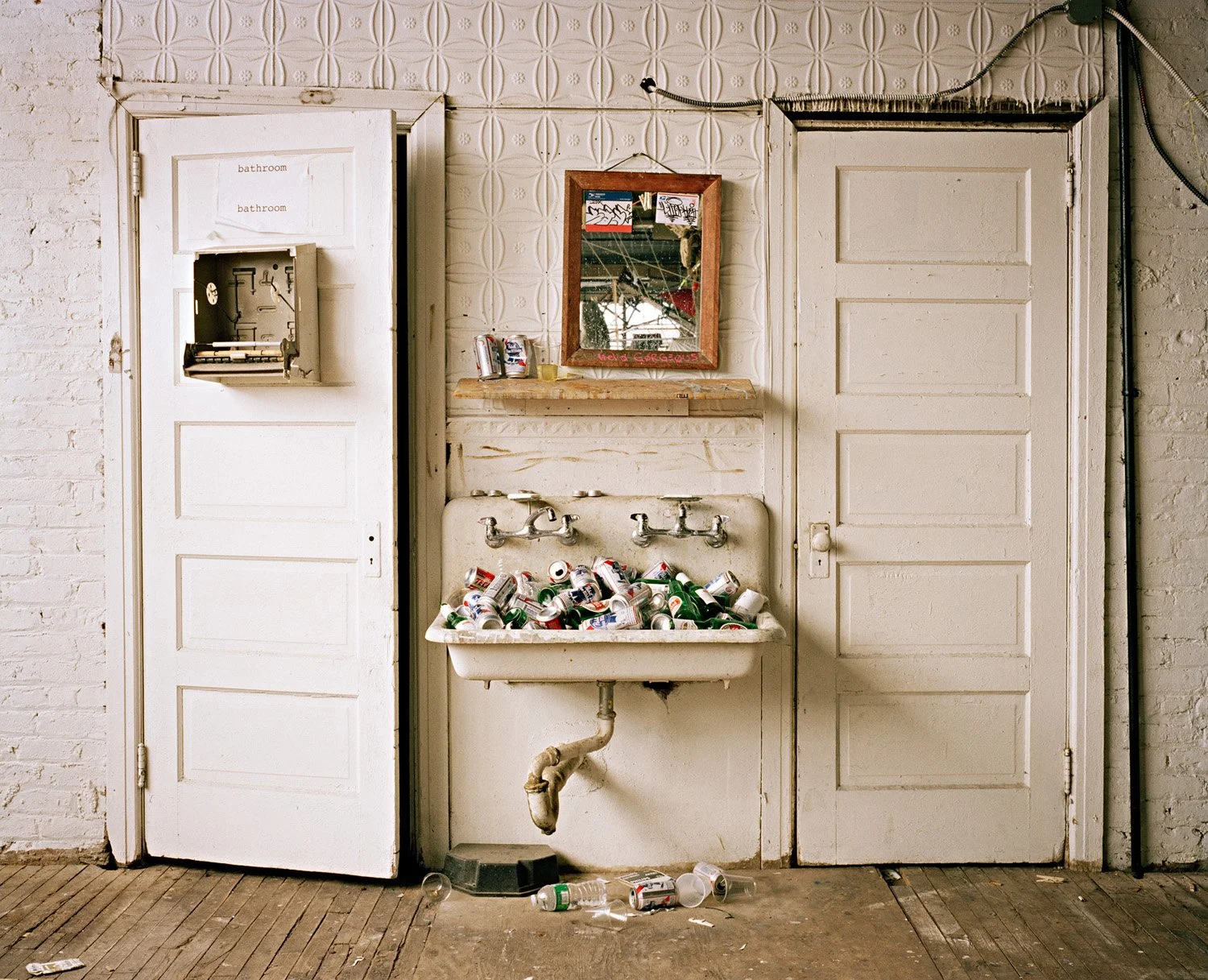
Hello Gorgeous, archival print, 24 x 30 in, 2010, USD 1200, © Lauren Silberman, New York City, New York
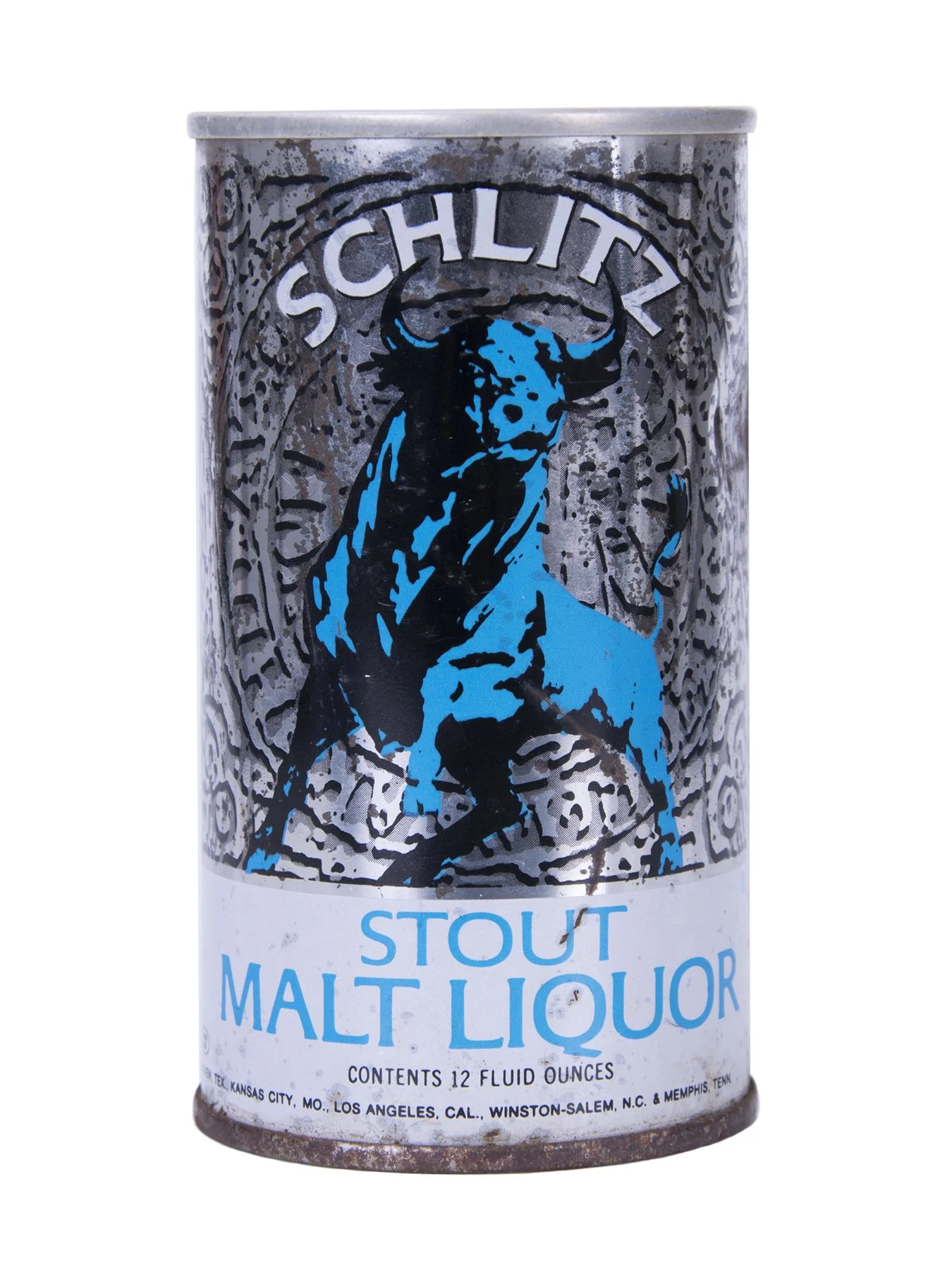
Schlitz, archival print, 22 x 30 in, 2013, USD 2500, © Todd Johnson, Portland, Oregon
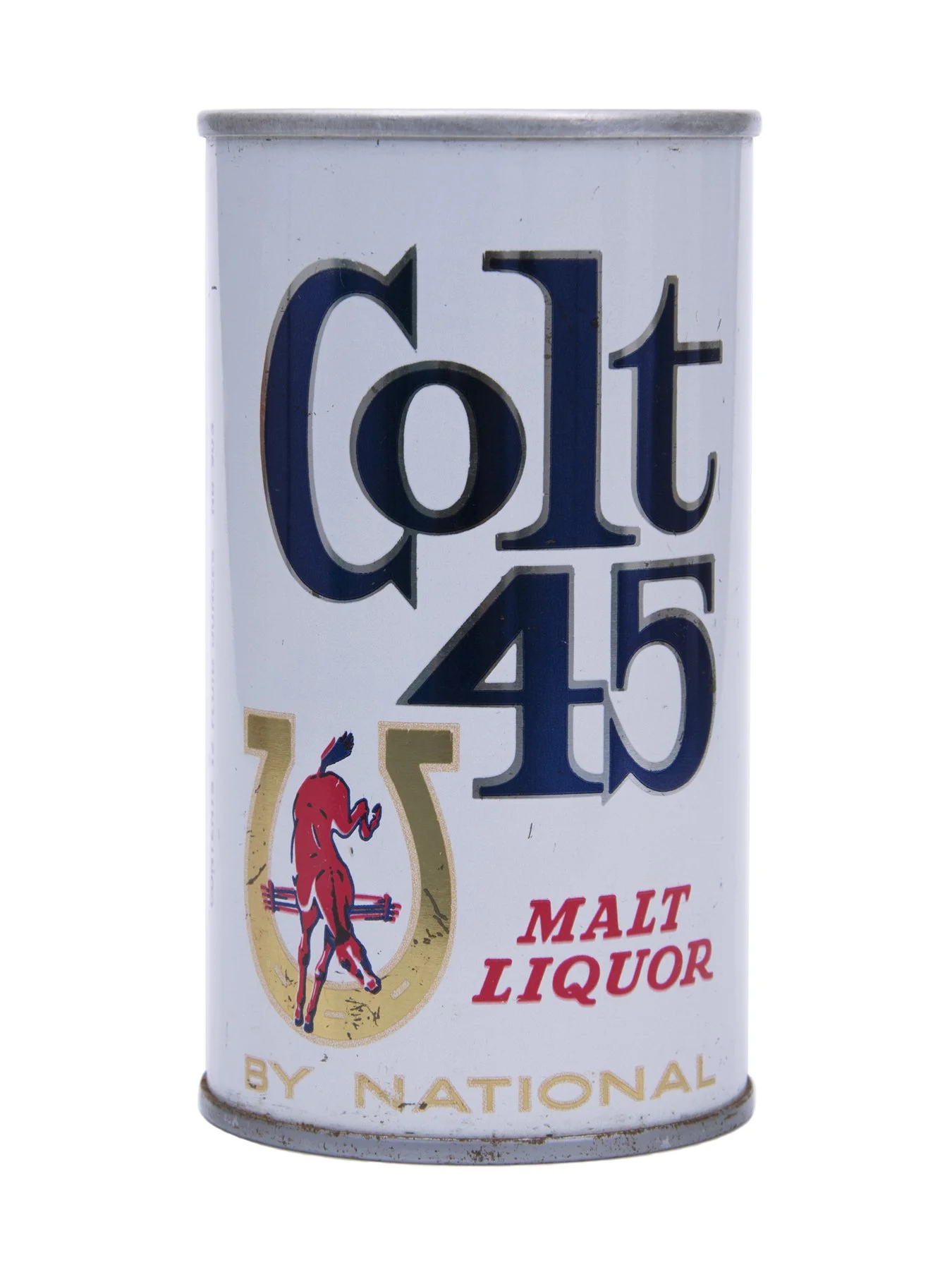
Colt, archival print, 22 x 30 in, 2013, USD 2500, © Todd Johnson, Portland, Oregon
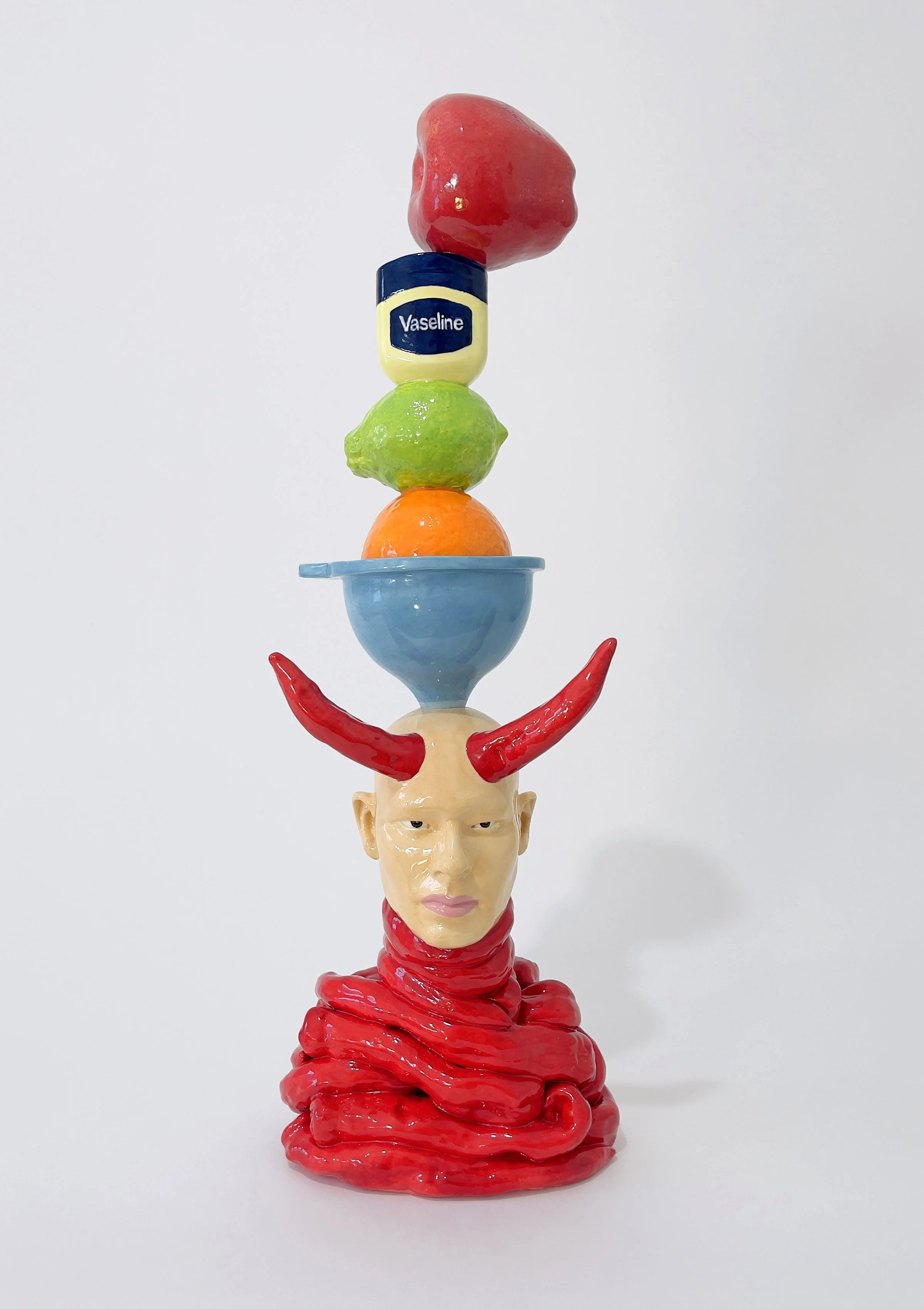
Yes Vaseline, ceramic, 21 x 7 x 4 in, 2023, NFS, © John Manion, Albany, New York
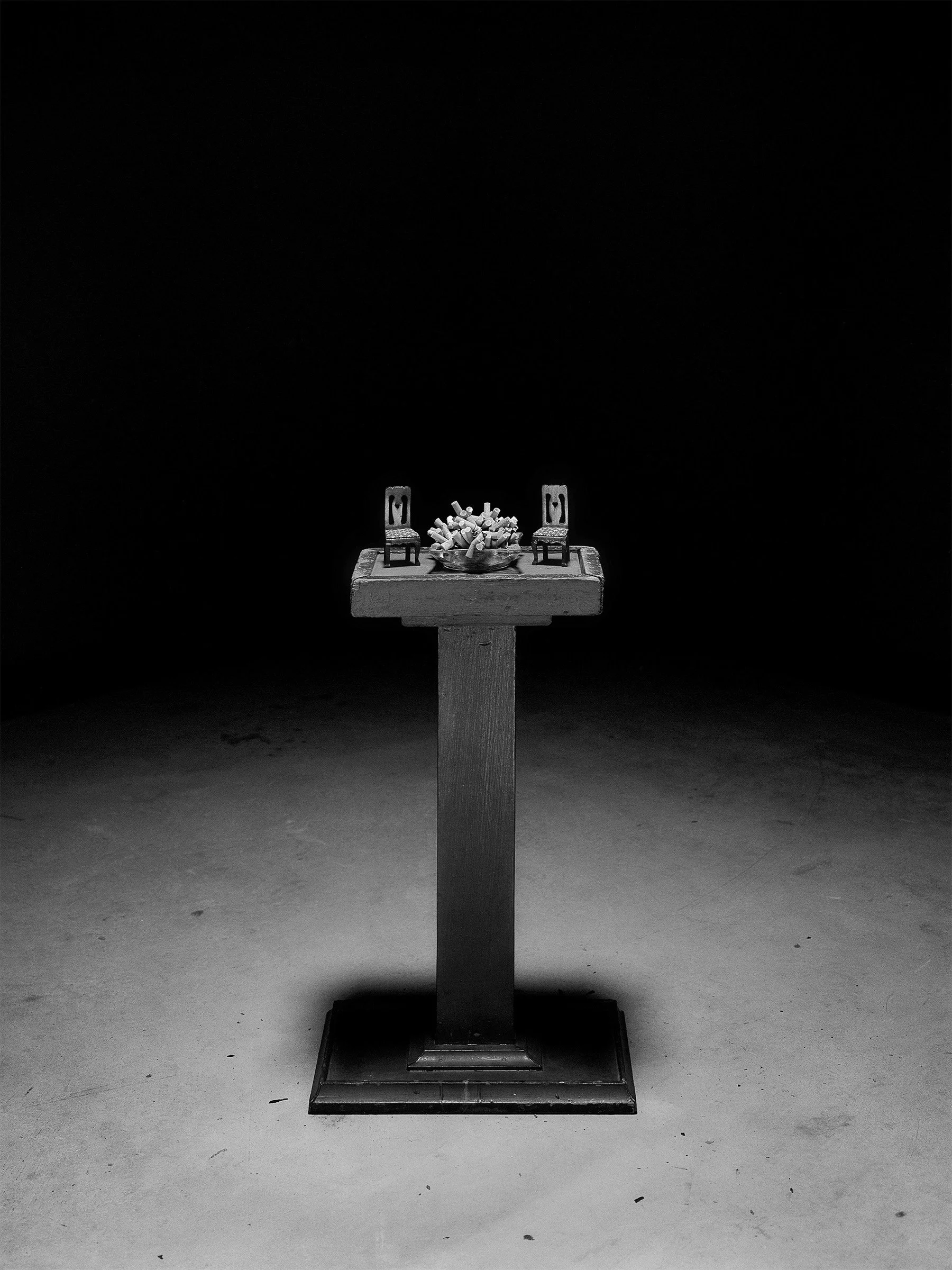
Home Sweet, archival print, 16 x 12 in, 2004, USD 500, © Mark Sawrie, Muncie, Indiana
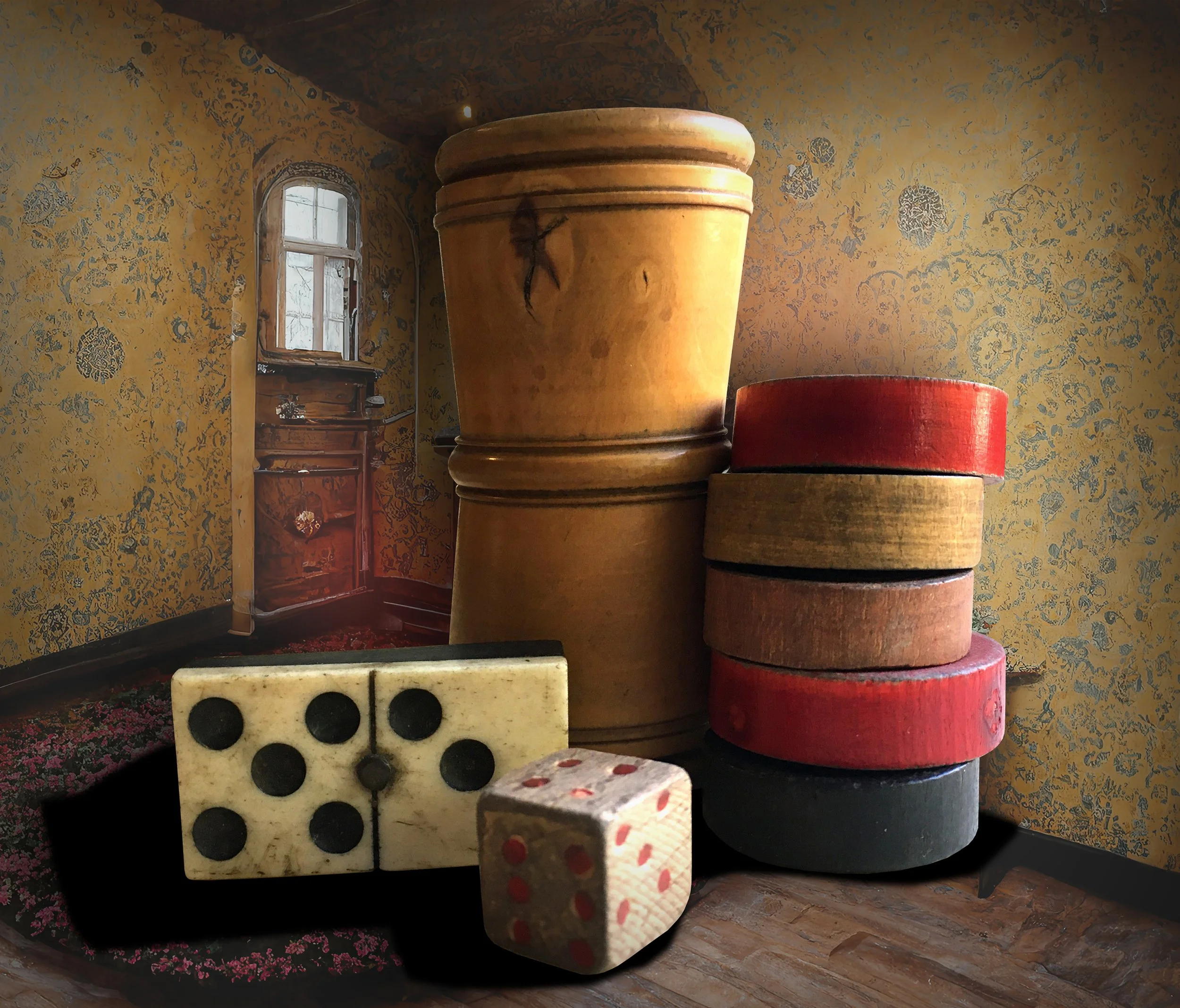
Peccata Mundi, archival print, 20 x 24 in, 2023, USD 875, © Don Bergland, Victoria, British Columbia, Canada

Belvenie Double Wood, pastel, 20 x 16 in, 2020, USD 600, © Ron Jesiolowski, Bridgeville, Pennsylvania
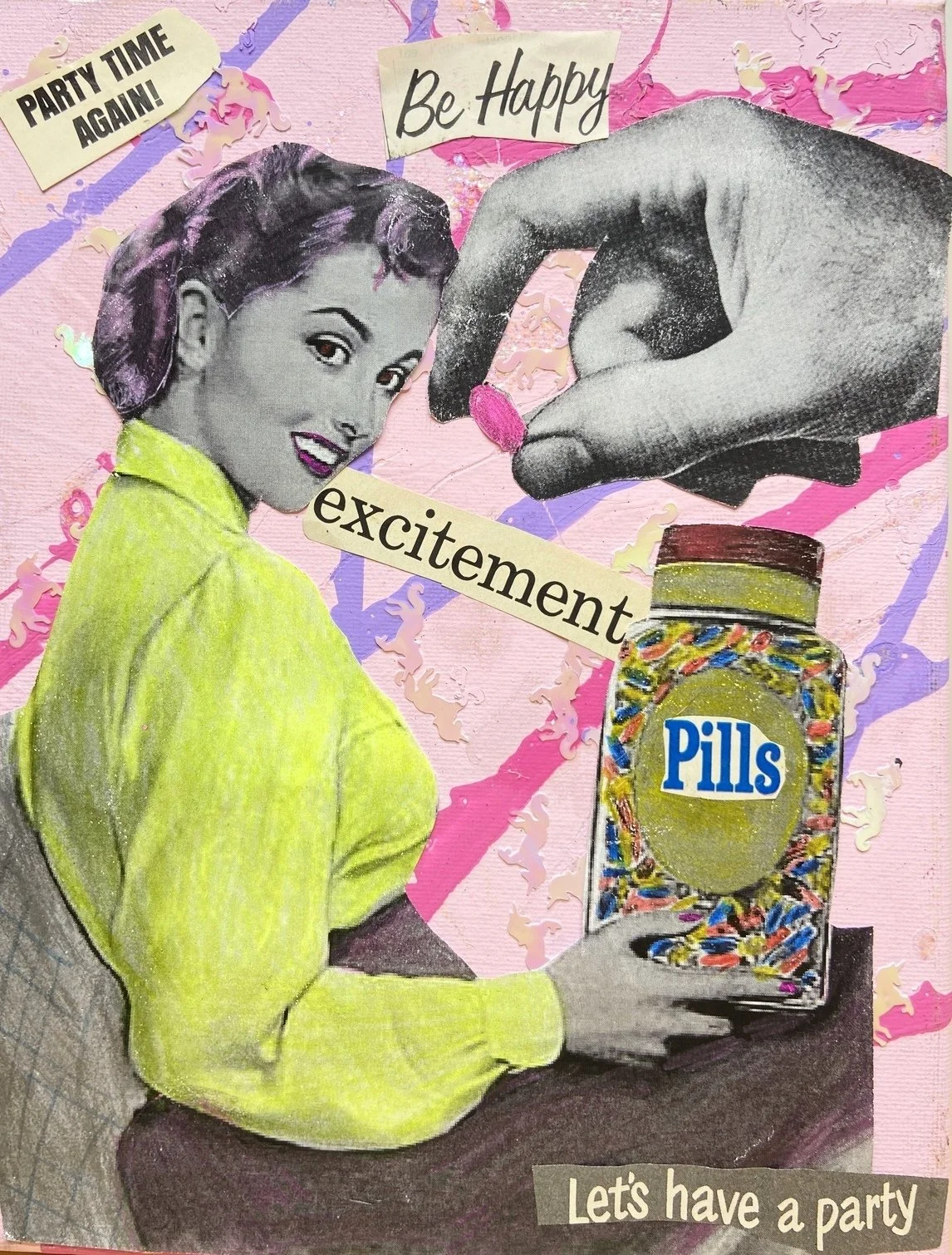
Happy Pills, collage, 8 x 10 in, 2023, NFS, © Jolie Nunez, Union City, Indiana
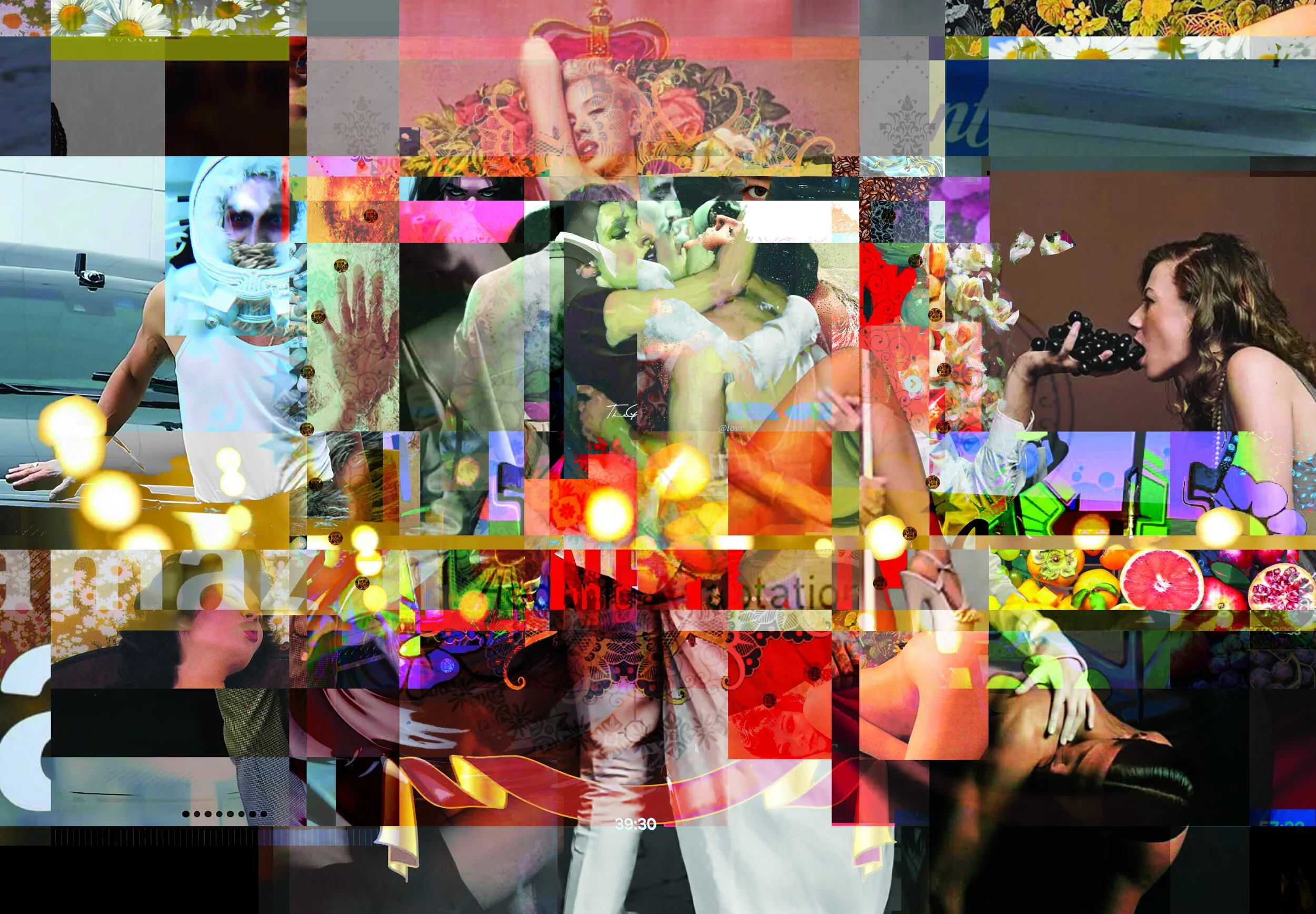
Anhedonia, collage, 37 x 26 in, 2023, USD 3000, © Takako Konishi, Chicago, Illinois
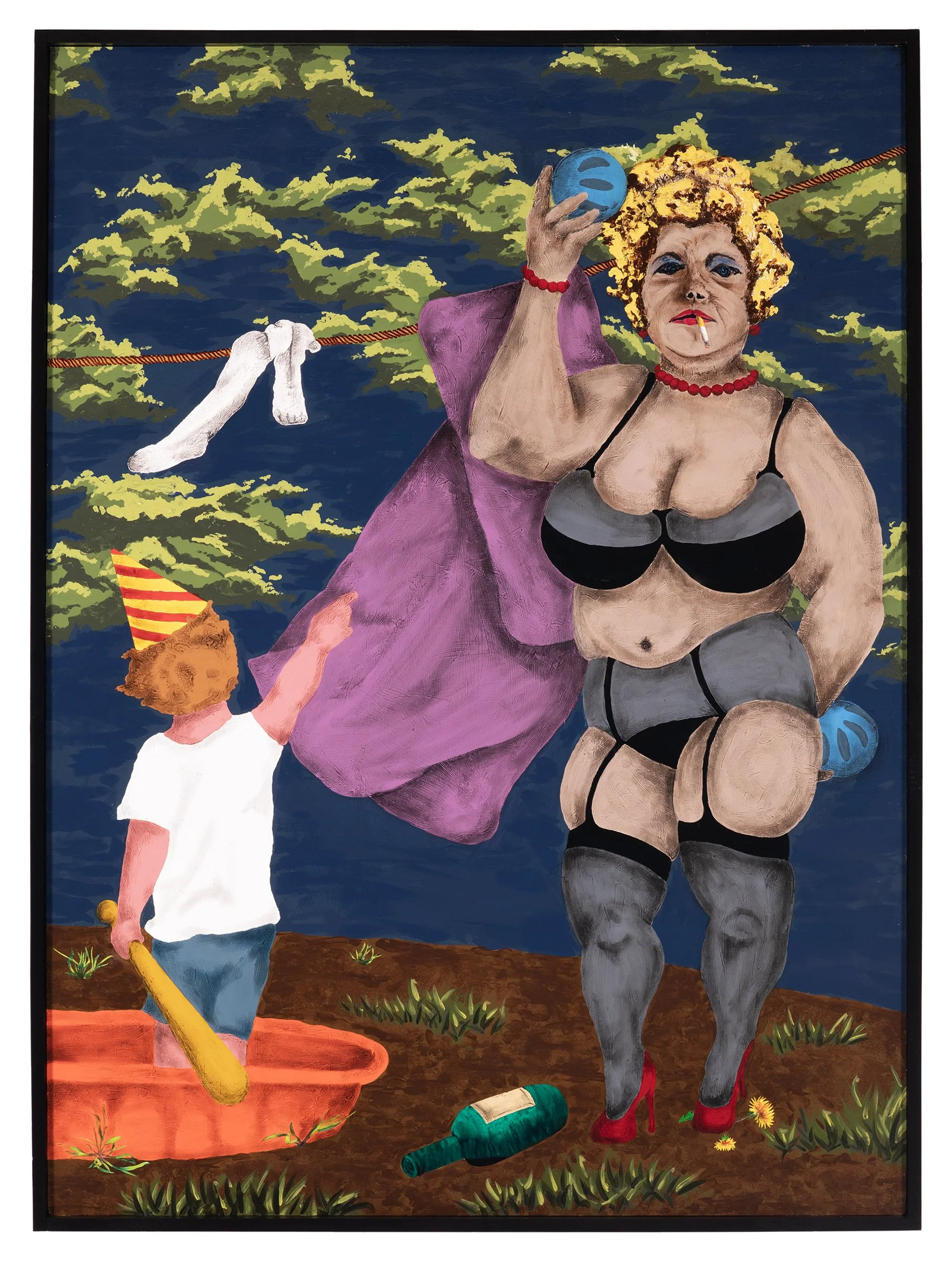
Gimmie ‘Em, acrylic and pastel, 65 x 48 in, 2023, USD 2200, © Timothy Eckler, Valley Falls, New York
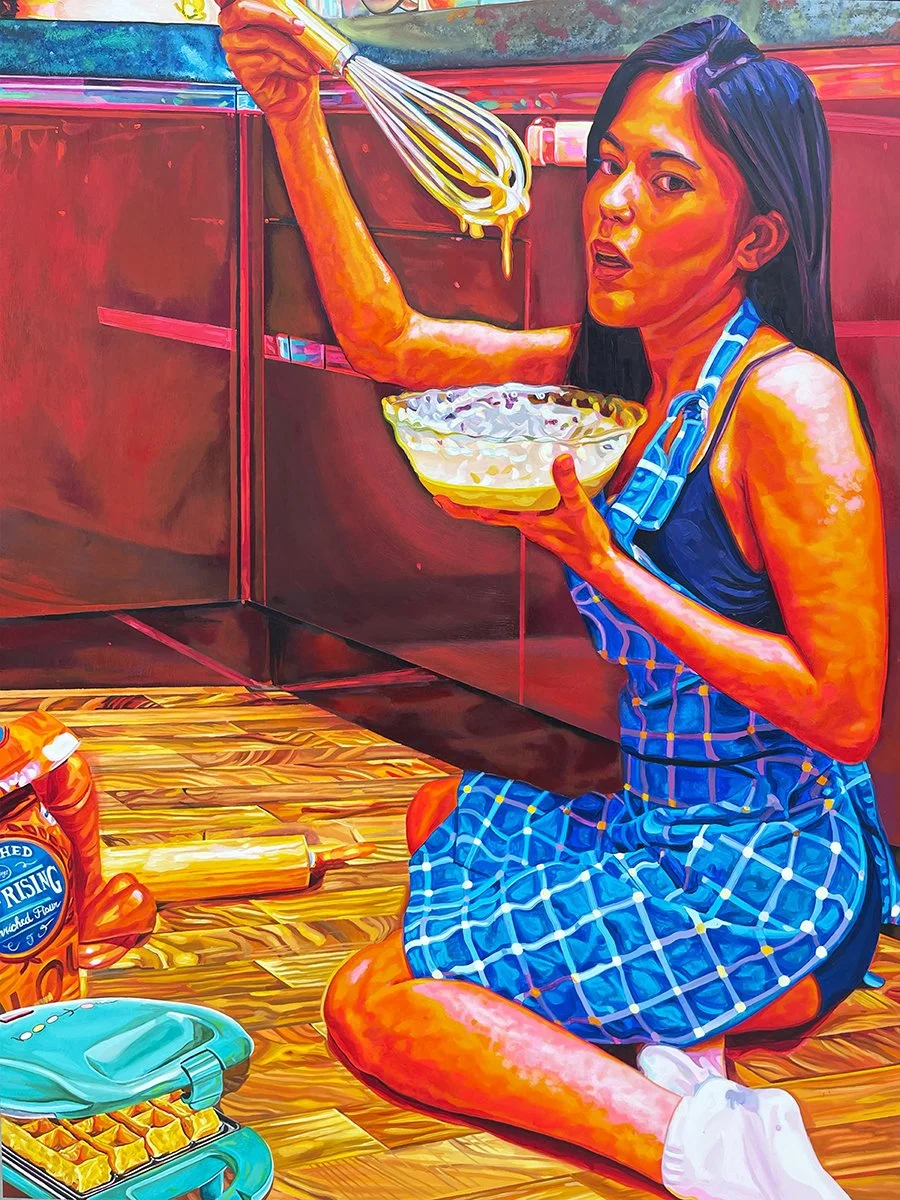
My Boyfriend's Cum Tastes Like Pancake Batter, oil on panel, 30 x 40 in, 2021, 2021, © Mattie Sterling, Savannah, Georgia
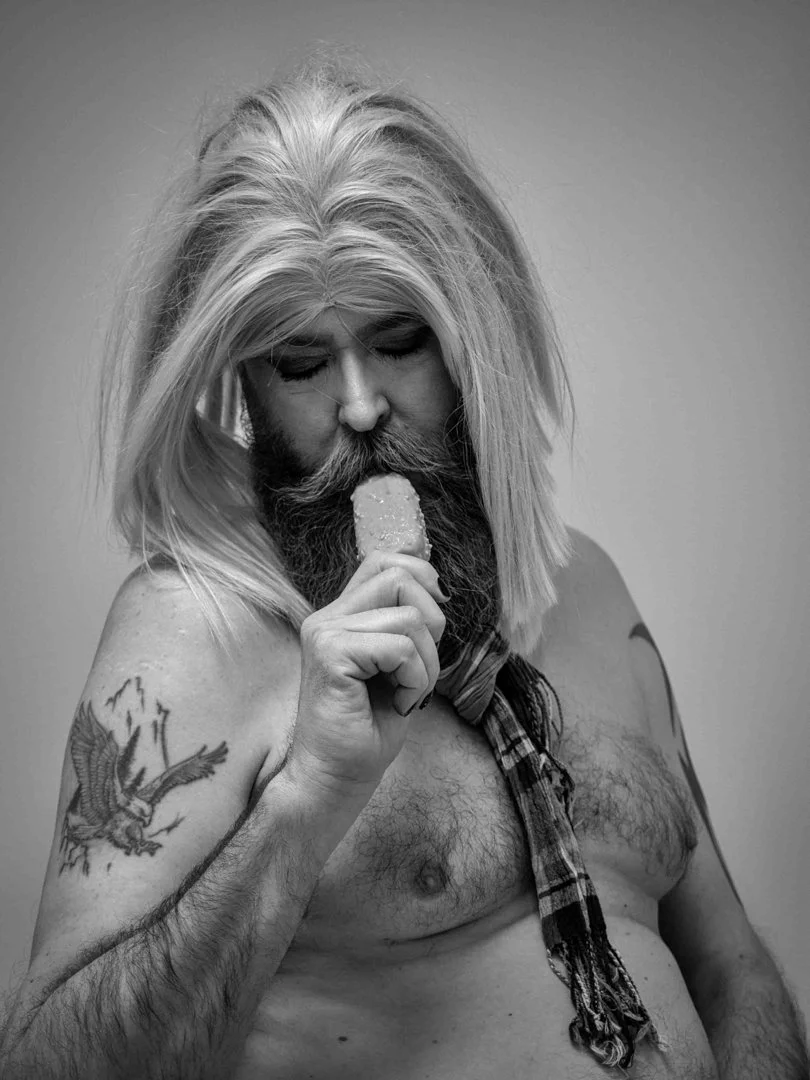
Enjoying, archival print, 30 x 40 cm, 2022, NFS, © Stefan Hessman, Sandviken, Sweden
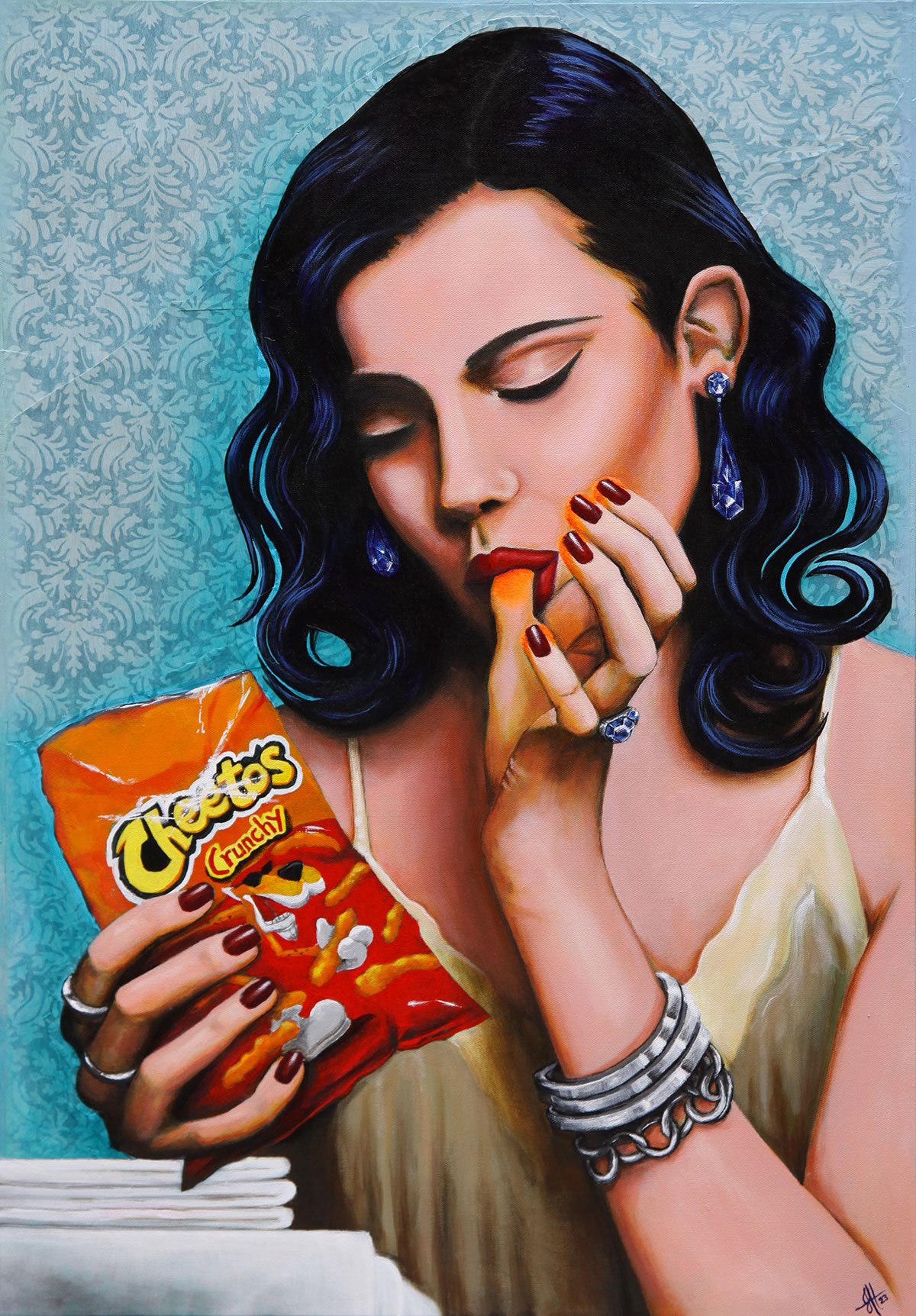
21 Grams Carbohydrate, acrylic, 24 x 36 in, 2023, USD 2500, © Jennifer Holstrom, Woodinville, Washington
Malebolge: An Architectural Vision of Hell
"Malebolge: An Architectural Vision of Dante's Hell" is a captivating video that showcases an extraordinary artistic interpretation of one of the most iconic literary works in history, Dante Alighieri's "The Divine Comedy." Created by Paulo de Tarso, a visionary architect and artist, this video takes viewers on a mesmerizing journey through the intricate and haunting landscapes of the Malebolge, one of the circles of Hell described by Dante. Paulo de Tarso Souza, 2023, Campinas, Brazil
Editor’s Note: Try scrolling the image gallery with the video playing in the background!
Sales and Artist Inquiries
Are you interested in making a purchase or connecting with one of the featured artists? Send us an inquiry through our contact form, and we'll get back to you shortly.