

The Art of Food (2023)
December 1, 2023–January 1, 2024
Food is nourishment, culture, memory, ritual, labor, and creative material. The Art of Food explores how meals and ingredients carry history and tradition, how culinary practices become symbols, and how images of decadent desserts, fast food, and home-cooked dinners can operate as social commentary. These works ask what food reveals about the people who make, share, consume, and photograph it.
Featured Artists
Alec MacLeod, Amelia Ingraham, Anylú Hinojosa-Peña, Bette Blau, Braeden Baston, Charlie Frances, Cheryl Aden, Christopher W. Luhar-Trice, Espacio Crudo, Inga Loginova, Irene Ferri, James R. Swartzlander, Jenny Reinhold, Jessica Margo, Katharine Shuman, Kristen Lothspeich, Lisa Holley, Lydia Nong, Margarita Kovaleva, Matthew Pagoaga, Michael Sibley, Núria Garrigós, Pratik Parulekar, Rick Lingo, Susan Kaprov, Vasty Ramirez, Viktoriia Oleinichenko, Violet Costello, Wang Yuanfang
The Laden Table Is One of the Oldest Subjects There Is
Food was a serious artistic subject for centuries before a camera existed. Dutch and Flemish painters built an entire commercial genre out of it, and the most ambitious version, the pronkstilleven or ostentatious still life, was frankly about money: imported lemons, Venetian glass, a half-peeled orange demonstrating both wealth and the painter's technical range. The laden table has always carried information about who could afford what. This exhibition kept that mixed inheritance visible by accepting work in several media at once, with oil, acrylic, and watercolour on canvas and a collage print sitting in the same catalog as archival photographic prints.
Appetite Is a Technical Problem
Commercial food photography developed as a craft of substitution, because most food is at its most photogenic for a very short window and at its most edible outside that window. Ice cream melts under lights, steam has to be introduced, and a great deal of what reads as freshness is arranged rather than found. Fine art work on the subject usually declines the tricks, which means accepting food that looks like food actually looks: dull, uneven, and already going. That is a harder picture to make interesting and a more honest one.
The Overhead Shot and Its Consequences
Social platforms standardised food imagery faster than any commercial style before them. The overhead flat lay, even lighting, symmetrical arrangement, and a shallow palette became the default because they perform reliably at thumbnail size. The standardisation is worth naming because it is now the background condition for anyone photographing a meal. Work that adopts the convention has to survive being seen thousands of times a day; work that refuses it has to justify the refusal. Either way the vocabulary is no longer neutral.
The Labour That Gets Cropped Out
Almost every photograph of a finished plate is a photograph with people removed from it. Growing, harvesting, transport, prep, service, and washing up all happen outside the frame, and the convention of the isolated dish is what makes food imagery feel effortless. Some of the most substantial work in this territory simply widens the frame: the field, the walk-in, the service counter at the end of a shift. Food is the most labour-intensive subject a photographer can choose and the one where the labour is most reliably invisible.
What Paint Can Do That a Photograph Cannot
Having both media in one catalog makes the difference legible. A painter can invent a texture that never existed, adjust the ripeness of a fruit at will, and light a table from a direction no lamp occupies. A photographer has to locate all of that and then persuade it to hold still. The photographic constraint produces a specific kind of authority, since the thing was demonstrably in the room, and the painterly freedom produces a specific kind of intensity. Neither is superior, but they are answering different questions, and the comparison sharpens both.
Why the Theme Recurs
Food is a subject everyone has direct daily experience of, which makes it unusually legible and unusually hard to be original about. It also crosses categories without strain: still life, portrait, documentary, and abstraction all enter it comfortably. TCG Gallery is an independent online photography gallery, and each juried exhibition remains part of a permanent public archive after its run ends, so this catalog stays readable for anyone researching food photography exhibitions later. Photographers can enter the current photography open calls directly.
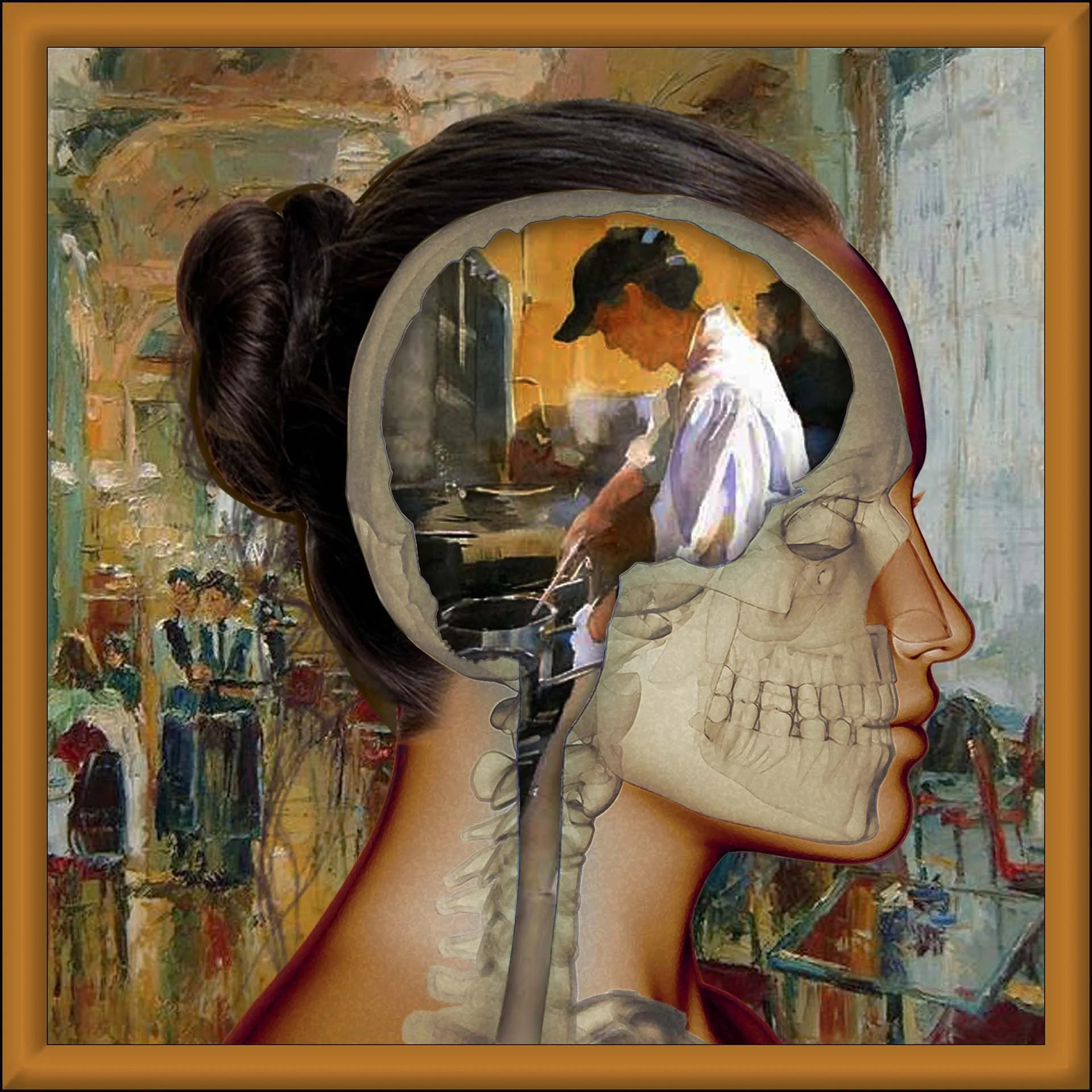
Culinary Consciousness, collage/giclée print, 8 x 8 in, 2022, USD 150, © Alec MacLeod, Oakland, California
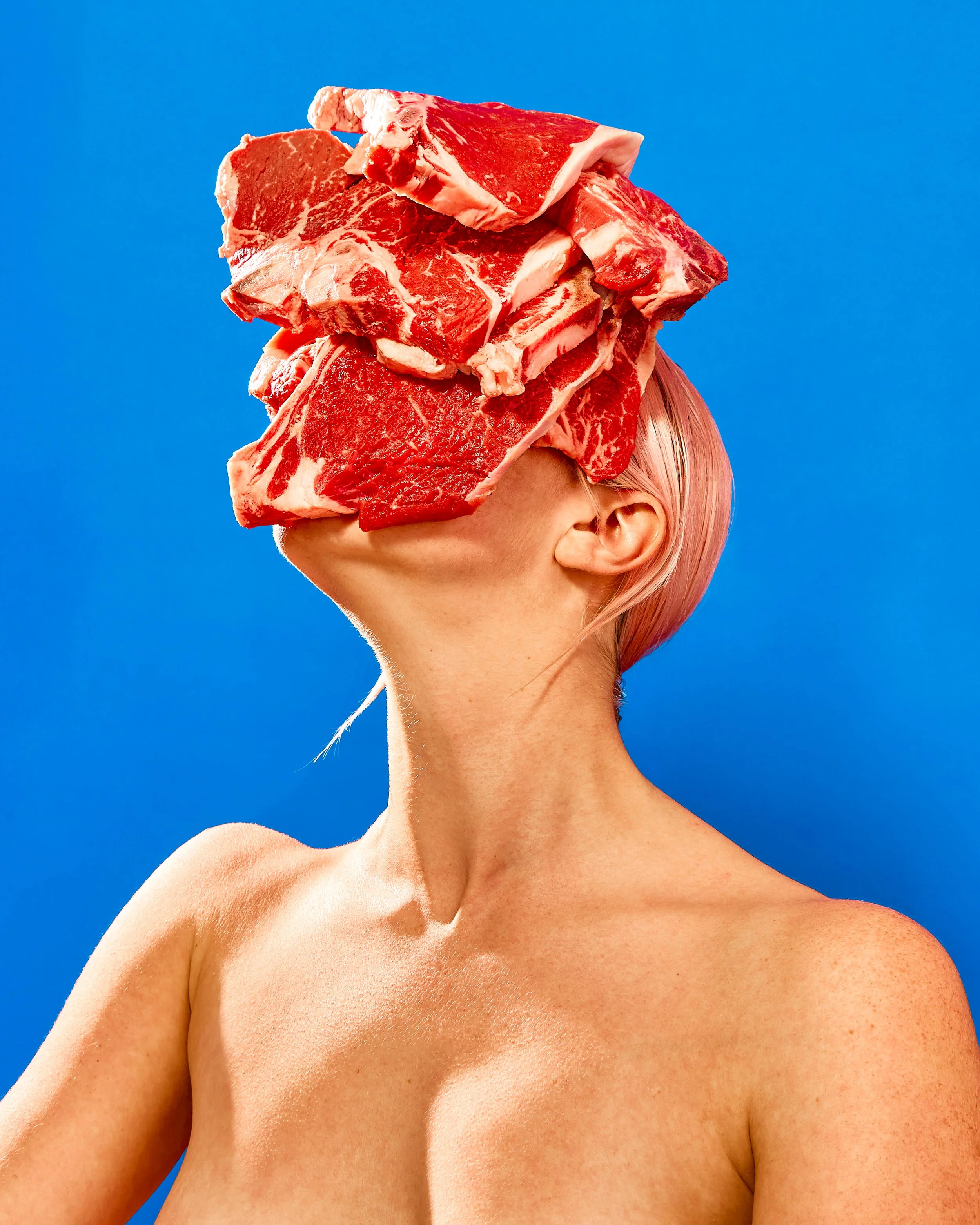
Healing, archival print, 16 x 20 in, 2023, USD 250, © Amelia Ingraham, New Haven, Connecticut
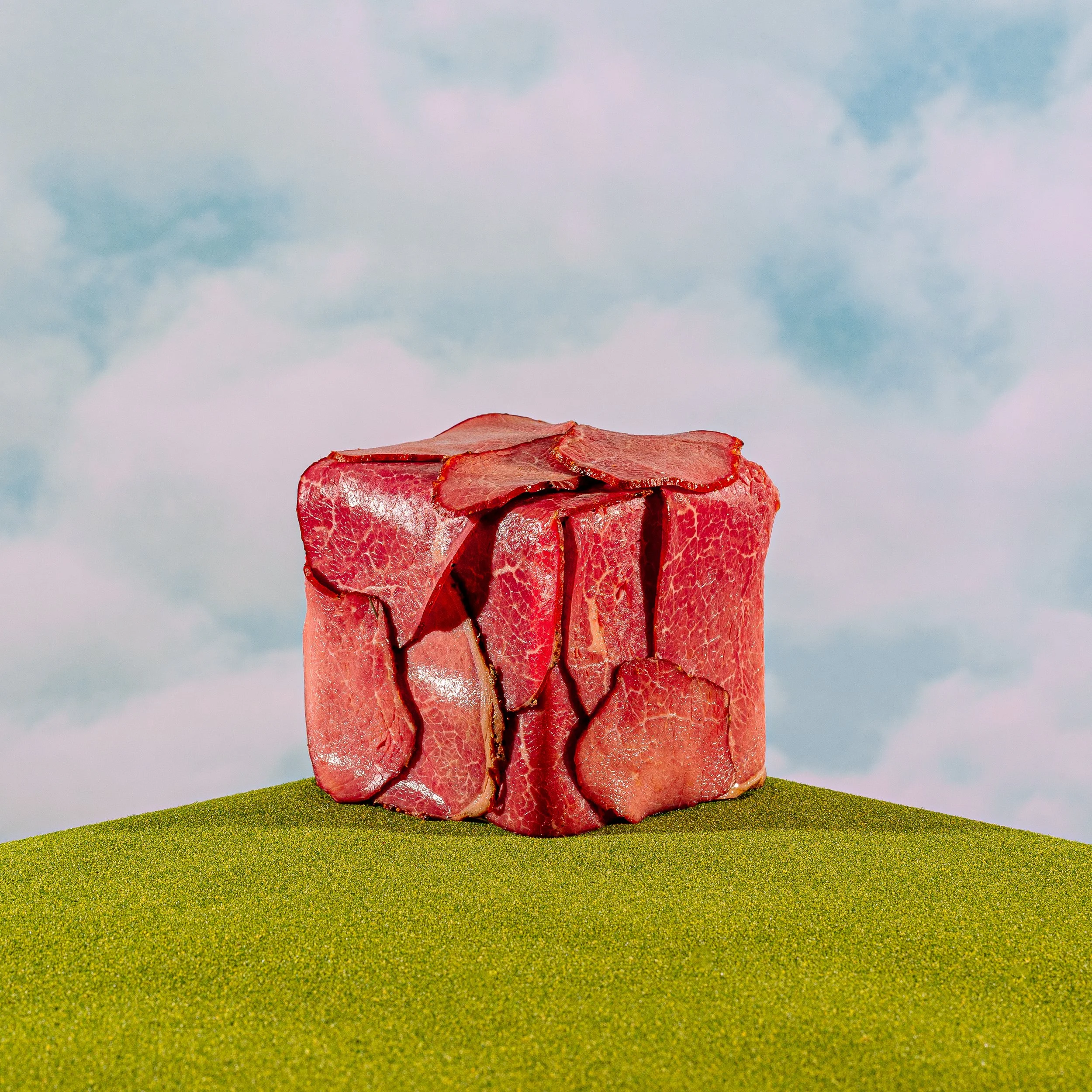
Meat Cube, archival print, 16 x 20 in, 2023, USD 250, © Amelia Ingraham, New Haven, Connecticut
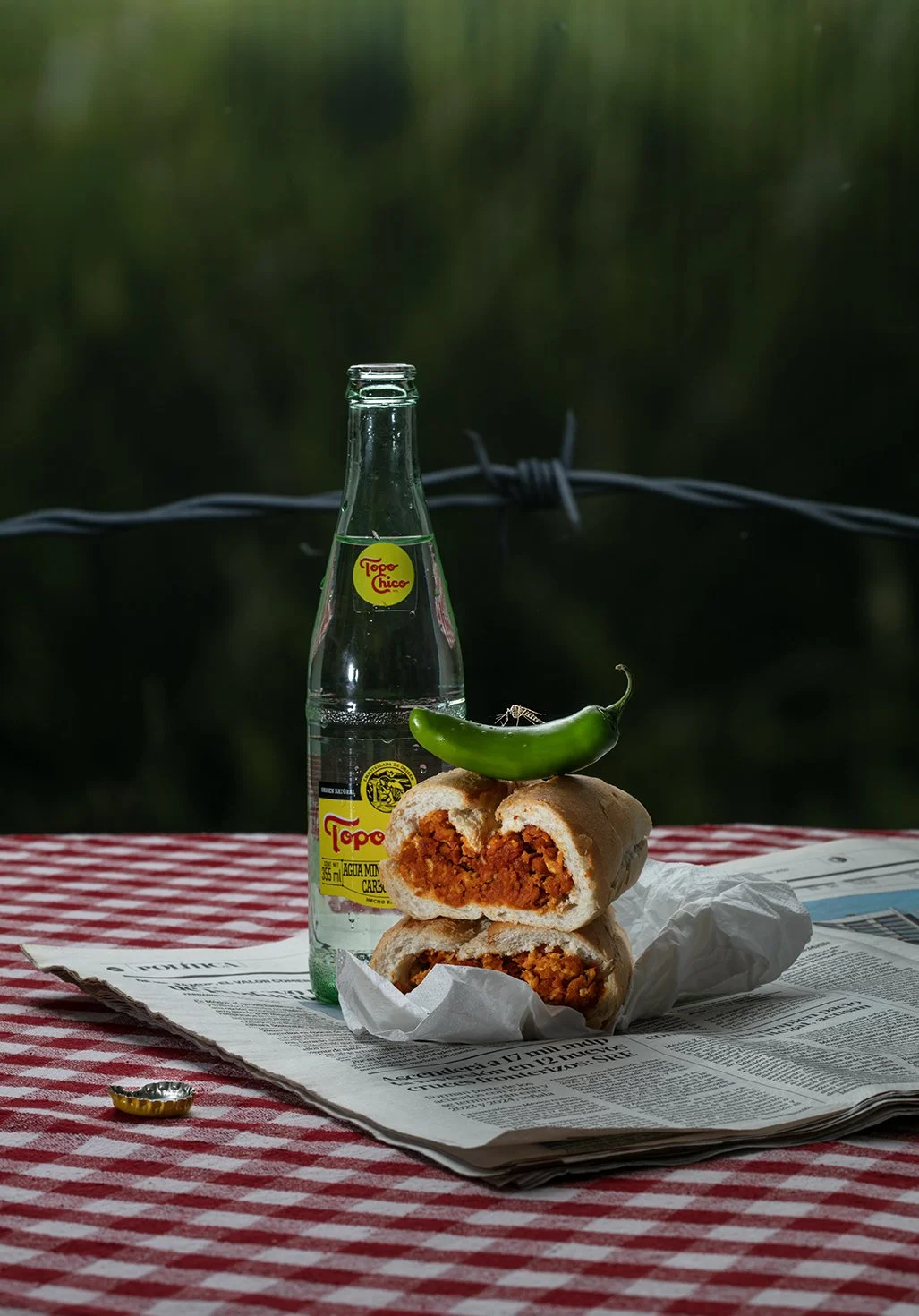
Chorizo and Egg Sandwich, archival print, 39 x 27 in, 2023, USD 3200, © Anylú Hinojosa-Peña, Mexico City, Mexico
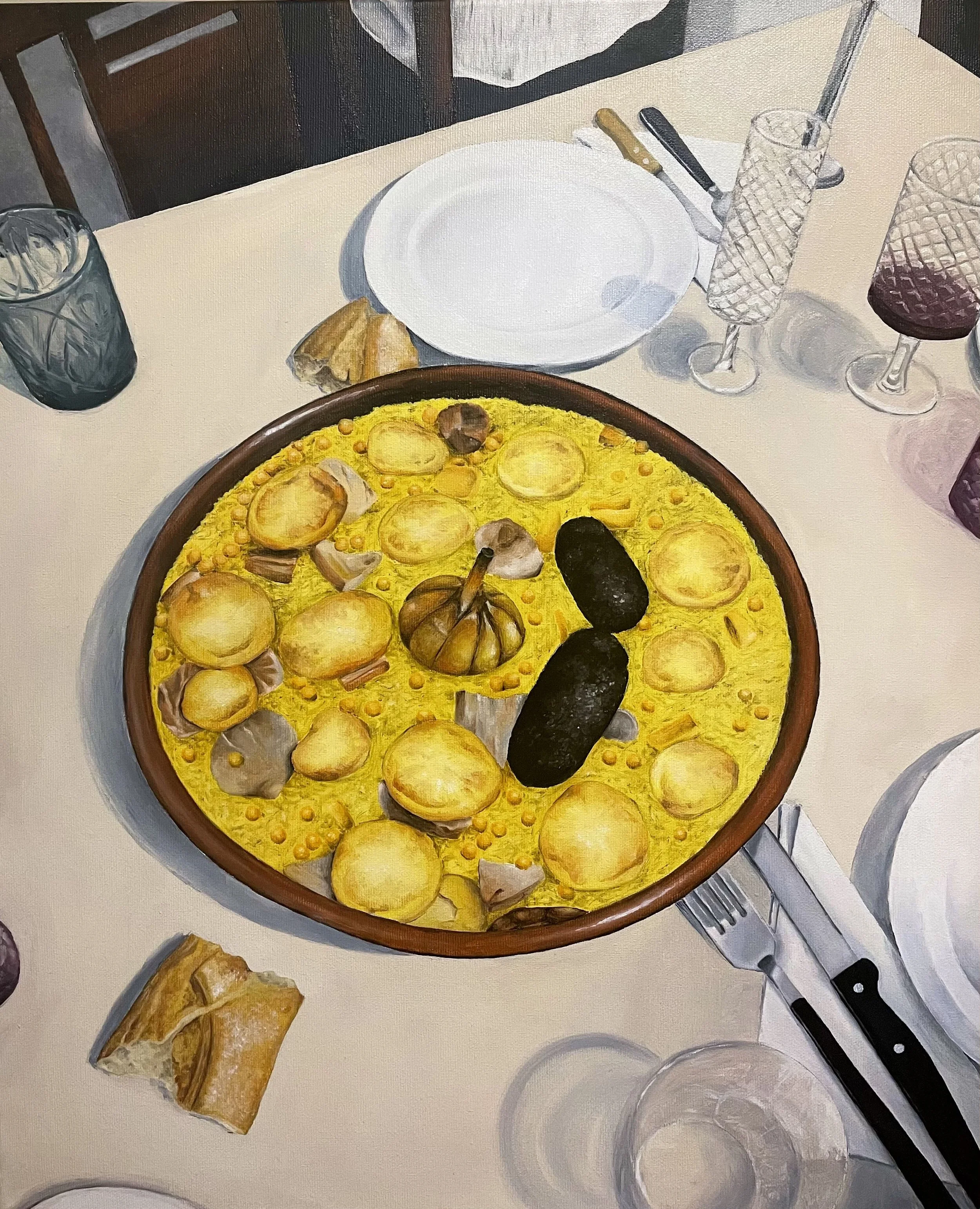
Arròs al Forn, oil on canvas, 50 x 61 cm, 2023, €620, © Núria Garrigós, Valencia, Spain
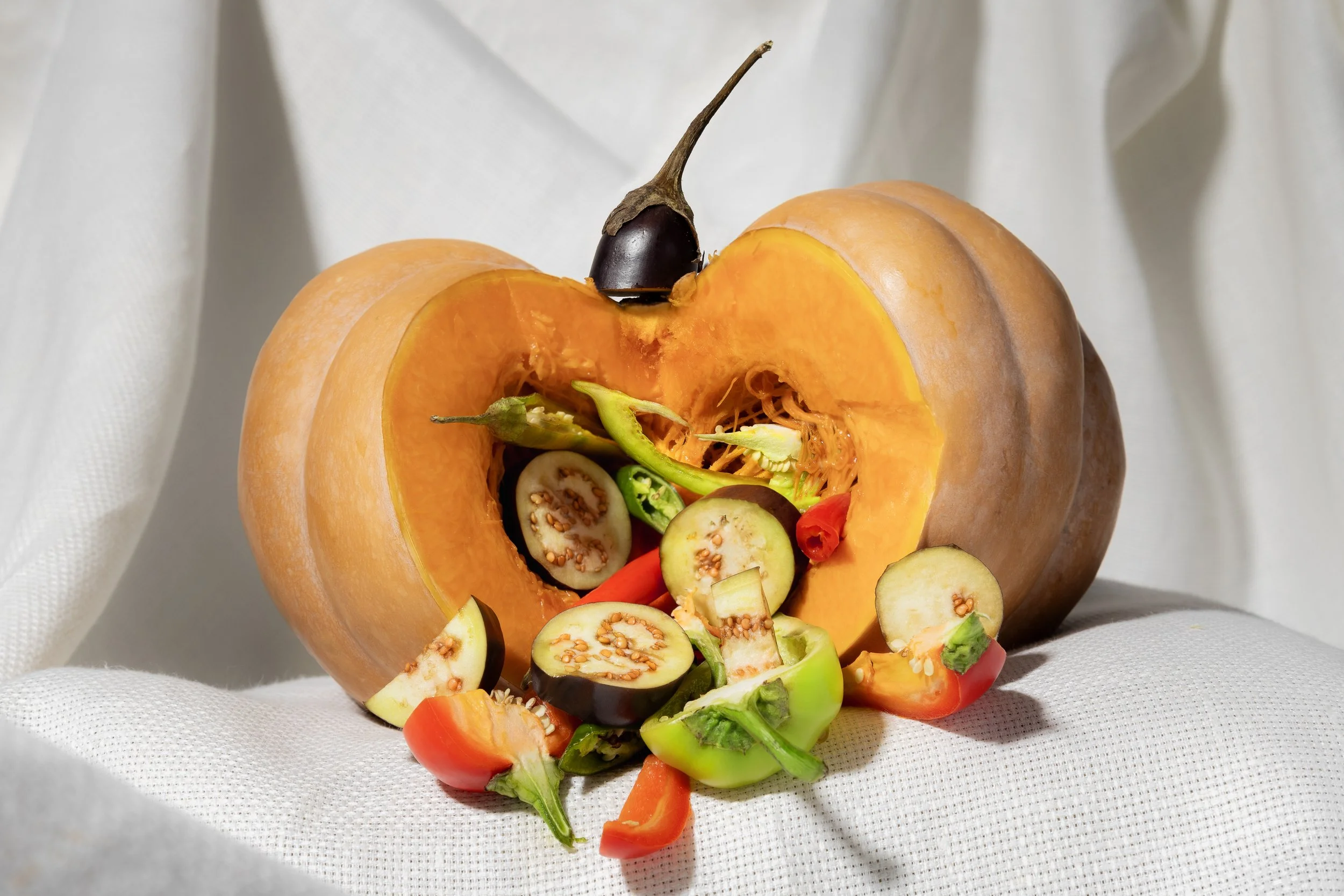
Fertility, archival print, 54 x 36 cm, 2023, USD 100, © Viktoriia Oleinichenko, Mykolaiv, Ukraine
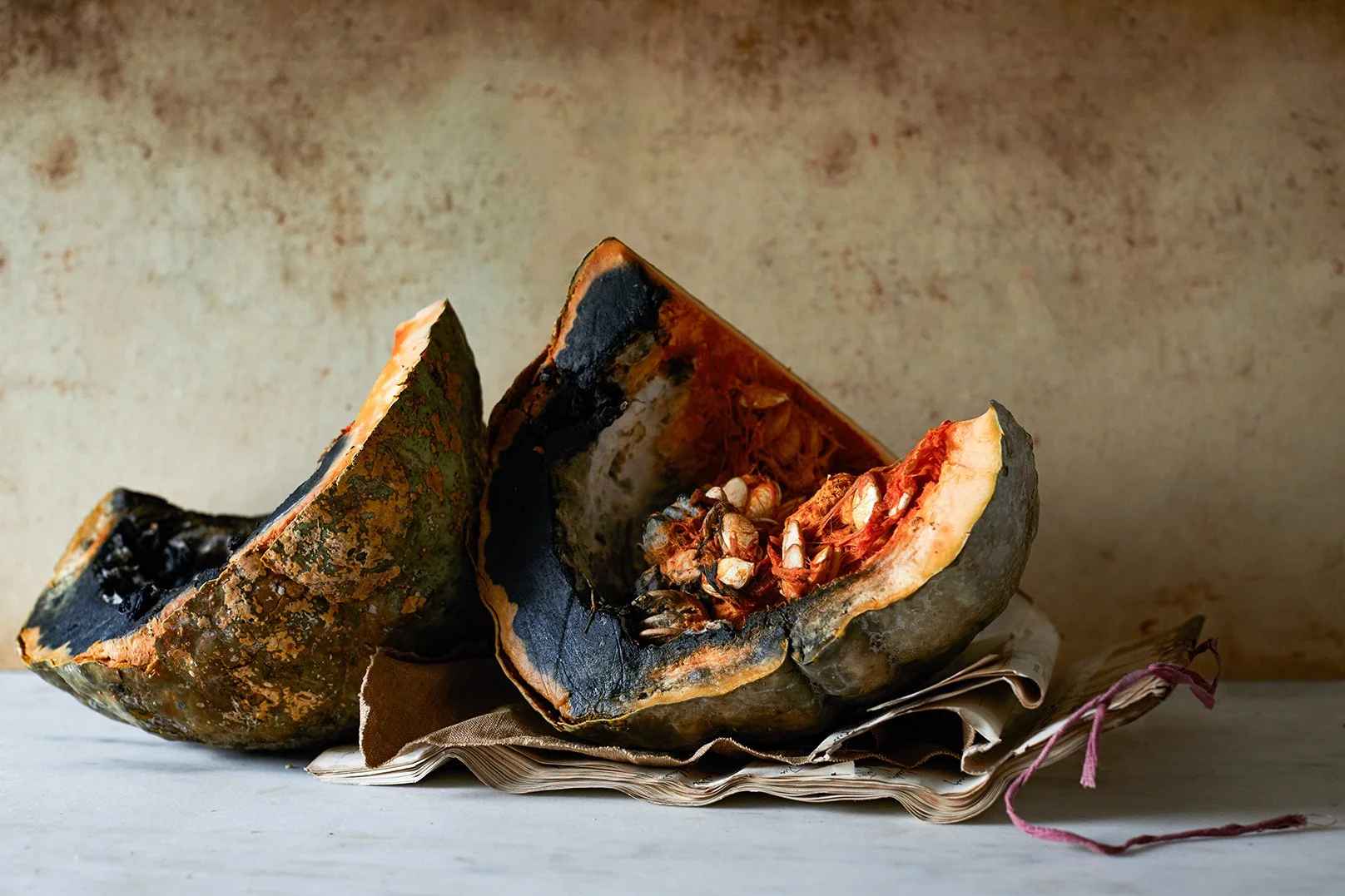
Squash, archival print, 8 x 12 in, 2021, USD 200, © Bette Blau, New York City, New York
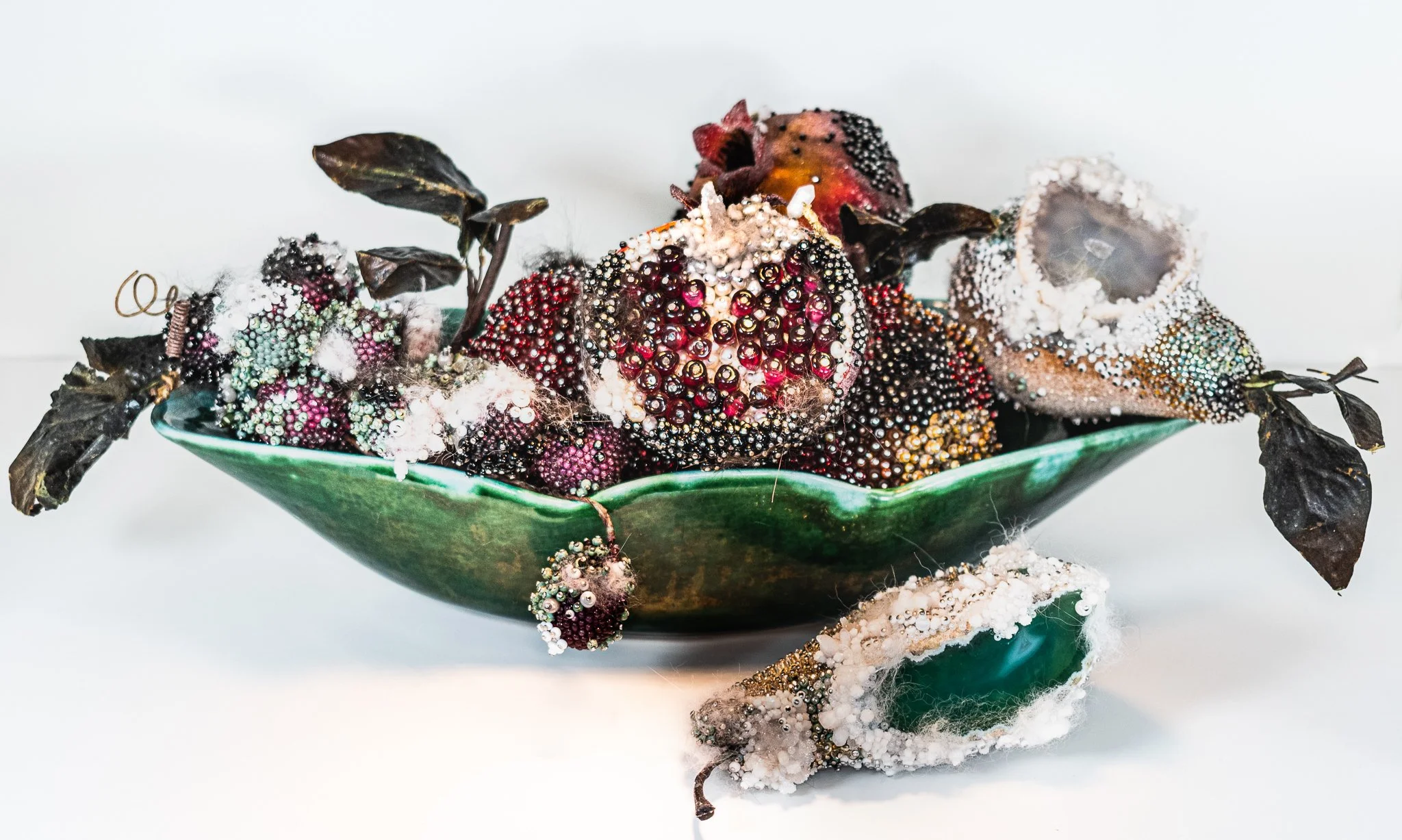
Rotten Fruit Bowl, mixed media, 14 x 7 x6 in, 2021, NFS, © Kristen Lothspeich, Hendersonville, Tennessee

From The Garden of Altered Delights: Hybrid Food Group, 24 x 22 in, 2022, USD 1500, © Susan Kaprov, New York City, New York
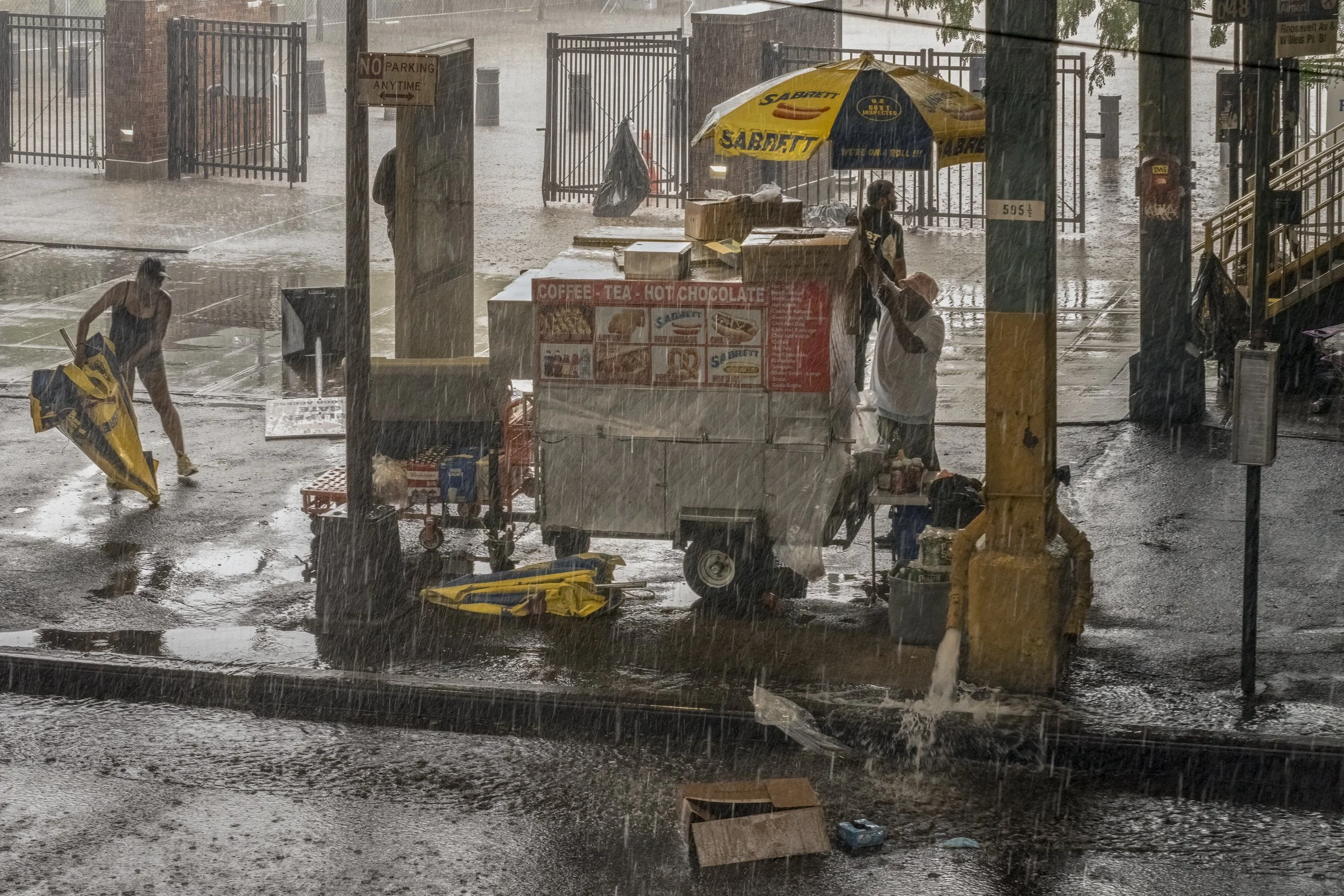
Deluge, archival print, 12 x 18 in, USD 200, © Jessica Margo, Madison, New Jersey
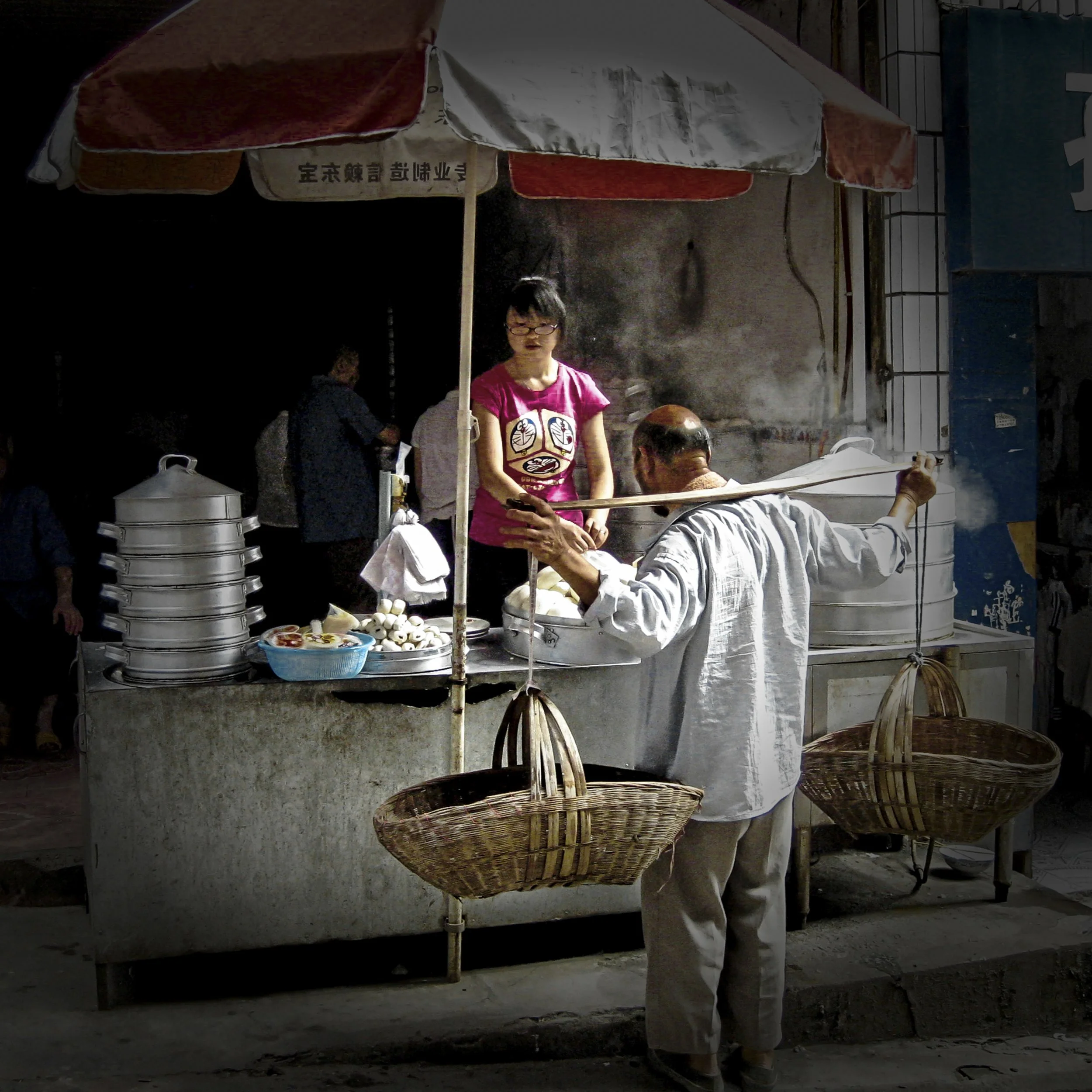
Beijing Lunch, archival print, 2013, 16 x 16 in, USD 250, © Rick Lingo, Cincinnati, Ohio
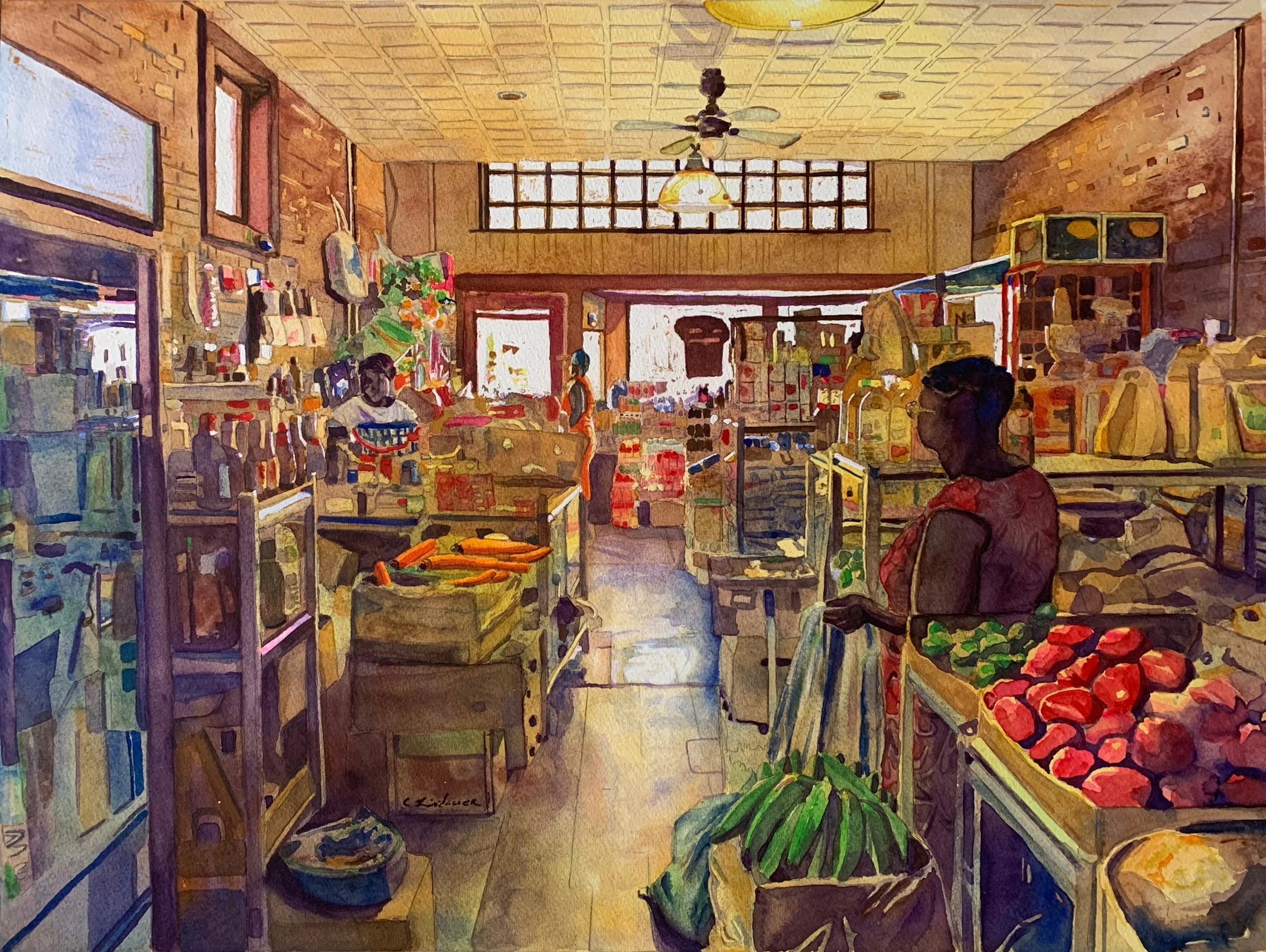
Caribbean Market, watercolor on canvas, 18 x 24 in, 2020, NFS, © Charlie Frances, Virginia Beach, Virginia
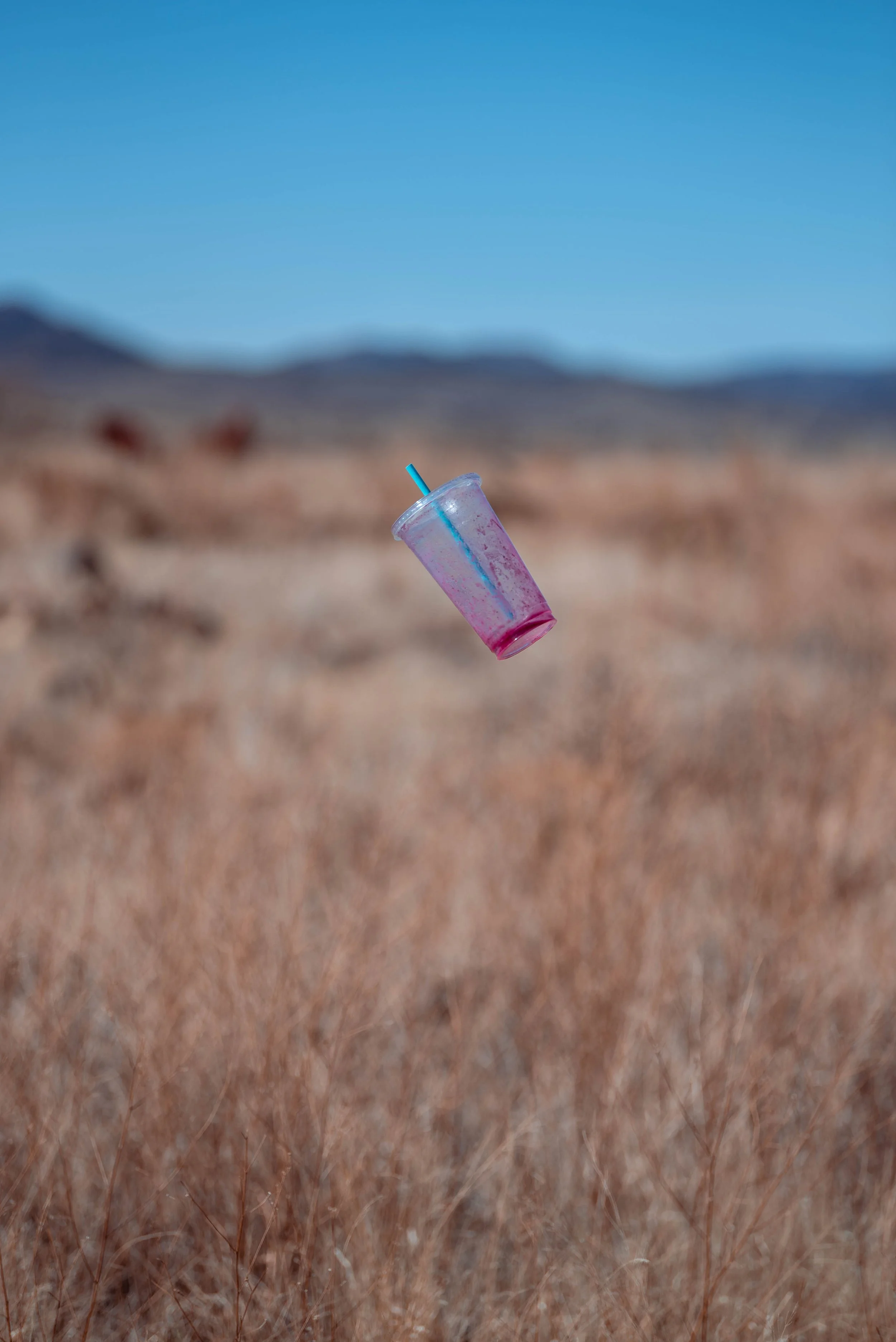
Floating in the Desert, archival print, 11.65 x 16.5 in, 2022, USD 500, © Irene Ferri, Florence, Italy
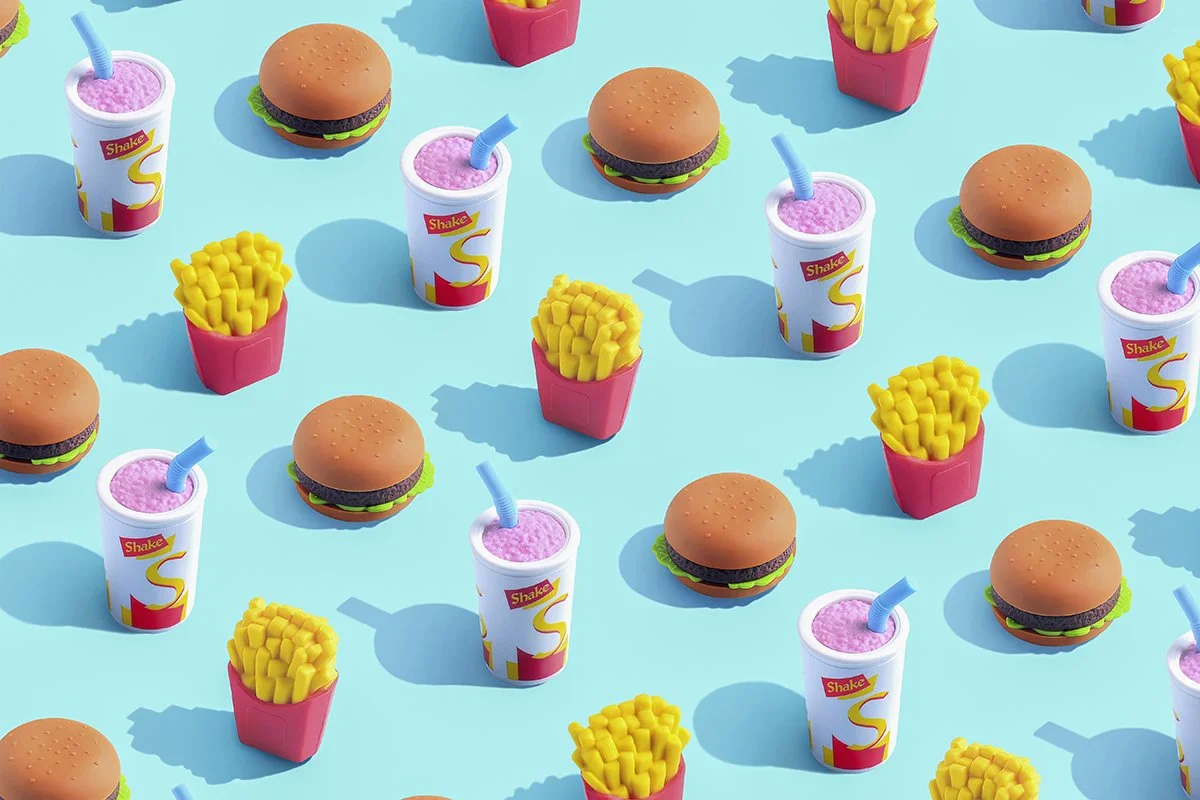
Food Burgers, archival print, 4 x 6 in, 2023, USD 1000, © Pratik Parulekar, San Francisco, California
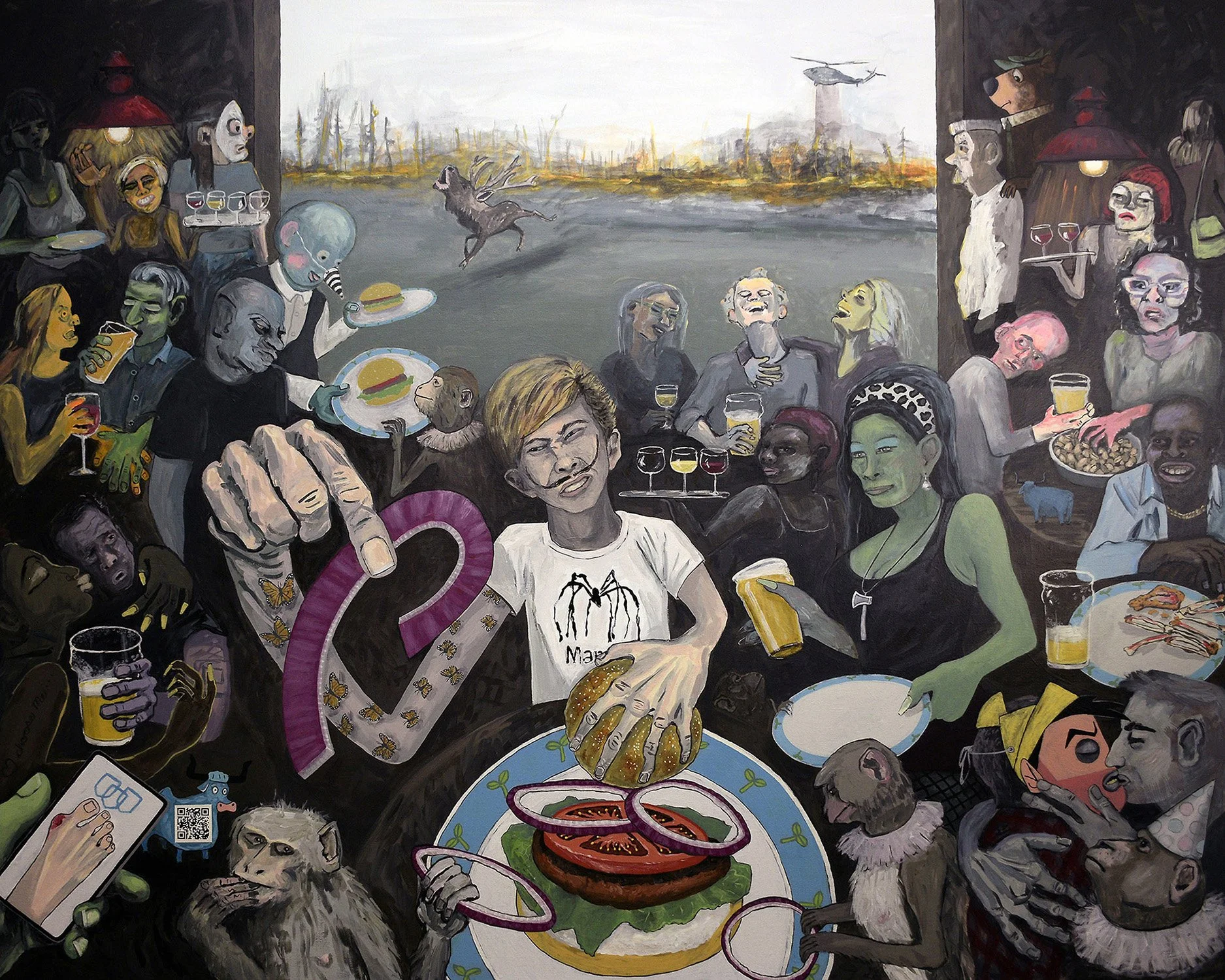
Red Onions, acrylic on canvas, 48 x 60 in, 2021, USD 9000, © Violet Costello, Calgary, Alberta, Canada
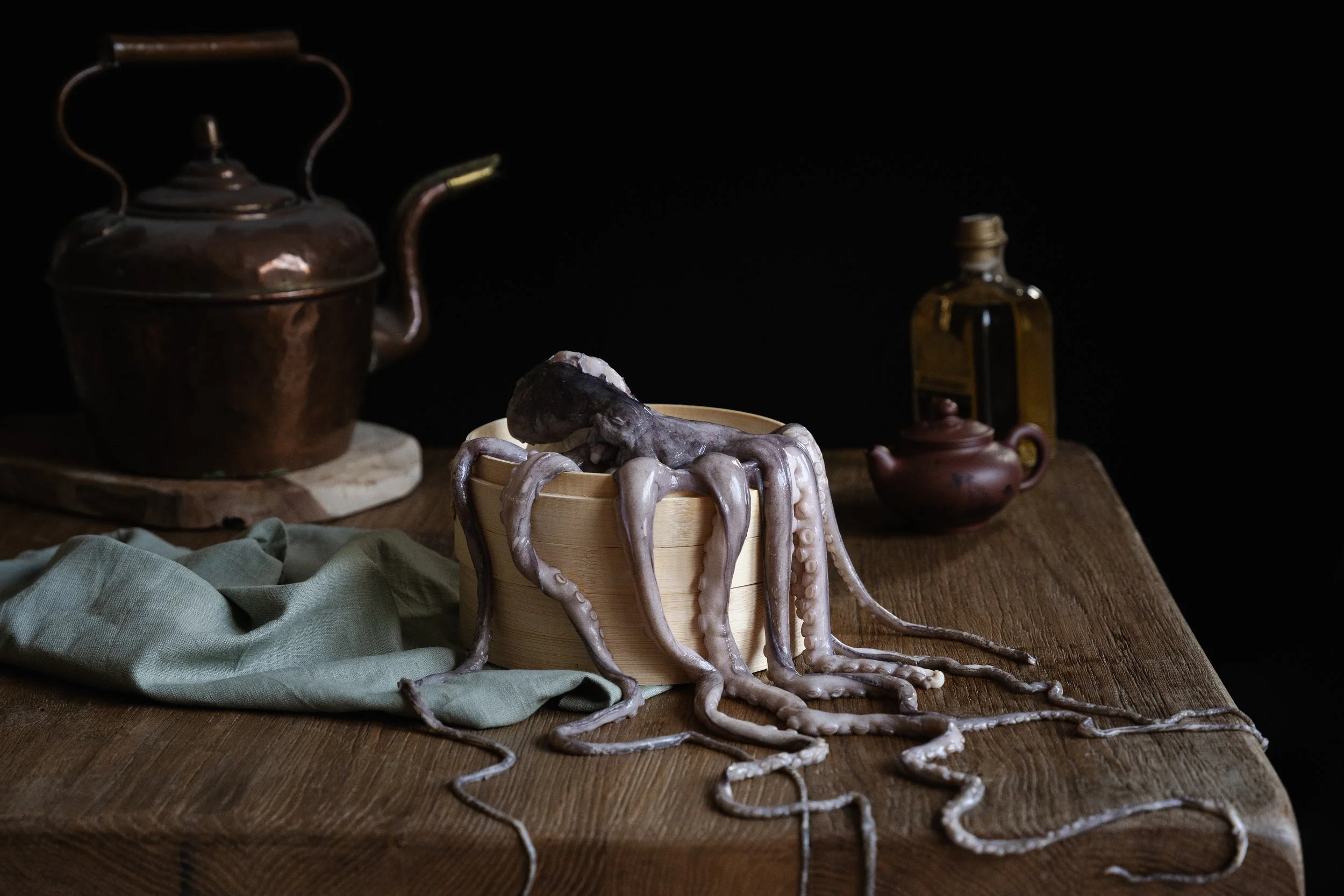
Soul Food, archival print, 30 x 45 cm, 2023, €225, © Jenny Reinhold, Herzogenrath, Germany
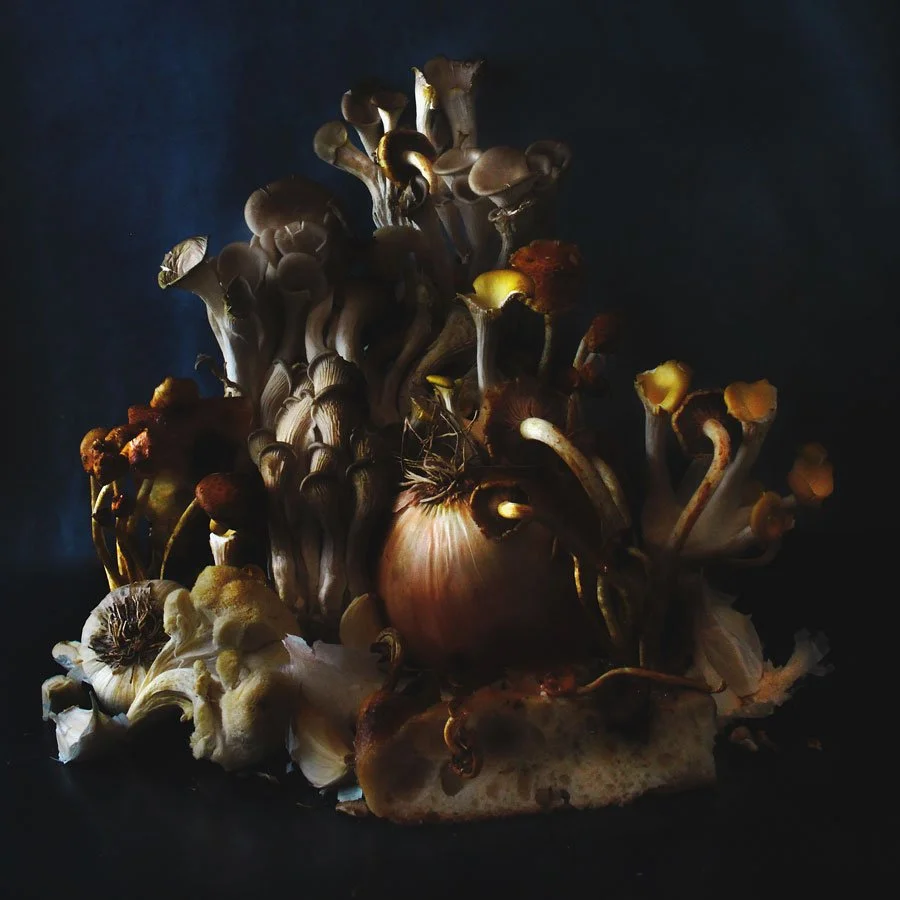
Winter Mushroom Medley, archival print, 20 x 20 in, 2022, USD 2000, © Vasty Ramirez, Portland, Oregon

Morning Enticement, archival print, 13 x 19 in, 2022, USD 280, © James R. Swartzlander, West Sacramento, California
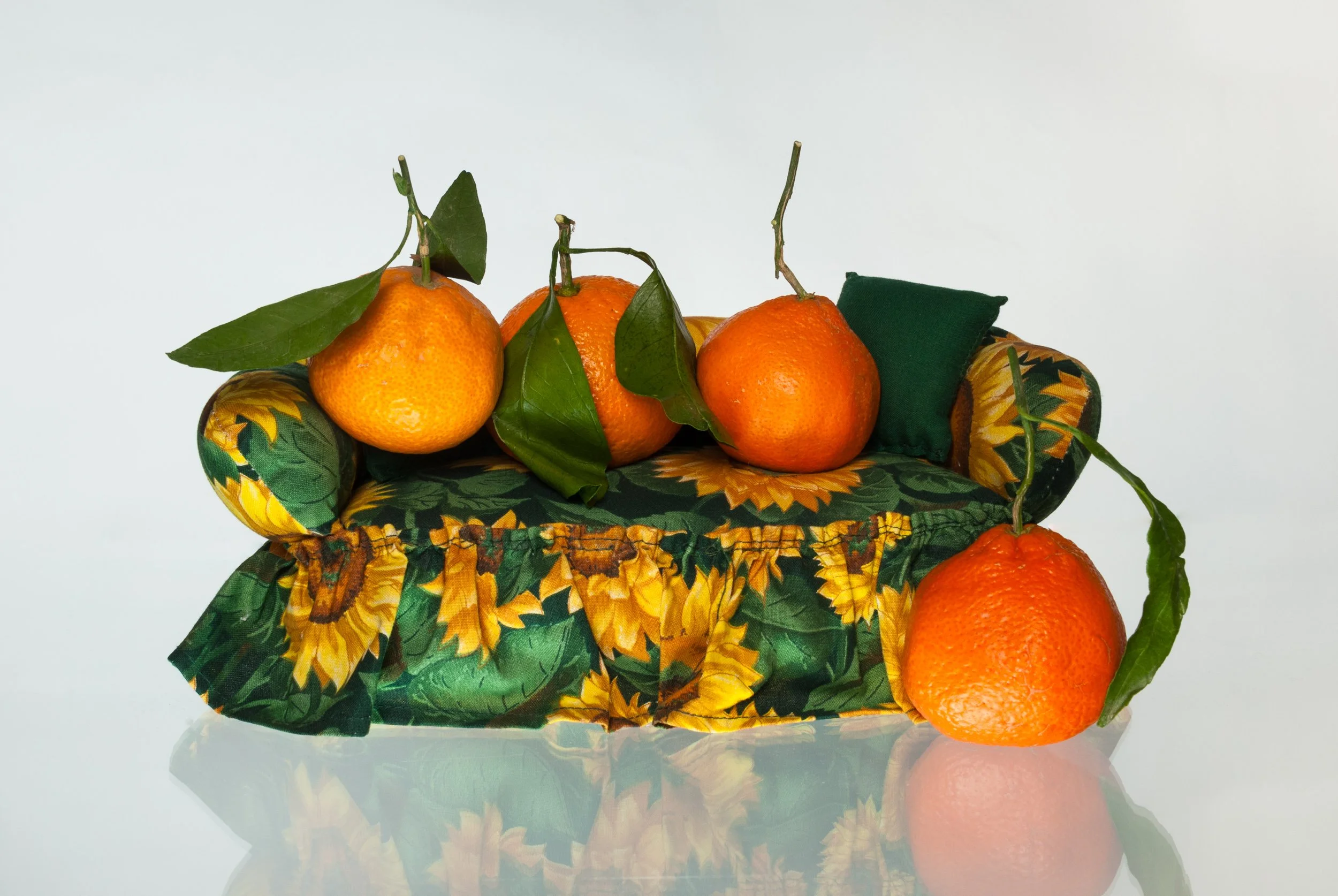
Couch Potatoes, archival print, 8 x 11 in, 2012, USD 300, © Cheryl Aden, New York City, New York
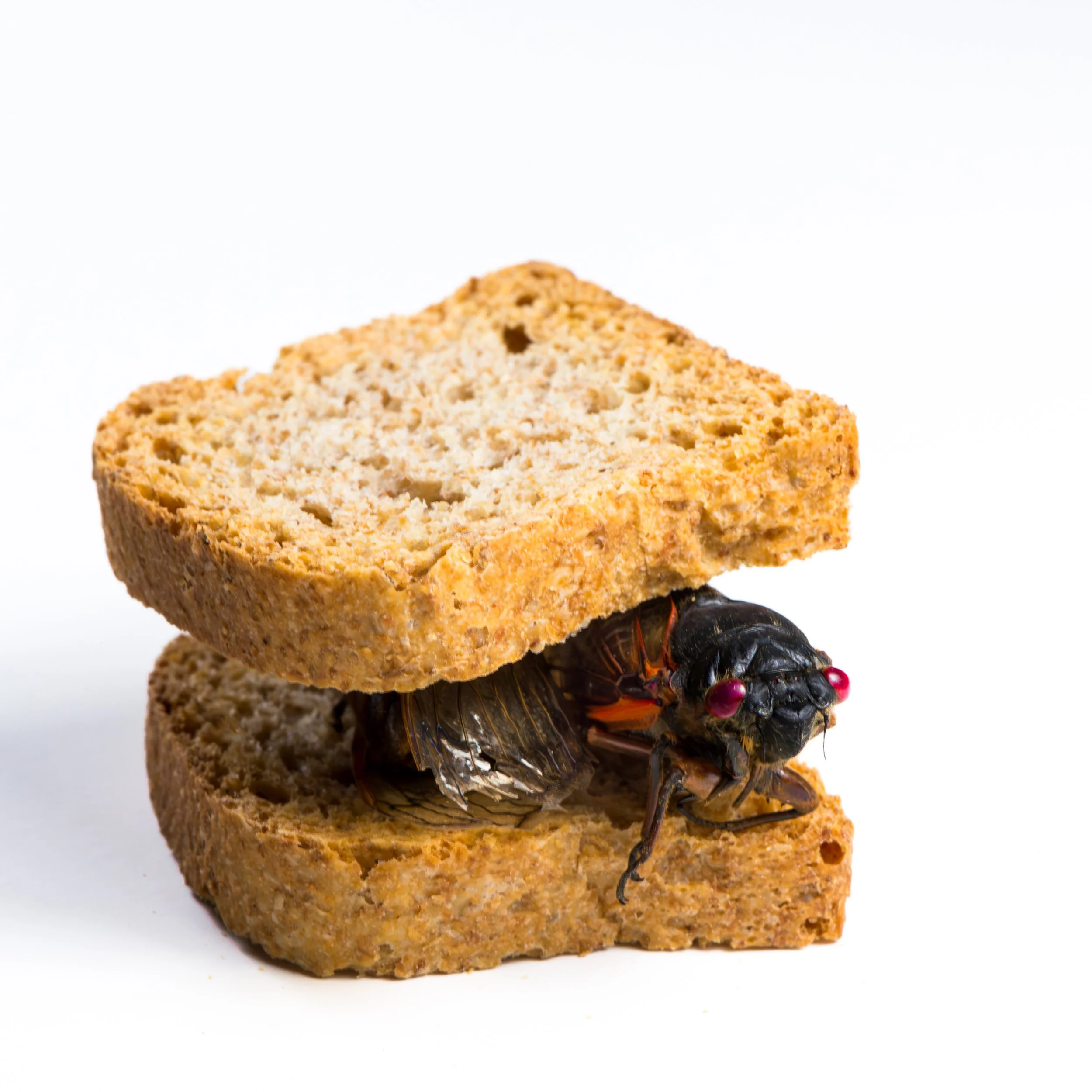
Cicada Lunch, archival print, 9 x 9 in, 2013, USD 300, © Cheryl Aden, New York City, New York
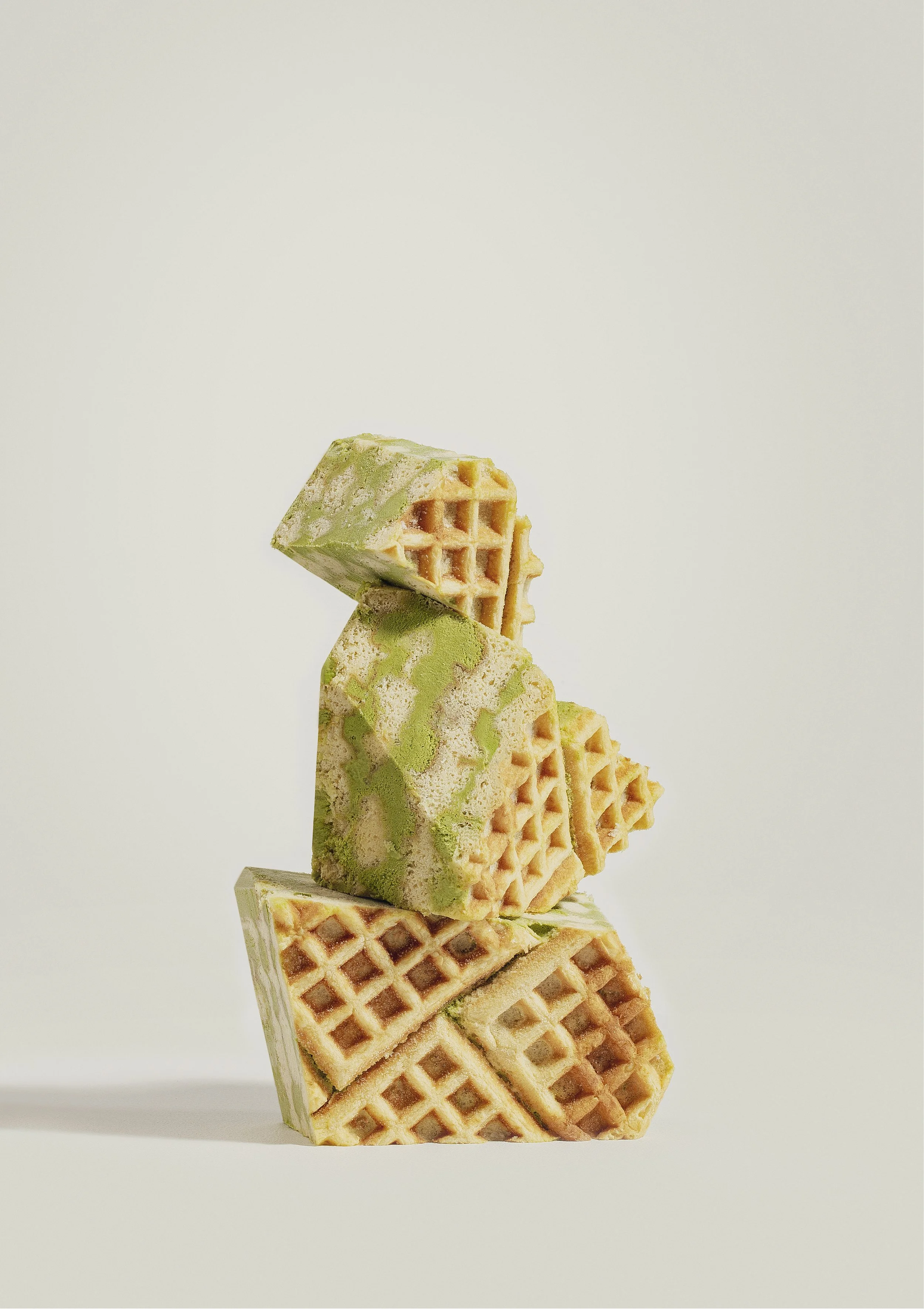
Balanced Diet No 3, archival print, 42 x 29.5cm, 2021, USD 300, © Espacio Crudo, Bogotá, Colombia
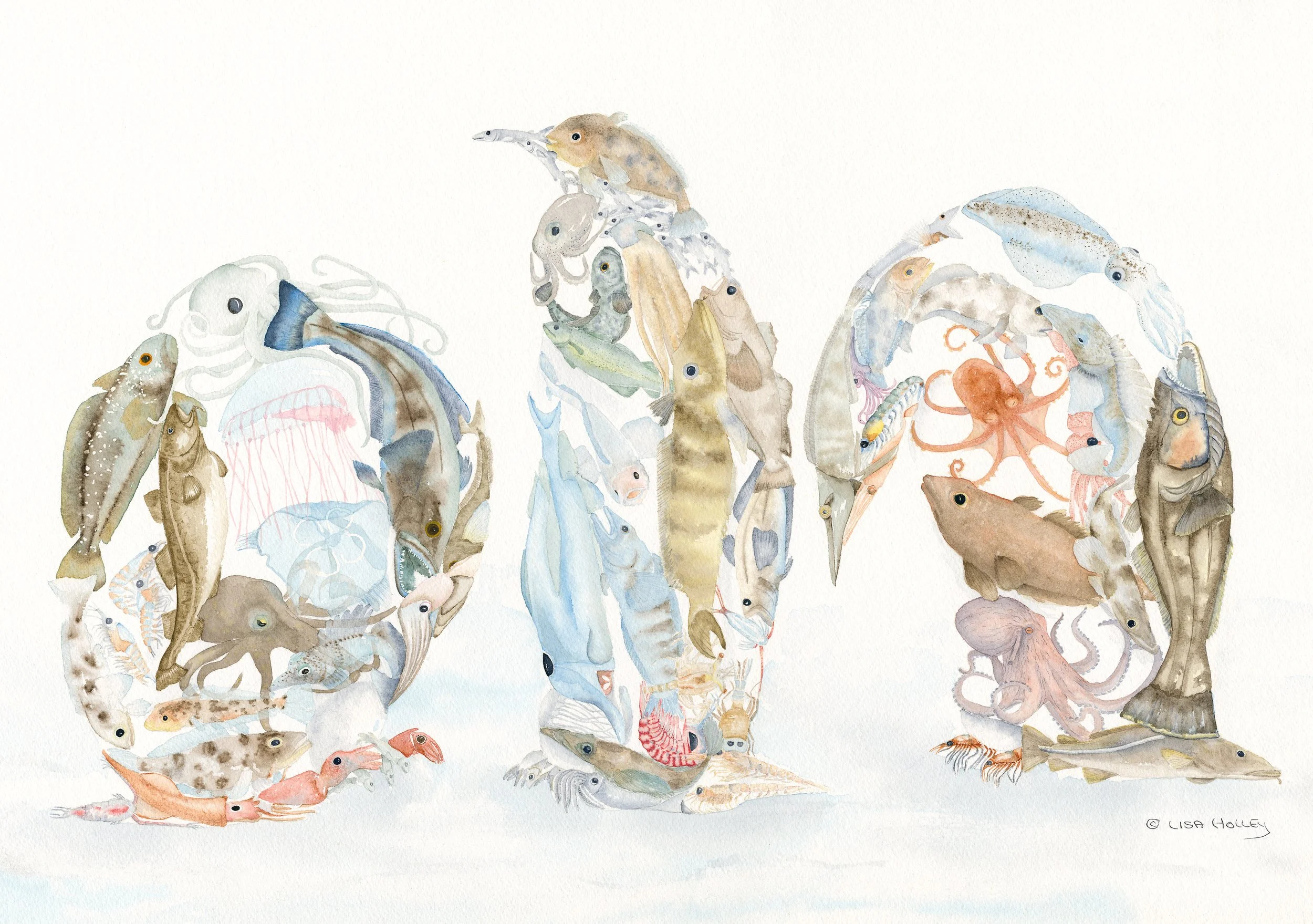
Paternal Penguins, watercolor on paper, 19 x 27 in, 2019, USD 4000, © Lisa Holley, Sun Valley, Idaho
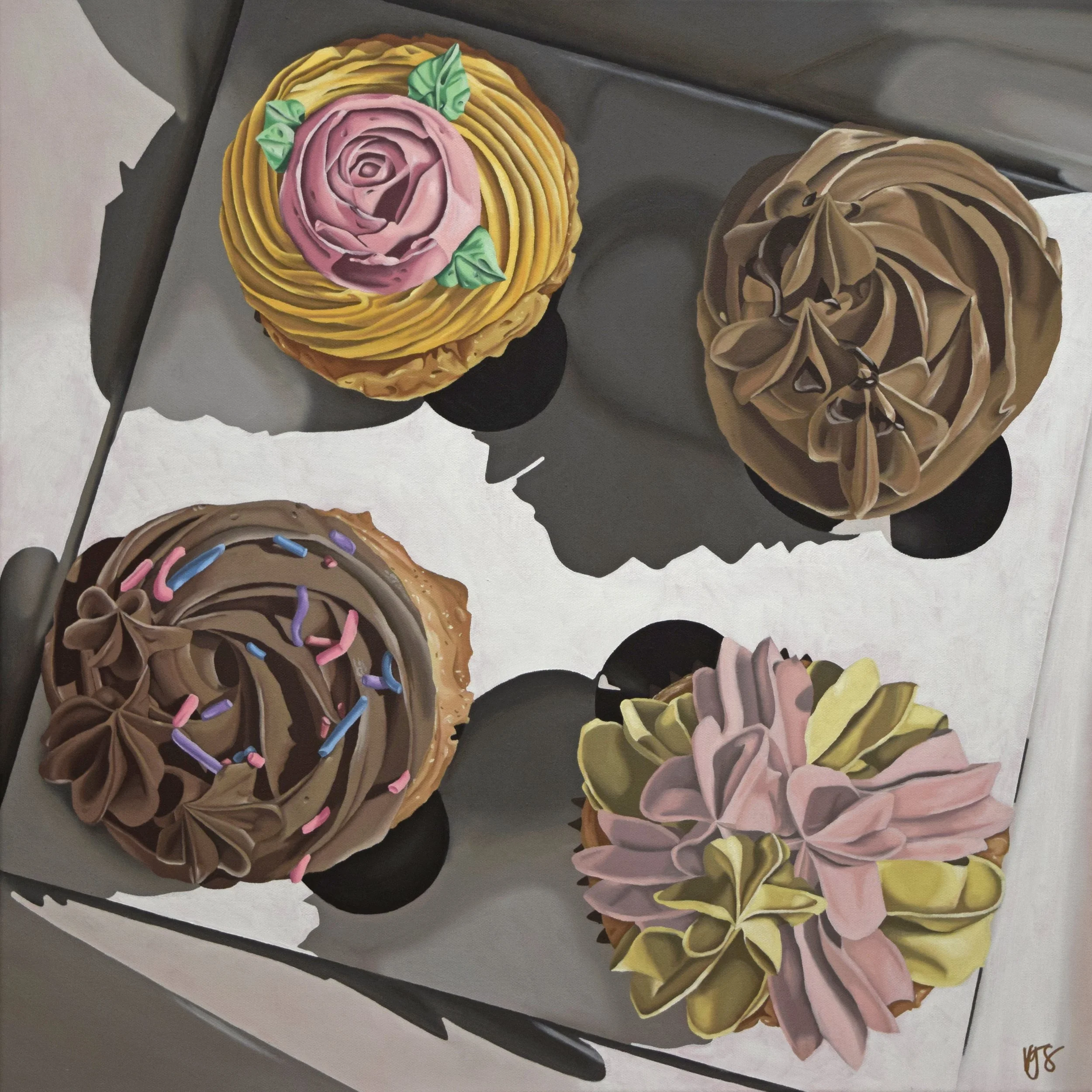
Indulgence, oil on canvas, 24 x 24 in, 2023, USD 2000, © Katharine Shuman, Washington, D.C.
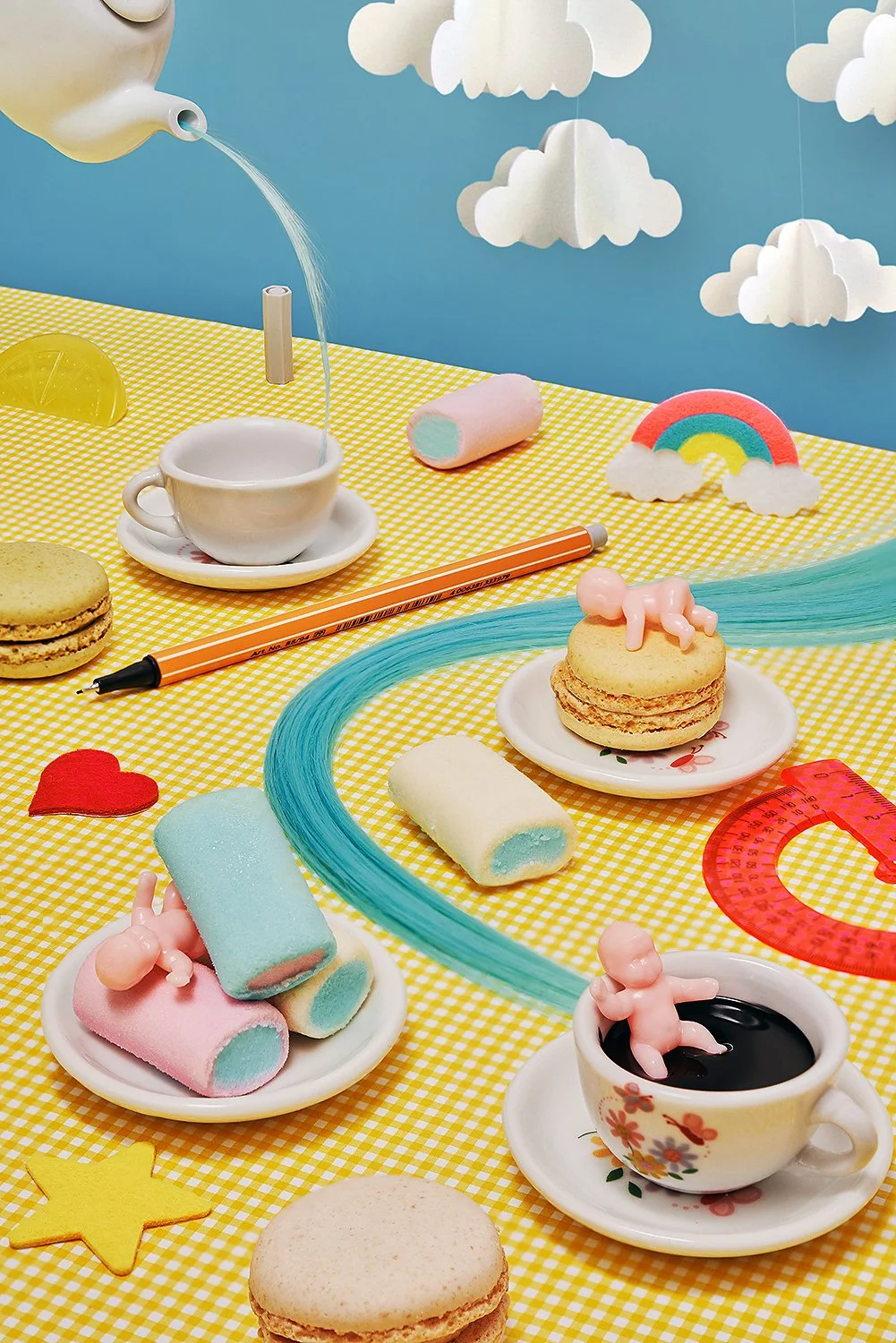
Mad Tea Party, archival canvas print, 20 x 30 cm, 2023, €1500, © Margarita Kovaleva, Tivat, Montenegro
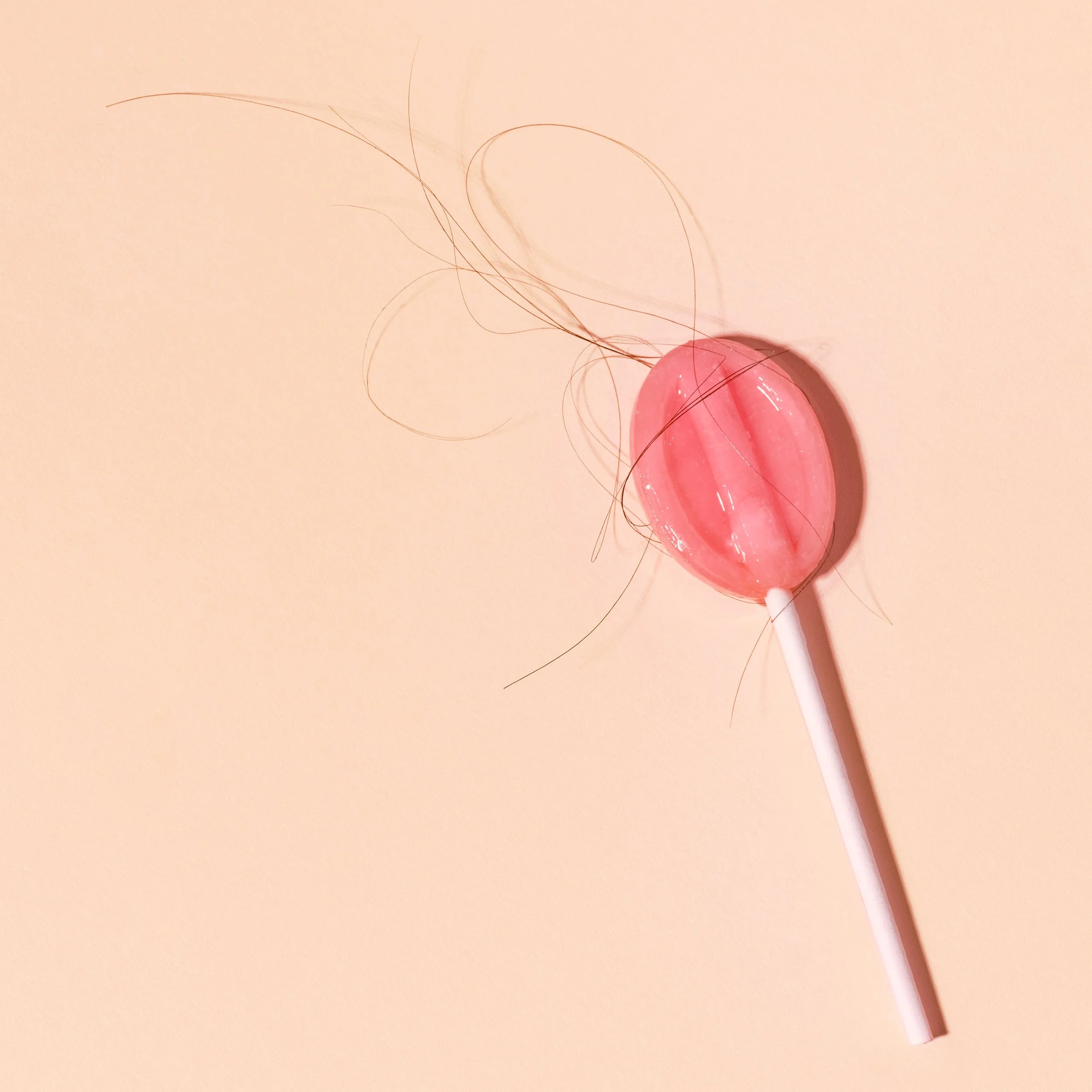
Ugly Sweet, archival canvas print, 20 x 30 cm, 2023, €1500, © Margarita Kovaleva, Tivat, Montenegro
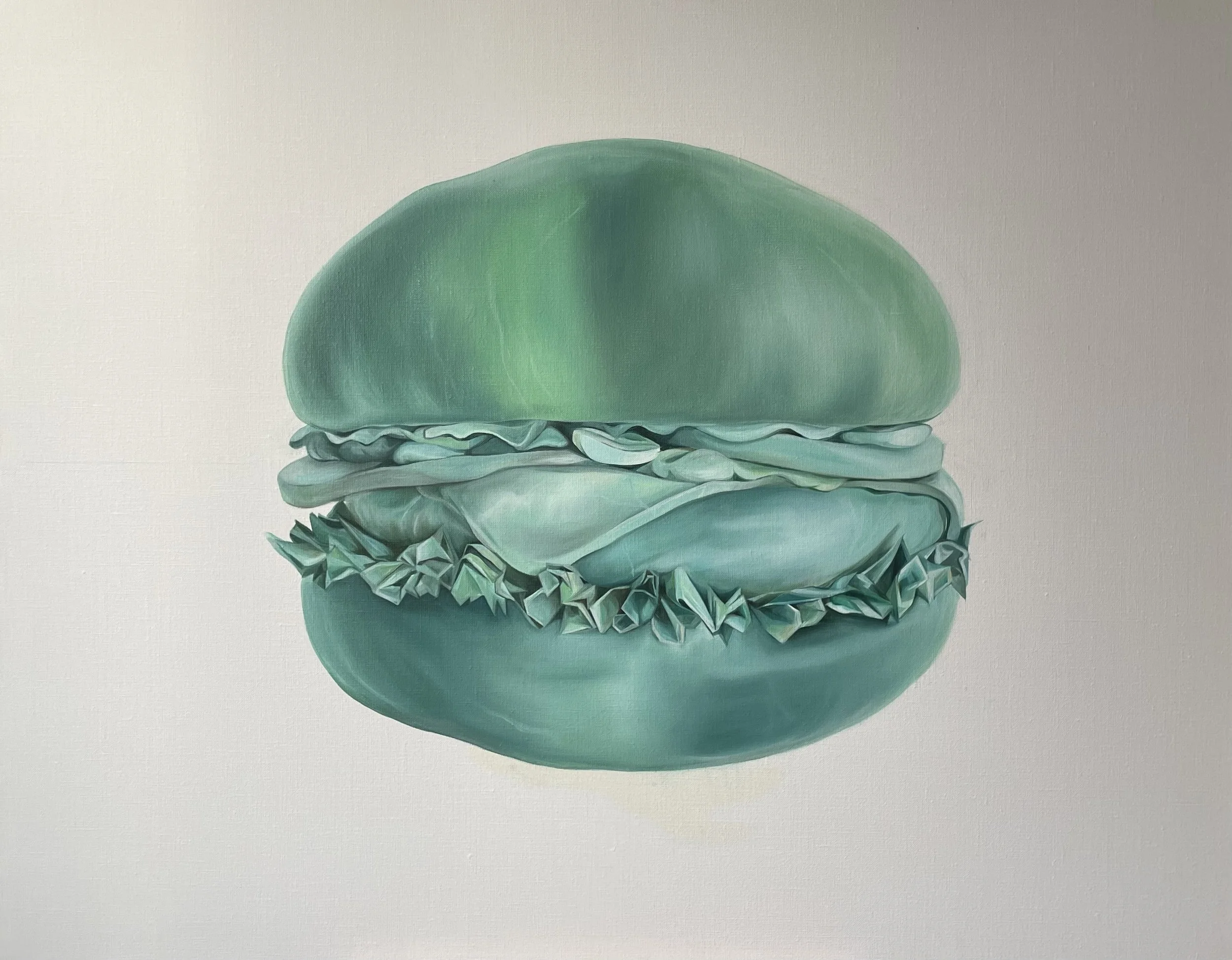
Imperial Burger, oil on canvas, 90 x 65 cm, 2023, €5000, © Wang Yuanfang, Tokyo, Japan
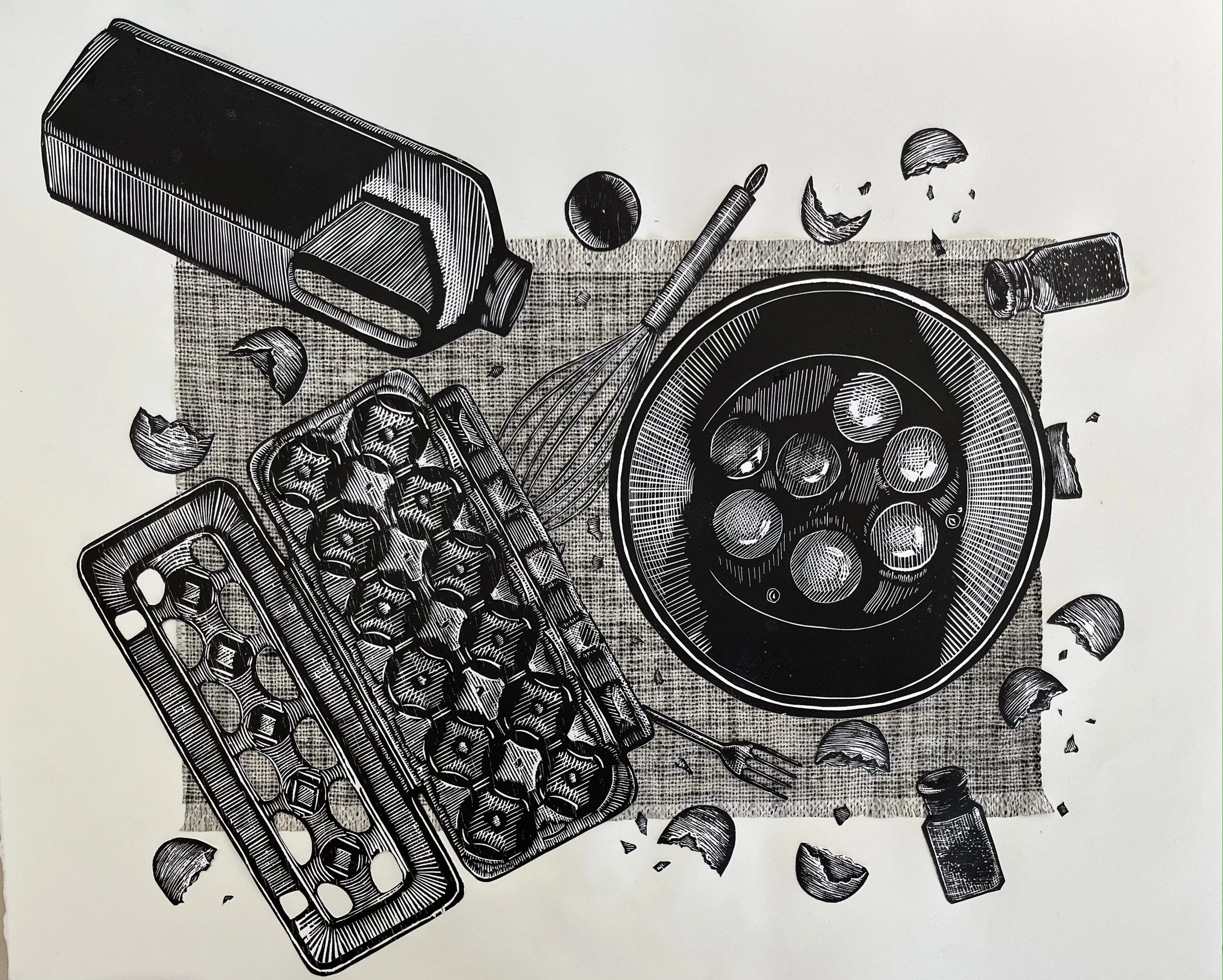
First Recipe, wood and linocut with fabric relief and chine collé, 23 in x 21 in, 2023, NFS, © Braeden Baston, Somerville, Massachusetts
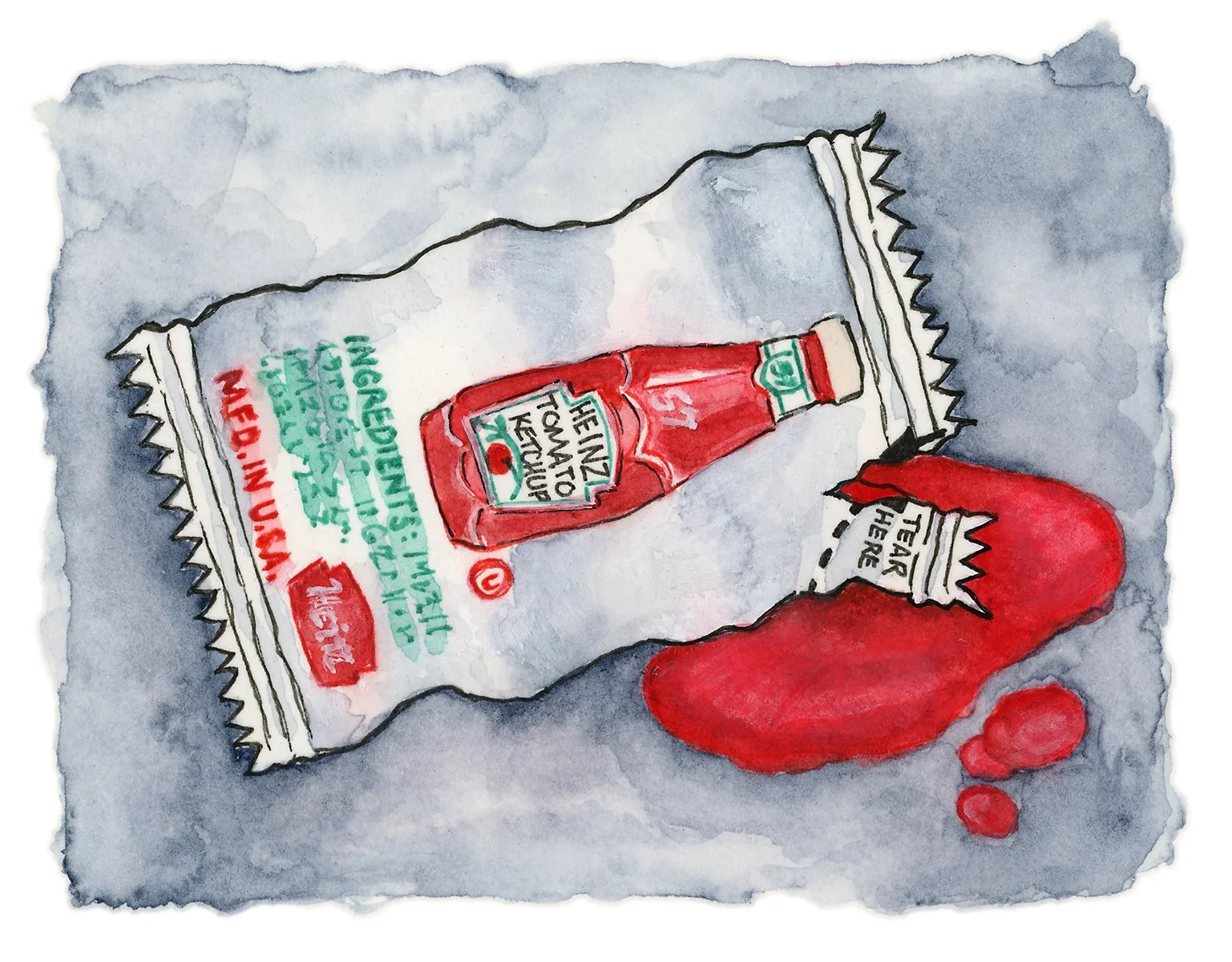
Heinz Ketchup, watercolor and ink on paper, 3 x 4 in, 2023, NFS, © Christopher W. Luhar-Trice, Jacksonville, Florida

Koan with Forks, archival print, 4 x 4 in, 2014, USD 125, © Christopher W. Luhar-Trice, Jacksonville, Florida
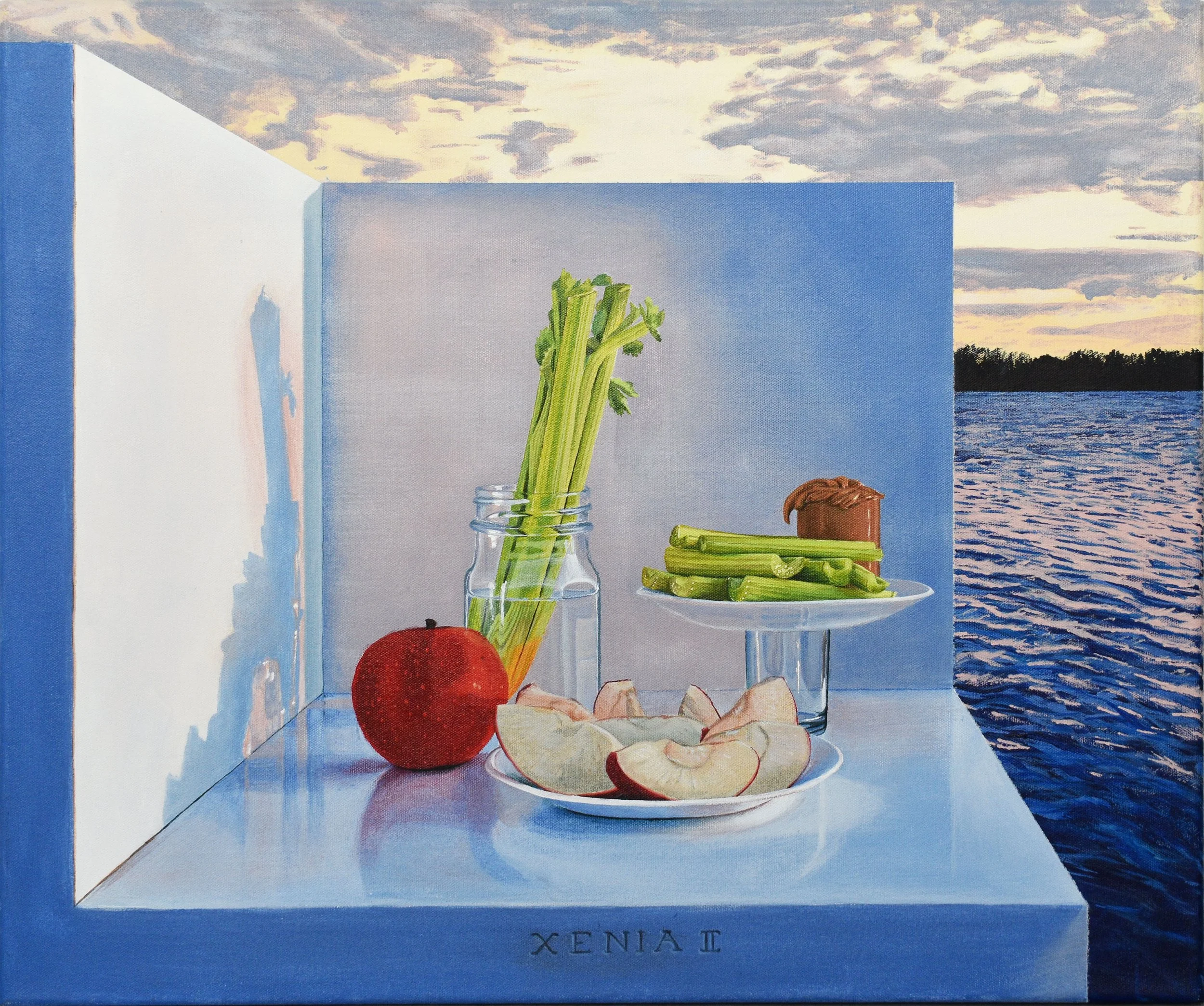
Xenia II, acrylic on canvas, 24 x 20 in, 2021, NFS, © Lydia Nong, Des Moines, Iowa
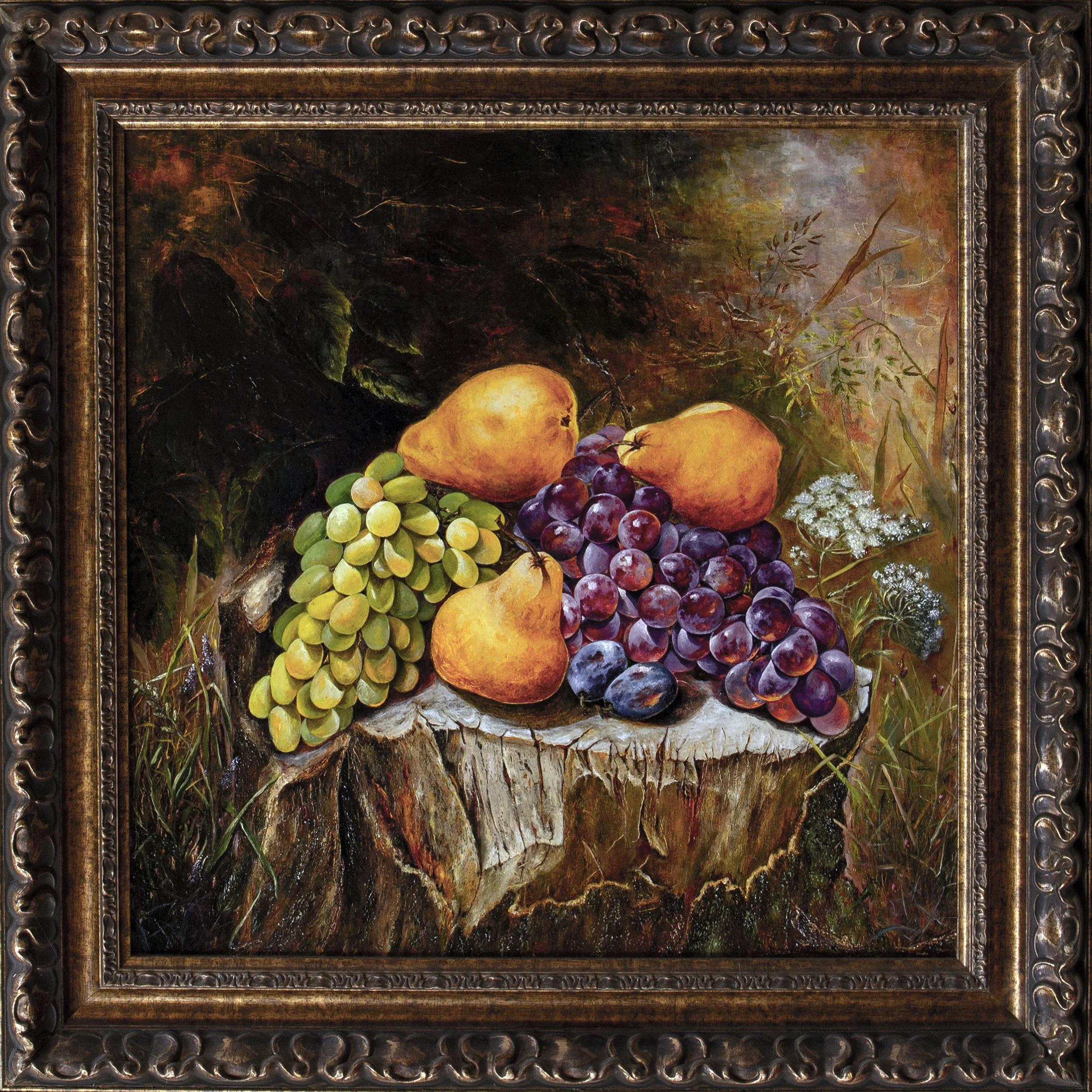
Grapes and Pears on an Old Stump, oil and canvas, 64 х 64 х 4 in, 2019, £1800, © Inga Loginova, Kyiv, Ukraine
8-Course Meal
8-Course Meal is an experimental video essay on consumption media and media consumption, structured via rules and rhythms. A chaotic assortment of media hides a narrative structured via a heavy set of guidelines. The composition takes three separate panels: The first shows food presentation, predominantly within commercial setting. The second shows food consumption via both educational and commercial media. Meant to mirror the rules and rhythms of our consumption flow throughout a coursed meal, or our day, or the course of our lifetime, 8-Course Meal is an experiment in consumption of media on consumption.
Fox and Isla
This animated digital artwork reflects on my daughter's relationship with our pet rooster, Fox, and their shared passion for cake. Our hens supply the eggs she uses for her baking, but in return demand a share of the produce. It explores the merging of the digital with the analogue, both in terms of art-making and the real-world pursuits of my children and their friends. The soundtrack is derived entirely from recordings of our hens.
Sales and Artist Inquiries
Are you interested in making a purchase or connecting with one of the featured artists? Send us an inquiry through our contact form, and we'll get back to you shortly.