

Americana (2023)
April 1–May 1, 2023
Americana examines the objects, people, places, histories, and folklore through which the United States imagines itself. Moving between nostalgia and stereotype, aspiration and contradiction, these works consider freedom, the American Dream, cultural plurality, and the stories embedded in everyday symbols.
Featured Artists
Alec Landon, Bob Debski, Brandon Ralph, Briana Earl, Carol Ginandes, Christine Truhe, Daniel Rodríguez, Darci Parsley, David Berg, Dean Forbes, Hillary Greene-Pae, Jane Feely, Jessica Margo, Joan Eckhardt, John Diephouse, John Manno, Laura Beth Davidson, Mark Peacock, Michael Young, Qingju Wen, Richard Schramm, Scott Bemman, Stacy Duryea, Stephen Wilson, Tian Gan, Vincent Gorlami, William Brown, Wright Schickli
Americana Is a Category Invented by the Antiques Trade
The word began as a dealer's label. It described collectible objects of American origin, and it carried no aesthetic claim at all before photographers borrowed it. That commercial origin is worth keeping in mind, because it explains the genre's persistent double character: Americana is simultaneously a set of things and an argument about what those things mean. A photograph of a hand-painted sign is a record of an object and a position on the culture that produced it, and the interesting work knows which of those it is doing. This exhibition collected thirty-four works from twenty-eight artists, credited between 2012 and 2022.
The Roadside as Studio
The genre's geography is remarkably stable. Highways, diners, motels, filling stations, county fairs, small-town main streets, and the shoulder of a two-lane road account for a large majority of the pictures ever filed under the term. There is a documentary lineage behind this that runs through the Depression-era survey photographers and the mid-century road books, and it established a grammar so durable that photographers now inherit it whether or not they have looked at it. The risk is a closed loop in which the roadside is photographed because roadside photographs exist.
Nostalgia Is a Position, Not a Mood
The same object photographed the same way reads differently depending on the decade and the caption. A neon motel sign can be affection for vernacular design, an elegy for a local economy, or a comment on the marketing of a past that was never uniformly available. None of those readings is in the object. They are produced by framing, sequence, and what the photographer chooses to leave in at the edges. Work that refuses to take a position does not thereby become neutral; it usually defaults to the most conventional reading available.
Vernacular Design and the Handmade Sign
The strongest material in the genre tends to be anonymous. Hand-lettered signage, homemade window displays, mascots painted by someone with no formal training, price boards corrected over decades. These are records of ordinary decisions made without an audience in mind, which is exactly why they carry information that professional design does not. Photographing them is closer to fieldwork than to composition, and the useful discipline is legibility rather than style.
The Problem of the Ready-Made Symbol
A handful of objects in this territory arrive pre-loaded: the flag, the pickup truck, the diner counter, the church marquee. They are so heavily coded that including one guarantees a reaction and therefore guarantees nothing. A photograph that relies on recognition has outsourced its work to the symbol. The frames that survive repeat viewing are usually the ones where the symbol is present but subordinate, or where something in the picture complicates the reading the object was supposed to deliver.
Why the Theme Recurs
National self-image is a subject with no stable answer, which is what keeps it available to an open call. Portrait, landscape, still life, and street work all enter it without distortion, and the results function as a rough survey of what photographers currently think the country looks like. TCG Gallery is an independent online photography gallery, and each juried exhibition remains part of a permanent public archive after its run ends, so the Americana catalog stays readable as the answers change. Photographers can enter the current photography open calls directly.
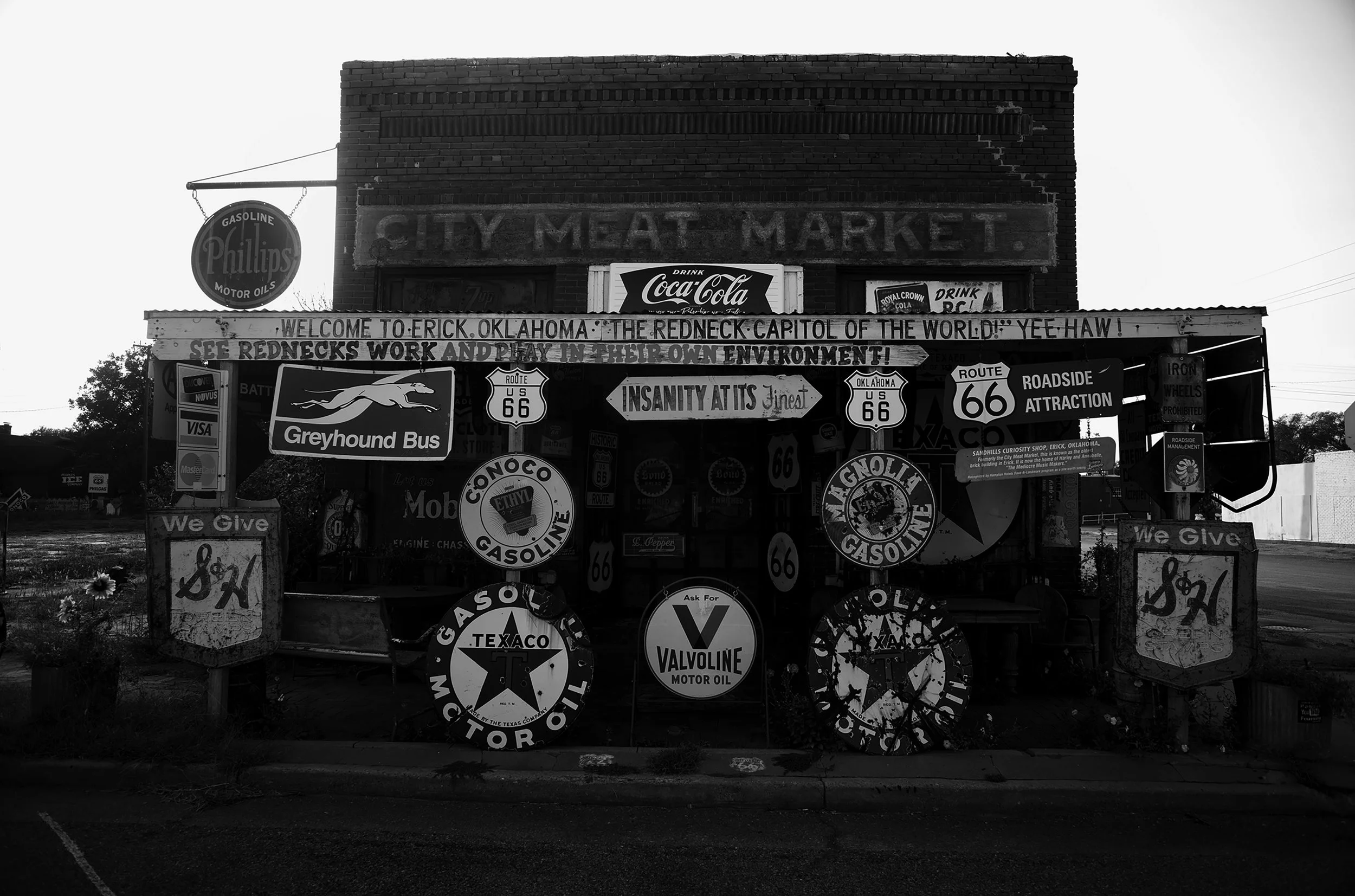
Meat Market, Archival photo print, 20 x 24 in, 2022, USD 2500, Brandon Ralph, Watermill, New York
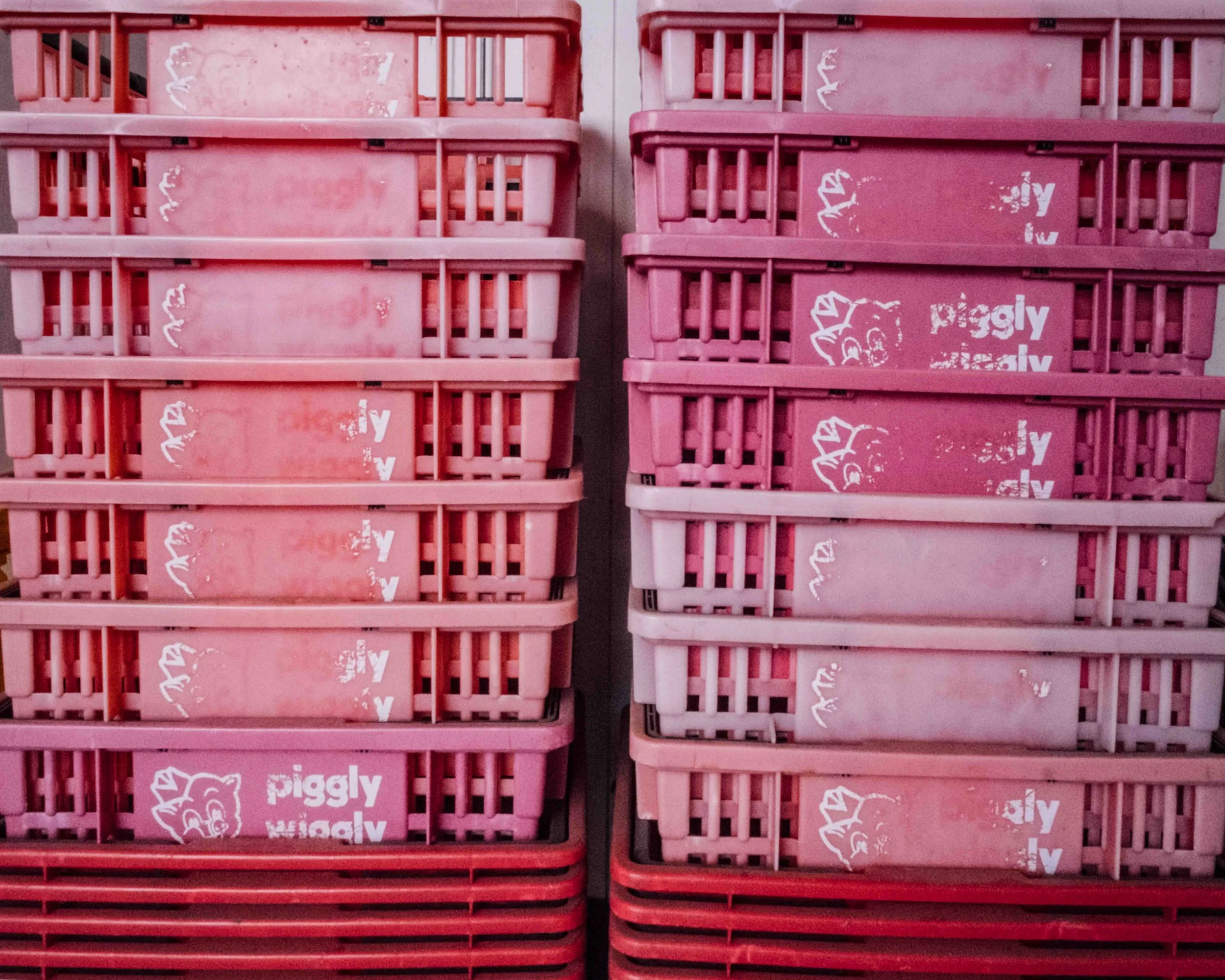
Piggly Wiggly, Archival photo print, 16 x 16 in, USD 175, Laura Beth Davidson, Forest, Virginia
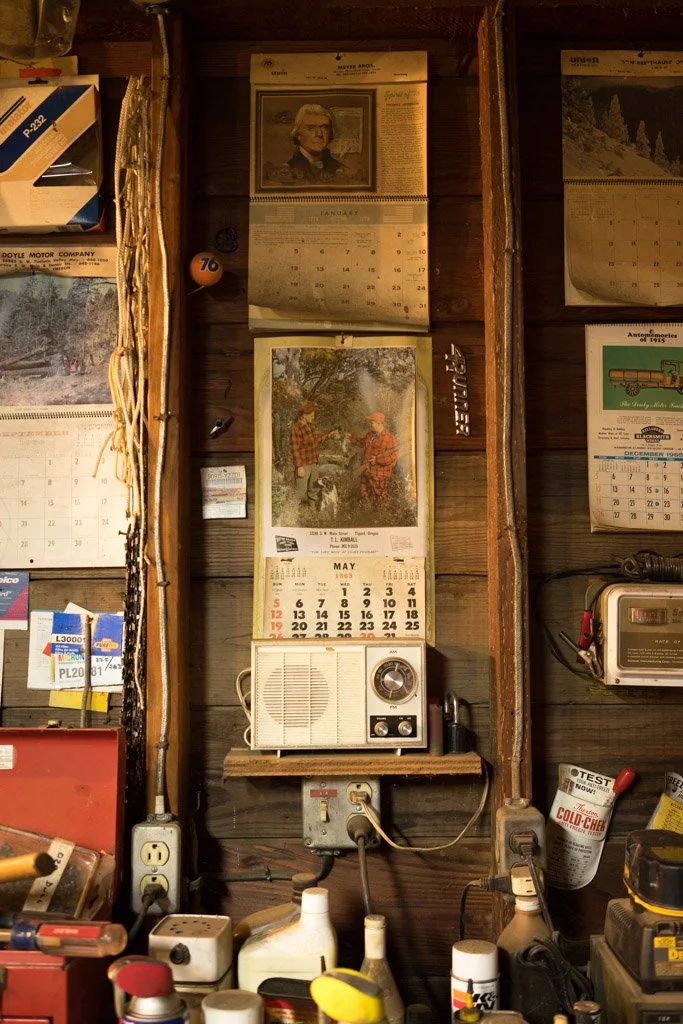
Untitled, Archival photo print, 15 x 22 in, 2022, USD 250, Alec Landon, Portland, Oregon

Jack & Son, Archival photo print, 18 x 24 in, 2020, USD 450, John Diephouse, Lansing, Michigan
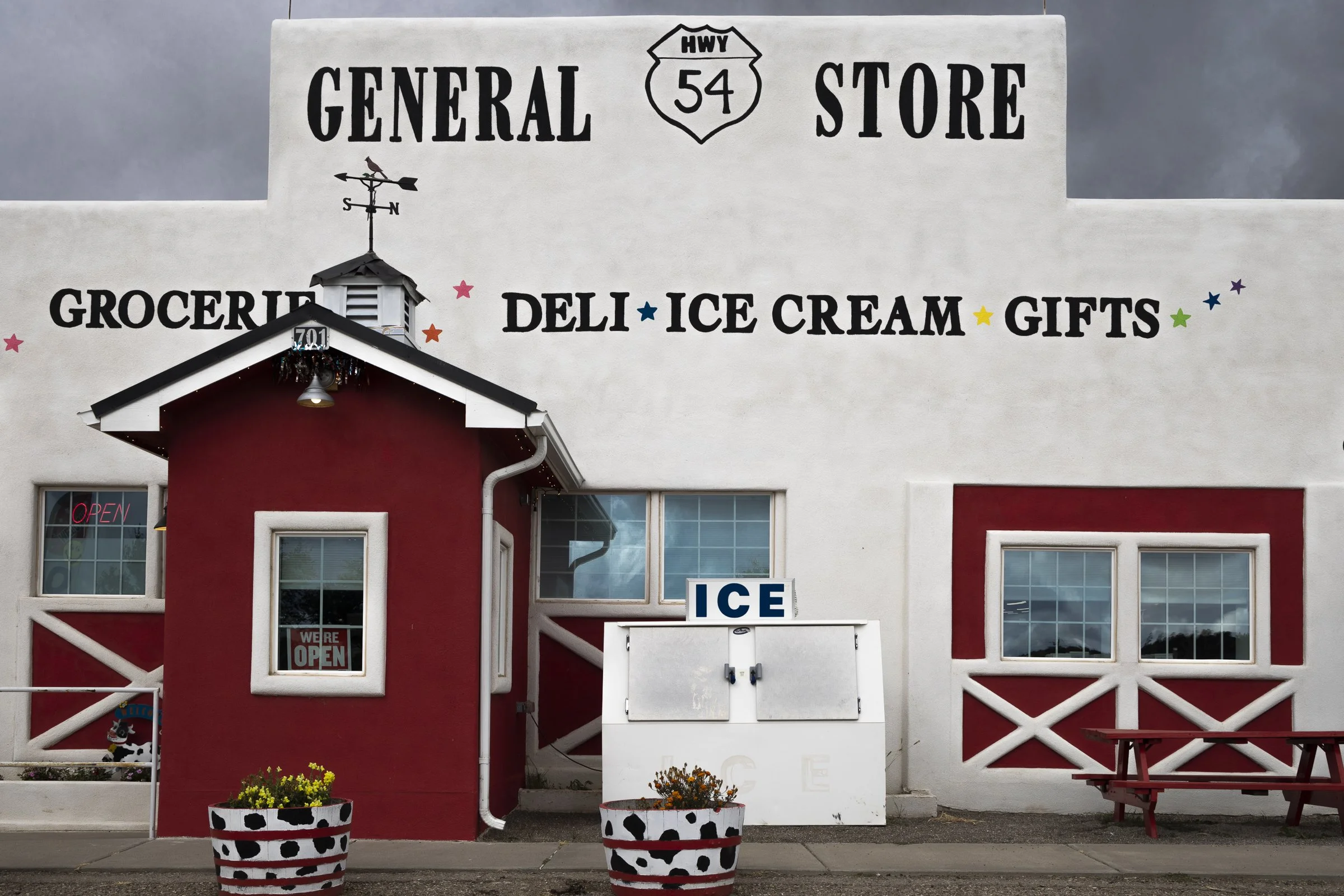
Alone on a Long New Mexico Highway, Archival photo print, 16 x 24 in, 2021, USD 300, Christine Truhe, Summit, New Jersey
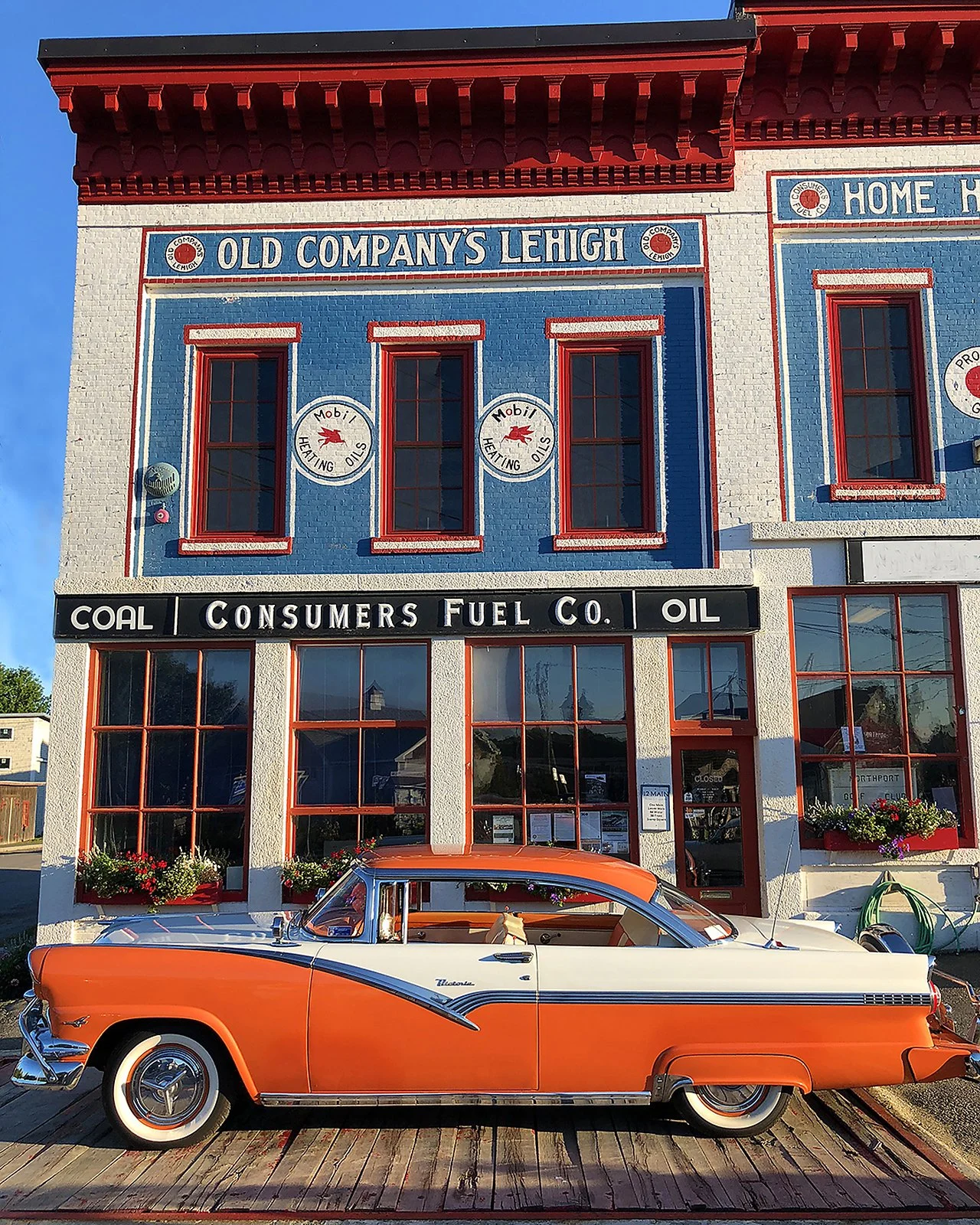
Downtown Classic, Photograph on canvas, 16 x 20 in, 2021, USD 700, Carol Ginandes, Watertown, Massachusetts
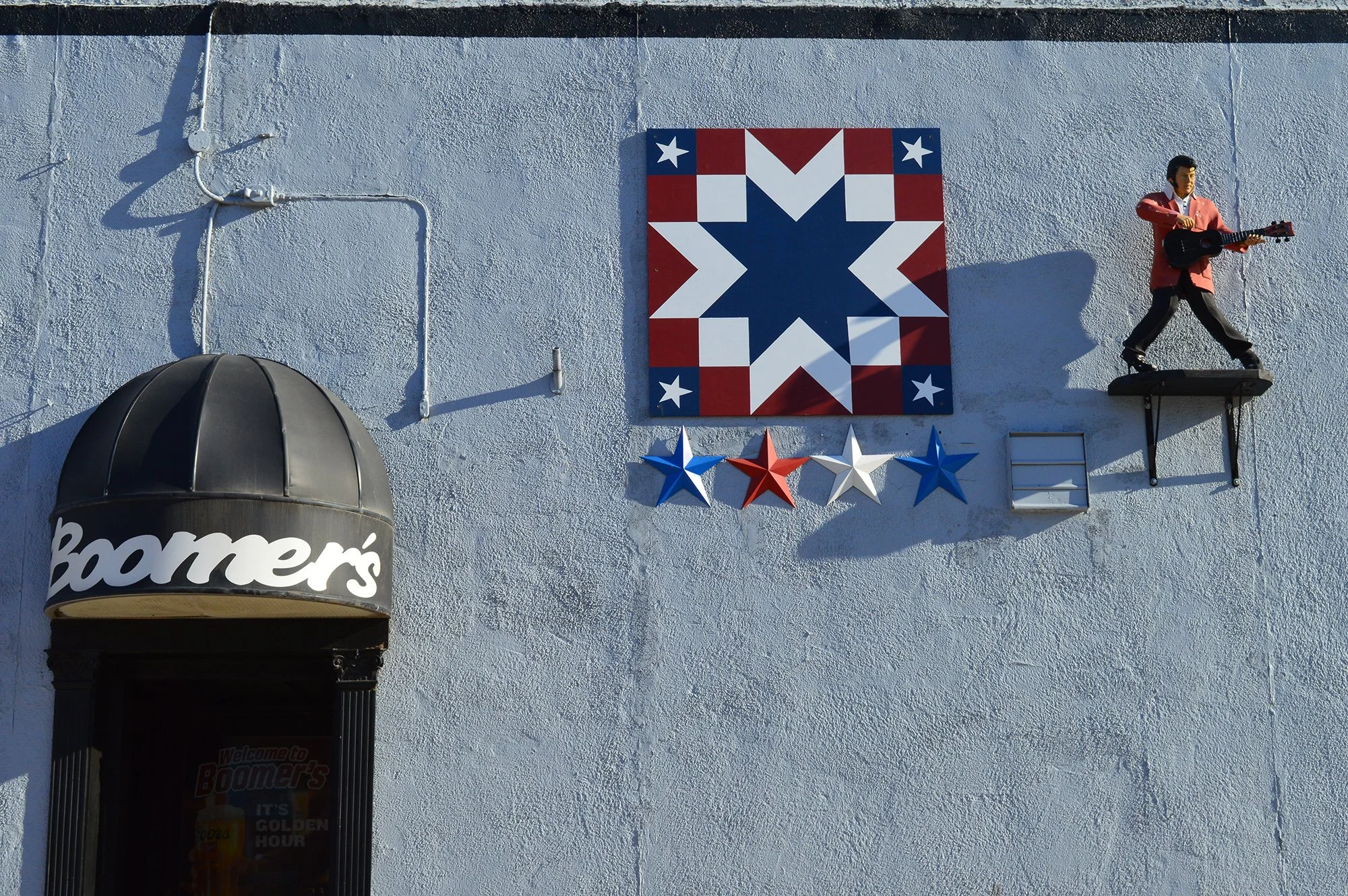
Boomer's, Archival photo print, 24 x 20 in, 2021, USD 400, Briana Earl, Greenville, North Carolina
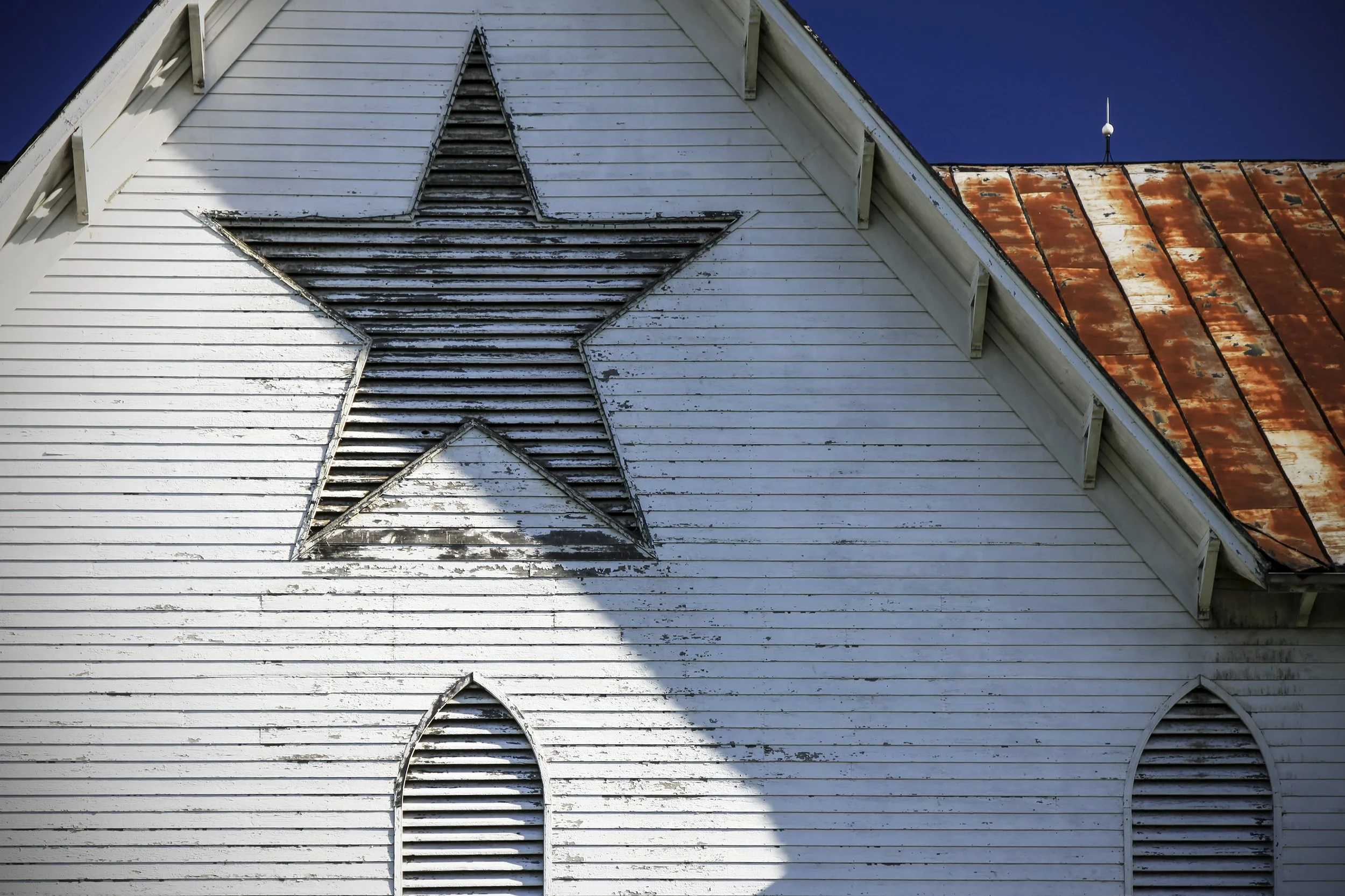
American Gothic, Archival photo print, 16 x 24 in, 2015, USD 285, Bob Debski, Lansdale, Pennsylvania
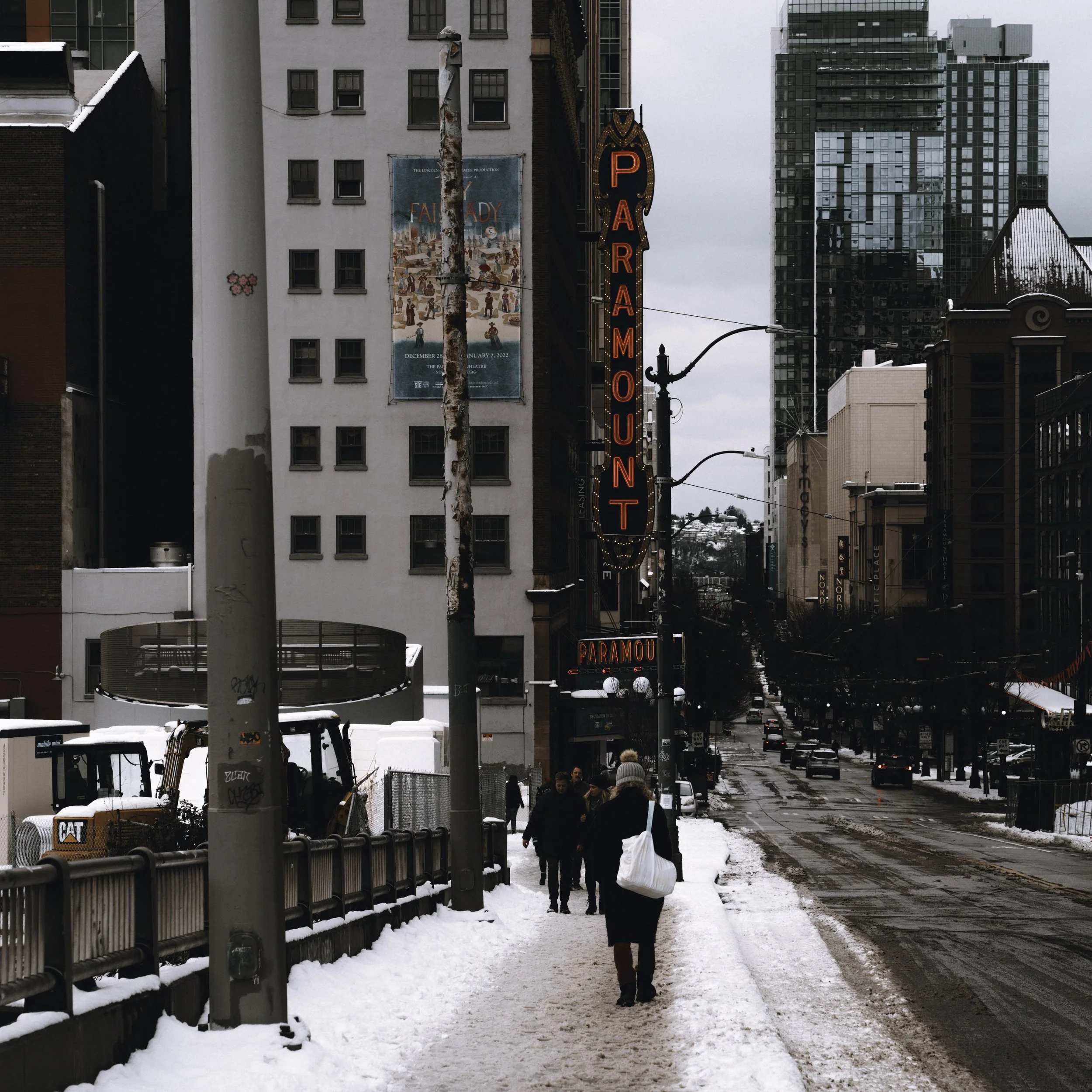
Paramount, Archival photo print, 13 x 13 in, 2022, USD 450, Qingju Wen, Jersey City, New Jersey
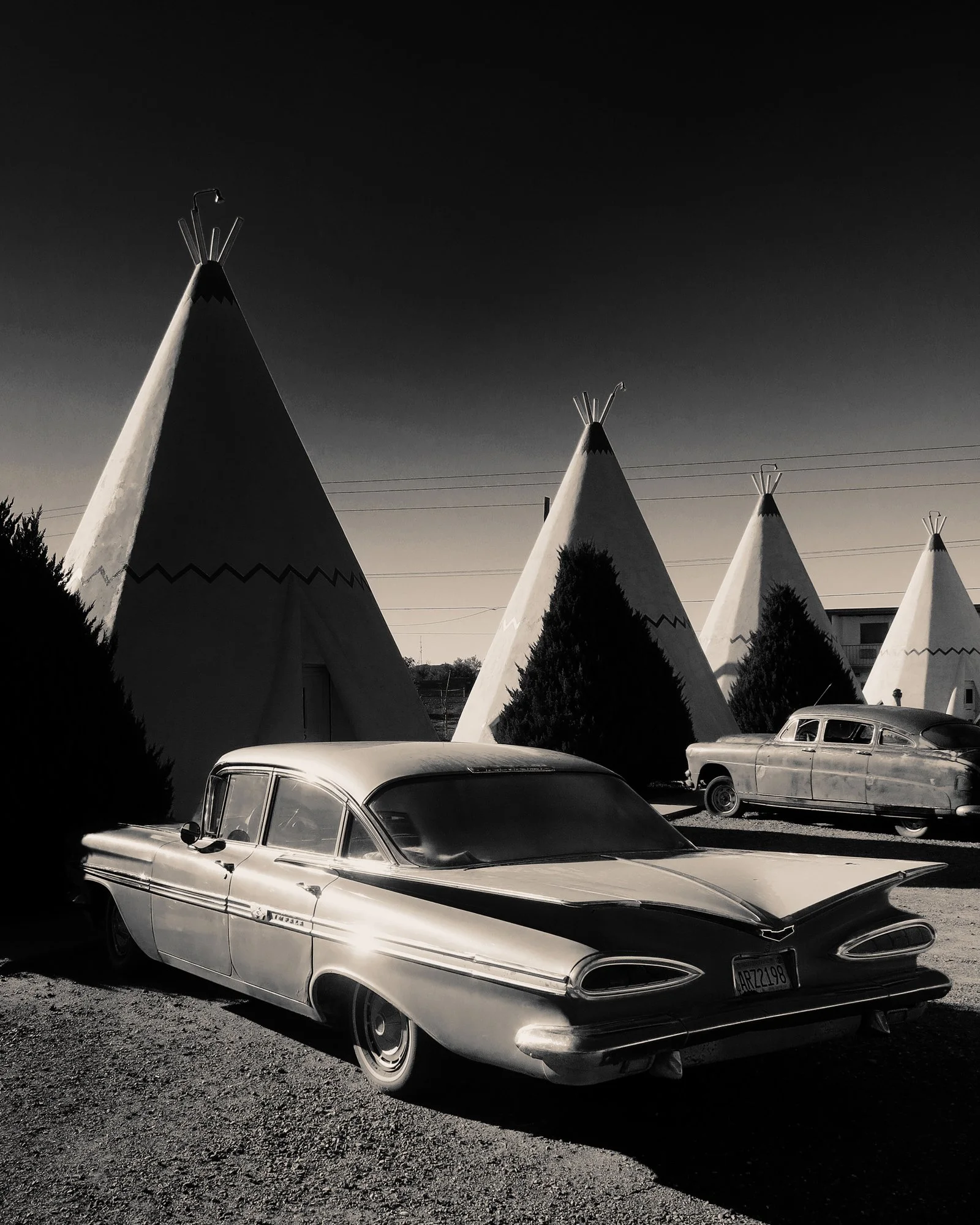
Wigwam Motel Route 66, 16 x 20 in, 2013, USD 400, Mark Peacock, Reseda, California

People at Santa Monica Beach, Archival photo print, 18.4 x 12.7 cm, 2020, USD 100, Tian Gan, Pasadena, California
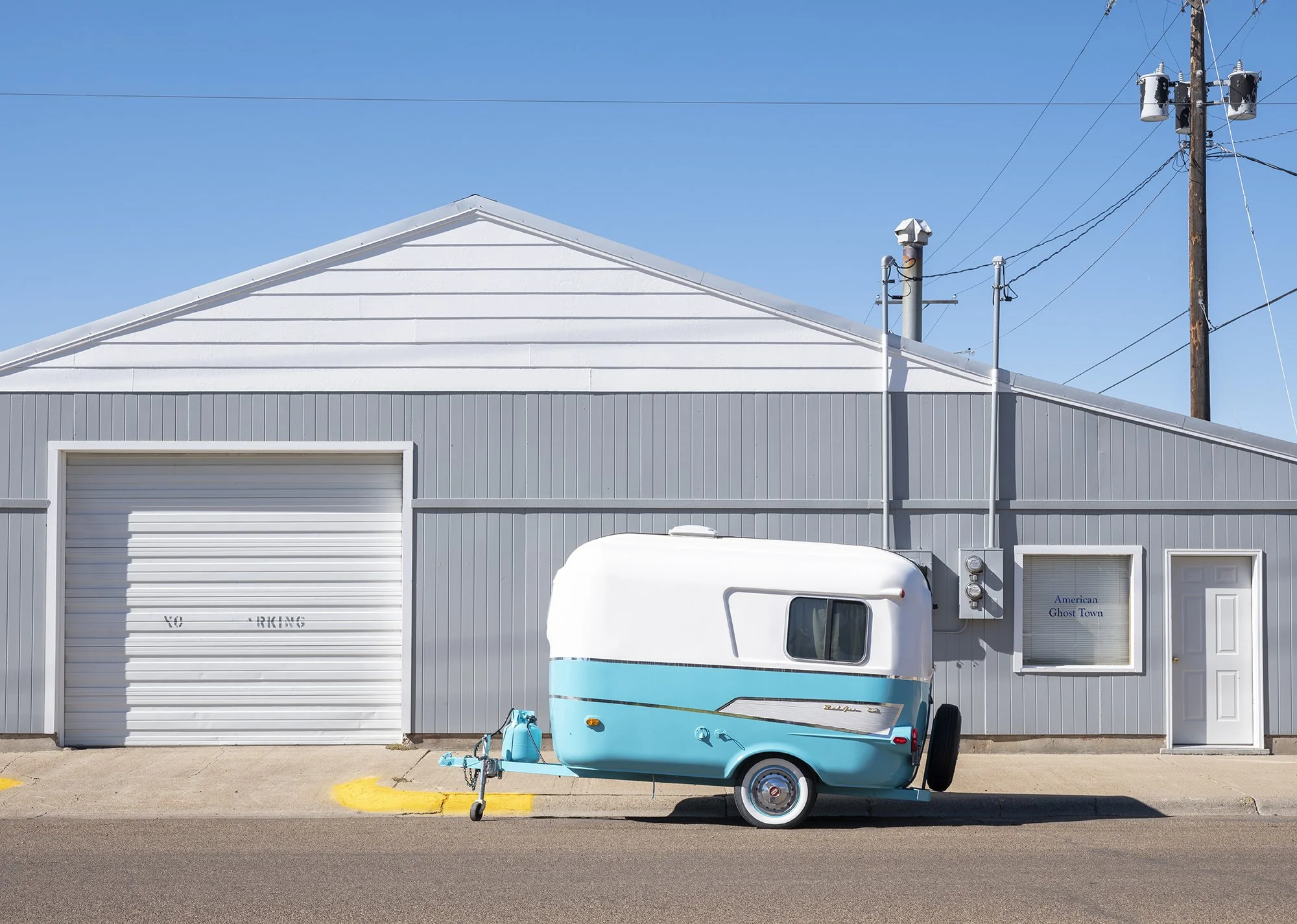
Bel Air, Archival photo print, 15 x 21 in, 2022, USD 400, Dean Forbes, Shoreline, Washington
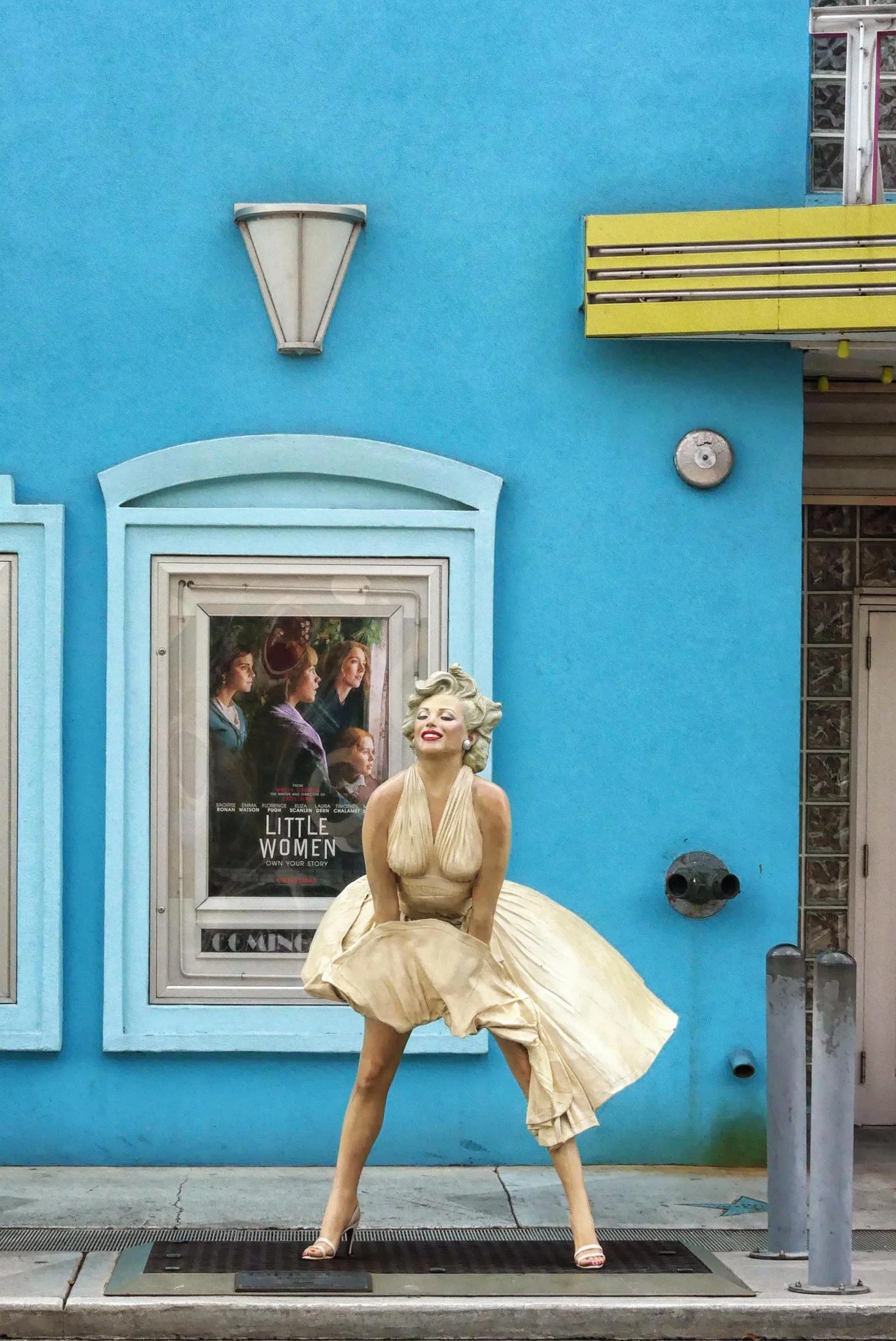
Oh Marilyn!, Archival photo print, 12 x 18 in, 2019, USD 300, Jane Feely, Highland Park, Illinois
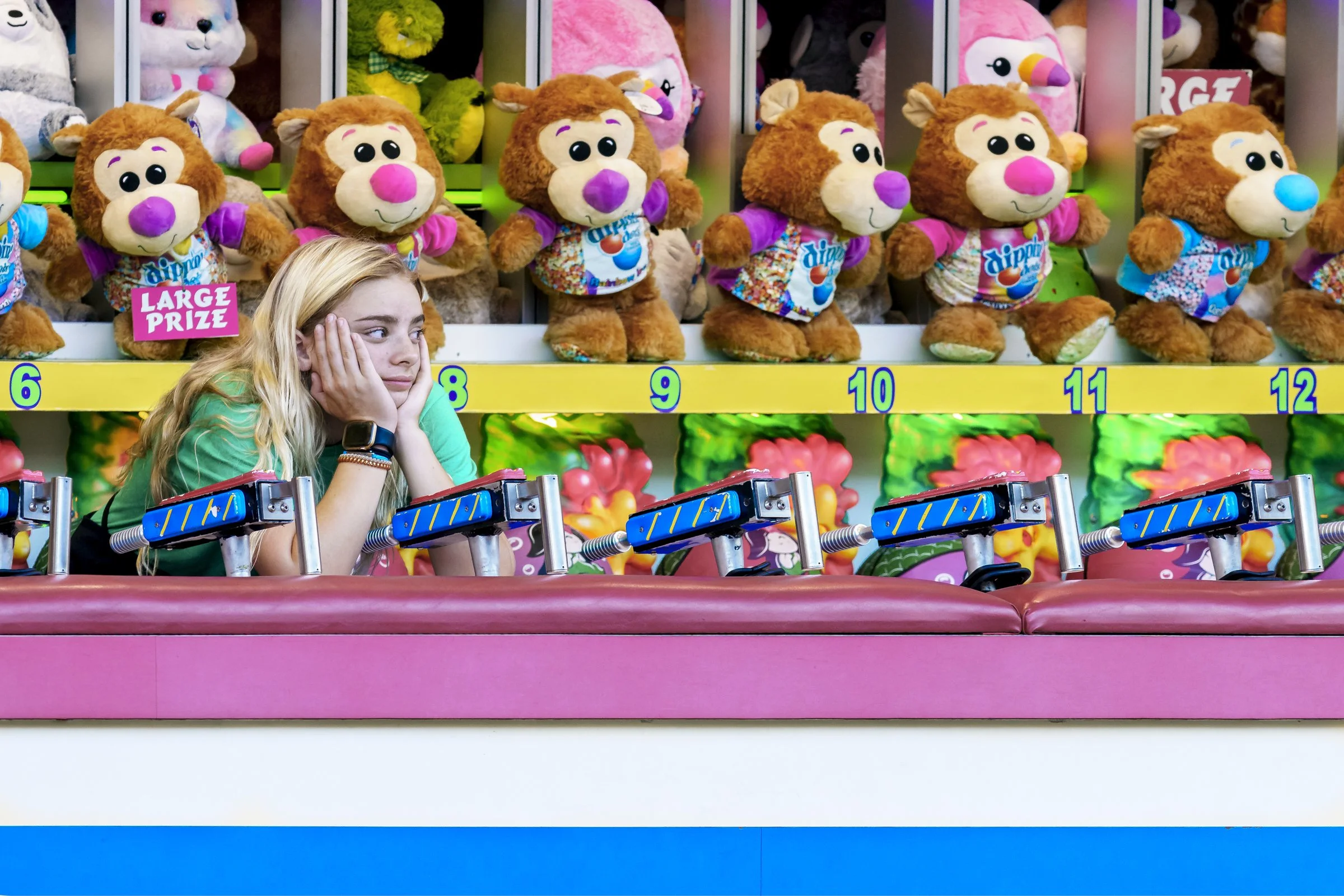
Bored-Walk, Archival photo print, 12 x 18 in, 2021, USD 300, Jessica Margo, Madison, New Jersey
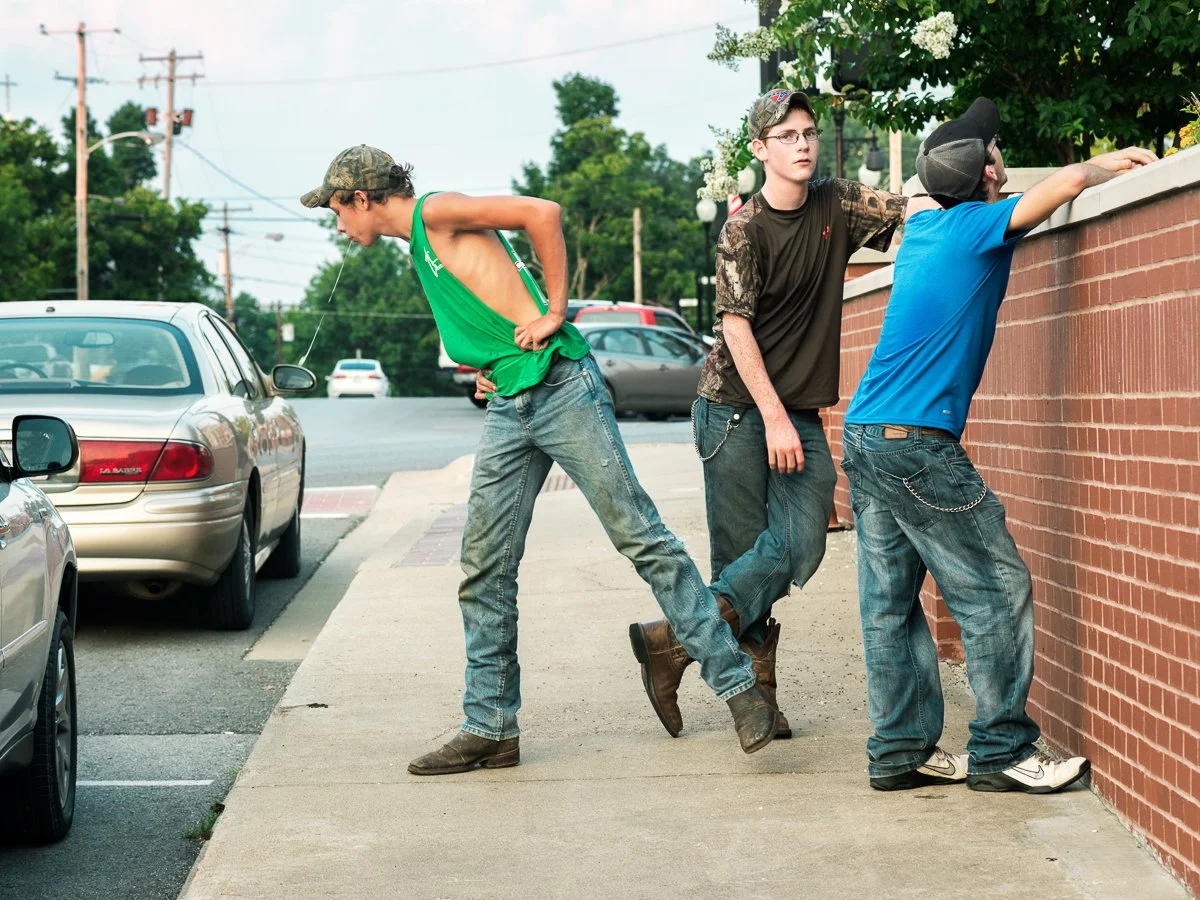
The Spit, Archival photo print, 24 x 18 in, 2018, USD 600, Michael Young, Scarsdale, New York
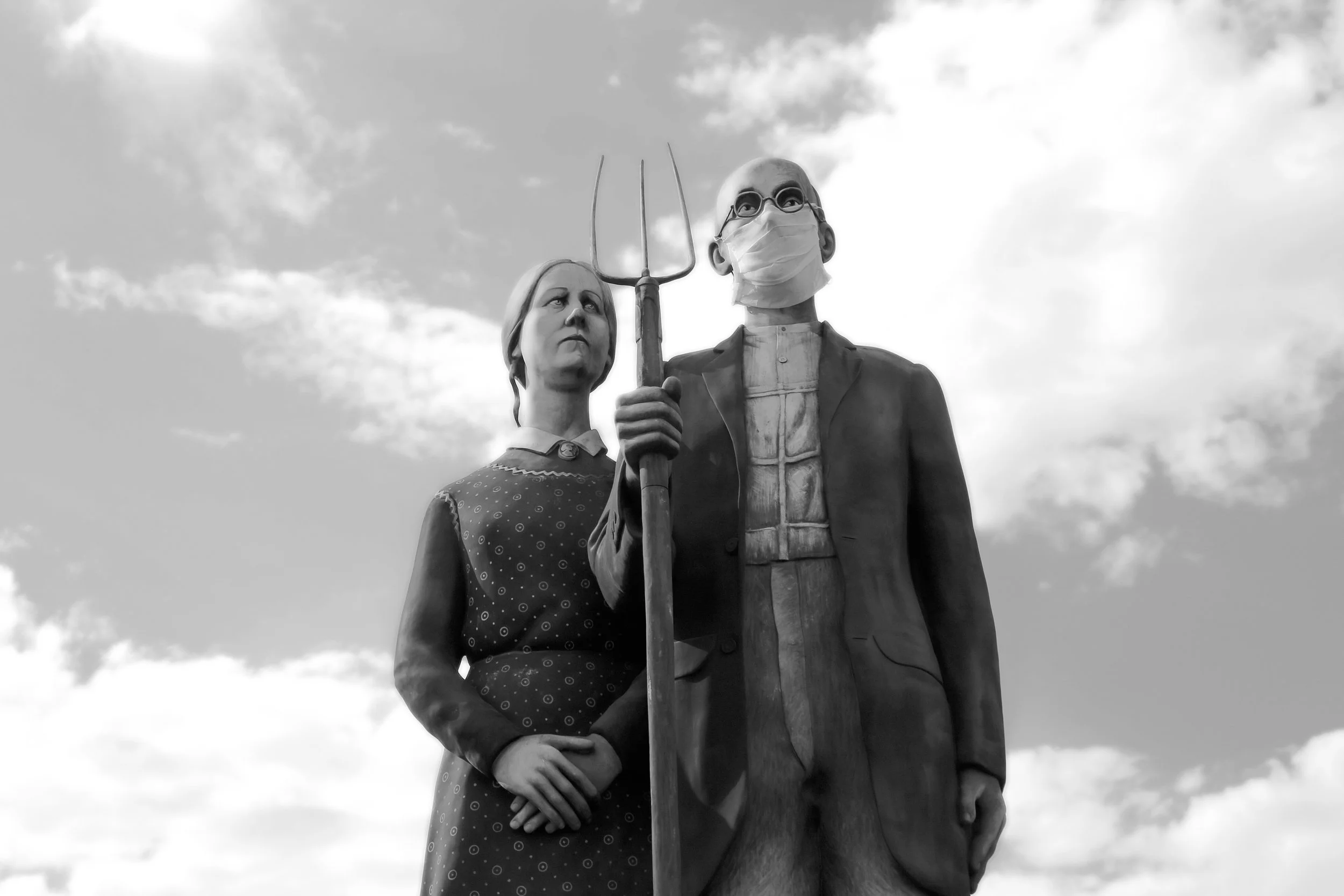
God Bless America, Archival photo print, 12 x 8 in, 2020, NFS, Stephen Wilson, Groveland, Illinois
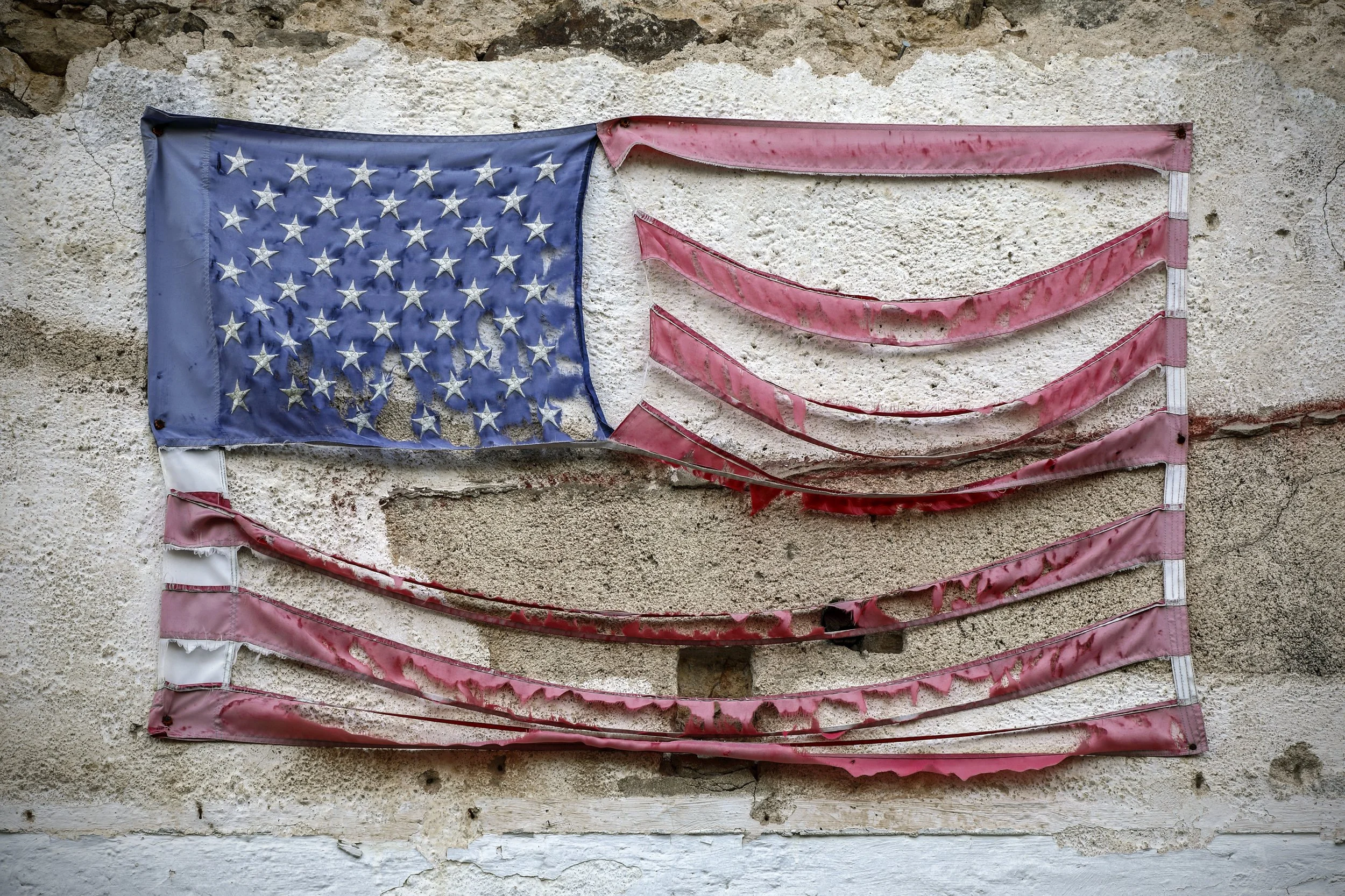
This is Not America, Archival photo print, 16 x 24 in, 2022, USD 285, Bob Debski, Lansdale, Pennsylvania

I Pledge Allegiance, Archival photo print, 12 x 12 in, 2022, NFS, William Brown, Opelika, Alabama
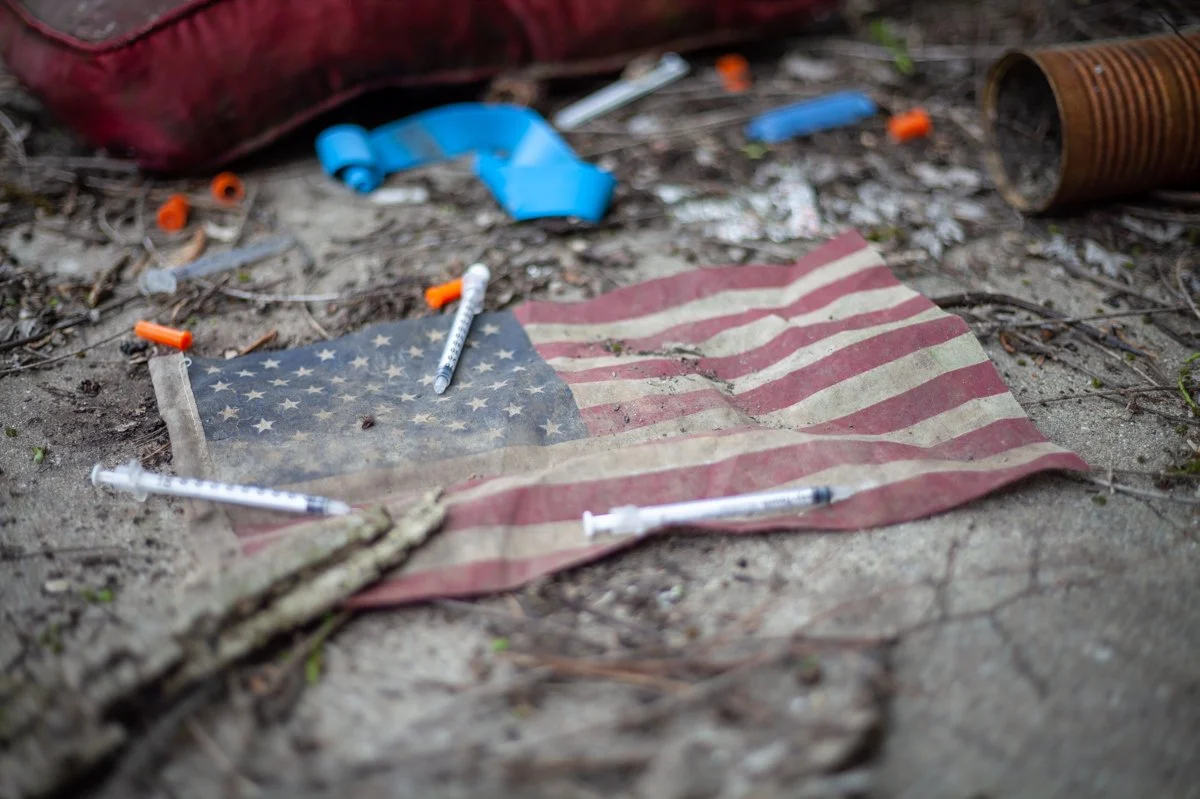
Flag, Archival photo print, 12 x 18 in, 2019, USD 350, Vincent Gorlami, Louisville, Kentucky
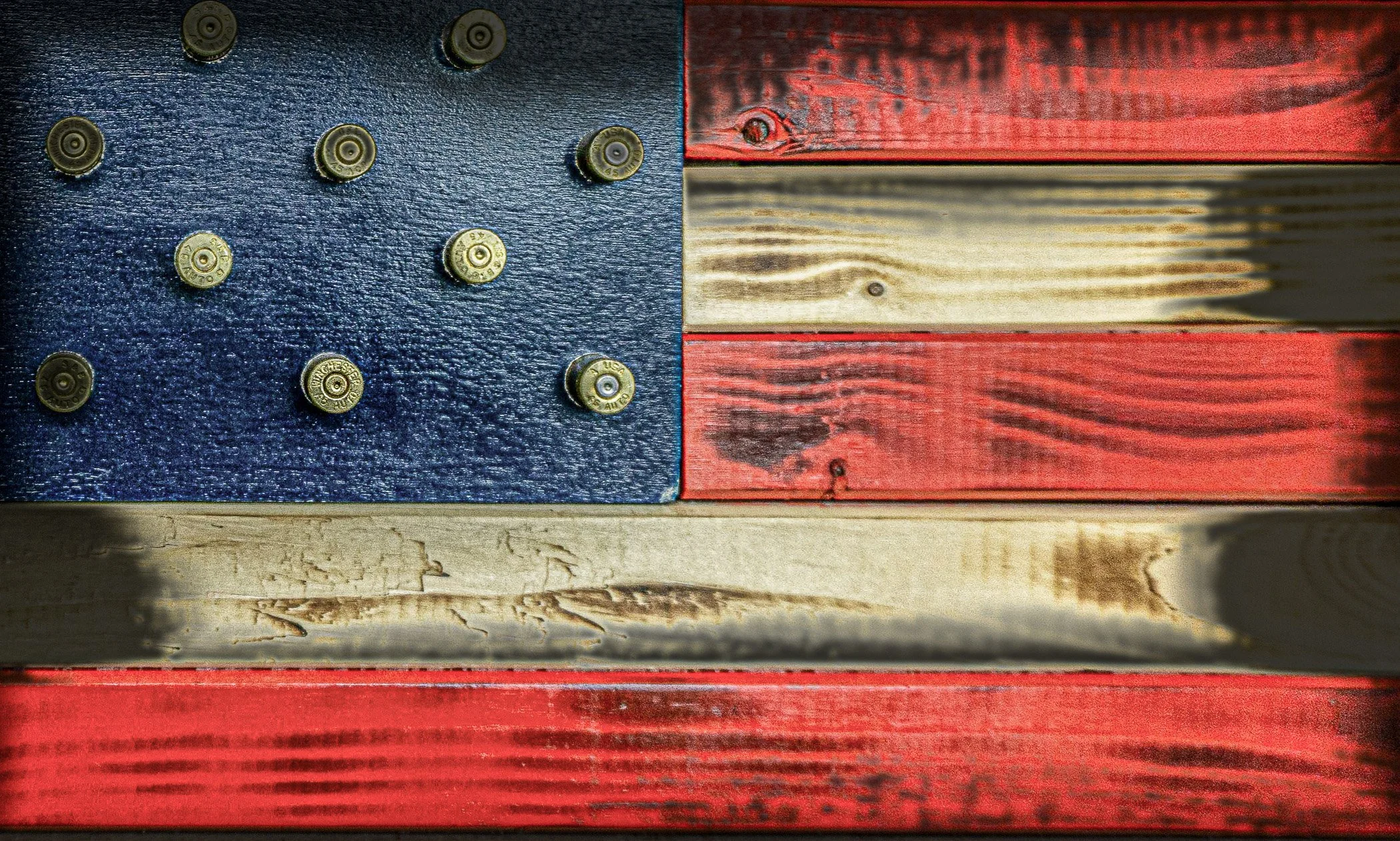
Loaded Flag, Archival photo print, 15 x 9 in, 2020, USD 200, Richard Schramm, Carrboro, North Carolina
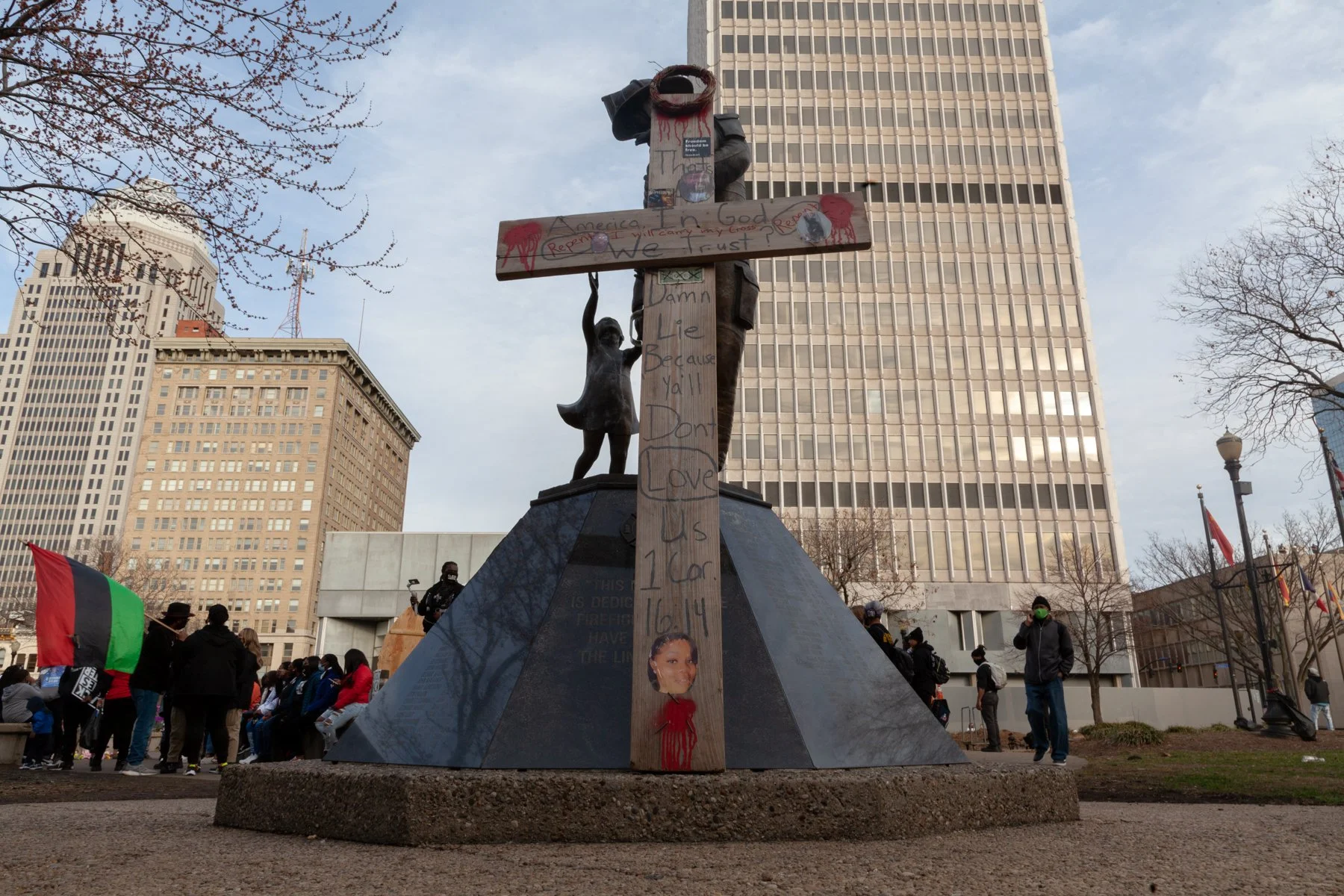
America, in God We Trust?, Archival photo print, 12 x 18 in, 2020, USD 350, Daniel Rodríguez, Nashville, Tennessee
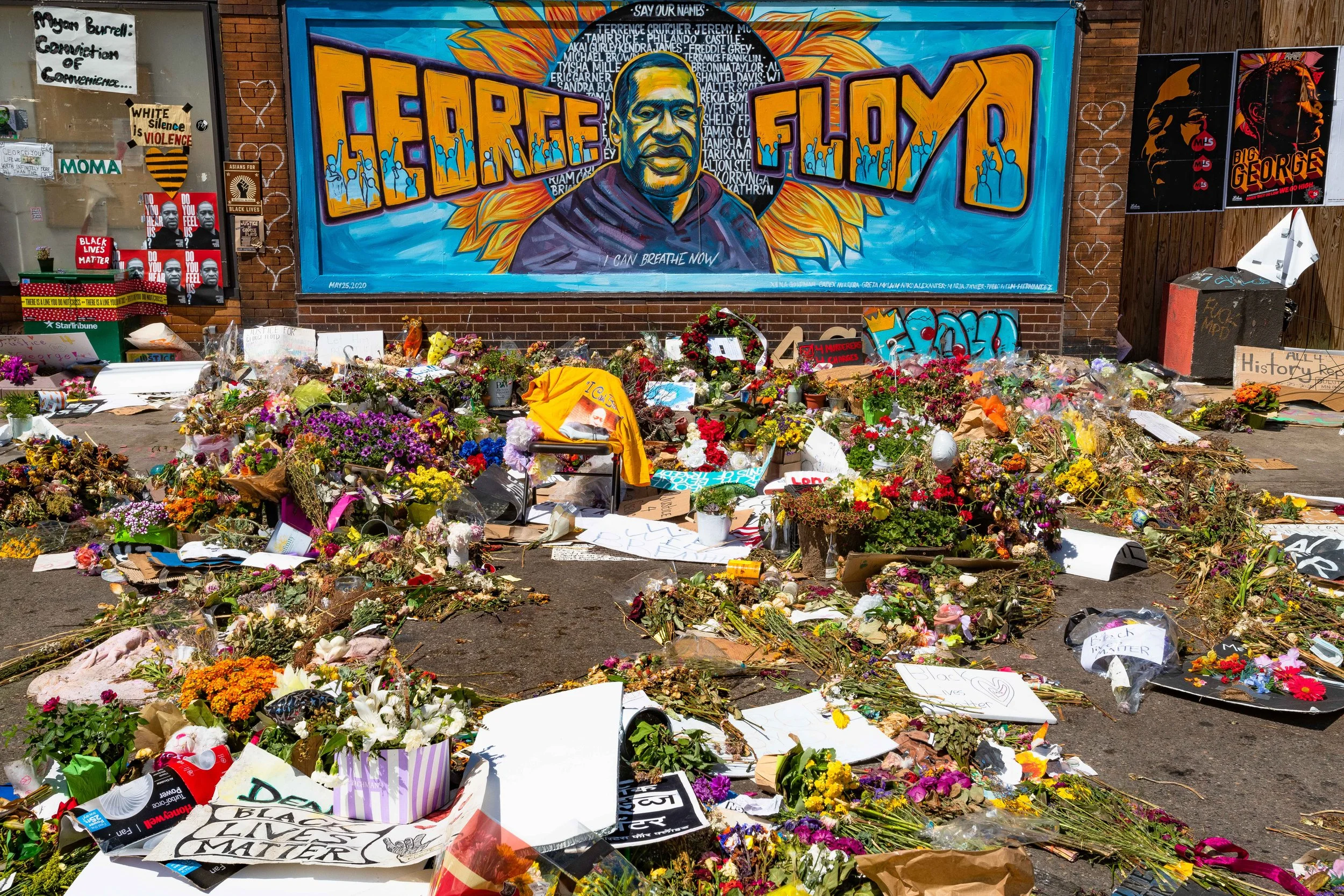
Breathe!, Archival photo print, 27 x 18 in, 2020, USD 1000, David Berg, Minneapolis, Minnesota
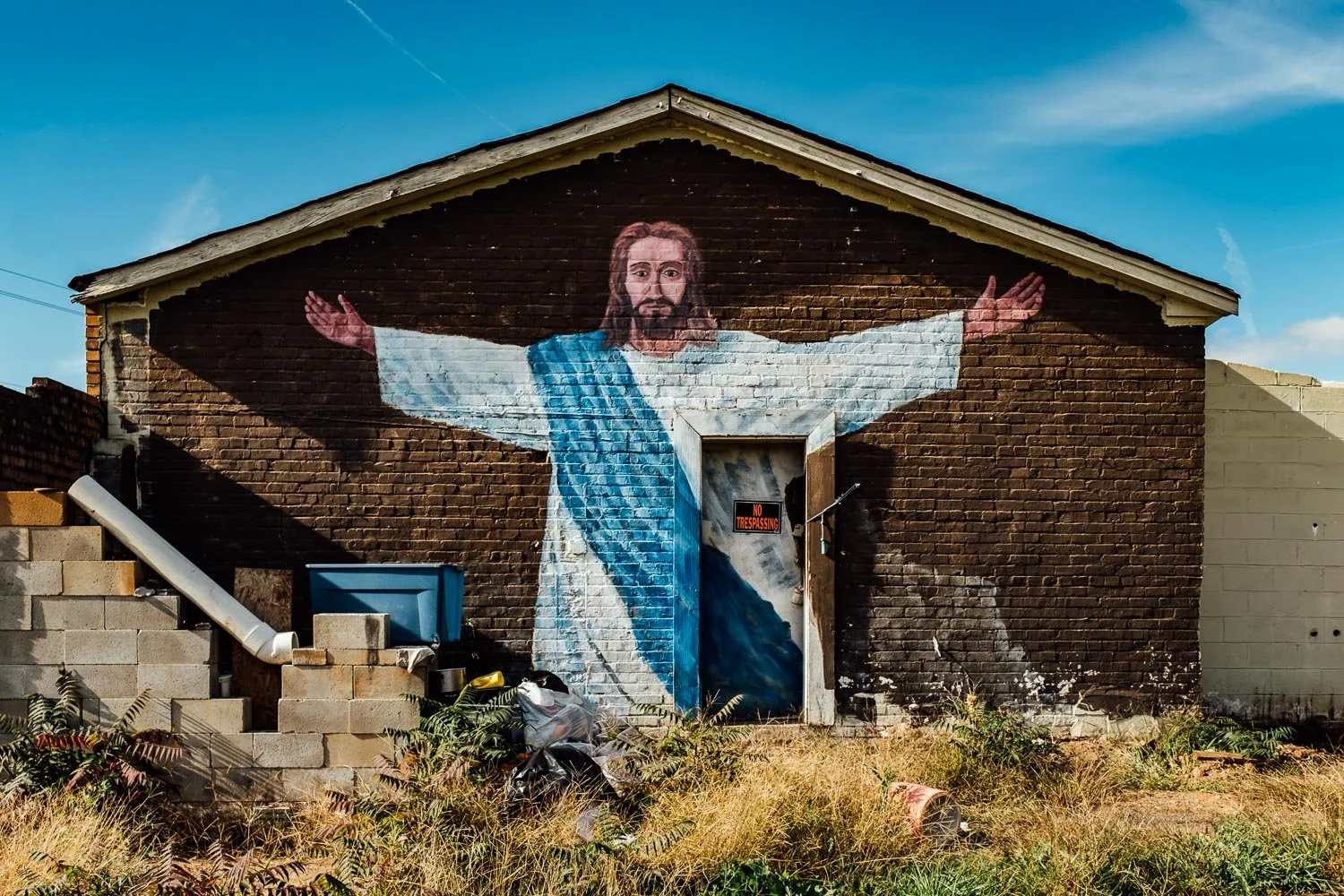
Mixed Messages, Archival photo print, 11 x 14 in, 2018, USD 200, Laura Beth Davidson, Forest, Virginia
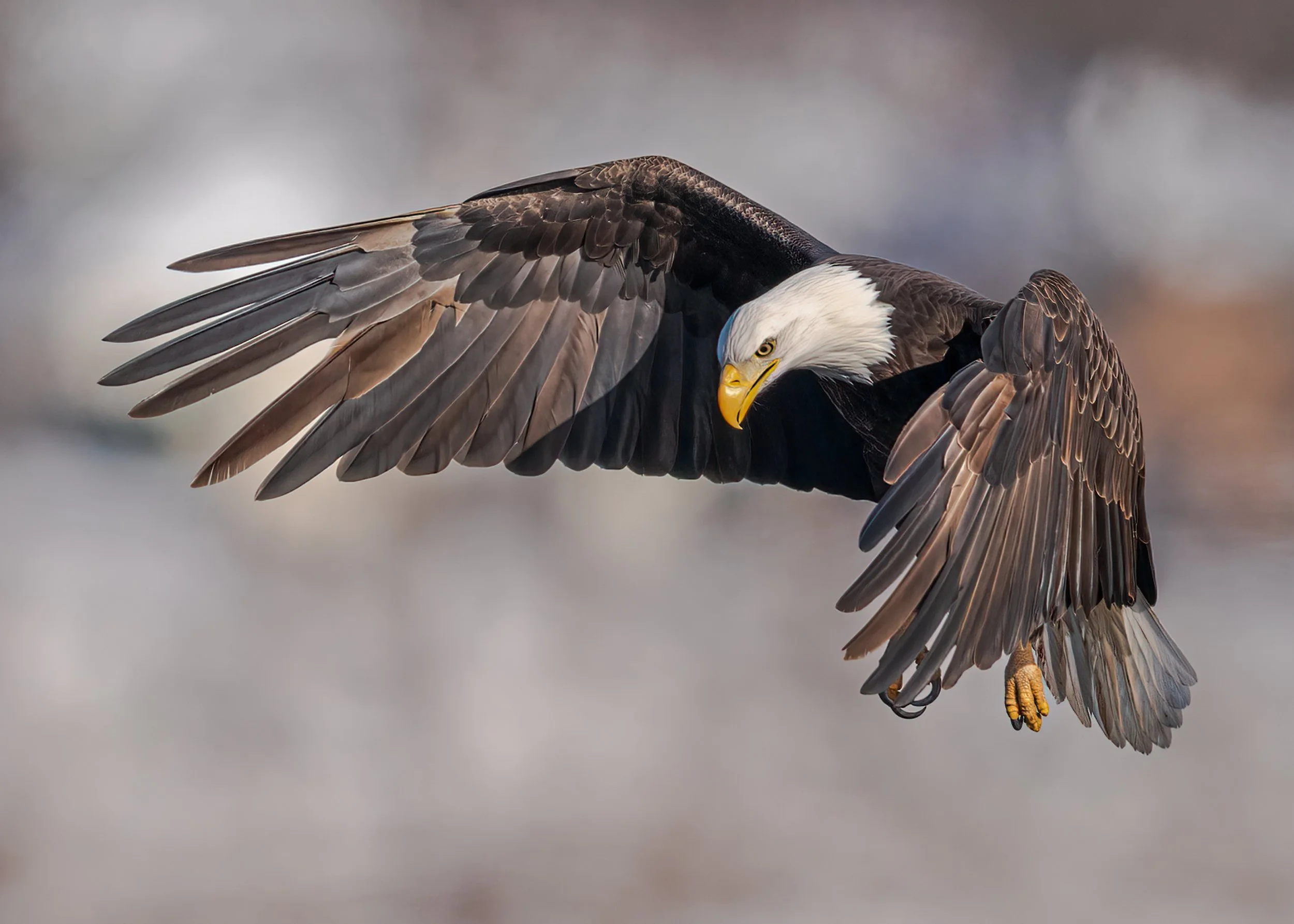
Fearless, Archival photo print, 24 x 16 in, 2022, USD 200, Scott Bemman, Plymouth, Minnesota
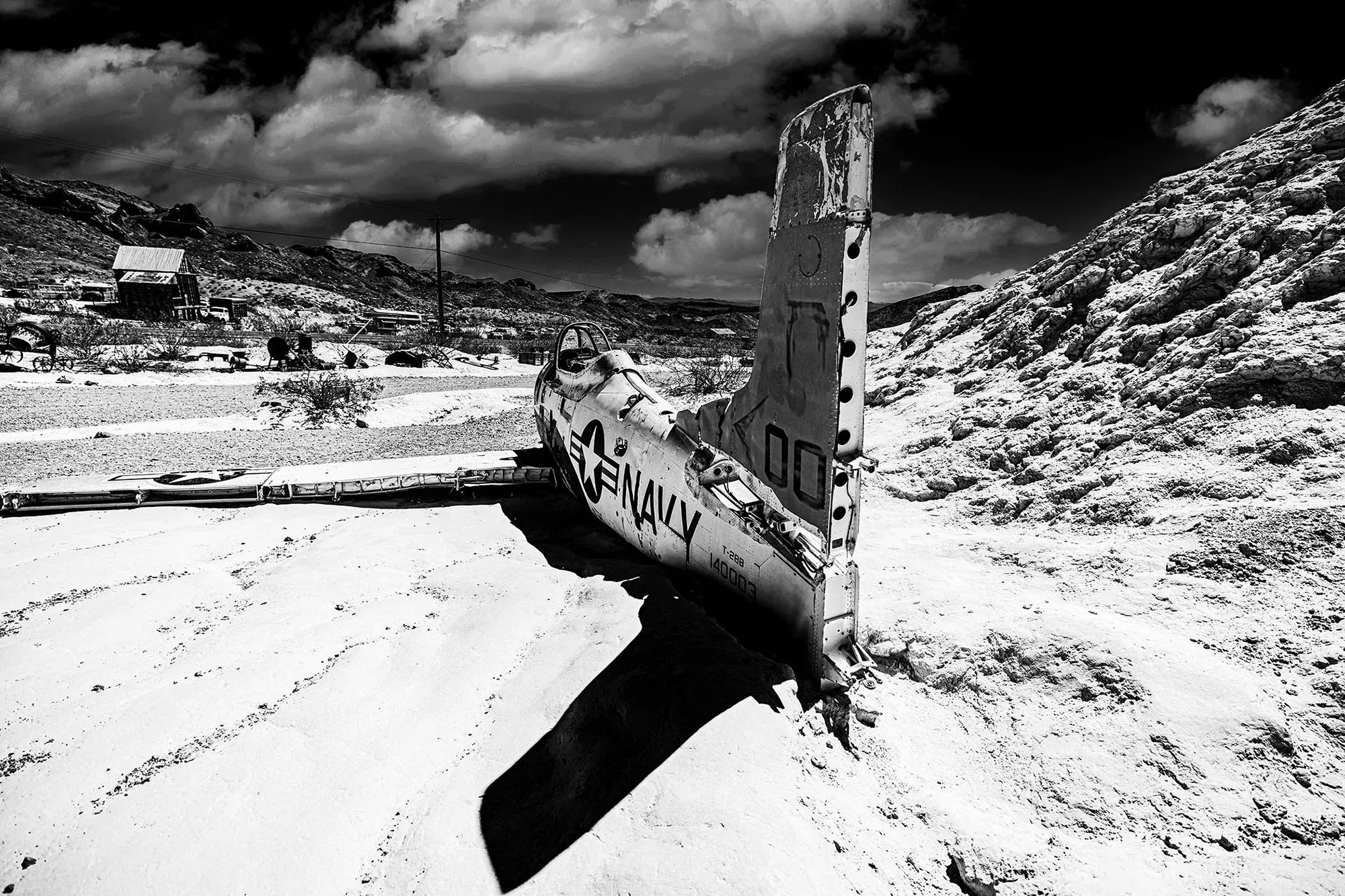
Crash Site, Archival photo print, 11 x 14 in, 2022, USD 350, Hillary Greene-Pae, Calabasas, California
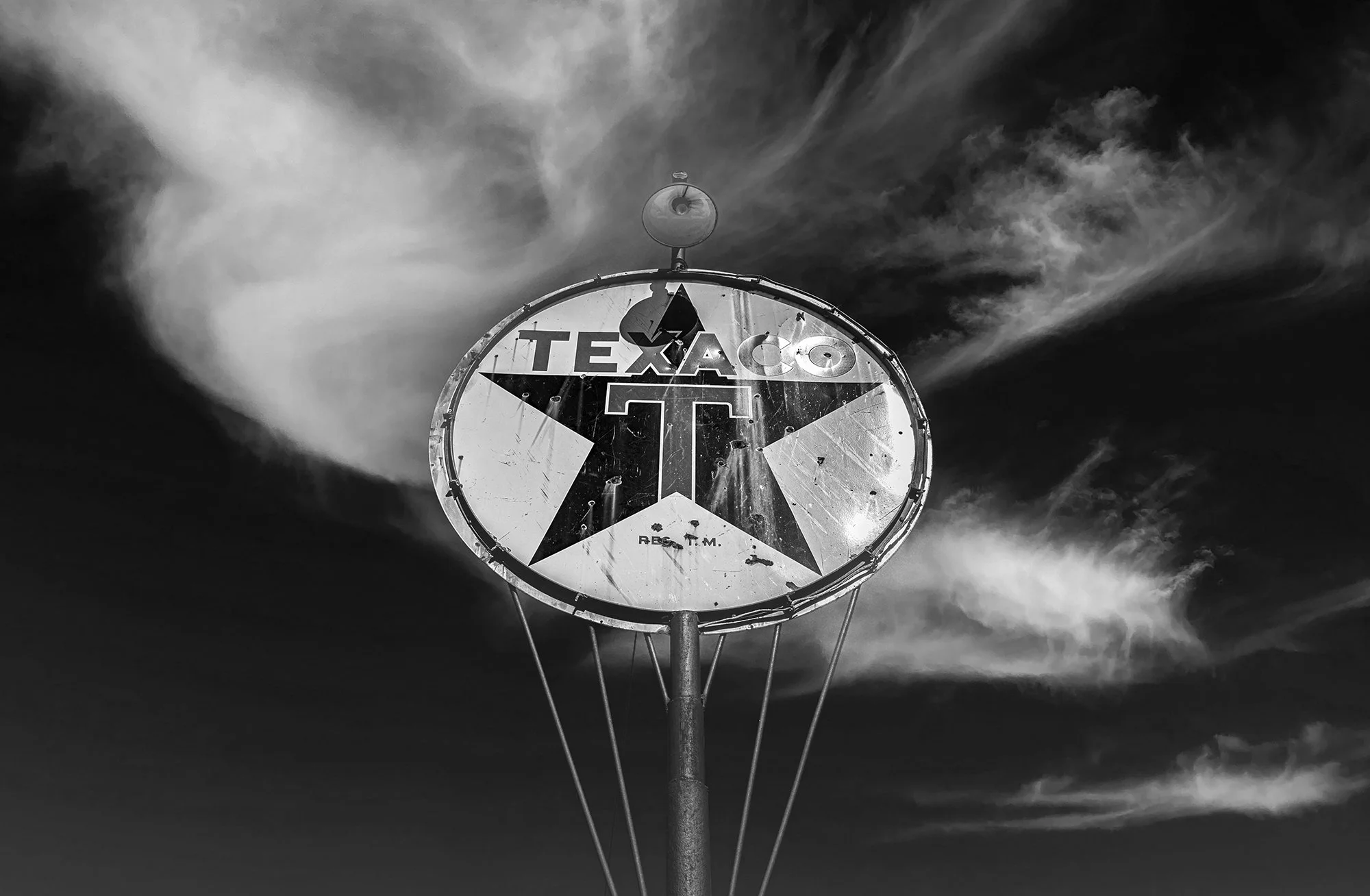
Texaco Massacre, Archival photo print, 11 x 14 in, 2022, USD 350, Hillary Greene-Pae, Calabasas, California
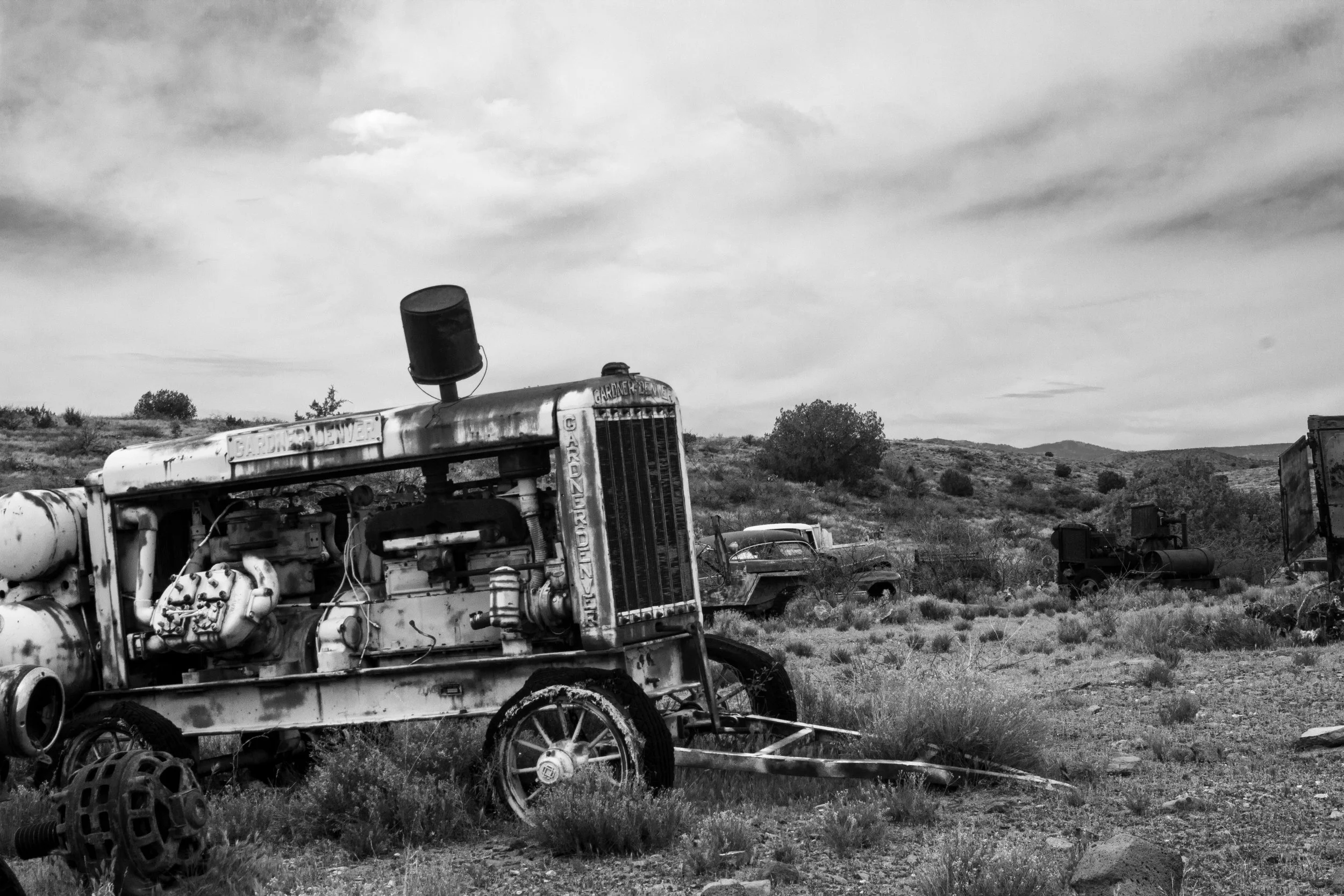
A Tractor in Cordes, Archival photo print, 22 x 14 in, 2016, USD 150, Darci Parsley, Tucson, Arizona
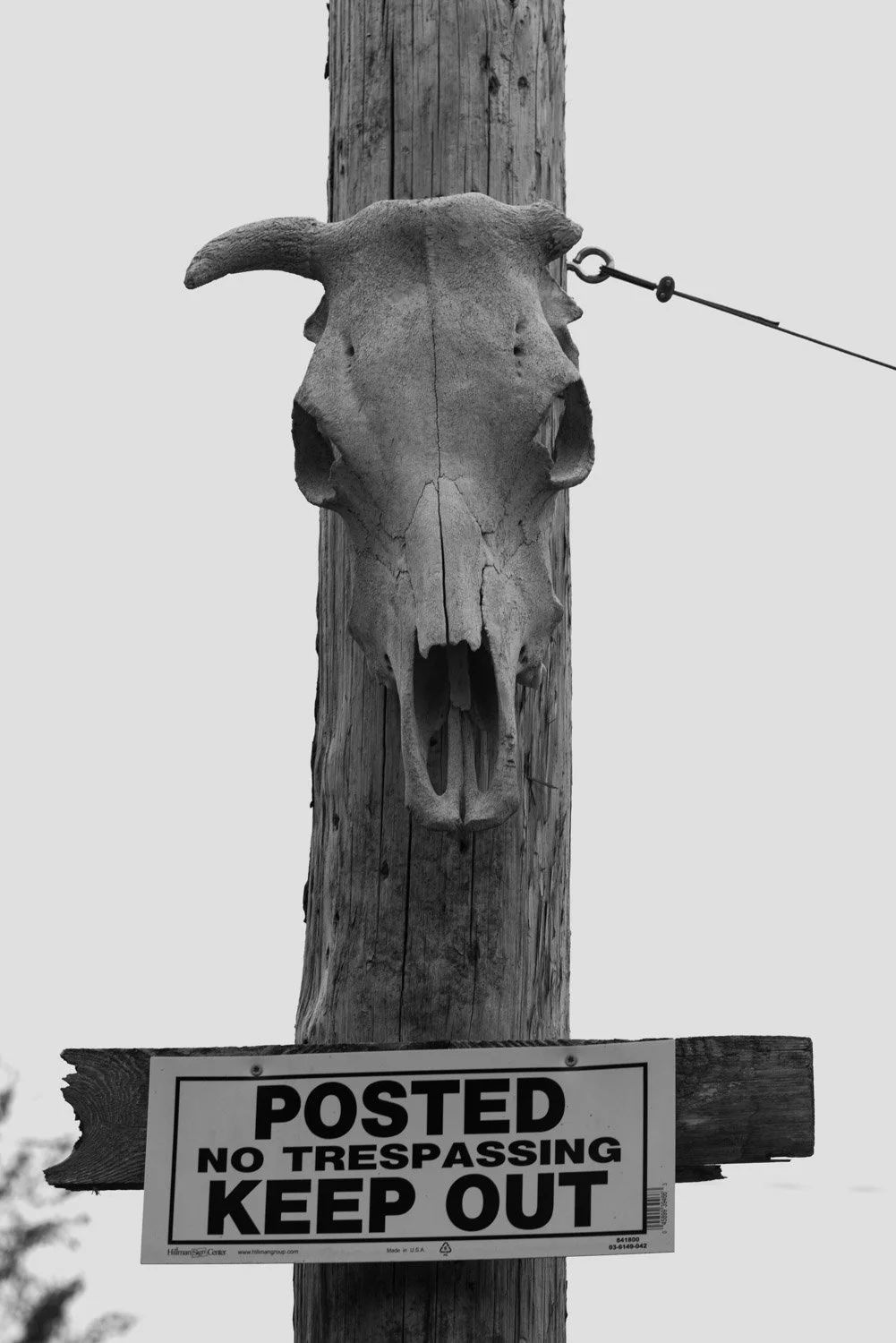
Posted, Archival photo print, 8.5 x 5.75 in, 2020, USD 150, Stacy Duryea, Dallas, Texas
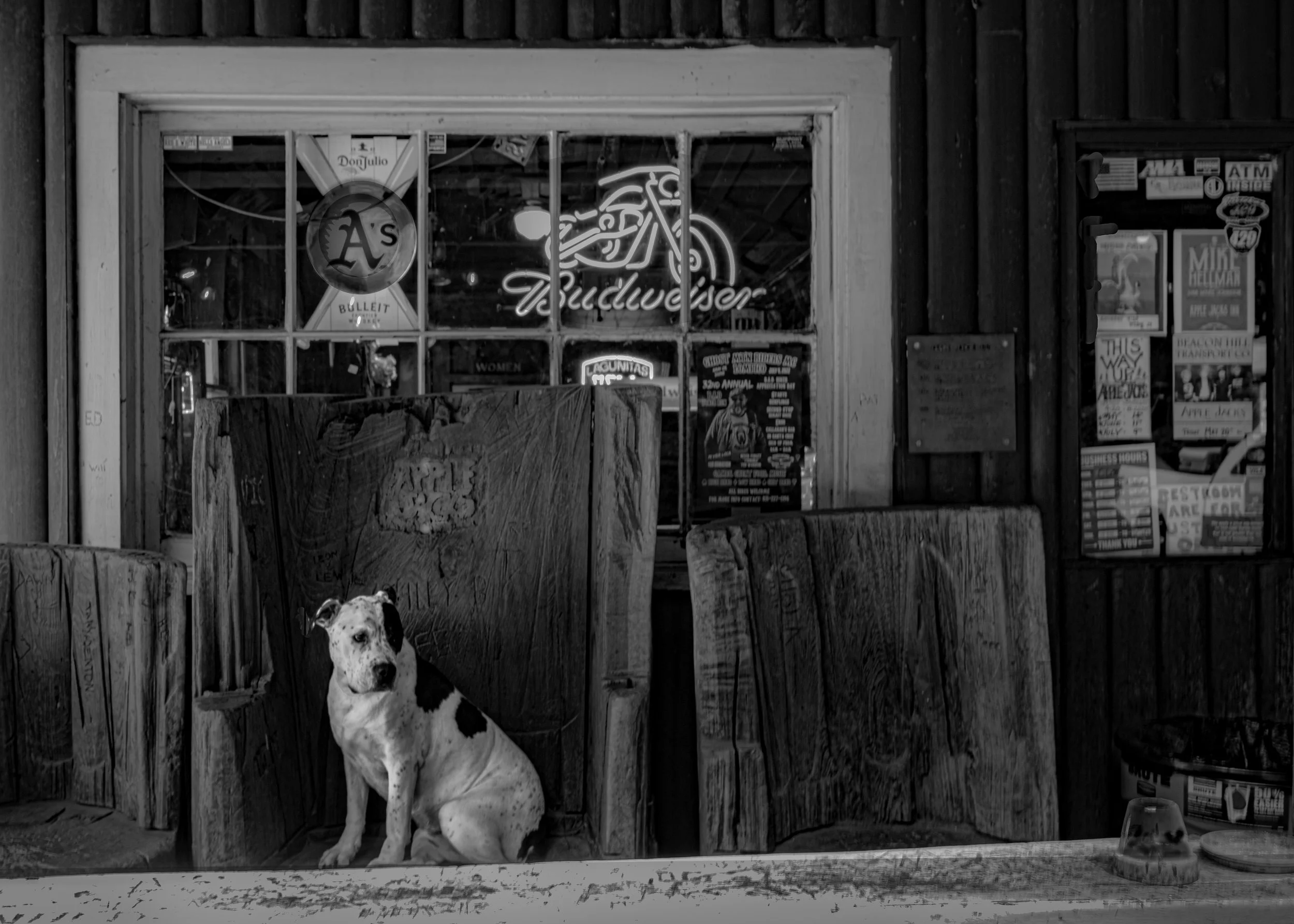
Apple Jacks, Archival photo print, 11 x 14 in, 2021, USD 200, Wright Schickli, Palo Alto, California
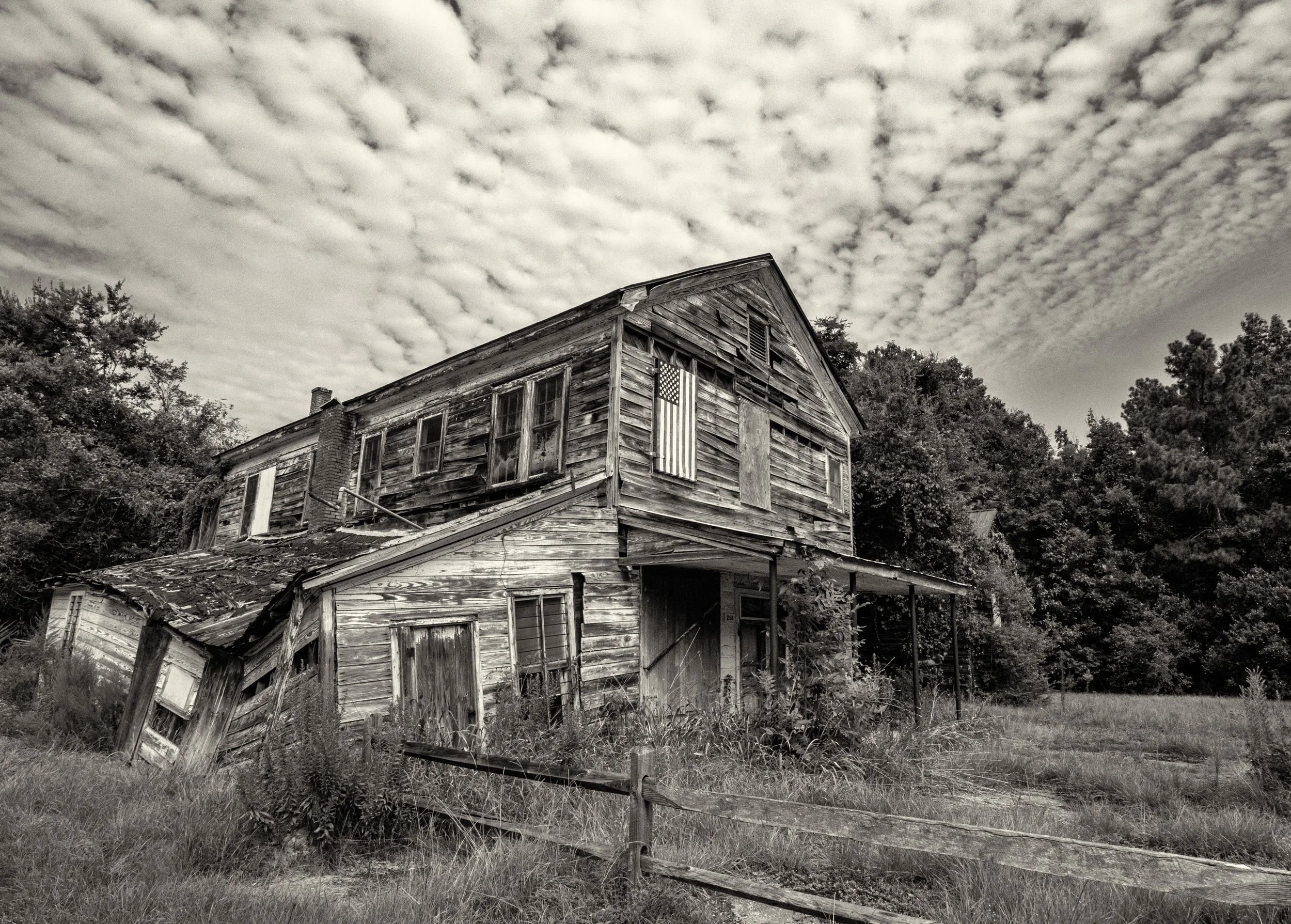
O Say, Can You See, Archival photo print, 16 x 20 in, 2019, USD 225, Joan Eckhardt, Okatie, South Carolina
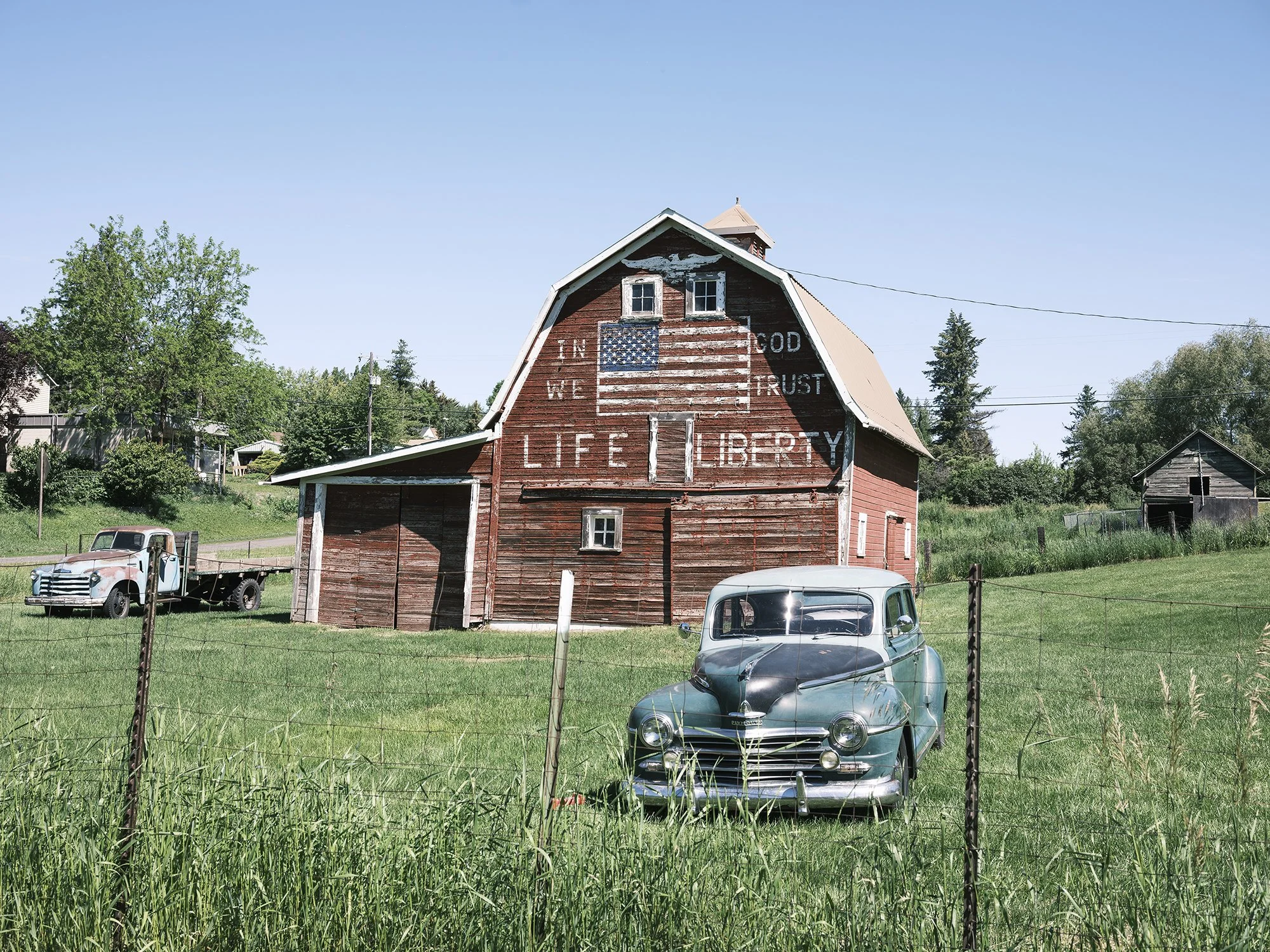
In God We Rust, Archival photo print, 15 x 21 in, 2022, USD 400, Dean Forbes, Shoreline, Washington
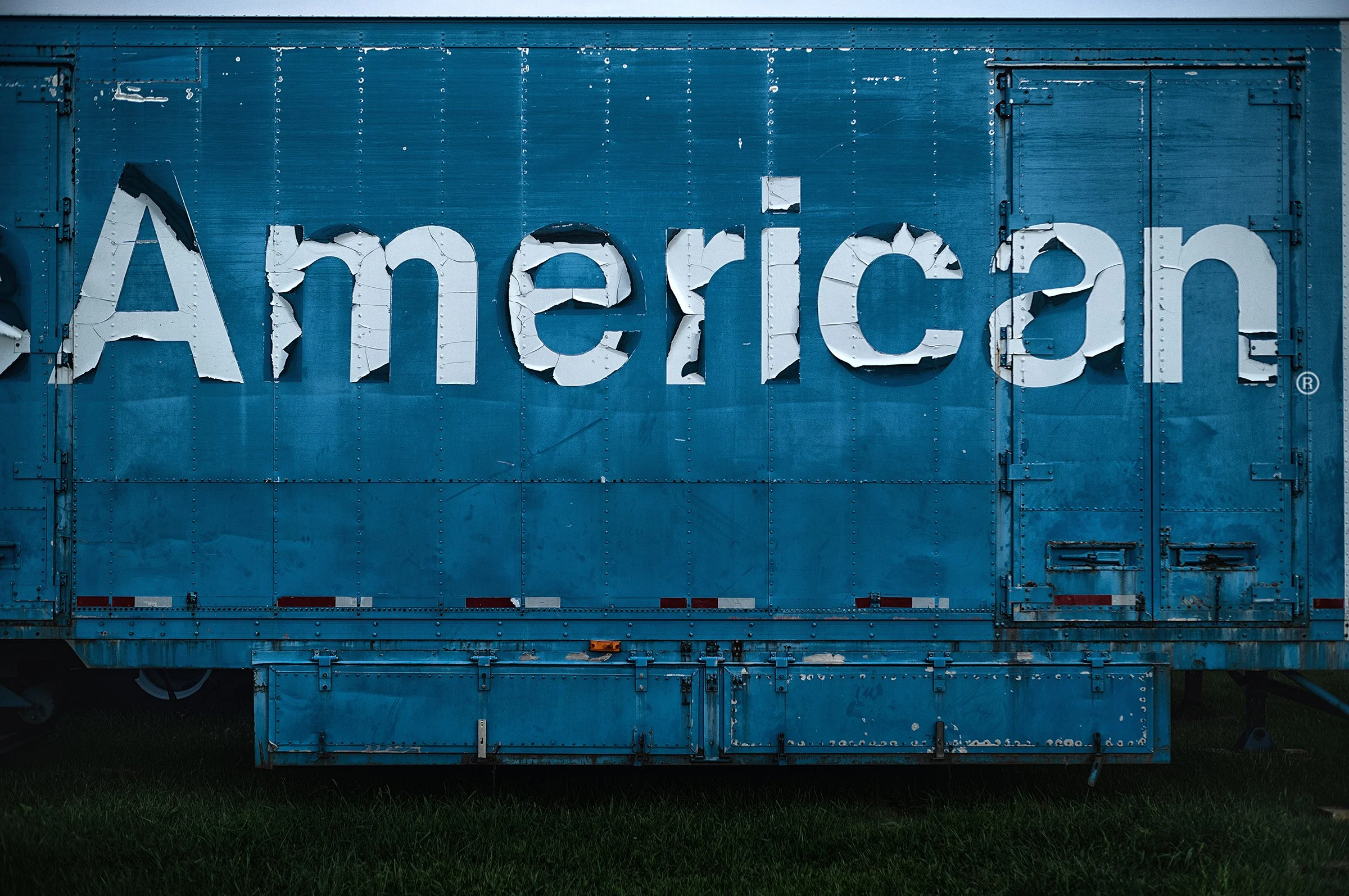
Shedding, Archival photo print, 20 x 24 in, 2021, Brandon Ralph, Watermill, New York
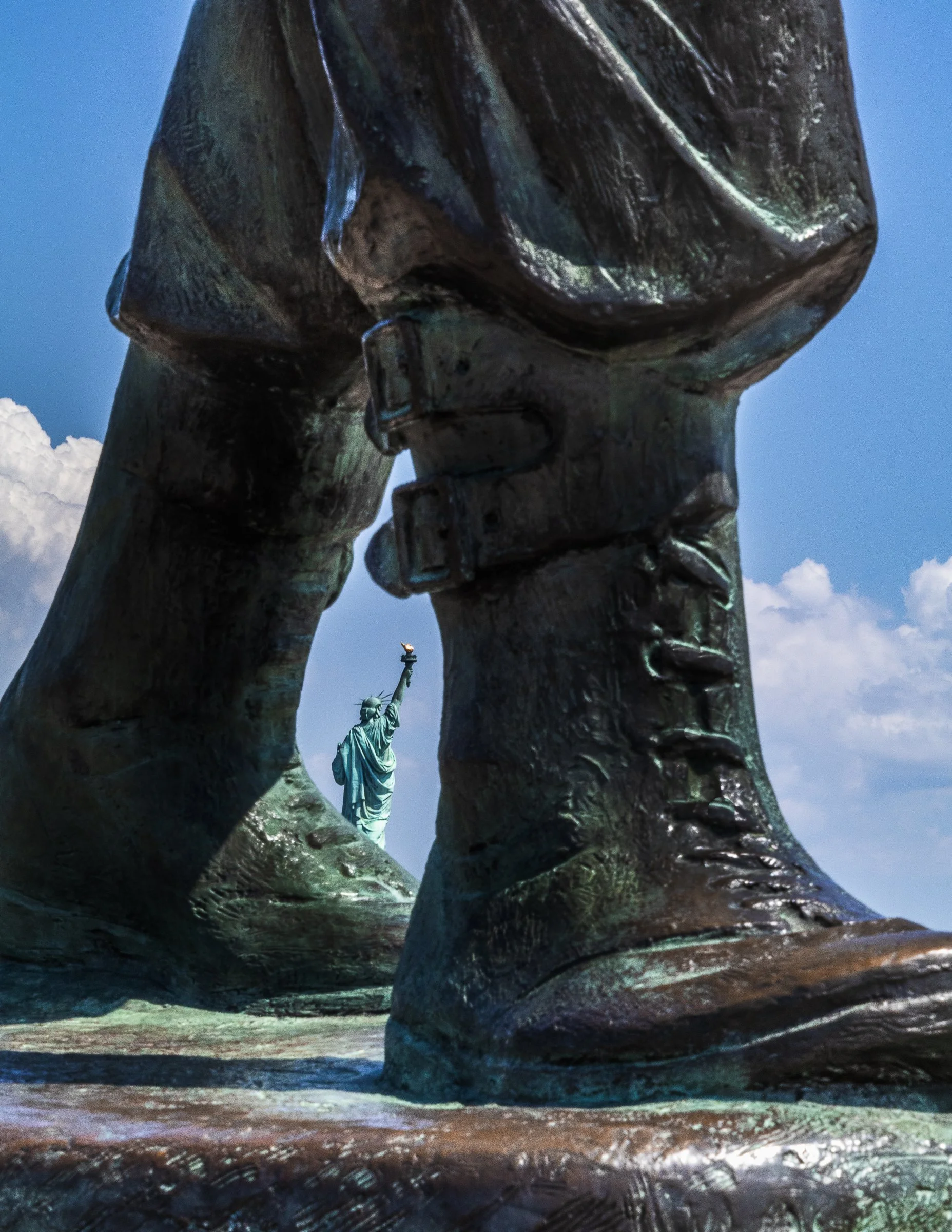
Guarding Liberty, Archival photo print, 24 x 16 in, 2019, USD 300, Christine Truhe, Summit, New Jersey
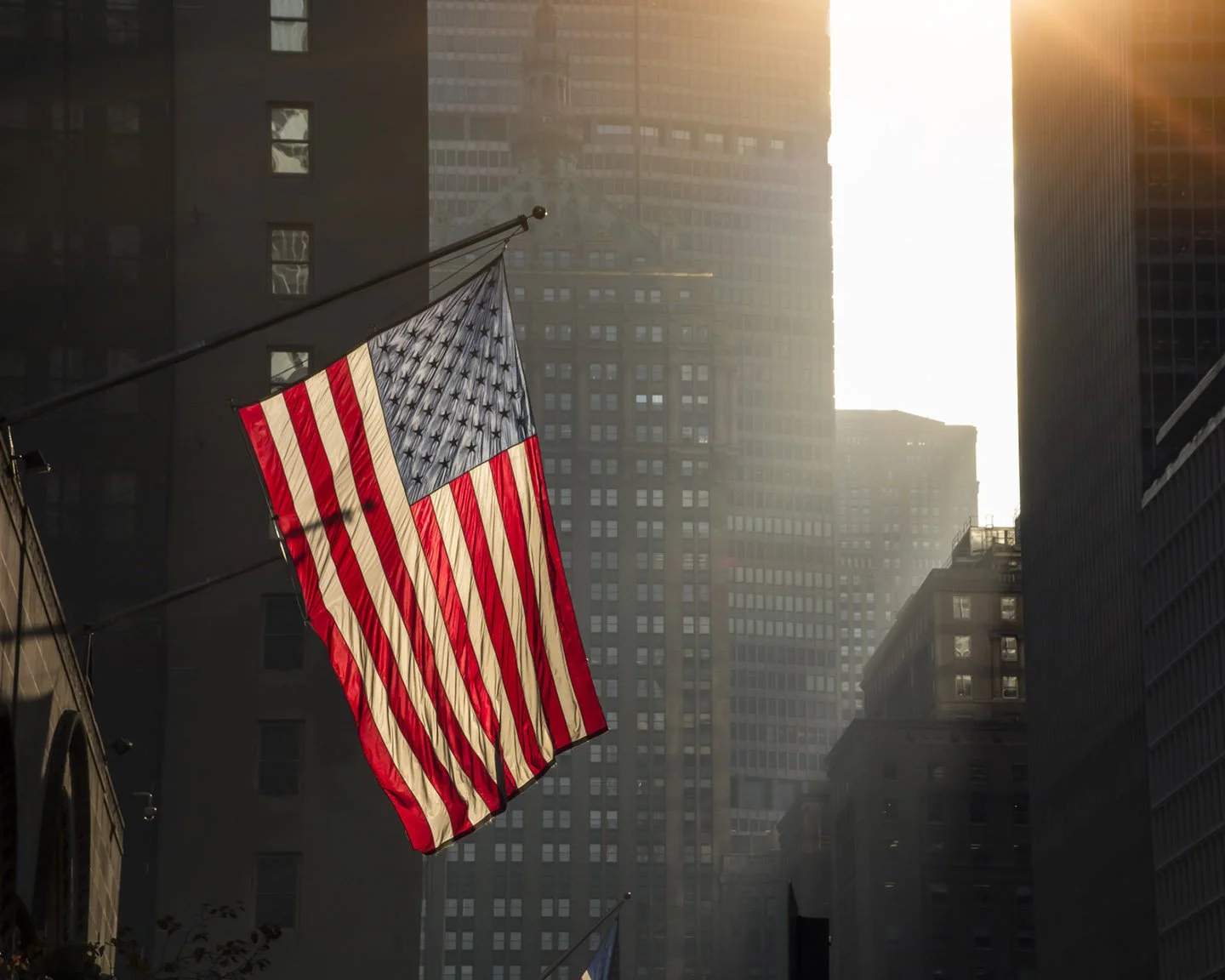
Midtown Flag, Archival photo print, 16 x 20 in, 2012, USD 395, John Manno, Brooklyn, New York
Sales and Artist Inquiries
Are you interested in making a purchase or connecting with one of the featured artists? Send us an inquiry through our contact form, and we'll get back to you shortly. We accept Apple Pay, PayPal and Stripe.