

In the Nude, Vol. 2 (2026)
March 10–April 30, 2026
In the Nude, Vol. 2 is a photography exhibition that strips away pretense to confront the raw, unapologetic beauty of the human body. From the divine proportions of antiquity to the stark vulnerability of contemporary flesh, these works present the nude not as an object to be idealized, but as a living canvas of desire, defiance, and truth.
Featured Artists
Ángel Gurría-Quintana, Amy Heller, Anthony Striplen, Antony Chiang, Brian Cann, Beamie Young, Brian Wolfe, Bruno Schiavon, Claude Roussillon, Colin Ward, Dan Katz, Dave Hanson, Dave White, David Kelm, David Perelman-Hall, Derek Liu, Doc Hobson, Feng Yan, Florin Firimita, Gergo Simak, Hushang Omidizadeh, John Prusak, Kari Bishop, Kevin Spalding, Lance Pressl, Mark Dierker, Mia Spyce, Michael Berkowitz, Michael David Walrond, Michael Potts, Nicole Small, Norman Miller, Olivia Phare, Paal Anand, Peter Meszynski, Ricardo de Vicq de Cumptich, Roy Ricci, Todd Davis, Tony Gist, Troy Cooper, Vincent Ferrari
The Nude Is the Oldest Argument in Photography
Photography acquired the nude almost immediately. Within a few years of 1839 there were daguerreotype académies circulating in Paris, sold nominally as studies for painters and sculptors and in practice to anyone who wanted them. The genre has never since escaped that double register, and the fifty-six works in this second volume — credited from 1900 to 2026, by forty-one photographers — inherit the argument rather than settle it.
A Genre That Arrived With the Medium
The académie was a legal and commercial category before it was an aesthetic one. Painters had long worked from life, so a photograph of a nude figure could be defended as a tool of another trade, which is exactly how the earliest examples were licensed, stamped and sold. That defence set the pattern for the following century: the nude in photography has almost always been asked to declare a purpose beyond itself. The oldest work in this catalog sits at the far end of that history, and reading from it to the most recent is a study in how little the underlying negotiation has changed.
Classicism as Alibi
When photographers wanted the nude taken seriously as art they reached for antiquity. Pictorialist practice around the turn of the twentieth century applied soft focus, mythological titles, drapery and outdoor settings that referenced Greek sculpture, and the effect was to place the body at a safe historical distance. The strategy worked, and it cost the genre a great deal of specificity: bodies became types. Contemporary fine art nude photography has largely abandoned the alibi, which is why so much of it looks blunter than its ancestors — the subject is a particular person in a particular room rather than a figure from a myth.
The Fragment and the Refusal of Identity
Cropping is the most consequential decision in this genre. A frame that includes the face produces a portrait that happens to be nude; a frame that stops at the collarbone produces something closer to sculpture and shifts the work from a person to a form. Photographers use the fragment for opposite reasons: to protect a sitter's identity, or to erase it. The ethical distance between those two intentions is large and almost never visible in the finished print, which is why the genre depends so heavily on what happened outside the frame — how the sitting was arranged, what was agreed, and who retains a say afterwards.
Distribution Has Always Been the Real Constraint
What limits nude photography is rarely the making of it. Obscenity statutes, postal regulations, customs seizures, printers who refused the work and magazines that would not carry it shaped the genre far more than any critical argument did. The contemporary version is automated: moderation systems classify by skin area and anatomical detection rather than intent, and they operate without appeal at a speed no legal process ever matched. Photographers now compose with those classifiers in mind, and an online photography gallery that exhibits this work is making a distribution decision as much as a curatorial one.
Why the Theme Recurs
A second volume is not a repetition but a test: the same brief issued a few years later reveals what has shifted in what photographers feel able to submit, and to whom. TCG Gallery is an independent online photography gallery, and each juried exhibition remains part of a permanent public archive after its run ends, so these catalogs accumulate into a longer record than any single project. Photographers can enter the current photography open calls directly.
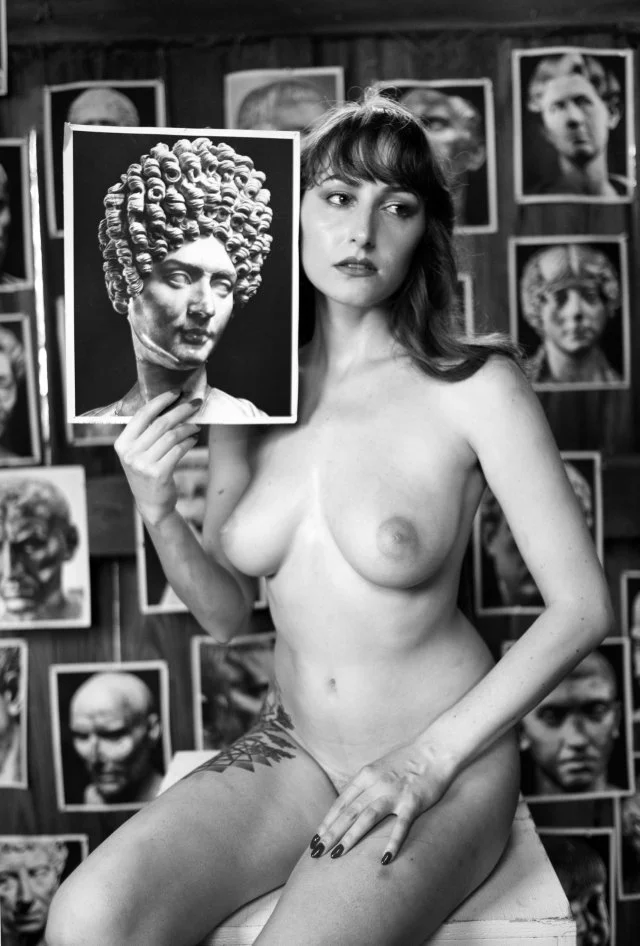
The History Lesson, archival print, 18 x 12 in, 2021, USD 1250, © Florin Firimita, Winchester, Connecticut

Framed, archival print, 14 x 11.5 in, 2024, USD 375, © Beamie Young, Dickerson, Maryland
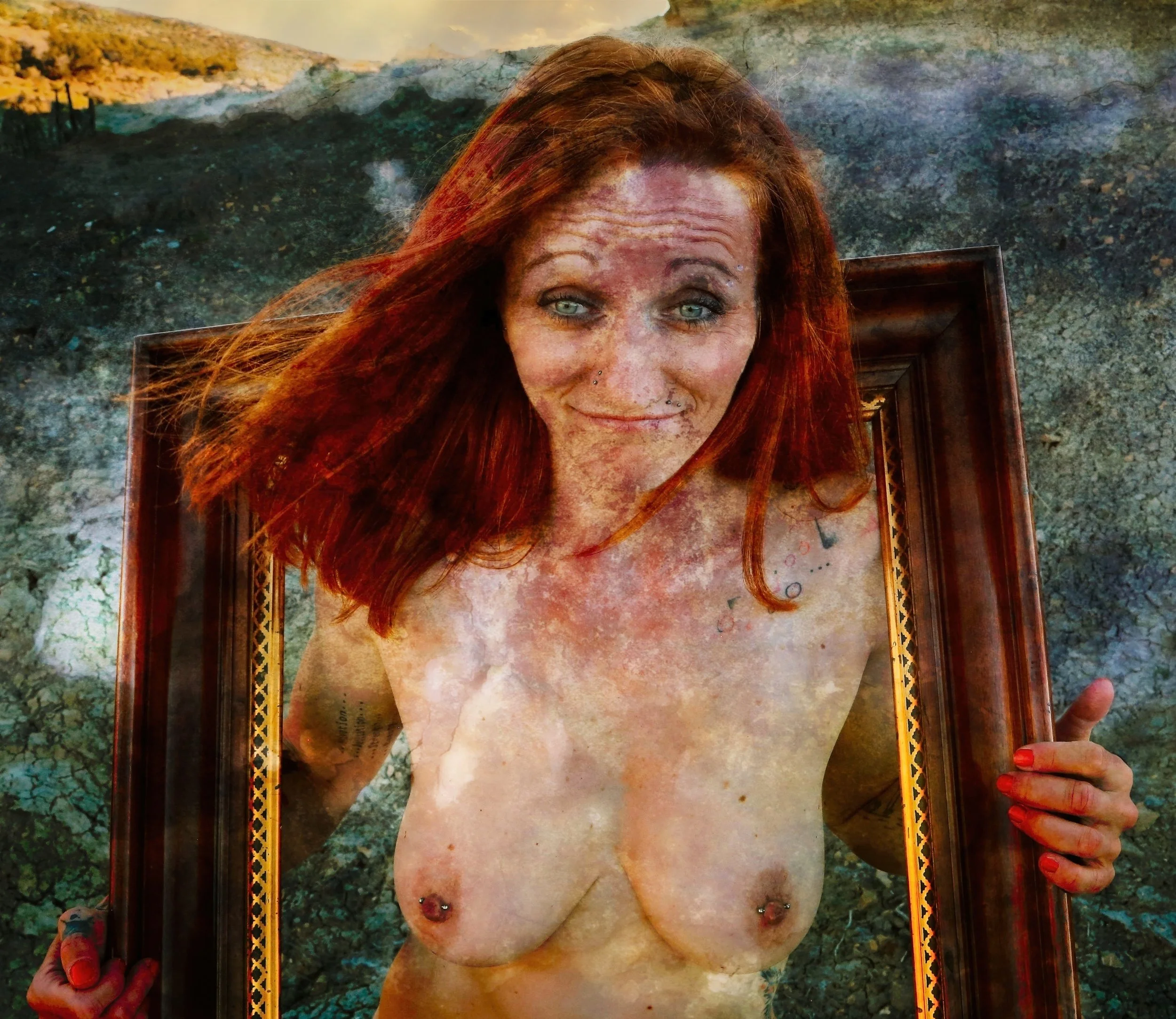
The Lost Mona Lisa, archival print, 11 x 17 in, 2017, USD 150, © Roy Ricci, Albuquerque, New Mexico

Unbound, archival print, 12 x 12 in, 2025, USD 225, © Doc Hobson, Minneapolis, Minnesota
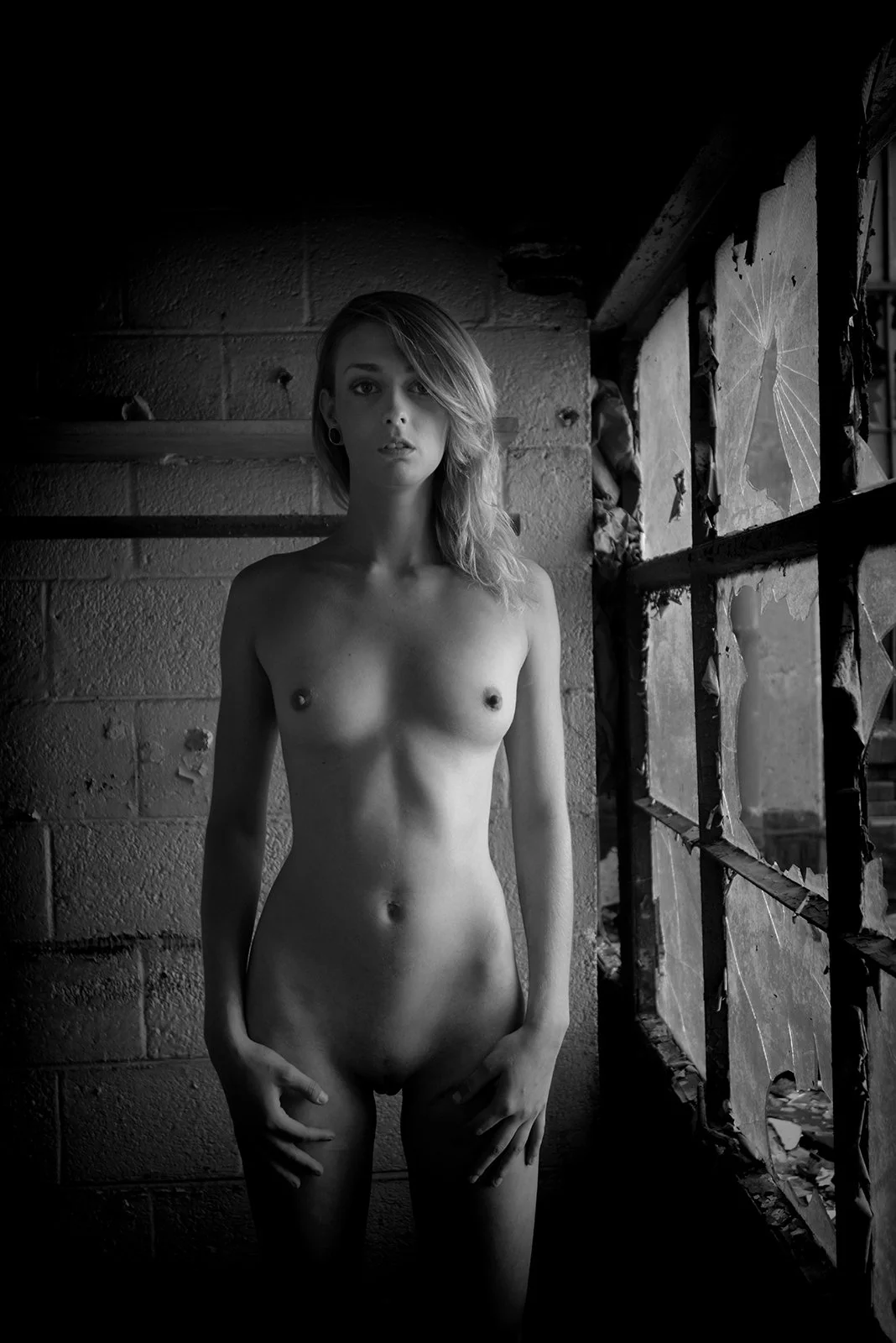
Splintered, archival print, 12 x 16 in, 2018, USD 295, © John Prusak, Hartland, Wisconsin

Waiting, archival print, 14 x 18 in, 2026, USD 400, © Dave Hanson, Price, Utah
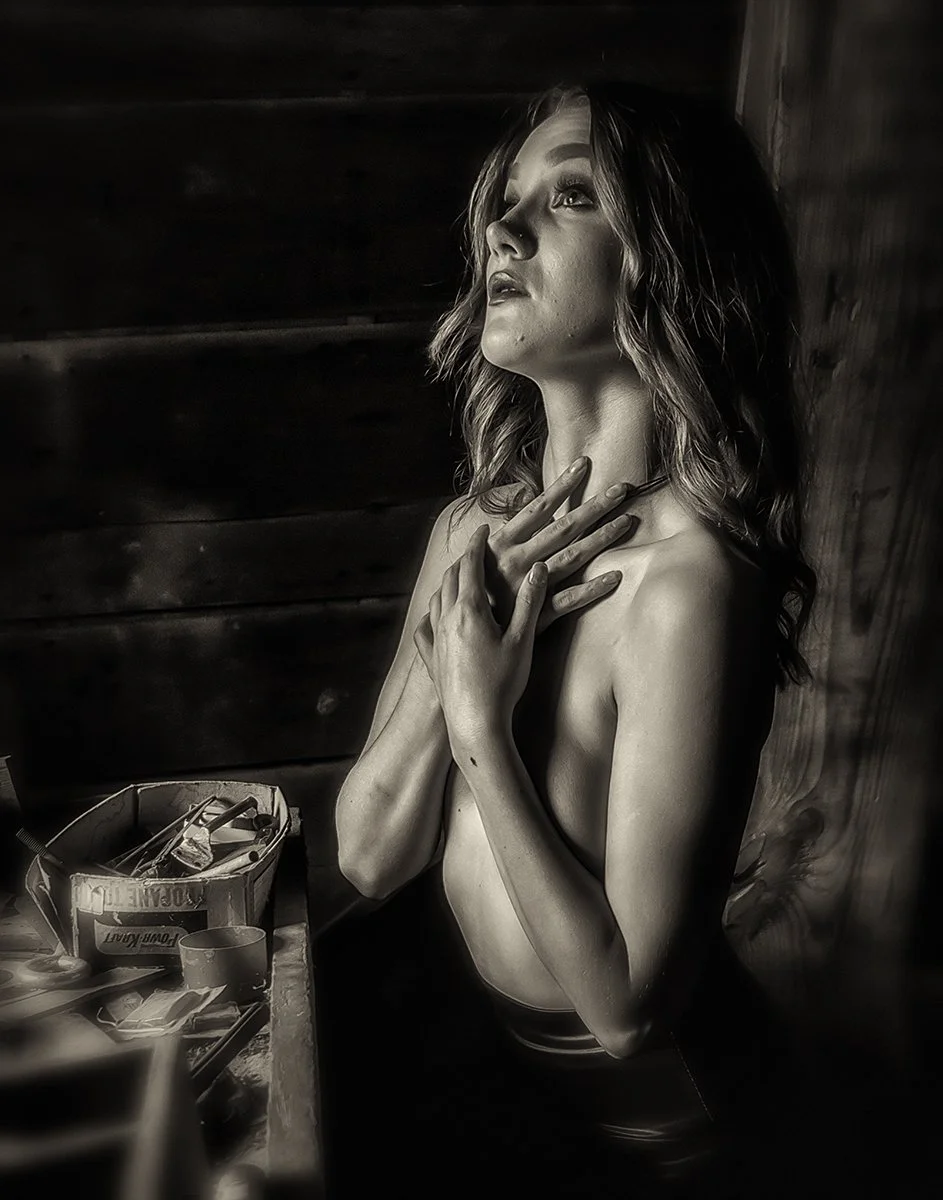
Bathed in Light, archival print, 18 x 24 in, 2024, USD 350, © Mark Dierker, Dubuque, Iowa

Moonlight, archival print, 15.5 x 11 in, 2024, USD 375, © Beamie Young, Dickerson, Maryland

Breathless, archival print, 22 x 17 in, 2020, USD 800, © Anthony Striplen, Lafayette, California

Bamboozle, archival print, 22 x 17 in, 2025, USD 350, © Colin Ward, Athens, Georgia

Sisters of the Ice, archival print, 20 x 16 in, 2025, USD 750, © Michael Potts, Phoenix, Arizona

Industrial Revolution, archival print, 12 x 18 in, 2023, USD 300, © David Kelm, Louisville, Kentucky

Ascension, archival print, 24 x 36 in, 2025, USD 400, © Peter Meszynski, Buffalo, New York
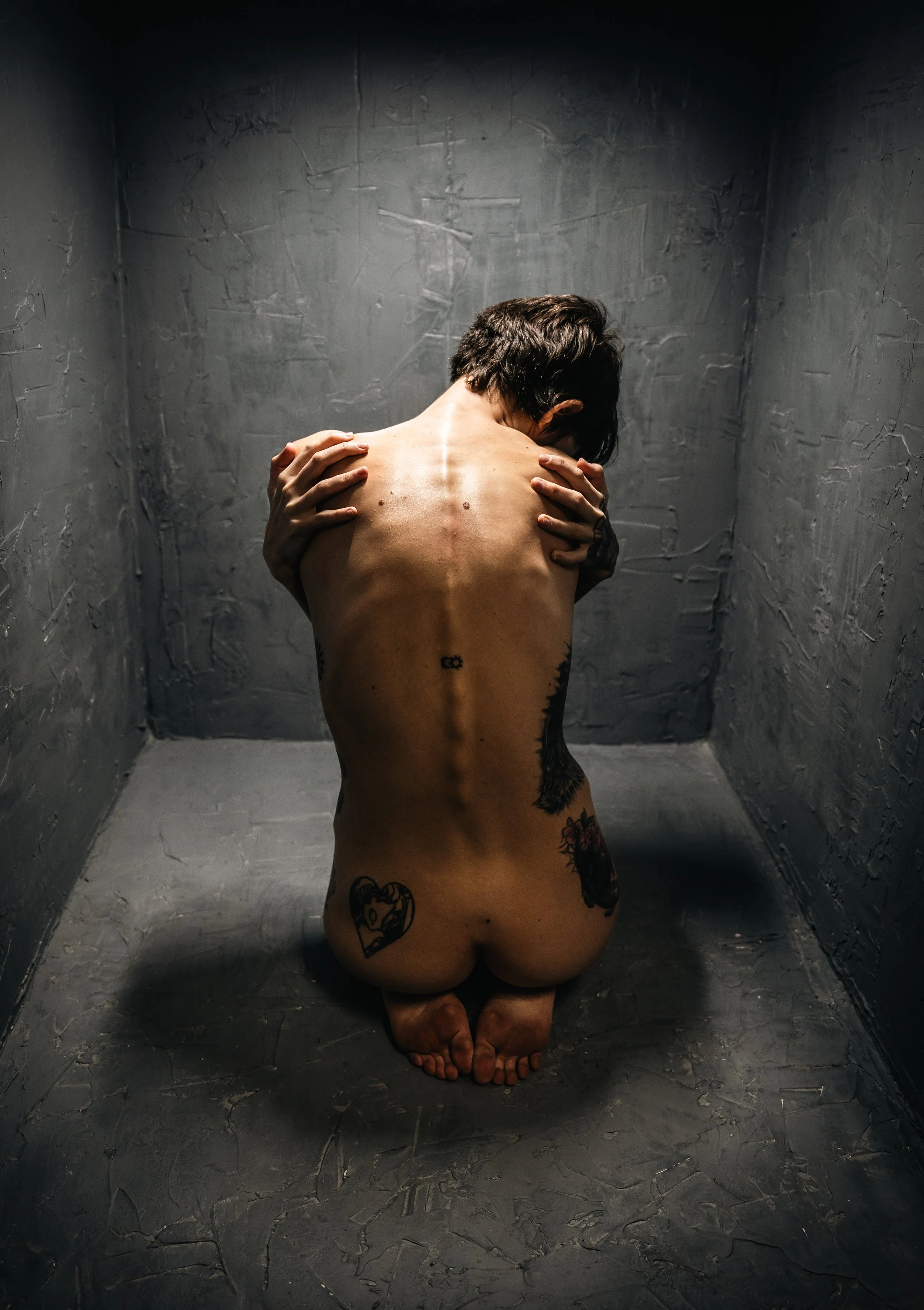
The Box No. 3, archival print, 16.5 x 23.4 in, 2026, USD 350, © Tony Gist, Laveen Village, Arizona
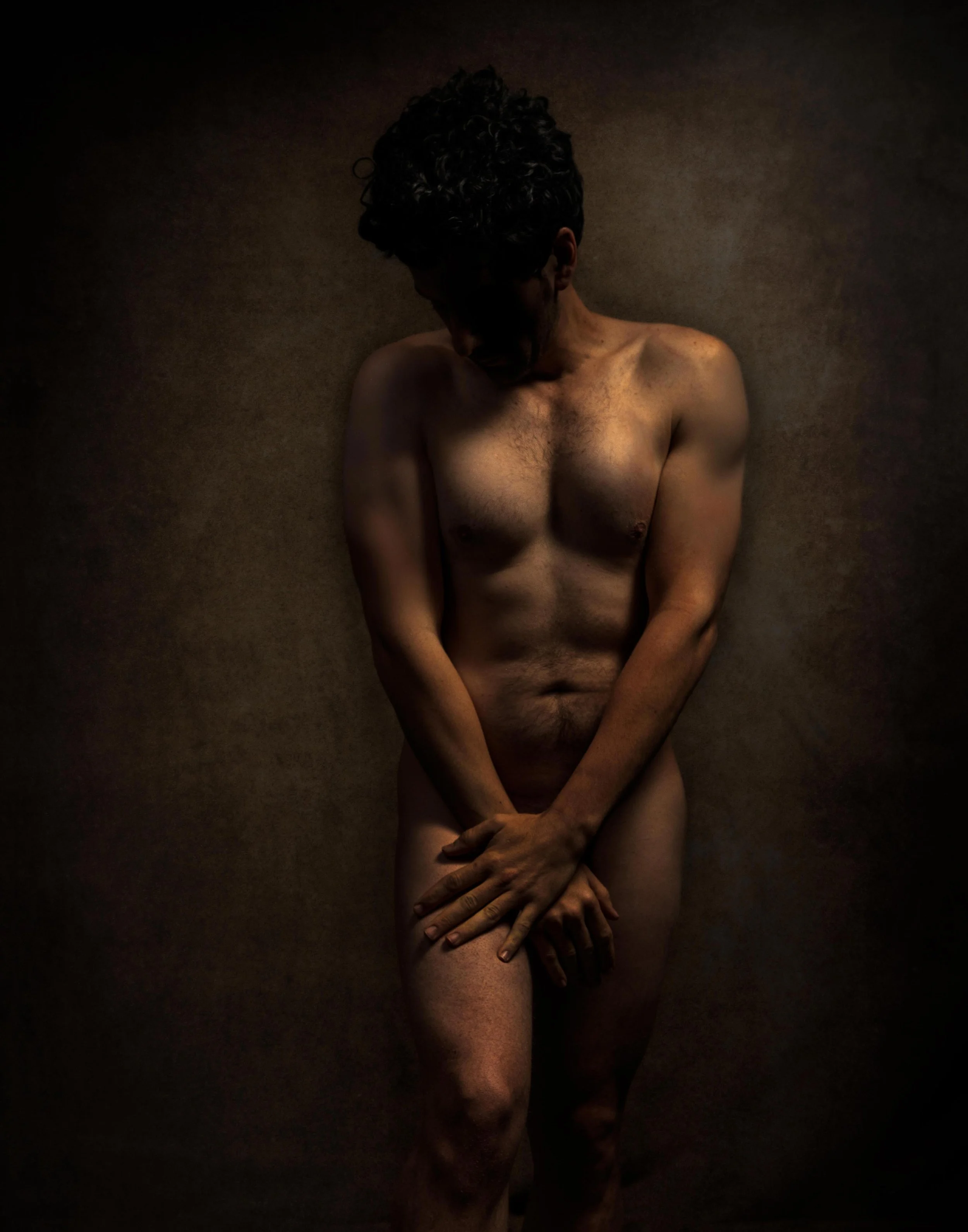
Killian, archival print, 16 x 20 in, 2025, USD 350, © Dan Katz, Northridge, California

Bloom Behind the Veil, archival print, 24 x 36 in, 2025, USD 400, © Peter Meszynski, Buffalo, New York
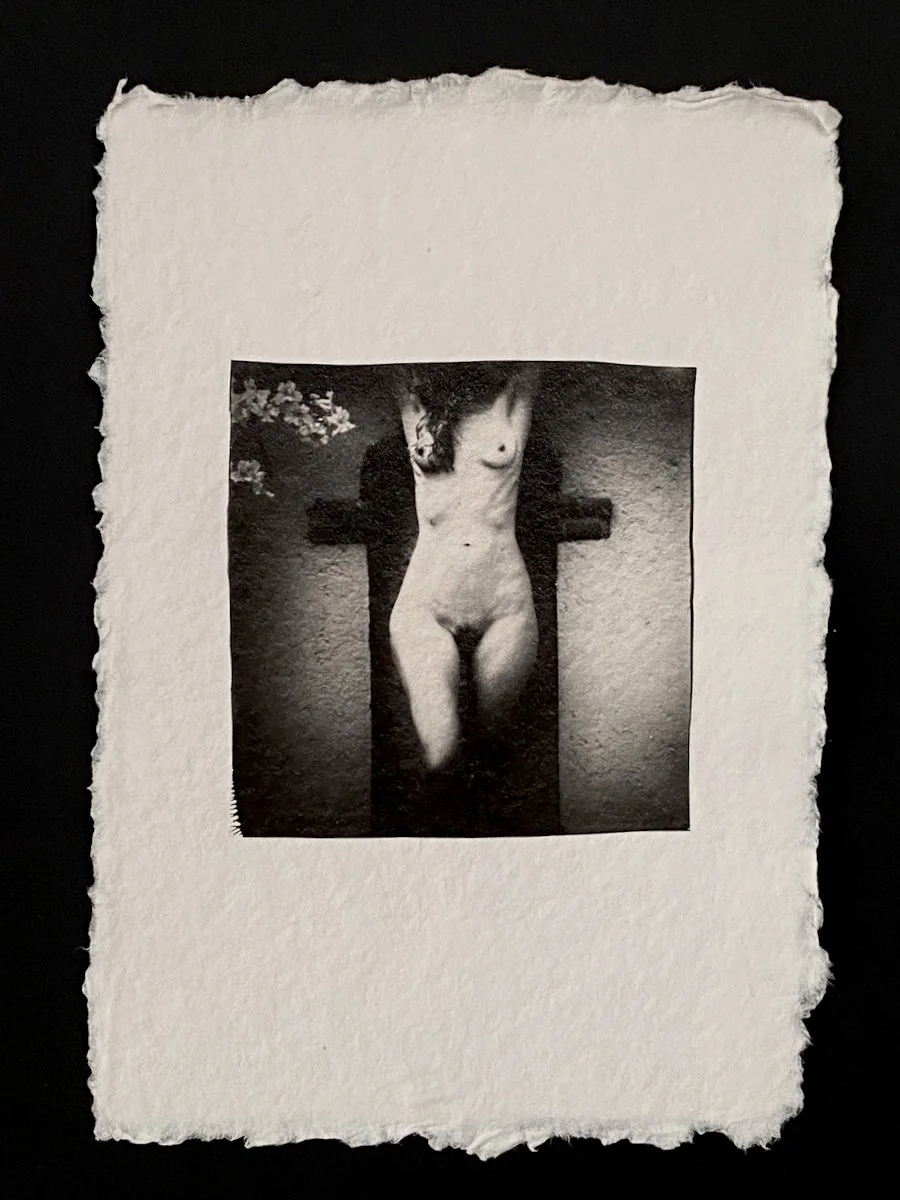
Nude on Terrace, Polaroid emulsion lift on cotton rag paper, 2025, NFS, © Ángel Gurría-Quintana, Cambridge, United Kingdom
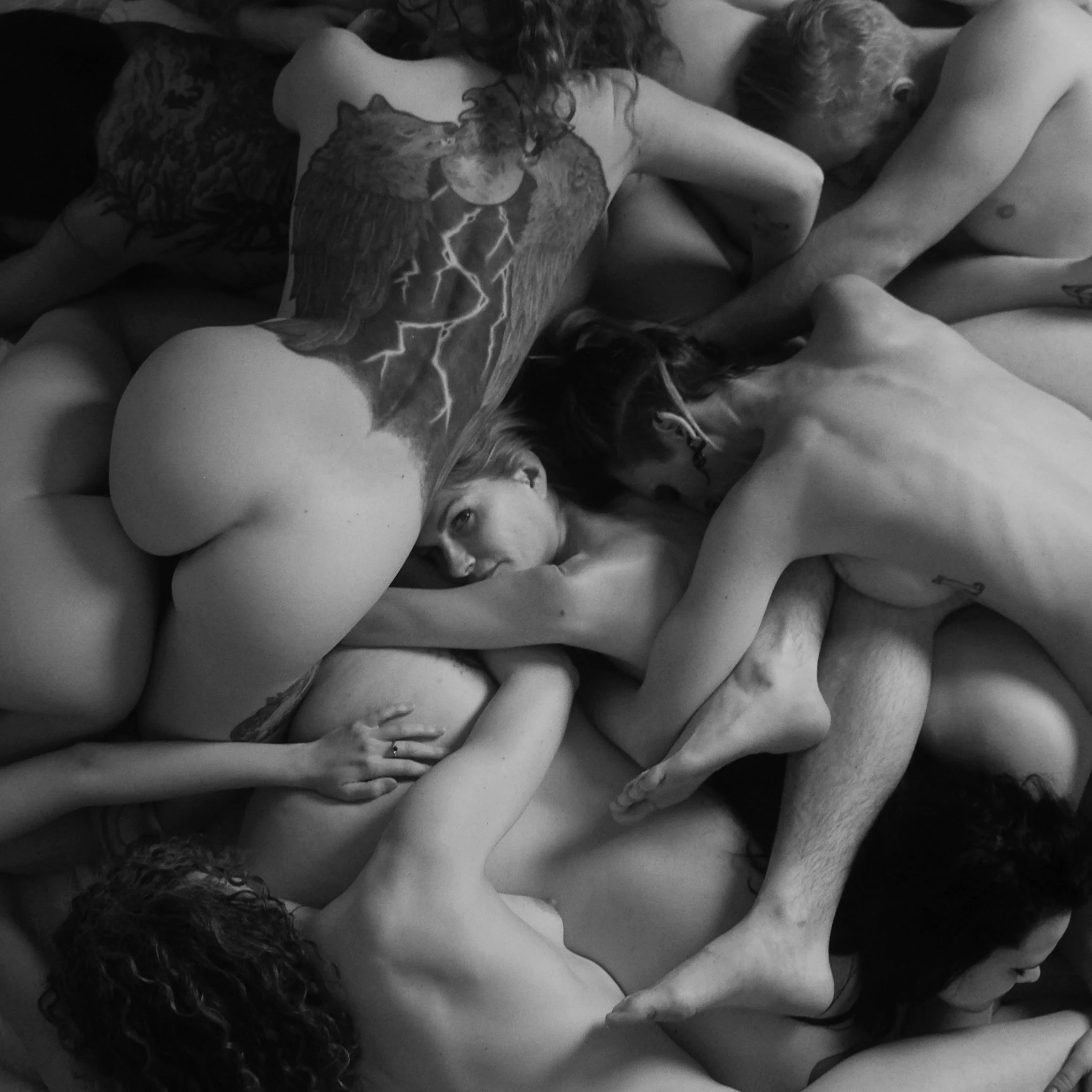
Sex Workers of Seattle, photo transfer on metal, 16 x 16 in, 2025, USD 275, © Mia Spyce, Seattle, Washington

The Sisterhood, archival print, 12 x 18 in, 2021, USD 300, © David Kelm, Louisville, Kentucky

Alone, archival print, 20 x 26 in, 2024, USD 1800, © Amy Heller, Orleans, Massachusetts
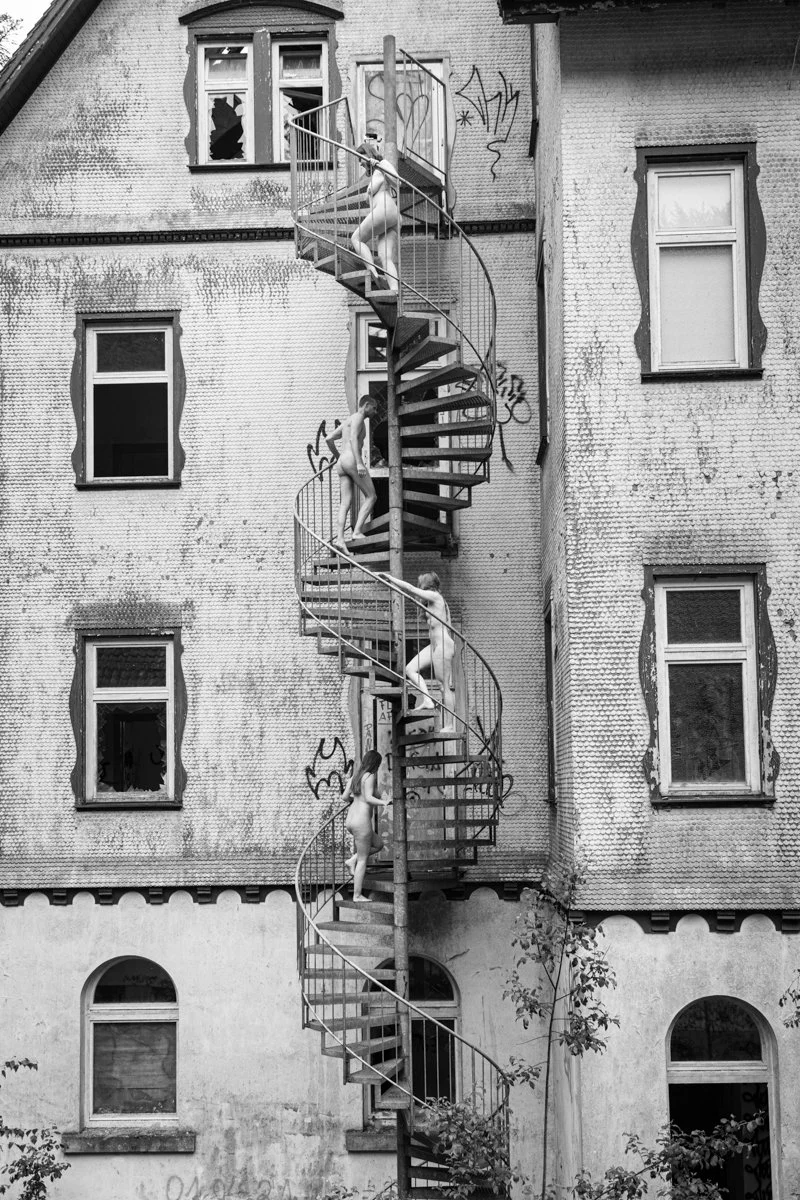
Ascent, archival print, 20 x 30 cm, 2024, USD 400, © Brian Cann, Baden-Württemberg, Germany
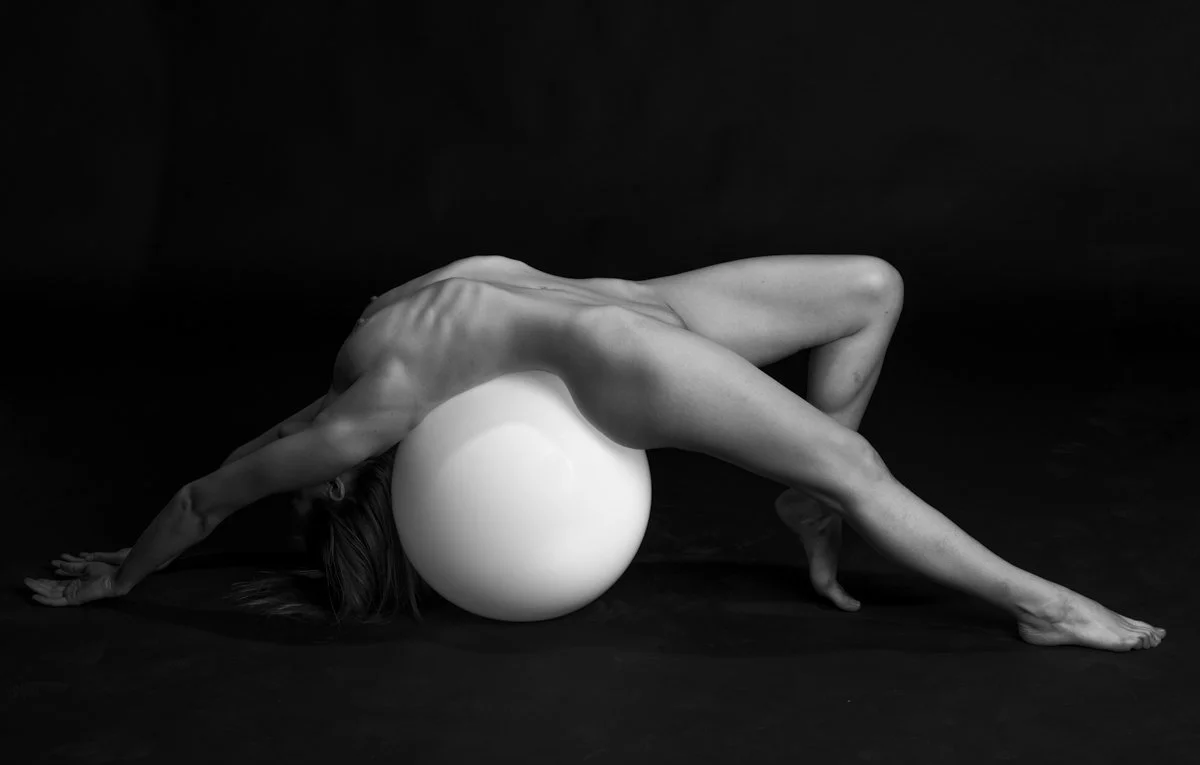
Sphere, archival print, 11 x 17 in, 2026, USD 400, © Lance Pressl, Deerfield, Illinois
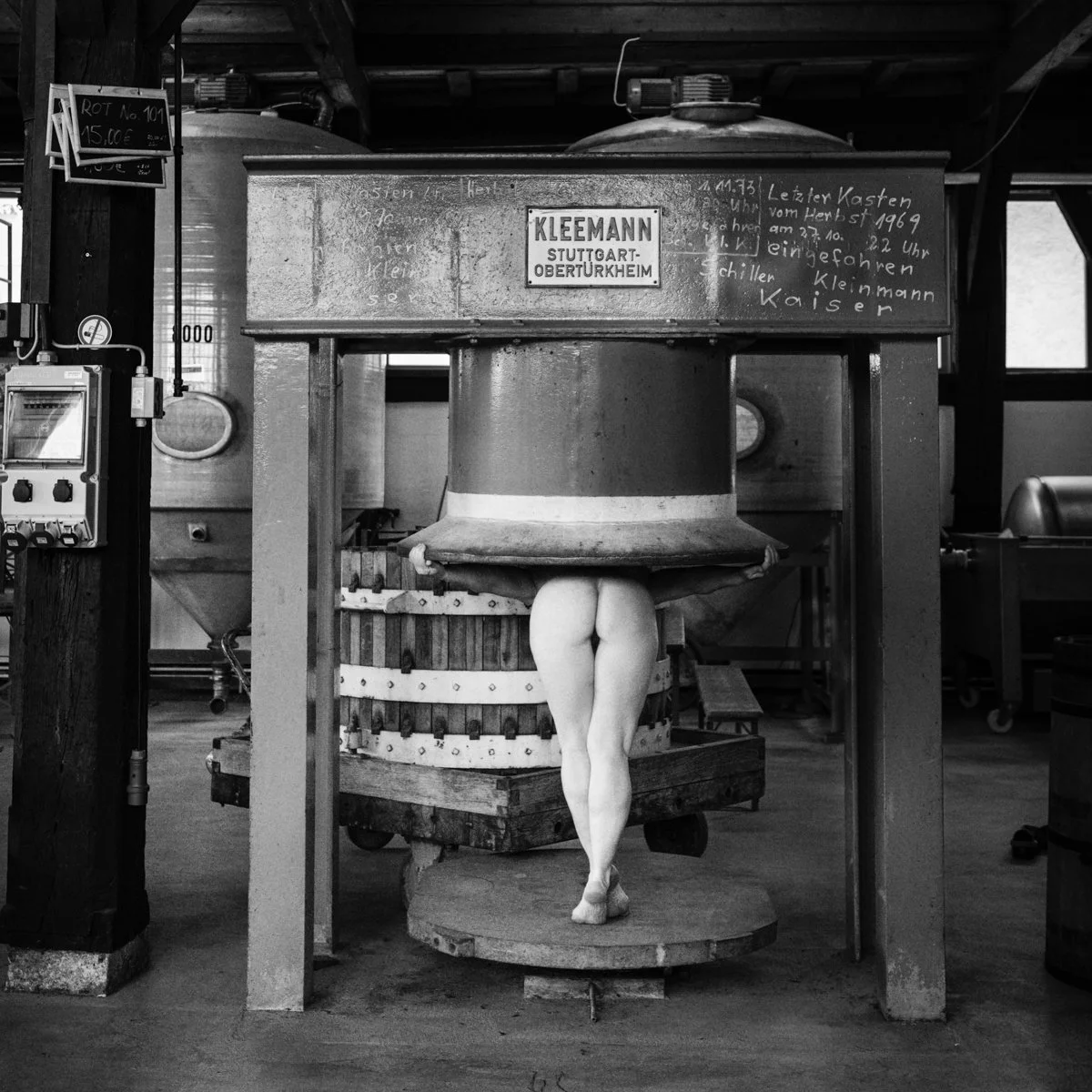
Under Pressure, archival print, 30 x 30 cm, 2023, USD 400, © Brian Cann, Baden-Württemberg, Germany
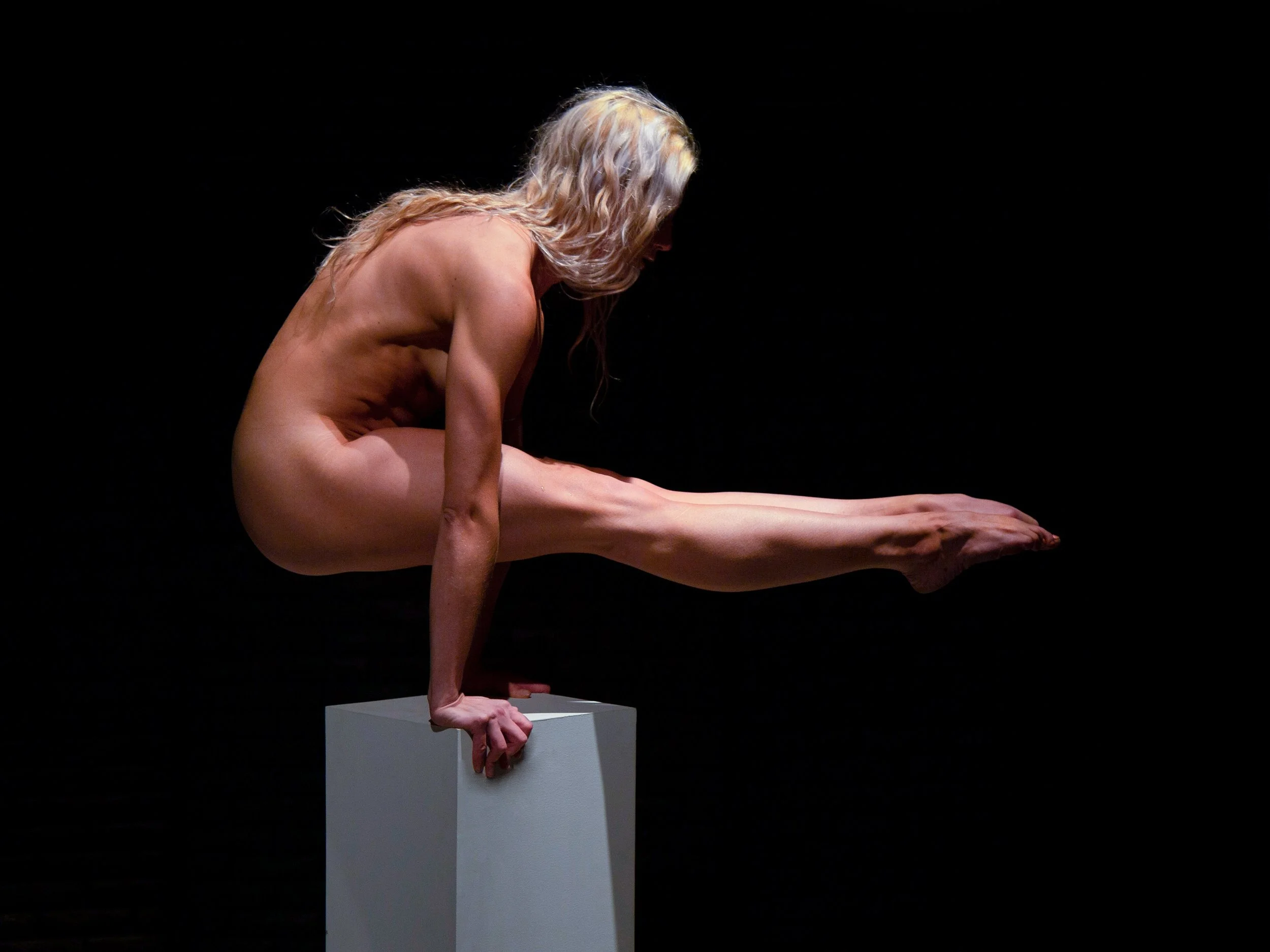
An Indelicate Balance, archival print, 16 x 12 in, 2021, USD 350, © Brian Wolfe, New Windsor, New York

Hanging, archival print, 16.5 x 11 in, 2024, USD 400, © Lance Pressl, Deerfield, Illinois
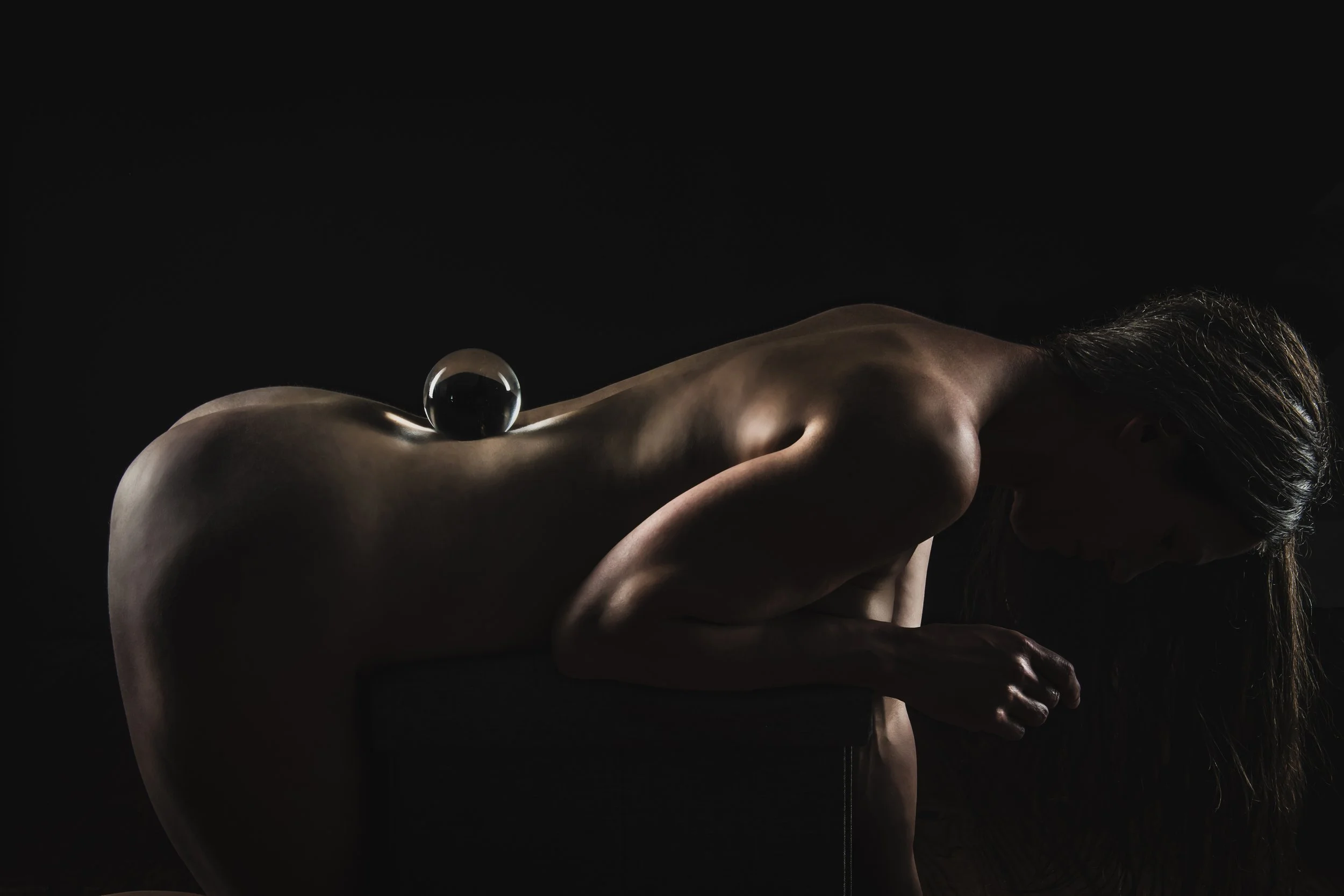
Crystalline Lines, photo transfer on metal, 8 x 12 in, 2025, USD 250, © Kevin Spalding, Louisville, Kentucky
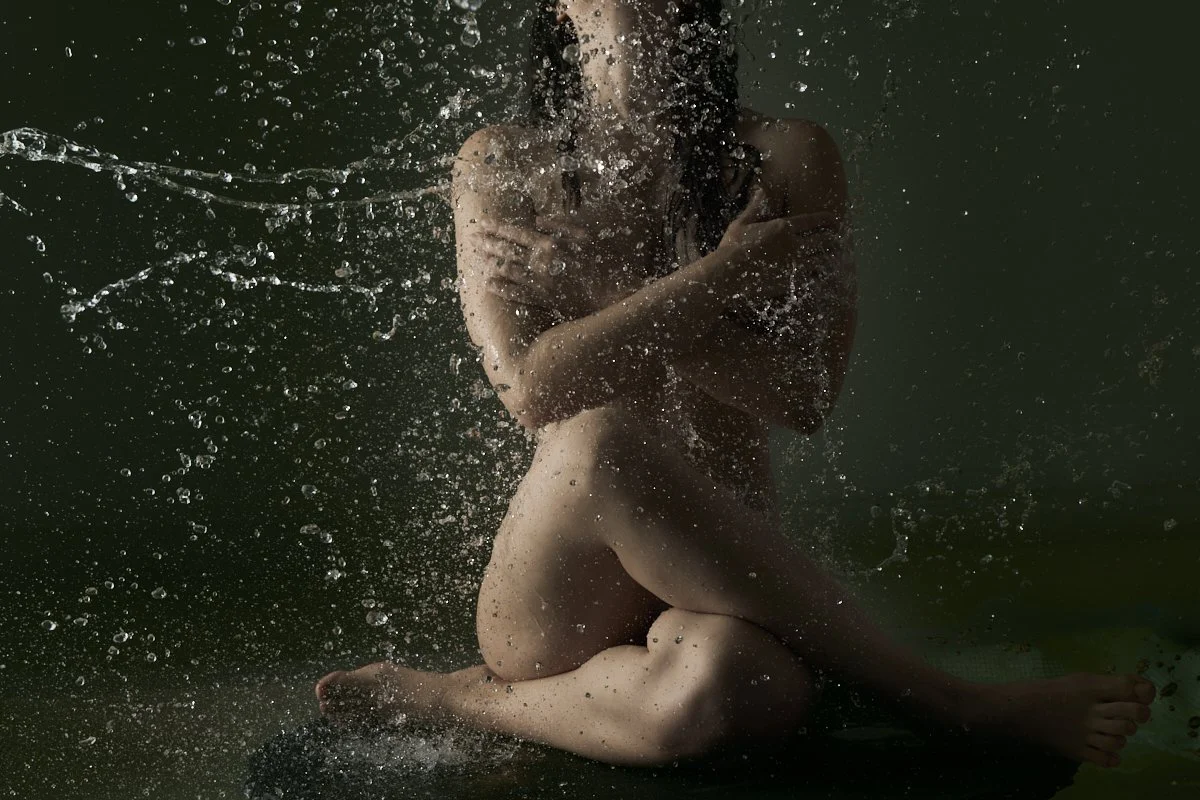
Birth of Aphrodite, archival print, 42.0 x 59.4 cm, 2026, USD 800, © Ricardo de Vicq de Cumptich, São Paulo, Brazil
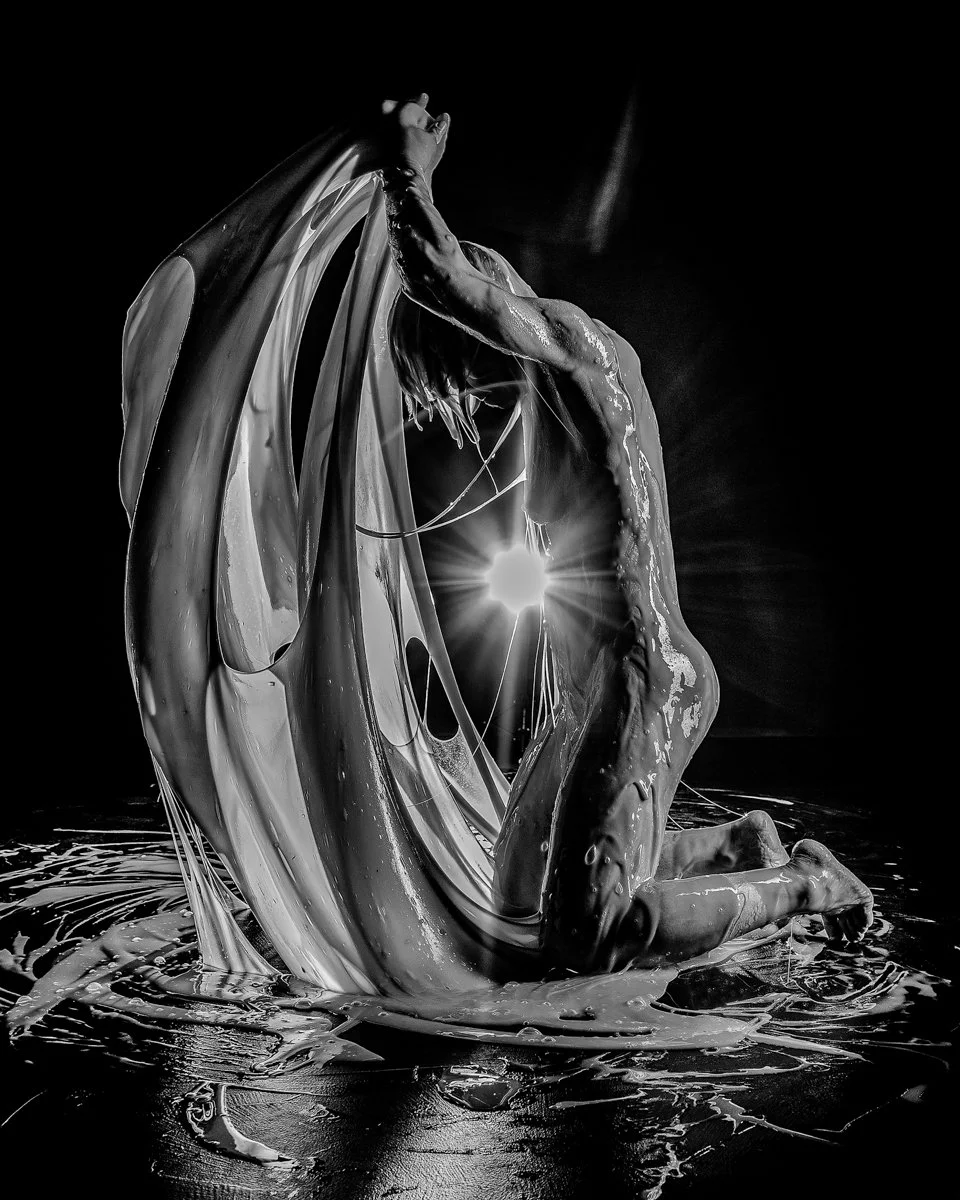
Getting Messy No. 1, archival print, 32 x 40 cm, 2018, USD 400, © Brian Cann, Baden-Württemberg, Germany

Open Water, archival print, 8.7 x 10 in, 2021, USD 350, © Kari Bishop, Granbury, Texas

Absorption, archival print, 24 x 18 in, 2021, USD 2115, © Michael David Walrond, Seattle, Washington
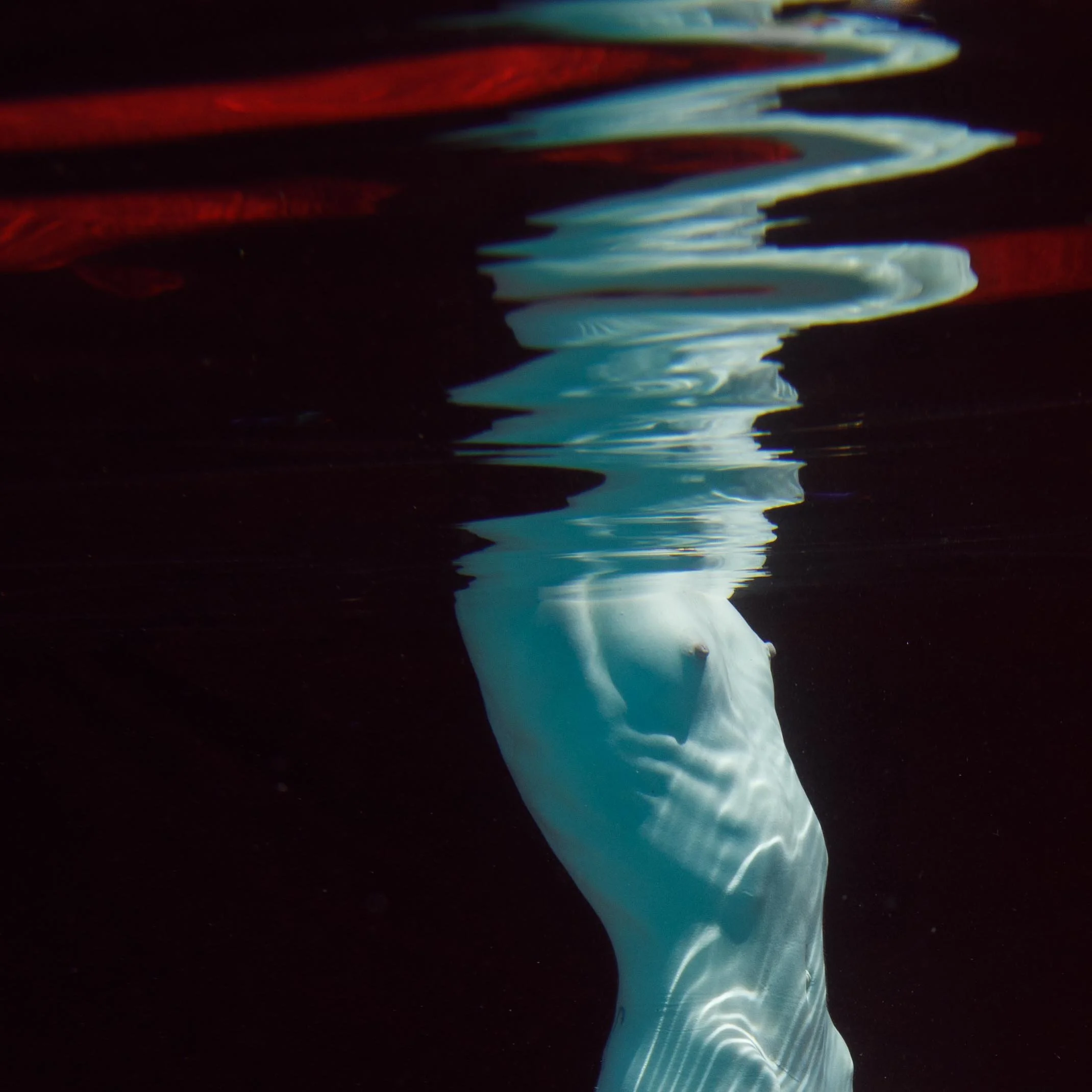
Creation, archival print, 6 x 16 in, 2023, USD 350, © Dan Katz, Northridge, California

Nude No. 2, photographic print, 20 x 16 in, 2025, £300, © Norman Miller, Brighton, East Sussex, United Kingdom

Light & Shadow No. 28, archival print, 120 x 95 cm, 2023, USD 1900, © Hushang Omidizadeh, North Rhine-Westphalia, Germany

Bodyscape No. 3, archival print, 16 x 20 in, 2023, USD 300, © David Perelman-Hall, Cleveland Heights, Ohio

Bare Valley, photographic print, 8 x 12 in, 2018, USD 295, © John Prusak, Hartland, Wisconsin

An Interior Sequence, archival print, 9 x 14 in, 2016, USD 425, © Nicole Small, Montreal, Quebec
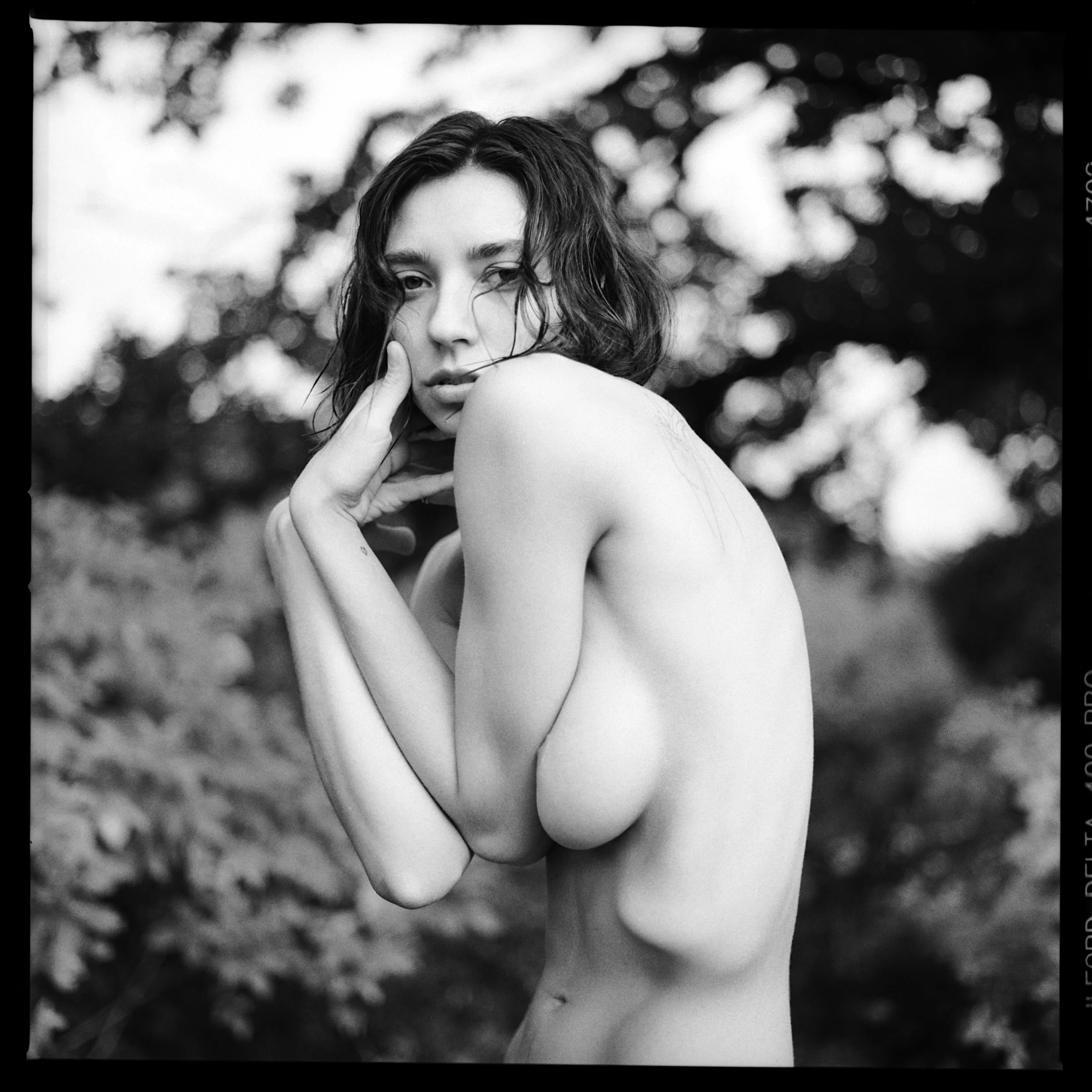
Held by the Gaze, archival print, 25 x 30 cm, 2023, 350€, © Feng Yan, Sittard, Limburg Netherlands
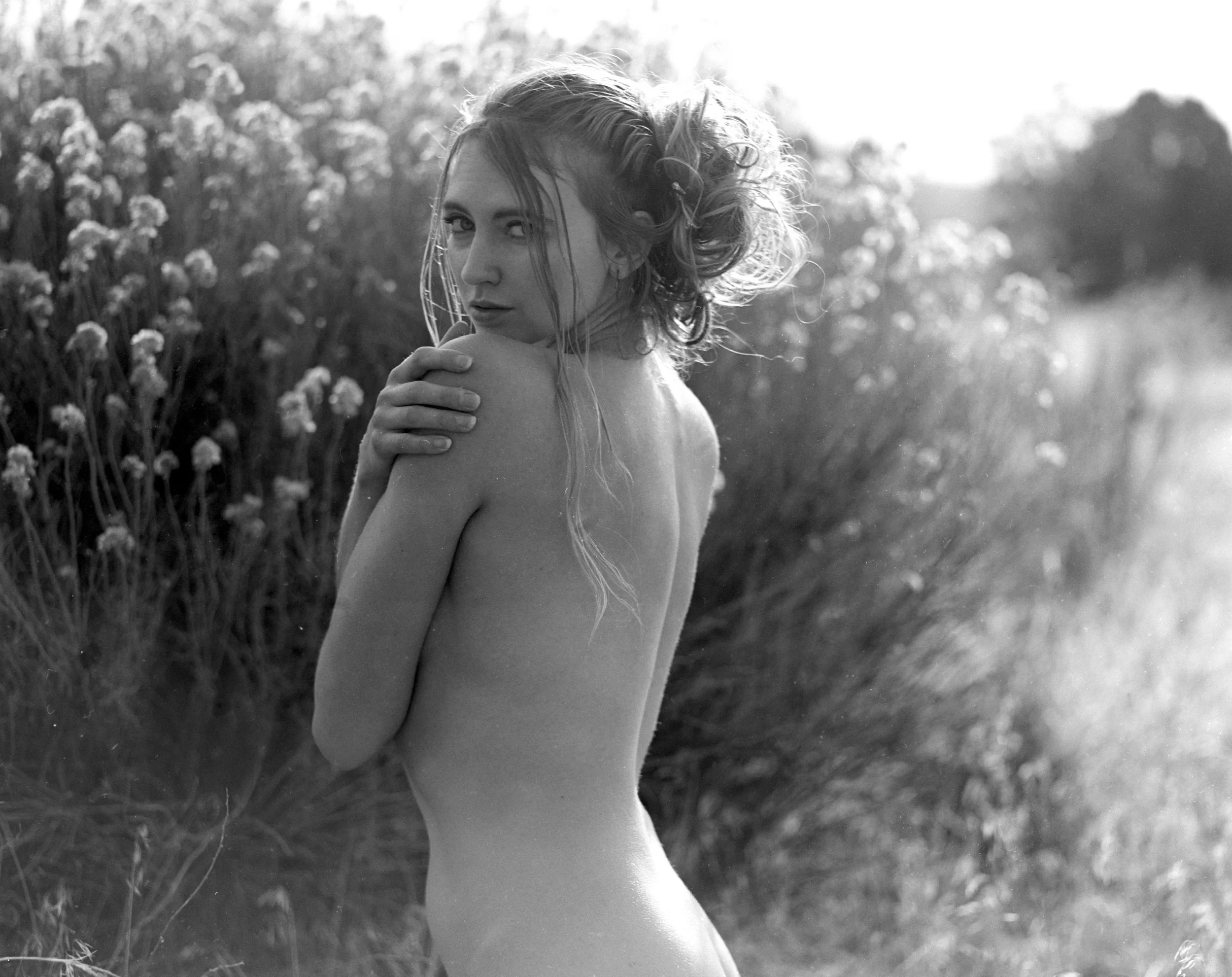
The Mystery of Late Autumn, archival print, 11 x 14 in, 2024, USD 400, © Derek Liu, Basking Ridge, New Jersey

Sandman, archival print, 20 x 7.5 in, 2018, USD 350, © Vincent Ferrari, Bowie, Maryland
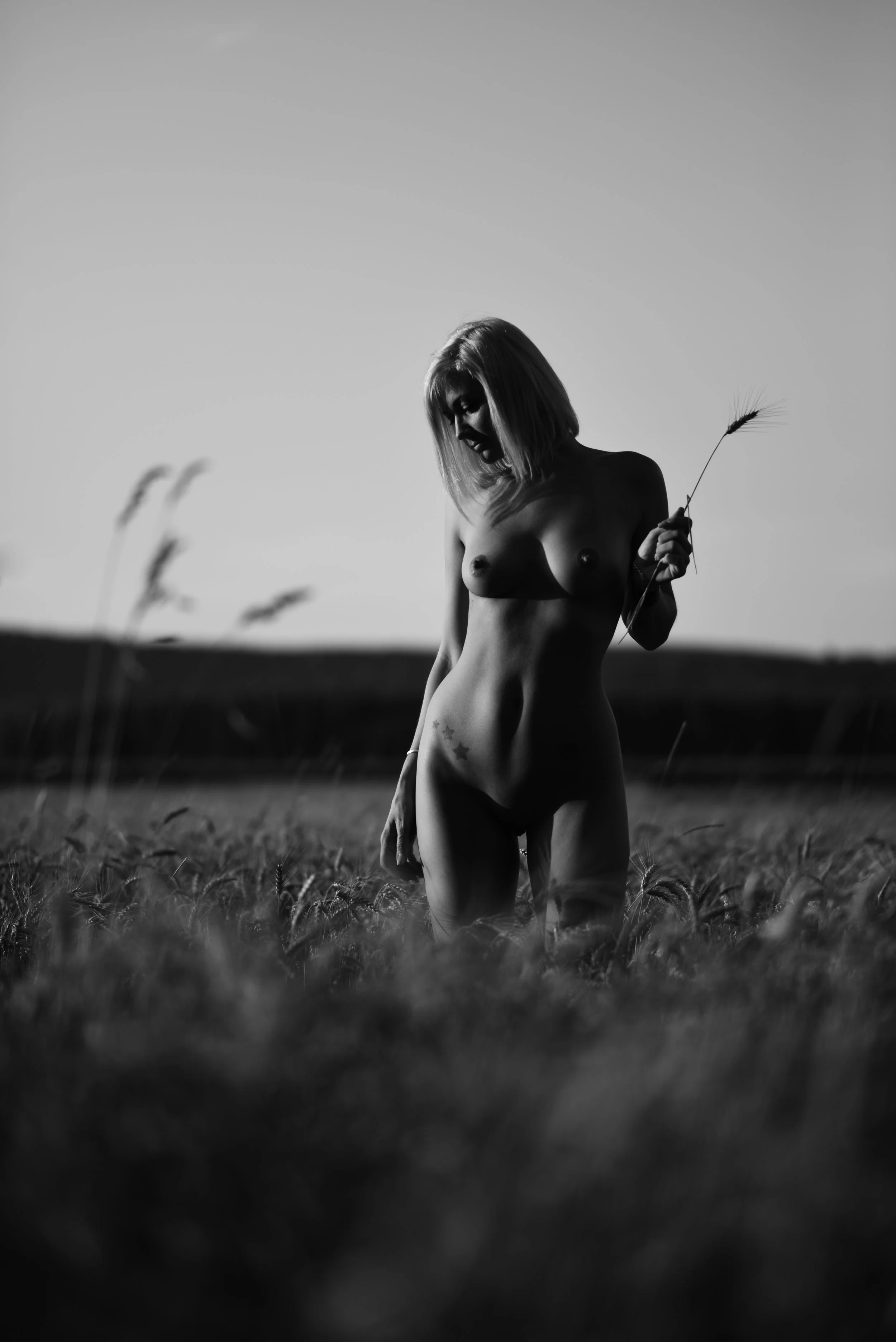
Play With Shadows, archival print, 21 x 30 cm, 2015, 350€, © Gergo Simak, Pomáz, Hungary
Ferns, archival print, 8 x 10 in, 2021, USD 350, © Dave White, Peterborough, New Hampshire

Ali No. 1, archival print, 20 x 30 in, 2025, USD 295, © Antony Chiang, Irvine, California
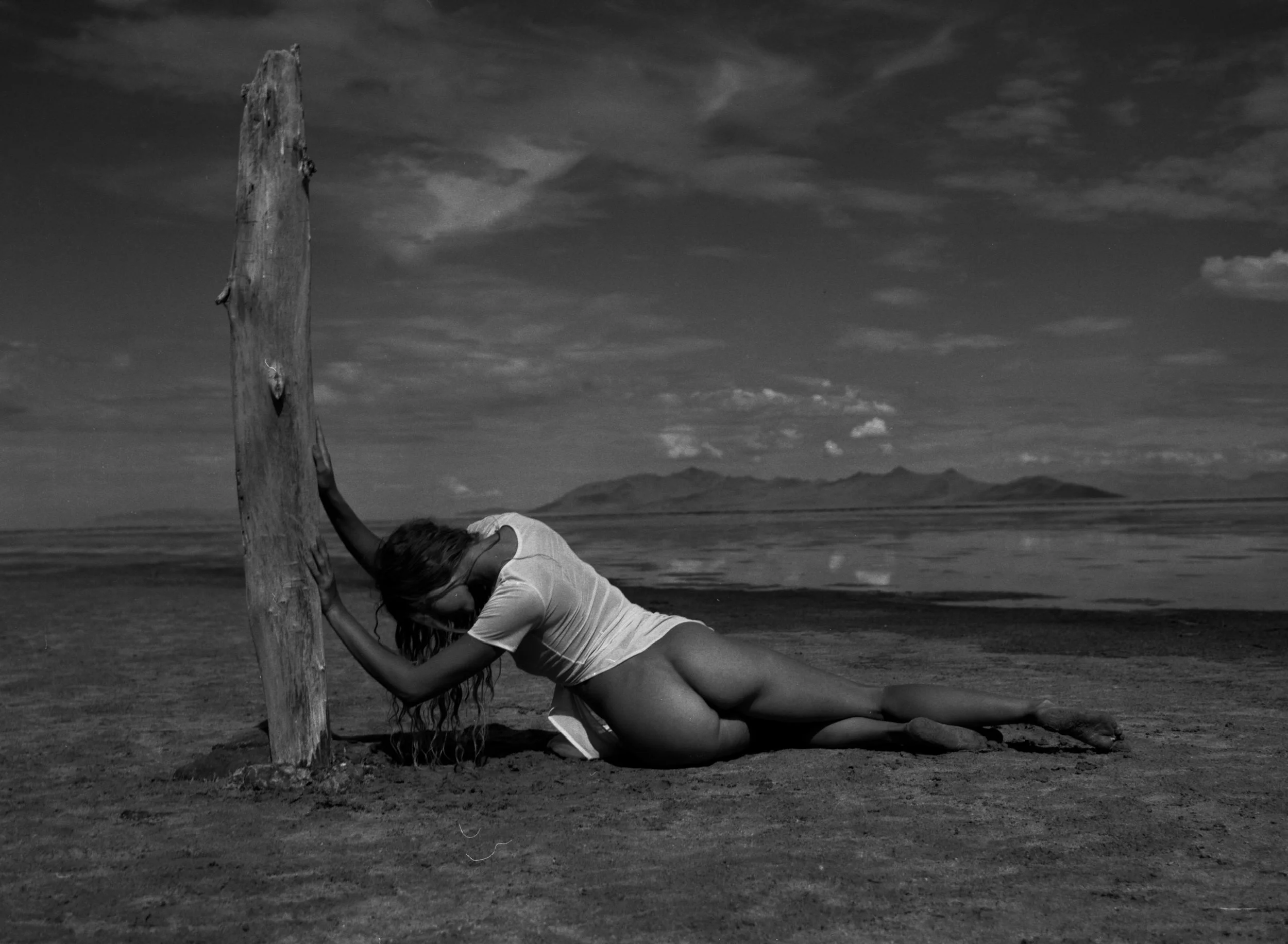
The Beauty of Succumbing to Gravity, archival print, 11 x 14 in, 2025, USD 400, © Derek Liu, Basking Ridge, New Jersey

Fauna No. 1, archival print, 16.93 x 11.29 in, 2024, USD 350, © Bruno Schiavon, Houston, Texas

Citroen and Nude, archival print, 17 x 22 in, 2025, USD 350, © Colin Ward, Athens, Georgia

The Mesh Stockings, 4 x 5 in film, sepia-toned and hand colored, 10 x 8 in, 2023, USD 150, © Michael Berkowitz, Shokan, New York
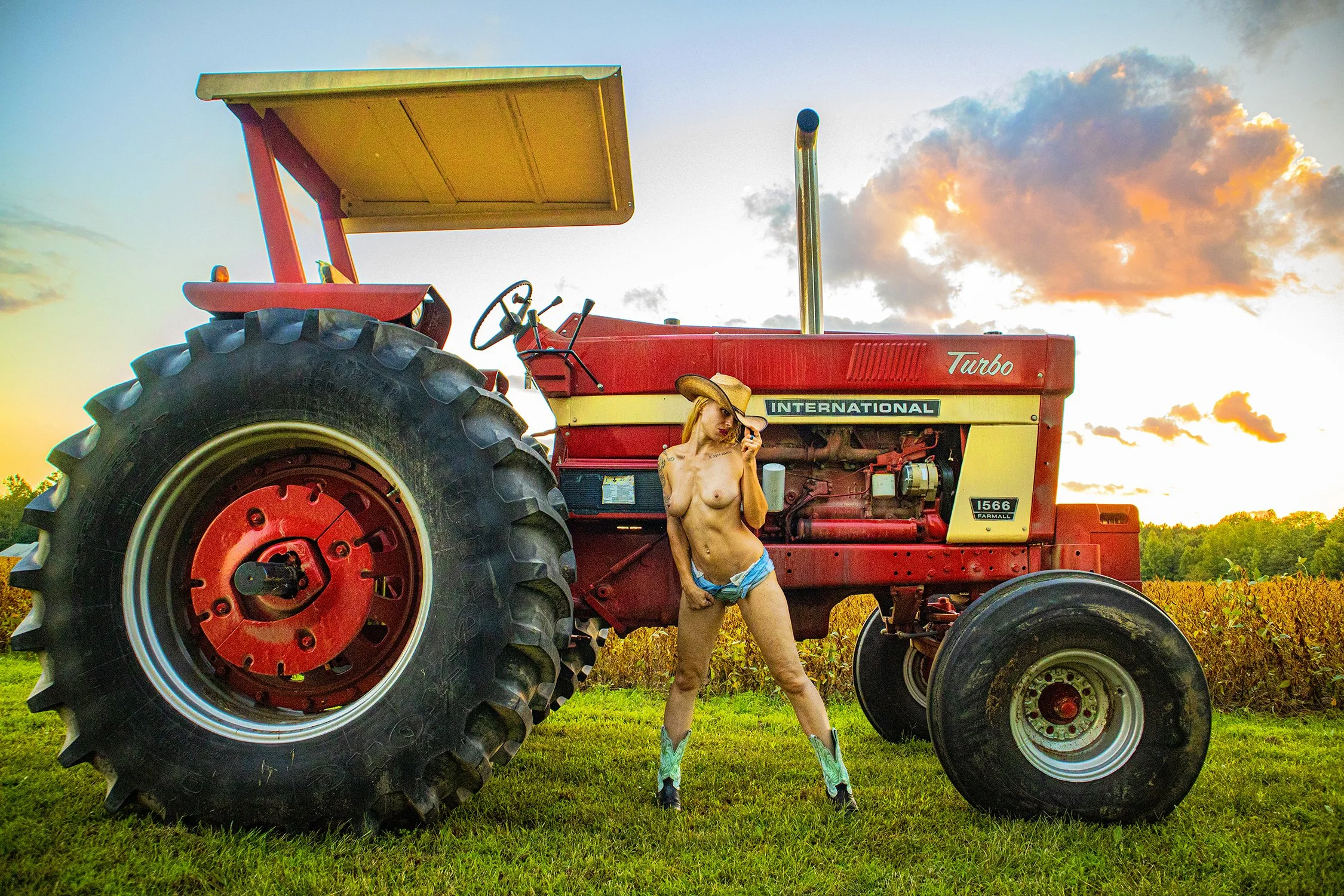
Kaitlynn and the Tractor, archival print, 10 x 15 in. 2024, USD 300, © Troy Cooper, Suffolk, Virginia
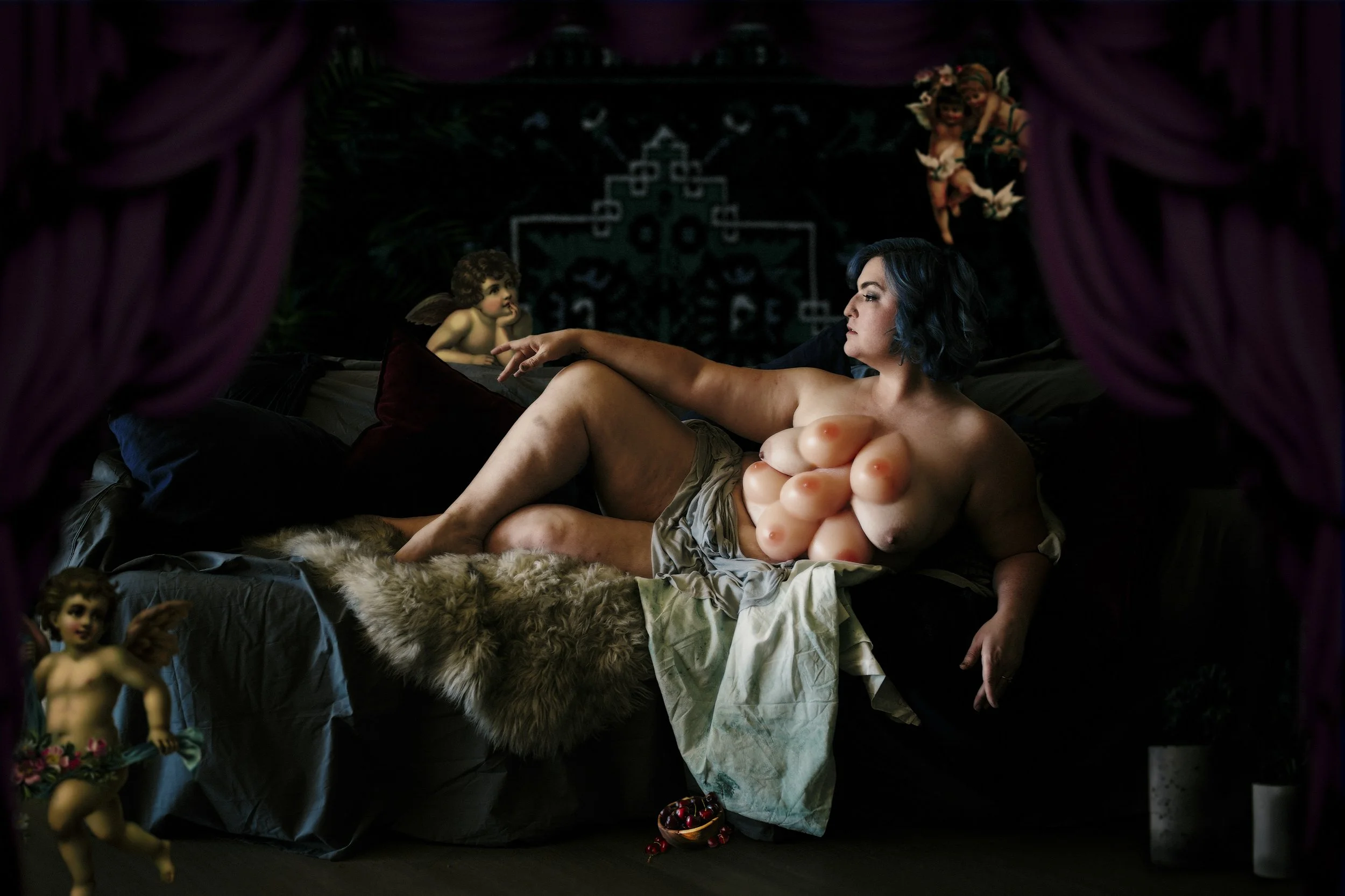
Quiverfull, archival print, 6 x 24 in, 2019, USD 750, © Olivia Phare, Phoenix, Arizona
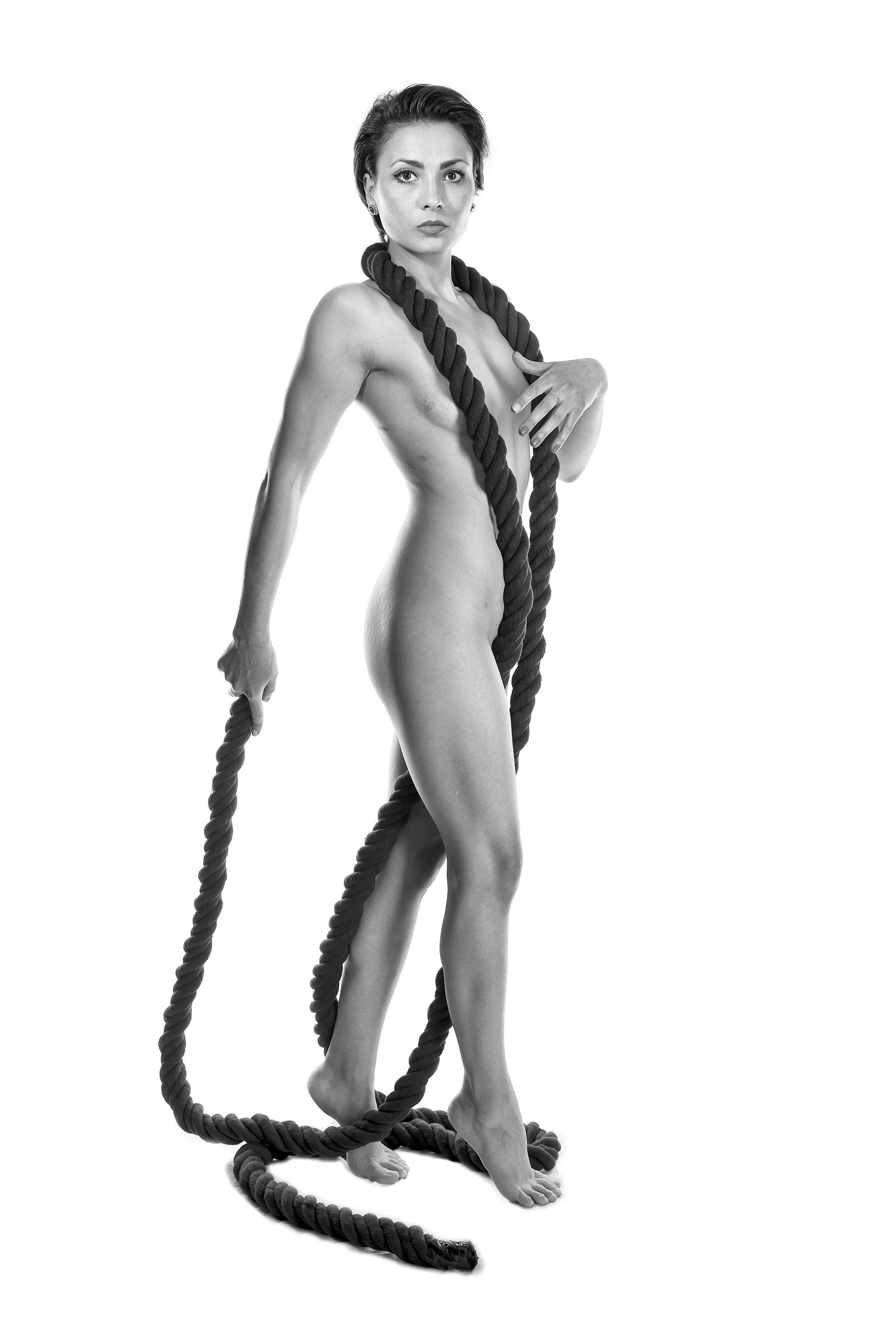
Lonela No. 1, archival print, edition 1 of 7, 50 x 70 cm, 2021, 300€, © Claude Roussillon, Bordeaux, France
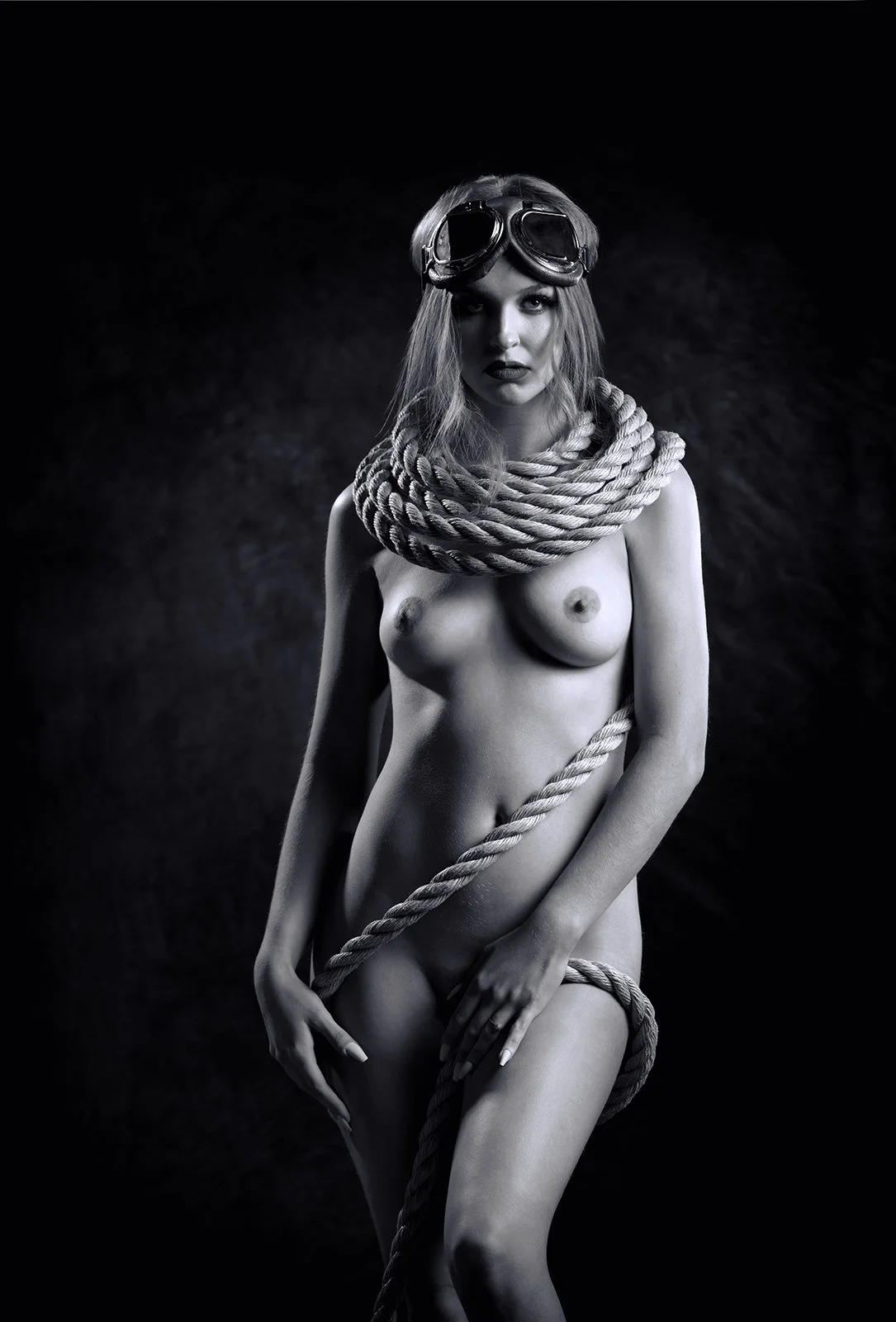
All Tied Up, archival print, 8 x 12 in, 2021, USD 295, © John Prusak, Hartland, Wisconsin
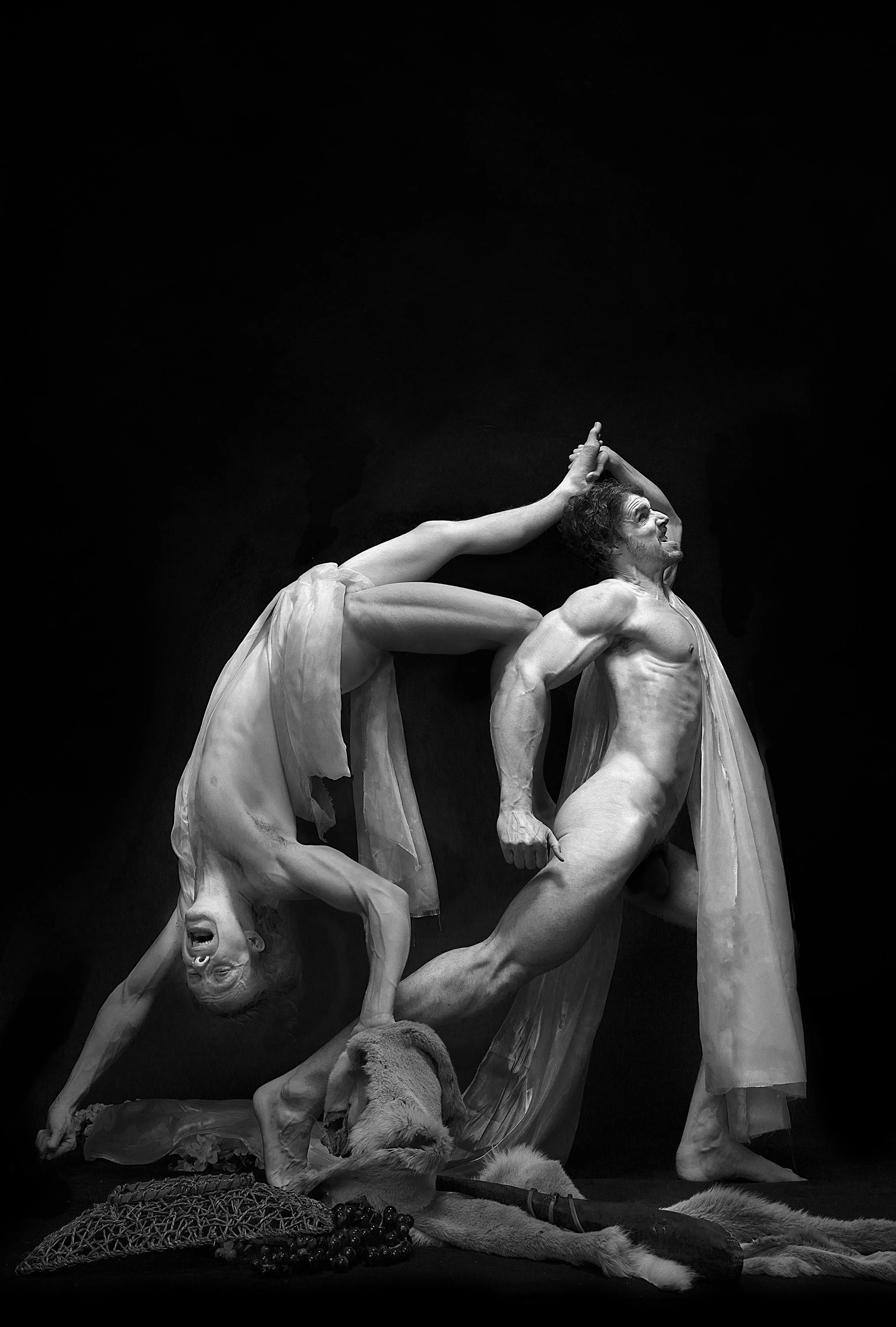
Heracles Hurls Lichas, piezograph print, 60 x 40 in, 2024, USD 8888, © Paal Anand, Culver City, California

Skulls, archival print 10.5 x 17 in, 2023, USD 400, © Lance Pressl, Deerfield, Illinois

En Pointe, archival print, 8 x 12 in, 2019, USD 295, © John Prusak, Hartland, Wisconsin
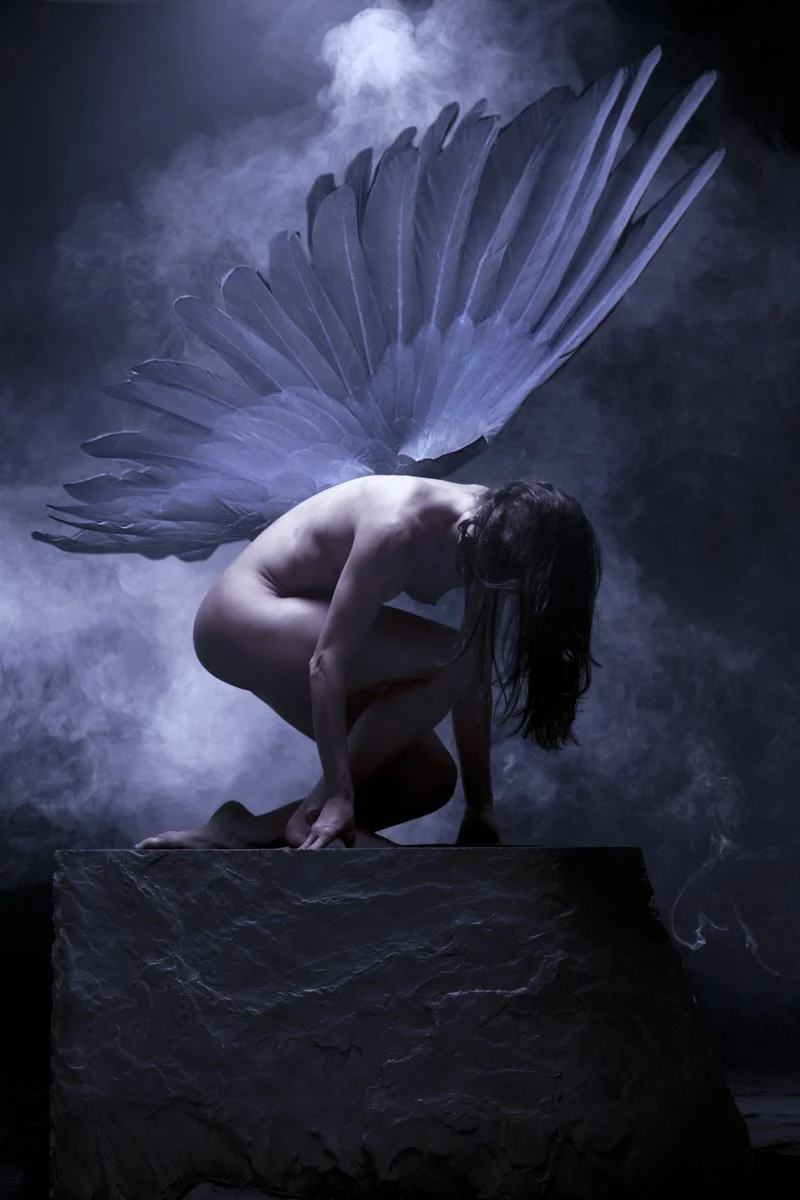
Lost Paradise, archival print, 42 x 59.4 cm, 2019, USD 800, © Ricardo de Vicq de Cumptich, São Paulo, Brazil

Chimera, archival print, 12 x 12 in, 2015, USD 325, © Todd Davis, St. Louis, Missouri
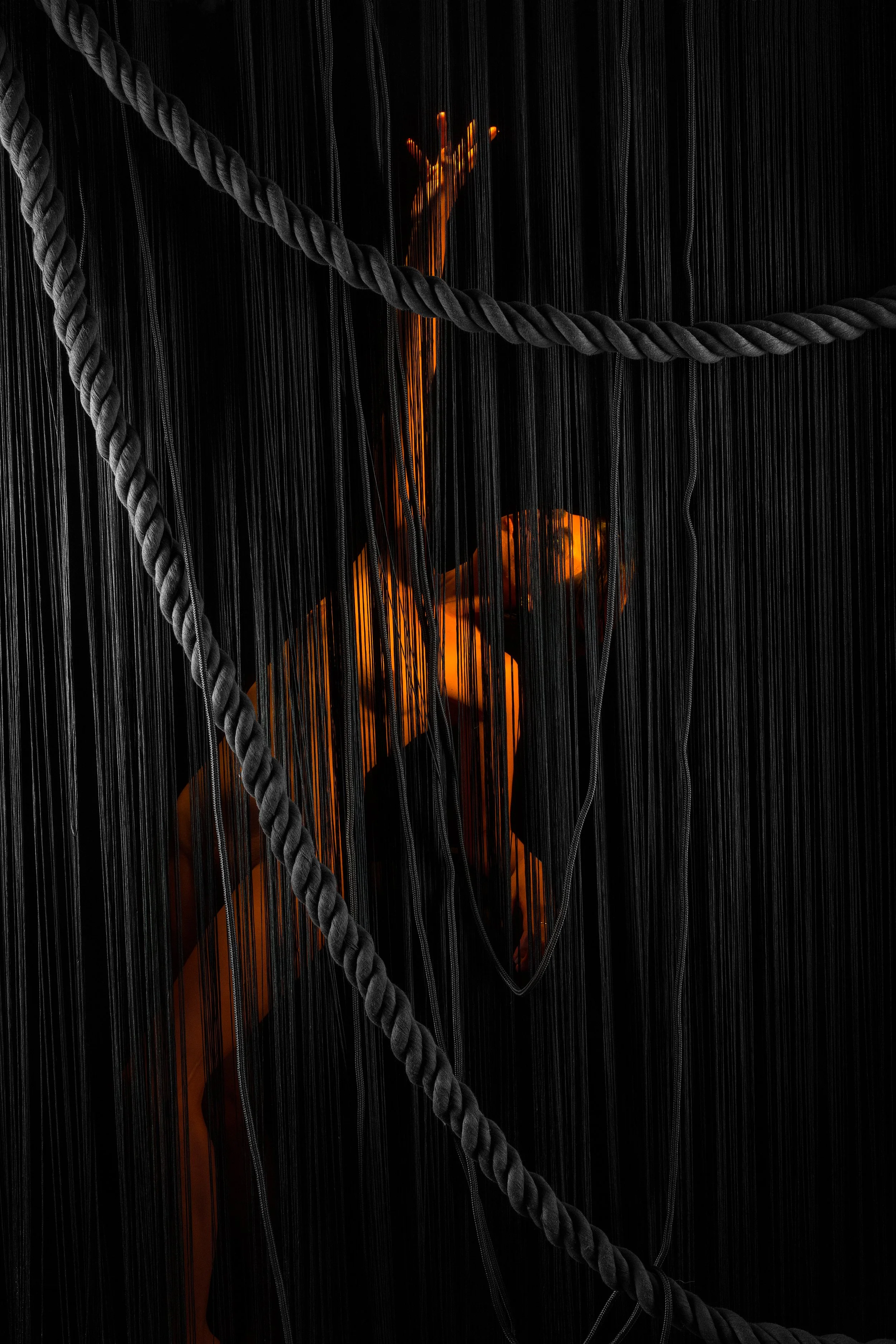
Lonela No. 3, archival print, edition 1 of 7, 50 x 70 cm, 2021, 600€, © Claude Roussillon, Bordeaux, France
Sales and Artist Inquiries
Are you interested in making a purchase or connecting with one of the featured artists? Send us a message through our contact form, and we'll get back to you shortly.