

Memento Mori (2023)
August 1–September 1, 2023
Memento Mori examines mortality, transience, and the rituals and symbols through which we understand death. From vanitas imagery—skulls, fading flowers, and signs of material wealth—to contemporary reflections on grief, memory, and survival, the exhibition asks what gives life meaning and how we live with the certainty of its end.
Featured Artists
Ada Trillo, Alireza Azizi, Anna Kott, Anne Smythe, Chris Sellers, David Griffith, David Taylor, Denis Sivack, Gloria Tang, Gregory D. Brown, Jason Contangelo, Katarina Teise, Khalil Gharbi, Kip Harris, Kristen T. Woodward, Leanne Trivett, Lee Maskarinec, Liliana Del Vedova, Lydia Tonkonow, Margarita Kovaleva, Maria Eugenia Trabucco, Mark Dierker, Michael Putorti, Nanci Hellmuth, Nancy Grimes, Paris Naik-Neenan, Patti Jordan, Quinn Miller, Ron Jesiolowski, Syl Arena
Remember That You Must Die
Memento mori is Latin for remember that you must die, and for most of its history the phrase was not morbid but administrative. It was a discipline, a scheduled reminder built into monastic routine and funerary sculpture because the fact it points at is so easy to forget. The instruction survives because the forgetting is permanent. Every generation has to be told again, and every generation finds a new medium to be told in. This exhibition collected thirty-five works in that tradition, and the range of media in the catalog, from oil and acrylic on canvas to gouache on wood, mixed media on plexiglass, archival pigment and chromogenic prints, says something about how unfussy the subject is about its container.
The Vanitas Inheritance
The most organized version of the theme is the vanitas still life, a Dutch and Flemish invention that arranged mortality into a legible vocabulary: the skull, the guttering candle, cut flowers already past their best, coins, mirrors, overripe fruit. It was a genre with a grammar, and part of the pleasure of reading one is the pleasure of recognizing the terms. Several catalog entries take the name directly, which declares the lineage rather than disguising it. The risk in working this openly is that the symbols do the thinking for the artist. The reward, when it works, is that four hundred years of accumulated meaning arrive for free.
Photography's Particular Claim
Photography has a stronger claim on this subject than any other medium, and it is a structural claim rather than a thematic one. A photograph is a record of a configuration of light that has already ended. Nothing has to be added to make it elegiac, because the elegy is in the mechanism. The nineteenth century understood this immediately and built an entire industry of mourning portraiture around it, photographing the dead with a directness that now reads as shocking and at the time read as tender. Contemporary photographers working the theme are negotiating with that history whether they intend to or not.
Grief as Practice Rather Than Event
The weakest work on mortality treats death as a single dramatic fact. The strongest treats it as an ongoing administrative burden carried by the living: the objects that outlast their owners, the rooms that stay arranged, the rituals that have to be performed on a schedule. Work in this register tends to be quieter and to survive repeat viewing better, because it describes something the viewer is already doing rather than something the viewer fears.
Memento Vivere
One catalog entry inverts the phrase into memento vivere, remember that you must live, which is the argument the original was always making. The reminder of death was never intended as an end in itself. It was a method for establishing scale, for working out which obligations are real and which are decorative. An exhibition on mortality that produced only gloom would have misread its own subject.
Why the Theme Recurs
Mortality is one of the few subjects every genre can enter without distortion. A portrait, a still life, a landscape with a collapsing structure in it, and a documentary photograph of a funeral rite can all belong to the same exhibition without any of them being diluted, which is why the theme returns to open calls so reliably. TCG Gallery is an independent online photography gallery, and each juried exhibition remains part of a permanent public archive after its run ends, so the Memento Mori catalog stays readable alongside later editions of the theme. Photographers can enter the current photography open calls directly.
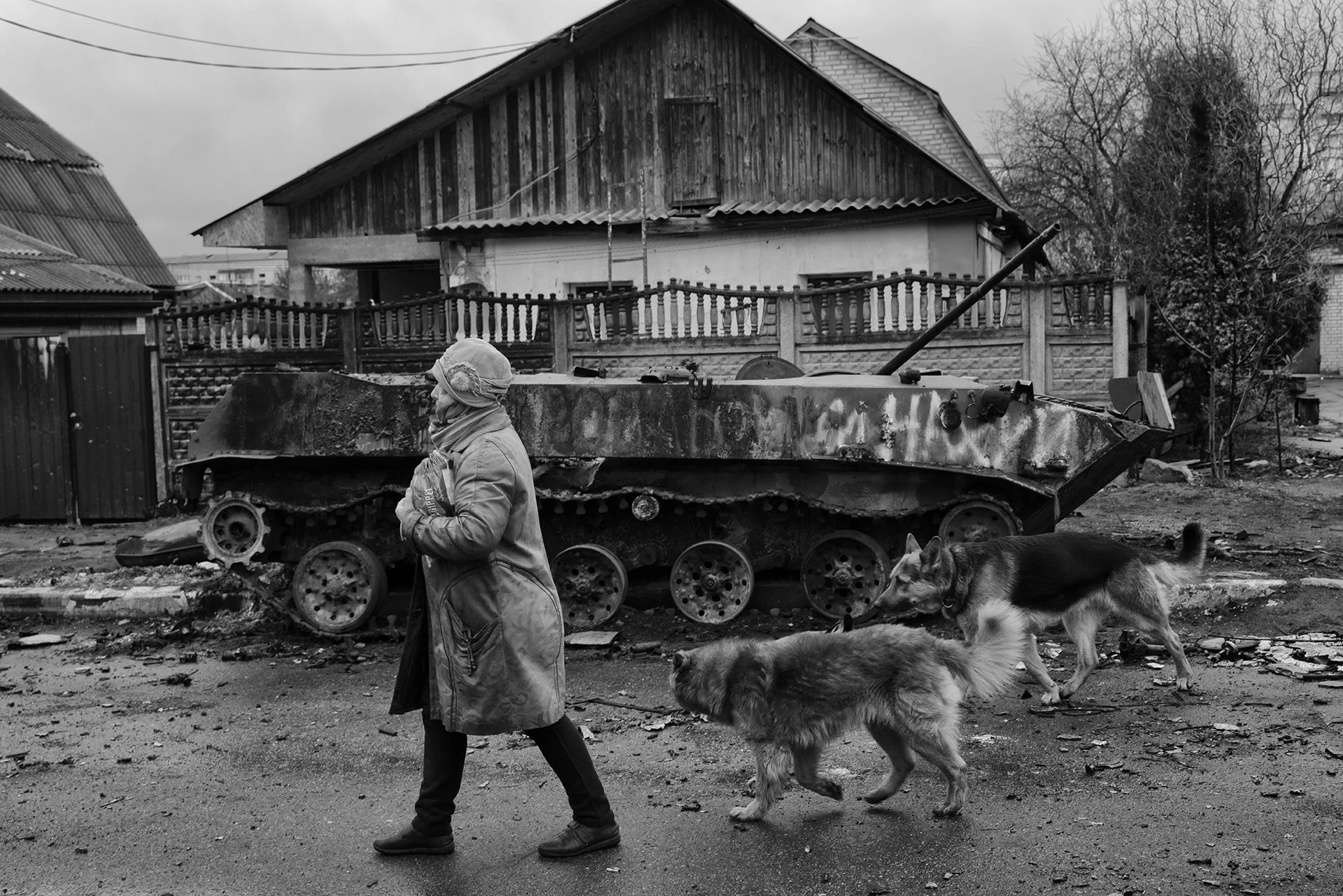
The Ones Who Stay, archival print, size on request, 2022, USD 800, Ada Trillo, New York City, New York
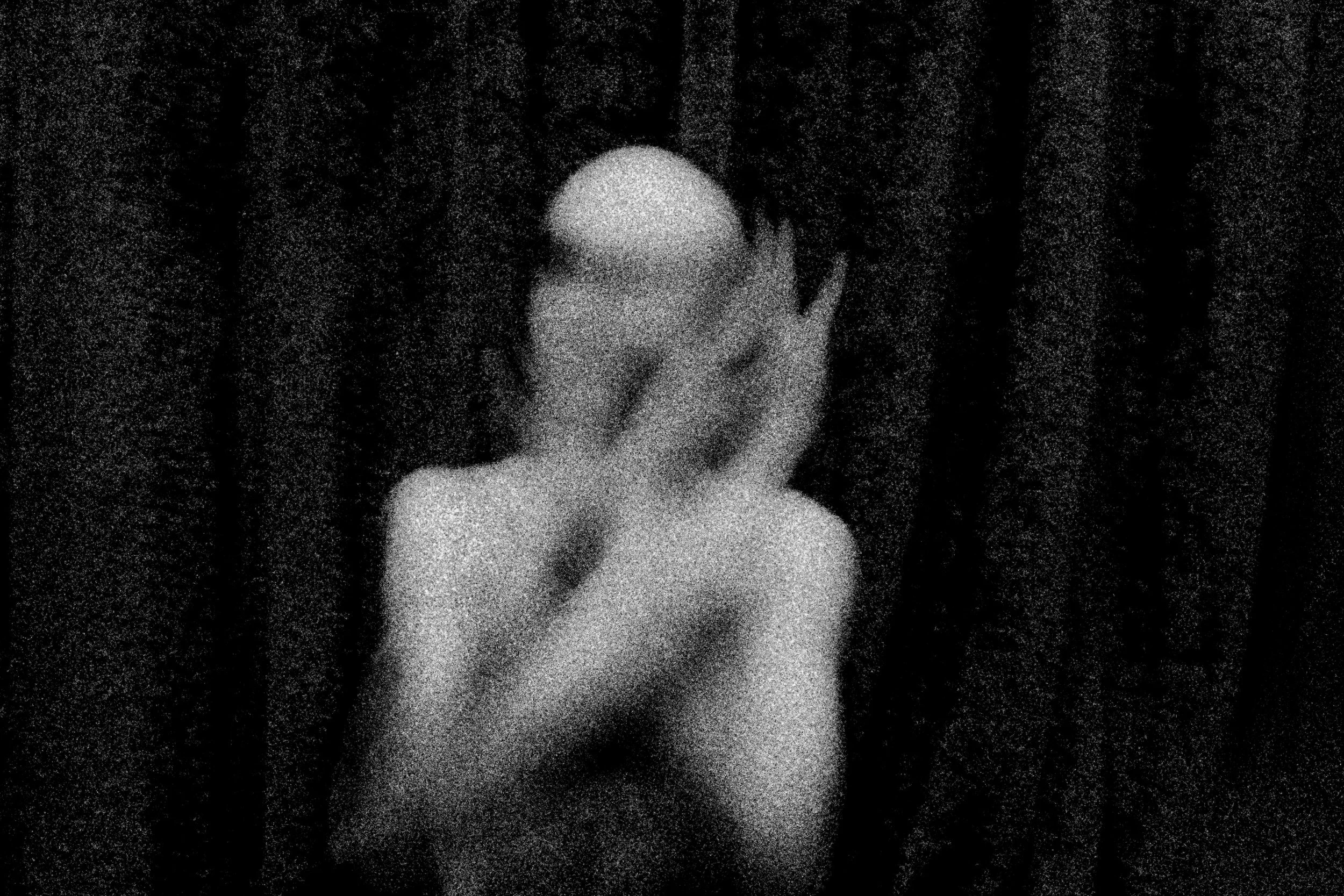
Resurrection Moment to Shed the Soul, archival print, 70 x 50 cm, 2021, NFS, Alireza Azizi, Tehran, Iran
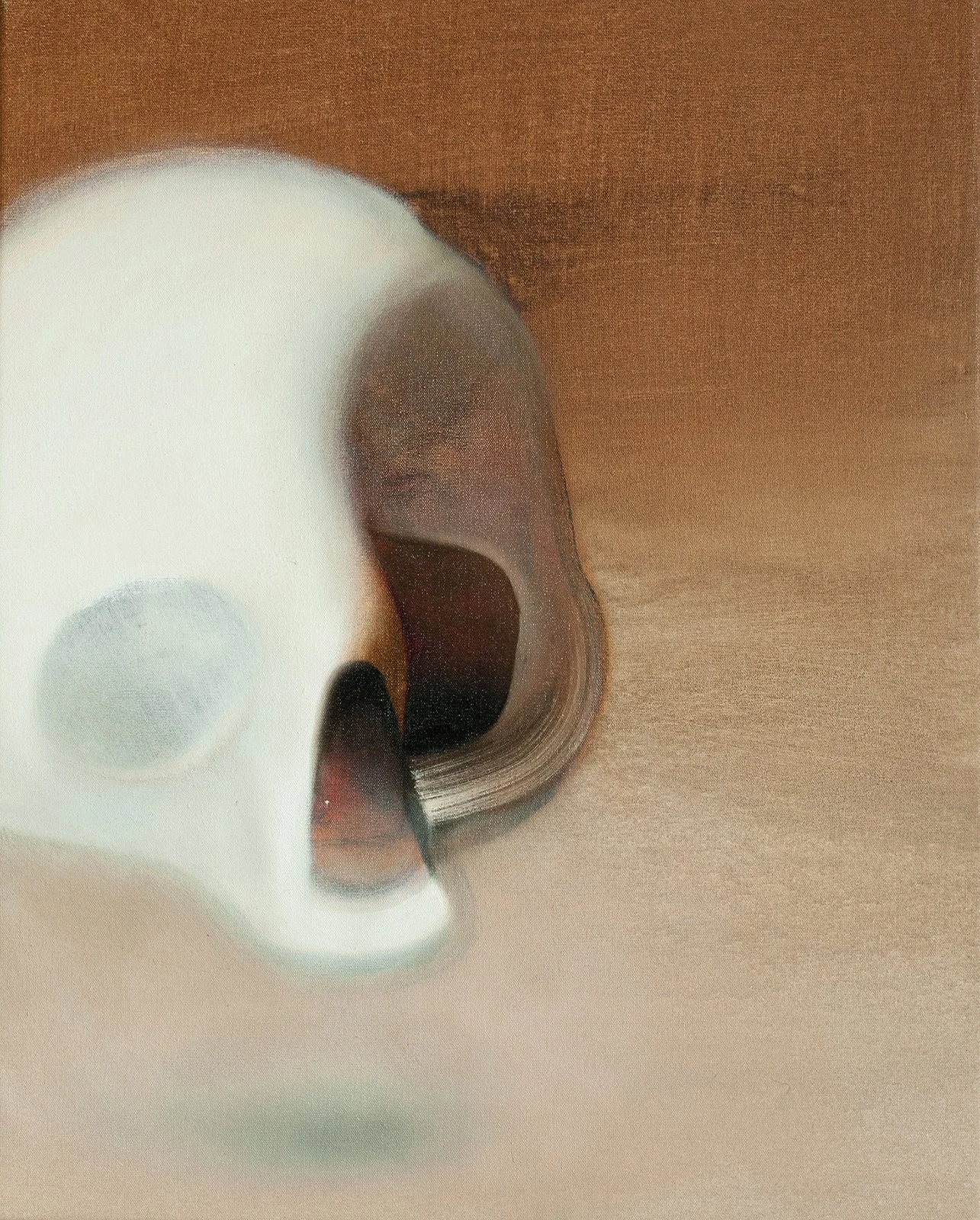
Whispers of Mortality, acrylic/oil on canvas, 50 x 40 cm, 2019, 3200€, Anna Kott, Berlin, Germany

Vanitas: Stages of Man, oil on canvas, 40 x 19.5 in, 2019, USD 1250, Anne Smythe, Waterdown, Ontario, Canada
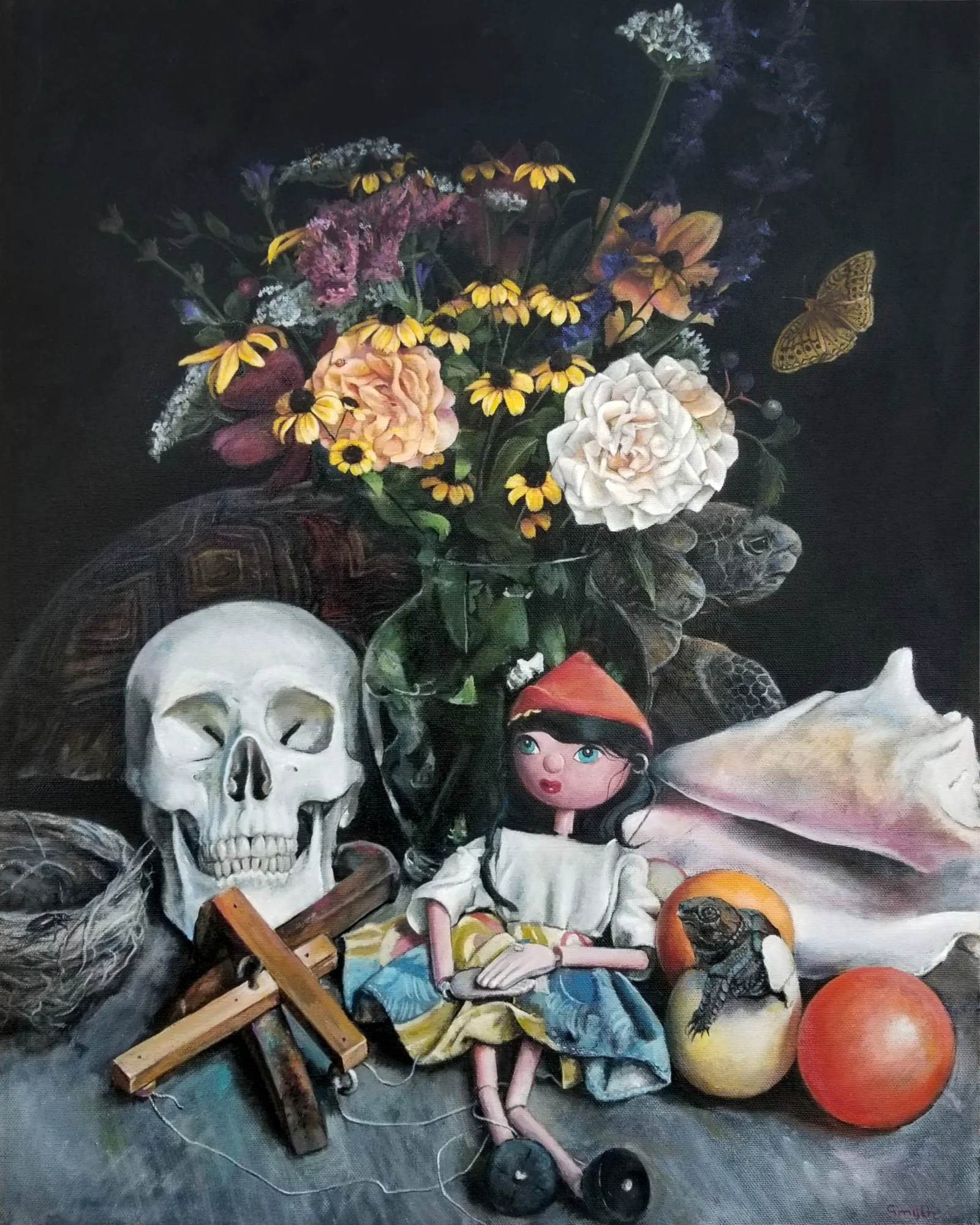
Vanitas No. 2, oil on canvas, 20 x 16 in, 2020, USD 550, Anne Smythe, Waterdown, Ontario, Canada
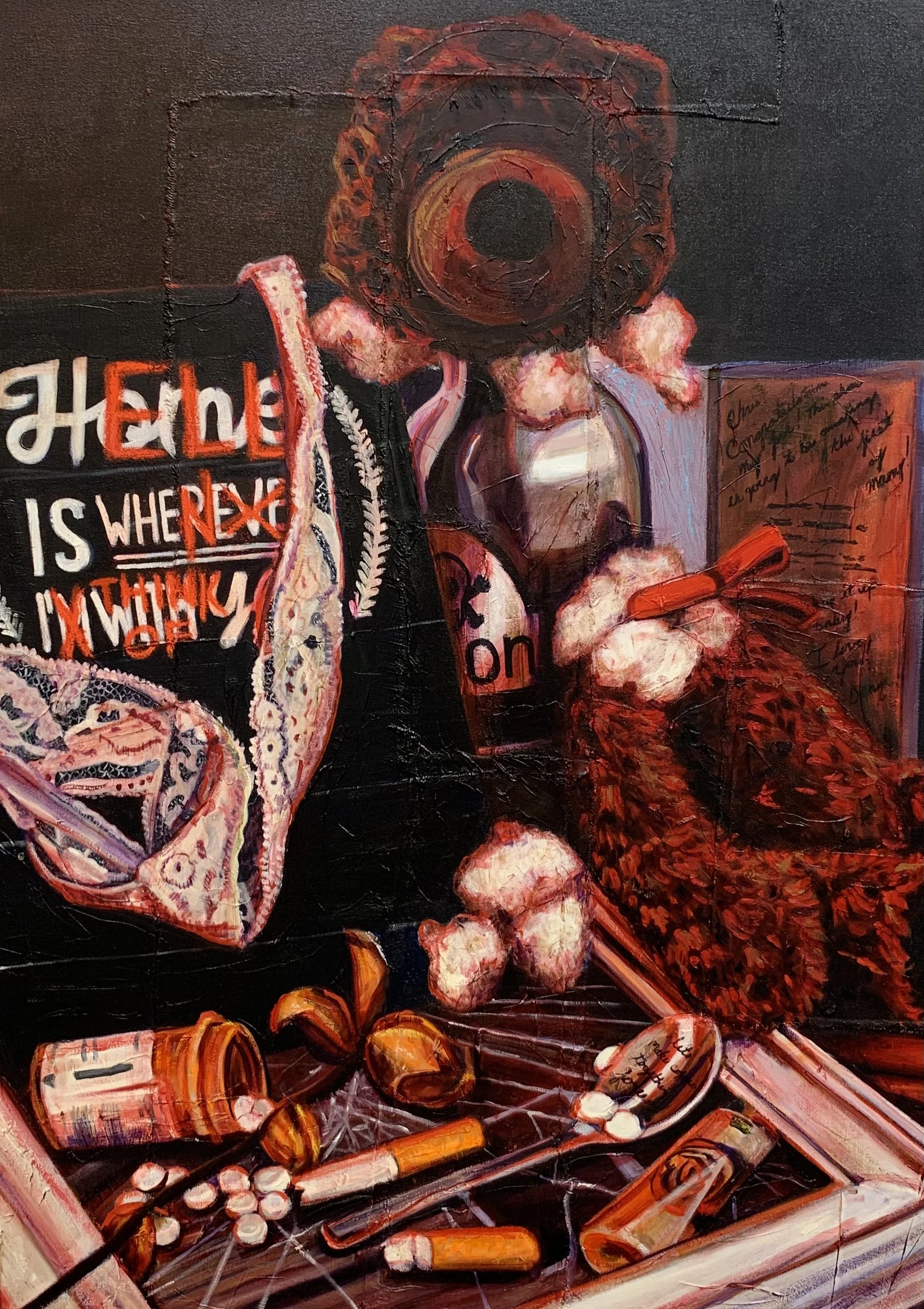
Hell is When I Think of You, oil and pastel on canvas, 40 x 30 in, 2021, USD 2000, Chris Sellers, Tampa, Florida
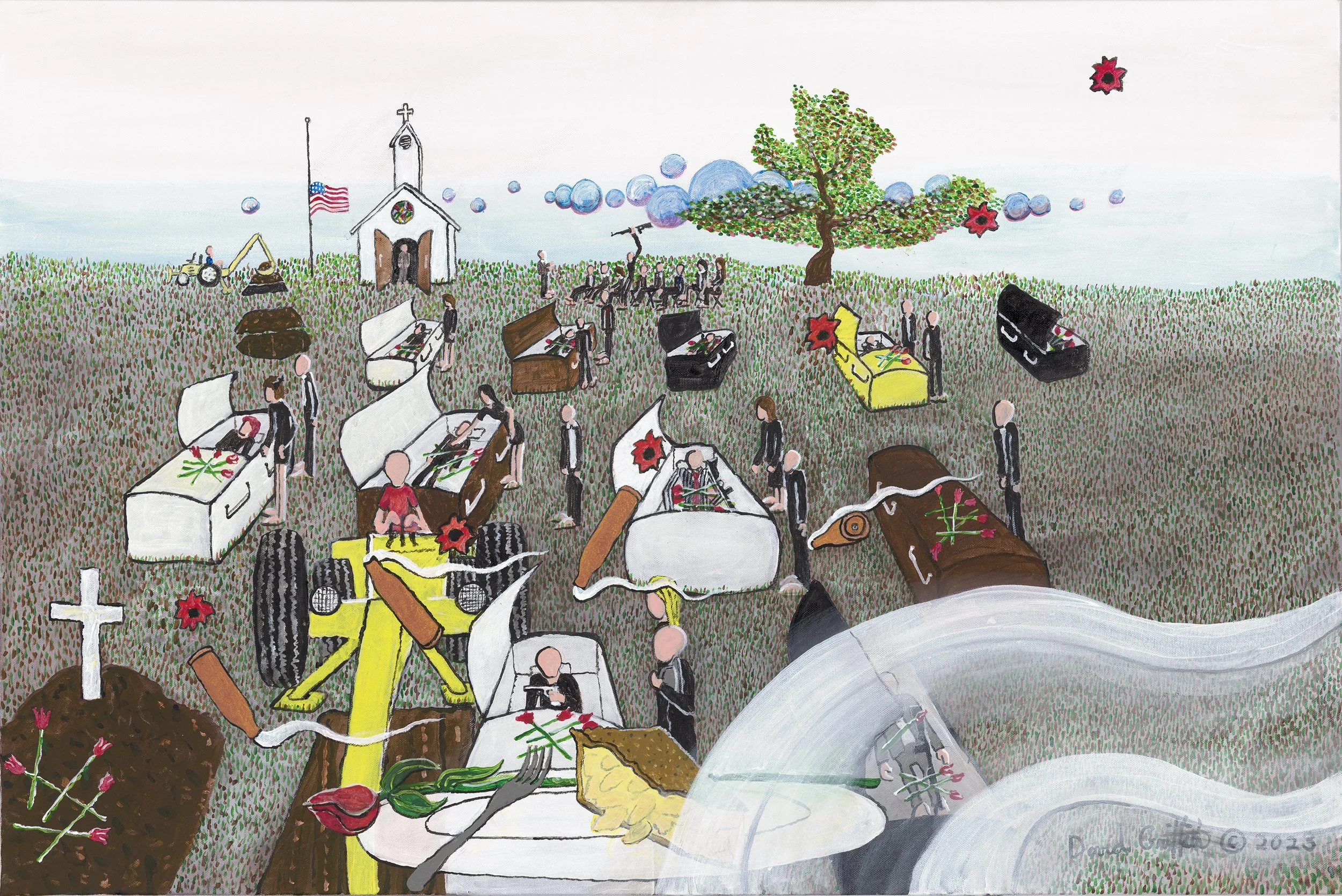
God Guns and Apple Pie, acrylic on canvas, 24 x 36 in, 2023, USD 1500, David Griffith, Austin, Texas
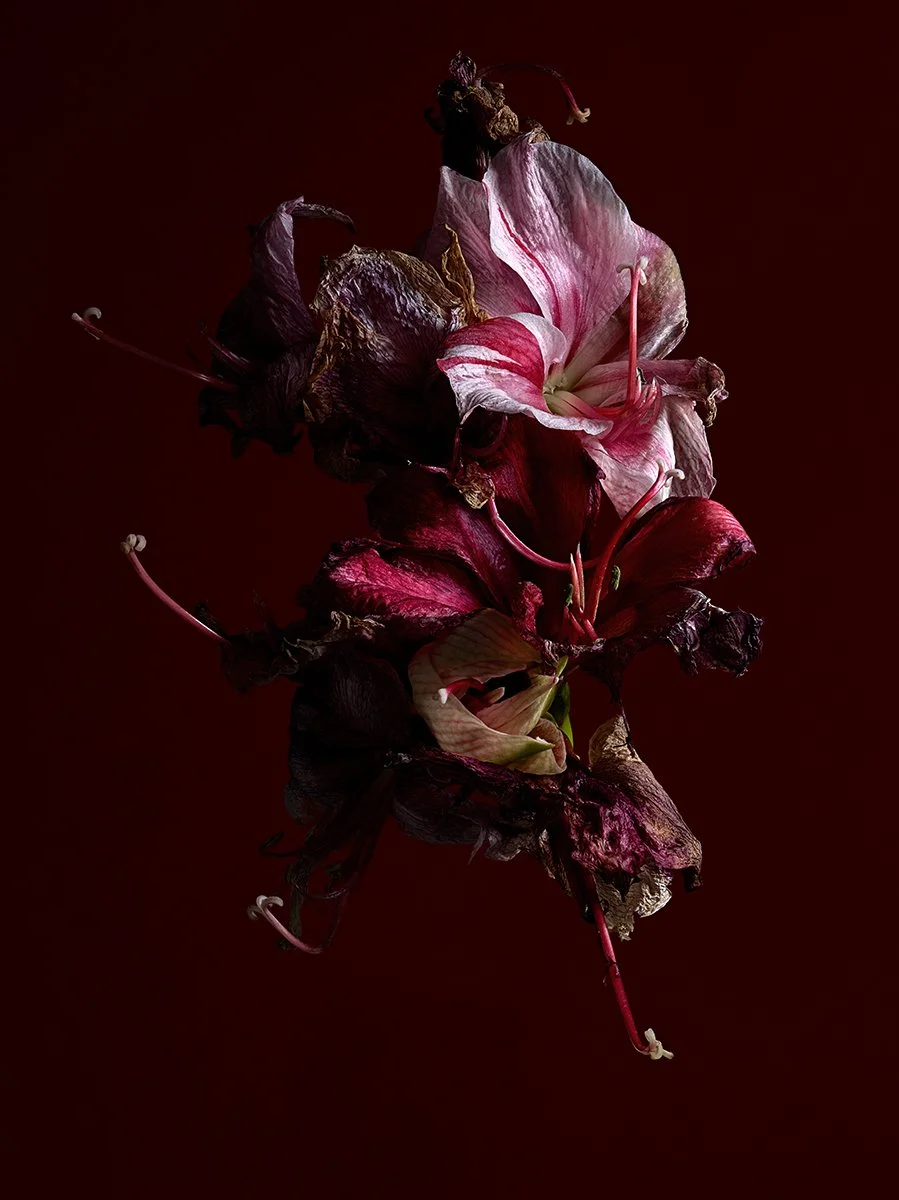
The Visitant No. 1, archival print, 14 x 17.5 in, 2022, USD 1750, Edition of 20, David Taylor, New York City, New York
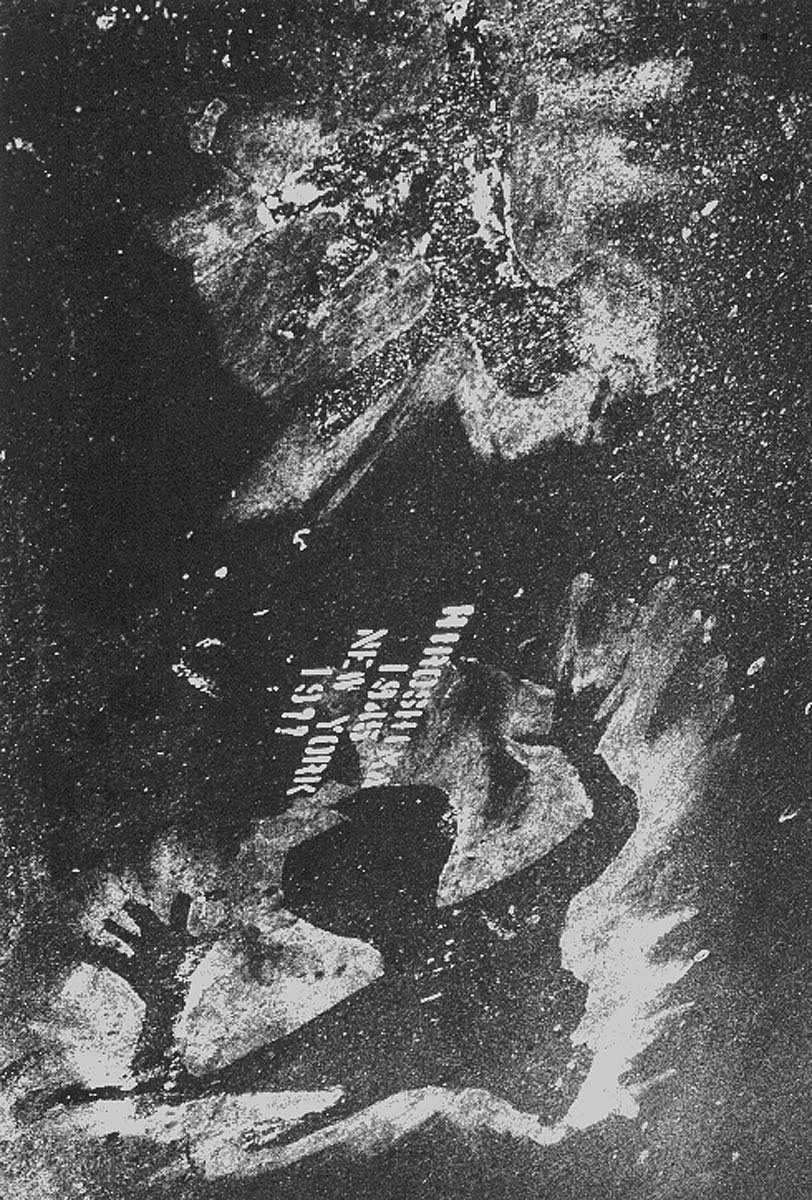
Hiro Hands, archival pigment print, 16 x 20 in, 1985, USD 800, Denis Sivack, New York City, New York
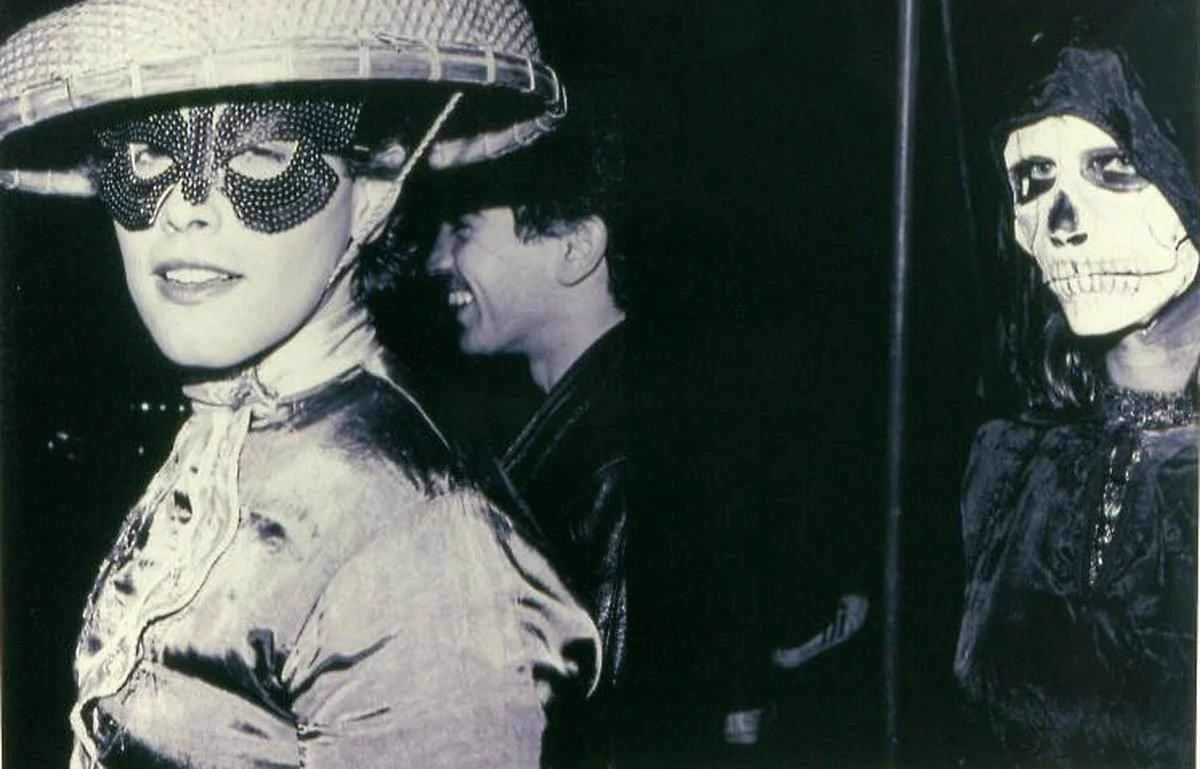
Vanity Fair, archival pigment print, 16 x 20 in, 1985, USD 800, Denis Sivack, New York City, New York
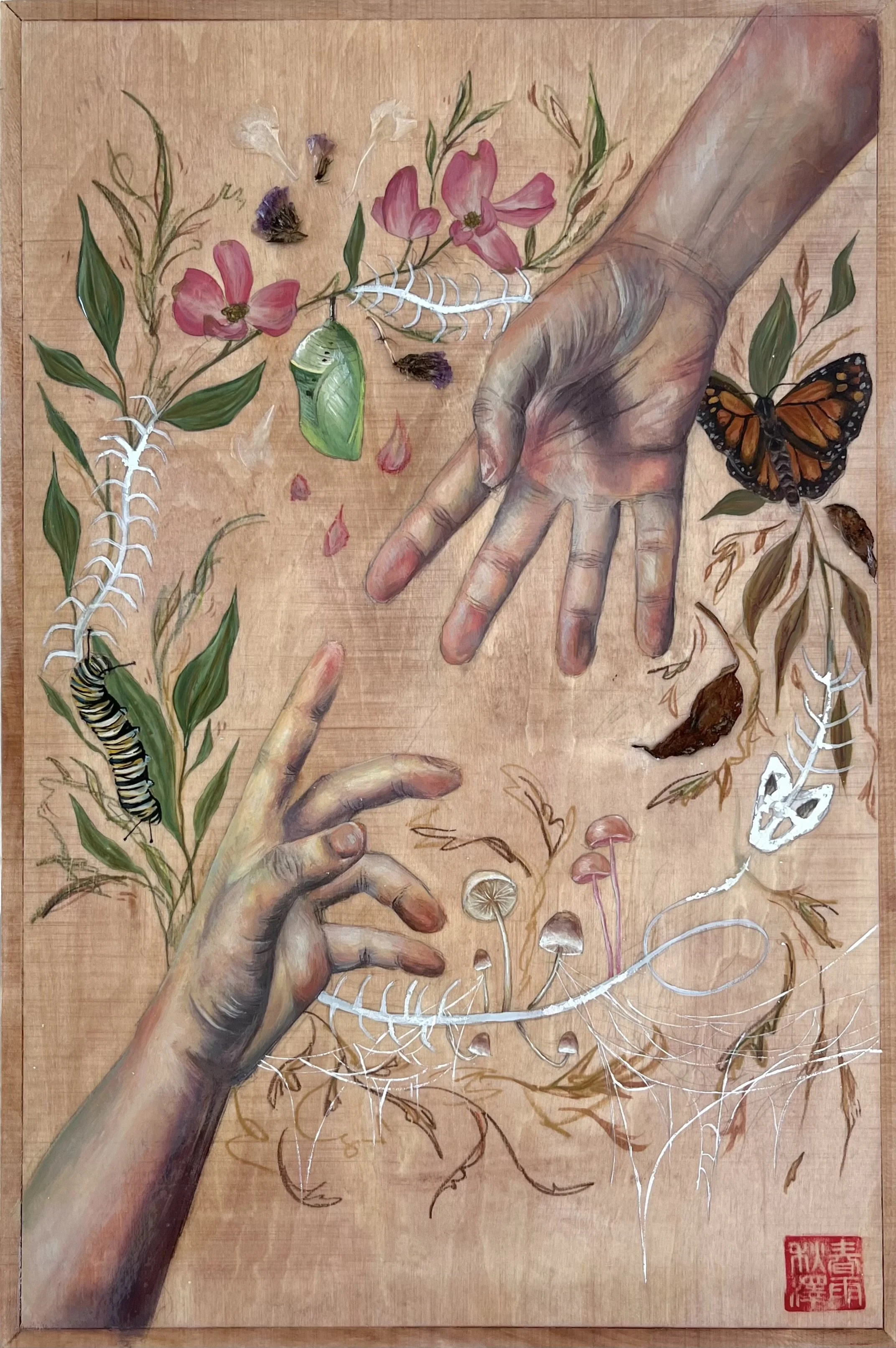
Memento Vivere, gouache on wood, 30 x 45 cm, 2023, NFS, Gloria Tang, Singapore
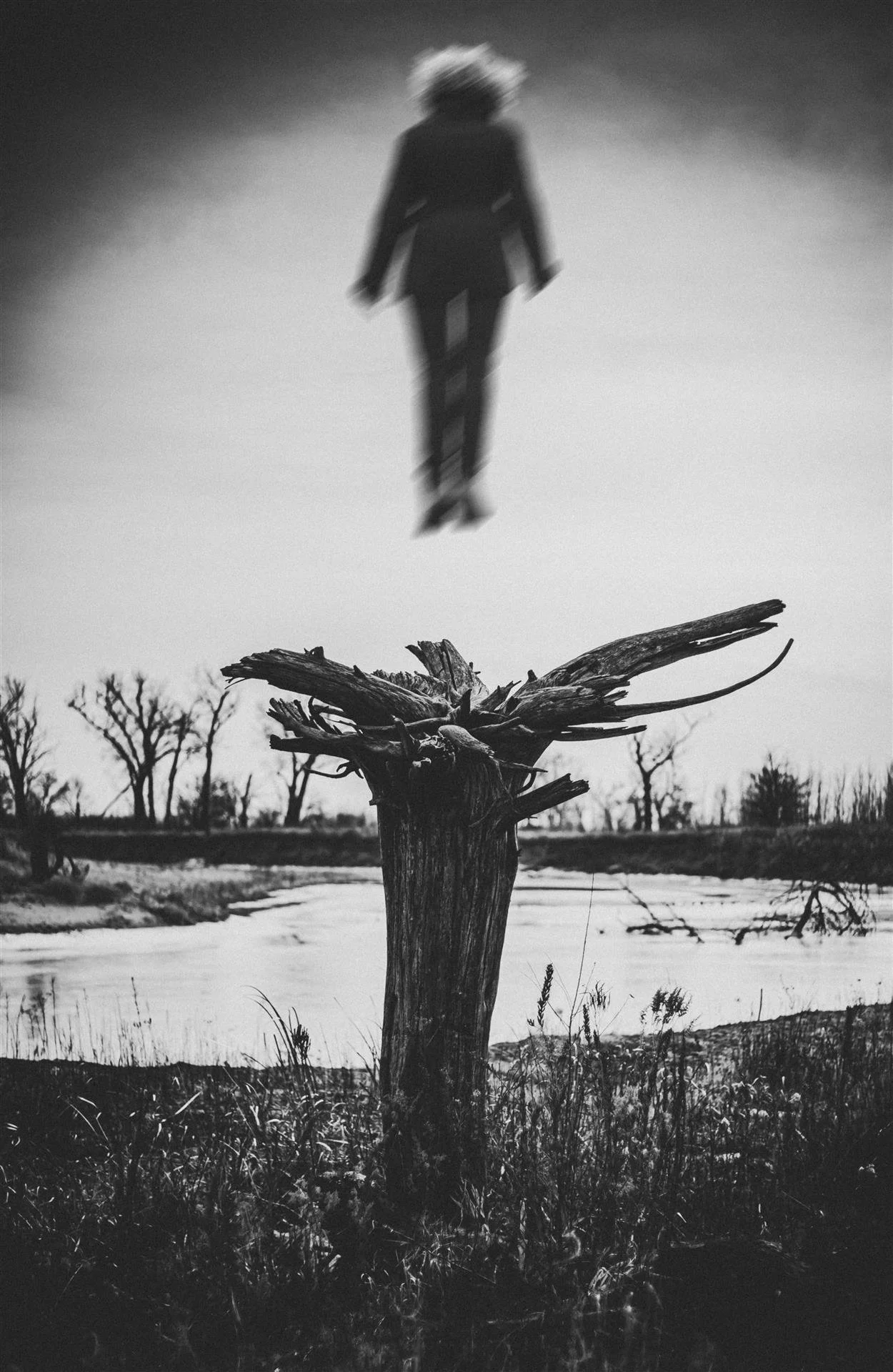
Levity, archival print, 18 x 12 in, USD 300, Gregory D. Brown, Omaha, Nebraska
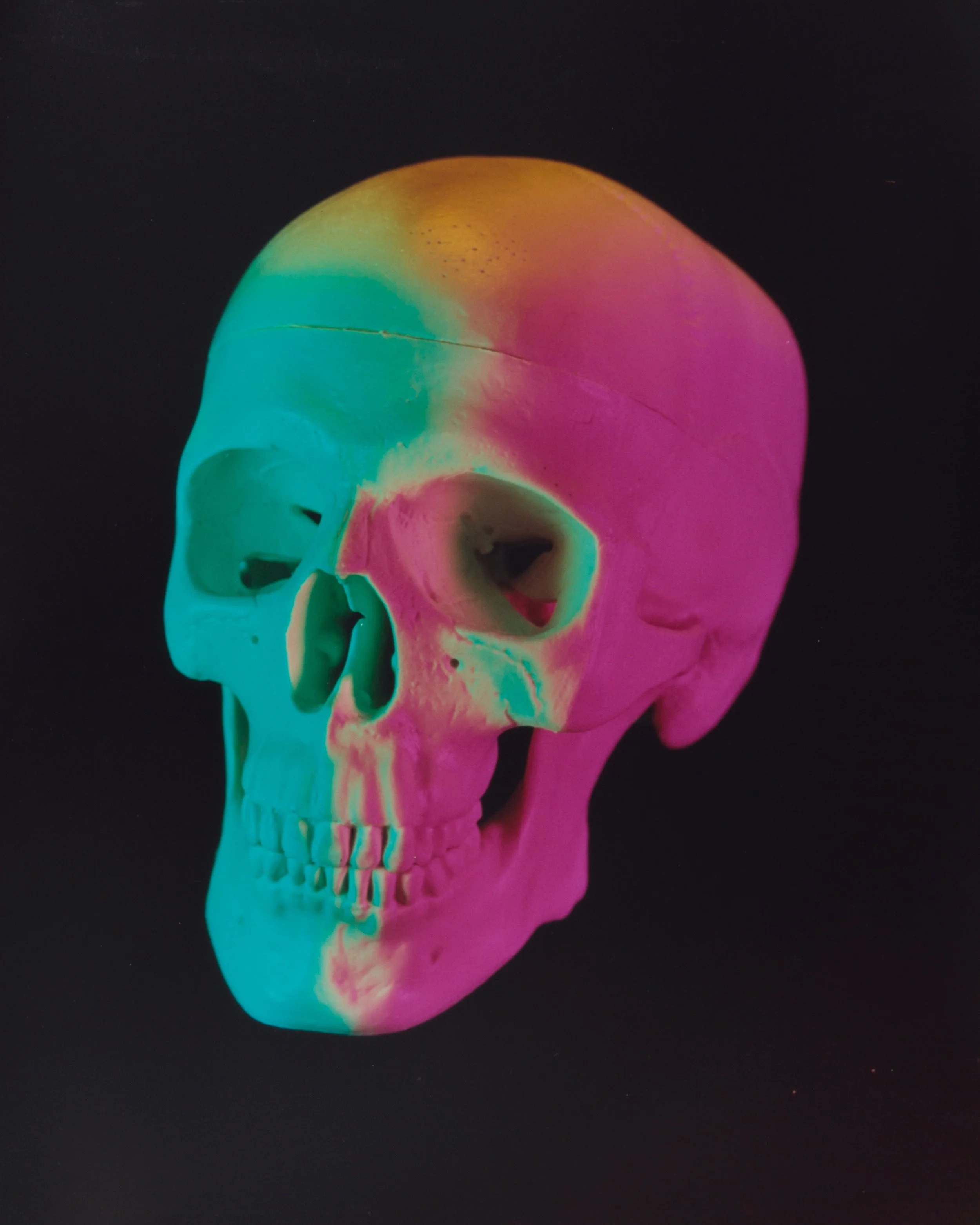
Skull No. 1, chromogenic print, 16 x 20 in, 2023, USD 500, Jason Contangelo, North Tonawanda, New York
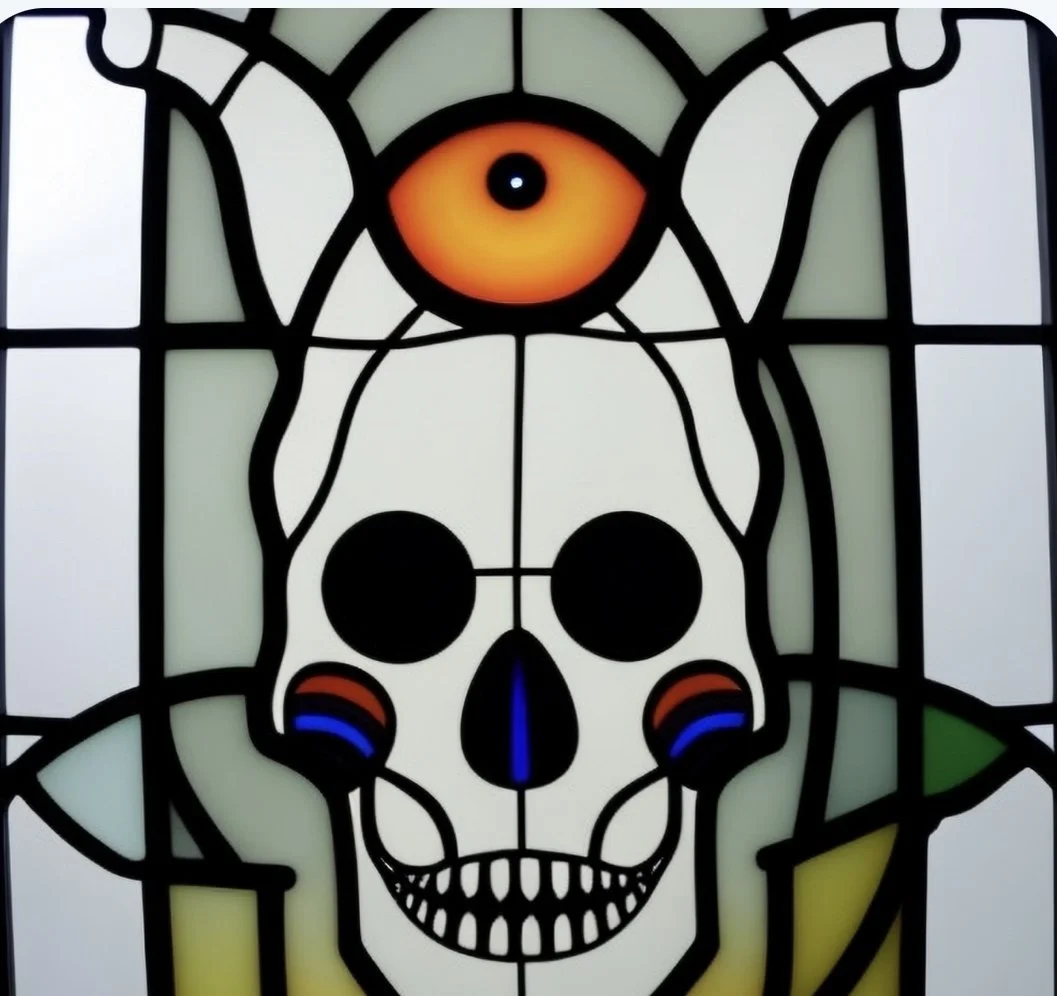
Happy Vanitas, mixed media on plexiglass, 50 x 50 cm, 2023, USD 400, Katarina Teise, Kiev, Ukraine
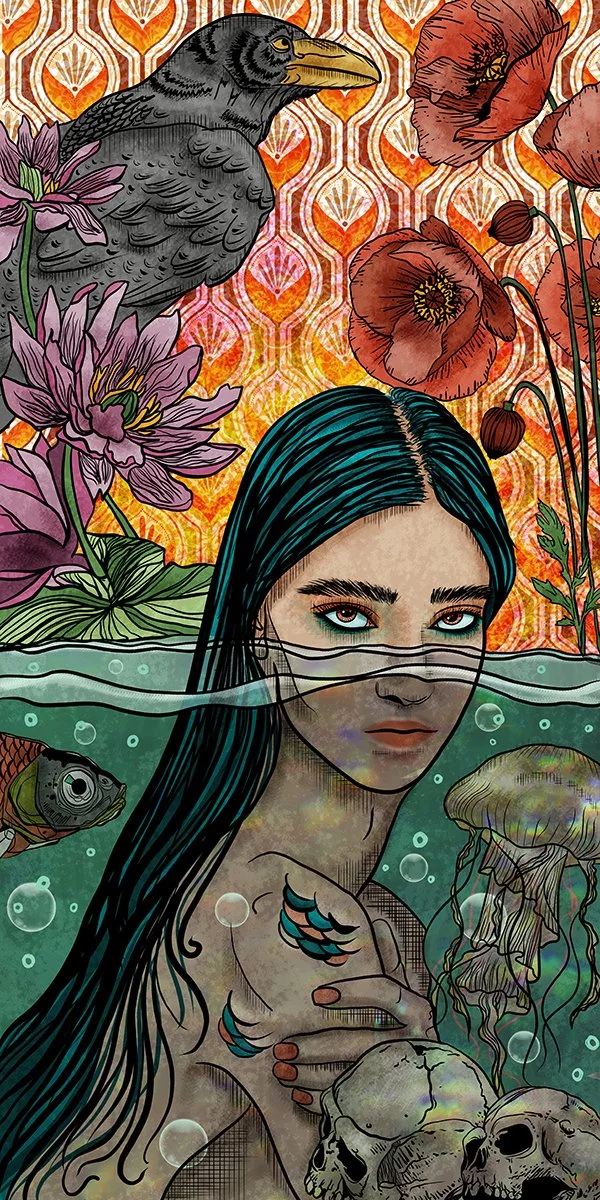
Deathly Desire, archival print, 40 x 80 cm, 2023, 300€, Khalil Gharbi, La Marsa, Tunisia

Dachau, archival pigment print, 20 x 16 in, 2002, USD 400, Kip Harris, Nova Scotia, Canada

Dead Canary, encaustic and oil on wood panel, 18 x 24 in, Kristen Woodward, Reading, Pennsylvania
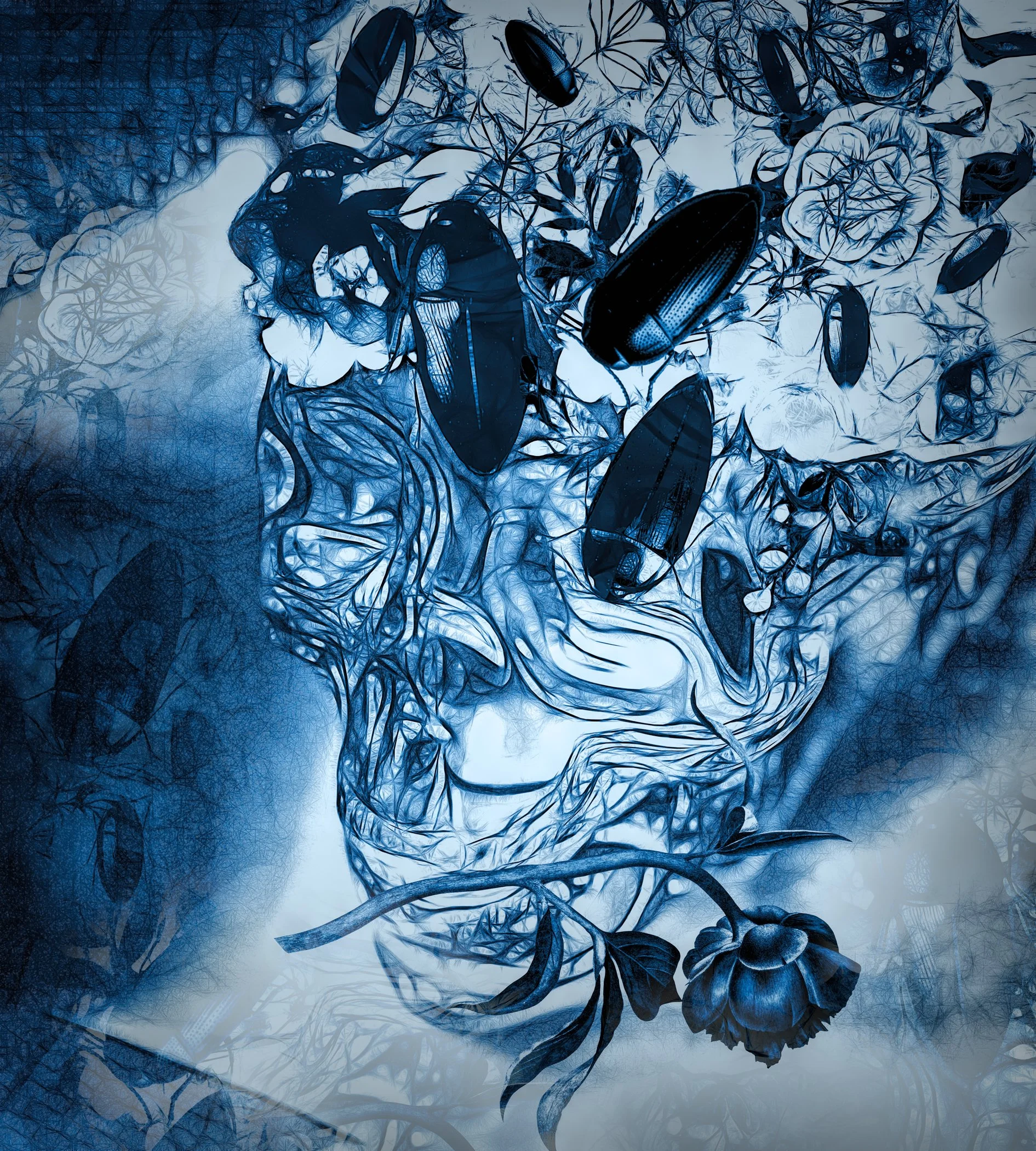
Last Bow, archival print, size on request, USD 500, Leanne Trivett, Johnson City, Tennessee
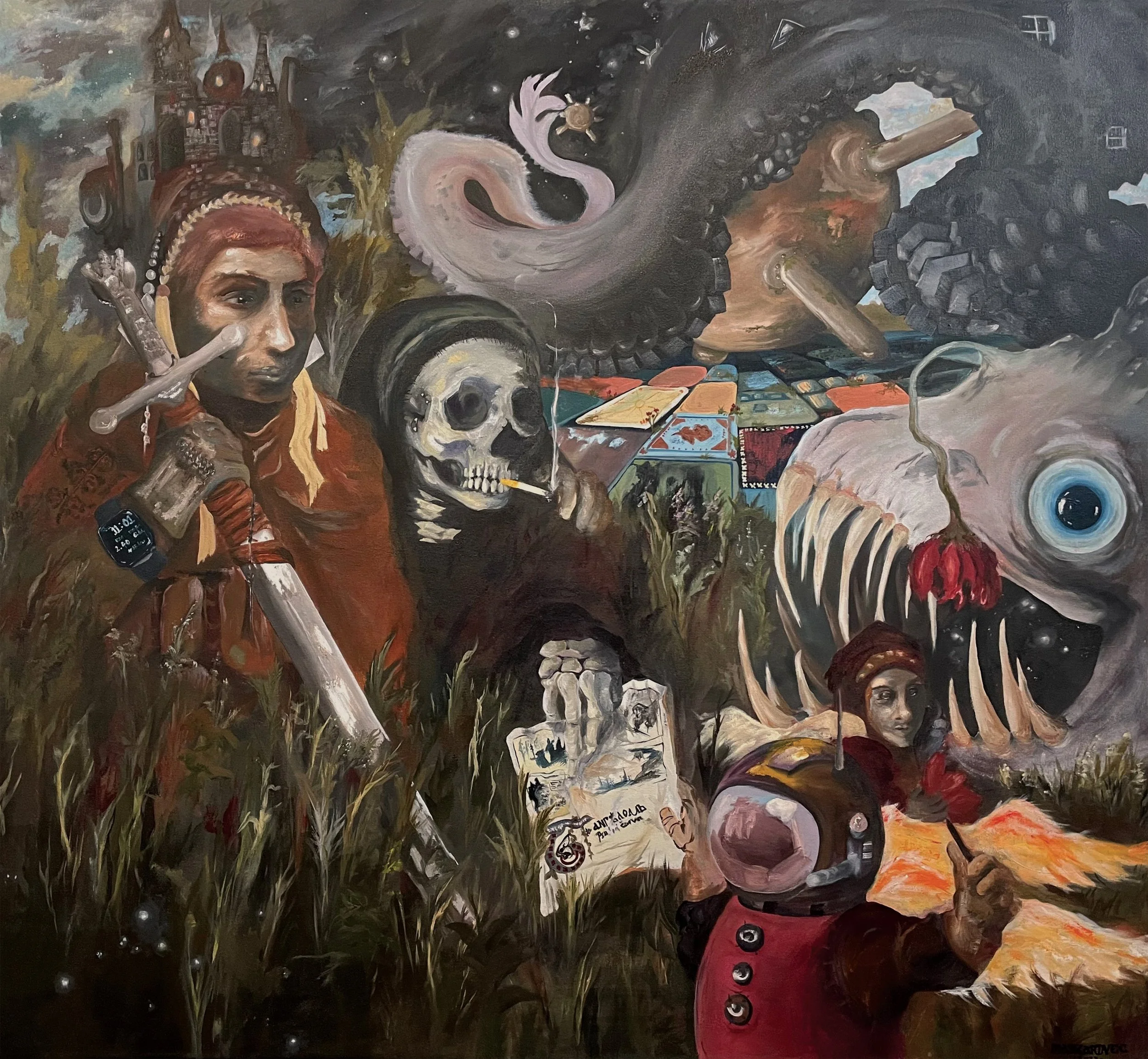
Nox and the Priestess Serve a Summons, oil on canvas, 45 x 49 in, 2023, USD 1625, Lee Maskarinec, Portland, Oregon
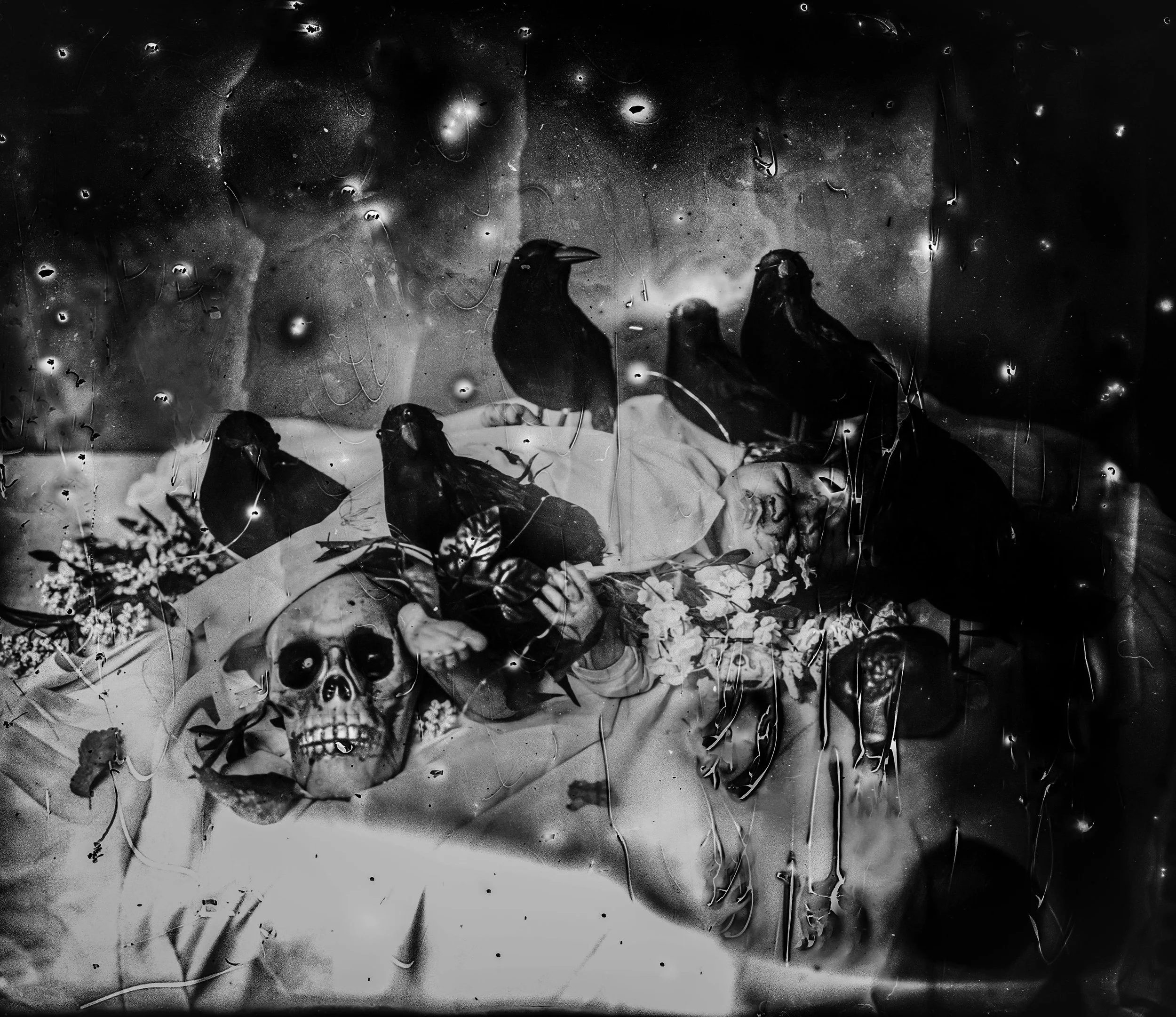
Passage, dry plate print, 8 x 10 in, 2023, USD 150, Liliana Del Vedova, Ottawa, Ontario, Canada
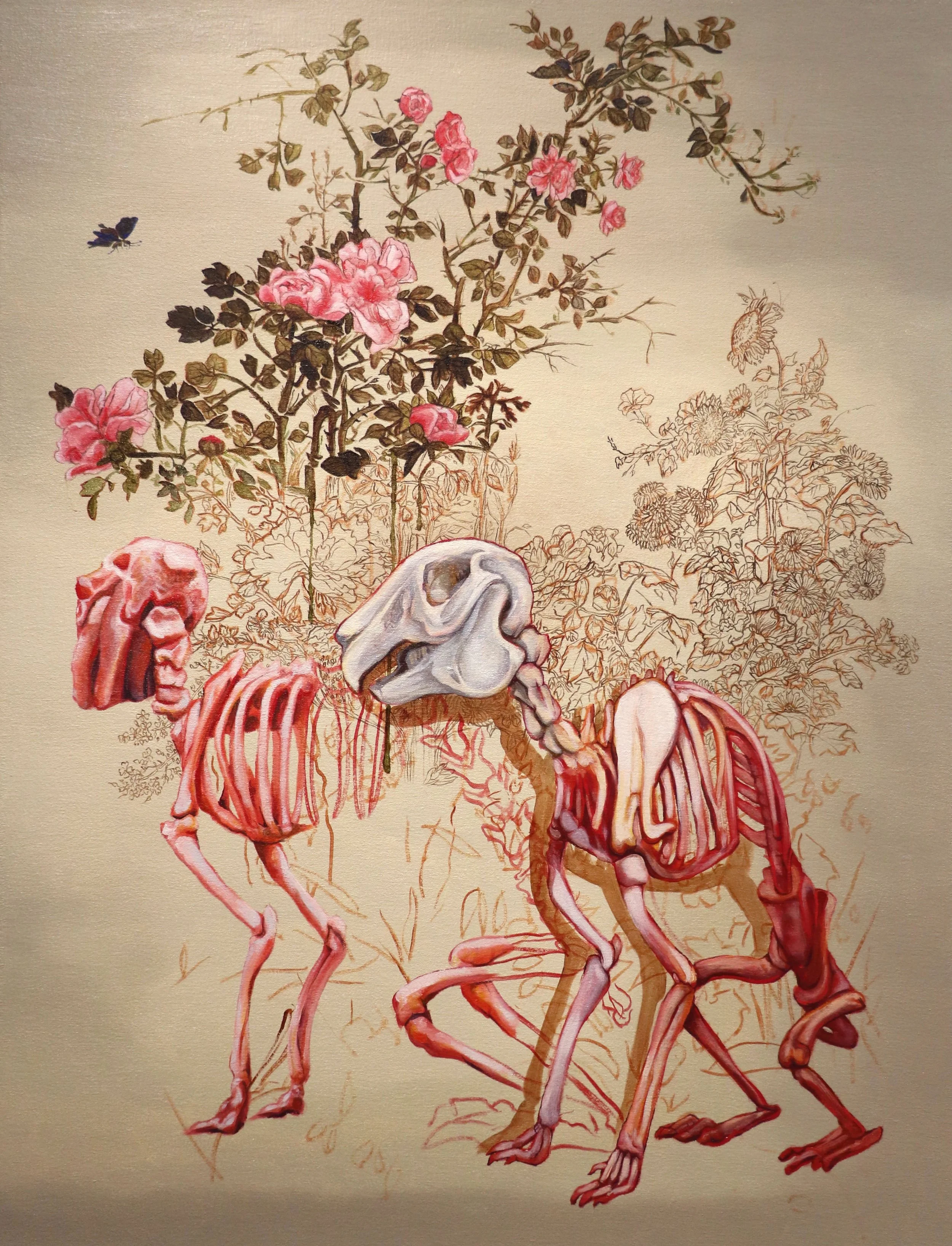
REMAINS (Oryctolagus cuniculus), oil on canvas, 42 x 32 in, 2017, USD 2000, Lydia Tonkonow, Pittsburgh, Pennsylvania
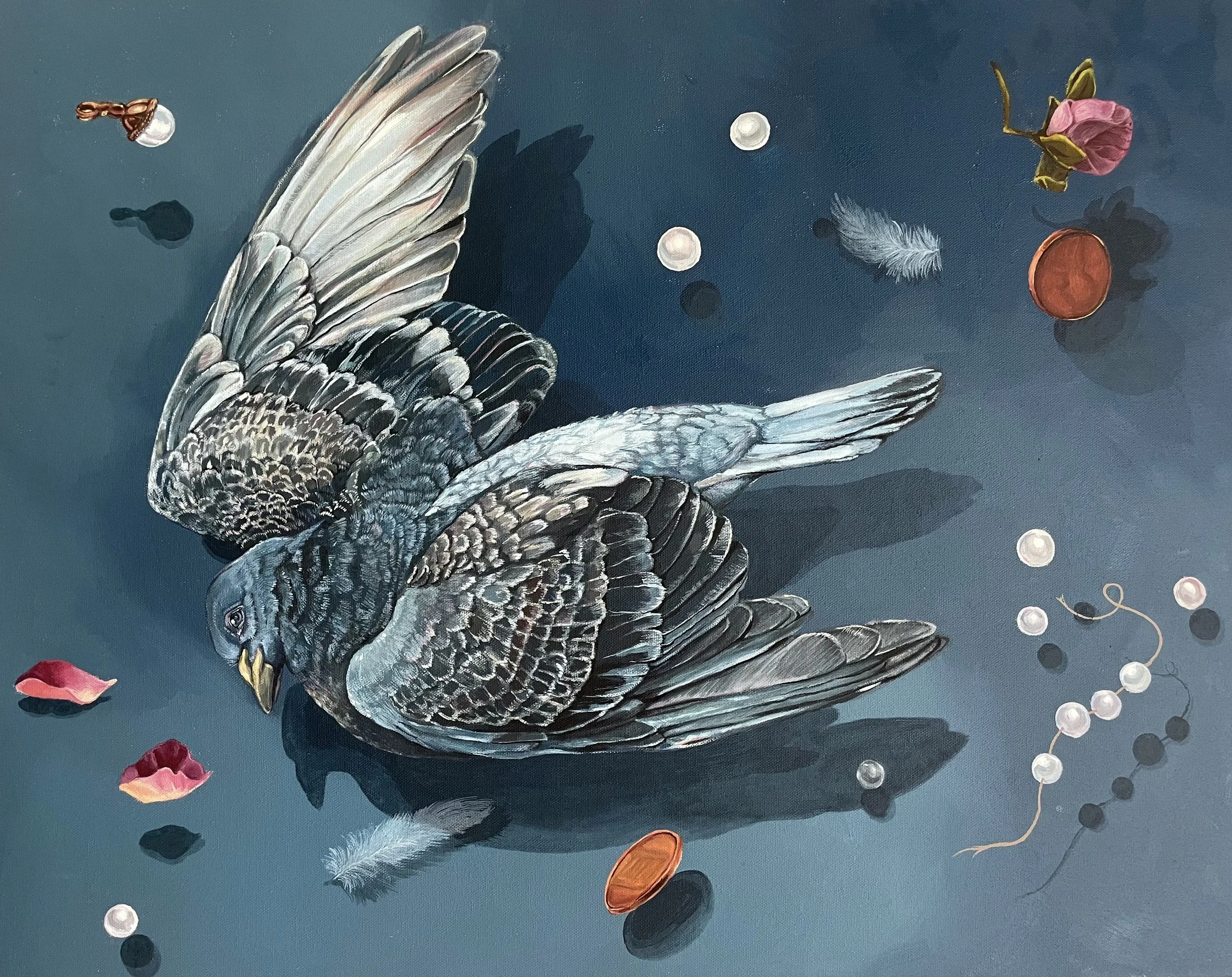
Suspended Animation, oil on canvas, 42 x 32 in, 2017, USD 2000, Lydia Tonkonow, Pittsburgh, Pennsylvania
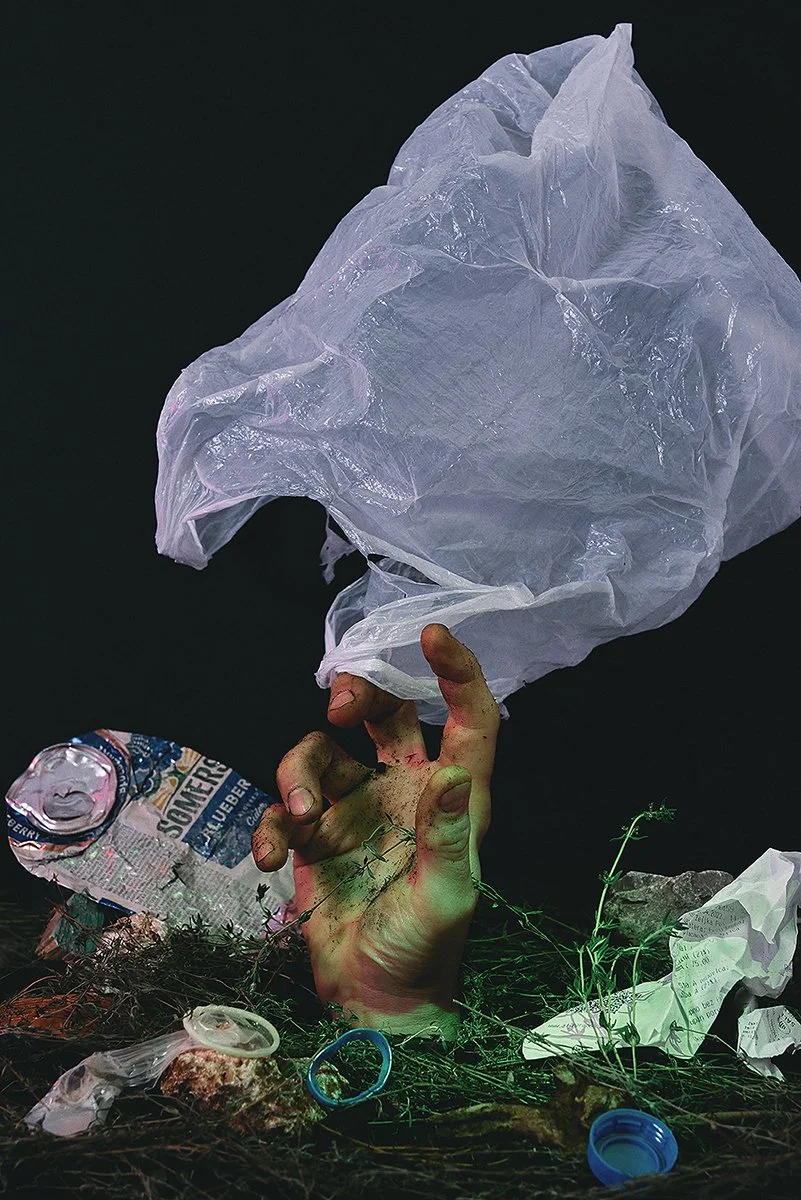
Montenegrin Zombie, archival print, size on request, 2023, USD 1000, Margarita Kovaleva, Tivat, Montenegro
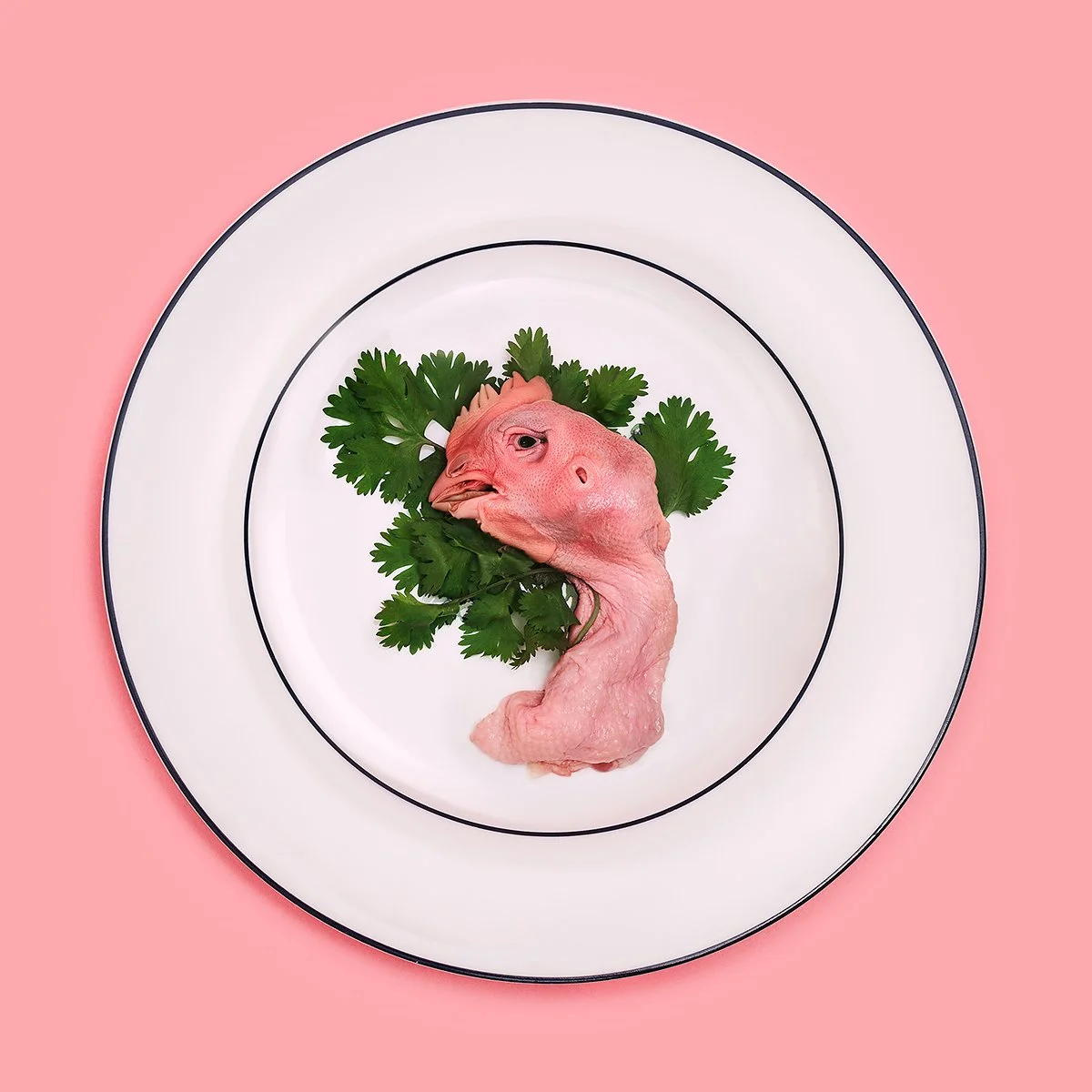
Pink Supper, archival print, 2023, USD 1000, Margarita Kovaleva, Tivat, Montenegro
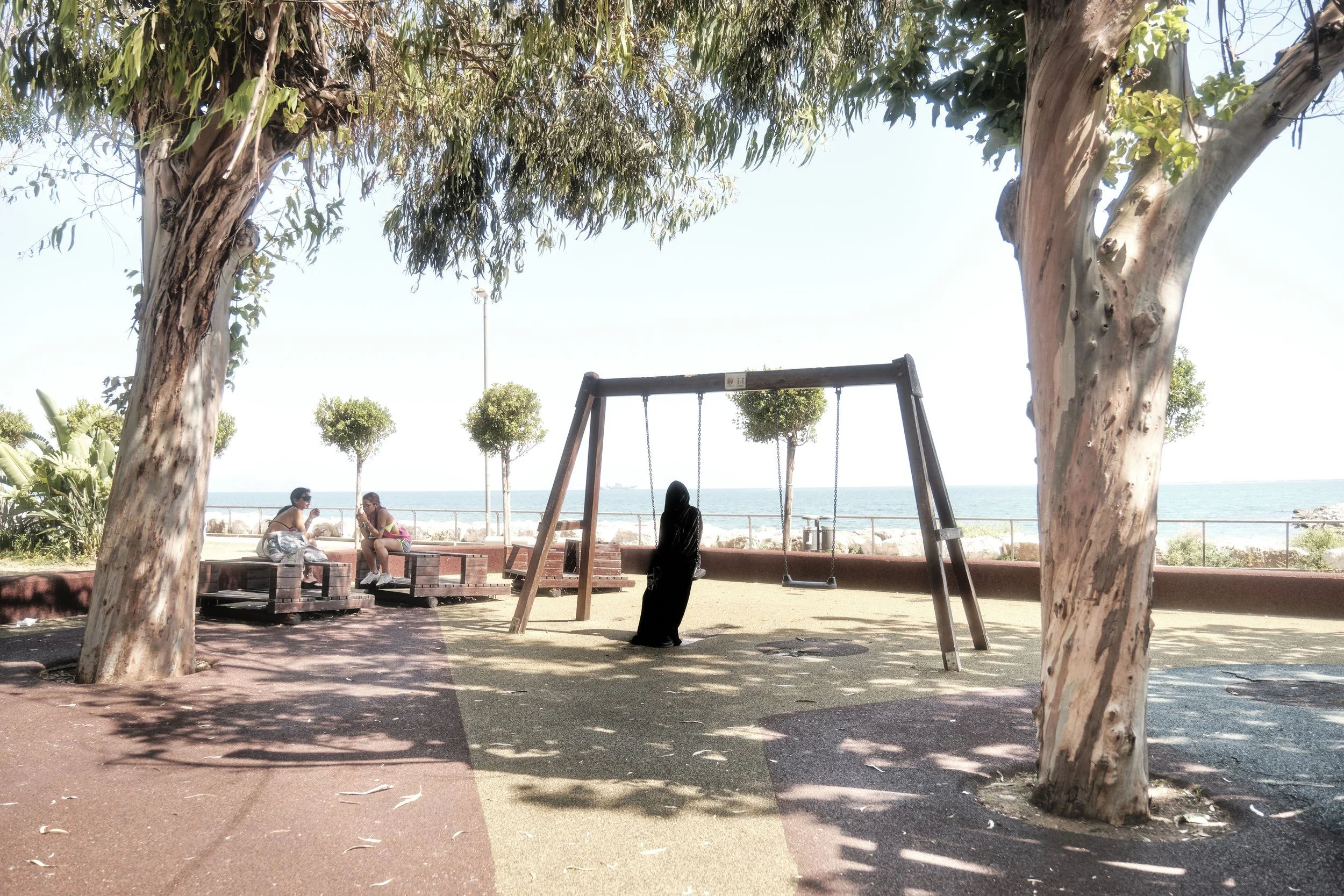
Signora in Nero No. 2, archival print, 40x60 cm, 2023, USD 100, Maria Eugenia Trabucco, Casale di Carinola, Italy

Compost, archival print, 12 x 18, 2022, NFS, Mark Dierker, Grove City, Pennsylvania
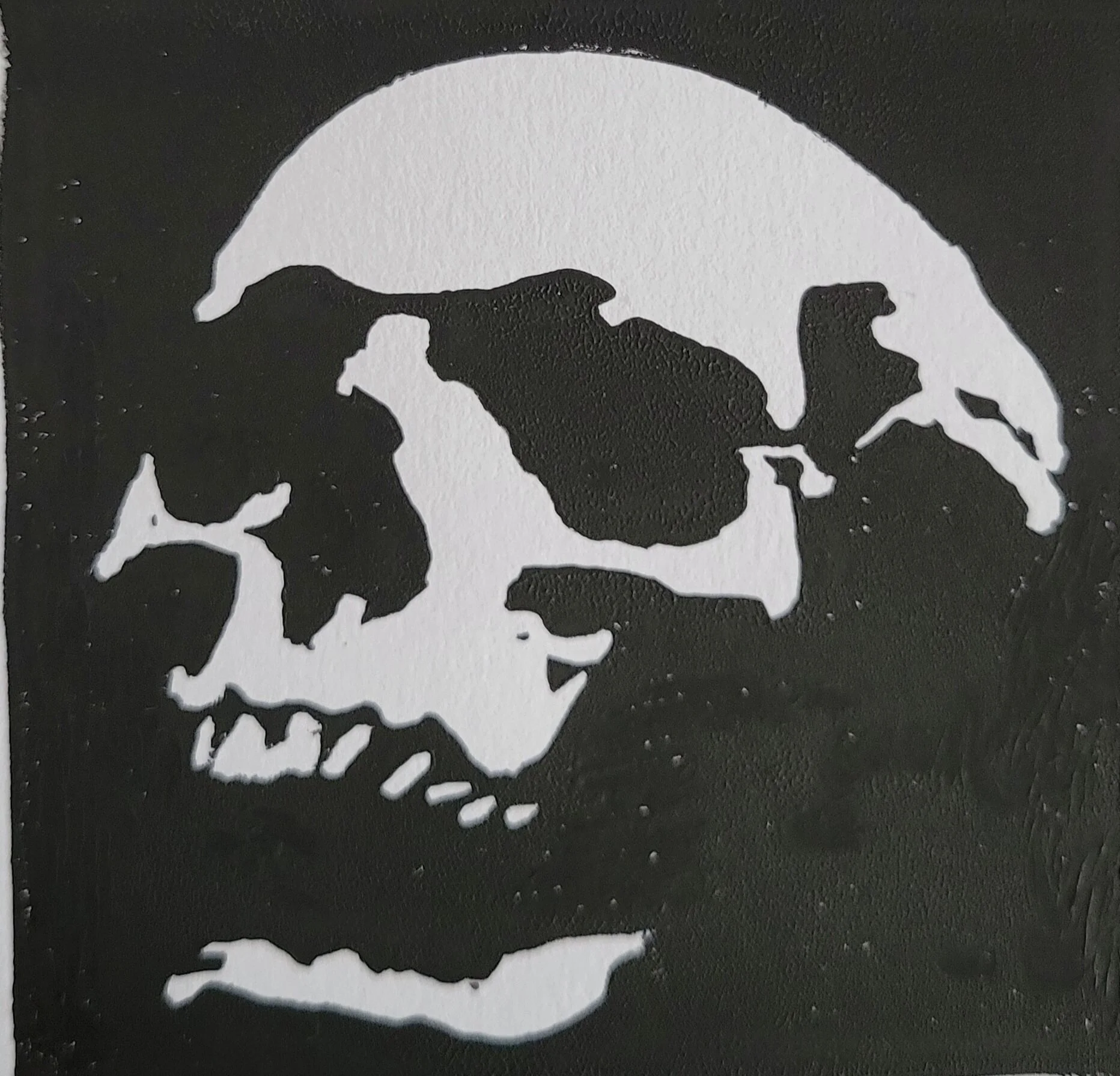
Memento, linocut print, 3.5 x 3.5 in, 2023, USD 20, Michael Putorti, Grove City, Pennsylvania

Azrael, archival print, 11 x 16 in, 2021, USD 120, Nanci Hellmuth, Bensalem, Pennsylvania

Trophy, oil on linen, 32 x 16 in, 1991, USD 2600, Nancy Grimes, Cochranville, Pennsylvania

Vanitas with Breath, oil on linen, 48 x 20 in, 1991, USD 3400, Nancy Grimes, Cochranville, Pennsylvania

Necrobiome, print of emulsion lift, 40 × 40 cm, 2023, £265, Paris Naik-Neenan, Edinburgh, United Kingdom
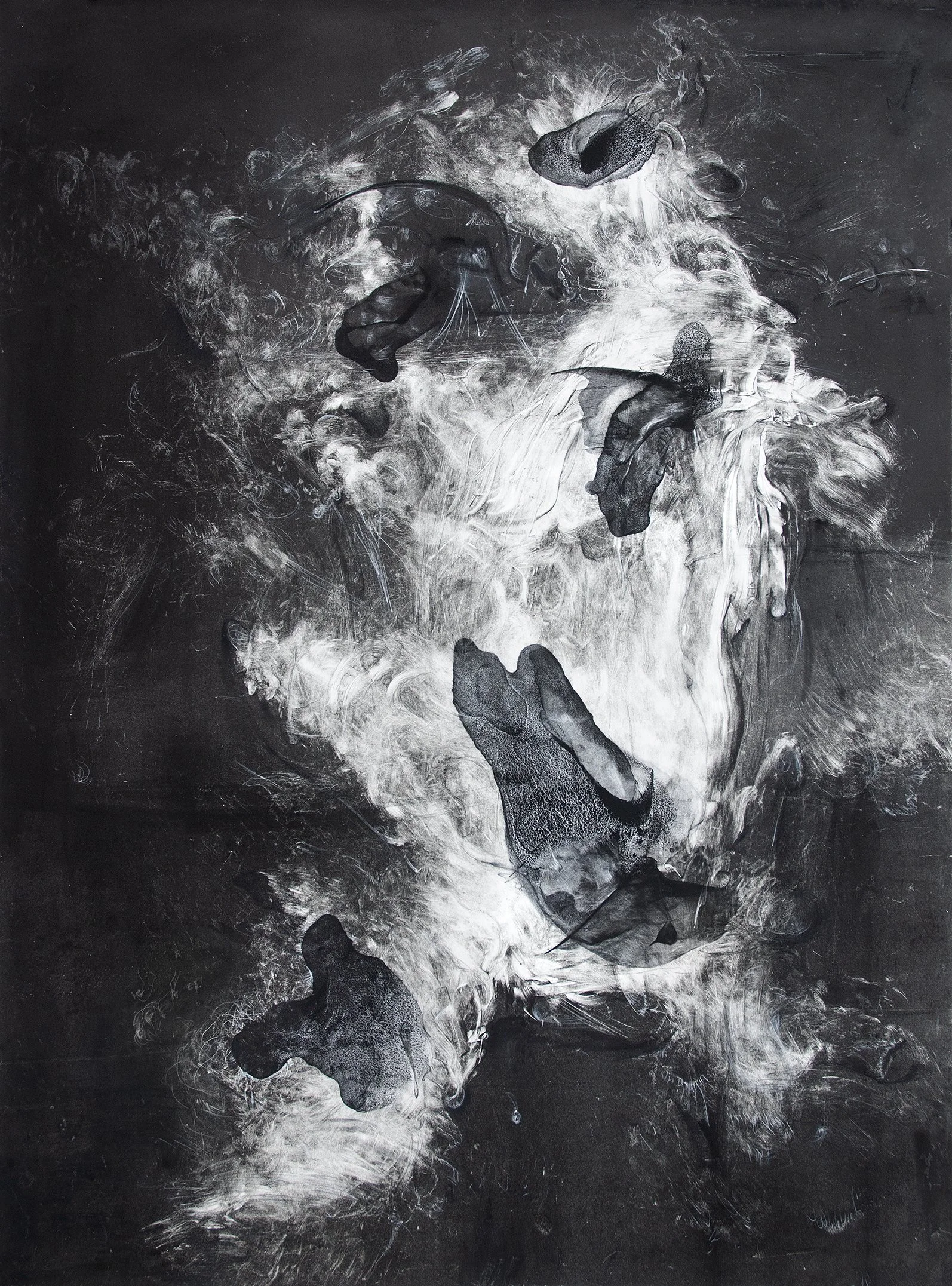
Devolution: Memento Mori No. 10, monoprint/oil-based ink/graphite on paper, 40 x 30 in, 2021, USD 2000, Patti Jordan, Montclair, New Jersey

Helpless, archival print, 24 x 18 in, 2022, USD 800, Quinn Miller, Lake Worth, Florida

Memento Mori, oil on canvas, 36 x 48 in, 2021, NFS, Ron Jesiolowski, Bridgeville, Pennsylvania
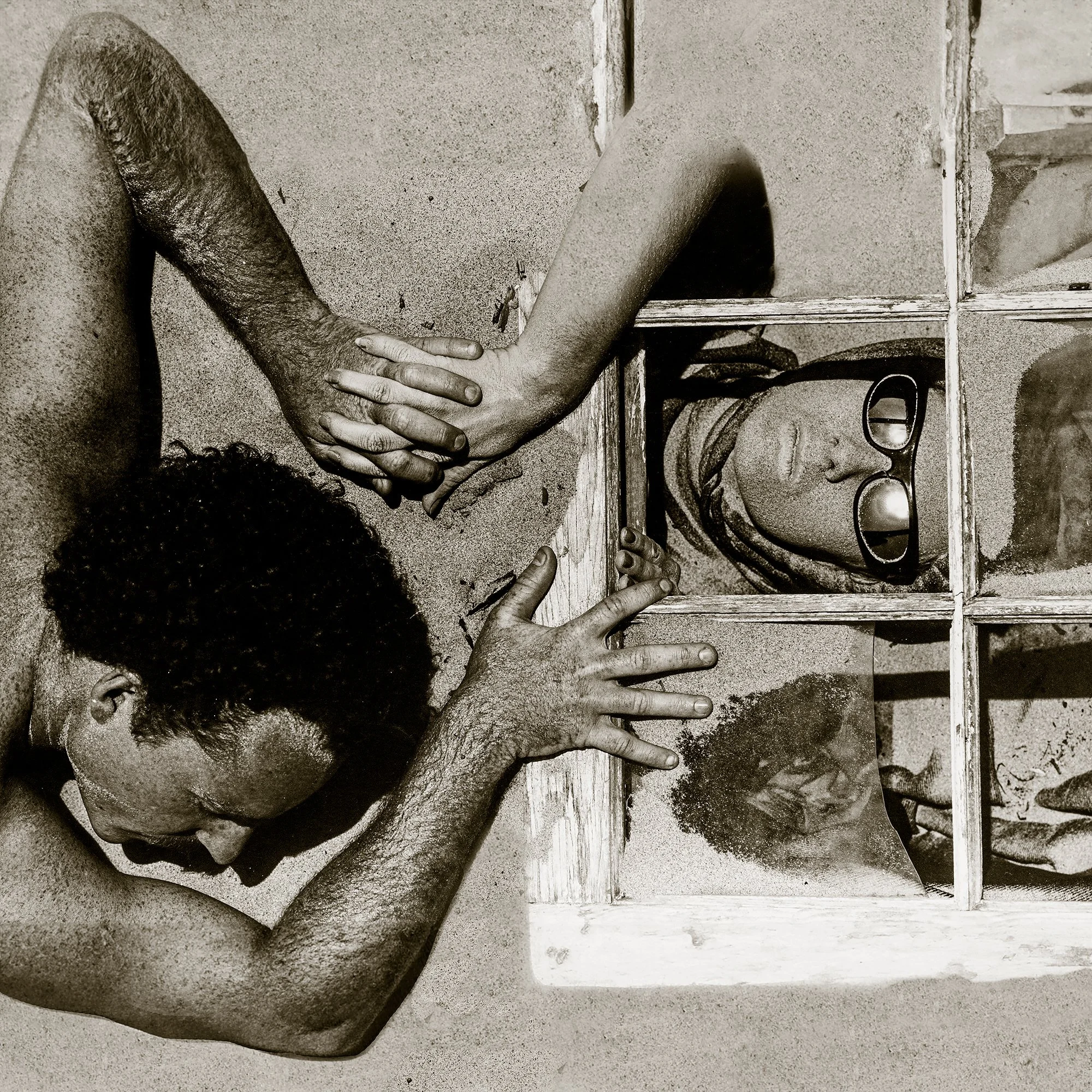
I Still Dream of the Woman on the Beach, silver gelatin print, 20 x 20 in, 2023, NFS, Syl Arena, Paso Robles, California
Sales and Artist Inquiries
Are you interested in making a purchase or connecting with one of the featured artists? Send us an inquiry through our contact form, and we'll get back to you shortly. We accept Apple Pay, PayPal and Stripe.