

Scapes: Land, City, Hell (2023)
January 1–February 1, 2023
Scapes: Land, City, Hell considers landscape after the Anthropocene, when few environments remain untouched by human action. These works move across natural terrain, urban systems, ruin, and imagined catastrophe, asking how future viewers might read the world we leave behind and what photography preserves as evidence.
Featured Artists
Andrew Hendrick, Anthony Walker, Bob Debski, Caroline Jackson, Chun Han, Clare Palmer, Daniel Ramirez, Denis Serrano, Diane Staver, Emilie Perrault, Eric Landes, George Bedell, Howard Pohl, Jay Levy, Jennifer Eddins, Jenny Helbraun Abramson, Jonathan Warren, Katie West, Leah Gose, Matthew Johnston, Michael Dillow, Nahami Sampson, Pierre Vaillancourt, Ryan Kukalis, Taner Dikkaya, Tarunima Sen, Teresa Prati, Véronique Van Meerbeek, Wright Schickli
Landscape Stopped Being a View and Became a Report
Landscape photography inherited its manners from painting: a foreground to enter, a middle distance to travel, a horizon to rest on. That grammar assumed the land was there to be looked at. The twenty-nine works in this edition, made between 2016 and 2022 by twenty-nine photographers, largely refuse the assumption. They treat terrain as the product of decisions — zoning, extraction, drainage, abandonment — and the picture becomes less a view than a report on what has been done.
The Picturesque Was a Set of Rules
The pastoral landscape is not a natural way of seeing but an eighteenth-century invention with published guidelines. William Gilpin's tours told travellers where to stand; the Claude glass, a tinted convex mirror, let tourists preview a scene in the tonality of a seventeenth-century painting before deciding whether it merited admiration. Those rules survive intact in contemporary practice — the rule of thirds, the foreground rock, the golden-hour bias, the removal of pylons — and recognising them as rules rather than perceptions is the first step in deciding whether to keep them.
The City Is a Landscape With Owners
Cityscape photography sits awkwardly in the genre because urban terrain has titles, boundaries and someone to bill for its maintenance. The New Topographics exhibition of 1975 made the point bluntly by presenting tract housing, parking structures and industrial parks in flat, undramatic light: the man-altered landscape was still landscape, and refusing to beautify it was the argument. Work in that lineage tends toward frontality, even illumination and a suppressed sky, because drama would suggest the photographer had an opinion about the weather rather than about the land use.
Hell Is a Genre, Not a Place
The third term in this exhibition's title names something older than either of the others. The sublime, as Burke described it, is the pleasure taken in scale and threat from a position of safety, and catastrophe imagery has drawn on it since long before photography existed. What has changed is the credibility of the image: a burning hillside or a flooded street no longer reads as allegory, and the sublime has consequently become difficult to enjoy. Photographers working with anticipated catastrophe are therefore working against their own genre's most reliable pleasure.
Scale and the Absent Human
Landscape photography seldom contains people, yet it is entirely about them. Agency is signalled indirectly: a fence line, a straight edge where straight edges do not occur in nature, a monoculture, a road, a stump. The most economical pictures use a single such marker and let it contaminate the whole frame. The alternative is to include a figure purely for scale, which solves a legibility problem and creates a narrative one, because a person in a landscape immediately becomes a protagonist.
Why the Theme Recurs
Land changes faster than the conventions used to photograph it, so a landscape brief issued a few years apart produces different pictures from an unchanged prompt. TCG Gallery is an independent online photography gallery, and each juried exhibition remains part of a permanent public archive after its run ends, so these catalogs accumulate into a longer record than any single project. Photographers can enter the current photography open calls directly.
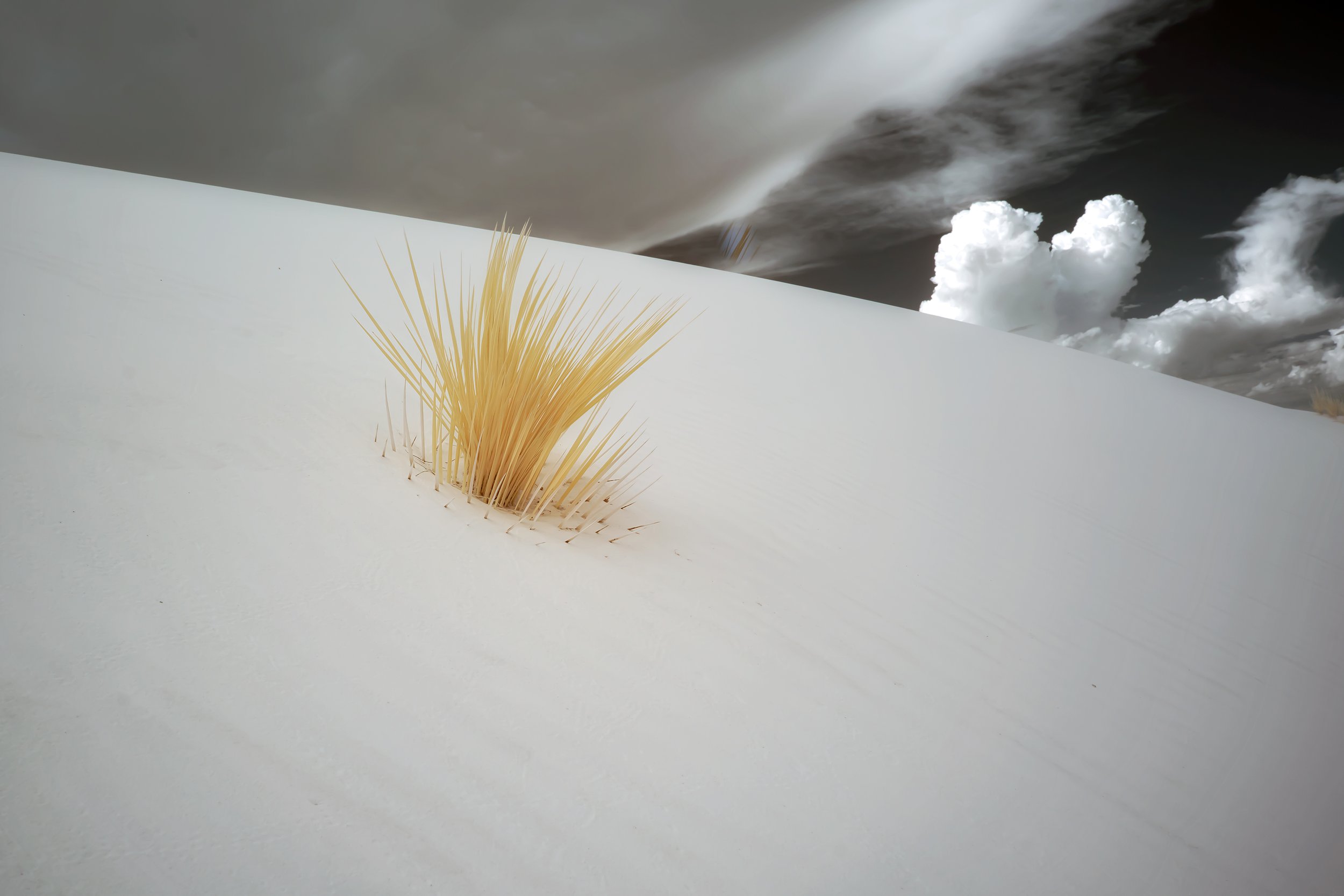
I Still Exist, Archival infrared print, 9 x 12 in, 2021, USD 100, Caroline Jackson, Fresno, California

Oak Forest, Eighteen Months After the Fire, Triptych, Archival pigment prints, 11 x 39.5 in, 2022, USD 800, Jenny Helbraun Abramson, Sebastopol, California

Transplantations VII, Archival Ink on aluminum, 30 x 14 in, 2021, Leah Gose, Wichita Falls, Texas

Moundbuilders (Milam), Archival print from negative, 4 x 20 in, 2019, NFS, Eric Landes, Gainesville, Florida

Basins, Archival photo print, 16 x 9 in, 2021, USD 150, Pierre Vaillancourt, Calgary, Alberta, Canada

Verdun Trenches, Archival photo print, 8 x 12 in, 2019, USD 150, Anthony Walker, Boston, Massachusetts

Prairie Storm, Archival photo print, 16 x 24 in, 2020, USD 250, Emilie Perrault, Calgary, Alberta, Canada

The Road to Centralia, Archival photo print, 12 x 18 in, 2020, USD 250, Daniel Ramirez, Scraton, Pennsylvania

The Burnout, 10 x 13 in, Archival photo print, 2021, USD 1500, Matthew Johnston, Olympia, Washington

White House, Archival photo print, 16 x 11 in, USD 200, Jennifer Eddins, Johnstown, Pennsylvania

Fringe Benefits, Archival photo print, 20 x 16 in, 2022, USD 285, Bob Debski, Lansdale, Pennsylvania

We Care About You, Archival photo print, 20 x 13.5 in, 2020, USD 100, Diane Staver, Kokomo, Indiana

Untitled III, Archival photo print, 16 x 20 in, 2020, USD 400, Michael Dillow, Lake Worth, Florida
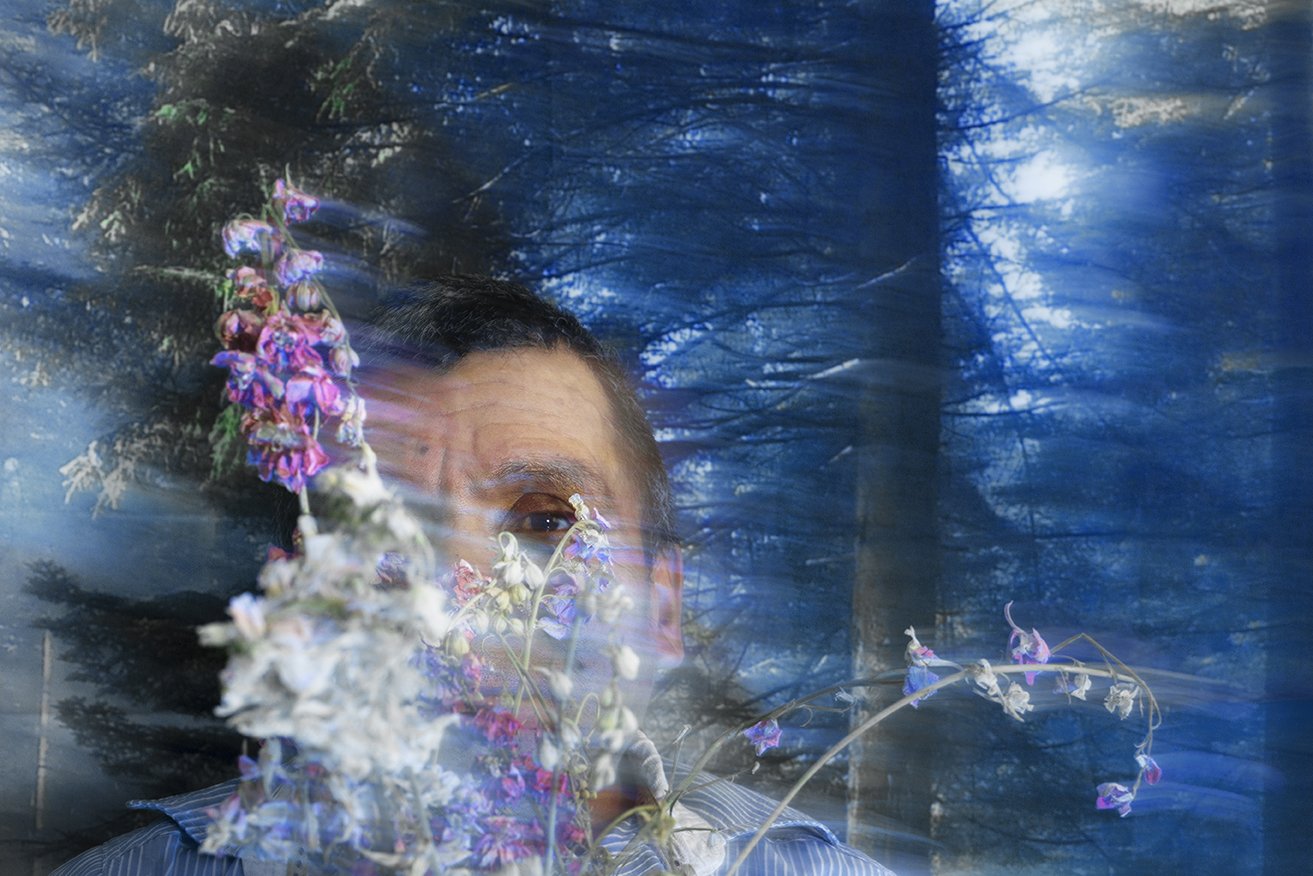
Landscapes for the Attempt, Archival photo print, 45 x 30 in, 2022, USD 500, Denis Serrano, Mexico City, Mexico

Wonderland, Archival photo print, 24 x 16 in, 2019, USD 300, Chun Han, Long Island, New York

Urban #04, Archival photo print, 20 x 15 in, USD 75, Véronique Van Meerbeek, London, United Kingdom

Firestone, Archival photo print, 10 x 15 in, 2017, USD 1800, George Bedell, St. Paul, Minnesota

Fins and Wildflowers, Silver gelatin print, 14 x 20 in, 2016, USD 300, Howard Pohl, Lindenhurst, New York
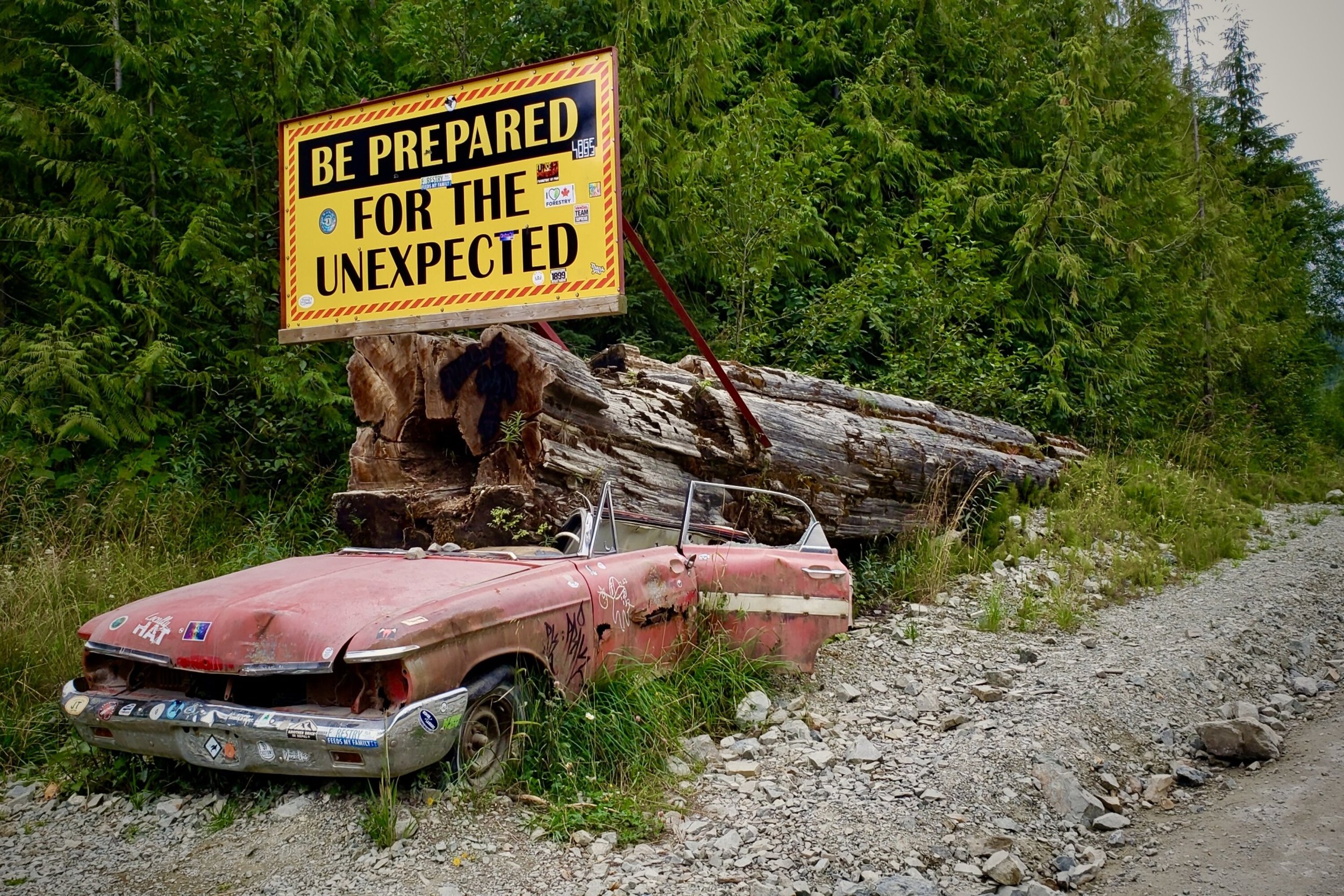
Be Prepared, Archival photo print, 12 x 18 in, 2022, USD 100, Clare Palmer, Vancouver, British Columbia, Canada

American Remains, Archival pigment print, 24 x 36 in, 2022, Jonathan Warren, Auburn, Alabama

Paradise, Archival photo print, 18 x 20 in, 2022, USD 200, Katie West, Wilmington, Delaware

Gravel, Archival photo print, 20 x 16 in, 2019, USD 1000, Ryan Kukalis, Chelsea, Michigan

Remnants, Archival pigment print, 11 x 14 in, 2020, USD 400, Andrew Hendrick, New York City, New York

Wildwood Crest Afternoon, Archival photo print, 15 x 15 in, 2022, 400, Jay Levy, El Cerrito, California

Remark, Archival photo print, 10 x 15 in, NFS, Taner Dikkaya, Berlin, Germany

Breakthough, Archival photo print, 30 x 42 in, 2021, USD 450, Nahami Sampson, Upper Marlboro, Maryland

Gateway to Hell, Archival photo print, Size on request, 2021, USD 300, Wright Schickli, Palo Alto, California

A Lonely Walk, Archival photo print, 12 x 12 in, 2019, USD 230, Tarunima Sen, Noida, India

End of the Line, Archival photo print, 10 x 12 in, USD 225, Jennifer Eddins, Johnstown, Pennsylvania
The Land After Time is a video essay made of original and found footage, thematically and visually divided into three parts. The concepts of time, memory, and materiality tie the chapters together with the artist’s recorded voice, which weaves a story between scientific facts and poetry.
The Land After Time, “Moving images and prose,” 09:41, 1920 x 1080p, POR, Teresa Prati, Bergamo, Italy.
Sales and Artist Inquiries
Are you interested in making a purchase or connecting with one of the featured artists? Send us an inquiry through our contact form, and we'll get back to you shortly.