

The Abstract Image (2025)
January 1–February 1, 2025
The Abstract Image highlights the transformative power of abstraction in photography, allowing us to break free from reality and explore the myriad possibilities within non-representational states. This exhibition invites artists to push the boundaries of photographic art through alternative, experimental, and accidental elements that reveal photography’s ability to serve as a conduit for visual metaphor and personal expression.
Featured Artists
Albert Sanchez, Amanda Rittenhouse, Amy Lee Hochman, Bill Kenney, Bob Debski, C.E. Morse, Charles Bishop, Chris Cummins, Christian Rumple, David Ondrik, David Perelman-Hall, Eduardo Fuji, Ellen Carey, Ephraim Vila, Eshanya Sandhu, Jackdaw Silverlinings, Joachim Kakau, John Diephouse, Kelsey Sasser, Kevin Vivers, Kylo-Patrick Hart, Leena Holmström, Linda Burris Webster, Mariano Caruso, Mark Peacock, Mark Weller, Megan Major, Peter Harlow, Reed Hearne, Roger Mujica, Roger Woodiwiss, Ruslana Shamrai, Shufna Collective, Soohyun Jeong, Taya Raevskaya, William Goodwin, Wright Schickli
A Medium That Resists Its Own Abstraction
Photography is bound to the visible in a way no other visual medium is. Something has to have been there. That obligation is the source of the medium's evidentiary power and the central obstacle to abstraction, and photographers pursuing non-representational work are always negotiating with it rather than escaping it. The negotiation is what makes the genre interesting. An abstract photograph is never purely formal, because the viewer knows a real thing produced it and keeps hunting for what.
The Routes In
There are a limited number of ways to get there and photographers have been working them for a century. Extreme proximity, which removes the context that would identify a surface. Extreme distance, which reduces a landscape to bands. Motion, which smears form into gesture. Reflection and refraction, which fracture a scene past reassembly. Light itself as subject, exposed directly onto the material without a lens. Deliberate defocus, which keeps color and mass while discarding edge. Each route produces a recognizably different result, and an abstract exhibition tends to sort itself into these families whether or not anyone intended it to.
The Threshold Problem
The most productive abstract photographs are not the least legible ones. Total illegibility flattens quickly and becomes wallpaper, because a viewer with nothing to work on stops working. The stronger position is the threshold, where the image holds as pure form and then, after a delay, resolves into a thing. That delay is the content. It makes the viewer conscious of their own act of recognition, which is a genuinely rare experience to produce with a camera.
Found Versus Constructed Abstraction
Some abstract work is found. A rust pattern, an oil slick, weathered paint, a shadow on a wall. The photographer's contribution is recognition and framing, and the work is documentary in method even though it is abstract in result. Other work is constructed, built or lit or manipulated specifically to produce a form that does not exist otherwise. The two look similar on a screen and mean very different things, which is one more reason the medium line in a caption matters as much as it does.
Color and Its Absence
Abstraction interacts strangely with color. Stripped of a subject, color becomes the dominant carrier of feeling, and abstract color work can behave almost like painting in the way it organizes a viewer's response. Abstract monochrome does the opposite and pushes everything onto form and tone, producing something more austere and usually more difficult. Both appear under a theme like this one, and they ask for different kinds of attention.
Abstraction and the Archive
Abstract work is poorly served by casual viewing, since the threshold effect requires attention and time that a scroll does not supply. A permanent archive page, with full credit lines and no expiry date, gives this work the one thing it actually needs, which is a chance to be looked at twice. TCG Gallery is an independent online photography gallery running open calls for photography continuously, and each juried exhibition stays publicly available after it closes.

Sighting, layered cyanotype, 18 x 24 in, 2024, NFS, Albert Sanchez, Bloomington, Indiana

Body, archival print, 14 x 11 in, 2024, NFS, Amanda Rittenhouse, El Cerrito, California

New Orleans No. 1, archival print, 9 x 16 in, 2024, USD 300, Amy Lee Hochman, Astoria, New York

The Phalanx, archival print, 28 cm x 13.73 cm, 2024, USD 300, Bill Kenney, London, England, United Kingdom

Charybdis, archival print, 12 x 18 in, 2024, USD 275, Bob Debski, Lansdale, Pennsylvania

Farrago No. 26, archival print, 12 x 18 in, 2022, USD 425, C.E. Morse, Cumberland Center, Maine

Untitled No. 3, Polaroid, archival print, 15 x 12 in, 2024, CAD USD 850, Charles Bishop, Halifax, Nova Scotia, Canada

Water Abstract, gelatin silver contact print on fiber, 7.5 x 9.5 in, 2024, USD 400, Chris Cummins, Foster City, California

Hidden, archival print, 10.3 x 8 in, 2023, USD 150, Christian Rumple, Carmel, Indiana,

Untitled No. 3, gelatin silver prints, linen thread on canvas, 40 x 30 in, 2024, USD 2000, David Ondrik, Bloomington, Indiana

The Dahlia, archival print, 12 x 8 in, 2024, USD 200, David Perelman-Hall, Cleveland, Ohio

A Map of Forgotten Dreams, archival print, 8 x 12 in, 2017, USD 600, Eduardo Fuji, Monterey California

Crush & Pull with Rollbacks, archival print, 80 x 22 in, 2021, NFS, Ellen Carey, Harford, Connecticut

Abstract A, archival print, 17 x 21 in, 2024, NFS, Ephraim Vila, New York City, New York

Flowers, archival print, 19 x 24 in, 2024, NFS, Eshanya Sandhu, Shropshire, United Kingdom

Vestiges No. 2, archival print, 8 x 10 in, 2024, £245, Jackdaw Silverlinings, Great Yarmouth, Great Britain, United Kingdom

Tides No. 2, archival print, 24 x 30 cm, 2024, 300€, Joachim Kakau, North Rhine-Westphalia, Germany

Phase Lunar, archival print, 16 x 20 in, 2023, USD 450, John Diephouse, Lansing, Missouri

Electric Sheep, archival print, 16 x 24 in 2024, USD 700, Kelsey Sasser, Franklin, Tennessee
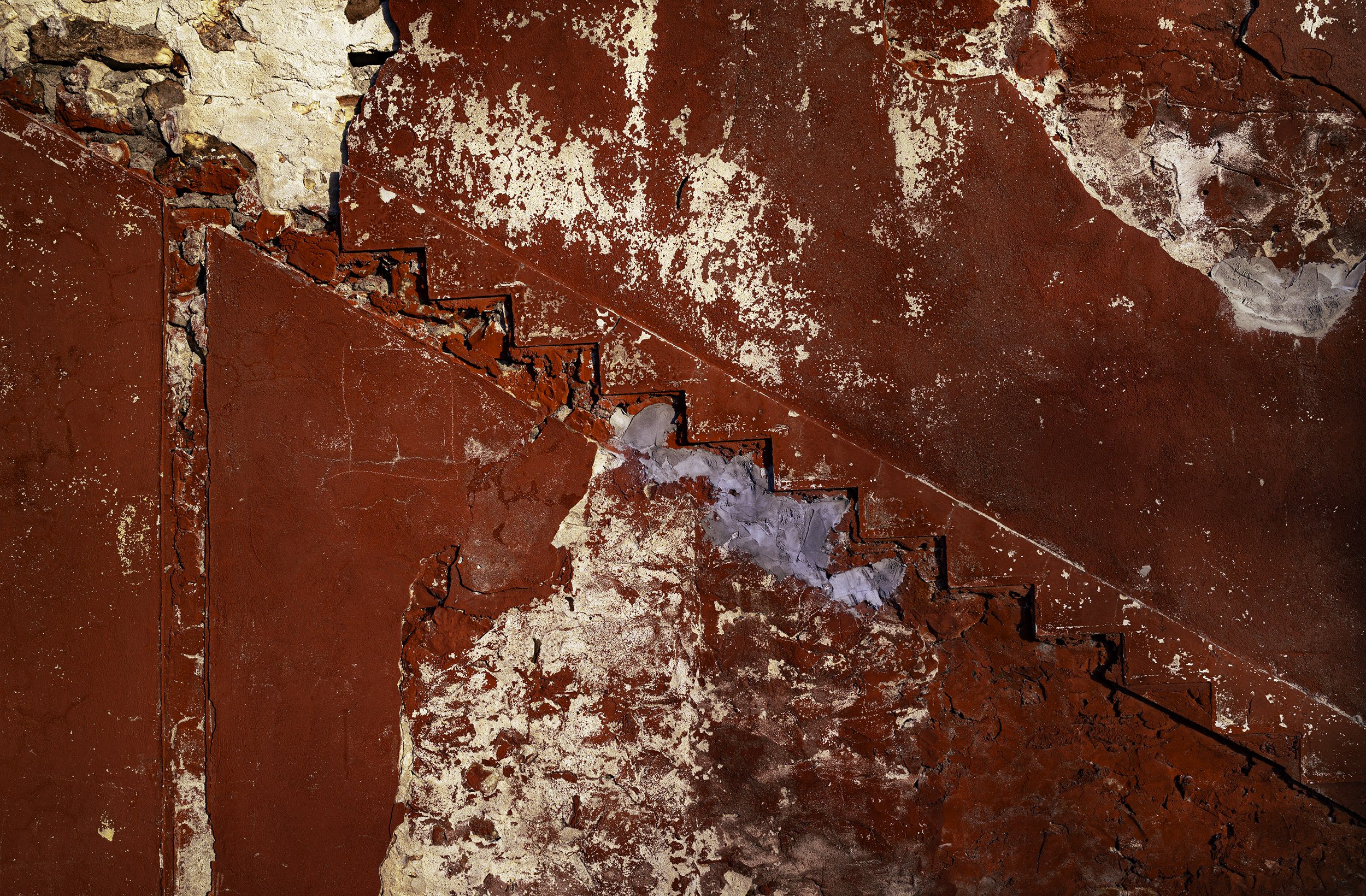
Square, archival print, 10 x 16 in, 2022, USD 350, Kevin Vivers, Overland Park, Kansas

Love and Understanding, photo transfer on metal, 16 x 24 in, 2024, USD 650, Kylo-Patrick Hart, Aleda, Texas,

Interactions No. 03, 3D impression print, 34 x 50 cm, 2024, 600€, Leena Holmström, Oulo, Finland

Chile, archival print, 20 x 20 in, 2024, USD 600, Linda Burris Webster, Sussex, Great Britain, United Kingdom

Cotton Waves, archival print, 59.4 x 42 in, 2022, USD 320, Mariano Caruso, Buenos Aires, Argentina

Concrete Abstracts, archival print, 18 x 24 in, 2011, USD 380, Mark Peacock, Los Angeles, California

Silence of Nature, archival print, 30 x 45 in, 2023, USD 1400, Mark Weller, Waunakee, Wisconsin

Glacier Ice, archival print, 14 x 21 in, 2024, USD 800, Megan Major, Detroit, Michigan

Long Lake Release, archival print, 60 x 60 cm, 2024, USD 375, Peter Harlow, Victoria, Australia

Hills of Home, archival print, 20 x 30 in, 2024, USD 1000, Reed Hearne, Scottsdale, Arizona

Prismatic Horizons, archival print, 18 x 30 in, 2023, USD 1550, Roger Mujica, São Paulo, Brazil

Moment No. 30 Shop Window Deluge Drawing, archival print, 26.6 x 21.3 in, 2024, £40, Roger Woodiwiss, Bedfordshire, Great Britain, United Kingdom

Spring's Pink Muck, archival print, 29.7 x 21 cm, USD 400, Ruslana Shamrai, Poltavska region Ukraine

Industrial Serenity, archival print, 29.7 x 42 cm, USD 250, Shufna Collective, Cairo, Egypt

Peep Through, archival print, 4 x 4 in, 2024, USD 400, Soohyun Jeong, Goyang-si, South Korea
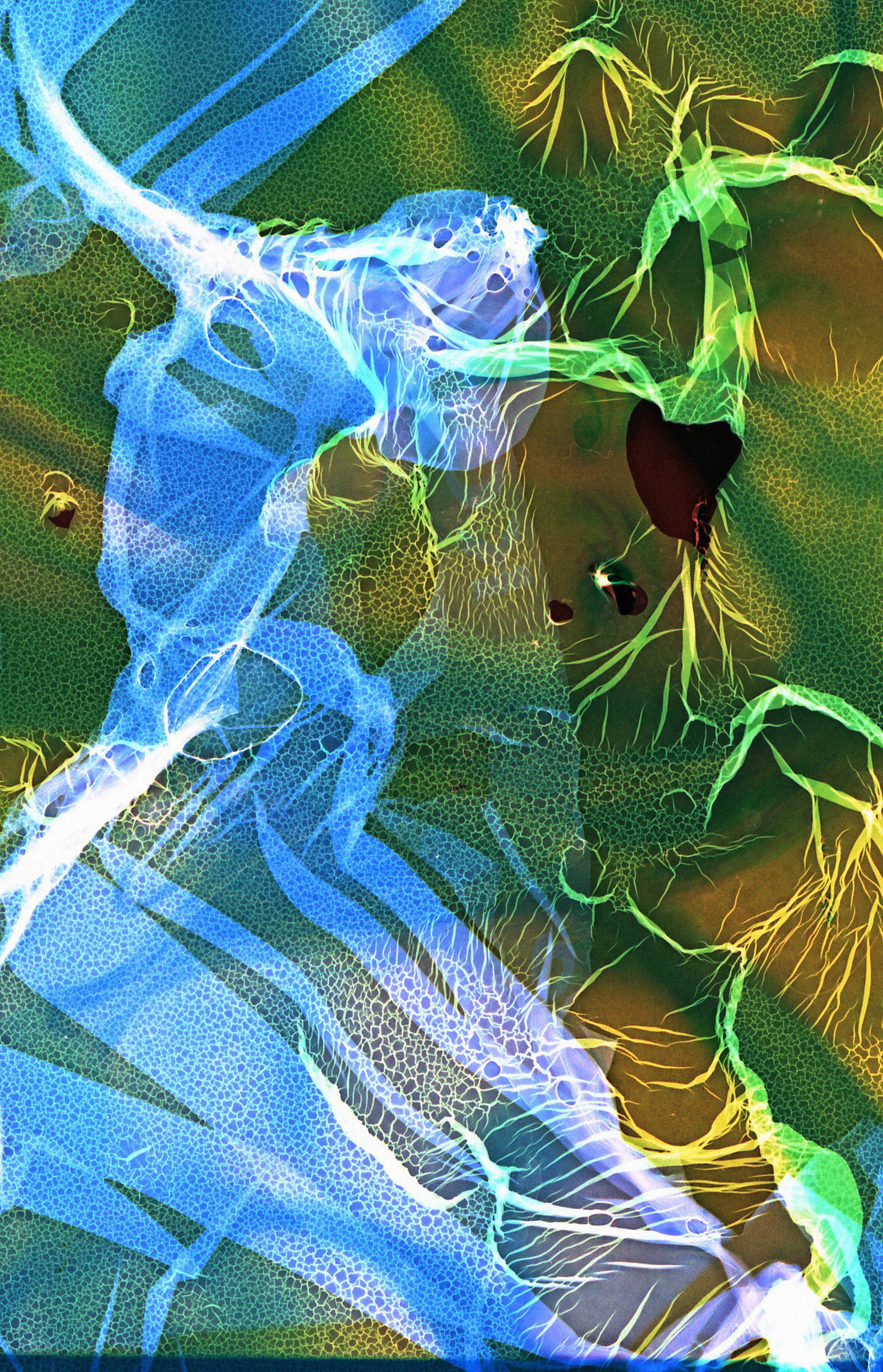
Structure in Motion, archival print, 12 x 16 in, 2019, USD 400, Taya Raevskaya, Berlin, Germany

Top of Palancar Reef, archival print, 6.5 x 20 in, 2024, USD 400, William Goodwin, Denver, Colorado

Suspension, archival print, 11 x 14 in, 2024, USD 400, Wright Schickli, Palo Alto, California
Sales and Artist Inquiries
Are you interested in making a purchase or connecting with one of the featured artists? Send us a message through our contact form, and we'll get back to you shortly.