

The Art of Street Photography (2024)
May 1–June 1, 2024
Street photography is a unique art form rooted in a photographer’s skill at capturing a moment that might otherwise go unseen. The street becomes a place where the mundane can transform into the extraordinary and public life serves as a canvas for expression. From bustling sidewalks to quiet alleys, these photographs share distinct visions of the human condition.
Featured Artists
Adolfo Cruz Jr., Amy Caicos, Chantale Ehrle, Craig Glass, David Cohen, David DesRoches, Denis Sivack, Diane Danthony, Diane Kravetz, Eltaj Zeynalov, Gareth Seigel, Ivan Ferrer, Jessica Margo, Jim Geitgey, Joel Mandelbaum, Kim Keller, Mario Schneider, Mark Peacock, Matteo Filippi, Michael Dekker, Michael Eckart, Michelle Hinshelwood, Nikos Sola, Noel Mones, Olga Zeltser, Patrizia Pezzino, Rajan Dosaj, Remigio Salierno, Robert Linden, Simone Frau, Stefanie Waiblinger, Suz Lipman, Toks Majek, Tommi Viitala
The Street Is Not a Subject, It Is a Set of Odds
Street photography is the only major genre defined by where it happens rather than what it depicts, which is why it resists definition so stubbornly. What holds it together is not subject matter but method: the photographer goes out without knowing what the picture will be, and accepts that the scene will not be adjusted to suit the camera. Everything difficult about the genre follows from that single condition. This exhibition gathered thirty-four works from thirty-four photographers, and the credit lines run from 1970 to 2024, which is a useful reminder that street photography is a continuous practice rather than a period style.
The Decisive Moment and Its Discontents
Henri Cartier-Bresson gave the genre its governing idea and its heaviest burden. The decisive moment describes something real, the instant when gesture, geometry, and light briefly agree, and it has also licensed a great deal of sentimentality. The objection is that the phrase converts luck into virtue, and the objection has force. What survives it is the working truth underneath: the photographer cannot create the moment, only be positioned for it. That is a claim about preparation rather than intuition, and it is the reason experienced street photographers walk the same routes repeatedly.
Photographing Strangers
In most jurisdictions photographing people in public is lawful, and the genre depends on that fact. It does not resolve the ethical question, because consent is structurally unavailable: asking first produces a portrait, not a street photograph. Practitioners therefore operate on a private code rather than a rule, and the codes differ. Some will not photograph anyone who appears to be in distress. Some will not photograph children. Some abandon a frame the moment the subject notices. These are not legal positions. They are the working ethics of a genre that has to keep negotiating its own permission.
A Practice Built on Failure
Street photography has the worst success rate of any serious genre and the discipline is largely a discipline of tolerating that. The proportion of exposures that survive editing is very low, and the photographers who last are the ones who treat the failures as the cost of the method rather than as evidence against themselves. This is also why the genre rewards long projects over single images. A hundred adequate frames from one neighbourhood will usually say more than one excellent frame from a holiday.
Monochrome as Convention Rather Than Rule
The genre defaults to black and white for reasons that are historical before they are aesthetic: the founding work was made when colour was impractical, and monochrome now signals membership in that tradition. It also does real work, stripping out the incidental colour noise of a busy street so that gesture and tone carry the picture. The default is worth questioning, though. Colour records what a place actually looked like, which matters when the subject is public life in a specific decade, and the catalog here includes work on silver gelatin, a chromogenic print, and photo transfer on aluminium alongside the archival prints.
Why the Theme Recurs
The conditions of the genre have changed more in the last fifteen years than in the previous fifty. Almost everyone in the frame is now also carrying a camera, which has altered what a photographer looks like in public and lowered the strangeness of being photographed. TCG Gallery is an independent online photography gallery, and each juried exhibition remains part of a permanent public archive after its run ends, so a street photography exhibition from one year stays readable against the next. Photographers can enter the current photography open calls directly.
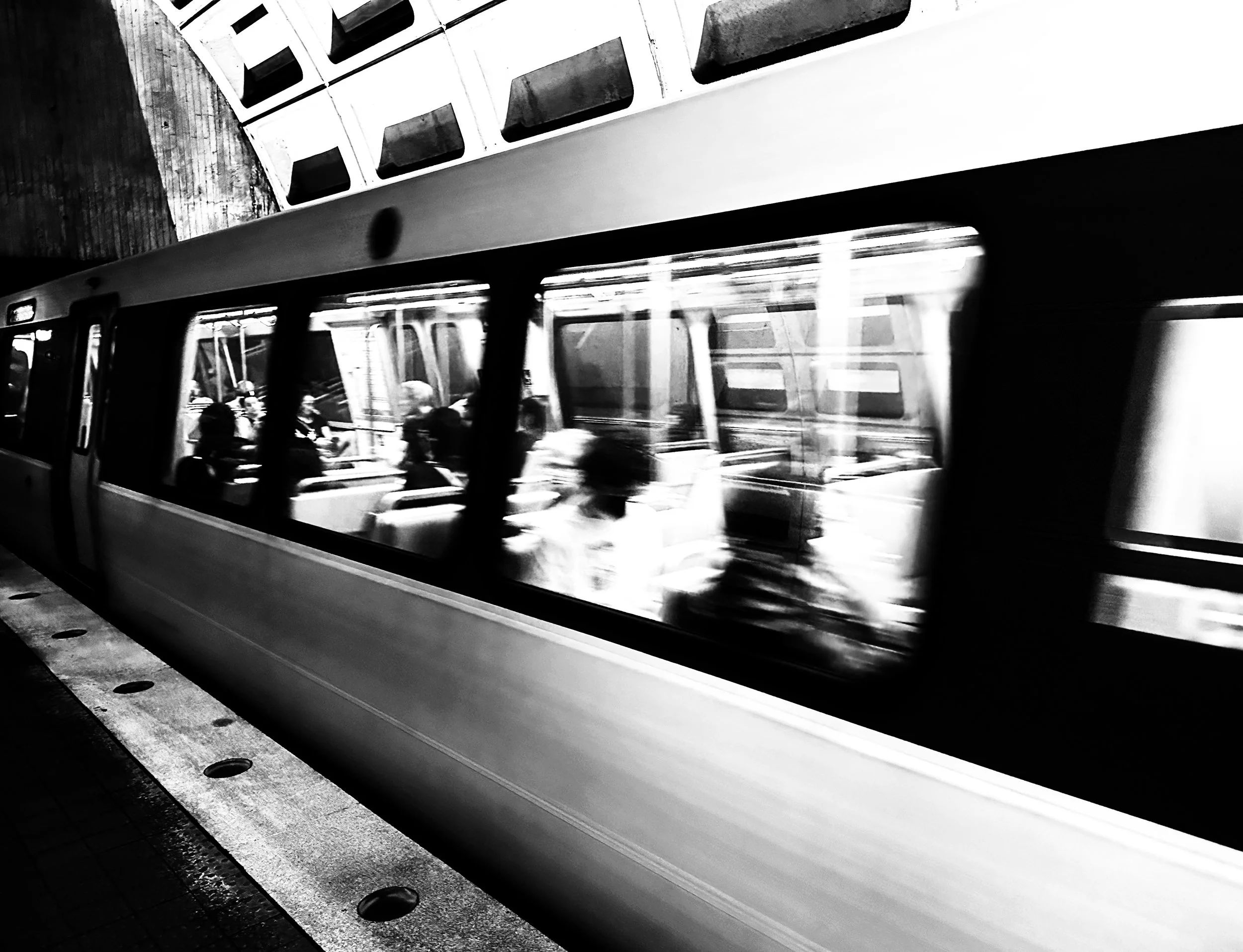
Quicksilver, photo transfer on aluminum, 11 x 14 in, 2024, USD 125, © Craig Glass, Columbia, South Carolina
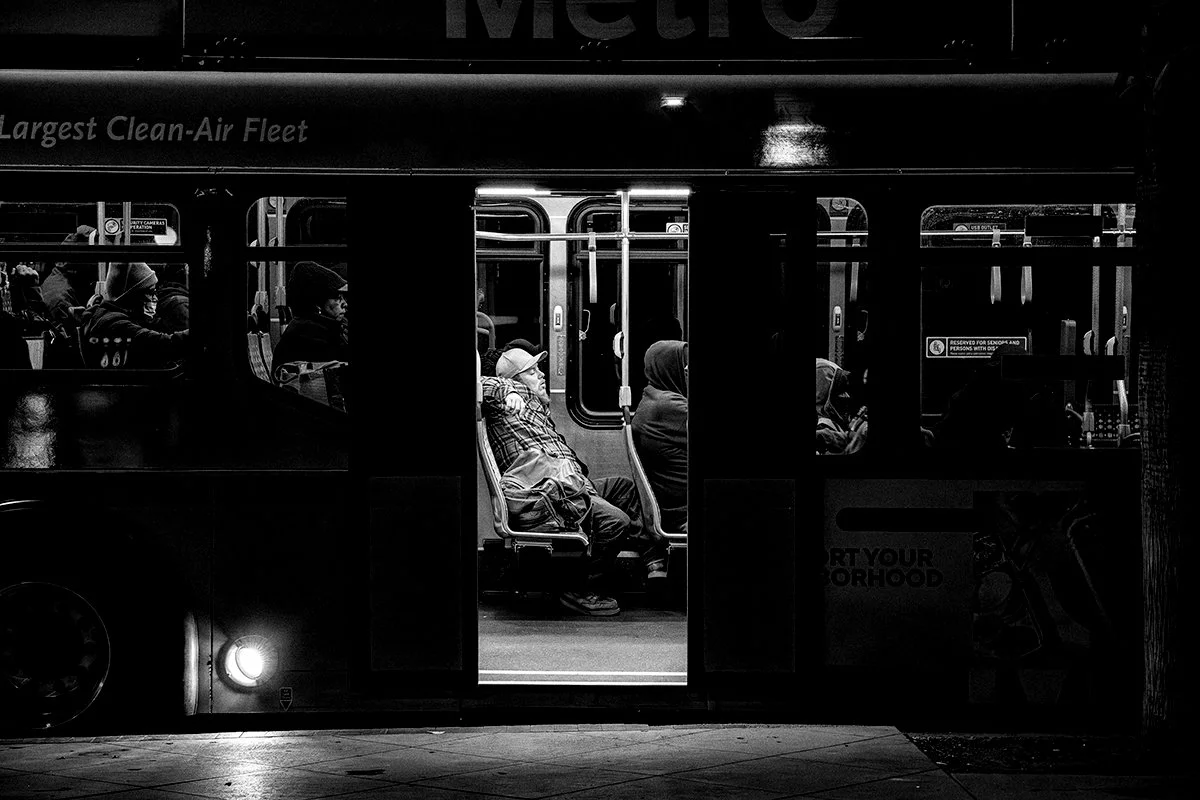
Catnap, archival print, 14.30 x 21.65 in, 2023, USD 850, © Rajan Dosaj, Van Nuys, California

The Kiss, archival print, 9 x 13 in, 2023, USD 500, © Michael Dekker, Brooklyn, New York

Clocked Encounters, archival print, 20 x 30 in, 2023, £250, © Toks Majek, London, England
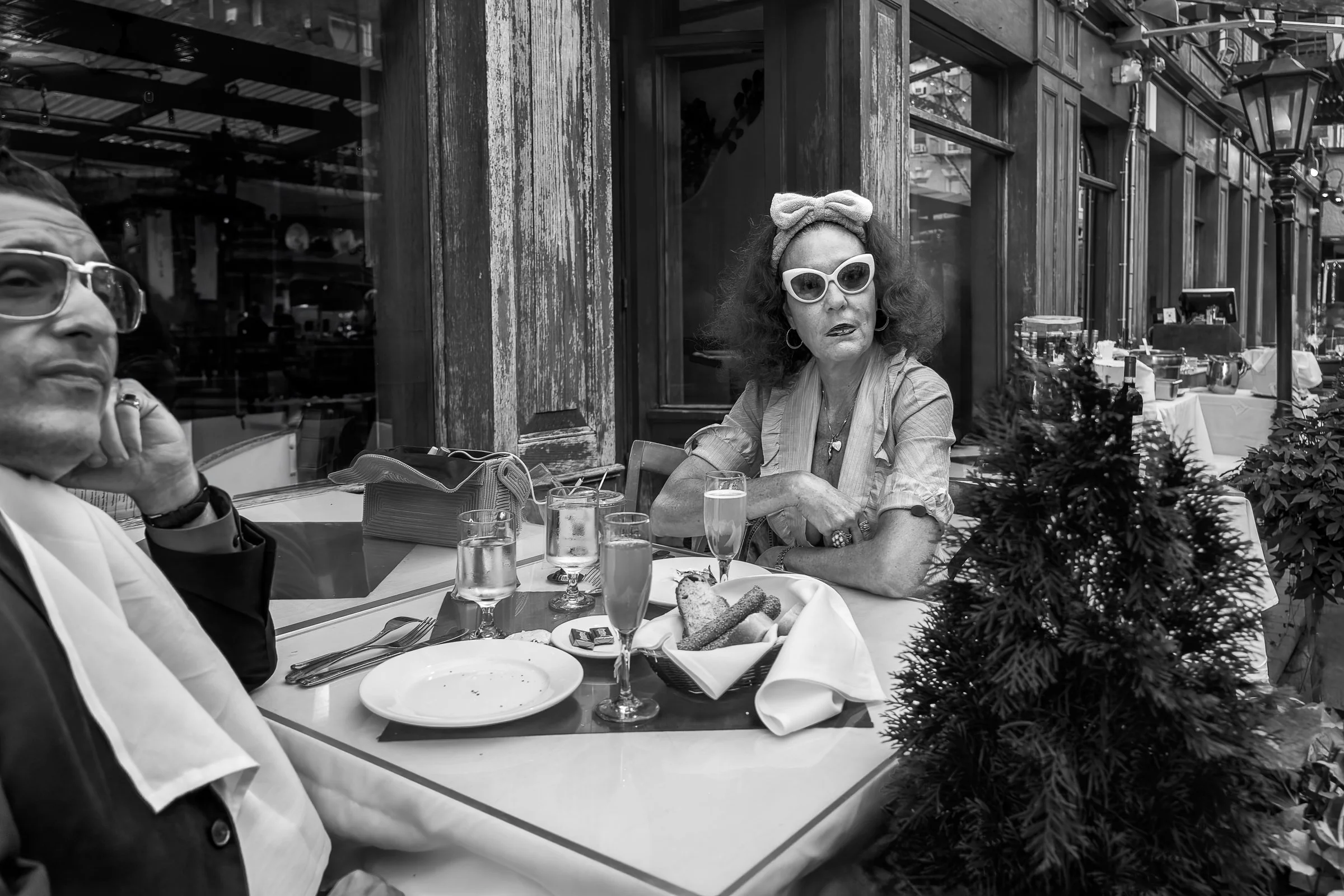
Al Fresco, archival print, 12 x 18 in, 2023, USD 250, © Jessica Margo, Madison, New Jersey

Teaching Kindness, archival print, 20 x 30 in, 2023, USD 2000, © Olga Zeltser, New York, New York

Relish, archival print, 28 x 22.5 in, 2023, USD 250, © Chantale Ehrle, Zurich, Switzerland

Miss Marion and Her Revelers, archival print, 13 x 20 in, 2018, USD 250, © Diane Danthony, Northhampton, Massachusetts
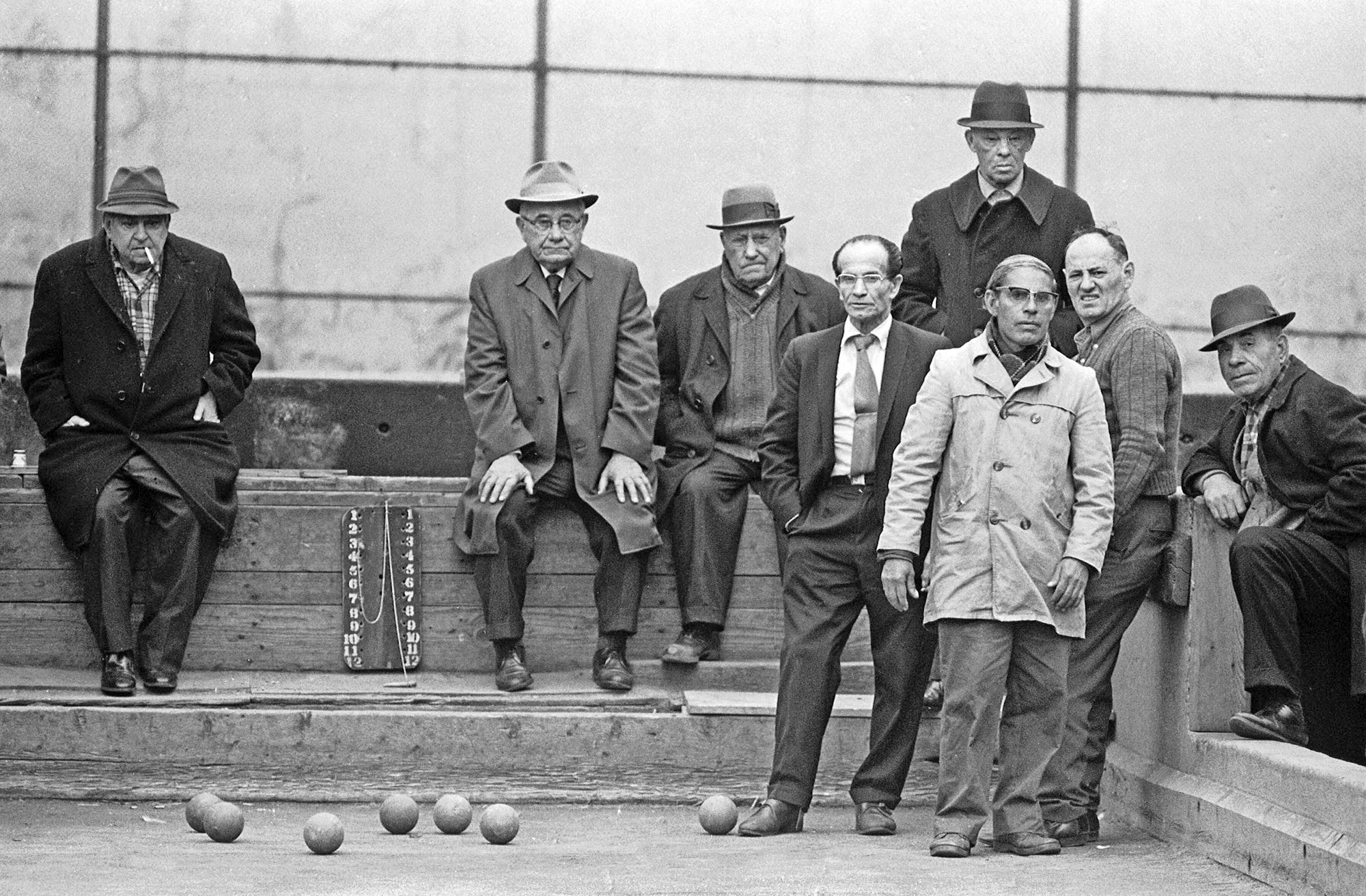
Bocce Players, archival print, 12 x 18 in, 1970, USD 250, © Joel Mandelbaum, Kingston, New York

Newspaper, archival print, 15 x 17 in, 2017, USD 200, © Michael Eckart, Hessen, Germany
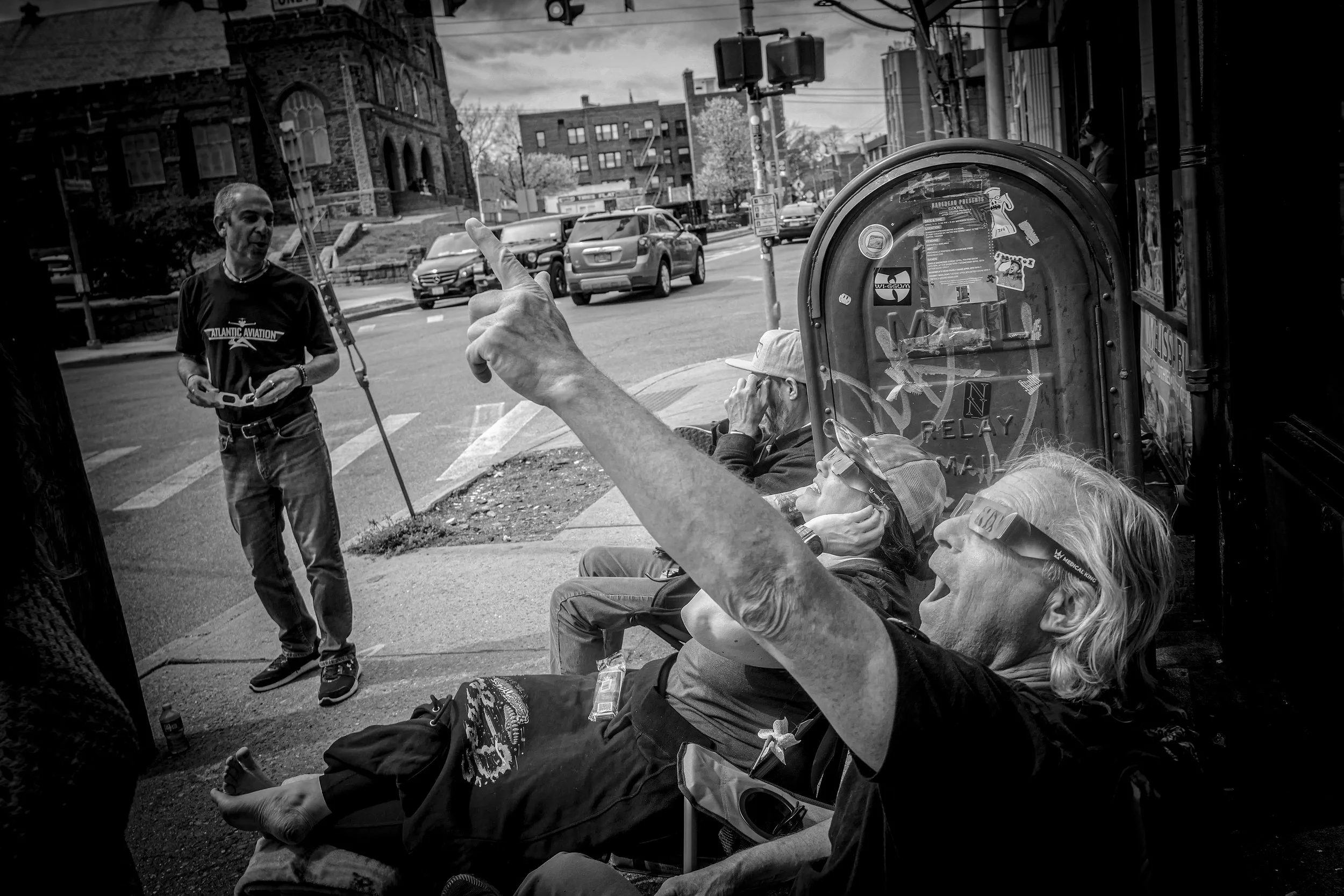
Solar Eclipse, archival print, 16 x 24 in, 2024, USD 300, © Amy Caicos, Columbus, Ohio

After School in Palestine, c-print, 10.69 x 16.02 in, 2016, USD 300, © Nikos Sola, Keene, New York
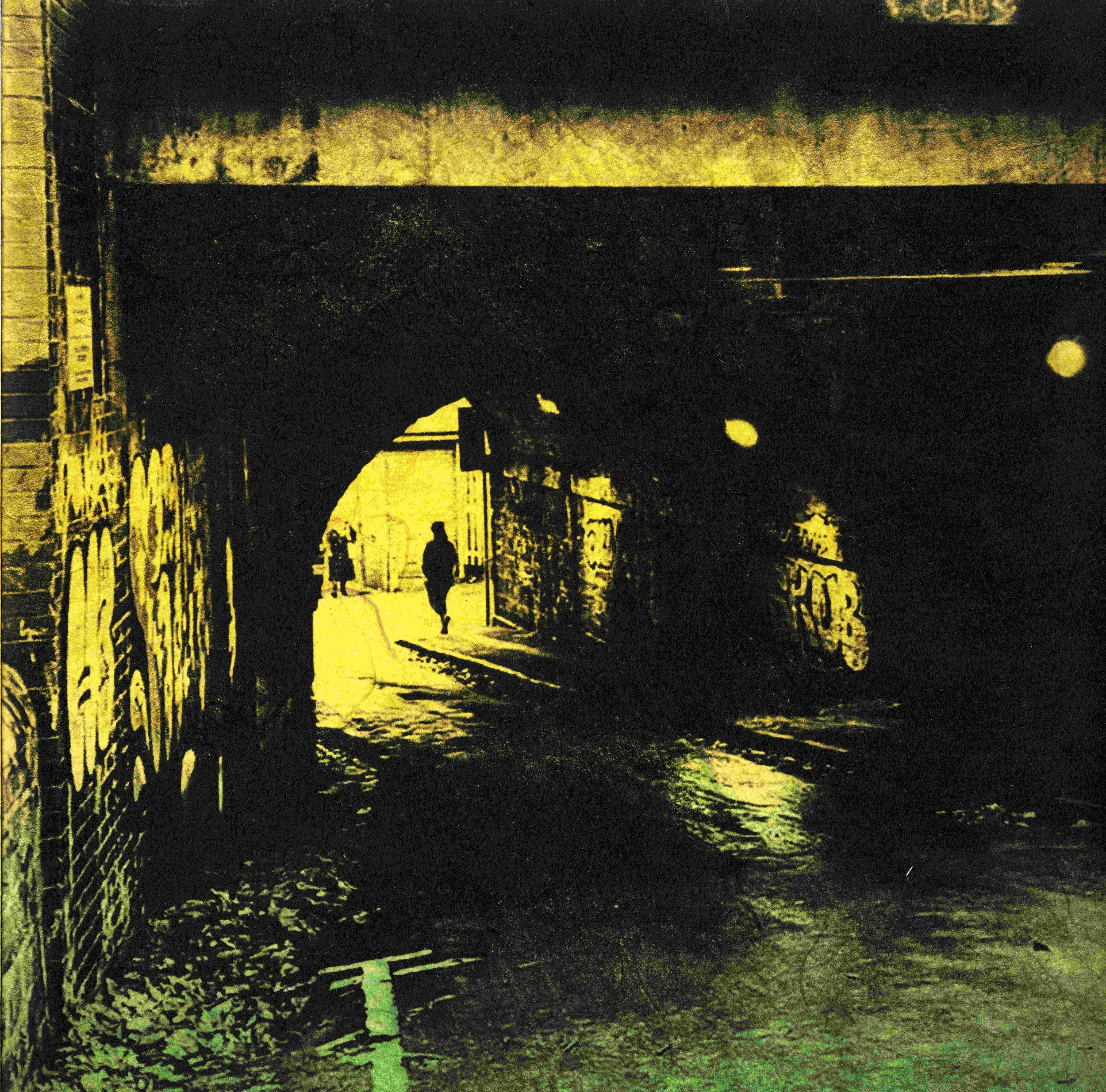
Beyond, photopolymer intaglio print with chine collé, 37.5 x 37.5 in, 2023, £295, © Michelle Hinshelwood, Bristol, United Kingdom
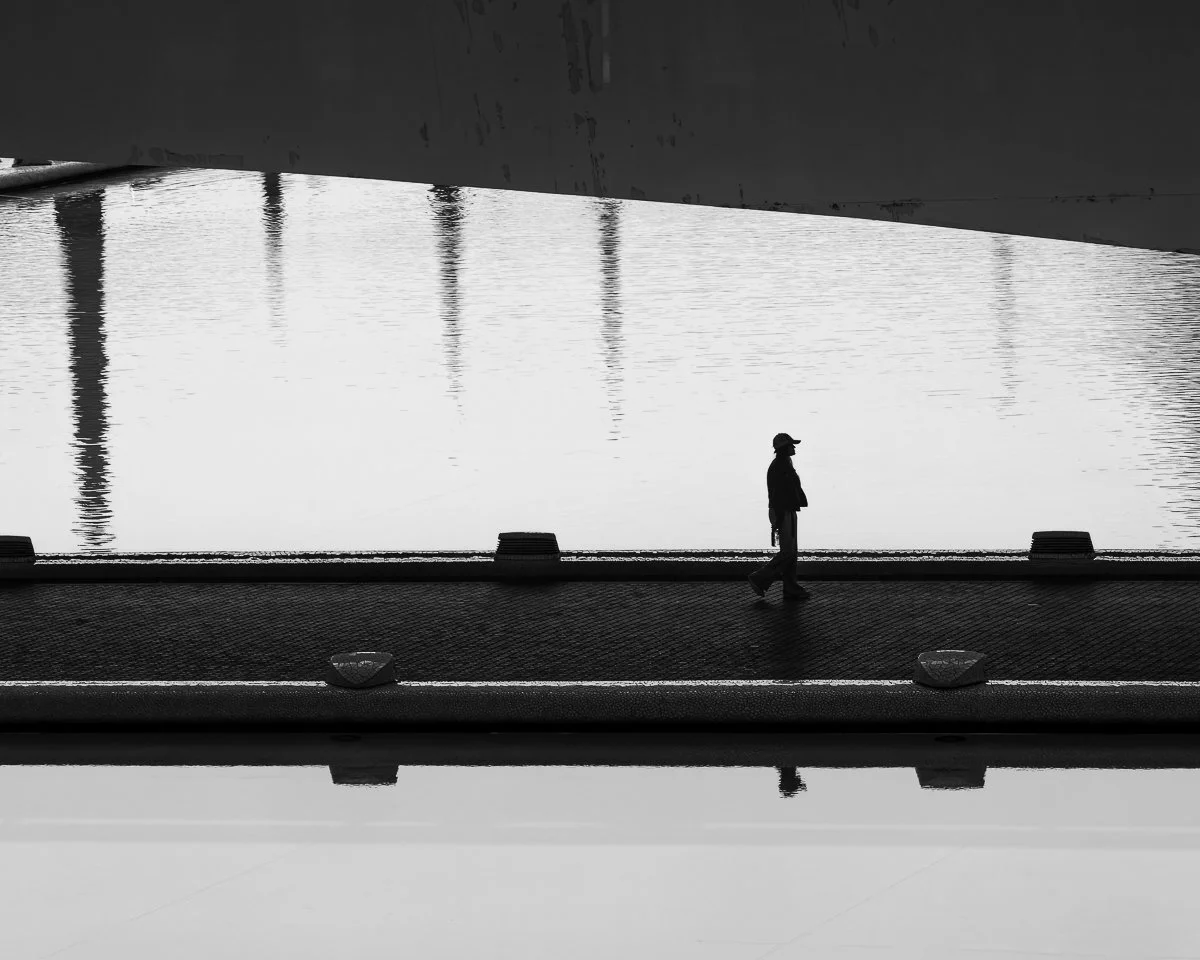
Alone, archival print, 12 x 16 in, 2023, USD 175, © Jim Geitgey, Midland, Texas
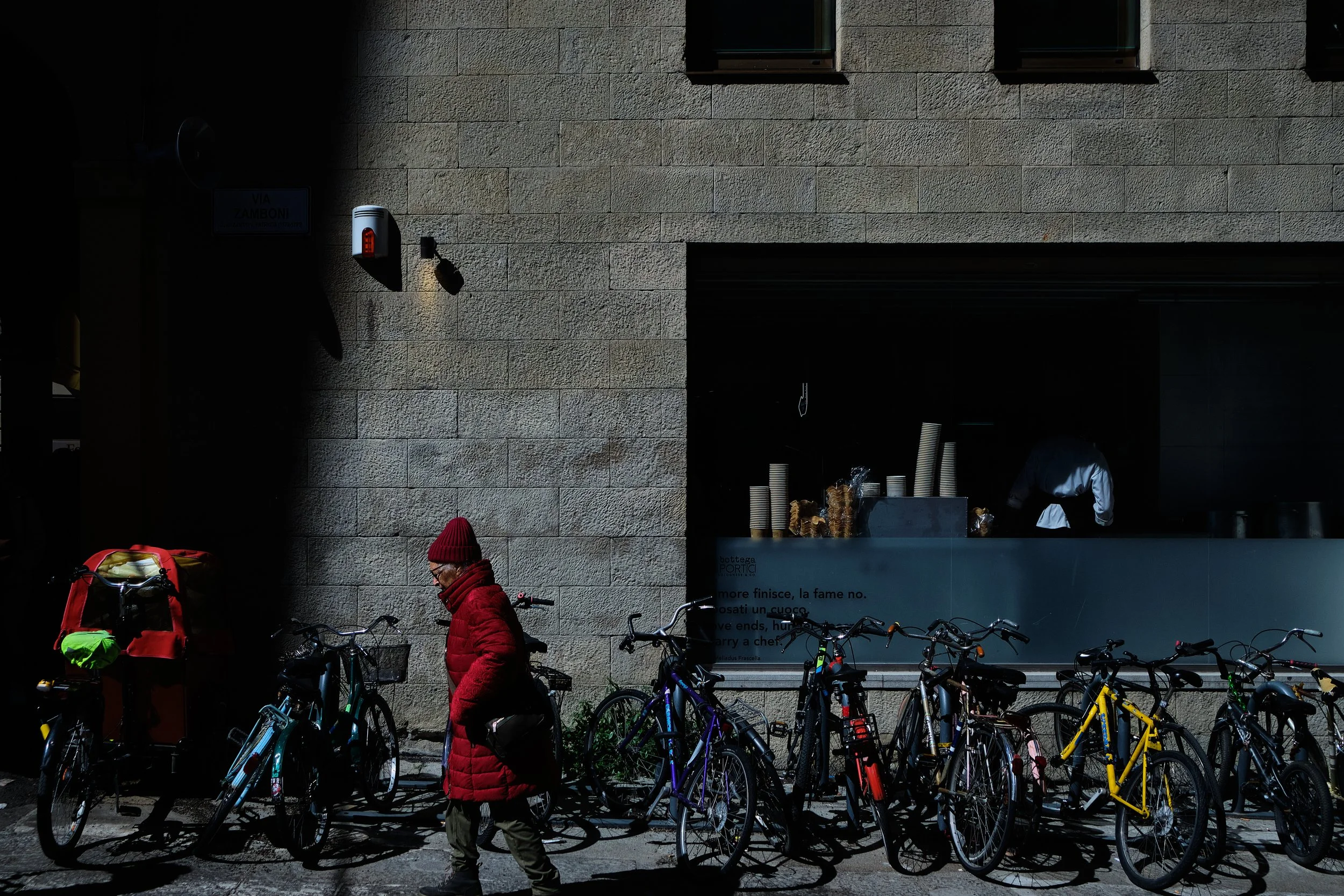
Red, archival print, 20 x 30 in, 2024, NFS, © Remigio Salierno, Bologna, Italy
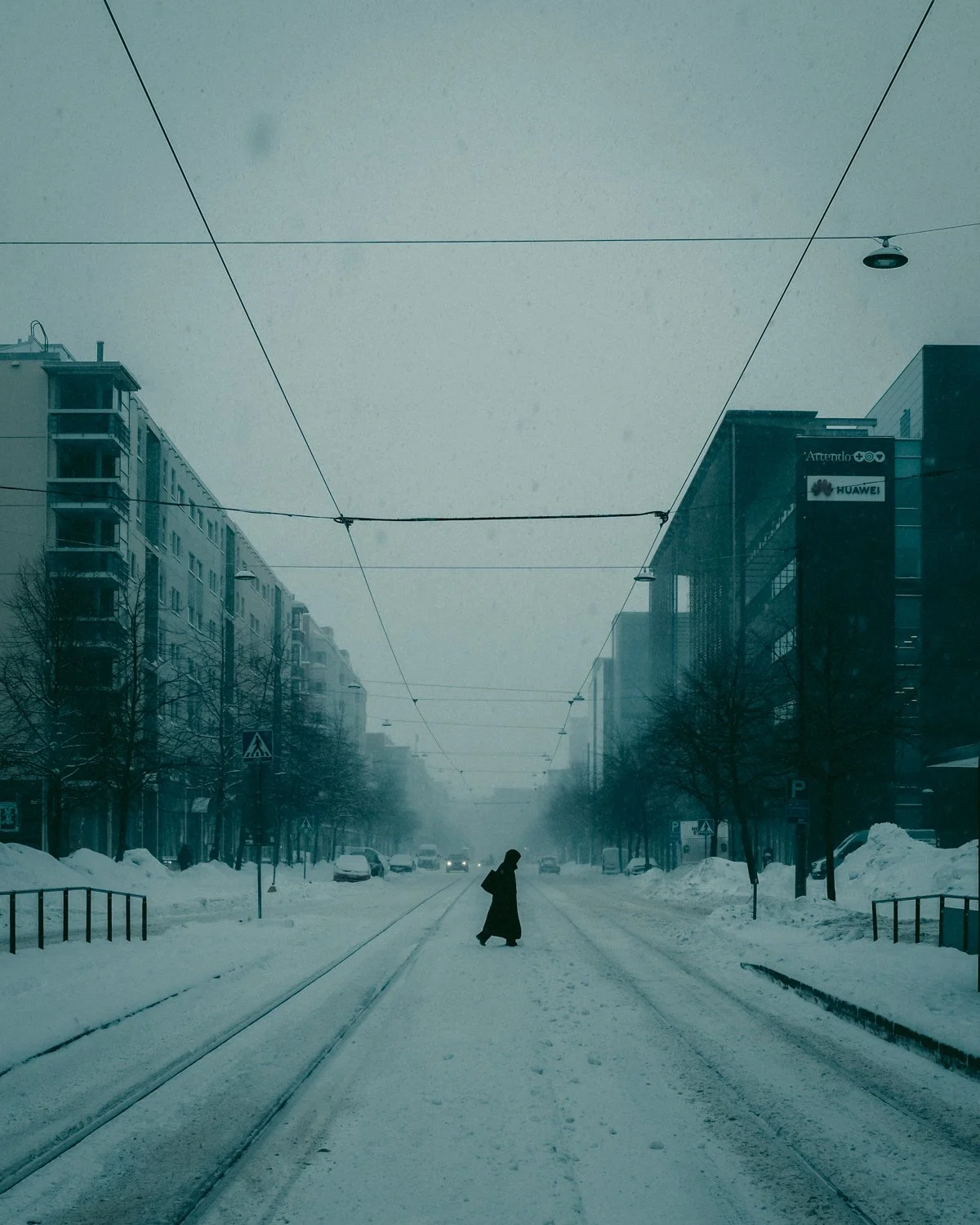
Cold Archangel, archival print, 30 x 40 in, 2024, 150€, © Tommi Viitala, Helsinki, Finland
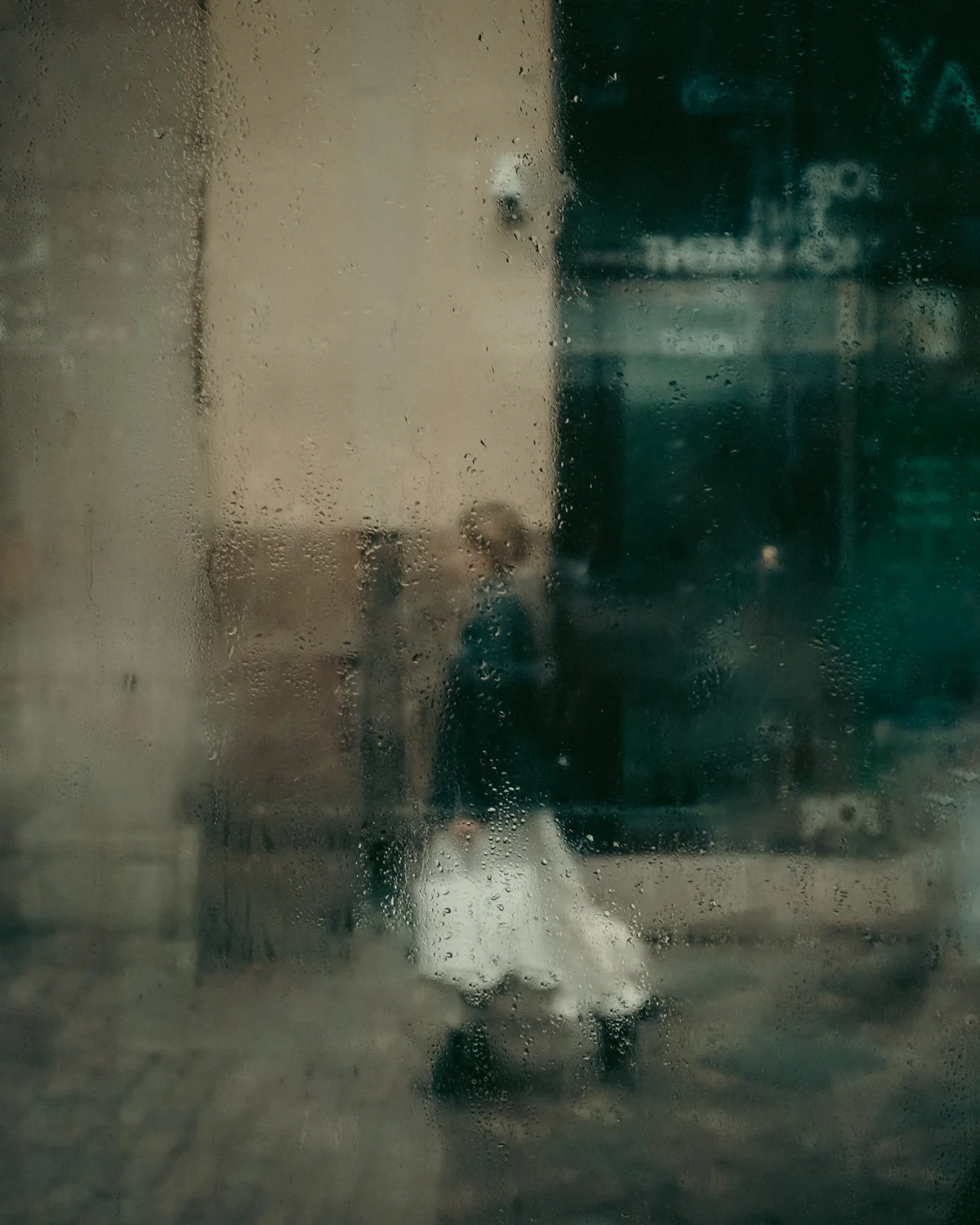
When The Angels Cry, archival print, 30 x 40 in, 2024, 150€, © Tommi Viitala, Helsinki, Finland
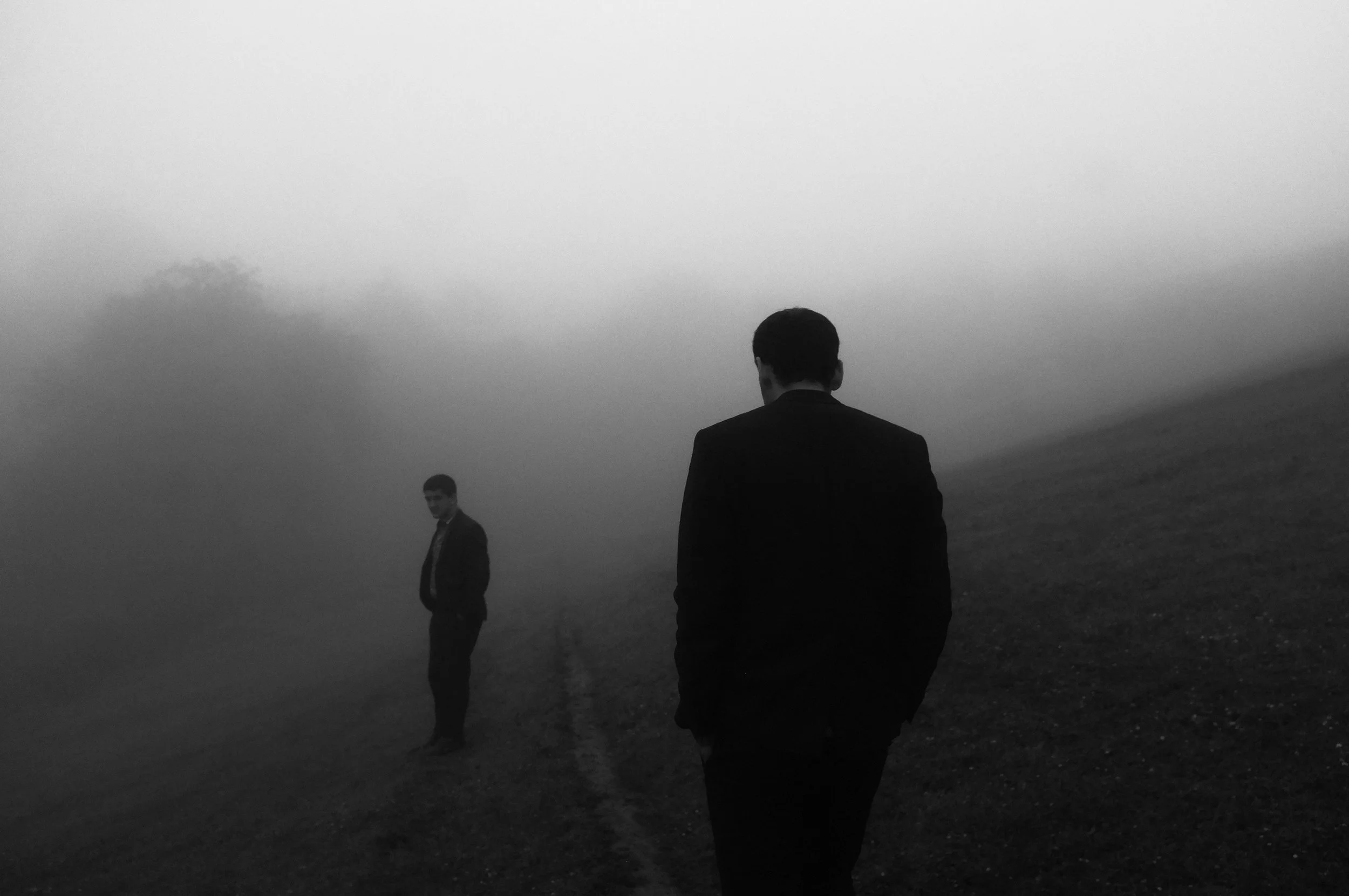
Alone But Not Lonely, archival print, 42 x 59.4 cm, 2016, USD 500, © Eltaj Zeynalov, Baku, Azerbaijan
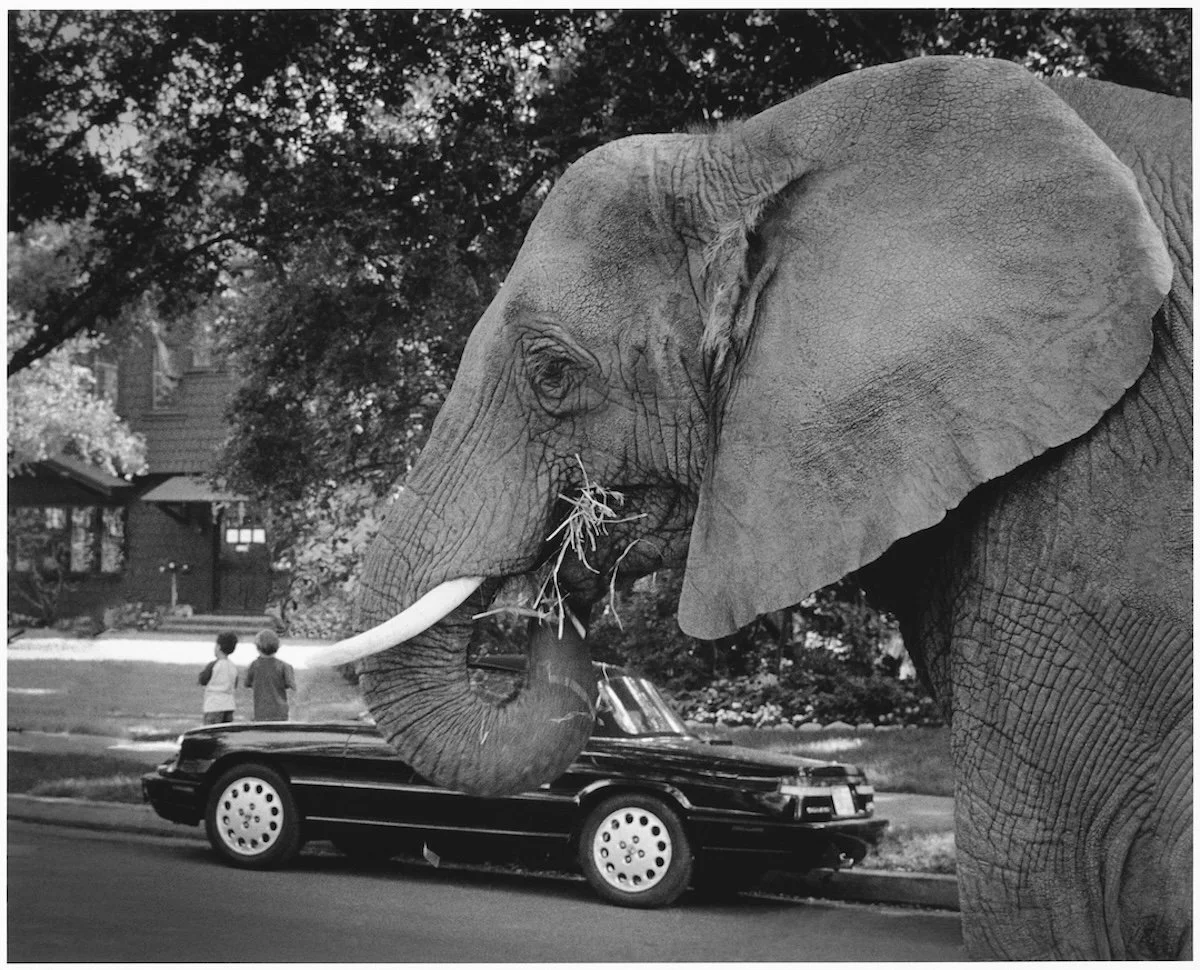
Elephant, and Two Boys, silver gelatin print, 11 x 16 in, 2004, USD 600, © Gareth Seigel, Pasadena, California
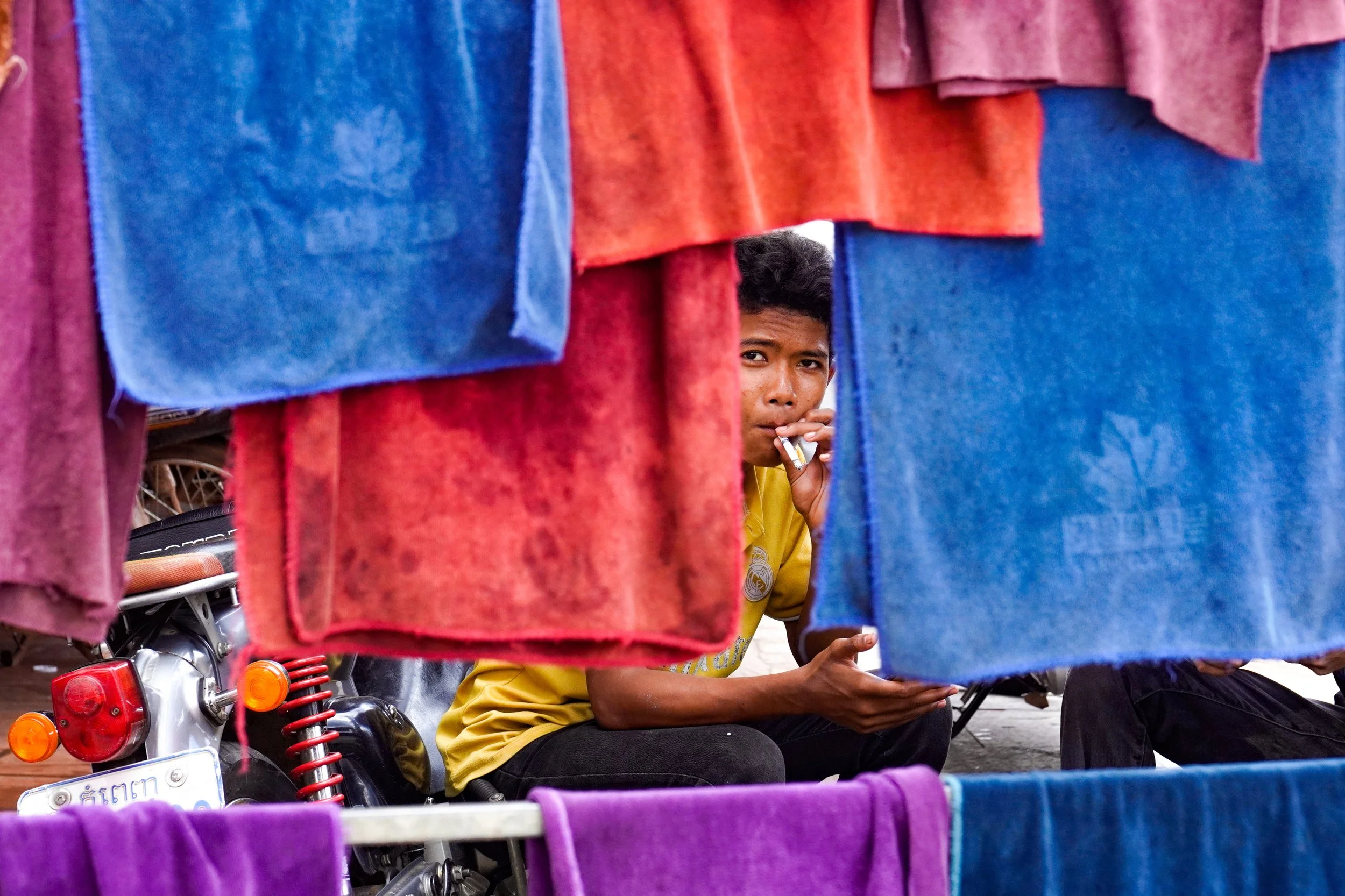
Break, archival print, 40 x 60 cm, 2023, 300€, © Stefanie Waiblinger, Hamburg, Germany

Look at my Offerings, photo on canvas, 60 x 80 cm, 2023, USD 800, © Ivan Ferrer, Tel Aviv, Israel
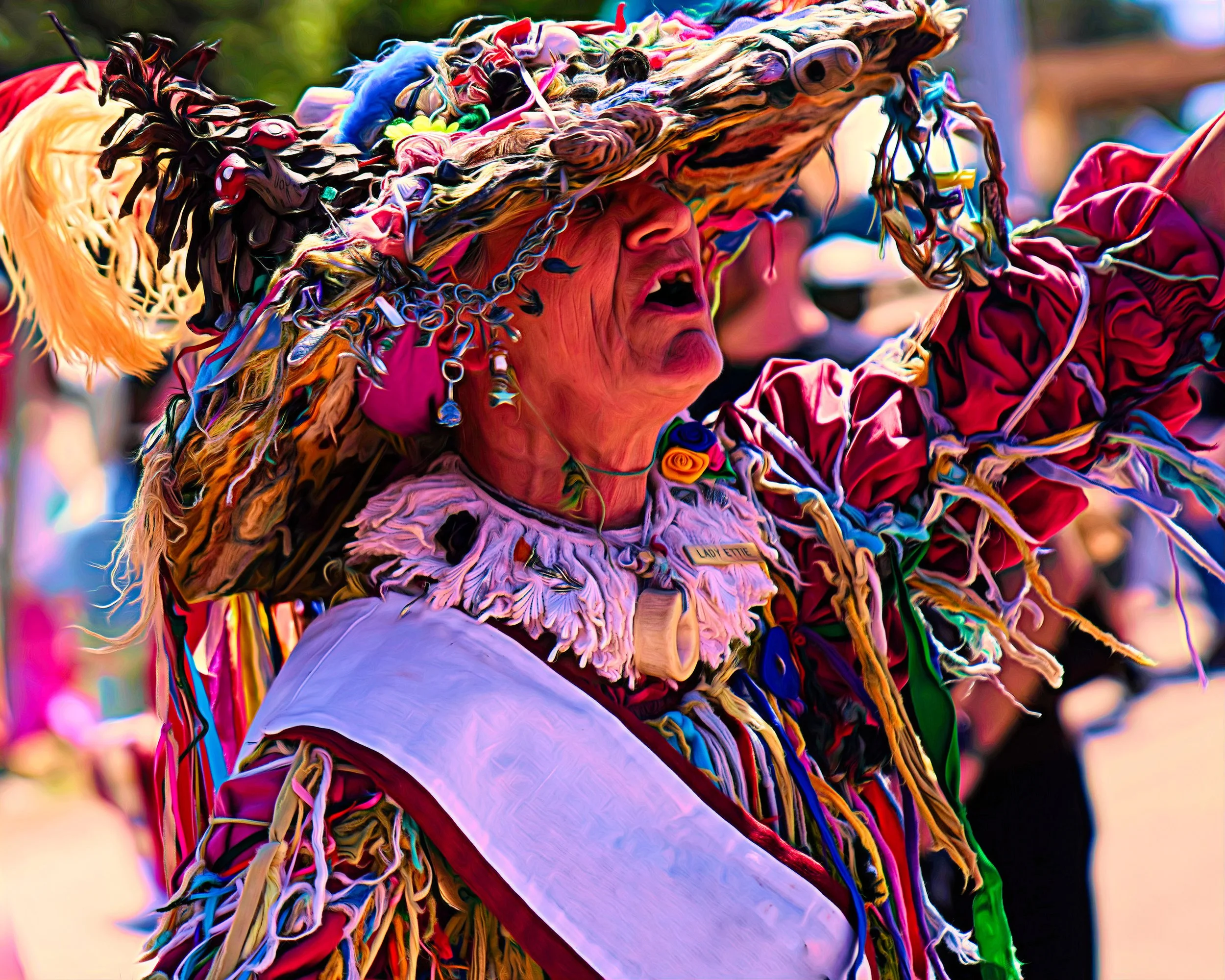
The Lady Roars, photo on glass, 21 x 28 in, 2023, USD 750, © David Cohen, Delray Beach, Florida
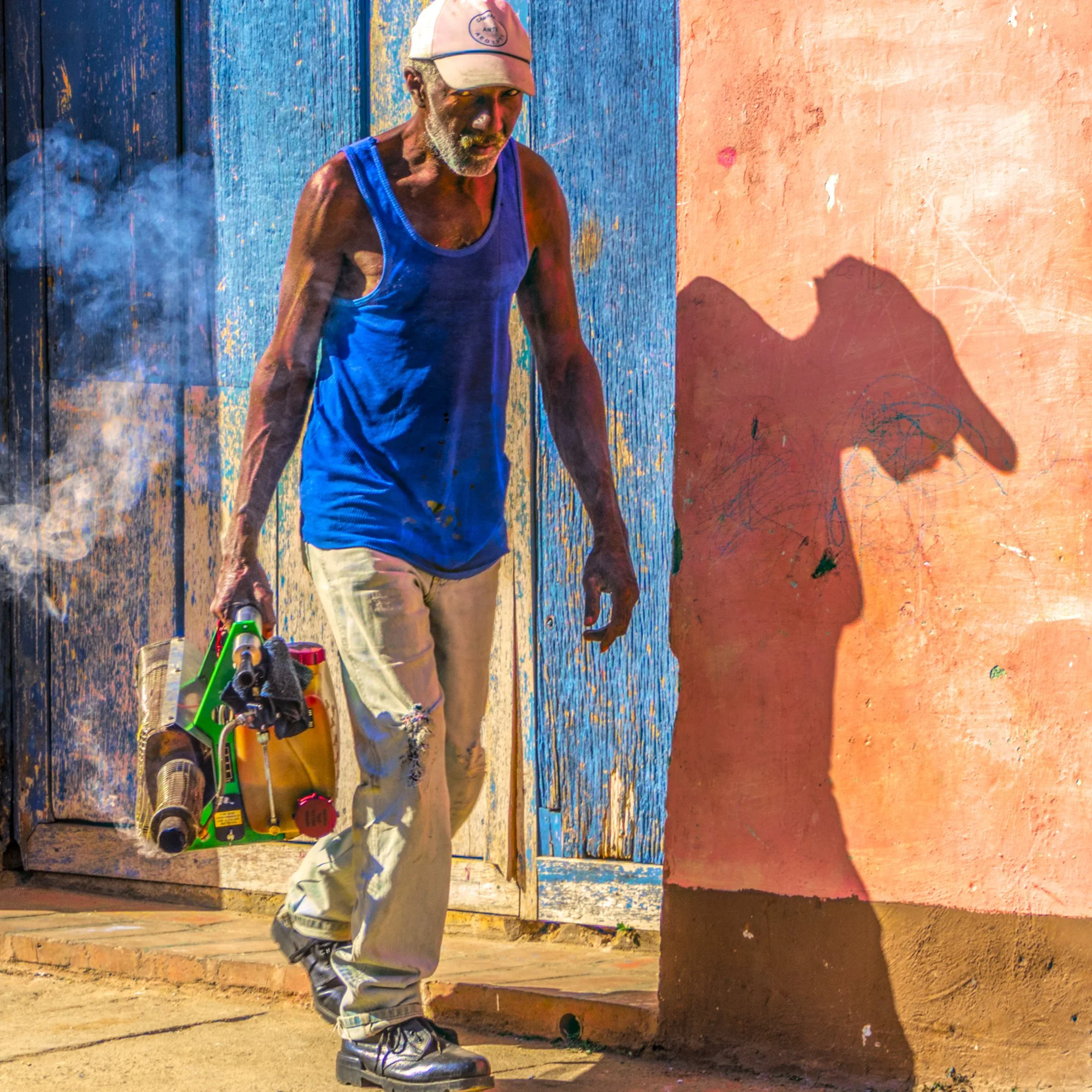
End of Day, archival print, 16 x 16 in, 2016, USD 200, © Diane Kravetz, Madison, Wisconsin
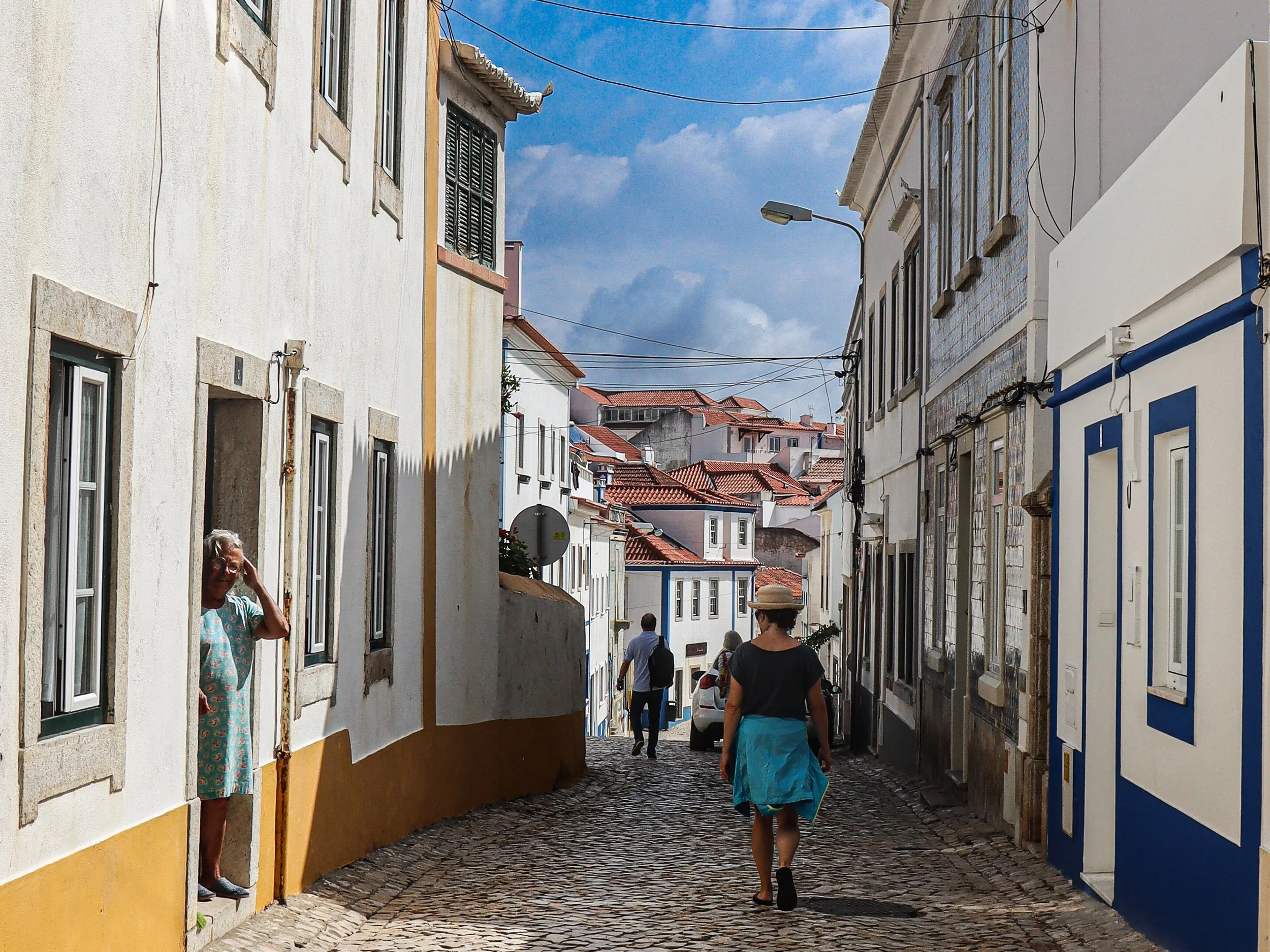
Bom Dia!, archival print, 9 x 12 in, 2022, USD 150, © David DesRoches, Plymouth, Massachusetts
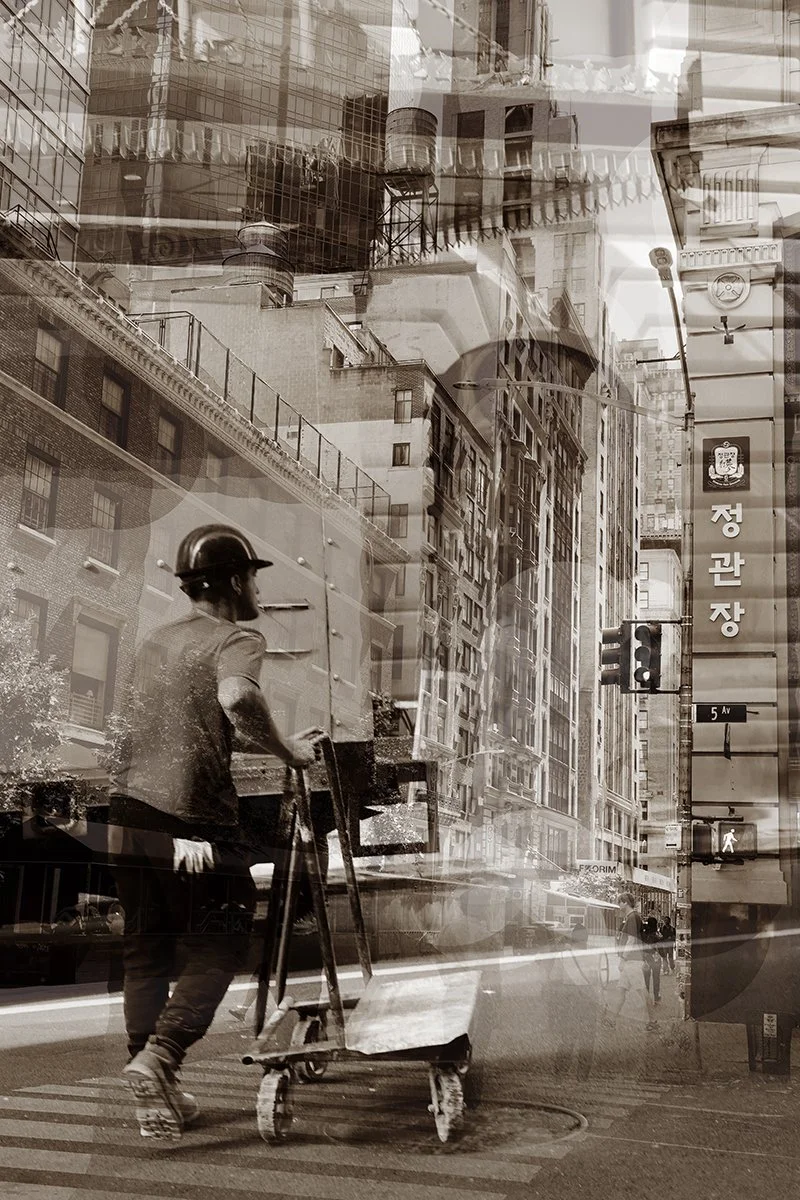
Urban Intersections I, archival print, 40 x 60 cm, 2023, 260€, © Patrizia Pezzino, Cardano al Campo, Italy

LA Noir, archival print, 15 x 20 in, 2013, USD 259, © Mark Peacock, Los Angeles, California

Kobayashi Toy Shop, archival print, 16 x 24 in, 2023, USD 240, © Suz Lipman, Mill Valley, California
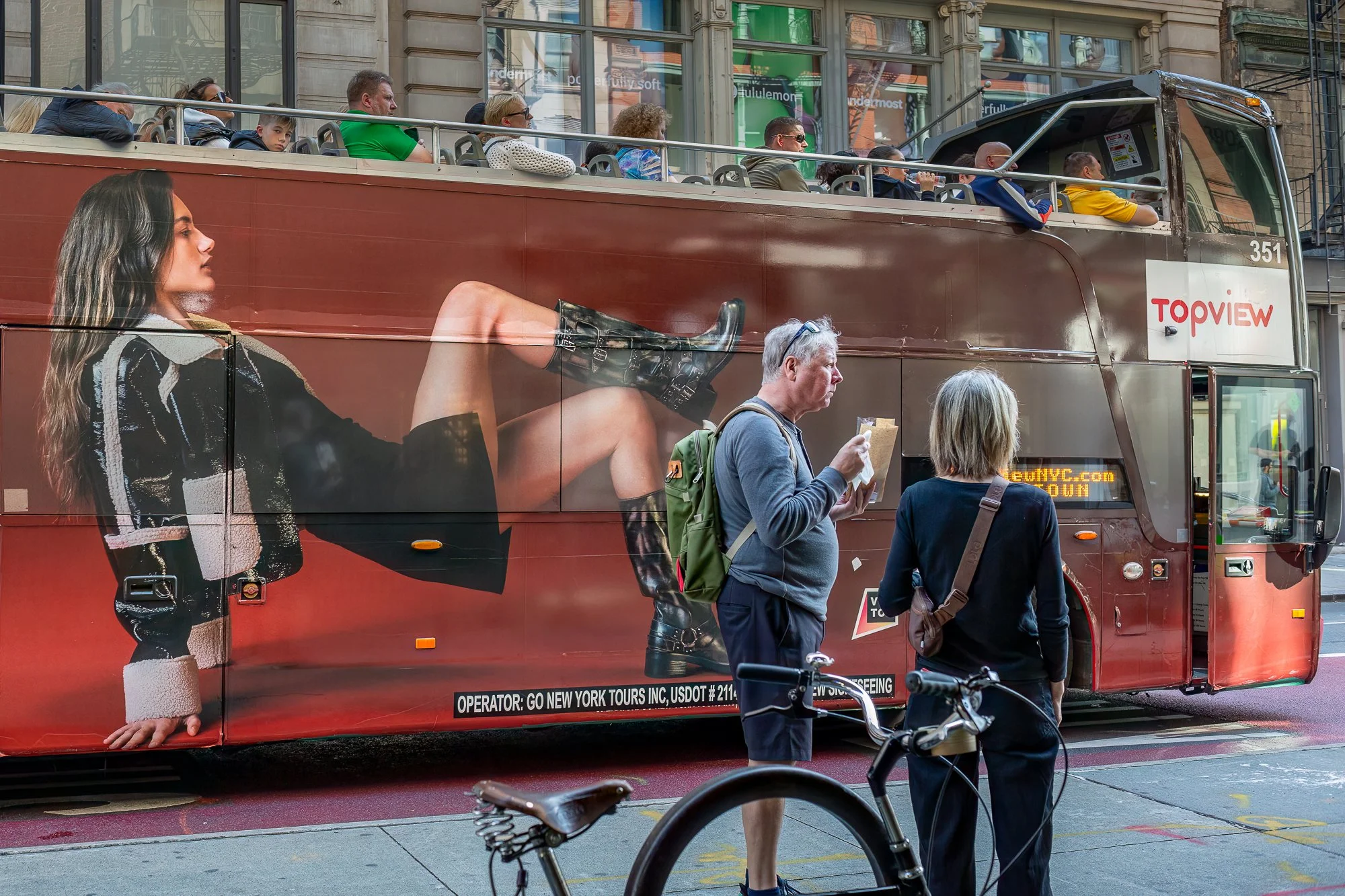
Topview, archival print, 12 x 18 in, 2023, USD 200, © Kim Keller, Olney, Maryland
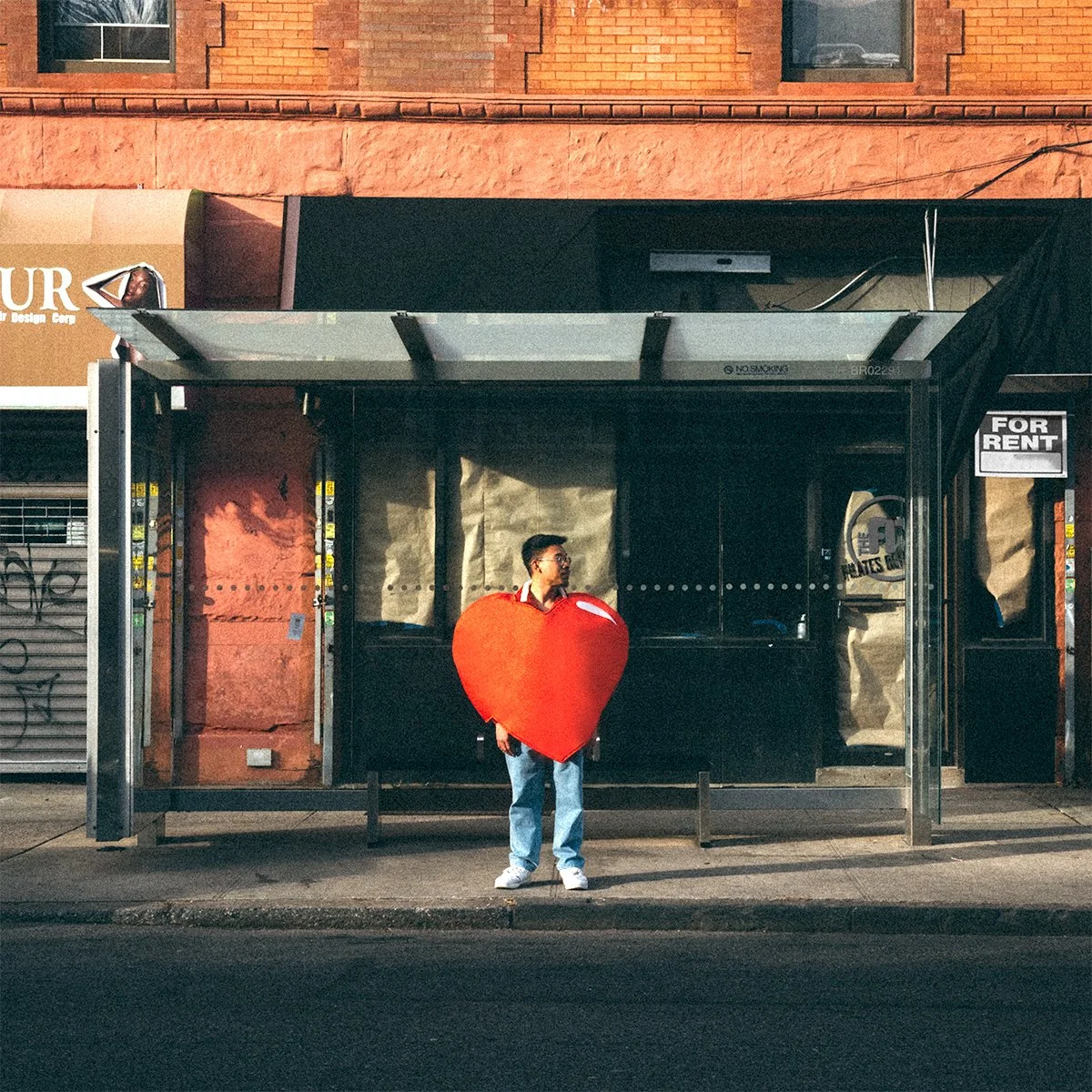
I Keep Missing the Bus, archival print, 12 x 12 in, 2024, NFS, © Noel Mones, Brooklyn, New York
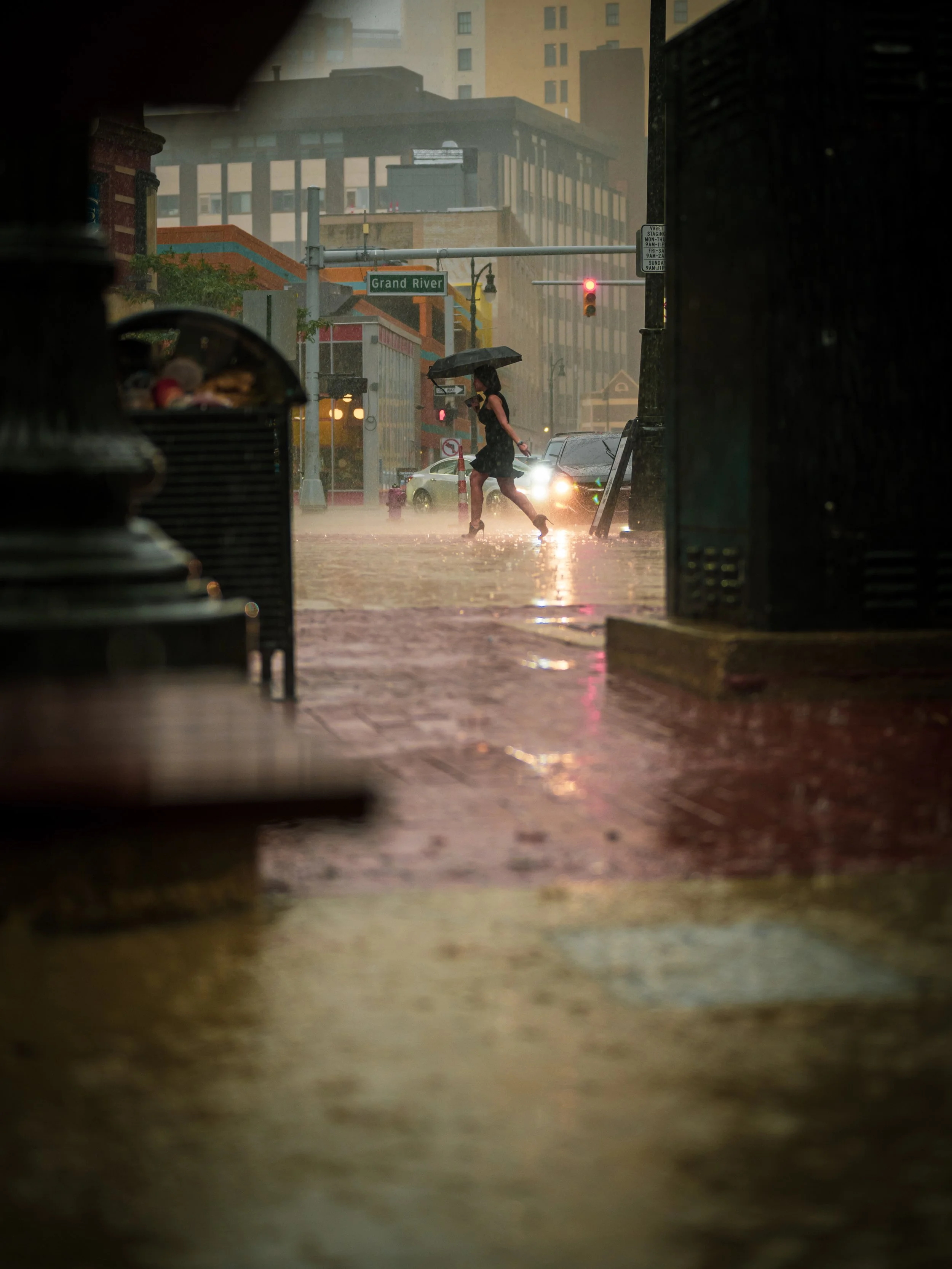
The Sprinter, archival print, 11 x 14 in, 2023, USD 250 © Adolfo Cruz Jr., Dearbo, Michigan
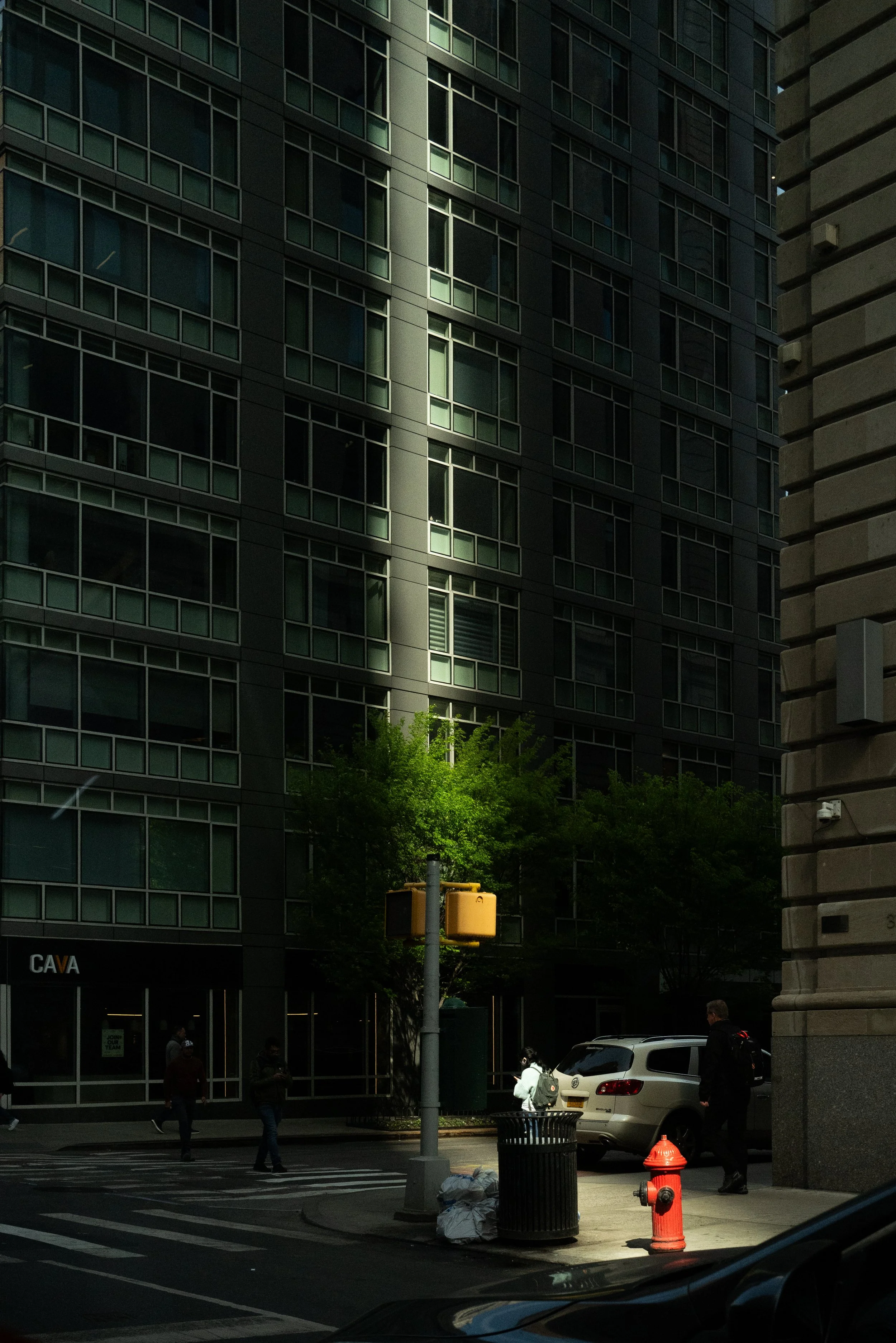
Manhattan Corner, archival print, 30 x 45 cm, 2023, USD 150, © Mario Schneider, Halle, Sachsen Anhalt, Germany
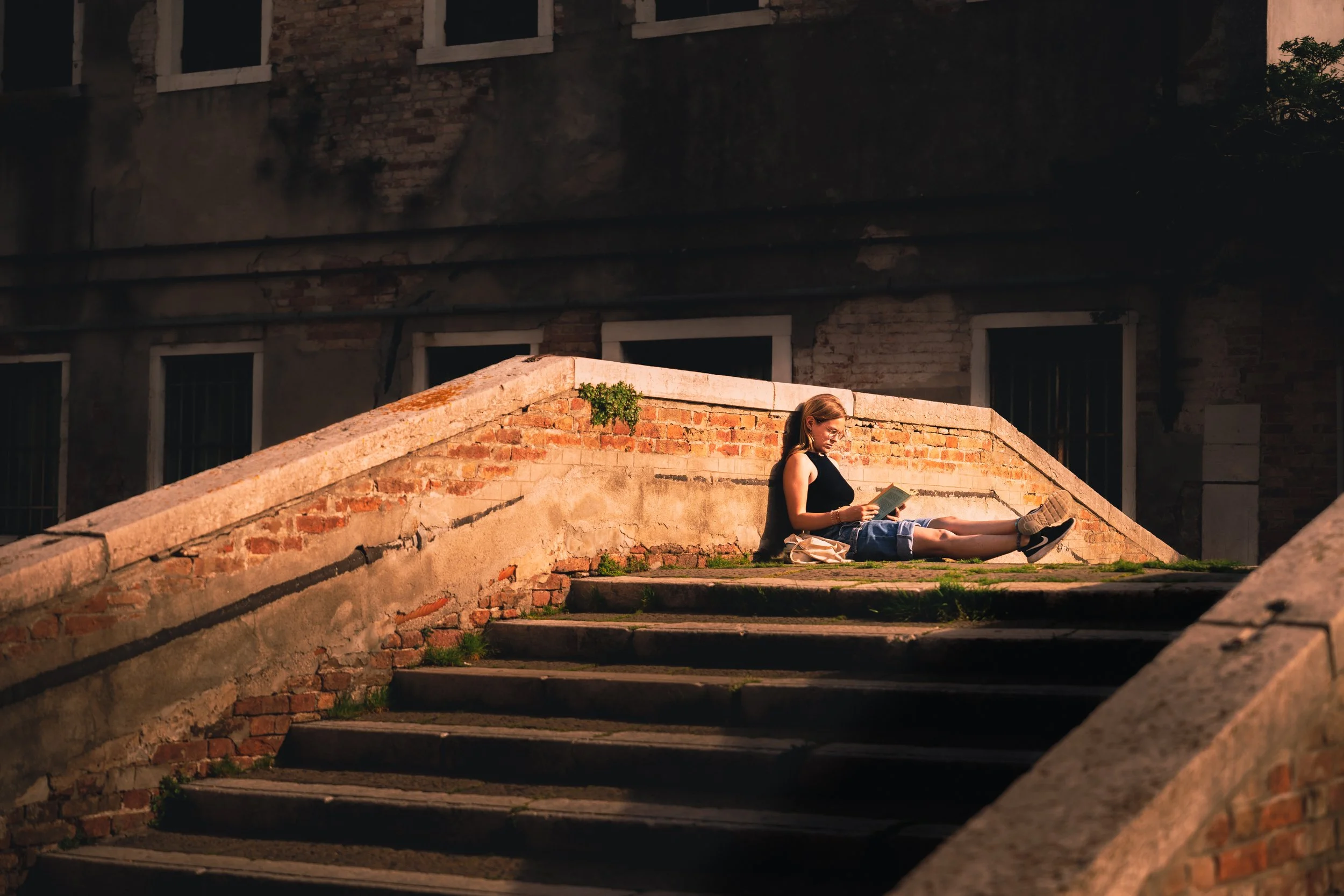
Reading In Venice, archival print, 12 x 18 in, 2023, £200, © Robert Linden, Rugby, England

Lady in Brown, archival print, 12 x 18 in, 2024, USD 350, © Matteo Filippi, Calderara Di Reno, Bologna, Italy
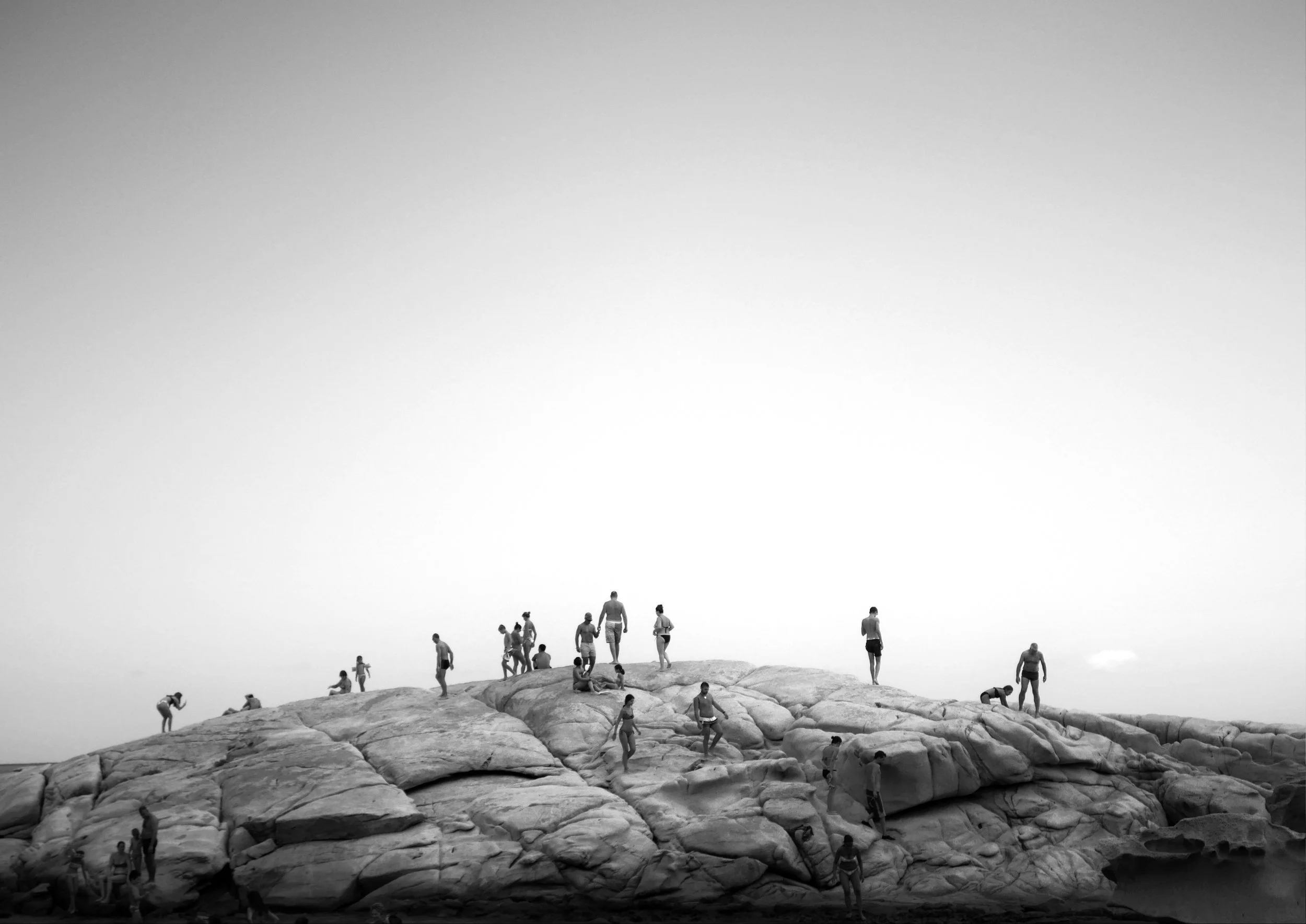
Atlas on the Shoulders of Giants, archival print, 40 x 60 cm, 2021, 1000€, © Simone Frau, Pula, Italy
Sales and Artist Inquiries
Are you interested in making a purchase or connecting with one of the featured artists? Send us an inquiry through our contact form, and we'll get back to you shortly.