

The Monochrome Image (2025)
February 1–March 1, 2025
The Monochrome Image invites photographers to explore the realms of tone, tint, and shade. Whether working with historical techniques such as cyanotype and sepia or classic black and white, these photographs examine the visual harmony, tension, and expressive possibilities of a single color family.
Featured Artists
Barry Good, Brian Cann, Carla Anderson, Christina Howells, Christopher Behrend, David Manzi, David Rathbone, Eduardo Costa, Jacek Artymiak, Jay Stephens, Jeff Schewe, John Diephouse, Kent Flora, Lance Pressl, Matt Currington, Michael Potts, Michael Young, Myriam Véjus, Niko Mitsuko, Paal Anand, Raees Mustafa, Rebecca Hackemann, Richard Schramm, Roger Applegate, Stefanie Blue, Stéphanie Labé, Stephanie Maatta, Veronica Gray, William Ropp, Yanissa X, Zachary Freire-Avina, Zenya Lepper, Zhiyuan Liu
Subtraction as Method
Every monochrome photograph is a translation. The world arrives in color and the image converts it into a range of grays, which means the photographer is deciding how each hue maps onto a tone. Two colors of identical brightness collapse into the same gray and disappear into each other. A red that separated cleanly from a green in life can vanish entirely. Working in monochrome means seeing that translation in advance, which is a genuinely different way of looking and takes a long time to acquire.
What Survives the Conversion
Once color is gone, four things carry the picture. Light, which becomes the primary subject rather than a condition. Form, since edges and masses have to do the organizing that hue was doing. Texture, which monochrome renders with unusual clarity because nothing competes with it. And tonal range, the relationship between the darkest and brightest points, which functions as the image's emotional register. A compressed range reads as heavy and enclosed. A full range reads as open. This is a real vocabulary, not a metaphor, and photographers who work seriously in monochrome use it deliberately.
The Trap
Monochrome has an unearned prestige problem. Converting a weak color photograph to black and white makes it look more serious without making it better, and the conversion is one click away. The result is a large volume of work in which the monochrome decision is doing nothing except signaling intent. The distinguishing question for any black and white photograph is simple: would this image be worse in color? If the answer is no, the conversion is costume rather than method.
Contrast, Grain, and Surface
The technical decisions carry as much meaning as the tonal ones. High contrast pushes toward graphic abstraction and away from description. Low contrast holds detail in the shadows and produces something quieter and more documentary. Grain, whether from film or added deliberately, sits on the surface of the image and insists on the photograph as an object rather than a window. These choices are legible to anyone looking closely, and in a monochrome exhibition they are most of what differentiates one photographer from another.
The Long Shadow of the Tradition
Monochrome carries more inherited weight than any other mode in photography, since the entire canonical period of the medium happened in it. That inheritance is a resource and a burden at once. A photographer working in black and white is placed automatically in conversation with a century of work, which lends the image a gravity it may not have earned and sets a standard it may not meet. The strongest contemporary monochrome tends to acknowledge the tradition without imitating its subjects.
Why the Theme Persists
Monochrome cuts across every subject. Portraiture, landscape, street, still life, and abstraction all appear under it, which makes an exhibition on the theme a study of a method rather than a subject. TCG Gallery is an independent online photography gallery, and each juried exhibition remains part of a permanent public archive after its run ends. Photographers can enter the current photography open calls directly.
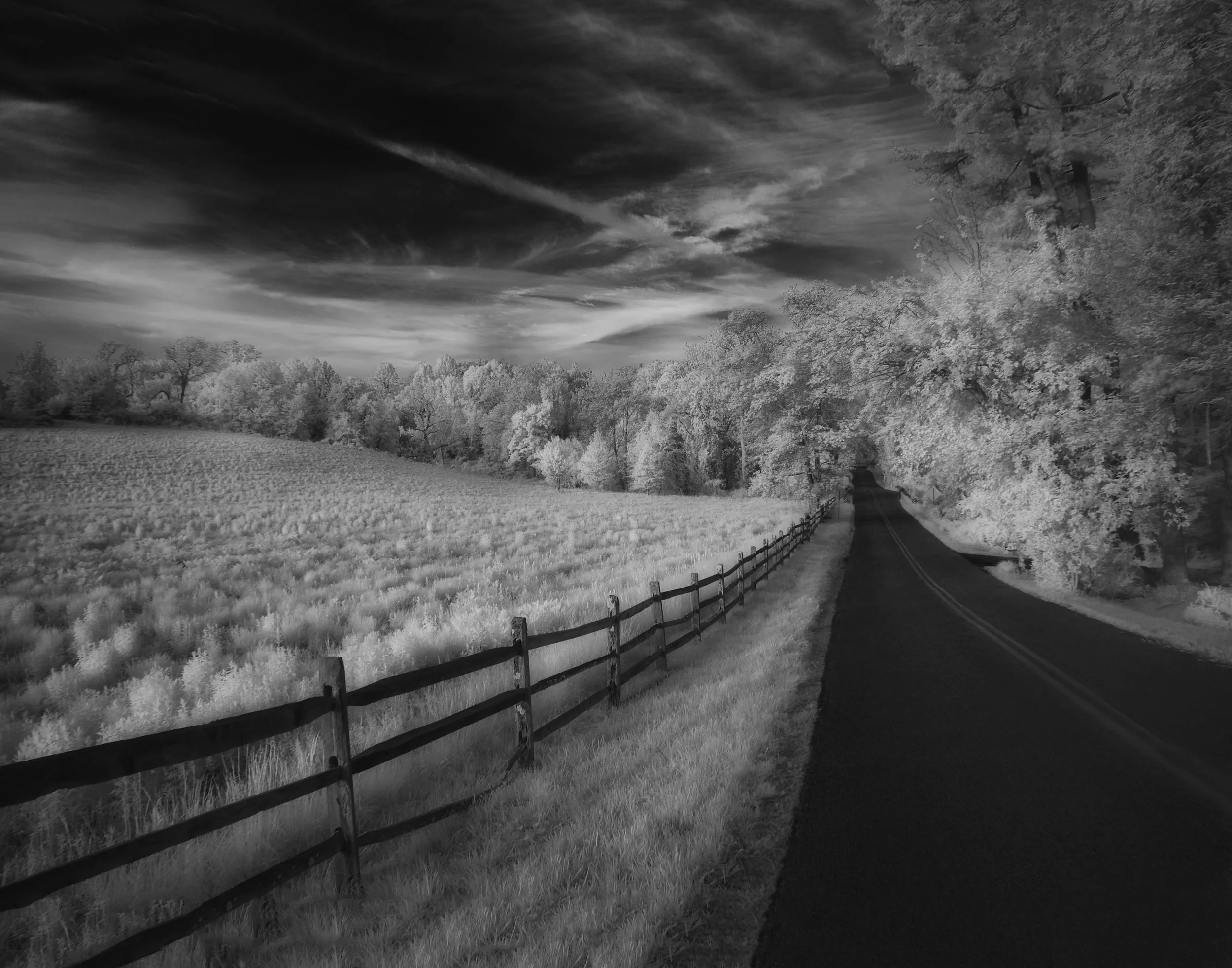
A Road Home, archival print, 11 x 14 in, 2017, USD 300, Barry Good, Philadelphia, Pennsylvania
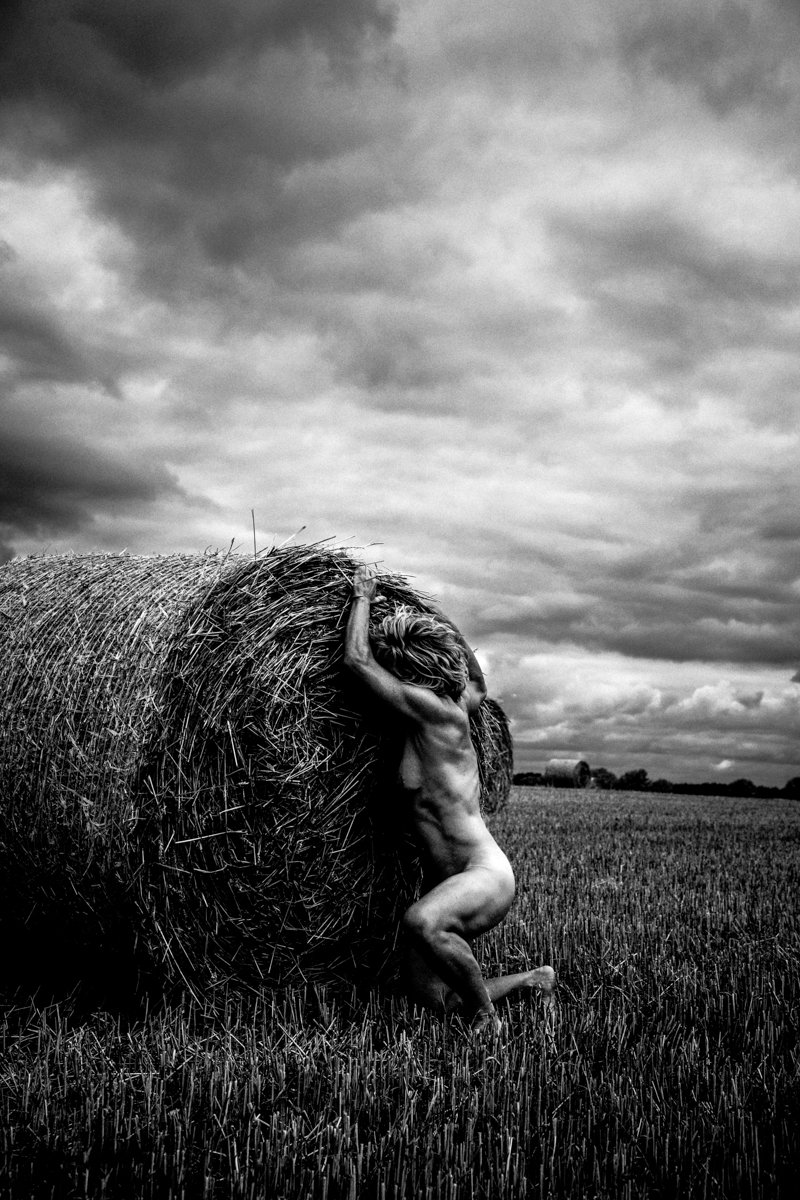
In a Field, archival print, 30 x 45 cm, 2018, USD 400, Brian Cann, Waldenbuch, Germany
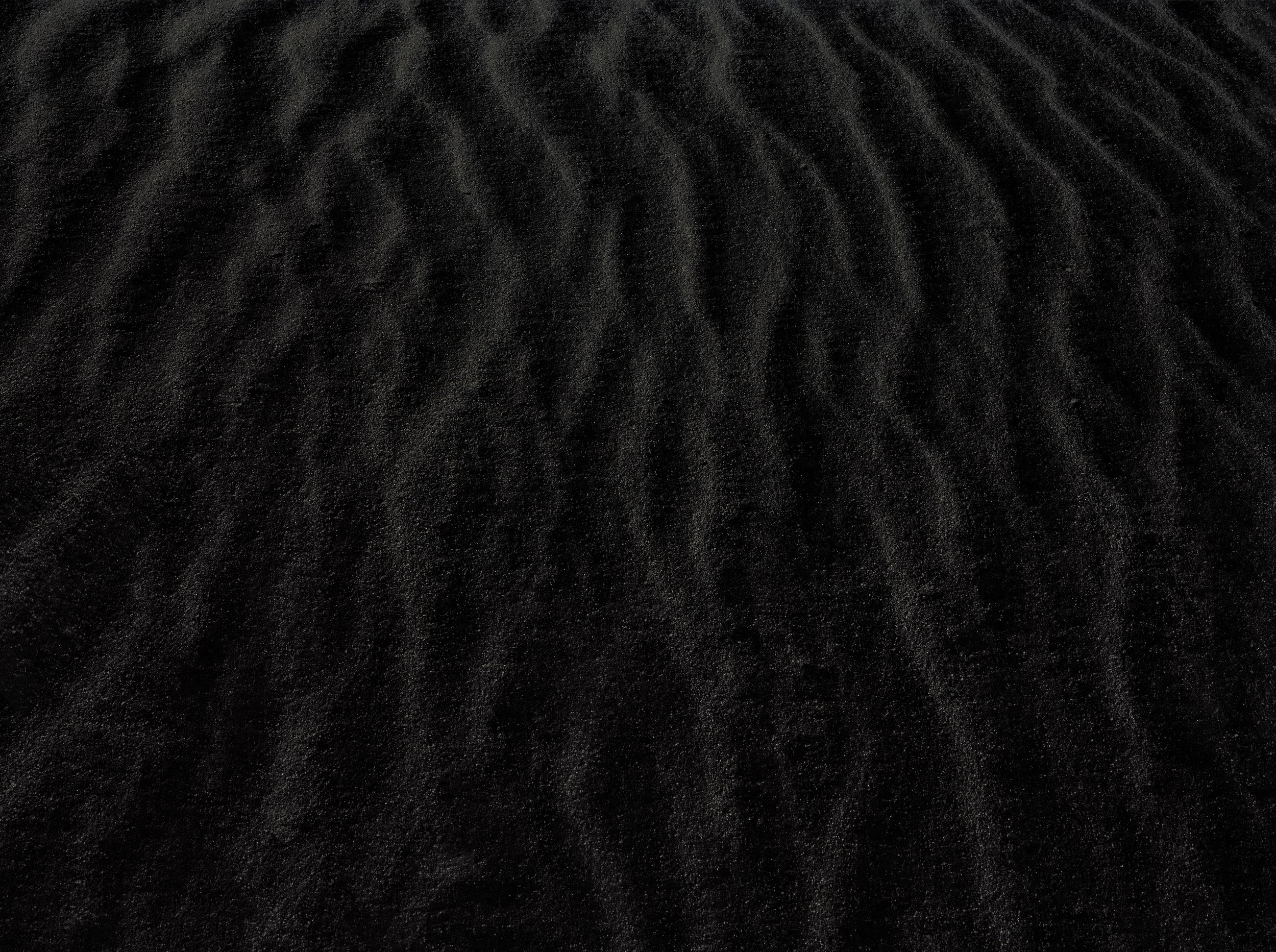
Black Sand, archival print, 40 x 30 in, 2012, USD 3000, Carla Anderson, Southfield, Michigan
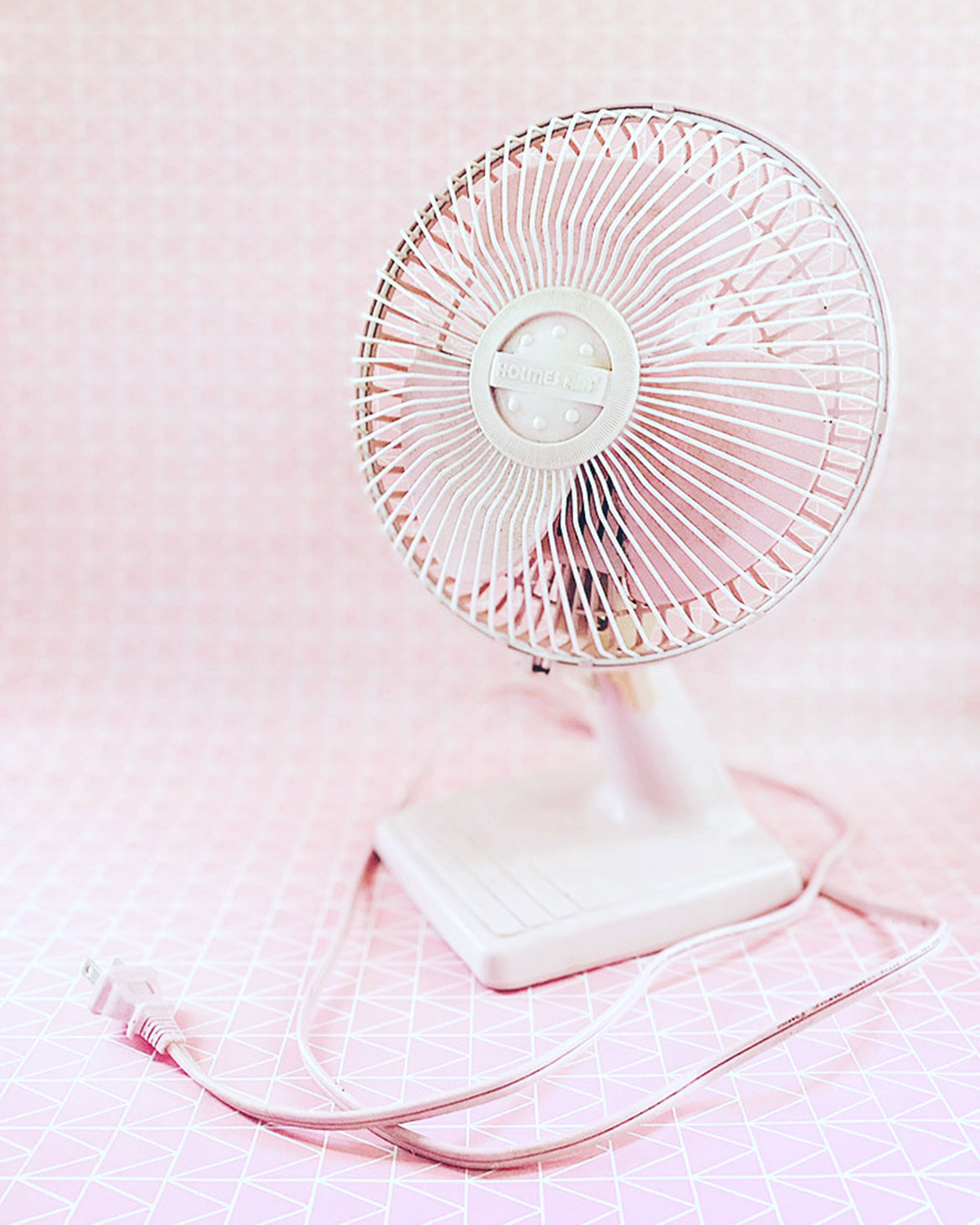
July Birthday, archival print, 11 x 14 in, 2021, USD 200, Christina Howells, Watkinsville, Georgia
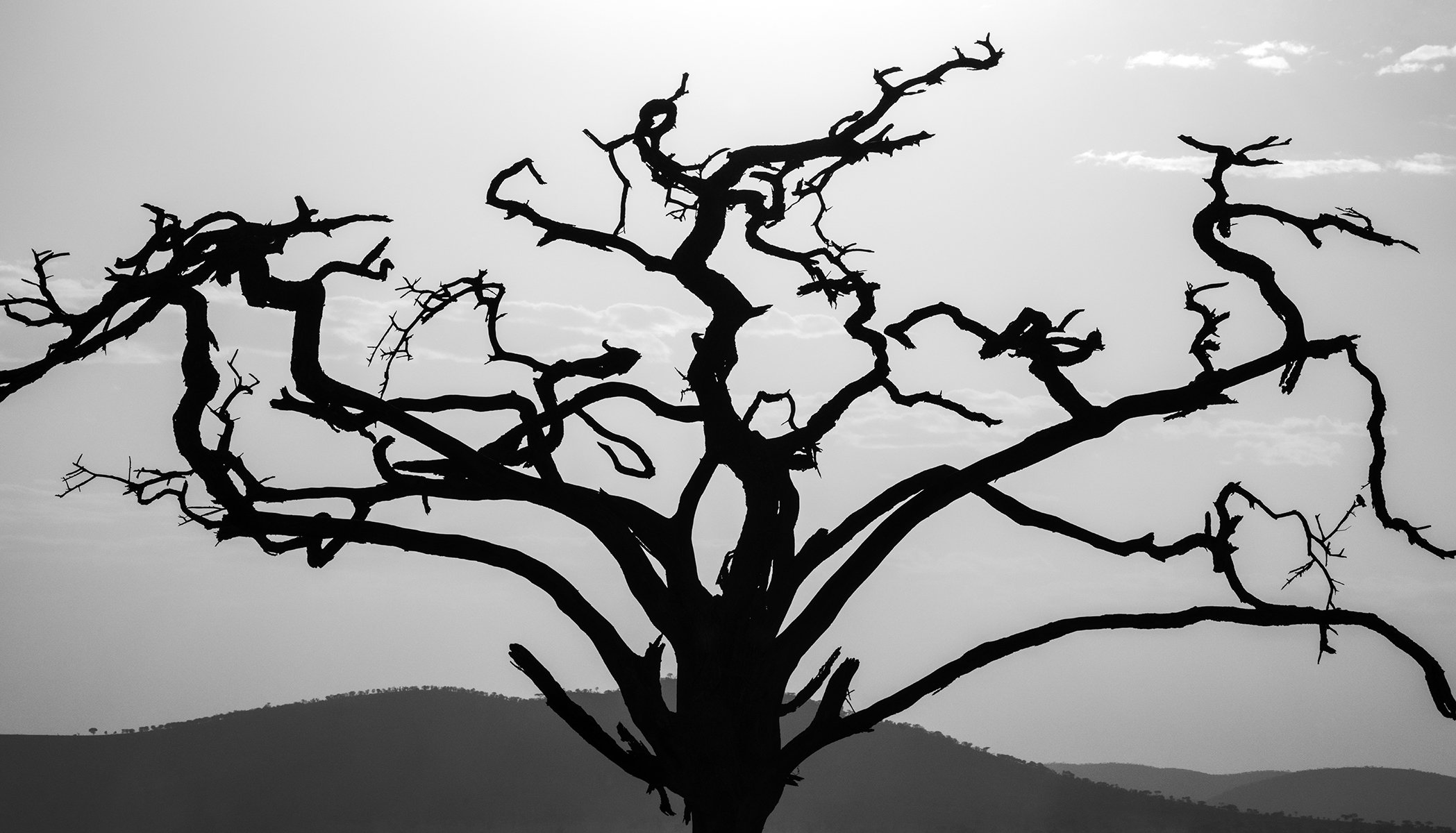
The Bleakness of Serengeti, archival print, 20 x 30 in, 2024, USD 550, Christopher Behrend, Buffalo, New York
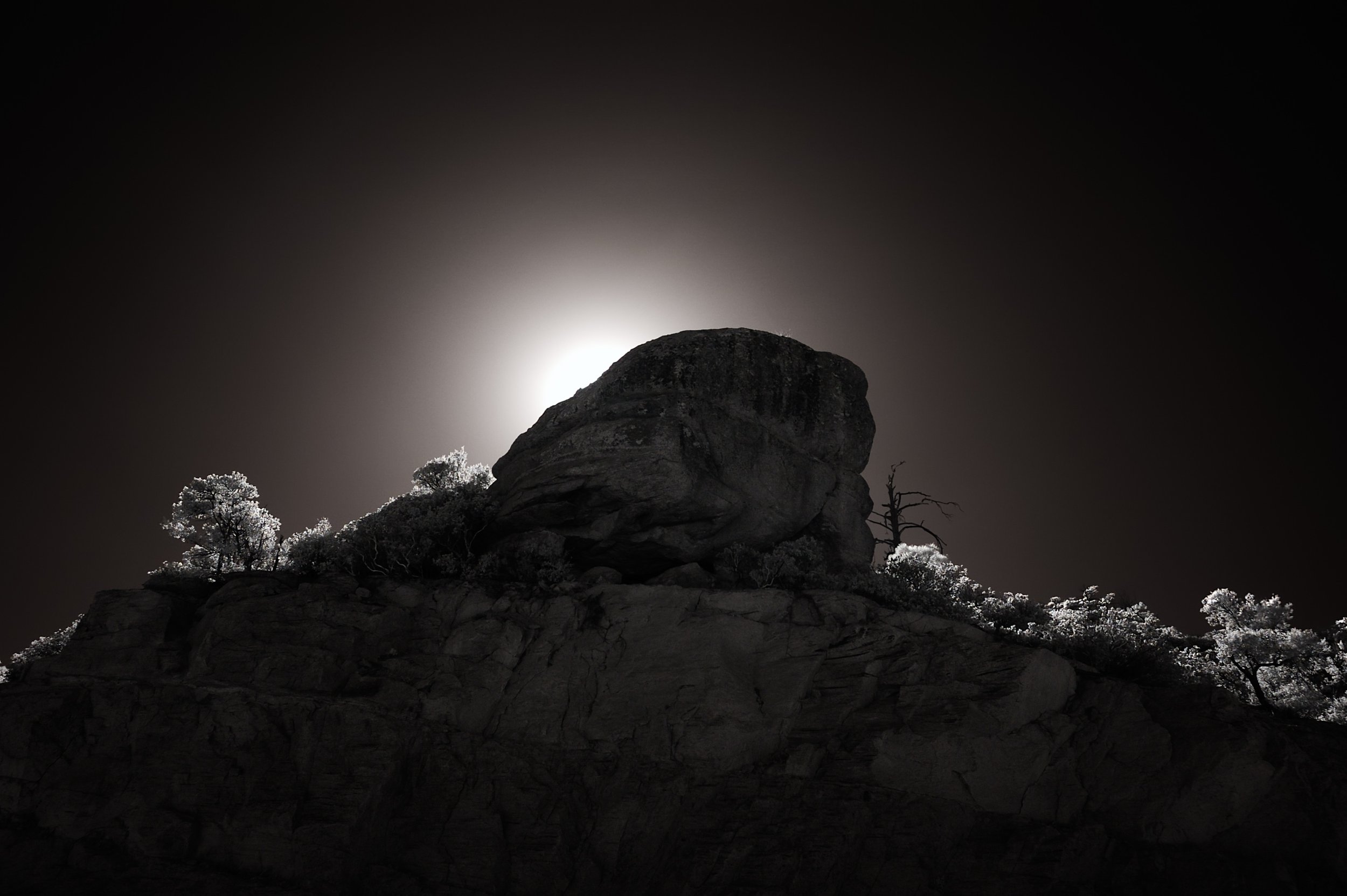
Silhouette No. 4, archival print, 12.53 x 8.3 in, 2009, USD 200, David Manzi, Tucson, Arizona
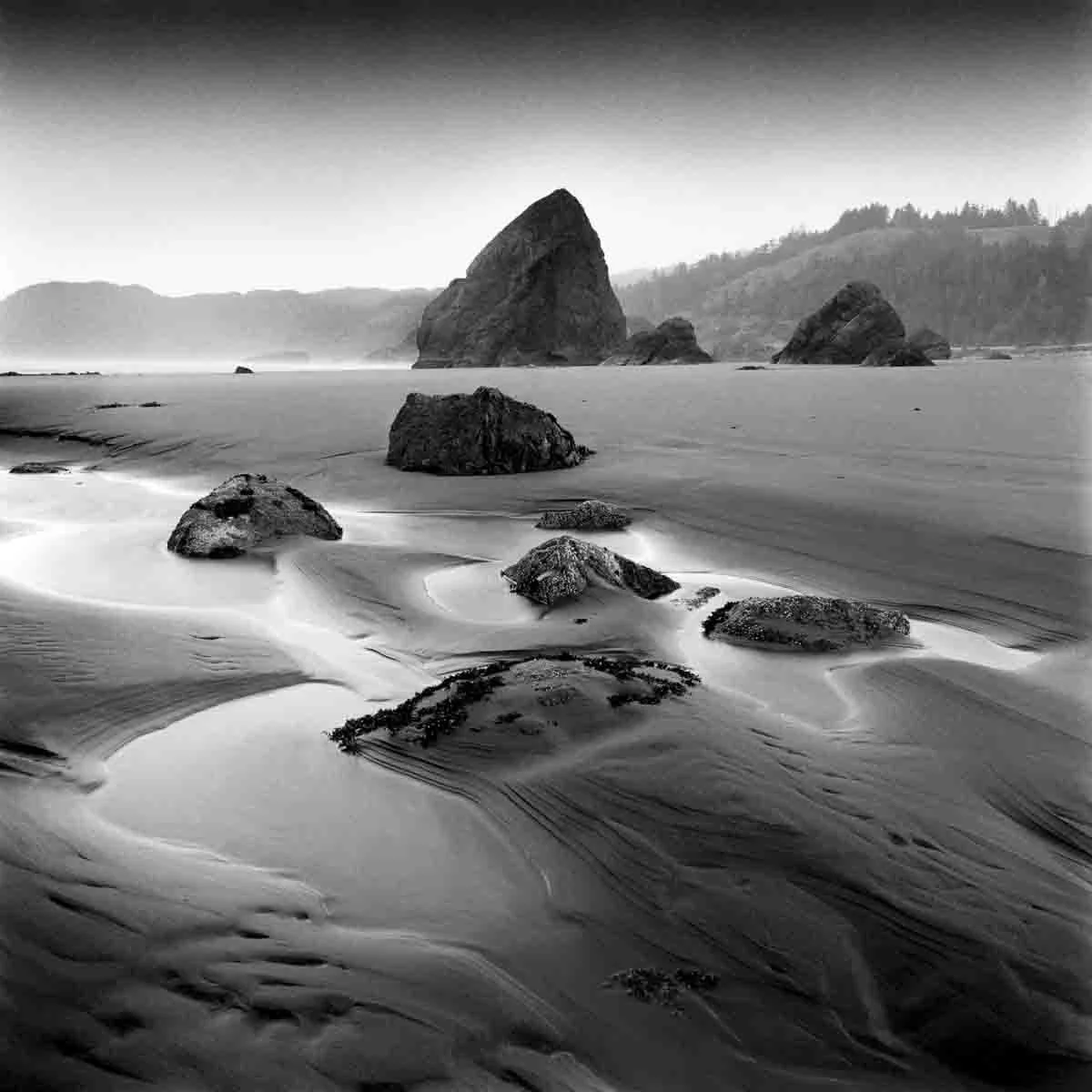
Tide Pools, platinum palladium print, 8 x 8 in, 2023, USD 400, David Rathbone, Virginia Beach, Virginia
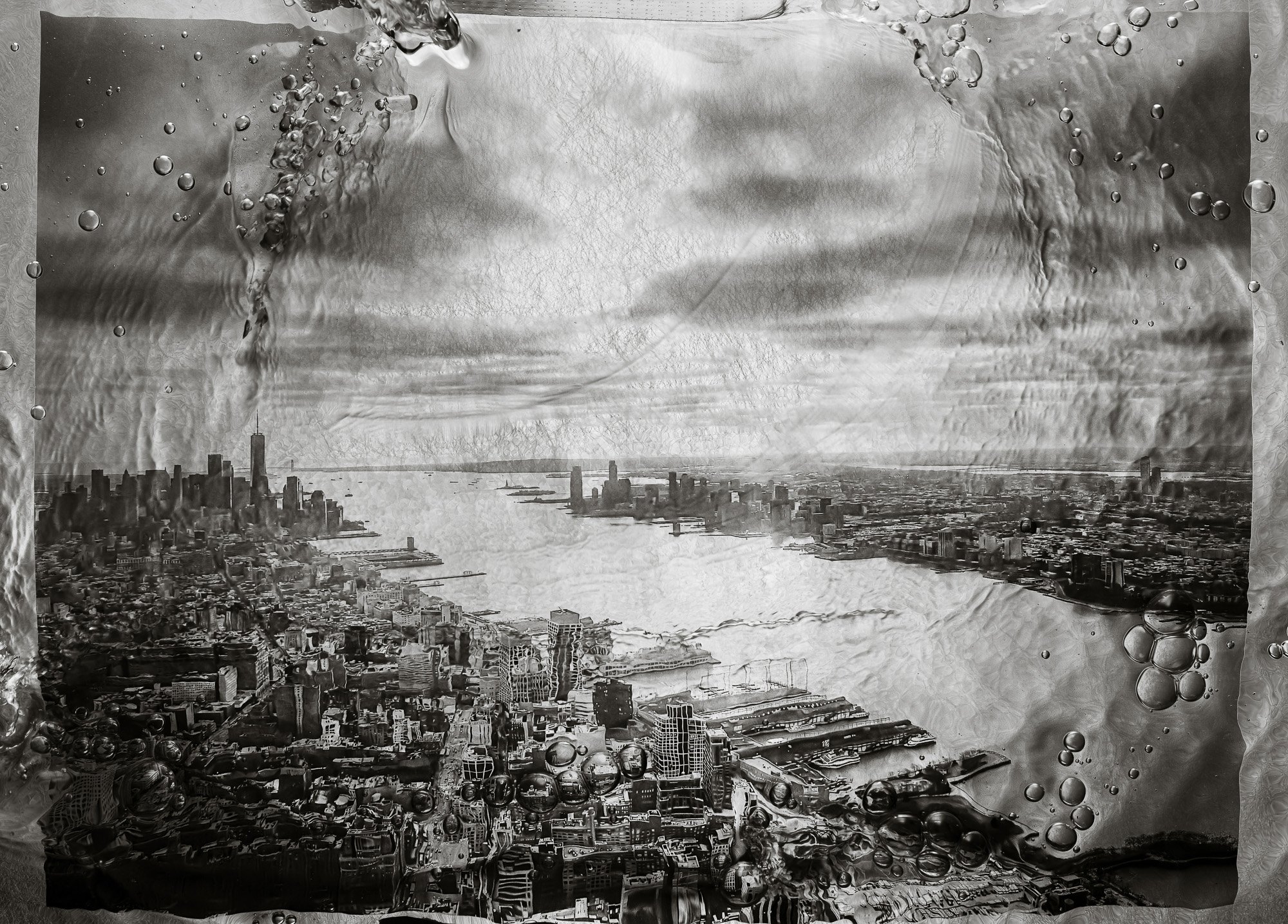
Uncertain Sky, archival print, 70 x 50 cm, 2024, USD 2500, Eduardo Costa, Sao Paulo, Brazil
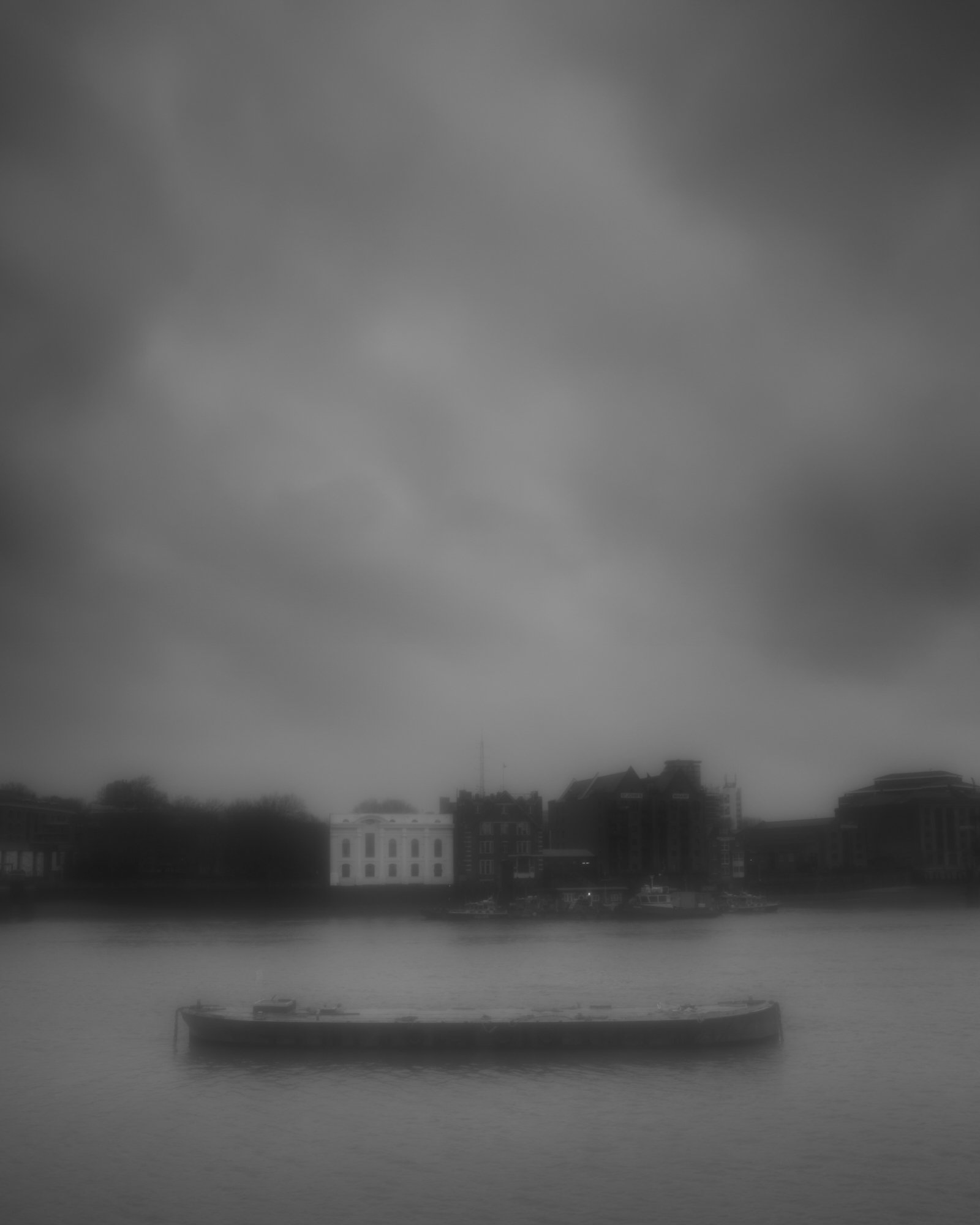
A Barge on River Thames, archival print, 16.5 x 23.4 in, 2025, USD 2000, Jacek Artymiak, London, United Kingdom
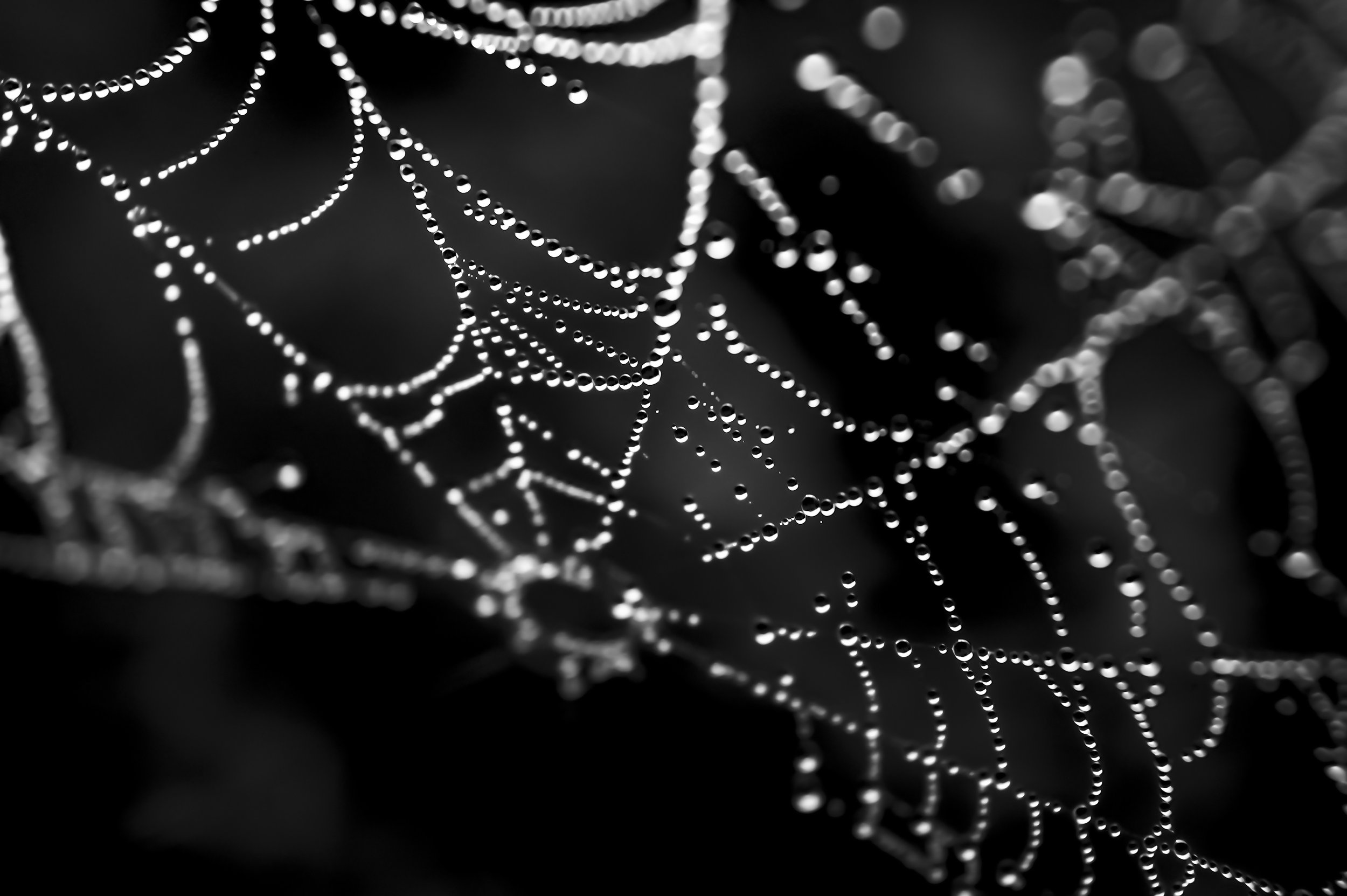
String of Pearls, archival print, 16 x 24 in, 2020, USD 225, Jay Stephens, Houston, Texas
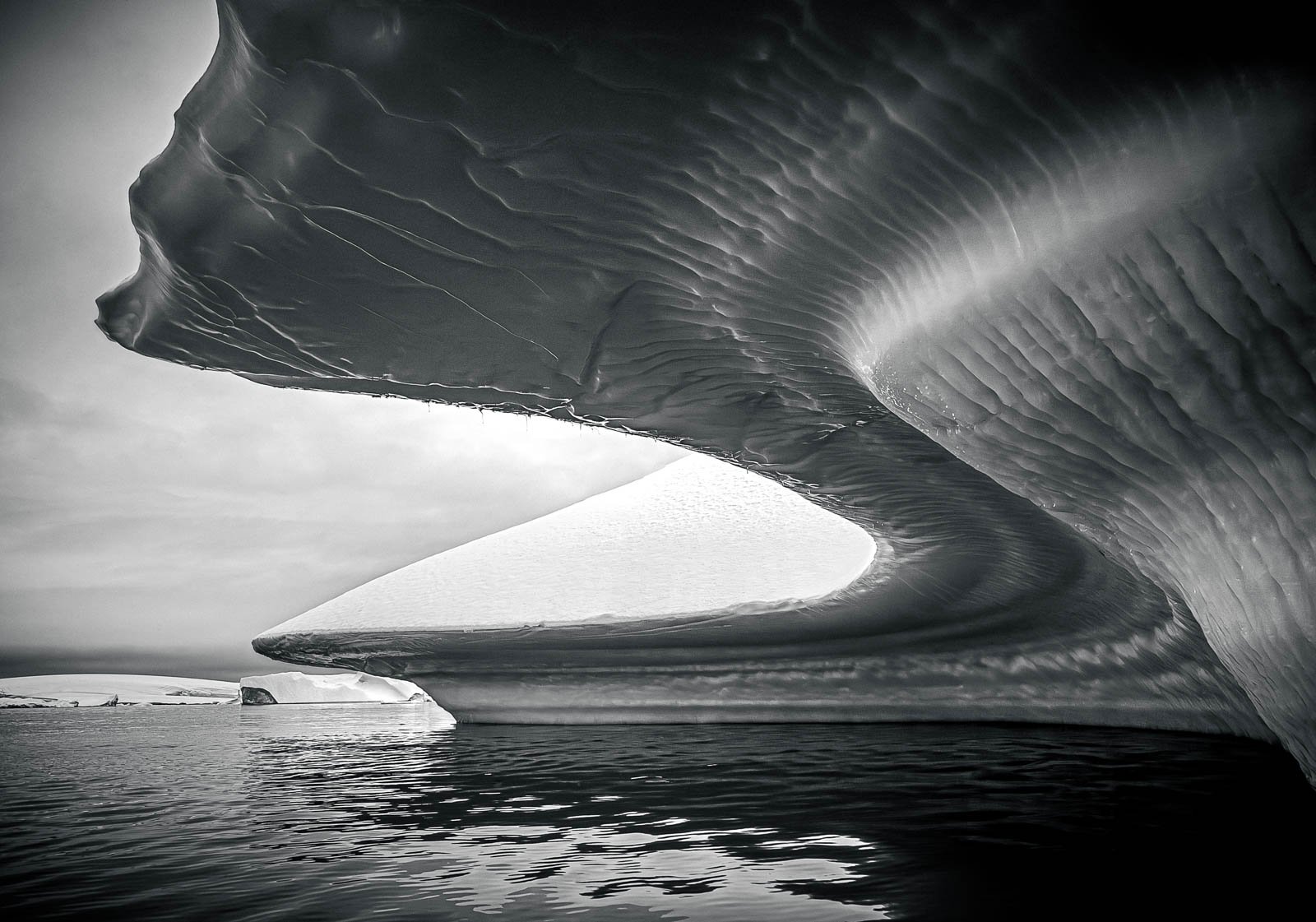
Under An Iceberg, archival print, 16 x 20 in, 2023, USD 750, Jeff Schewe, Chicago, Illinois
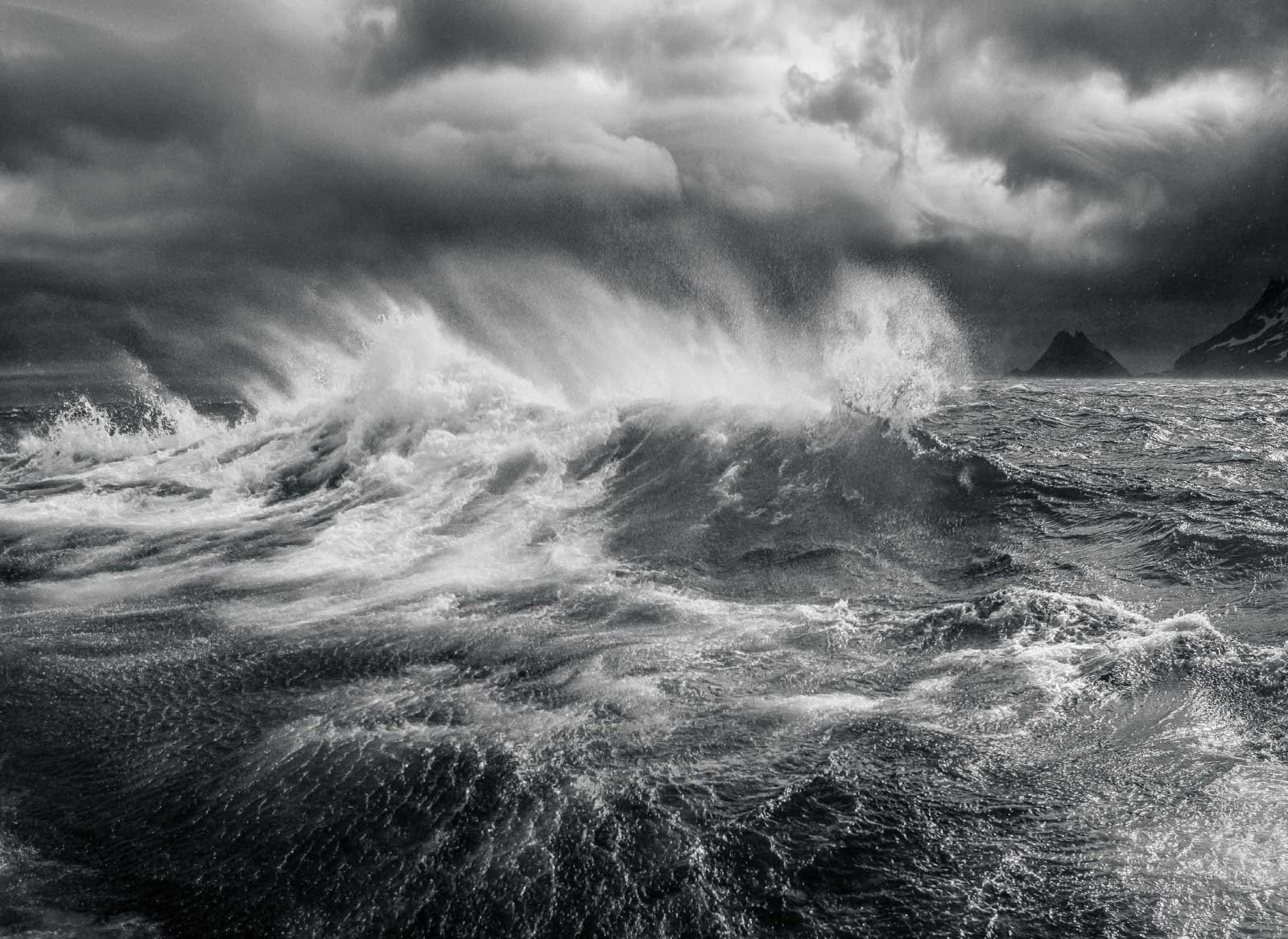
Windswept Waves, archival print, 16 x 20 in, 2023, USD 750, Jeff Schewe, Chicago, Illinois
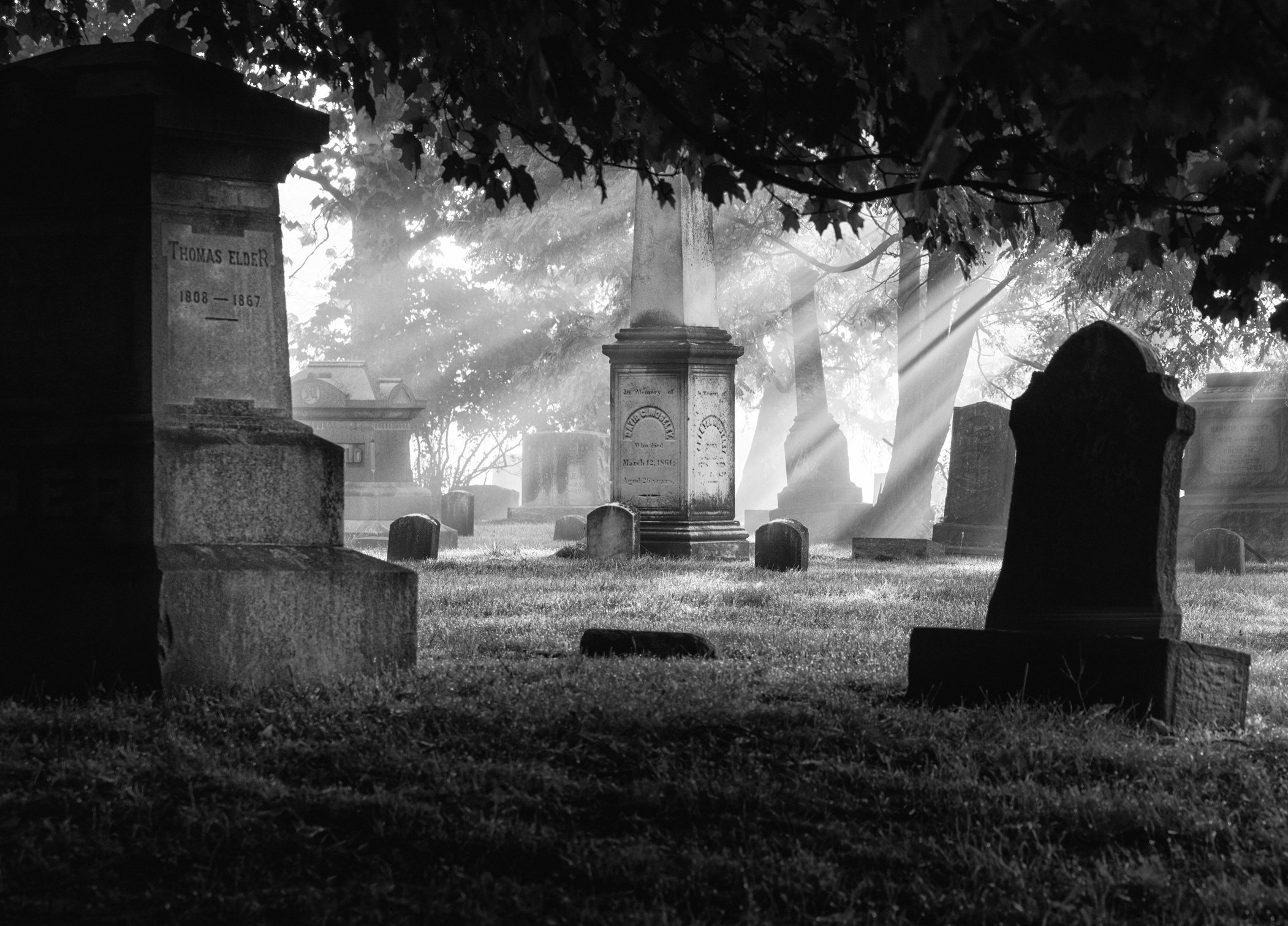
In Granite Laid, archival print, 16 x 20 in, 2024, USD 450, John Diephouse, Lansing, Michigan
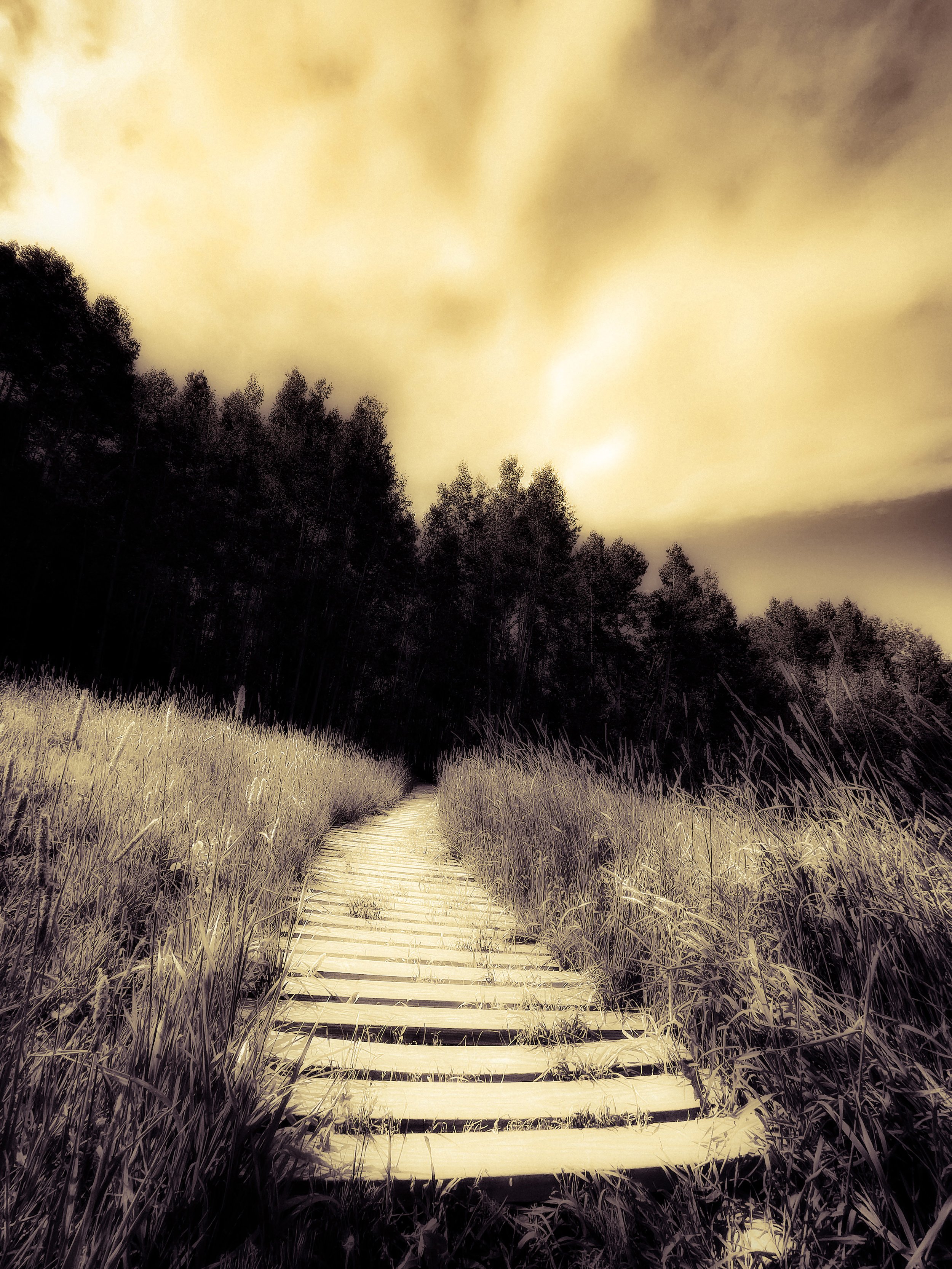
Boarded Path in the Meadow, archival print, 32 x 24 in, 2022, USD 395, Kent Flora, Denver, Colorado
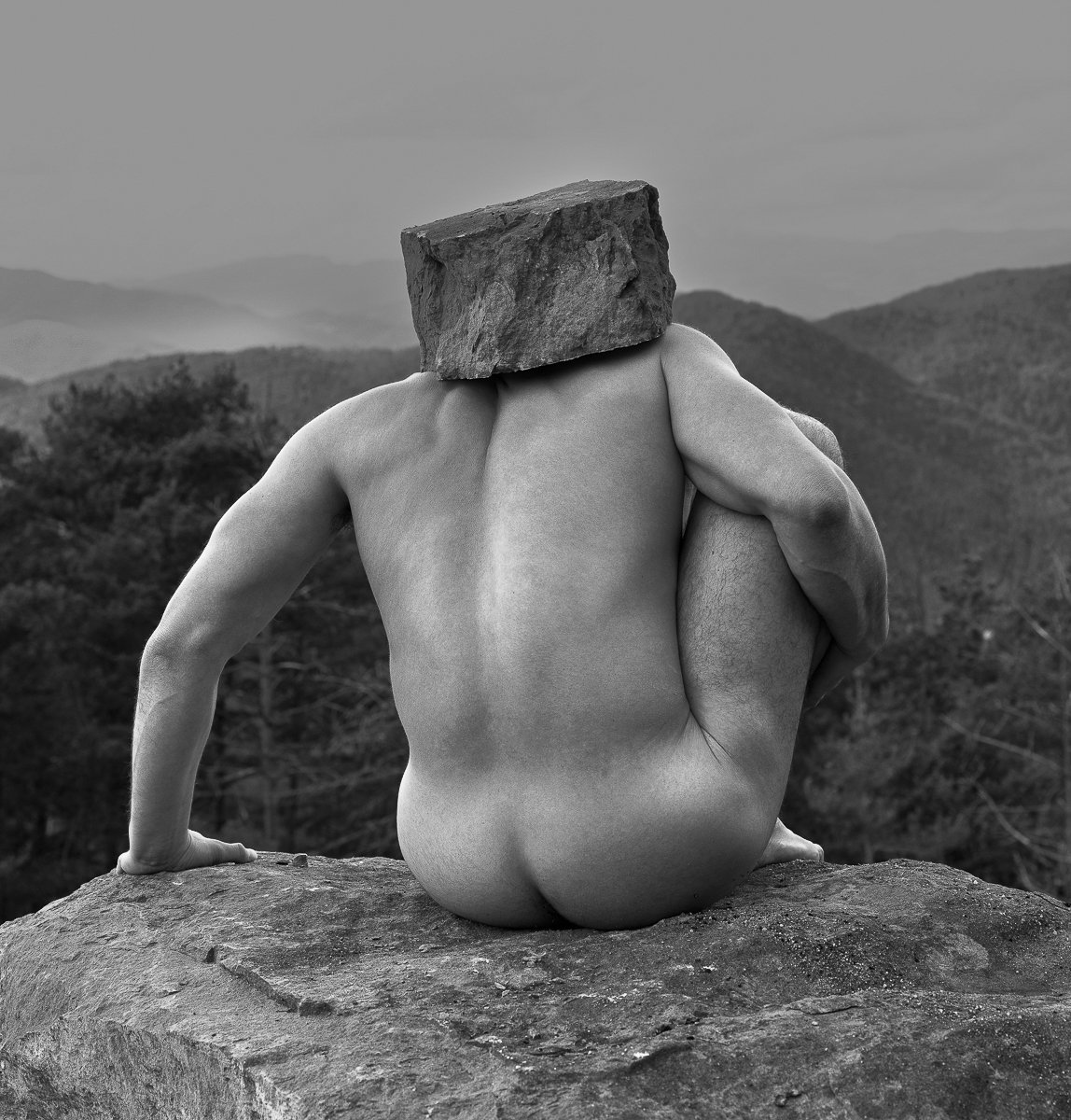
Heavy Burden, archival print, 12 x 12.5 in, 2024, USD 900, Lance Pressl, Deerfield, Illinois
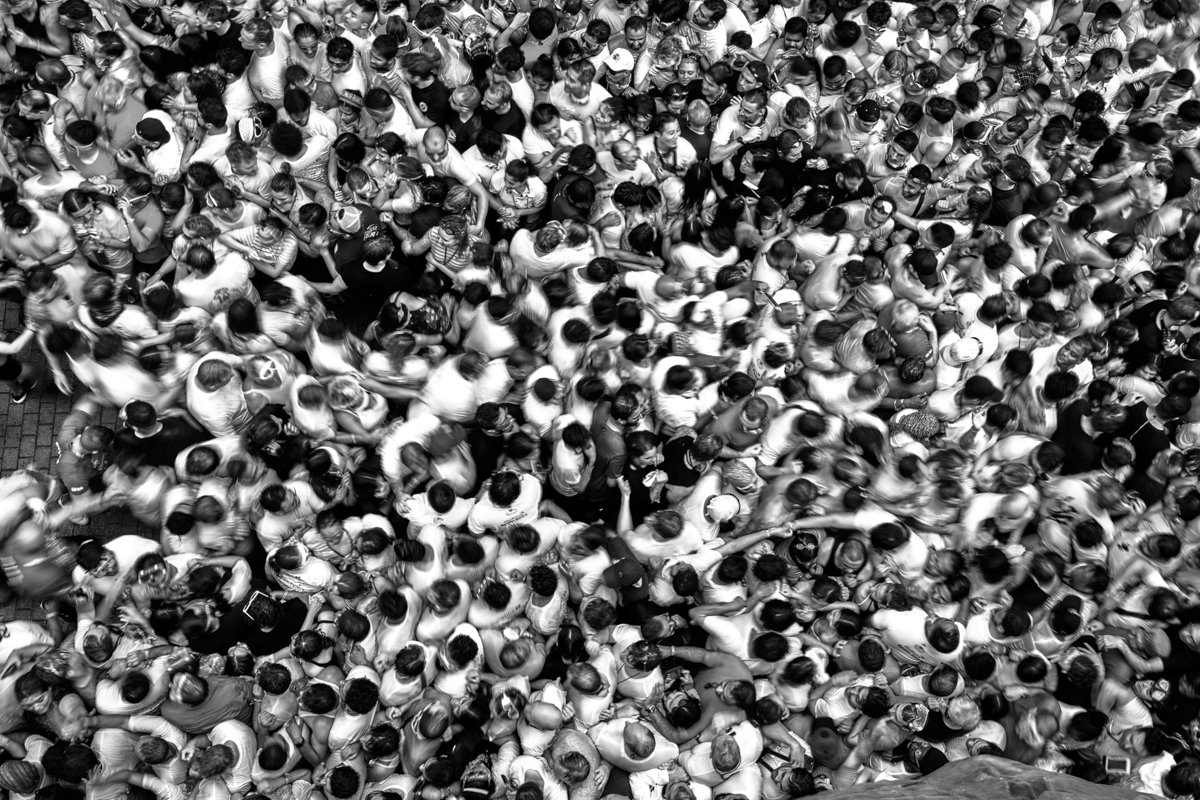
Tomatina, archival print, 90 x 60 cm, 2024, USD 750, Matt Currington, London, United Kingdom
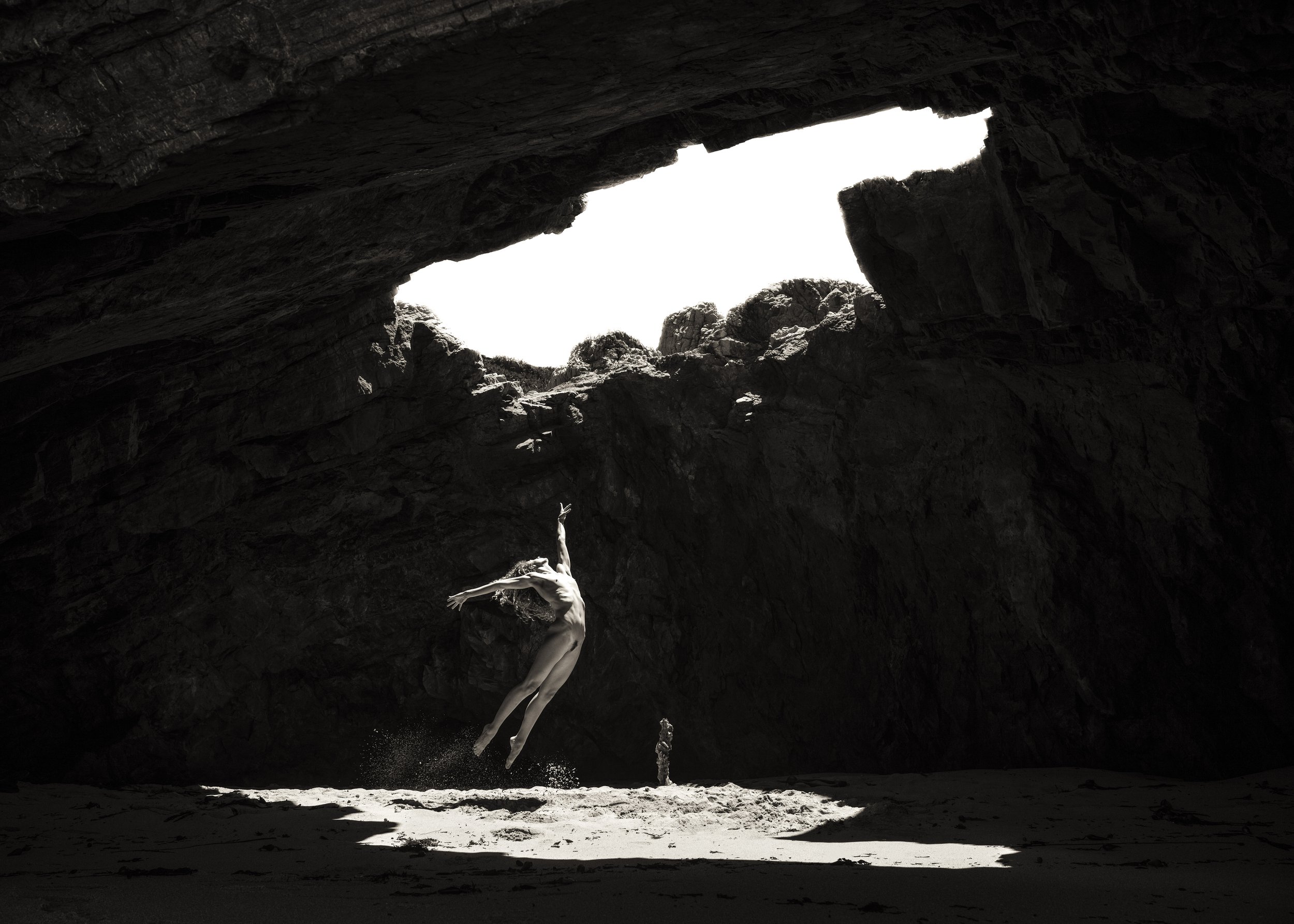
The Leap, archival print, 16 x 20 in, 2021, USD 600, Michael Potts, Phoenix, Arizona
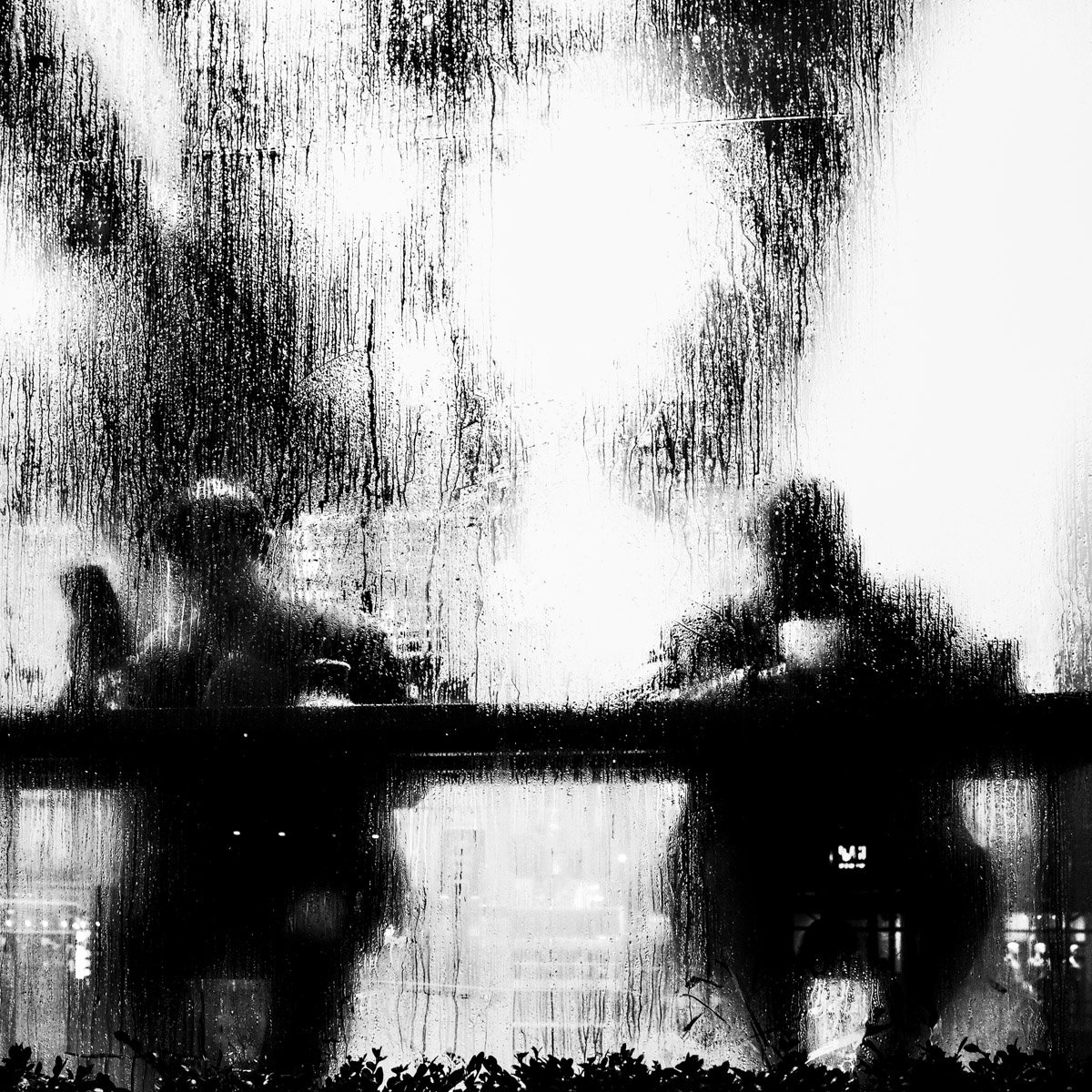
Outsiders, archival print, 16 x 20 in, 2020, USD 600, Michael Young, New York City, New York
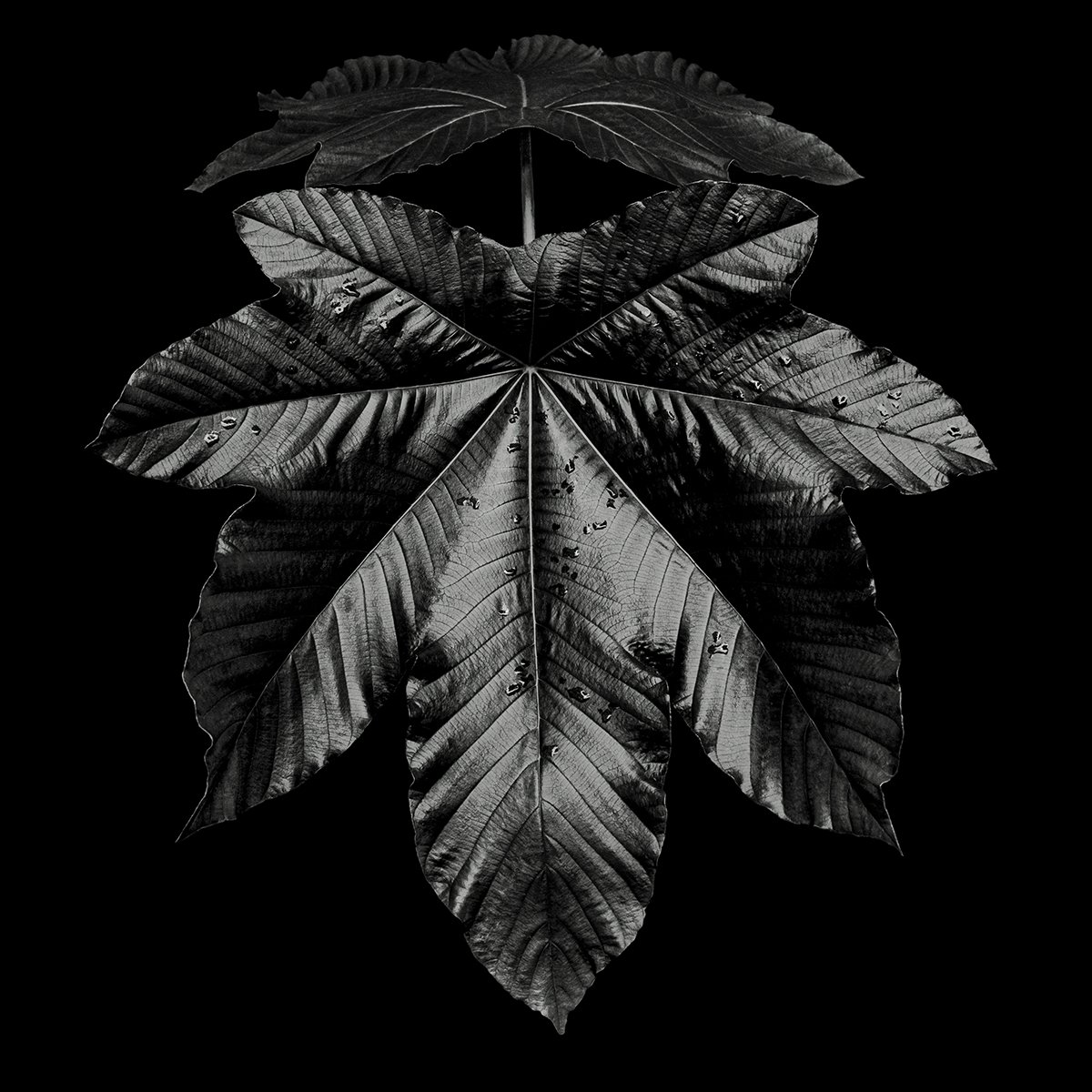
Dark Light No. 4, archival print, 90 x 90 cm, 2023, USD 1800, Myriam Véjus, Fontaines-sur-Saône, France
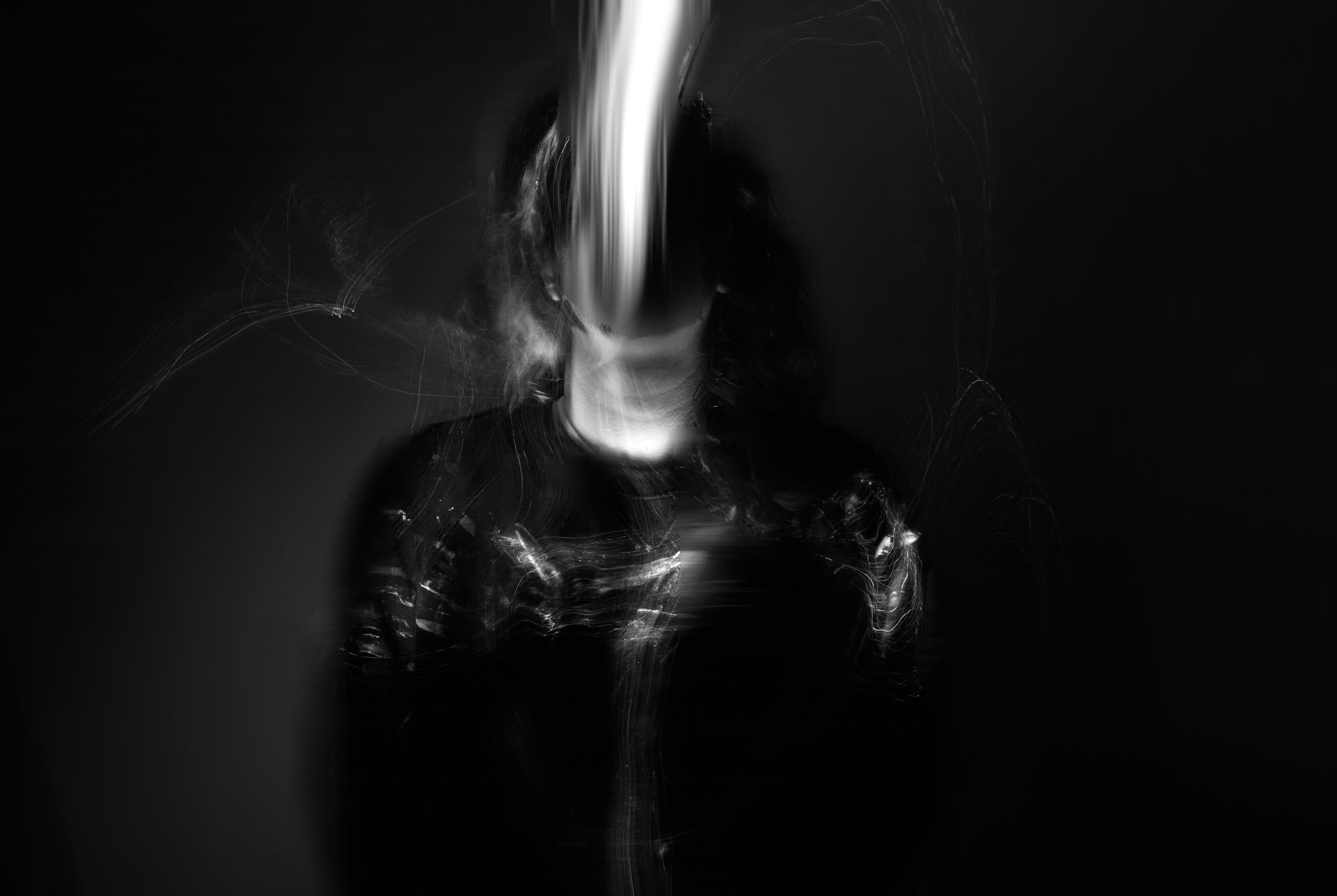
Journey into the Beyond, archival print, 60 x 40 cm, 2023, €1050, Niko Mitsuko, Berlin, Germany
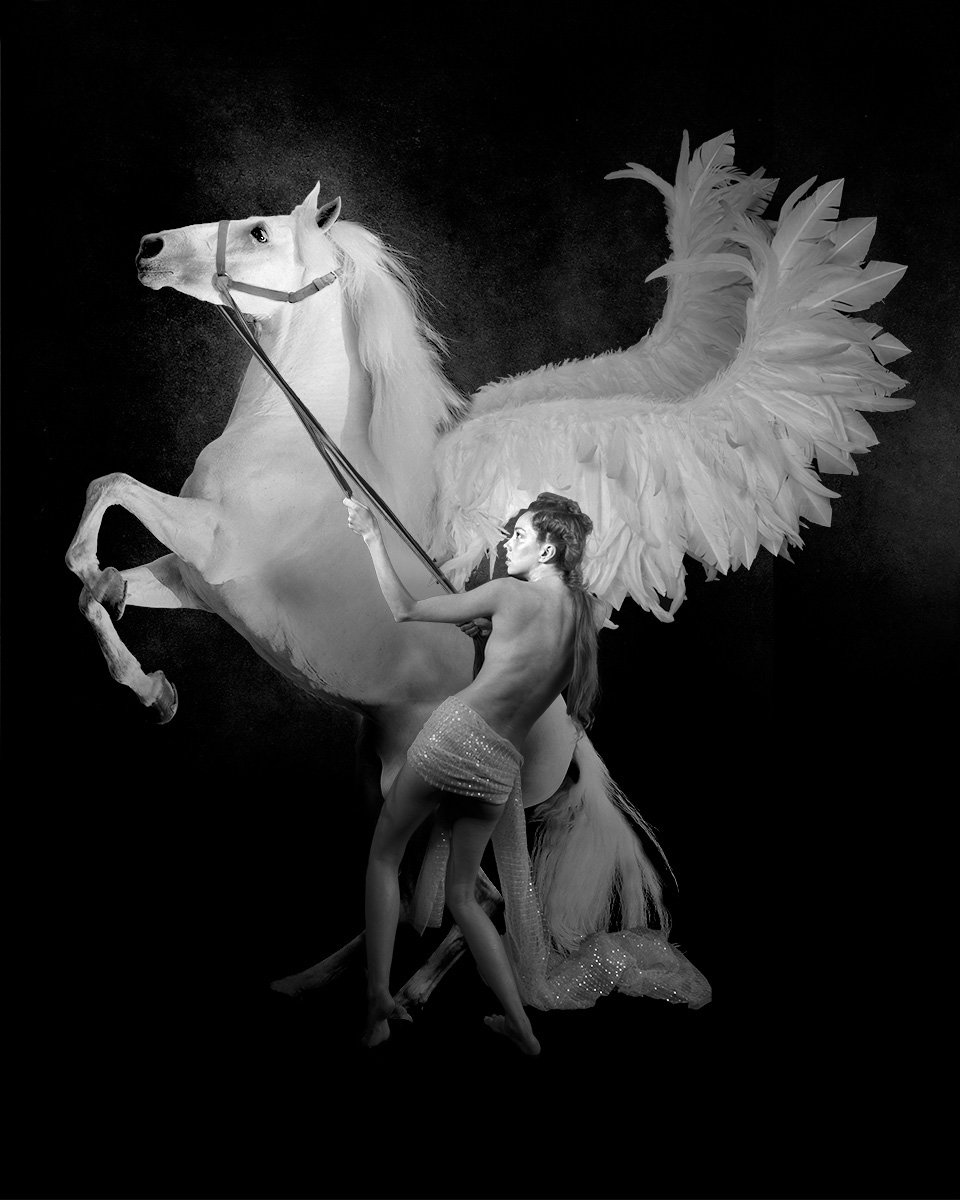
Andromeda Rears Pegasus, piezograph print on museum etching cotton, 55 x 44 in, 2024, USD 7800, Paal Anand, Culver City, California
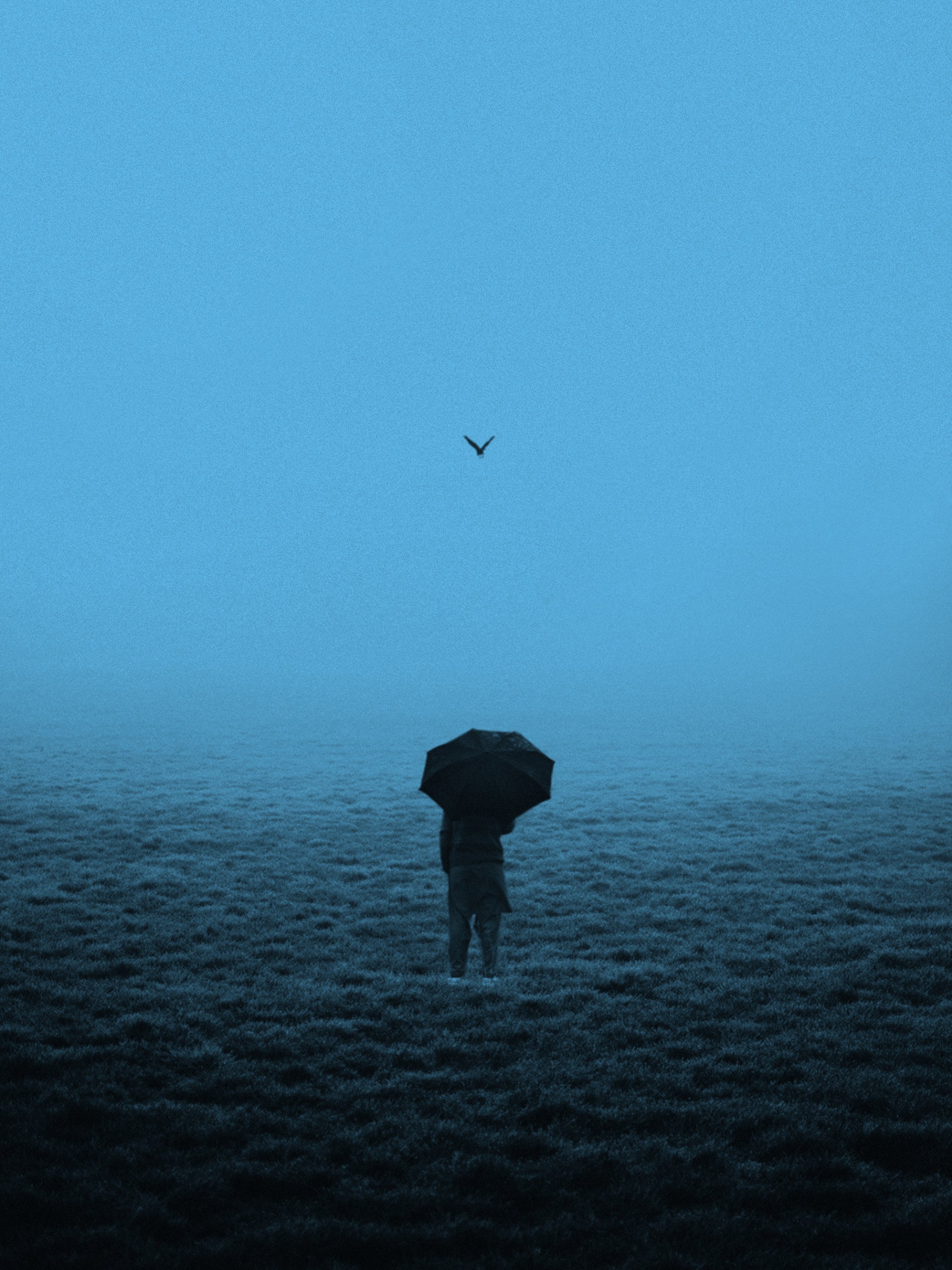
Solitude, archival print, size on request, 2024, USD 350, Raees Mustafa, Fata, Pakistan
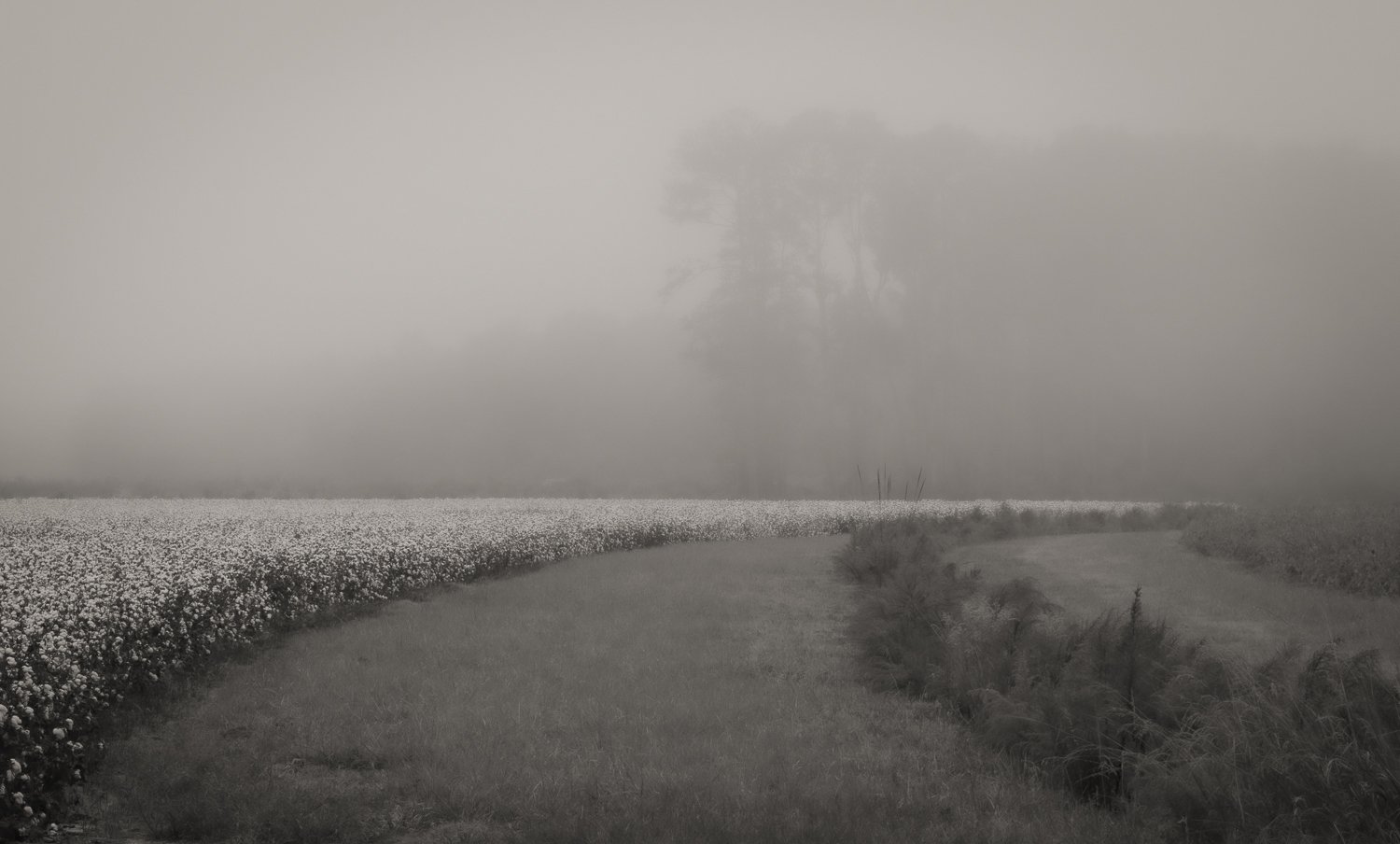
Cotton Fog, archival print, 12 x 20 in, 2022, USD 300, Richard Schramm, Carrboro, North Carolina
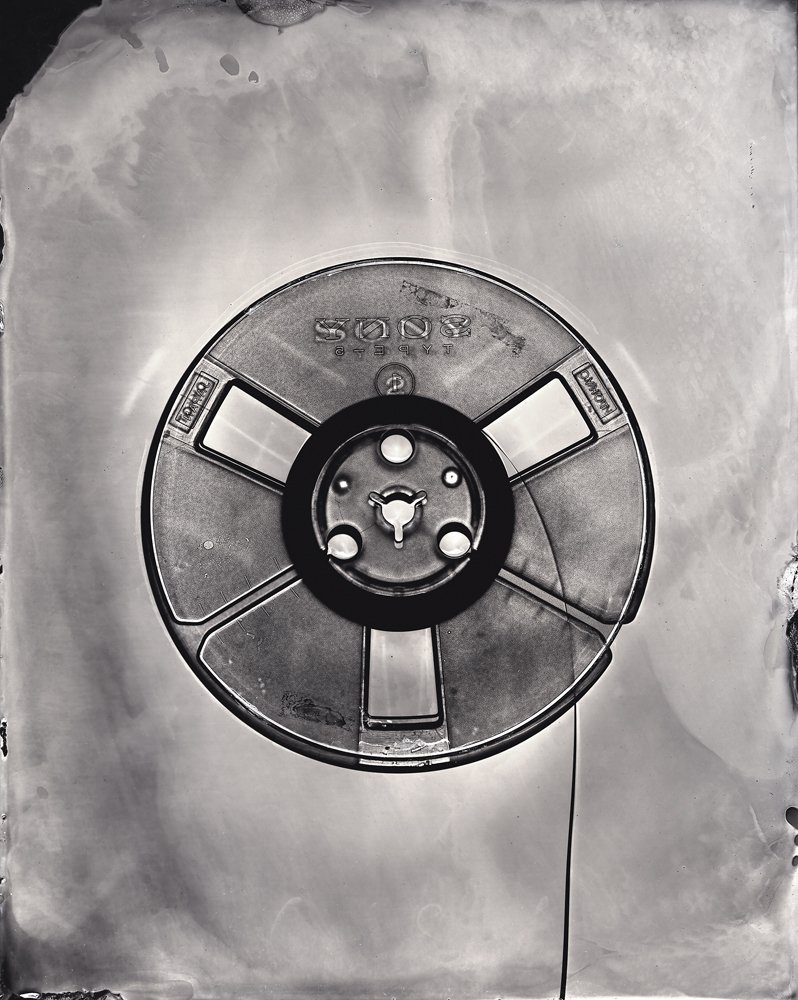
The Sound Spools, cameraless wet collodion, 10 x 8 in, 2019, USD 3500, Rebecca Hackemann, Kansas City, Missouri
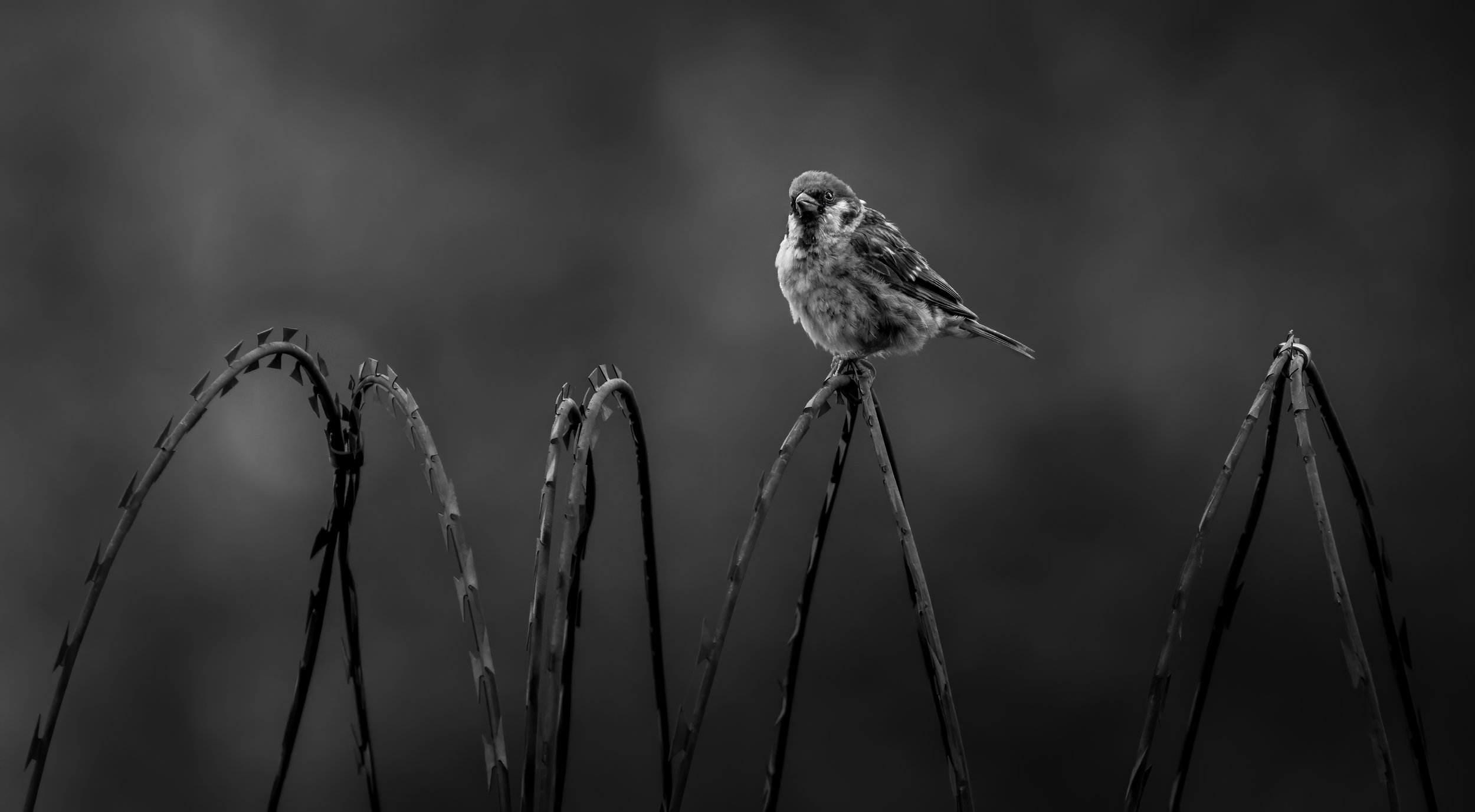
War Bird One, archival print, 16 x 10 in, 2020, USD 1800, Roger Applegate, Champlin, Minnesota
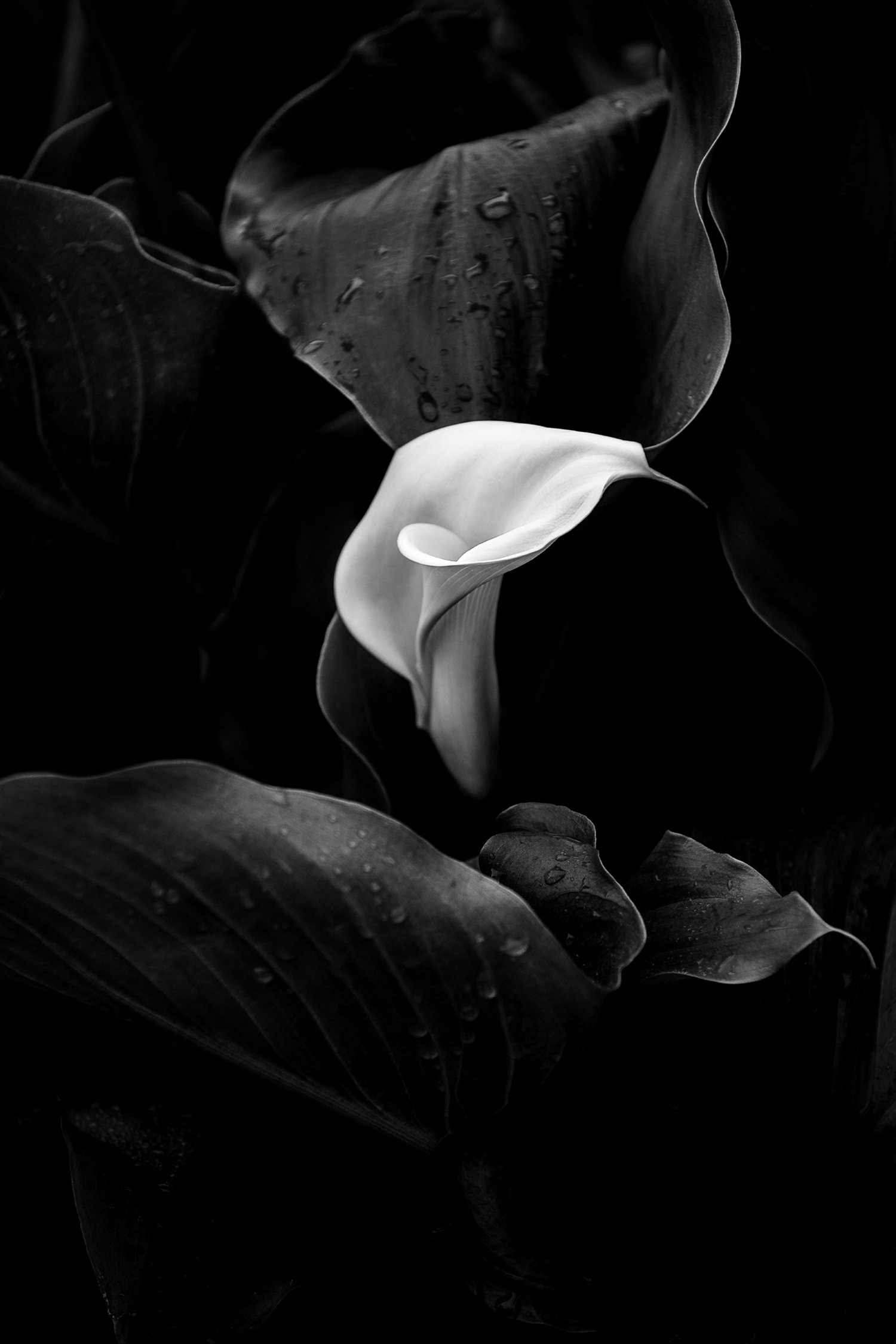
Elegant Calla, archival print, 30 x 20 in, 2022, USD 250, Stefanie Blue, Landes, France
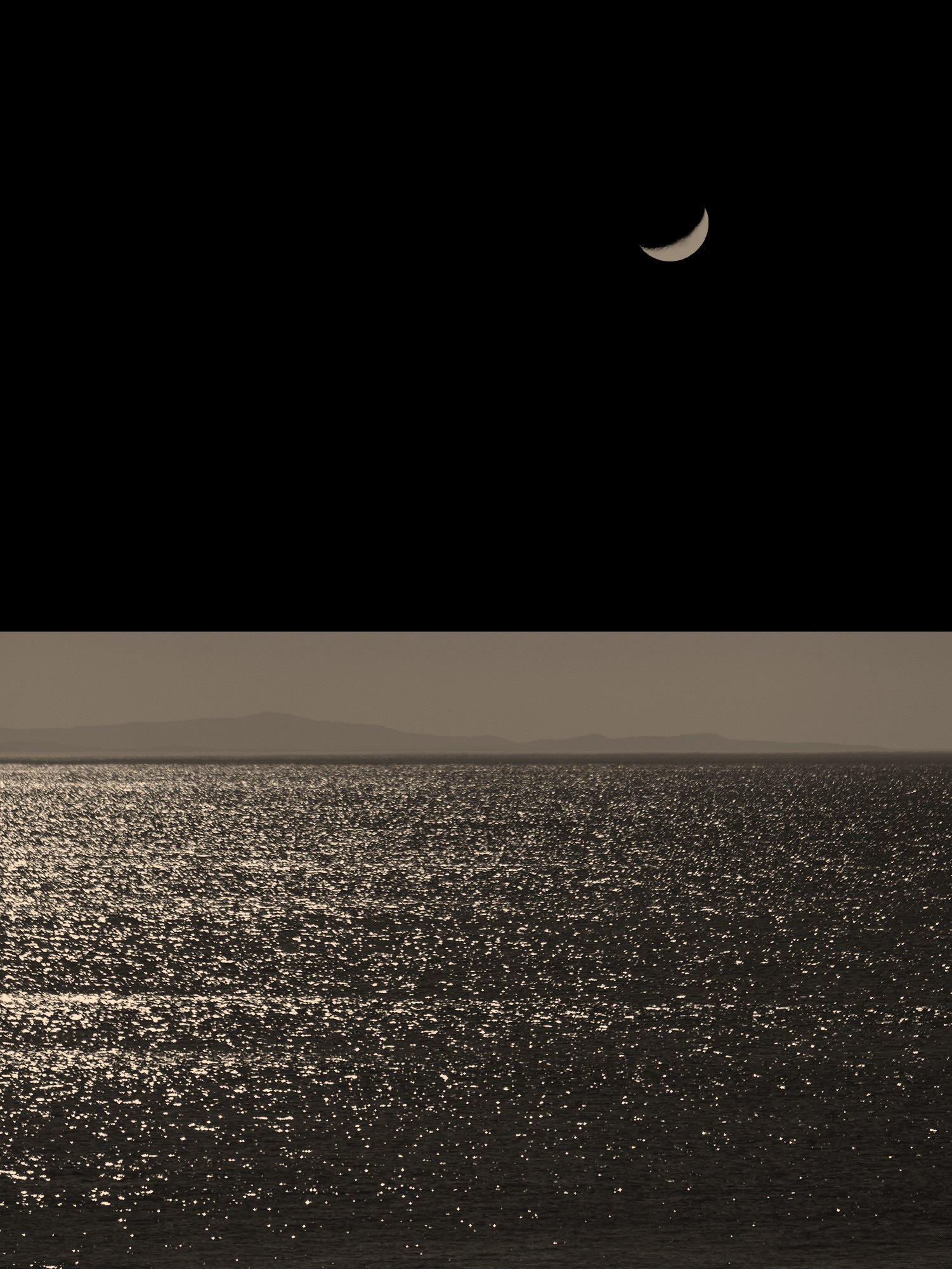
Inner Worlds No. 1, archival print, 30 x 40 cm, 2024, 350€, Stéphanie Labé, Landes, France
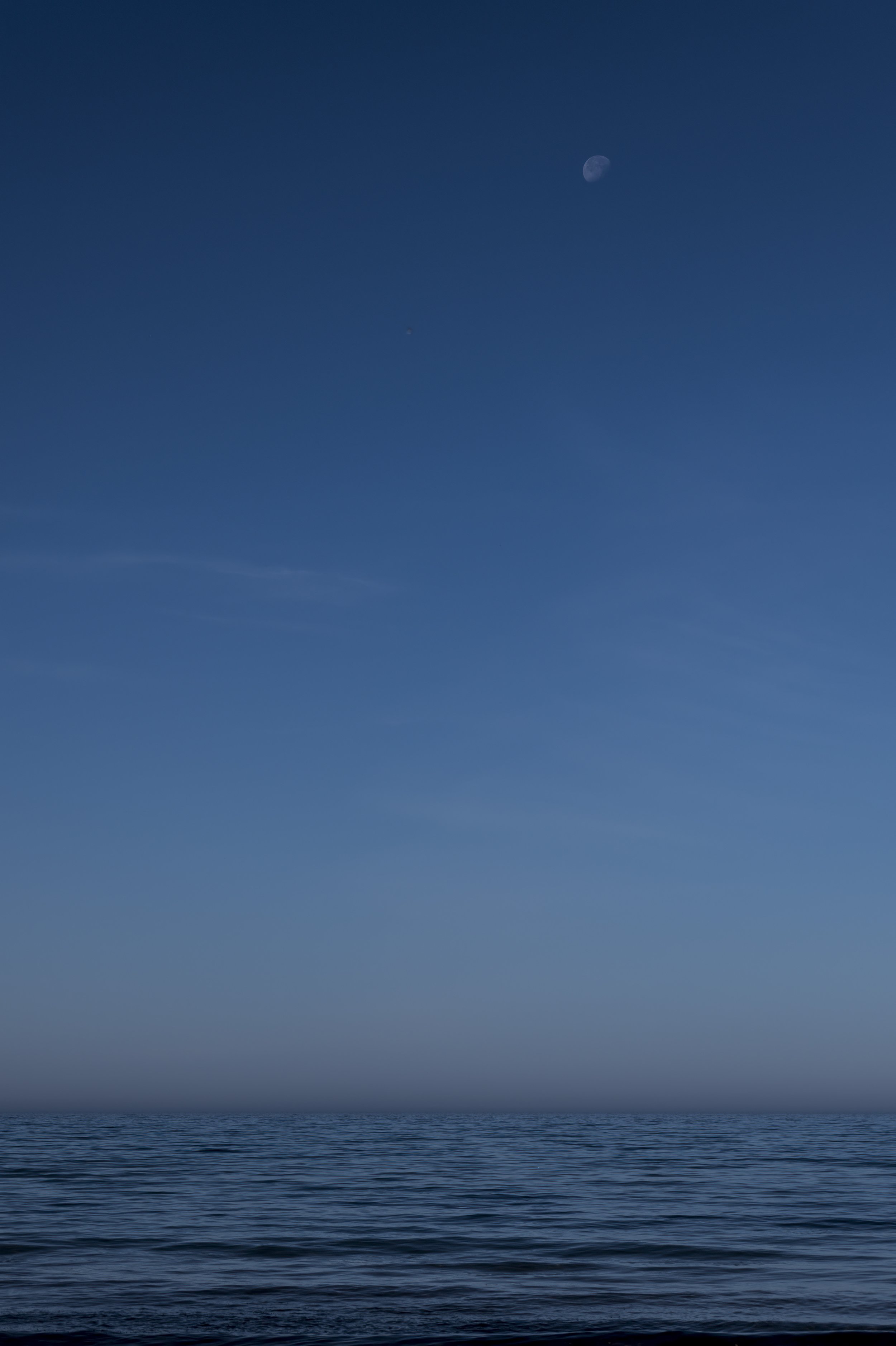
Infinite Blue, archival print, 18 x 12 in, 2024, USD 175, Stephanie Maatta, Tampa, Florida
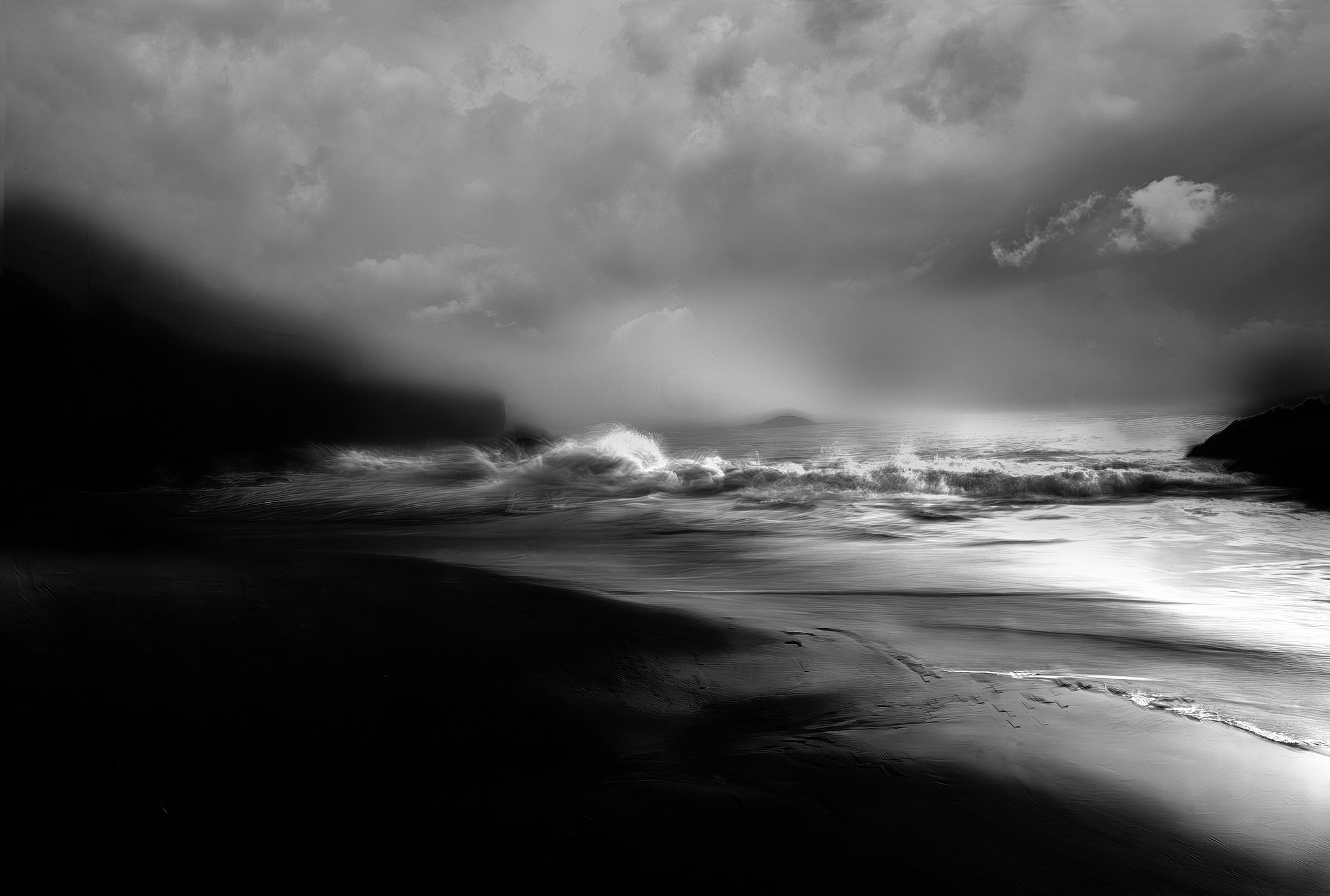
Foggy Day, archival print, 12 x 18 in, 2025, USD 550, Veronica Gray, Laguna Beach, California
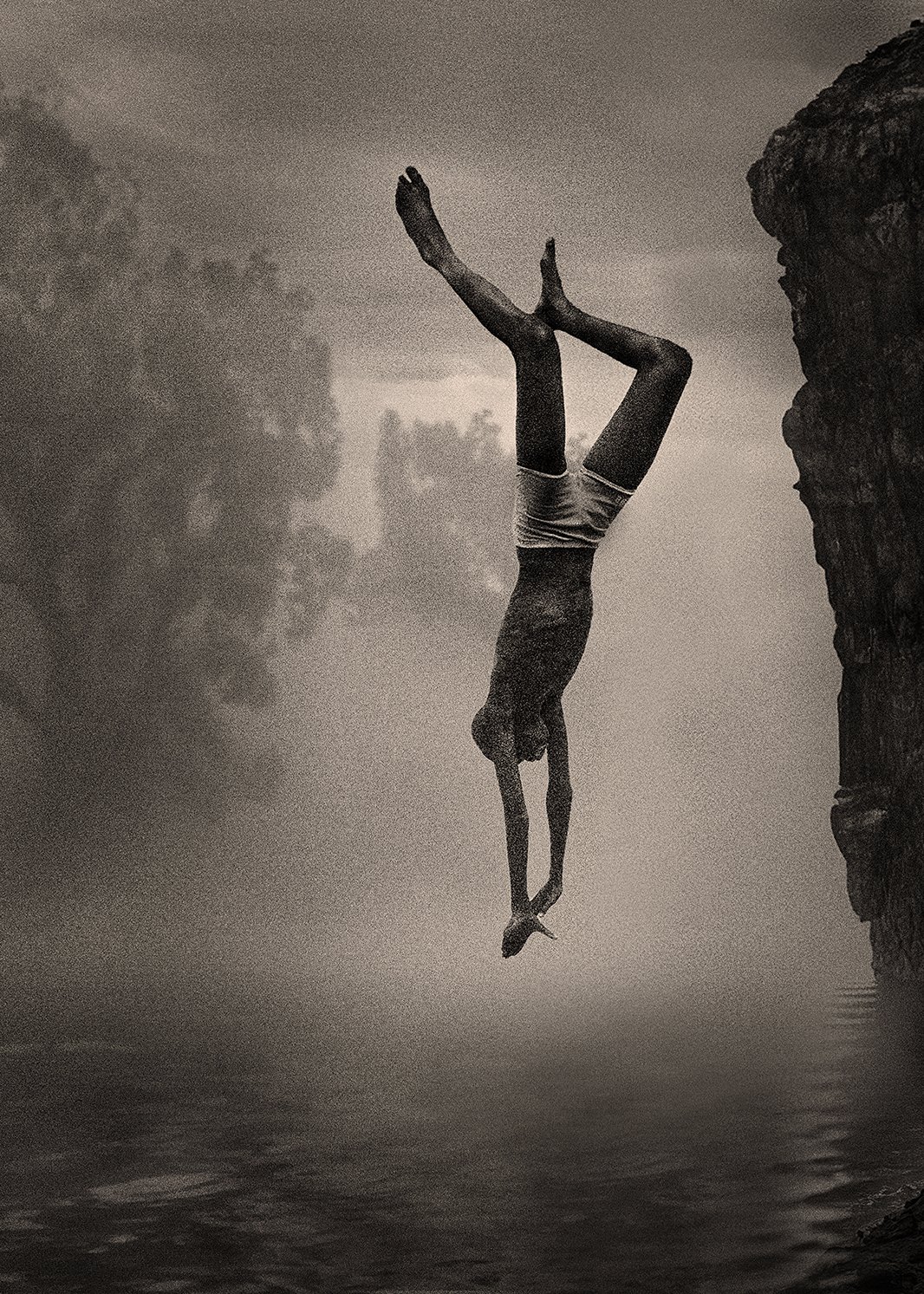
Diving in the Unknown, archival print, 57 x 41 cm, 2023, USD 2000, William Ropp, Lorraine, France
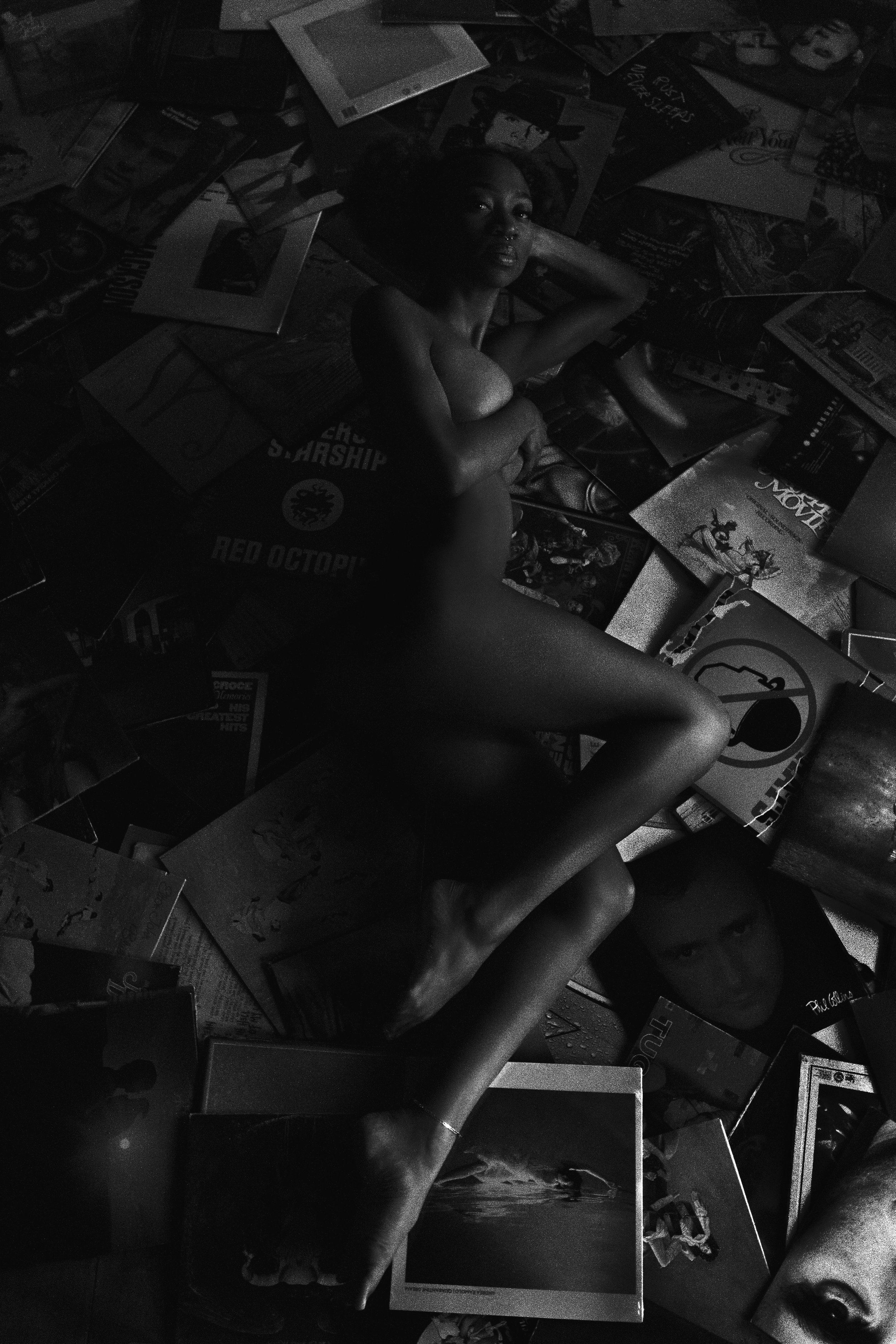
Mhara No. 3, archival print, size on request, 2023, USD 1005, Yanissa X, Toronto, Ontario, Canada
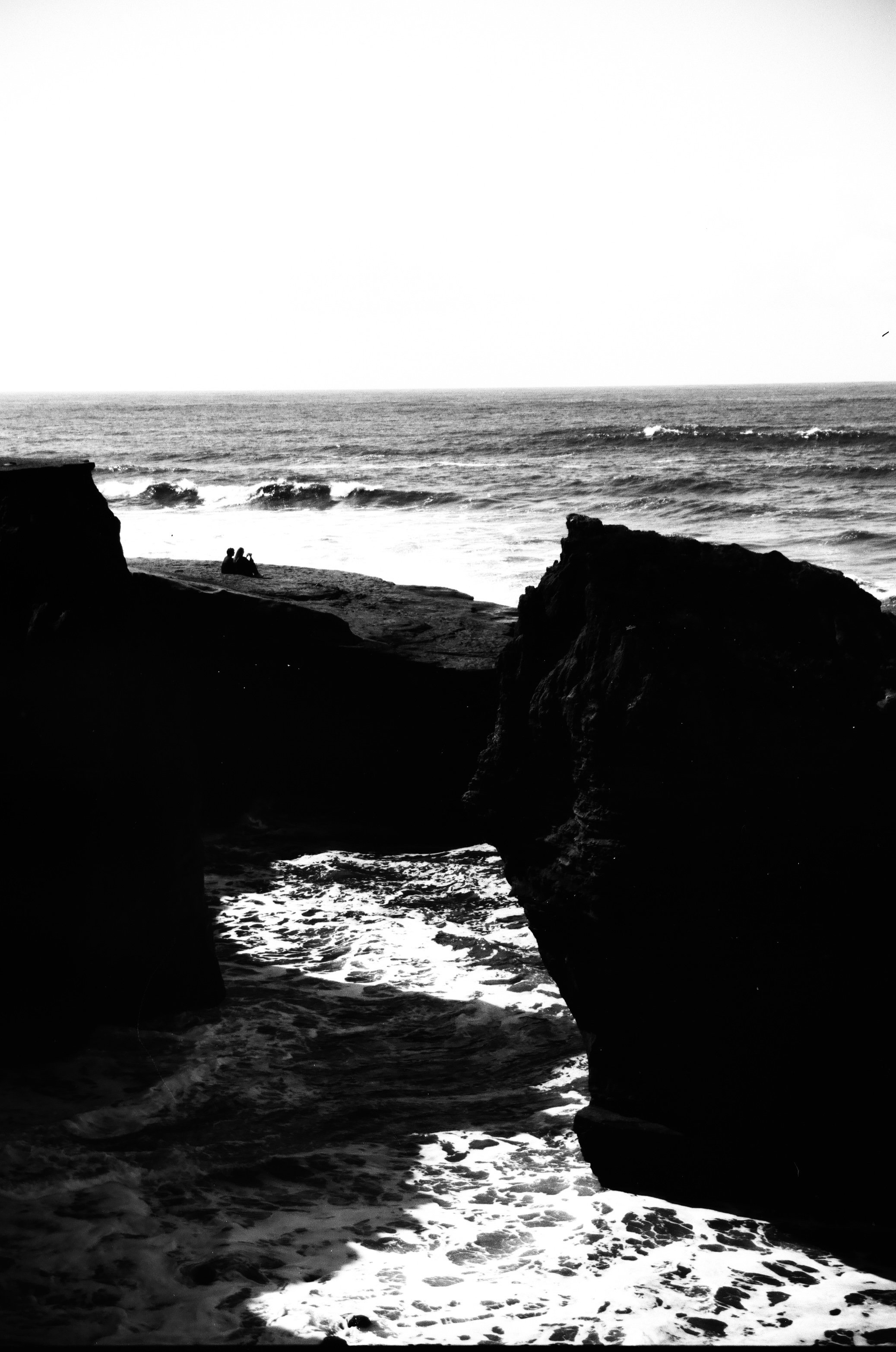
Distant Couple, archival print on metal, 8 x 12 in, 2024, USD 200, Zachary Freire-Avina, San Diego, California
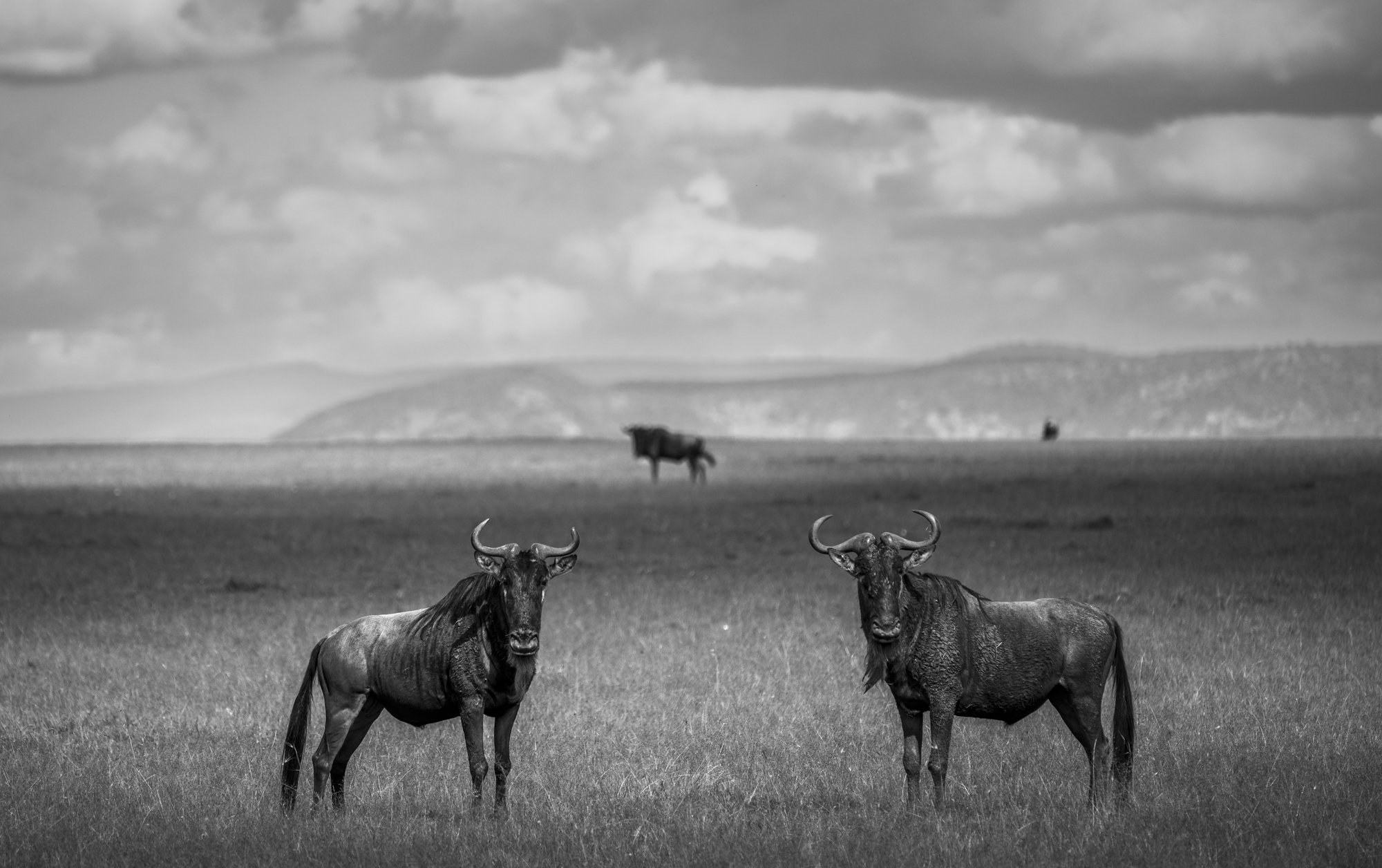
Wildebeest in the Mara, archival print, 24 x 30 in, 2024, USD 450, Zenya Lepper, Middleburg, Virginia
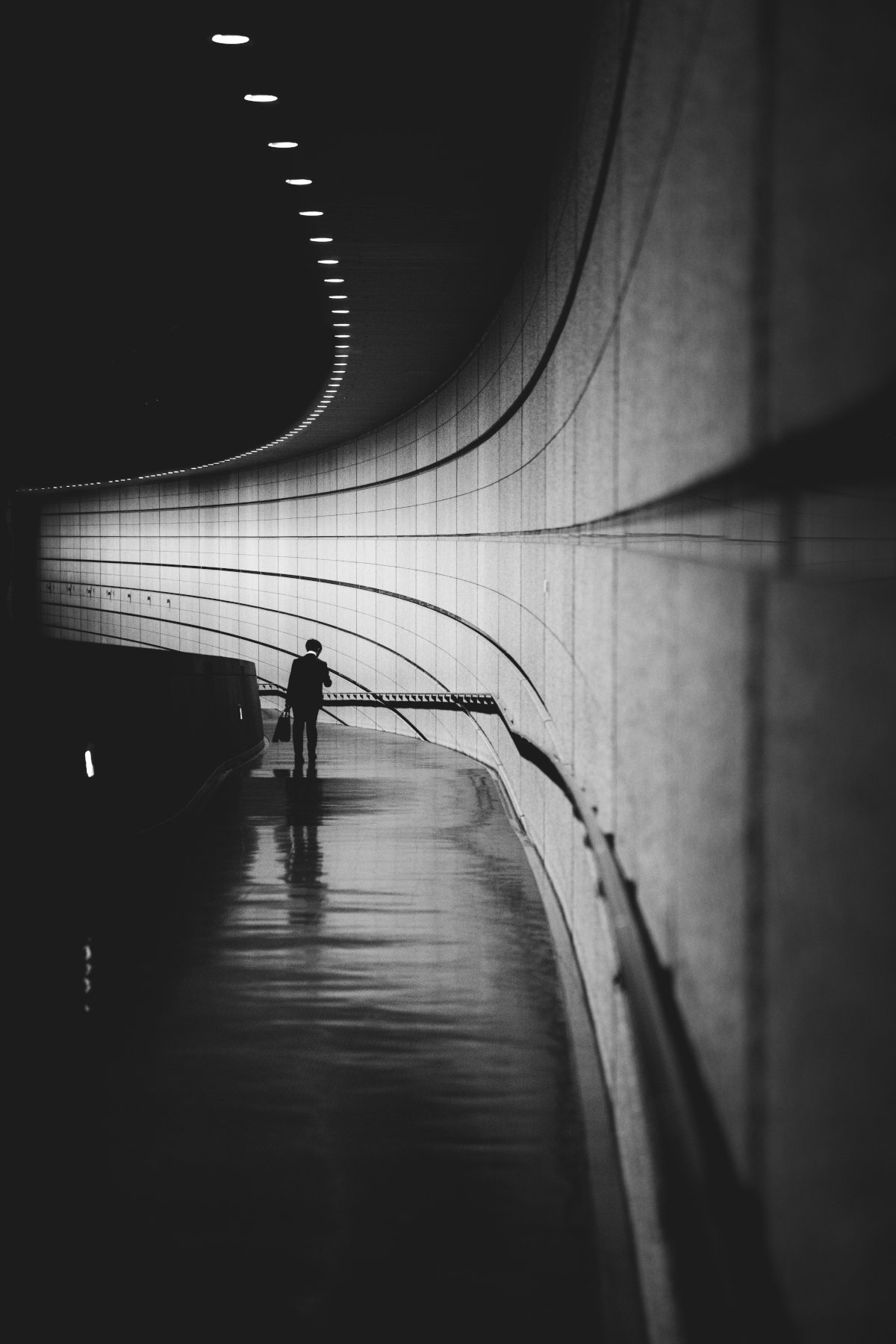
Architecture Line, archival print, size on request, 2024, USD 500, Zhiyuan Liu, Shanghai, China
Sales and Artist Inquiries
Are you interested in making a purchase or connecting with one of the featured artists? Send us a message through our contact form, and we'll get back to you shortly.