

The Narrative (2024)
December 1, 2024–January 1, 2025
A narrative can tell stories about a wide range of subjects, recount tales from religion, myth, legend, history, and literature, or examine existential questions such as the meaning of life, death, and the nature of reality. A well-crafted narrative can transport us to another time and place, entertain, educate, inspire, or help us view the world in a new way—reminding us of our shared humanity and the beauty of the world around us. Tell us: what’s your story?
Featured Artists
Anastasia Lawrence, Angela Scardigno, Bob Debski, Breanna Bui, Claudia Minguzzi, Danny Au, Erin McConnell, Febo Vebo, Francesca Zeno, Greg McDonald, Harold Naideau, Harry Williams, Jacob Ritts, James Johnson, James Lock, Jess Peña, Jordan Grantham, Kaylin Clingensmith, Kylo-Patrick Hart, Lauren Allen, Linda Lewis, Melissa Foxman, Michael Bloomfield, Oksana Bochina, Roger Archibald, Sayan Raha, Yvonne Dalschen, Zachary Freire-Avina
A Story Told in Prints Made Decades Apart
The thirty-one works in this edition carry credit dates from 1978 to 2024, and that spread is part of what the exhibition is about. Narrative photography is usually discussed as a property of individual pictures, but a group show assembles stories made under different assumptions about what a photograph is for. Some of these images were made when the negative was the only copy and the print was the publication. Others were made when the file was one of four hundred exposures from a single afternoon. The storytelling instinct is continuous; the conditions are not.
The Long Exposure of an Archive
Age becomes narrative content whether the photographer intends it or not. A print from the late seventies reads first as a period document and only second as the story it was built to tell, because clothing, signage, vehicles and grain all speak before the subject does. This is a slow contamination that cannot be prevented, only anticipated. Photographers working now with an eye on the archive tend either to strip period markers deliberately or to lean into them so heavily that the picture becomes about its own moment. Both strategies appear in this catalog.
Documentary and Fiction Share a Grammar
The devices are identical: the establishing wide, the close detail carrying the emotional weight, the reaction, the withheld face. What differs is the contract with the viewer. Documentary storytelling photography claims that events preceded the camera; constructed narrative claims only that the photographer arranged something worth looking at. Audiences read the same visual cues in both cases, which is why the distinction has to be declared rather than shown. A caption, a title or an exhibition text does the declaring.
The Series as Sentence
The photo essay was a twentieth-century invention with a commercial engine behind it, refined in illustrated magazines where an editor controlled order and scale. Its conventions — opening frame, complication, resolution, closing note — survive in contemporary sequences even where the magazine context has vanished. A single frame implies a story; a series argues one. The difference matters, because an argument can be wrong, and a sequence therefore carries obligations that an isolated image does not.
Who Is Actually Narrating
Narrative work made with other people raises a question the genre often avoids: whose story is being told, and who agreed to it. A subject who consents to being photographed has not necessarily consented to the narrative later built around the frame, particularly once titles and sequence do their work. The strongest narrative photography tends to be that in which the subject's own account is visible in the picture — in posture, in what has been arranged for the camera, in the evident cooperation of the sitter — rather than supplied entirely from outside.
Why the Theme Recurs
A narrative theme returns differently each time because the interval between editions changes what counts as legible: references that needed no explanation in one year require a caption in the next. TCG Gallery is an independent online photography gallery, and each juried exhibition remains part of a permanent public archive after its run ends, so these catalogs accumulate into a longer record than any single project. Photographers can enter the current photography open calls directly.
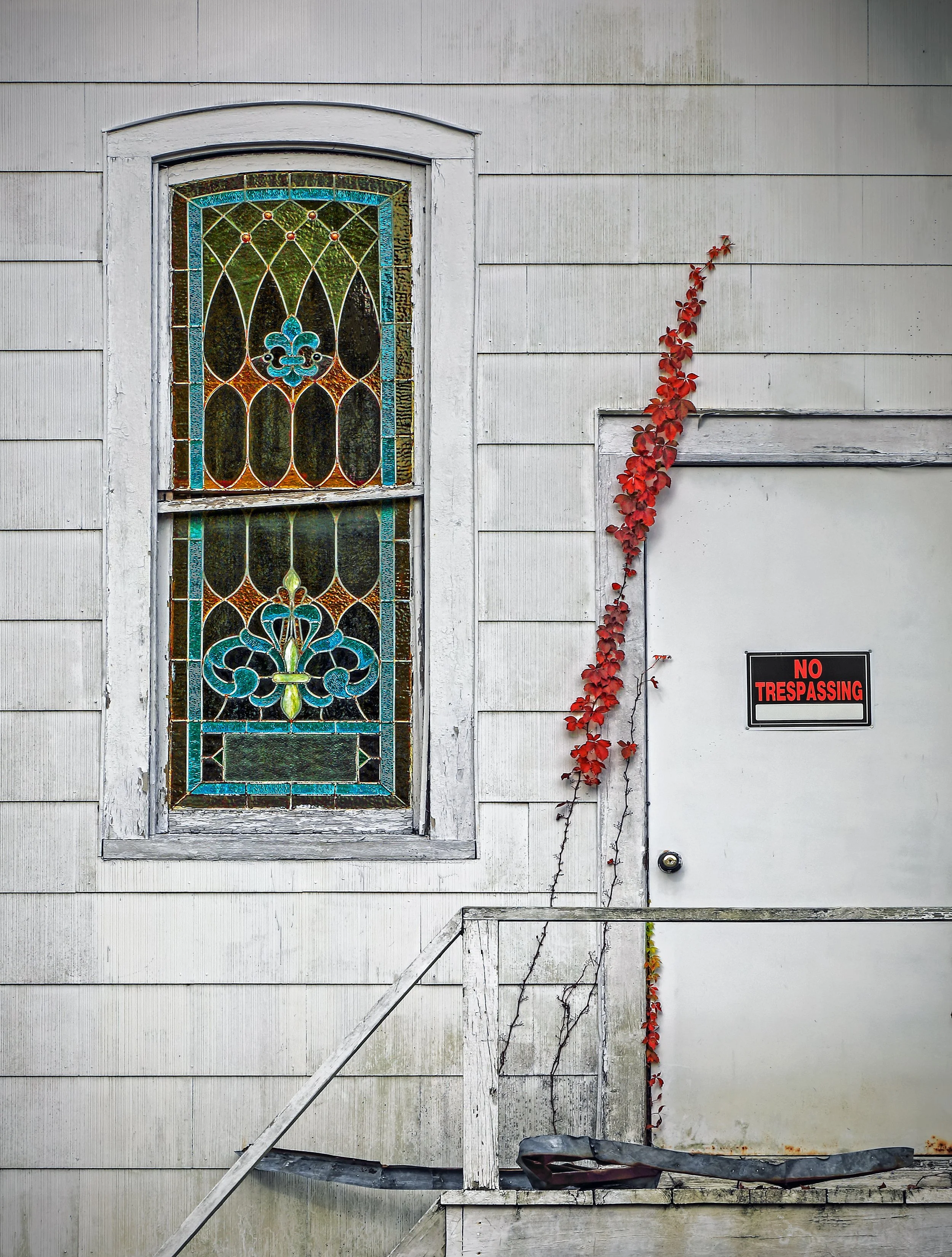
Trespass Against Us, archival print, 18 x 24 in, 2022, USD 400, Bob Debski, Lansdale, Pennsylvania
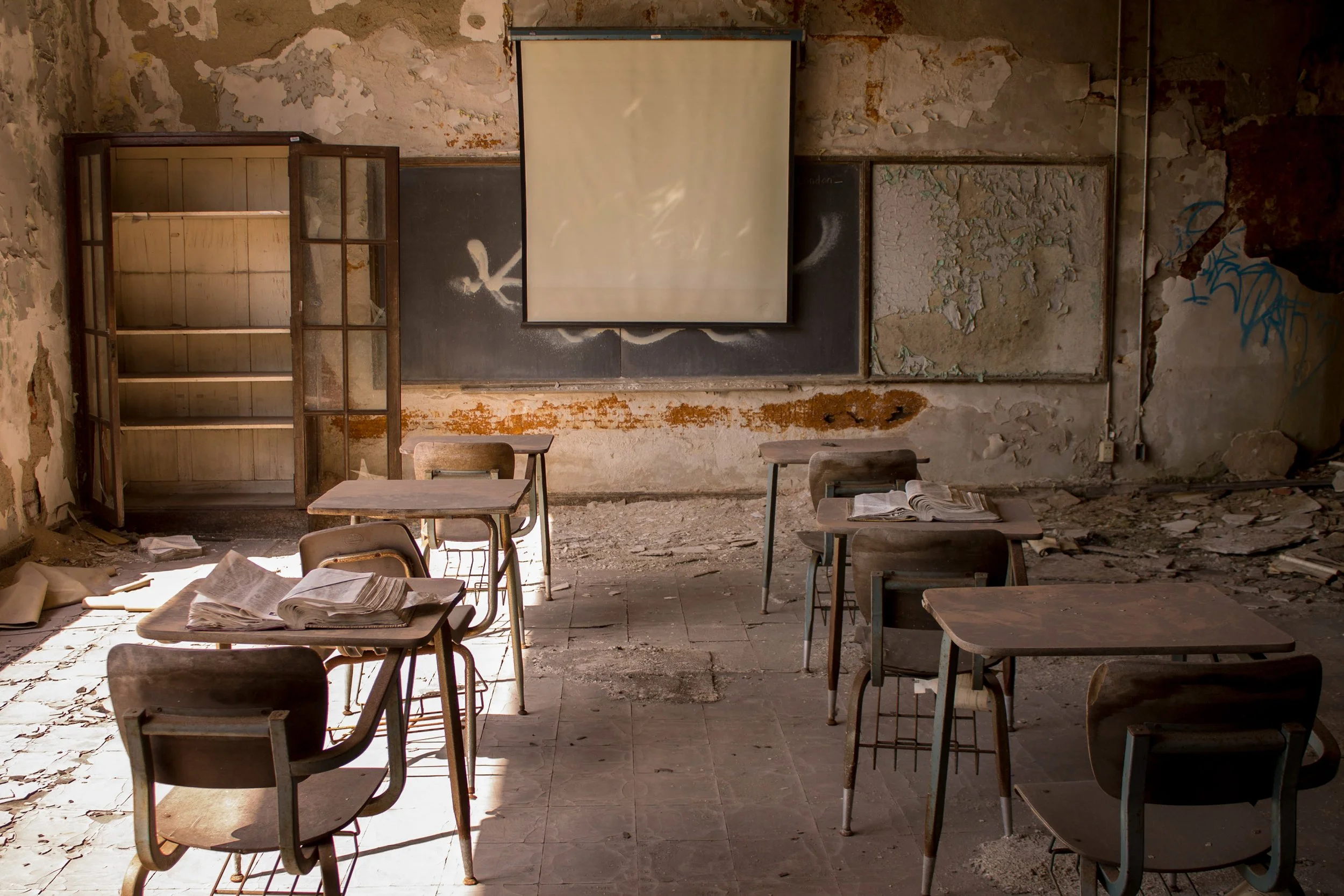
No. 61, archival print, 12 x 8 in, 2016, USD 200, Francesca Zeno, Oakland, California

Sanctuary of Stories, archival print, 40 x 30 in, 2024, USD 350, Oksana Bochina, Herceg-Novi, Montenegro
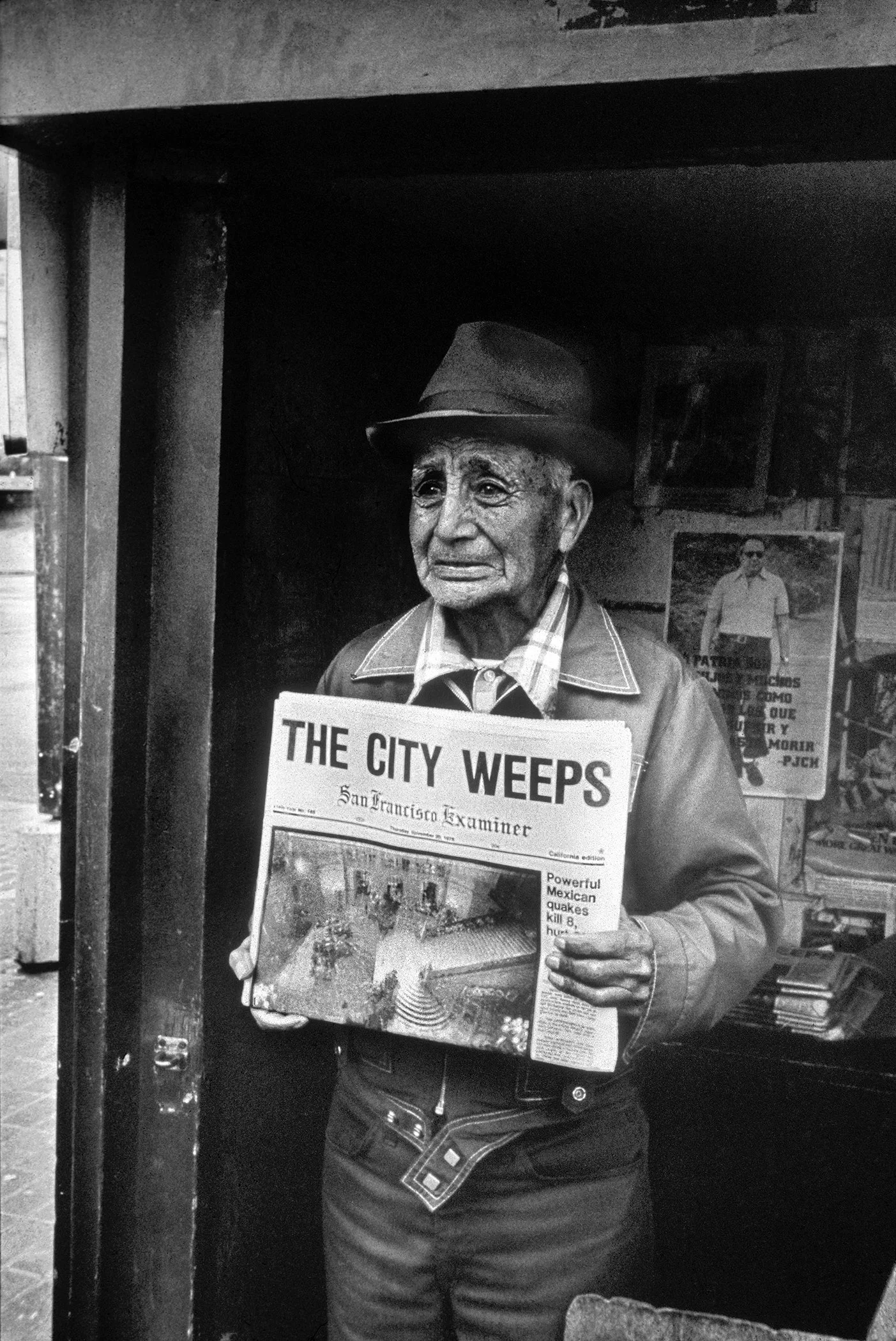
Bearer of Bad News, archival print, 13 x 19 in, 1978, USD 400, Roger Archibald, North Quincy, Massachusetts
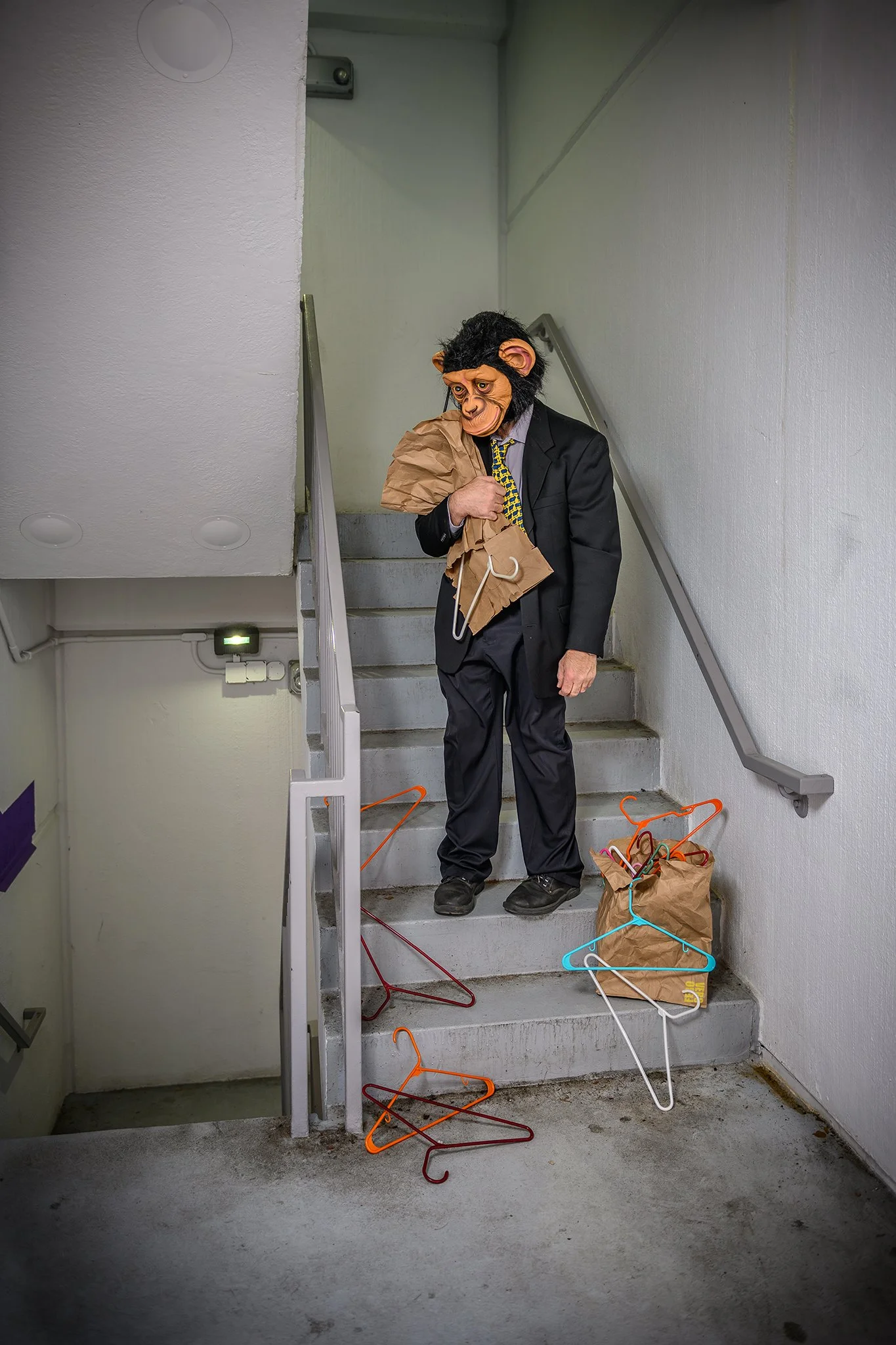
Descending, archival print, 24 x 36 in, 2023, USD 1000, Febo Vebo, Schenectady, New York
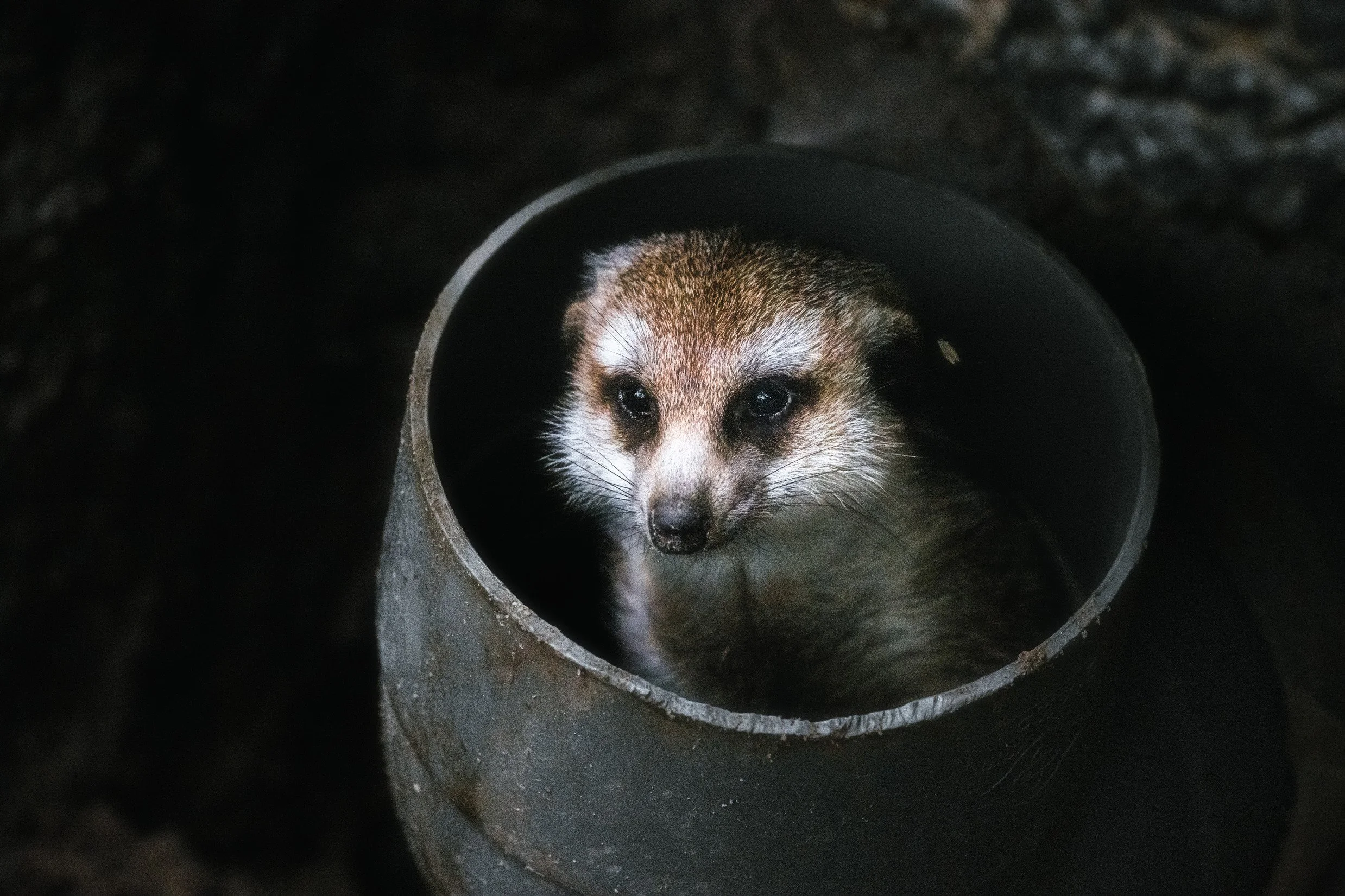
Sneak, archival print, 54 x 86 in, 2023, NFS, Danny Au, Hong Kong, Hong Kong

Ghosts of the Manhattan Project, archival print, 16 x 20 in, 2020, USD 450, Yvonne Dalschen, Oak Ridge, Tennessee
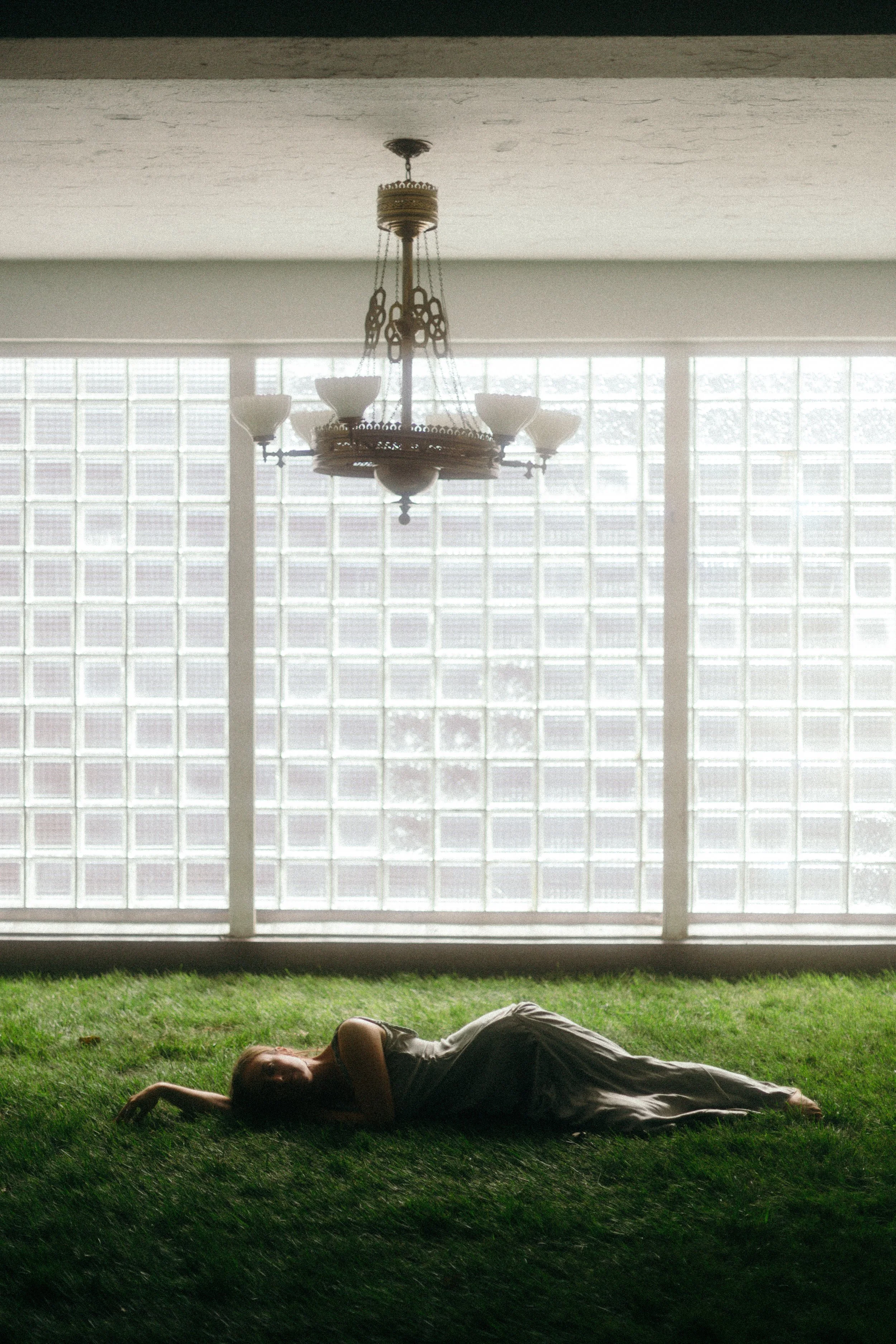
Rebirth, archival print, 16 x 20 in, 2024, USD 500, Erin McConnell, Hamtramck, Michigan
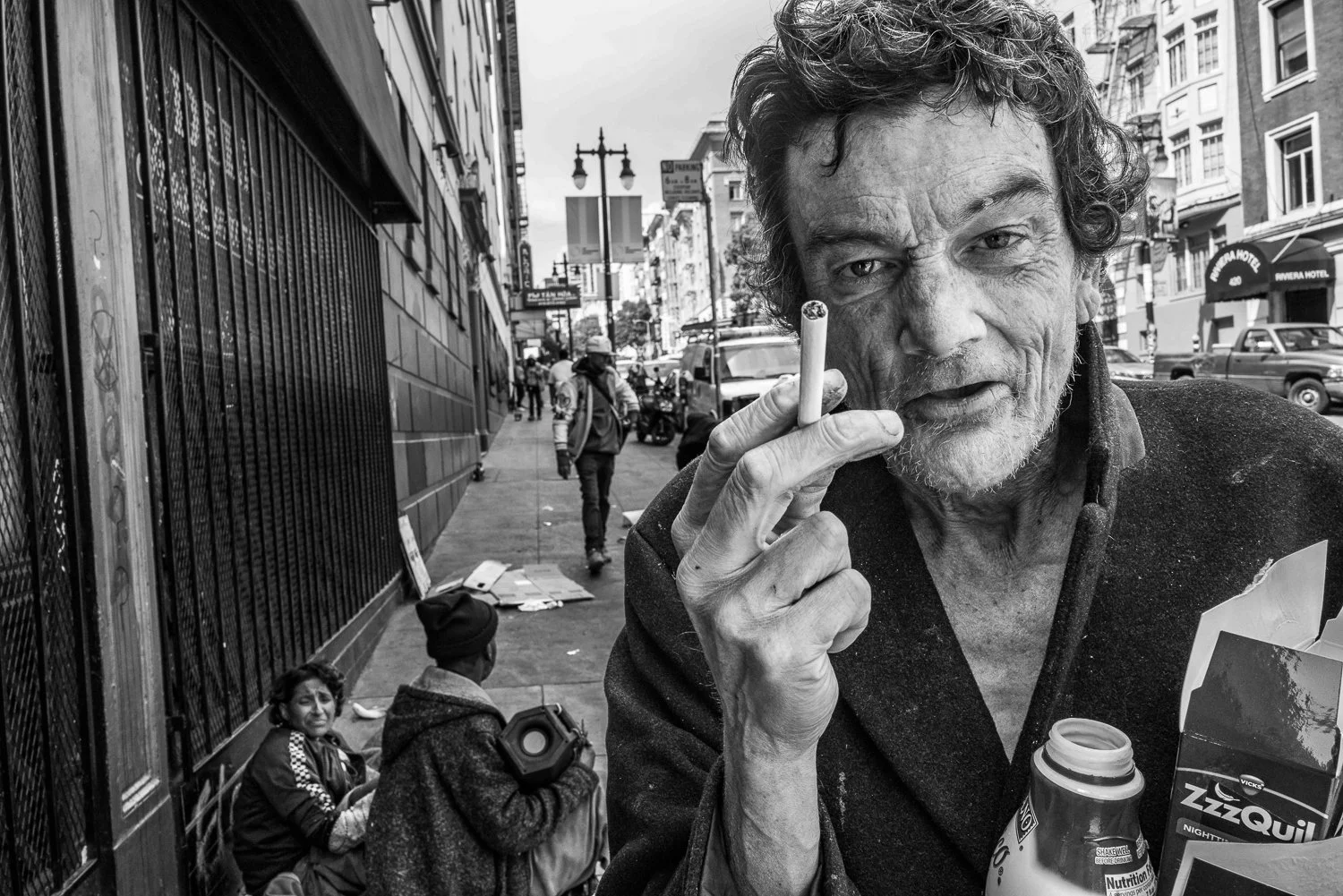
Grit, wheat paste on wood panel, 36 x 48 in, 2024, USD 600, Harry Williams, San Francisco, California
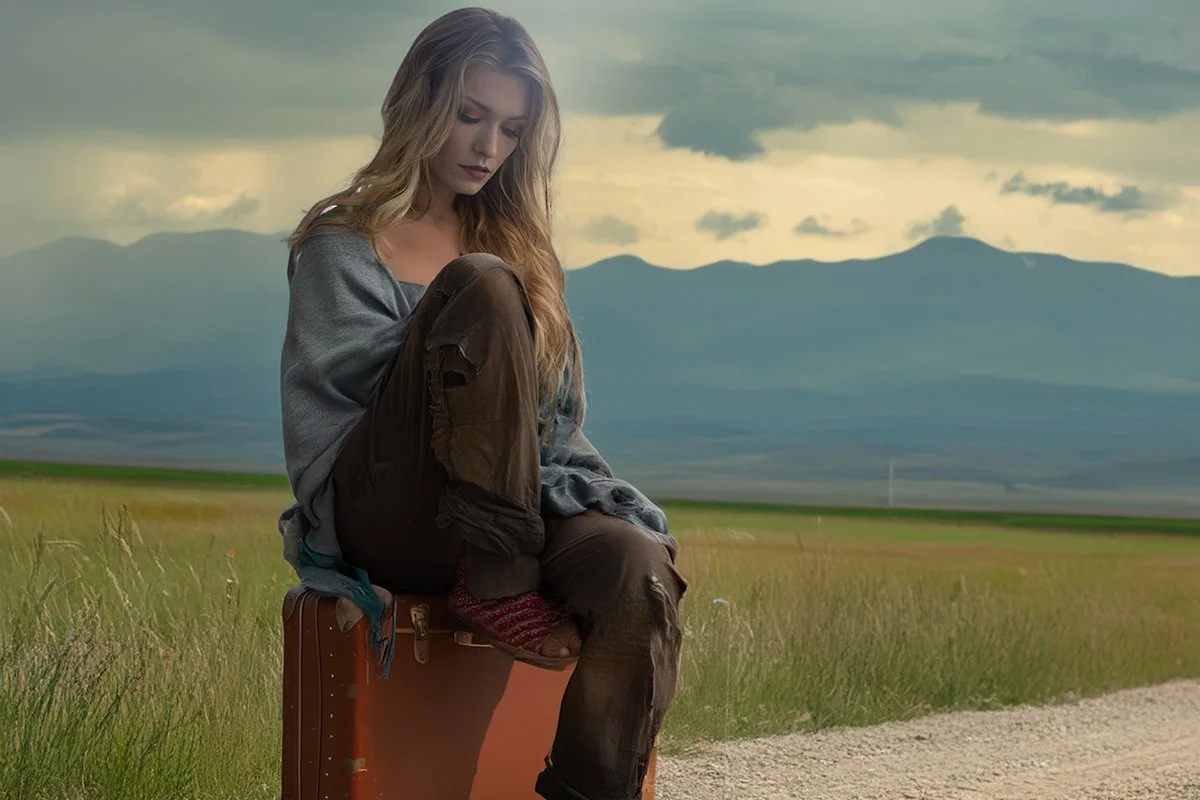
The Vagabond, archival print, 20 x 16 in, 2024, USD 400, Harold Naideau, Northport, New York
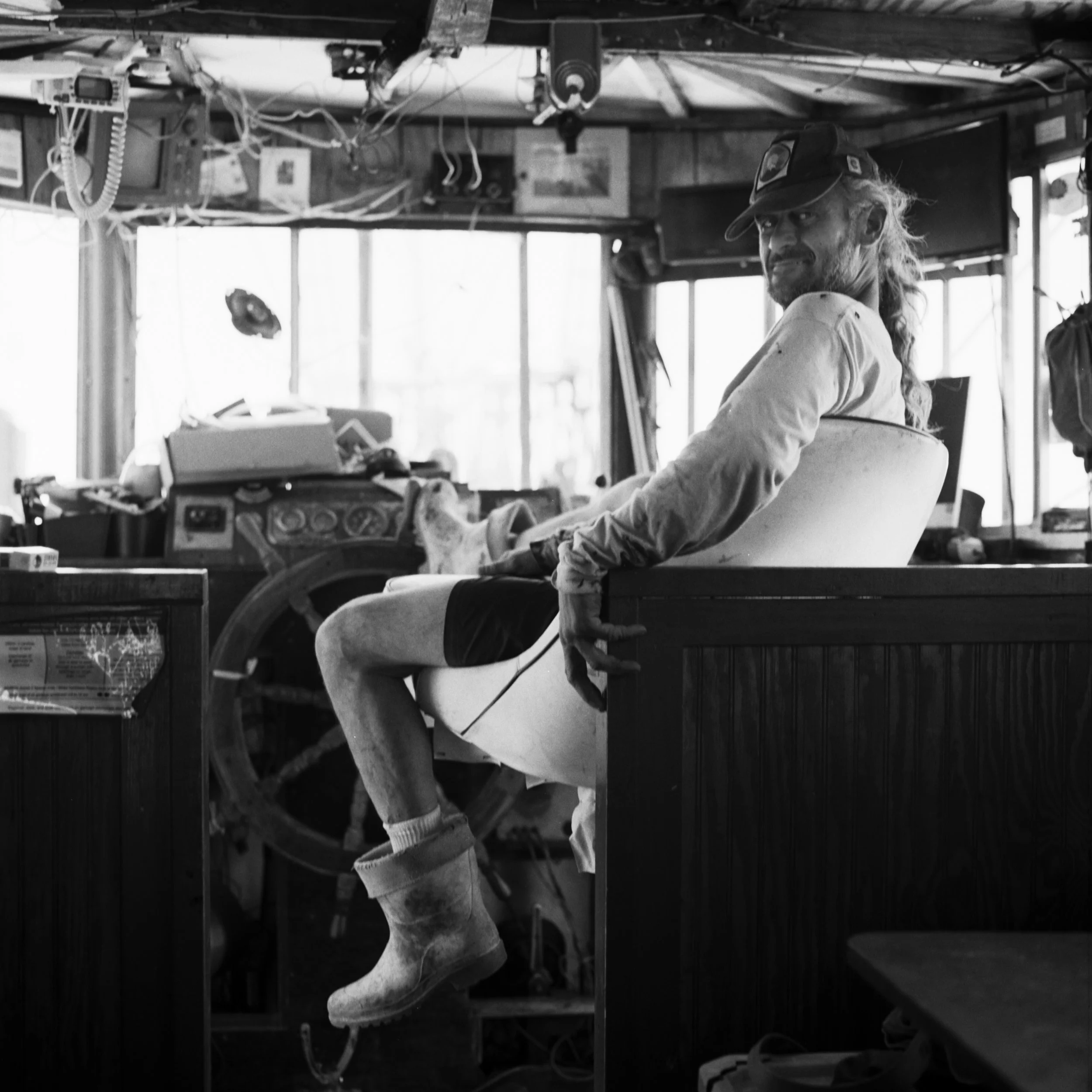
Skillet Head, archival print, 7.5 x 7.5 in, 2023, USD 150, James Lock, Nashville, Tennessee
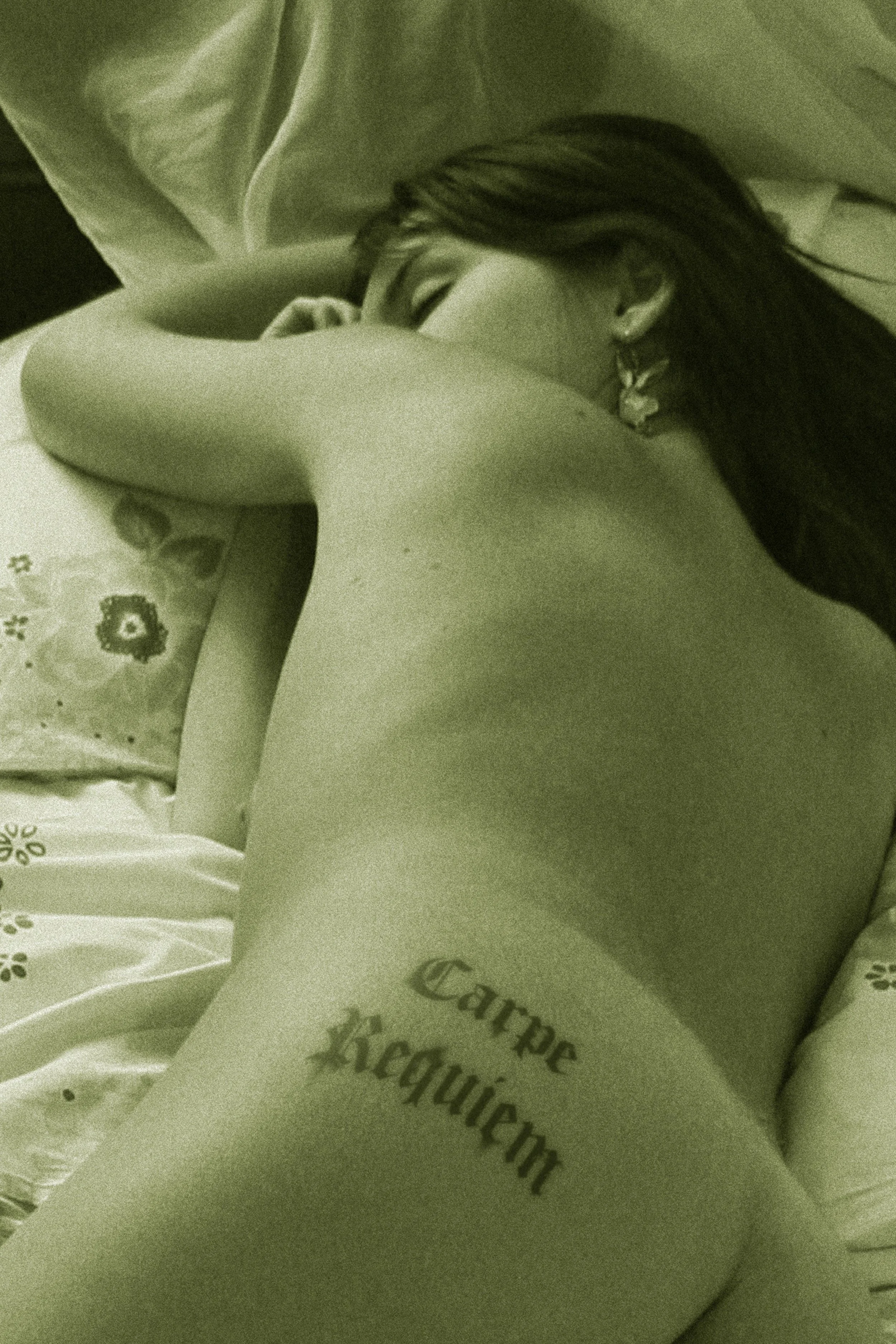
Carpe Requiem, archival print, 20 x 30 in, 2024, £750, Michael Bloomfield, London, United Kingdom
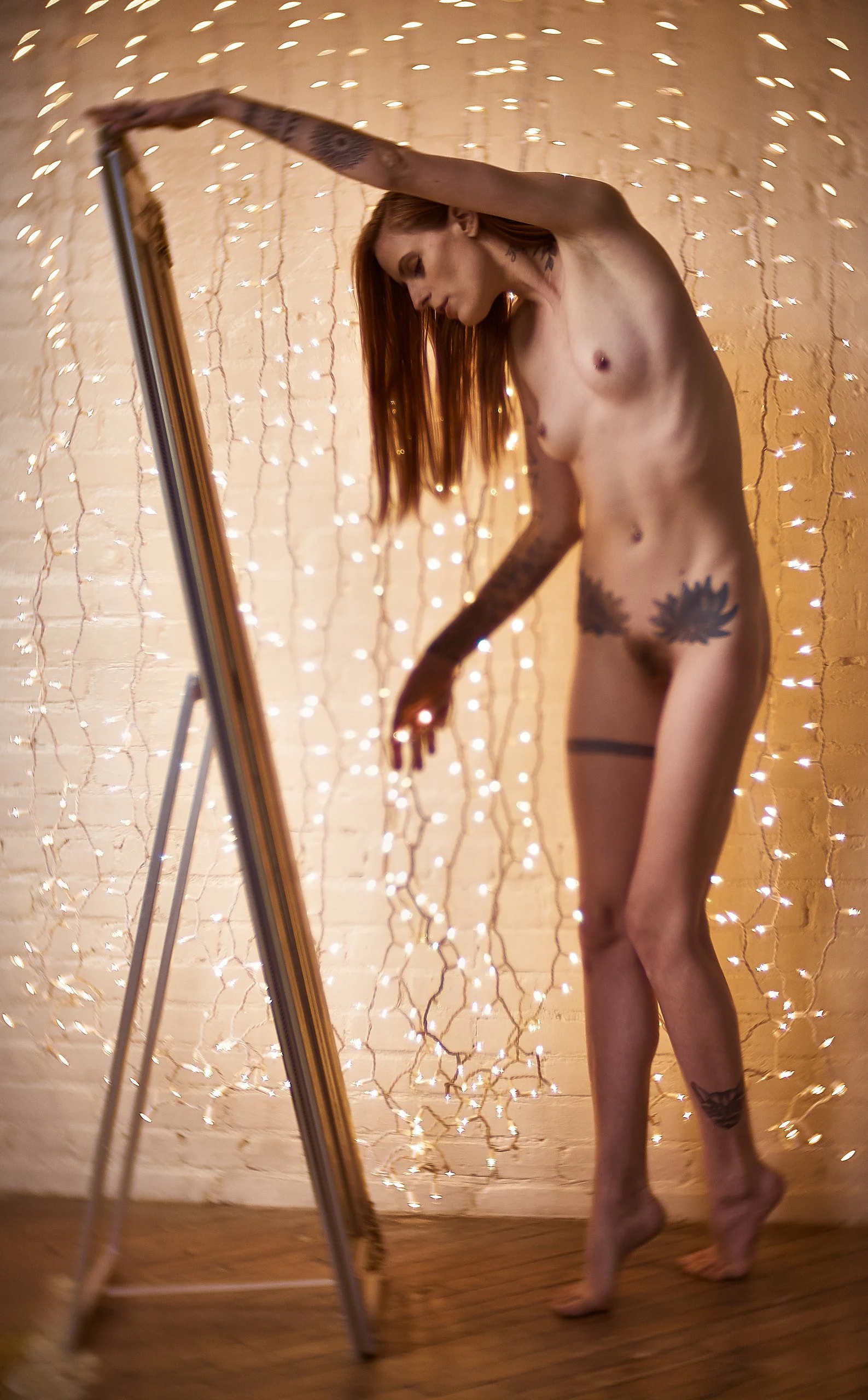
Reflecting, archival print, 12 x 16 in, 2019, USD 750, James Johnson, Norton Shores, Michigan

The Hermit, archival print, 20 x 35 in, 2024, NFS, Jordan Grantham, Denver, Colorado
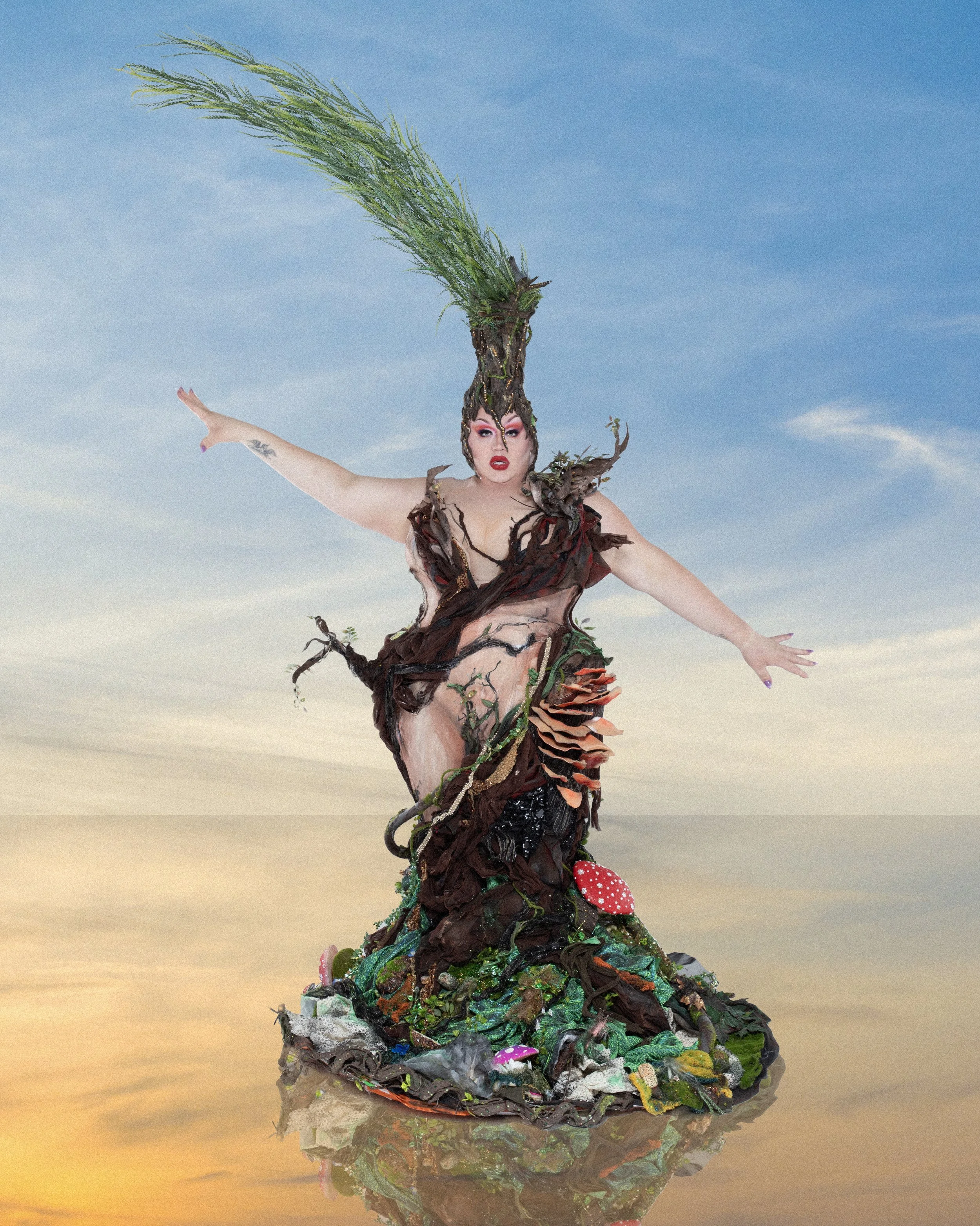
Eureka, archival print, 32 x 40 in, 2024, USD 500, Jacob Ritts, Los Angeles, California
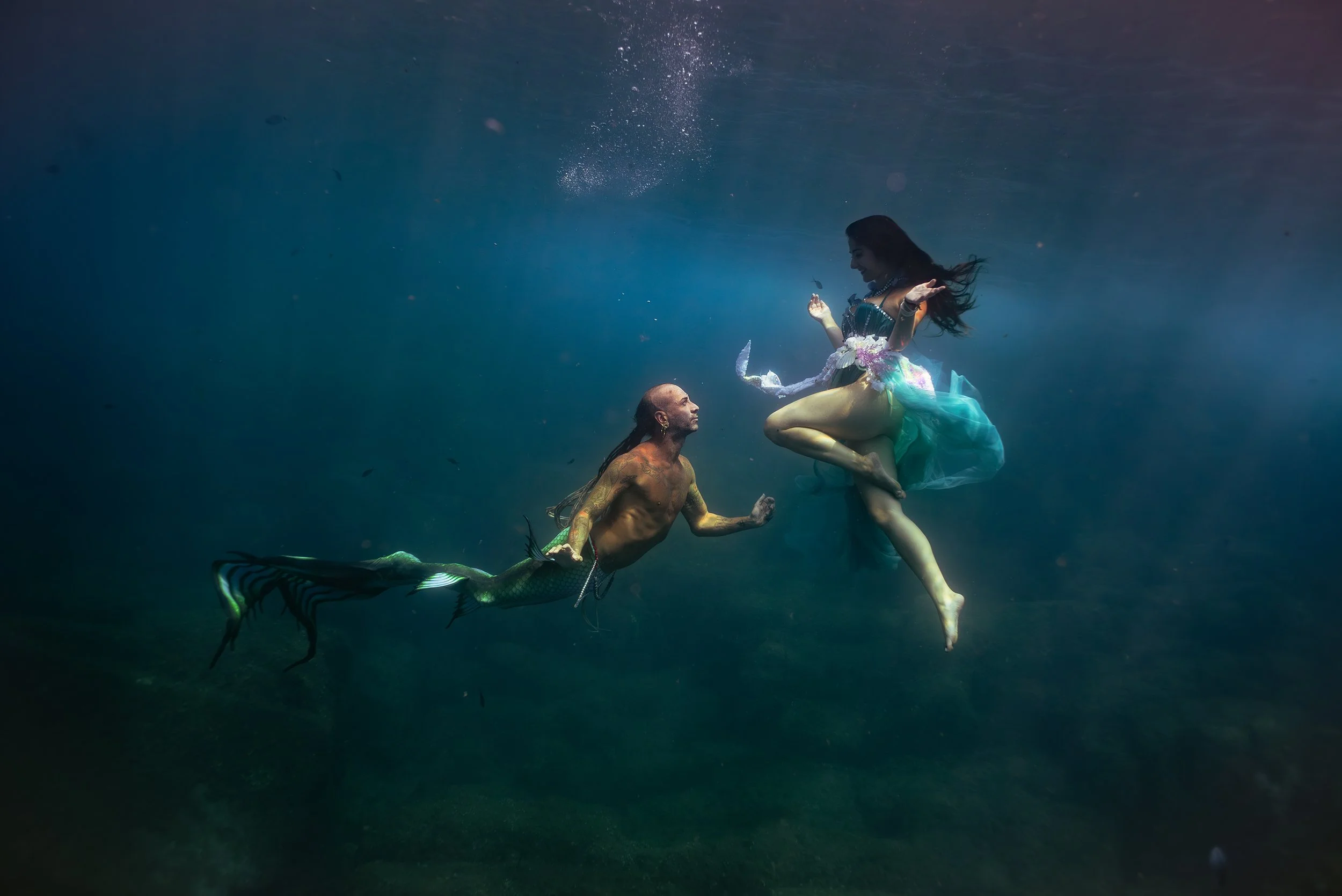
Souls of the Ocean No. 1, archival print, 40 x 50 cm, 2024, 600£, Claudia Minguzzi, La Spezia, Italy

Souls of the Ocean No. 2, archival print, 40 x 50 cm, 2024, 400£, Claudia Minguzzi, La Spezia, Italy
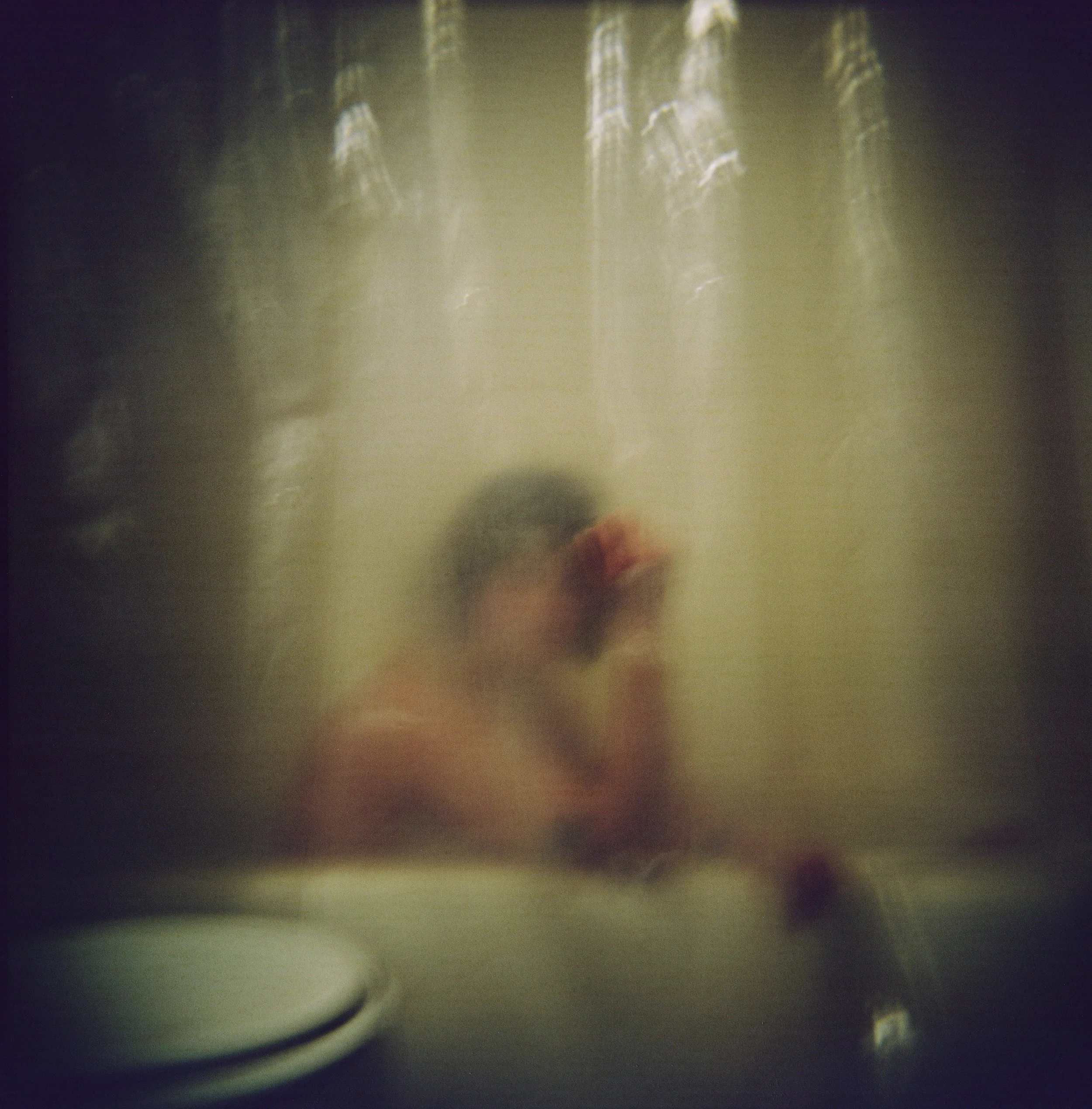
Sulis, archival print, 20 x 20 in, 2024, USD 350, Lauren Allen, Denton, Texas
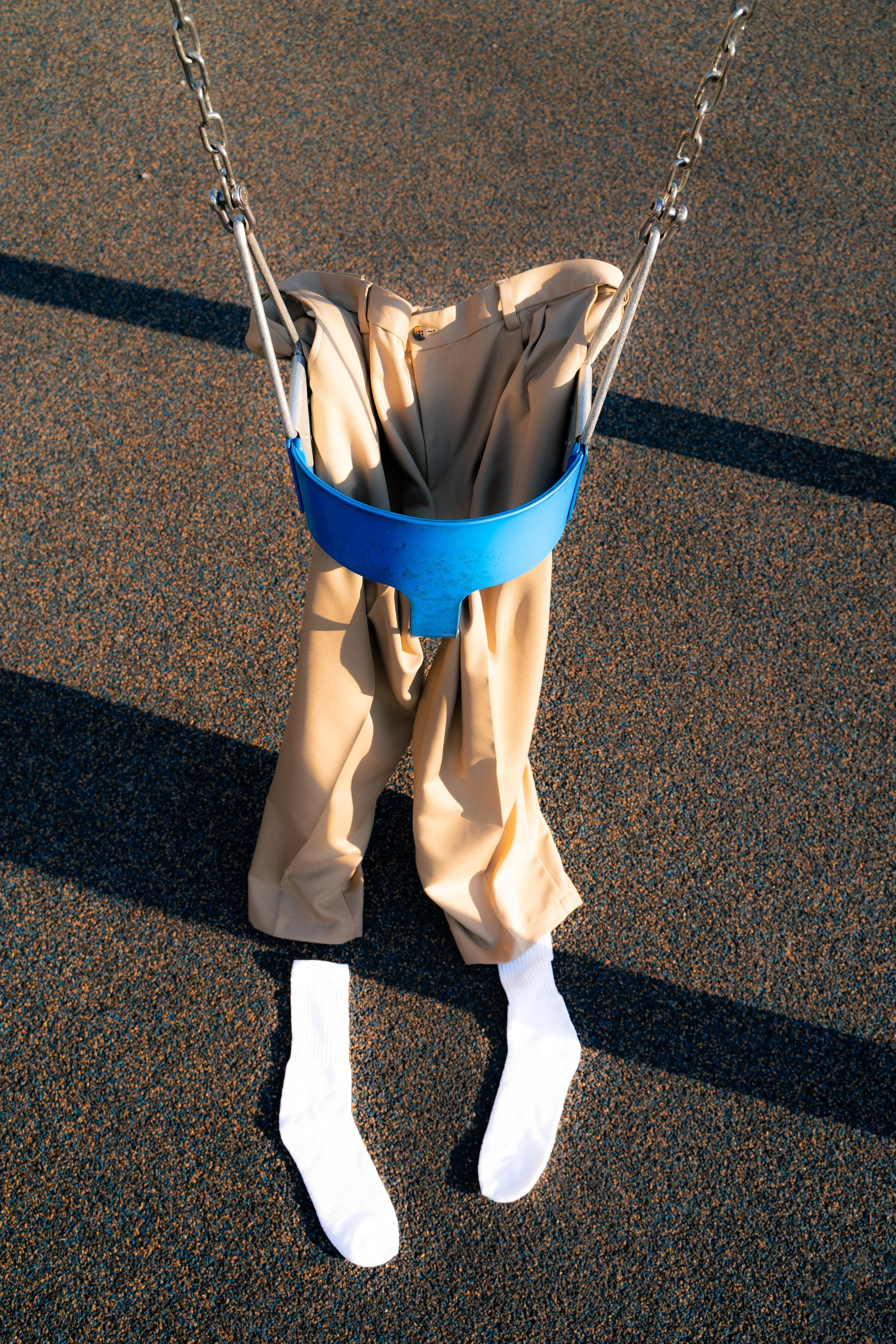
Missing Child, archival print, 4 x 6 in, 2024, USD 500, Breanna Bui, Las Vegas, Nevada

No Evil, photo transfer on metal, 16 x 24 in, 2024, USD 650, Kylo-Patrick Hart, Aledo, Texas
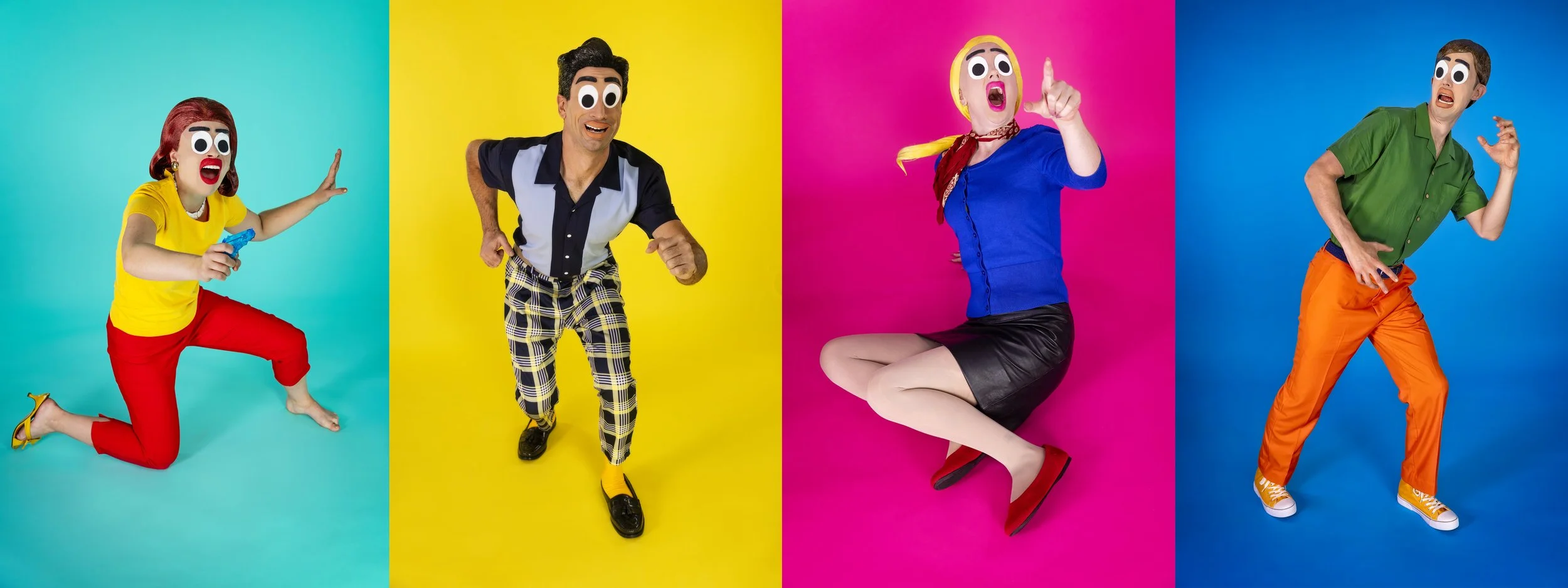
Horrified B Movie Victims, archival print, 7.5 x 10 in, 2024, USD 500, Greg McDonald, Los Angeles, California
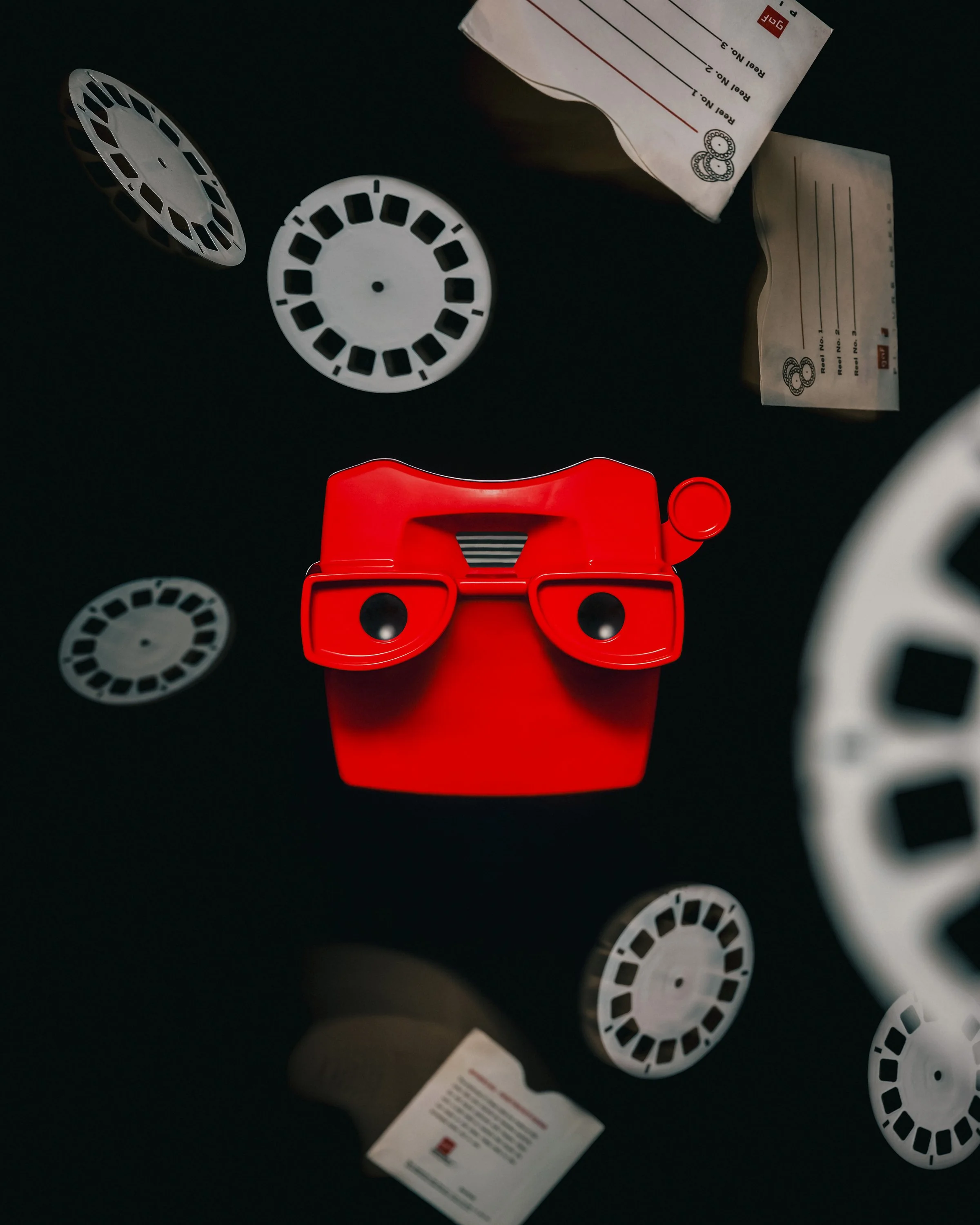
Flying Through Memories, archival print, 20 x 16 in, 2023, USD 385, Melissa Foxman, Issaquah, Washington
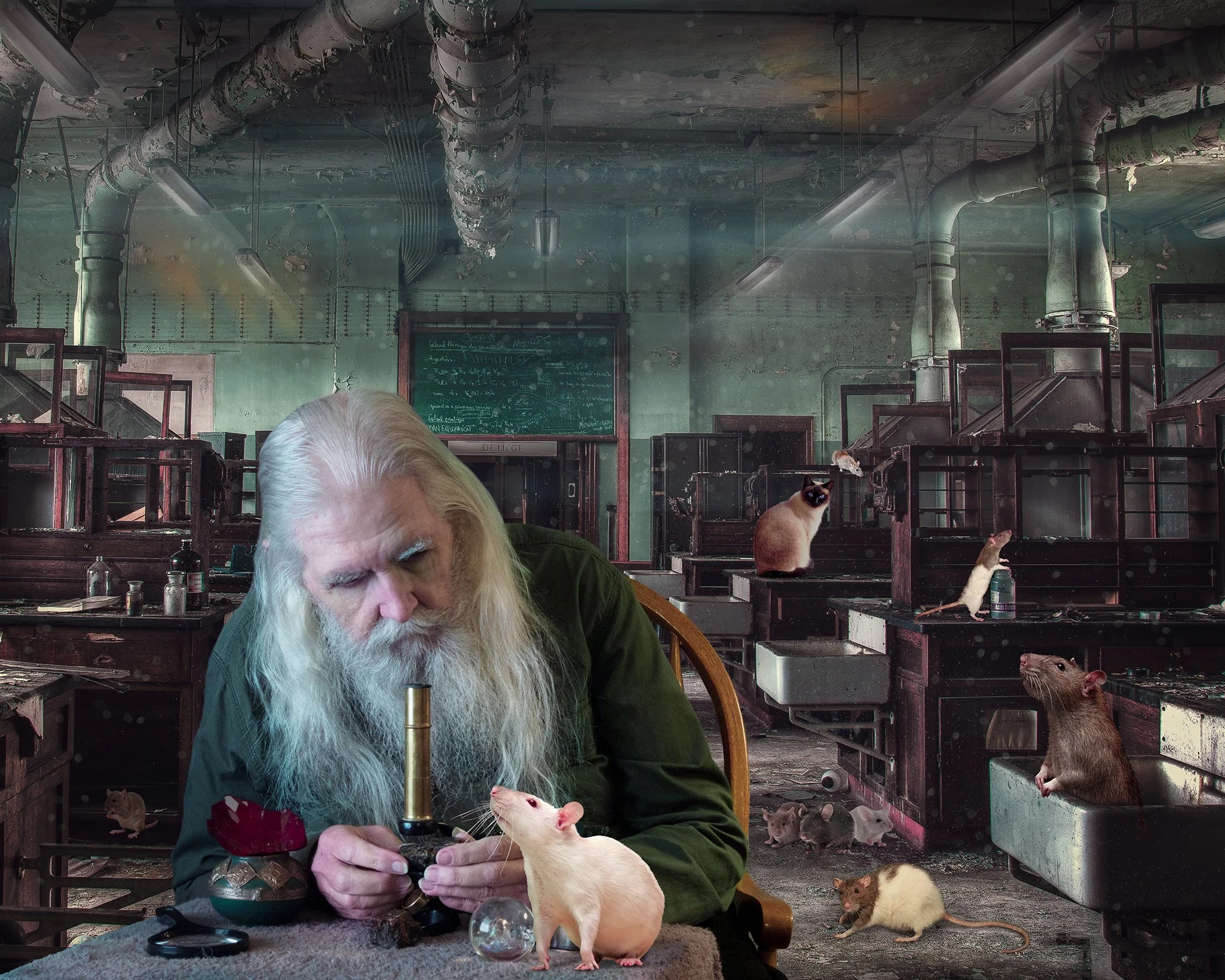
Derelict Vivisection Lab, archival print, 16 x 20 in, 2024, USD 350, Linda Lewis, Edinburg, Texas
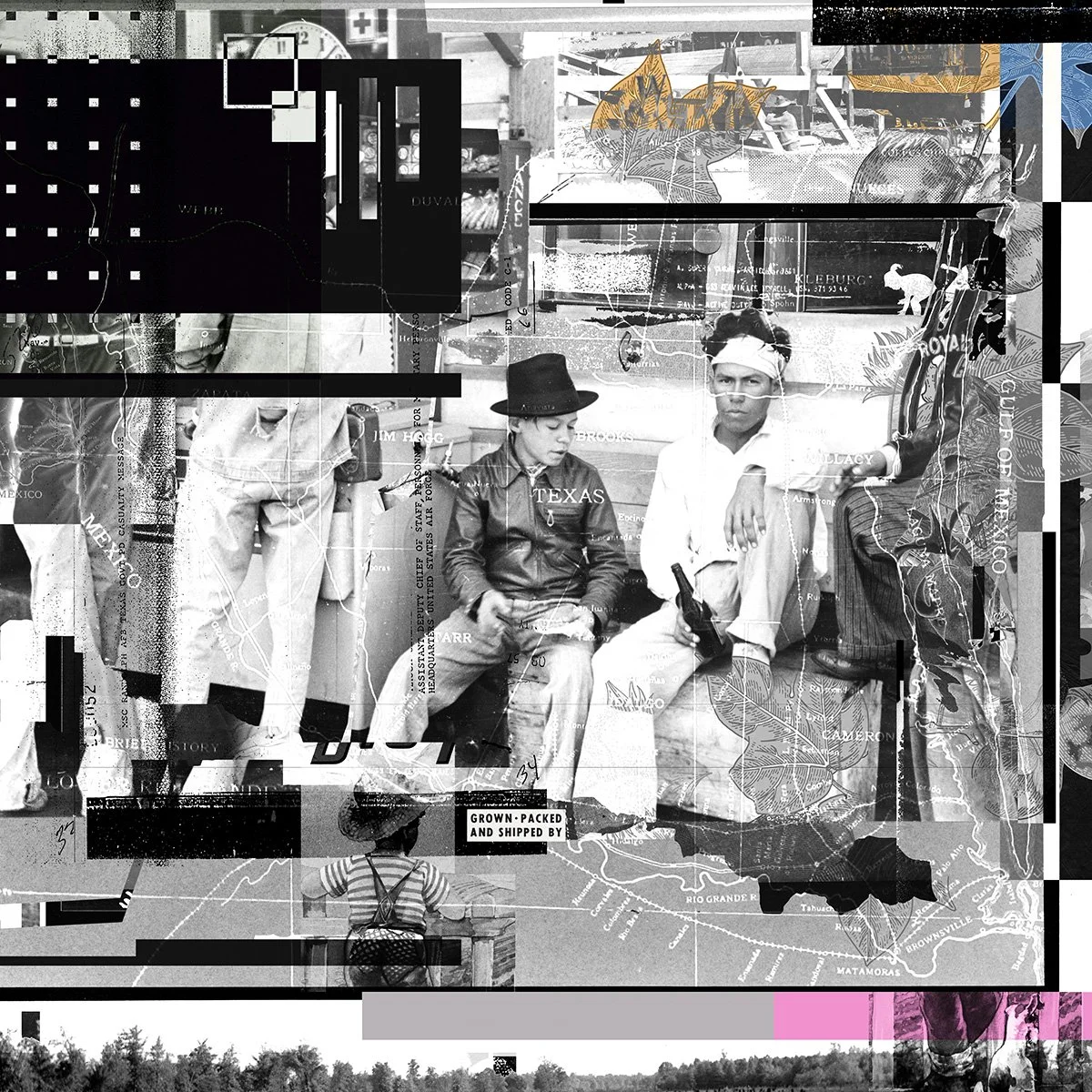
Cotton Pickers, archival print, 25 x 25 in, 2024, USD 800, Angela Scardigno, McAllen, Texas
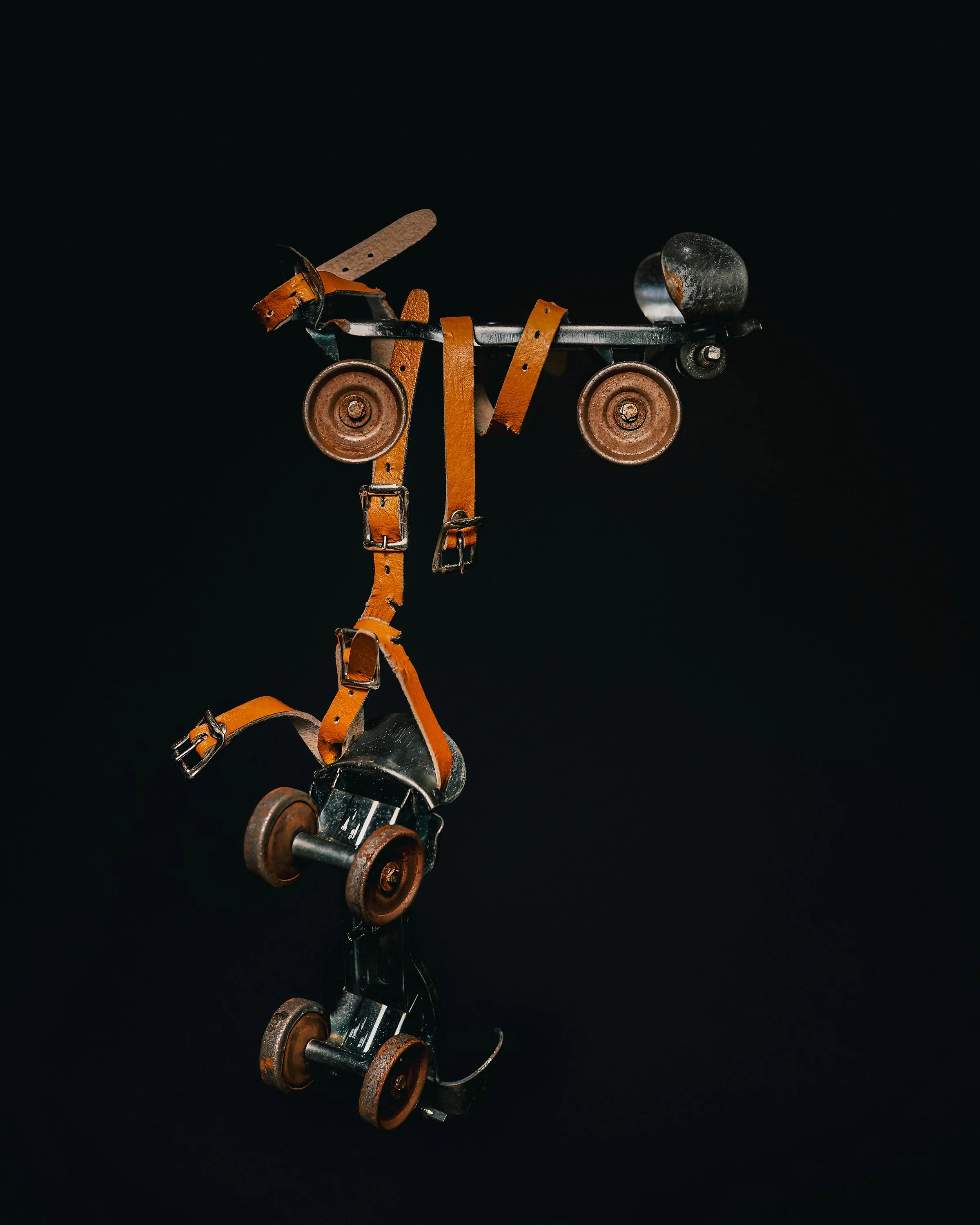
A Buckled Adventure, archival print, 16 x 20 in, 2023, USD 385, Melissa Foxman, Issaquah, Washington

Off the Forest Floor, archival print, 18 x 24, 2024, USD 600, Jess Peña, Stockton, California
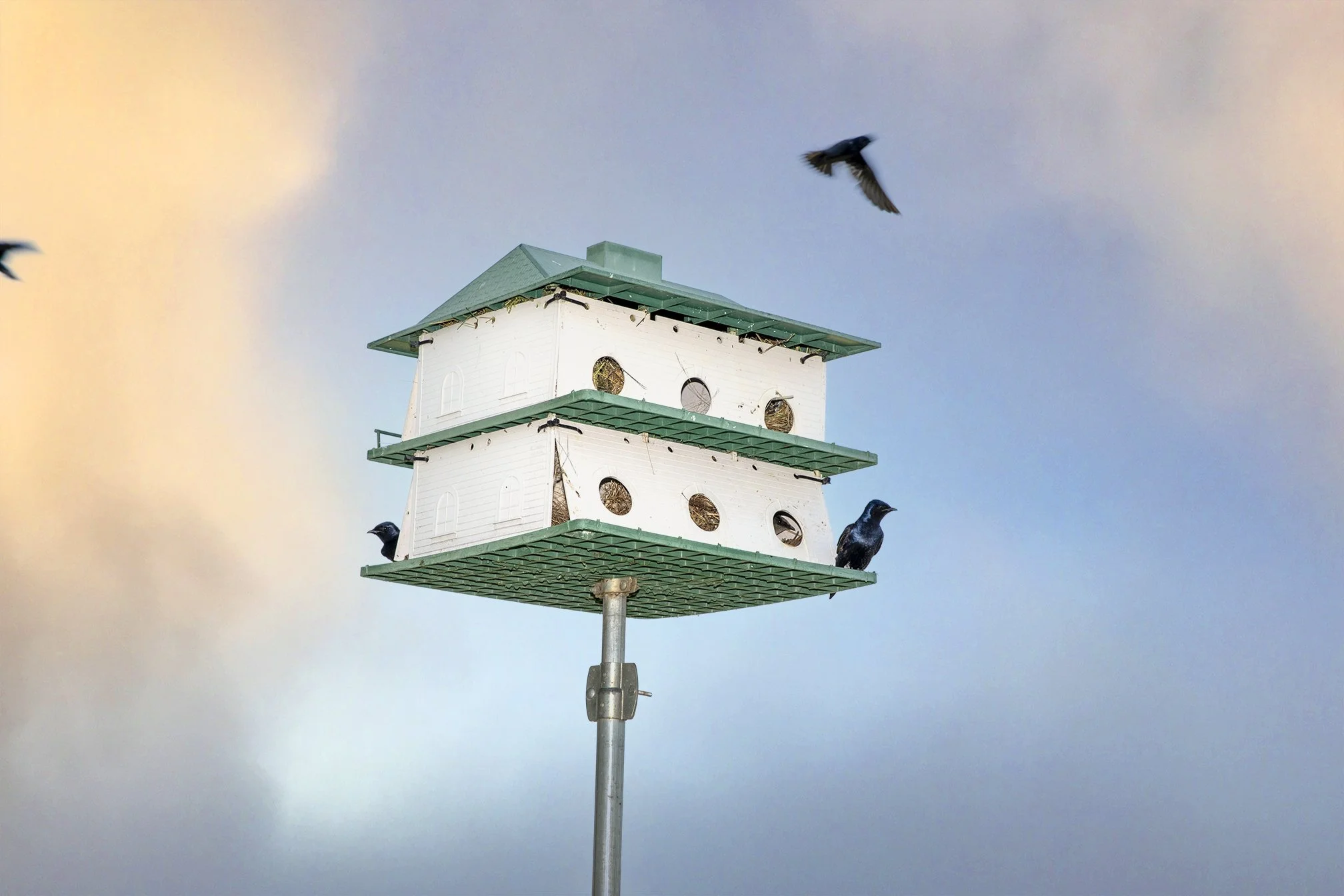
Untitled, archival print, 18 in x 12 in, 2024, USD 350, Anastasia Lawrence, Cuyahoga Falls, Ohio
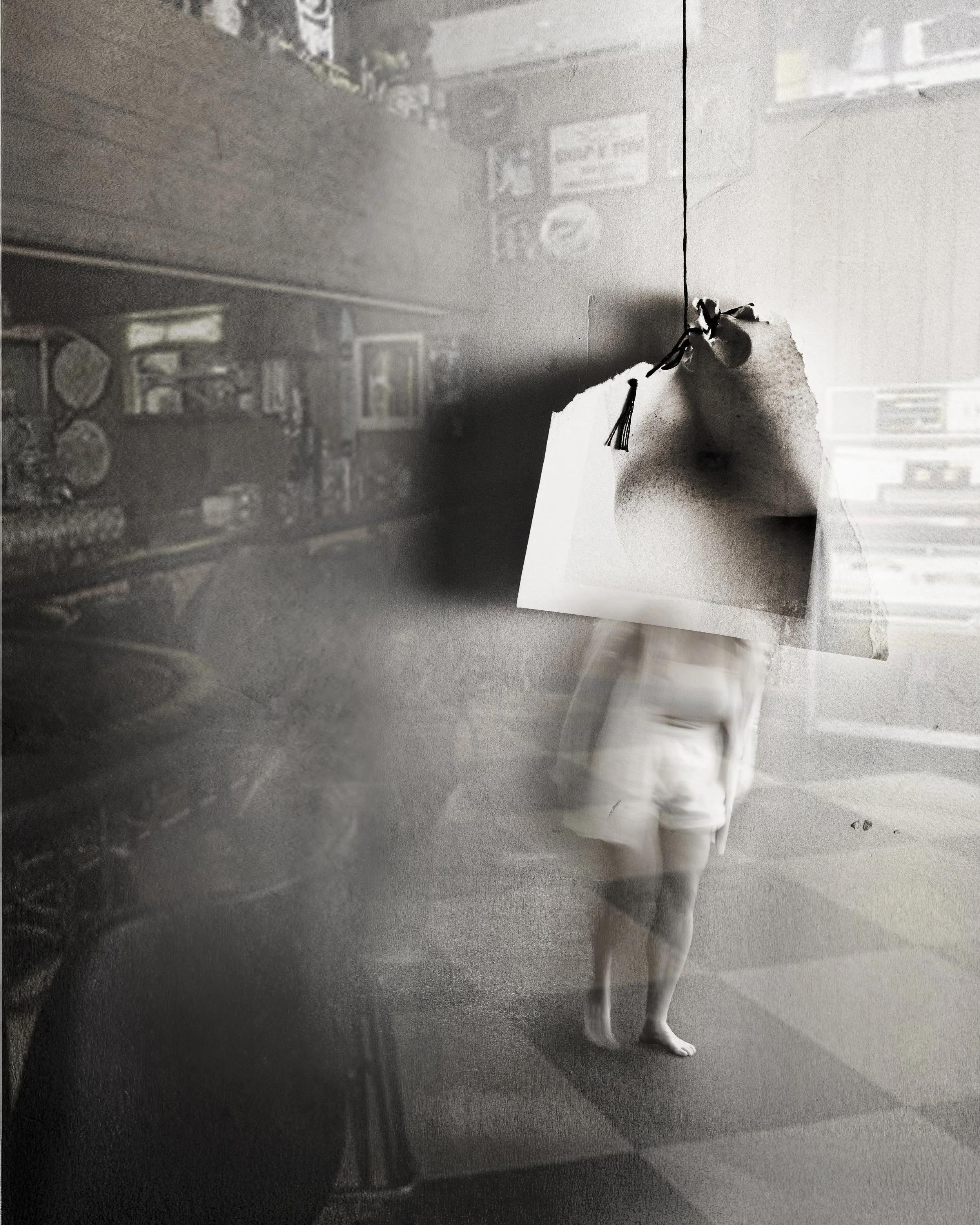
The Assembled Image, archival print, 16 x 20 in, 2024, USD 350, Kaylin Clingensmith, New Castle, Pennsylvania
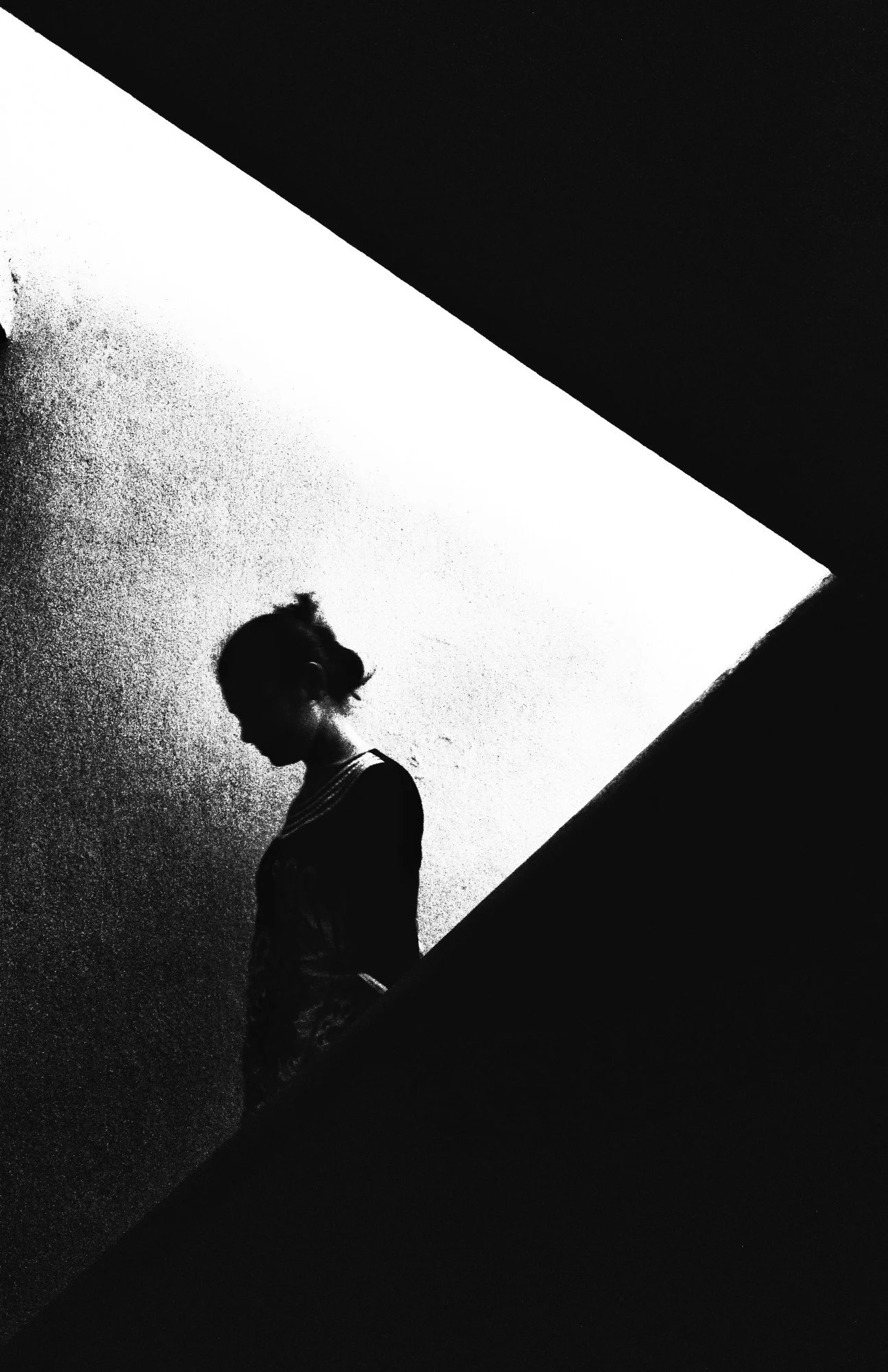
The Shadow Lady, archival print, 8 x 12.5 in, 2022, USD 100, Sayan Raha, Sydney, Australia
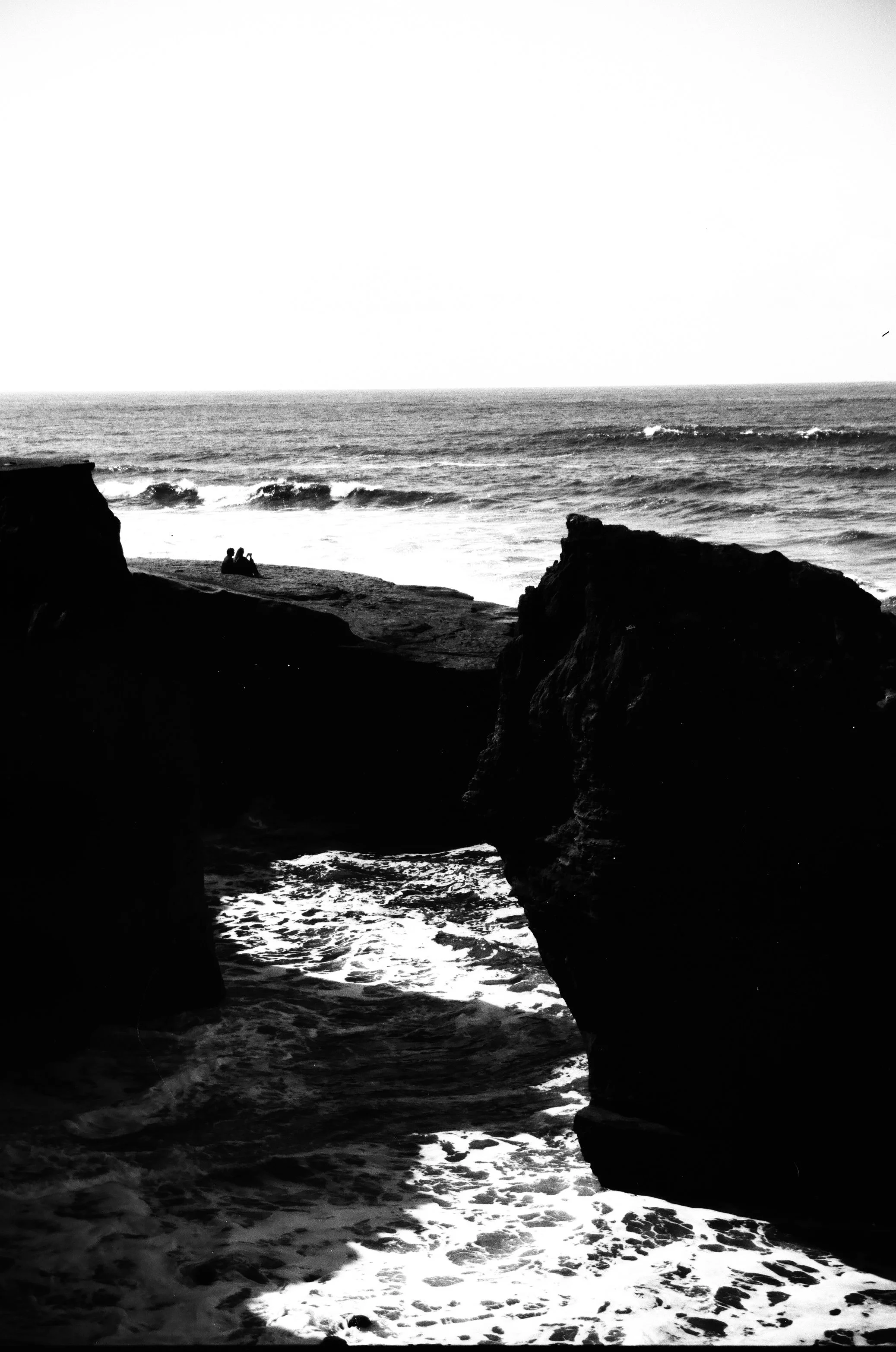
Distant Couple, archival print, 8 x 12 in, 2024, USD 200, Zachary Freire-Avina, San Diego, California
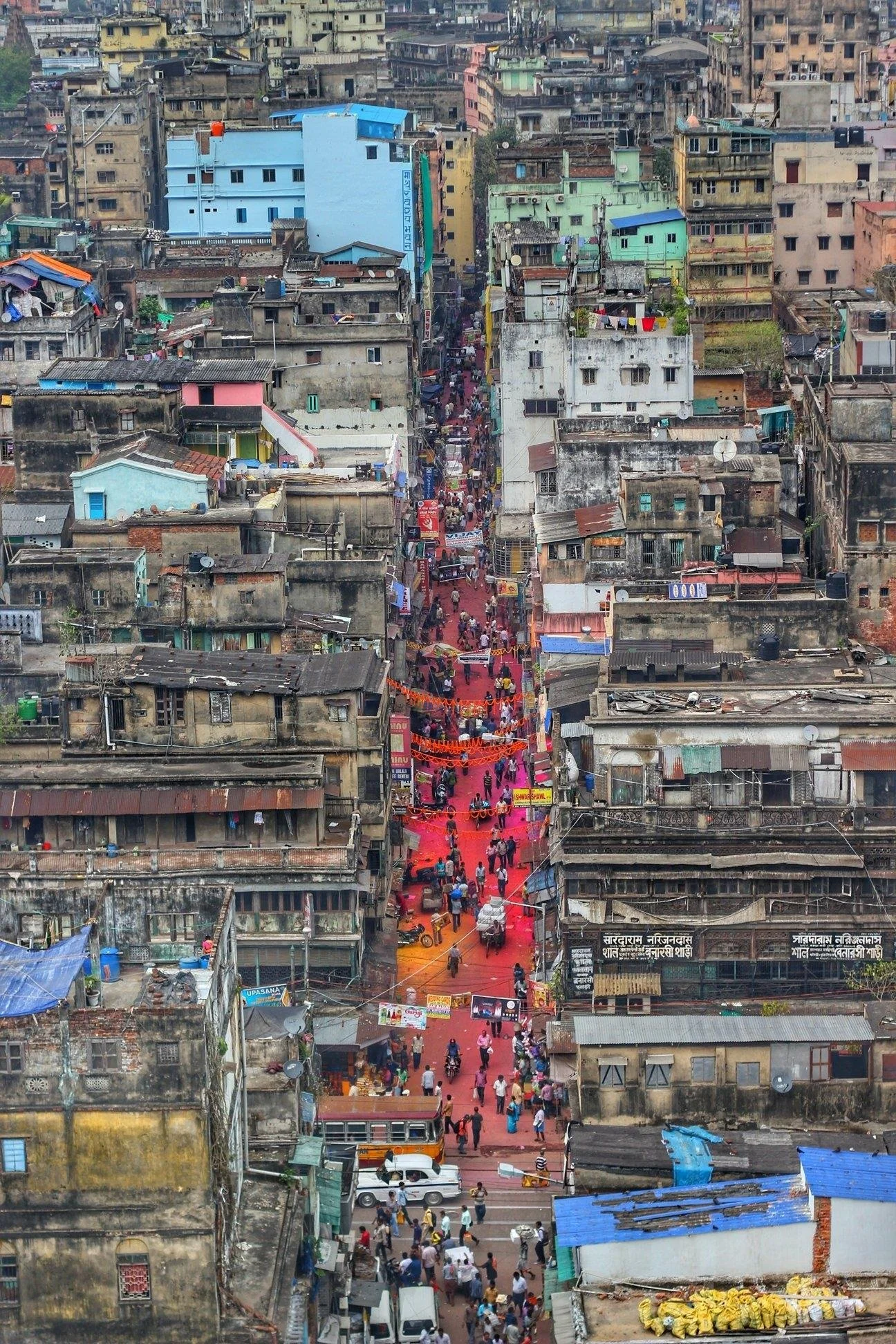
Streets in Colour, archival print, 8 x 12.5 in, 2022, USD 100, Sayan Raha, Sydney, Australia
Sales and Artist Inquiries
Are you interested in making a purchase or connecting with one of the featured artists? Send us a message through our contact form, and we'll get back to you shortly.